Socratic philosophy
Classical Greek philosophical movement centered on Socrates and his companions, emphasizing ethical inquiry, elenchic questioning, care of the soul, examined life, virtue, ignorance, dialogue, and the literary traditions preserved by Plato, Xenophon, Aristophanes, and later Socratics.
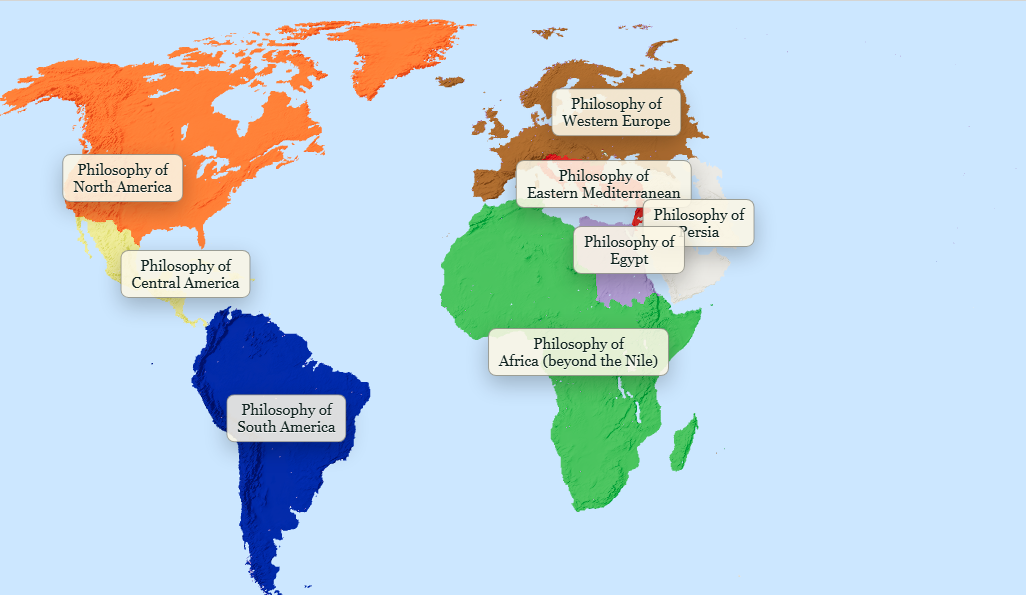
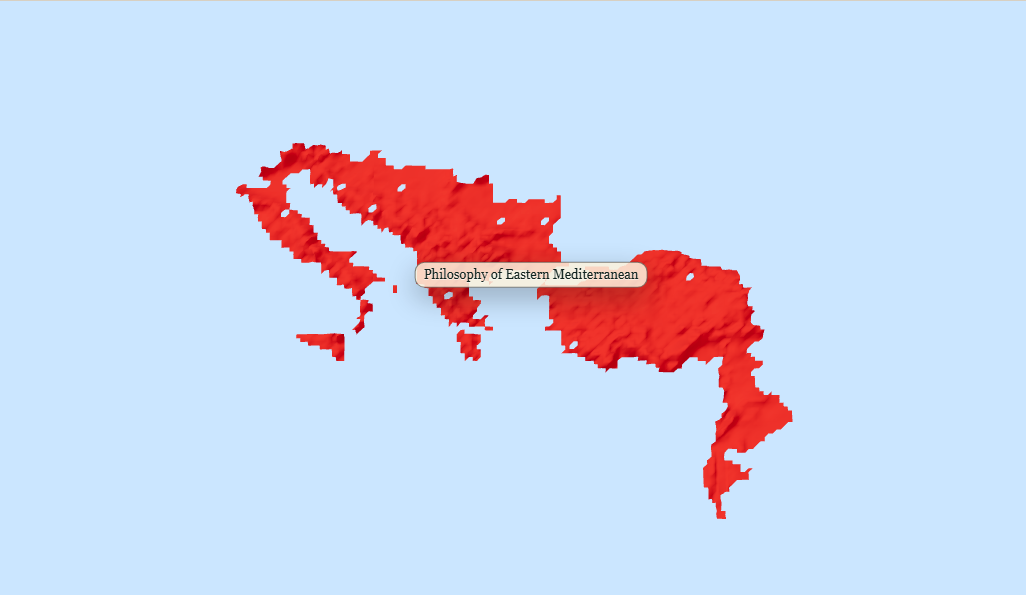
Structural Factors
- Shared Core Claims
- Socratic philosophy holds that philosophy begins in questioning how one should live. Virtue, knowledge, self-examination, justice, piety, friendship, courage, and care of the soul are treated as urgent practical problems rather than merely theoretical topics.
- Shared Methods
- The school uses dialogue, elenchus, refutation, irony, aporia, definition-seeking, cross-examination, moral examples, conversational testing, recollected speeches, dramatic framing, and comparison of ordinary claims with lived ethical responsibility.
- Shared Lineage
- Socratic philosophy develops from Socrates' Athenian practice and is transmitted through Plato, Xenophon, Aeschines of Sphettus, Crito, Simon the Shoemaker, Antisthenes, Aristippus, Euclid of Megara, Phaedo of Elis, and later Socratic schools.
- Shared Problems
- Central problems include whether virtue is knowledge, whether virtue can be taught, what piety and justice are, how ignorance can be recognized, why wrongdoing harms the soul, whether one should obey law, and how philosophy should face death.
- Shared Vocabulary
- Key terms include elenchus, aporia, eironeia, arete, psyche, logos, daimonion, epimeleia, examined life, care of the soul, definition, refutation, ignorance, wisdom, justice, piety, courage, temperance, friendship, and virtue.
- Shared Historical Context
- Socratic philosophy arose in late fifth-century BCE Athens amid democracy, sophistic education, war, legal conflict, religious suspicion, and the trial and execution of Socrates in 399 BCE.
Defining Axes
- Doctrine
- Doctrinally, Socratic philosophy is defined by ethical intellectualism, the priority of virtue, care of the soul, the examined life, suspicion of untested opinion, and the conviction that moral inquiry matters more than reputation, wealth, or power.
- Method
- Its method is dialogical and refutational: ask what a virtue is, test answers for contradiction, expose false confidence, produce aporia, and redirect the interlocutor toward self-knowledge and moral responsibility.
- Lineage
- The lineage runs from Socrates' oral teaching and public conversations through Platonic dialogues, Xenophontic memoirs, comic and hostile portraits, fragmentary Socratic writers, Cynic, Cyrenaic, Megarian, and Academic developments.
- Subject Focus
- Socratic philosophy focuses on ethics, epistemology, political obligation, philosophy of education, philosophy of religion, rhetoric, moral psychology, friendship, death, self-knowledge, and philosophy as a way of life.
- Geography / Culture
- The school is centered in classical Athens and its civic spaces: agora, gymnasia, law courts, symposia, workshops, prisons, and the wider Greek networks through which Socratic companions wrote and taught.
- Historical Reaction
- Socratic philosophy responds to sophistic pedagogy, democratic politics, traditional piety, aristocratic honor culture, Presocratic natural inquiry, forensic rhetoric, and the civic trauma of Athens after the Peloponnesian War.
Internal Structure
- Foundational Texts
- Foundational evidence includes Plato's Apology, Crito, Euthyphro, Phaedo, Symposium, and early dialogues, Xenophon's Memorabilia, Apology, Symposium, and Oeconomicus, Aristophanes' Clouds, fragments of Aeschines and other Socratics, and Diogenes Laertius Book II.
- Core Vocabulary
- Core vocabulary includes question, answer, refutation, soul, virtue, knowledge, ignorance, wisdom, justice, piety, courage, temperance, friendship, law, death, daimonion, irony, aporia, care, examination, and dialogue.
- Metaphysics
- Socratic philosophy is not primarily cosmological; it redirects inquiry from natural speculation toward the soul, ethical reality, divine sign, human excellence, and the question of whether moral truth can guide life.
- Epistemology
- Socratic epistemology stresses awareness of ignorance, the testing of claims, the instability of unexamined opinion, the search for definitions, and the possibility that moral knowledge requires disciplined self-examination.
- Ethics
- Socratic ethics centers on virtue, care of the soul, self-knowledge, wrongdoing as psychic harm, integrity under pressure, obedience and critique of law, courage before death, and the claim that the unexamined life is not worth living.
- Method
- The school proceeds through conversational testing, dramatic dialogue, remembered example, public questioning, inquiry into definitions, moral exhortation, and literary reconstruction by students and critics rather than authored treatises by Socrates.
- Internal Debates
- Internal debates concern the Socratic problem, differences between Platonic and Xenophontic Socrates, whether Socrates had positive doctrines, how to read irony and aporia, and how later Socratic schools developed competing inheritances.
- Successors
- Successors include Platonism, Cynicism, Cyrenaicism, Megarian logic, the Academy, Stoic ethics, skeptical dialectic, Christian moral reception, Renaissance humanism, existential uses of the examined life, and modern Socratic pedagogy.
External Classification Context
- History of Philosophy
- Socratic philosophy is a central turning point in Greek philosophy, shifting attention toward ethics, self-knowledge, dialogue, and the life of inquiry that shaped Plato, Aristotle, Hellenistic schools, and later philosophy.
- Philosophy of Philosophy
- Socratic philosophy treats philosophy as examined living: inquiry is a public, dialogical, and ethical practice that tests the person as much as the proposition.
- Intellectual History
- The tradition links democratic Athens, sophistic education, trial literature, Socratic dialogues, fragmentary companion writings, Hellenistic school formation, ancient biography, and modern debates over philosophical method.
- University Classification
- Classify Socratic philosophy under ancient Greek philosophy, classical philosophy, ethics, epistemology, political philosophy, philosophy of education, philosophy of religion, rhetoric, and philosophy as a way of life.
- Classical Sources
- Classical sources include Plato, Xenophon, Aristophanes, Aeschines of Sphettus fragments, Diogenes Laertius, later doxography, Socratic dialogue fragments, and modern collections of Socratic literature.
- Sociology of Knowledge
- Socratic philosophy spread through oral conversation, student memory, written dialogues, public controversy, schools founded by companions, manuscript transmission, ancient commentary, classroom pedagogy, and modern public philosophy.
Linked Philosophers
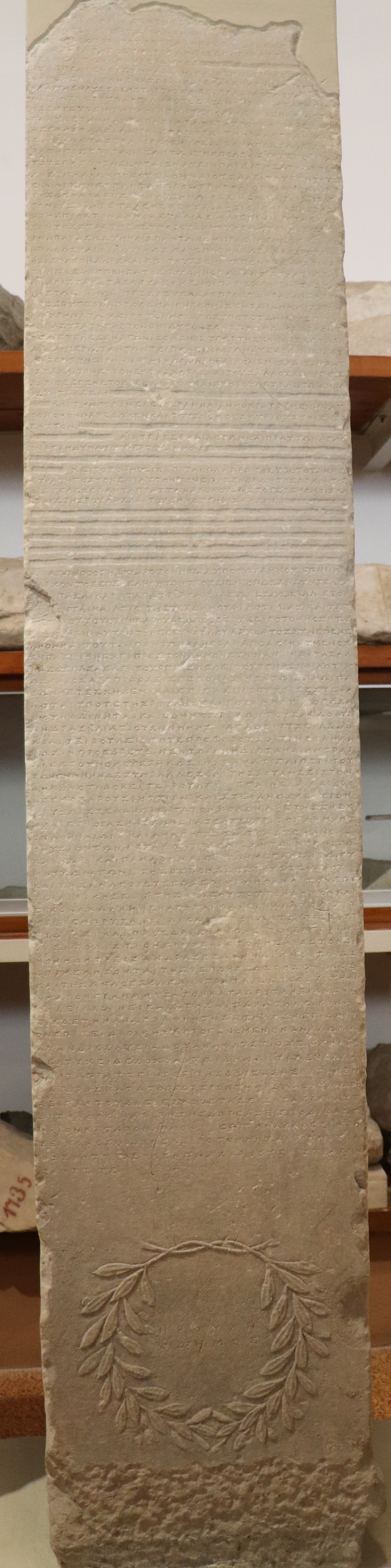
Aeschines of Sphettus
425 BCE – 350 BCE
Sphettus (Attica)
Athenian Socratic philosopher whose fragmentary dialogues preserve early non-Platonic Socratic arguments about self-knowledge, virtue, education, wealth, and civic excellence.
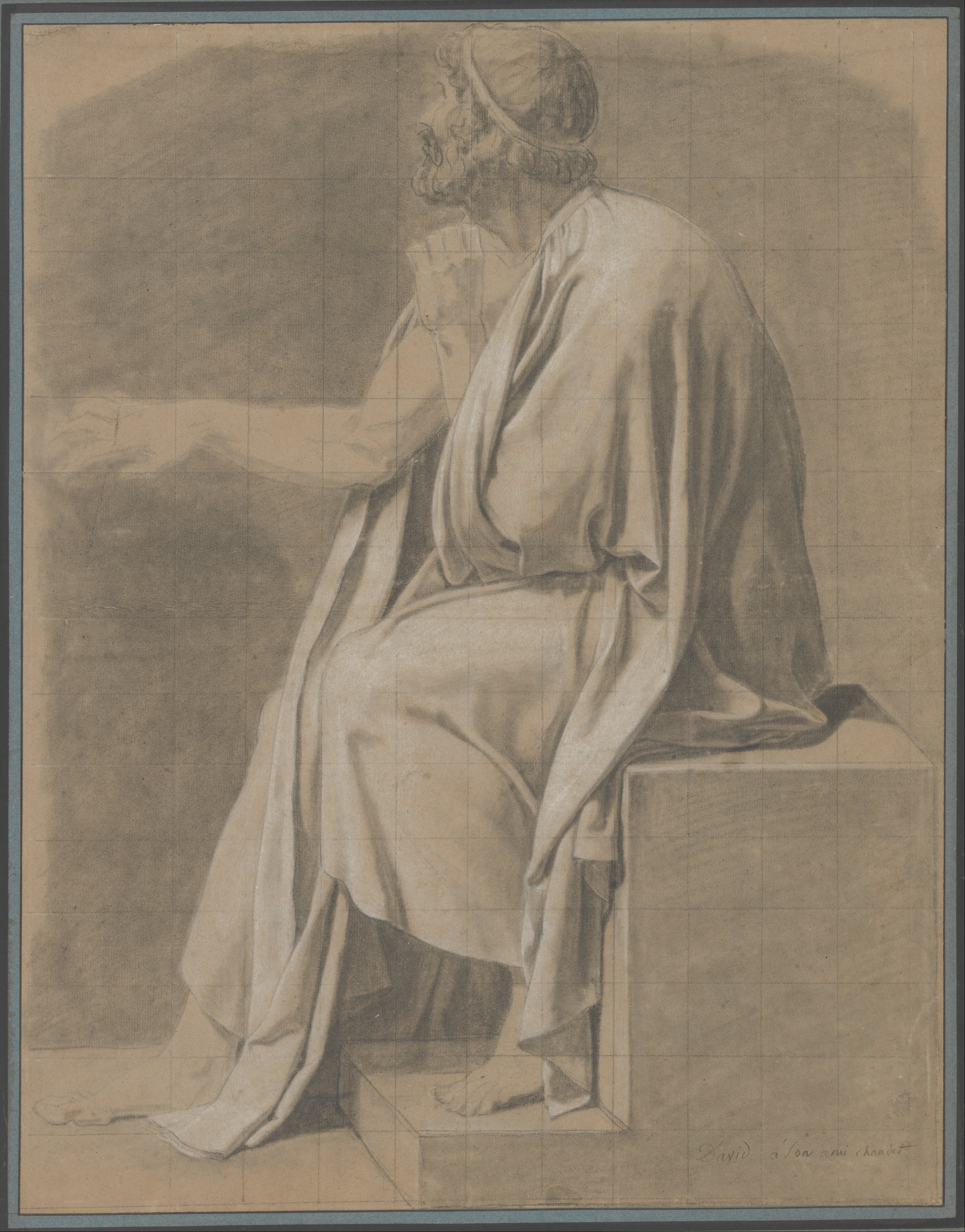
Crito of Alopece
469 BCE – 399 BCE
Alopece, Attica
Athenian friend of Socrates from Alopece, remembered as the prison interlocutor who urged escape and became a reception figure for justice, civic duty, and political obligation.
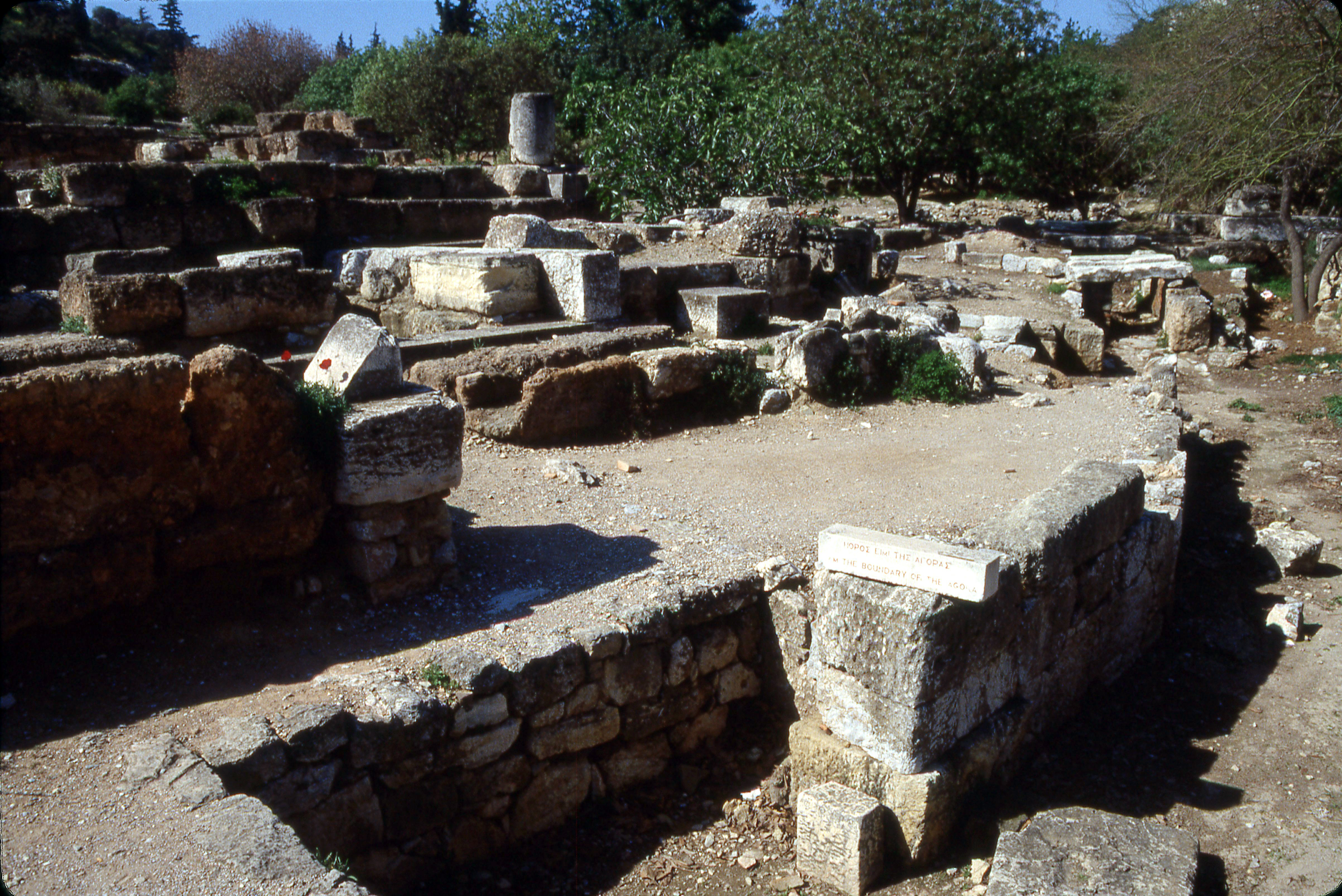
Simon the Shoemaker
470 BCE – 399 BCE
Athens (Attica)
Athenian Socratic shoemaker remembered for workshop conversations, craft ethics, free speech, and a lost one-volume set of shoemaker dialogues.
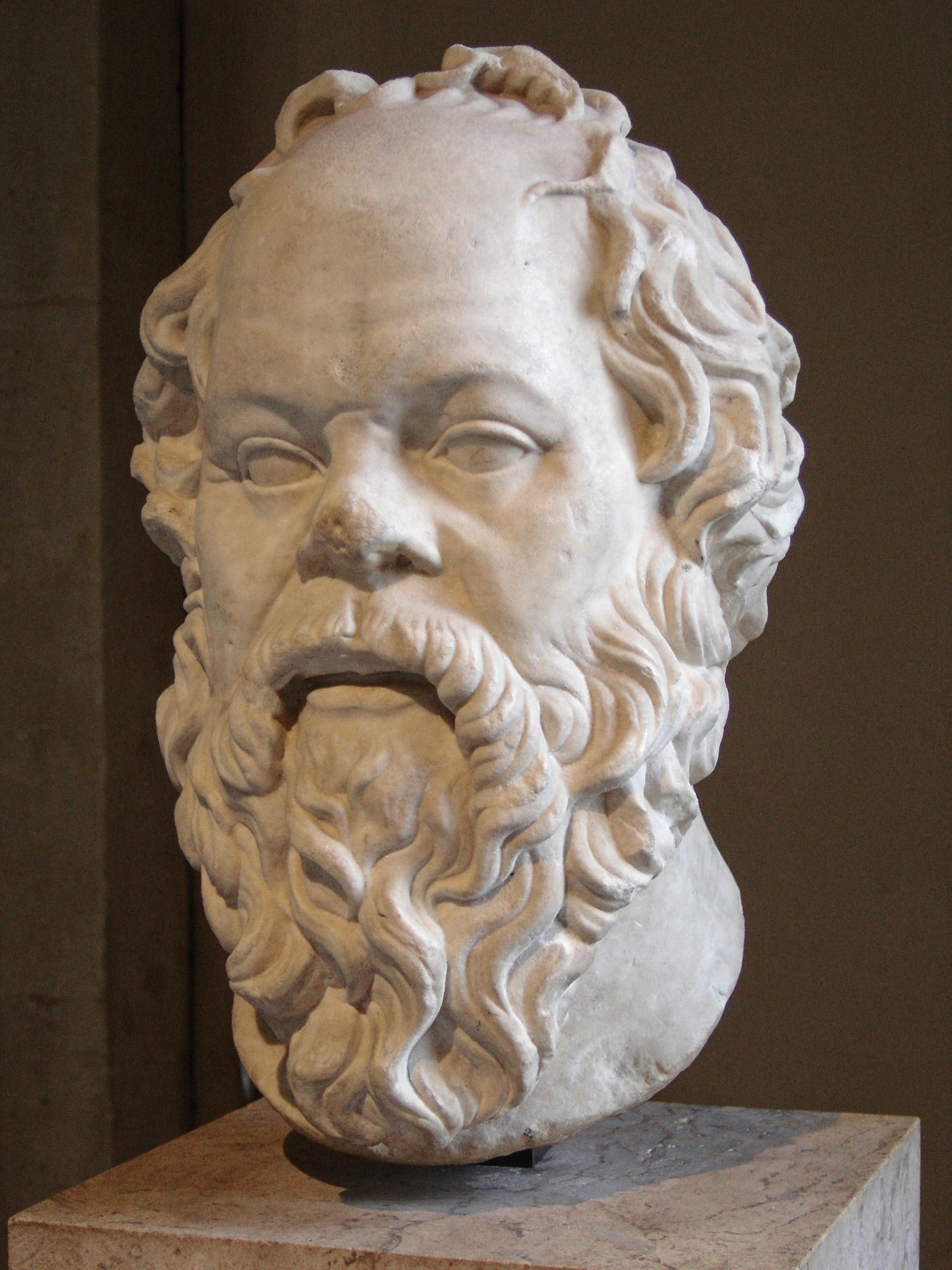
Socrates
470 BCE – 399 BCE
Alopece, Athens
Ancient Athenian philosopher whose public examination, care of the soul, ethical courage, piety inquiry, and trial shaped the Socratic tradition and classical philosophy.
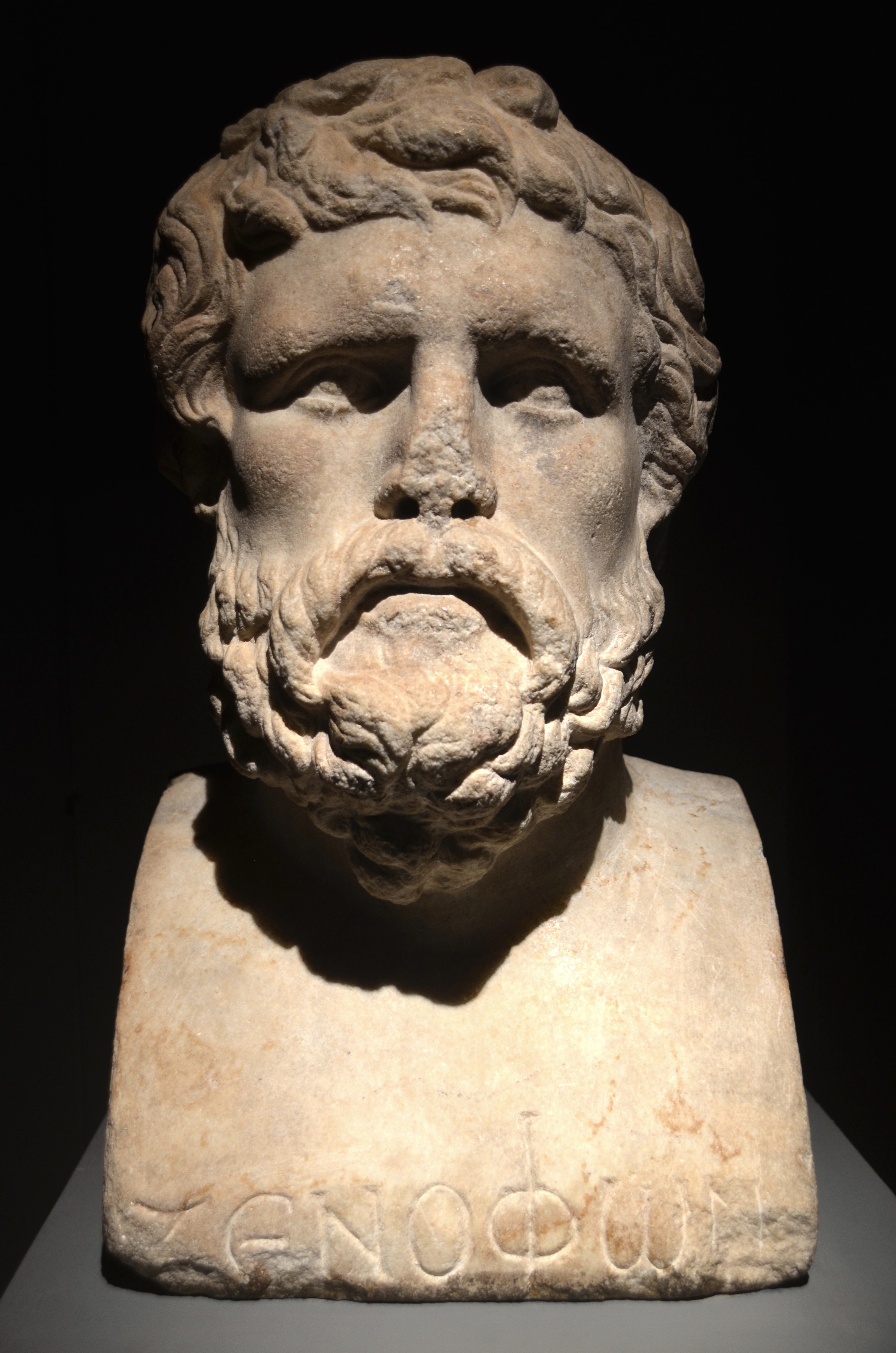
Xenophon of Athens
430 BCE – 354 BCE
Athens, Attica; Erchia deme tradition noted
Cistercian monk, abbot of Socratic, and medieval Christian philosopher-theologian whose theology of love, humility, grace, free choice, mystical ascent, monastic ethics, scriptural exegesis, and ecclesial counsel shaped scholastic, monastic, and political theology.