Stoicism
Hellenistic and Roman philosophical school founded by Zeno of Citium, teaching virtue as the only true good, reasoned life according to nature, disciplined assent, providential cosmic order, and freedom through mastery of judgment.
Structural Factors
- Shared Core Claims
- Stoicism holds that virtue is sufficient for happiness, externals are indifferent relative to moral character, emotions arise from judgments, nature is rationally ordered, and the wise person lives according to reason and cosmic nature.
- Shared Methods
- The school uses logical analysis, ethical exercises, meditative self-examination, physics of providence and nature, dialectic, paradox, role-based ethics, daily discipline, and practical training in assent, desire, and aversion.
- Shared Lineage
- Stoicism begins with Zeno of Citium, Cleanthes, and Chrysippus in the Stoa, develops through Middle Stoics such as Panaetius and Posidonius, and flourishes in Roman Stoicism through Seneca, Epictetus, and Marcus Aurelius.
- Shared Problems
- Central problems include virtue and happiness, fate and freedom, passion and judgment, providence, moral responsibility, cosmopolitanism, natural law, suicide, political duty, and how to live well under fortune, loss, power, and death.
- Shared Vocabulary
- Key terms include virtue, nature, logos, pneuma, oikeiosis, assent, impression, prohairesis, apatheia, eupatheia, indifferents, preferred indifferents, katalepsis, fate, providence, sage, cosmopolis, duty, and askesis.
- Shared Historical Context
- Stoicism emerged in Hellenistic Athens after Cynic and Socratic ethics, became one of the dominant schools of ancient philosophy, entered Roman elite and imperial culture, and later shaped Christian, early modern, and contemporary moral thought.
Defining Axes
- Doctrine
- Doctrinally, Stoicism is defined by virtue ethics, rational naturalism, materialist physics, providential order, logic of impressions and assent, moral psychology of passions, and the claim that only virtue is good.
- Method
- Its method is both theoretical and practical: analyze impressions, test judgments, distinguish what depends on us, rehearse adversity, study nature, practice self-command, and convert doctrine into daily exercises.
- Lineage
- The lineage runs from Socrates and Cynicism through Zeno, Cleanthes, Chrysippus, Panaetius, Posidonius, Seneca, Epictetus, Marcus Aurelius, late antique reception, early modern natural law, and modern Stoic revival.
- Subject Focus
- Stoicism focuses on ethics, logic, metaphysics, philosophy of mind, moral psychology, political philosophy, natural law, cosmology, theology, rhetoric, education, and practical philosophy of life.
- Geography / Culture
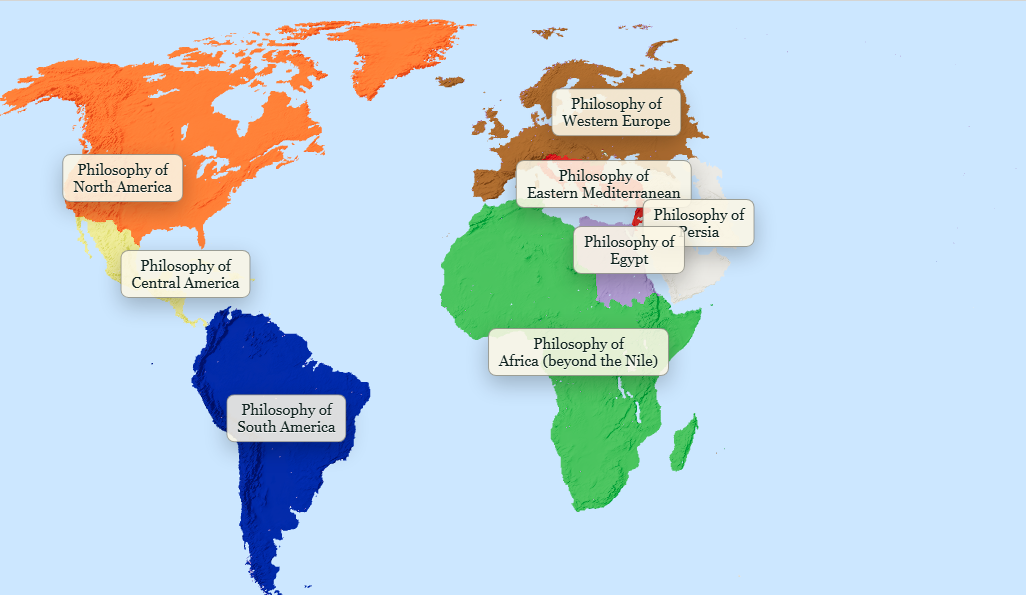
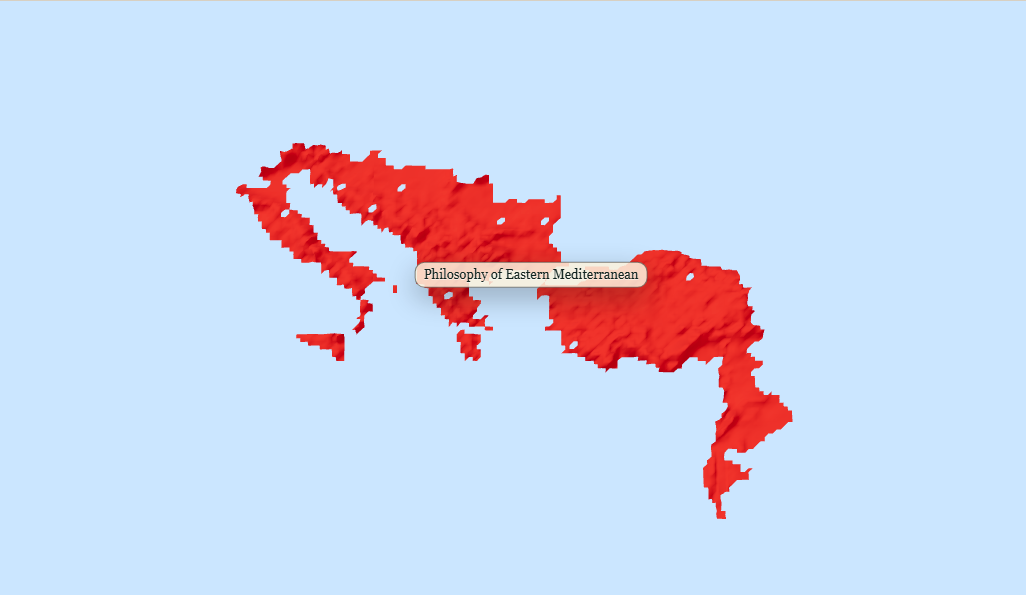
- Stoicism developed in Greek Hellenistic Athens and spread across the Mediterranean, especially through Roman intellectual, political, military, and imperial culture.
- Historical Reaction
- Stoicism responds to Socratic ethics, Cynic discipline, Platonic and Aristotelian philosophy, Epicurean hedonism, Academic skepticism, Hellenistic political upheaval, and Roman questions of duty and public life.
Internal Structure
- Foundational Texts
- Foundational texts include fragments of Zeno, Cleanthes' Hymn to Zeus, Chrysippus fragments, Cicero's Stoic reports, Seneca's Letters and essays, Epictetus' Discourses and Enchiridion, and Marcus Aurelius' Meditations.
- Core Vocabulary
- Core vocabulary includes reason, nature, virtue, vice, assent, impression, judgment, passion, discipline, providence, fate, duty, sage, indifference, freedom, self-command, cosmopolitanism, law, and exercise.
- Metaphysics
- Stoic metaphysics is a rational materialism in which active logos, divine fire, pneuma, fate, and providential order structure the cosmos as a living, intelligible whole.
- Epistemology
- Stoic epistemology analyzes impressions, assent, cognition, kataleptic grasp, error, and disciplined judgment, treating knowledge as stable rational assent to what is adequately apprehended.
- Ethics
- Stoic ethics teaches that virtue is the only good, vice the only evil, externals are indifferent, and human flourishing comes from rational action in accordance with nature and duty.
- Method
- The school proceeds through logic, physics, and ethics joined to exercises: examine impressions, train desire and aversion, prepare for hardship, review conduct, and live by rational principles.
- Internal Debates
- Internal debates concern the status of preferred indifferents, determinism and responsibility, the possibility of the sage, emotion and good feeling, political engagement, suicide, and the relation between early, middle, and Roman Stoicism.
- Successors
- Successors include Roman moral philosophy, Christian ascetic and moral reception, early modern natural law, Spinozist and Kantian engagements, cognitive-behavioral therapy influences, and contemporary Stoic practice movements.
External Classification Context
- History of Philosophy
- Stoicism is one of the central Hellenistic schools and a major source for ancient virtue ethics, logic, natural law, philosophy of emotion, cosmopolitanism, and practical philosophy.
- Philosophy of Philosophy
- Stoicism treats philosophy as a way of life: theory matters because it trains judgment, transforms character, and helps the person live freely under conditions not fully controlled.
- Intellectual History
- The tradition links Socratic ethics, Cynic discipline, Hellenistic school culture, Roman moral writing, imperial politics, Christian reception, early modern natural law, and modern therapeutic philosophy.
- University Classification
- Classify Stoicism under ancient philosophy, Hellenistic philosophy, ethics, virtue ethics, philosophy of mind, logic, metaphysics, political philosophy, natural law, and philosophy as a way of life.
- Classical Sources
- Classical sources include Diogenes Laertius, Cicero, Plutarch, Galen, Stobaeus, Seneca, Epictetus, Marcus Aurelius, fragments of early Stoics, and later doxographical reports.
- Sociology of Knowledge
- Stoicism survived through school teaching, doxography, Roman elite education, manuscript transmission, Christian and Renaissance moral reading, university classics, translations, and modern public philosophy communities.
Linked Philosophers
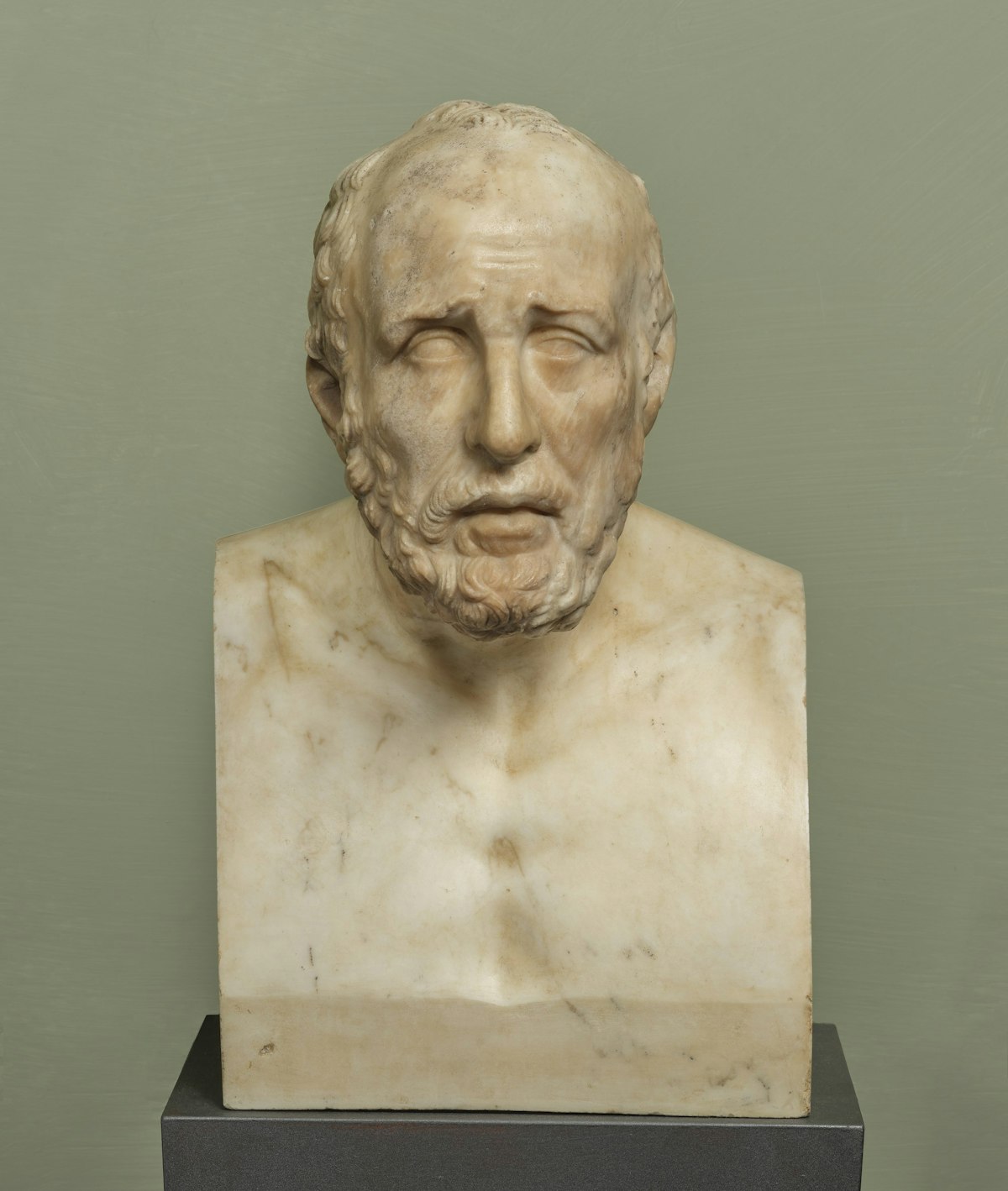
Chrysippus of Soli
279 BCE – 206 BCE
Soli, Cilicia
Stoic philosopher from Soli whose lost system of logic, physics, ethics, fate, providence, language, and knowledge made him the main architect of early Stoicism after Zeno and Cleanthes.
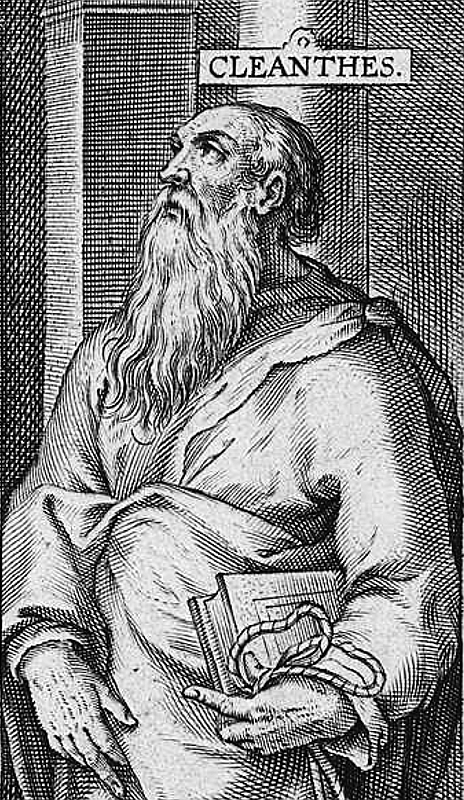
Cleanthes of Assos
331 BCE – 232 BCE
Assos in the Troad
Early Stoic head from Assos whose Hymn to Zeus, lost title catalogue, and teaching on providence, duty, impulse, logic, beauty, and living according to nature carried Zeno school into Chrysippus generation.
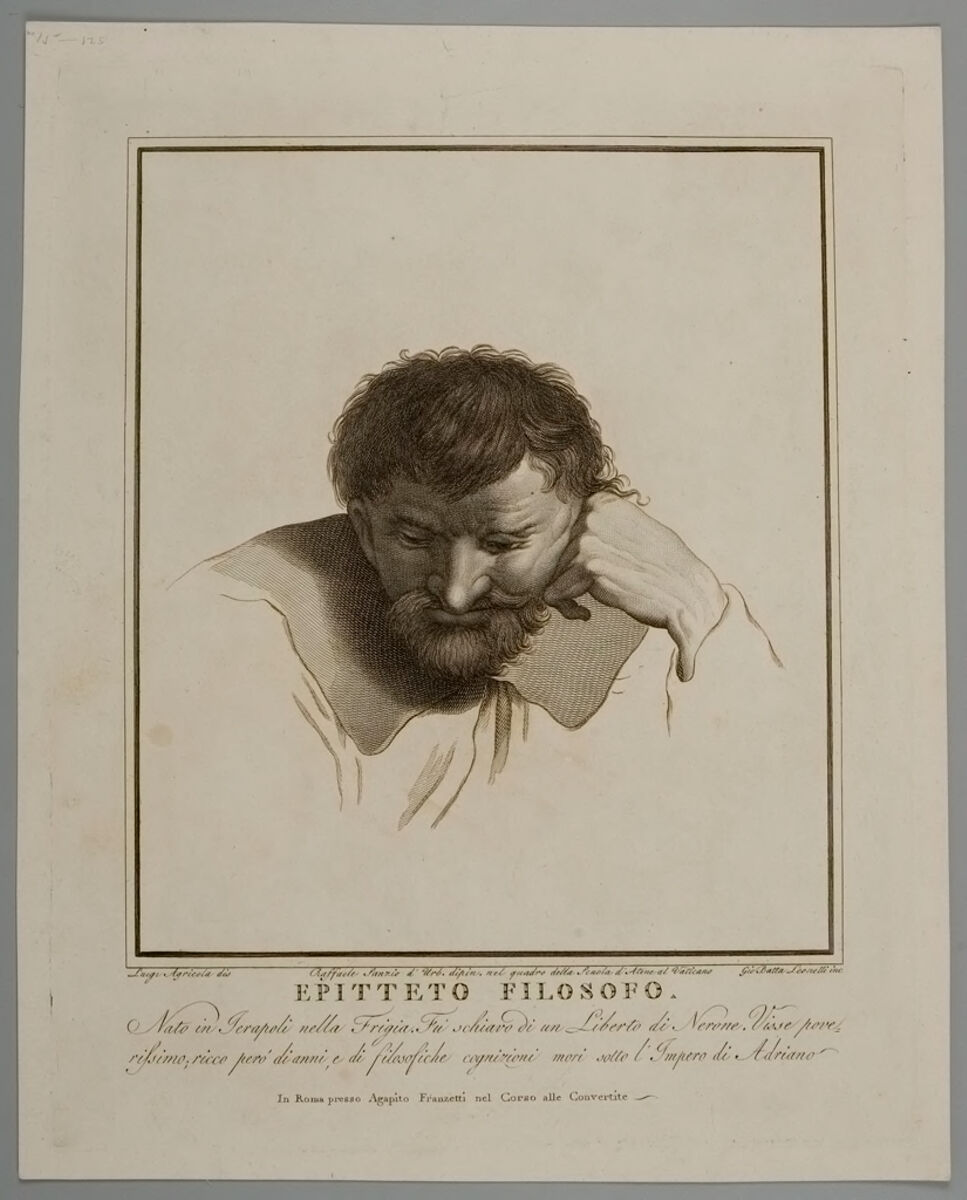
Epictetus
50 CE – 135 CE
Hierapolis, Phrygia
Formerly enslaved Stoic teacher from Hierapolis and Nicopolis whose recorded classroom teaching made prohairesis, disciplined assent, providence, and inner freedom central to Roman Stoicism.
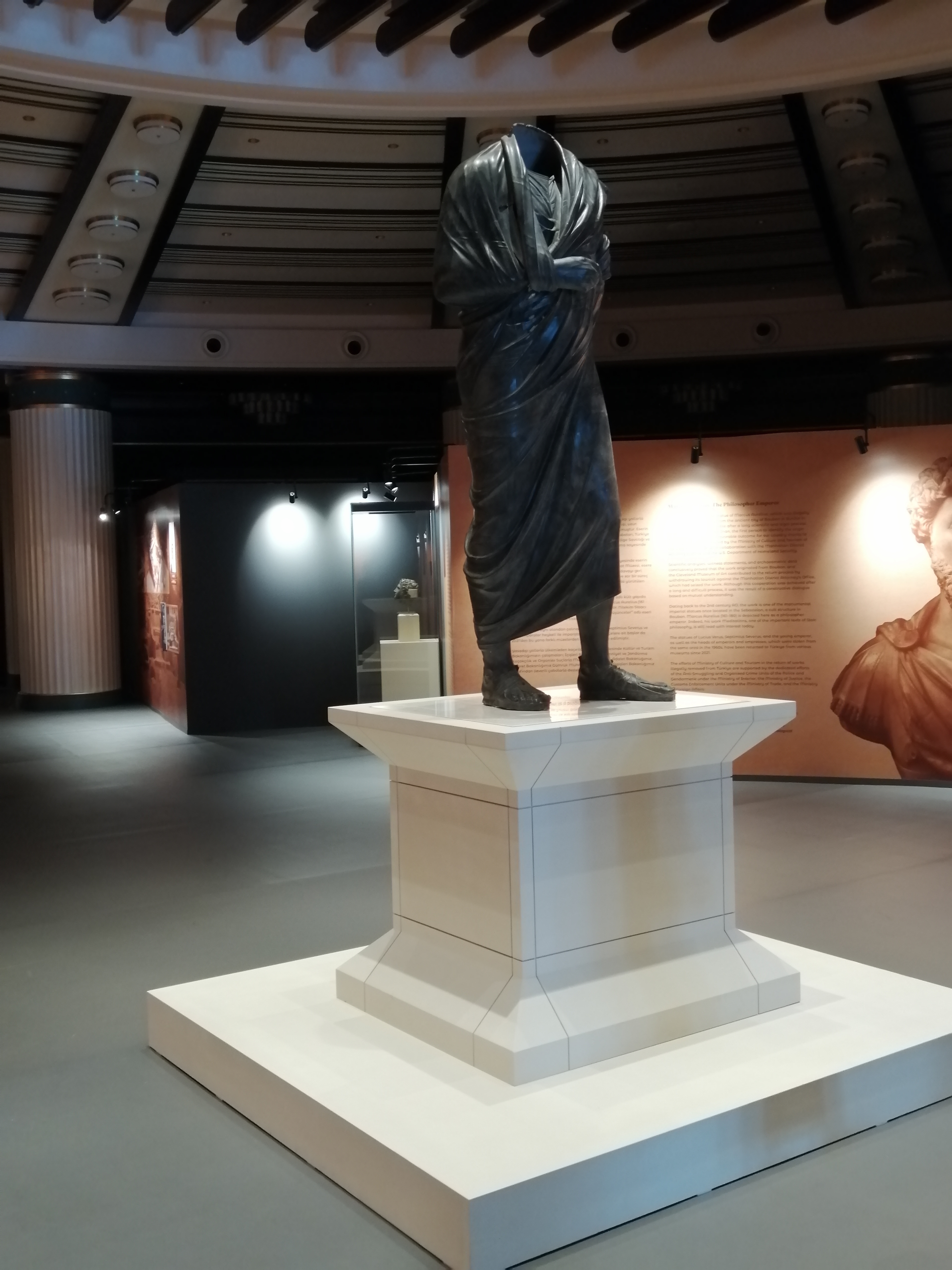
Marcus Aurelius
121 CE – 180 CE
Rome
Roman emperor and Stoic philosopher whose Meditations turns imperial duty, mortality, providence, reason, self-command, and social obligation into private exercises in ethical attention.

Posidonius of Apamea
135 BCE – 51 BCE
Apamea (Orontes)
Middle Stoic philosopher of Apamea and Rhodes, cosmic sympathy, fate, divination, passions, Stoic physics, geography, tides, Canopus, earth measurement, meteorology, history, and Roman reception.
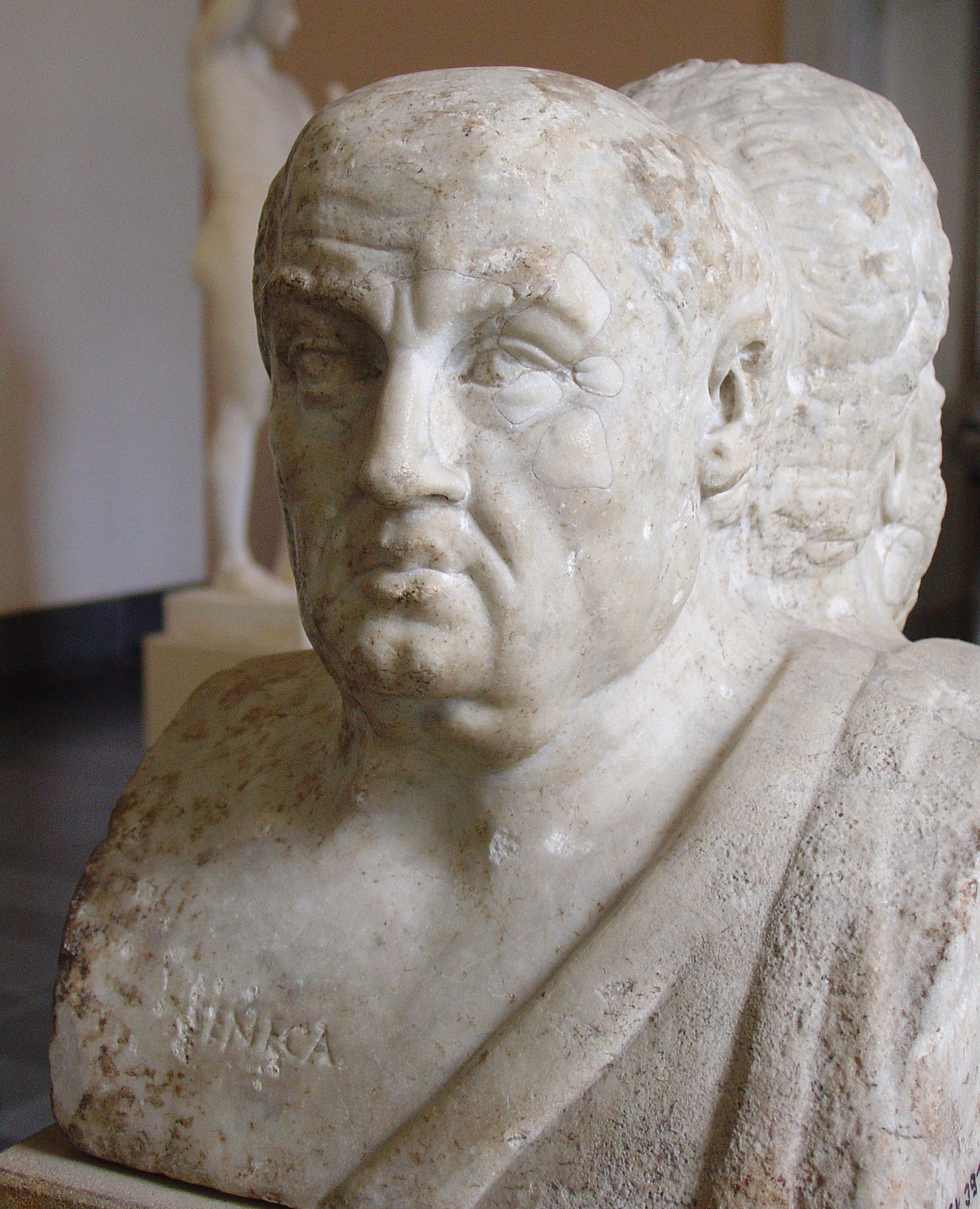
Seneca the Younger
4 CE – 65 CE
Corduba (Cordoba, Hispania)
Roman Stoic philosopher from Corduba whose letters, essays, and natural questions made virtue, anger, time, clemency, and self-command enduring topics in Latin philosophy.
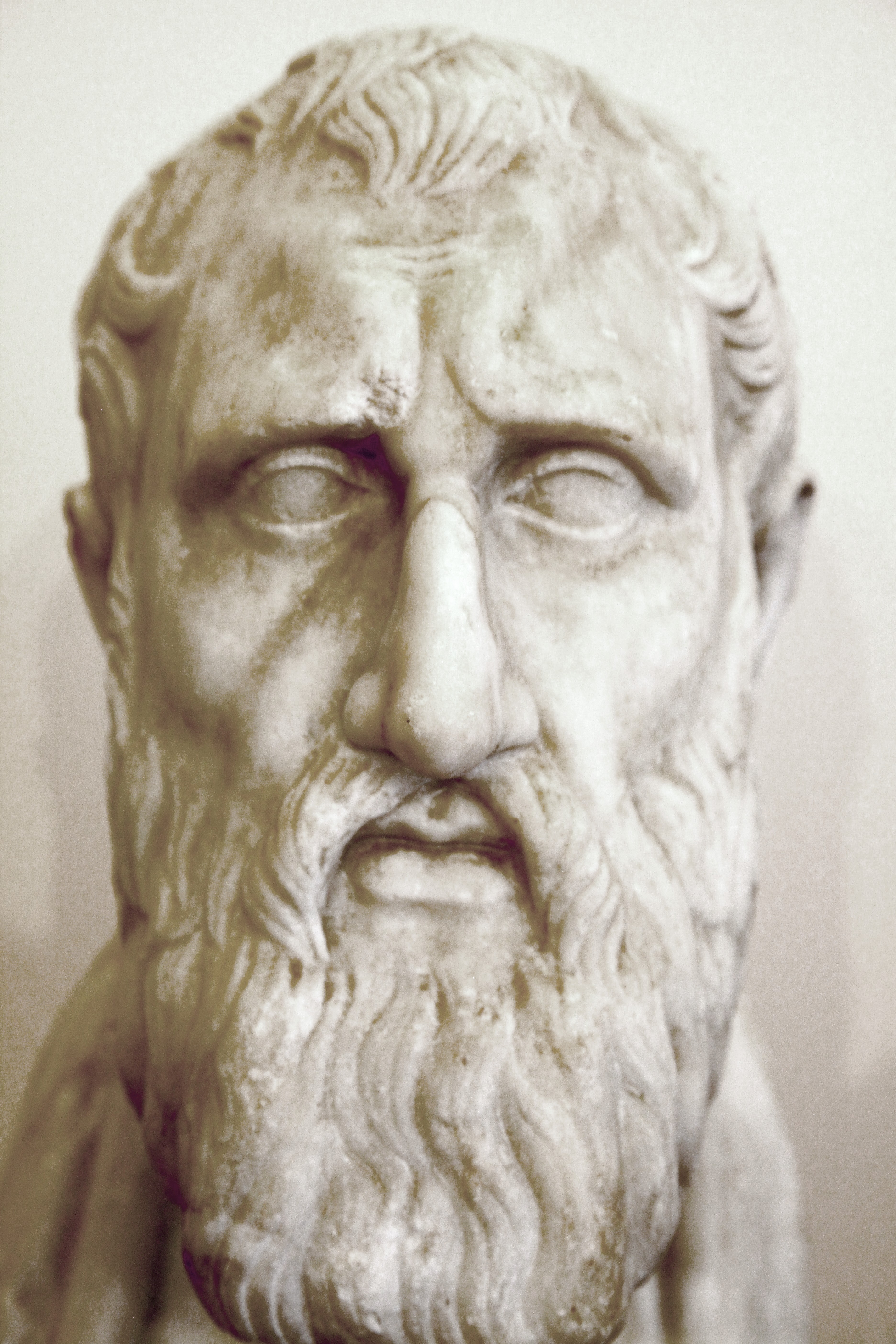
Zeno of Citium
334 BCE – 262 BCE
Citium / Kition, Cyprus; Greek city with Phoenician colony context
Cistercian monk, abbot of Stoic, and medieval Christian philosopher-theologian whose theology of love, humility, grace, free choice, mystical ascent, monastic ethics, scriptural exegesis, and ecclesial counsel shaped scholastic, monastic, and political theology.