The Bible is a collection of texts written over more than a thousand years, compiled into a unified whole by communities of faith that saw in these writings the record of God’s relationship with humanity. It is not a single book in the conventional sense but a library of history, poetry, law, prophecy, wisdom, letters, and visionary literature. Its influence on religion, language, art, and culture is unmatched, shaping civilizations and continuing to serve as the foundation of both Jewish and Christian traditions.
Origins – When was the first Bible?
The first complete Bible did not appear all at once. It developed in stages:
- Earliest writings (c. 1200 BCE – 100 CE)
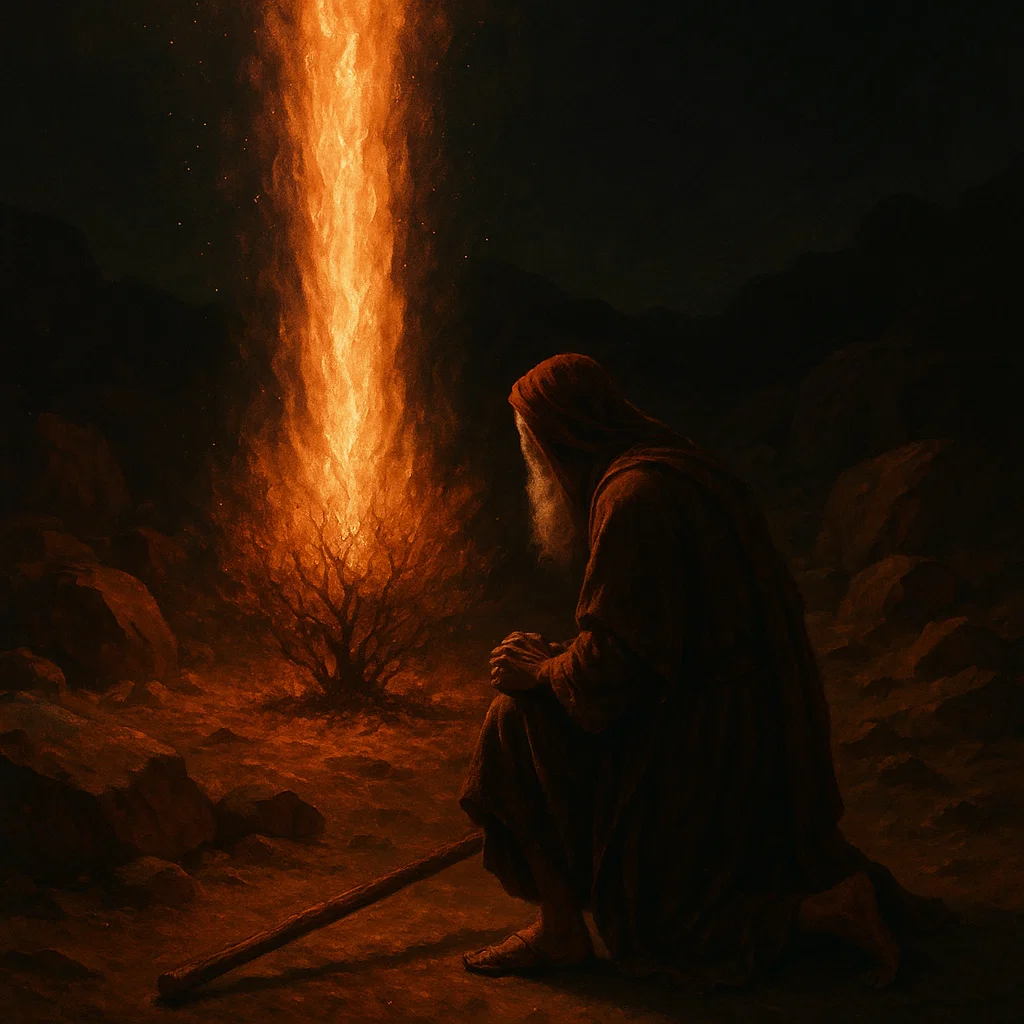
- The Hebrew Bible (Old Testament) began as oral traditions, then written texts like the Torah (Pentateuch) by roughly the 6th century BCE.
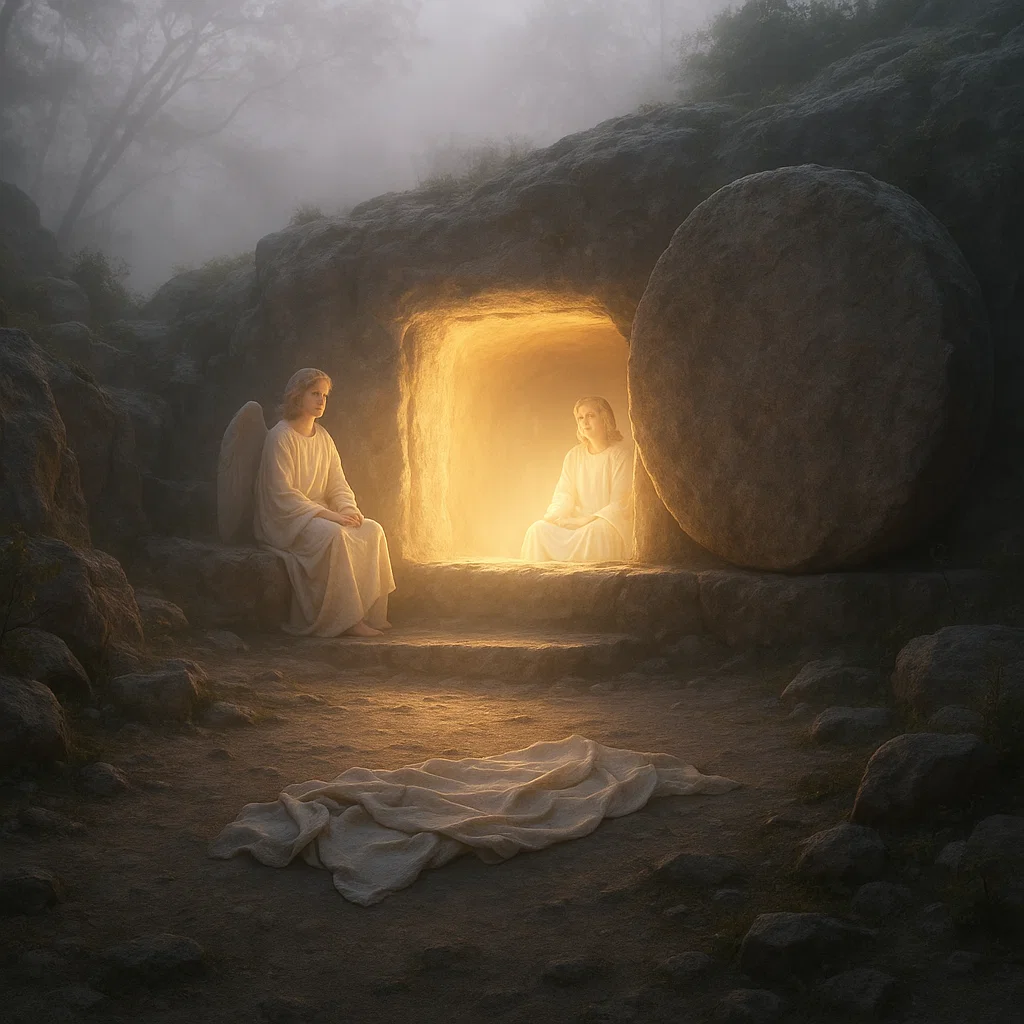
- The New Testament writings came later, between c. 50 CE and 100 CE.
- Canon formation (2nd – 4th centuries CE)
- Jewish communities finalized the Hebrew canon between 90–200 CE.
- Christian leaders debated which gospels and letters were authoritative.
- By the Council of Carthage (397 CE), the 27-book New Testament was formally recognized.
- First complete manuscripts (4th century CE)
- The earliest known complete Christian Bibles are Greek codices:
- Codex Sinaiticus (c. 330–360 CE)
- Codex Vaticanus (c. 325–350 CE)
- The earliest known complete Christian Bibles are Greek codices:
- First Latin Bible
- Jerome’s Vulgate, translated c. 382–405 CE, became the standard Latin Bible of the Western Church.
So, the first complete Bible as we understand it today appeared in the 4th century CE, roughly 300 years after Christ, written in Greek and combining the Septuagint Old Testament with the 27-book New Testament. Its structure began with the Law—Genesis through Deuteronomy—followed by the Historical Books, Wisdom writings, and the Prophets. The New Testament followed the now-familiar order: Gospels, Acts, Pauline Epistles, General Epistles, and Revelation.

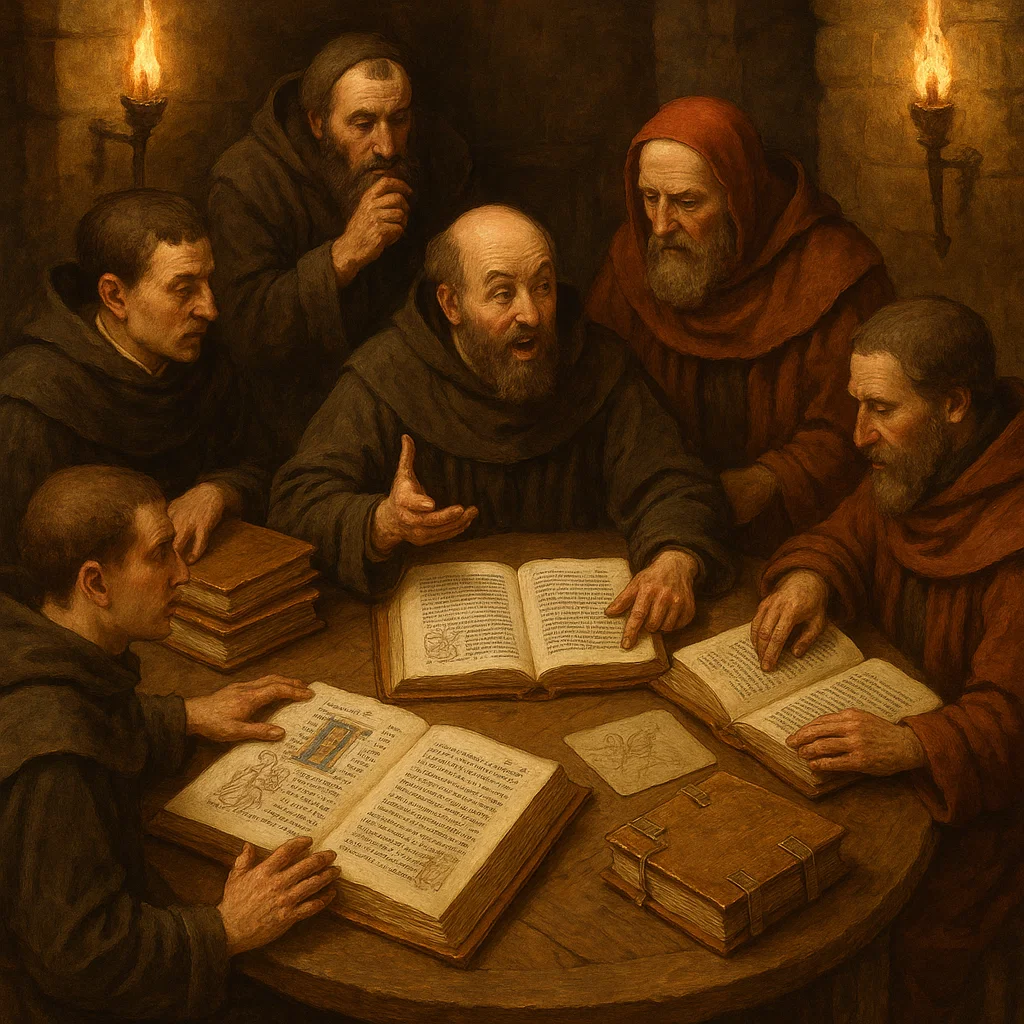
These early codices, such as the Codex Sinaiticus and Codex Vaticanus, were copied in large uncial script on parchment, continuous and unbroken by chapters or verses. They included additional works like Tobit, Judith, and Wisdom, reflecting the fluid canon of the time. This structure became the foundation for all later Christian Bibles.
From this foundation, three main streams developed.
- Greek Originals → Unified Church (4th century CE)
The earliest complete Bibles, such as Codex Sinaiticus and Codex Vaticanus, combined the Greek Septuagint Old Testament with the 27-book New Testament. This was the Bible of the undivided early Church. - Latin West → Catholic Tradition
In the late 4th century, Jerome translated the Bible into Latin, producing the Vulgate. It became the official Bible of the Roman Catholic Church and remained dominant in Western Europe for over a millennium. All medieval Catholic Bibles, and later the Douay-Rheims, descend from this line. - Greek East → Orthodox Tradition
The Eastern Churches continued using the Greek Septuagint and produced translations into Syriac (Peshitta), Coptic, Armenian, Georgian, and Ethiopic. These became the standard texts for the Eastern Orthodox, Oriental Orthodox, and Eastern Catholic communities. - Reformation → Protestant Tradition
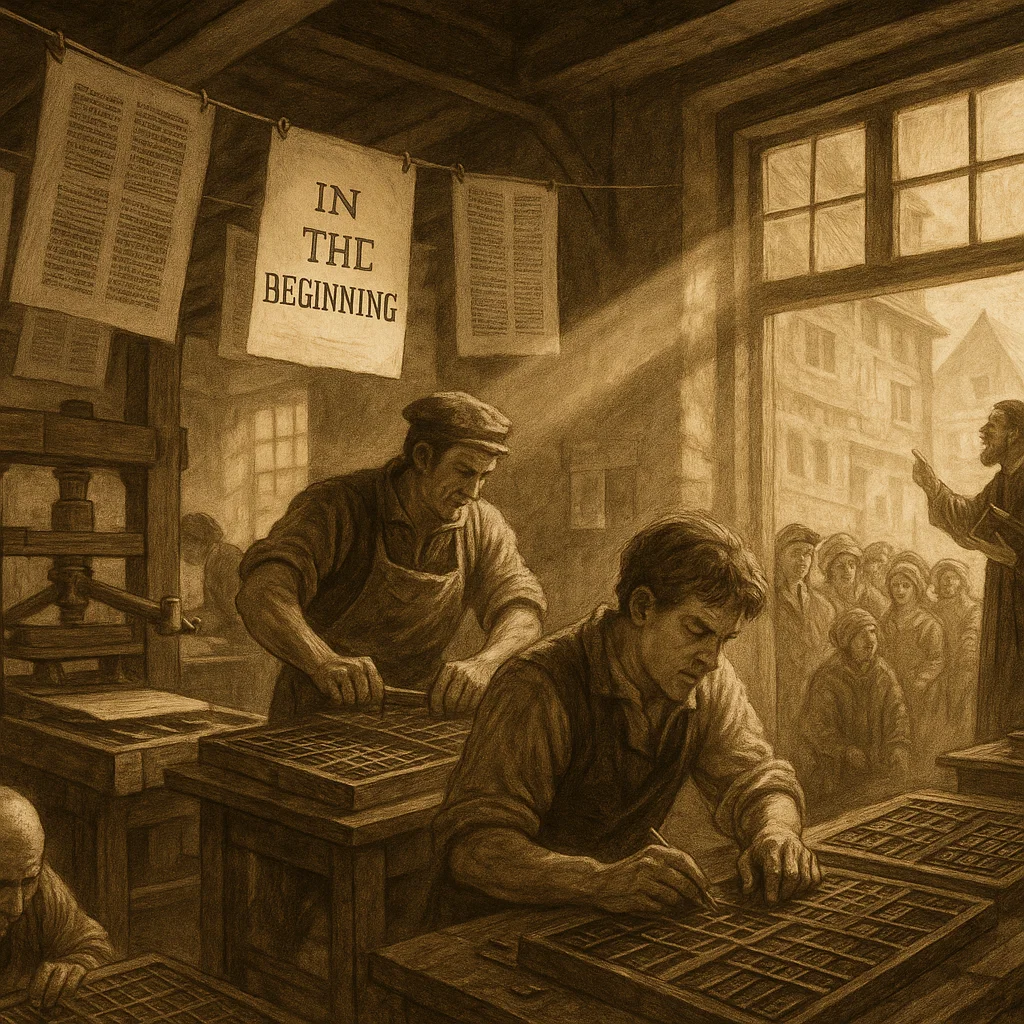
In the 16th century, Reformers such as Martin Luther and William Tyndale translated directly from Hebrew and Greek, bypassing the Vulgate. Their work produced new vernacular Bibles: the Luther Bible, Geneva Bible, and King James Version. These became the foundation of Protestant scriptural tradition. - Modern Era → Scholarly and Ecumenical Versions
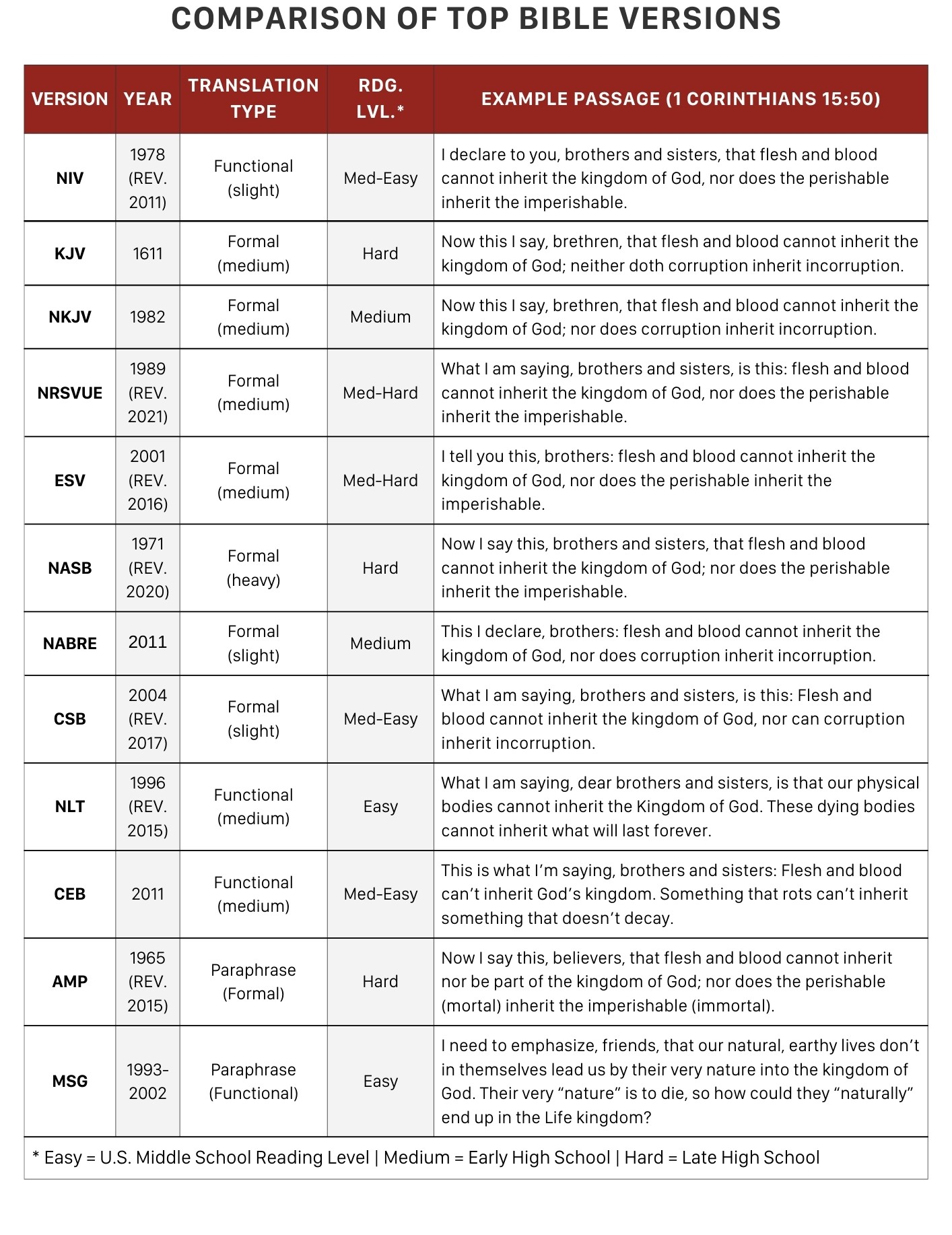
From the 19th century onward, discovery of older manuscripts led to critical editions and modern translations.- Catholic: Nova Vulgata, New American Bible (NAB/NABRE)
- Protestant: Revised Standard Version (RSV), New International Version (NIV), English Standard Version (ESV)
- Orthodox: modern Septuagint-based translations in national languages
In summary:
Greek Original → Latin West (Catholic) → Greek East (Orthodox) → Reformation (Protestant) → Modern Translations.
All versions trace back to the same 4th-century Greek foundation. nearly all recognized Christian Bibles fall within one of those three major traditions:
1. Catholic
- Origin: Latin Vulgate tradition (Jerome, 4th century).
- Canon: 46 Old Testament + 27 New Testament books (includes Deuterocanonical books like Tobit, Wisdom, and Maccabees).
- Authority: Based on Church councils (Carthage 397 CE → Trent 1546 CE).
- Modern examples: Douay–Rheims, Jerusalem Bible, New American Bible (NABRE), Nova Vulgata.
2. Orthodox
- Origin: Greek Septuagint tradition (older than the Vulgate).
- Canon: Slightly larger than Catholic — includes 3 Maccabees, Psalm 151, Prayer of Manasseh, etc.
- Regional branches:
- Eastern Orthodox (Greek, Russian, Serbian, etc.)
- Oriental Orthodox (Coptic, Armenian, Syriac)
- Ethiopian Orthodox (widest canon, includes 1 Enoch and Jubilees).
- Modern examples: Orthodox Study Bible, Slavonic Bible, Tewahedo Bible (Ethiopia).
3. Protestant
- Origin: Reformation era (16th century).
- Canon: 39 Old Testament + 27 New Testament (excludes Deuterocanonical books).
- Principle: Sola Scriptura and return to Hebrew/Greek originals.
- Modern examples: Luther Bible, King James Version (KJV), NIV, ESV, NRSV.
Summary
Every Christian Bible derives from one of these three lines:
| Tradition | Scriptural Base | Old Testament Canon | Defining Source | Language Lineage |
|---|---|---|---|---|
| Catholic | Vulgate (Latin) | 46 books | Council of Trent (1546) | Latin → Vernacular |
| Orthodox | Septuagint (Greek) | 49+ books | Local Synods | Greek → Local |
| Protestant | Hebrew & Greek | 39 books | Reformation (16th c.) | Original languages → Vernacular |
Beyond these, there are no major additional canons—only denominational variants or translations within these three streams. Every legitimate Bible in current use belongs to Catholic, Orthodox, or Protestant tradition.