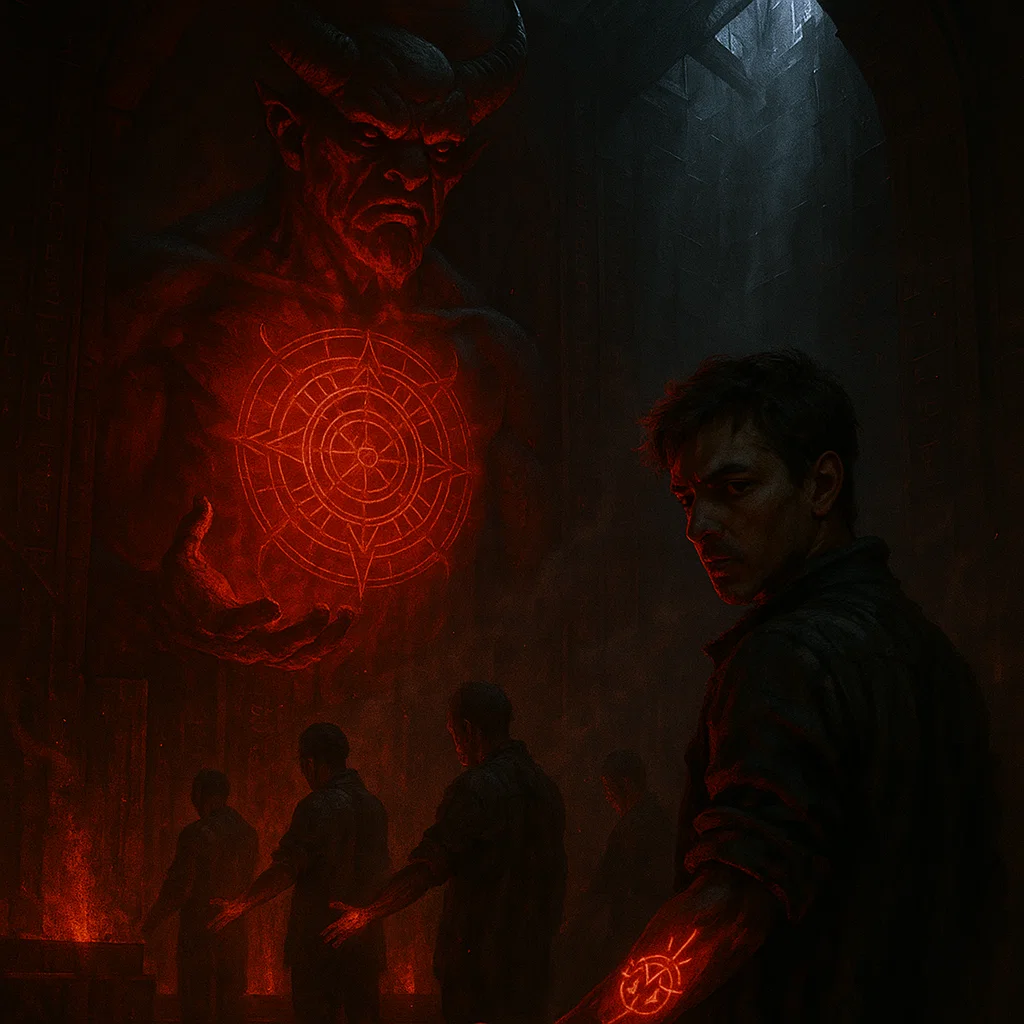
The Book of Revelation, written by John while exiled on the island of Patmos, unveils the cosmic struggle between good and evil and the final triumph of God through Christ. It opens with letters to the seven churches of Asia, calling them to perseverance, and unfolds through visions of judgment, redemption, and renewal. Using powerful symbolism—beasts, angels, trumpets, and the Lamb—it portrays history as the unfolding of God’s plan leading to ultimate victory. In Catholic interpretation, Revelation is not mere prediction but sacred revelation of hope: Christ reigning now and forever, present in the Eucharist, guiding His Church through trial to glory.


| Testament | New Testament | ||
|---|---|---|---|
| Section | 5. Revelation (Apocalypse of John) | ||
| Category | Field | Explanation | 5. Revelation (Apocalypse of John) |
| Canonical Identity | Name | Official title of the book | The Revelation (Apocalypse) of John |
| Testament | Old or New Testament | New Testament | |
| Canonical Group | Section of Scripture | Apocalyptic Prophecy | |
| Order in Canon | Position in Catholic sequence | 73 | |
| Authorship and Origin | Attributed Author | Traditional writer | John the Apostle, “the one who bore witness to the Word of God” (Rev. 1:9); some scholars identify a different John (“John the Seer”) |
| Approximate Date | Estimated time of composition | c. 90–96 AD | |
| Original Language | Primary written form | Greek | |
| Provenance | Cultural or geographic origin | Island of Patmos in the Aegean Sea, written to the churches of Asia Minor | |
| Historical Context | Period Represented | Dates of events described | c. 90–96 AD, during persecution under Emperor Domitian |
| Dominant Powers | Civilizations or empires active | Roman Empire | |
| Social / Religious Setting | Cultural background | Christians facing persecution and temptation under imperial cult worship; symbolic vision of divine triumph over evil | |
| External Influences | Neighboring cultural echoes | Jewish apocalyptic tradition (Daniel, Ezekiel, Zechariah) and Roman imperial imagery | |
| Structure and Content | Chapters | Total number of canonical chapters | 22 |
| Genre | Literary type | Apocalyptic prophecy and symbolic vision | |
| Major Sections | Core divisions or movements | 1. Prologue and Messages to the Seven Churches (1–3) 2. Heavenly Throne and Seals (4–7) 3. Trumpets and Spiritual Warfare (8–11) 4. The Dragon and the Beasts (12–14) 5. The Bowls of Wrath and Fall of Babylon (15–18) 6. Christ’s Return and Final Judgment (19–20) 7. New Heaven, New Earth, and New Jerusalem (21–22) | |
| Key Figures | Central characters | John (the Seer), Jesus Christ (the Lamb), the Dragon, the Beast, the Woman, the Saints | |
| Setting | Main geographic focus | Patmos (vision origin), Asia Minor (audience), cosmic and heavenly realms (visionary scenes) |
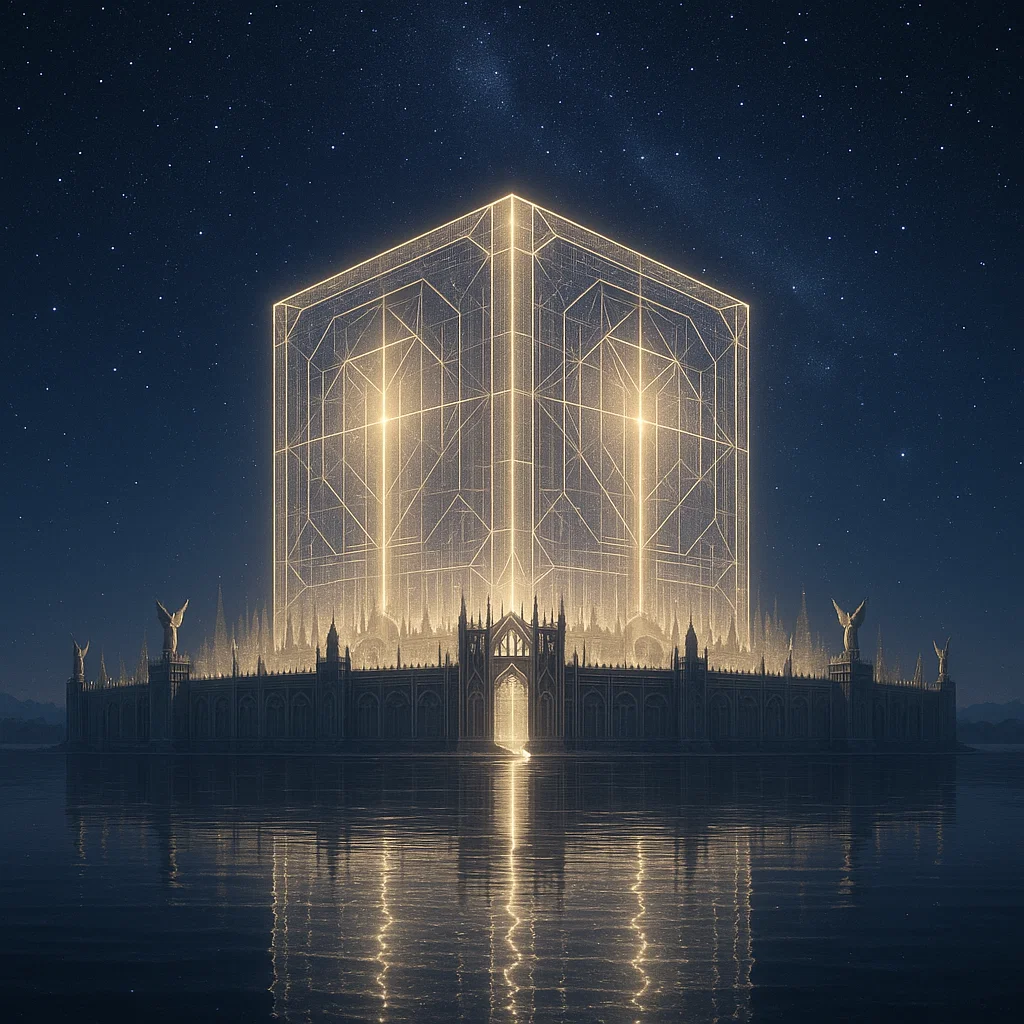
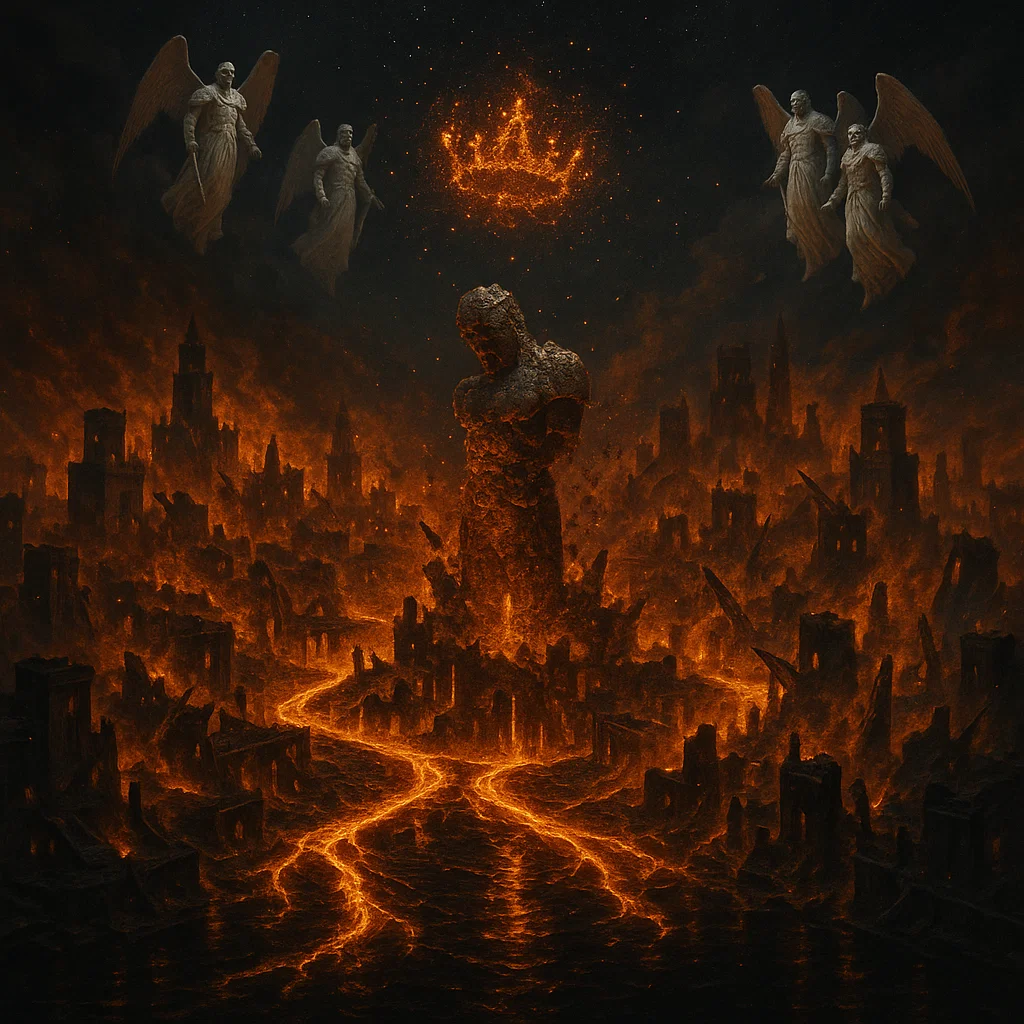
Revelation ends with the vision of the New Jerusalem descending from heaven—creation restored, sorrow ended, and God dwelling among His people. The book closes with Christ’s promise, “Behold, I am coming soon,” and the Church’s response, “Amen. Come, Lord Jesus.” For Catholics, this conclusion unites worship and longing—the Mass itself echoing the same cry of hope. Revelation ends as all Scripture converges: communion restored, evil conquered, and the faithful invited to the eternal wedding feast of the Lamb.


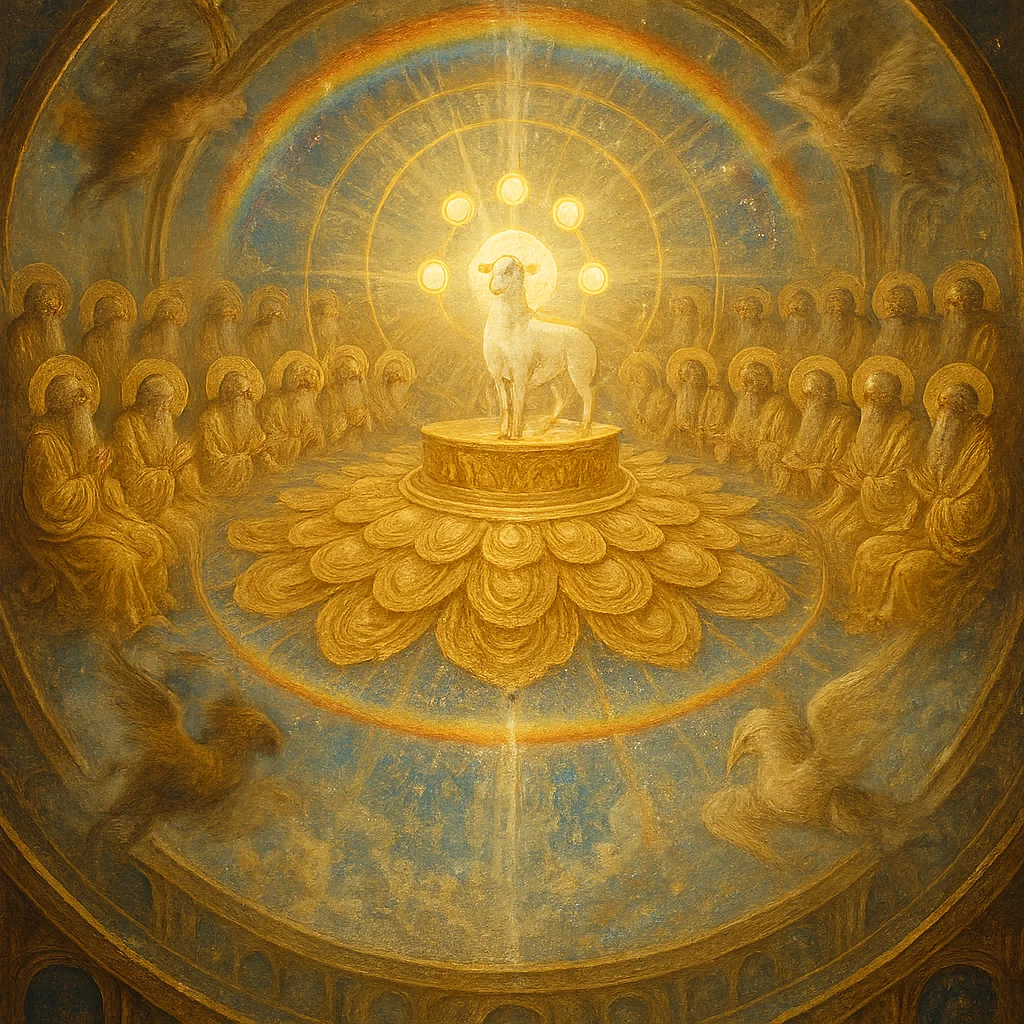
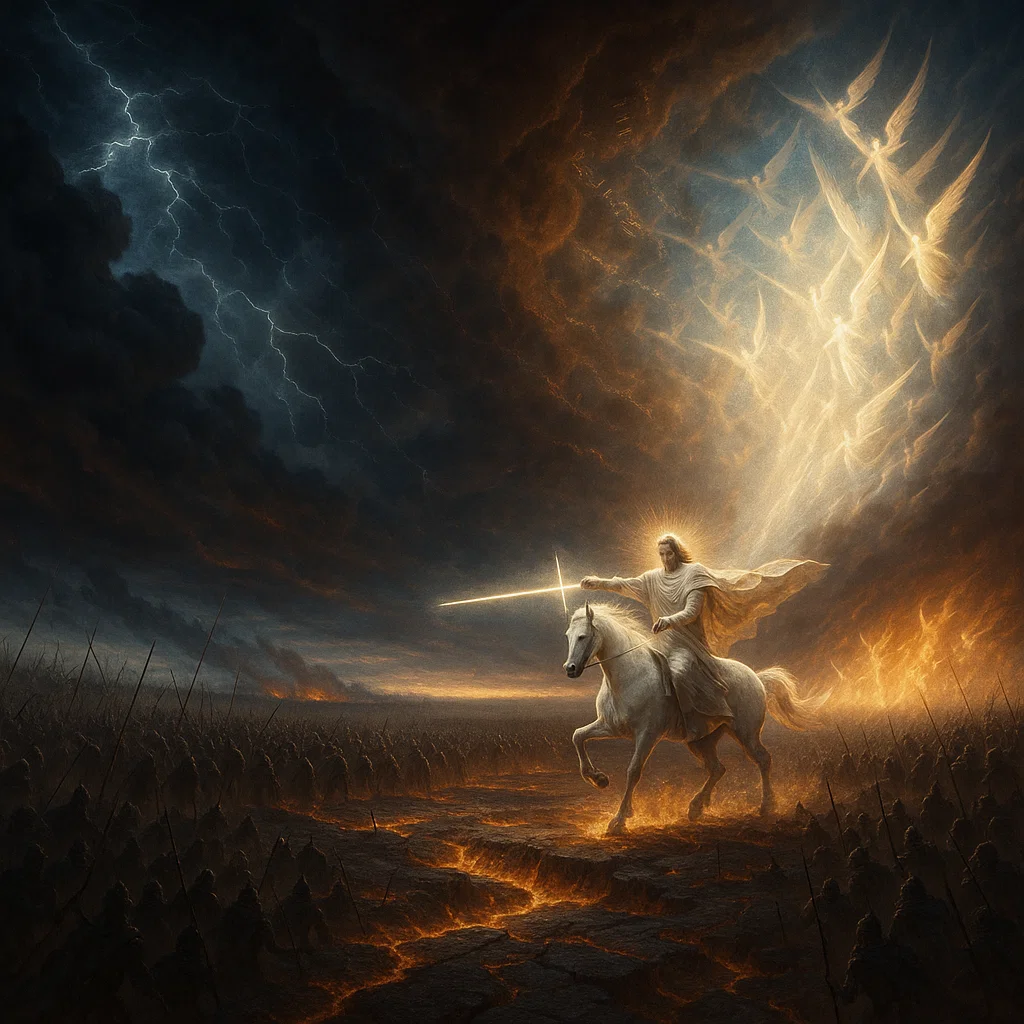
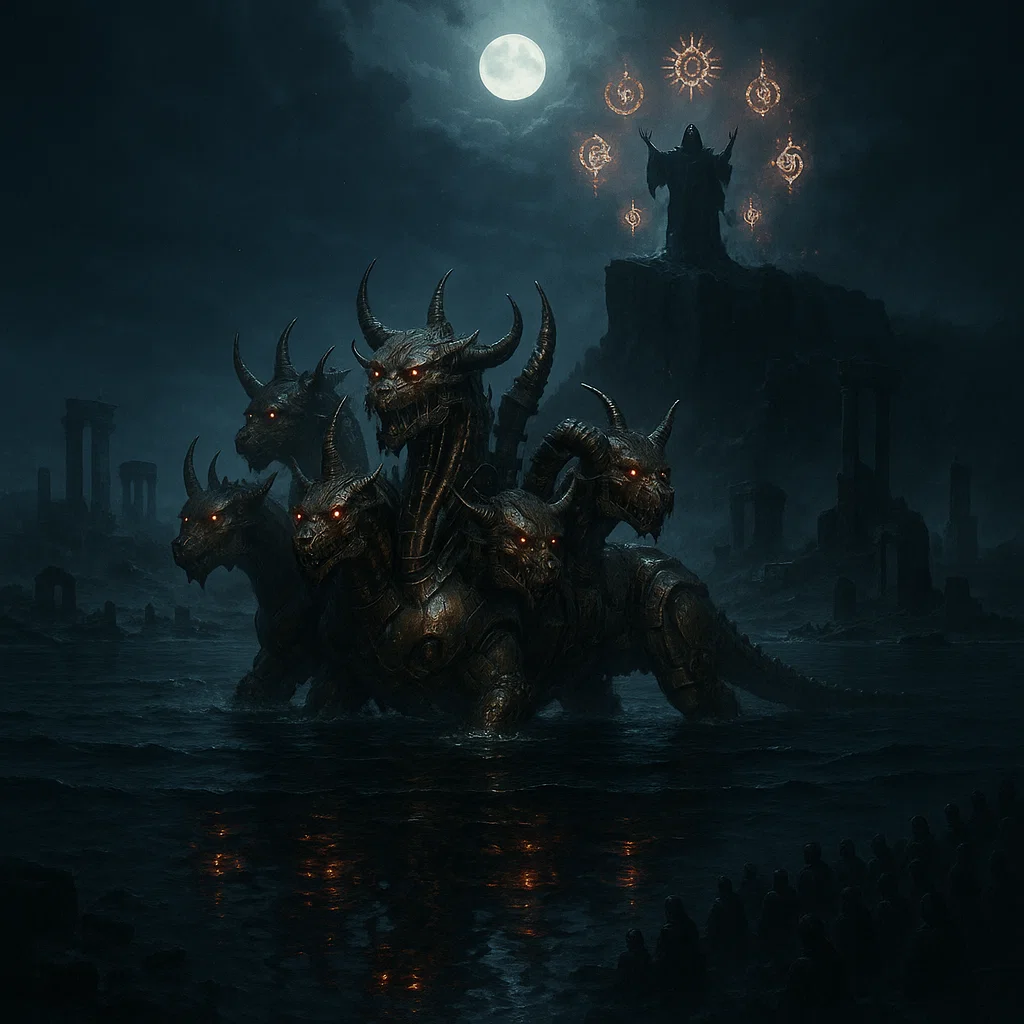
The Book of Revelation (also called the Apocalypse of John) is the final book of the Bible—a prophetic vision revealing God’s ultimate triumph over evil. In the NABRE (New American Bible, Revised Edition), it is interpreted as a work of hope and encouragement, written to strengthen persecuted Christians in the late first century (under Domitian’s reign). Composed in highly symbolic language, Revelation unveils the spiritual reality behind human history: Christ reigns as Lord, evil’s apparent power is temporary, and God’s people will share in His eternal victory. Its message transcends time—calling the Church to faithfulness, endurance, and worship amid suffering.
| Section Name | Chapters | Summary | Key Figures | Notes (NABRE Style) |
|---|---|---|---|---|
| Prologue and Letters to the Seven Churches | 1–3 | John receives a vision of the risen Christ and is commanded to write to seven churches in Asia Minor. Each letter praises faithfulness and warns against compromise. | John, Christ, seven churches | NABRE emphasizes the pastoral tone—Christ walks among His churches, guiding and correcting them with love and authority. |
| Visions of Heaven and the Opening of the Seals | 4–7 | John sees the heavenly throne, the Lamb who opens the sealed scroll, and visions of divine judgment and mercy. The 144,000 are sealed; the faithful are comforted. | God, the Lamb (Christ), elders, angels | NABRE highlights the sovereignty of God—history unfolds only by the Lamb’s authority. |
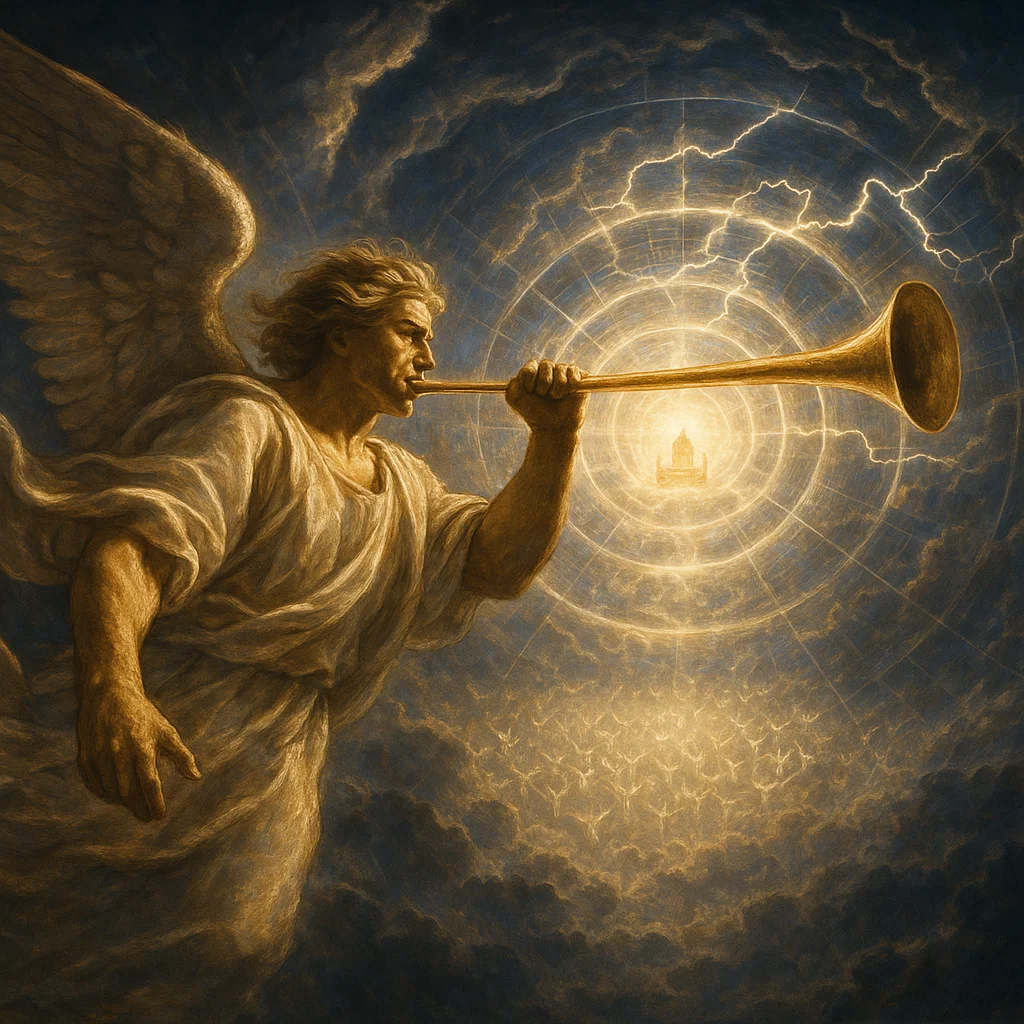
| Trumpet Judgments and Spiritual Warfare | 8–11 | Trumpets announce partial judgments on the earth. Prophetic witnesses proclaim God’s truth; the seventh trumpet reveals God’s kingdom established forever. | Angels, two witnesses, dragon | NABRE interprets this as spiritual battle—the world’s turmoil reveals divine justice in process, not chaos. |
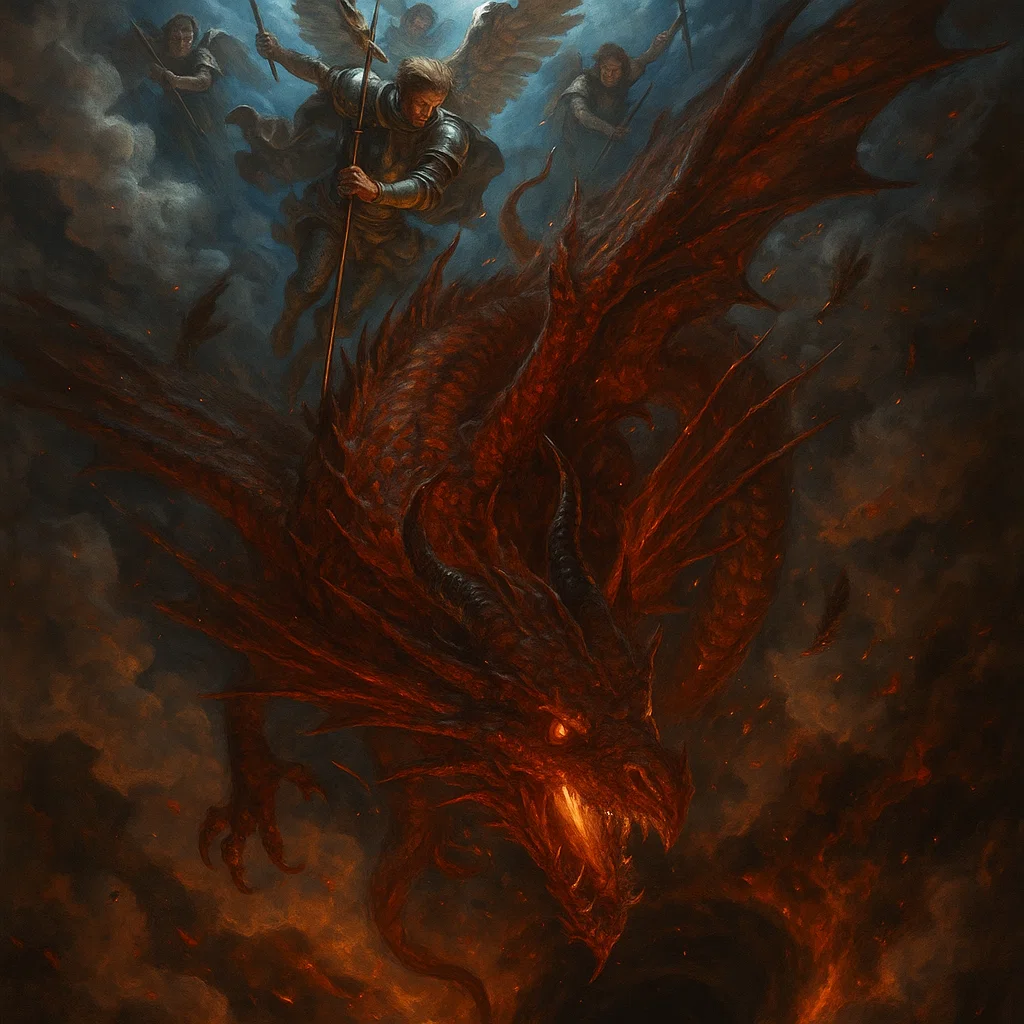
| The Woman, the Dragon, and the Beasts | 12–14 | Cosmic conflict unfolds: the woman (God’s people) is pursued by the dragon (Satan). Two beasts symbolize corrupt political and religious powers. The Lamb’s followers stand firm. | Woman, dragon, beasts, Lamb | NABRE reads this as the theology of resistance—faithful perseverance amid evil’s counterfeit power. |
| The Bowls of Wrath and Fall of Babylon | 15–19 | Seven bowls of God’s wrath complete judgment. Babylon (symbol of worldly corruption) falls. Heaven rejoices; Christ rides forth as conquering King. | Angels, Christ, Babylon | NABRE emphasizes hope through judgment—evil self-destructs; God’s justice vindicates the oppressed. |
| The New Creation and the Eternal Kingdom | 20–22 | Satan is defeated, the dead are judged, and a new heaven and new earth appear. God dwells among His people; “there shall be no more death or mourning.” | Christ, God, saints, nations | NABRE interprets this as consummation—the vision of eternal communion with God, where all creation is renewed. |
The Book of Revelation ends with invitation and promise: “The Spirit and the Bride say, ‘Come!’ … He who testifies says, ‘Yes, I am coming soon.’ Amen. Come, Lord Jesus!” (Rev 22:17, 20). In NABRE interpretation, Revelation is not a code of hidden predictions but a proclamation of hope. It unveils Christ as the Alpha and the Omega—Lord of history, conqueror of evil, and bringer of new creation. The book calls believers to perseverance and worship, assuring them that God’s victory is certain, and His dwelling with humanity is forever.
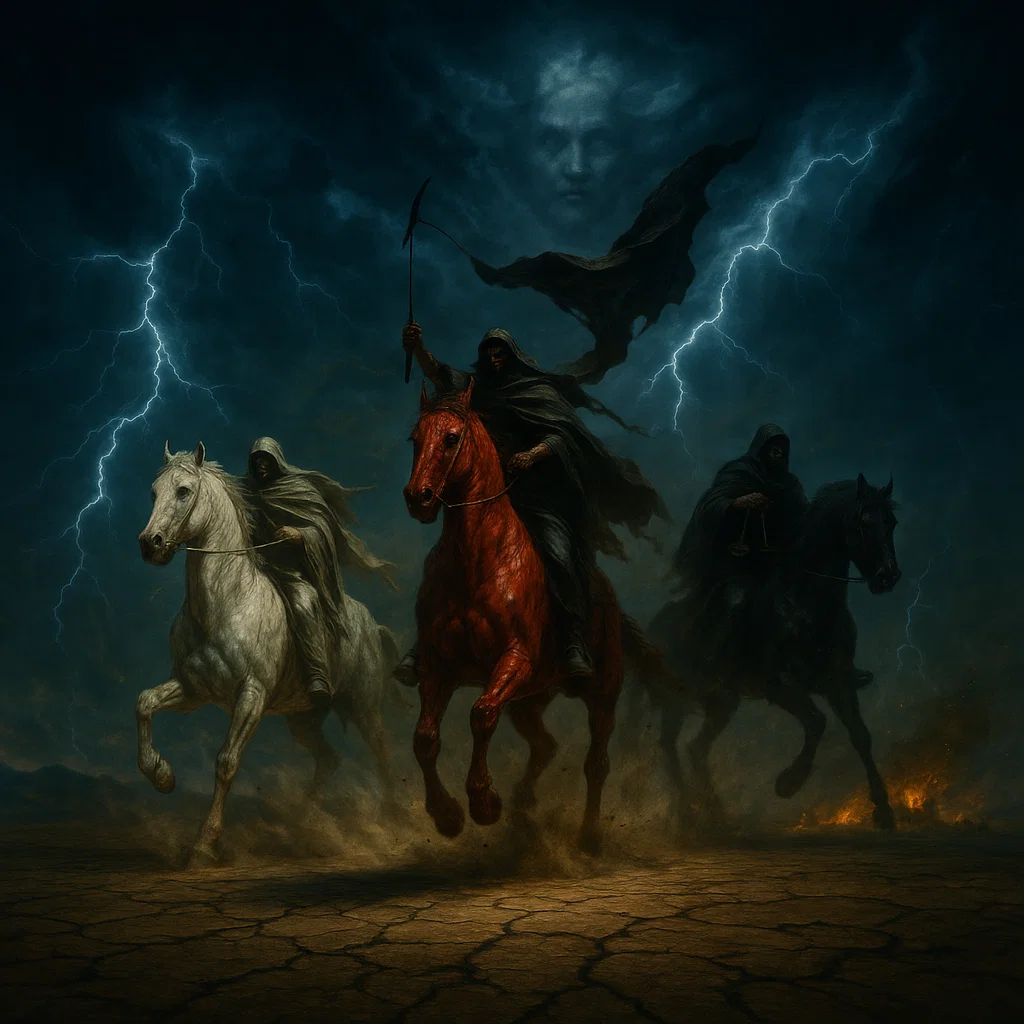
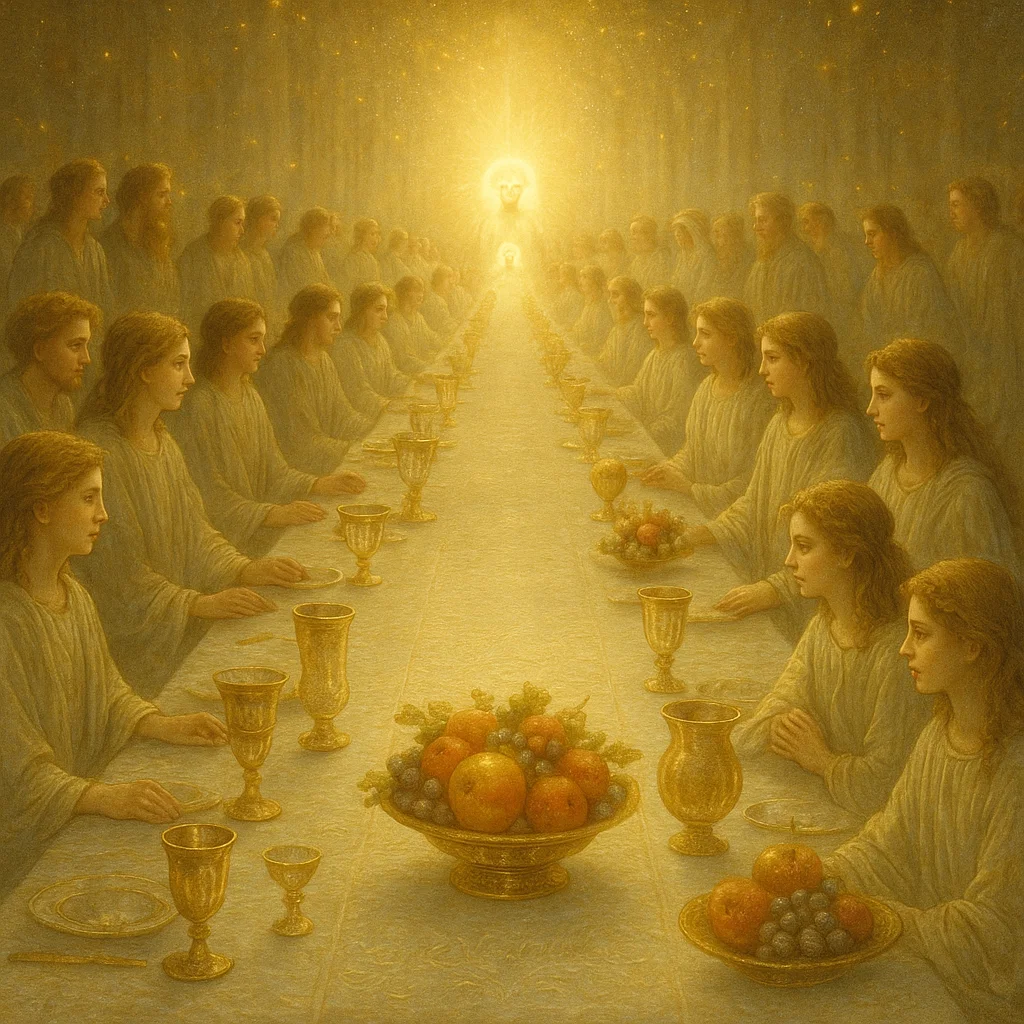
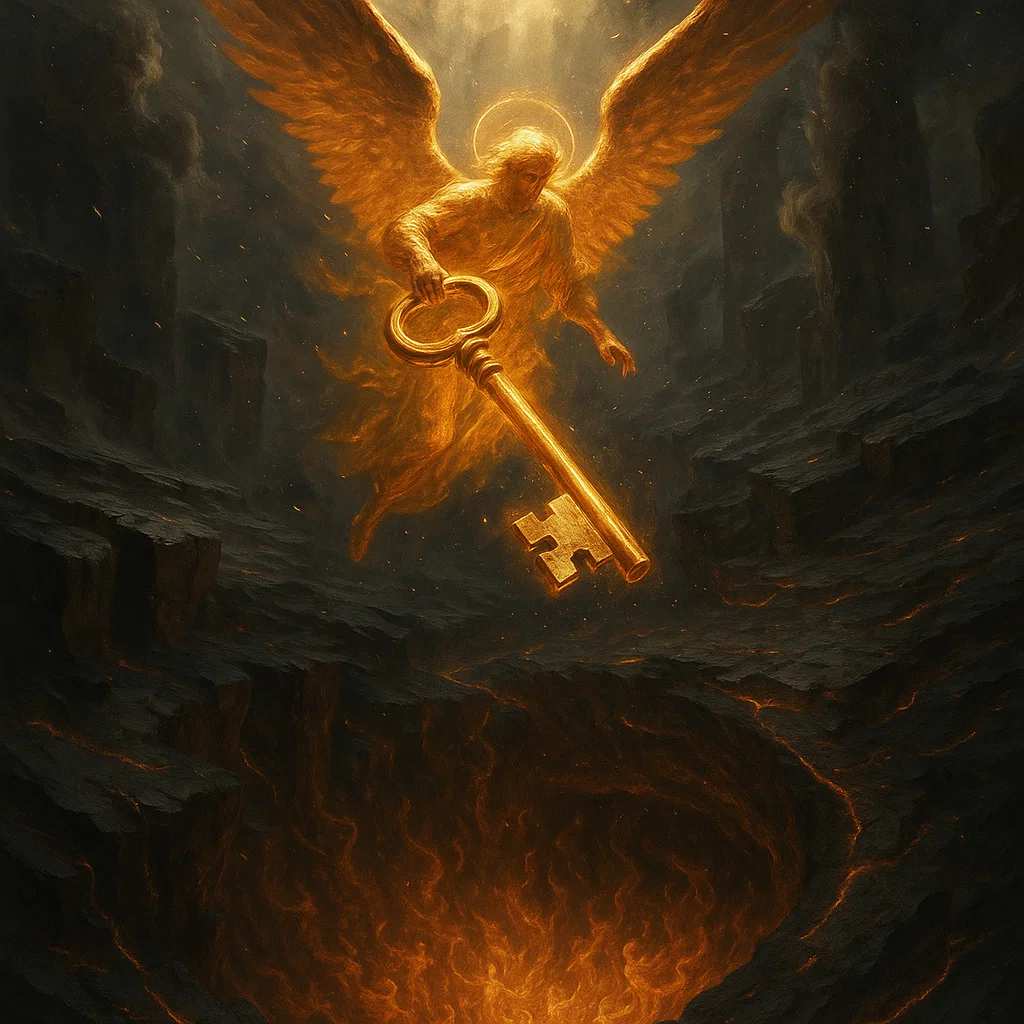
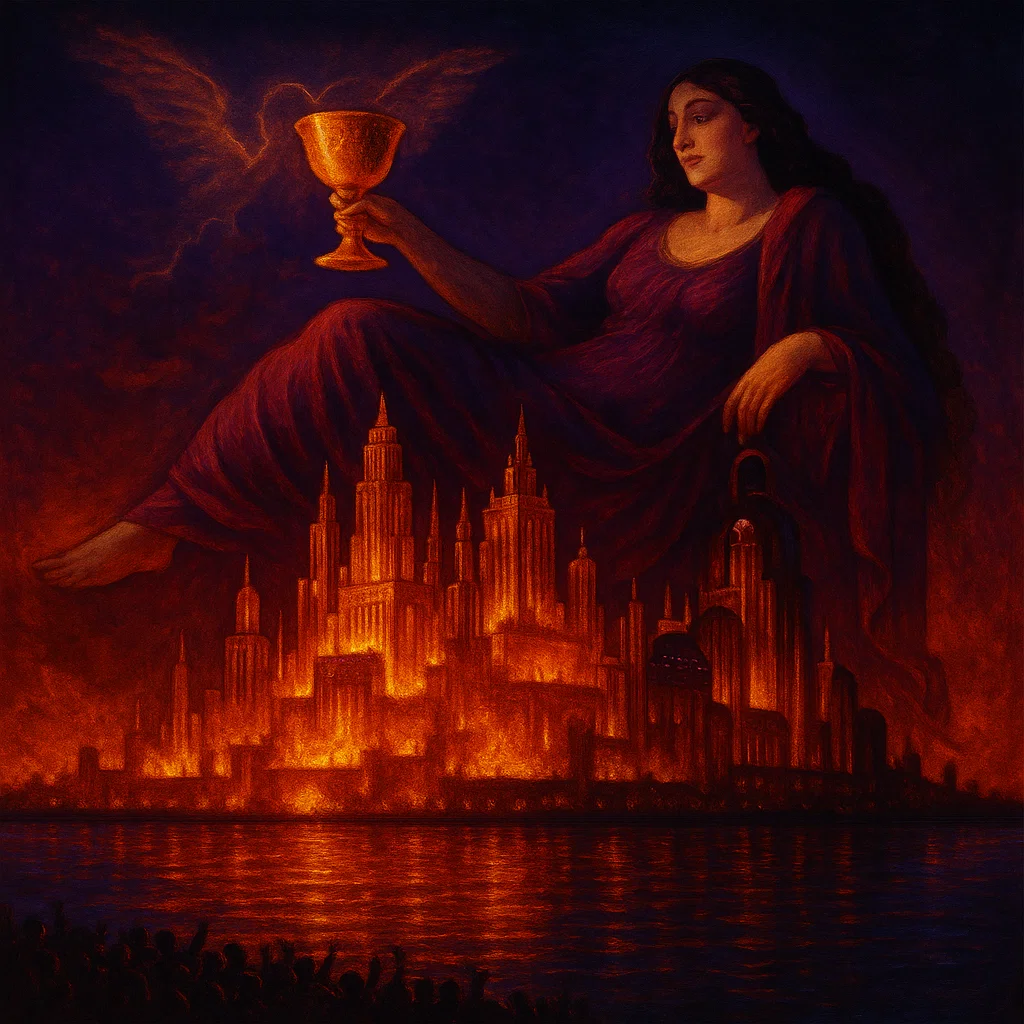
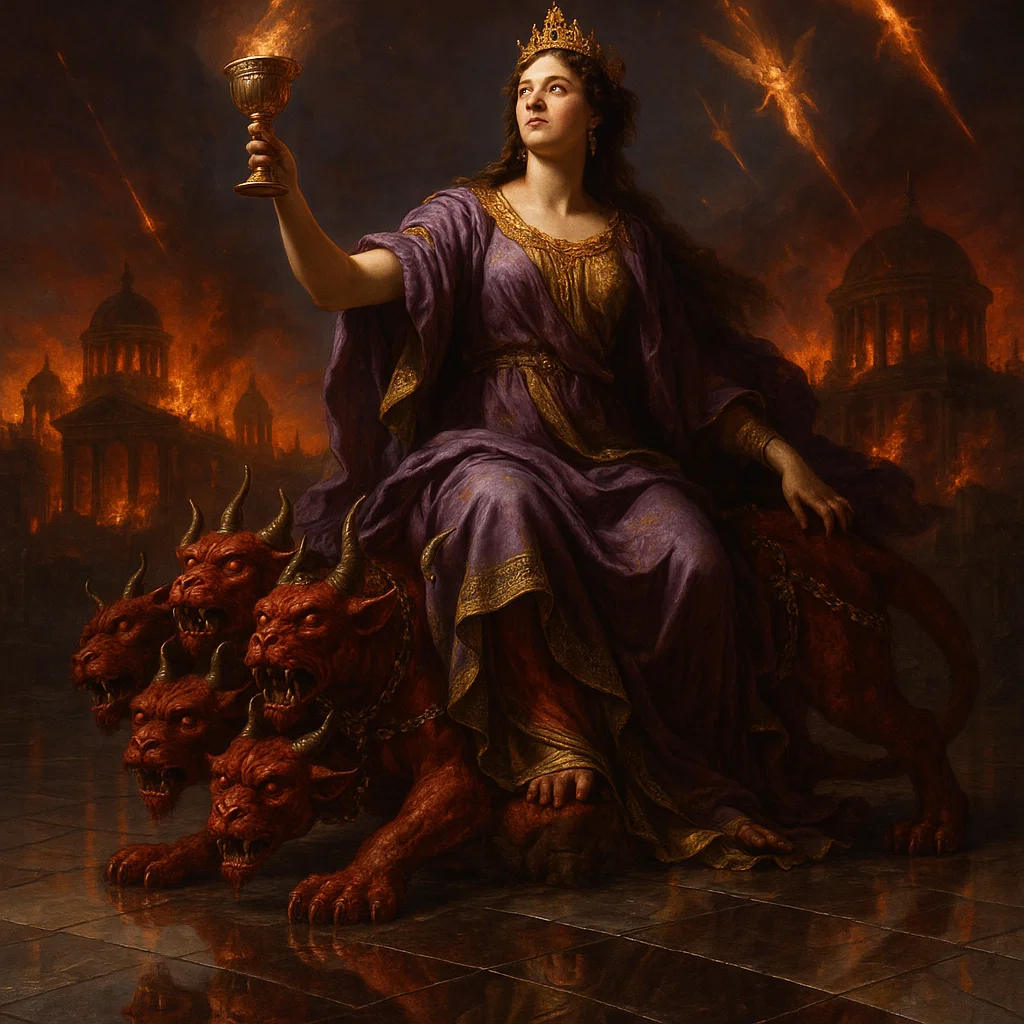
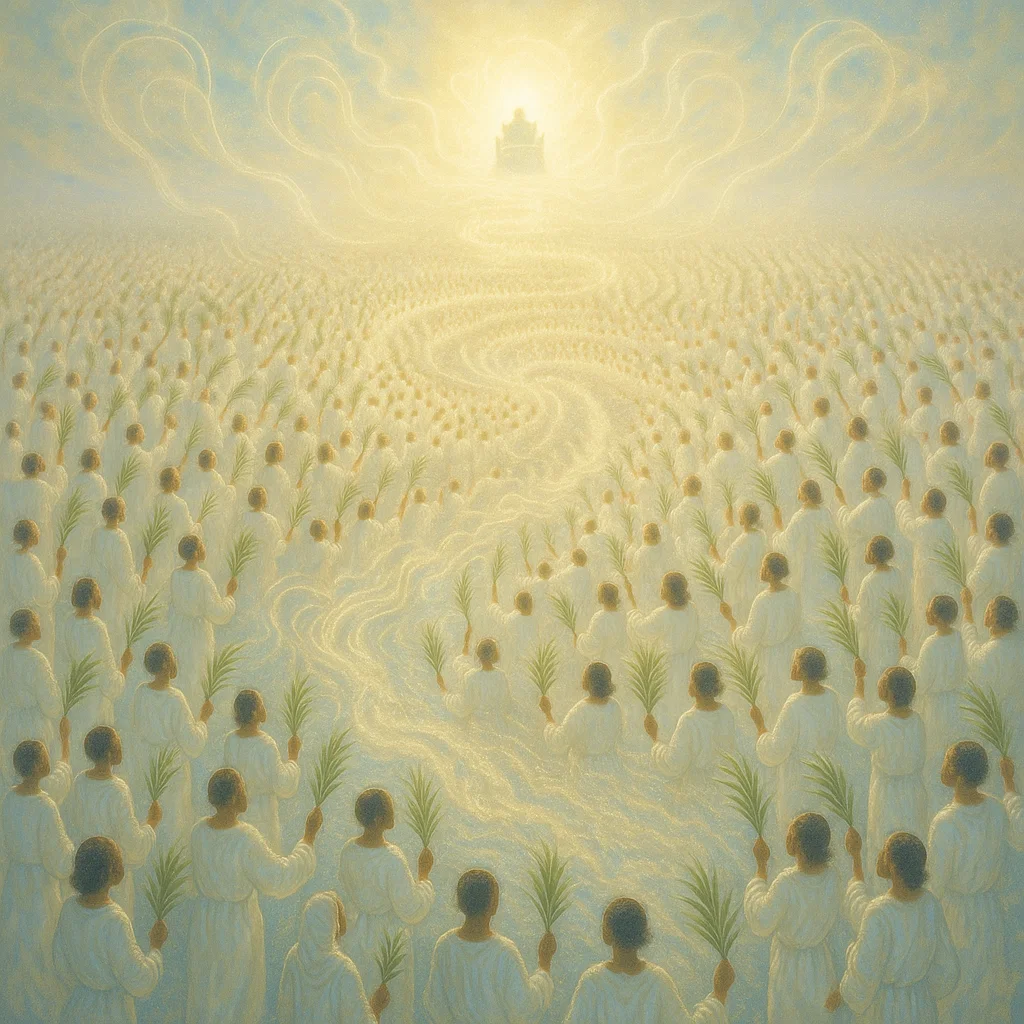
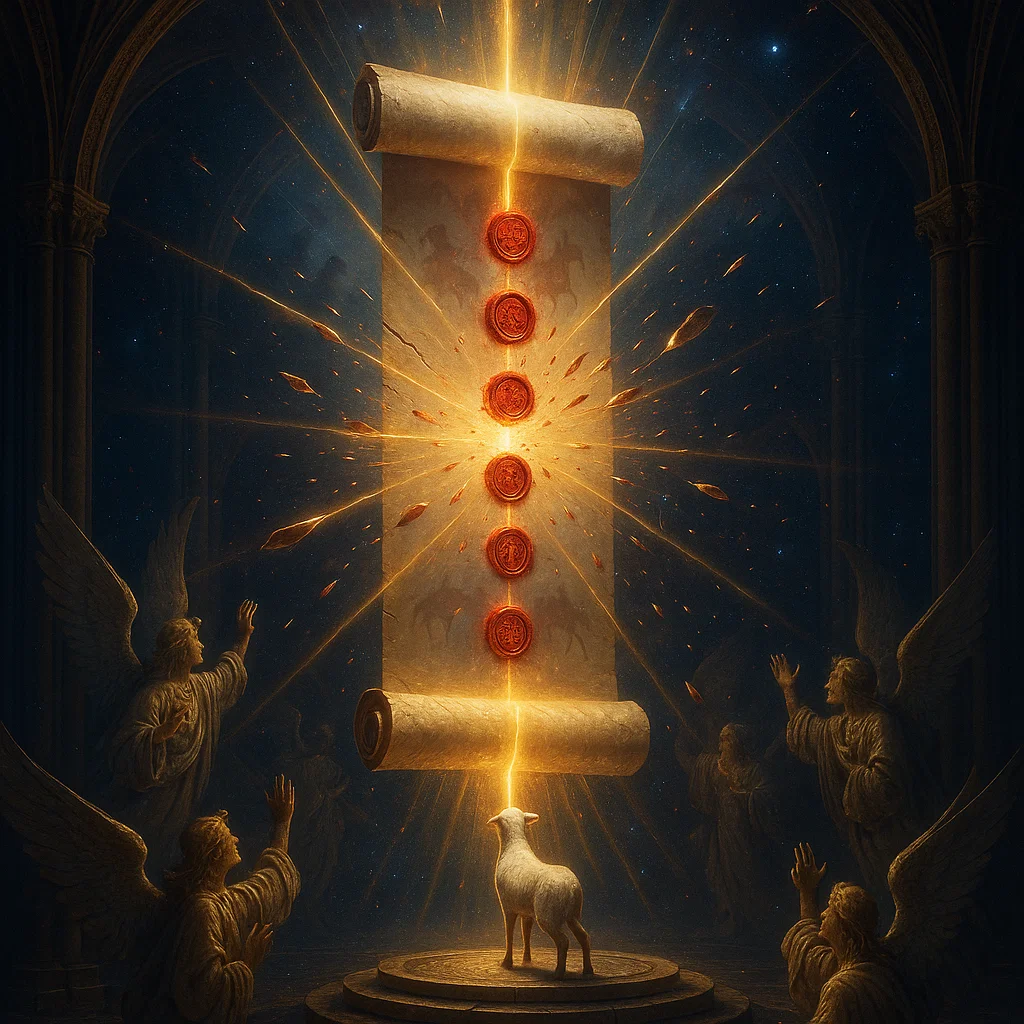

The Book of Revelation unveils Christ’s triumph over evil through visions of judgment, renewal, and eternal glory. Written to encourage persecuted believers, it portrays the Lamb’s victory, the fall of Babylon, and the coming of the New Jerusalem. NABRE interprets Revelation as prophecy of hope—Christ reigning as faithful witness, redeeming creation, and inviting humanity to everlasting communion.
| Section | Chapter | Title / Focus | Summary | Key Figures | Notes (NABRE Style) |
|---|---|---|---|---|---|
| Prologue and Letters to the Seven Churches | Revelations 1 | Vision of the Risen Christ | John receives a revelation from Jesus Christ, who appears in glory and instructs him to write to the seven churches. | John, Christ | NABRE highlights divine revelation—Christ stands amid His churches, source of light and authority. |
| Prologue and Letters to the Seven Churches | Revelations 2 | Messages to the Churches (Ephesus–Thyatira) | Christ commends faithfulness and calls for repentance in the first four churches, promising reward to the victorious. | Christ, Seven Churches | NABRE emphasizes pastoral correction—love, endurance, and holiness define authentic discipleship. |
| Prologue and Letters to the Seven Churches | Revelations 3 | Messages to the Churches (Sardis–Laodicea) | Christ exhorts the remaining churches to vigilance, repentance, and zeal, offering fellowship to those who overcome. | Christ, Seven Churches | NABRE interprets this as continual renewal—the Spirit sustains faith through repentance and hope. |
| Visions of Heaven and the Opening of the Seals | Revelations 4 | The Heavenly Throne | John sees God’s throne surrounded by worship, symbolizing divine sovereignty over creation. | God, Elders, Angels | NABRE underscores worship as revelation—heaven’s praise unveils God’s eternal authority. |
| Visions of Heaven and the Opening of the Seals | Revelations 5 | The Lamb and the Scroll | The Lamb alone is worthy to open the scroll, representing God’s redemptive plan. | God, The Lamb (Christ), Elders | NABRE views this as the heart of Revelation—salvation history centered on Christ’s sacrificial victory. |
| Visions of Heaven and the Opening of the Seals | Revelations 6 | The First Six Seals | The seals unleash conquest, war, famine, death, martyrdom, and cosmic upheaval. | The Lamb, Four Horsemen, Saints | NABRE interprets judgment as purification—God’s justice works through history, not apart from it. |
| Visions of Heaven and the Opening of the Seals | Revelations 7 | The Sealing of the Faithful | The 144,000 are sealed and a great multitude worships before God’s throne, celebrating salvation. | Angels, The Lamb, Saints | NABRE highlights assurance—divine protection preserves believers amid tribulation. |
| Trumpet Judgments and Spiritual Warfare | Revelations 8 | The Seventh Seal and First Four Trumpets | Prayers rise from the altar; trumpet blasts bring judgment on earth, sea, and sky. | Angels, Saints | NABRE reads this as divine response—human history purified through intercession and justice. |
| Trumpet Judgments and Spiritual Warfare | Revelations 9 | The Fifth and Sixth Trumpets | Demonic forces torment humanity; yet people refuse repentance. | Angels, Demons, Humanity | NABRE underscores stubborn unbelief—judgment exposes human hardness of heart. |
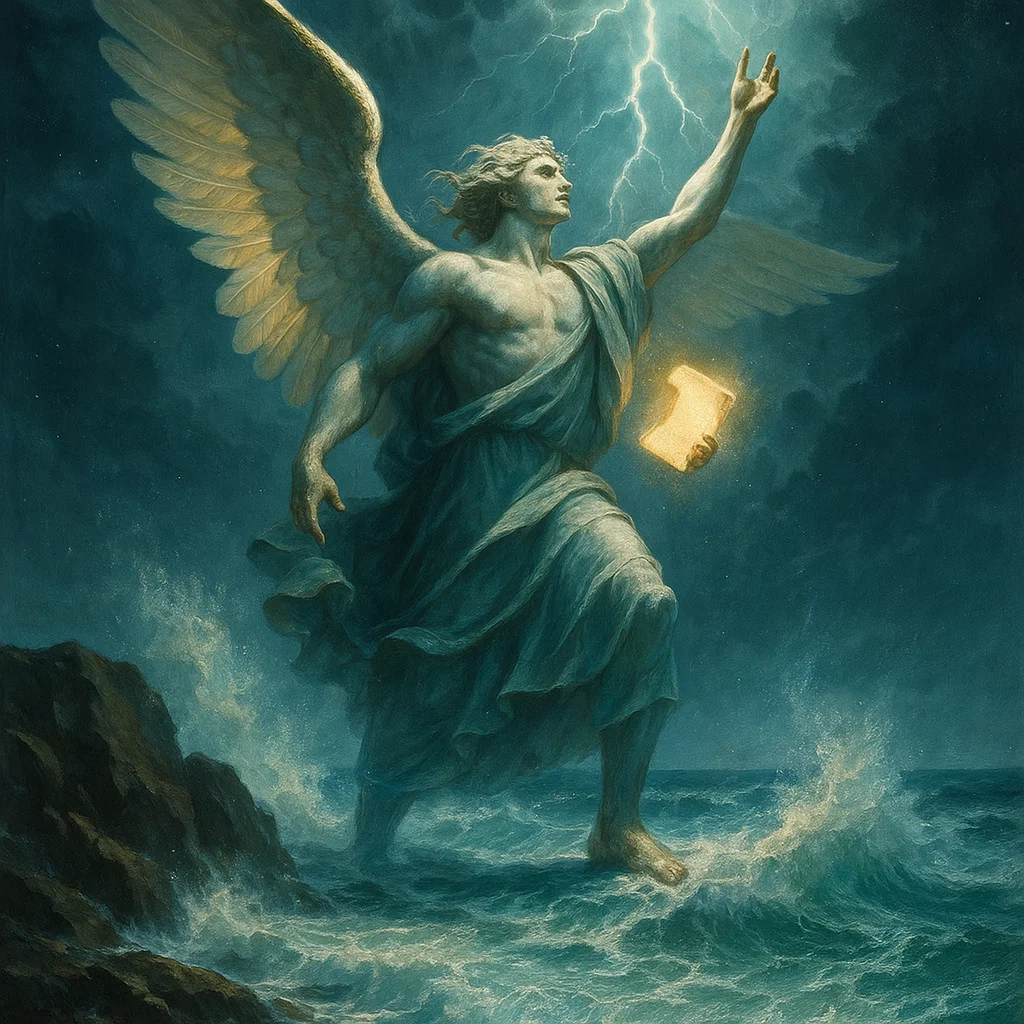
| Trumpet Judgments and Spiritual Warfare | Revelations 10 | The Angel and the Little Scroll | John receives a small scroll to eat, symbolizing prophecy both sweet and bitter. | Angel, John | NABRE interprets this as prophetic vocation—God’s word brings joy and sorrow in equal measure. |
| Trumpet Judgments and Spiritual Warfare | Revelations 11 | The Two Witnesses and Seventh Trumpet | Two prophetic witnesses testify and are martyred, then raised; the seventh trumpet proclaims God’s reign. | Two Witnesses, Christ, Angels | NABRE views this as triumph through martyrdom—witness conquers evil by faithfulness unto death. |
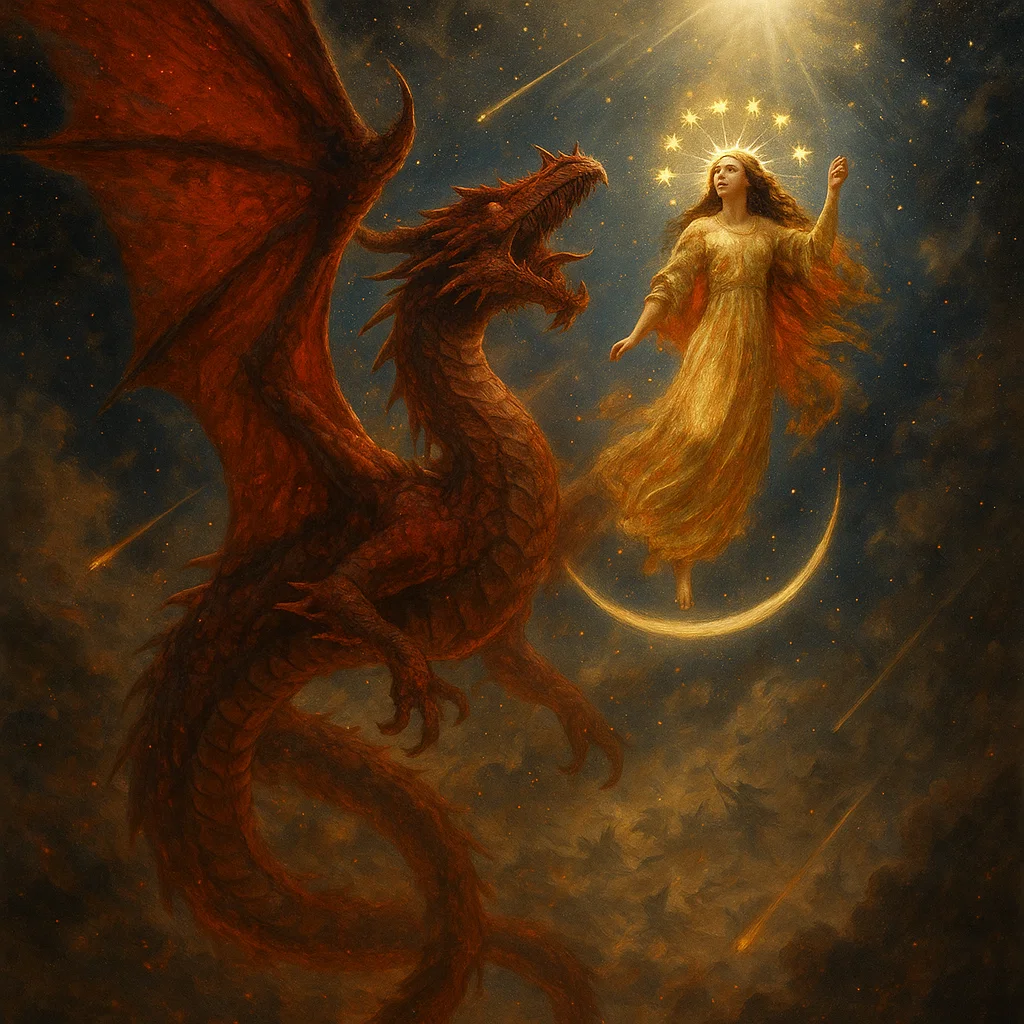
| The Woman, the Dragon, and the Beasts | Revelations 12 | The Woman and the Dragon | A woman clothed with the sun gives birth to a child opposed by a dragon; heaven rejoices as Satan is cast down. | Woman, Dragon (Satan), Child | NABRE reads this as cosmic conflict—the Church’s perseverance mirrors Christ’s victory over evil. |
| The Woman, the Dragon, and the Beasts | Revelations 13 | The Beasts and the Mark | Two beasts arise: one political, one religious; both deceive humanity into worshiping false power. | Dragon, Beasts, Saints | NABRE interprets this as warning against idolatry—faith resists worldly and spiritual tyranny. |
| The Woman, the Dragon, and the Beasts | Revelations 14 | The Lamb and the Redeemed | The 144,000 stand with the Lamb on Mount Zion; three angels proclaim judgment; Babylon’s fall is announced. | The Lamb, Angels, Saints | NABRE emphasizes divine justice—the redeemed sing victory even as judgment unfolds. |
| The Bowls of Wrath and Fall of Babylon | Revelations 15 | The Song of Moses and the Seven Plagues | Heaven worships God’s righteous acts; seven angels prepare to pour out the bowls of wrath. | Angels, Saints, Christ | NABRE highlights worship before judgment—God’s holiness precedes His justice. |
| The Bowls of Wrath and Fall of Babylon | Revelations 16 | The Seven Bowls of Wrath | Plagues strike the earth, culminating in the destruction of Babylon; humanity still resists repentance. | Angels, Beast, Babylon | NABRE interprets divine wrath as moral necessity—evil self-destructs when opposing God. |
| The Bowls of Wrath and Fall of Babylon | Revelations 17 | The Great Harlot and the Beast | The woman on the beast symbolizes corrupt empire and false religion; her judgment is foretold. | Harlot, Beast, Kings of Earth | NABRE views this as critique of worldly power—wealth and oppression collapse under divine justice. |
| The Bowls of Wrath and Fall of Babylon | Revelations 18 | The Fall of Babylon | Babylon, symbol of corruption, collapses in ruin while heaven rejoices over her fall. | Angels, Merchants, Babylon | NABRE underscores moral inversion—heaven’s joy marks liberation from sin’s domination. |
| The Bowls of Wrath and Fall of Babylon | Revelations 19 | The Wedding of the Lamb and Final Battle | Heaven celebrates the marriage of the Lamb; Christ rides forth to defeat the beast and false prophet. | Christ, Beast, False Prophet | NABRE interprets this as fulfillment of promise—Christ’s faithful reign vindicates the righteous. |
| The New Creation and the Eternal Kingdom | Revelations 20 | Judgment and the Millennium | Satan is bound, the dead are judged, and all evil is cast into the lake of fire before the final resurrection. | Christ, Saints, Nations | NABRE highlights divine justice and hope—evil’s end reveals God’s sovereignty over all creation. |
| The New Creation and the Eternal Kingdom | Revelations 21 | The New Heaven and New Earth | John sees a new heaven, new earth, and the New Jerusalem descending from God—He dwells with His people and wipes away every tear. | God, Christ, Saints | NABRE emphasizes fulfillment—communion between God and humanity fully restored; creation renewed in glory. |
| The New Creation and the Eternal Kingdom | Revelations 22 | The River of Life and Final Invitation | The river of life flows from God’s throne; the Lamb’s servants reign forever. The book concludes with blessing, warning, and the promise: “Come, Lord Jesus.” | Christ, Saints, Angels | NABRE views this as consummation of revelation—eternal life unveiled; the Spirit and the Bride invite all to divine fellowship. |
Revelation ends with worship and invitation. The risen Christ, Alpha and Omega, promises His return, and the faithful reply, “Amen. Come, Lord Jesus.” NABRE sees this conclusion as the heart of Christian hope—the world’s history fulfilled in divine love, where justice and mercy meet, and God dwells eternally with His people.