(1700 AD – 1800 AD)
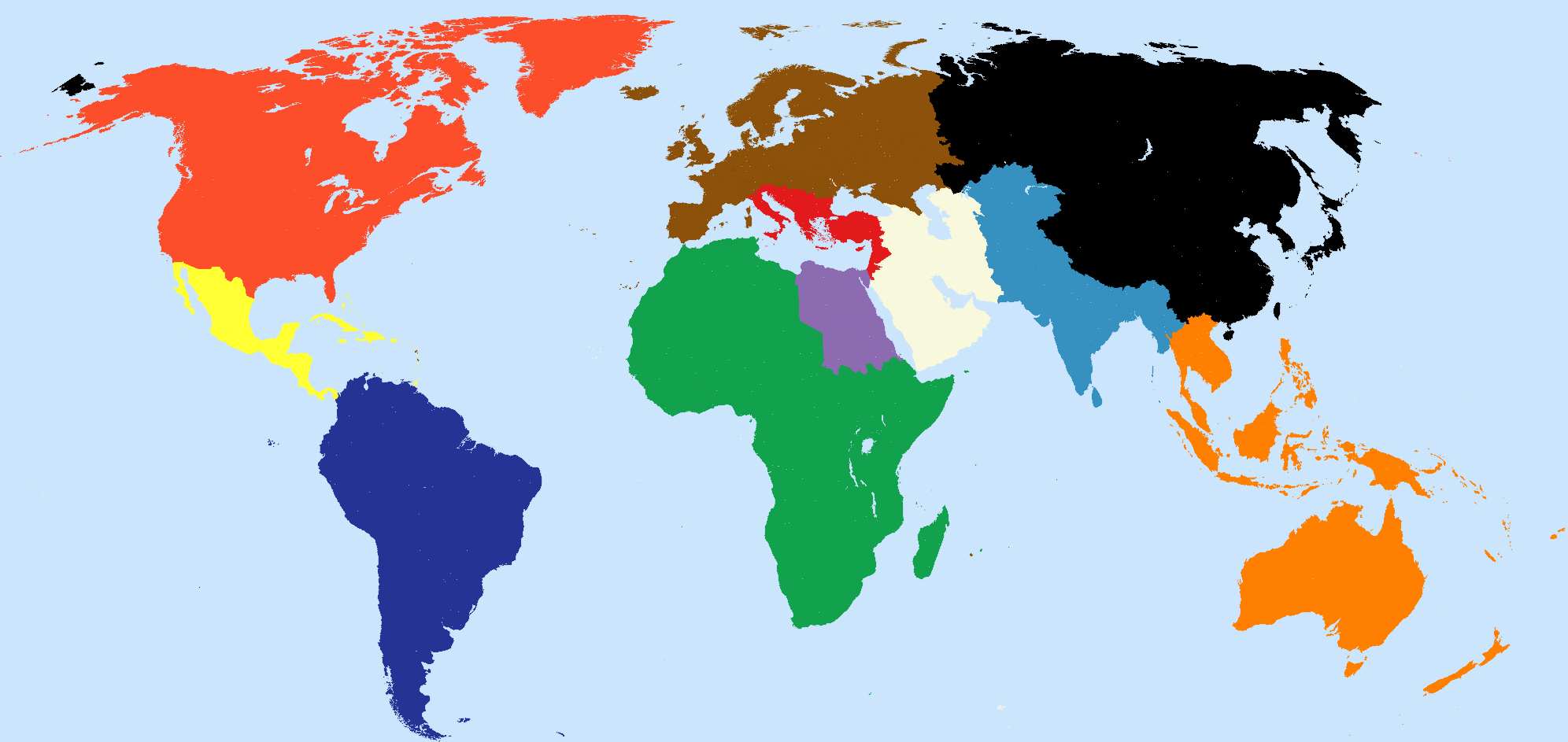 Enlightenment
Western Europe Enlightenment
Eastern Mediterranean Enlightenment
Persia Enlightenment
Egypt Enlightenment
Africa Enlightenment
India & Central Asia Enlightenment
China Enlightenment
Oceania Enlightenment
North America Enlightenment
Central America Enlightenment
South America


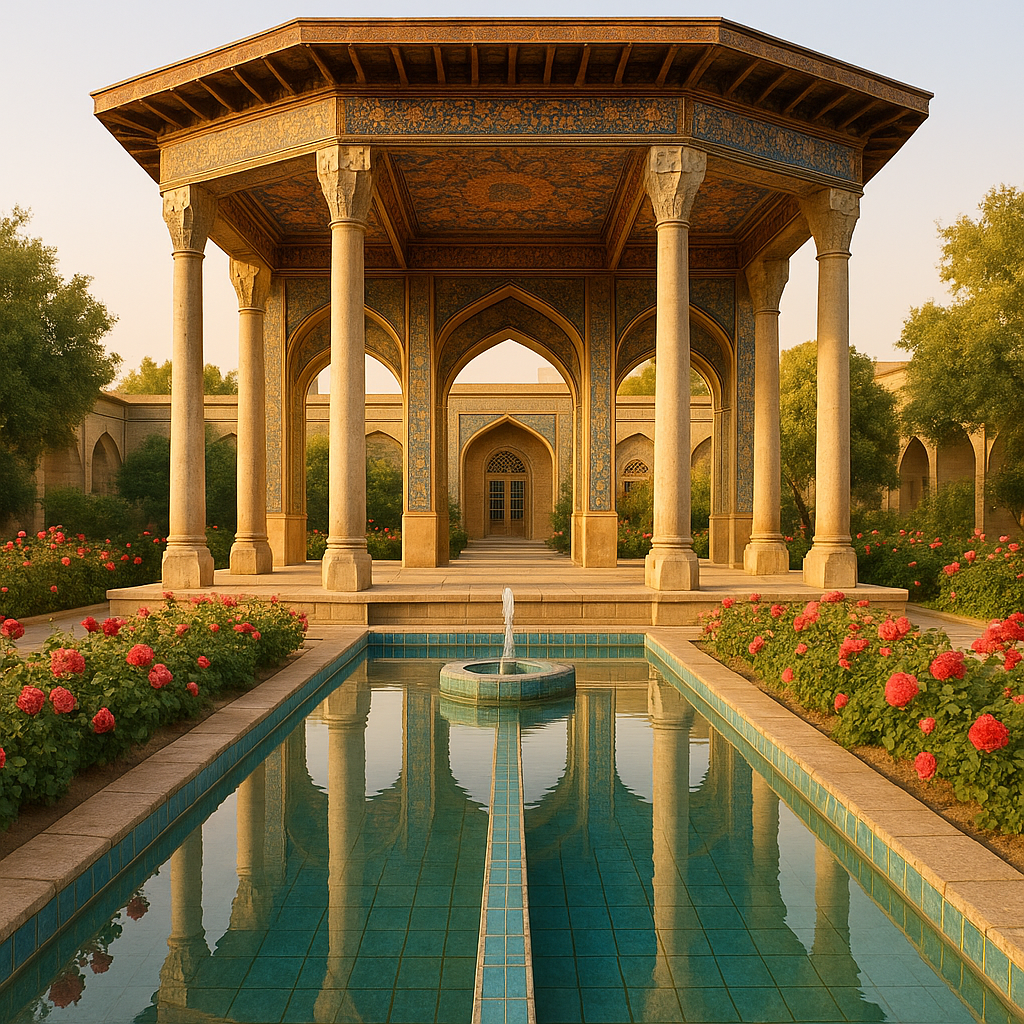

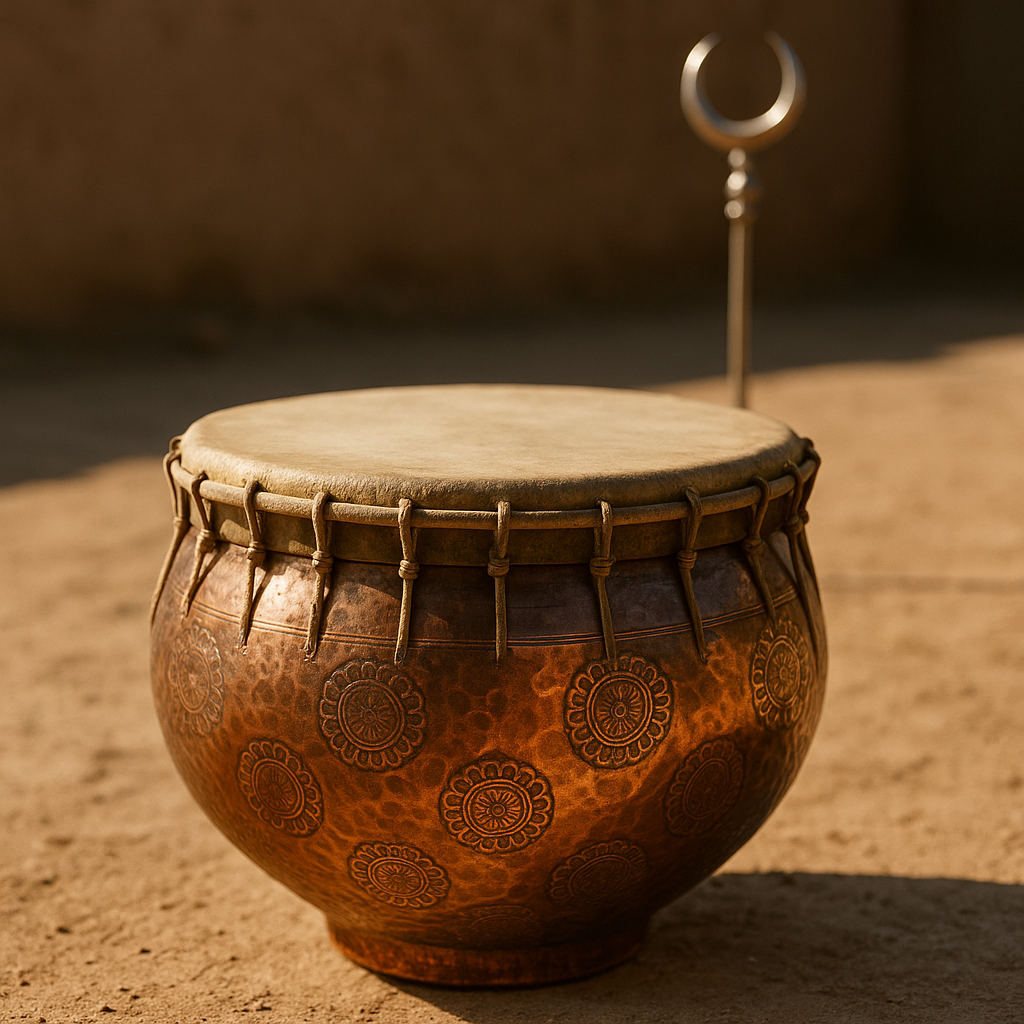
| Terra Avita Region and Era Name Link | Representative Cultures | Major Cities / Centers | Major Events |
|---|---|---|---|
| Enlightenment and Proto-Industrial Western Europe | Enlightenment Philosophers, British Industrial Pioneers, French Monarchy & Revolutionaries | London, Paris, Edinburgh, Amsterdam, Manchester | Enlightenment rationalism; early Industrial Revolution; American and French Revolutions; rise of scientific societies |
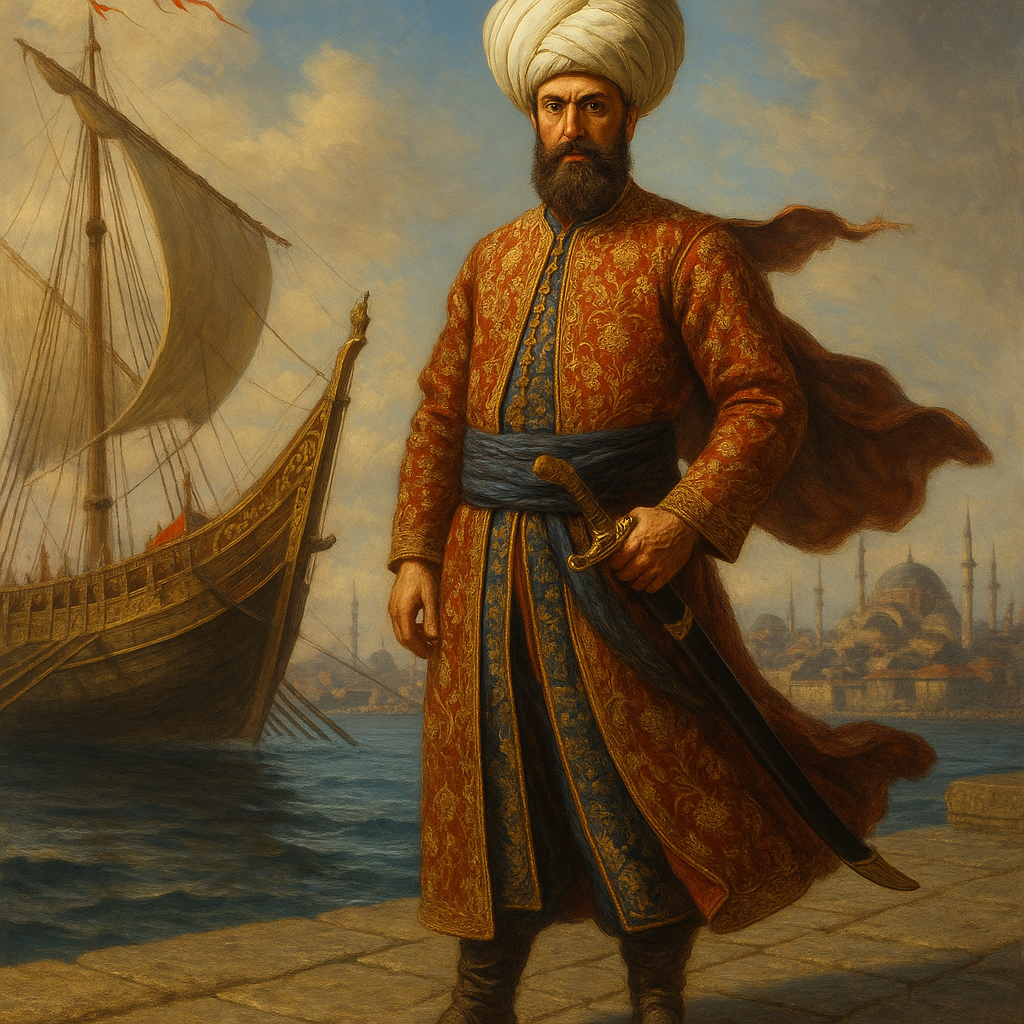
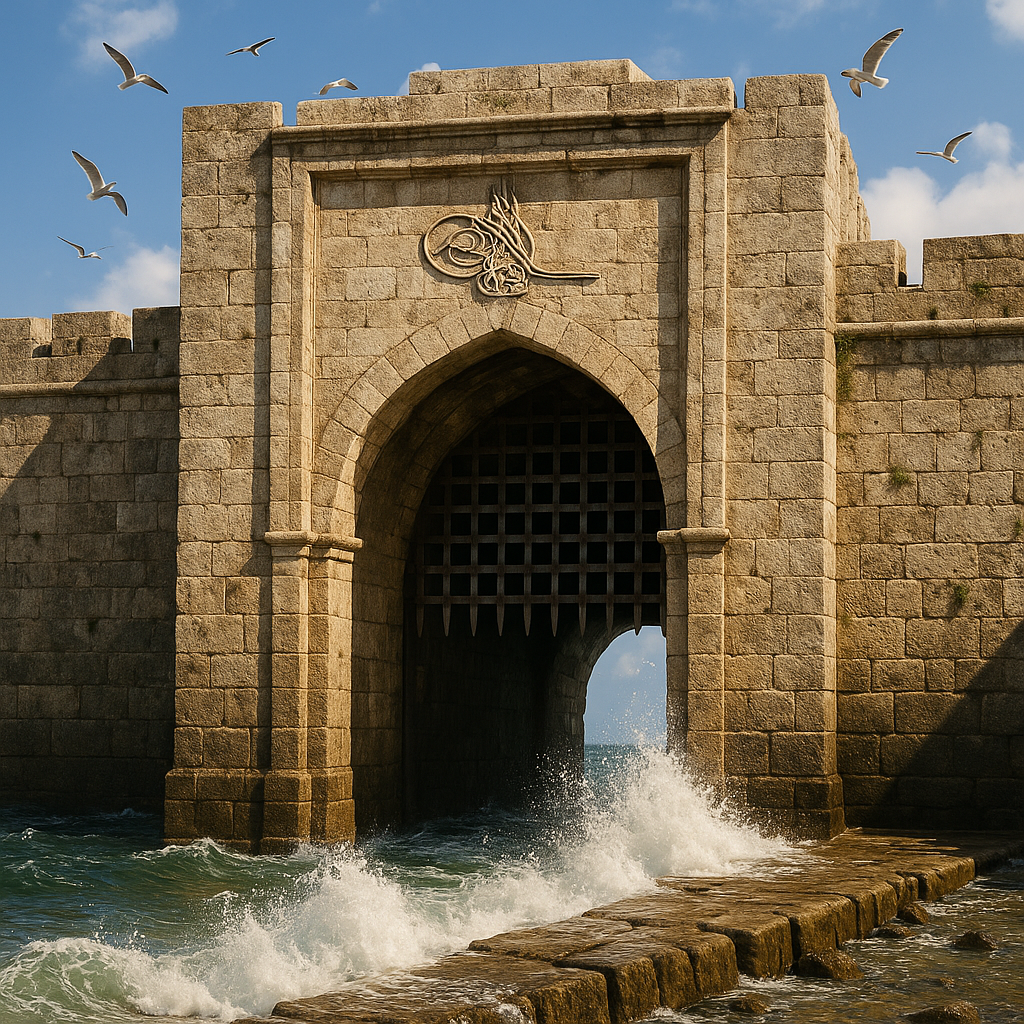
| Enlightenment and Proto-Industrial Eastern Mediterranean | Ottoman Empire (Late Classical), Venetian & Russian Expansion Influence | Constantinople, Smyrna, Salonika | Ottoman reform attempts; European trade penetration; naval modernization efforts begin |
| Enlightenment and Proto-Industrial Persia | Late Safavid, Afsharid, Zand, Early Qajar Dynasties | Isfahan, Shiraz, Tehran | Fall of Safavids; Nader Shah’s conquests; instability followed by Qajar consolidation |
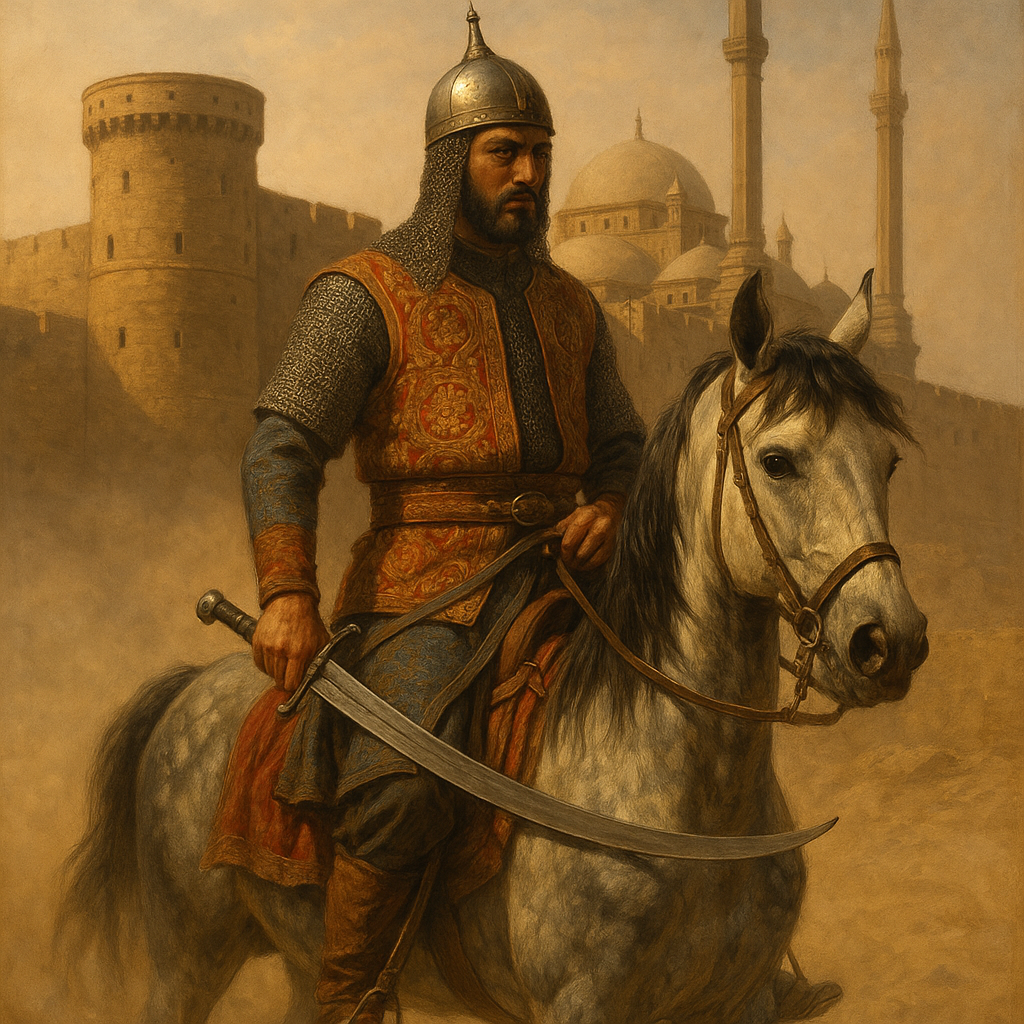
| Enlightenment and Proto-Industrial Egypt | Ottoman Egypt (Eyalet), Mamluk Aristocracy | Cairo, Alexandria, Rosetta | Local autonomy under Mamluks; Napoleonic interest emerges; continued Red Sea–Mediterranean trade importance |
| Enlightenment and Proto-Industrial Africa (beyond the Nile) | Ashanti, Dahomey, Oyo, Kongo (late), Zulu (emerging) | Kumasi, Abomey, Oyo, Luanda | Height of Atlantic slave trade; consolidation of West African kingdoms; growing European coastal presence |
| Enlightenment and Proto-Industrial India and Central Asia | Mughal Empire (decline), Maratha Confederacy, Sikh Confederacy, British East India Company | Delhi, Pune, Calcutta, Lahore | Mughal fragmentation; rise of British dominance; cultural syncretism in art and administration |
| Enlightenment and Proto-Industrial China (East Asia) | Qing Empire (High Qing), Tokugawa Japan, Joseon Korea | Beijing, Edo (Tokyo), Seoul, Guangzhou | Qing territorial peak; population boom; Tokugawa isolation and urban culture; regulated European trade (Canton system) |
| Enlightenment and Proto-Industrial Oceania | Polynesian Maritime Realms, Aboriginal Australia, Early European Contact | Hawaii, Tahiti, Tonga, Botany Bay | Polynesian chiefdoms flourish; Cook’s voyages map Pacific; first British settlement in Australia (1788) |
| Enlightenment and Proto-Industrial North America | British Colonies, Indigenous Nations, Early United States | Boston, Philadelphia, Quebec, New York | American Revolution; founding of United States; Enlightenment ideals institutionalized; colonial frontiers expand |
| Enlightenment and Proto-Industrial Central America | Spanish Colonial Provinces, Creole Elites | Mexico City, Guatemala, Havana | Bourbon Reforms; growing independence movements; Enlightenment influences in colonial governance |
| Enlightenment and Proto-Industrial South America | Spanish & Portuguese Colonial Empires, Creole Intellectuals | Lima, Buenos Aires, Rio de Janeiro, Bogotá | Mining and plantation economies thrive; Jesuit expulsion; early revolutionary thought spreads |


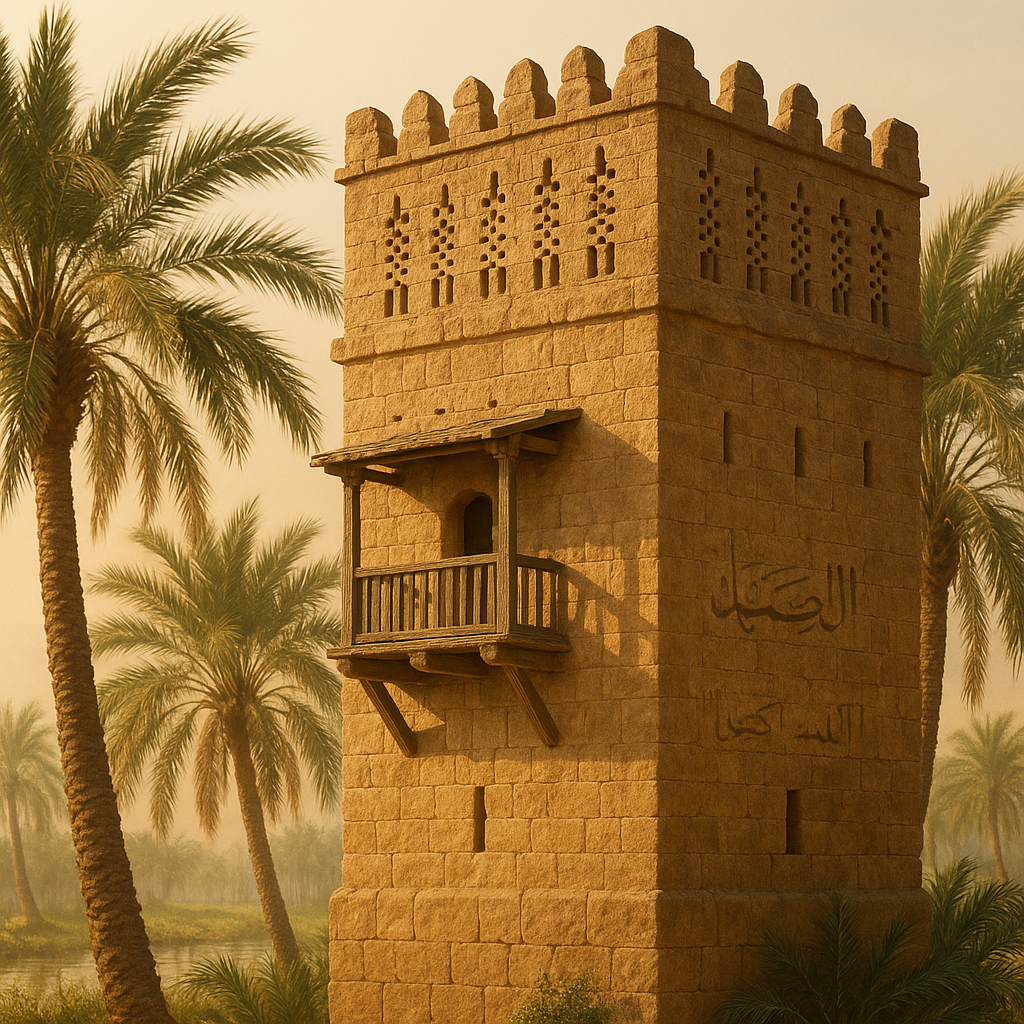

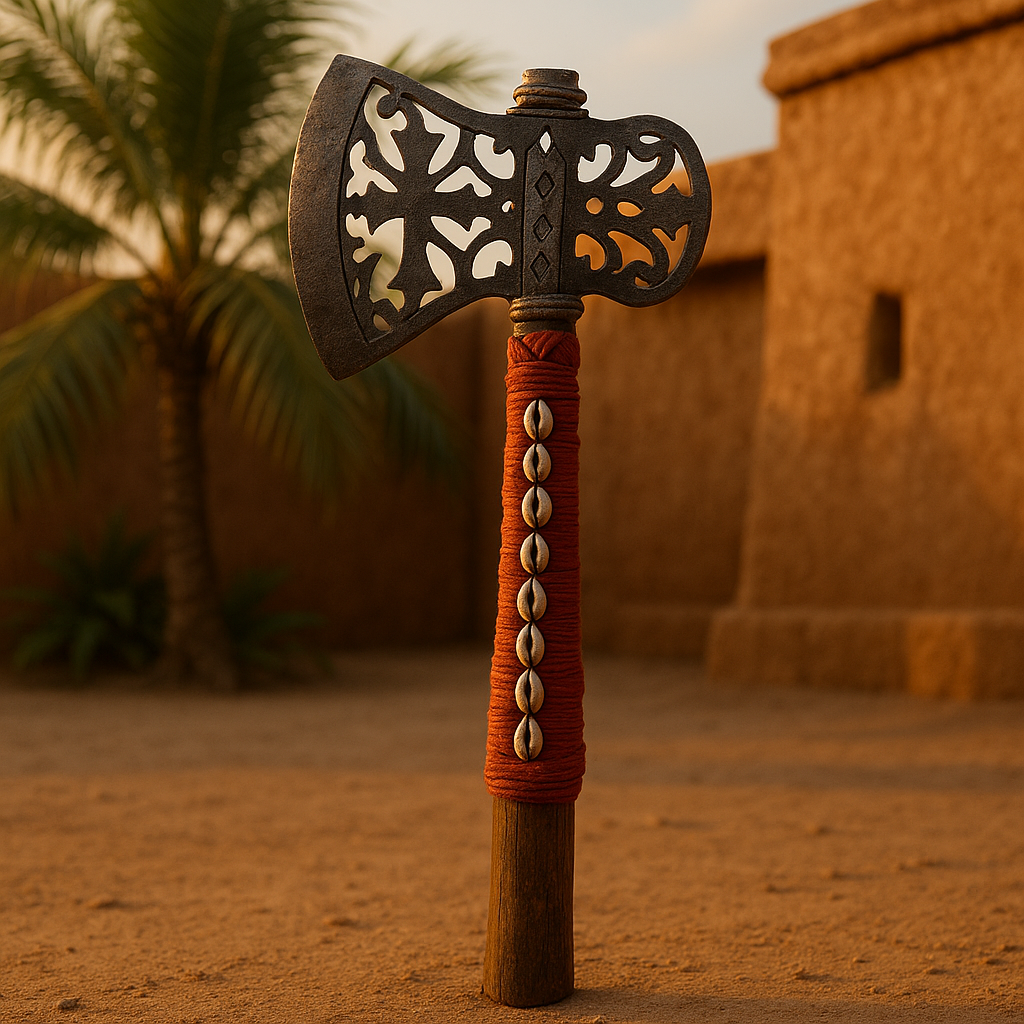



1700 AD – Snapshot
| Terra Avita Region and Era Name Link | Event Description |
|---|---|
| Scientific Revolution and State Formation Africa (beyond the Nile) | West Africa in full Atlantic realignment. Songhai long gone; Asante Empire rising (~1700) in Gold Coast. Oyo and Dahomey expanding inland influence. Benin still strong. Atlantic slave trade peaks, reshaping societies violently. Swahili Coast increasingly under Omani influence; Portuguese declining. Ethiopia fragmented among regional warlords. |
| Scientific Revolution and State Formation Central America | New Spain stable and deeply institutionalized. Spanish authority absolute. Massive demographic collapse has already taken place; Indigenous communities reorganized into towns under tribute systems. Maya highlands partly autonomous but within colonial structure. Catholic Church dominant. |
| Scientific Revolution and State Formation China (East Asia) | Qing Dynasty at firm imperial strength under Kangxi Emperor (r. 1661–1722). Territory expands into Taiwan, Tibet, and Inner Asia. Long period of stability, population growth, agricultural productivity, and global silver trade. Ming resistance gone. |
| Scientific Revolution and State Formation Eastern Mediterranean | Ottoman Empire stagnant but intact. Control extends from Balkans to Arabia. Military defeats in Vienna (1683) and subsequent wars shrink European holdings. Janissary corruption entrenched. Eastern Mediterranean commerce marginalized by Atlantic powers but still significant regionally. |
| Scientific Revolution and State Formation Egypt | Ottoman province with Mamluk households wielding real power. Cairo remains populous, wealthy, and culturally vibrant. Plagues, taxation crises, and Red Sea trade decline weaken long-term stability, but administrative continuity persists. |
| Scientific Revolution and State Formation India and Central Asia | Mughal Empire fracturing under Aurangzeb’s late reign. Continuous Deccan wars exhaust treasury. Marathas expand massively, effectively ending Mughal real central authority by early 1700s. In Central Asia, Uzbek khanates weakened; Persian–steppe hybrid polities emerging. |
| Scientific Revolution and State Formation North America | Colonial world entrenching. English colonies expanding (Virginia, New England, Carolinas, New York). France dominates St. Lawrence, Great Lakes, and Mississippi corridor (La Salle 1682). Iroquois League strong but pressured. Epidemic-shocked Indigenous societies reorganize regionally. Maize widespread; some Mississippian remnants remain culturally influential. |
| Scientific Revolution and State Formation Oceania | Australia entirely Indigenous; no British settlement yet (first in 1788). New Guinea dense horticulture. Polynesian societies fully independent—Hawai‘i powerful ali‘i courts, Tahitian chiefdoms hierarchical, Māori tribal world dynamic and martial. Rapa Nui depopulated but inhabited. No colonial imprint. |
| Scientific Revolution and State Formation Persia | Safavid Empire collapsing. Internal decay, weak rulers, economic breakdown. Afghan Hotak invasion imminent (1709–1722). Safavid administration hollowed out; tribal aristocracies dominate frontier provinces. Persia on the brink of fragmentation. |
| Scientific Revolution and State Formation South America | Viceroyalty of Peru and newly created Viceroyalty of New Granada (1717) form Spanish control. Potosí silver mines still major, though diminished. Andean peoples integrated into Spanish reduction systems; mita labor drafts ongoing. African slavery entrenched in coastal regions. Inca legacy embedded in rural highlands under colonial authority. |
| Scientific Revolution and State Formation Western Europe | End of Louis XIV’s apex. France dominant but financially strained. Glorious Revolution (1688) cements England as a constitutional monarchy; England + Dutch Republic form the Grand Alliance. Early Enlightenment thought rising. Spain declines; War of Spanish Succession begins soon (1701). Major naval competition between England, France, Netherlands. |





1725 AD – Snapshot
| Terra Avita Region and Era Name Link | Event Description |
|---|---|
| Enlightenment and Proto-Industrial Africa (beyond the Nile) | Asante Empire expanding in the Gold Coast. Dahomey militarizing around slave trade. Oyo strong in Yoruba lands. Benin influential but pressured. Atlantic slave trade at peak volume, violently reshaping coastal societies. In Sahel, remnants of Songhai shattered; Bambara, Mossi, Hausa city-states rising. Swahili Coast increasingly under Omani influence. Ethiopia fragmented among regional nobles. |
| Enlightenment and Proto-Industrial Central America | New Spain stable and wealthy. Mexico City major Atlantic-Pacific hub via Acapulco-Manila galleons. Indigenous populations partially recovered but under strict colonial controls. Maya highlands under tribute; Catholic Church fully dominant. |
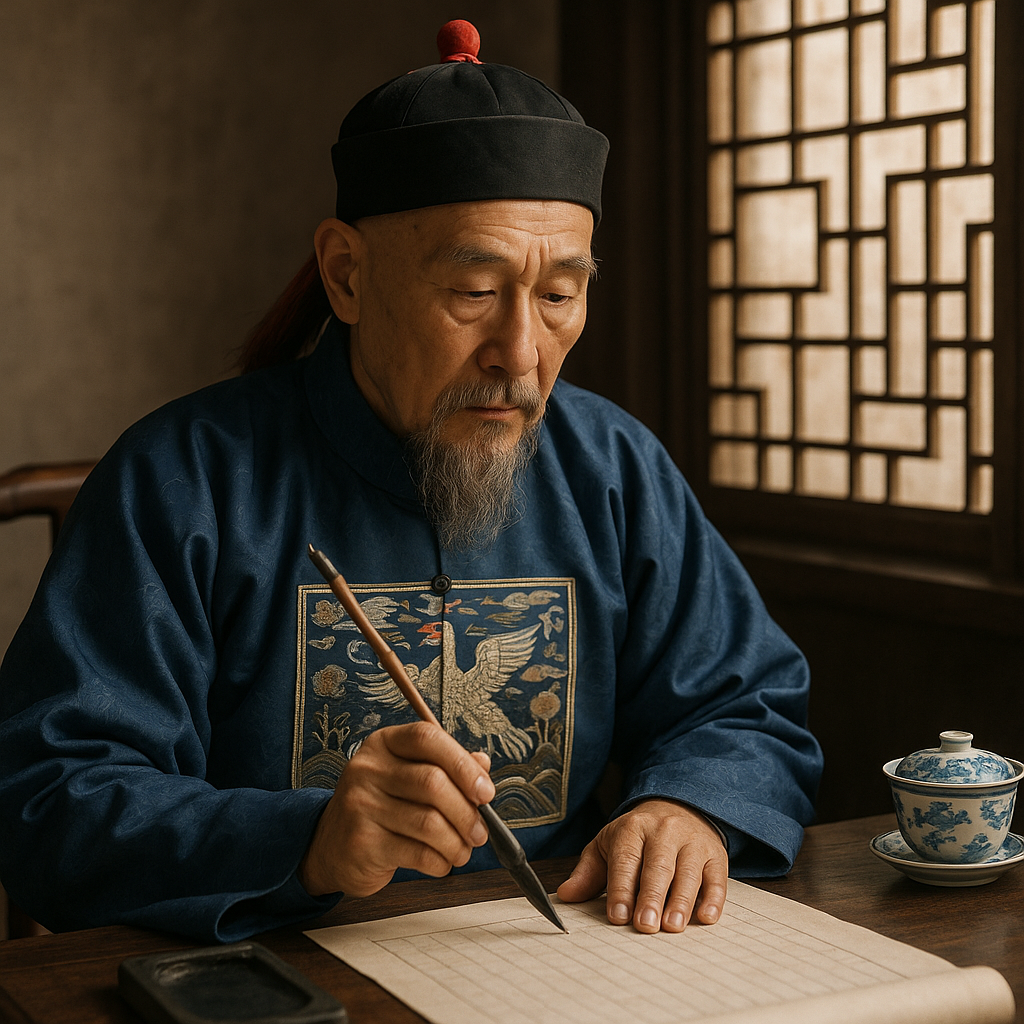
| Enlightenment and Proto-Industrial China (East Asia) | Qing Dynasty at near-maximum stability under Yongzheng Emperor (r. 1722–1735). Administrative reforms strengthen centralization. Economy expanding; population surging. Orderly integration of Tibet, Mongolia, and Xinjiang underway. High point of Qing governance before Qianlong’s expansion. |
| Enlightenment and Proto-Industrial Eastern Mediterranean | Ottoman Empire decentralized and stagnant. Provincial warlords (ayan) gaining power. Janissary corruption entrenched. Ottoman hold on Balkans and Anatolia stable but increasingly brittle. Eastern Mediterranean commerce overshadowed by Atlantic systems. |
| Enlightenment and Proto-Industrial Egypt | Ottoman province dominated by Mamluk beys. Real power shared between competing Mamluk households. Cairo still a major trade and cultural center. Red Sea–Indian Ocean trade remains active, though European dominance growing. |
| Enlightenment and Proto-Industrial India and Central Asia | Mughal Empire rapidly disintegrating after Aurangzeb’s death (1707). Marathas dominate central India. Regional successor states (Hyderabad, Bengal, Awadh) becoming independent in all but name. In Central Asia, Uzbek khanates weak, pressured by rising Kazakh and steppe groups. Persia’s collapse destabilizes the whole region. |
| Enlightenment and Proto-Industrial North America | Colonial world solidifying. British colonies booming economically; French hold St. Lawrence, Great Lakes, and Mississippi interior. Iroquois League diplomatically central. Epidemic depopulation long completed; tribal confederacies reshaping (Creek, Cherokee, Choctaw). Horses integrated on Plains; early equestrian tribes forming (Comanche rising). |
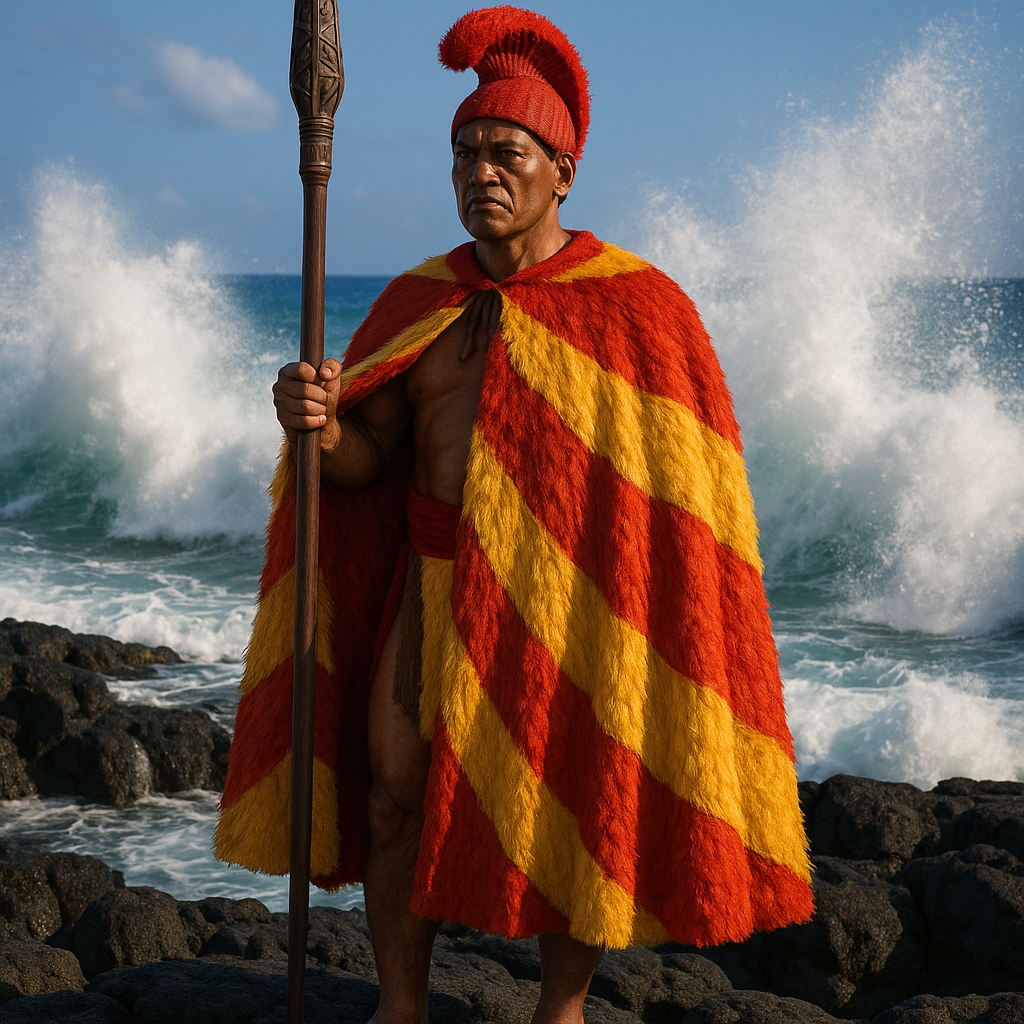
| Enlightenment and Proto-Industrial Oceania | Australia entirely Aboriginal. New Guinea horticulture stable. Polynesia fully independent: Hawaiian, Tahitian, and Māori political systems sophisticated; large oceanic navigation networks continue. Rapa Nui depopulated but still occupied. No European colonization except minor contact. |
| Enlightenment and Proto-Industrial Persia | Safavid Empire has collapsed (1722) after Afghan Hotak revolt. Persia fragmented. Nader Shah rising as a military commander (unifying Iran by 1736). Civil war, tribal anarchy, and foreign intrusions mark the decade. Persia at one of its lowest points before Nader’s restoration. |
| Enlightenment and Proto-Industrial South America | Spanish viceroyalties deeply entrenched. Peru and New Granada under Bourbon-style reforms. Potosí silver production still large though past peak. Andean populations reorganized into colonial towns; mita labor drafts active. African slave labor strong in coastal plantation zones. Inca cultural memory persists within rural communities. |
| Enlightenment and Proto-Industrial Western Europe | Post–War of Spanish Succession order (ended 1714). Britain emerges as dominant naval-commercial power. France under Louis XV entering decline from former heights. Enlightenment spreading rapidly (Voltaire active). Austria consolidates central Europe. Spain weakened but rebuilding under Bourbon reforms. |






1750 AD – Snapshot
| Terra Avita Region and Era Name Link | Event Description |
|---|---|
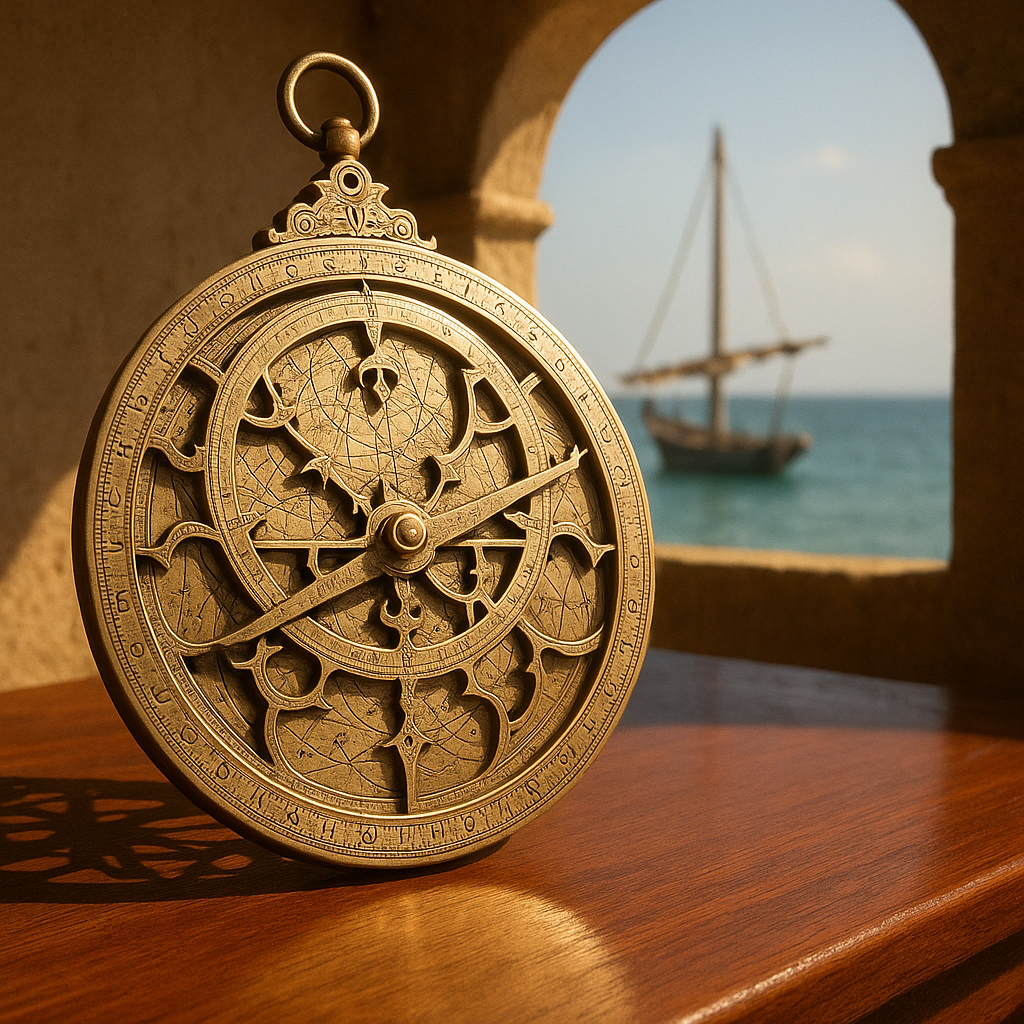
| Enlightenment and Proto-Industrial Africa (beyond the Nile) | Asante Empire powerful in Gold Coast. Dahomey militarized around slave trade. Oyo and Benin influential. Atlantic slave trade at maximum scale, reshaping West African states. Sahelian interior dominated by Hausa city-states and Bambara polities. Swahili Coast under Oman after expelling Portugal (1698). Ethiopia fragmented into Zemene Mesafint (“Era of Princes”). |
| Enlightenment and Proto-Industrial Central America | New Spain wealthy and consolidated. Mexico City a global hub. Bourbon Reforms beginning to reshape governance and taxation. Indigenous populations partially recovered but heavily controlled. Maya communities still semi-autonomous in remote regions. |
| Enlightenment and Proto-Industrial China (East Asia) | Qing Dynasty at absolute zenith under Qianlong Emperor (r. 1735–1796). Massive territorial expansion (Xinjiang, Tibet). Population boom. High agricultural output. Global tea–porcelain–silk export economy thriving. Internal strains not yet apparent. |
| Enlightenment and Proto-Industrial Eastern Mediterranean | Ottoman Empire deeply decentralized. Provincial ayan and Mamluk beys dominate local power. Military reforms stalled. Balkans unstable; Greek and Slavic populations restless. Eastern Mediterranean trade still active but overshadowed by British/French global networks. |
| Enlightenment and Proto-Industrial Egypt | Mamluk beys effectively control Egypt despite nominal Ottoman sovereignty. Cairo wealthy and cosmopolitan. Red Sea trade weakened but still relevant. Plague, corruption, and tax farming destabilize population. This is the final era before French invasion (1798). |
| Enlightenment and Proto-Industrial India and Central Asia | Mughal Empire collapsed in substance after Nader Shah’s 1739 sack of Delhi. Maratha Confederacy dominates northern India. Regional states rise (Hyderabad, Bengal, Awadh, Mysore). British and French East India Companies intervene militarily—Carnatic Wars underway (1746–1763). Central Asia fragmented into Uzbek, Kazakh, and Turkmen khanates. |
| Enlightenment and Proto-Industrial North America | Colonial North America at precipice of imperial war. French control St. Lawrence and Mississippi interior; British colonies densely populated on Atlantic coast. Indigenous confederacies in flux (Iroquois still strong; Shawnee/Delaware resetting). French and Indian War begins five years later (1754). Maize everywhere. Horses dominate Plains cultures. |
| Enlightenment and Proto-Industrial Oceania | Australia fully Indigenous (Cook arrives 1770 but settlement begins 1788). New Guinea horticulture strong. Polynesia independent: Hawaiian high chiefs powerful; Tahitian states sophisticated; Māori tribal confederacies strong; Rapa Nui depopulated but inhabited. No colonial domination yet. |
| Enlightenment and Proto-Industrial Persia | Post-Nader Shah fragmentation. Nader assassinated 1747. Persia fractures into warring tribal states (Zands, Qajars, Afshars). No centralized authority; economy and administration nearly collapsed. One of the most chaotic periods in Iranian history. |
| Enlightenment and Proto-Industrial South America | Spanish viceroyalties dominant. Viceroyalty of New Granada restored (1740). Silver mining stabilized. Andean villages reorganized under Bourbon administration. African slave labor prominent in coastal plantations. Indigenous revolts occasional but suppressed. |
| Enlightenment and Proto-Industrial Western Europe | High Enlightenment. Britain dominant after War of Austrian Succession (1740–1748). France powerful but strained financially. Scientific Revolution matured (Newton dead 1727, but his legacy driving global change). Early Industrial Revolution germinating in Britain (textiles, coal, steam pre-stage). Spain and Portugal declining. |






1775 AD – Snapshot
| Terra Avita Region and Era Name Link | Event Description |
|---|---|
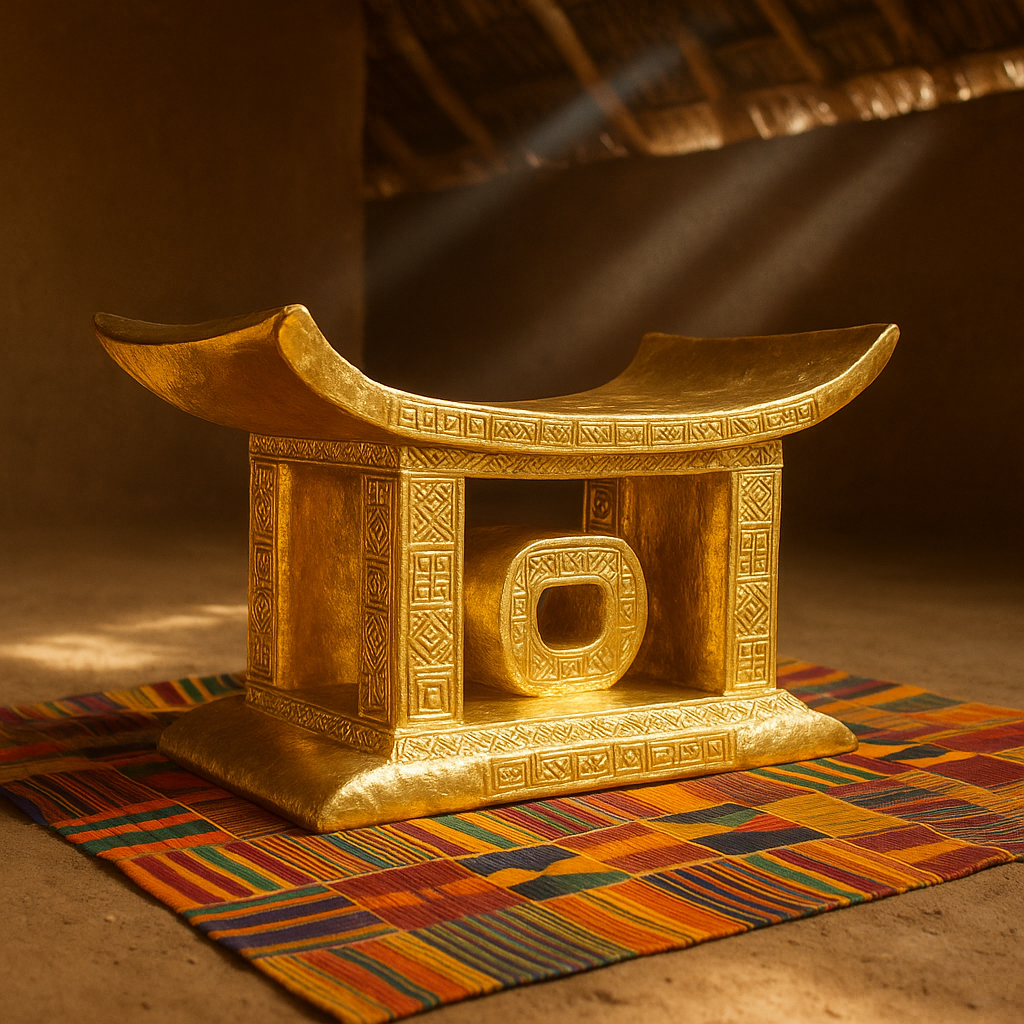
| Enlightenment and Proto-Industrial Africa (beyond the Nile) | Asante Empire powerful; Dahomey militarized; Oyo at peak expansion. Atlantic slave trade at maximum scale, devastating West African societies. Sahel: Hausa city-states strong; Bambara polities active. Swahili Coast under Omani hegemony; Indian Ocean trade reviving. Ethiopia in Zemene Mesafint (“Era of Princes”), fragmented. |
| Enlightenment and Proto-Industrial Central America | New Spain secure and wealthy. Bourbon Reforms tightening administrative control. Indigenous populations partially recovered but subordinated under tribute systems. Catholic missions dominate culture. Maya highlands semi-autonomous but within imperial framework. |
| Enlightenment and Proto-Industrial China (East Asia) | Qing Dynasty at high imperial height under Qianlong (r. 1735–1796). Control of Tibet, Xinjiang, Mongolia. Population surge; prosperous agrarian economy. Global tea–silk–porcelain trade booming. Internal stresses beginning but still hidden. |
| Enlightenment and Proto-Industrial Eastern Mediterranean | Ottoman Empire weakened and decentralized. Provincial ayan warlords powerful. Russian Empire encroaches on Black Sea. Trade routes diminished compared to Atlantic world, but Levant and Anatolia still culturally vibrant. |
| Enlightenment and Proto-Industrial Egypt | Mamluk beys dominant despite Ottoman nominal rule. Increasing corruption and tax-farming abuses. Cairo a major cultural center but economically weakened. This is the period just before Napoleon’s invasion (1798). |
| Enlightenment and Proto-Industrial India and Central Asia | Mughal Empire effectively dead, reduced to ceremonial status in Delhi. Maratha Confederacy dominates India. British East India Company expanding territorially (Bengal already conquered 1757; Mysore Wars beginning soon). Central Asia split among weakening Uzbek khanates; Kazakh hordes under Russian pressure. |
| Enlightenment and Proto-Industrial North America | American Revolution begins. Thirteen British colonies revolt. French influence in Canada gone (1763). Indigenous confederacies stressed by disease and colonial expansion; Iroquois split by war; Shawnee and Cherokee still powerful. Plains tribes fully mounted horse cultures. |
| Enlightenment and Proto-Industrial Oceania | Australia entirely Indigenous (First Fleet arrives 1788). New Guinea horticulture stable. Polynesia independent: Hawaiian ali‘i kingdoms powerful; Tahitian chiefdoms sophisticated; Māori tribes in New Zealand fully autonomous with fortified pā. Cook’s voyages (1768–1779) bring first major European contact but no colonization yet. |
| Enlightenment and Proto-Industrial Persia | Post-Nader Iran fractured. Zand Dynasty (Karim Khan Zand) controls much of Iran from Shiraz—this is the most stable post-Nader government but still weak by historical standards. Qajar and Afshar factions hover in background. |
| Enlightenment and Proto-Industrial South America | Spanish viceroyalties stable under Bourbon rule. Silver mining still central. Tupac Amaru II revolt only a few years away (1780). Indigenous labor drafts continue. Coastal plantation slavery significant. Broad Andean highland communities maintain strong local identity under colonial order. |
| Enlightenment and Proto-Industrial Western Europe | Late Enlightenment. Britain is the world’s leading naval and commercial power. France financially strained but still strong; revolutionary pressures rising. American Revolution begins (Lexington & Concord 1775). Industrial proto-shifts in Britain accelerating. Habsburg reforms under Maria Theresa and Joseph II. |







1800 AD – Snapshot
| Terra Avita Region and Era Name Link | Event Description |
|---|---|
| Enlightenment and Proto-Industrial Africa (beyond the Nile) | Asante Empire dominant inland. Oyo strong but beginning decline. Dahomey militarized and deeply tied to slave trade. Atlantic slave trade at its absolute height, reshaping West Africa violently. Sahel sees rise of Fula jihads (Sokoto Caliphate forms in 1804). Swahili Coast under Omani Zanzibar dominance. Ethiopia fragmented but resilient under regional nobles. |
| Enlightenment and Proto-Industrial Central America | New Spain stable but under Enlightenment-influenced reform. Tensions brewing that lead to independence wars (Mexico 1810). Indigenous communities heavily taxed but partially recovered demographically. Catholic Church dominant. |
| Enlightenment and Proto-Industrial China (East Asia) | Qing Dynasty still strong on surface but entering structural strain—corruption, population overload, environmental stress, White Lotus Rebellion (1794–1804). Trade imbalance with Europe growing; Canton system restricts foreigners. |
| Enlightenment and Proto-Industrial Eastern Mediterranean | Ottoman Empire severely weakened. Provincial autonomy rampant (e.g., Ali Pasha of Ioannina, Mamluk beys in Egypt). Russian Empire expanding aggressively into Black Sea and Caucasus. Eastern Mediterranean trade overshadowed by European oceanic empires. |
| Enlightenment and Proto-Industrial Egypt | Ruled by Mamluks in name, chaos in practice. French invasion under Napoleon (1798–1801) destabilizes balance. Muhammad Ali soon takes power (1805), initiating drastic modernization. Cairo culturally vibrant but politically unstable. |
| Enlightenment and Proto-Industrial India and Central Asia | British East India Company rules Bengal and expanding aggressively. Mysore Wars end (Tipu Sultan killed 1799). Maratha Confederacy still powerful but losing ground. Mughal Emperor a figurehead. In Central Asia, fragmented Uzbek khanates and Kazakh hordes pressured by Russian expansion. |
| Enlightenment and Proto-Industrial North America | United States founded (1776) and expanding. Indigenous nations pressured heavily: Iroquois weakened; Southeastern tribes under encroachment; Plains horse cultures flourishing (Lakota, Comanche at heights). Spanish control in Southwest waning; French Louisiana about to be sold (1803). |
| Enlightenment and Proto-Industrial Oceania | Australia entering colonization—First Fleet arrives 1788, penal colony expanding rapidly. New Guinea highlands unchanged. Polynesia destabilizing due to disease and European contact: Kamehameha consolidating Hawai‘i; Tahiti under missionary pressure; Māori societies encounter muskets soon (Musket Wars begin in early 1800s). Rapa Nui devastated. |
| Enlightenment and Proto-Industrial Persia | Qajar Dynasty newly established (Agha Mohammad Khan crowned 1796). Persia reunified after decades of chaos. Still militarily weak relative to Russia and Britain. Great Game frontier dynamics emerging. |
| Enlightenment and Proto-Industrial South America | Spanish imperial system at breaking point. Creole elites influenced by Enlightenment; independence wars imminent (Venezuela 1811, Argentina 1816, Peru 1821). Andean communities still under tribute and mita systems. African slavery widespread in coastal regions. |
| Enlightenment and Proto-Industrial Western Europe | French Revolution has overturned Europe. Napoleon rising to power (Coup of 18 Brumaire in 1799). Britain leads global naval and industrial ascent. Holy Roman Empire about to collapse (1806). Industrial Revolution intensifies in Britain—steam engines, mechanized textiles, coal-driven urbanization. |