(1500 AD – 1800 AD)
Early Modern History spans from the onset of the Renaissance (c. 1500 CE) to the rise of industrialization (c. 1800 CE). It is the structural bridge between the medieval order and the modern industrial world, marked by intellectual renewal, global expansion, and the rational reorganization of knowledge, power, and economy.
It is divided into structural epochs:
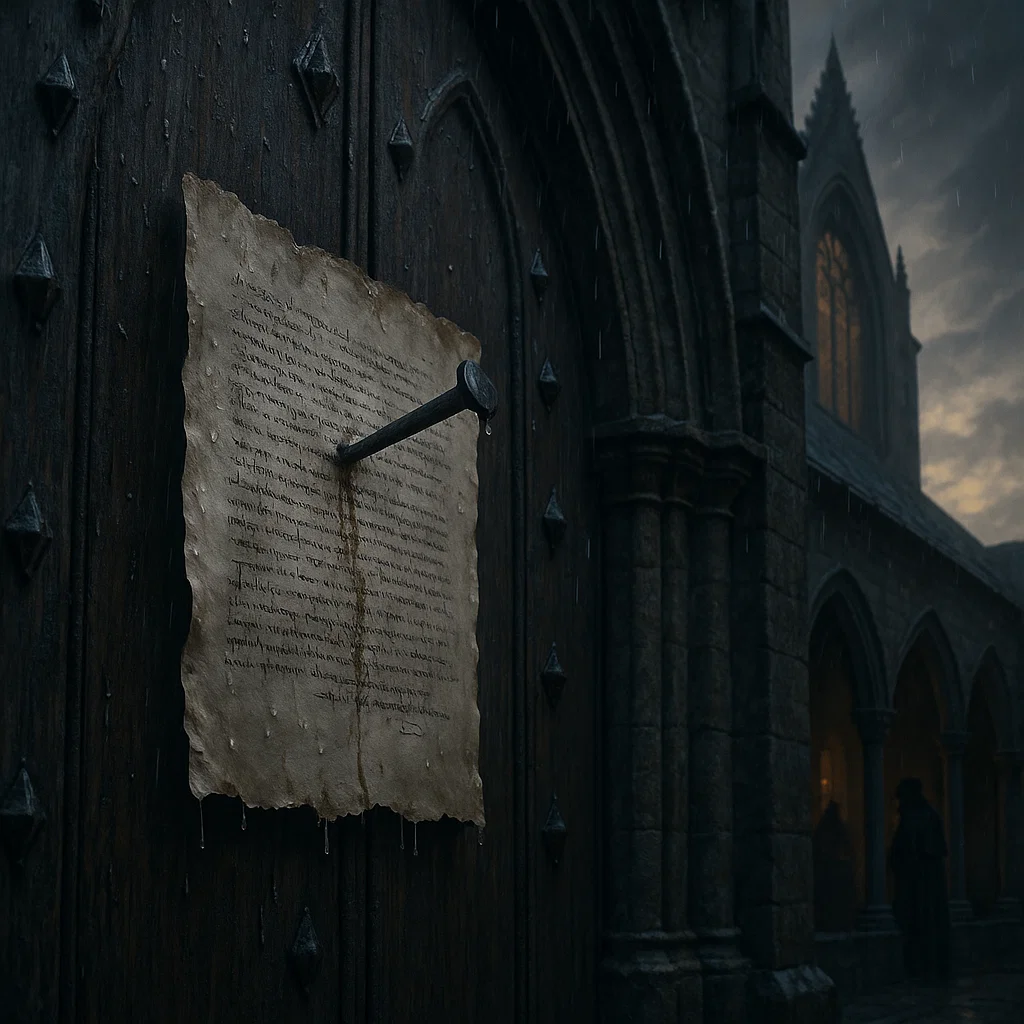
1. Renaissance and Reformation (c. 1500 – 1600 CE)
- Intellectual Renewal
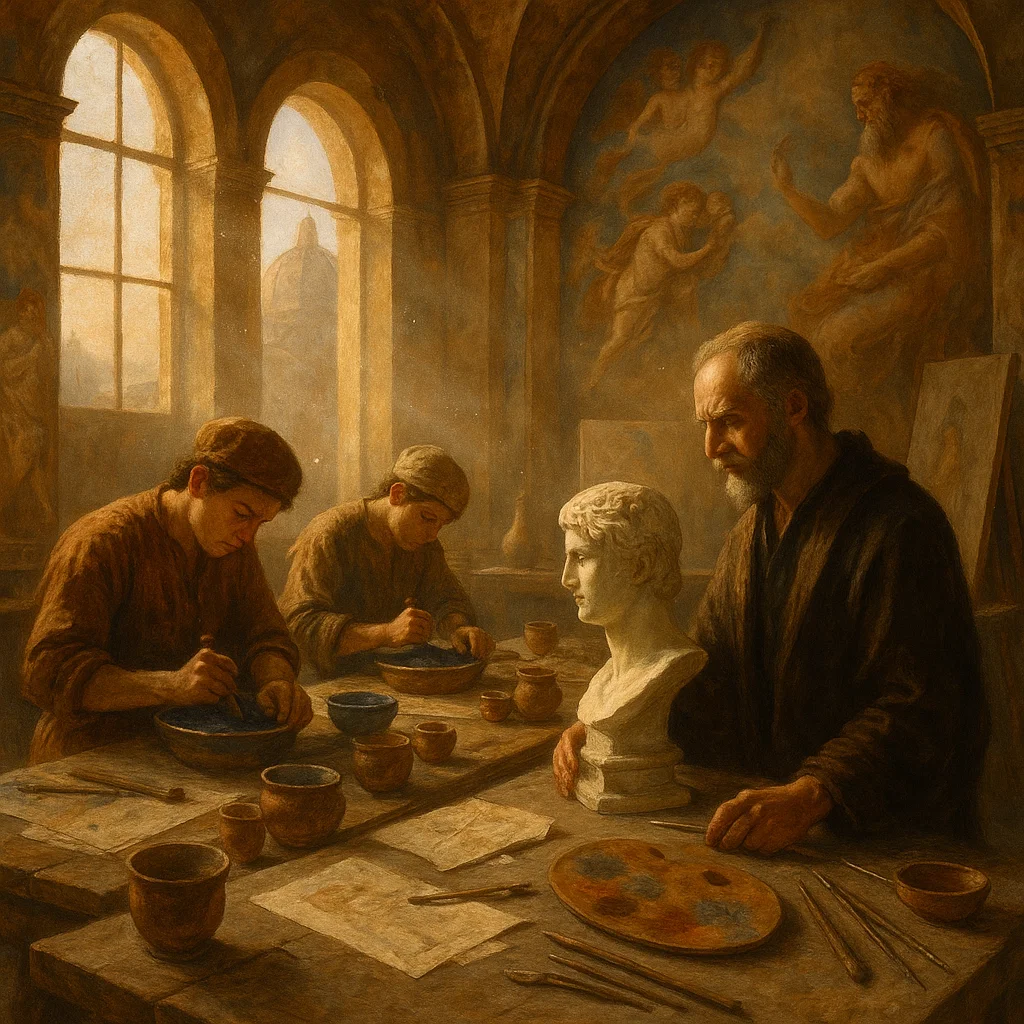
- Rediscovery of classical texts and artistic traditions.
- Humanism emphasized individual potential and secular learning.
- Universities and patrons (Medici, monarchs, church) supported intellectual flourishing.
- Religious Upheaval
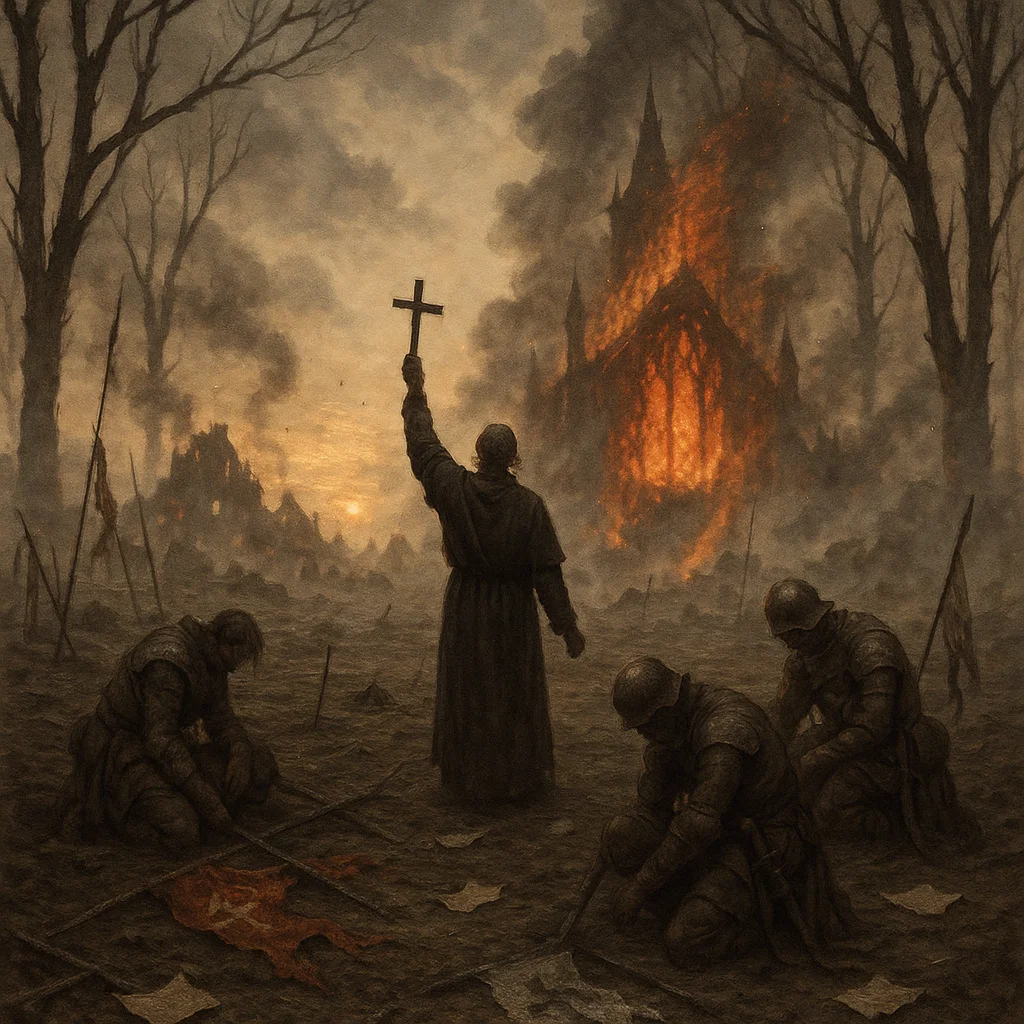
- Protestant Reformation (Martin Luther 1517) fractured Western Christianity.
- Catholic Counter-Reformation reasserted doctrine and discipline.
- Wars of religion reshaped political and cultural boundaries.
- Political Consolidation
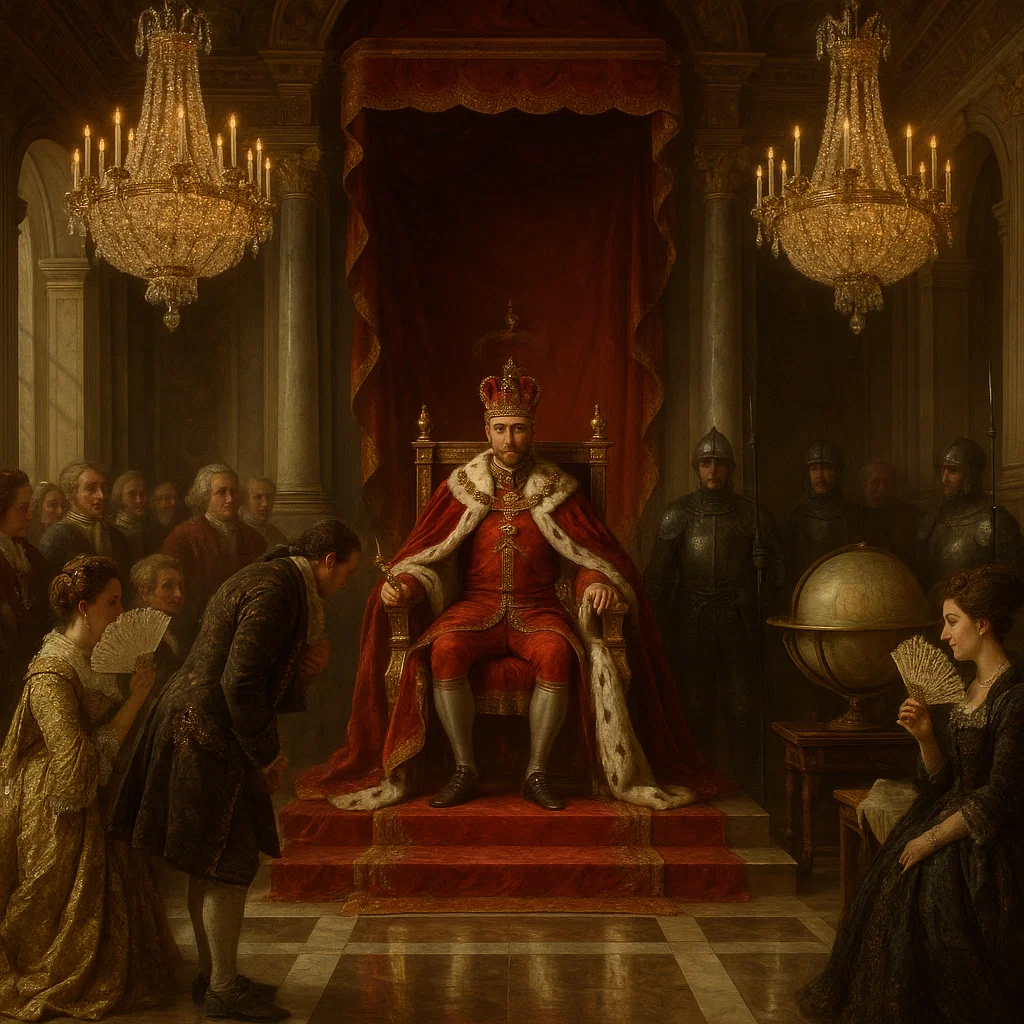
- Monarchies centralized authority, reducing the autonomy of feudal lords.
- Diplomacy and standing armies began to replace medieval feudal obligations.
- Technology of Communication
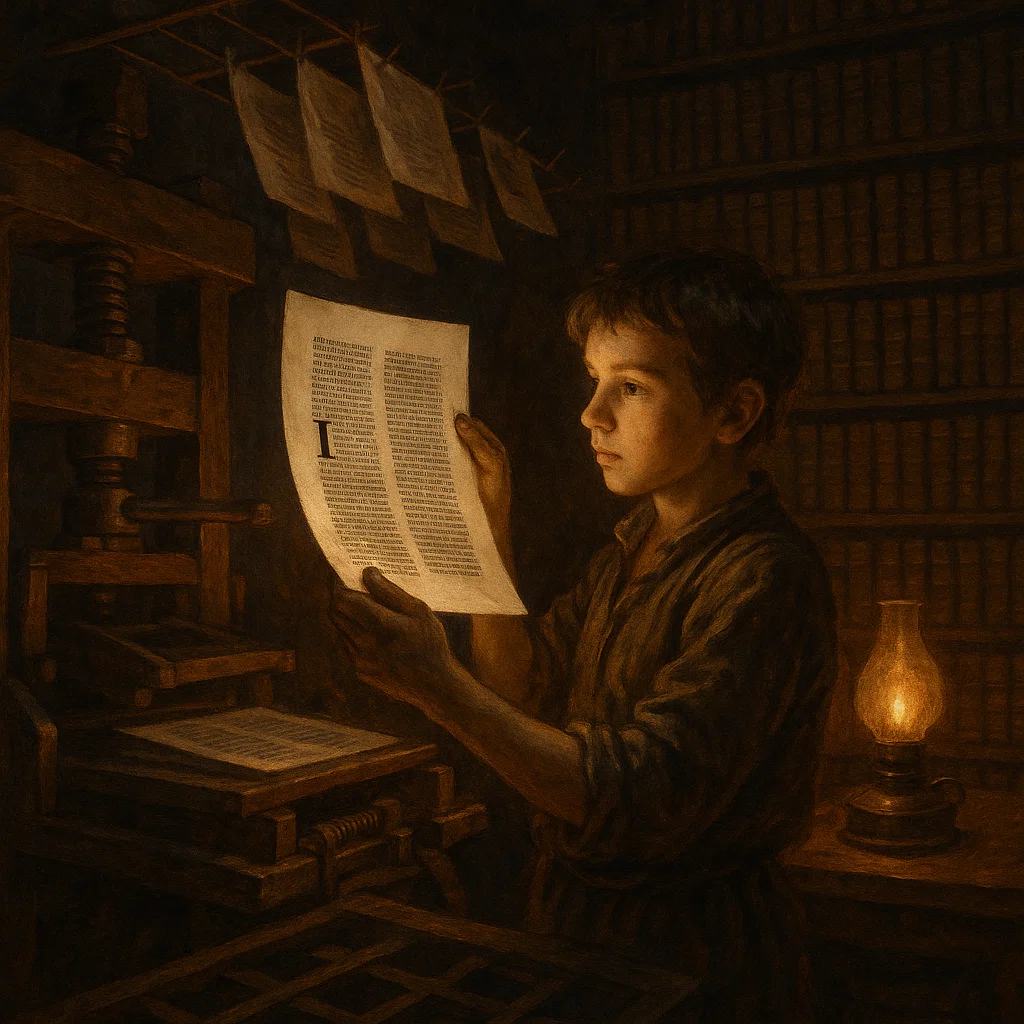
- The printing press spread literacy, pamphlets, and propaganda.
- Knowledge became reproducible and more widely accessible.
2. Scientific Revolution and State Formation (c. 1600 – 1700 CE)
- Science and Rational Inquiry
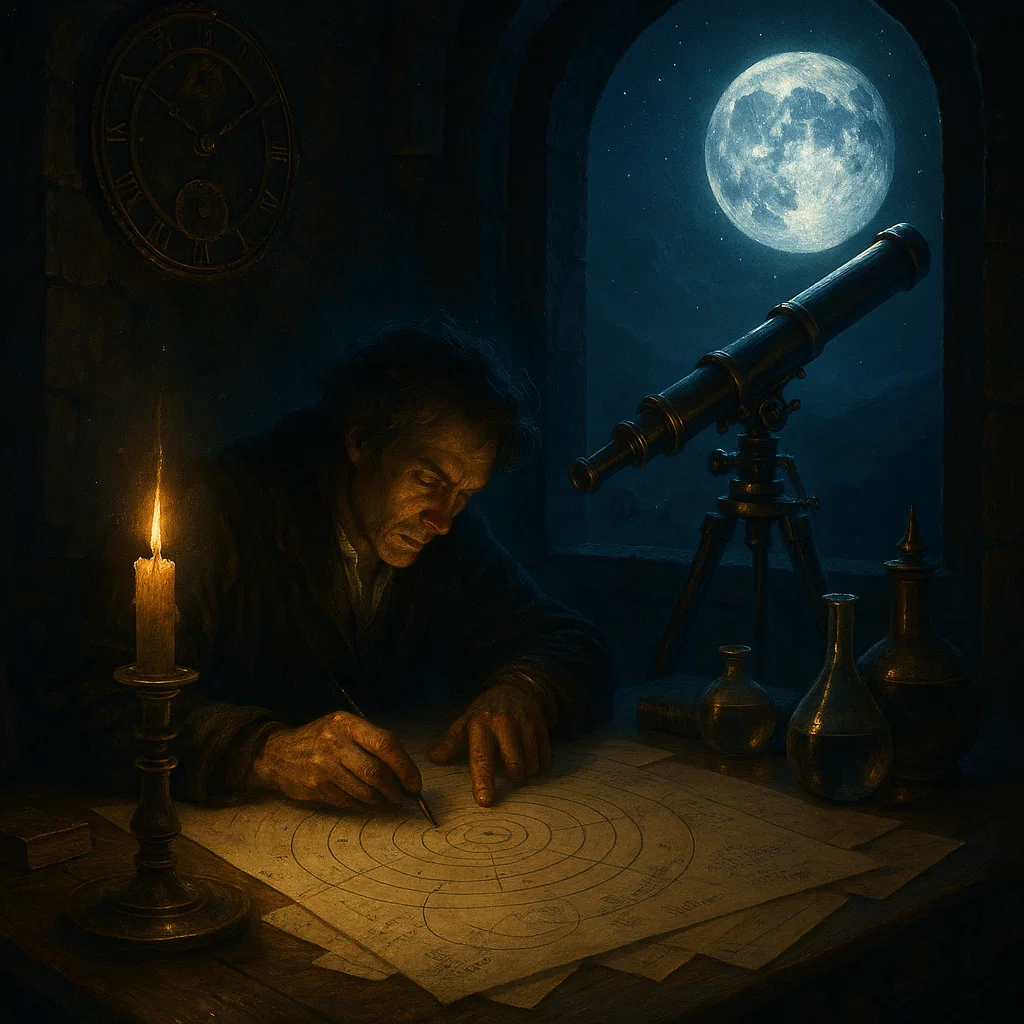
- Astronomy (Copernicus, Galileo, Kepler) redefined the cosmos.
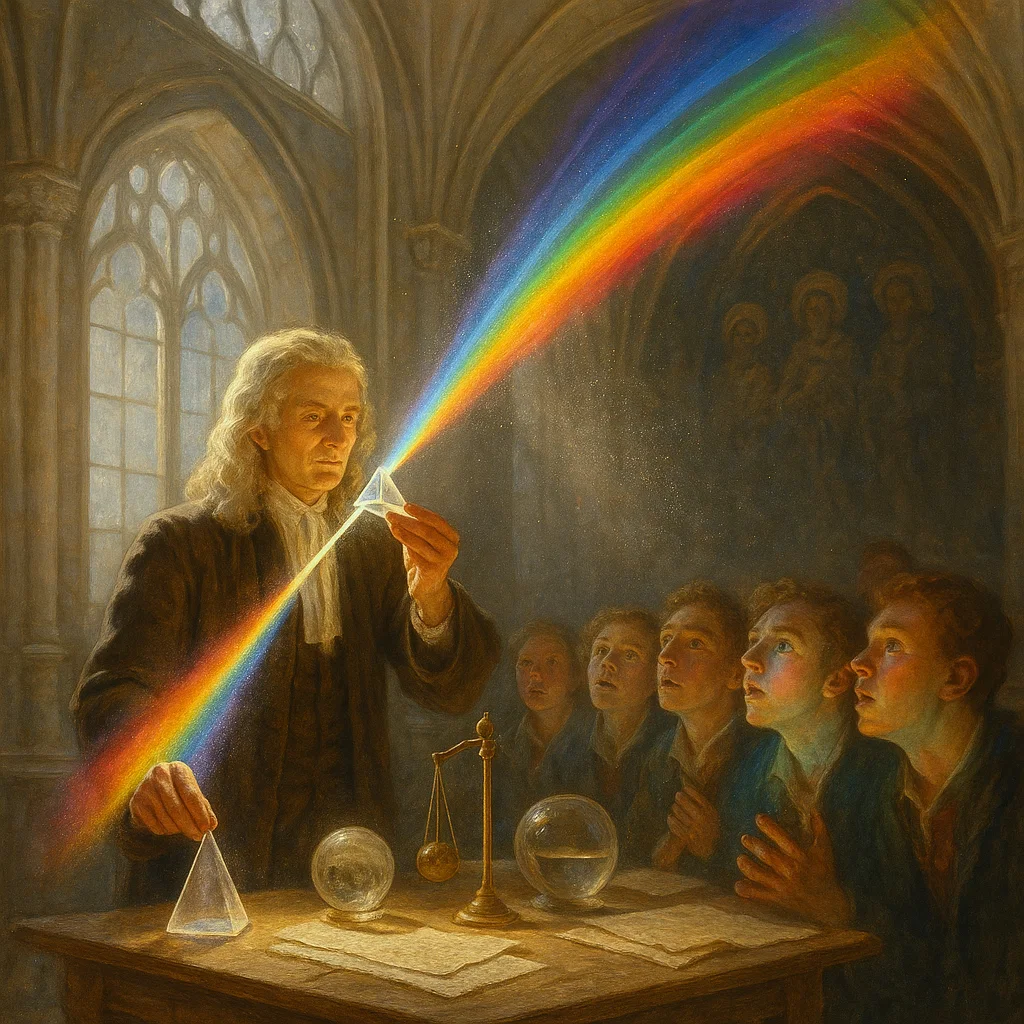
- Physics (Newton), anatomy, and chemistry advanced systematic natural philosophy.
- Empiricism and experimentation replaced scholastic authority.
- Political Structures
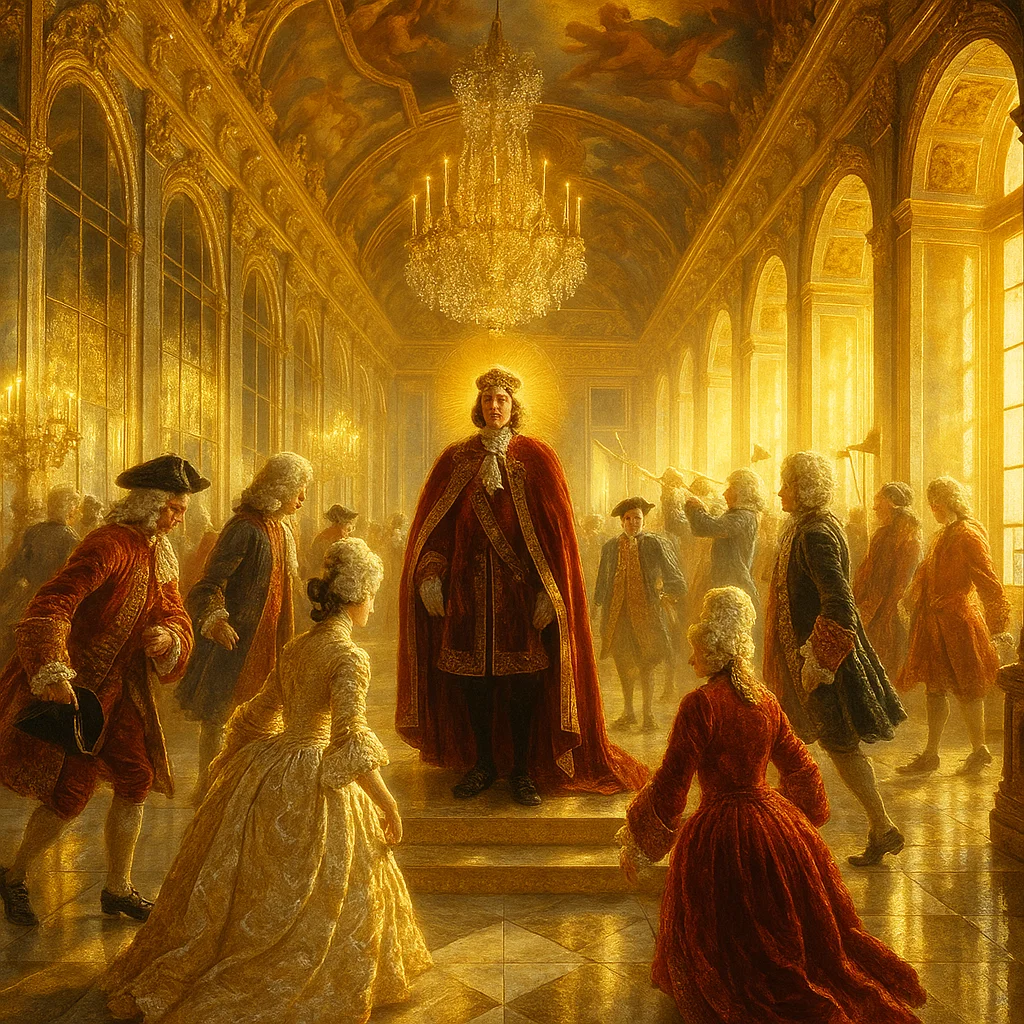
- Absolutist states (Louis XIV’s France) concentrated power in monarchies.
- Parliamentary challenges (English Civil War, Glorious Revolution) introduced checks on authority.
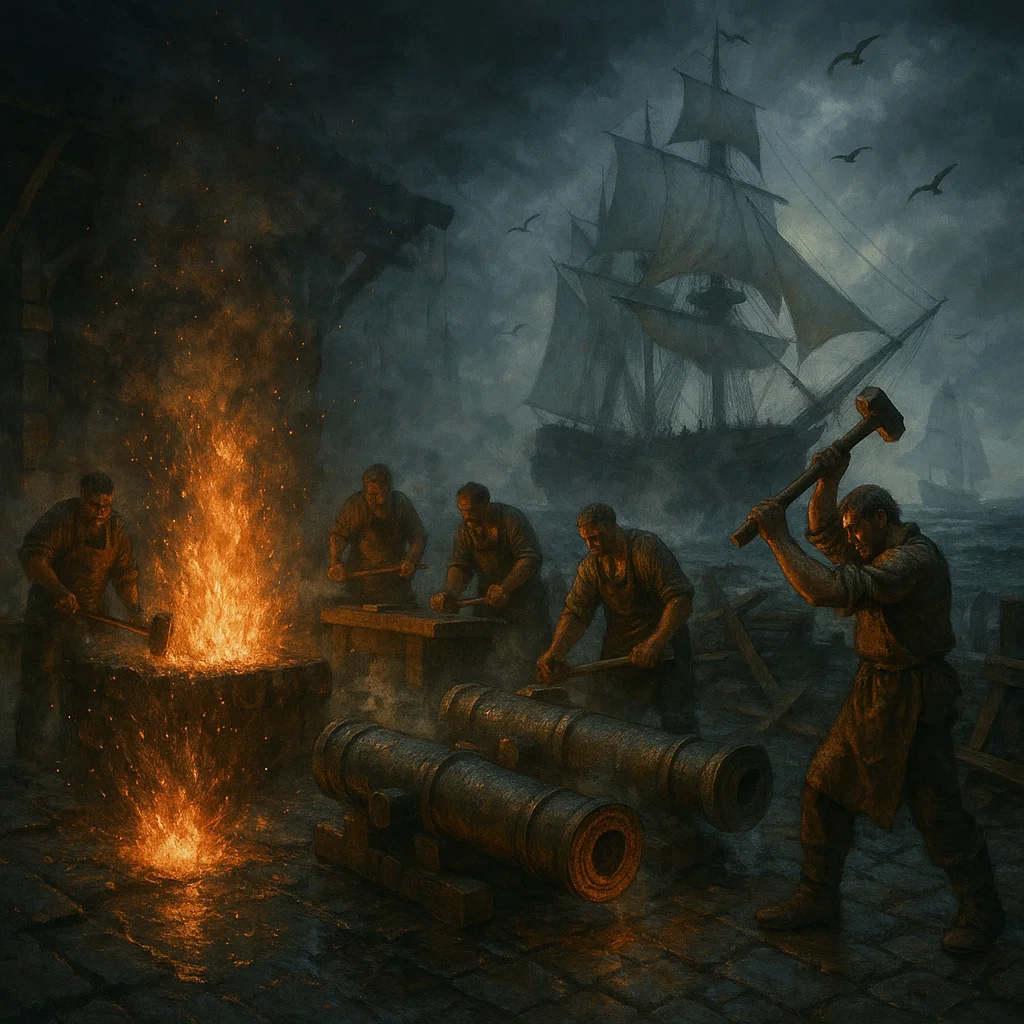
- Military Revolution
- Gunpowder weapons, fortifications, and professional armies redefined warfare.
- Taxation and state bureaucracy expanded to fund standing militaries.
- Colonial Expansion
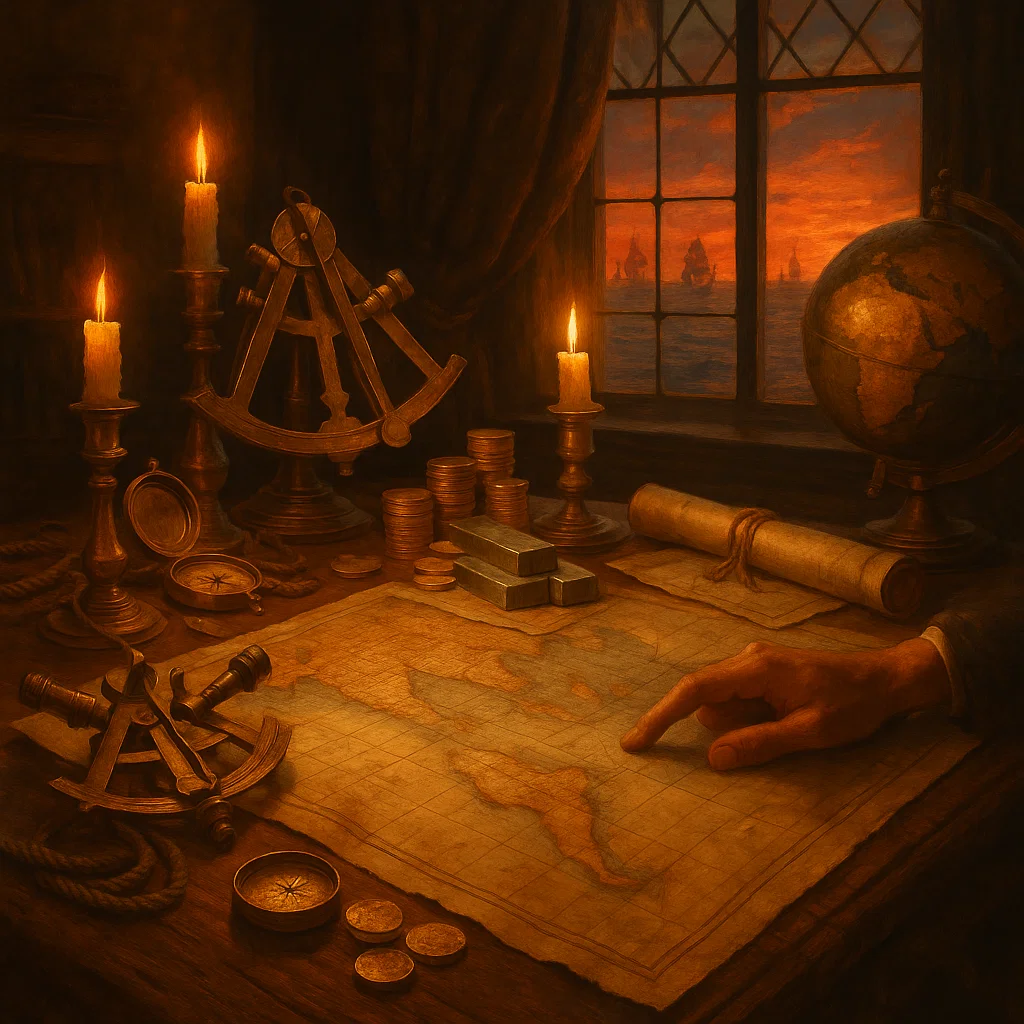
- European states extended overseas empires in the Americas, Africa, and Asia.
- Global trade in silver, sugar, and slaves tied continents into interdependent systems.
3. Enlightenment and Proto-Industrial (c. 1700 – 1800 CE)
- Rationalization of Society
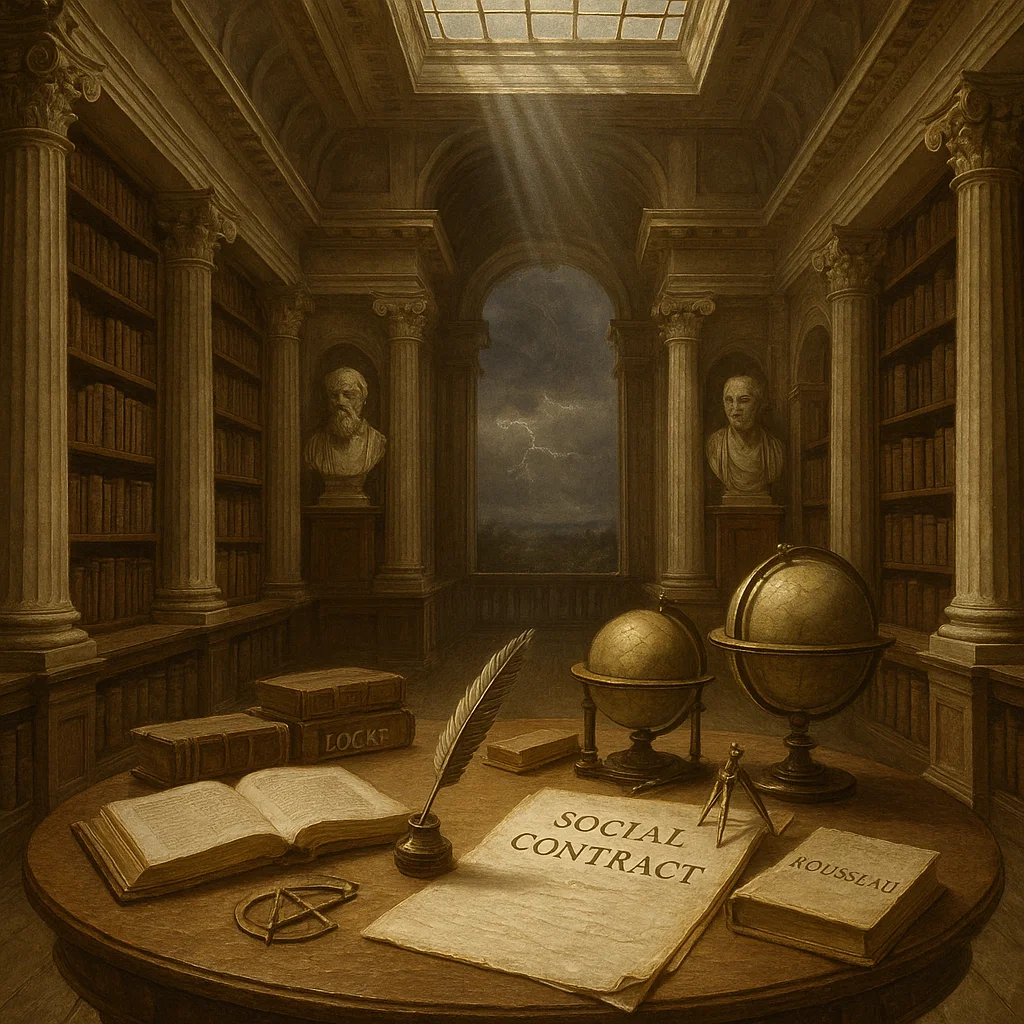
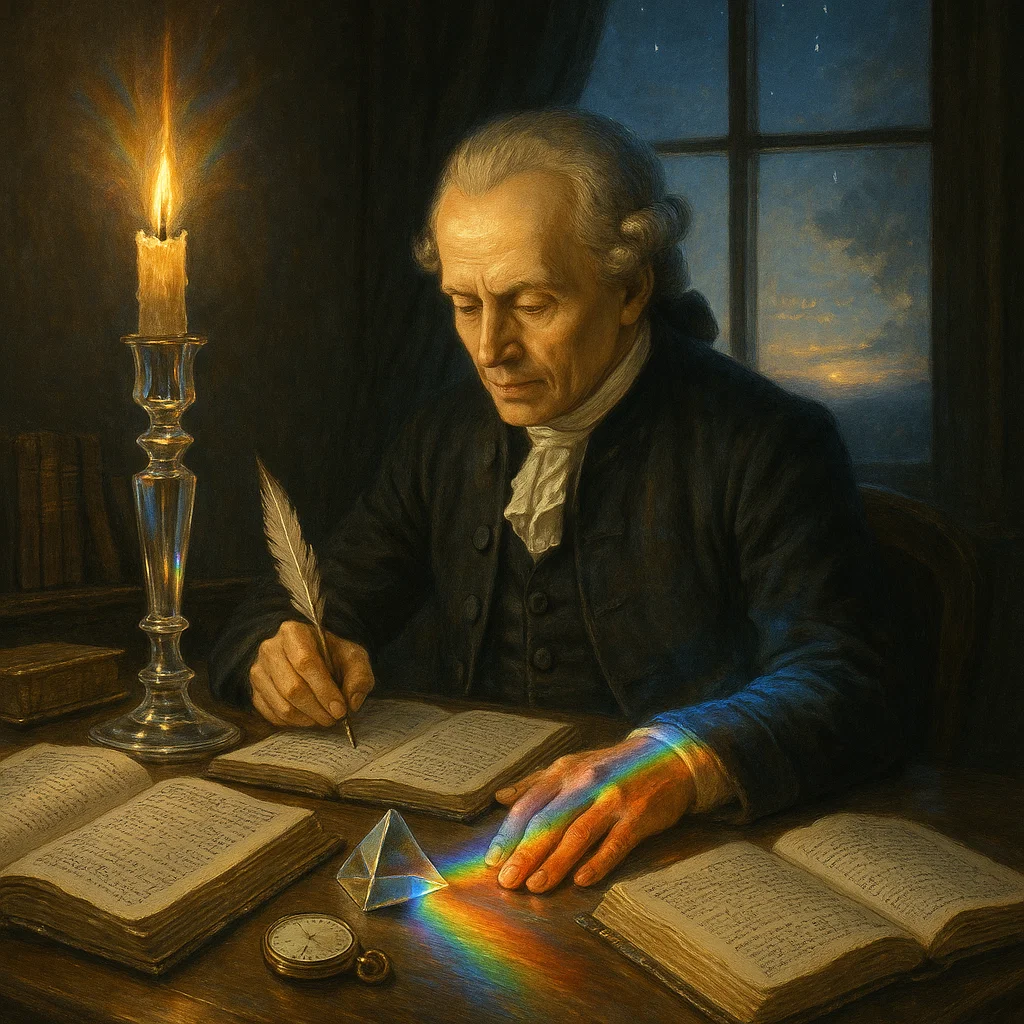
- Philosophers (Locke, Voltaire, Rousseau, Montesquieu, Kant) emphasized reason, rights, and critique of tradition.
- Political philosophy questioned divine monarchy and promoted representative institutions.
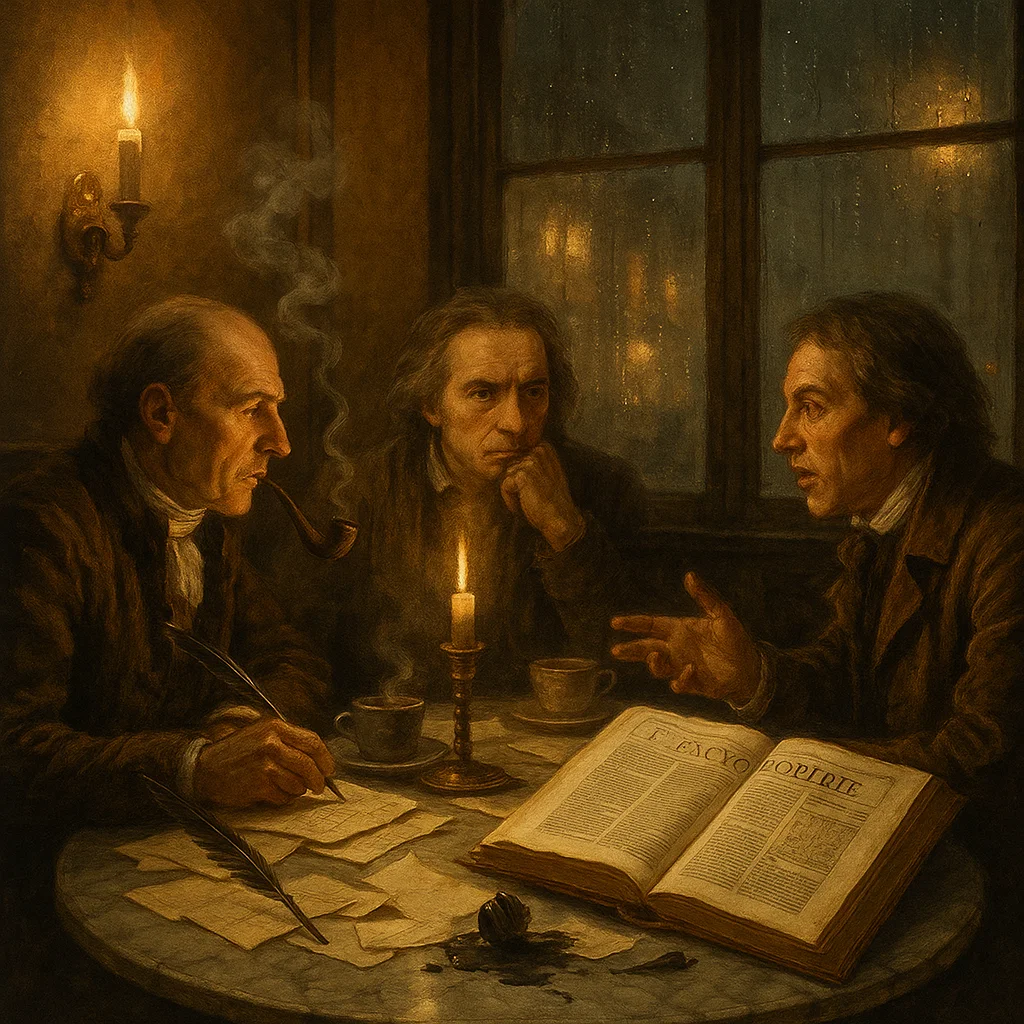
- Encyclopedias, salons, and coffeehouses structured intellectual life.
- Economic Change
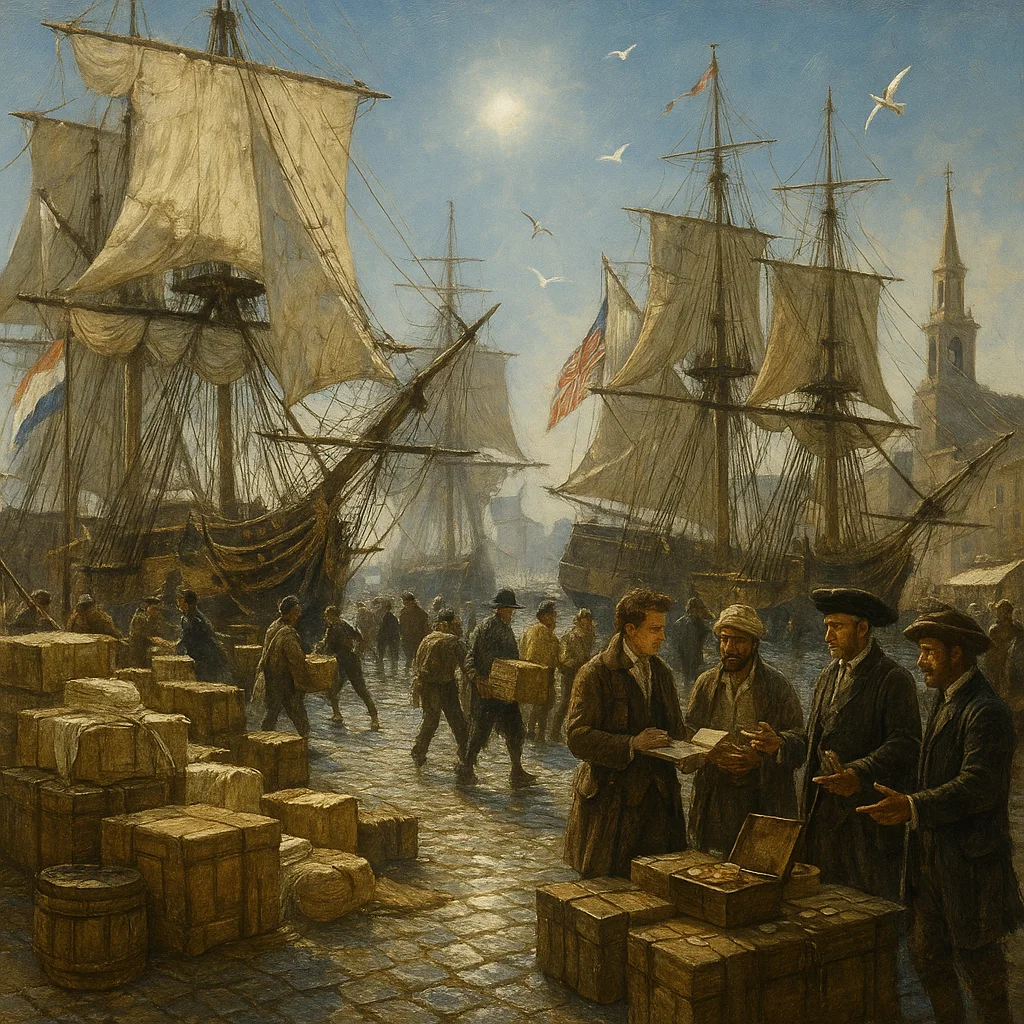
- Mercantilist states pursued trade monopolies and colonial wealth.
- Early capitalist structures emerged: banking, credit, and financial markets expanded.
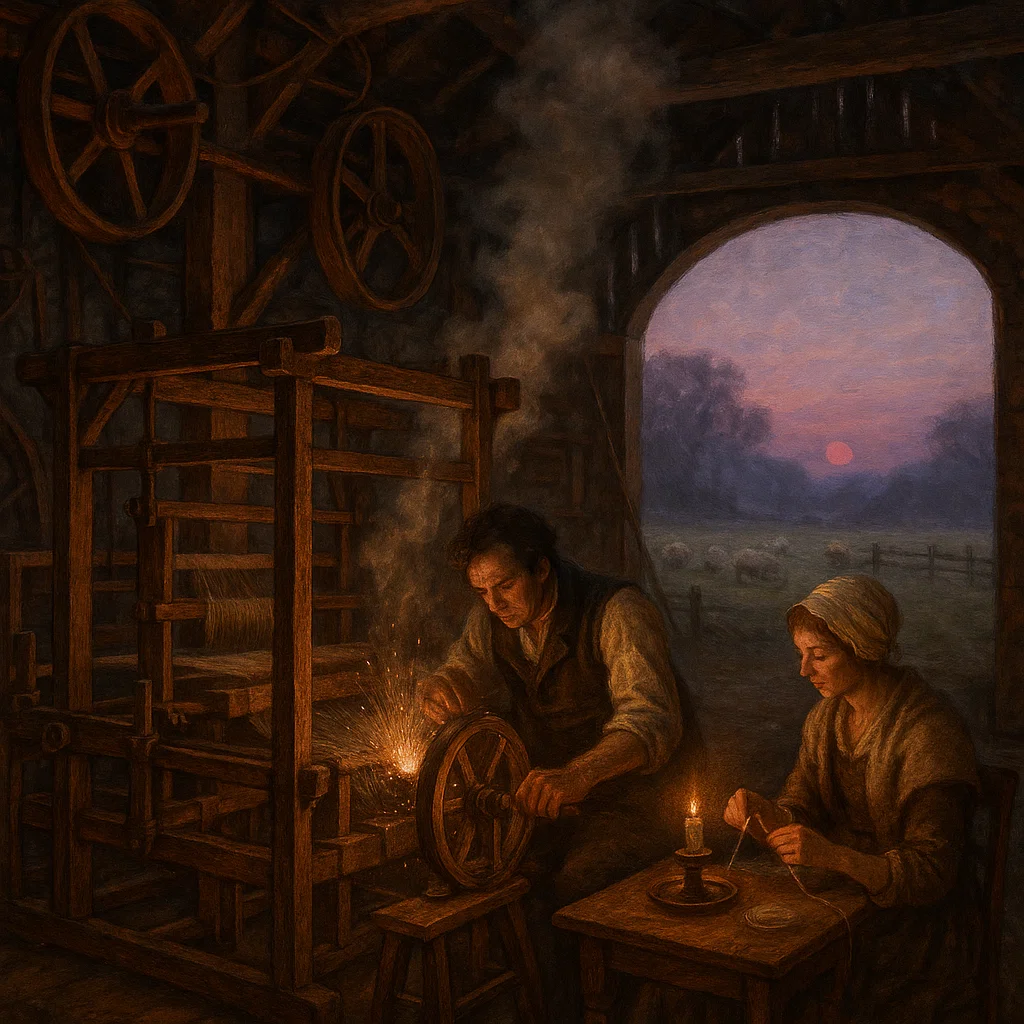
- Proto-industrial “cottage industries” and mechanization experiments began.
- Cultural and Religious Shifts
- Secularization of knowledge accelerated, though religious revivals (Pietism, Methodism) persisted.
- Arts and architecture reflected both baroque grandeur and neoclassical restraint.
- Global Integration
- Global trade networks linked Europe, Africa, Asia, and the Americas into a single economic system.
- Enlightenment ideas circulated internationally, preparing ideological ground for revolution.
Transition to Modern History
By 1800, industrialization began transforming production, society, and the global balance of power. The structural world of monarchies, agrarian economies, and rational philosophy yielded to the machine age, nationalism, and mass politics—marking the shift into Modern History.