(1870 AD – 1914 AD)
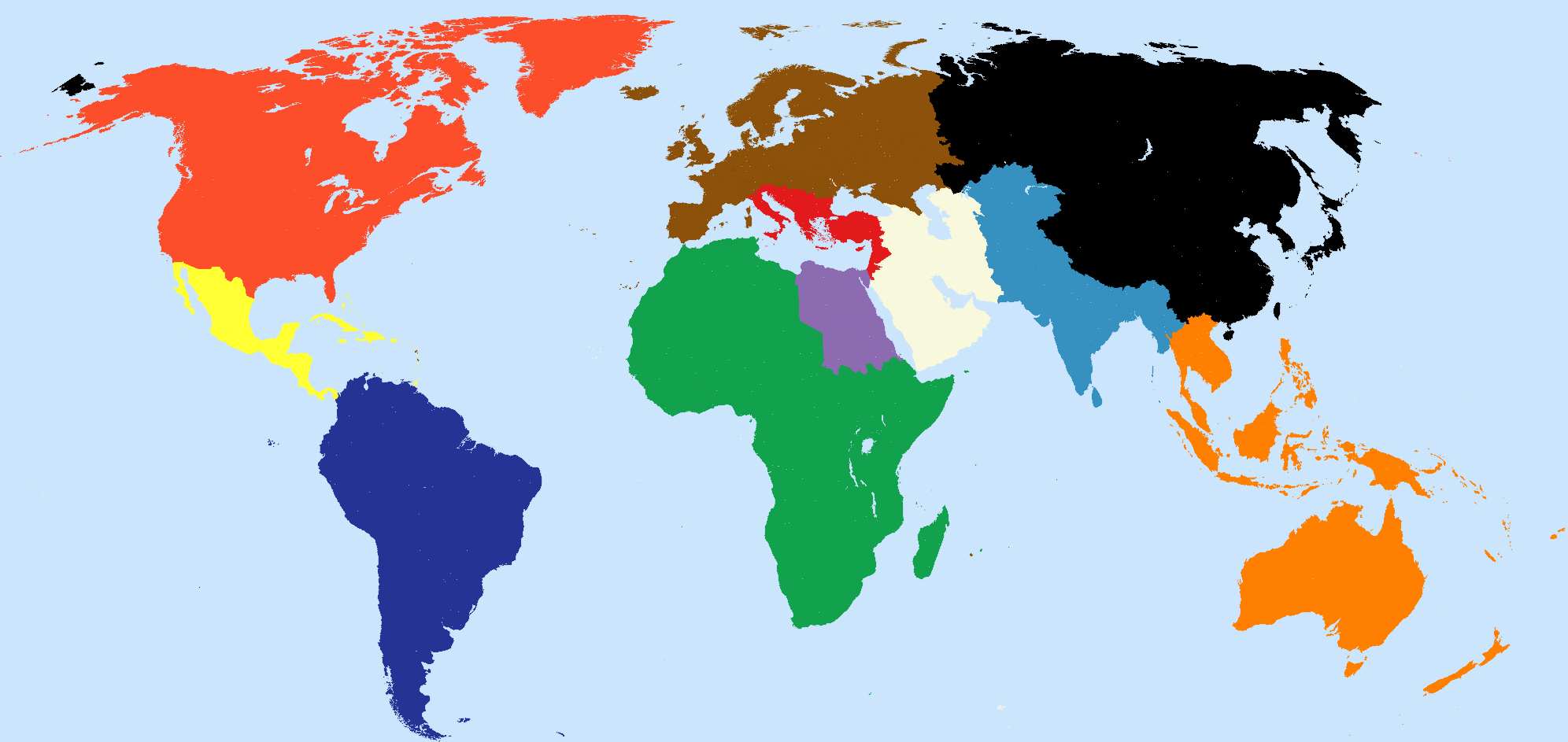 Long 19th
Western Europe Long 19th
Eastern Mediterranean Long 19th
Persia Long 19th
Egypt Long 19th
Africa Long 19th
India & Central Asia Long 19th
China Long 19th
Oceania Long 19th
North America Long 19th
Central America Long 19th
South America
| Terra Avita Region and Era Name Link | Representative Cultures | Major Cities / Centers | Major Events |
|---|---|---|---|
| Long 19th Century Western Europe | Victorian Britain, Third Republic France, German Empire, Austro-Hungarian Empire, Italian Kingdom | London, Paris, Berlin, Vienna, Rome | Industrial maturity; nationalism and imperial competition; unification of Germany and Italy; rise of socialism and suffrage movements |
| Long 19th Century Eastern Mediterranean | Ottoman Empire (Late Tanzimat), Balkan Nationalisms, Greek Kingdom | Constantinople, Athens, Thessaloniki, Sarajevo | Decline of Ottoman authority; Balkan independence movements; growing European intervention |
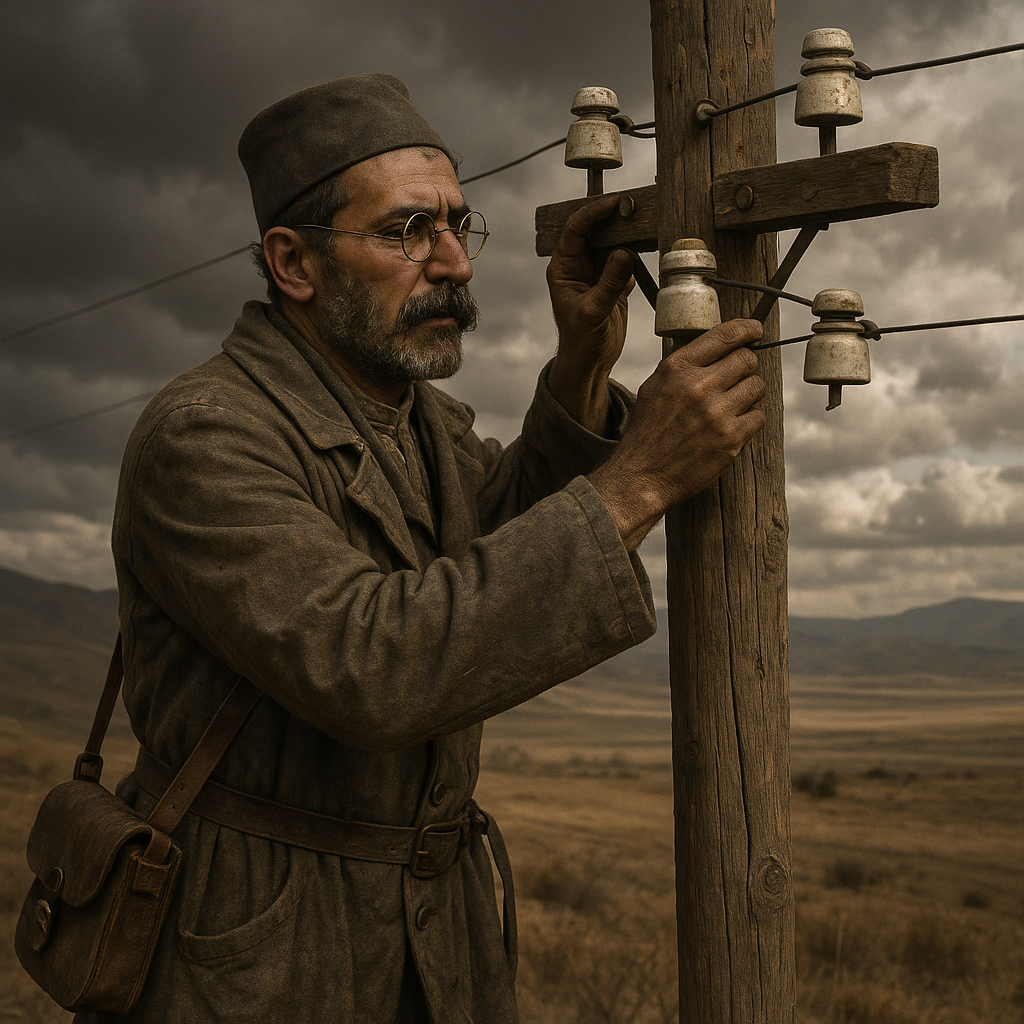
| Long 19th Century Persia | Qajar Dynasty (Late), Constitutional Reformists | Tehran, Tabriz, Isfahan | Anglo-Russian influence increases; Persian Constitutional Revolution (1905–1911); modernization efforts begin |
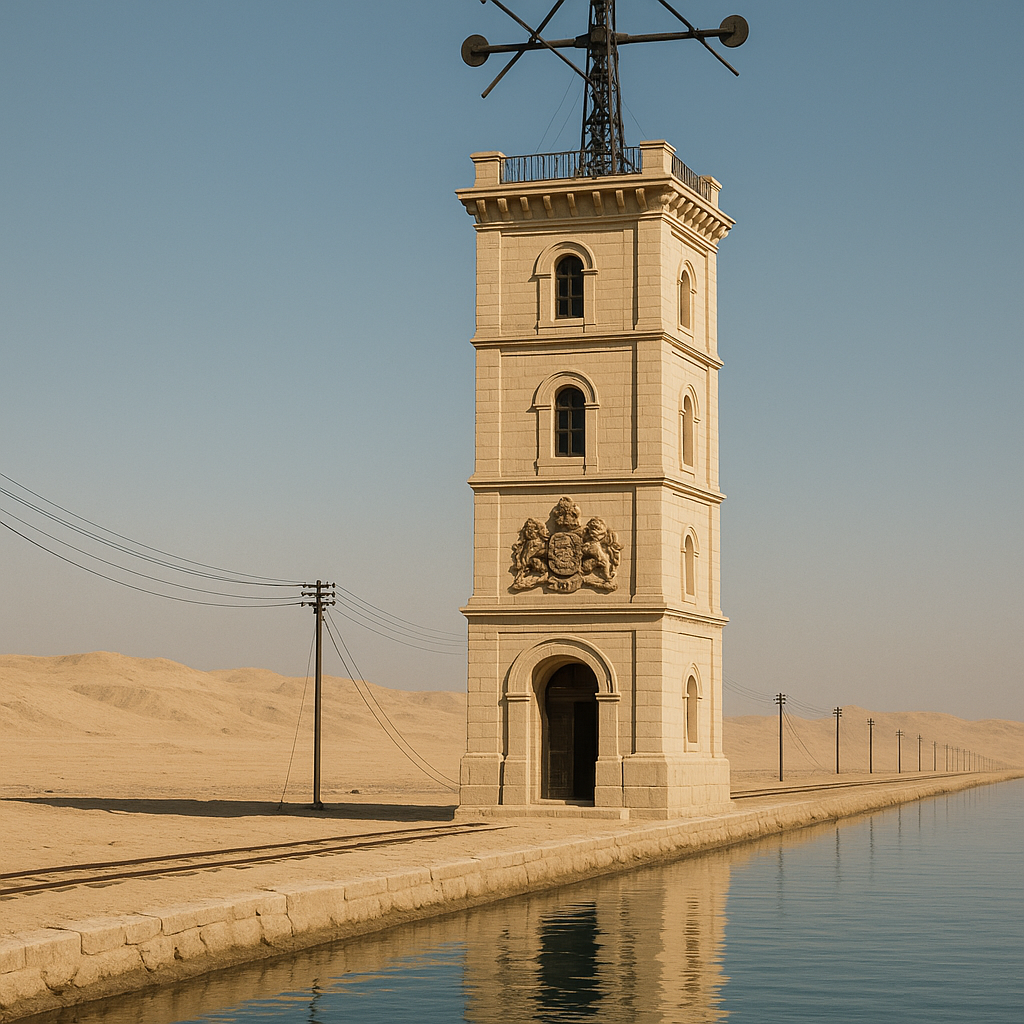
| Long 19th Century Egypt | Khedivate of Egypt under Ottoman Suzerainty, British Occupation (post-1882) | Cairo, Alexandria, Port Said | Construction of Suez Canal (1869); British control over Egypt; early nationalist and reform movements |
| Long 19th Century Africa (beyond the Nile) | Zulu Kingdom (decline), Sokoto Caliphate, Ashanti Empire, European Colonial Powers | Lagos, Cape Town, Khartoum, Timbuktu | Scramble for Africa; Berlin Conference (1884–1885); African resistance and partition into colonies |
| Long 19th Century India and Central Asia | British Raj, Afghan Emirate, Russian Turkestan | Calcutta, Delhi, Kabul, Samarkand | Consolidation of British rule; Great Game continues; Indian National Congress founded (1885) |
| Long 19th Century China (East Asia) | Late Qing Dynasty, Meiji Japan, Joseon Korea (and Korean Empire) | Beijing, Tokyo, Seoul, Shanghai | Self-Strengthening Movement; Sino-Japanese War (1894–1895); Meiji industrial modernization; Boxer Rebellion |
| Long 19th Century Oceania | British Dominions, Māori Confederations, Hawaiian Kingdom (until 1893) | Sydney, Melbourne, Auckland, Honolulu | Expansion of settler colonies; annexation of Hawaii; federation of Australia (1901) |
| Long 19th Century North America | United States (Gilded Age), Dominion of Canada, Mexican Republic (Porfiriato) | New York, Chicago, Ottawa, Mexico City | Rapid industrialization and urbanization; American frontier closes; labor and social reform movements rise |
| Long 19th Century Central America | Liberal Republics, Banana Republic Economies, U.S. Influence Expands | Guatemala City, San José, Panama City | Foreign corporate dominance; Panama Canal project begins; political instability and reform attempts |
| Long 19th Century South America | Empire of Brazil, Argentine Confederation, Chilean Republic, Andean Nations | Rio de Janeiro, Buenos Aires, Santiago, Lima | Coffee and export booms; War of the Pacific (1879–1884); abolition of slavery in Brazil (1888); early industrialization |




1870 AD – Snapshot
| Terra Avita Region and Era Name Link | Event Description |
|---|---|
| Industrial Era Africa (beyond the Nile) | Scramble for Africa beginning. Asante Empire strong but soon to be defeated by British (1874). Dahomey militarized; Oyo collapsed. Sokoto Caliphate large but pressured. East Africa dominated by Omani Zanzibar and Swahili–Arab trade; coastal slave/ivory routes peak. Ethiopia under Yohannes IV stabilizing after Tewodros’s fall (1868). European explorers forging inland paths. |
| Industrial Era Central America | Independent states stabilizing. Coffee economies dominate Guatemala, El Salvador, Costa Rica. Caudillo figures rule much of the region. Indigenous communities marginalized via land seizures and labor coercion. Foreign capital begins influencing infrastructure. |
| Industrial Era China (East Asia) | Late Qing collapse accelerating. After Taiping and Muslim rebellions, state nearly bankrupt. Self-Strengthening Movement begins but limited. Foreign concessions multiply. Military power weak; European influence deepens. Opium trade surges; domestic unrest constant. |
| Industrial Era Eastern Mediterranean | Ottoman Empire in steep decline. Losses in Balkans ongoing; Great Powers intervene constantly. Tanzimat reforms faltering; Young Ottomans movement rising. Egypt functionally independent under Ismail Pasha and heavily indebted to Europe. |
| Industrial Era Egypt | Khedivate under Ismail Pasha, aggressively modernizing (Suez Canal opened 1869). Heavy debt gives European powers financial control. Cairo expanding rapidly. British occupation only 12 years away (1882). |
| Industrial Era India and Central Asia | British Raj fully in place after 1858; direct British crown rule. Railways, telegraphs, and plantation economies expand. Indigenous states reduced to princely protectorates. In Central Asia, Russian Empire conquers Central Asian khanates—Tashkent (1865), Samarkand (1868), Khiva soon (1873), Kokand (1876). |
| Industrial Era North America | United States post–Civil War Reconstruction (1865–1877). Industrialization accelerating. Plains Wars intensify; Indigenous nations forcibly confined (Lakota, Cheyenne, Apache). Canada becomes a country (Confederation 1867). Mexico under restored republic of Benito Juárez. Western frontier violence continuous. |
| Industrial Era Oceania | Colonization intensifies. Australia a consolidated British settler society. New Zealand in middle of late Māori Wars (1860s–1870s). Hawaii a kingdom under Kalākaua but heavily influenced by American planters. Tahiti a French colony. Rapa Nui nearly depopulated by slave raids + disease. Western Pacific targeted by missionaries and traders. |
| Industrial Era Persia | Qajar Iran weak under Naser al-Din Shah. Economic dependency deepening; Russia dominates north, Britain dominates south. Concessions to Europeans increase. Internal tribal autonomy massive. No meaningful modernization. |
| Industrial Era South America | Nation-state consolidation. Argentina expands into the Pampas/Patagonia (Conquest of the Desert soon). Chile advances north; Peru & Bolivia maintain fragile stability. Paraguay devastated in War of the Triple Alliance (1864–1870). Brazil under Emperor Pedro II industrializing slowly; slavery still legal (ends 1888). |
| Industrial Era Western Europe | Franco-Prussian War (1870–1871) reshapes Europe; German Empire founded 1871. France’s Second Empire collapses. Britain at industrial/imperial peak; Victorian global dominance. Italy newly unified (1861 → Venice 1866 → Rome 1870). Railways and factories explode across all major states. |




1880 AD – Snapshot
| Terra Avita Region and Era Name Link | Event Description |
|---|---|
| Long 19th Century Africa (beyond the Nile) | Scramble for Africa fully underway. Berlin Conference only four years away (1884). Asante territory threatened by British. Dahomey resisting French. Sokoto Caliphate still strong inland. East Africa ruled by Omani Zanzibar but rapidly targeted by Germany and Britain. Ethiopia under Yohannes IV resisting Egyptian and Sudanese incursions. Massive expansion of European slaving suppression fleets off West Africa. |
| Long 19th Century Central America | Independent republics entrenched. Coffee oligarchies dominate politics (Guatemala, El Salvador, Costa Rica). Frequent coups and caudillo rule. Indigenous land dispossession intensifies. Foreign companies (especially U.S. and British) begin influencing infrastructure and exports. |
| Long 19th Century China (East Asia) | Late Qing disintegration. After Opium Wars and Taiping/Nian/Muslim rebellions, Qing authority hollow. Self-Strengthening Movement creating limited modern industry. Foreign concessions dominate Shanghai, Tianjin, Canton. Sino-French tensions rising (Tonkin). Rural disorder widespread. |
| Long 19th Century Eastern Mediterranean | Ottoman Empire in collapse trajectory. Loss of Balkans accelerating; Serbia, Romania, Montenegro, and Bulgaria independent or autonomous. European powers controlling finances (Ottoman Public Debt Administration 1881). Egypt slipping from Ottoman orbit into British control. |
| Long 19th Century Egypt | Britain occupies Egypt in 1882 (just after this moment, but occupation already inevitable). Khedive Tawfiq presiding over debt crisis. Urabi Revolt brewing (1881–1882). Suez Canal the strategic heart of global empire. Cairo a cosmopolitan but dependent capital. |
| Long 19th Century India and Central Asia | British Raj locked in. Direct colonial administration from Calcutta. Railways, telegraph, plantation economies expand. Famines common due to extractive policy. In Central Asia, Russian conquest complete: Turkestan under Russian rule after fall of Khiva (1873), Kokand (1876). “Great Game” between Russia and Britain peaks. |
| Long 19th Century North America | United States at peak westward expansion. Indian Wars in final phase (Battle of Little Bighorn 1876; Buffalo extermination). Reservations system imposed. Canada expanding westward (Pacific Railway). Mexico under Porfirio Díaz (from 1876), authoritarian modernization. Industrialization reshapes all three states. |
| Long 19th Century Oceania | Colonization nearly universal. Australia fully British colonies (federation in 1901). New Zealand under British Crown, Māori population devastated by disease and war but politically active. Hawaii still a kingdom under Kalākaua but dominated by American planters (overthrown 1893). Tahiti French. Fiji annexed by Britain (1874). Rapa Nui depopulated. |
| Long 19th Century Persia | Qajar Iran deeply weakened. Naser al-Din Shah’s long reign marked by massive foreign concessions to Russia and Britain. Economy dominated by European influence. Internal rebellions frequent. Intellectual reform currents rising but state remains pre-modern. |
| Long 19th Century South America | Nation-states consolidating. War of the Pacific (1879–1884) underway between Chile, Peru, and Bolivia. Argentina expands through “Conquest of the Desert” (state violence toward Patagonian indigenous peoples). Brazil still an empire under Pedro II, slavery only abolished in 1888. Andean highlands culturally intact but politically marginalized. |
| Long 19th Century Western Europe | High Imperialism and Industrial Ascendancy. Britain at global zenith; empire spans continents. Germany unified and industrializing rapidly under Bismarck. France under Third Republic; rebuilding post–Franco-Prussian defeat. Italy recently unified. Socialism, anarchism, and labor movements surge. Railways, steamships, telegraphs global. |





1890 AD – Snapshot
| Terra Avita Region and Era Name Link | Event Description |
|---|---|
| Long 19th Century Africa (beyond the Nile) | Scramble for Africa at maximum intensity. Berlin Conference (1884–85) formalized division. Asante resisting Britain (War of the Golden Stool soon). Dahomey resisting France (French-Dahomey Wars). Sokoto Caliphate still strong but targeted by British (defeated 1903). East Africa: Germans seize Tanganyika; British take Kenya/Uganda. Ethiopia under Menelik II preparing to defeat Italy at Adwa (1896). Massive upheaval everywhere. |
| Long 19th Century Central America | Coffee oligarchies firmly dominate (Guatemala, El Salvador, Costa Rica). Banana companies (United Fruit, etc.) beginning to take control of coastal economies. Chronic political instability and coups. Indigenous communities heavily dispossessed. |
| Long 19th Century China (East Asia) | Late Qing disintegration accelerating. After Sino-French War (1885) and before Sino-Japanese War (1894–95). Massive corruption, military incompetence, and social unrest. Foreign concessions dominate major ports. Self-Strengthening Movement failing. Rural poverty and secret society revolts rising. |
| Long 19th Century Eastern Mediterranean | Ottoman Empire in terminal decline. “Sick Man of Europe” era. Balkans largely lost; Serbia, Romania, Bulgaria independent. Sultan Abdülhamid II rules autocratically. European intervention constant. Eastern Mediterranean controlled informally by British and French commercial/political influence. |
| Long 19th Century Egypt | Under full British occupation (since 1882); Khedive Tewfik/Abbas II nominal rulers. Suez Canal central to British empire. Cairo under colonial administration but culturally vibrant. Large infrastructure modernization under British oversight. |
| Long 19th Century India and Central Asia | British Raj completely consolidated. Railroads, plantations, export economy, and famines intensified under colonial policy. Indian National Congress active (founded 1885). In Central Asia, Russian Empire controls all khanates (Bukhara protectorate, Khiva protectorate, Turkestan province). End of independent Central Asia. |
| Long 19th Century North America | United States industrial superpower rising. Frontier closed (1890 Census). Final Indian Wars ending (Wounded Knee 1890). Massive immigration. Canada expanding west under Dominion system. Mexico under Porfirio Díaz in “Porfiriato” authoritarian modernization. Railroads and corporate capitalism dominate continent. |
| Long 19th Century Oceania | Colonial domination nearly total. Australia approaching federation (1901). New Zealand fully British; Māori population recovering after Musket Wars and land confiscations. Hawaii a constitutional monarchy but essentially controlled by American oligarchy—overthrow just three years away (1893). Tahiti French. Fiji a British colony. Rapa Nui depopulated and annexed by Chile (1888). |
| Long 19th Century Persia | Qajar Iran extremely weak under Naser al-Din Shah. Russian and British spheres carve economic control (bank concessions, mining rights). No real modernization; tribal autonomy high. Intellectual reform movements rising but powerless. |
| Long 19th Century South America | Nation-states stabilizing under export economies. Argentina and Chile industrialize modestly and expand into indigenous territories. Brazil ends slavery (1888) and becomes a republic (1889). Peru and Bolivia weakened after War of the Pacific. Afro-descendant and Indigenous populations marginalized under elite-run republics. |
| Long 19th Century Western Europe | High Imperial Age. Britain and Germany industrial superpowers. Germany under Kaiser Wilhelm II aggressively militarizing and expanding navy. France under Third Republic rebuilding after 1870 defeat. Socialism and anarchism rise amid urban industrial expansion. Italy newly unified but weak. Rail, steel, electricity transforming society. |





1900 AD – Snapshot
| Terra Avita Region and Era Name Link | Event Description |
|---|---|
| Long 19th Century Africa (beyond the Nile) | Africa completely partitioned by European empires (Berlin Conference 1884–1885 legacy). Asante subdued (1896). Dahomey conquered by France (1894). Sokoto Caliphate still exists but will fall to Britain (1903). Ethiopia the only independent major power (victory at Adwa 1896). East Africa carved by Britain and Germany. Belgian Congo under brutal exploitation. |
| Long 19th Century Central America | Banana Republic era forming. United Fruit and foreign corporations dominate Guatemala, Honduras, Costa Rica. Coffee oligarchies rule politics. Chronic instability; coups common. Indigenous and Afro-descendant populations marginalized. |
| Long 19th Century China (East Asia) | Qing Dynasty collapsing. After Sino-Japanese War (1894–95), Japan takes Taiwan; foreign powers seize spheres of influence. Hundred Days’ Reform crushed (1898). Boxer Rebellion erupts (1899–1901), foreign armies occupy Beijing. Qing legitimacy shattered; revolution a decade away (1911). |
| Long 19th Century Eastern Mediterranean | Ottoman Empire nearly collapsed. Balkan independence movements nearly complete. Sultan Abdülhamid II governs autocratically. European powers dominate Ottoman finances and foreign policy. Egypt effectively British-controlled; Cyprus under Britain; French and Italian ambitions rising. |
| Long 19th Century Egypt | British protectorate in all but name. Khedive Abbas II in place but constrained by British High Commissioner. Suez Canal central to British imperial lifelines. Cairo modernizing but dependent. Nationalist agitation rising. |
| Long 19th Century India and Central Asia | British Raj absolute. Massive railway network, plantations, global textile integration. Famines severe due to colonial policy. Indian National Congress growing but moderate. In Central Asia, Russian Empire controls all Turkestan, with Bukhara and Khiva as protectorates. Indigenous autonomy minimal. |
| Long 19th Century North America | United States a global industrial power. Spanish–American War (1898) gives U.S. overseas empire (Philippines, Guam, Puerto Rico). Native Americans confined to reservations. Canada consolidated as a Dominion; expanding west. Mexico under Porfirio Díaz in authoritarian modernization. Massive rail and corporate capitalism dominate continent. |
| Long 19th Century Oceania | Almost entirely colonized. Australia becomes a federation in 1901. New Zealand fully British. Hawaii’s monarchy overthrown (1893) and annexed by U.S. (1898). Tahiti French. Fiji British. Samoa divided between Germany and U.S. (1899). Māori, Hawaiian, and Polynesian societies heavily impacted but still culturally vigorous. |
| Long 19th Century Persia | Qajar Iran essentially semi-colonial. Russia controls the north; Britain dominates the south and Persian Gulf. Tobacco Protest (1891) shows Iranian popular unrest. Corruption rampant; modernization nil. Constitutional Revolution only a few years away (1905–1911). |
| Long 19th Century South America | Export-boom republics. Argentina and Chile wealthy from beef, wheat, nitrate exports. Brazil early republic (1889) with strong oligarchic rule. Afro-Brazilian population marginalized post-slavery. Peru and Bolivia weakened post–Pacific War. Indigenous Andean communities heavily taxed and politically excluded. |
| Long 19th Century Western Europe | High-Industrial Imperialism. Britain and Germany are the two leading global powers. France rebuilding empire. Germany under Kaiser Wilhelm II militarizing. Russia under Nicholas II repressive and unstable. Italy unified but weak. Rapid electrification, steel, chemicals, railways. Socialism and labor movements surge. Europe at peak dominance. |



1914 AD – Snapshot
| Terra Avita Region and Era Name Link | Event Description |
|---|---|
| World War Era Africa (beyond the Nile) | Continental Africa fully partitioned by Europe except Ethiopia and Liberia. Asante under British control. Sokoto under British rule since 1903. German East Africa, British East Africa, French West Africa, Belgian Congo formalized. Ethiopia modernizing under Menelik II’s successors. African societies under intense colonial extraction and forced labor regimes. |
| World War Era Central America | Banana Republic era in full form. U.S. influence dominant via United Fruit and gunboat diplomacy. Political instability routine; coups frequent. Panama Canal under U.S. control (opened 1914). Indigenous and Afro-descendant communities marginalized. |
| World War Era China (East Asia) | Qing Dynasty gone. Xinhai Revolution (1911) ends imperial China. Republic of China under Yuan Shikai weak and fragmented; warlord era beginning. Foreign concessions still control ports. Japan rising as dominant Asian power after defeating Russia in 1905. |
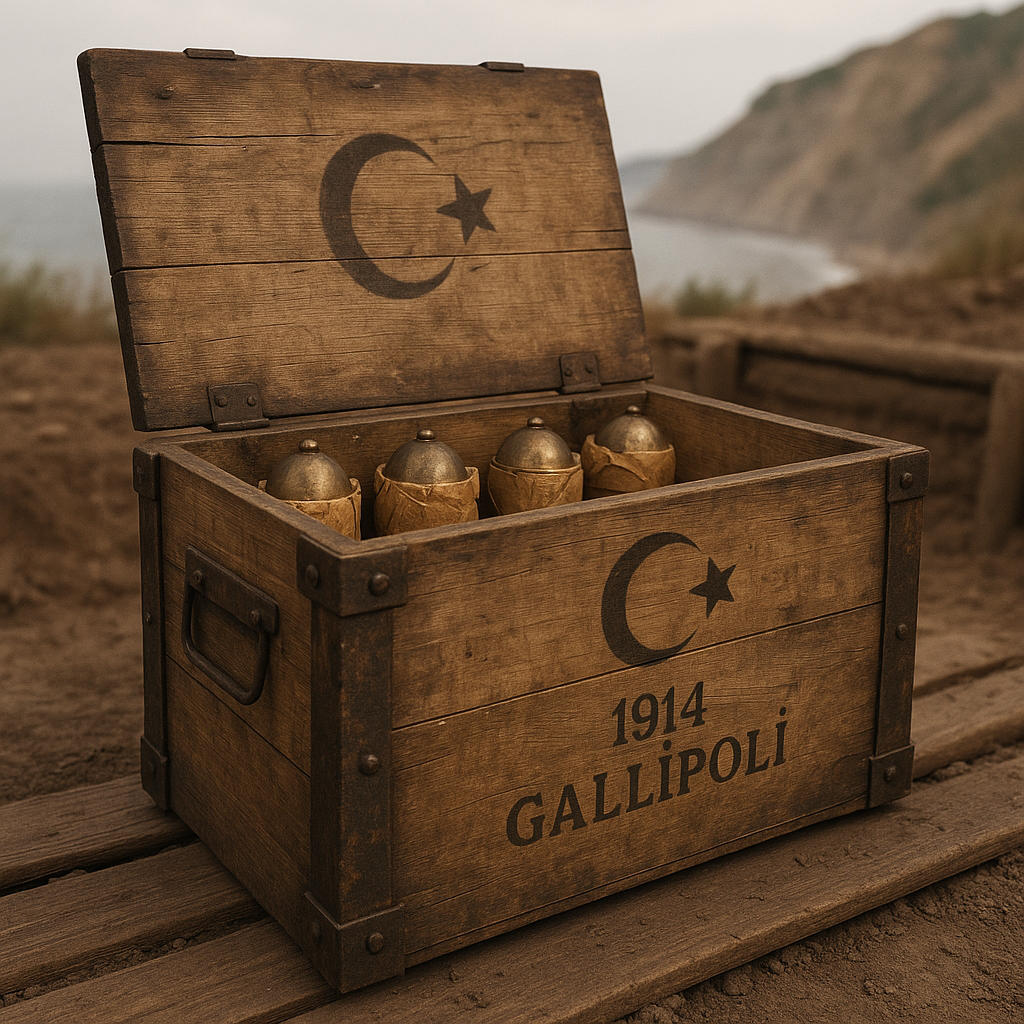
| World War Era Eastern Mediterranean | Ottoman Empire entering final years. Young Turks in power after 1908 revolution. Balkan Wars (1912–1913) strip nearly all European territory. Empire bankrupt, militarily weak, internally divided. Joins WWI with Germany and Austria-Hungary. Arab nationalism rising. |
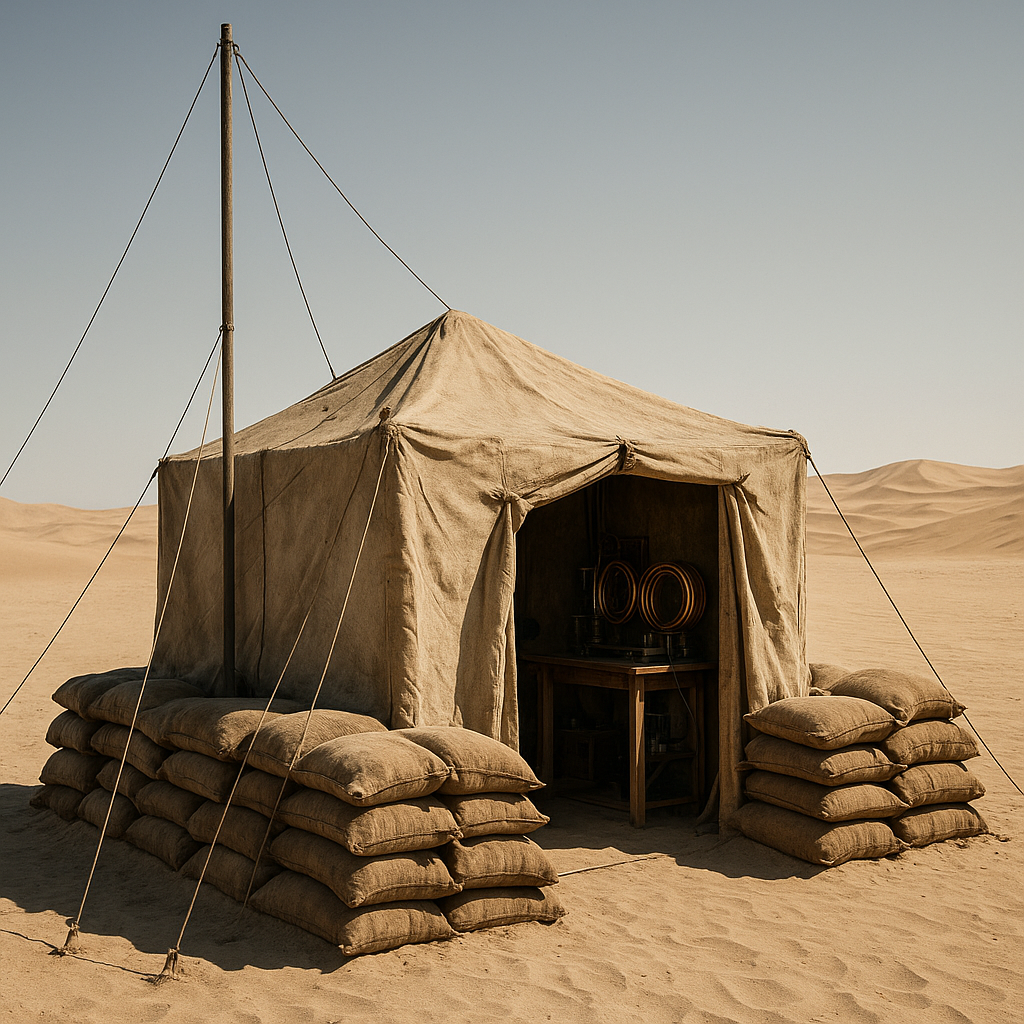
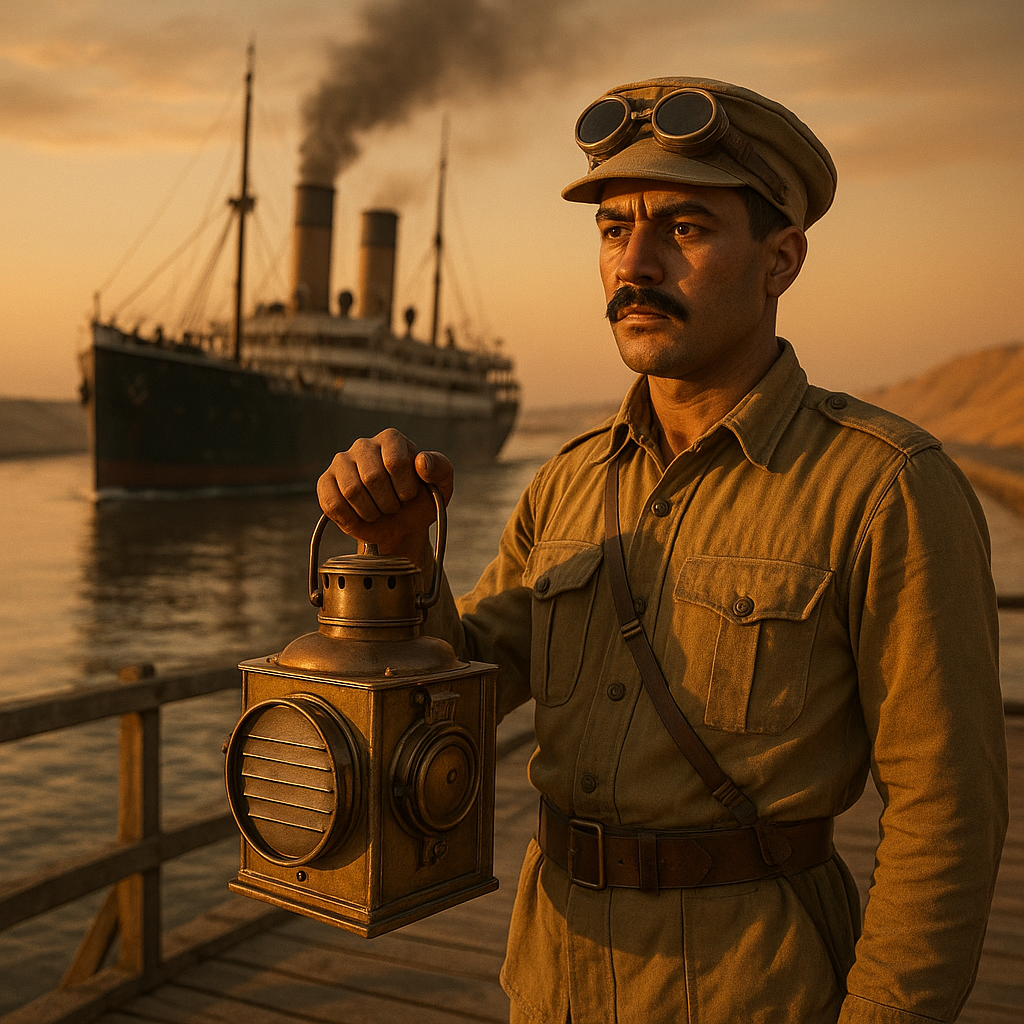
| World War Era Egypt | British-ruled protectorate (1914 officially). Khedive Abbas II deposed; Britain declares Egypt a protectorate. Suez Canal central to the British Empire. Massive cotton production. Cairo and Alexandria cosmopolitan but colonially controlled. |
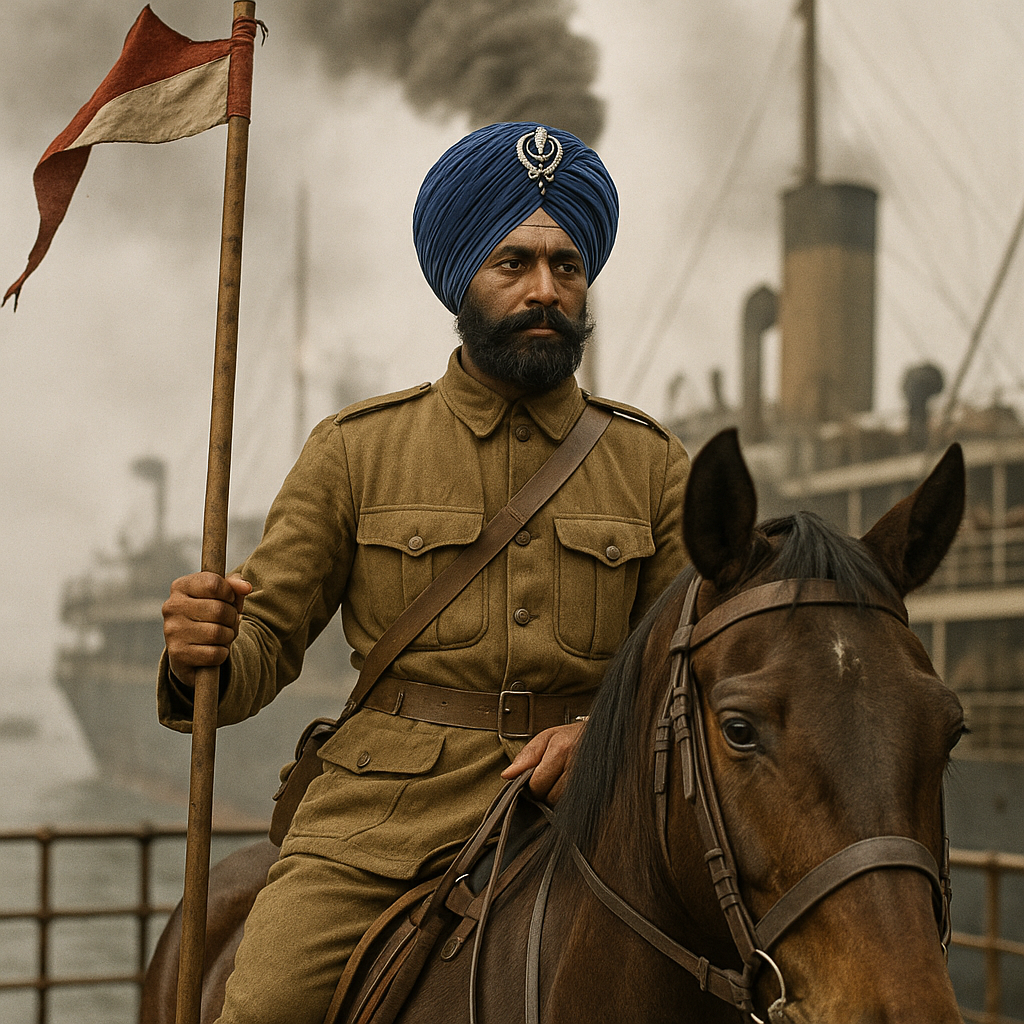
| World War Era India and Central Asia | British Raj absolute. India supplies troops across empire, including WWI fronts. Indian nationalism rising (Gokhale → Gandhi). Famines and taxation heavy. In Central Asia, Russian Empire fully controls Turkestan; khanates exist only as protectorate remnants. Early stirred national movements forming under Russian rule. |
| World War Era North America | United States an industrial giant approaching global status. Mass immigration, urbanization, corporate capitalism. Native American nations confined to reservations; Plains resistance long crushed. Canada Dominion stable and expanding. Mexico in violent Mexican Revolution (1910–1920). |
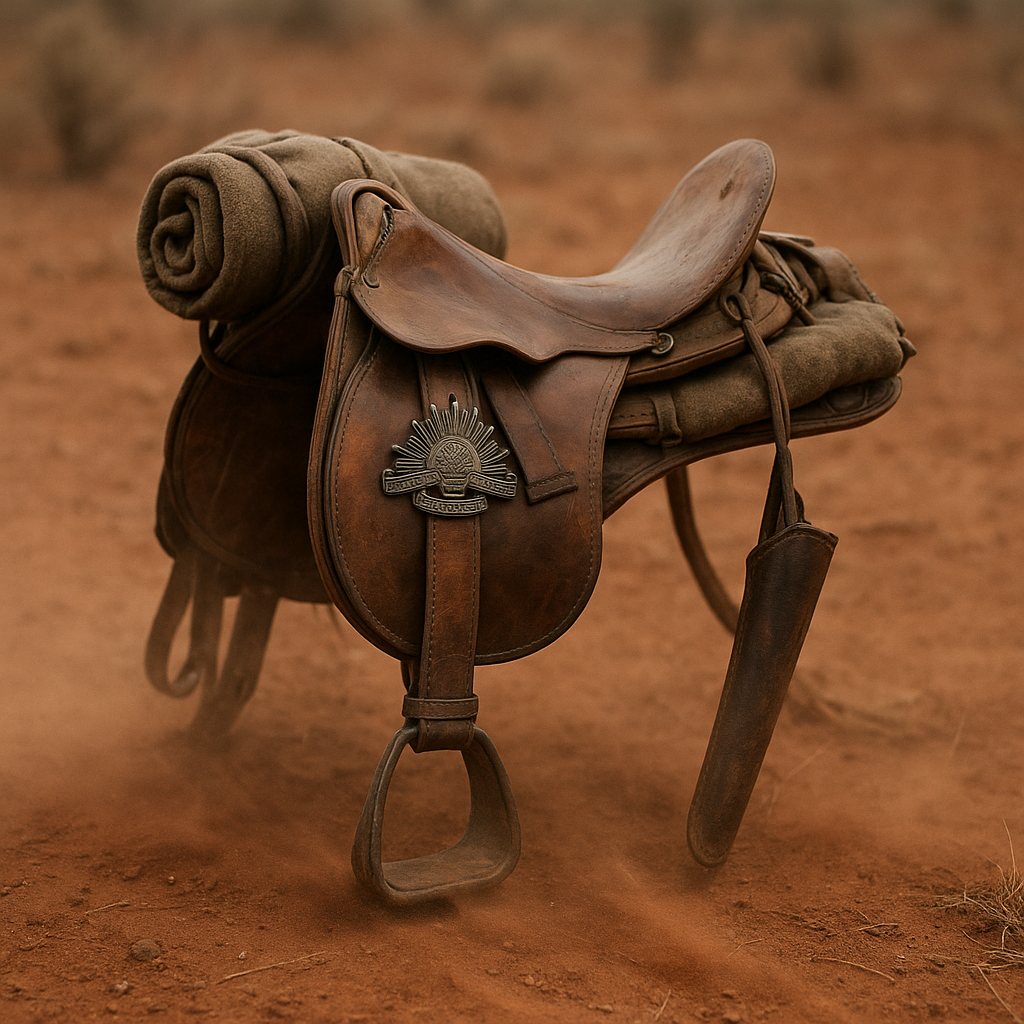
| World War Era Oceania | Oceania almost entirely colonized. Australia (federated 1901) part of British Empire; New Zealand Dominion status (1907). Hawaii annexed by the U.S. (1898). Tahiti French. Fiji British. Samoa split between Germany and U.S. until WWI transfers German Samoa to New Zealand. Indigenous cultures deeply disrupted but alive. |
| World War Era Persia | Qajar Iran collapsing into Great Game dependency. Anglo-Russian Convention (1907) divides Persia into spheres. Constitutional Revolution (1905–1911) fails to stabilize state. Weak central power; tribal autonomy high. On the eve of WWI, Iran is neutral but will be invaded by both Russia and Ottoman armies. |
| World War Era South America | Modernizing oligarchic republics. Argentina wealthy “granary of the world.” Brazil First Republic under coffee oligarchs. Chile stable but dominated by nitrate exports. Peru and Bolivia less developed; indigenous populations heavily marginalized. Regional economies dependent on export commodities. |
| World War Era Western Europe | World War I begins (1914). Britain, France, Russia form the Entente; Germany, Austria-Hungary, Ottoman Empire form the Central Powers. Germany highly industrialized; Britain global maritime empire; France recovering from 1870 defeat. Russia unstable under Romanovs. Italy nominally united but divided internally. Europe triggers the global war that ends its own supremacy. |