(1914 AD – 1945 AD)
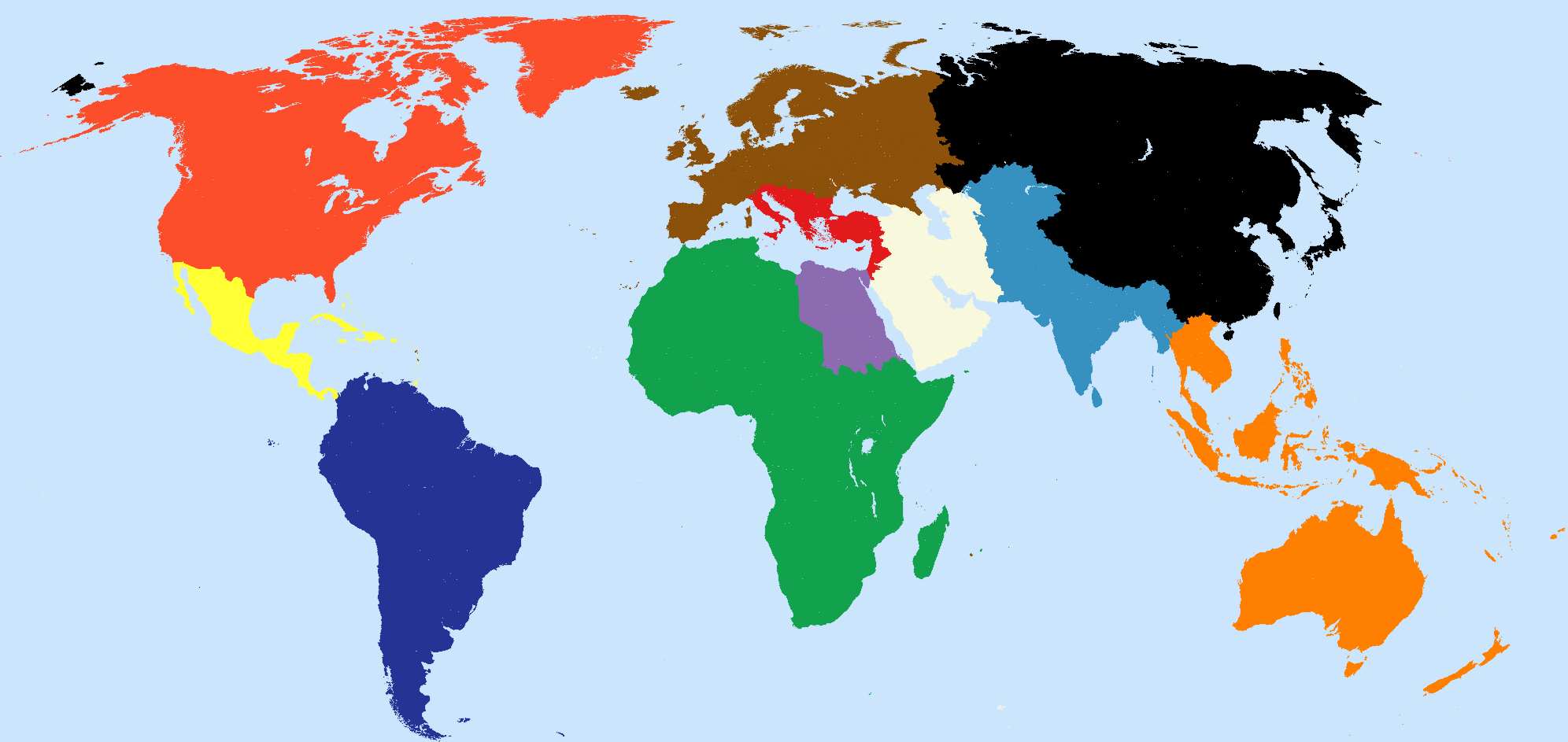 World War Era
Western Europe World War Era
Eastern Mediterranean World War Era
Persia World War Era
Egypt World War Era
Africa World War Era
India & Central Asia World War Era
China World War Era
Oceania World War Era
North America World War Era
Central America World War Era
South America
| Terra Avita Region and Era Name Link | Representative Cultures | Major Cities / Centers | Major Events |
|---|---|---|---|
| World War Era Egypt | British Protectorate, Kingdom of Egypt | Cairo, Alexandria, El Alamein | Egyptian independence movement; British military control; North African campaigns during WWII |
| World War Era Western Europe | British Empire, Third French Republic, Weimar & Nazi Germany, Fascist Italy, Neutral States | London, Paris, Berlin, Rome, Madrid | World War I devastates Europe; interwar instability; rise of fascism and Nazism; World War II reshapes continent |
| World War Era Eastern Mediterranean | Ottoman Empire (Dissolution), Republic of Turkey, Mandate States | Constantinople (Istanbul), Ankara, Damascus, Jerusalem | Fall of Ottoman Empire; Turkish War of Independence; creation of British and French mandates in the Middle East |
| World War Era Persia | Qajar Dynasty (late), Pahlavi Dynasty (established 1925) | Tehran, Isfahan, Tabriz | Reza Shah’s modernization; Anglo-Soviet invasion (1941); Iran becomes Allied supply corridor in WWII |
| World War Era Africa (beyond the Nile) | Colonial Africa under European Powers; Ethiopian Empire | Addis Ababa, Lagos, Dakar, Nairobi | African colonies in global war efforts; Italian invasion of Ethiopia (1935–1936); early anti-colonial movements |
| World War Era India and Central Asia | British Raj, Afghan Kingdom, Soviet Central Asia | Delhi, Kabul, Tashkent | Indian participation in world wars; rise of independence movement; Soviet consolidation in Central Asia |
| World War Era China (East Asia) | Republic of China, Empire of Japan, Colonial Korea, French Indochina | Nanjing, Tokyo, Seoul, Hanoi | Japanese imperial expansion; Second Sino-Japanese War; Pacific front of WWII; Chinese civil war renewal |
| World War Era Oceania | Commonwealth States (Australia, New Zealand), Pacific Islands under Imperial Rule | Sydney, Wellington, Port Moresby | ANZAC contributions in both world wars; Pacific battles (Guadalcanal, Coral Sea); U.S. and Japanese influence expands |
| World War Era North America | United States, Canada, Mexico | Washington D.C., New York, Ottawa, Mexico City | U.S. industrial and military dominance; Great Depression; entry into WWII after Pearl Harbor; Allied leadership role |
| World War Era Central America | Central American Republics under U.S. Influence | Guatemala City, Panama City, Managua | Economic dependency; U.S. strategic control of Panama Canal; limited regional involvement in world wars |
| World War Era South America | Brazil, Argentina, Chile, Peru | Rio de Janeiro, Buenos Aires, Santiago, Lima | Neutrality followed by Allied cooperation; Vargas Era reforms in Brazil; economic shifts due to global conflict |
Atlas of World War 2
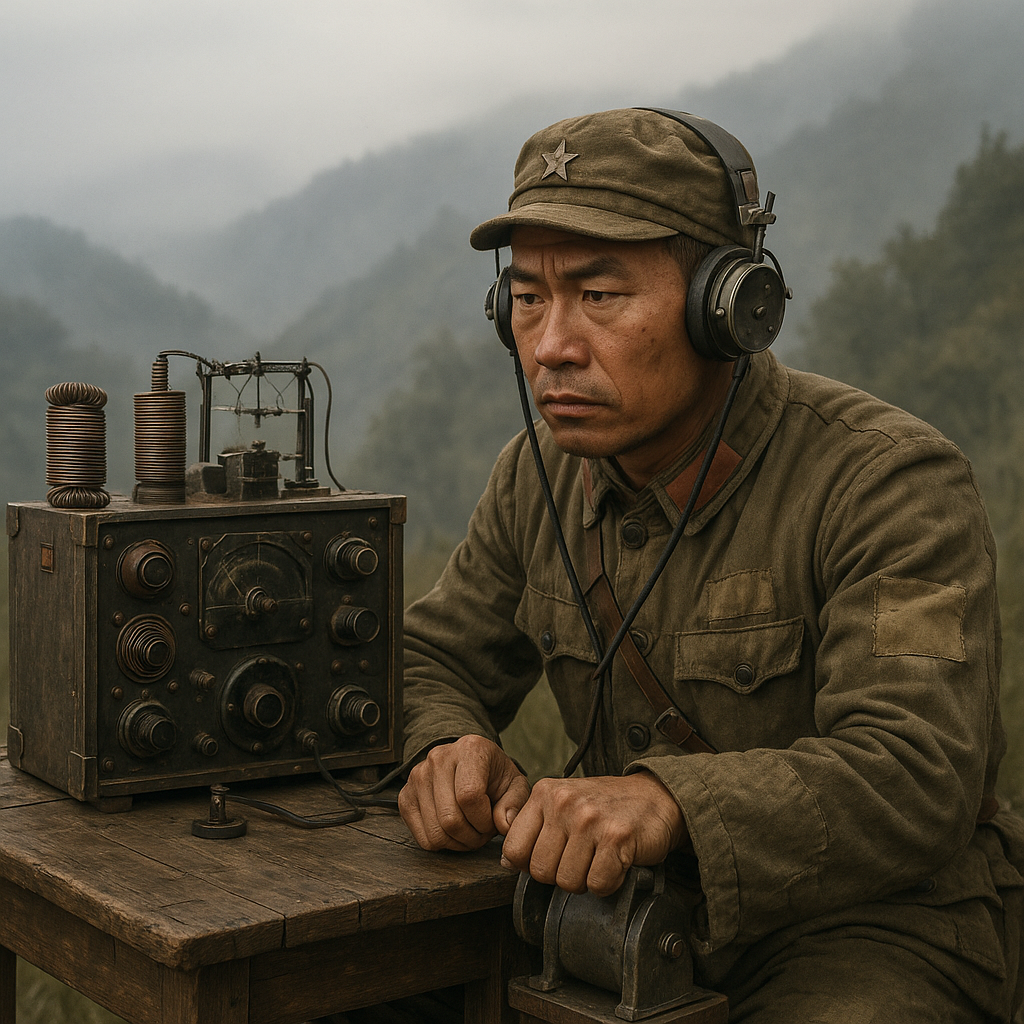

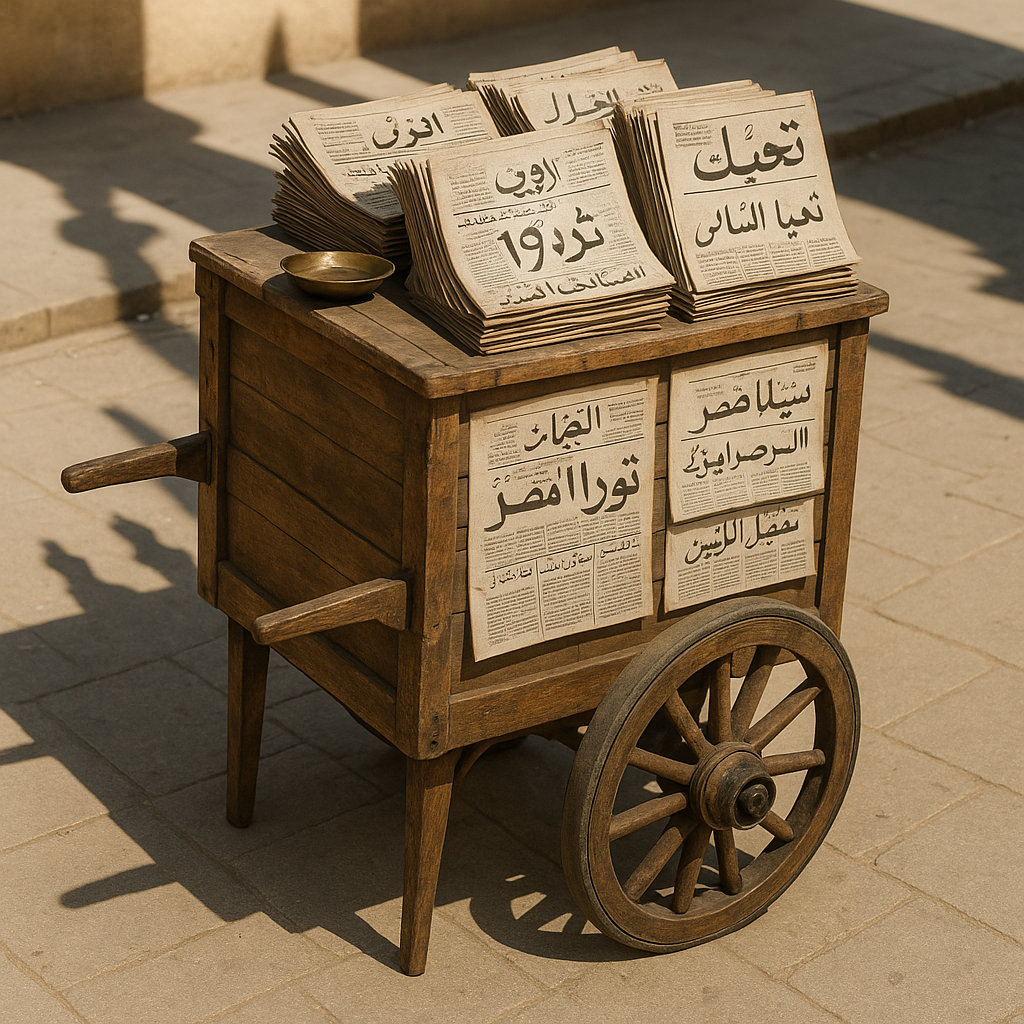

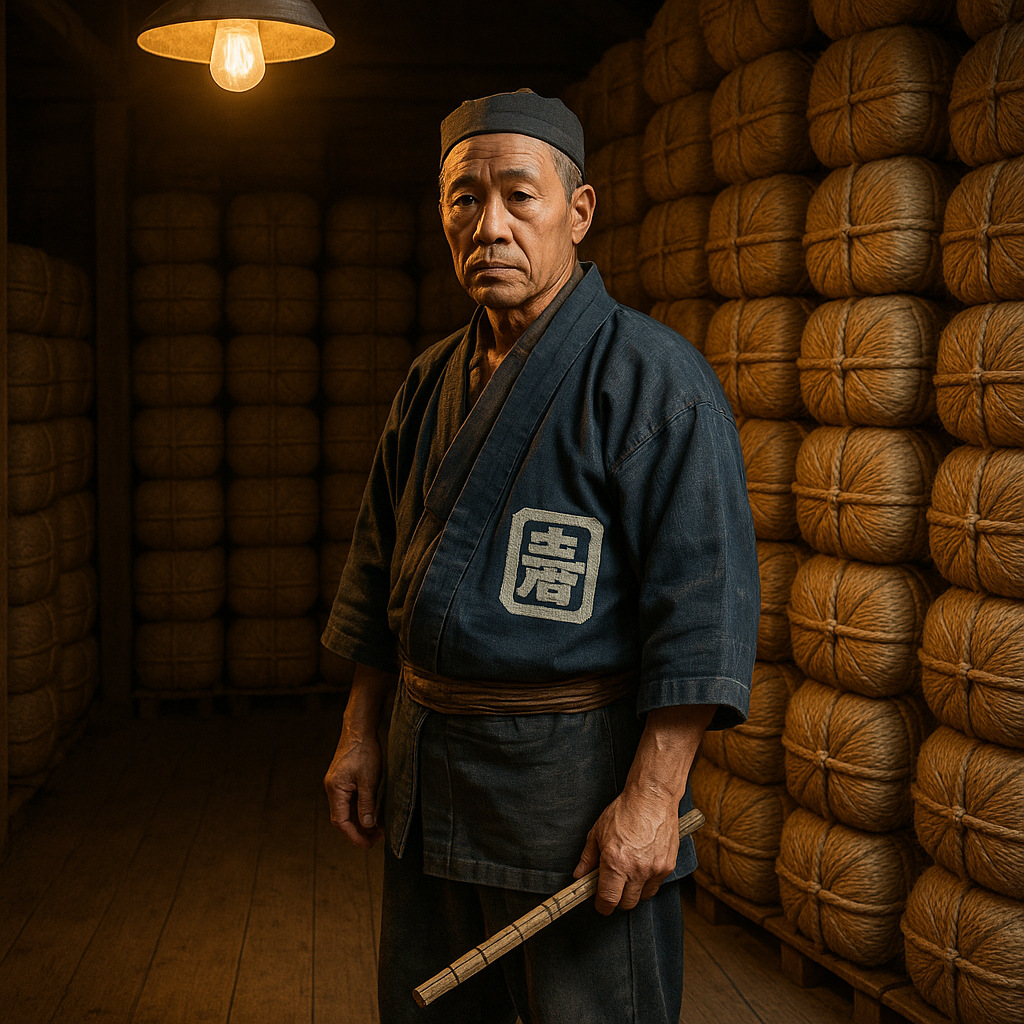

1914 AD – Snapshot
| Terra Avita Region and Era Name Link | Event Description |
|---|---|
| World War Era Africa (beyond the Nile) | Continental Africa fully partitioned by Europe except Ethiopia and Liberia. Asante under British control. Sokoto under British rule since 1903. German East Africa, British East Africa, French West Africa, Belgian Congo formalized. Ethiopia modernizing under Menelik II’s successors. African societies under intense colonial extraction and forced labor regimes. |
| World War Era Central America | Banana Republic era in full form. U.S. influence dominant via United Fruit and gunboat diplomacy. Political instability routine; coups frequent. Panama Canal under U.S. control (opened 1914). Indigenous and Afro-descendant communities marginalized. |
| World War Era China (East Asia) | Qing Dynasty gone. Xinhai Revolution (1911) ends imperial China. Republic of China under Yuan Shikai weak and fragmented; warlord era beginning. Foreign concessions still control ports. Japan rising as dominant Asian power after defeating Russia in 1905. |
| World War Era Eastern Mediterranean | Ottoman Empire entering final years. Young Turks in power after 1908 revolution. Balkan Wars (1912–1913) strip nearly all European territory. Empire bankrupt, militarily weak, internally divided. Joins WWI with Germany and Austria-Hungary. Arab nationalism rising. |
| World War Era Egypt | British-ruled protectorate (1914 officially). Khedive Abbas II deposed; Britain declares Egypt a protectorate. Suez Canal central to the British Empire. Massive cotton production. Cairo and Alexandria cosmopolitan but colonially controlled. |
| World War Era India and Central Asia | British Raj absolute. India supplies troops across empire, including WWI fronts. Indian nationalism rising (Gokhale → Gandhi). Famines and taxation heavy. In Central Asia, Russian Empire fully controls Turkestan; khanates exist only as protectorate remnants. Early stirred national movements forming under Russian rule. |
| World War Era North America | United States an industrial giant approaching global status. Mass immigration, urbanization, corporate capitalism. Native American nations confined to reservations; Plains resistance long crushed. Canada Dominion stable and expanding. Mexico in violent Mexican Revolution (1910–1920). |
| World War Era Oceania | Oceania almost entirely colonized. Australia (federated 1901) part of British Empire; New Zealand Dominion status (1907). Hawaii annexed by the U.S. (1898). Tahiti French. Fiji British. Samoa split between Germany and U.S. until WWI transfers German Samoa to New Zealand. Indigenous cultures deeply disrupted but alive. |
| World War Era Persia | Qajar Iran collapsing into Great Game dependency. Anglo-Russian Convention (1907) divides Persia into spheres. Constitutional Revolution (1905–1911) fails to stabilize state. Weak central power; tribal autonomy high. On the eve of WWI, Iran is neutral but will be invaded by both Russia and Ottoman armies. |
| World War Era South America | Modernizing oligarchic republics. Argentina wealthy “granary of the world.” Brazil First Republic under coffee oligarchs. Chile stable but dominated by nitrate exports. Peru and Bolivia less developed; indigenous populations heavily marginalized. Regional economies dependent on export commodities. |
| World War Era Western Europe | World War I begins (1914). Britain, France, Russia form the Entente; Germany, Austria-Hungary, Ottoman Empire form the Central Powers. Germany highly industrialized; Britain global maritime empire; France recovering from 1870 defeat. Russia unstable under Romanovs. Italy nominally united but divided internally. Europe triggers the global war that ends its own supremacy. |

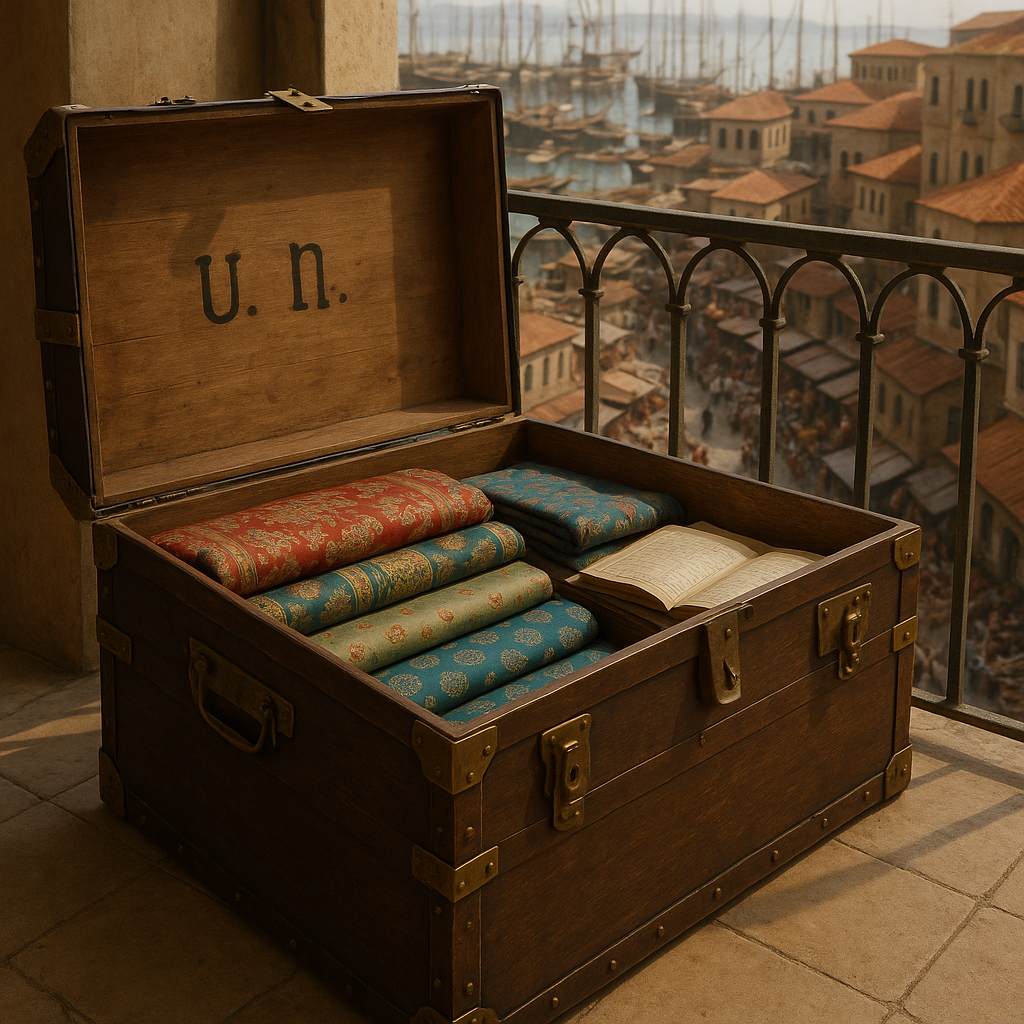


1920 AD – Snapshot
| Terra Avita Region and Era Name Link | Event Description |
|---|---|
| World War Era Africa (beyond the Nile) | Colonial Africa locked in under European rule. French West Africa and French Equatorial Africa consolidated. British West and East Africa expanding administrative control. Belgium entrenched in Congo. German colonies redistributed after WWI. Ethiopia independent under Haile Selassie (Regent 1916–1930). Atlantic slave trade long ended, replaced by forced labor and cash-crop colonialism. |
| World War Era Central America | U.S. intervention at peak. Marine occupations in Nicaragua, Haiti, Dominican Republic. “Banana Republic” economic order dominant. Coffee and banana oligarchies rule Guatemala, Honduras, El Salvador. Panama Canal a strategic American asset. Indigenous communities marginalized almost everywhere. |
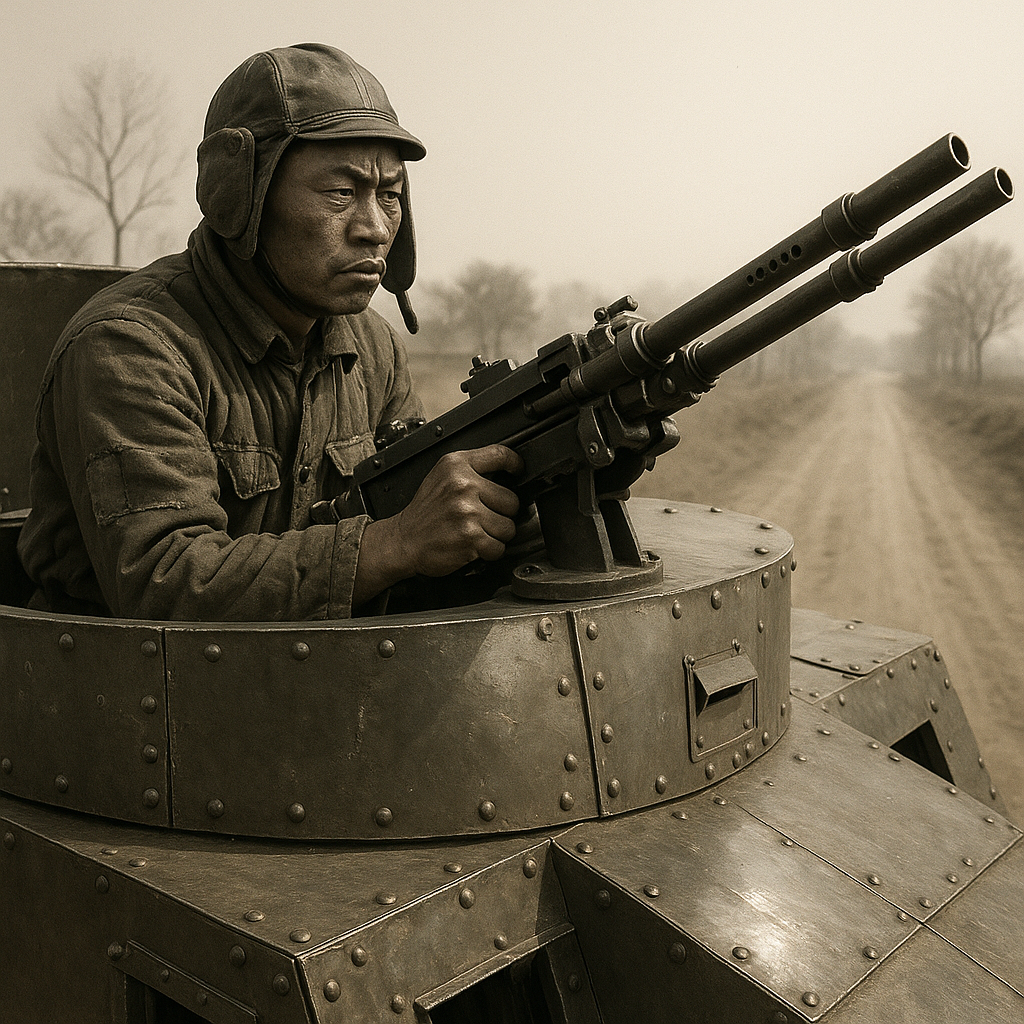
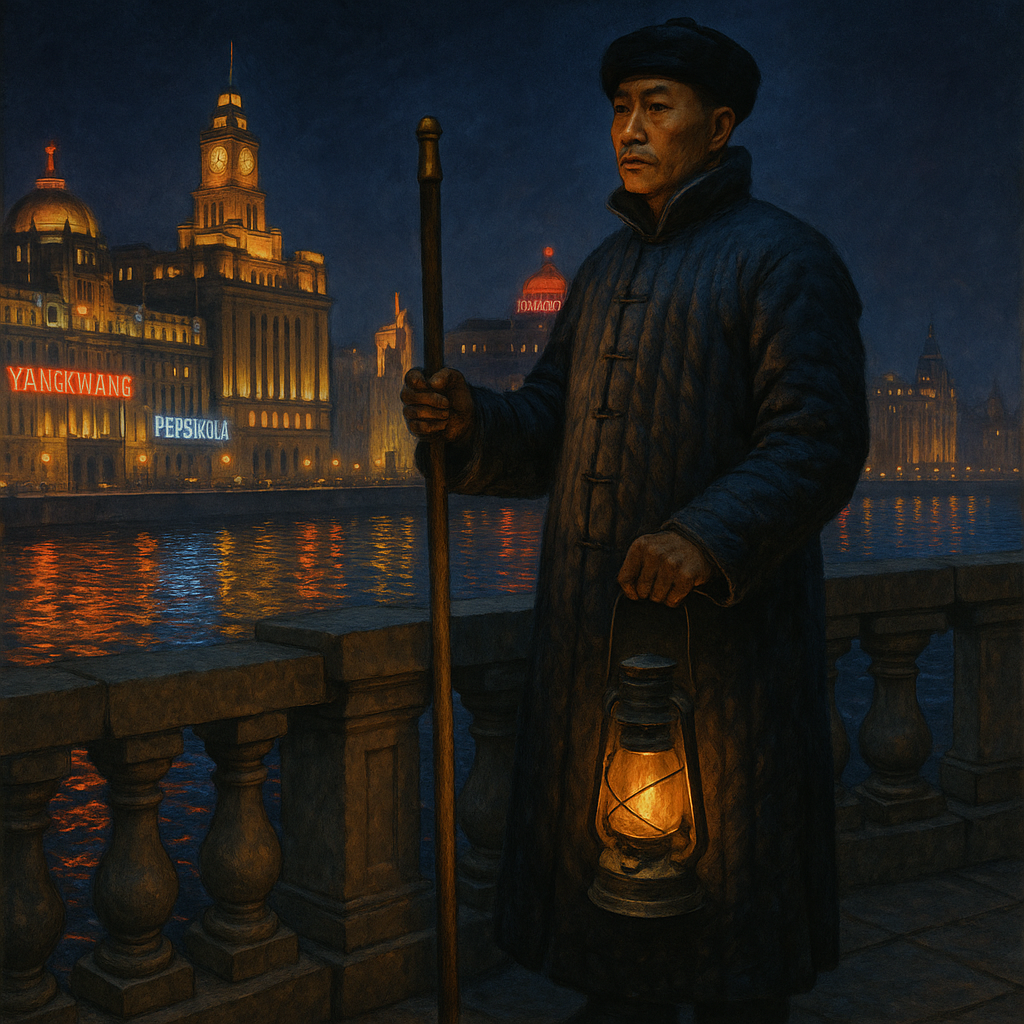
| World War Era China (East Asia) | China deep in Warlord Era. Qing Dynasty gone (1912). Republic fragmented; rival militarists control regions. Sun Yat-sen rebuilding Nationalist movement in Guangdong. Japan expanding aggressively after WWI, controlling Shandong (until 1922) and dominating Manchuria. Rural poverty severe; foreign concessions still operate. |
| World War Era Eastern Mediterranean | Ottoman Empire dissolved (1920). Treaty of Sèvres partitions Anatolia. Allied occupation in Istanbul. Arab Middle East placed under British and French mandates. Greek–Turkish War (1919–1922) raging. Region in complete political meltdown. |
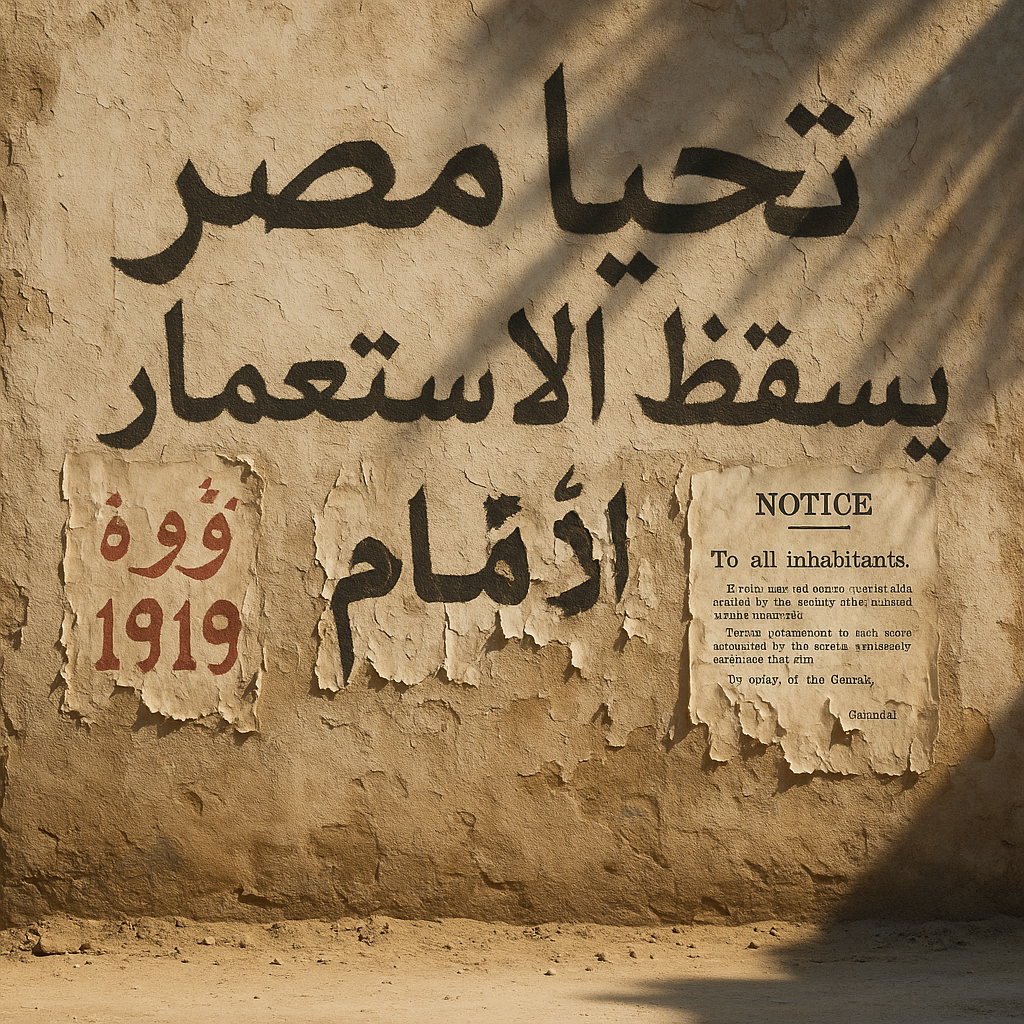
| World War Era Egypt | British protectorate (1914–1922). 1919 Egyptian Revolution erupts; massive nationalist uprising. Britain forced to grant nominal independence (1922), though it retains real control. Cairo politically electrified, culturally influential. |
| World War Era India and Central Asia | British India entering mass national movement. Gandhi leads Non-Cooperation Movement (1920). Jallianwala Bagh massacre (1919) radicalizes politics. British Raj at full territorial extent. Central Asia under Soviet consolidation after Russian Revolution—Bukhara, Khiva crushed by Red Army (1920). |
| World War Era North America | United States emerges as a world power after WWI. Industrial might unmatched except by Britain. Native Americans confined to reservations. Canada autonomous within British Empire (Statute of Westminster soon 1931). Mexico under post-revolutionary reconstruction (1910–1920). Massive urbanization and early consumerism shape continent. |
| World War Era Oceania | Fully colonized. Australia a self-governing dominion; Aboriginal populations under heavy restrictions. New Zealand dominion under Britain; Māori partially politically integrated but land seizures ongoing. Hawaii a U.S. territory. Tahiti French. Fiji British. Samoa divided: Western Samoa under New Zealand, American Samoa under U.S. Entire region incorporated into Western imperial systems. |
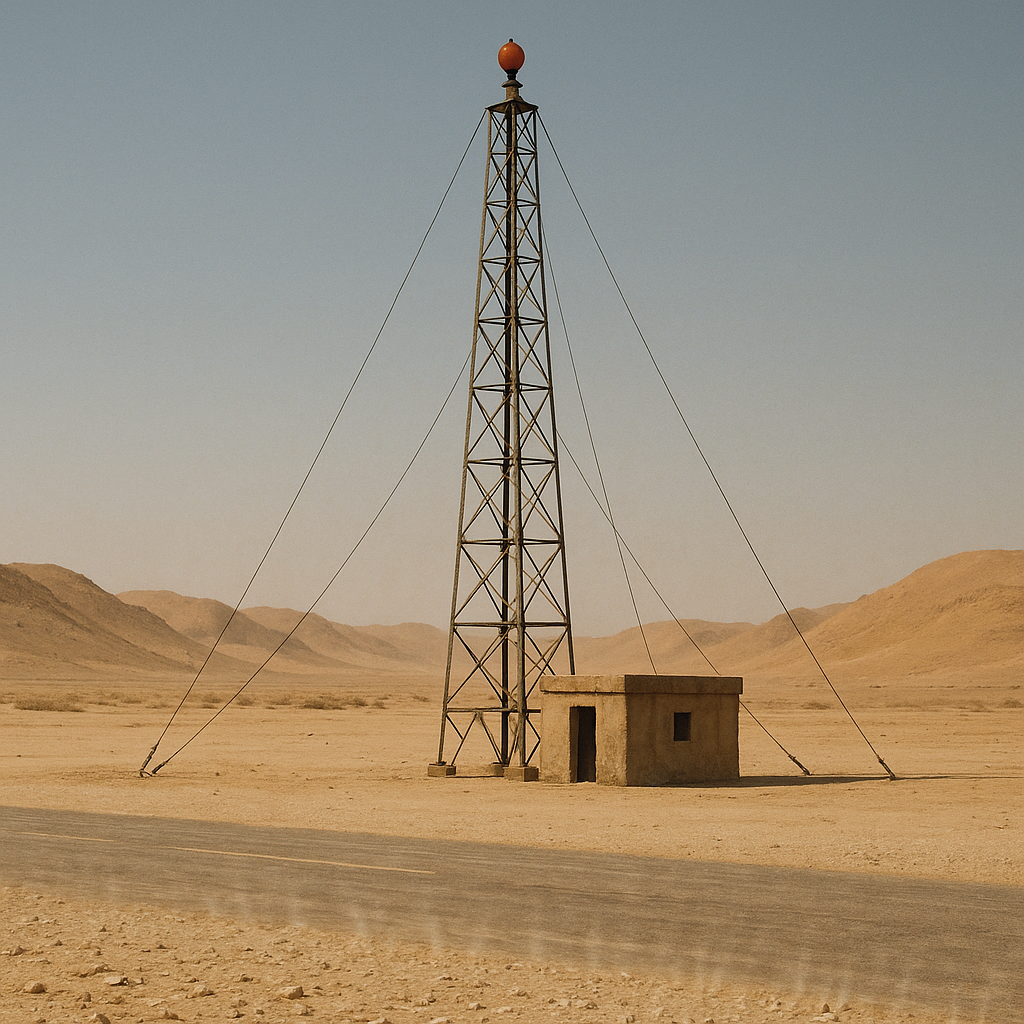
| World War Era Persia | Qajar Iran collapsing. British and Russian interference extreme. Economy devastated. Tribal revolts widespread. Rise of Reza Khan underway (1921 coup), who will establish the Pahlavi dynasty in 1925. Iran trapped between imperial powers but about to centralize. |
| World War Era South America | Export-driven republics. Argentina wealthy from beef/wheat; political instability brewing. Brazil under Old Republic (café com leite politics). Chile dominant in the Pacific coast after War of the Pacific. Peru and Bolivia unstable; indigenous populations heavily exploited. Rising labor movements and early industrialization in port cities. |
| World War Era Western Europe | Europe in ruins after WWI (1914–1918). Germany collapses into Weimar Republic; Austro-Hungarian Empire dissolved; Ottoman Empire gone; Russian Empire replaced by Soviet Union. Treaty of Versailles redraws borders. Britain and France victorious but economically damaged. Fascism rising in Italy (Mussolini 1922). Massive social, economic, and political upheaval. |

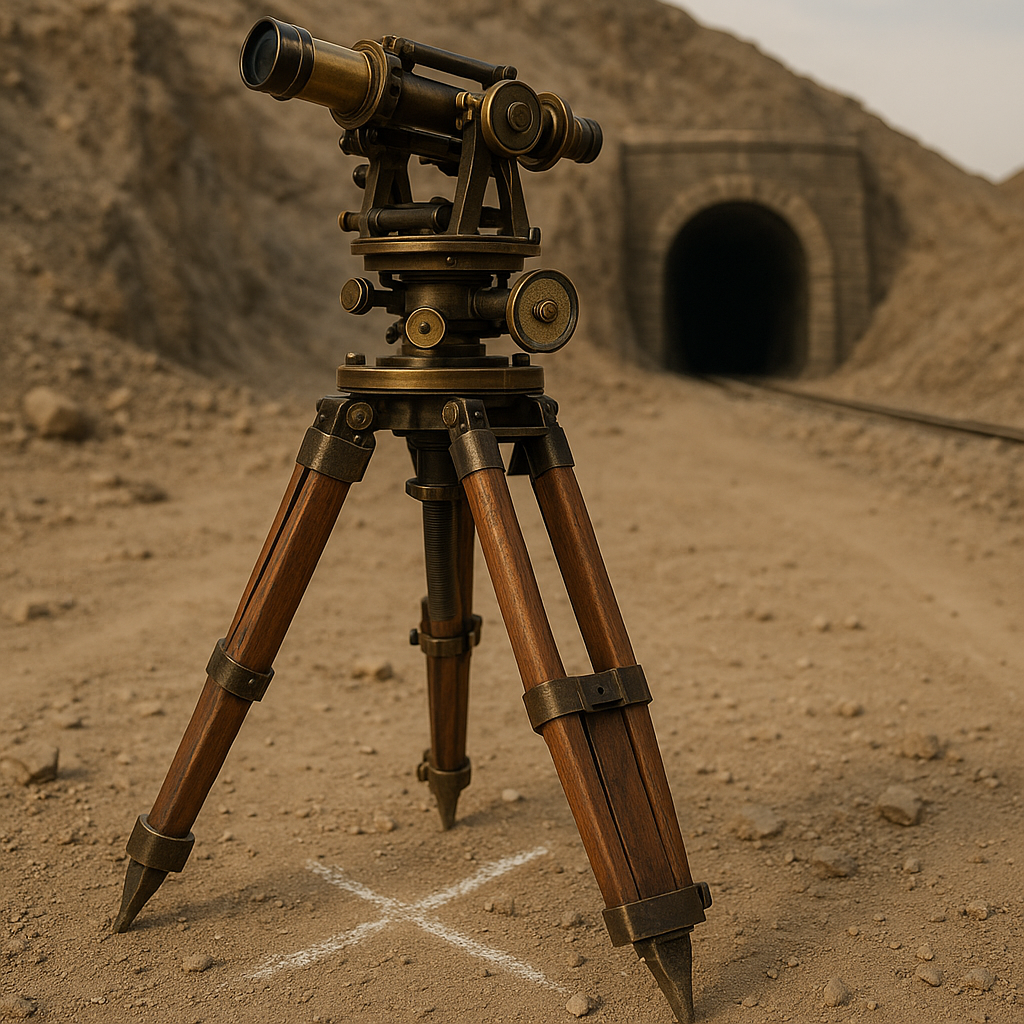

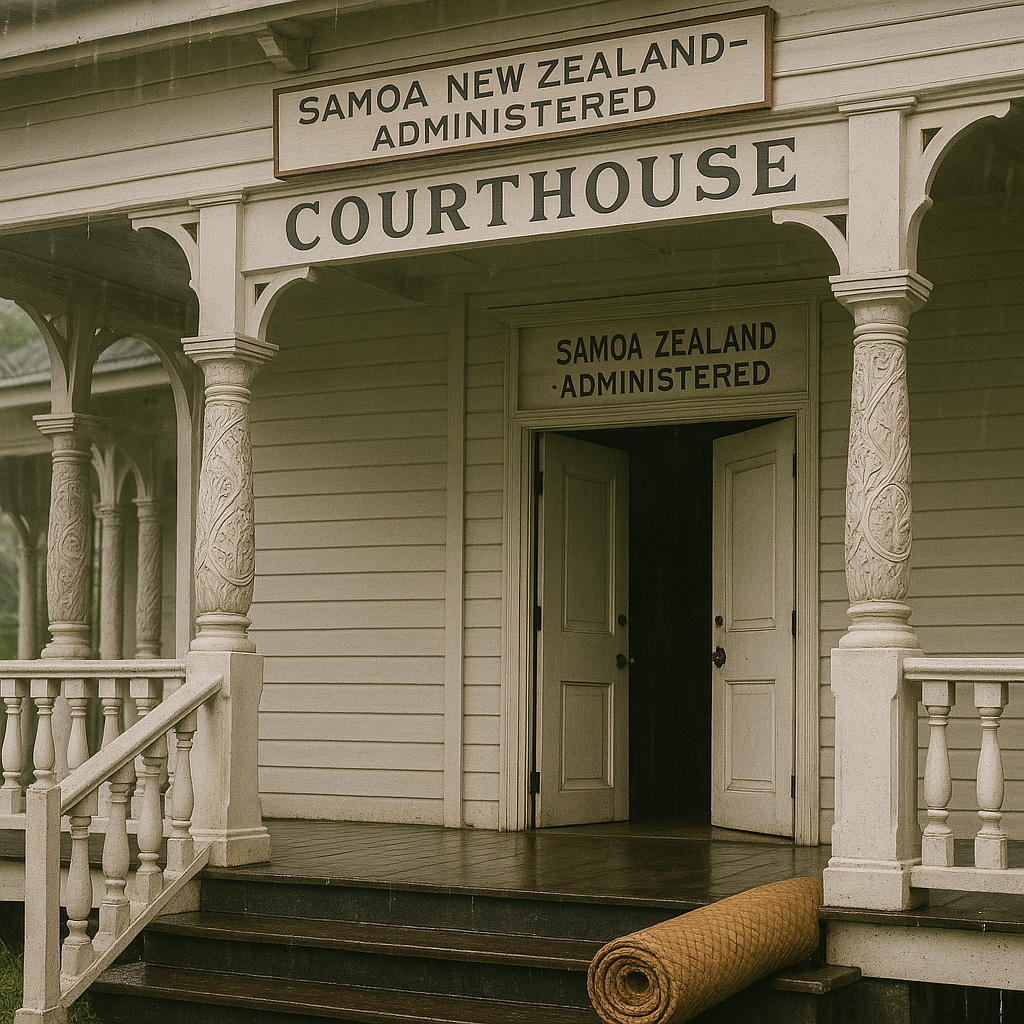
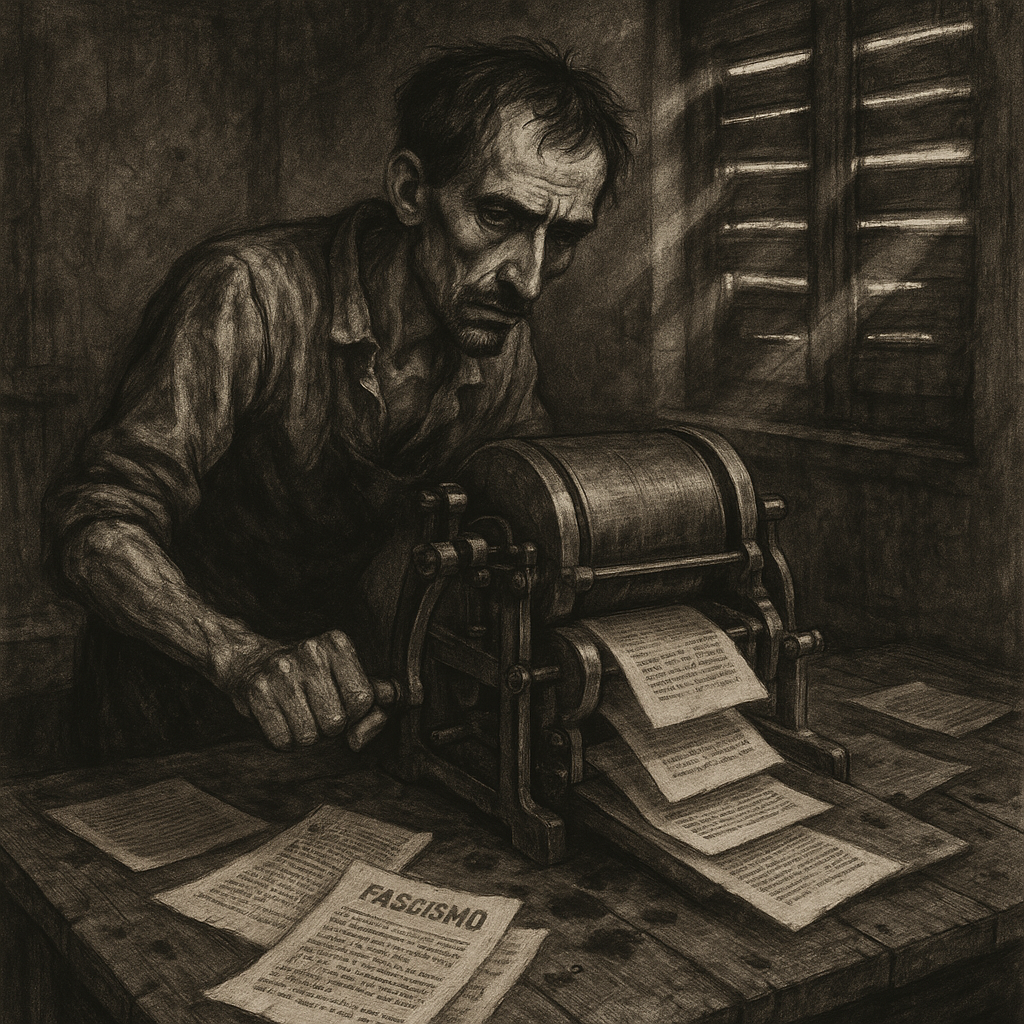




1930 AD – Snapshot
| Terra Avita Region and Era Name Link | Event Description |
|---|---|
| World War Era Africa (beyond the Nile) | Europe controls nearly all of Africa. French and British colonial empires at maximum extent. Italy occupies Libya and soon invades Ethiopia (1935). South Africa under white-minority regime. Anti-colonial movements nascent (e.g., Negritude, Ethiopianism). West Africa export economies (cocoa, palm oil) tied to European markets and hit hard by depression. |
| World War Era Central America | U.S. hegemony absolute. Military occupations in Nicaragua (1927–1933); strongman rule elsewhere (Ubico in Guatemala, Martínez in El Salvador). Coffee and banana export oligarchies dominate. Indigenous oppression severe. Economy devastated by depression. |
| World War Era China (East Asia) | China in Warlord + Nationalist + Communist turmoil. Chiang Kai-shek’s Nationalists (KMT) control cities; Communists (CCP) survive in rural bases. Japanese invasion of Manchuria imminent (1931). Foreign concessions still operate. Qing is gone; Republic fractured; civil wars routine. |
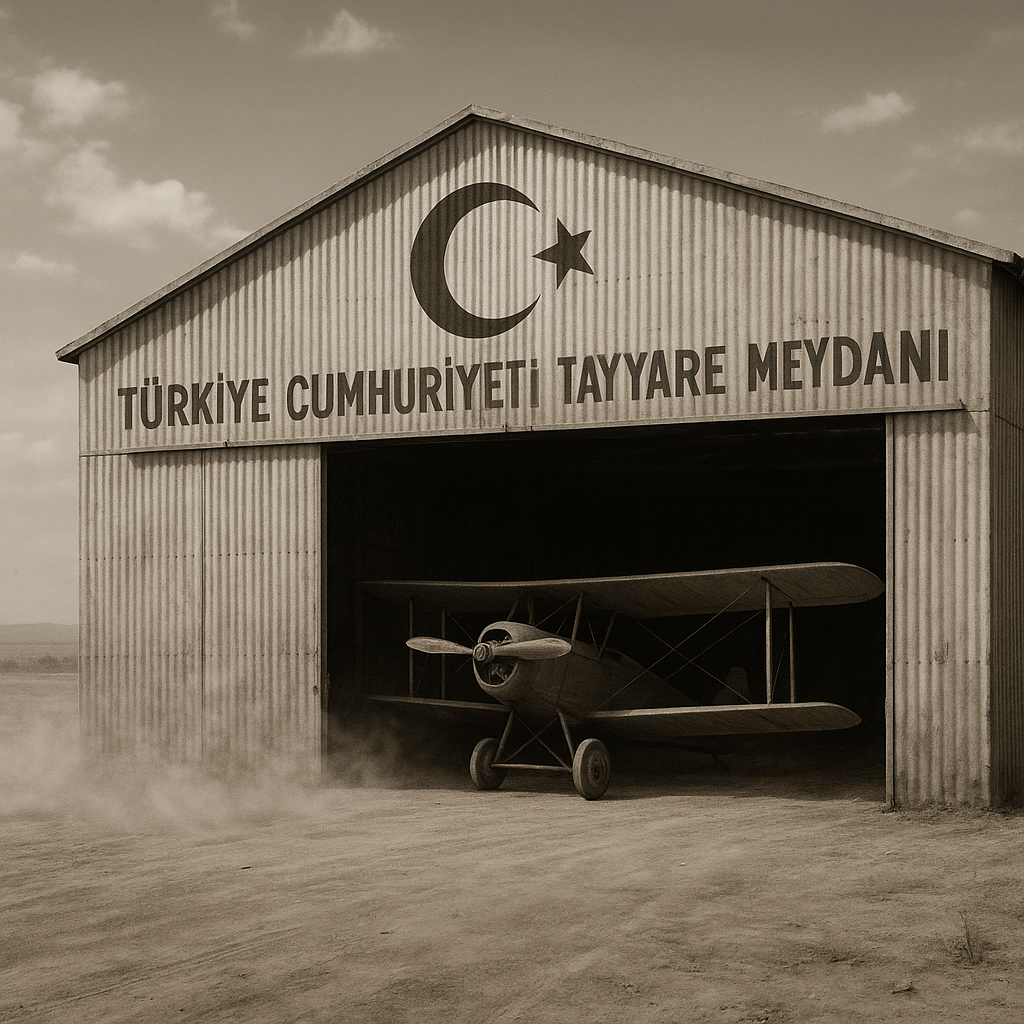
| World War Era Eastern Mediterranean | Post-Ottoman landscape fractured. Turkey under Atatürk implementing secular nationalist revolution. Mandate system dominates Arab world: British rule in Palestine, Transjordan, Iraq; French rule in Syria and Lebanon. Rising Arab nationalism and tensions around Zionist immigration into Palestine. Region politically reengineered by European colonial powers. |
| World War Era Egypt | Nominally independent (1922) but effectively under British control. King Fuad I reigns. Wafd Party and nationalist movements strong. Suez Canal fully under British strategic use. Cairo modernizing but politically tense. |
| World War Era India and Central Asia | British India in full nationalist uprising mode. Gandhi leads civil disobedience (Salt March 1930). INC radicals and moderates split. British repression intense. In Central Asia, Soviet Union fully controls former khanates—forced collectivization, sedentarization of nomads, suppression of Islam. Cultural genocide in motion. |
| World War Era North America | United States in Great Depression (1929 onward). Massive unemployment; New Deal not yet in place (starts 1933). Canada also in deep economic crisis. Mexico under PRI formation after Revolution; land reform underway. U.S. industrial power still massive; racial segregation entrenched; Native Americans confined to reservations but Indian Reorganization Act approaching (1934). |
| World War Era Oceania | Completely colonized. Australia and New Zealand independent dominions. Hawaii a U.S. territory. Tahiti French. Fiji British. Samoa split (Western Samoa under New Zealand; American Samoa U.S.). Indigenous populations across Oceania heavily impacted by disease, land seizures, and missionary regimes. |
| World War Era Persia | Reza Shah Pahlavi consolidates modern Iran (after 1925). Rapid modernization: railways, secularization, centralization, military reform. Still vulnerable to Anglo-Soviet influence but far stronger than Qajar era. Oil (Anglo-Iranian) increasingly strategic. |
| World War Era South America | Export-economy republics in crisis. Argentina plunges after 1929 crash; conservative restoration (1930 coup). Brazil under Vargas after 1930 Revolution. Chile hit extremely hard by nitrate market collapse. Peru, Bolivia unstable. Indigenous exclusion routine; Afro-descendant populations marginalized. Industrialization begins in some capitals under import-substitution policies. |
| World War Era Western Europe | Great Depression cripples economies. Germany under Weimar crisis; Nazis rising (Hitler nearly wins 1932 election). Italy fully fascist under Mussolini. Britain and France weakened but still imperial. Spain unstable—Civil War soon (1936). Technological modernization continues: aviation, radio, mechanized warfare. |



1940 AD – Snapshot
| Terra Avita Region and Era Name Link | Event Description |
|---|---|
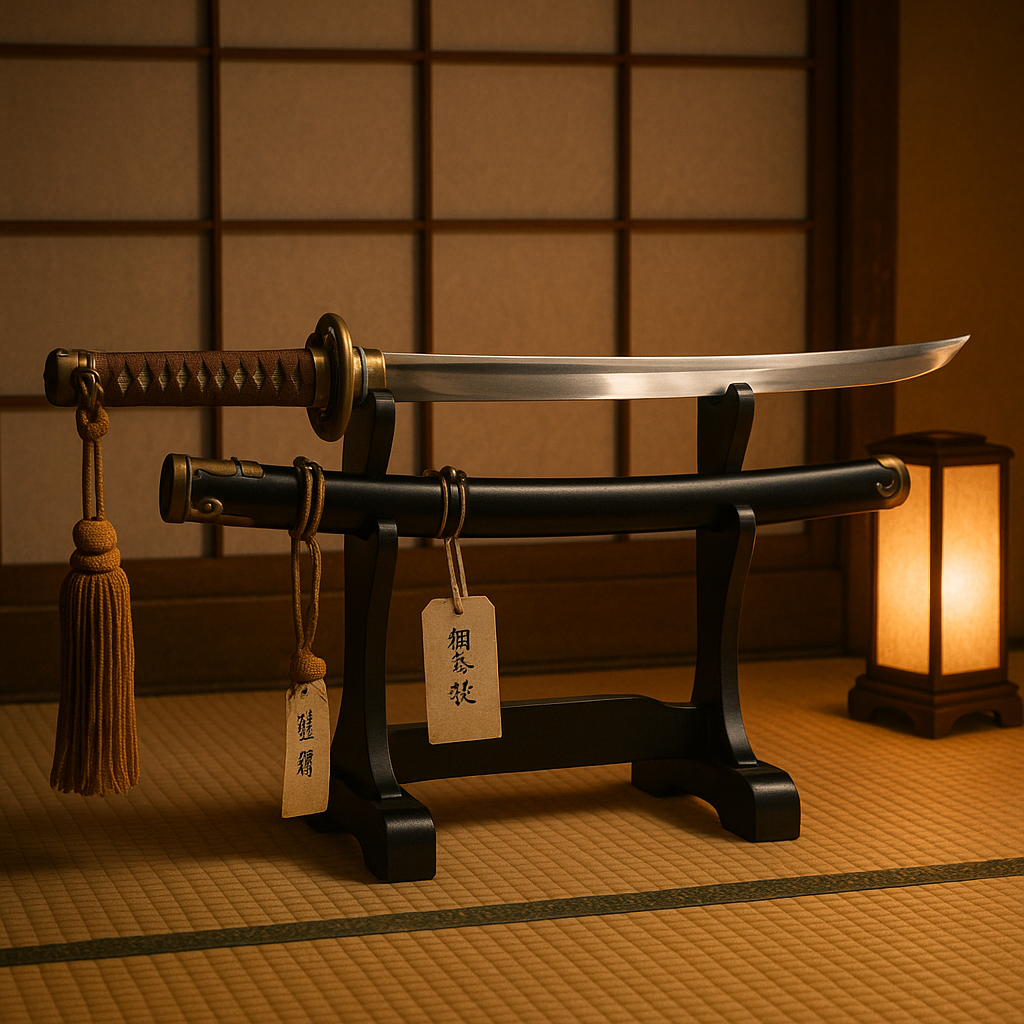
| World War Era Africa (beyond the Nile) | Entire continent under European colonial rule (except Ethiopia, recently conquered by Italy 1935–41). North Africa a major WWII battlefield (Libya, Egypt, Morocco, Algeria, Tunisia). West and Central Africa supply manpower and resources to Allied war effort. Forced labor and extraction peak under colonial regimes. |
| World War Era Central America | U.S. strategic dominance absolute. Panama Canal heavily fortified. Dictatorships rule much of region (Trujillo in Dominican Republic, Somoza in Nicaragua). Coffee/banana oligarchies intact. WWII-era supply lines strengthen U.S. influence. |
| World War Era China (East Asia) | China locked in war with Japan (Second Sino-Japanese War, 1937–1945). Nanjing Massacre (1937) recent. Nationalists (KMT) retreat to Chongqing; Communists expand in countryside. Japanese occupation of Manchuria (1931) and most coastal China. Qing is long gone; Republic shattered by warlordism and invasion. |
| World War Era Eastern Mediterranean | Post-Ottoman Middle East under colonial rule. British Mandates: Palestine, Transjordan, Iraq. French Mandates: Syria, Lebanon. Rising Arab nationalism; Zionist immigration increasing in Palestine. WWII transforms region into strategic battleground (North Africa Campaign begins 1940). |
| World War Era Egypt | British-dominated monarchy. King Farouk reigns but real power lies with British command. Egypt major WWII theater: Western Desert Campaign (Rommel vs. Montgomery). Suez Canal crucial Allied lifeline. Cairo cosmopolitan but politically explosive. |
| World War Era India and Central Asia | British India pivotal in WWII. Massive troop contributions. Indian National Congress launches Quit India soon (1942). Famine conditions brewing (Bengal 1943). In Central Asia, Soviet republics fully integrated; Stalinist purges and collectivization devastate Kazakhs, Uzbeks, Tajiks, Turkmen. |
| World War Era North America | United States still pre-war but mobilizing. Lend-Lease begins 1941; economy surging out of Depression. Canada fully at war since 1939. Mexico industrializes under Cárdenas; national oil expropriation (1938). Native Americans on reservations; some join military. |
| World War Era Oceania | Oceania becomes WWII front line. Australia fully independent dominion; preparing for Japanese threat. New Zealand similarly mobilizing. Hawaii a U.S. territory; Pearl Harbor attack in 1941 (one year after this snapshot). Guam, Wake, and Pacific islands targeted by Japan. French Polynesia, Fiji, Samoa under Allied control. Indigenous societies heavily disrupted by war. |
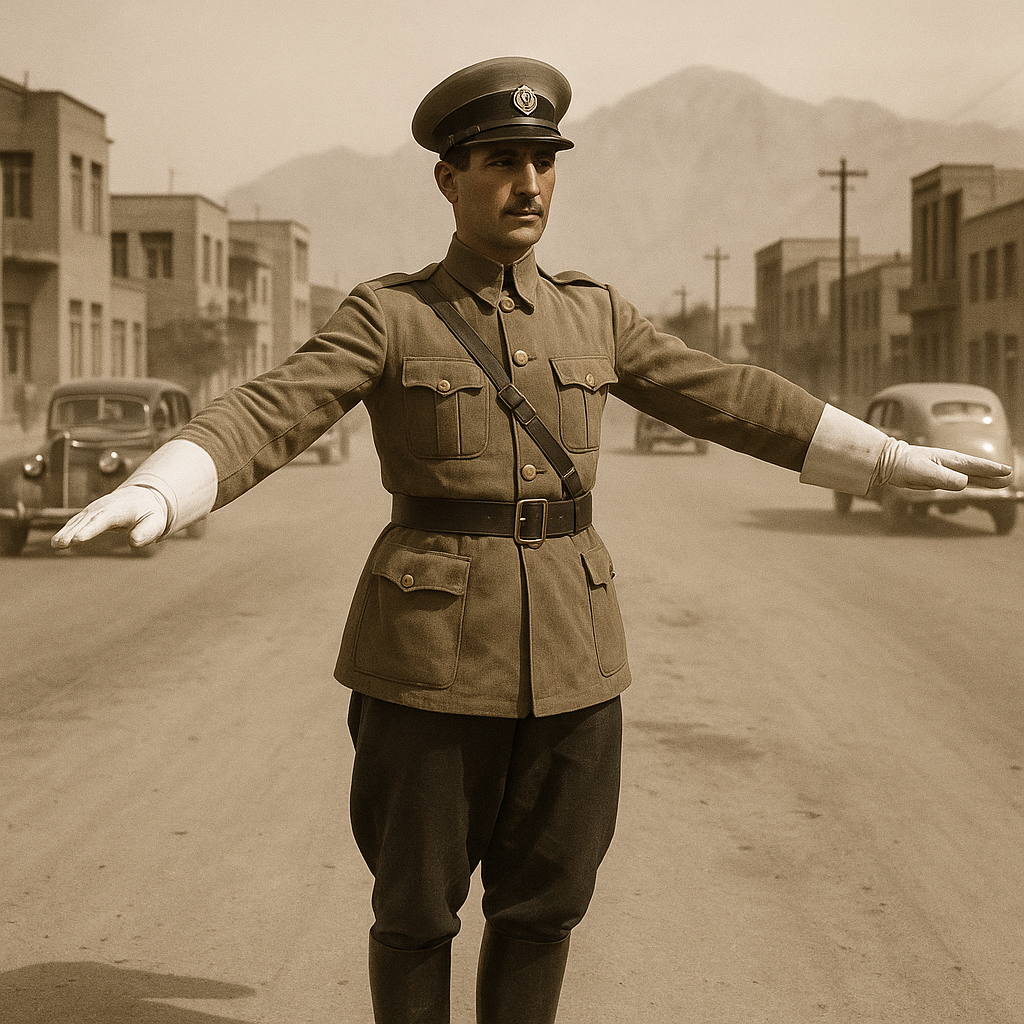
| World War Era Persia | Iran under Reza Shah Pahlavi, pursuing forced modernization and neutrality. Britain and USSR jointly invade in 1941 to secure Persian Corridor. German influence suspected. Oil strategically vital. State centralization strong but vulnerable. |
| World War Era South America | Neutrality with alignment to U.S. growing. Brazil strongest regional power; industrialization expands (Vargas). Argentina officially neutral but sympathetic to Axis elements. Andes largely stable but under oligarchic republics. Indigenous and Afro-descendant communities still marginalized. |
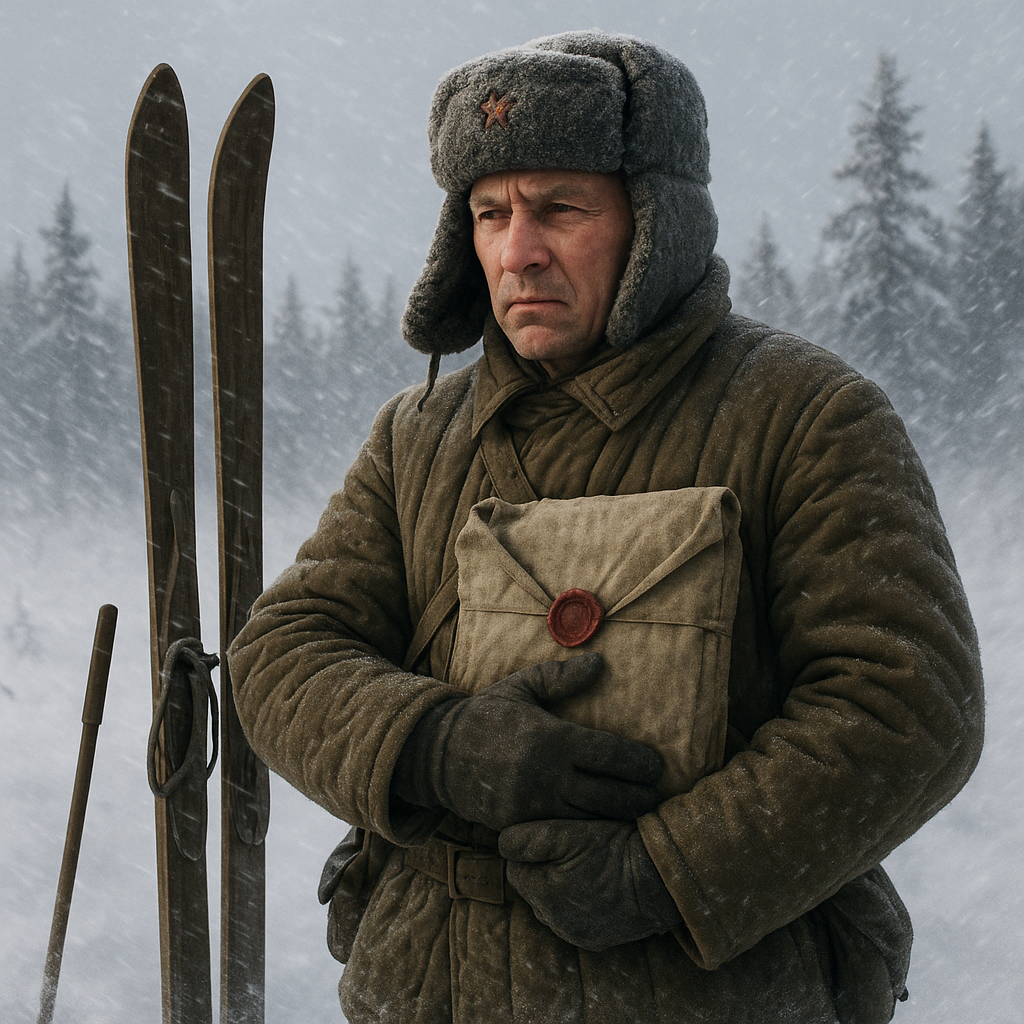
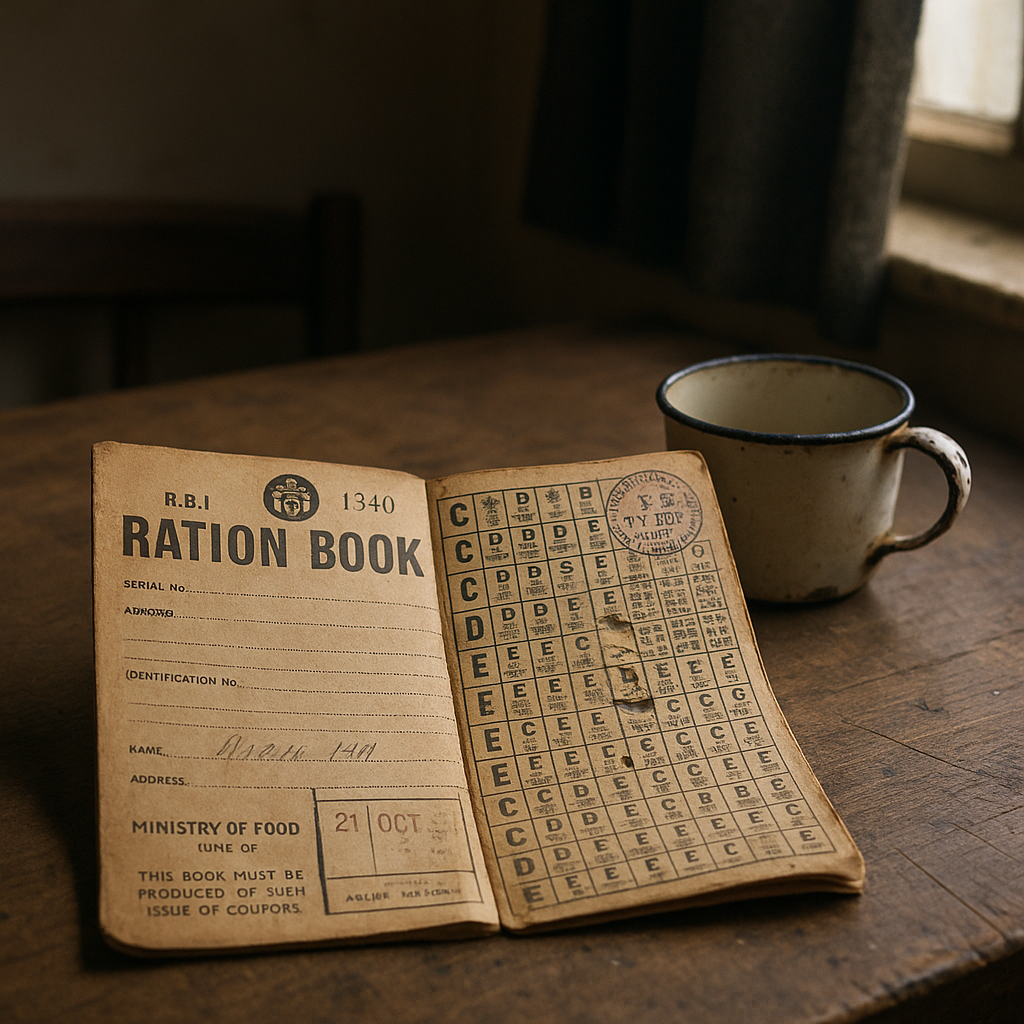
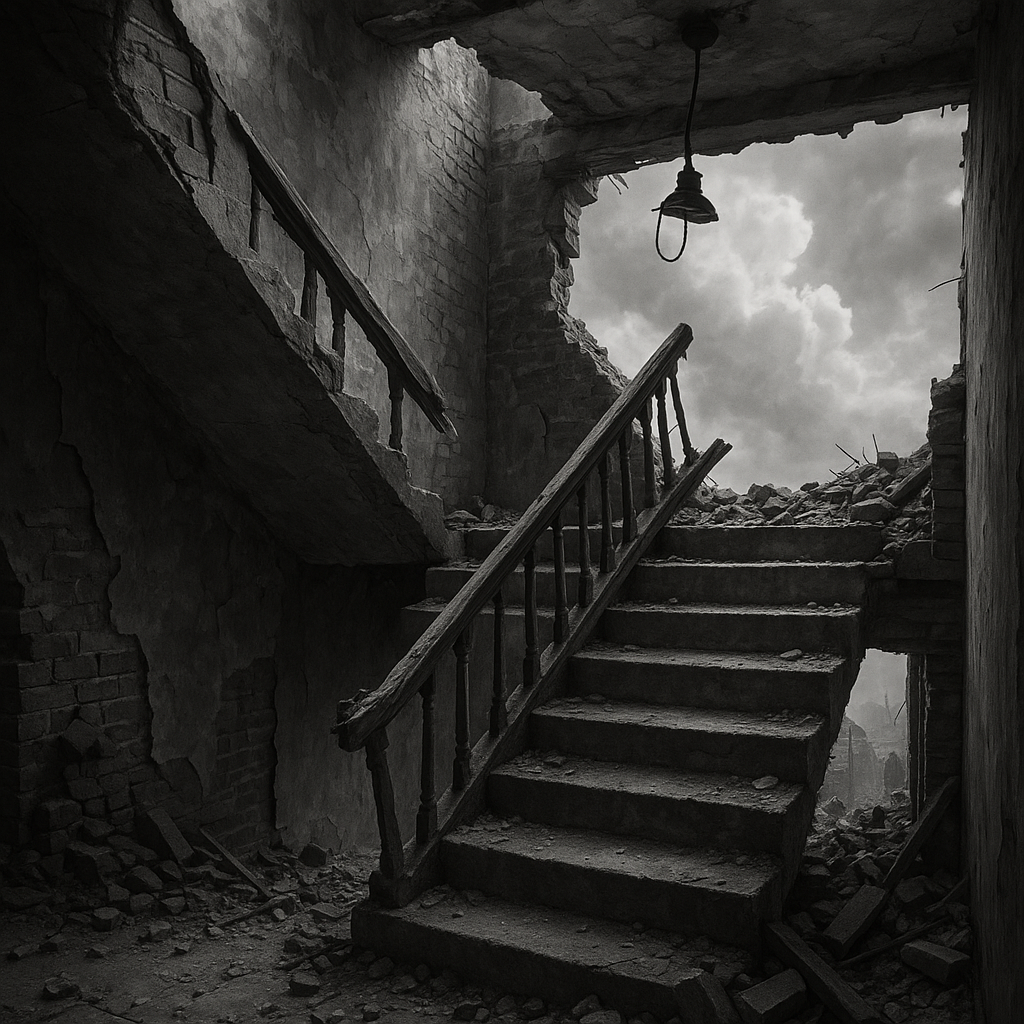
| World War Era Western Europe | World War II raging. Germany conquers Poland (1939), Denmark, Norway, Belgium, Netherlands, France (1940). Britain stands alone in Battle of Britain. Italy under Mussolini joins Axis. Soviet Union invades Baltics and Finland (Winter War 1939–40). Europe in total collapse. |
1945 AD – Snapshot
| Terra Avita Region and Era Name Link | Event Description |
|---|---|
| World War Era Africa (beyond the Nile) | Africa entirely under European colonial rule (except Ethiopia, restored after Italian defeat). British, French, Belgian, Portuguese empires dominate. Colonial soldiers fight in Allied armies. Forced labor, resource extraction, and racial hierarchy peak. Pan-African consciousness and anti-colonial movements beginning. |
| World War Era Central America | U.S. dominance complete. Panama Canal strategic cornerstone. Banana Republic political structures intact. Military dictatorships backed by the U.S. (e.g., Somoza in Nicaragua). Indigenous repression widespread. |
| World War Era China (East Asia) | China emerges from Japanese occupation. WW2 ends with surrender of Japan (August 1945). KMT and CCP immediately resume full-scale civil war. Economy ruined; tens of millions dead. Manchuria occupied by USSR briefly before transfer to Chinese Communists. Qing long gone; Republic collapsing internally. |
| World War Era Eastern Mediterranean | Post-Ottoman Middle East under Allied oversight. British Mandates (Palestine, Transjordan, Iraq) and French Mandates (Syria, Lebanon) still intact but nationalist movements accelerating. Holocaust drives global pressure for a Jewish homeland in Palestine. Region entering modern independence era. |
| World War Era Egypt | Still a British-controlled monarchy. King Farouk reigns. WW2 troops heavily stationed along Nile/Suez. Anti-colonial sentiment rising. Cairo a hub of wartime logistics and intelligence. Independence movement intensifying toward 1952 revolution. |
| World War Era India and Central Asia | British India at breaking point. Quit India movement (1942). Bengal Famine recently killed millions. WWII service enormous. Partition and independence just two years away (1947). In Central Asia, Soviet republics firmly consolidated (Kazakh, Uzbek, Turkmen, Tajik, Kyrgyz SSRs). Stalinist repression severe. |
| World War Era North America | United States becomes a superpower. Economy surges; G.I. Bill; nuclear weapons (Hiroshima/Nagasaki). Canada also prospers as industrial ally. Mexico modernizing under PRI. Native Americans serve heavily in war; reservation poverty remains severe. World power structure tilts decisively toward the U.S. |
| World War Era Oceania | WWII transforms Oceania into a strategic front. Australia and New Zealand major Allied contributors. Solomon Islands, New Guinea, and Micronesia battlefields. Hawaii central to U.S. Pacific command. After 1945, U.S. trusteeships replace Japanese control in Micronesia. Indigenous societies shattered by war but persist culturally. |
| World War Era Persia | Iran under Allied occupation (1941–1946). Reza Shah forced to abdicate; Mohammad Reza Pahlavi installed. Soviet-backed separatist movements in Azerbaijan and Kurdistan rising. Anglo-Soviet supply route (“Persian Corridor”) crucial to Allied war effort. Oil strategically dominant. |
| World War Era South America | Neutrality era ends; alignment shifts. Brazil fought with Allies (FEB in Italy). Argentina joins Allies at the last moment (1945) after long neutrality. Chile, Peru, Bolivia largely peripheral to war but enter postwar economic realignment. Oligarchic republics remain dominant; Indigenous populations marginalized. |
| World War Era Western Europe | World War II ends (May 1945). Germany defeated and occupied. Italy liberated; Mussolini executed. France restored under de Gaulle. Britain exhausted but victorious. Soviet armies occupy Eastern Europe. Entire continent economically devastated. United Nations founded (1945). Beginning of Cold War division. |