1. Identity & Scope

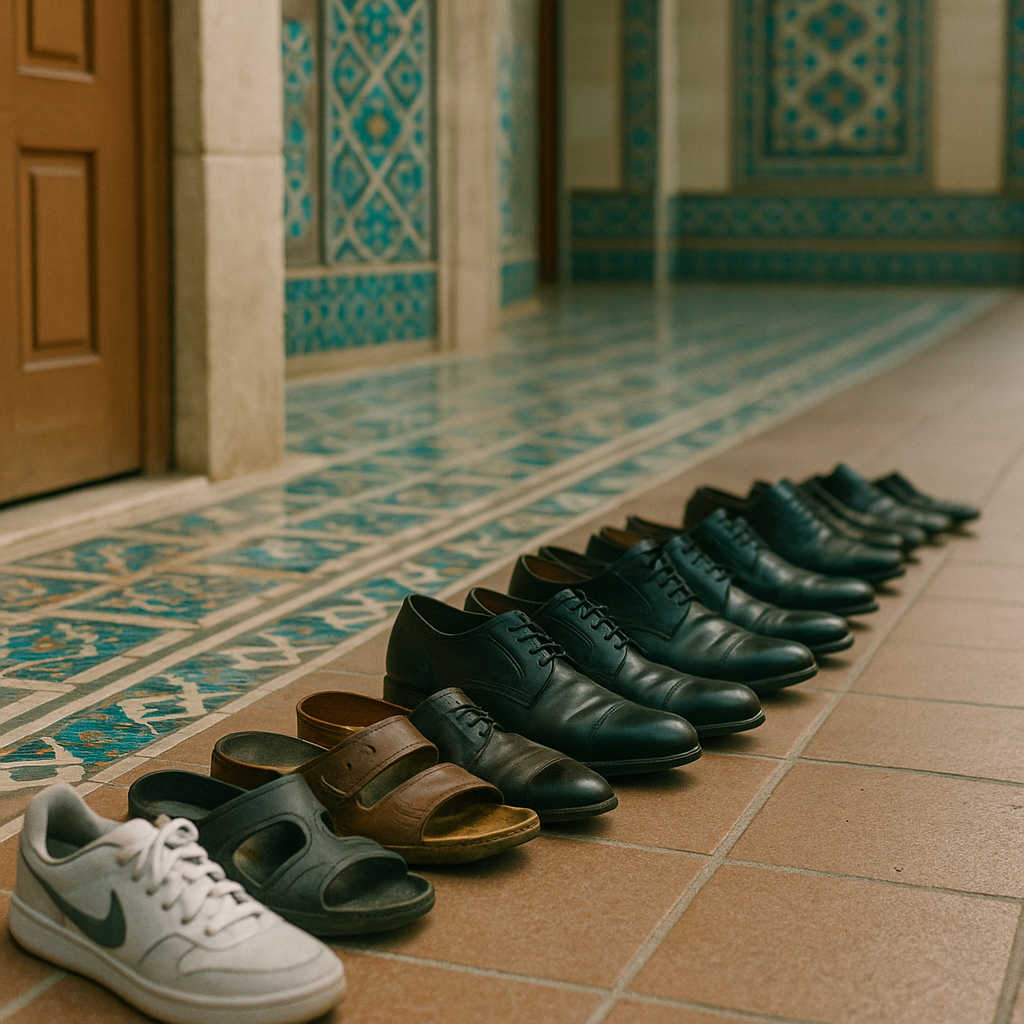
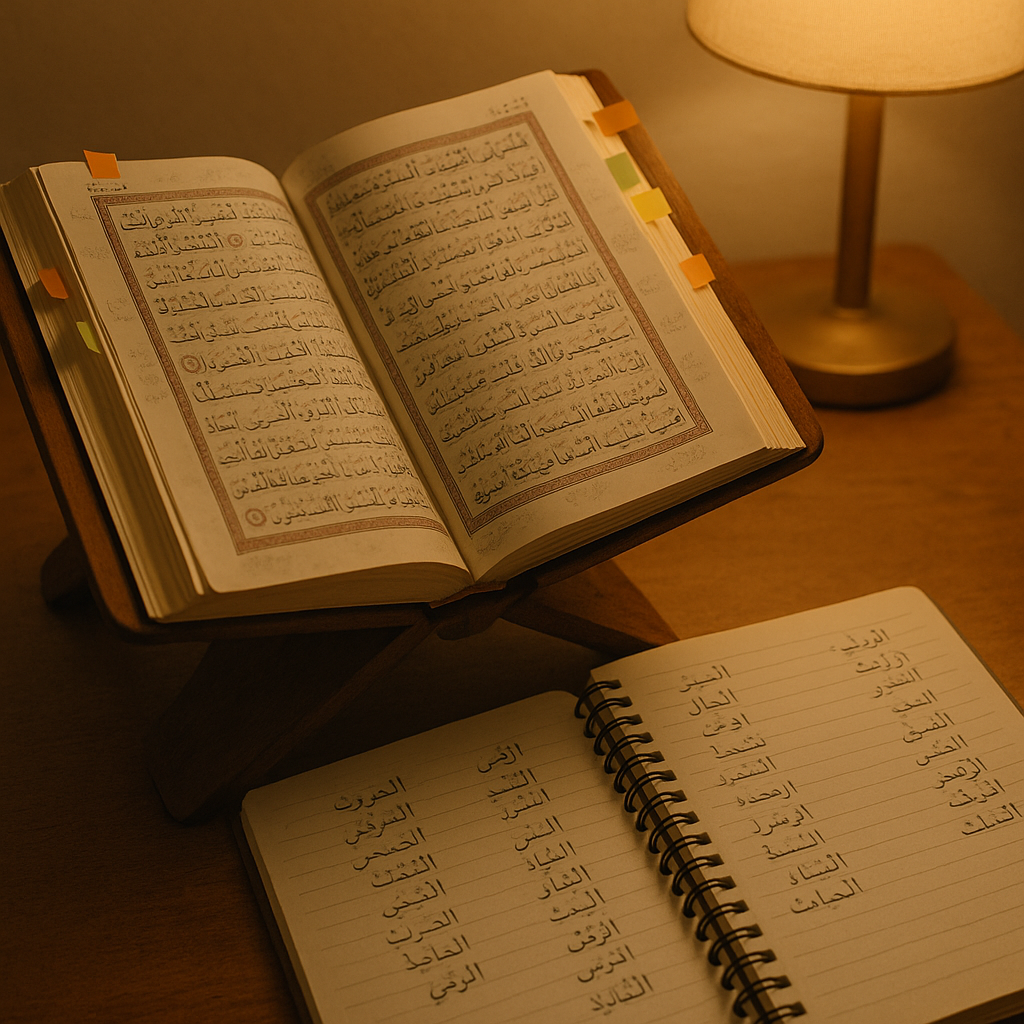
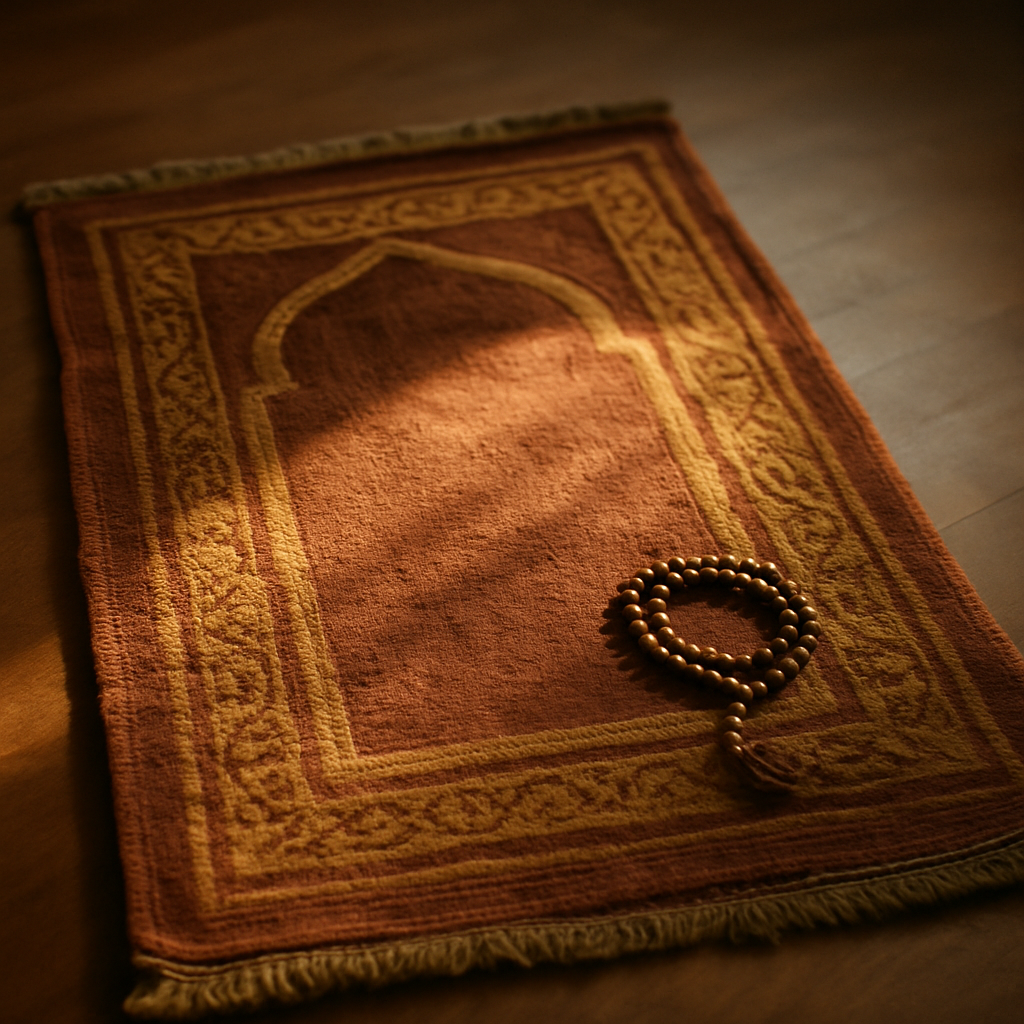
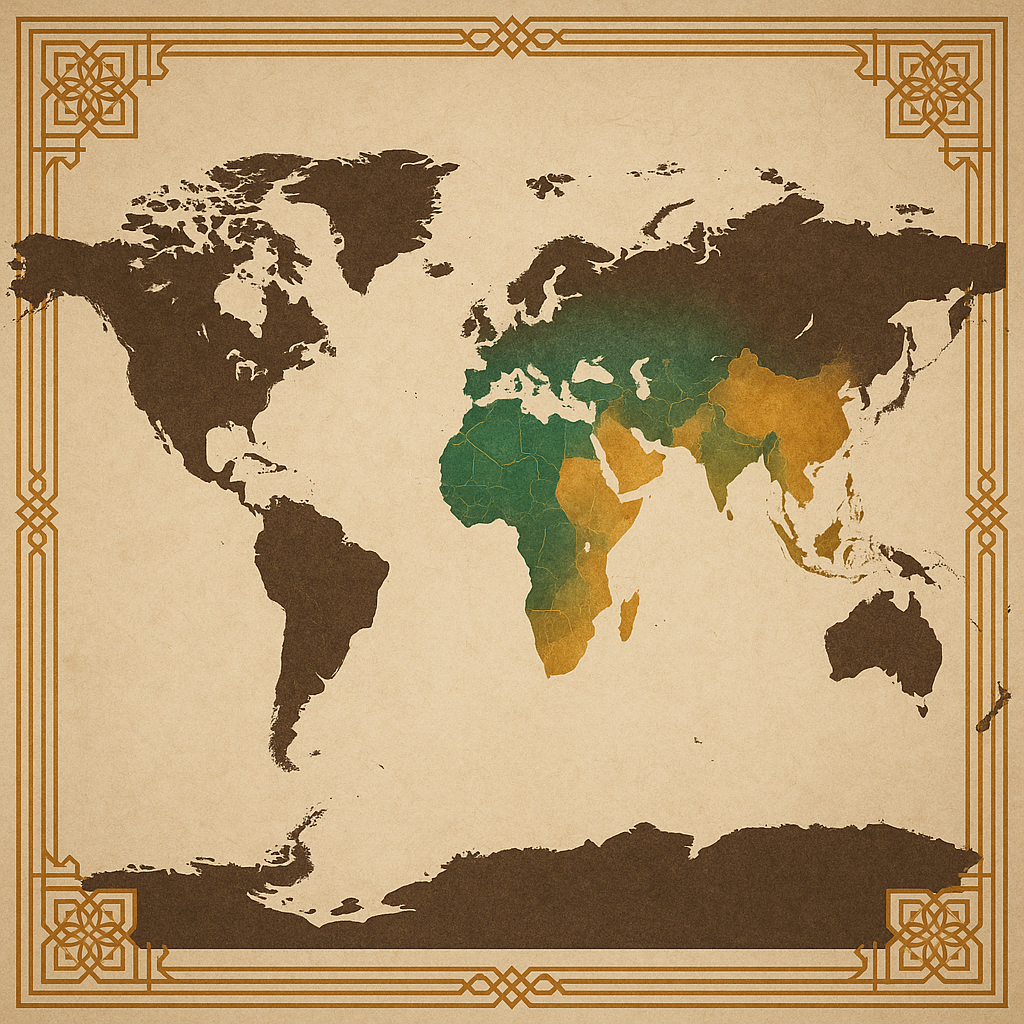
Islam is a comprehensive, text-anchored world religion and civilization defined by revelation, prophetic authority, and an enduring legal-scholarly tradition. Centered on submission to the one God (tawḥīd), it is constituted by the Qur’an as divine revelation, Muhammad as the final prophet, and a juristic system (fiqh) that orders belief, ritual, ethics, and social life. Emerging in seventh-century Arabia, Islam rapidly formed a unified religious and political community and expanded across continents, developing stable institutions of law, learning, worship, and governance. Its boundaries are doctrinal rather than ethnic or cultural, its historical continuity spans more than fourteen centuries without civilizational rupture, and its global presence today reflects a tradition that is internally coherent, ritually formalized, and institutionally complete.
2. Historical Context

Islam emerges in the early 7th century in western Arabia through the prophetic career of Muhammad (c. 610–632 CE), uniting revelation, social reform, and political authority into a single religious-civilizational project. Arising amid Arabian polytheism, neighboring Jewish and Christian communities, and the geopolitical exhaustion of the Byzantine and Sasanian empires, Islam presents itself as a restoration and completion of Abrahamic monotheism while radically reorganizing Arabian social order. Following Muhammad’s death, the early community rapidly canonizes scripture, establishes core ritual and legal norms, and expands through conquest, trade, and scholarship into a transregional civilization. Over subsequent centuries, Islam consolidates classical institutions of law, theology, and education, undergoes enduring internal schisms and reform movements centered on authority and interpretation, and encounters modern disruptions through colonialism, nationalism, and globalization. Today it remains a demographically vital, globally distributed tradition marked by deep historical continuity, internal plurality, and ongoing debates over law, authority, and modern life.
3. Sources of Evidence

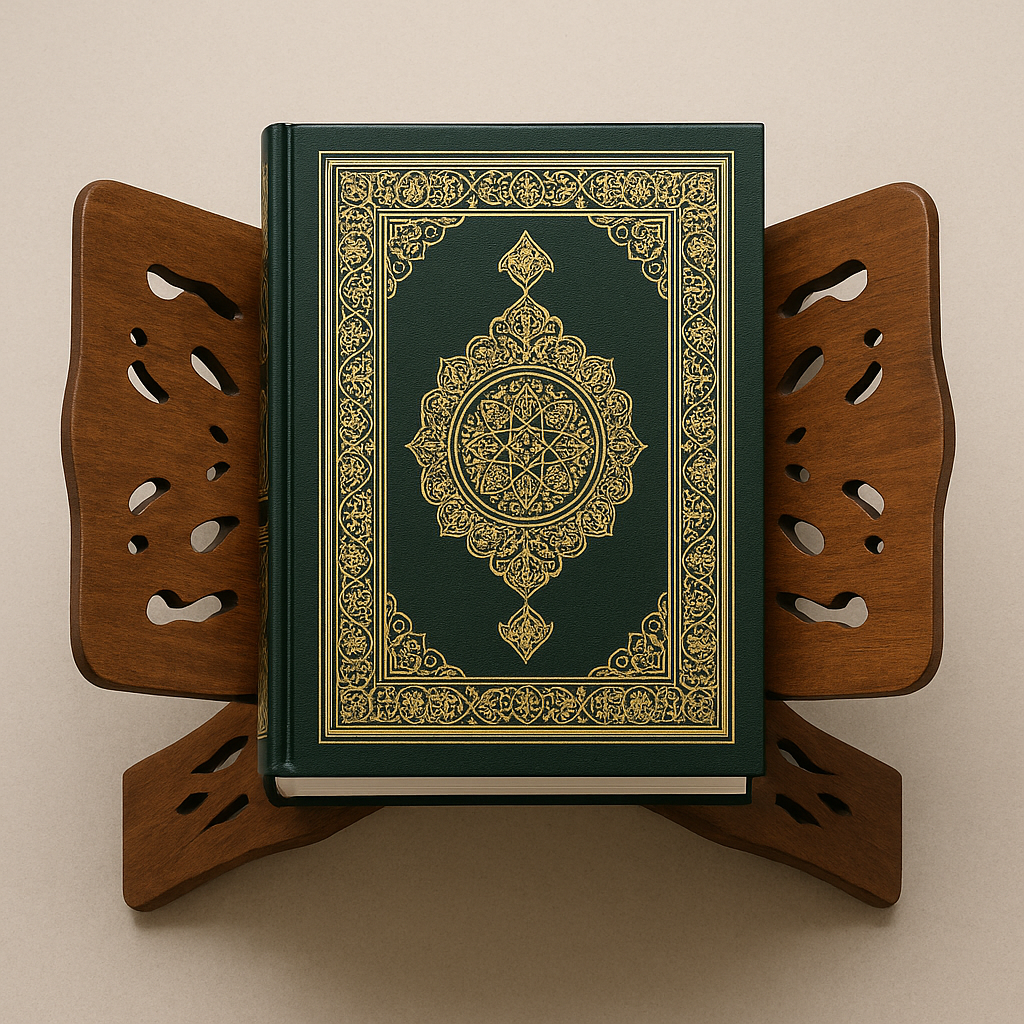
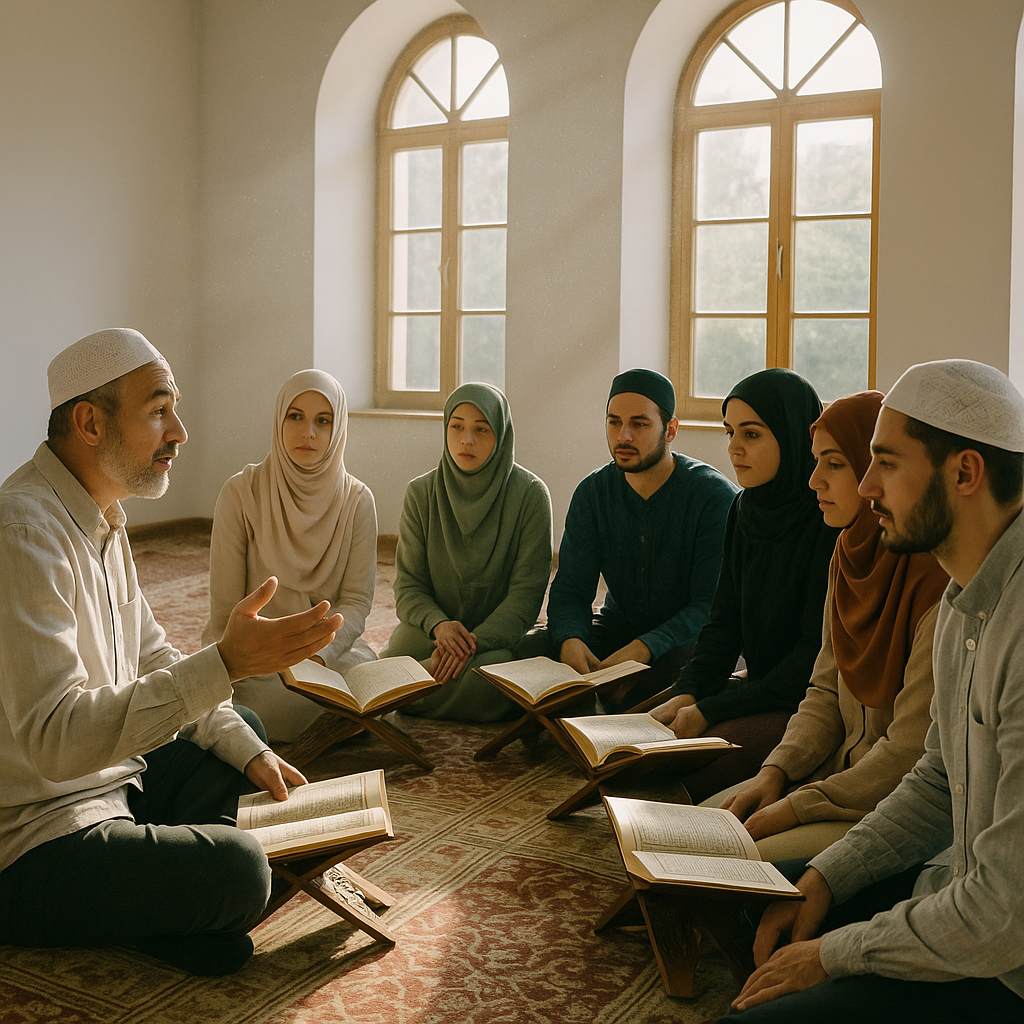
Islam’s evidence base is unusually strong and multi-layered, combining a tightly defined scriptural core with extensive scholarly literature and a substantial early material record. At the center stands the Qur’an, treated within Islam as verbatim revelation and supported by early manuscript witnesses with high textual stability; surrounding it are hadith collections that ground law and ethics but require probabilistic evaluation through isnād and content scrutiny, alongside sīra/maghāzī narratives that supply historical framing. Over centuries, tafsīr, fiqh manuals, theological works, and Sufi writings expand interpretation and practice, while oral transmission—especially Qur’anic memorization and recitational discipline—functions as a durable pedagogical backbone. Independent corroboration comes from archaeology, inscriptions, coinage, papyri, and external chronicles (Byzantine, Syriac, Armenian, Jewish, Chinese, later European), which illuminate early state formation and expansion but carry their own biases and genre limits. Modern ethnography adds lived practice that elite texts underrepresent, though it is shaped by observer effects and theoretical framing. A rigorous treatment weighs each class by authenticity (textual stability and transmission reliability), independence (external corroboration), and representativeness (elite norm vs. popular practice), while keeping emic self-understanding distinct from etic description.
4. Pantheon & Supernatural Beings

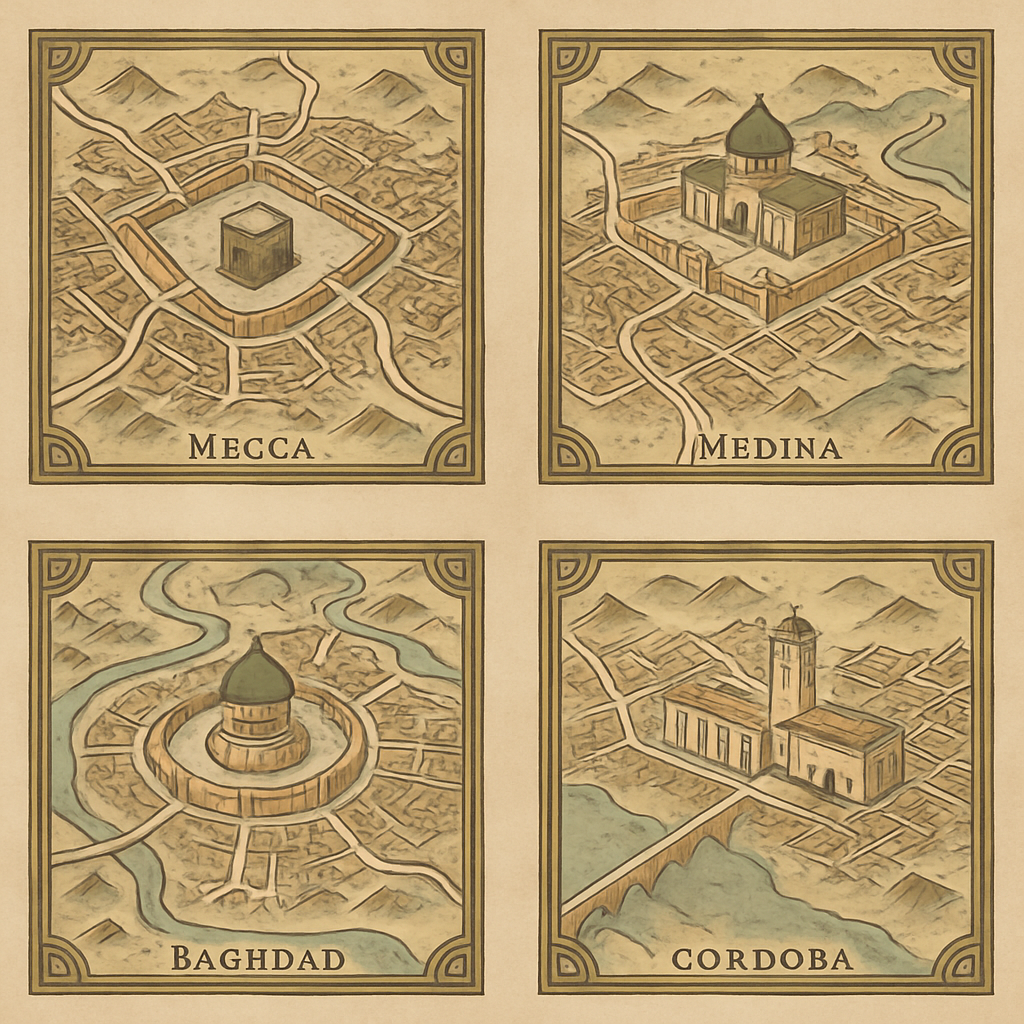
Islam possesses no pantheon in the polytheistic sense; its supernatural order is structured around absolute monotheism under a single, incomparable deity. Allah alone is uncreated, omnipotent, and worthy of worship, with no partners, emanations, incarnations, or subordinate divine figures permitted. All other supernatural beings are strictly created and subordinate: angels serve as obedient executors of divine command; jinn form a parallel moral community with free will, capable of belief or rebellion; prophets and saints are wholly human, never semi-divine; and opposing forces such as Iblīs and the shayāṭīn operate only by God’s permission and pose no cosmic rival. Ancestors and the dead possess no supernatural agency, and any veneration is sharply constrained to avoid idolatry. In practice, worship, prayer, and ultimate reliance are directed exclusively to God, while the broader supernatural world functions as a layered moral and administrative cosmos under a single sovereign will, not a divine family or competing hierarchy.
5. Cosmology & Myth
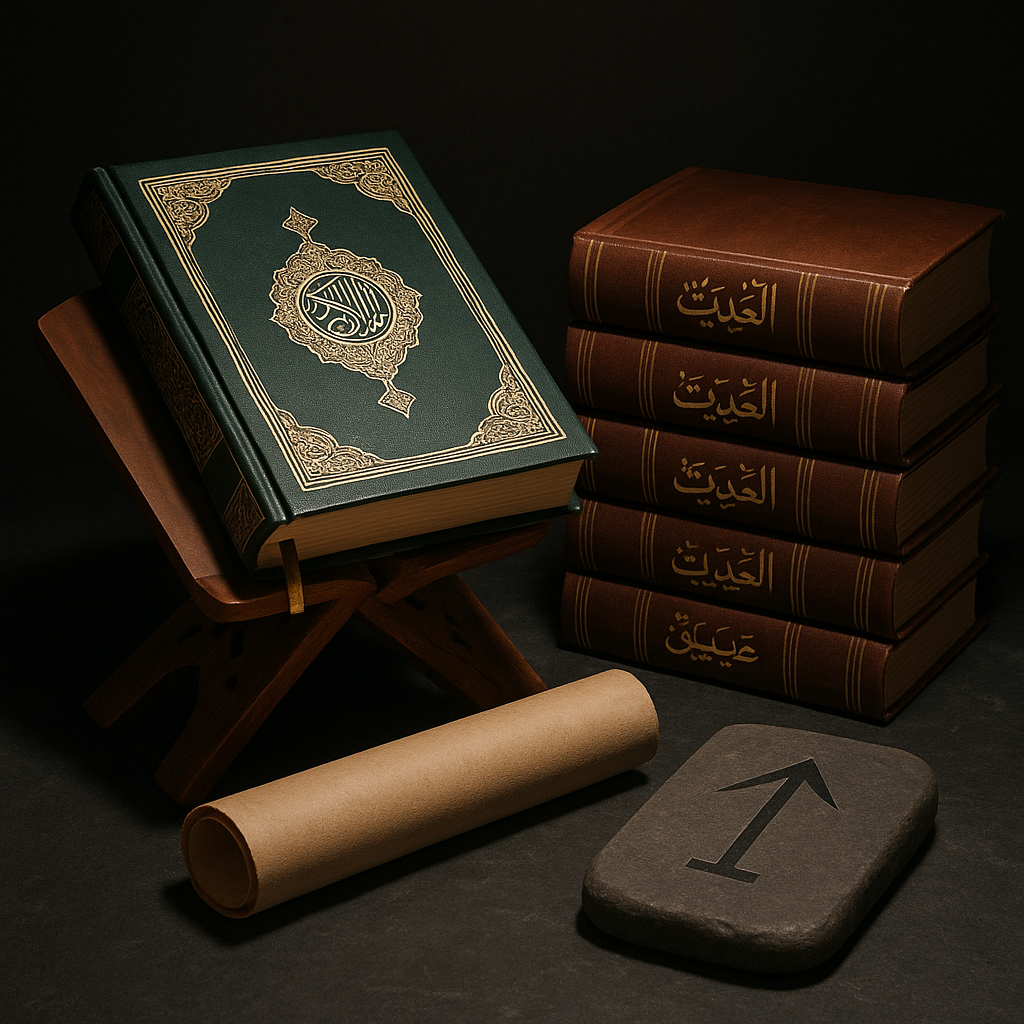


Islam’s cosmology is a rigorously monotheistic, historical, and moral account of reality rather than a mythic drama of competing powers. Creation occurs ex nihilo by God’s command alone, without primordial chaos or divine conflict, and unfolds within a vertically ordered universe of heavens, earth, and an intermediate realm awaiting resurrection, all enclosed by God’s sovereign authority. Time is linear and purposeful—moving from creation through prophetic history to a final, irreversible judgment—so disorder arises not from rival deities but from ethical rebellion against divine guidance. Prophetic figures replace mythic heroes, grounding sacred history in human exemplars rather than demi-gods, while eschatology provides a detailed and decisive end to history in resurrection, judgment, and eternal destiny. This cosmology functions as a moral architecture: it shapes ritual, law, explanations of suffering and nature, and daily consciousness, embedding belief in divine unity, justice, and accountability into lived religious practice.
6. Ritual & Practice
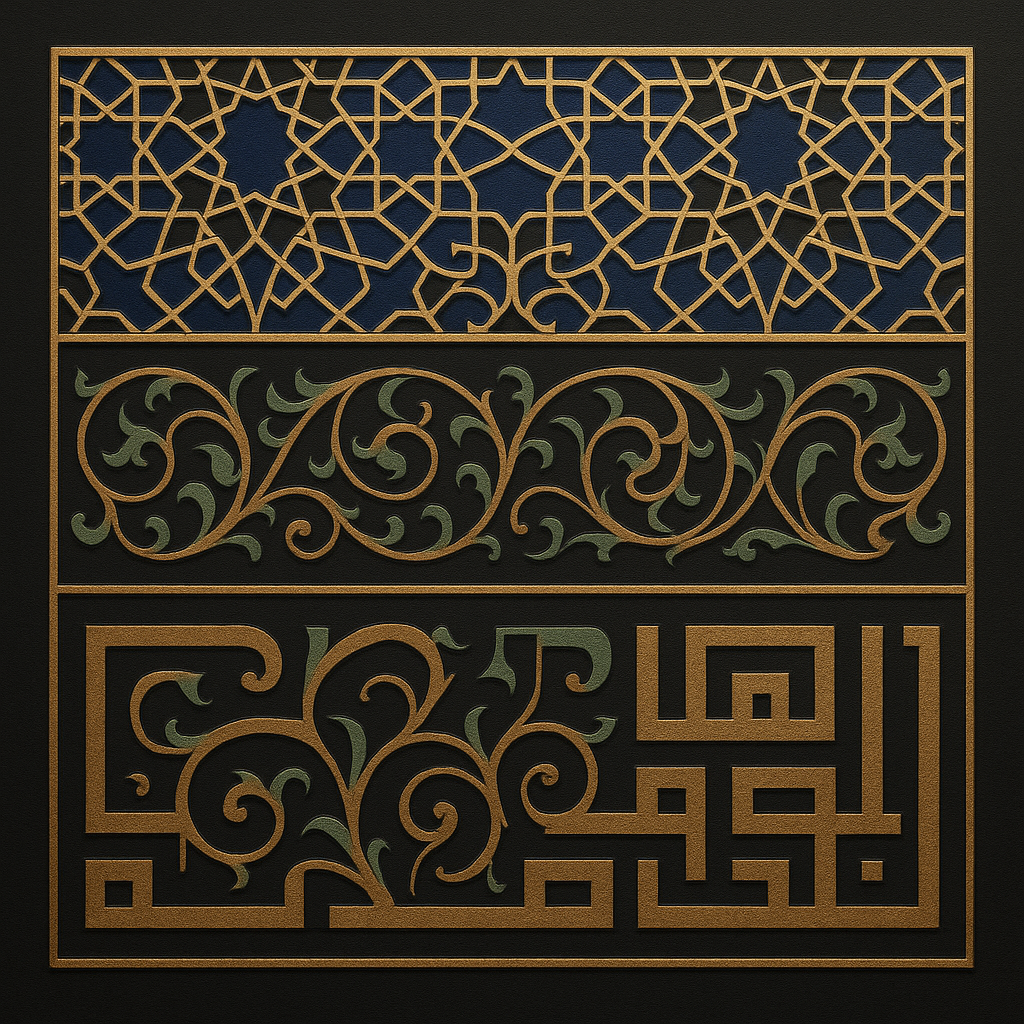
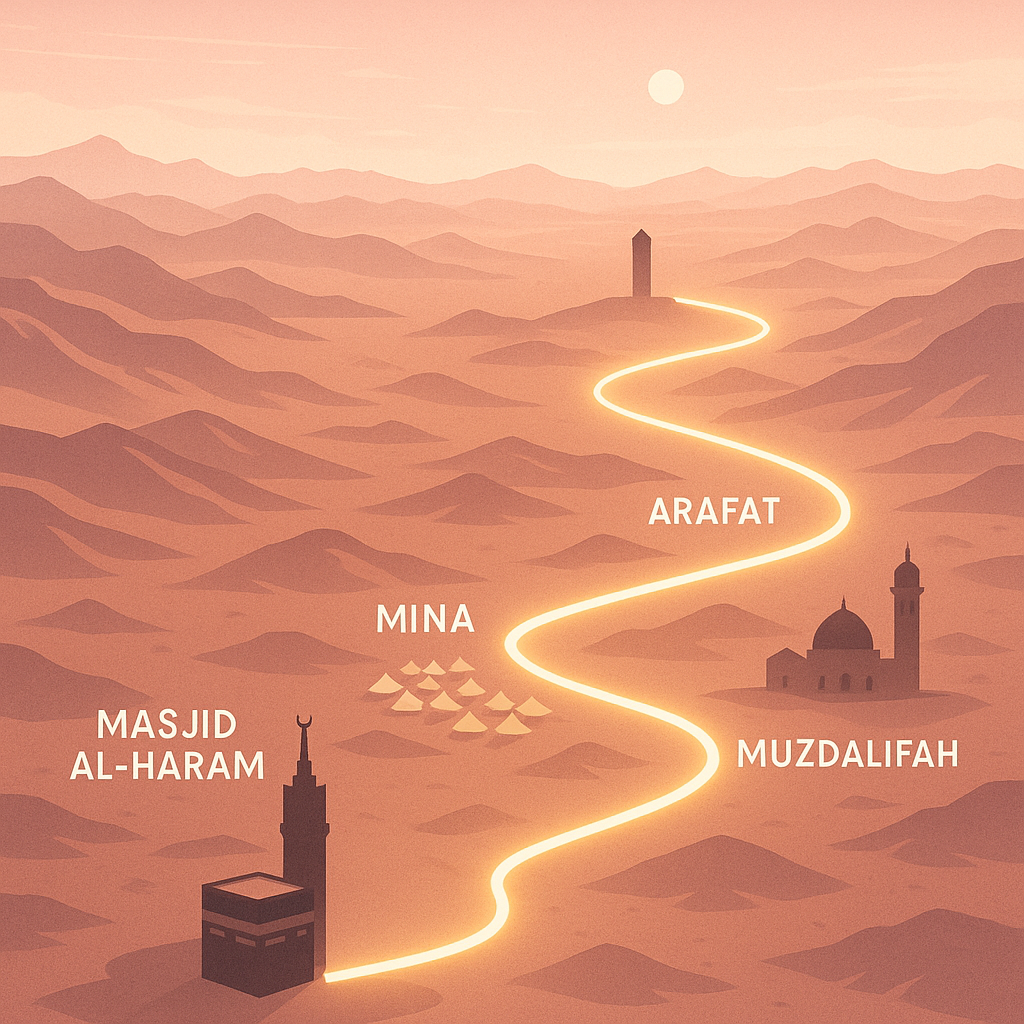
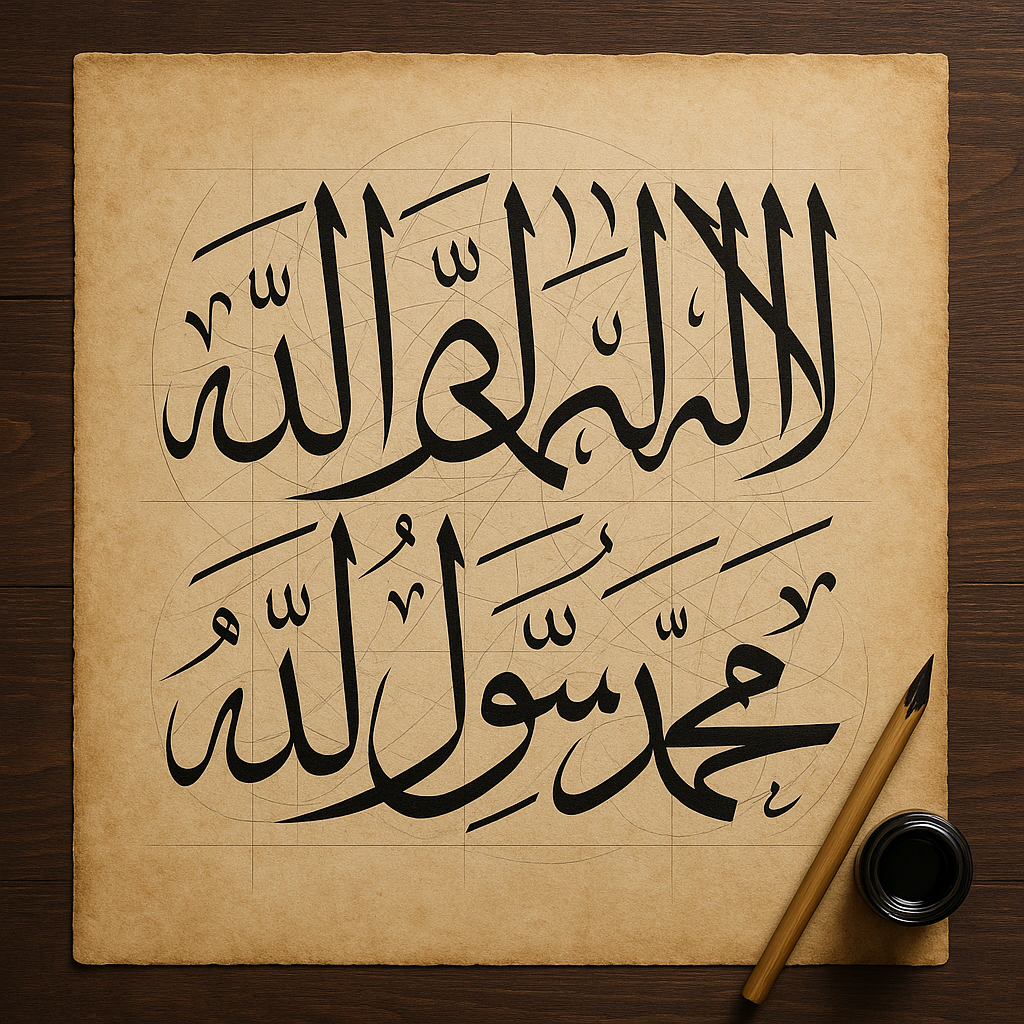
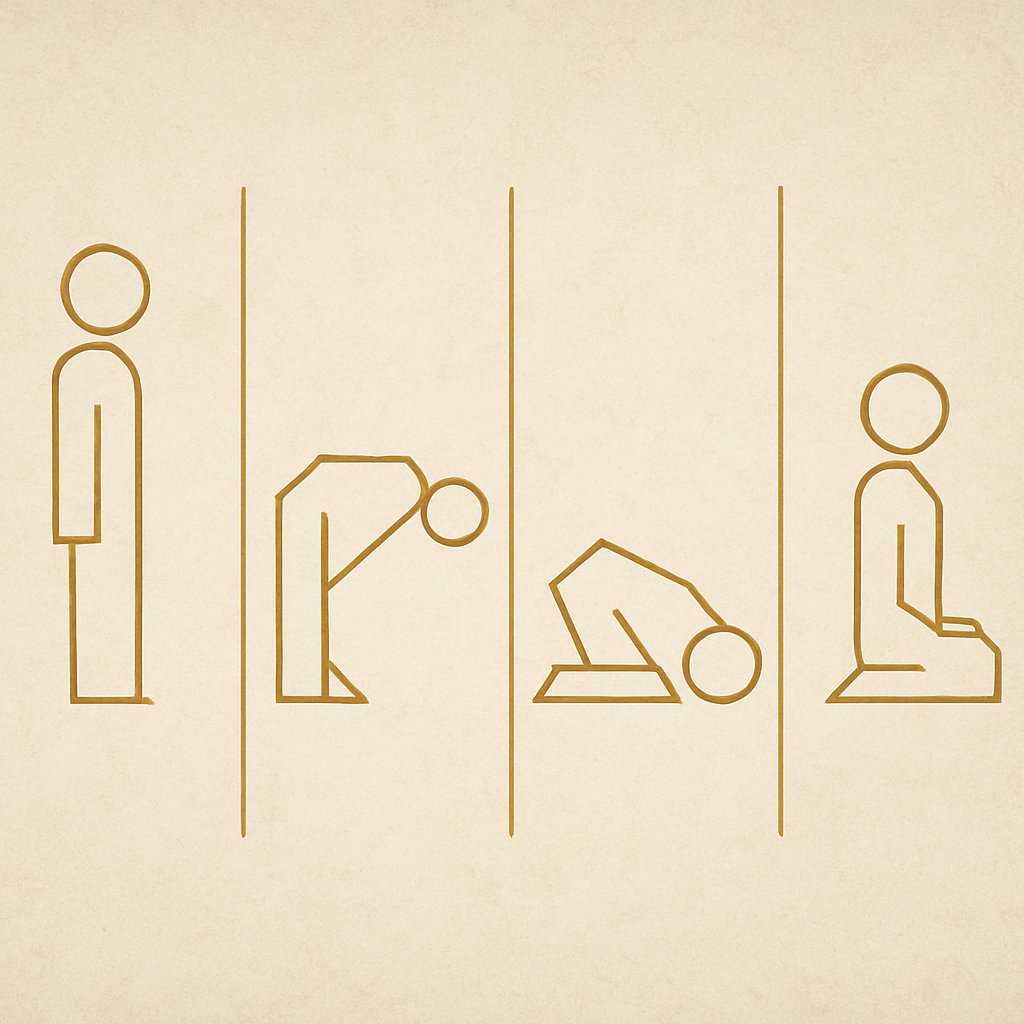
Islamic ritual and practice form a tightly regulated, embodied system that structures time, behavior, and communal identity around submission to God. Daily life is organized by obligatory prayer, ritual purification, and dietary discipline, creating a rhythmic pattern of bodily obedience and moral attentiveness, supplemented by voluntary devotions such as Qur’anic recitation and remembrance. Sacrifice and charity emphasize obedience and social redistribution rather than appeasement, while sacred time centers on historically grounded events—especially Ramadan, the two ʿĪds, and the pilgrimage cycle—rather than seasonal or mythic rhythms. Life-cycle rites, healing practices, and ascetic disciplines are governed by law and ethical restraint, sharply distinguishing legitimate devotion from forbidden divination or magic. Pilgrimage, especially the Hajj, condenses sacred history into collective action, while Islamic aesthetics privilege sound, movement, and script over imagery. Taken together, ritual functions as a binding social technology: it levels status distinctions, reinforces moral law, and integrates individual believers into a unified, transnational community ordered by shared practice.
7. Sacred Space & Material Culture

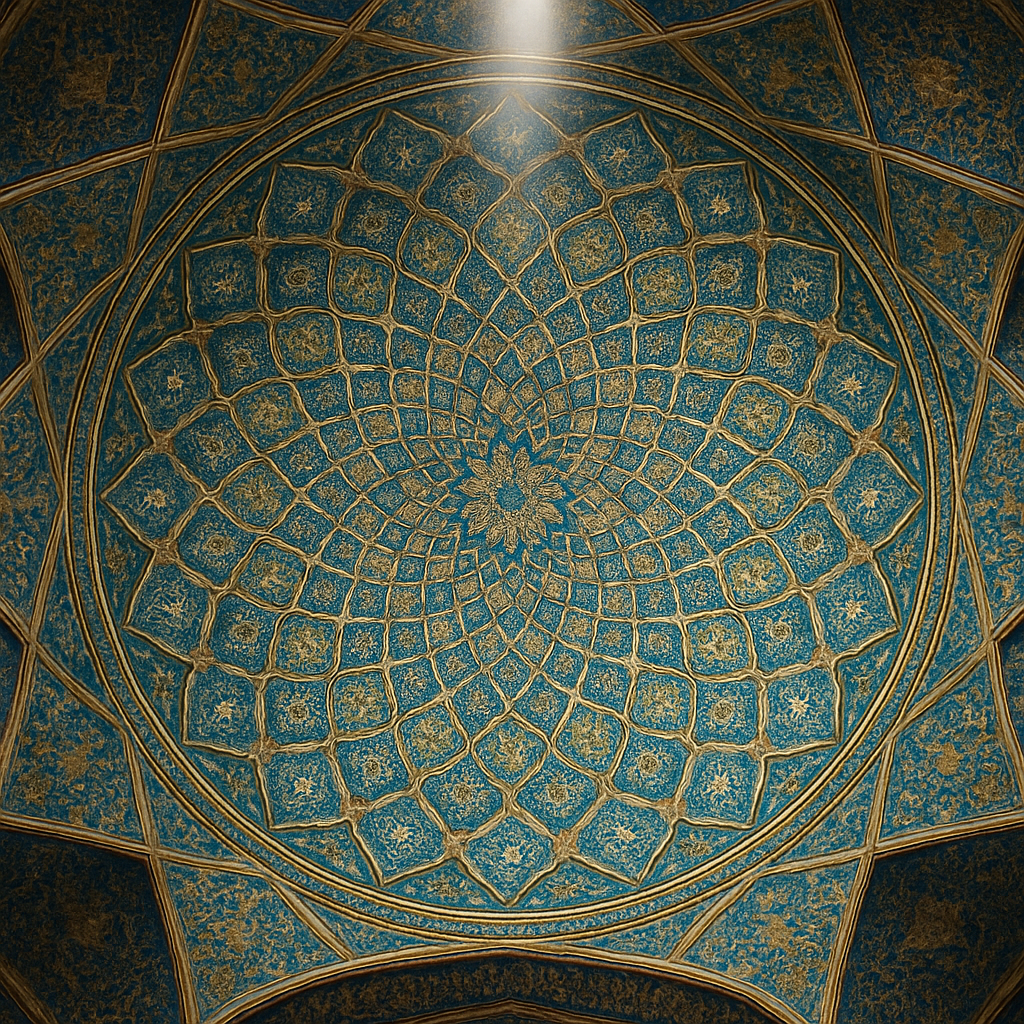
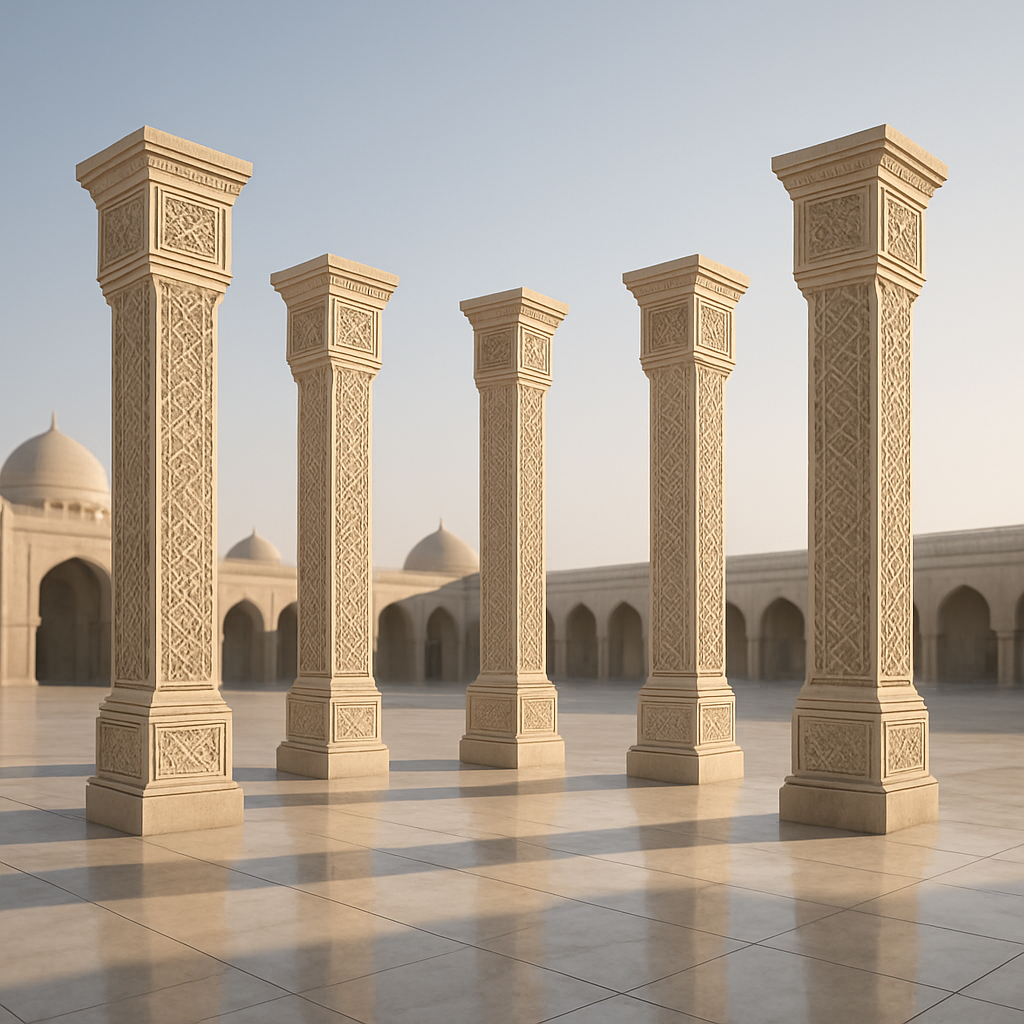
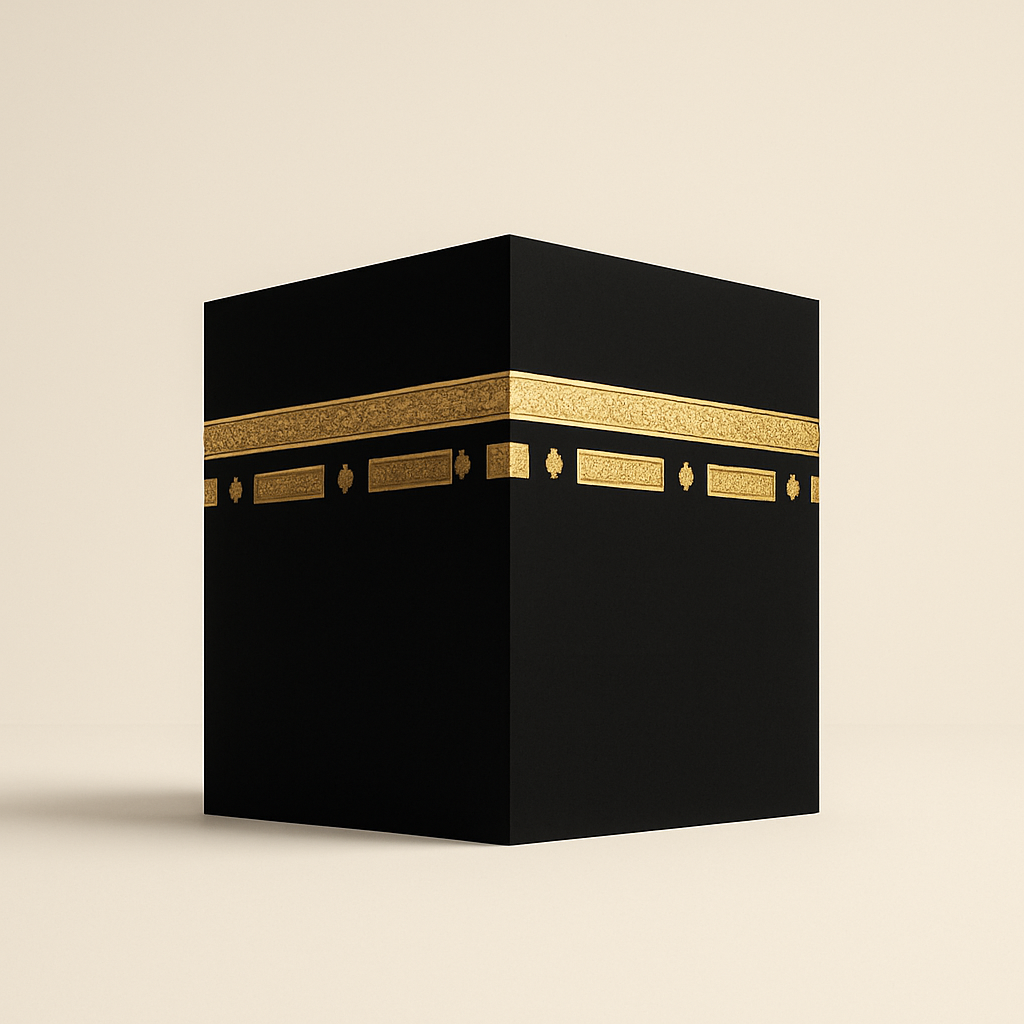
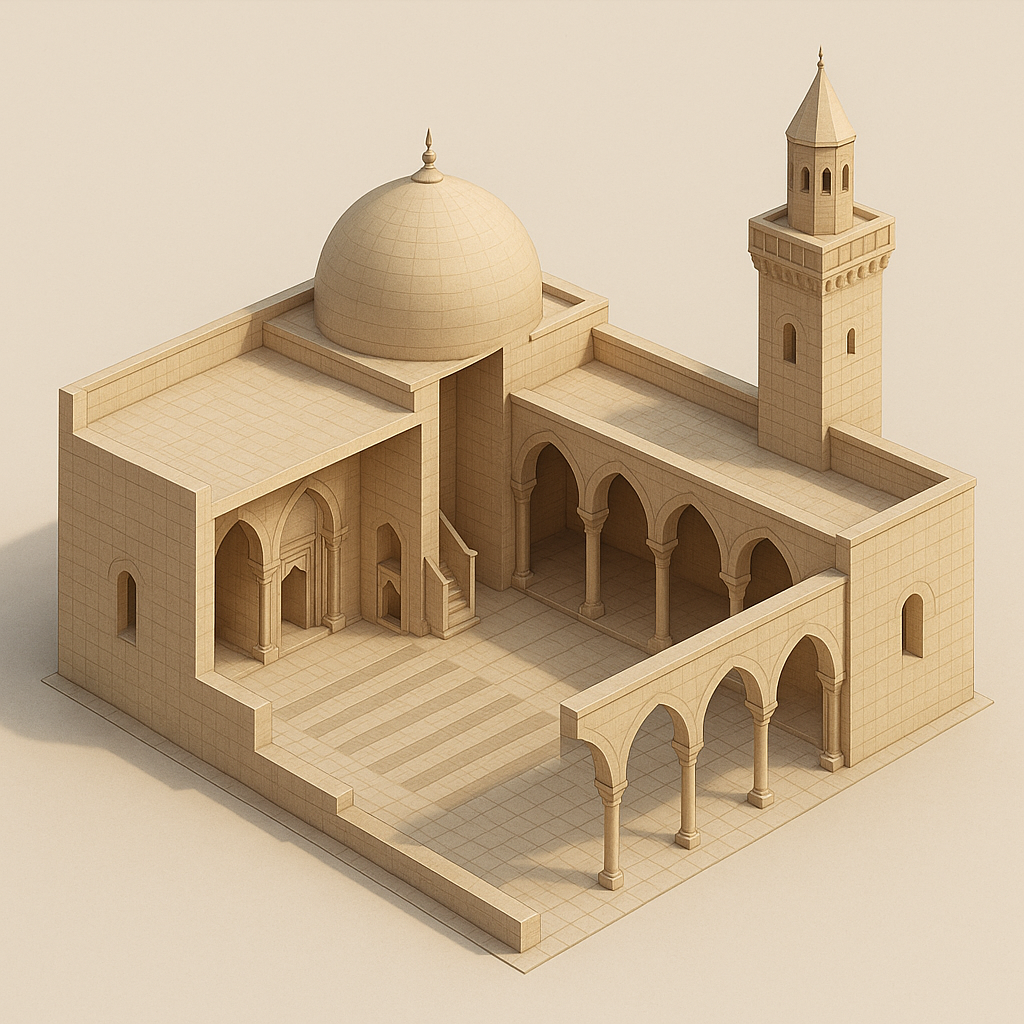
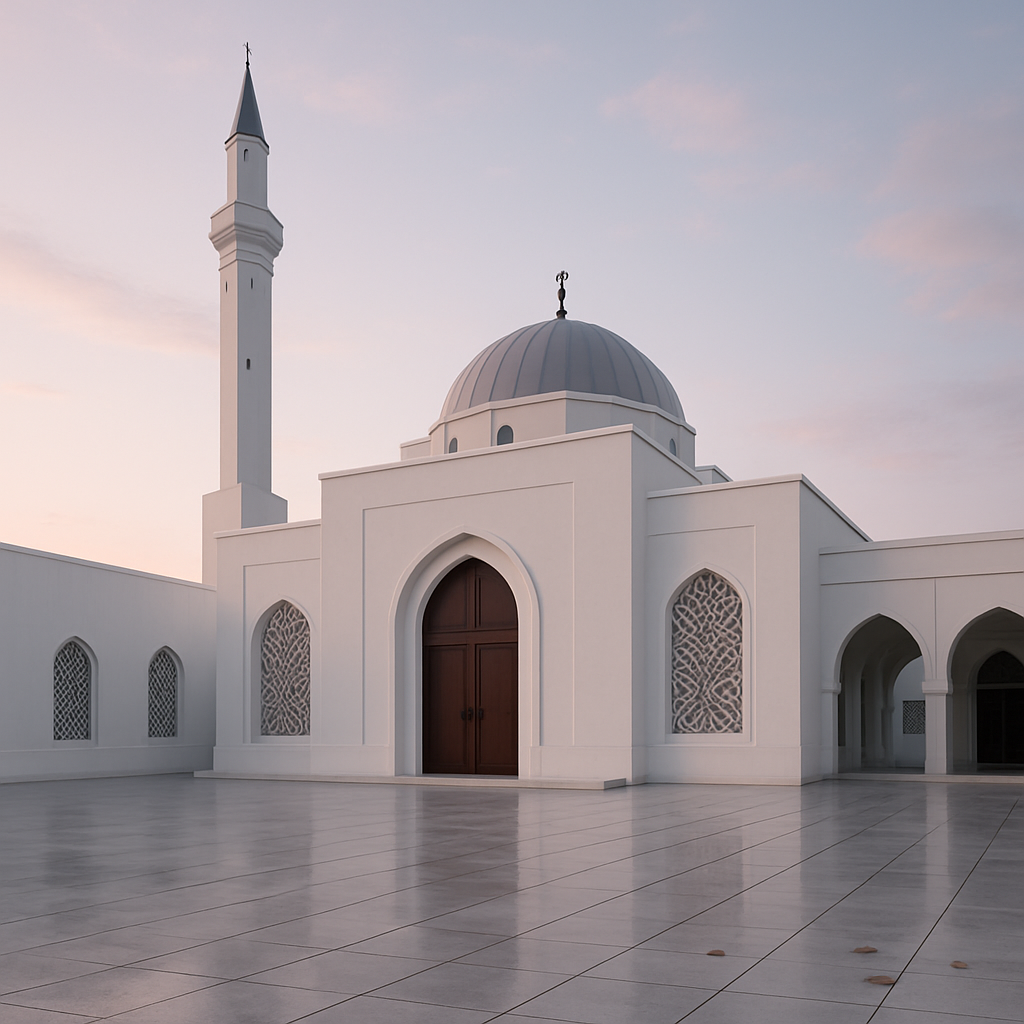
Islam’s sacred space and material culture are defined by historical action and textual meaning rather than inherent natural holiness or material indwelling. Places become sacred because God acted there through prophets—most centrally Mecca and the Kaaba—not because nature itself is divine. Built forms, especially mosques and pilgrimage complexes, function as instruments of cosmic alignment: orienting bodies toward God, structuring communal gathering, and expressing transcendence through geometry, calligraphy, and aniconism rather than images. Domestic space remains ritually minimal, and objects derive authority from Qur’anic text and recitation, not from material power. With no priestly class or sacramental apparatus, authority is conveyed through knowledge and law rather than vestments or relics. Pilgrimage landscapes compress prophetic history into lived geography, while ongoing transformation, reuse, and contestation of sacred sites reveal the dynamic tension between devotion, politics, and modernity within Islamic material life.
8. Religious Specialists & Institutions
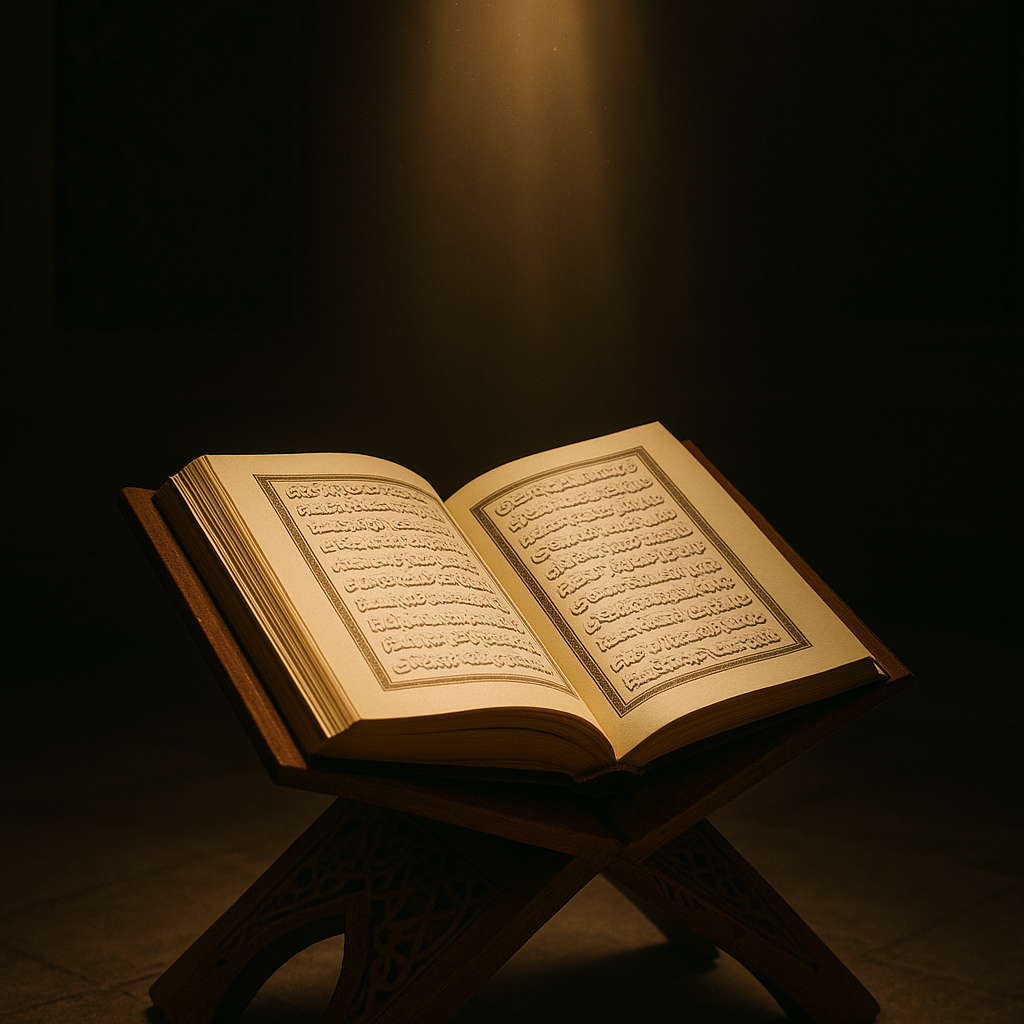
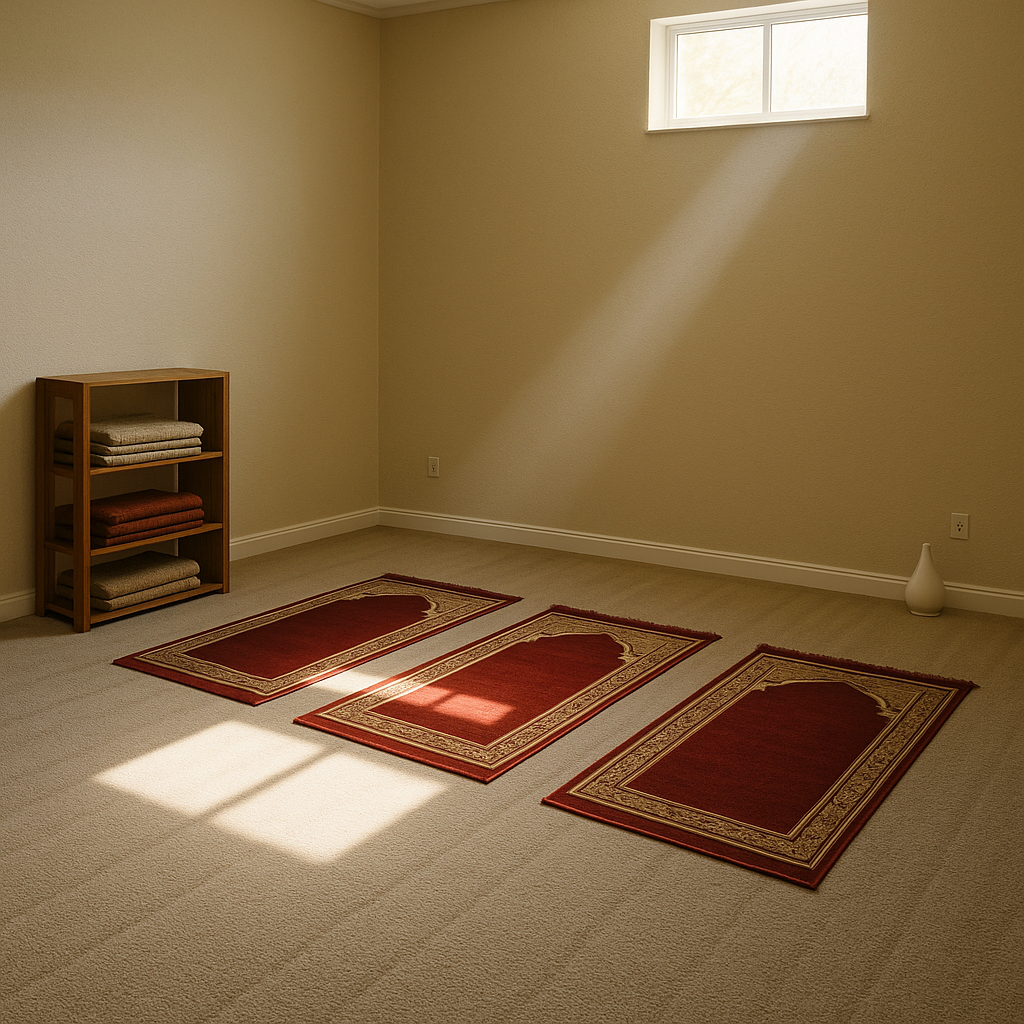

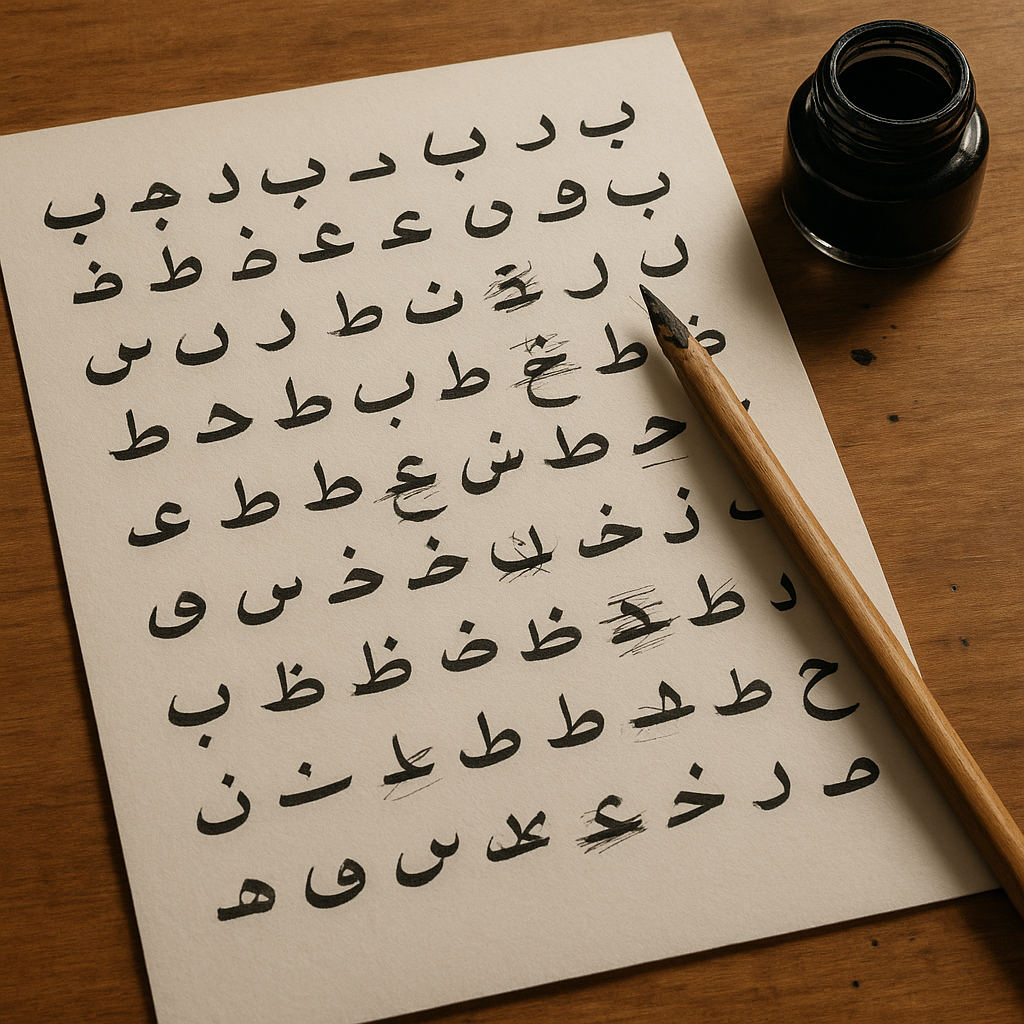
Islam lacks a priesthood or sacramental caste and instead organizes religious authority through learned, functional, and decentralized institutions. Ritual leadership is non-ontological and competence-based—imams lead prayer, muezzins call to worship, and mosque custodians manage space—while direct access to God remains unmediated. Prophetic authority is closed with Muhammad, confining charisma to non-legislative spiritual experience, most notably within Sufism. The tradition’s continuity is maintained by an extensive scholarly class—jurists, theologians, exegetes, and Sufi teachers—whose authority derives from education, transmission chains, and public trust rather than ordination. Institutionally, Islam developed networked structures of law, education, and governance (caliphate, courts, madrasas, and, in Shiʿism, hierarchical seminaries), later reshaped by modern states. Lay participation remains central, and recurring cycles of reform and renewal reflect an ongoing tension between textual fidelity, scholarly authority, charismatic spirituality, and political power.
9. Social Function & Law

Islam’s social function and legal system form a comprehensive framework that integrates political authority, moral ethics, communal identity, and public order under the sovereignty of God. Political legitimacy is grounded not in divine kingship but in adherence to divine law, producing enduring tensions between juristic authority, hereditary leadership models, and state power. Sharīʿa operates simultaneously as law and ethical worldview, regulating worship, family life, commerce, and social conduct while shaping everyday moral expectations beyond formal courts. Social organization emphasizes kinship, contractual family relations, communal discipline, and welfare obligations, forging a powerful supra-ethnic identity in the Ummah through synchronized ritual and shared moral narrative. Mechanisms of discipline balance legal procedure with social accountability, prioritizing rehabilitation over clerical control, while charity and endowments historically underwrote expansive civil society. Across history and into the modern era, Islamic law continually renegotiates the relationship between revelation and changing conditions, adapting its institutions and interpretations while maintaining a unified moral-legal vision of society.
10. Death & Afterlife

Islam understands death and the afterlife as a morally decisive continuation of a single, unified human existence rather than a cycle of rebirth or spiritual diffusion. Humans consist of a mortal body and an immortal soul, both of which are fully rejoined at bodily resurrection, ensuring total personal accountability before God. After death, individuals enter an interim state (barzakh) before a universal judgment in which belief and deeds are weighed with exact justice, leading irreversibly to Paradise or Hell. There is no ancestor worship, reincarnation, or postmortem negotiation of fate; repentance ends at death, and no being intercedes apart from God’s permission. Funeral rites emphasize humility, equality, and communal solidarity, while eschatology culminates in a final apocalypse, resurrection, and eternal moral sorting. Socially, this worldview reinforces ethical discipline, consoles suffering through promised justice, and frames death not as annihilation but as the completion of a morally ordered life under divine law.
11. Symbolism & Cultural Expression

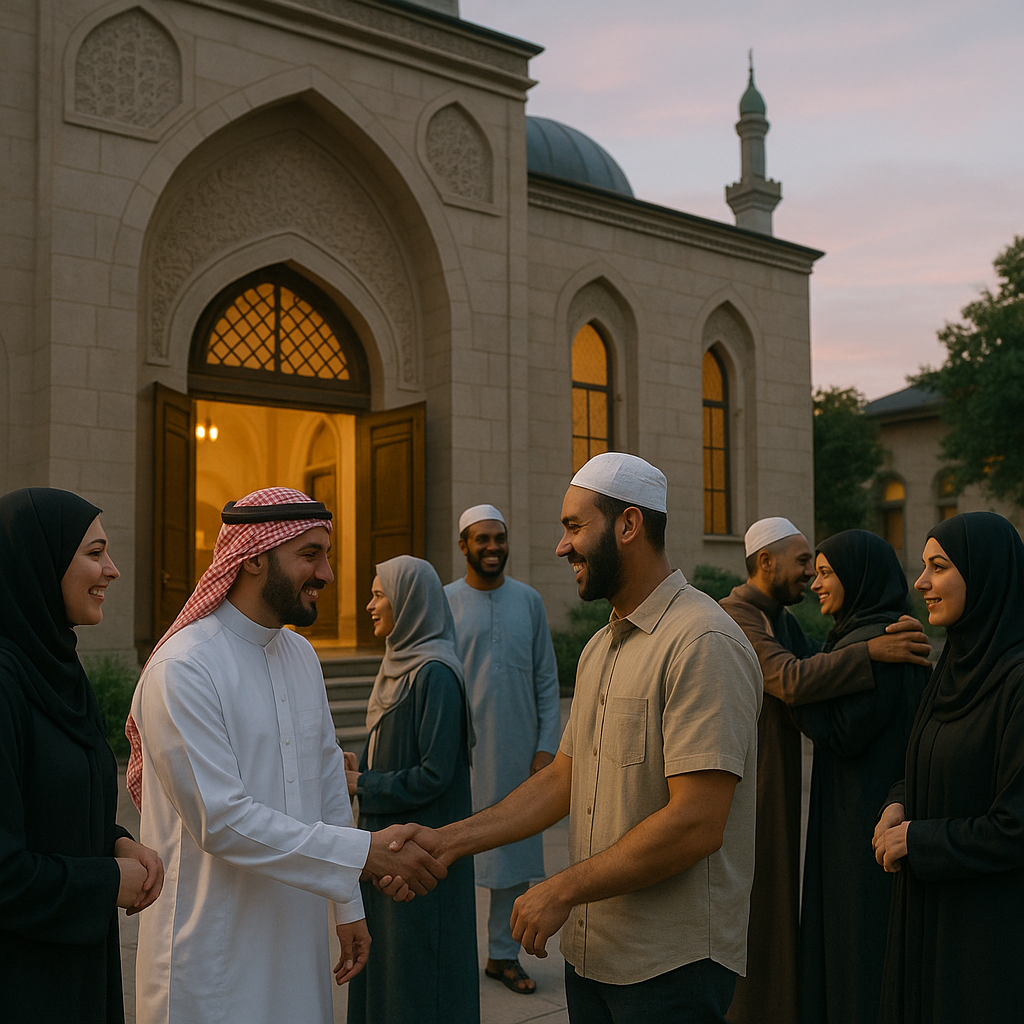
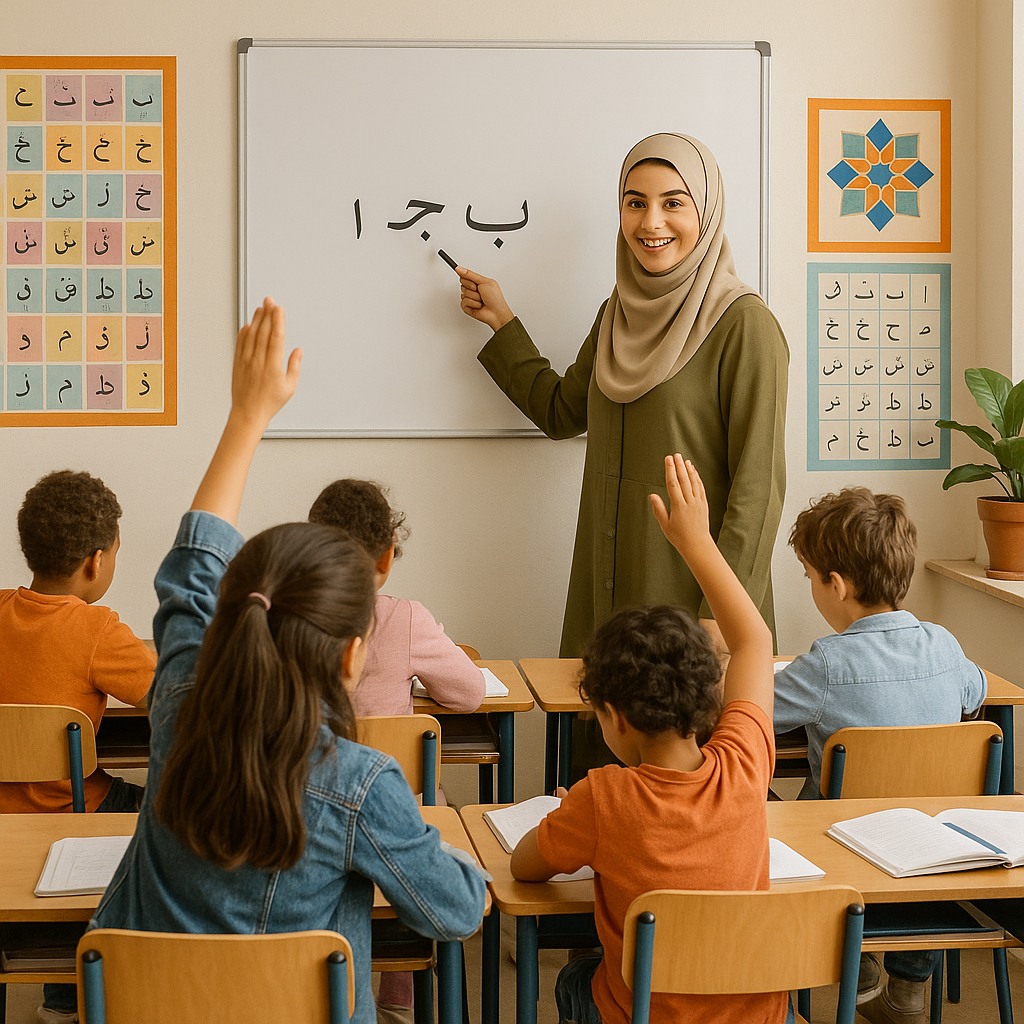
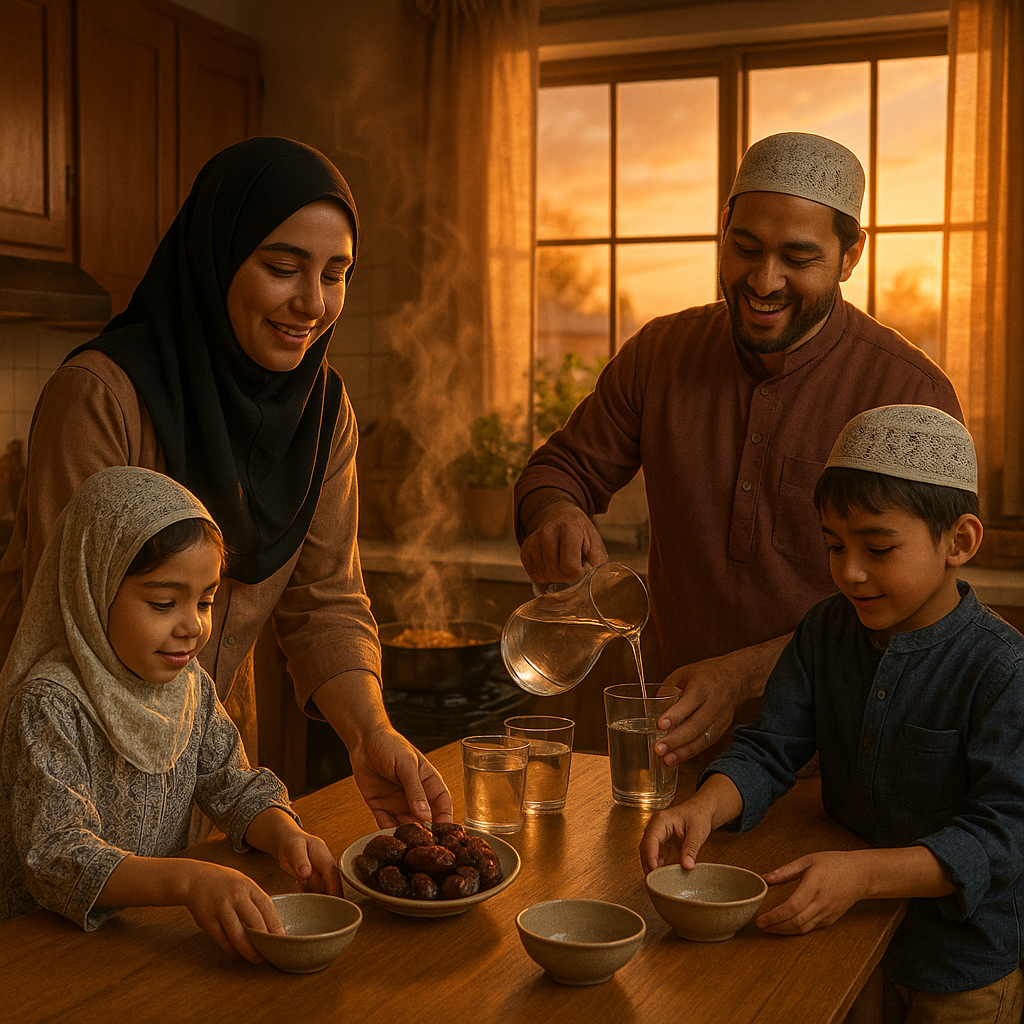
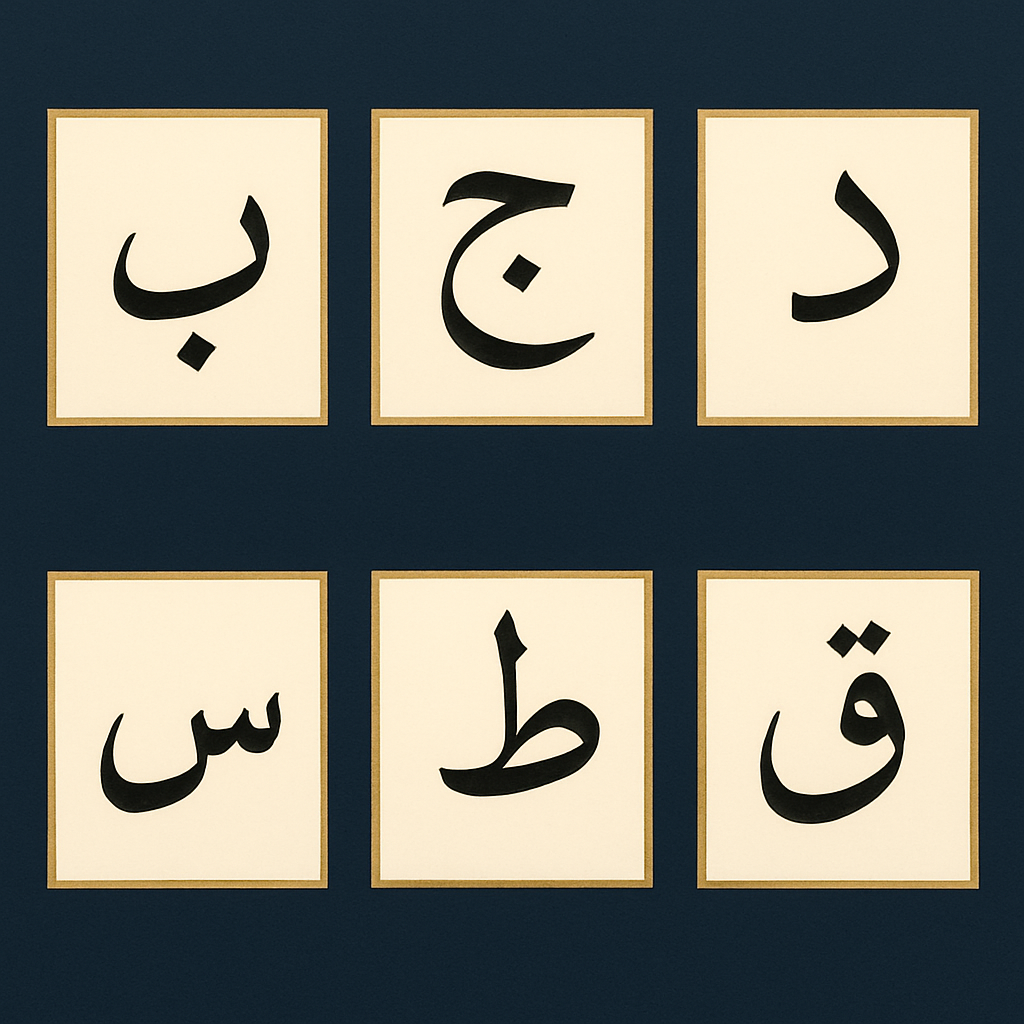
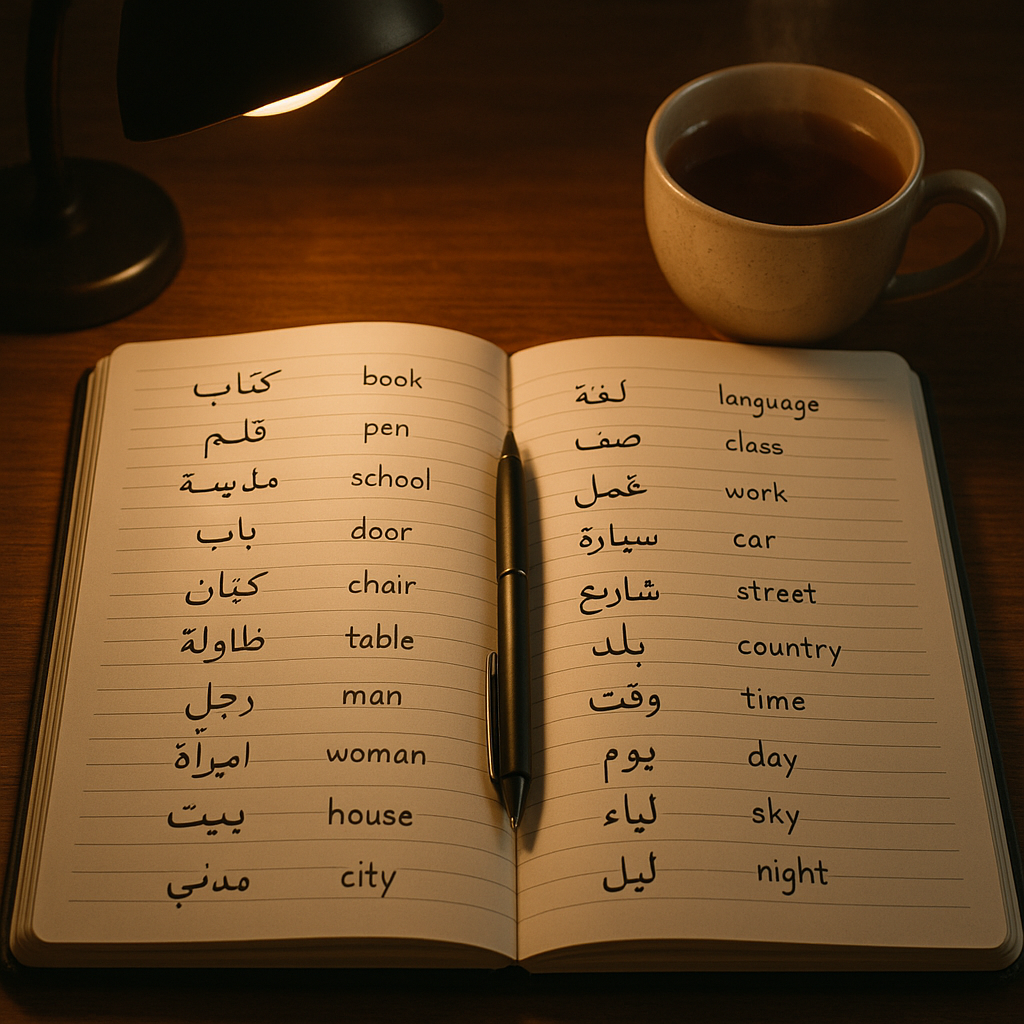
Islam’s symbolism and cultural expression are intentionally abstract, textual, and non-figurative, reflecting its uncompromising monotheism and rejection of sacred imagery. Rather than representing the divine through images, Islam encodes meaning through geometry, number, color, sound, script, and spatial orientation, with the Qur’anic word itself serving as the highest symbolic form. Core symbols such as the Kaaba, ritual numbers, and sacred colors express unity, order, and submission, while Arabic language and calligraphy transform revelation into performative and visual presence. Music and chant privilege recitation over song, visual arts privilege pattern over depiction, and architecture becomes the primary medium of cosmological meaning. Everyday life, dress, poetry, and political emblems further extend this symbolic system into social identity and collective memory. Across all domains, Islamic symbolism functions not as mythic representation but as disciplined expression—directing attention away from objects and toward divine unity, moral order, and communal belonging.
12. Contact & Transformation
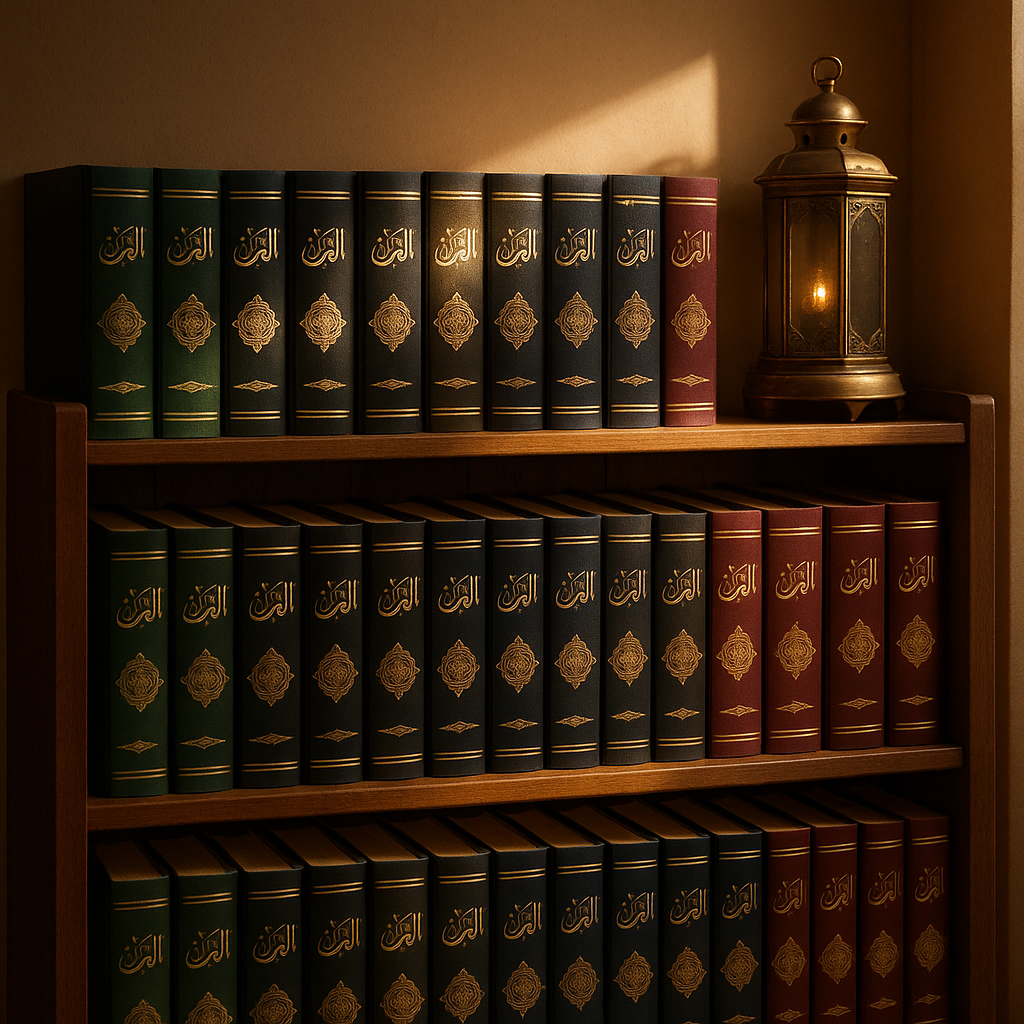
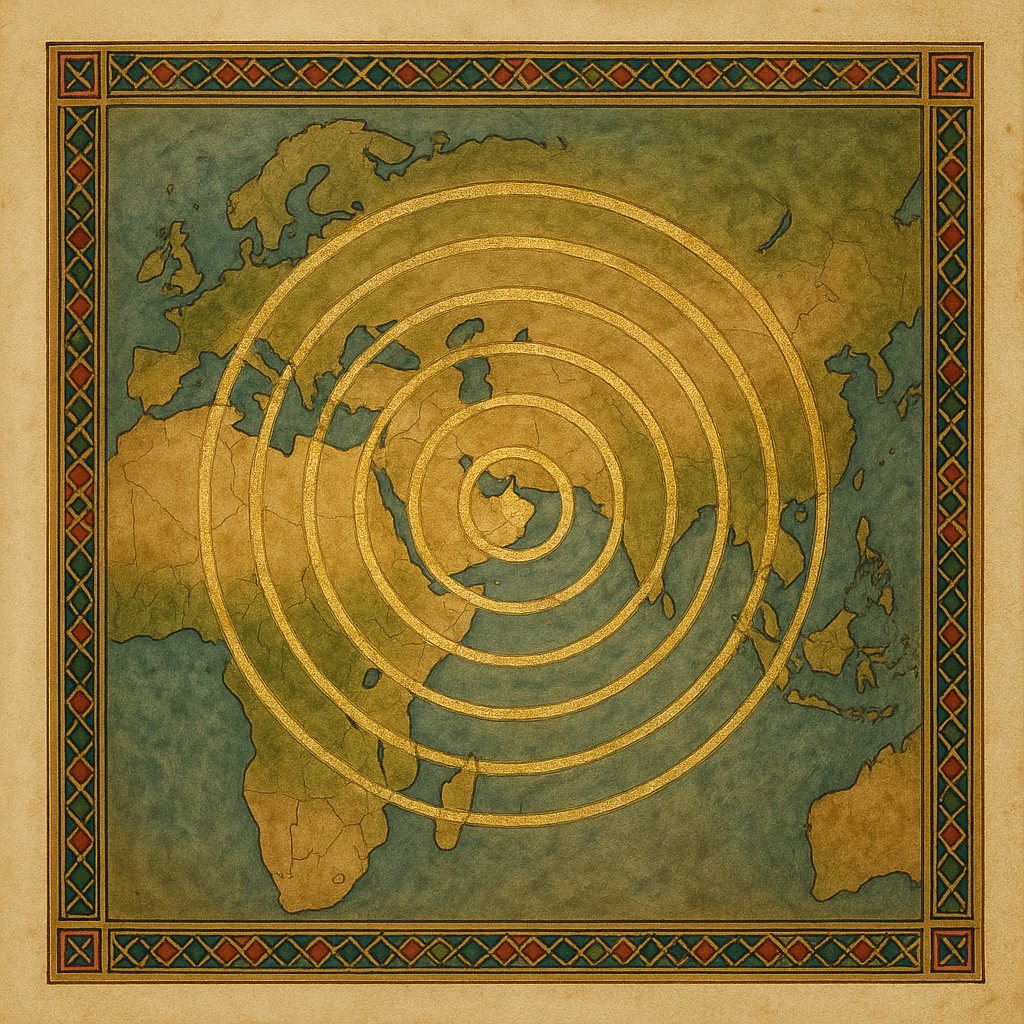
Islam’s encounter with other cultures and historical forces is marked by a distinctive pattern: a theologically anti-syncretic core paired with extensive cultural adaptability. While its doctrine of divine unity resists theological blending, Islam has repeatedly absorbed local customs, aesthetics, and social forms through trade, Sufi networks, empire, and migration, producing regionally distinct expressions without altering scripture or core ritual. Periods of syncretic accommodation are regularly followed by reform and revival movements that seek to purify practice and realign society with prophetic origins, generating recurring cycles of renewal, schism, and reinterpretation. Across colonial suppression, modern nationalism, diaspora life, and globalization, Islam has functioned both as a vehicle of resistance and a flexible global identity, reconfiguring institutions and expressions while preserving textual authority, ritual discipline, and moral monotheism. Transformation in Islam consistently occurs at the margins—culture, politics, and social form—while its foundational structure remains strikingly continuous.