Western religions trace their origins to the ancient Near East. They are defined by their focus on one God who reveals Himself in history, establishes covenants, and calls humanity to live in obedience and faith. They emphasize prophecy, scripture, law, and salvation within a linear view of time—from creation to a final fulfillment. Collectively called the Abrahamic traditions, they have shaped much of the political, cultural, and moral life of the world.
The main families of Western religions are:
Zoroastrianism
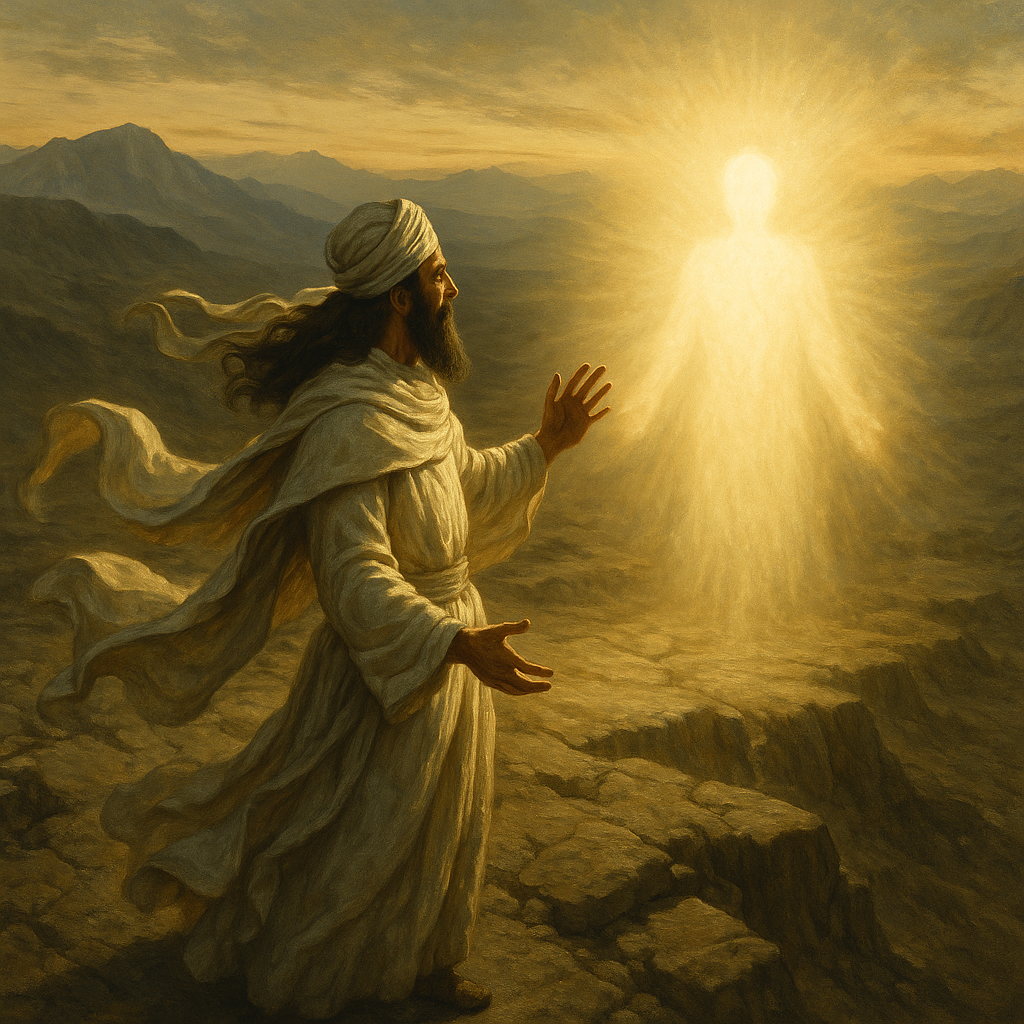





Zoroastrianism is one of the world’s oldest monotheistic religions, founded by the prophet Zoroaster (Zarathustra) in ancient Persia around the second millennium BCE. Its central scripture is the Avesta, which records hymns, rituals, and theological teachings. At its heart is the worship of Ahura Mazda, the wise Lord, as supreme creator and source of truth. Human life is framed as a moral struggle between asha (truth, order) and druj (falsehood, chaos). Each individual is called to choose rightly through good thoughts, good words, and good deeds. Zoroastrianism profoundly shaped later Western religions. Its concepts of heaven and hell, angels and demons, a final judgment, and a messianic savior influenced Jewish, Christian, and Islamic traditions. Historically, Zoroastrianism was the state religion of the Persian empires and deeply tied to kingship, ritual fire, and purity laws. Today it survives mainly among the Parsis in India and Zoroastrian communities in Iran and the diaspora, though its numbers are small. Despite decline, it remains a vital link in the heritage of Western monotheism.
Judaism
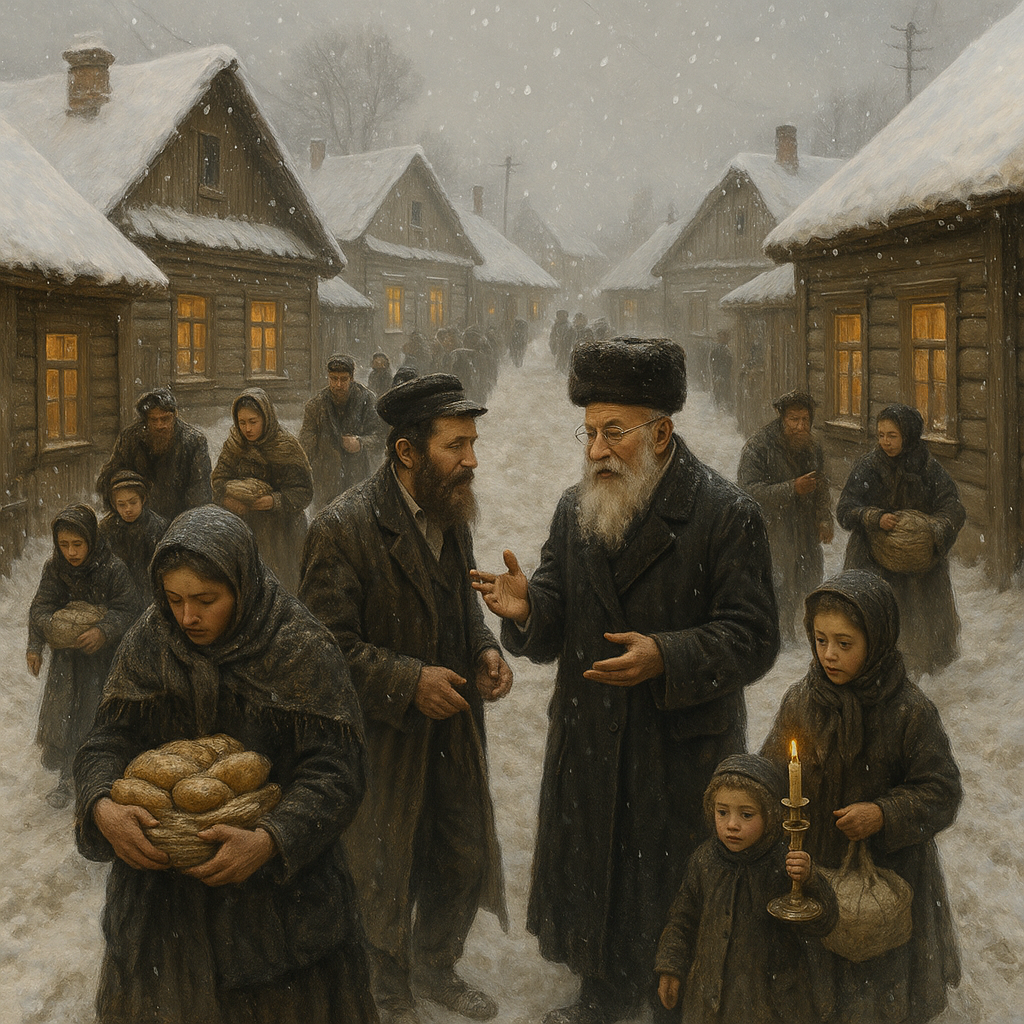




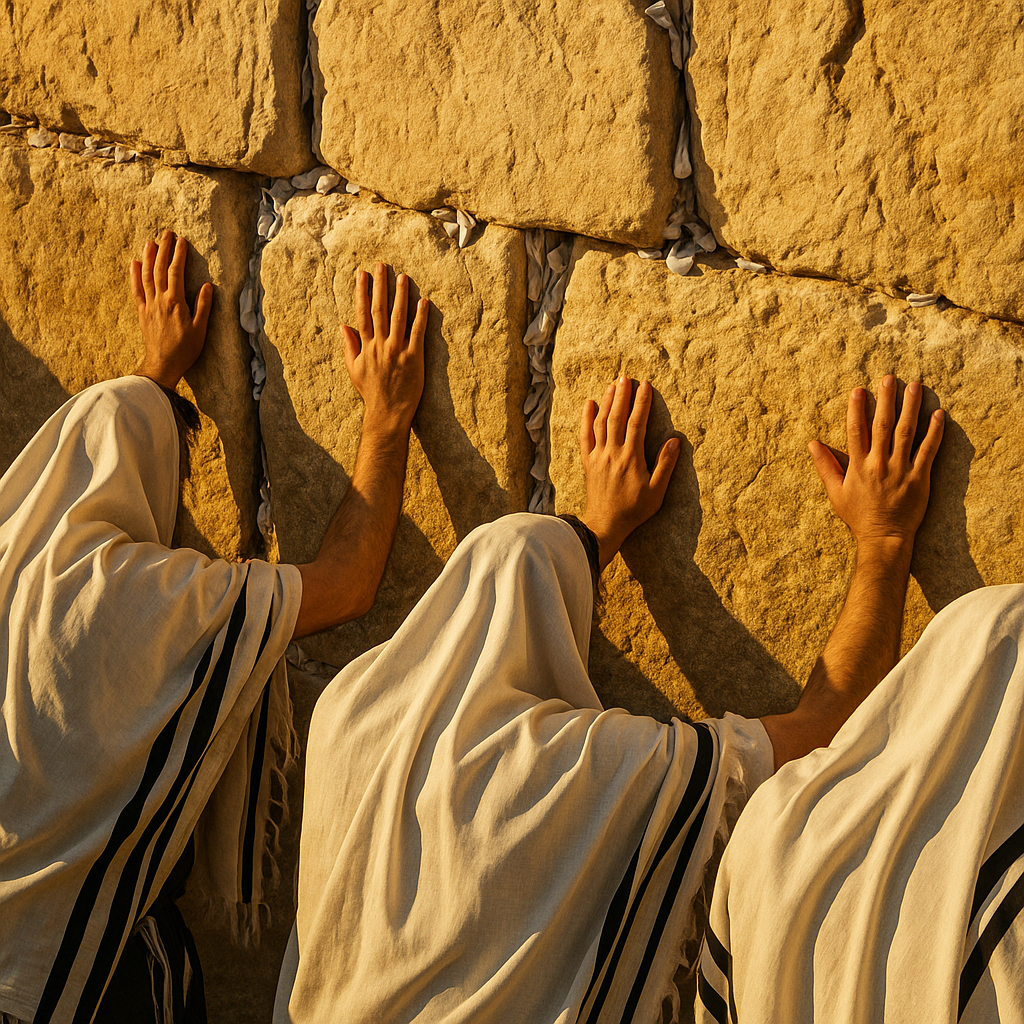
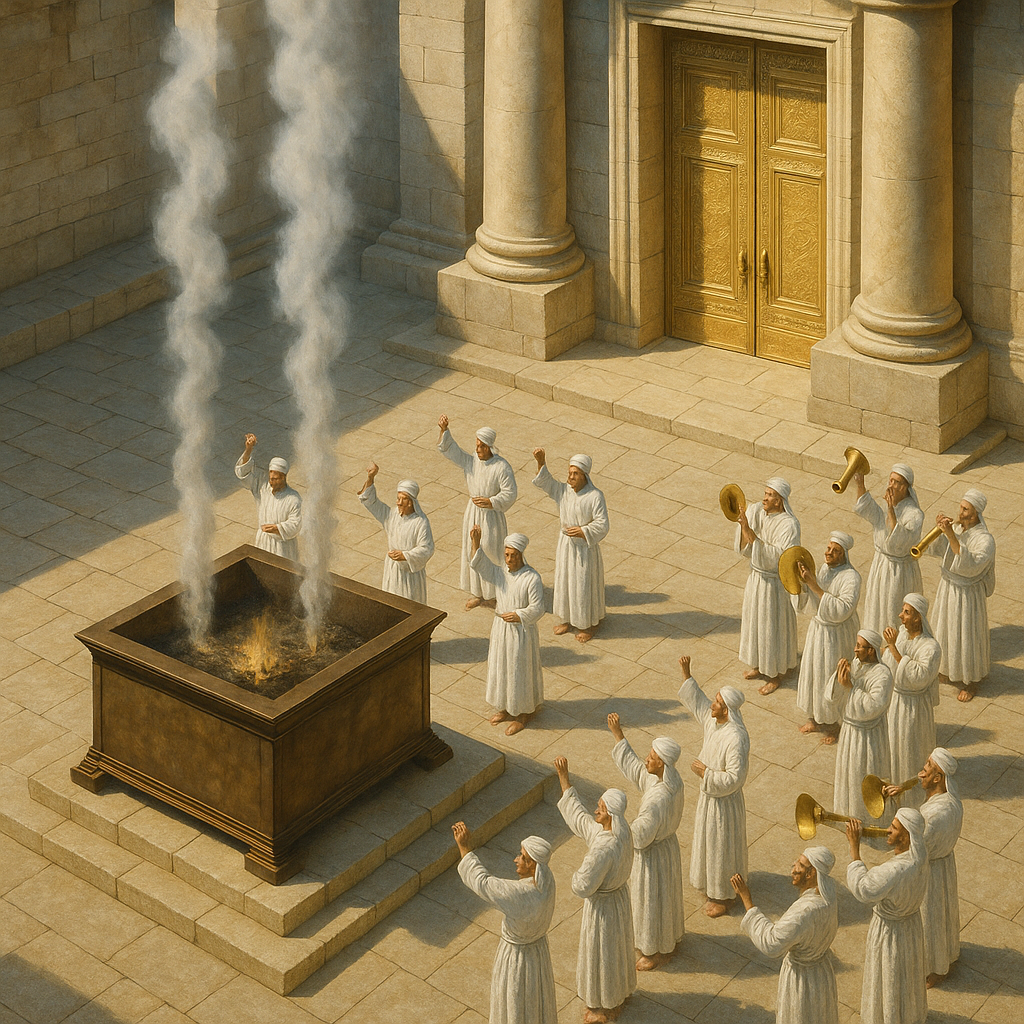
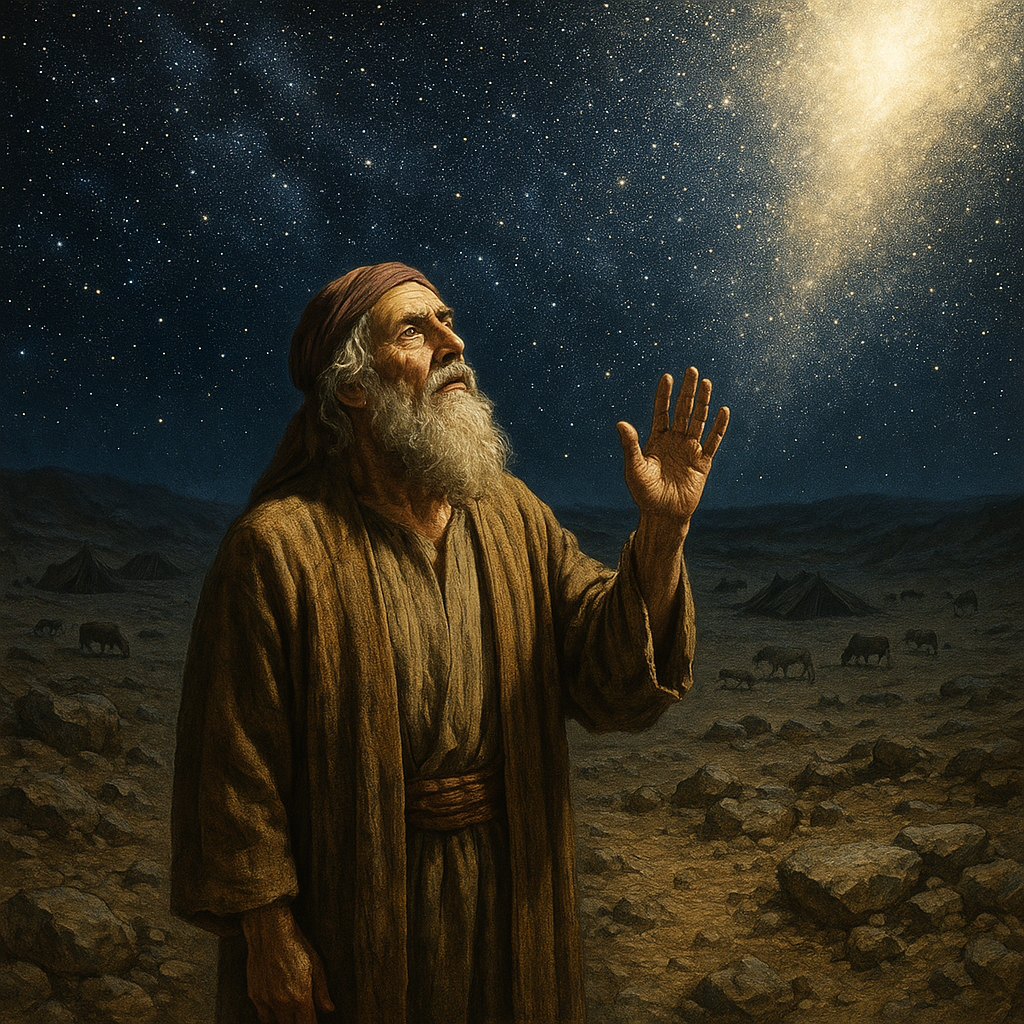

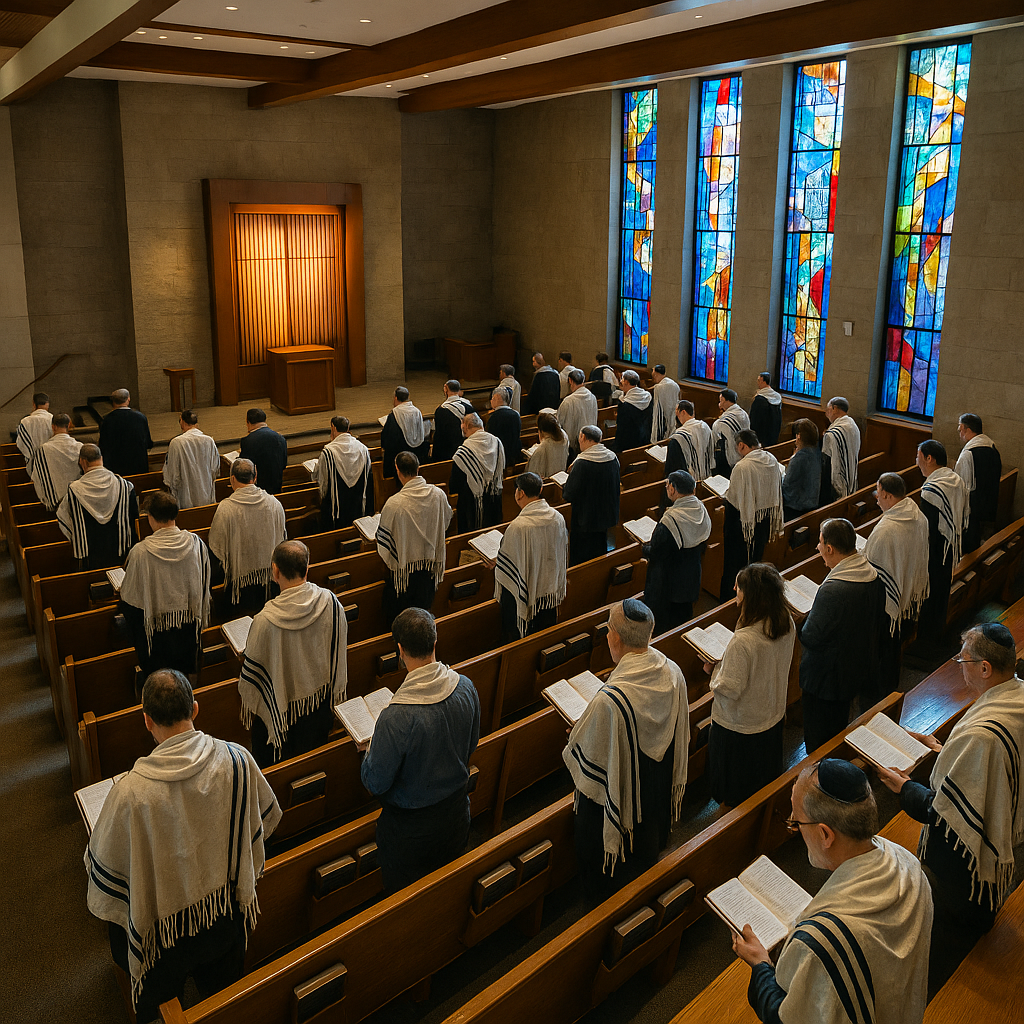


The oldest of the Abrahamic faiths, Judaism began with the covenant between God and Abraham and was shaped through Moses, the Torah, and the prophets. It emphasizes God’s law (halakha), the centrality of covenantal community (Israel), and worship centered on scripture, prayer, and observance. Over time, Judaism developed multiple branches (Orthodox, Conservative, Reform) and gave rise to the cultural-religious identity of Jewish people across the globe.
Christianity






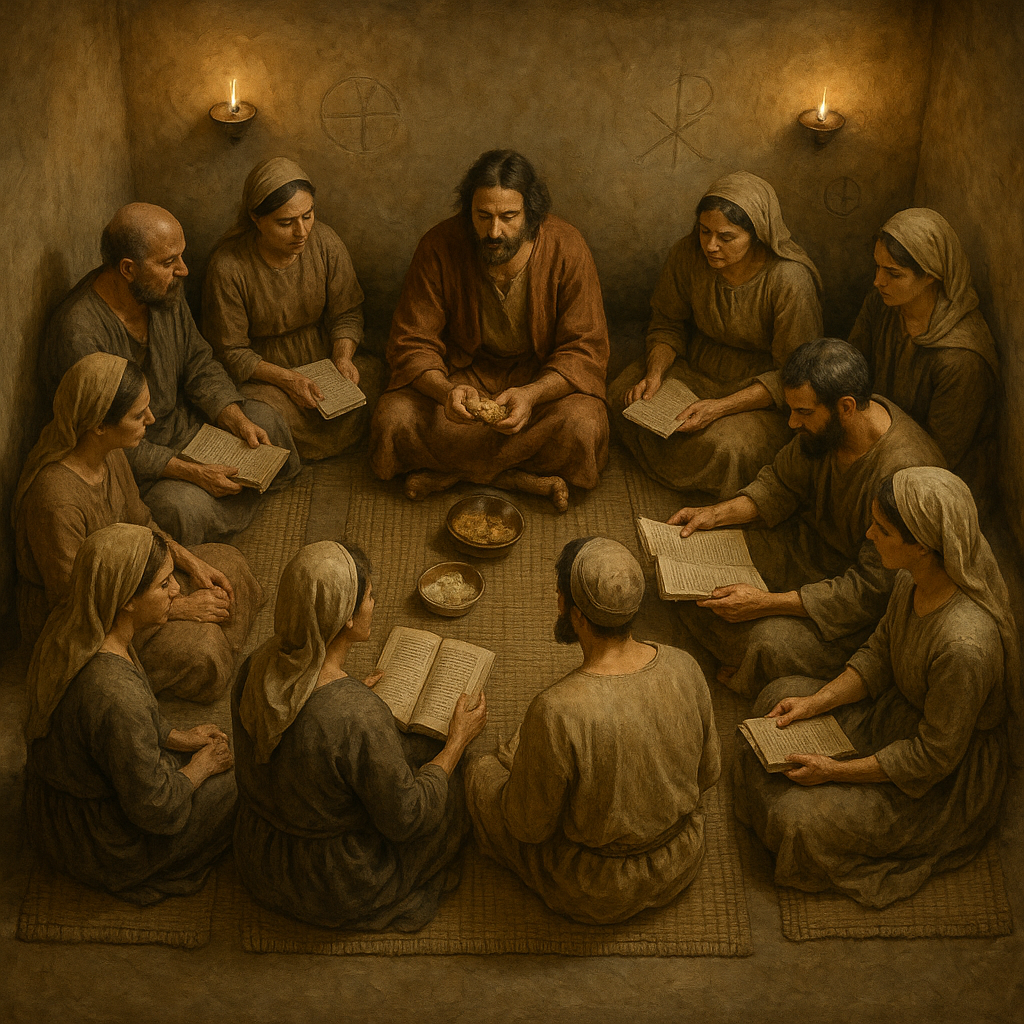

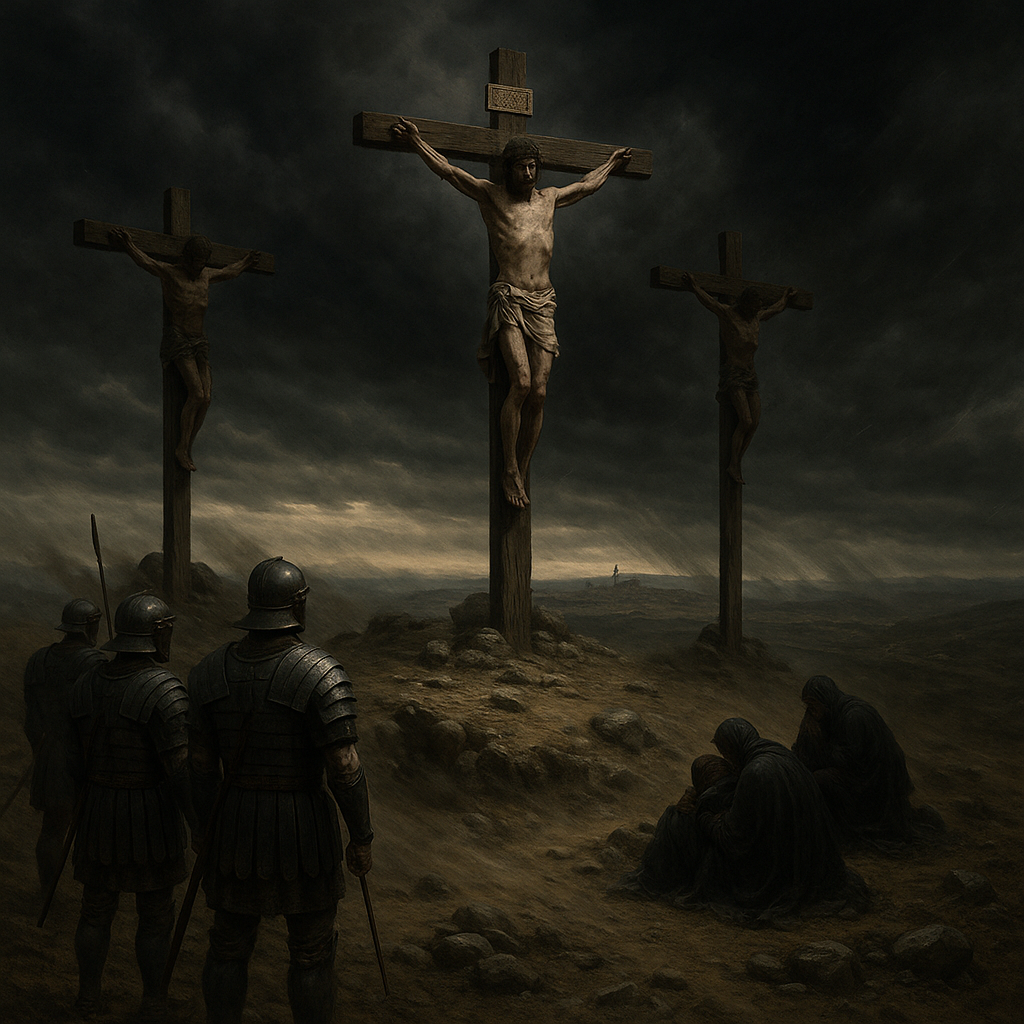
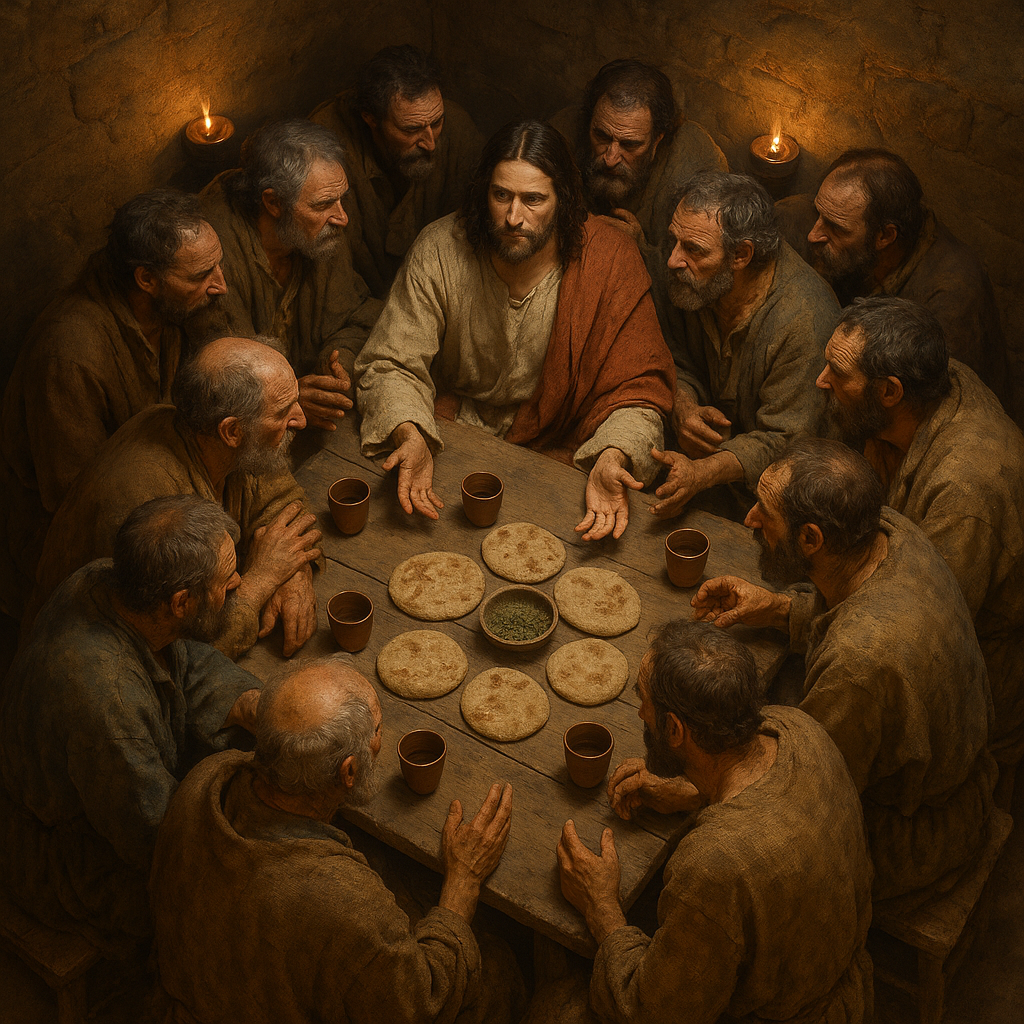


Emerging in the 1st century CE out of Judaism, Christianity centers on the life, death, and resurrection of Jesus Christ, understood as the Son of God and Savior. It spread rapidly through the Roman Empire and beyond, developing diverse traditions: Catholicism, Eastern Orthodoxy, and Protestantism. Christianity emphasizes salvation through faith and grace, the authority of scripture, and the mission to spread the gospel. Today it is the largest religion in the world.
Islam
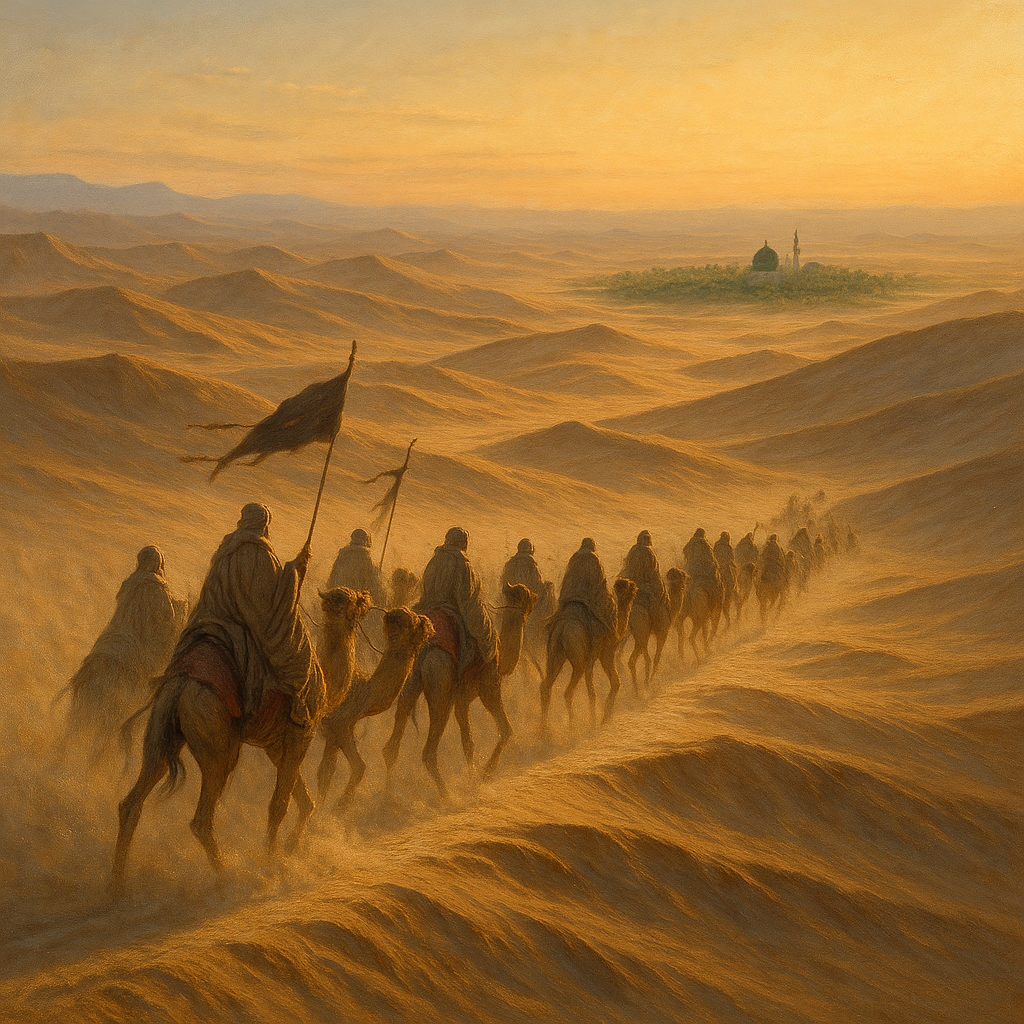

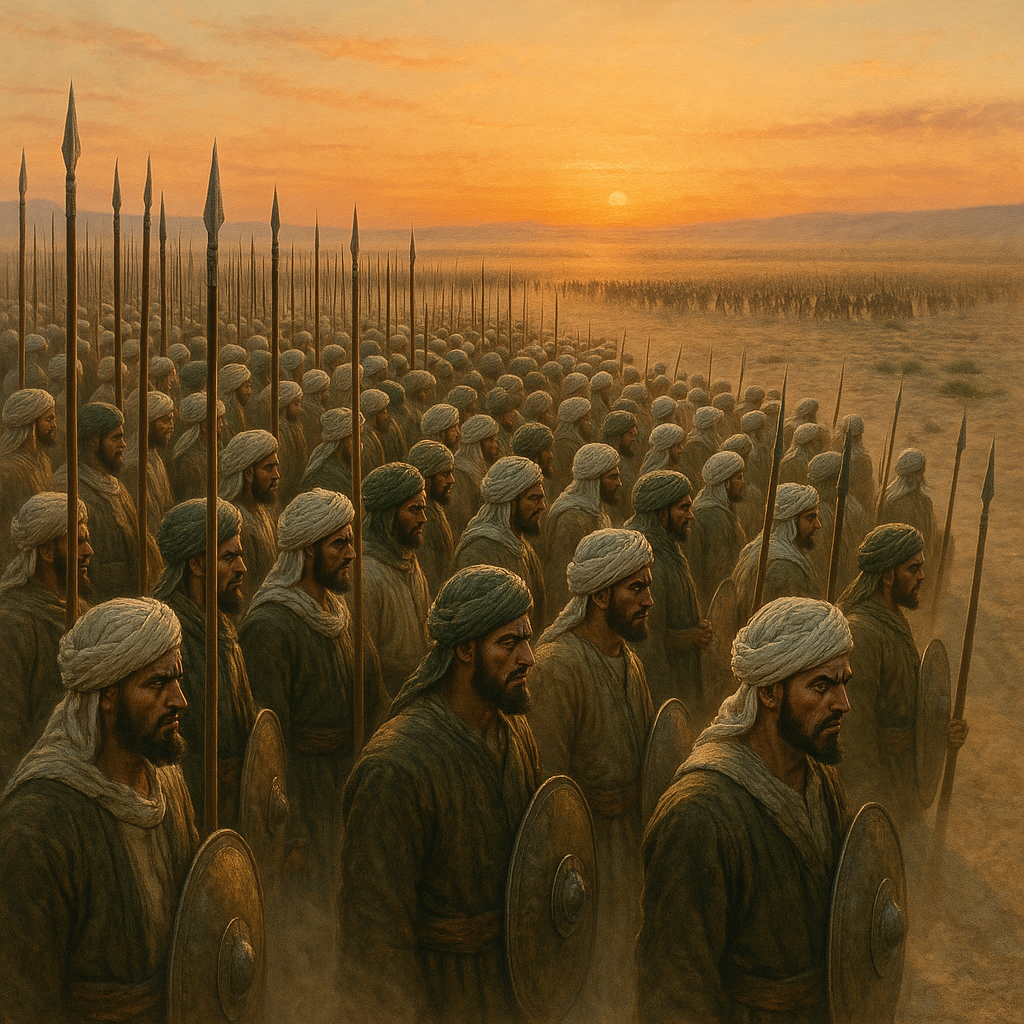

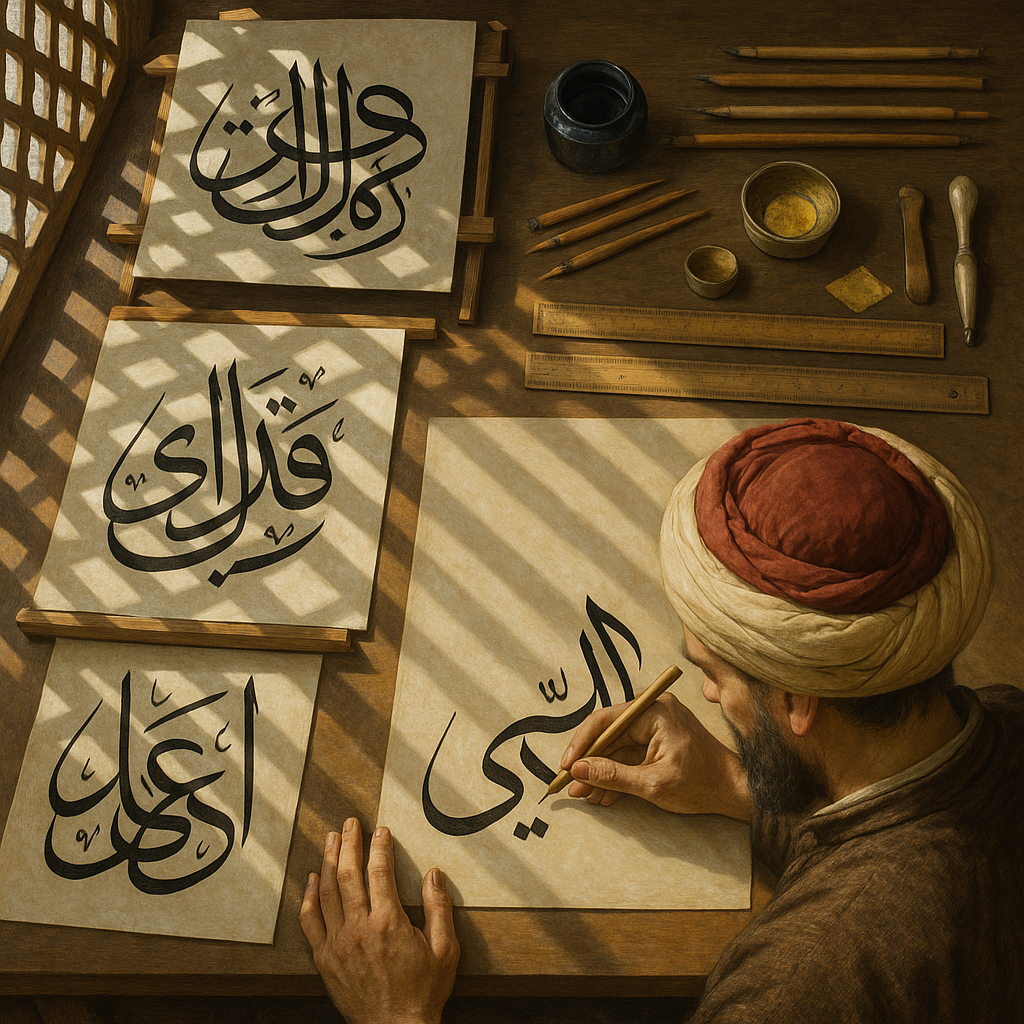






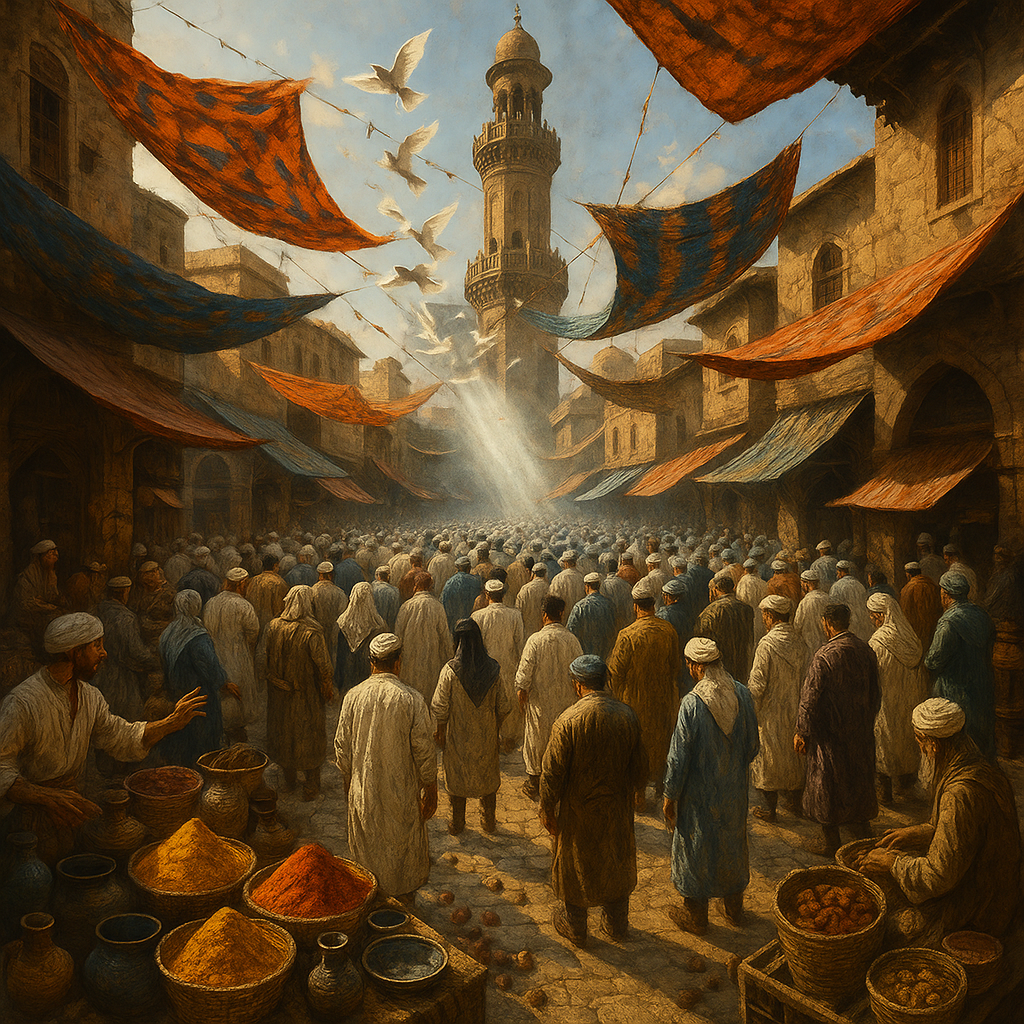
Founded in the 7th century CE by the Prophet Muhammad in Arabia, Islam affirms one God (Allah) and the Qur’an as His final revelation. The Five Pillars—faith, prayer, almsgiving, fasting, and pilgrimage—form the foundation of Muslim life. Islam spread swiftly across the Middle East, North Africa, and Asia, becoming a global religion with rich theological, legal, and mystical traditions. Its major branches include Sunni and Shia.
Baháʼí Faith
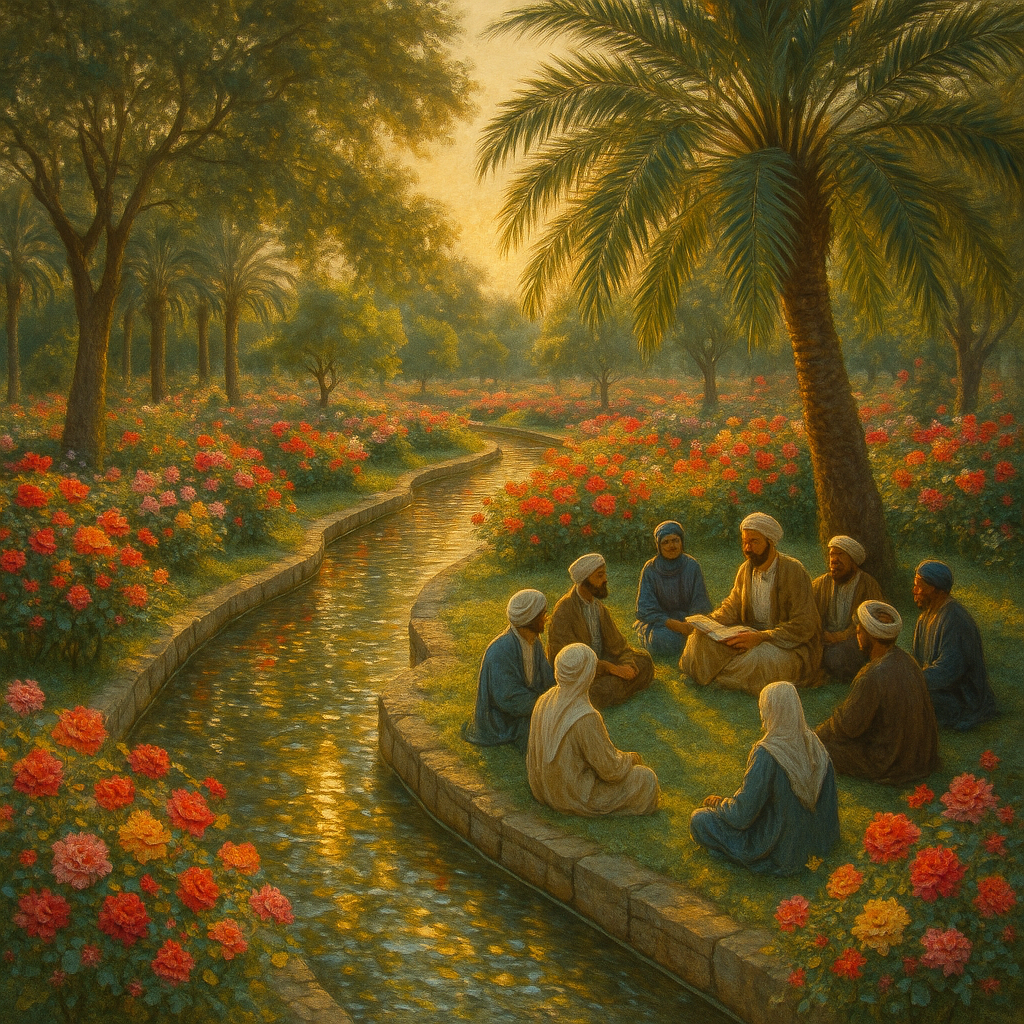






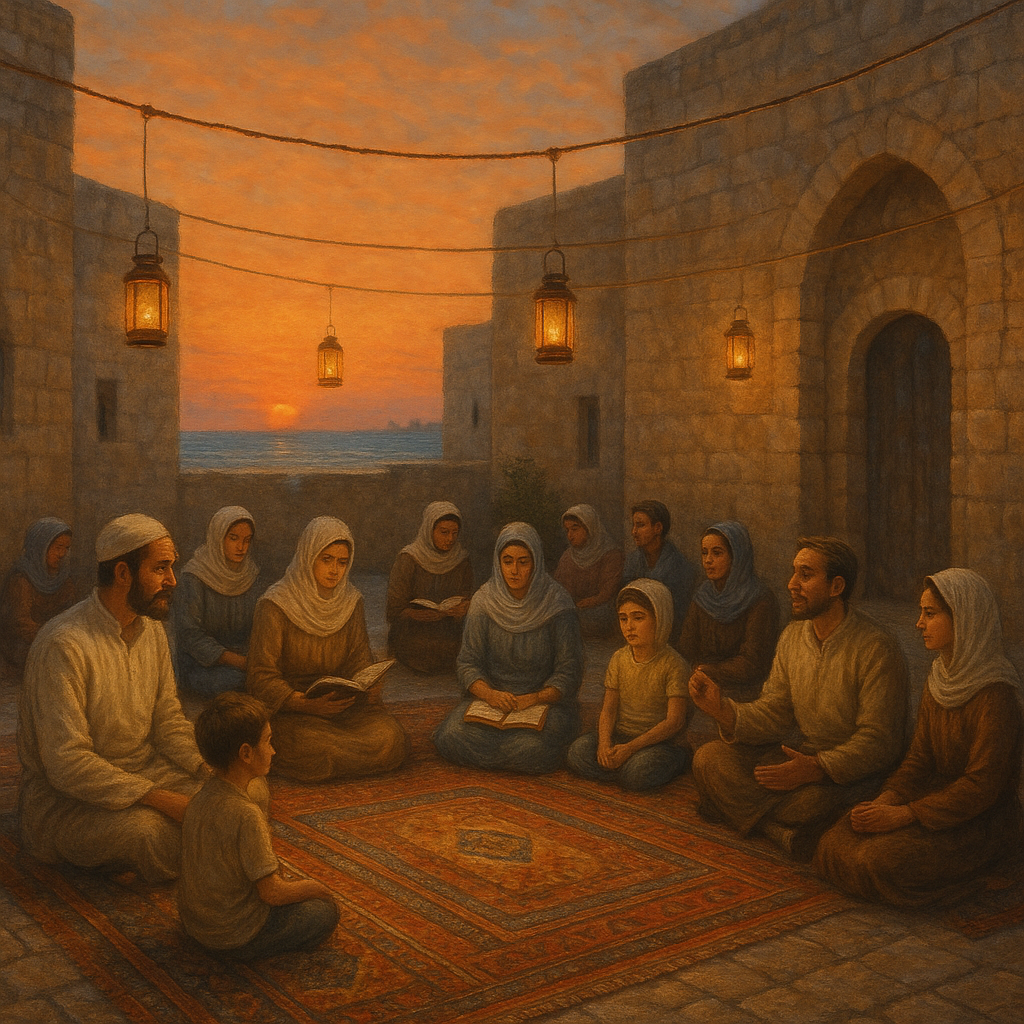
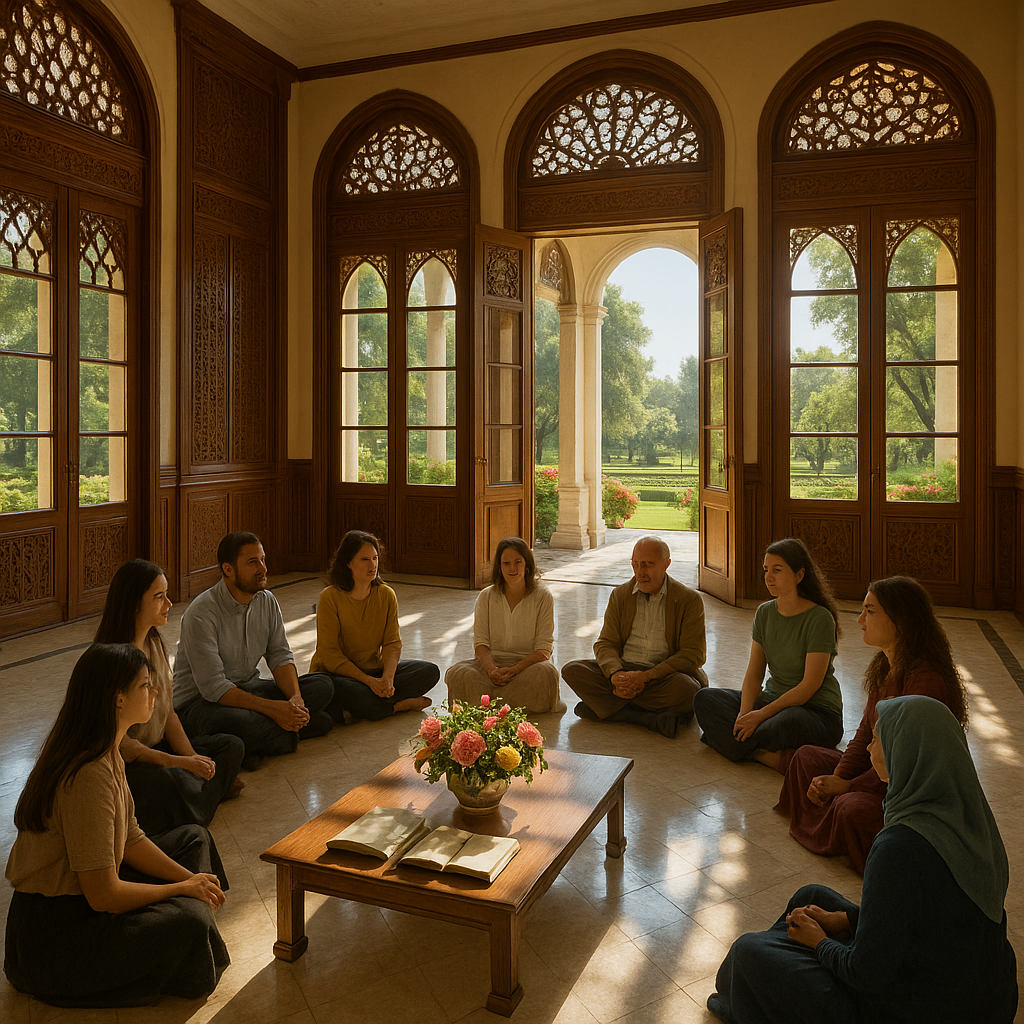


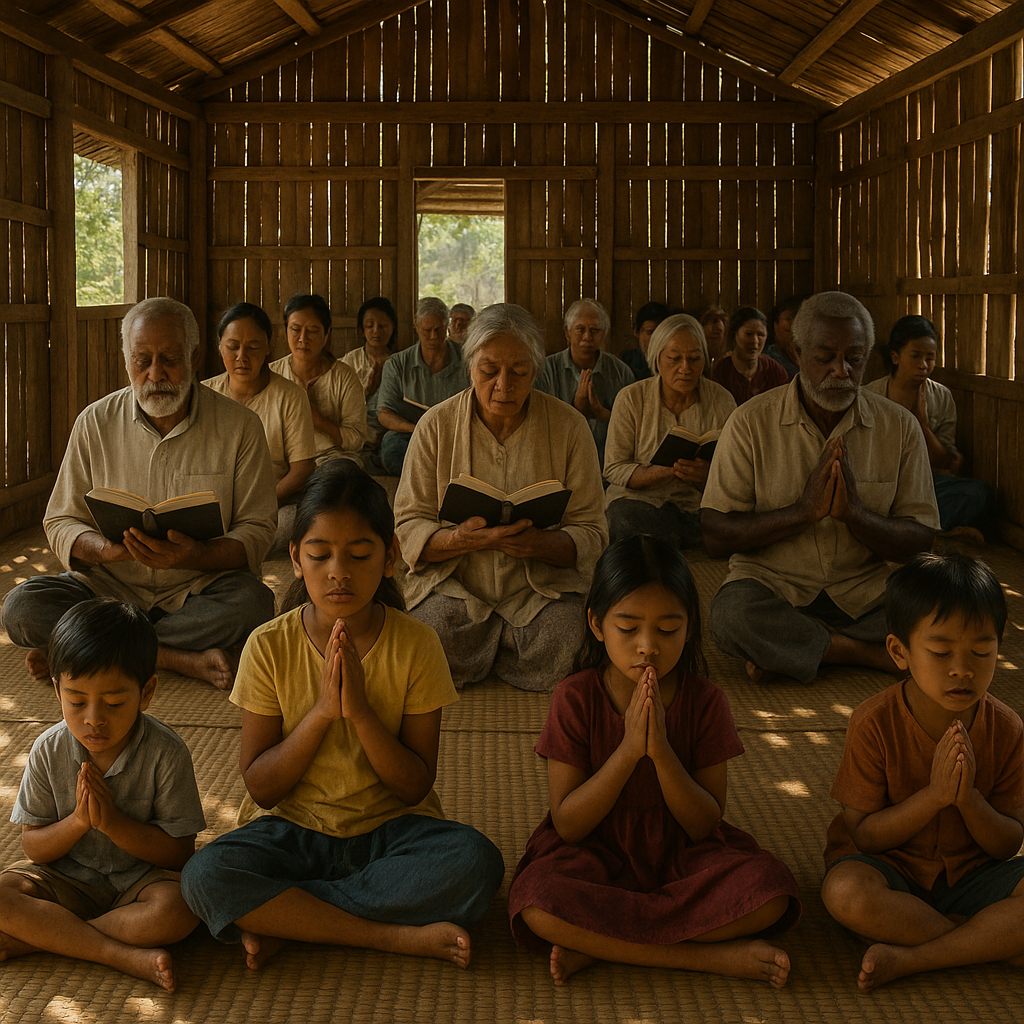
Emerging in 19th-century Persia, the Baháʼí Faith teaches the unity of all religions and humanity under one God. It recognizes figures like Moses, Jesus, Muhammad, Krishna, and Buddha as divine messengers, with Baháʼu’lláh as the most recent. Emphasizing global unity, social justice, and peace, the Baháʼí Faith represents the modern extension of the Abrahamic tradition into a universalist form.
Unitarian Universalism






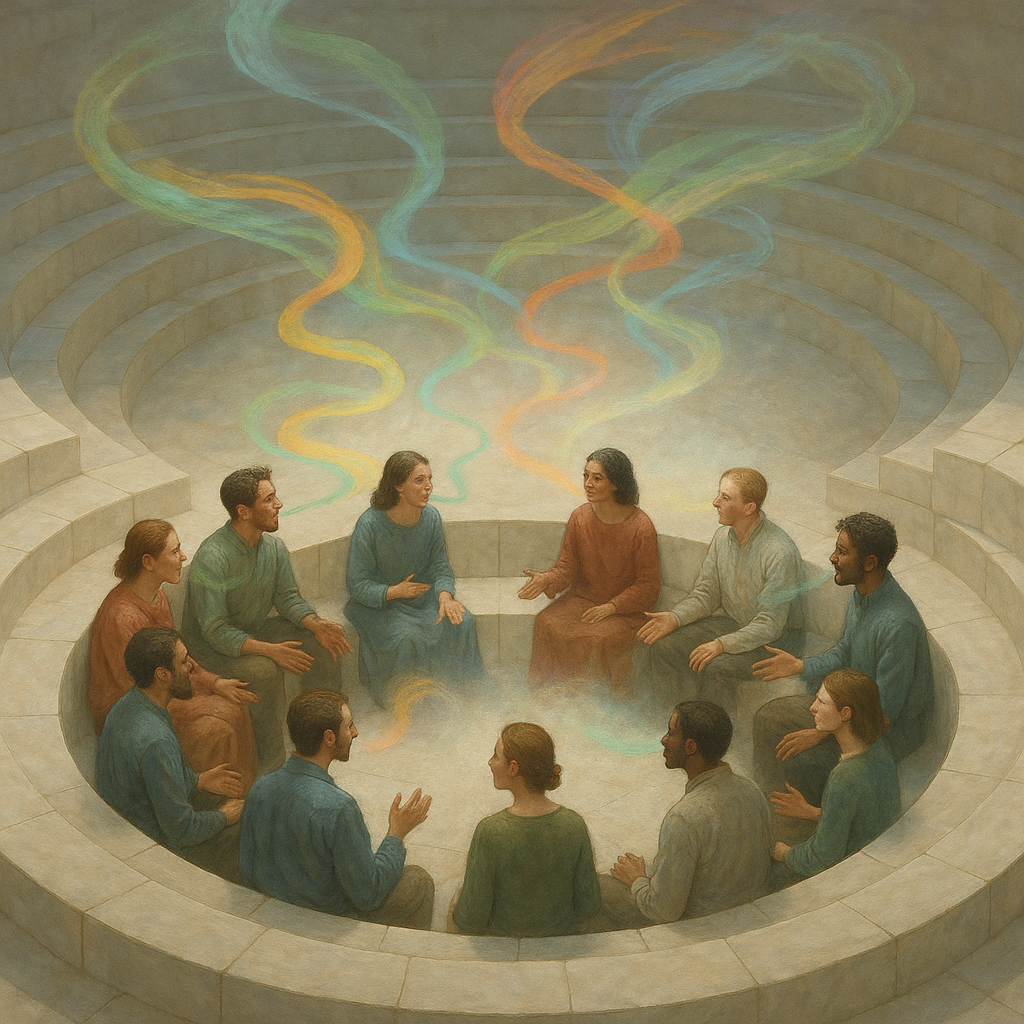


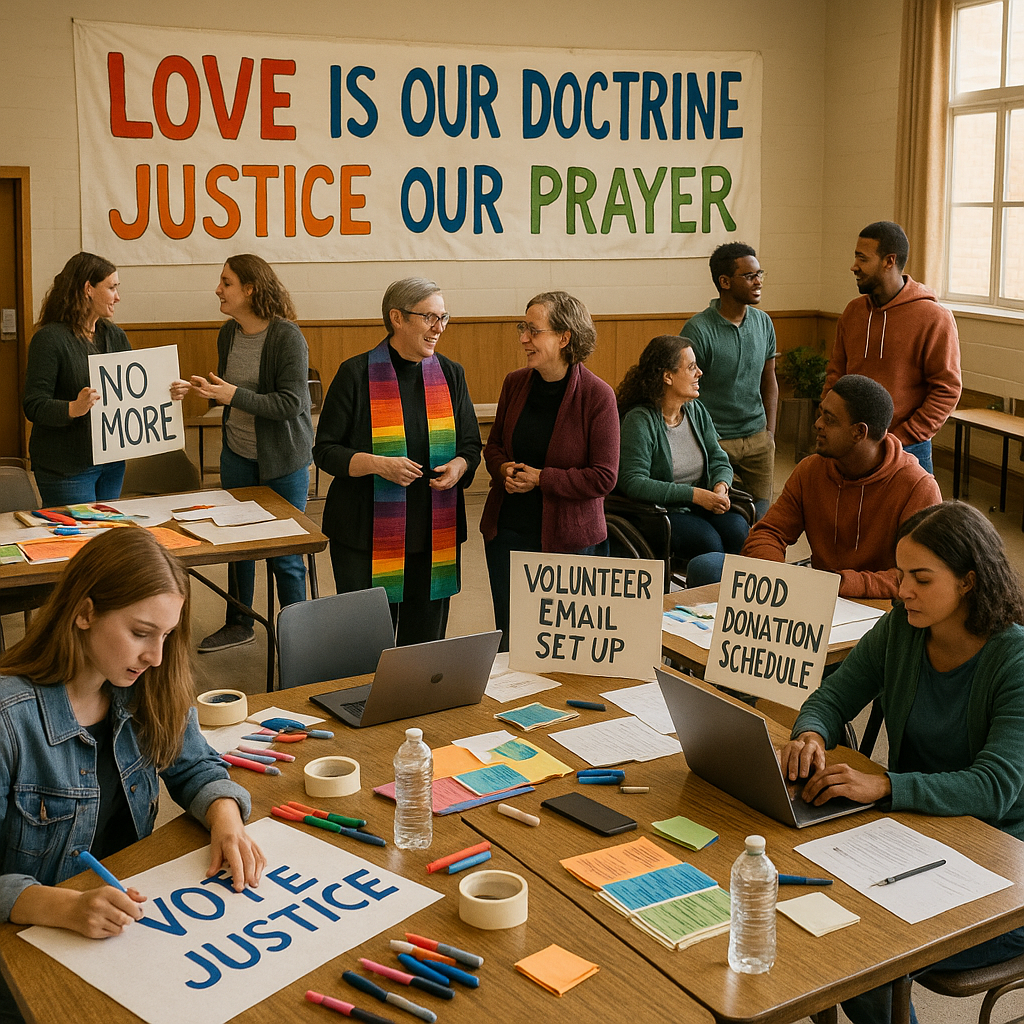

Unitarian Universalism (UU) is a modern liberal religion that emerged in the 20th century from the union of two historic Christian traditions: Unitarianism and Universalism. Both originated in Europe and North America, rejecting the doctrines of the Trinity and eternal damnation, and emphasizing instead the oneness of God and the universal salvation of all souls. Today, Unitarian Universalism affirms freedom of belief, reason, and conscience as central to religious life. It has no fixed creed; instead, members covenant to seek truth and meaning together while upholding shared principles such as the inherent worth and dignity of every person, justice and compassion in human relations, and respect for the interdependent web of all existence.
Western religions are the third great branch of humanity’s spiritual heritage, complementing the Primal and Eastern streams. Together, these three form the basic map of world religion: the root traditions of Indigenous peoples, the wisdom paths of Asia, and the prophetic faiths of the Middle East.