Skip to content
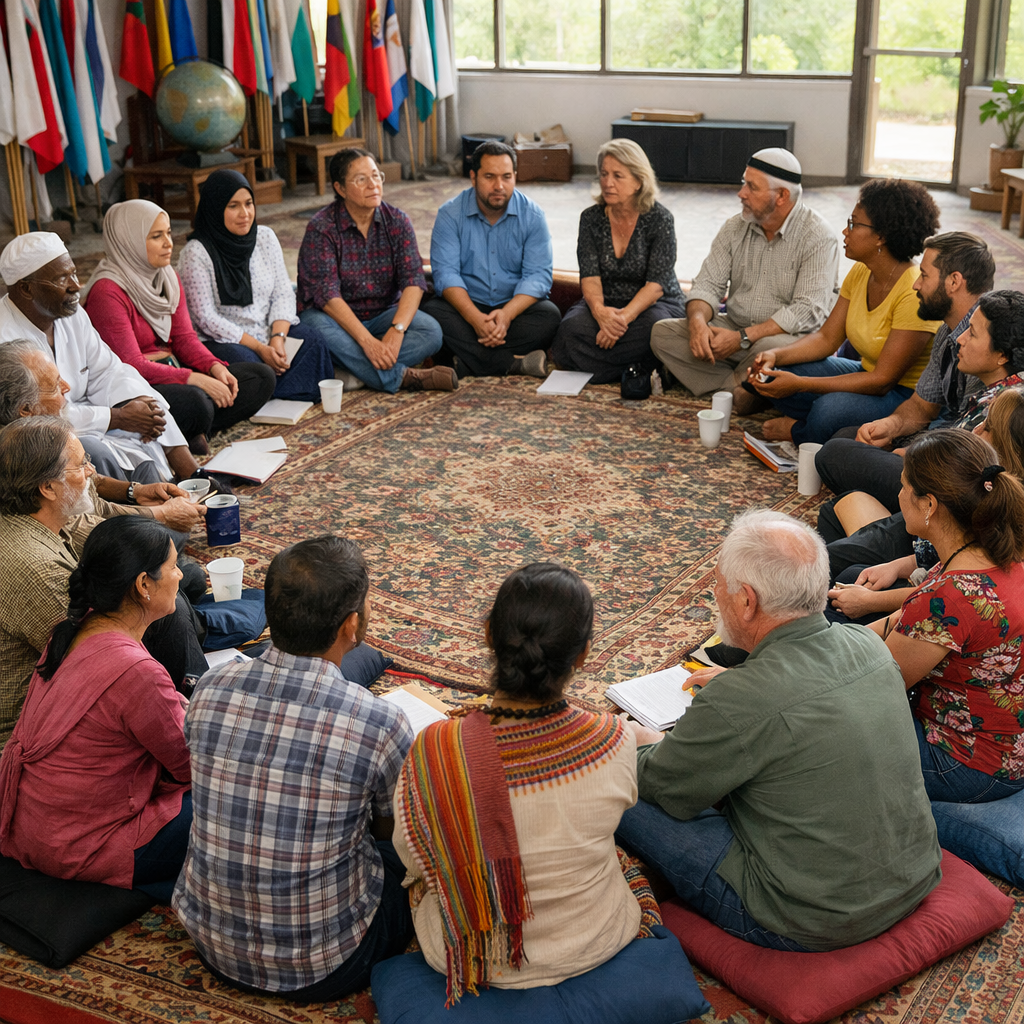
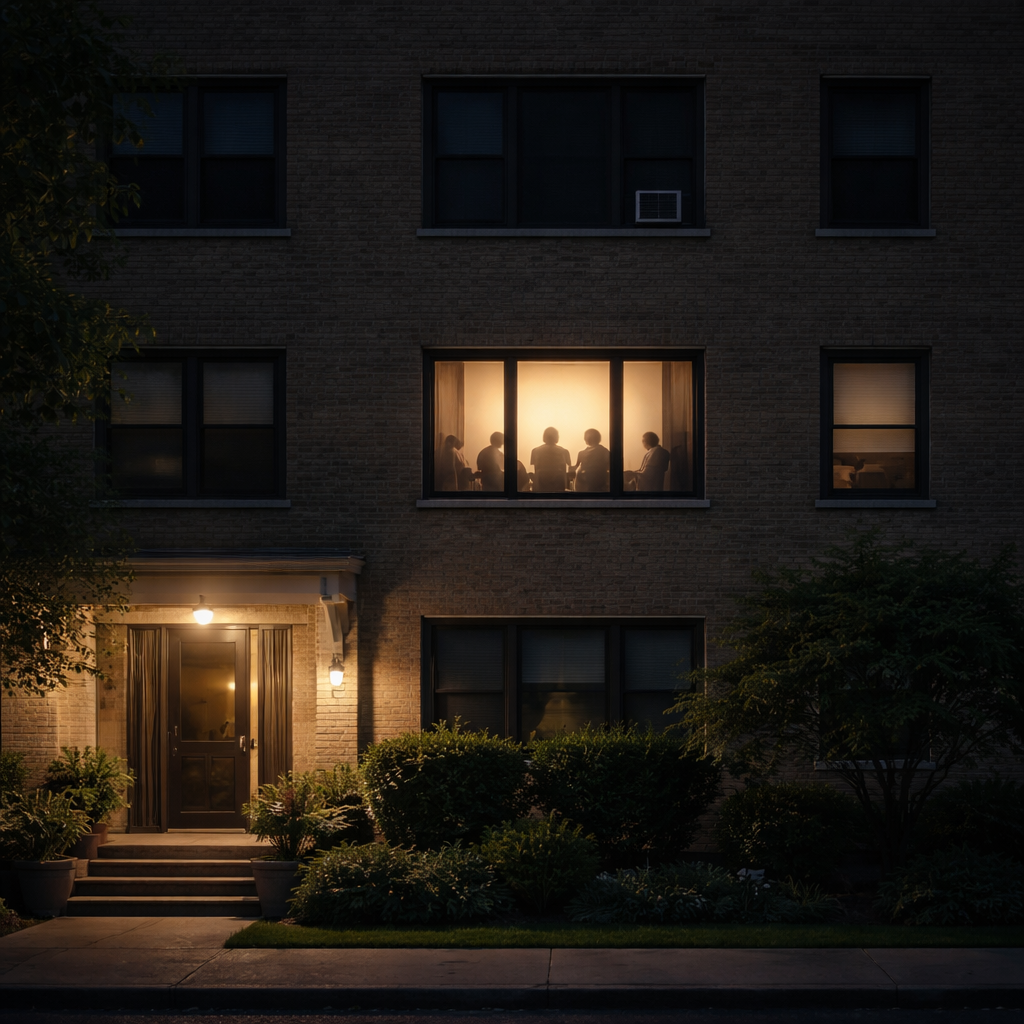
Baha'i gathering in Laos
Bahá'à House of Worship at Langenhain
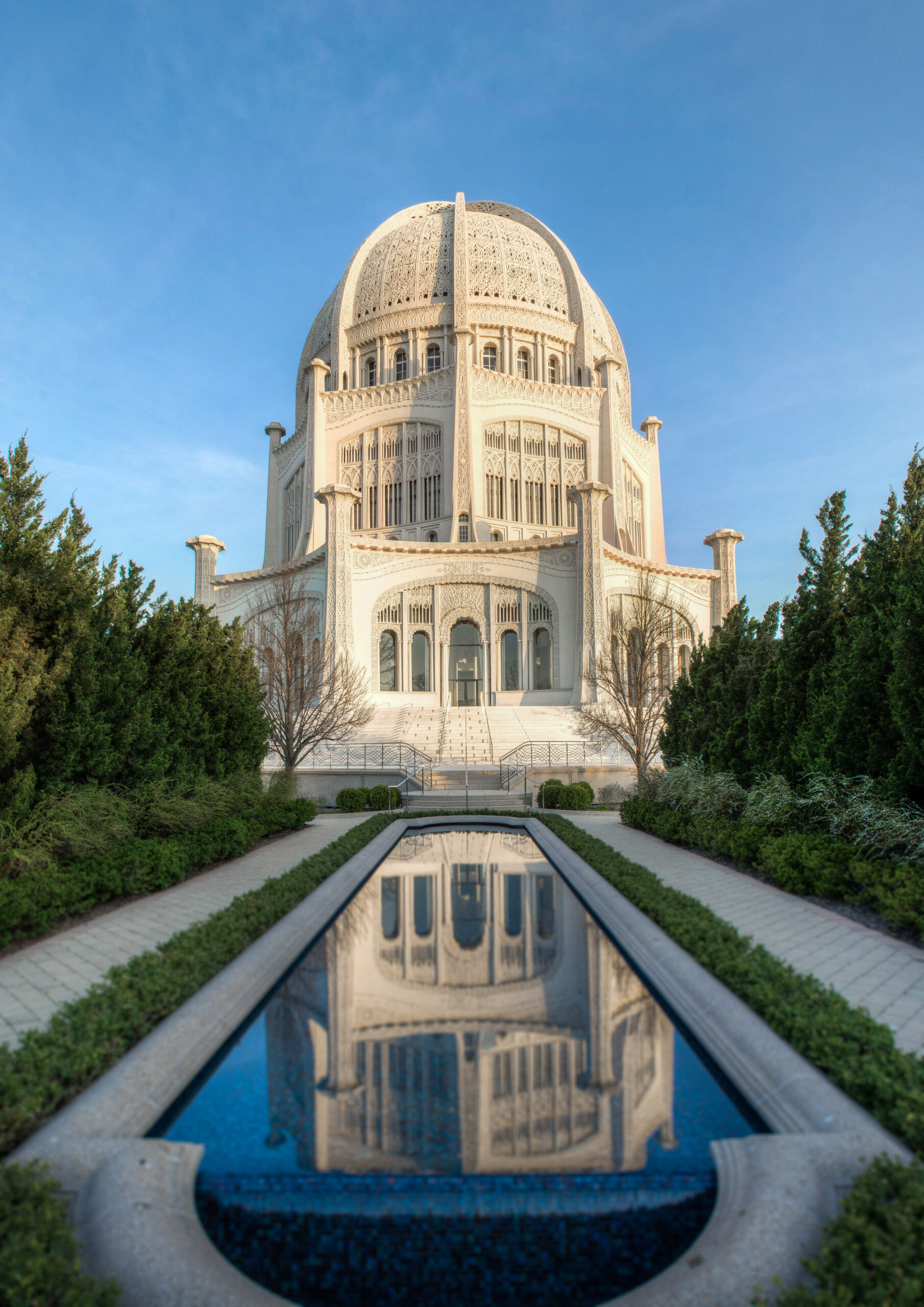
Bahá'à House of Worship in Wilmette, Illinois
Bahá'à House of Worship in Germany
Bahá'à symbol
Names: Baháʼí Faith, Baháʼí religion.Scope: Emerged in 19th-century Persia; today a global religion in nearly every country.Core Idea: Unity of God, unity of humanity, unity of religions — progressive revelation through successive messengers.
Origins: Emerged from the Bábí movement (1844, Persia).Founder: Baháʼu’lláh (1817–1892), regarded as the latest Manifestation of God.Succession: Leadership passed to `Abdu’l-Bahá (son), then Shoghi Effendi, and today to the Universal House of Justice.Modern development: Spread globally through teaching plans; emphasis on world unity, peace, and equality.
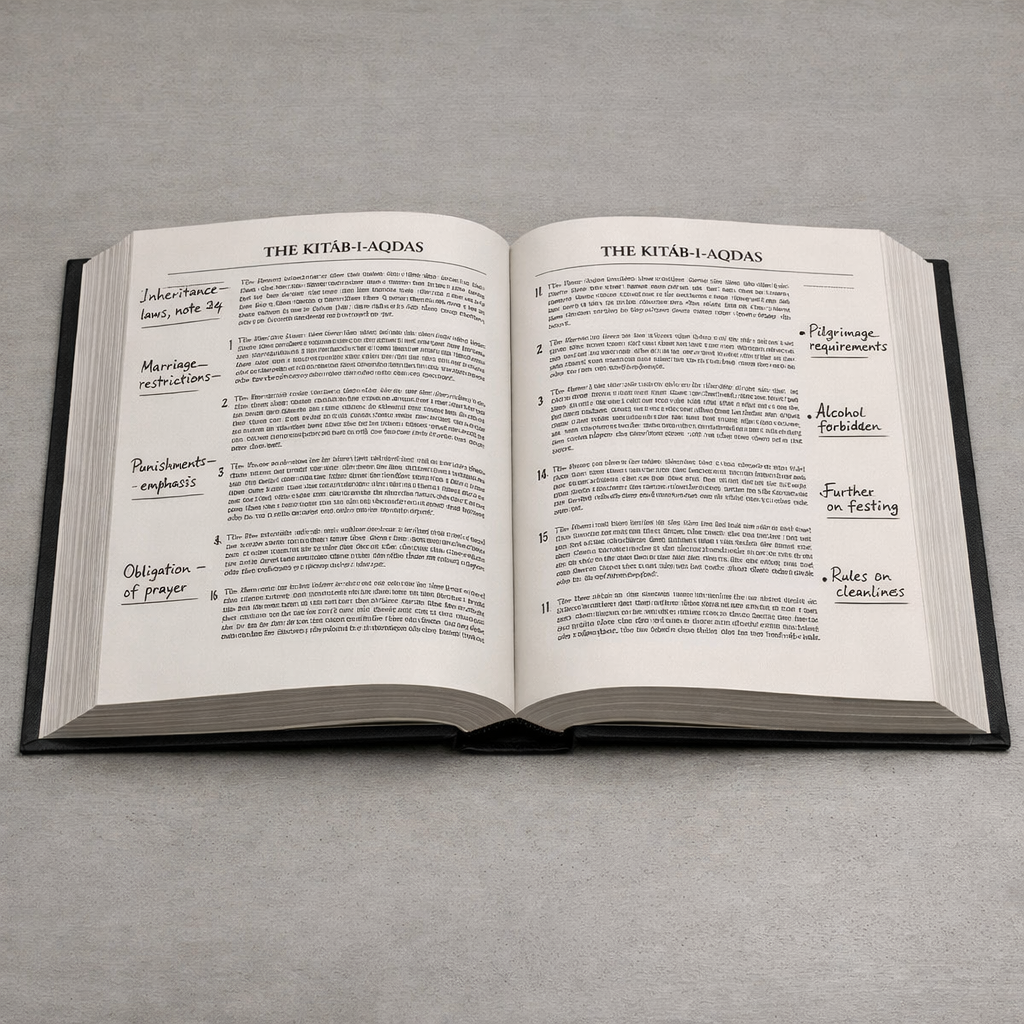
Scriptures: Writings of Baháʼu’lláh (Kitáb-i-Aqdas , Kitáb-i-Íqán ), writings of the Báb, and authoritative interpretations by `Abdu’l-Bahá and Shoghi Effendi.Institutions: Administrative records, guidance of Universal House of Justice.Material evidence: Baháʼí Houses of Worship (temples), shrines in Haifa and Bahji.
God: One, unknowable essence, worshipped without form.Manifestations of God: Moses, Jesus, Muhammad, Krishna, Buddha, Zoroaster, the Báb, Baháʼu’lláh — successive teachers revealing God’s will.No angels or demons: Evil understood as absence of good, not as a being.
Worldview: Progressive revelation — God sends messengers in every age.History: Religious history seen as stages in humanity’s spiritual evolution.Time: Linear, progressing toward global unity and peace.Afterlife: Spiritual reality beyond comprehension; soul progresses toward God after death.
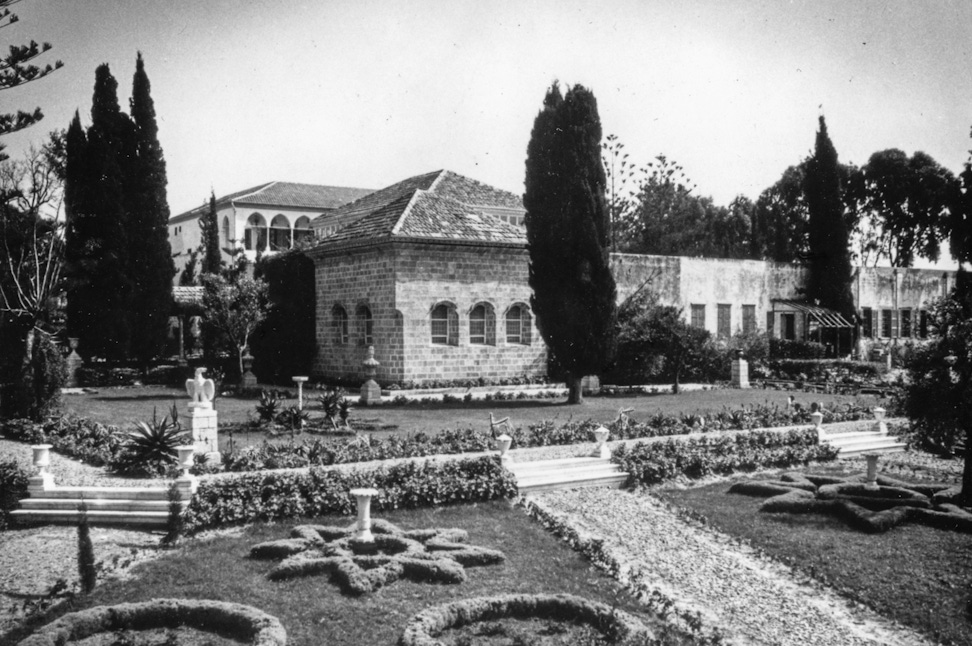
Shrine of Bahá’u’lláh and surrounding gardens, 1957
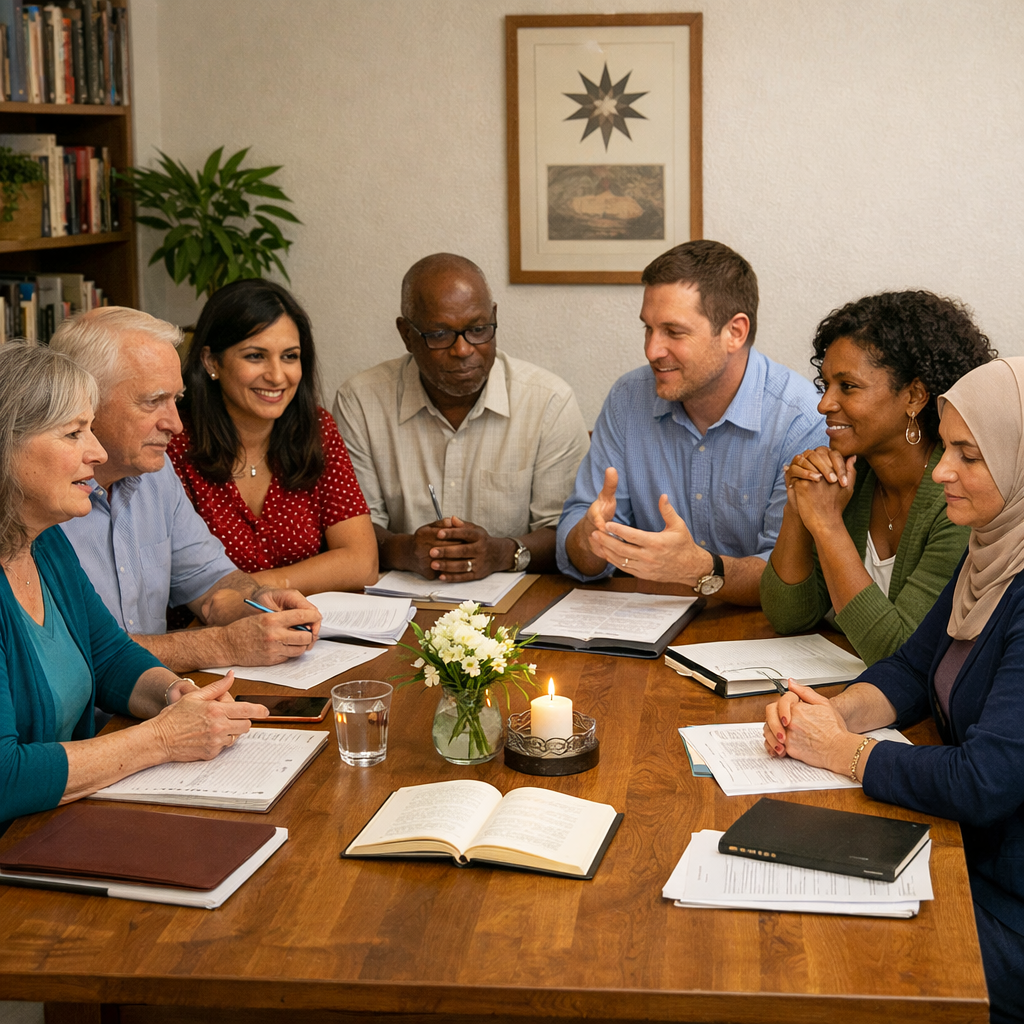
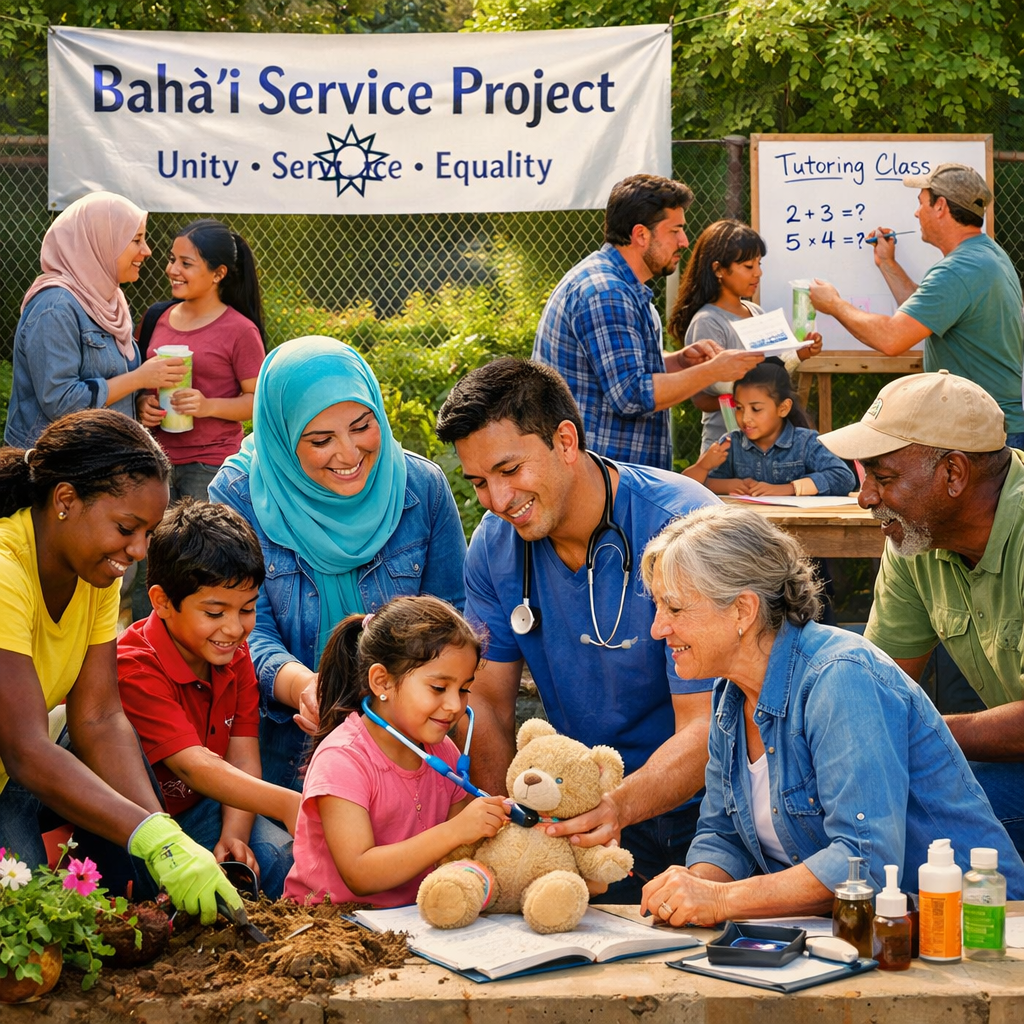
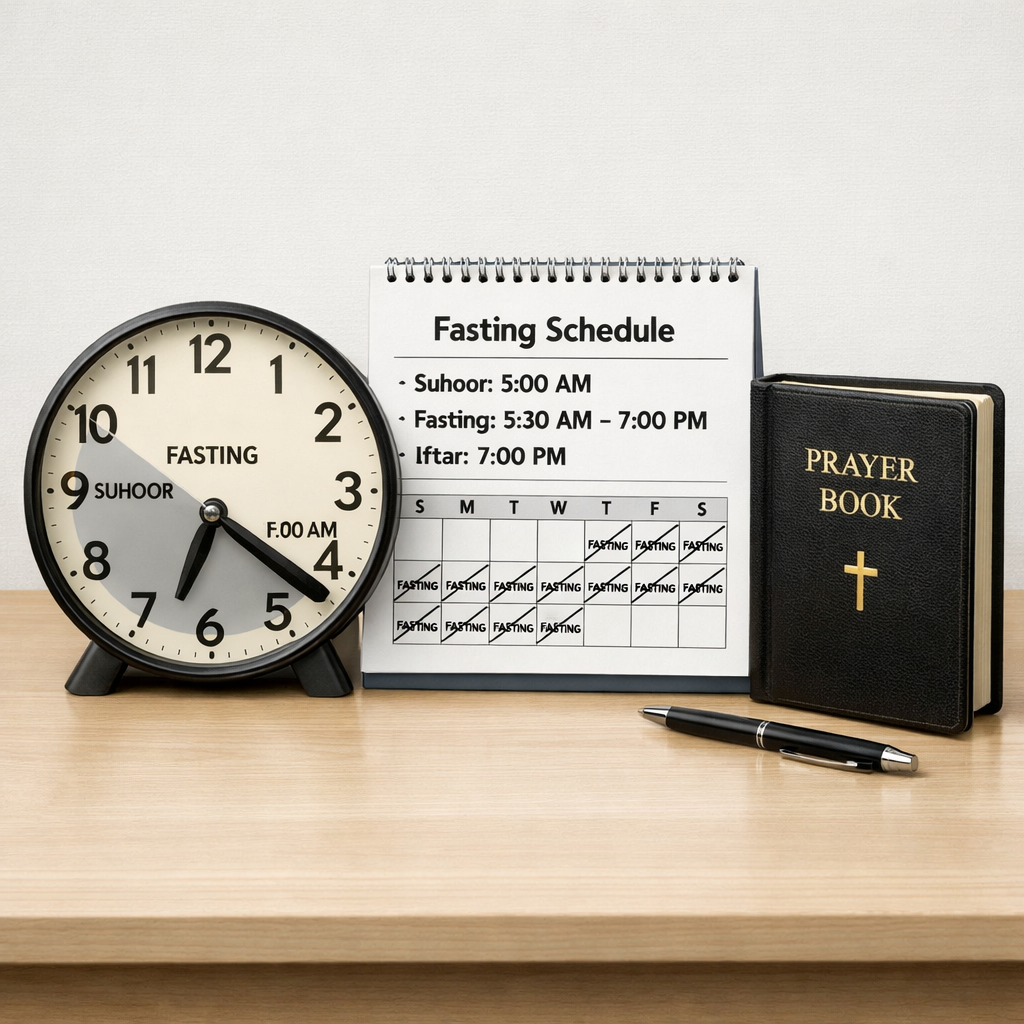
Daily: Obligatory prayers, recitation of verses, meditation.Annual: Fasting during 19-day fast before Naw-Rúz (New Year).Community: Nineteen-Day Feast (devotional, consultative, social).Other practices: Study circles, devotional gatherings, service projects.
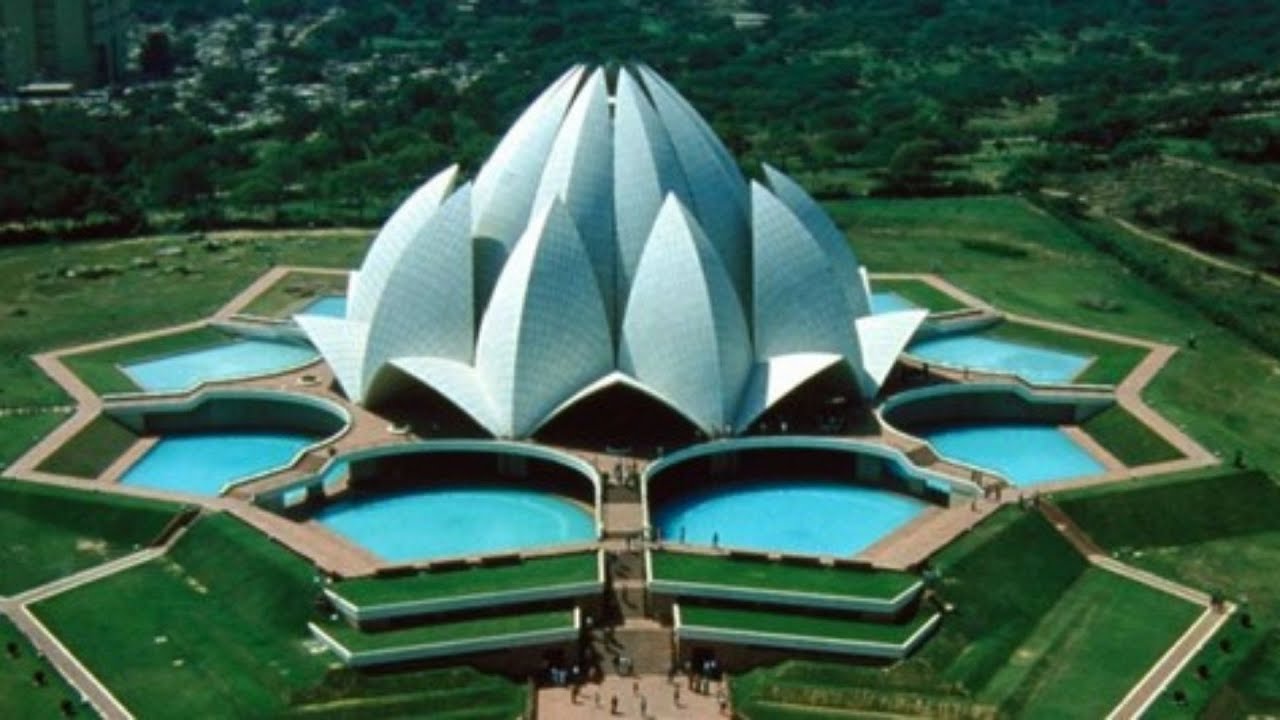
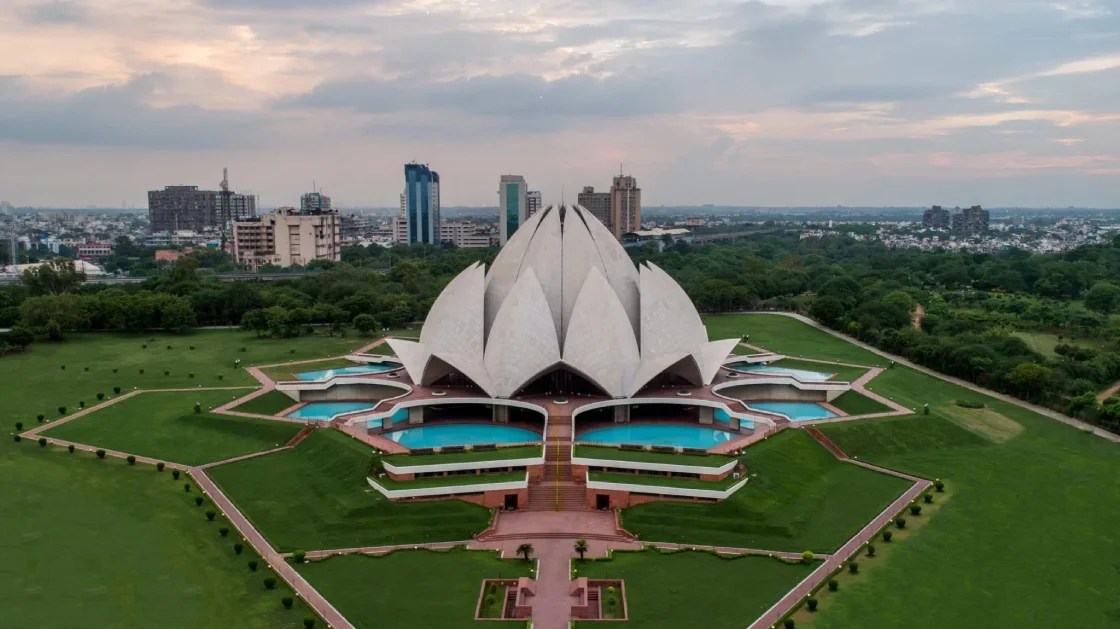
Bahá’í House of Worship
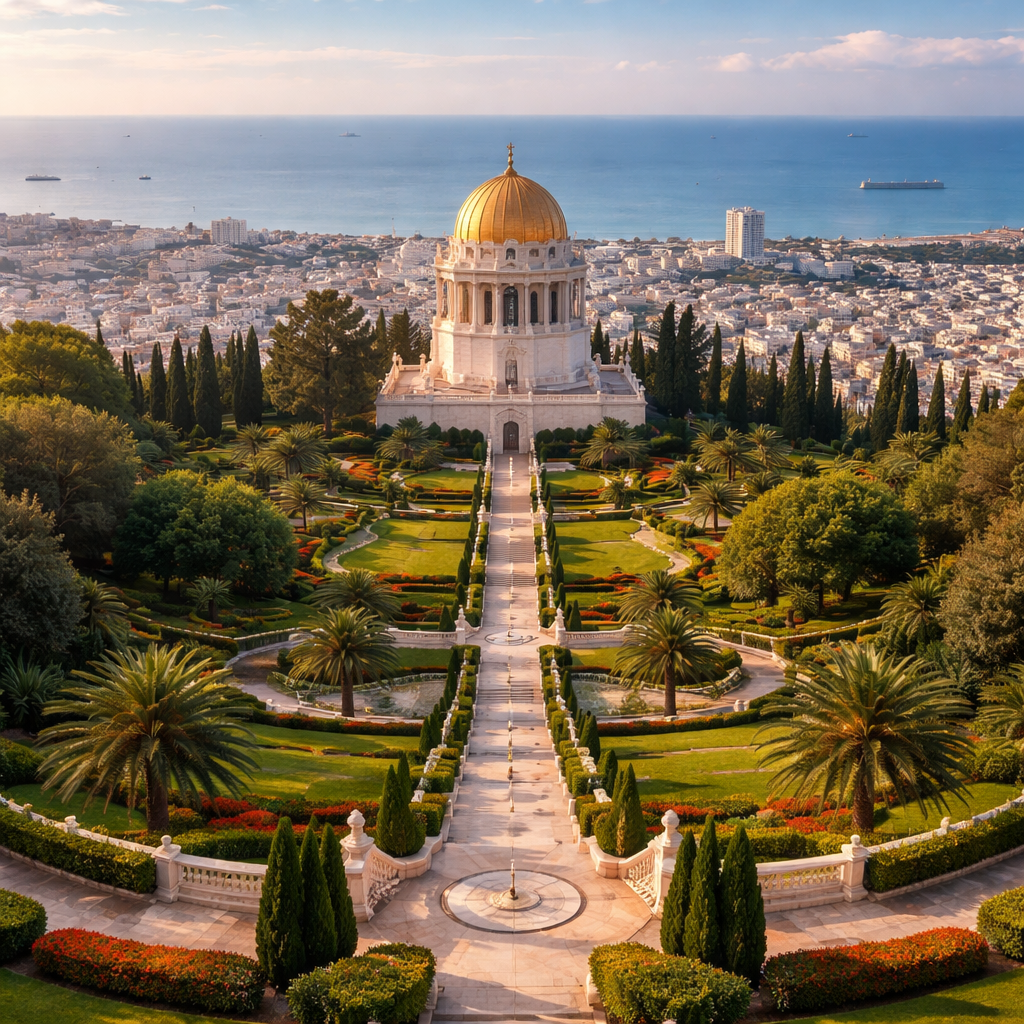
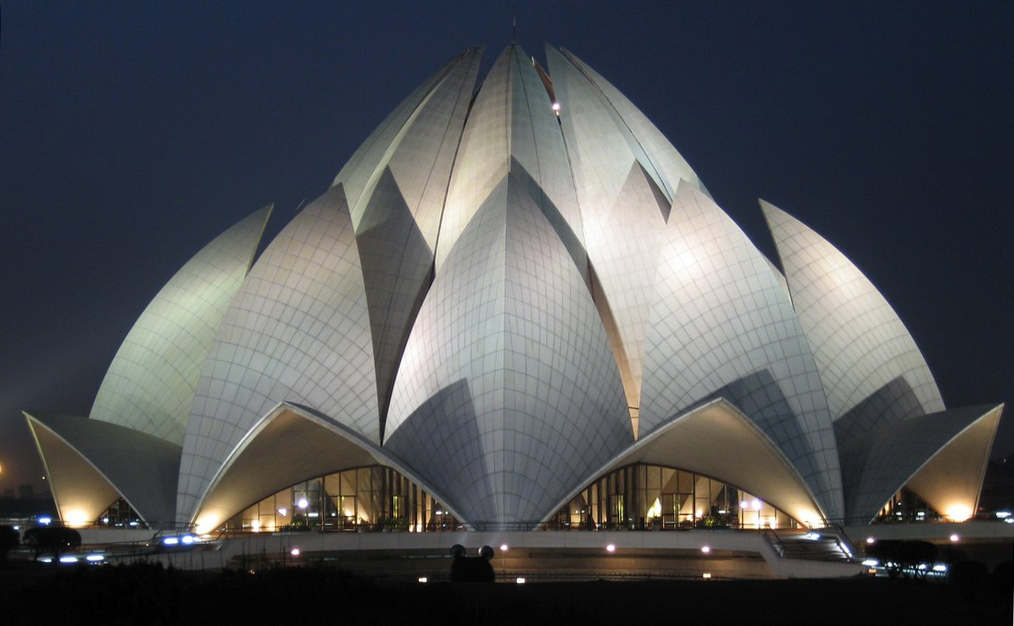
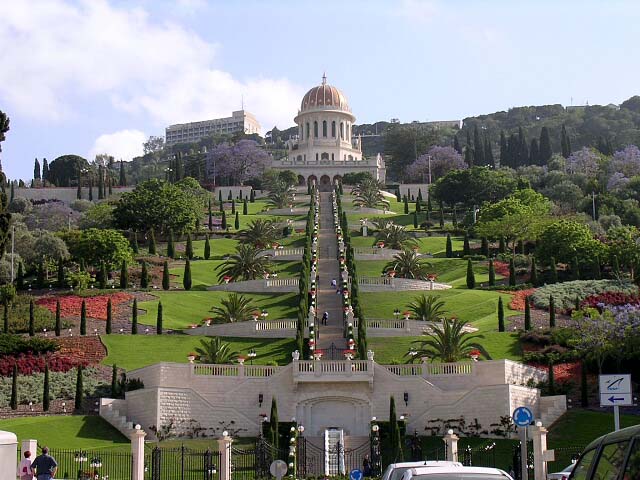
Temples: Baháʼí Houses of Worship (Mashriqu’l-Adhkár), open to all faiths.Shrines: Báb’s shrine on Mount Carmel (Haifa), Baháʼu’lláh’s shrine at Bahjí (Akko).Objects: Calligraphy, scripture texts, symbolic nine-pointed star.
Bahá’í House of Worship
No clergy. Administration: Local Spiritual Assemblies, National Spiritual Assemblies, Universal House of Justice (global leadership body).Teachers: Elected officials and appointed counselors guide, but without priestly status.
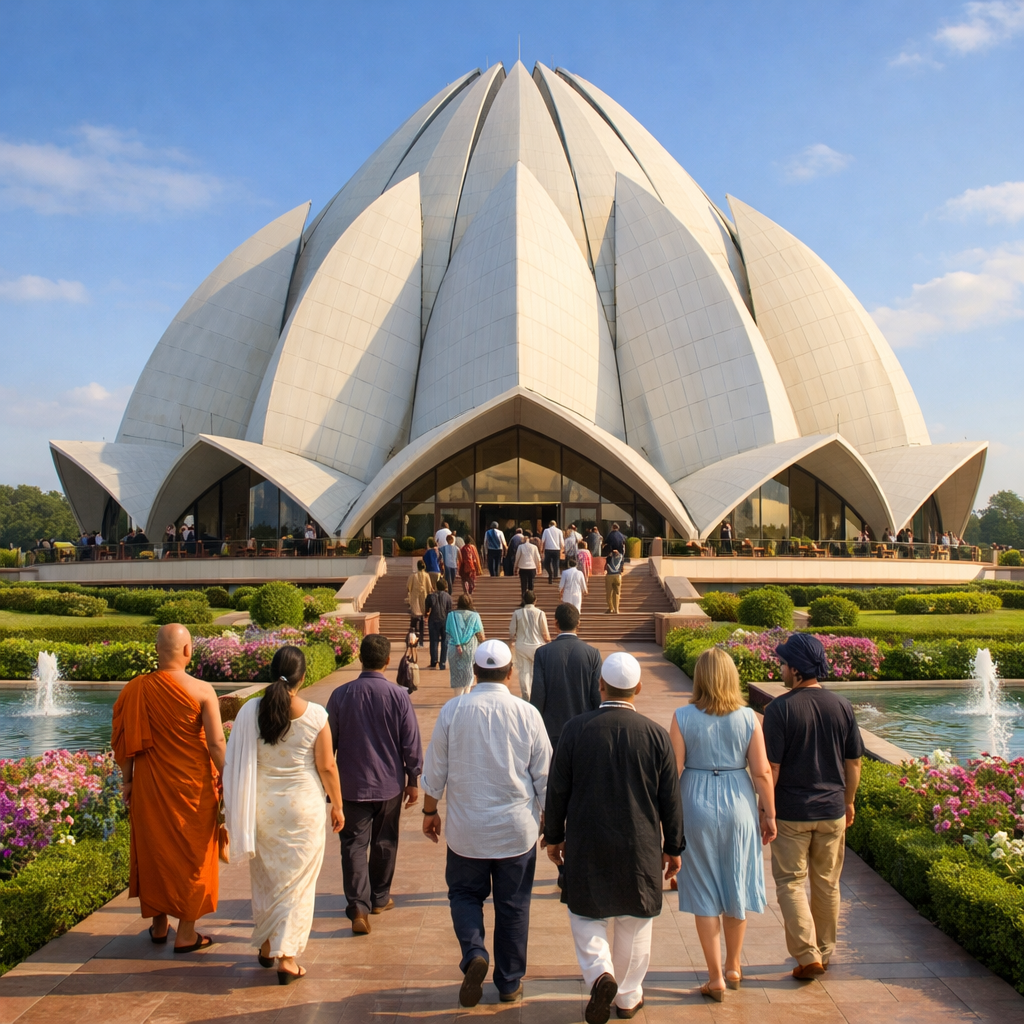
Lotus Temple
Laws: Outlined in Kitáb-i-Aqdas — prayer, fasting, marriage, moral conduct.Ethics: Equality of men and women, racial unity, world peace, universal education.Law & order: Emphasis on consultation, obedience to just government.Community: Strong organizational focus on collective action and service.
Baháʼí House of Worship (Wilmette, Illinois)
Soul: Eternal, progresses toward God.Afterlife: No heaven/hell as places, but conditions of nearness or distance from God.Burial: Within one hour’s travel from place of death, with specific prayers.
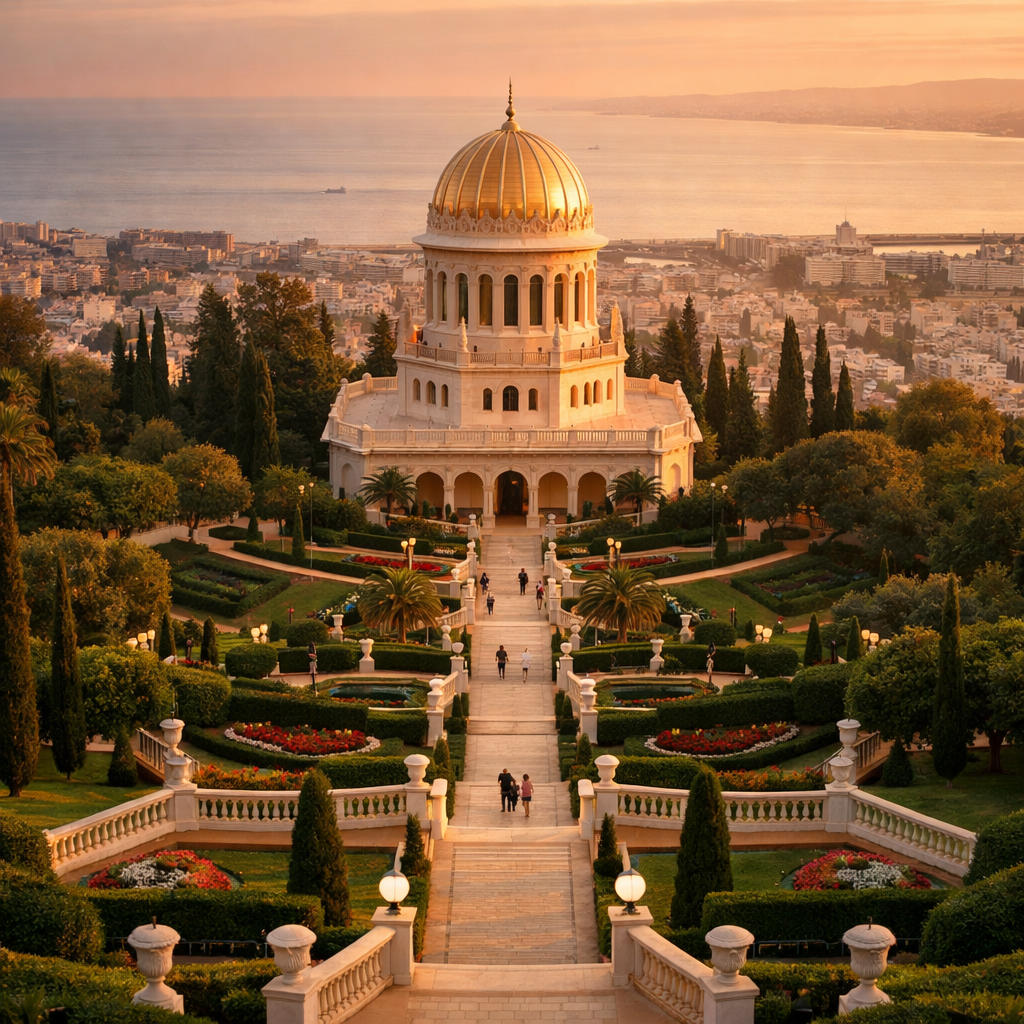
Shrine of the Báb
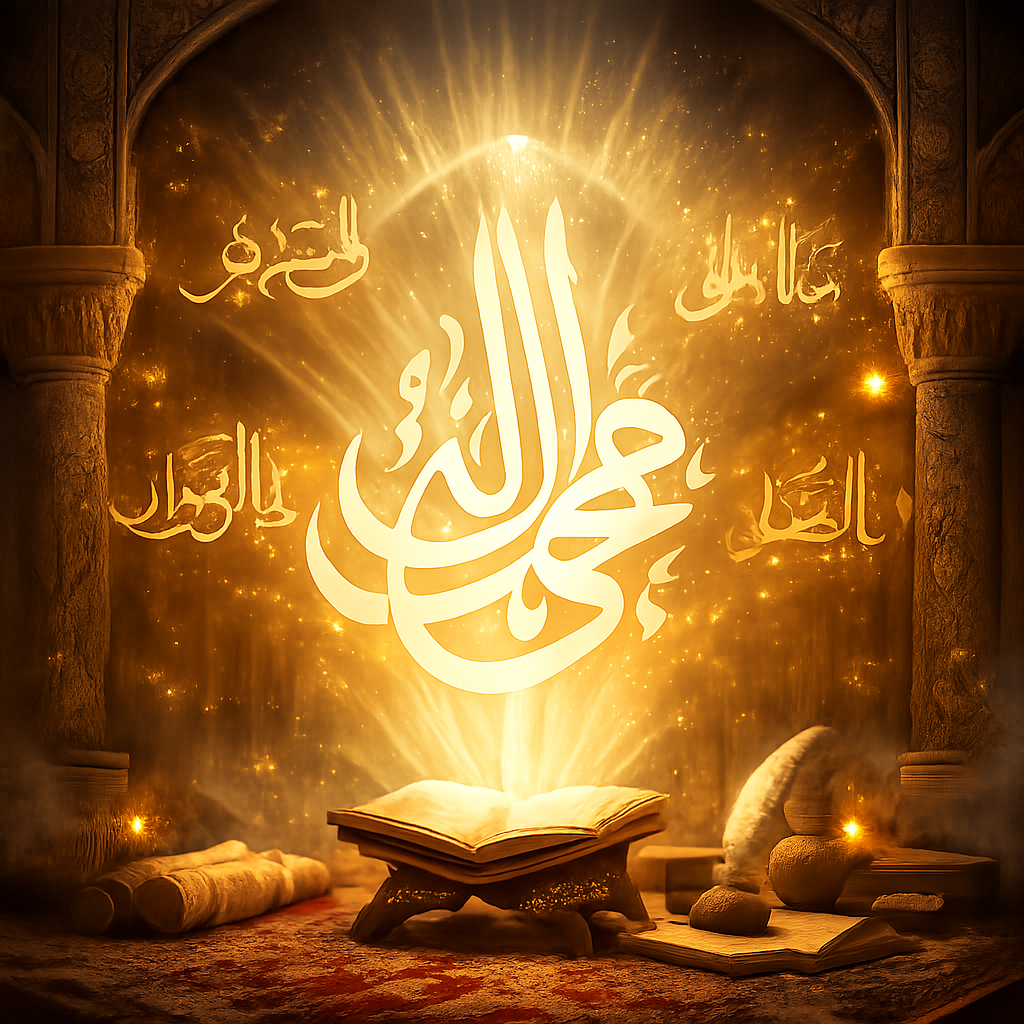
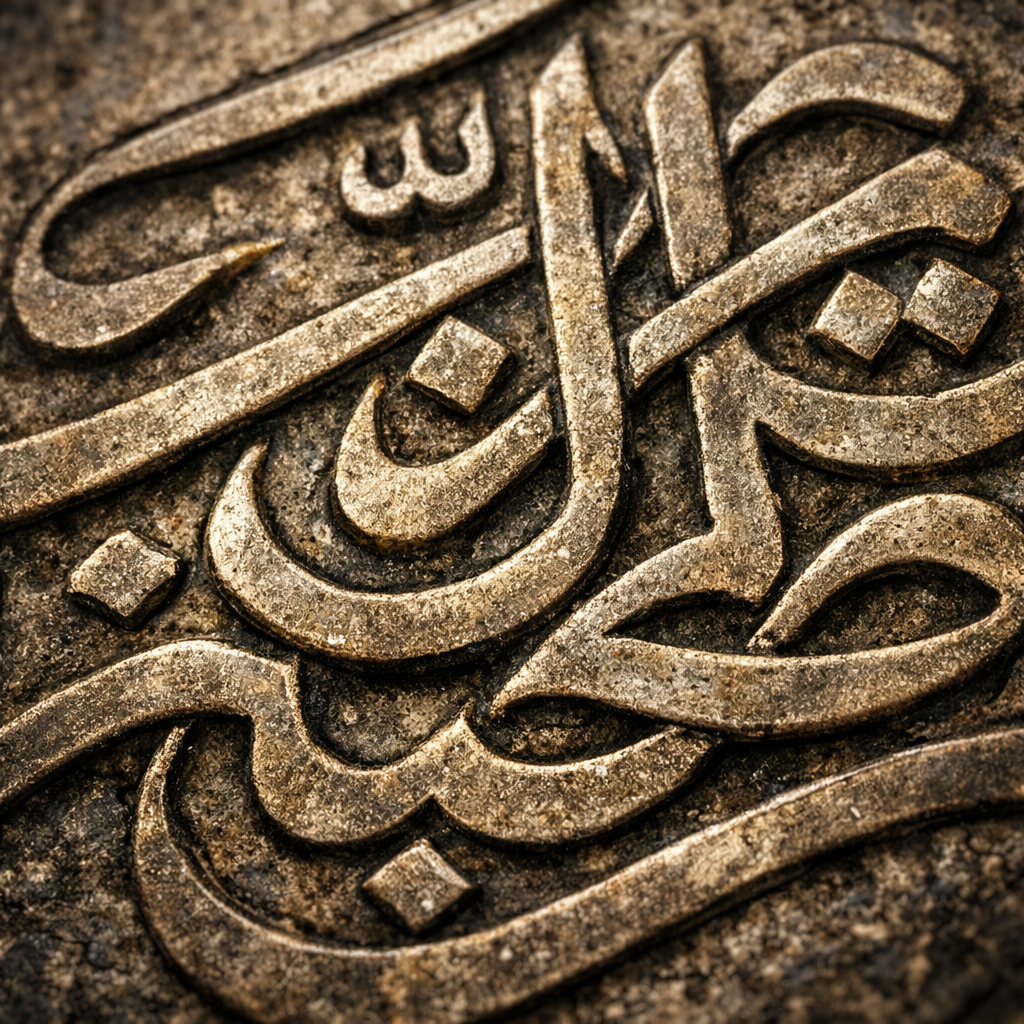
Symbols: Nine-pointed star (unity, completion), Greatest Name (calligraphy for “O Glory of the All-Glorious”).Architecture: Temples designed with nine sides, surrounded by gardens.Numbers: 9 (symbol of unity and completion).Literature: Writings of Baháʼu’lláh revered as revealed scripture.
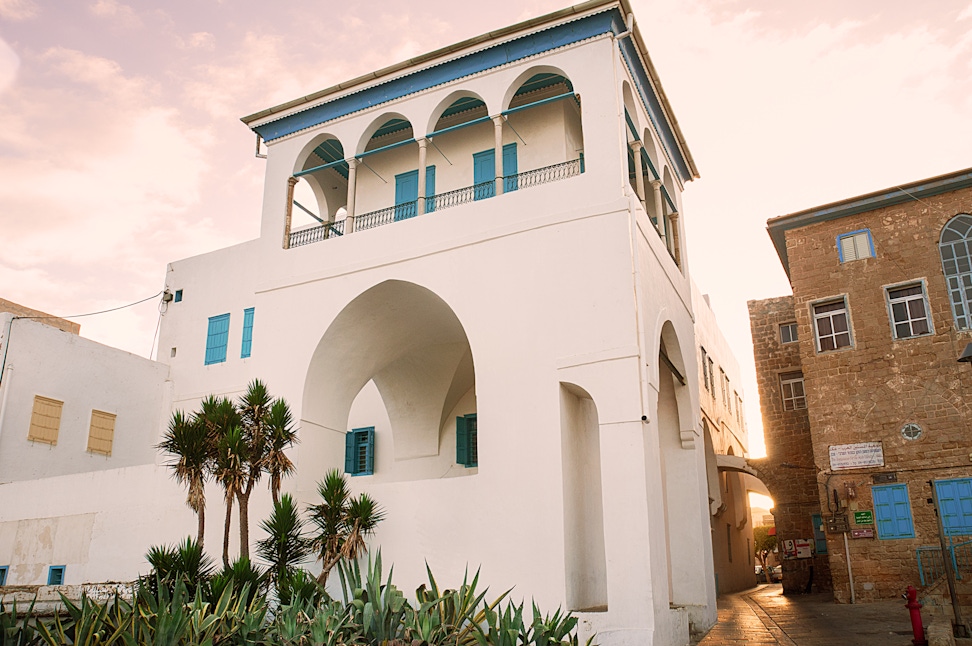
House of ‘Abbúd
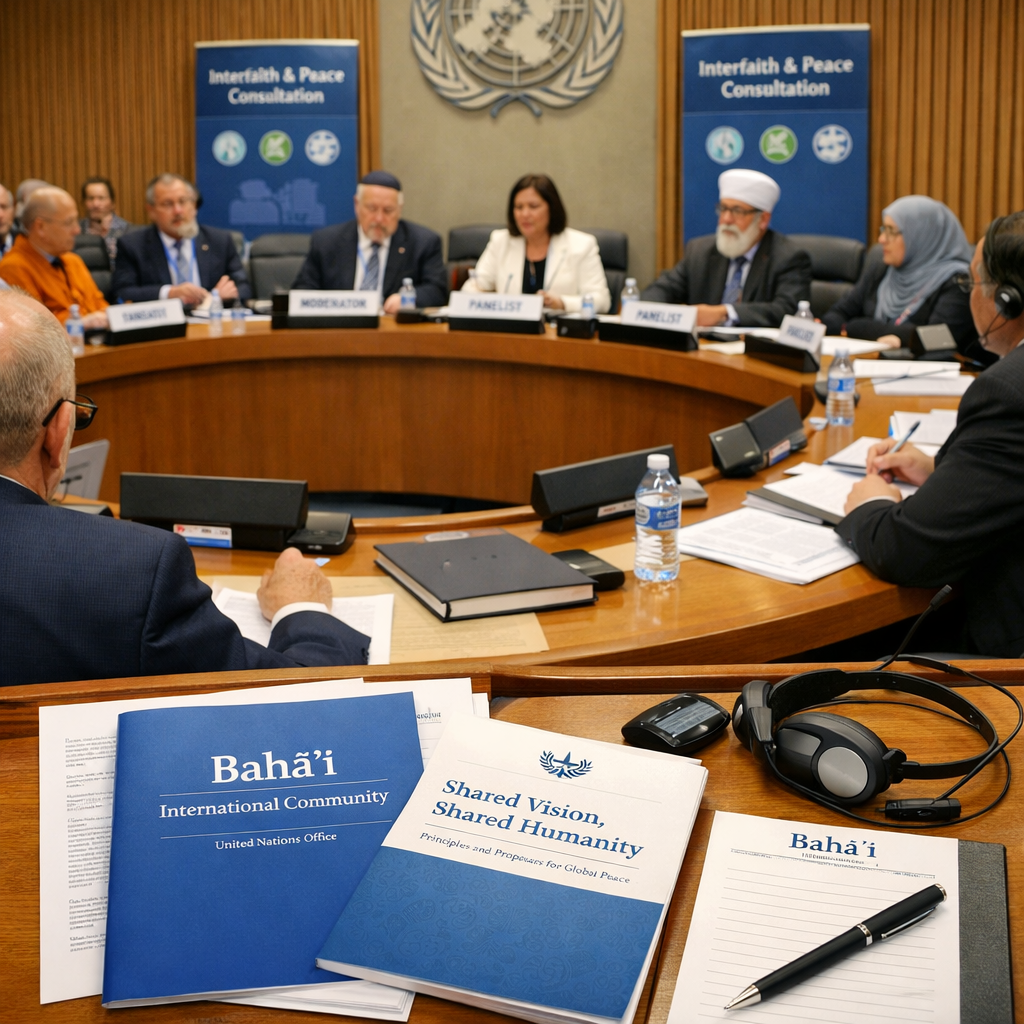
Origins: Emerged in Islamic Persia, persecuted under Qajar rulers.Global spread: Missionary teaching plans from late 19th century onward.Encounters: Dialogue with Christians, Muslims, Hindus, Buddhists; emphasis on religious unity.Modern role: Active in interfaith councils, UN consultative status.Contemporary challenges: Persecution in Iran; expansion in Africa, Asia, West.