Earth and Space Sciences investigate the physical nature of our planet and the universe around it. They explore Earth’s structure, atmosphere, oceans, and cosmic environment—linking planetary processes to universal laws.
These sciences explain how natural forces shape landscapes, climates, planetary systems, and the broader cosmos.




| Branch Name | Focus | Examples |
|---|---|---|
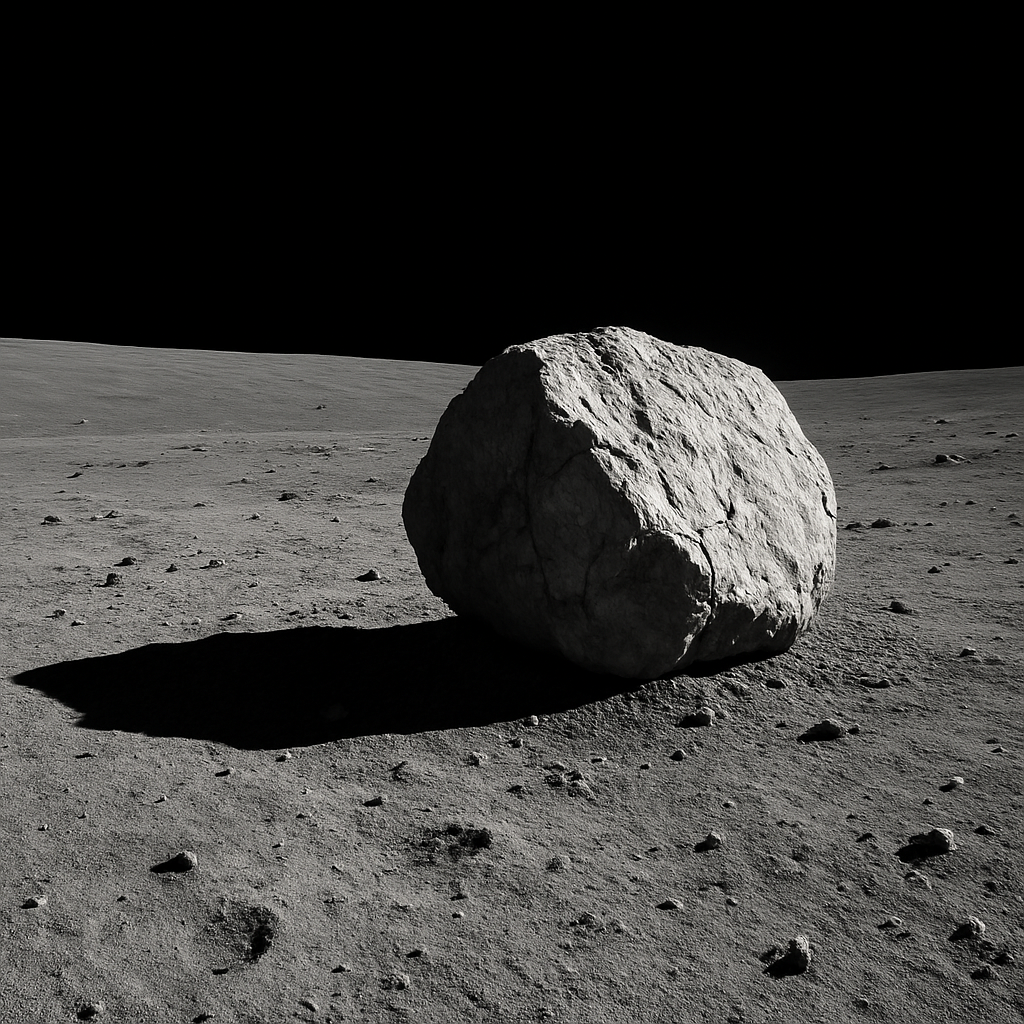
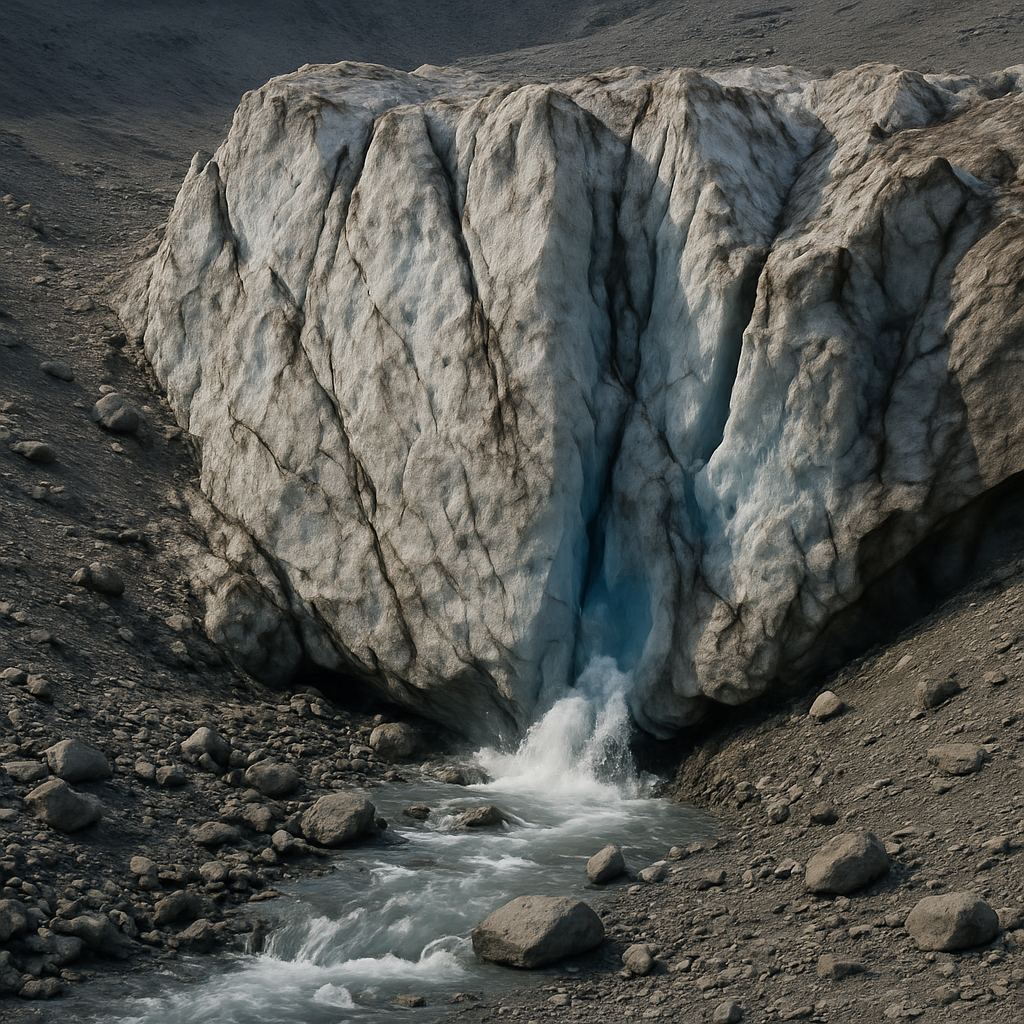
| Geology | Earth’s materials, internal structure, and history | Mineralogy, volcanology, tectonics, paleontology |
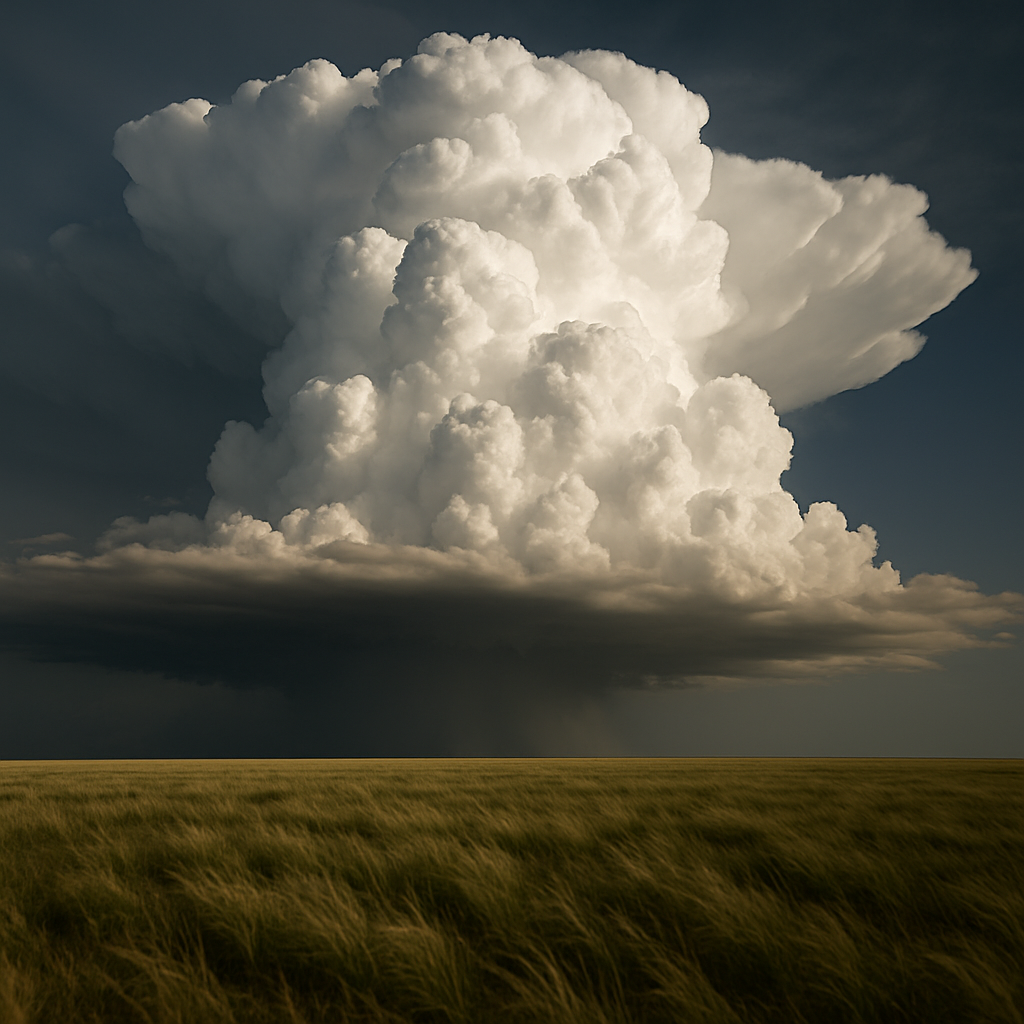
| Meteorology | Atmospheric processes and short-term weather systems | Storms, air pressure, atmospheric circulation |
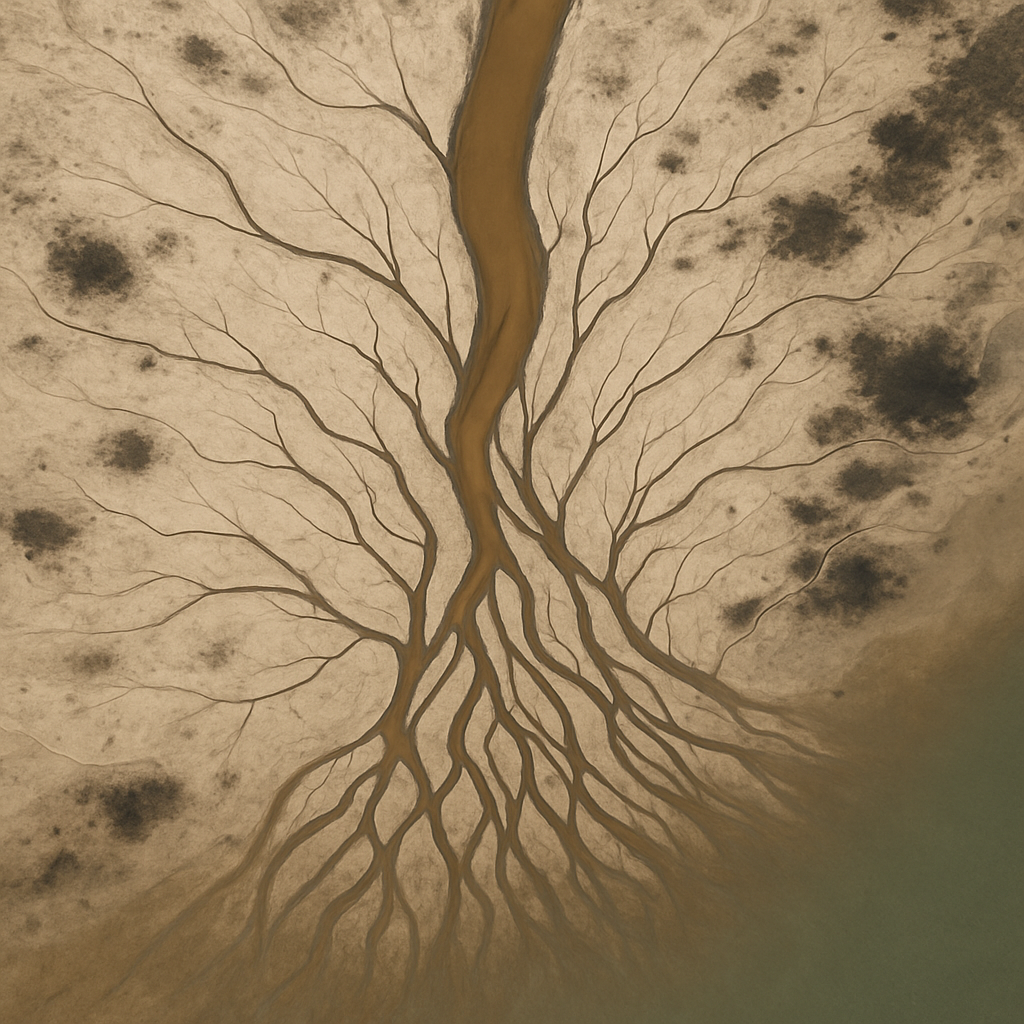
| Oceanography | Physical and biological systems of the oceans | Currents, tides, marine chemistry, ecosystems |
| Astrophysics & Cosmology (Physics) | Observation and study of celestial bodies and cosmic structures | Stars, planets, galaxies, comets |

Role in the Sciences
- In Natural Sciences: Bridges physics, chemistry, and biology across planetary and cosmic scales.
- For Humanity: Provides understanding of weather, resources, and cosmic context.
- For Technology: Enables forecasting, navigation, satellite systems, and space exploration.




Scope
Earth and Space Sciences unite planetary observation and cosmic investigation. Together, they trace the flow of matter and energy—from the formation of Earth’s crust to the life cycle of stars—revealing the continuity between our world and the wider universe.