(8,000 BC – 4,500 BC)
 Neolithic
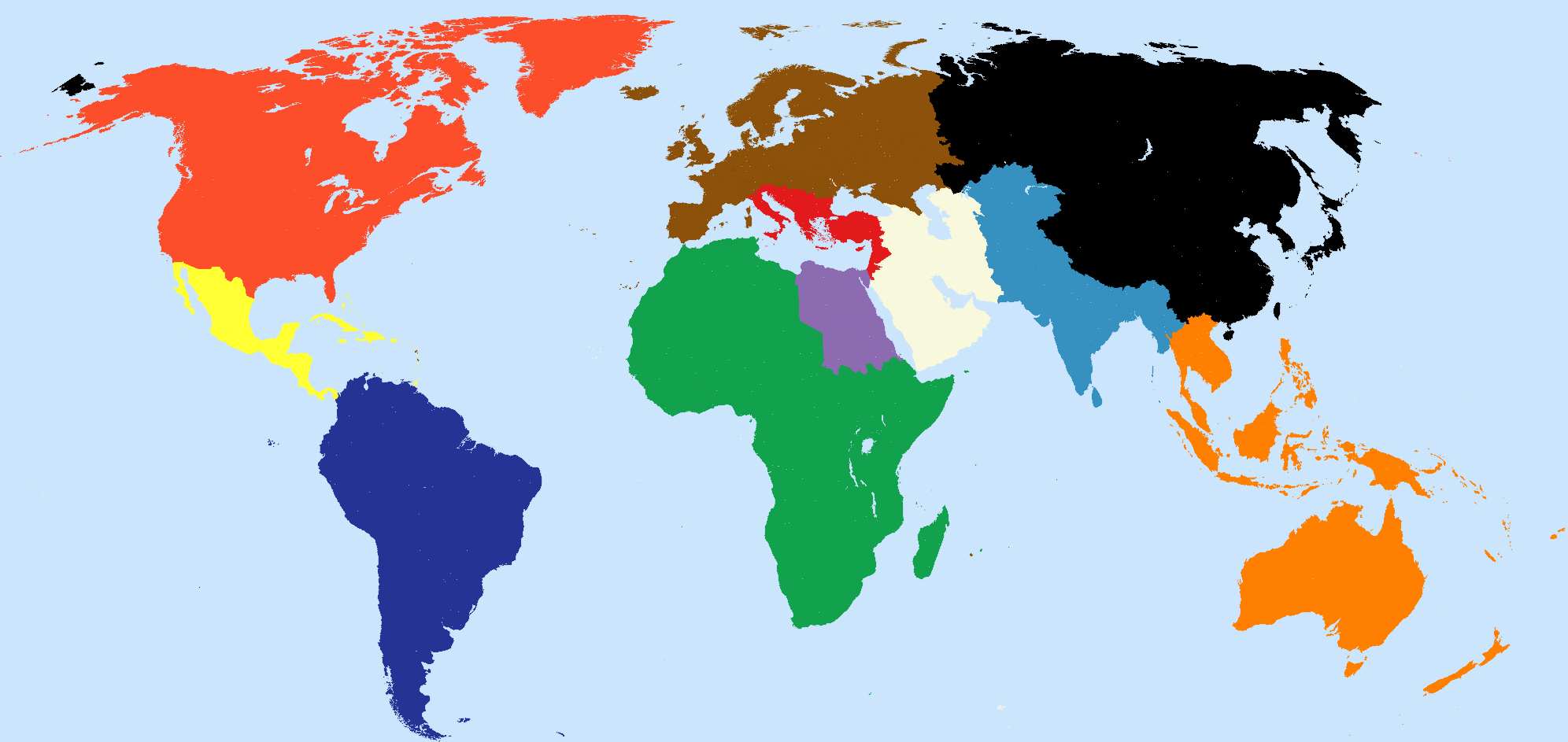
Western Europe Neolithic
Eastern Mediterranean Neolithic Persia Neolithic Egypt Neolithic Africa
(beyond the Nile) Neolithic India
& Central Asia Neolithic China
(East Asia) Neolithic Oceania Neolithic
North America Neolithic
Central America Neolithic
South America
| Terra Avita Region and Era Name Link | Representative Cultures | Major Cities / Centers | Major Events |
|---|---|---|---|
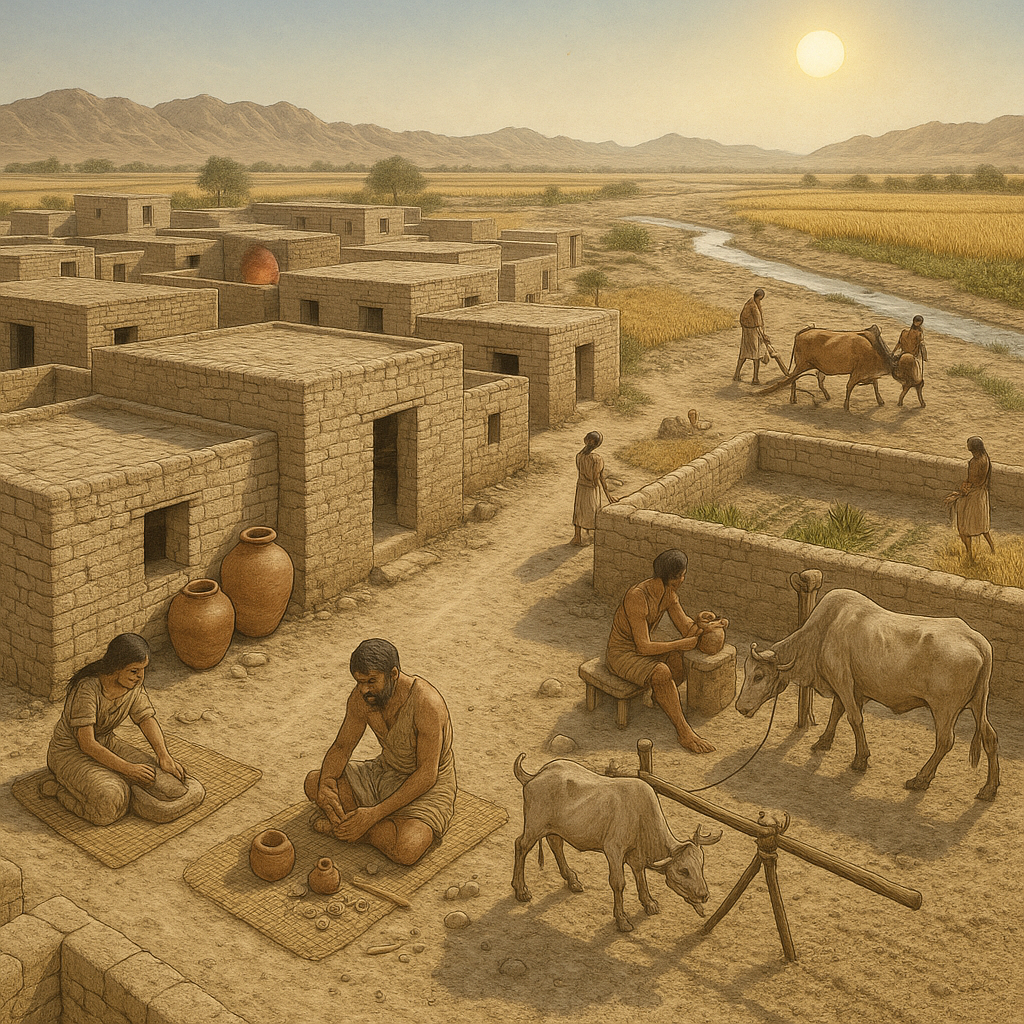
| Neolithic Persia | Jarmo, Ali Kosh, Tepe Guran, Zaghe | Tepe Sialk, Ali Kosh, Jarmo | Development of irrigation farming; early pottery; goat and sheep domestication |
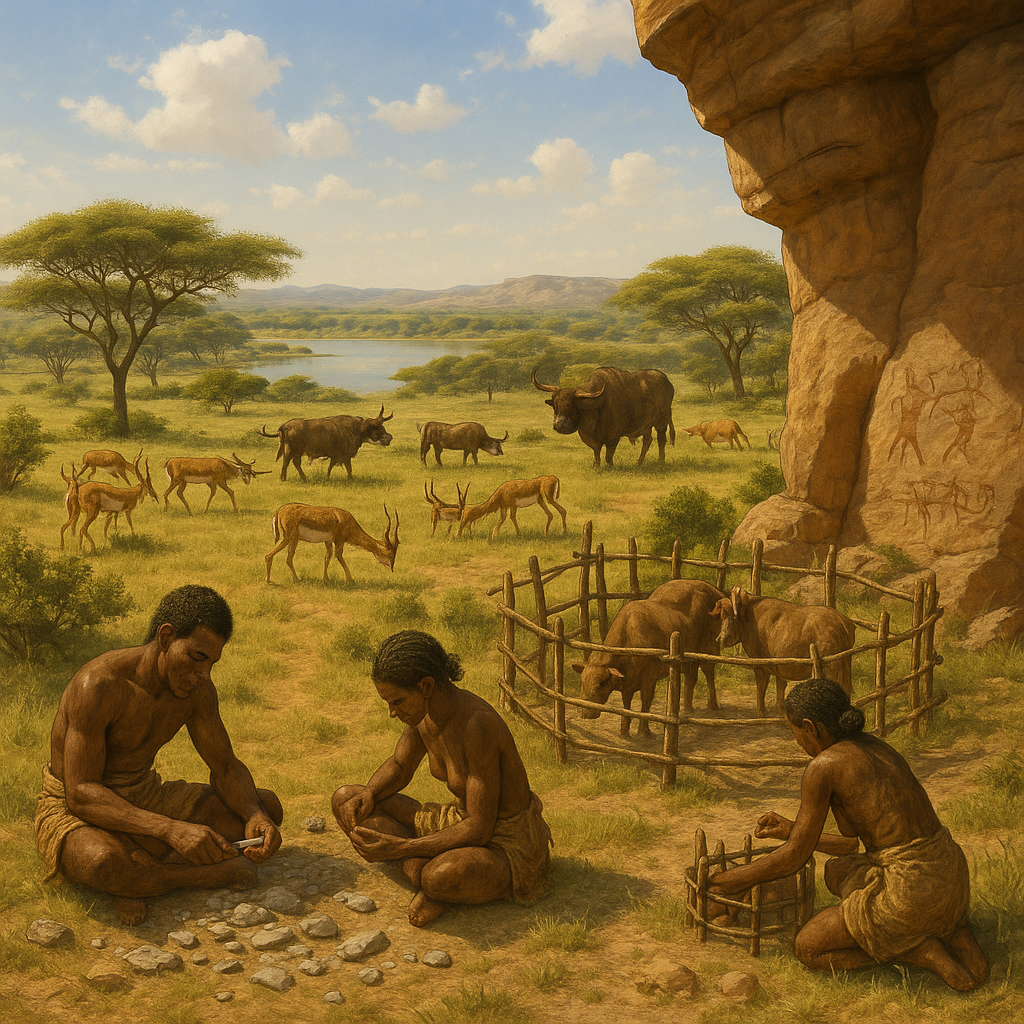
| Neolithic Egypt | Fayum B, Merimde Beni Salama, Badarian | Merimde, Fayum A/B, Badari | Transition to agriculture in Nile Valley; polished stone tools; cattle domestication |
| Neolithic China (East Asia) | Peiligang, Cishan, Hemudu, Pengtoushan | Jiahu, Banpo, Hemudu | Millet and rice cultivation; early pottery and weaving; first proto-villages |
| Neolithic Western Europe | Linearbandkeramik (LBK), Cardial Ware, Windmill Hill, Cerny | Carnac, Skara Brae, Avebury | Spread of agriculture from southeast; early megalithic monuments; permanent villages |
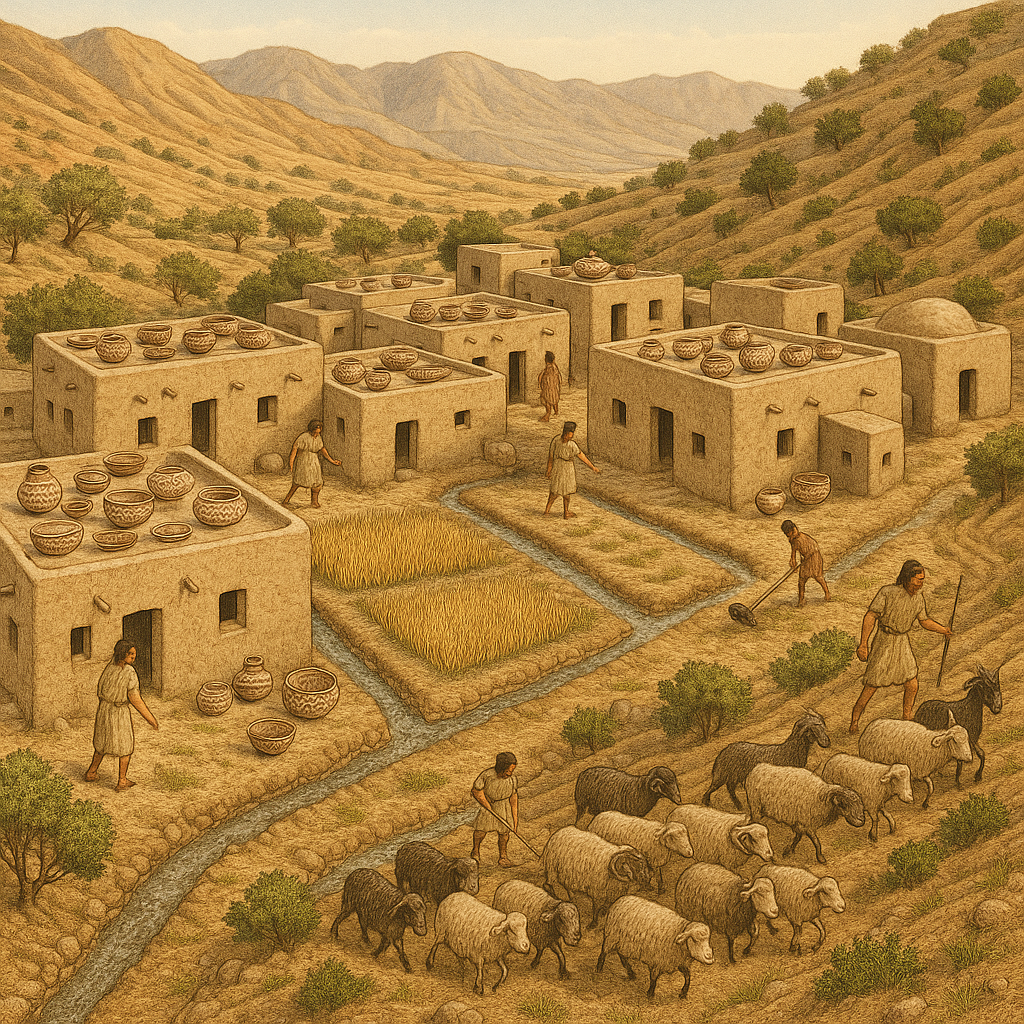
| Neolithic Eastern Mediterranean | Pre-Pottery Neolithic A & B (PPNA/PPNB), Halaf, Hassuna, Samarra | Jericho, Çatalhöyük, Göbekli Tepe | Rise of agriculture and animal domestication; temple architecture; long-distance trade |
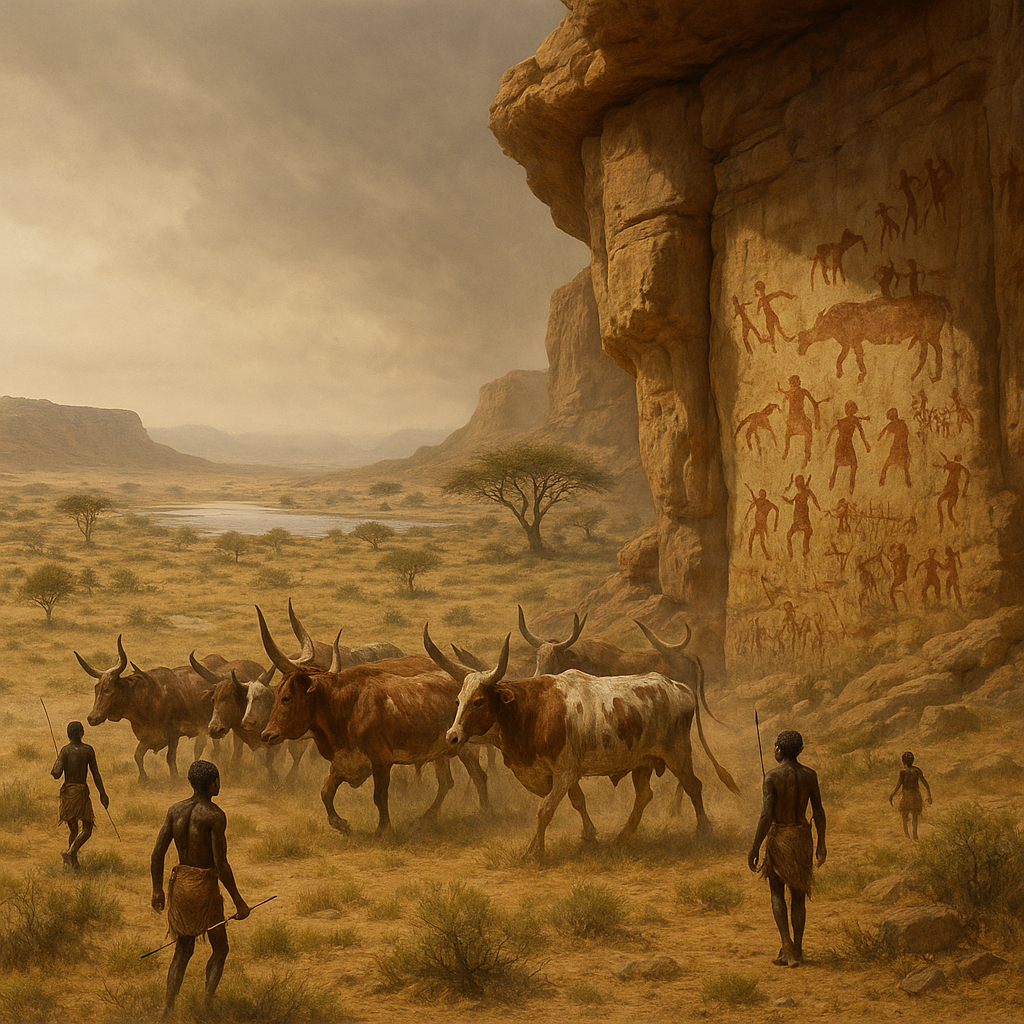
| Neolithic Africa (beyond the Nile) | Capsian (Late), Khartoum Mesolithic-Neolithic, Early Saharan Pastoralists | Nabta Playa, Khartoum Variant, Adrar Bous | Early cattle herding; monsoon green Sahara; megalithic alignments for astronomy |
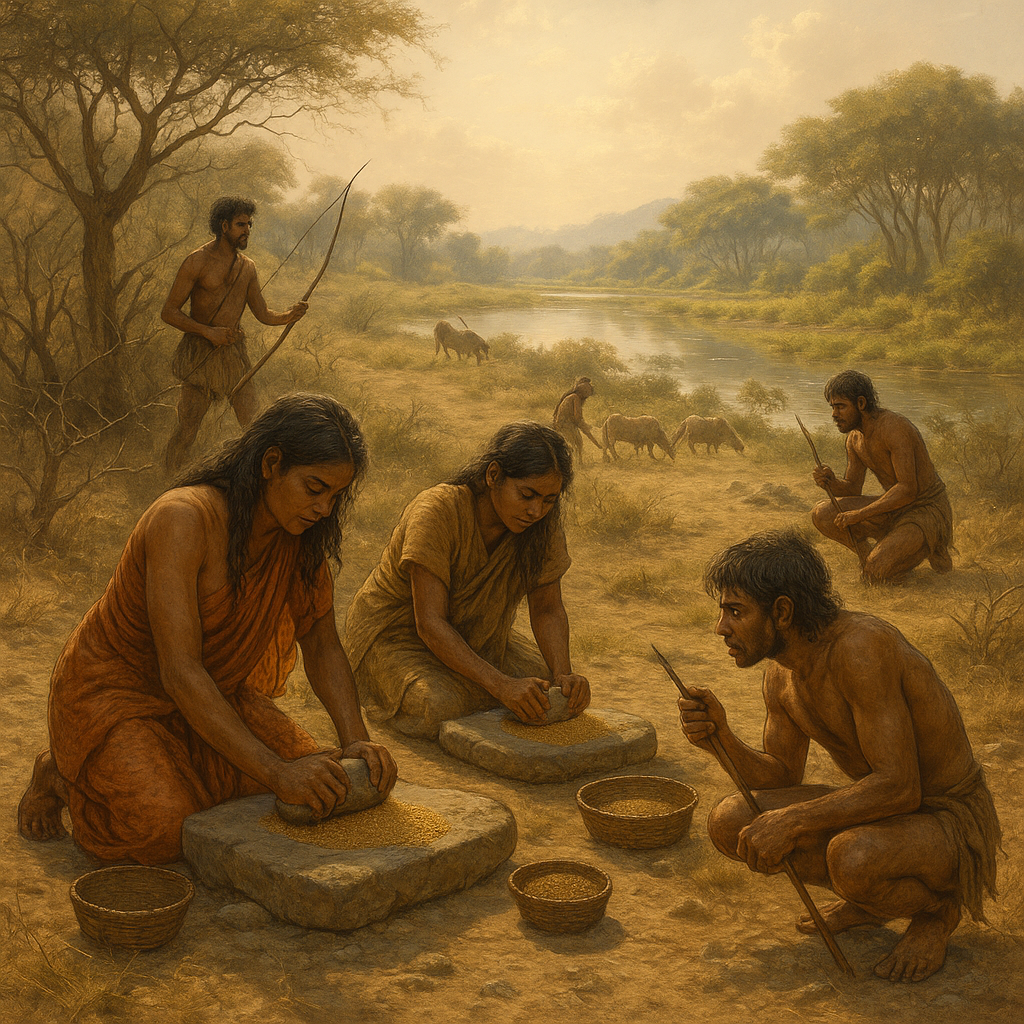
| Neolithic India and Central Asia | Mehrgarh I–II, Kili Gul Muhammad, Burzahom | Mehrgarh (Baluchistan), Burzahom (Kashmir) | Wheat-barley agriculture; earliest South Asian village life; animal domestication |
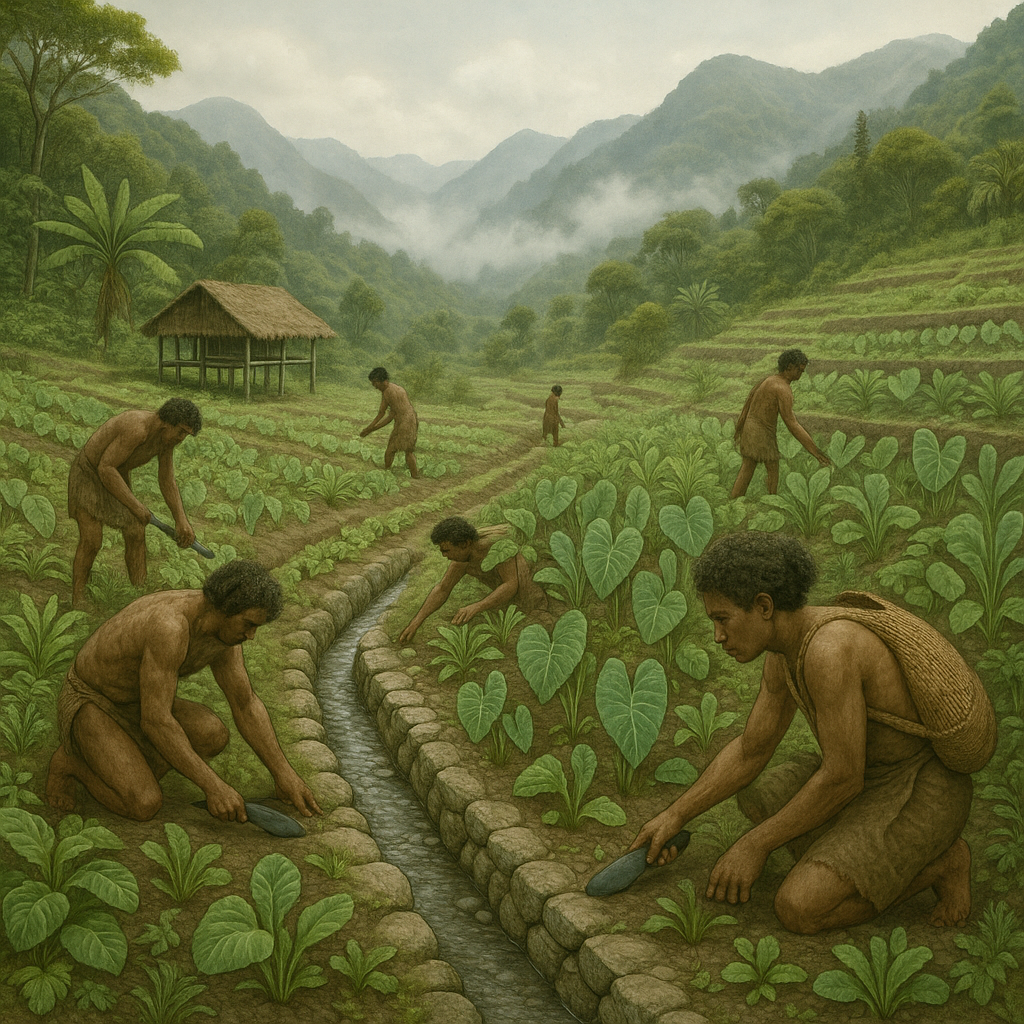
| Neolithic Oceania | Papuan Highlands (Horticultural), Lapita Proto-Ancestors | Kuk Swamp (Papua), Ivane Valley | Root-crop horticulture; wetland agriculture; first long-distance canoe networks |
| Neolithic North America | Early Archaic (Horticultural Beginnings), Moundville Predecessors | Koster Site (Illinois), Russell Cave | Forager–farming transition; early domesticates (squash, sunflower); regional trade |
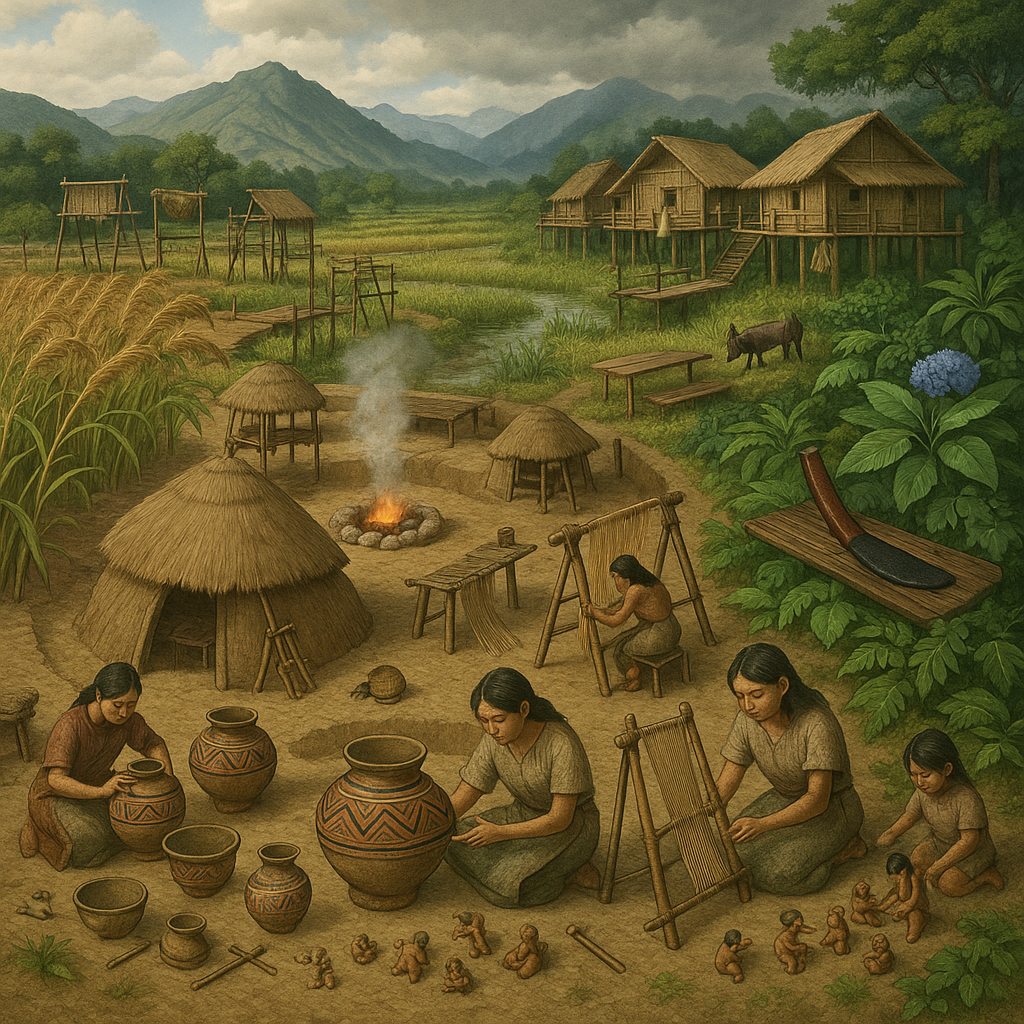
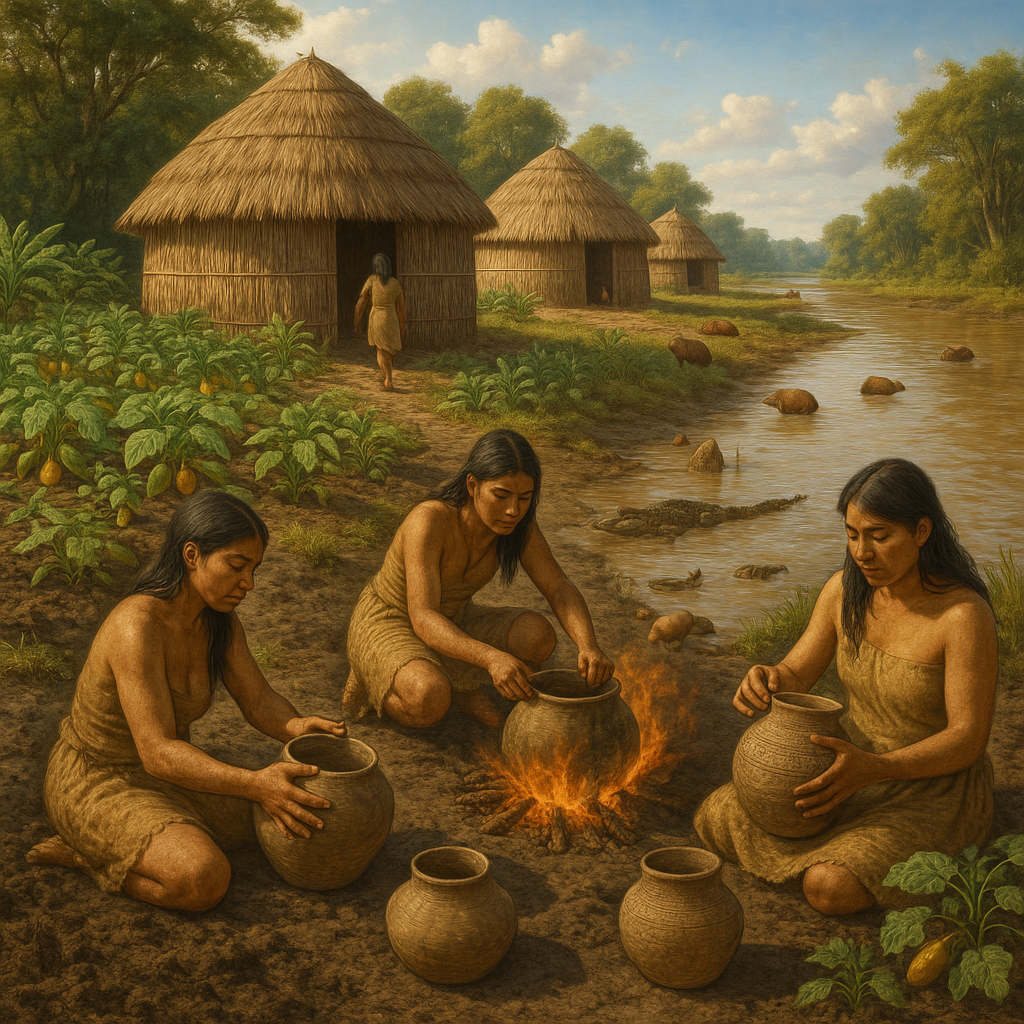
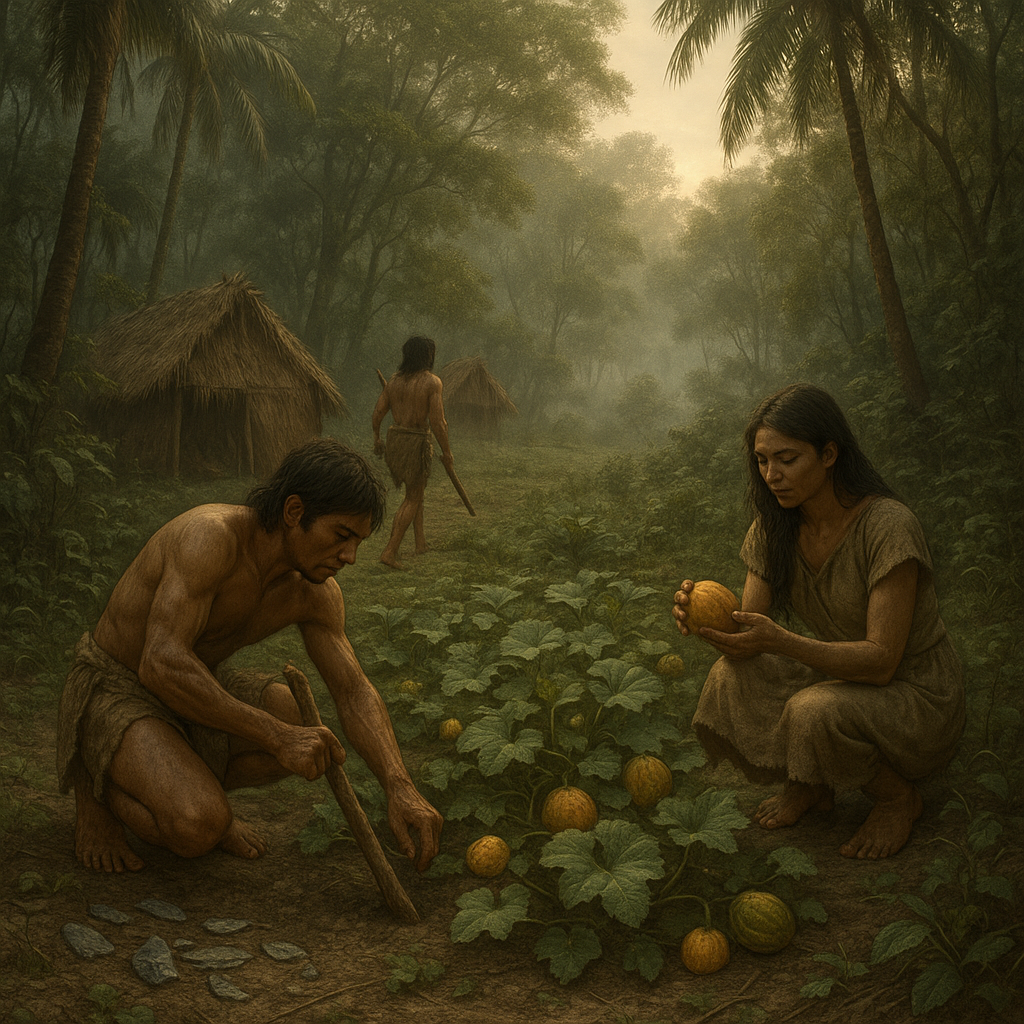
| Neolithic Central America | Early Pre-Ceramic, Barra Phase, Chiapas Formative | Guilá Naquitz (Oaxaca), Barra (Chiapas) | Domestication of maize, beans, gourds; semi-sedentary village life |
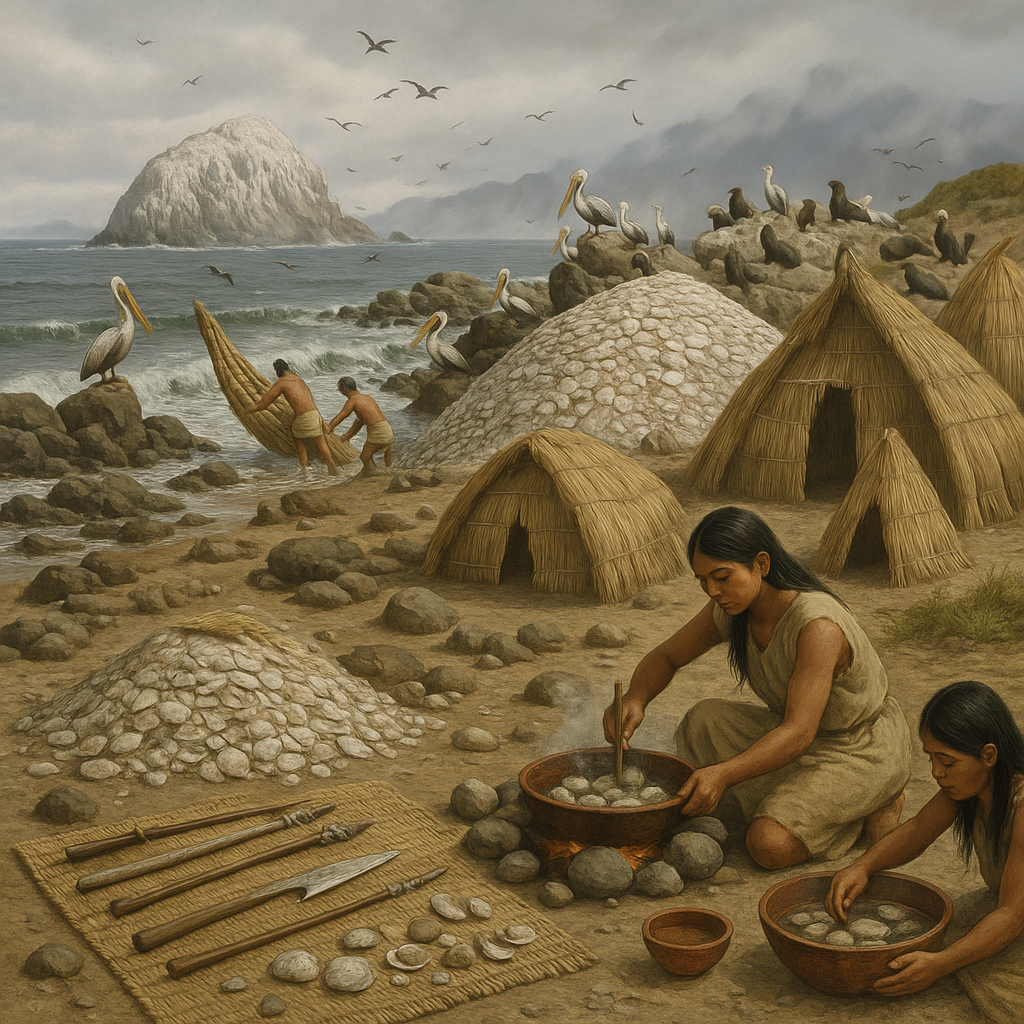
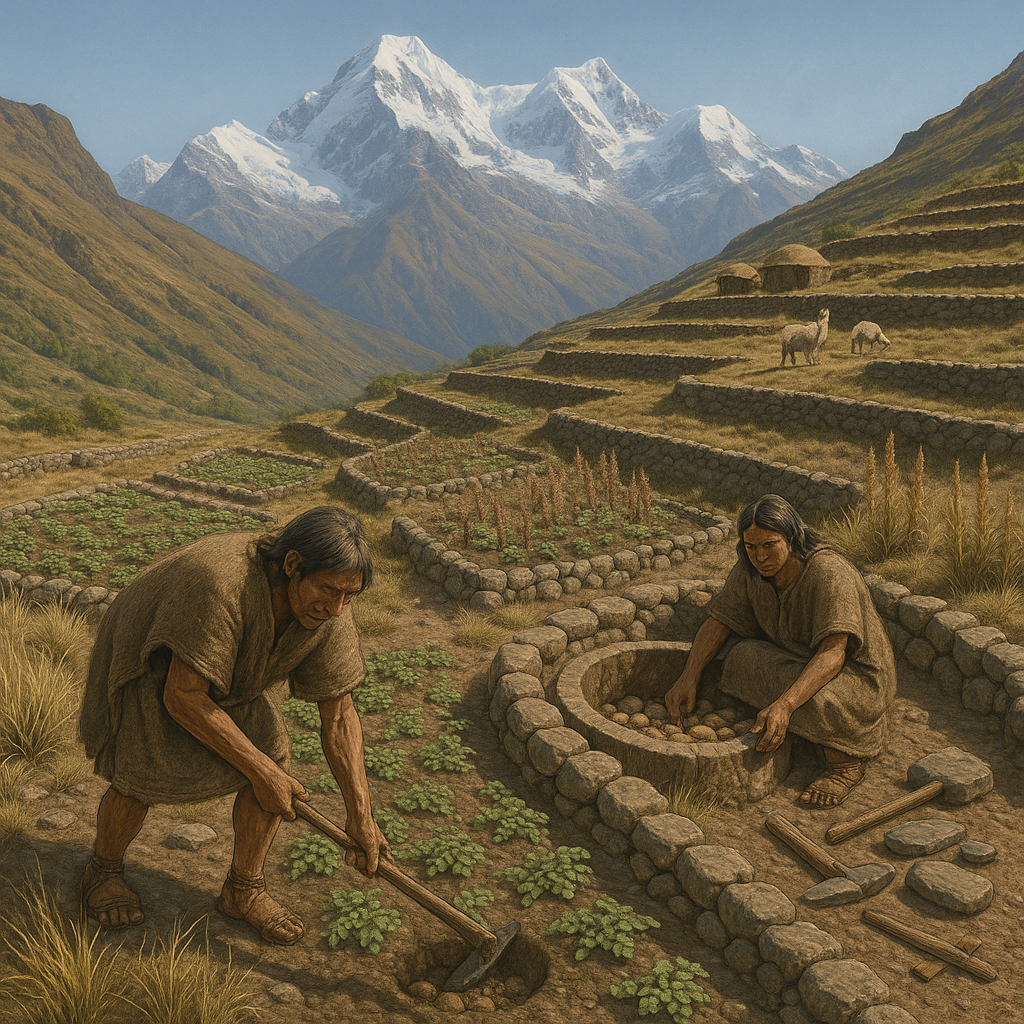
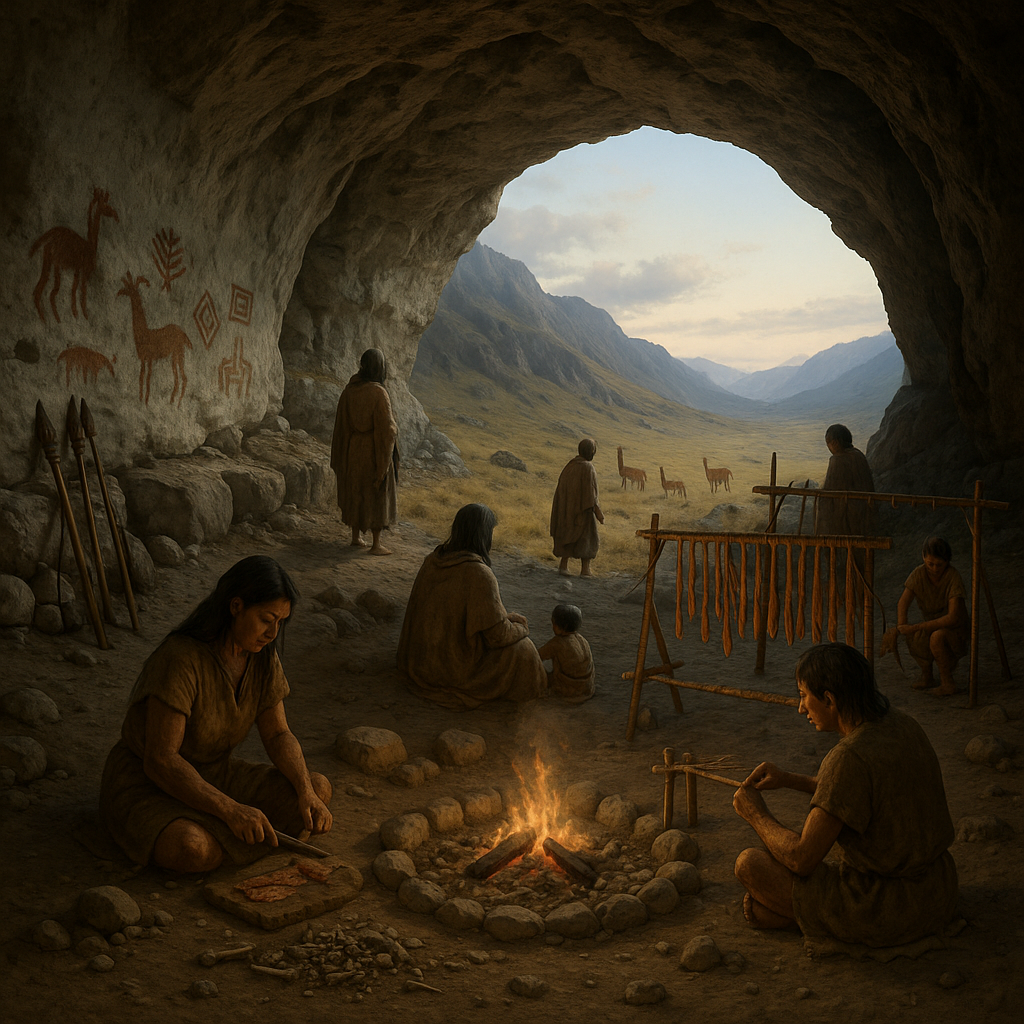
| Neolithic South America | Las Vegas, Guitarrero, Valdivia (early) | Guitarrero Cave (Peru), Las Vegas (Ecuador) | Coastal agriculture; cotton, squash, and bean cultivation; early ceramic production |

8,000 BC – Snapshot
| Terra Avita Region and Era Name Link | Event Description |
|---|---|
| Mesolithic Africa (beyond the Nile) | “Green Sahara” peak begins; large lakes and savannah corridors spread across what is now desert; pastoral roots forming in northeast Africa; microlithic cultures widespread. |
| Mesolithic Central America | Earliest clear plant domestication begins shortly after this period (squash, later maize); 8,000 BC marks deep tropical adaptation; stable foraging in highlands and coasts. |
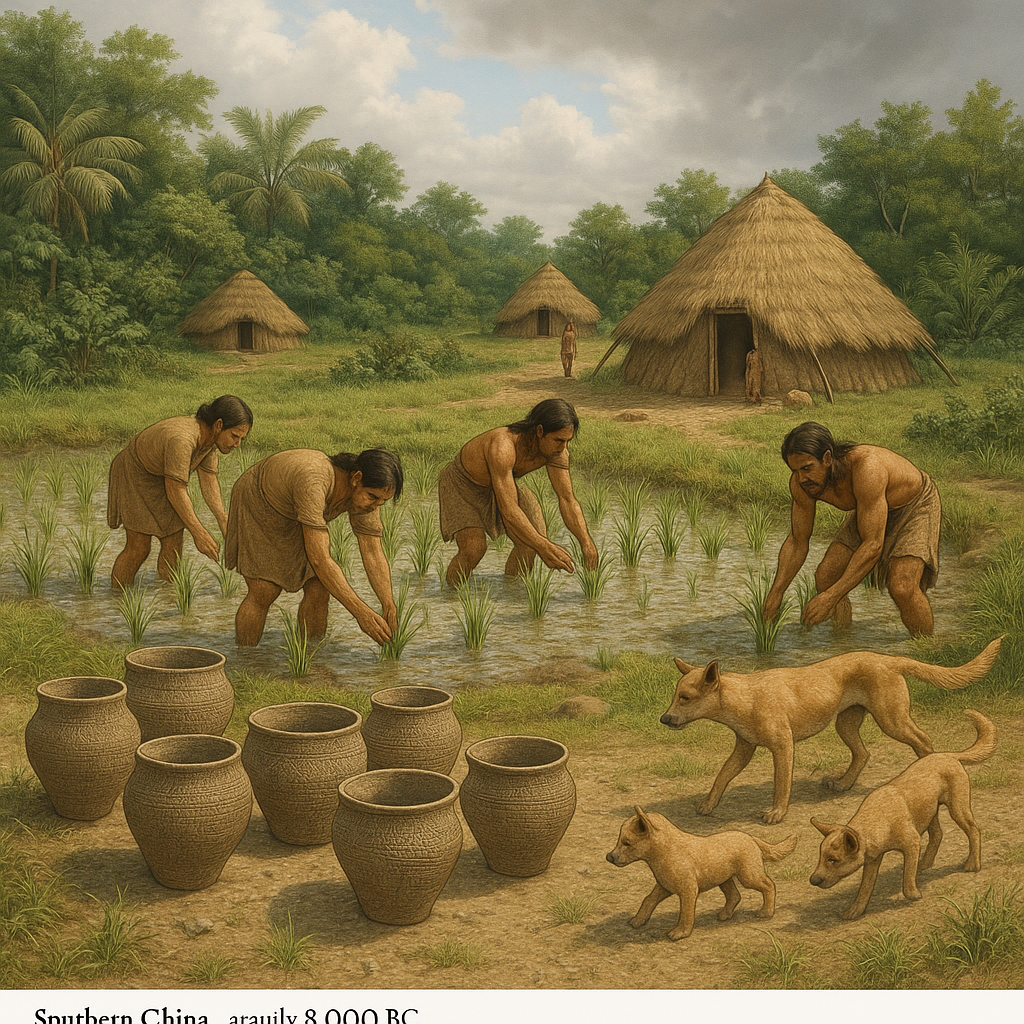
| Mesolithic China (East Asia) | Early Neolithic villages develop in the south; pottery widespread; proto-rice cultivation expanding; northern China begins millet experimentation near this time. |
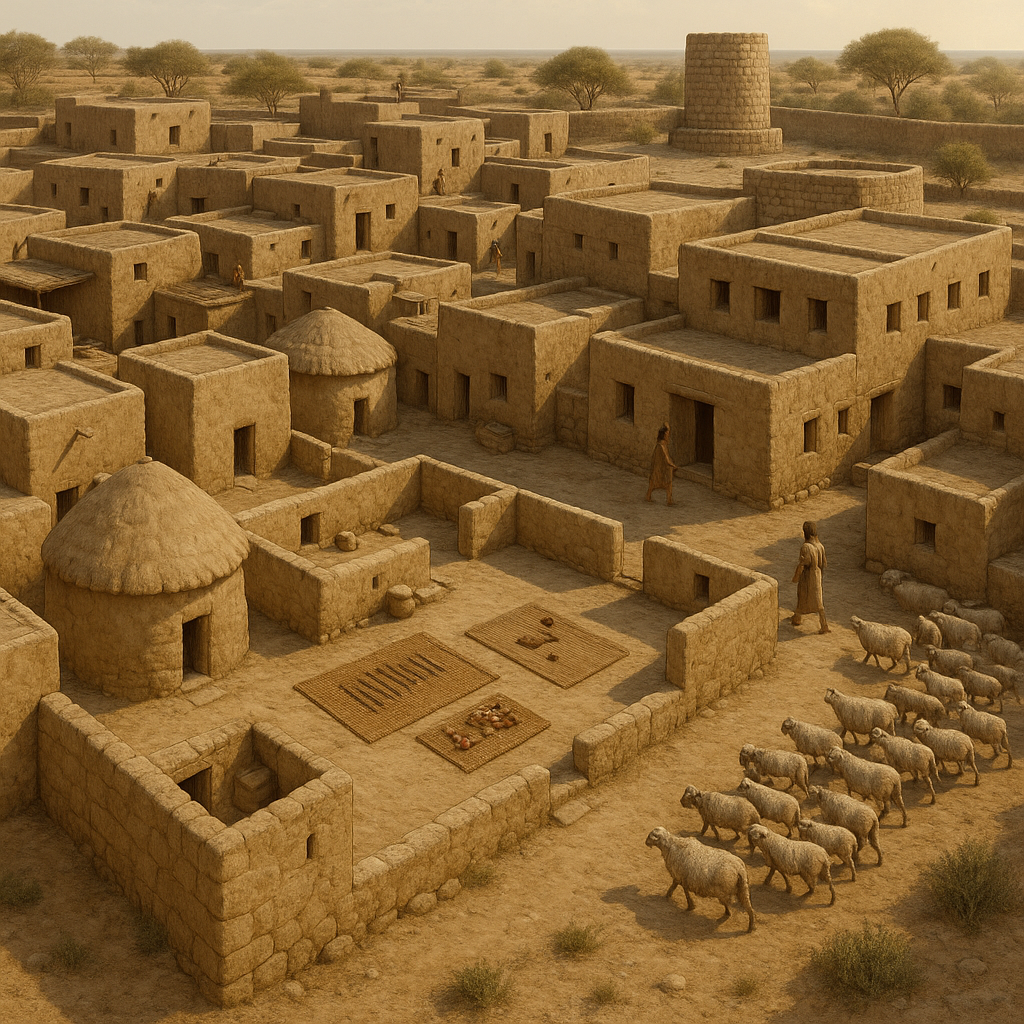
| Mesolithic Eastern Mediterranean | Pre-Pottery Neolithic A (PPNA) in full force; round stone houses; domestication of wheat, barley, and lentils underway; early communal architecture (tower and wall at Jericho). |
| Mesolithic Egypt | Nile Valley remains a forager zone; seasonal occupation continues; humid Sahara creates green corridors west of Nile; groundwork forming for Fayum Neolithic much later. |
| Mesolithic India and Central Asia | Mesolithic communities fully spread; evidence of early plant processing increases; northern regions stabilize after glacial retreat; seasonal mobility remains dominant. |
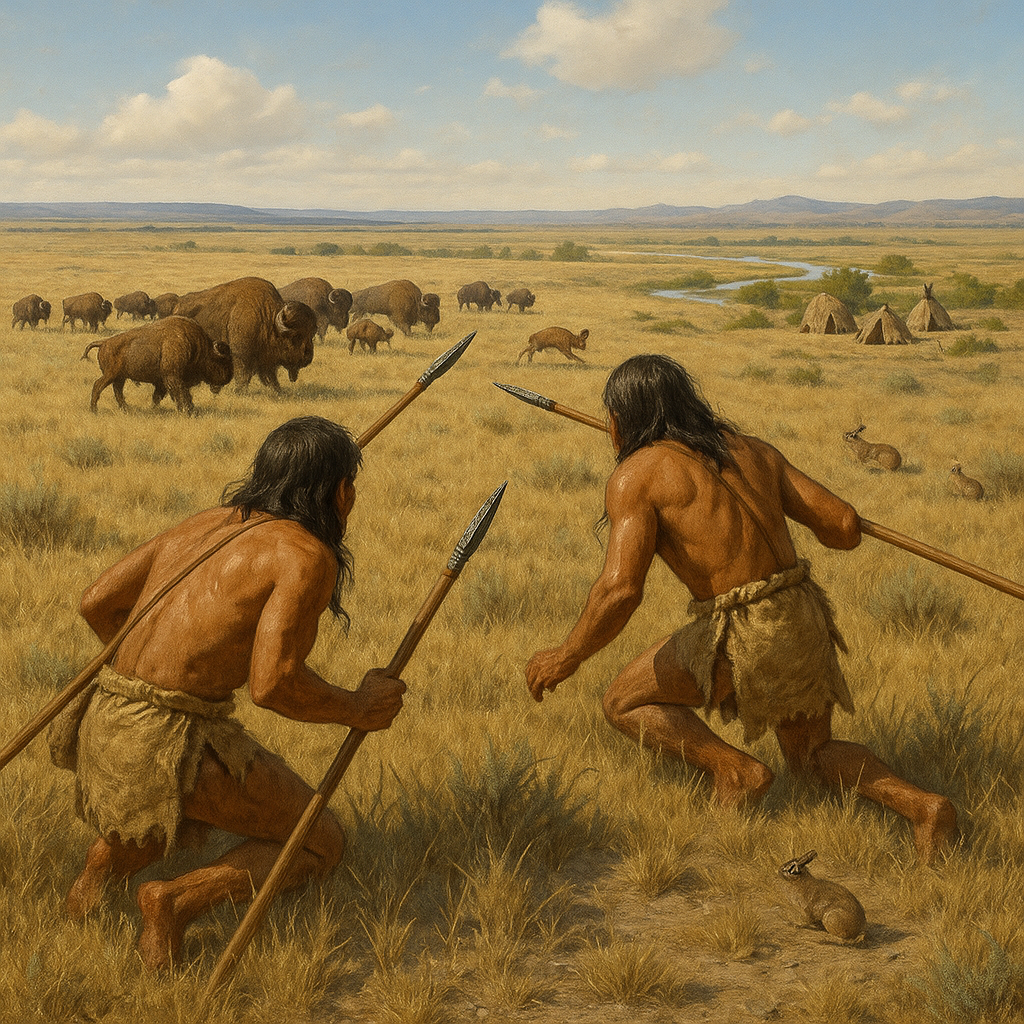
| Mesolithic North America | Folsom culture in Plains; diversified hunter-gatherer strategies; post-Clovis regional traditions solidify; large mammals already extinct; coastal entry routes fully opened. |
| Mesolithic Oceania | Stable foraging societies; Papuan highlands show early horticulture of yams and taro soon after 8,000 BC; rising sea levels reshape Australian coastline. |
| Mesolithic Persia | Early herding of goats and sheep becomes standard in Zagros; shift from purely foraging to mixed pastoralism; early settled sites like Ganj Dareh emerging. |
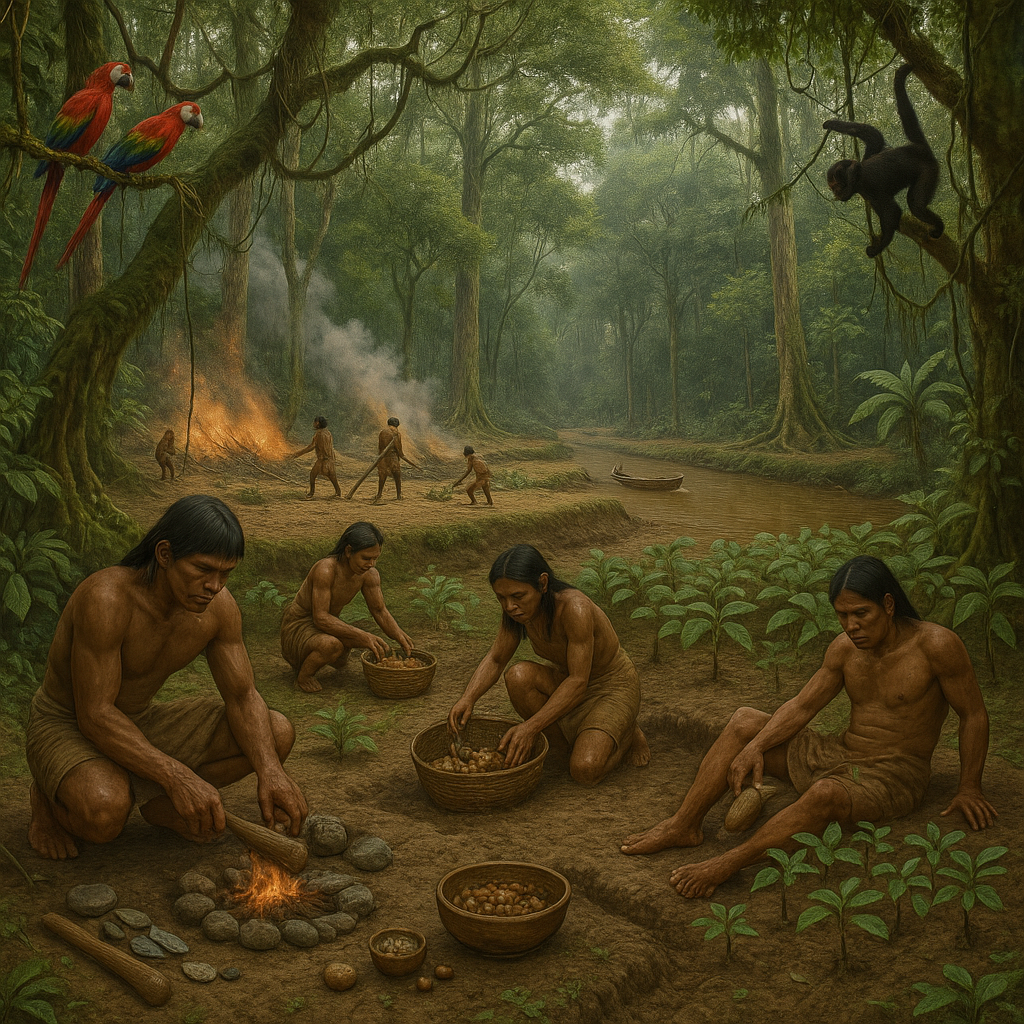
| Mesolithic South America | Intensification of diverse foraging strategies; early plant management in Andes foothills and Amazon fringe; regional cultures diverge after megafauna extinction. |
| Mesolithic Western Europe | Mesolithic fully established; dense forests cover most of Europe; microlithic toolsets dominate; coastal and riverine economies take over as post-glacial sea levels rise significantly. |
4,500 BC – Snapshot
| Terra Avita Region and Era Name Link | Event Description |
|---|---|
| Neolithic Africa (beyond the Nile) | Sahara still green but drying begins; pastoralism spreads widely through eastern and central Sahara; cattle-based societies form; rock art prolific. |
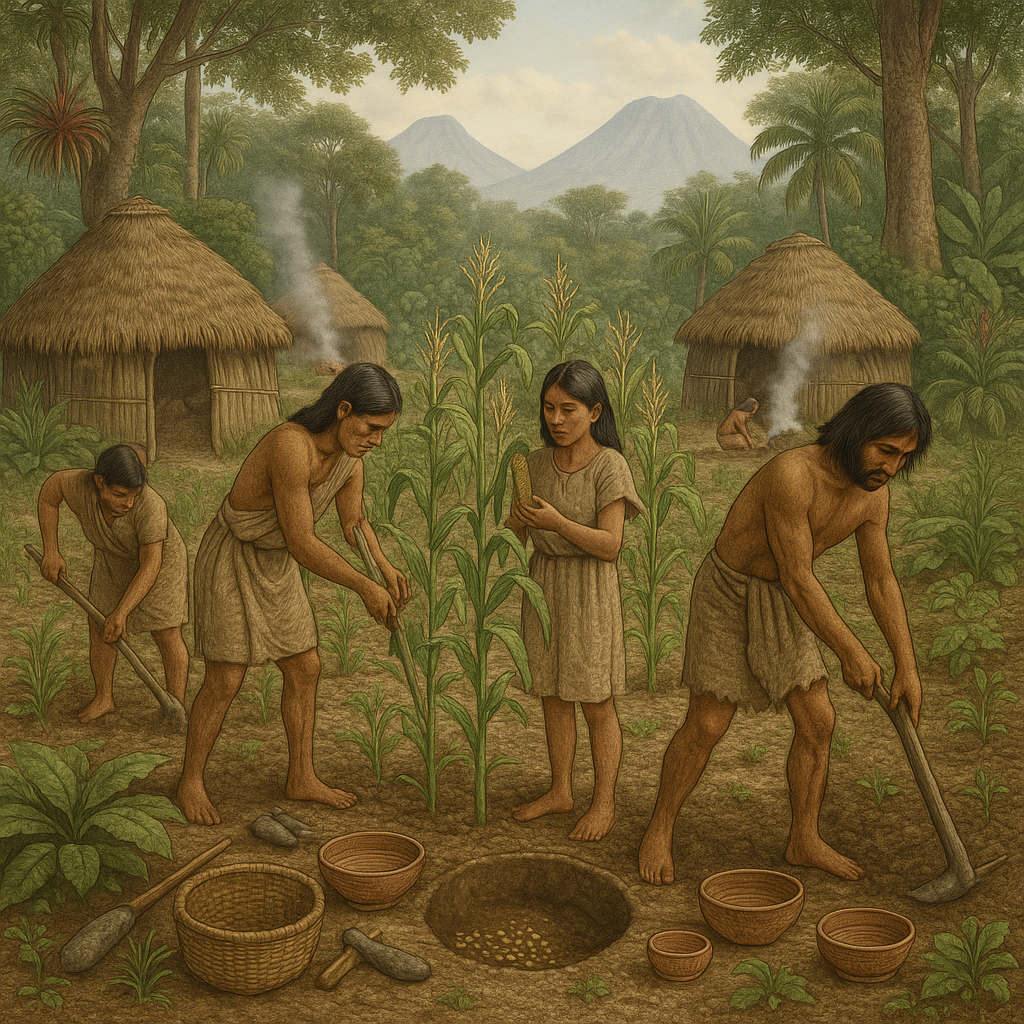
| Neolithic Central America | Early domestication centers forming; proto-maize emerging in southwestern Mexico; small sedentary villages appear shortly after this window. |
| Neolithic China (East Asia) | Neolithic cultures split into regional clusters: Yangshao in the north (millet agriculture, painted pottery) and Hemudu in the south (early rice-based village systems). |
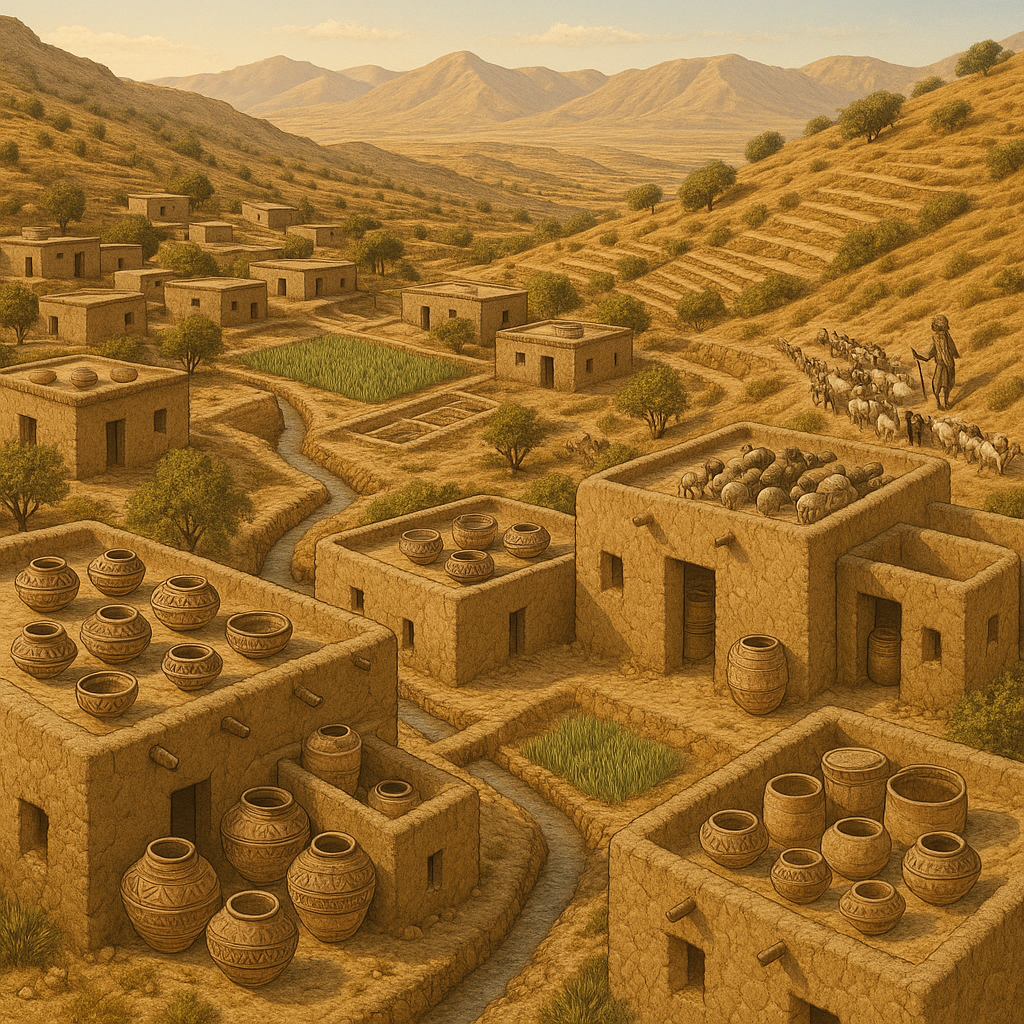
| Neolithic Eastern Mediterranean | Late Neolithic and early Chalcolithic; large village complexes (Çatalhöyük waning, Jericho evolving); copper use rises; first proto-urban social stratification begins. |
| Neolithic Egypt | Badarian culture near its start (circa 4400 BC); early agriculture along the Nile; fine pottery, cattle pastoralism, and grave goods show rising social complexity. |
| Neolithic India and Central Asia | Mehrgarh Phase III in Baluchistan; established agriculture (wheat/barley), domesticated cattle, and large mud-brick villages; craft specialization increases. |
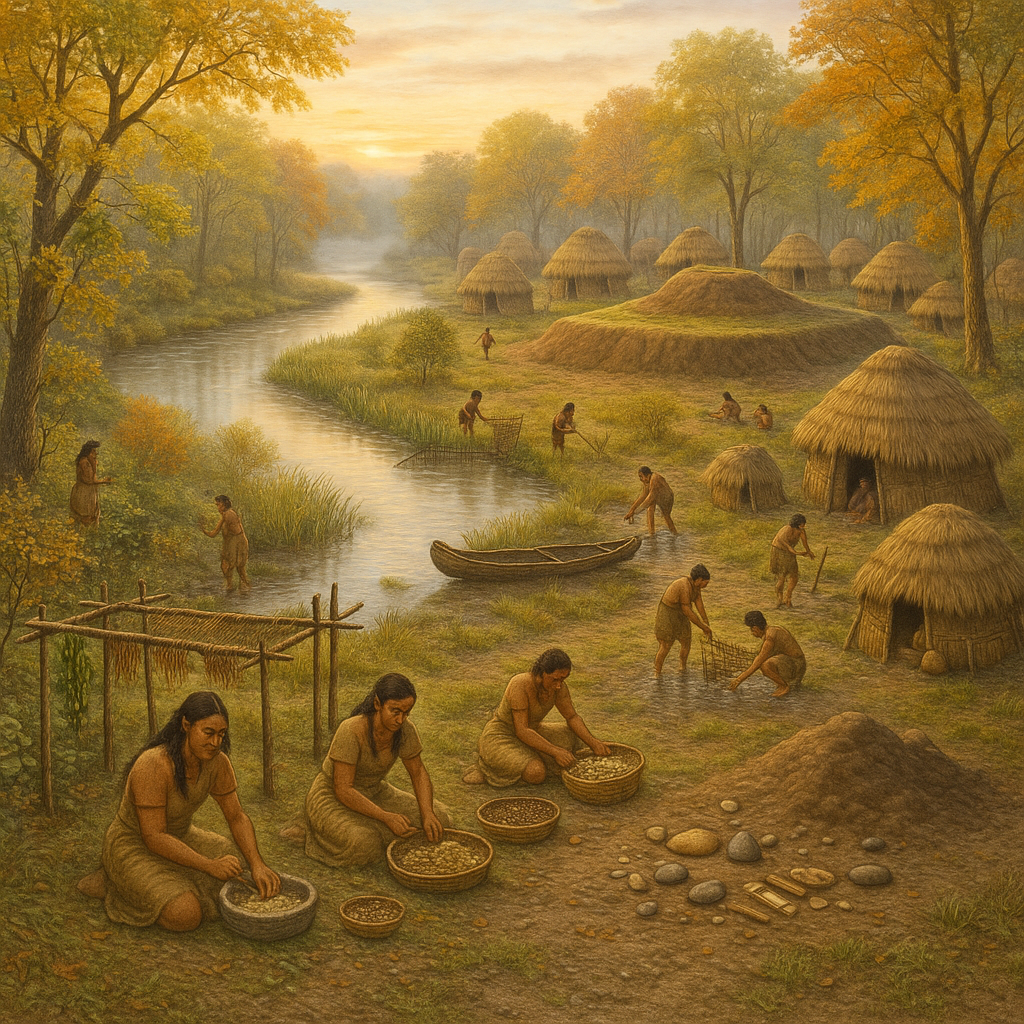
| Neolithic North America | Late Archaic in many regions; broad-spectrum foraging; mound traditions beginning in Southeast U.S.; early plant domestication (sunflower, goosefoot) in eastern woodlands. |
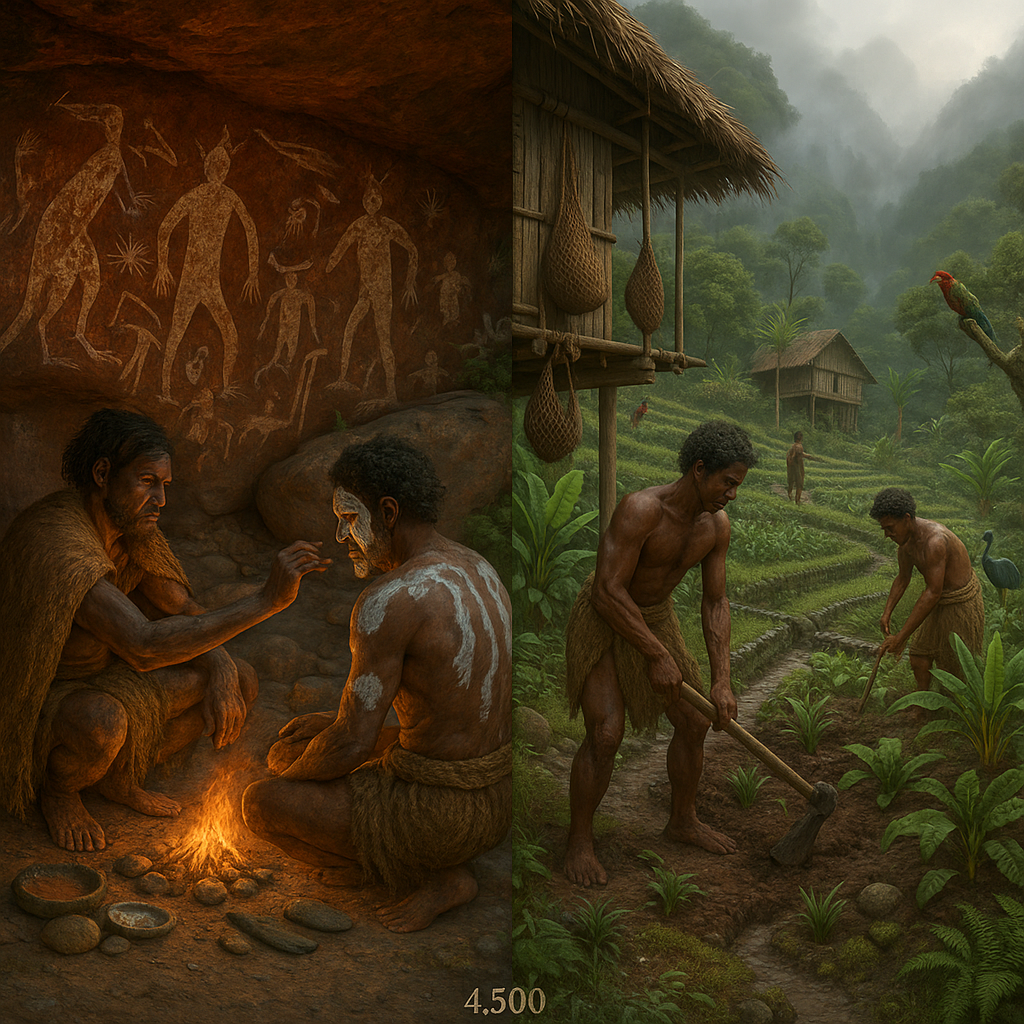
| Neolithic Oceania | Australia remains forager-based; rich ritual cultures and rock art; Tasmania isolated by rising seas; New Guinea shows developed horticulture (taro, yam), early drainage systems. |
| Neolithic Persia | Chalcolithic Iran emerges; settlements in Zagros and Iranian Plateau grow; early irrigation and painted pottery cultures (e.g., Ubaid influence toward west, local developments in east). |
| Neolithic South America | Early agriculture begins in some regions (Andean potato and quinoa precursors, coastal Peru horticulture); widespread maritime foraging along Pacific coast. |
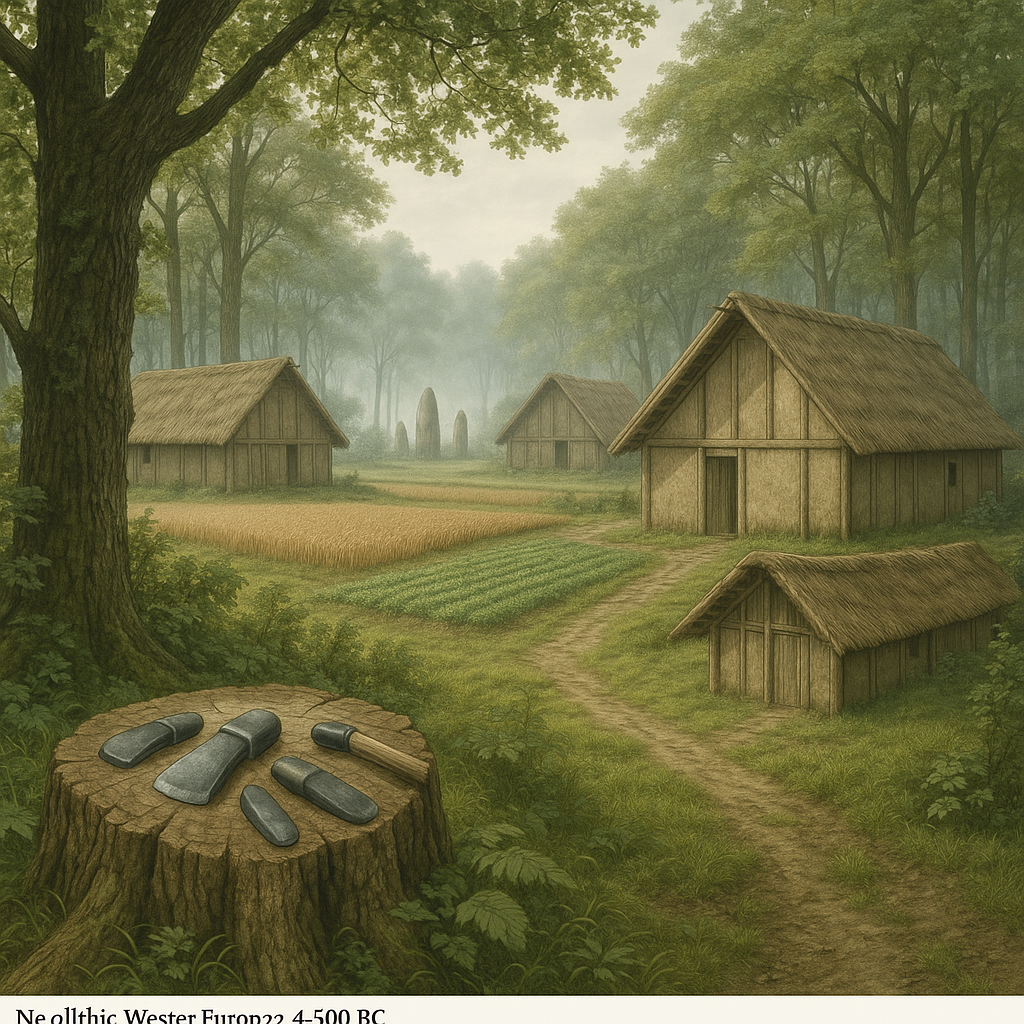
| Neolithic Western Europe | Fully Neolithic across most of Europe; farming communities spread from Danube and Mediterranean; Megalithic traditions begin forming in Atlantic Europe; polished stone tools common. |