(10,000 BC – 8,000 BC)
 Mesolithic
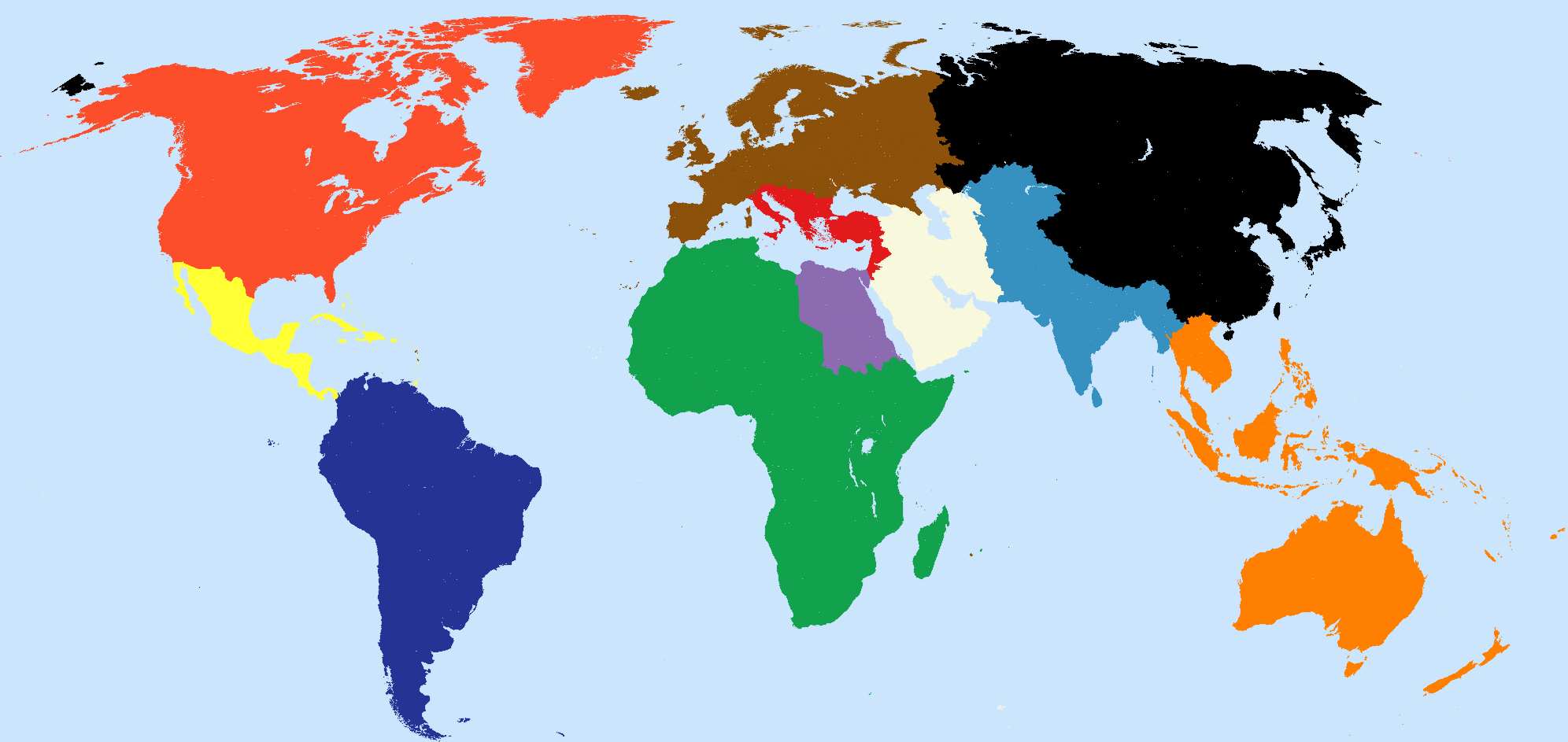
Western Europe Mesolithic
Eastern Mediterranean Mesolithic Persia Mesolithic Egypt Mesolithic Africa
(beyond the Nile) Mesolithic India
& Central Asia Mesolithic China
(East Asia) Mesolithic Oceania Mesolithic
North America Mesolithic
Central America Mesolithic
South America
| Terra Avita Region and Era Name Link | Representative Cultures | Major Cities / Centers | Major Events |
|---|---|---|---|
| Mesolithic Western Europe | Maglemosian, Azilian, Sauveterrian, Tardenoisian | Star Carr (England), Téviec (France) | Post-glacial resettlement; microlithic tool industries; expansion of forest ecologies |
| Mesolithic Eastern Mediterranean | Natufian (late), Khiamian, Mureybit, Abu Hureyra | Jericho (Tell es-Sultan), Mureybit, Ain Mallaha | First permanent villages; cereal cultivation beginnings; proto-domestication of animals |
| Mesolithic Persia | Zarzian (late), Karim Shahirian, Belt Cave | Belt and Hotu Caves (Caspian region), Karim Shahir | Early herding and plant use; adaptation to changing post-Ice Age climates |
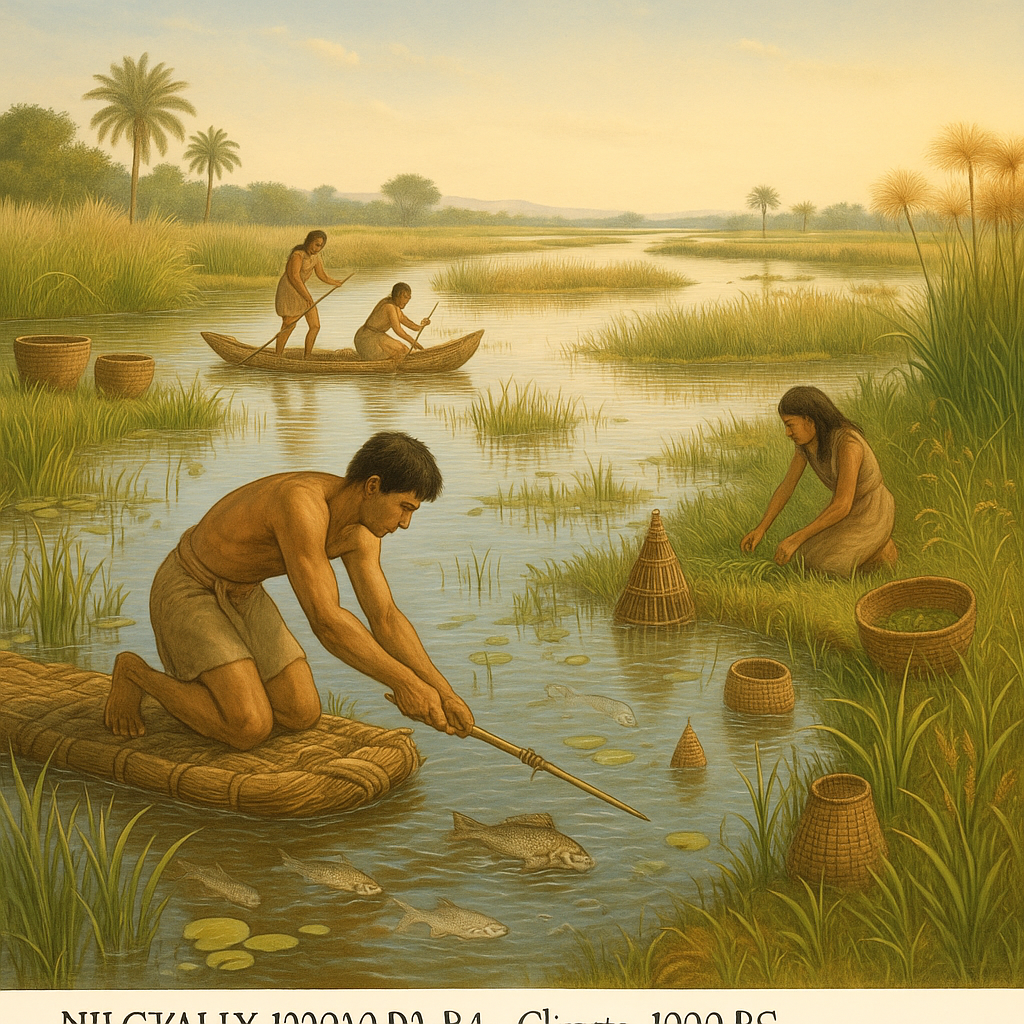
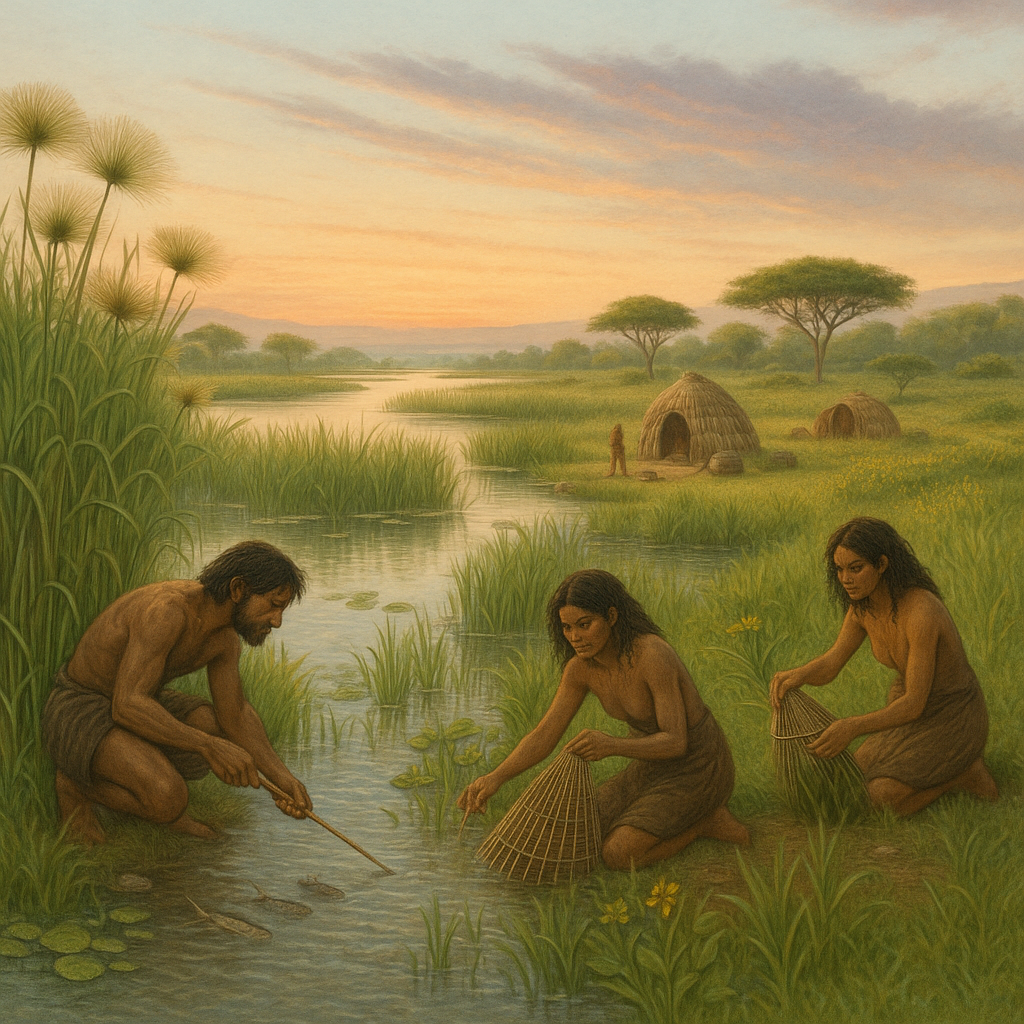
| Mesolithic Egypt | Qarunian (Faiyum A), Elkabian, Sebilian | Fayum Basin, Wadi Kubbaniya | Development of fishing and water-based economies along Nile oases |
| Mesolithic Africa (beyond the Nile) | Wilton, Capsian, Lupemban (late) | Tsodilo Hills, Taforalt Cave, Border Cave | Intensification of foraging; symbolic burials; rock art proliferation |
| Mesolithic India and Central Asia | Bagor, Langhnaj, Damdama, Sarai Nahar Rai | Bagor (Rajasthan), Langhnaj (Gujarat), Damdama (Ganges plain) | Early sedentary camps; microlithic industries; shift to mixed hunting–gathering–herding |
| Mesolithic China (East Asia) | Peiligang (proto-Neolithic), Nanzhuangtou, Yuchanyan | Nanzhuangtou, Yuchanyan Cave | Beginnings of millet and rice cultivation; pottery emergence; dog domestication |
| Mesolithic Oceania | Papuan Highlands, Early Australian Holocene Cultures | Kuk Swamp (Papua), Lake Mungo | Early horticulture in New Guinea; coastal adaptation and art continuity in Australia |
| Mesolithic North America | Archaic horizon (early), Dalton, San Dieguito | Koster Site (Illinois), Windover (Florida) | Transition from Paleo-Indian to Archaic; regional diversification; wetland settlements |
| Mesolithic Central America | Preceramic Foragers, Los Tapiales, Los Grifos | Los Tapiales (Guatemala), Valsequillo (Mexico) | Expansion of tropical foraging networks; precursor to maize domestication |
| Mesolithic South America | Umbu, Lagoa Santa (late), Ayampitín | Pedra Furada, Lagoa Santa (Brazil), Ayampitín (Argentina) | Specialized toolkits; early plant exploitation; continuity of cave habitation |

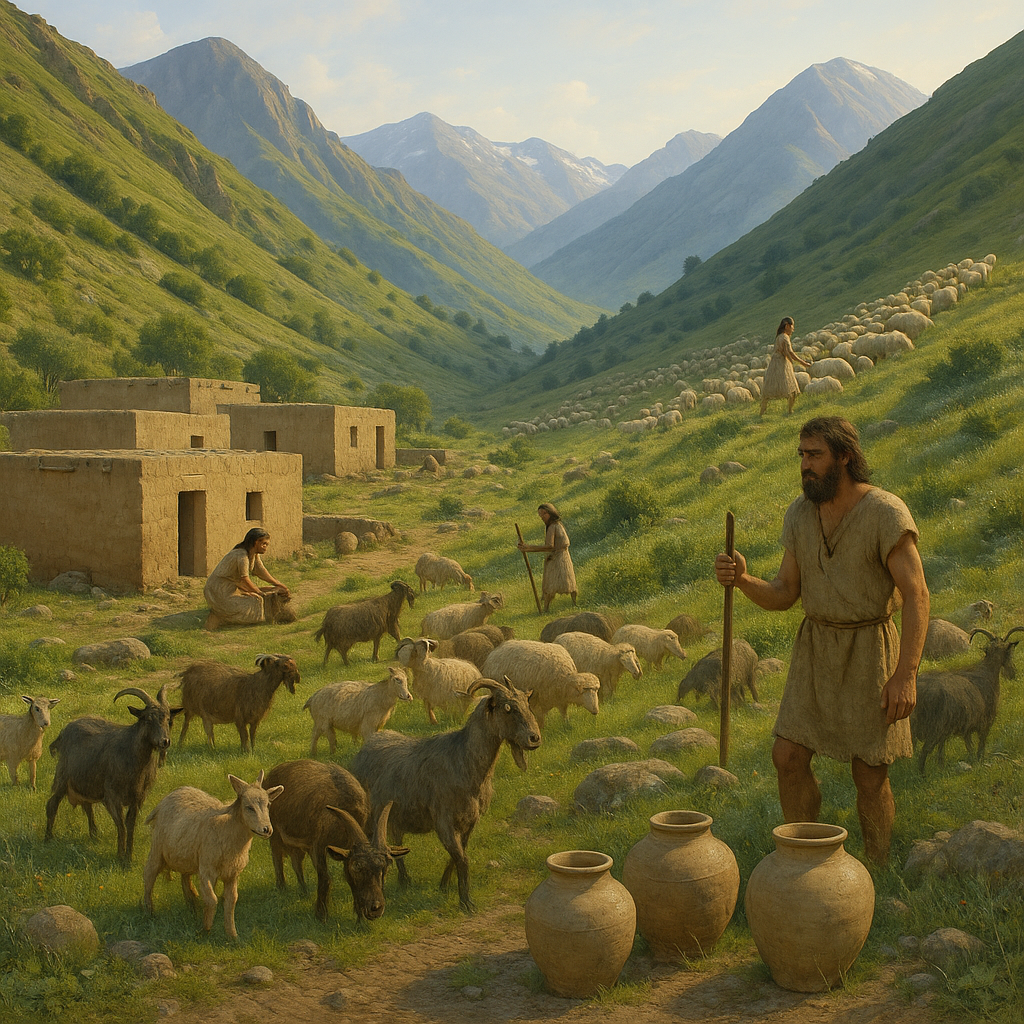
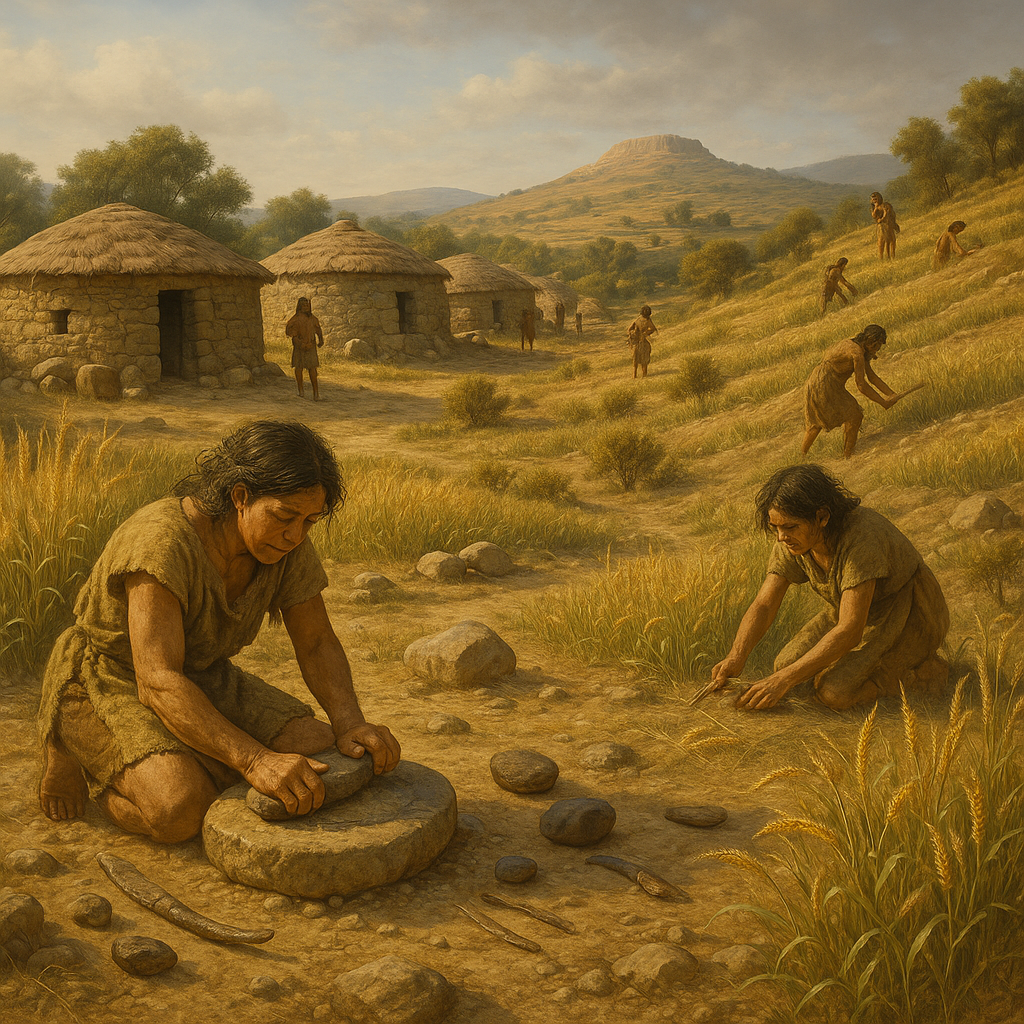
10,000 BC – Snapshot
| Terra Avita Region and Era Name Link | Event Description |
|---|---|
| Mesolithic Africa (beyond the Nile) | Widespread microlithic complexes across the continent; foragers adapt to greener Sahara; regional population expansions after glacial retreat. |
| Mesolithic Central America | Earliest foragers settle tropical lowlands; initial plant–human interactions begin (wild gourds, squashes); coastal adaptation strengthens with warmer climate. |
| Mesolithic China (East Asia) | Transition into early Holocene pottery cultures (Xianrendong and Yuchanyan slightly earlier but influencing the period); experimentation with wild rice increases in southern China. |
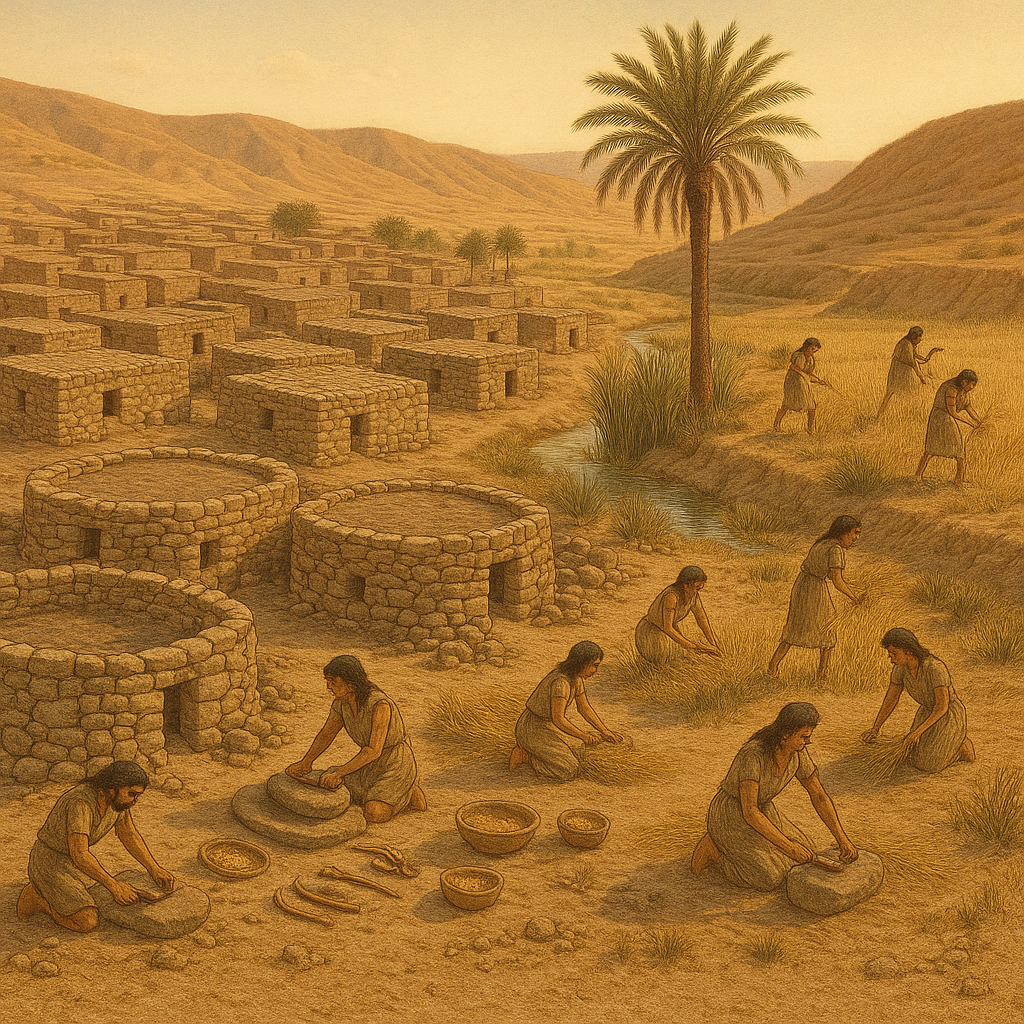
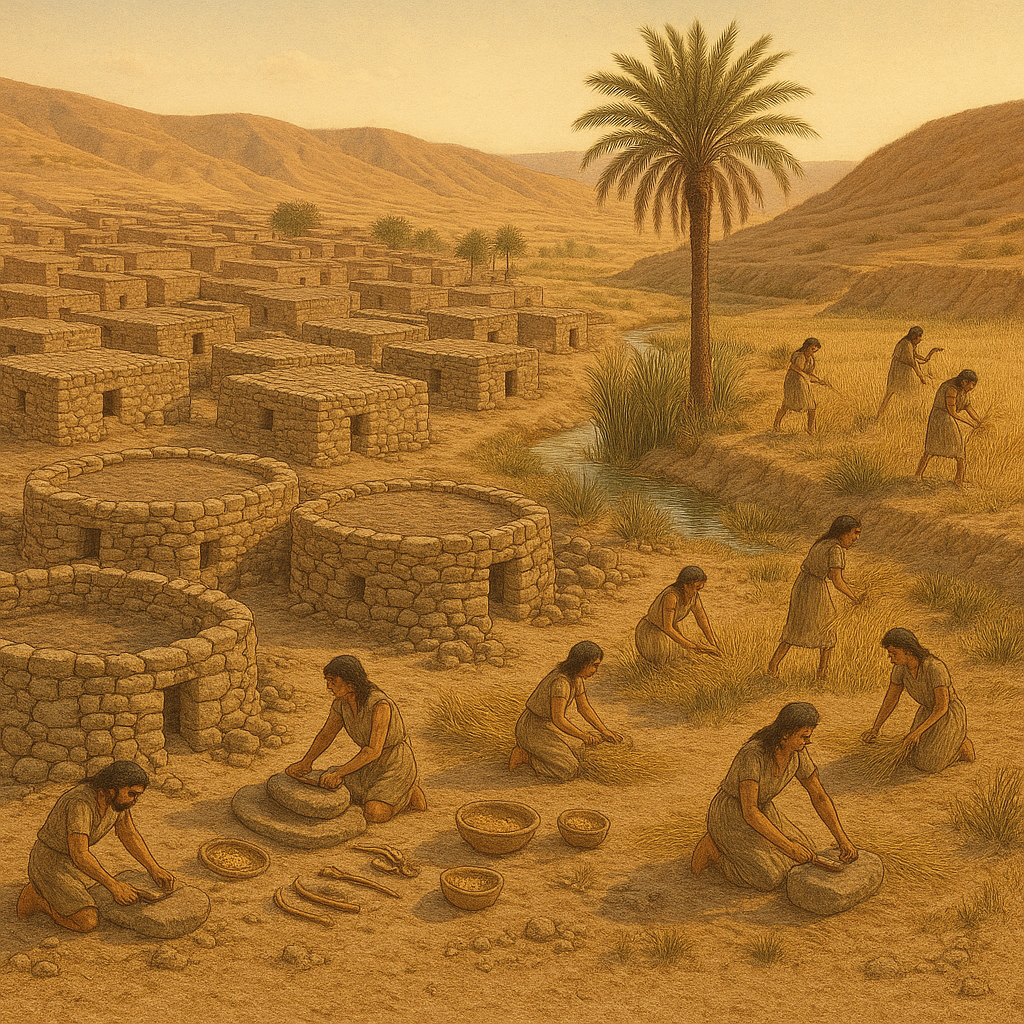
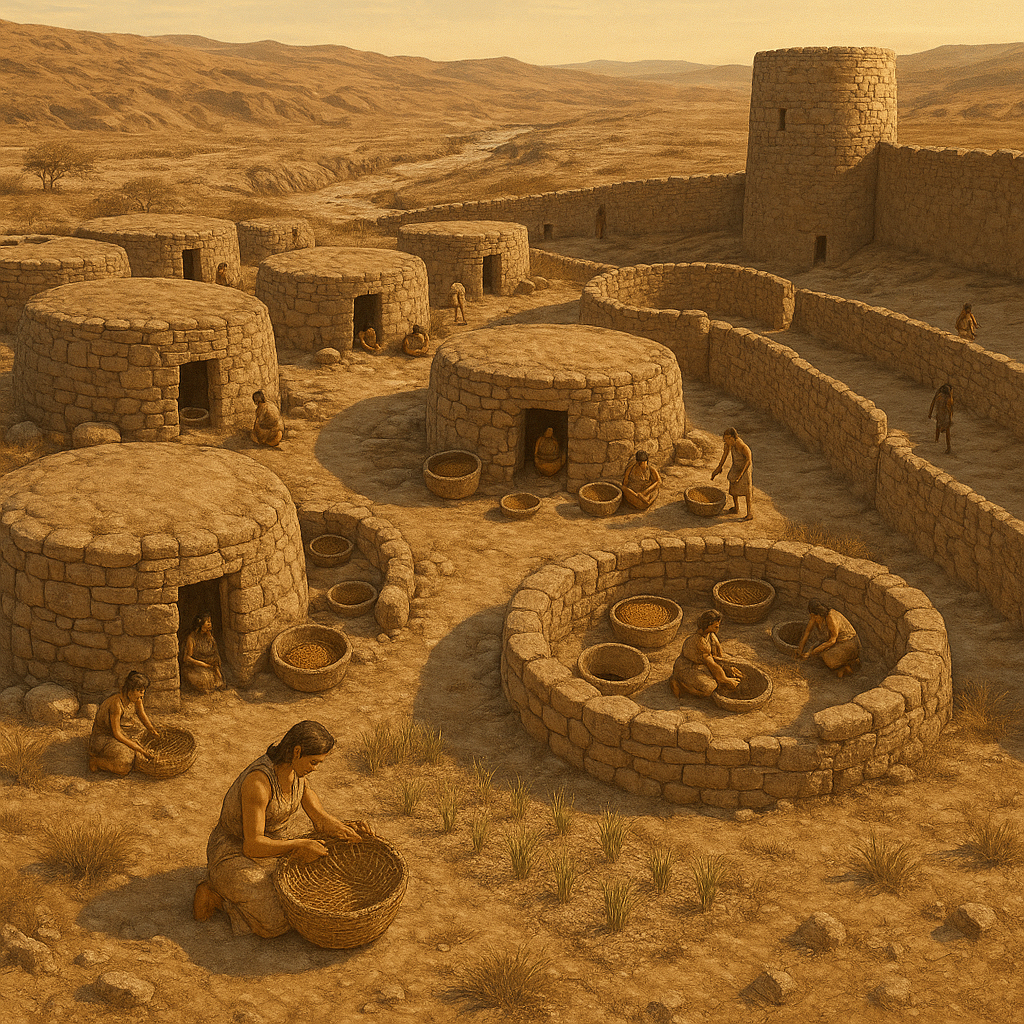
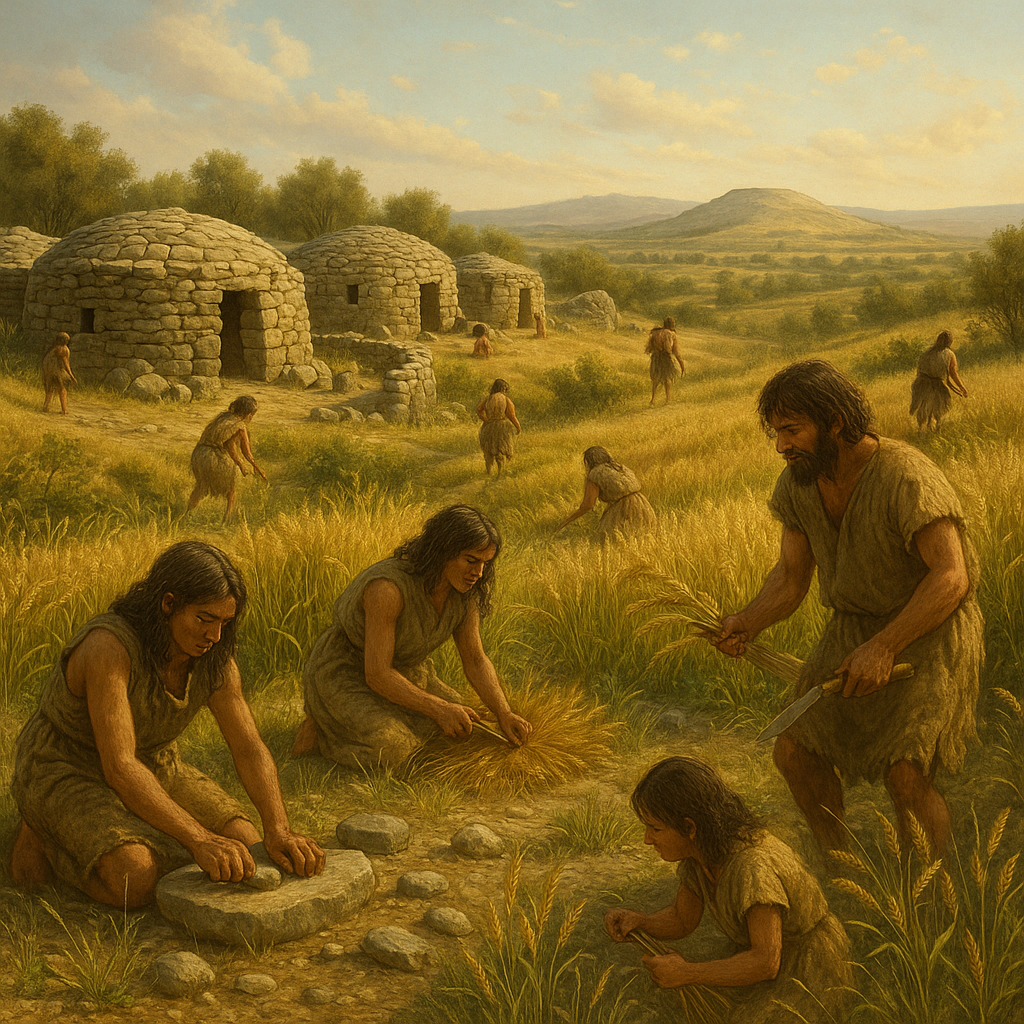
| Mesolithic Eastern Mediterranean | Natufian culture reaches full semi-sedentism; first stone houses; intensive cereal gathering; foundation for Pre-Pottery Neolithic A; Jericho begins continuous occupation. |
| Mesolithic Egypt | Nile Valley becomes a predictable foraging corridor; Wadi Kubbaniya–type camps fade; early composite tools; seasonal gathering along new wetland zones created by stabilized climate. |
| Mesolithic India and Central Asia | Late microlithic foragers occupy river valleys and upland zones; major post-glacial climate shift encourages population movement; early seed-processing technologies appear. |
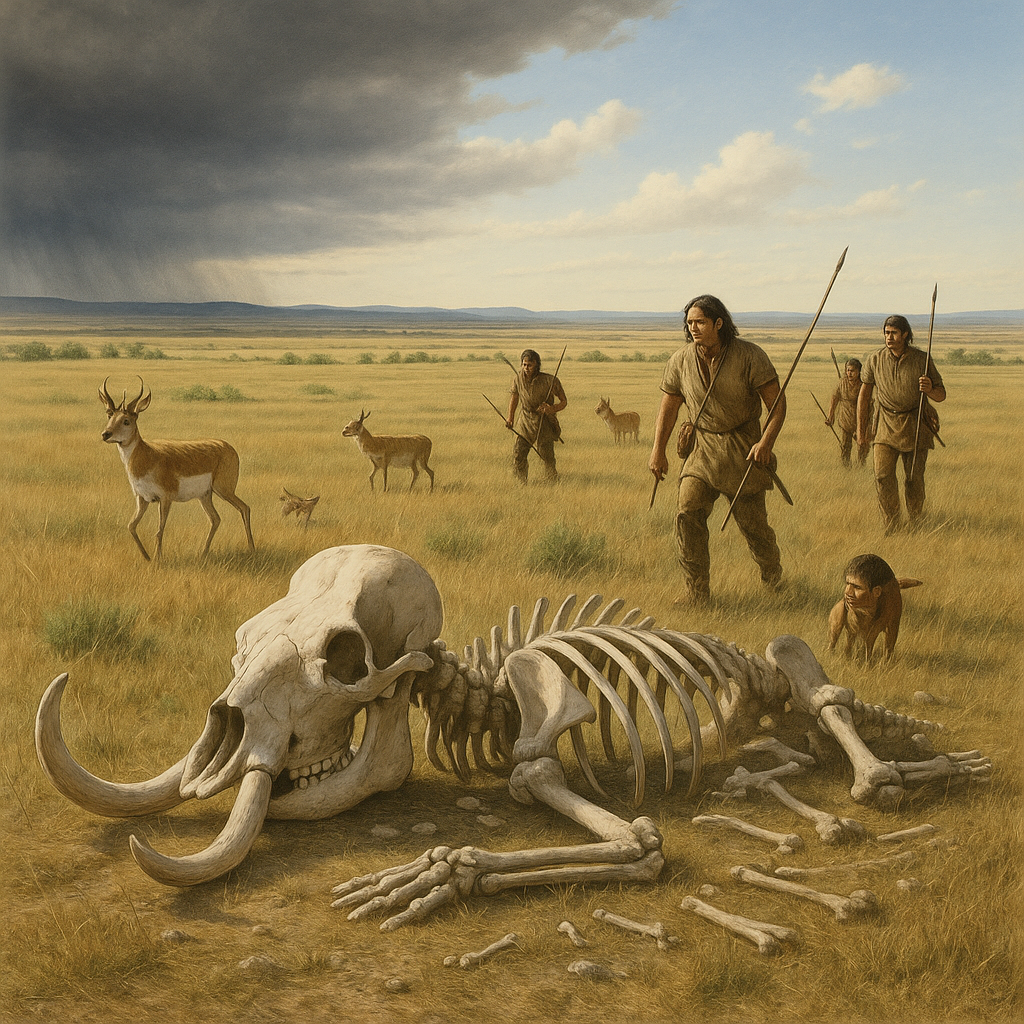
| Mesolithic North America | Clovis horizon collapses; megafauna extinctions nearly complete; regional cultural diversification begins (Folsom, Western Stemmed); widespread adaptation to new biomes. |
| Mesolithic Oceania | After megafauna extinction, populations consolidate along coasts and highlands; early plant management in New Guinea begins in the millennia immediately after this period. |
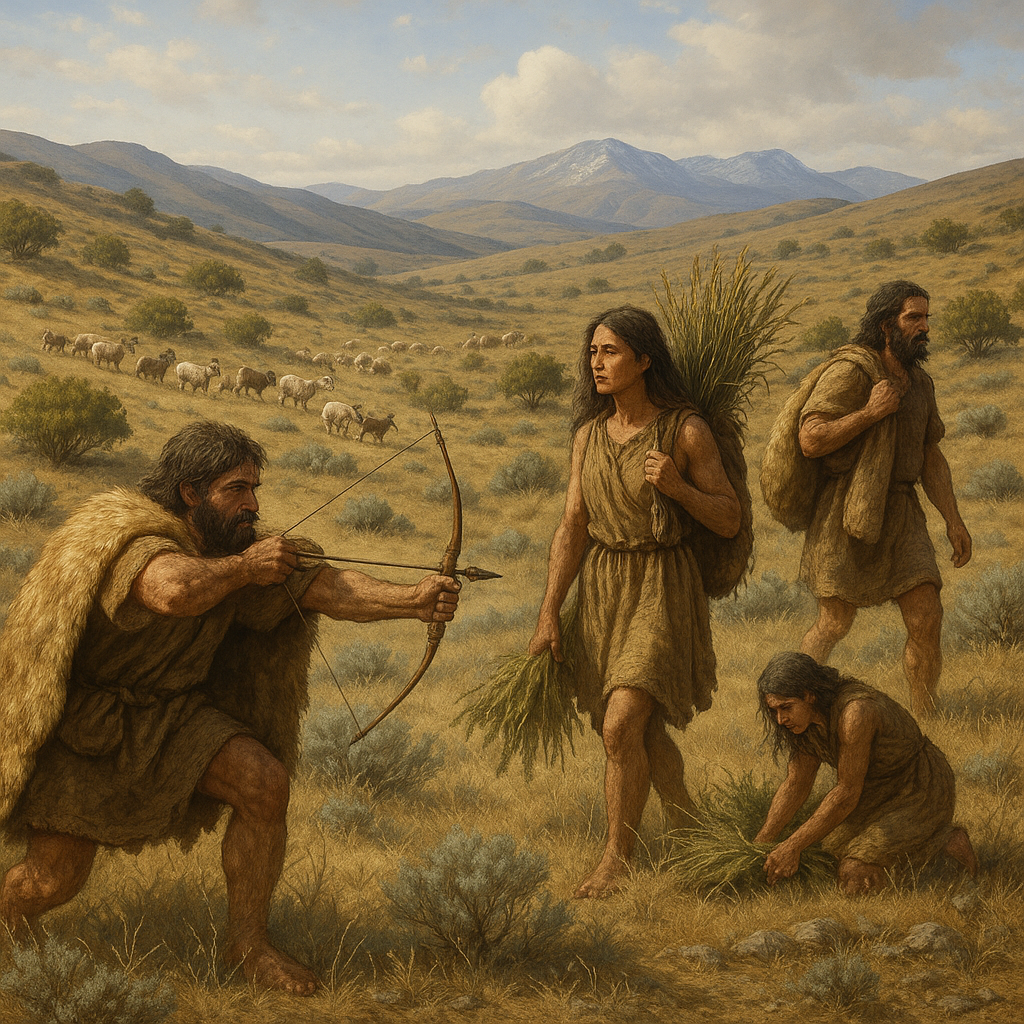
| Mesolithic Persia | Late Zarzian upland hunter-gatherers adapting to post-glacial steppe; early sheep/goat management begins shortly after; microlithic tool traditions dominate. |
| Mesolithic South America | Post–Monte Verde populations spread into Andes and southern cone; megafauna collapse; broad-spectrum hunting and gathering replaces big-game focus. |
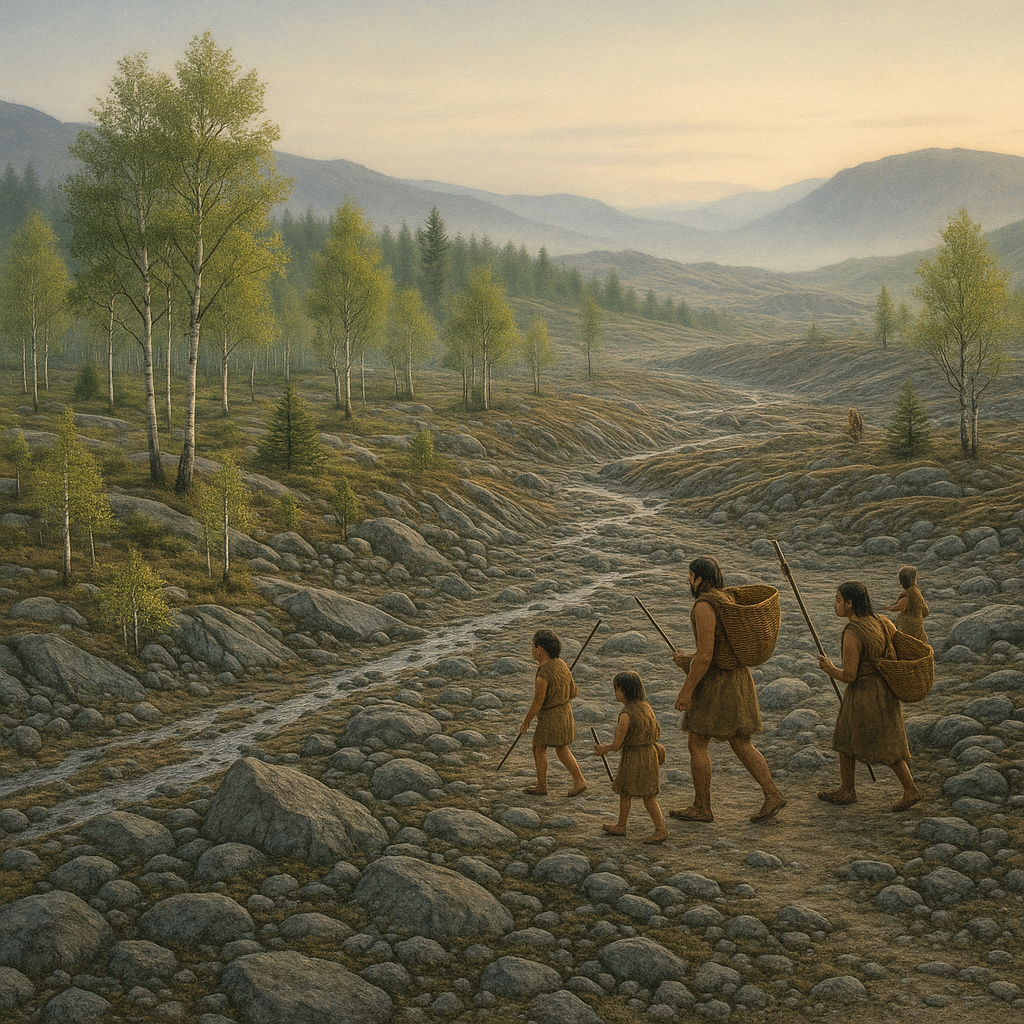
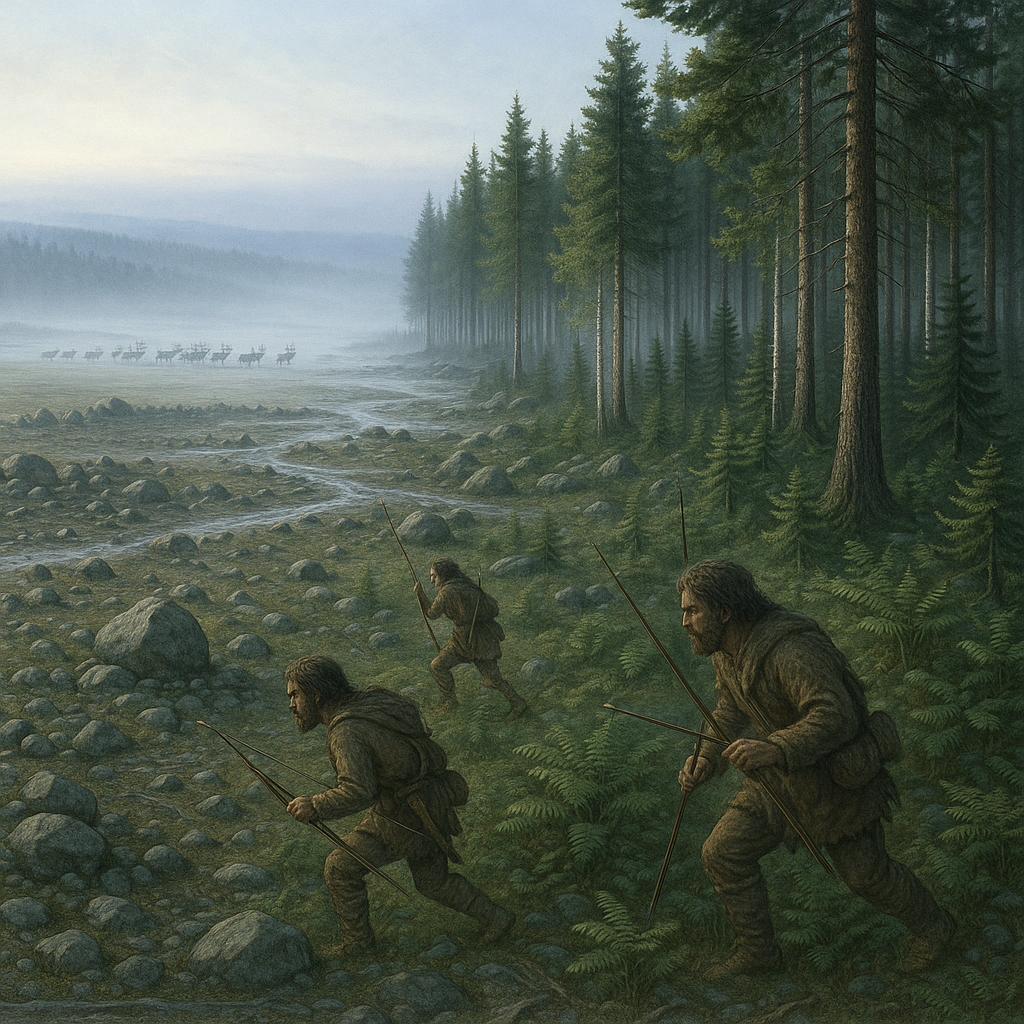
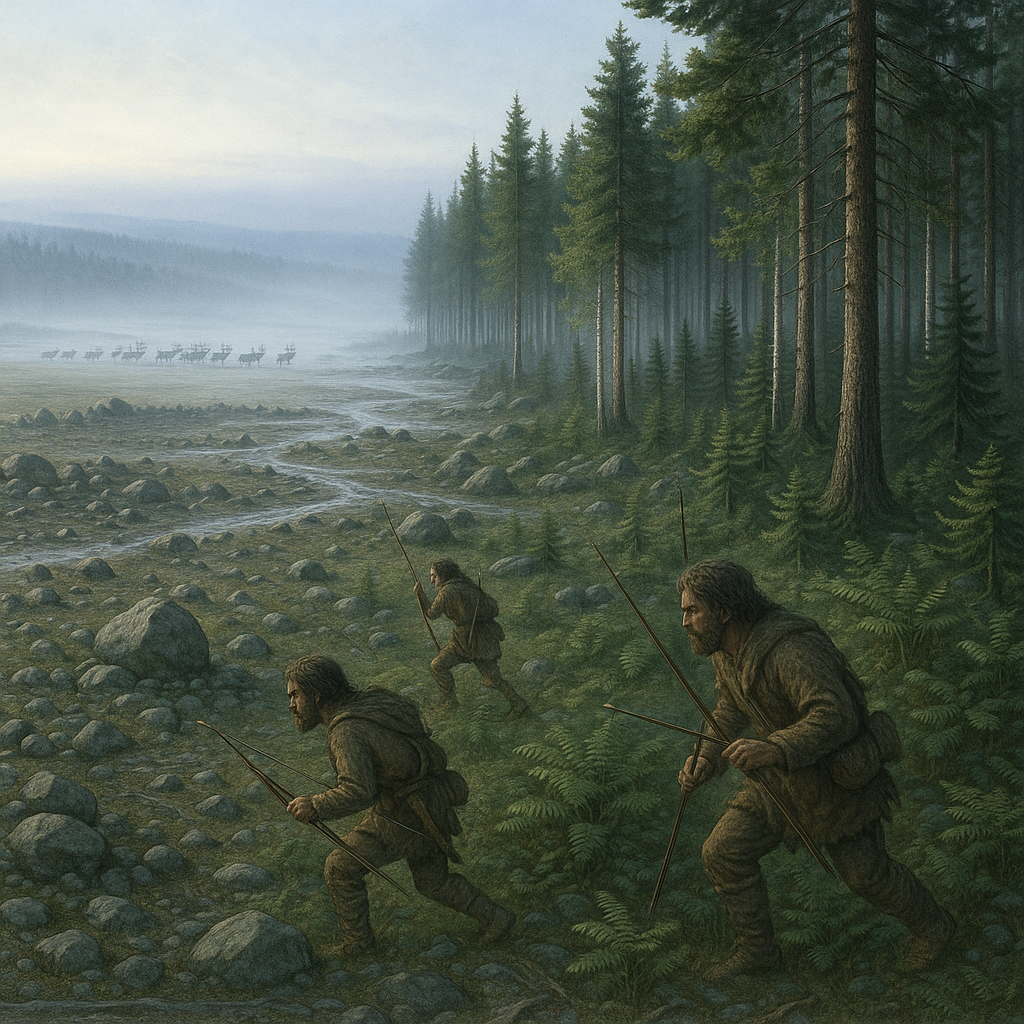
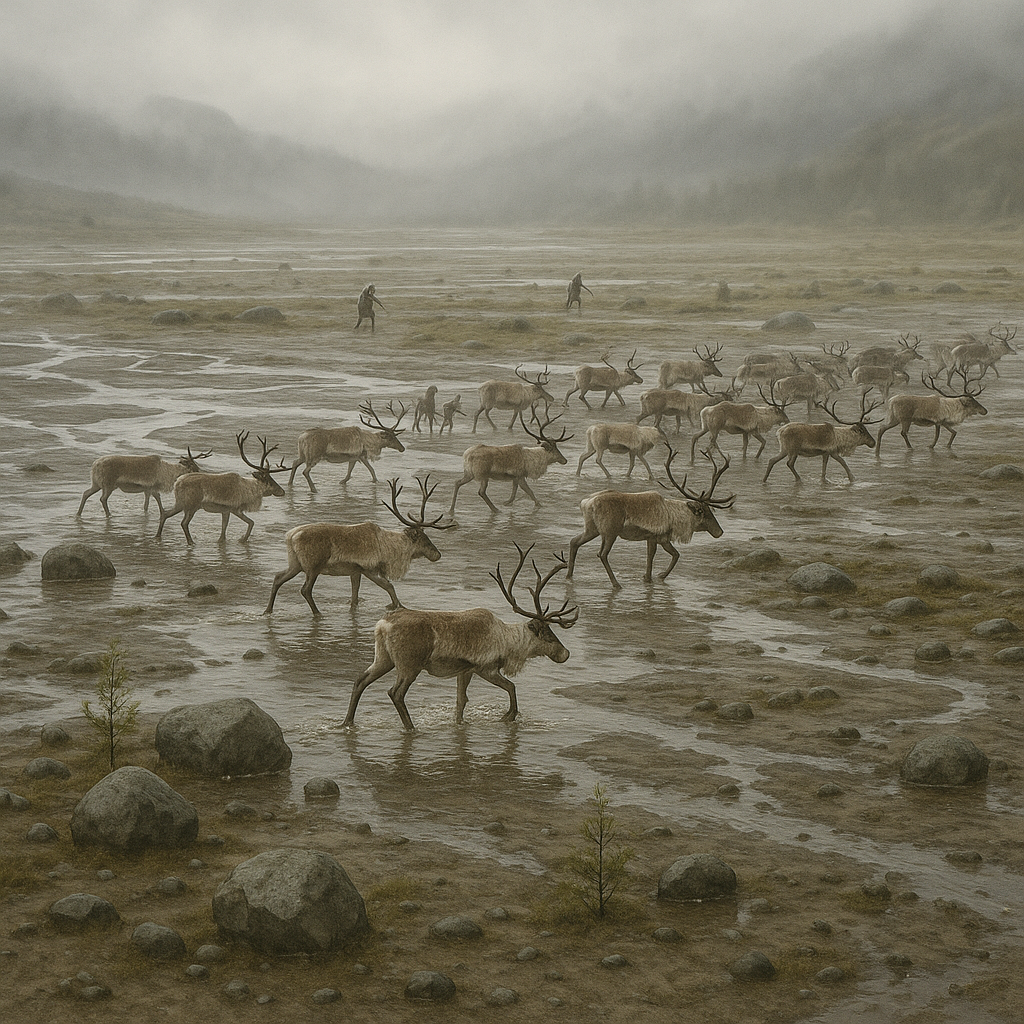
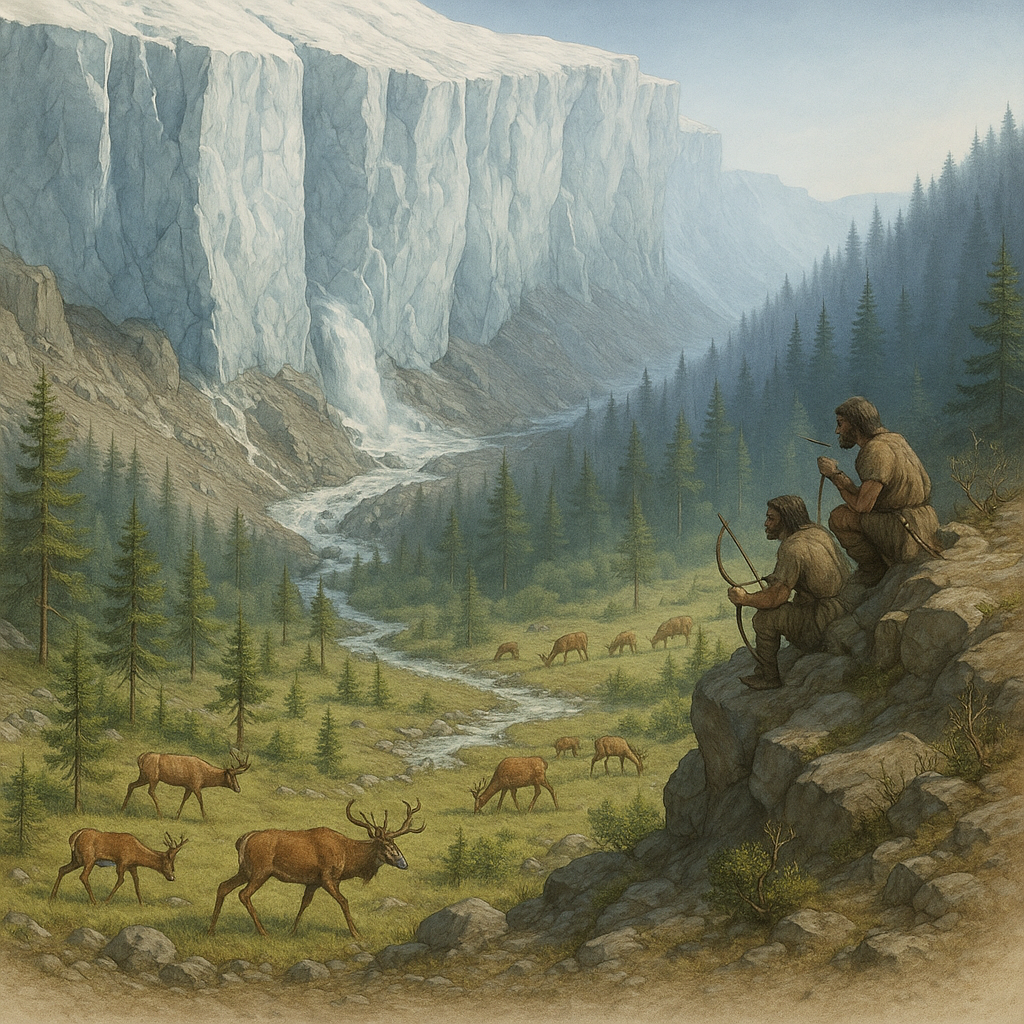
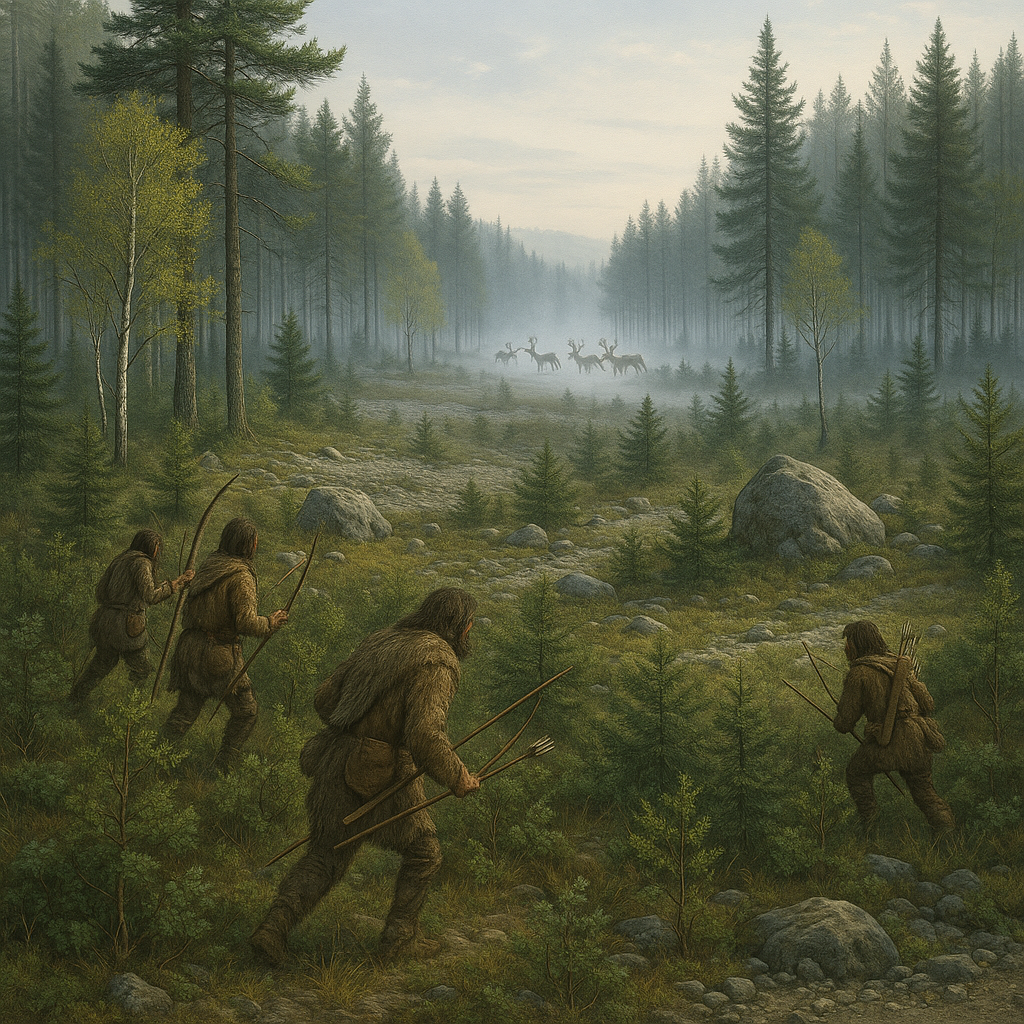
| Mesolithic Western Europe | End of the Magdalenian; ice sheets in retreat; forests spread across Europe; reindeer herds vanish from France; shift to Mesolithic hunting, fishing, and microliths. |
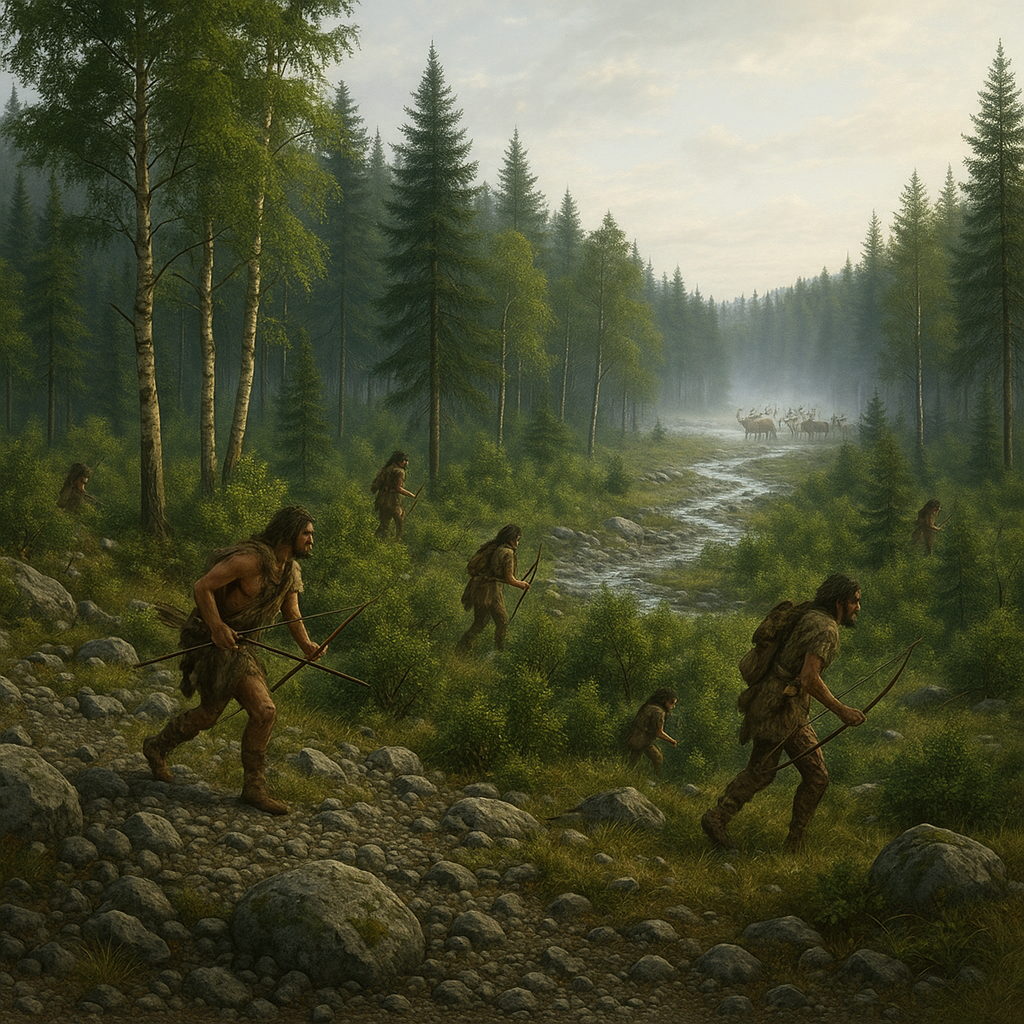
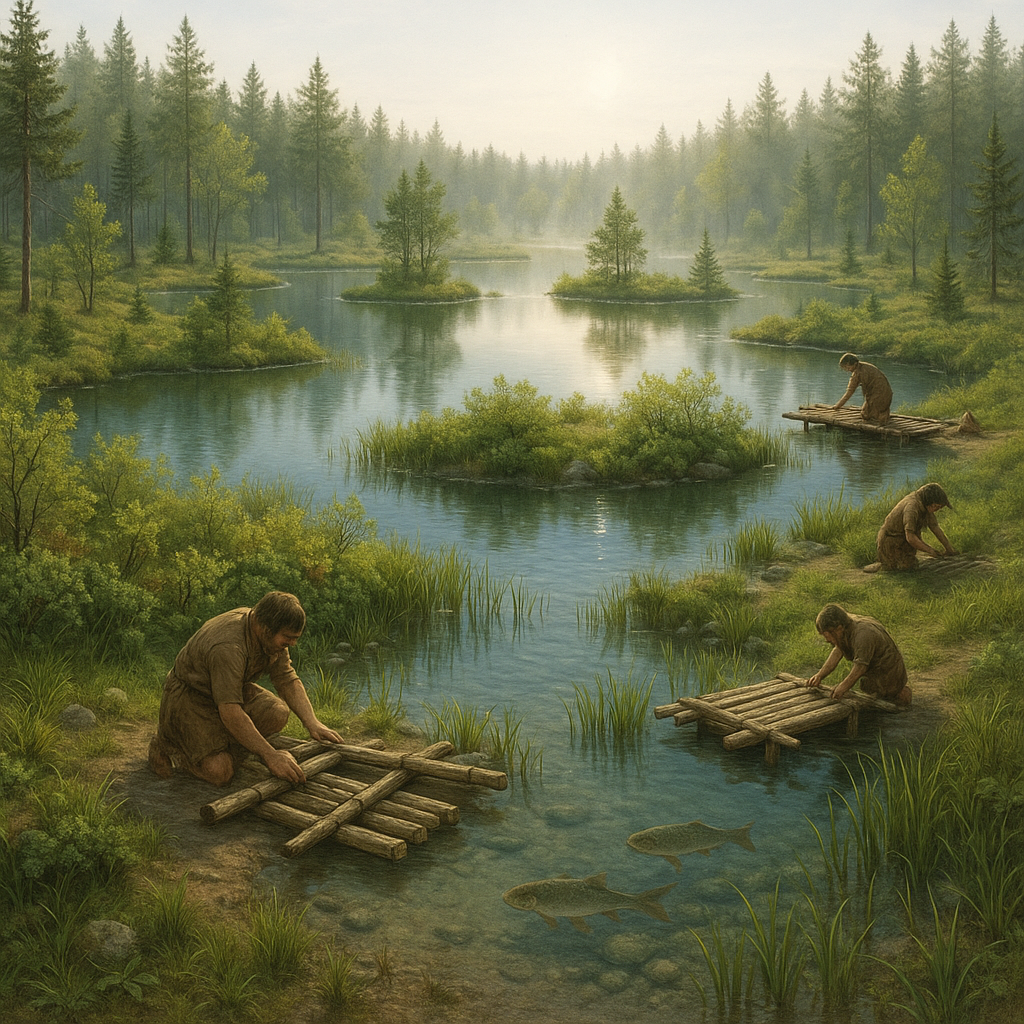
8,000 BC – Snapshot
| Terra Avita Region and Era Name Link | Event Description |
|---|---|
| Mesolithic Africa (beyond the Nile) | “Green Sahara” peak begins; large lakes and savannah corridors spread across what is now desert; pastoral roots forming in northeast Africa; microlithic cultures widespread. |
| Mesolithic Central America | Earliest clear plant domestication begins shortly after this period (squash, later maize); 8,000 BC marks deep tropical adaptation; stable foraging in highlands and coasts. |
| Mesolithic China (East Asia) | Early Neolithic villages develop in the south; pottery widespread; proto-rice cultivation expanding; northern China begins millet experimentation near this time. |
| Mesolithic Eastern Mediterranean | Pre-Pottery Neolithic A (PPNA) in full force; round stone houses; domestication of wheat, barley, and lentils underway; early communal architecture (tower and wall at Jericho). |
| Mesolithic Egypt | Nile Valley remains a forager zone; seasonal occupation continues; humid Sahara creates green corridors west of Nile; groundwork forming for Fayum Neolithic much later. |
| Mesolithic India and Central Asia | Mesolithic communities fully spread; evidence of early plant processing increases; northern regions stabilize after glacial retreat; seasonal mobility remains dominant. |
| Mesolithic North America | Folsom culture in Plains; diversified hunter-gatherer strategies; post-Clovis regional traditions solidify; large mammals already extinct; coastal entry routes fully opened. |
| Mesolithic Oceania | Stable foraging societies; Papuan highlands show early horticulture of yams and taro soon after 8,000 BC; rising sea levels reshape Australian coastline. |
| Mesolithic Persia | Early herding of goats and sheep becomes standard in Zagros; shift from purely foraging to mixed pastoralism; early settled sites like Ganj Dareh emerging. |
| Mesolithic South America | Intensification of diverse foraging strategies; early plant management in Andes foothills and Amazon fringe; regional cultures diverge after megafauna extinction. |
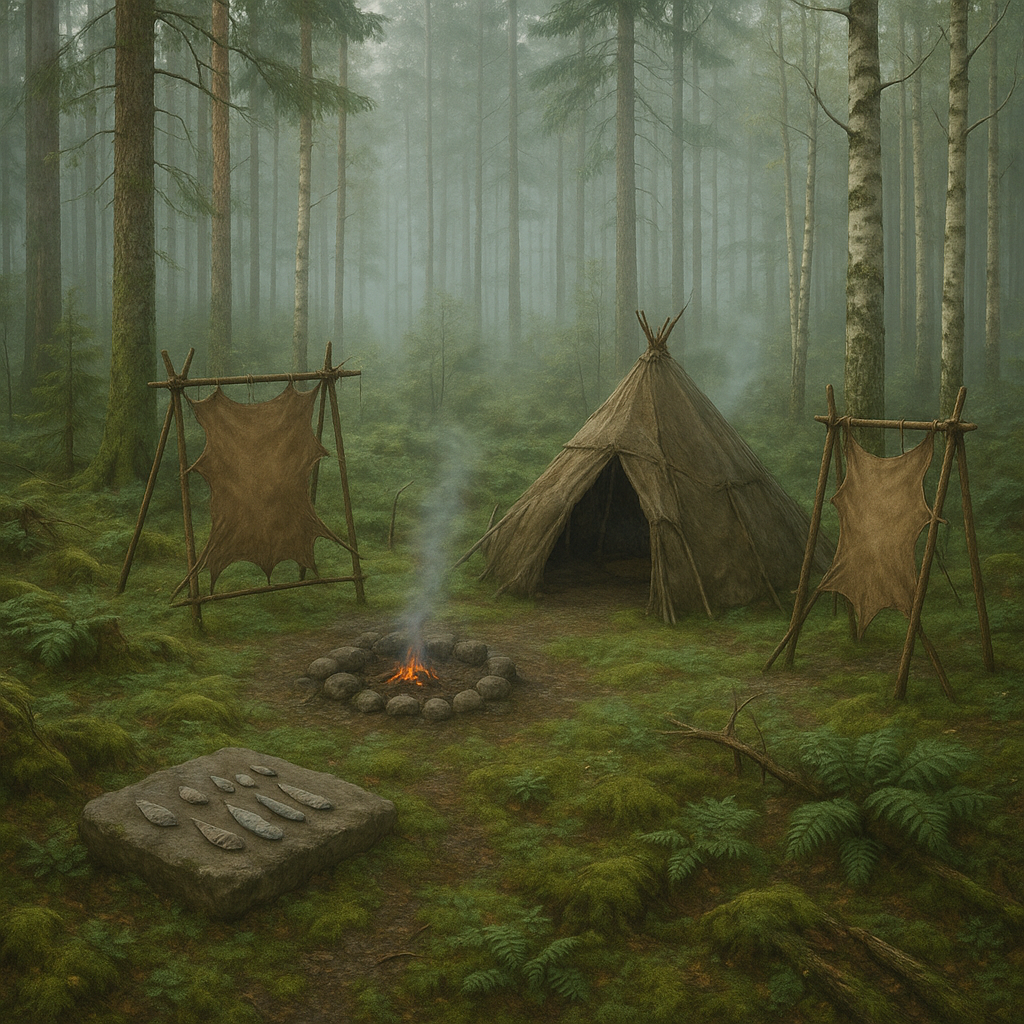
| Mesolithic Western Europe | Mesolithic fully established; dense forests cover most of Europe; microlithic toolsets dominate; coastal and riverine economies take over as post-glacial sea levels rise significantly. |