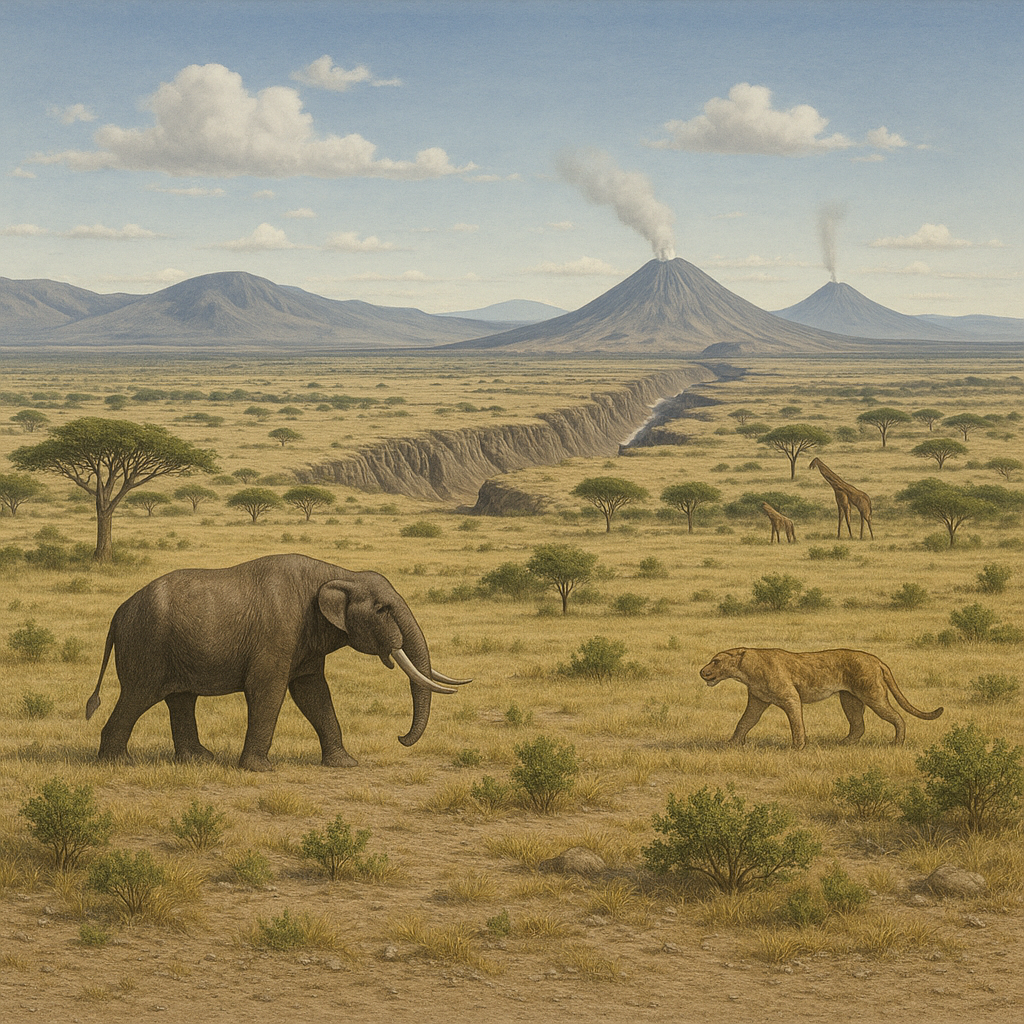
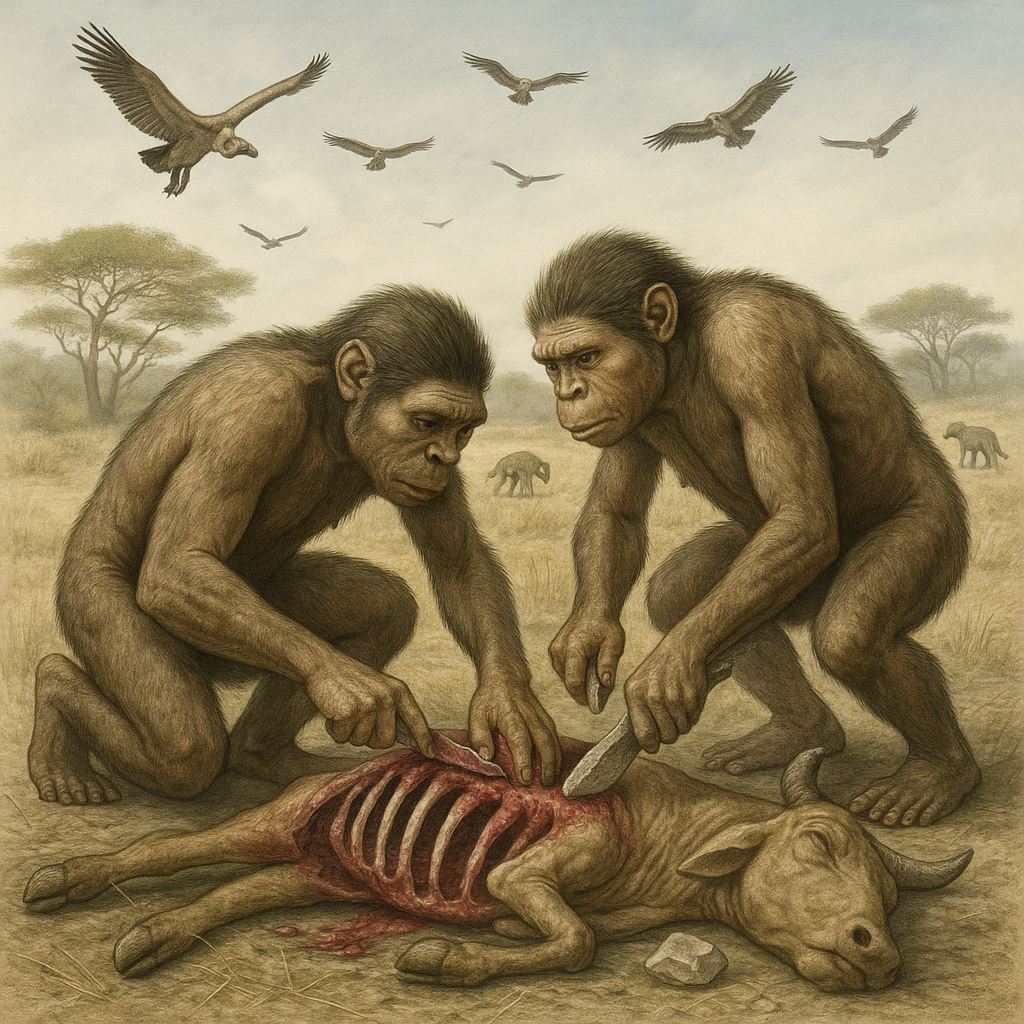
(2,500,000 BC – 10,000 BC)
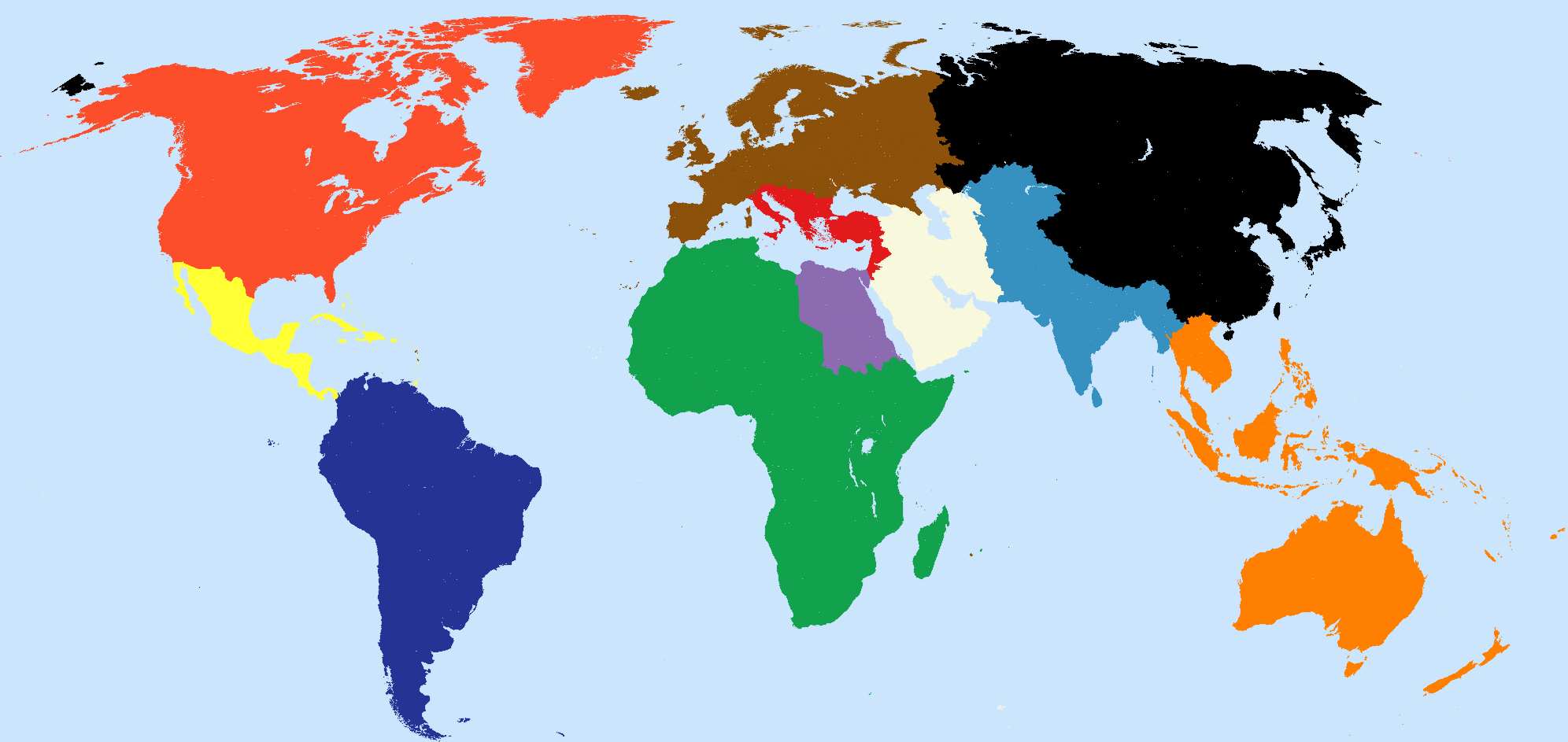 Paleolithic
Western Europe Paleolithic
Eastern Mediterranean Paleolithic Persia Paleolithic Egypt Paleolithic Africa
(beyond the Nile) Paleolithic India
& Central Asia Paleolithic China
(East Asia) Paleolithic Oceania Paleolithic
North America Paleolithic
Central America Paleolithic
South America
| Terra Avita Region and Era Name Link | Representative Cultures | Major Cities / Centers | Major Events |
|---|---|---|---|
| Paleolithic Western Europe | Acheulean, Mousterian, Aurignacian, Gravettian, Magdalenian | Lascaux, Chauvet (France); Altamira (Spain) | Emergence of cave art; Neanderthal–Cro-Magnon overlap; advanced tool use |
| Paleolithic Eastern Mediterranean | Natufian, Kebaran, Zarzian | Mount Carmel caves, Jericho (proto-settlement) | Transition to sedentism; earliest stone architecture; pre-agricultural villages |
| Paleolithic Persia | Zagros Mousterian, Baradostian, Zarzian | Shanidar Cave, Warwasi | Neanderthal burials; early symbolic behavior; mountain adaptation |
| Paleolithic Egypt | Nile Valley Early Paleolithic, Khormusan, Halfan | Wadi Kubbaniya, Kom Ombo | Early use of Nile floodplain; blade industries; seasonal foraging |
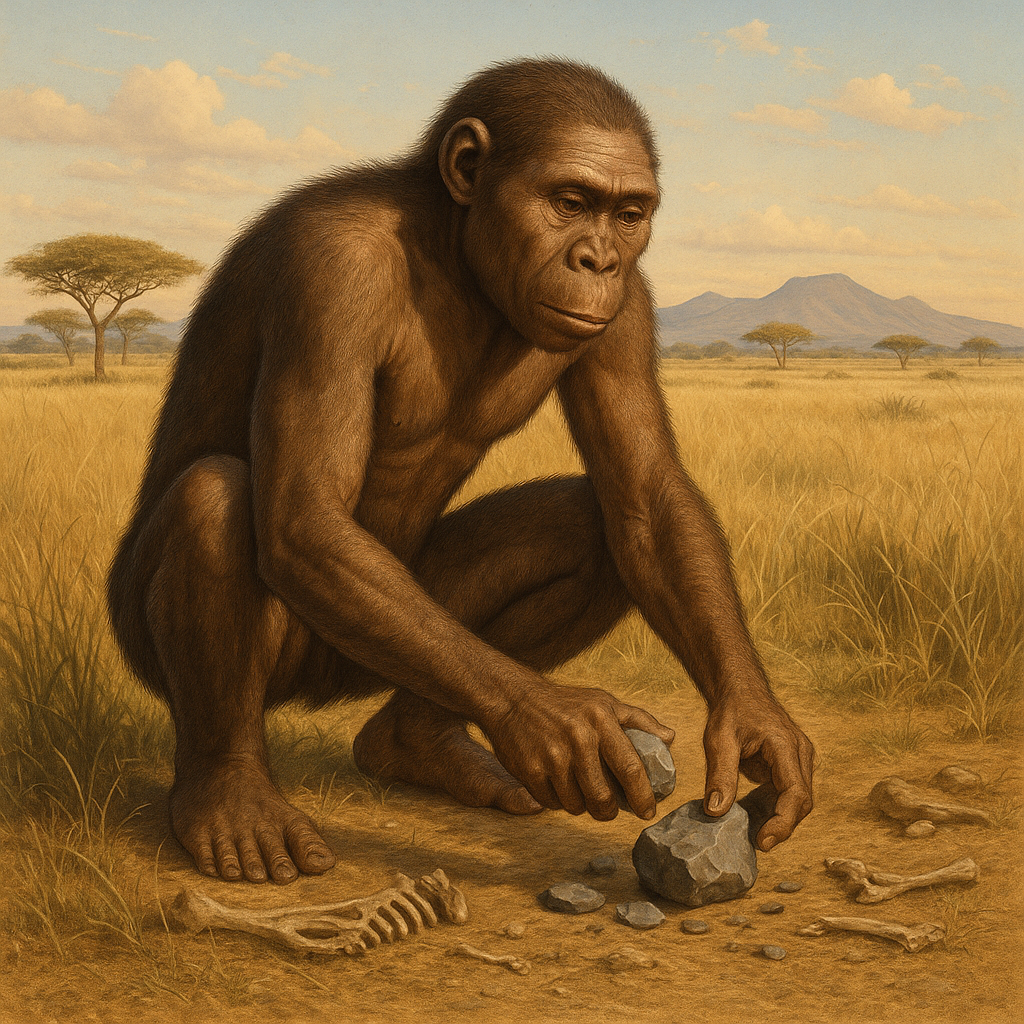
| Paleolithic Africa (beyond the Nile) | Oldowan, Acheulean, Middle Stone Age (MSA), Later Stone Age (LSA) | Olduvai Gorge, Kalambo Falls, Blombos Cave | Earliest human origins; control of fire; symbolic art (Blombos ochre engravings) |
| Paleolithic India and Central Asia | Soanian, Acheulean India, Hissar Complex, Kapova | Bhimbetka (India), Teshik-Tash (Uzbekistan) | Dispersal of Homo erectus and sapiens; microlithic technology; early cave art |
| Paleolithic China (East Asia) | Zhoukoudian, Nihewan, Upper Cave culture | Zhoukoudian, Dali, Xiaochangliang | Peking Man fossils; early use of fire; development of regional stone industries |
| Paleolithic Oceania | Sahulian (early Australian), Papuan Highlands | Lake Mungo, Kuk Swamp | Human migration into Australia (>60 k BC); rock art; megafauna extinction |
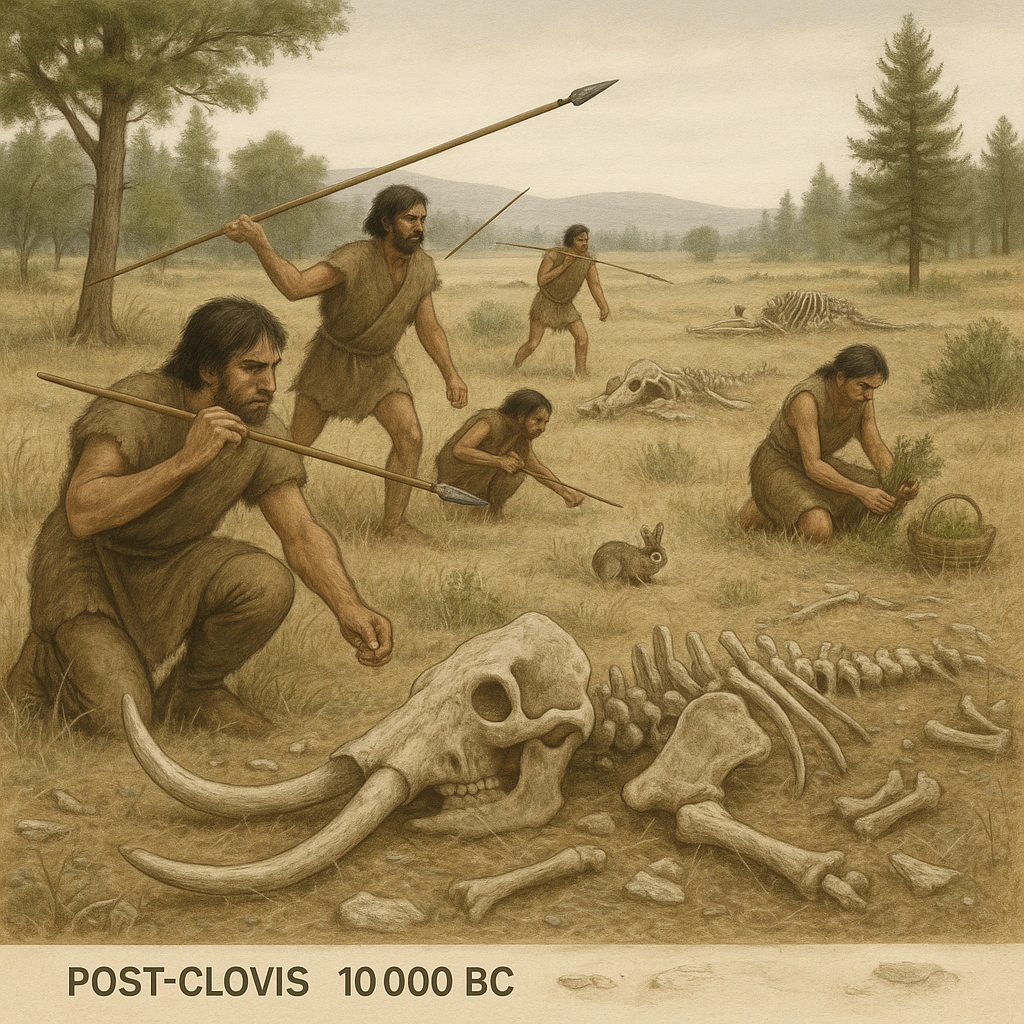
| Paleolithic North America | Clovis, Folsom, Western Stemmed | Blackwater Draw, Meadowcroft Rockshelter | First migration via Beringia; megafauna hunting; spread to all biomes |
| Paleolithic Central America | Early Paleo-Indians, Los Grifos, Santa Marta | Valsequillo Basin | Late arrival of humans; adaptation to tropical ecologies; first lithic sites |
| Paleolithic South America | Monte Verde, Lagoa Santa, Umbu tradition | Monte Verde (Chile), Pedra Furada (Brazil) | Earliest human sites in Americas; pre-Clovis evidence; diversified subsistence |
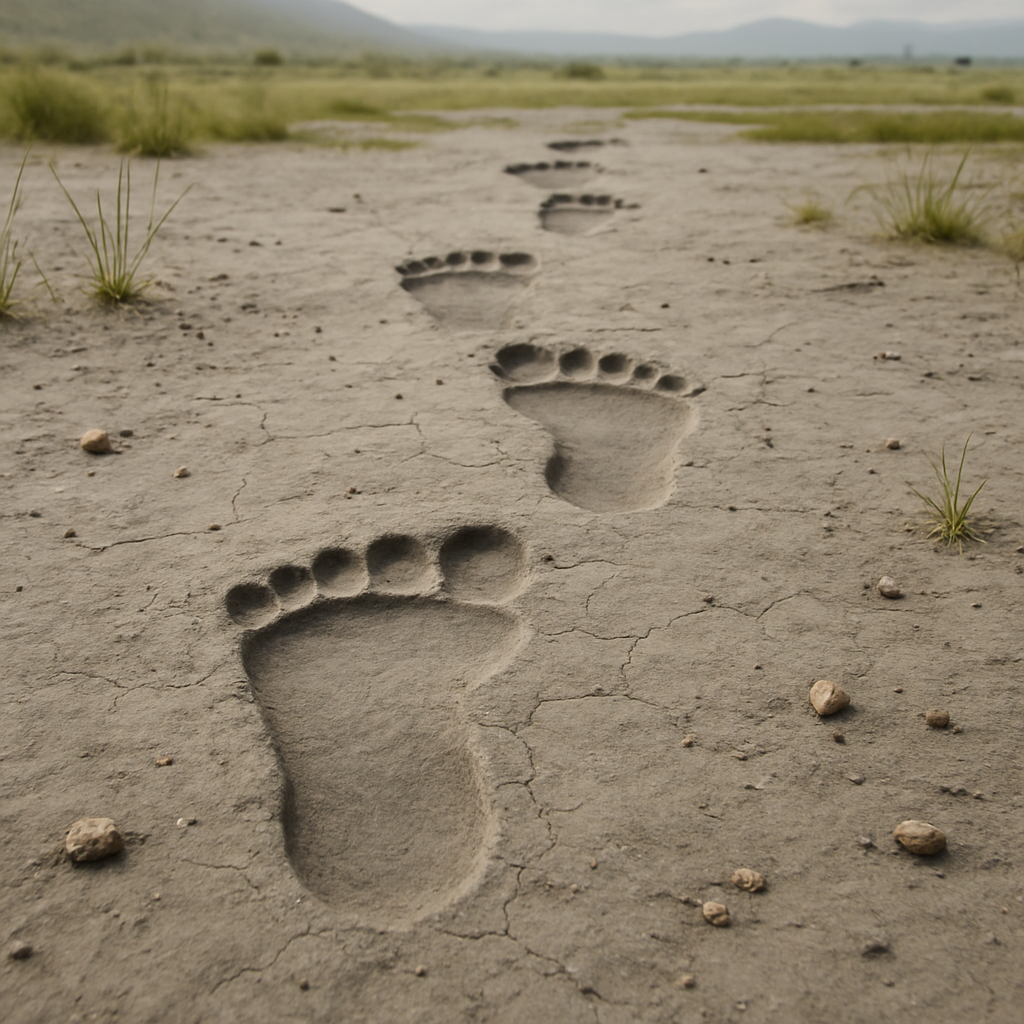
2,500,000 BC – Snapshot
| Terra Avita Region and Era Name Link | Event Type | Event Description |
|---|---|---|
| Mesolithic Africa (beyond the Nile) | First Human Arrival | >2 million years ago (origin of genus Homo) |
| Mesolithic Central America | First Human Arrival | ~13,000–12,000 BC (southward Paleo-Indian spread) |
| Mesolithic China (East Asia) | First Human Arrival | ~1.7 million years ago (Zhoukoudian region) |
| Mesolithic Eastern Mediterranean | First Human Arrival | ~1.8–1.4 million years ago (Dmanisi 1.8mya; Ubeidiya 1.4mya) |
| Mesolithic Egypt | First Human Arrival | ~300,000–200,000 BC (early Homo sapiens in Nile corridor) |
| Mesolithic India and Central Asia | First Human Arrival | ~1.5–1.0 million years ago (Homo erectus expansion) |
| Mesolithic North America | First Human Arrival | ~15,000–14,000 BC (post-glacial entry across Beringia) |
| Mesolithic Oceania | First Human Arrival | ~60,000 BC (first human arrival in Australia) |
| Mesolithic Persia | First Human Arrival | ~200,000–150,000 BC (early Homo sapiens + Neanderthals) |
| Mesolithic South America | First Human Arrival | ~14,500–12,500 BC (Monte Verde and related sites) |
| Mesolithic Western Europe | First Human Arrival | ~1.2 million years ago (Homo antecessor / early Homo erectus) |
10,000 BC – Snapshot
| Terra Avita Region and Era Name Link | Event Description |
|---|---|
| Mesolithic Africa (beyond the Nile) | Widespread microlithic complexes across the continent; foragers adapt to greener Sahara; regional population expansions after glacial retreat. |
| Mesolithic Central America | Earliest foragers settle tropical lowlands; initial plant–human interactions begin (wild gourds, squashes); coastal adaptation strengthens with warmer climate. |
| Mesolithic China (East Asia) | Transition into early Holocene pottery cultures (Xianrendong and Yuchanyan slightly earlier but influencing the period); experimentation with wild rice increases in southern China. |
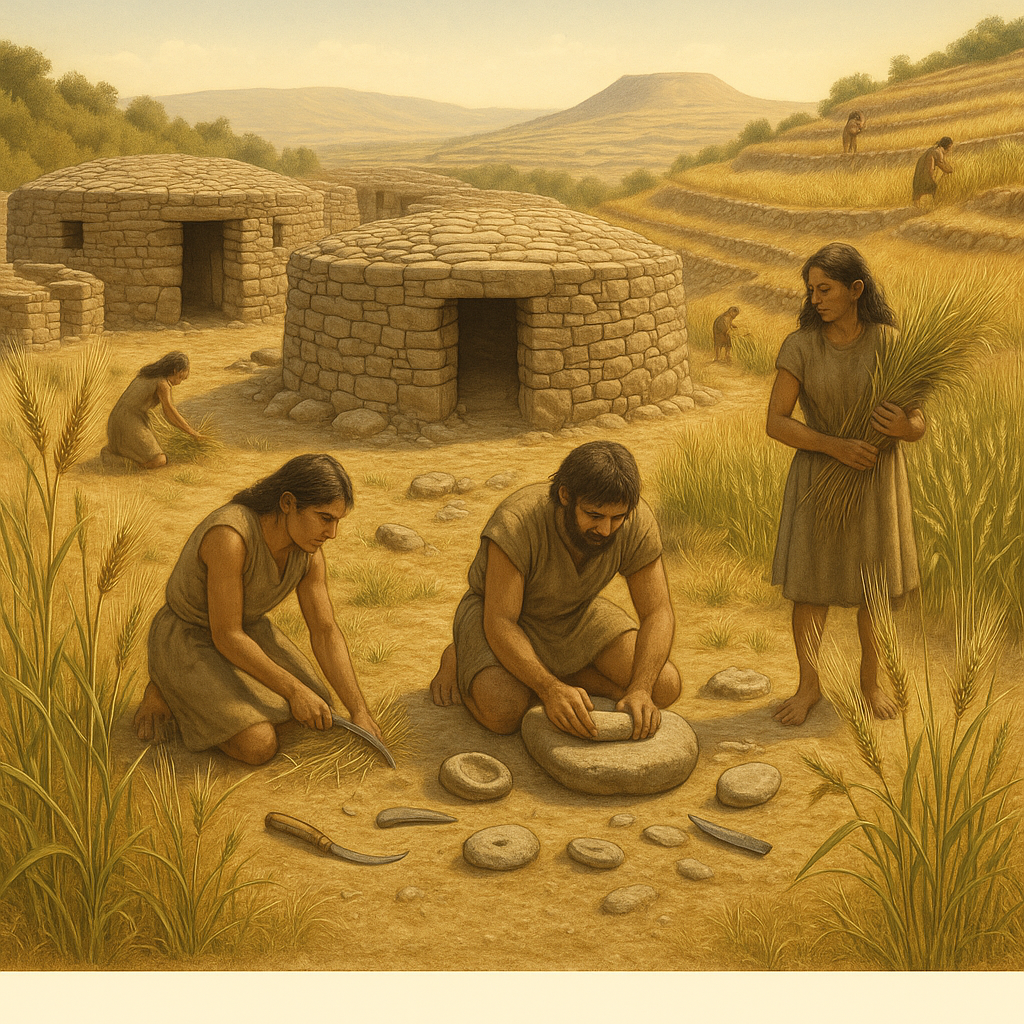
| Mesolithic Eastern Mediterranean | Natufian culture reaches full semi-sedentism; first stone houses; intensive cereal gathering; foundation for Pre-Pottery Neolithic A; Jericho begins continuous occupation. |
| Mesolithic Egypt | Nile Valley becomes a predictable foraging corridor; Wadi Kubbaniya–type camps fade; early composite tools; seasonal gathering along new wetland zones created by stabilized climate. |
| Mesolithic India and Central Asia | Late microlithic foragers occupy river valleys and upland zones; major post-glacial climate shift encourages population movement; early seed-processing technologies appear. |
| Mesolithic North America | Clovis horizon collapses; megafauna extinctions nearly complete; regional cultural diversification begins (Folsom, Western Stemmed); widespread adaptation to new biomes. |
| Mesolithic Oceania | After megafauna extinction, populations consolidate along coasts and highlands; early plant management in New Guinea begins in the millennia immediately after this period. |
| Mesolithic Persia | Late Zarzian upland hunter-gatherers adapting to post-glacial steppe; early sheep/goat management begins shortly after; microlithic tool traditions dominate. |
| Mesolithic South America | Post–Monte Verde populations spread into Andes and southern cone; megafauna collapse; broad-spectrum hunting and gathering replaces big-game focus. |
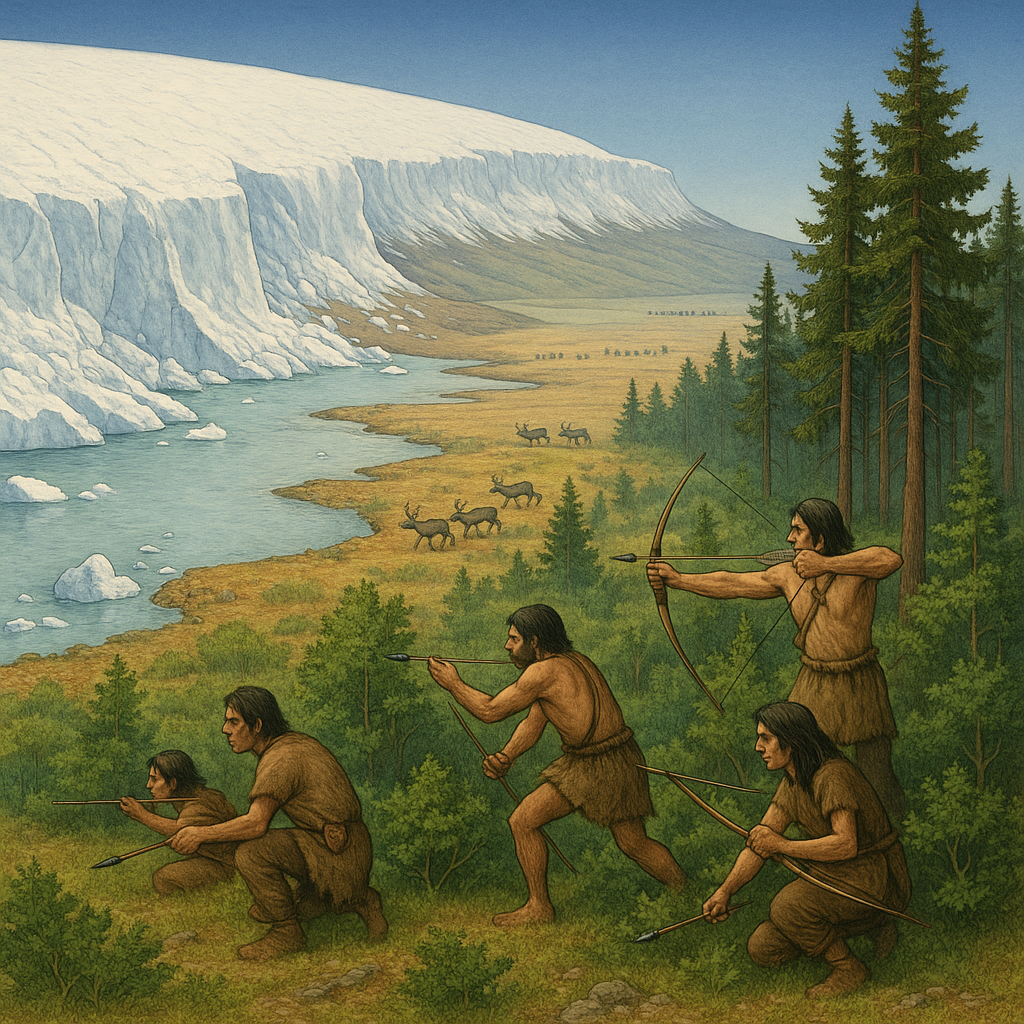
| Mesolithic Western Europe | End of the Magdalenian; ice sheets in retreat; forests spread across Europe; reindeer herds vanish from France; shift to Mesolithic hunting, fishing, and microliths. |