The Humanities study what it means to be human through reflection, interpretation, and creative expression. Where science seeks to explain how the world works, the humanities ask what it means and why it matters. They examine how humans think, remember, and give form to experience.
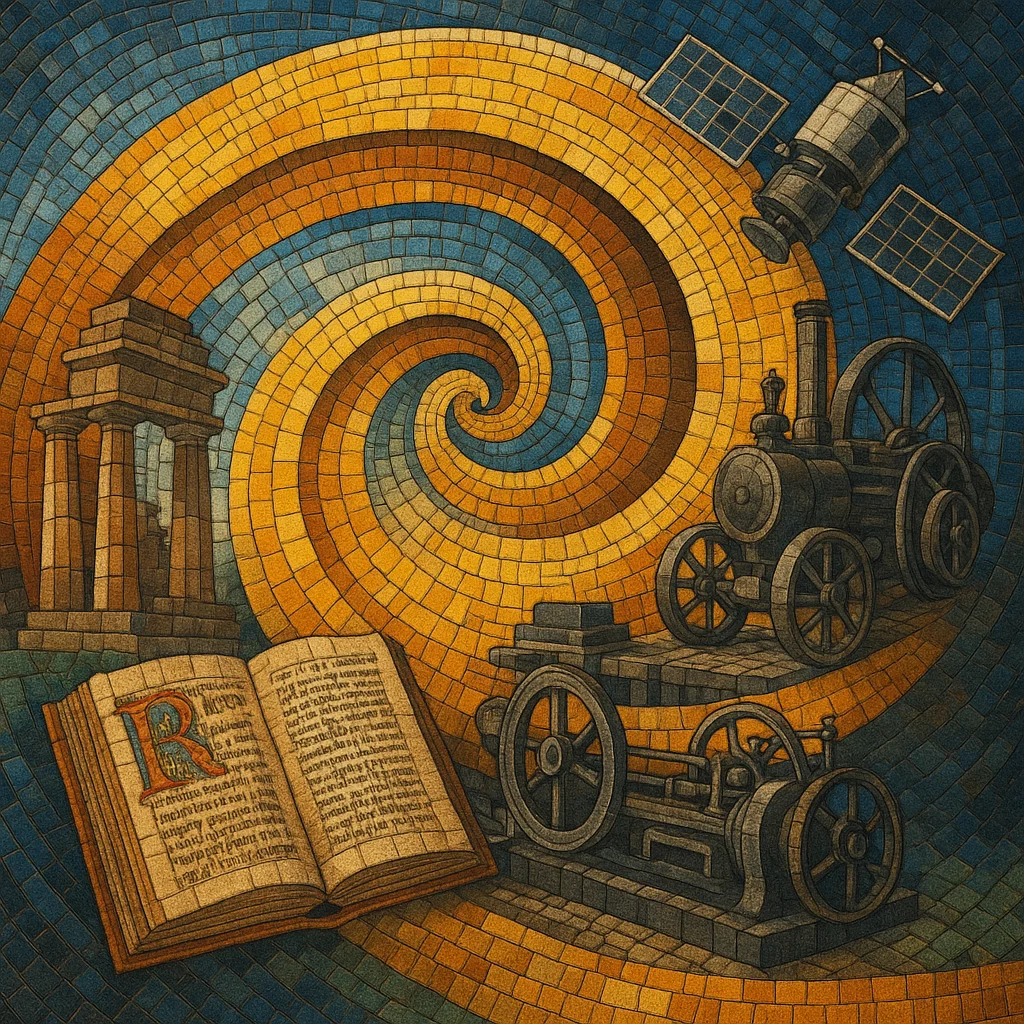
Philosophy explores thought and reason. It investigates logic, ethics, and the nature of reality, asking how knowledge, truth, and value can be understood.
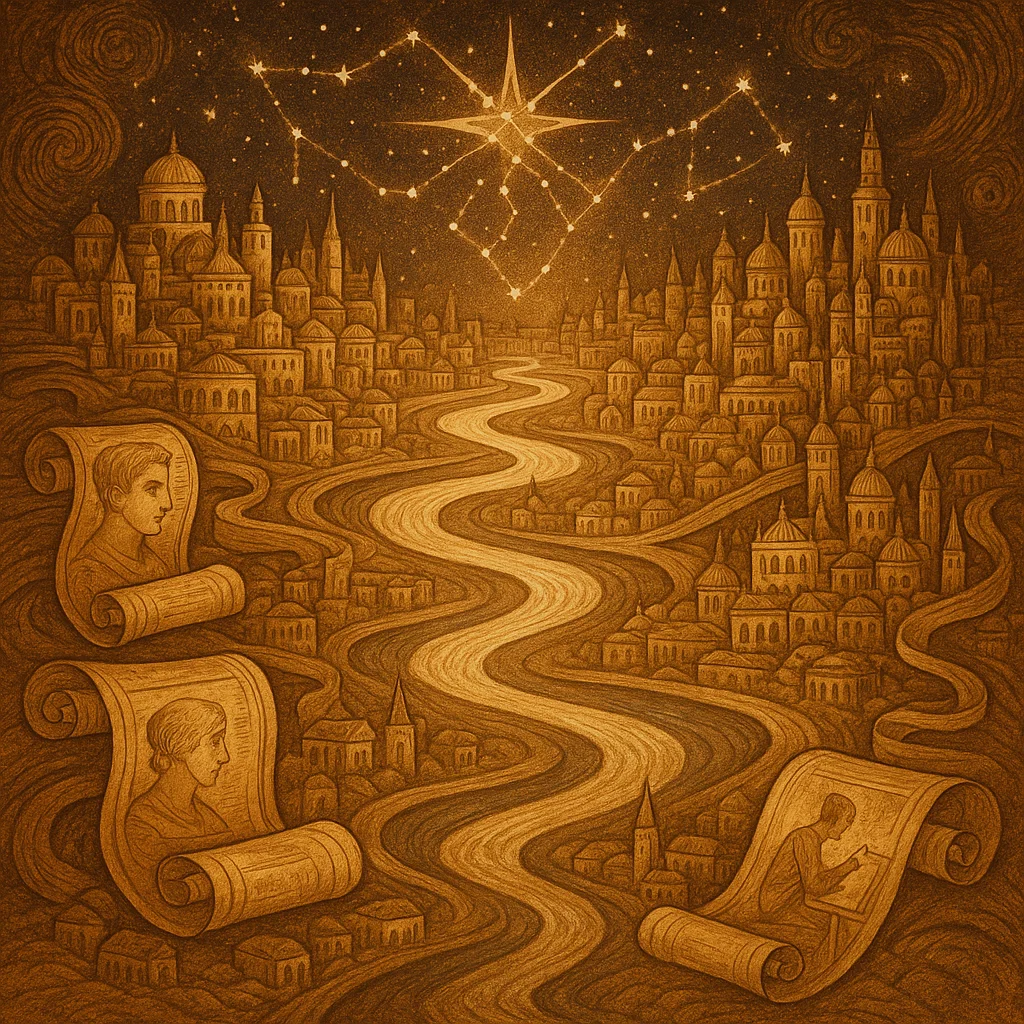
History examines memory and time. It interprets the record of human events to understand how societies change and what their actions signify.
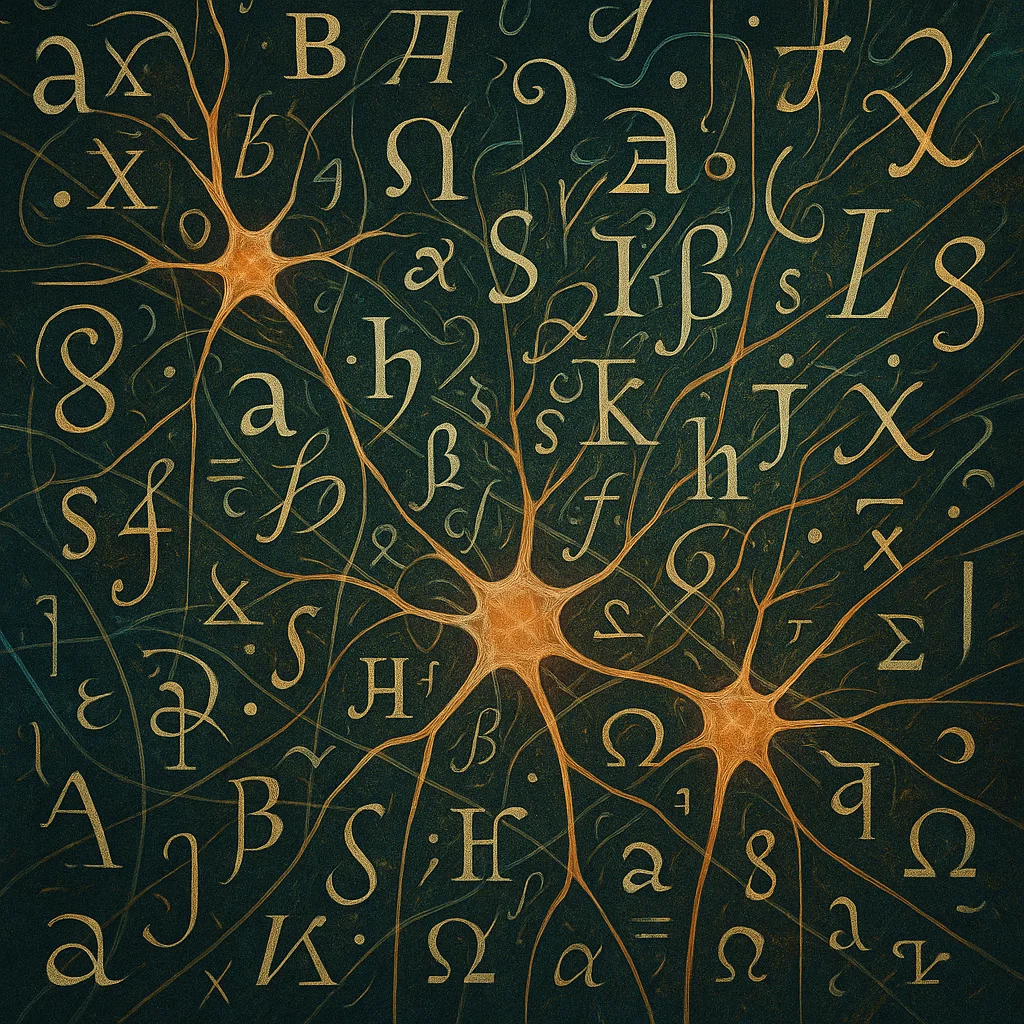
The Arts express imagination and emotion. Through literature, visual art, music, and performance, they transform experience into meaning.
Together these disciplines form the interpretive side of human knowledge—seeking understanding rather than explanation.
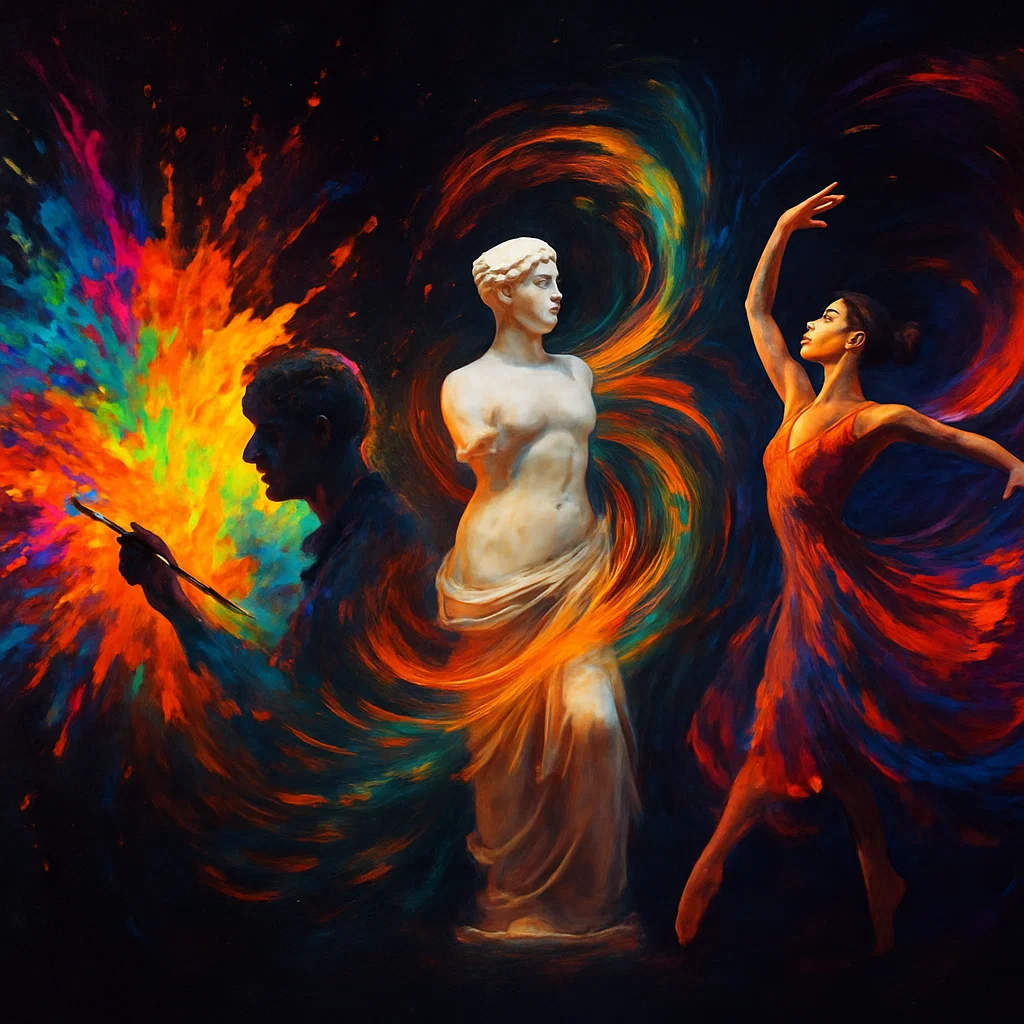
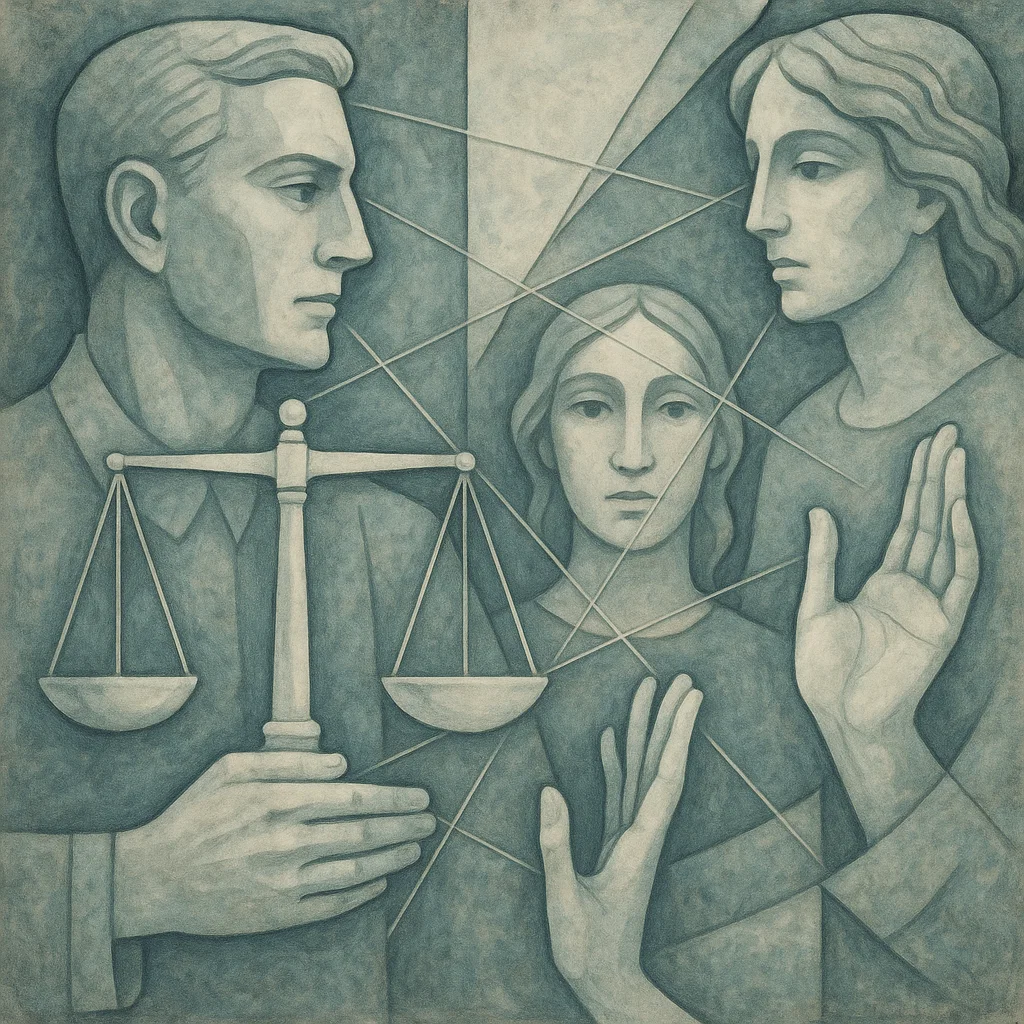
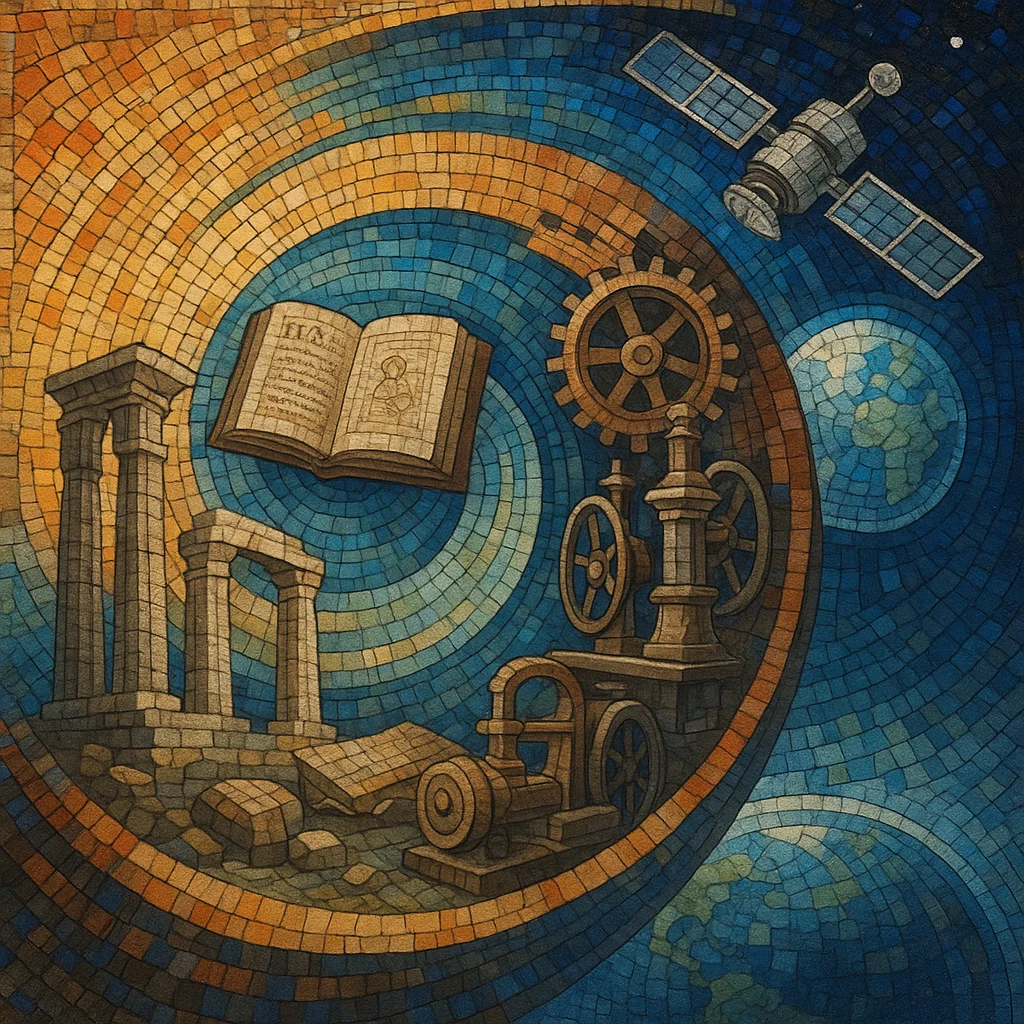
The Humanities rest on a triad that has guided human thought for centuries: Reason, Memory, and Imagination. These are not merely mental functions but the foundations of how civilization interprets its own existence. Through Philosophy, reason seeks truth—examining the principles that govern reality and the logic that binds thought to knowledge. Through History, memory preserves the record of human action—revealing how people and societies change, how choices echo across time, and how continuity gives meaning to progress. Through The Arts, imagination transforms experience—turning feeling into form, vision into creation, and the unseen into the seen.
Together, these three faculties define the interpretive side of human knowledge. Where science dissects the world to explain it, the humanities gather the fragments of human experience to understand it. They remind us that wisdom lies not only in knowing how things work but in understanding why they matter.
Key lineage:
- Cicero (1st c. BCE) and Augustine (4th c. CE) linked memory to wisdom and divine reflection.
- Aristotle and Aquinas framed reason as humanity’s divine likeness.
- Vico (17th–18th c.) and later Coleridge re-elevated imagination as the creative power that synthesizes reason and memory.
- The Renaissance and Enlightenment humanists formalized this triad as the interpretive counterpart to the scientific triad of observation, experimentation, and deduction.