Renaissance and Reformation
Philosophers of Renaissance and Reformation
Showing 14 of 14 philosophers.
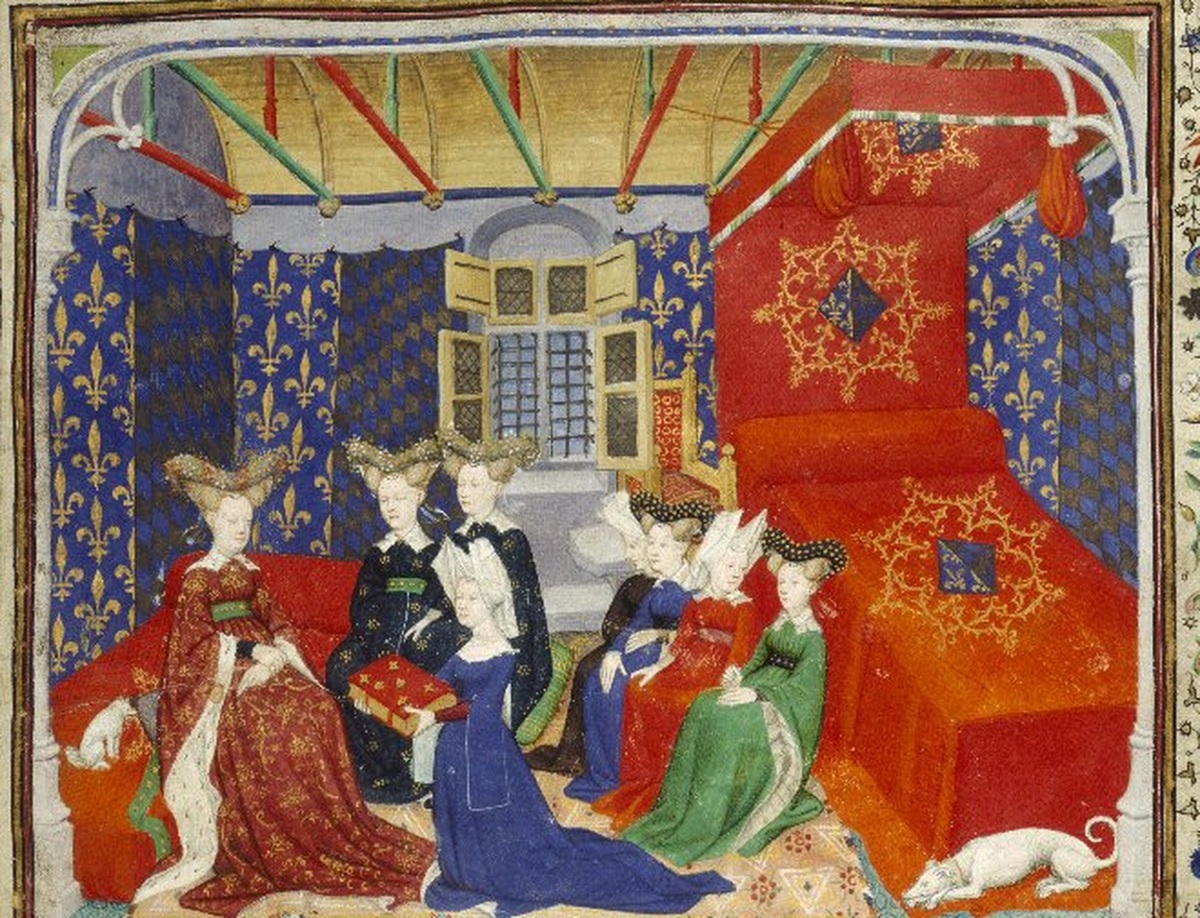
Christine de Pizan
1364 CE – 1430 CE
Venice, Republic of Venice
Late medieval writer and political thinker whose defenses of women, education, virtue, wise rule, and responsible speech made manuscript authorship, courtly debate, and civic ethics central to early Renaissance philosophy.
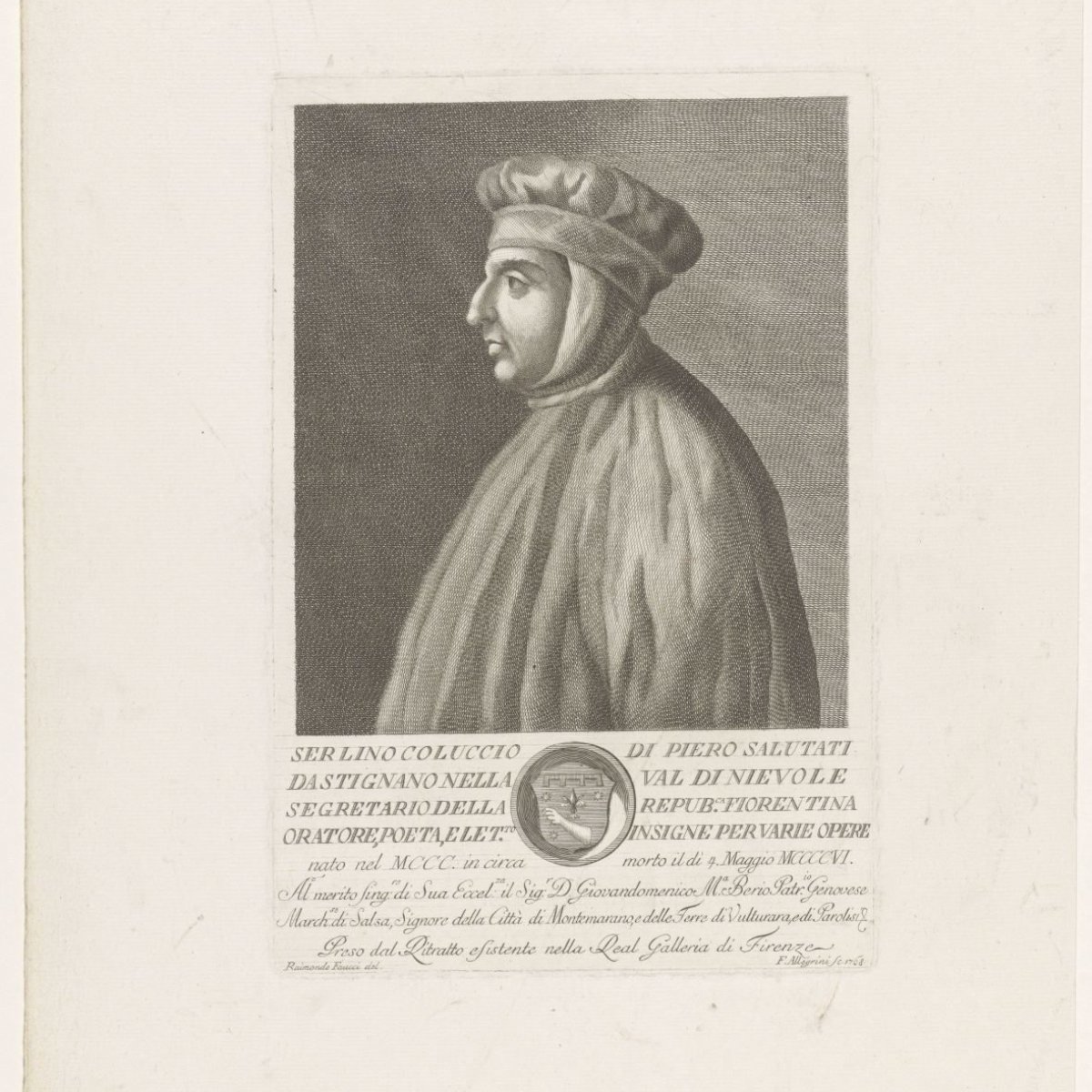
Coluccio Salutati
1331 CE – 1406 CE
Stignano, Buggiano, Tuscany
Italian Renaissance humanist and Florentine chancellor from Stignano whose classical Latin rhetoric, civic ethics, anti-tyranny politics, law-centered humanism, and Christian account of active public life helped shape Florentine civic humanism before Bruni and Poggio.
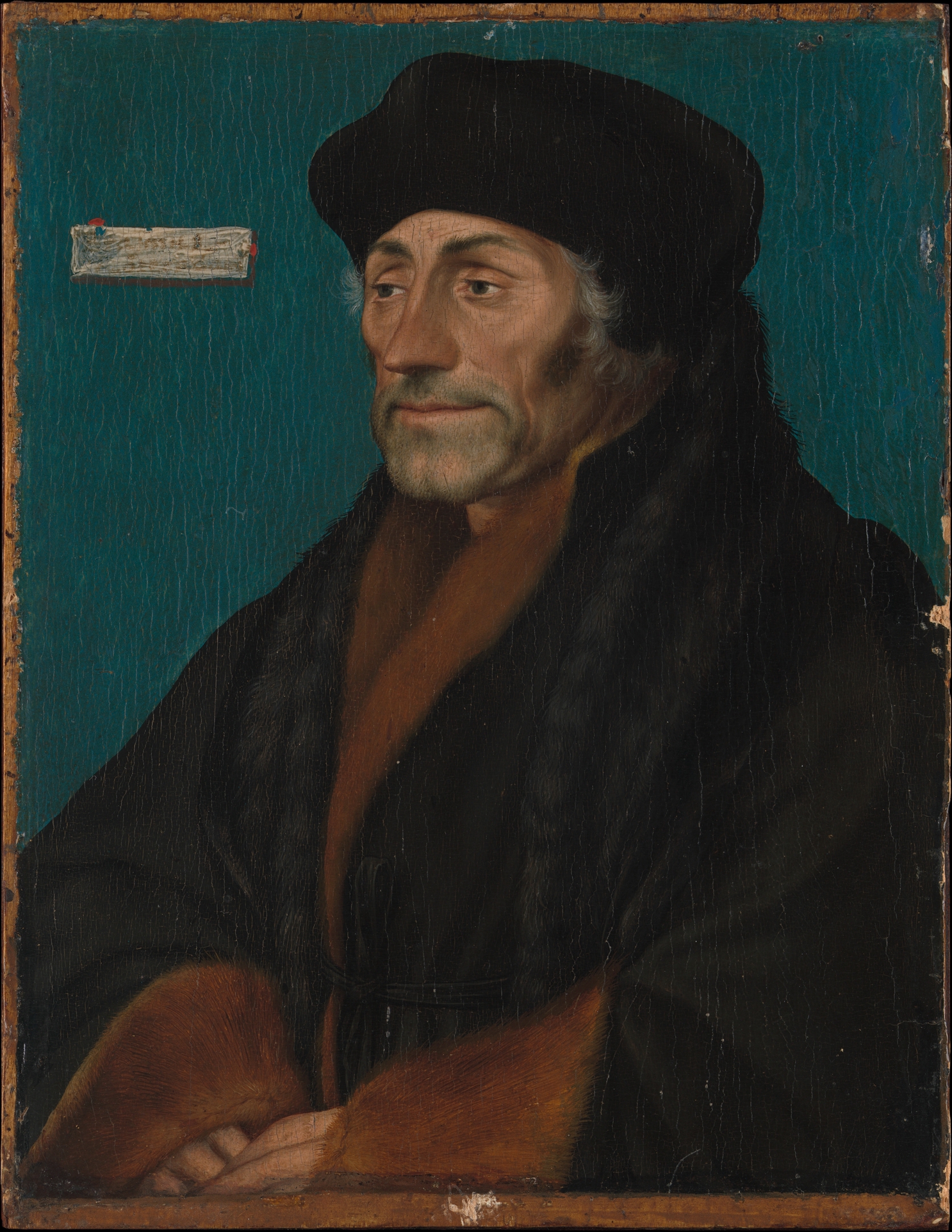
Desiderius Erasmus of Rotterdam
1466 CE – 1536 CE
Rotterdam
Dutch Renaissance humanist, Catholic reformer, philologist, satirist, and educator whose Christian humanism joined classical learning, biblical scholarship, moral reform, peace politics, and disciplined eloquence.
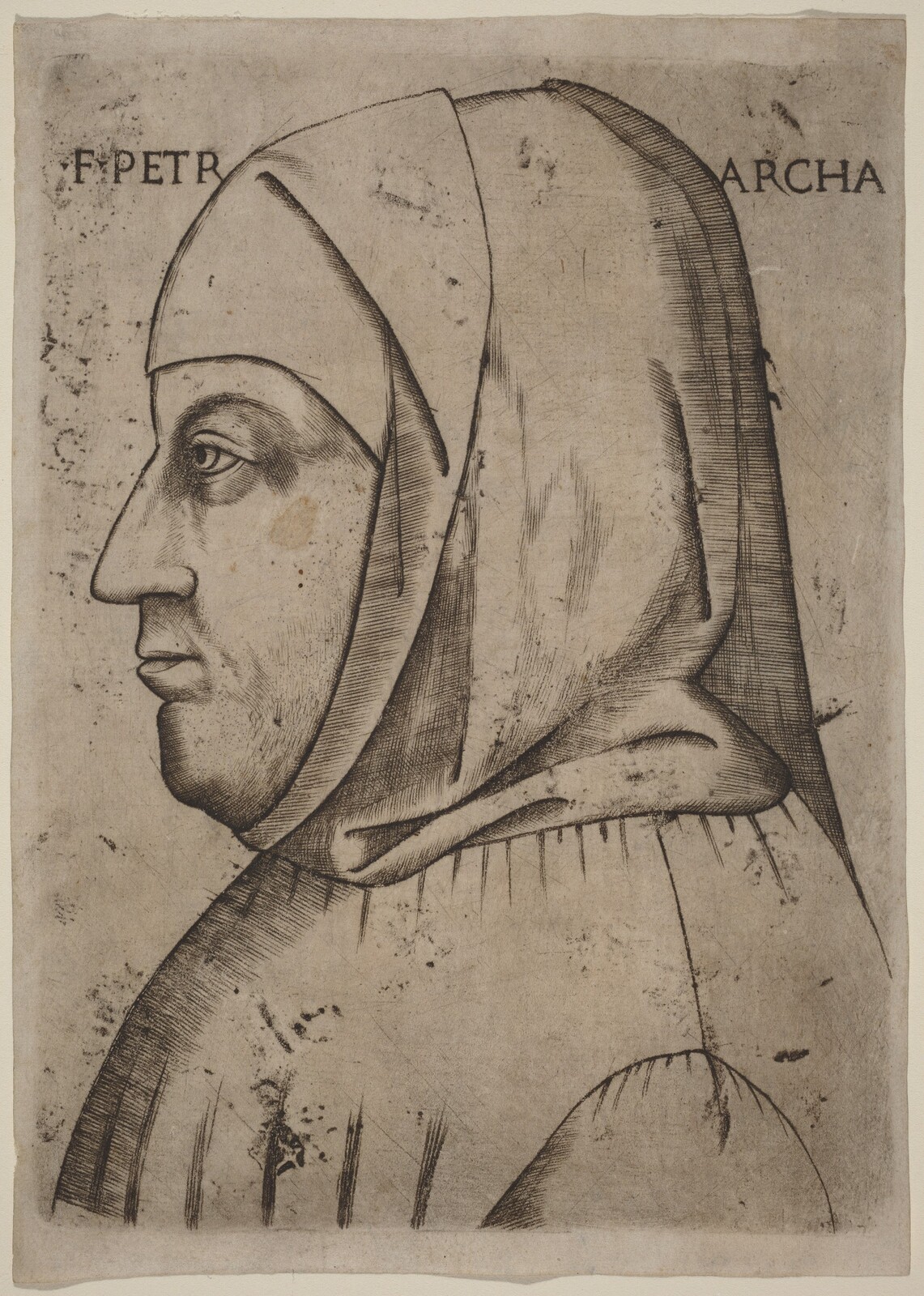
Francesco Petrarca
1304 CE – 1374 CE
Arezzo
Italian poet-scholar and Christian humanist whose classical recovery, introspective moral writing, and vernacular lyric helped define Renaissance humanism and later Petrarchism.
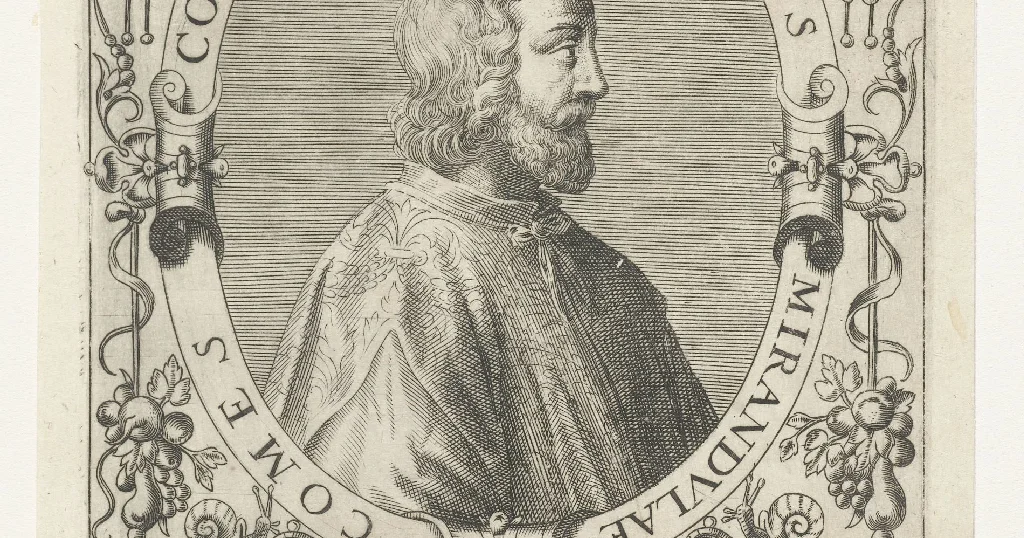
Giovanni Pico della Mirandola
1463 CE – 1494 CE
Mirandola, Duchy of Ferrara
Italian Renaissance humanist philosopher of human dignity, free self-fashioning, syncretic metaphysics, Platonist-Aristotelian concord, Christian Kabbalah, love and beauty, and critique of predictive astrology.
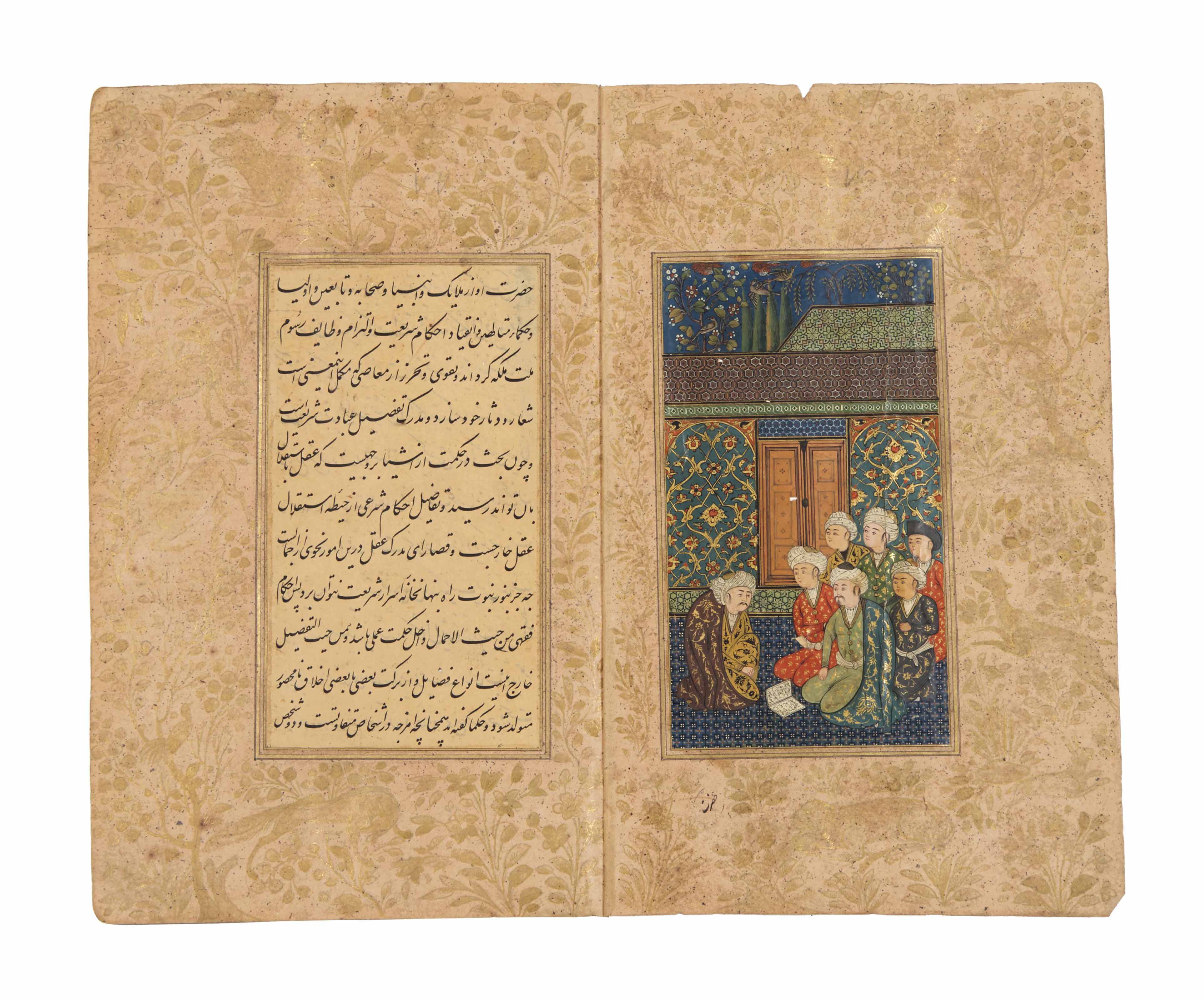
Jalal al-Din al-Dawwani
1427 CE – 1502 CE
Dawan (near Kazerun, Fars)
Persian philosopher and theologian from Dawan whose post-Avicennian metaphysics, Illuminationist commentary, logic, ethics, and philosophical theology shaped late medieval Islamic philosophy.
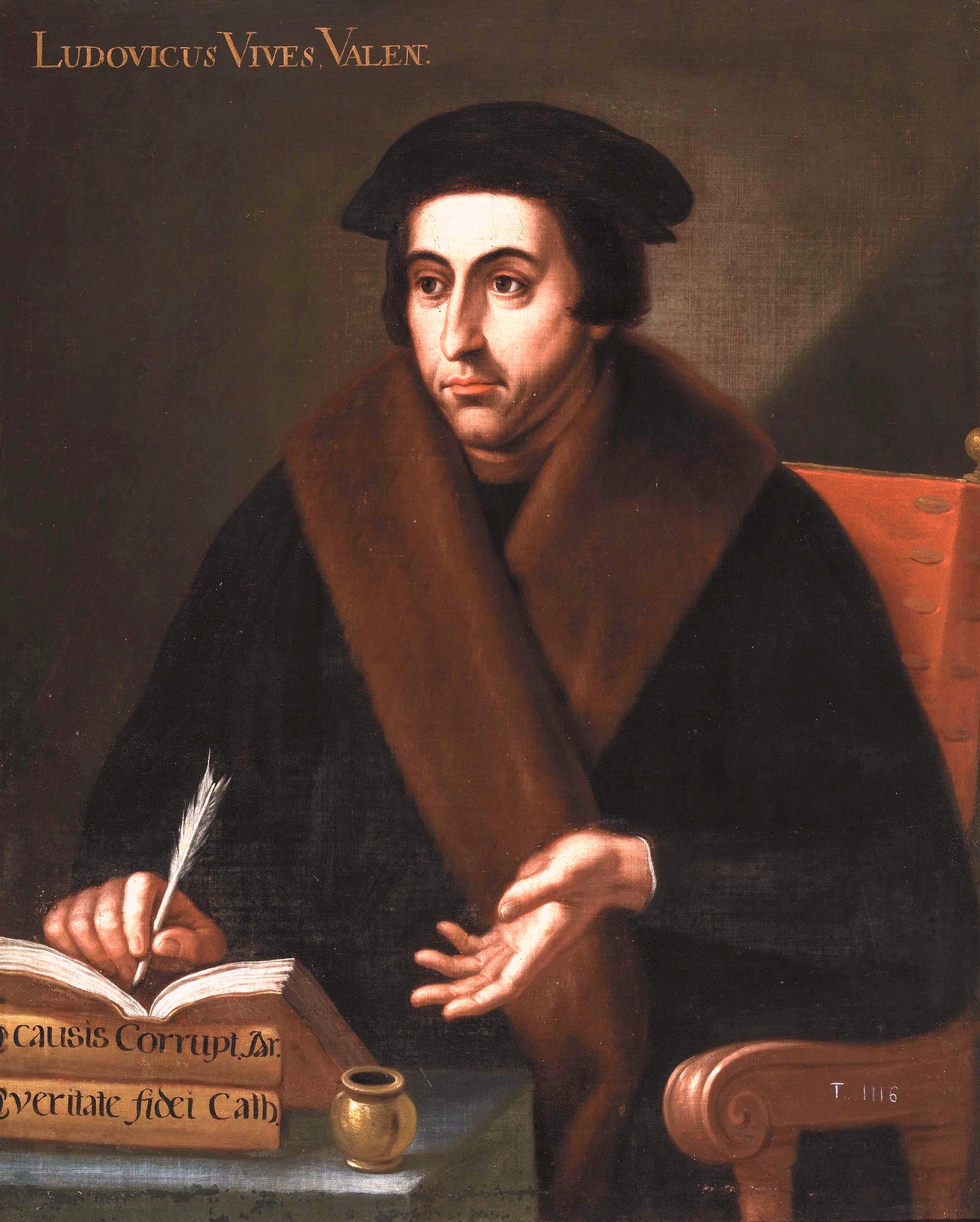
Juan Luis Vives
1493 CE – 1540 CE
Valencia
Valencian Spanish Renaissance humanist philosopher of education, psychology, language, rhetoric, poor relief, peace, Christian reform, women's education, and the renewal of the disciplines.
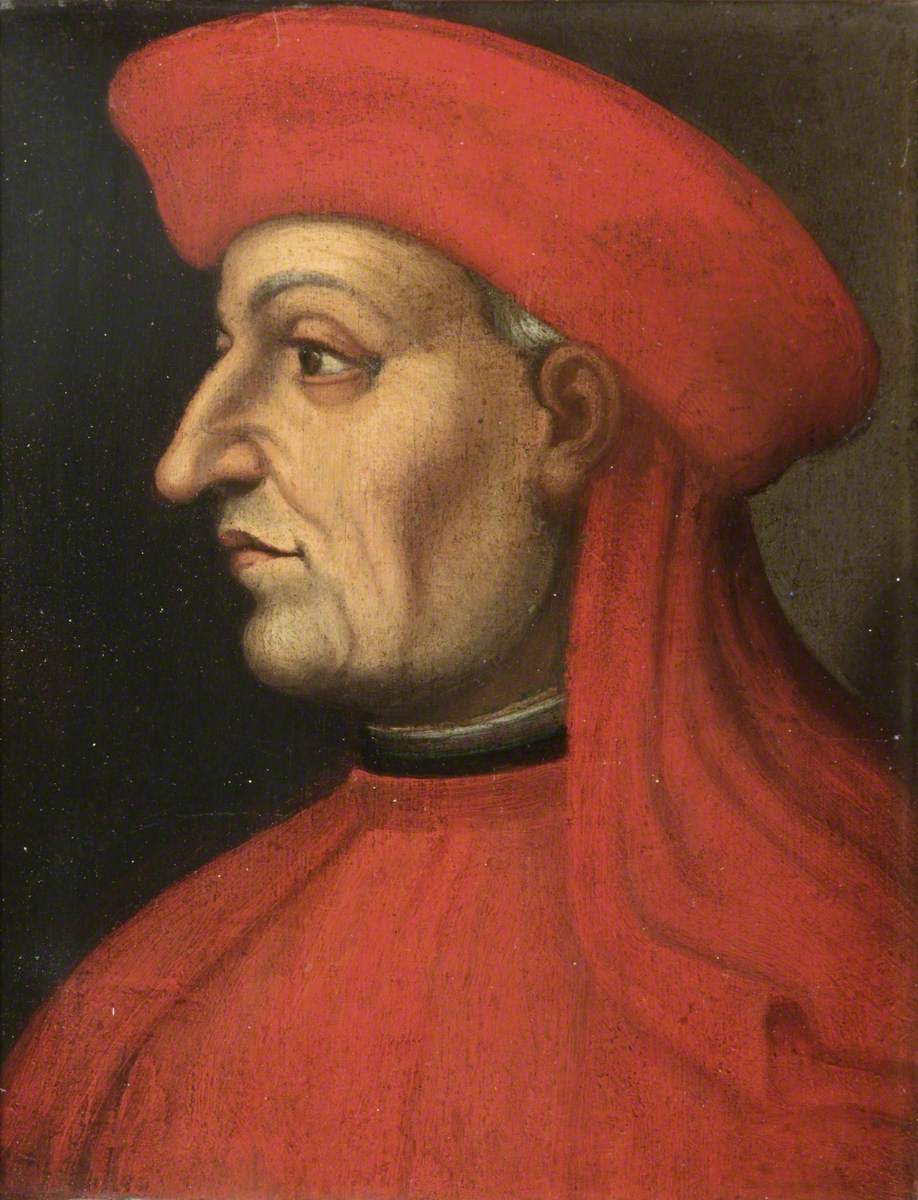
Leonardo Bruni
1370 CE – 1444 CE
Arezzo
Italian Renaissance humanist, Florentine chancellor, translator, and historian whose civic rhetoric, republican historiography, classical translations, and De interpretatione recta shaped civic humanism and humanist translation theory.
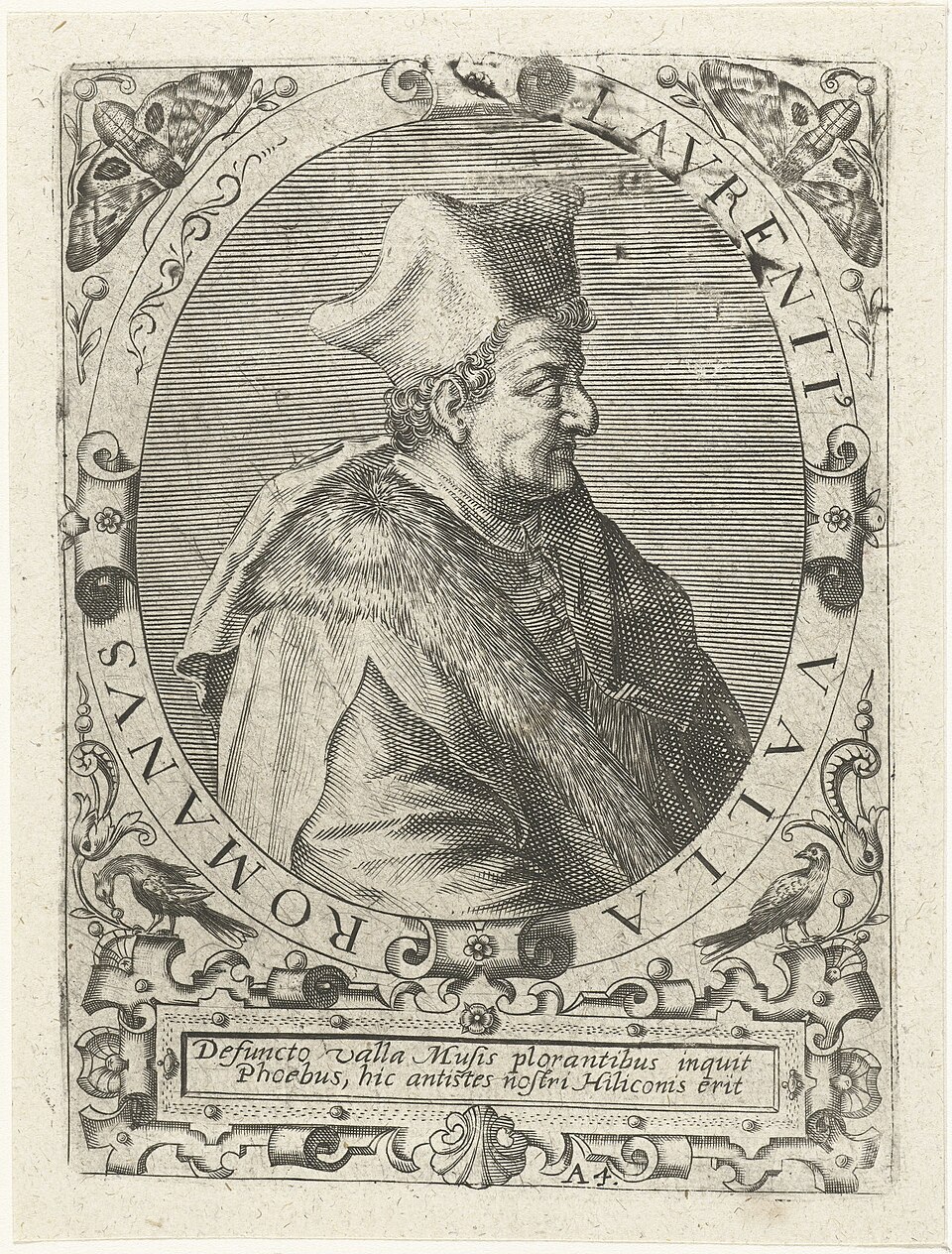
Lorenzo Valla
1407 CE – 1457 CE
Rome
Italian Renaissance humanist, philologist, philosopher, textual critic, translator, and Catholic priest whose critique of scholasticism, Latin style, biblical scholarship, and exposure of the Donation of Constantine reshaped humanist method.
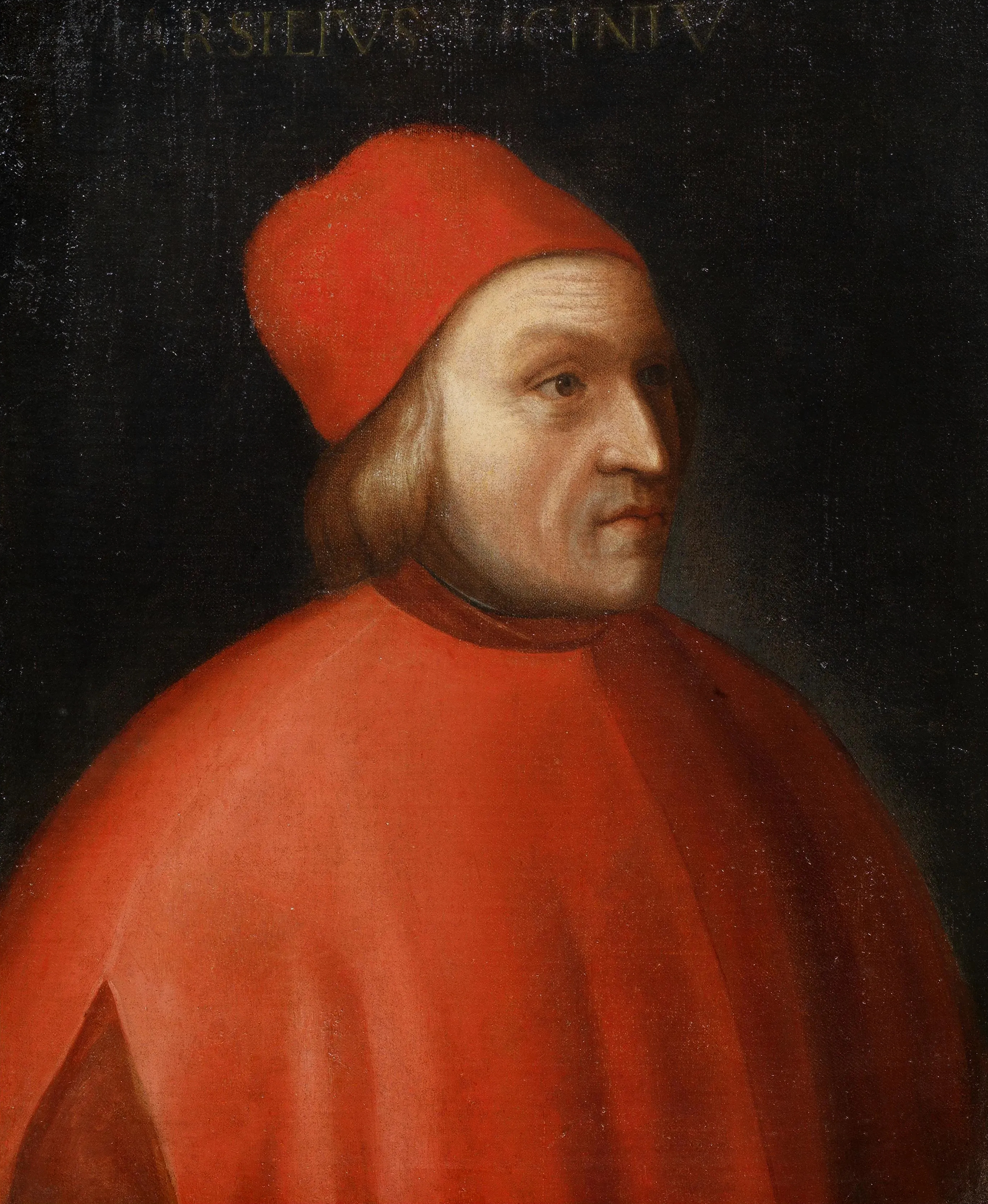
Marsilio Ficino
1433 CE – 1499 CE
Figline Valdarno, Republic of Florence
Italian Renaissance Platonist, humanist, translator, priest, and Christian Neoplatonist whose Plato, Plotinus, Hermetic, soul, love, natural-philosophy, and prisca-theologia writings shaped Florentine Platonism.
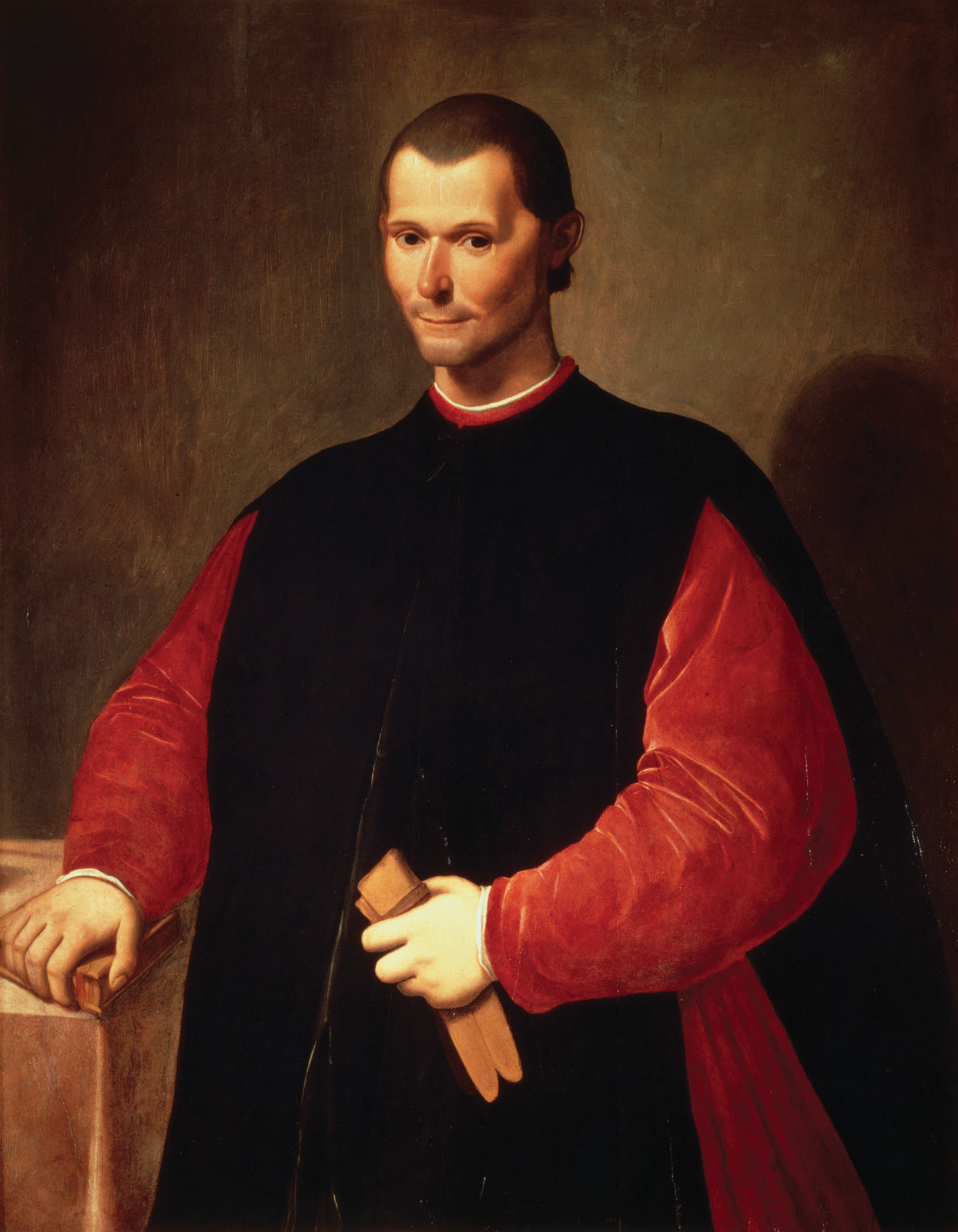
Niccolo Machiavelli
1469 CE – 1527 CE
Florence, Republic of Florence
Renaissance political philosopher of Florence, the chancery, Italian Wars, virtu, fortuna, necessity, republican liberty, civic militia, corruption, and political realism.
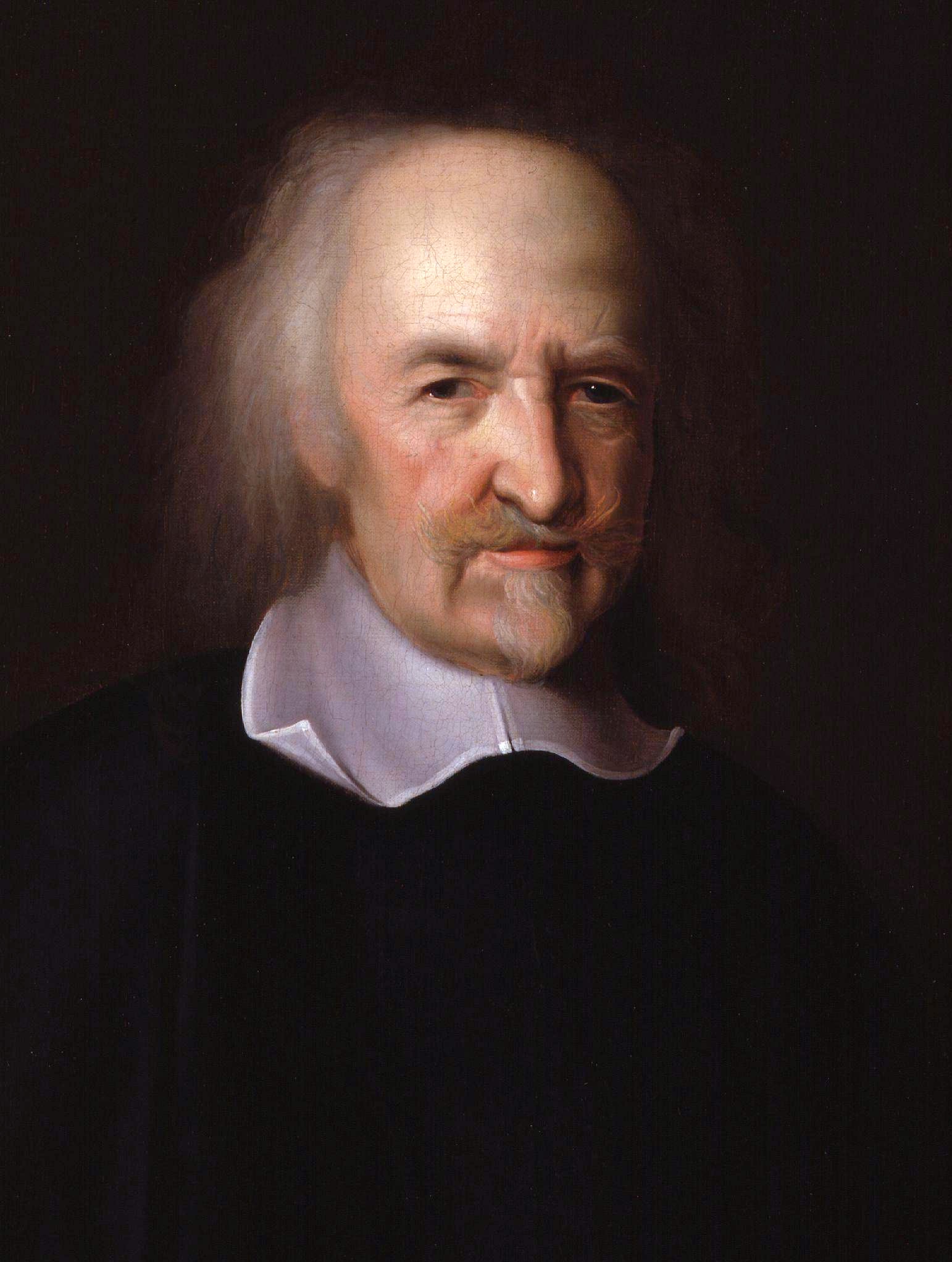
Thomas Hobbes
1588 CE – 1679 CE
Westport, near Malmesbury, Wiltshire
Early modern English philosopher of civil science, mechanistic materialism, state of nature, laws of nature, covenant, authorization, sovereignty, civil law as command, church authority, liberty and necessity, rhetoric, history, and translation.
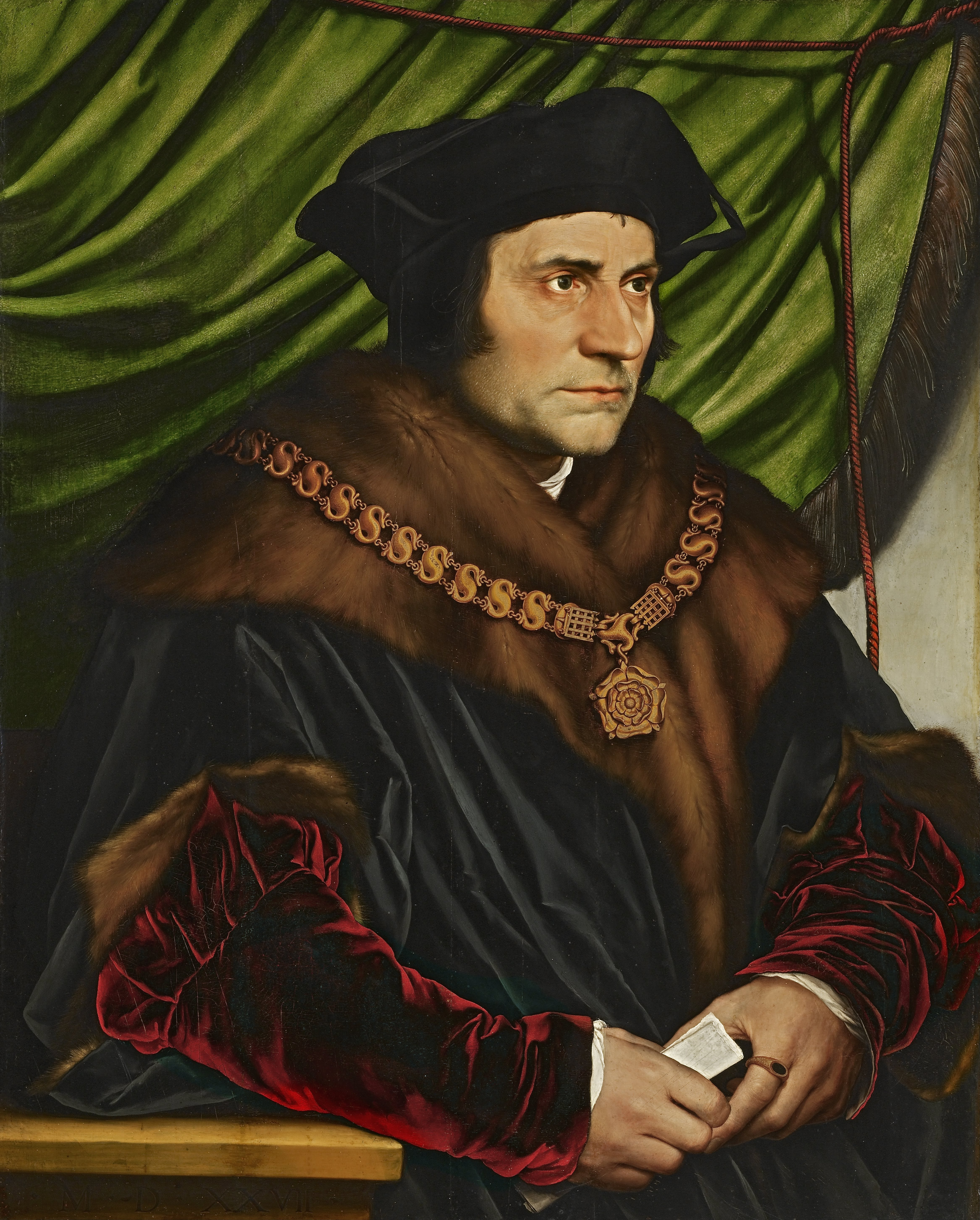
Thomas More
1478 CE – 1535 CE
London
English Renaissance humanist, lawyer, royal councillor, author of Utopia, and Catholic moral thinker whose works join civic counsel, conscience, political imagination, religious controversy, and prison consolation.
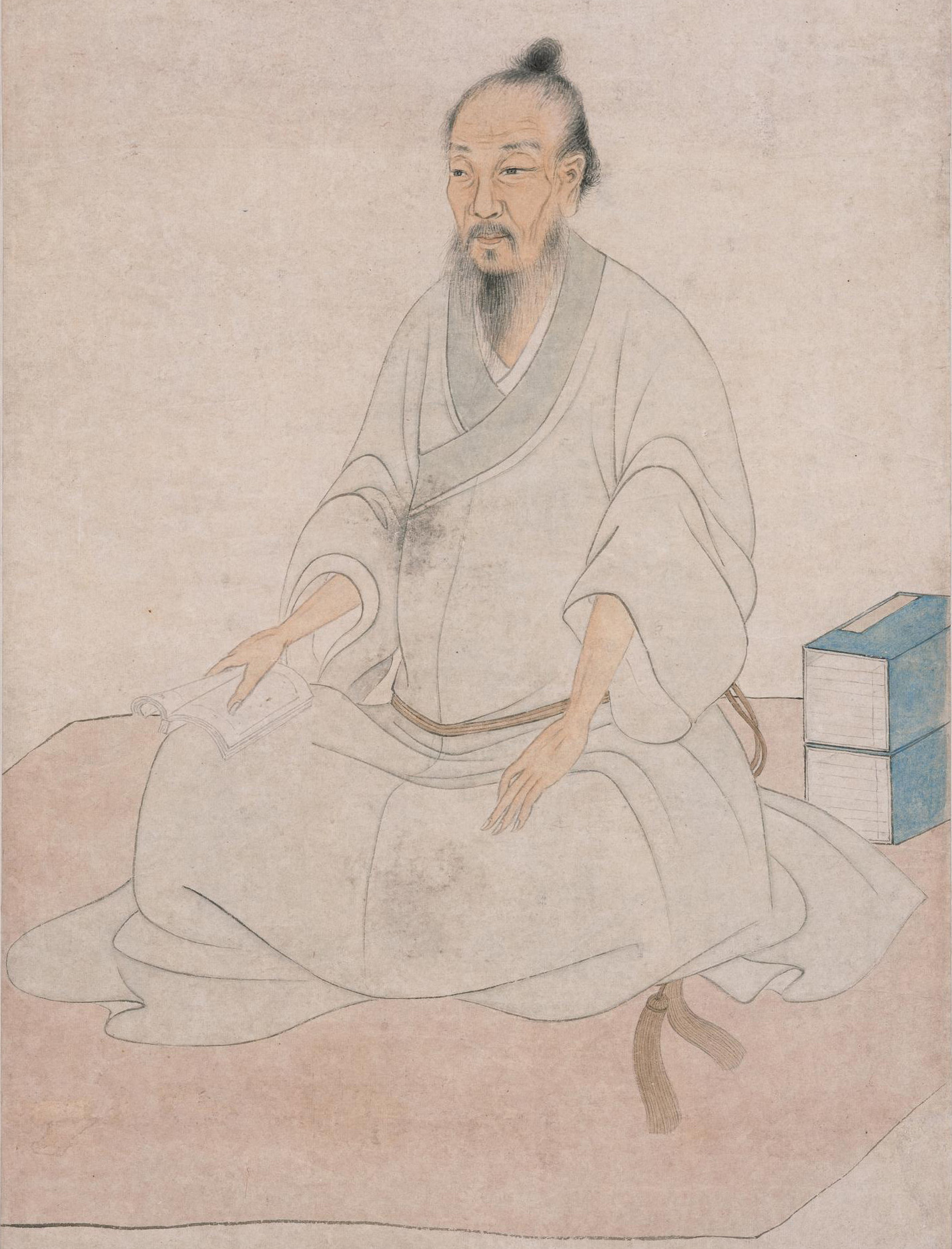
Wang Yangming
1472 CE – 1529 CE
Yuyao, Zhejiang, Ming China
Ming Chinese Neo-Confucian philosopher of the School of Mind whose teaching joins innate knowing, mind as principle, unity of knowledge and action, sagehood, and moral-political practice.