Scientific Revolution and State Formation
Philosophers of Scientific Revolution and State Formation
Showing 12 of 12 philosophers.
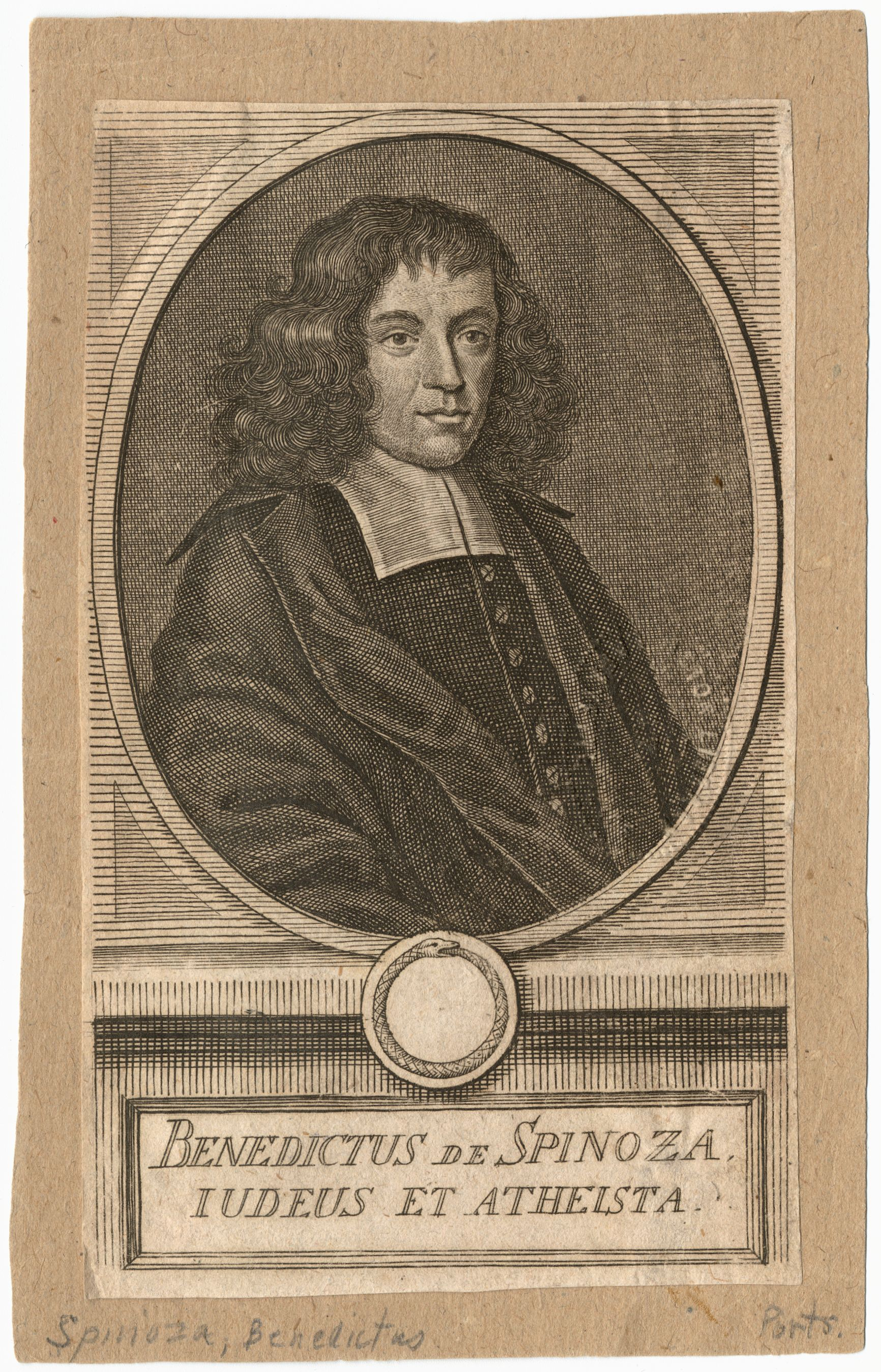
Baruch Spinoza
1632 CE – 1677 CE
Amsterdam
Dutch-Jewish rationalist philosopher from Amsterdam whose substance monism, God-or-Nature metaphysics, geometric method, theory of adequate ideas, mind-body parallelism, ethics of freedom through understanding, biblical criticism, and democratic political thought reshaped early modern philosophy.
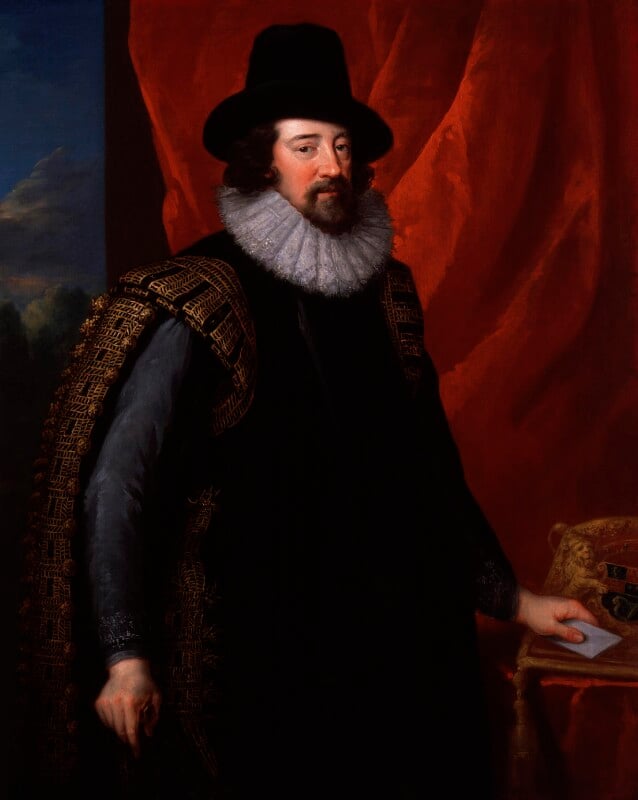
Francis Bacon
1561 CE – 1626 CE
York House, Strand, London
English philosopher-statesman whose reform of learning, critique of idols, and experimental natural history helped shape early modern empiricism and the philosophy of science.
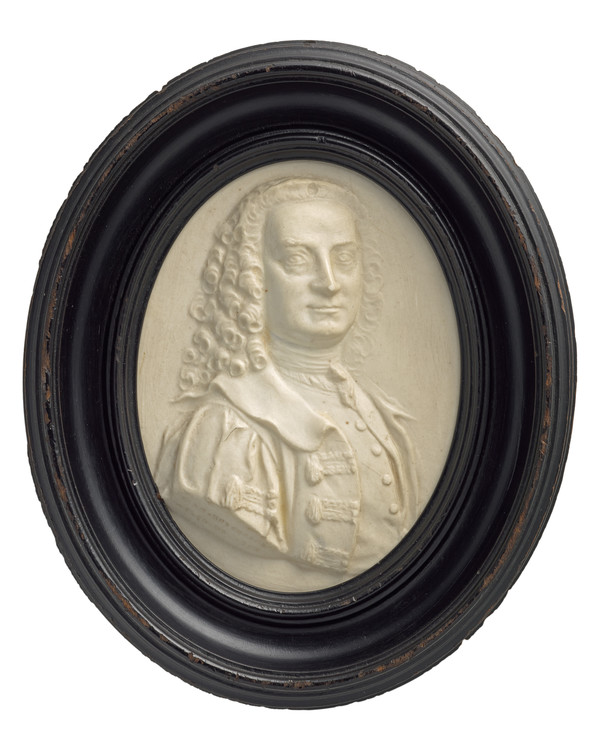
Francis Hutcheson
1694 CE – 1746 CE
Drumalig / near Saintfield, County Down, Ulster
Irish and Scots-Irish moral philosopher whose moral sense theory, aesthetics, benevolence ethics, and Glasgow teaching helped launch the Scottish Enlightenment.
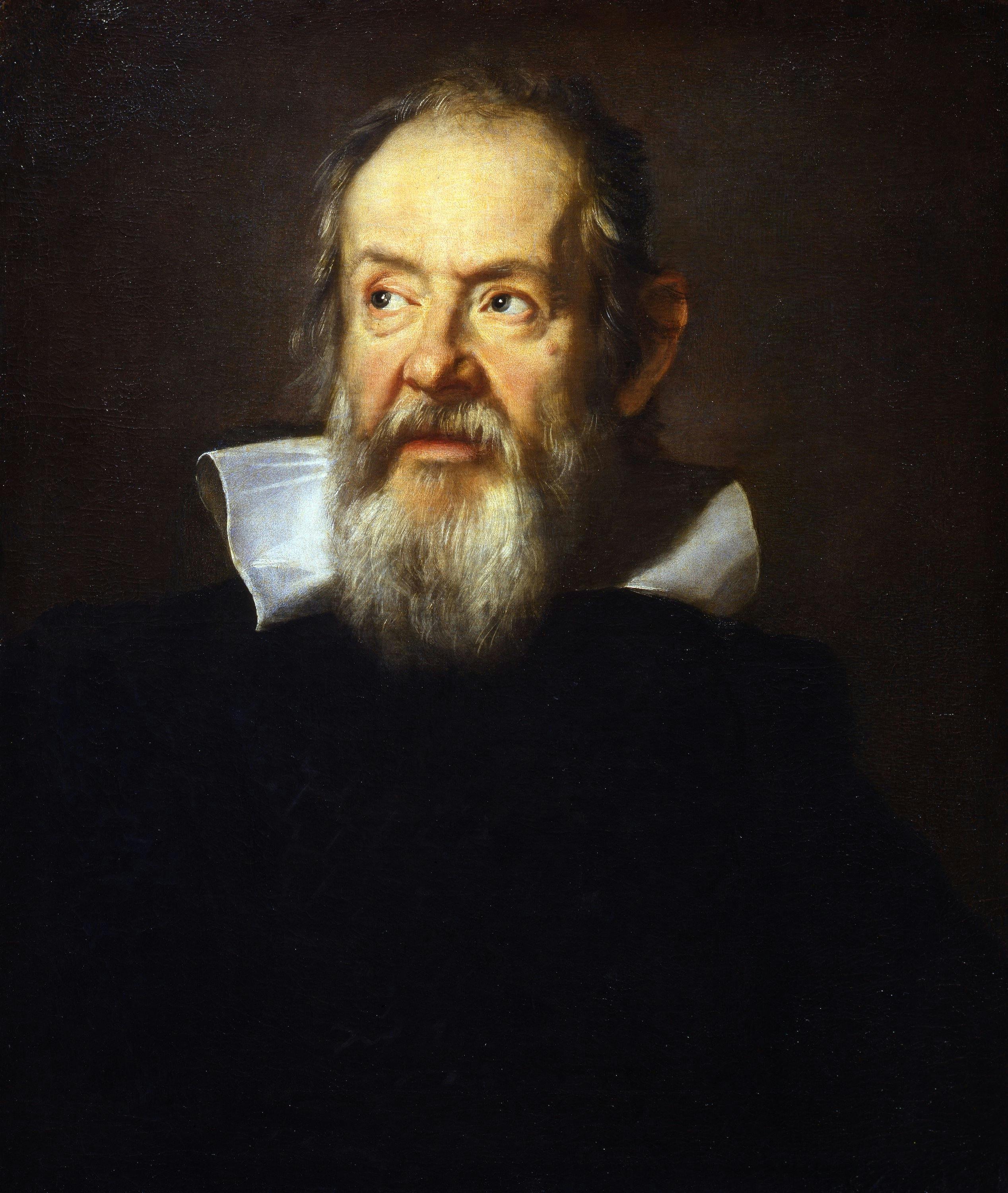
Galileo Galilei
1564 CE – 1642 CE
Pisa, Duchy of Florence
Italian mathematical natural philosopher whose telescopic astronomy, mechanics, instrument work, and scriptural hermeneutics helped reshape early modern philosophy of science and the Scientific Revolution.
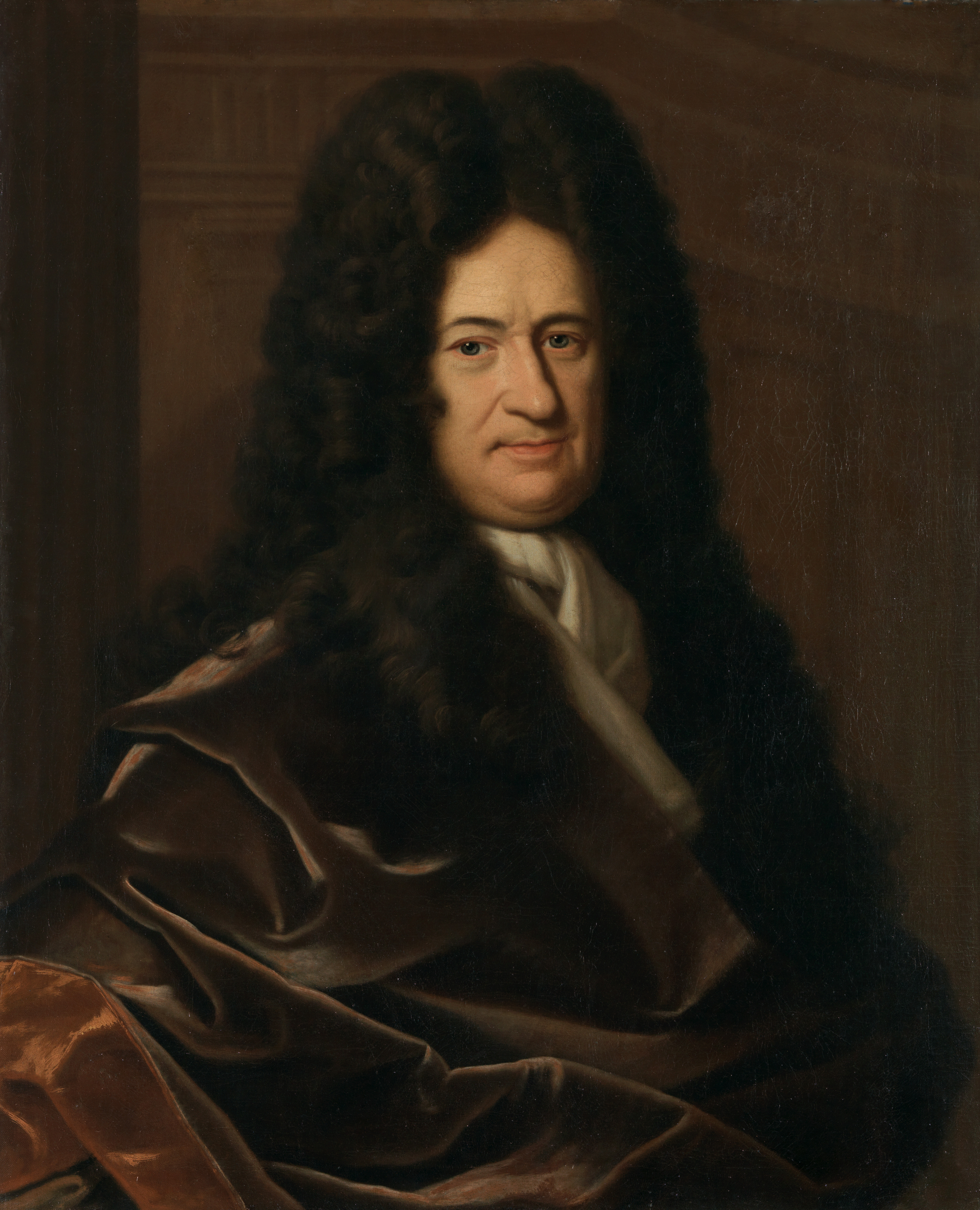
Gottfried Wilhelm Leibniz
1646 CE – 1716 CE
Leipzig
German polymath and early modern rationalist whose monadology, pre-established harmony, sufficient reason, theodicy, calculus work, and plans for a universal symbolic language helped define metaphysics, logic, epistemology, philosophy of mind, philosophy of religion, and philosophy of science.
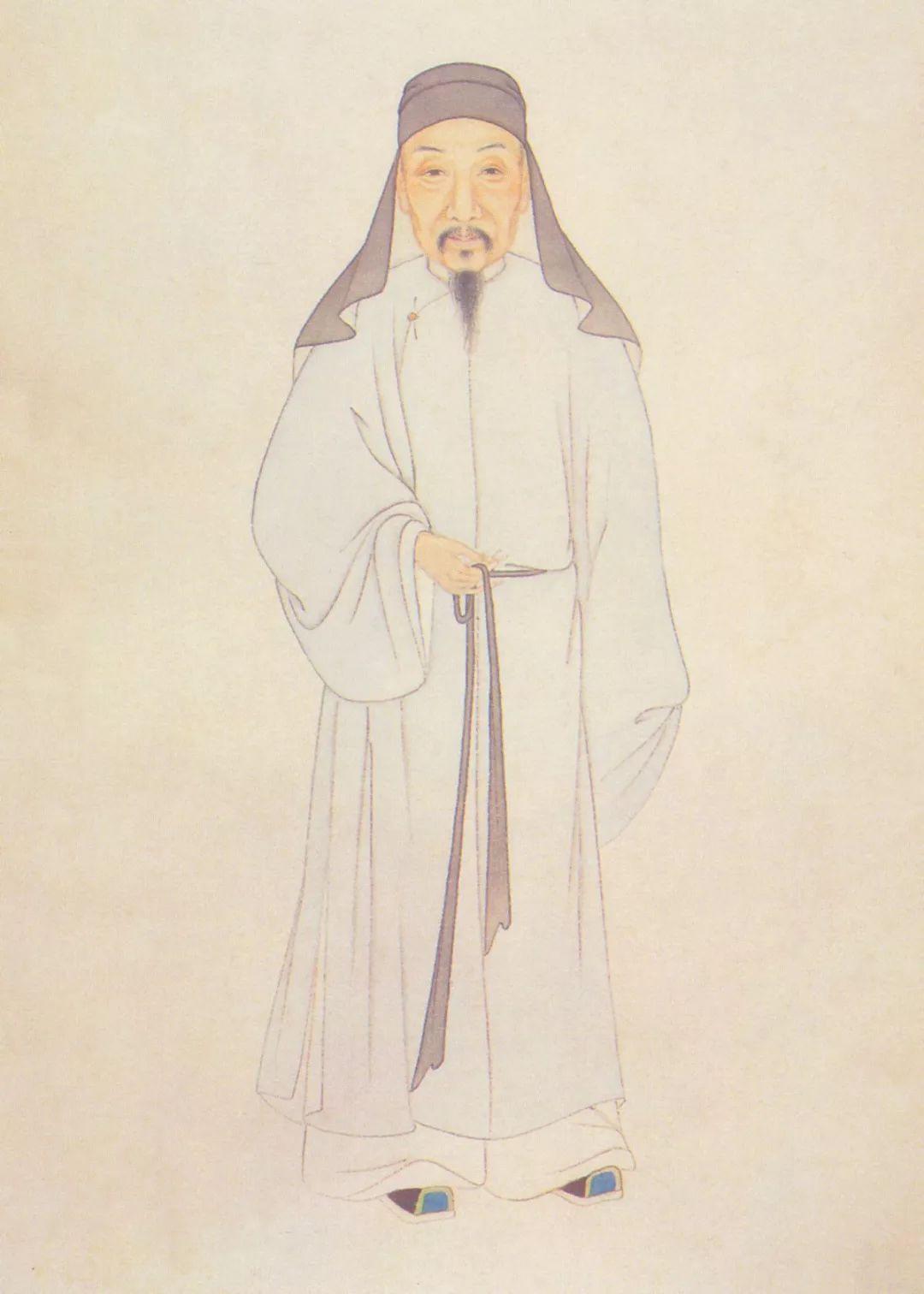
Gu Yanwu
1613 CE – 1682 CE
Kunshan, Jiangsu
Late Ming and early Qing Confucian scholar from Kunshan whose practical learning joined philology, historical geography, epigraphy, ethics, political responsibility, and evidence against empty speculation.
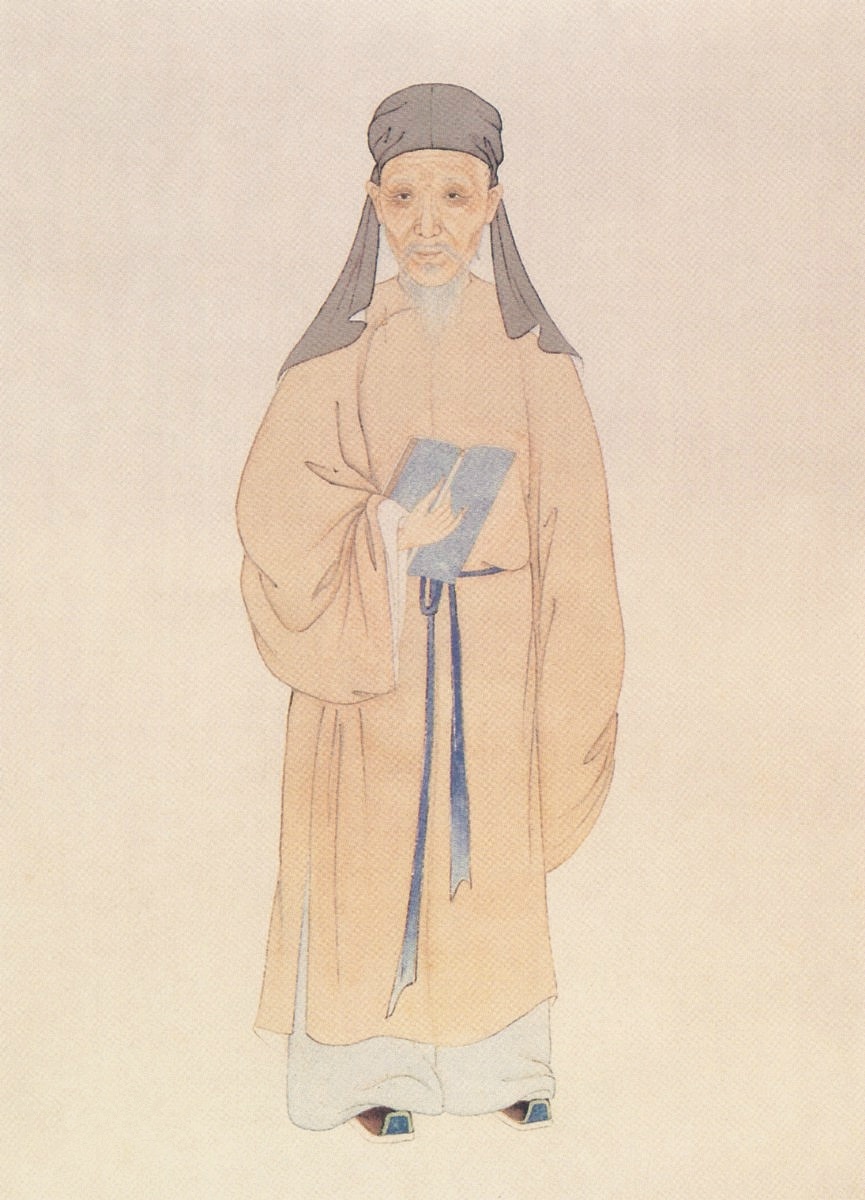
Huang Zongxi
1610 CE – 1695 CE
Yuyao, Zhejiang
Ming-Qing Confucian philosopher from Yuyao whose political critique, historical method, Yijing scholarship, philology, music theory, geography, and loyalist ethics joined evidence to public responsibility.
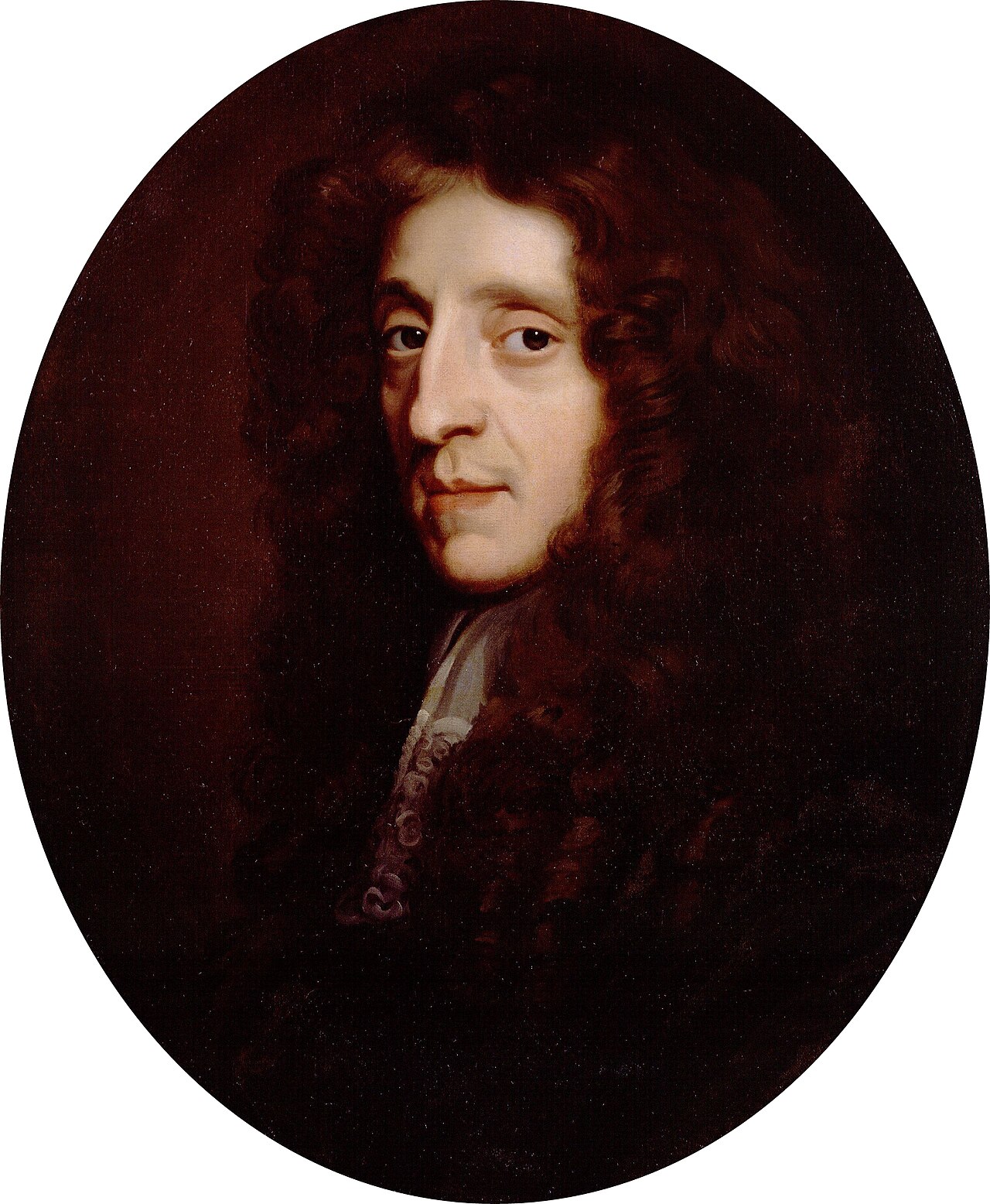
John Locke
1632 CE – 1704 CE
Wrington, Somerset
English early modern empiricist and liberal political philosopher of human understanding, toleration, natural law, personal identity, education, monetary thought, rational Christianity, and the limits of knowledge.
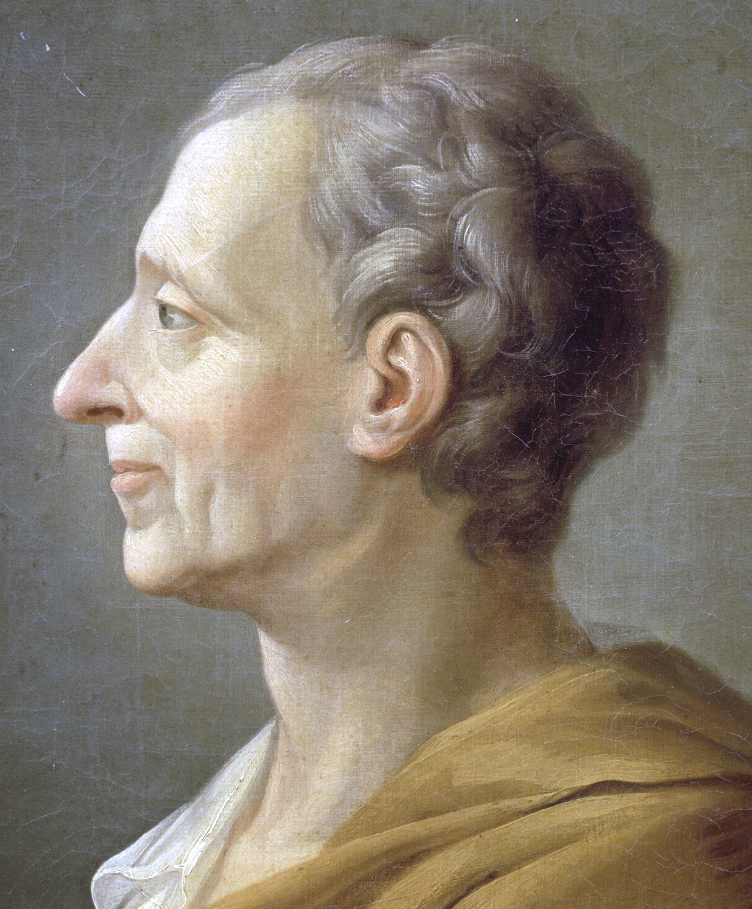
Montesquieu (Charles-Louis de Secondat)
1689 CE – 1755 CE
Chateau de la Brede, near Bordeaux
Enlightenment political philosopher of separation of powers, comparative law, rule of law, political liberty, commerce, climate, moderation, and despotism.
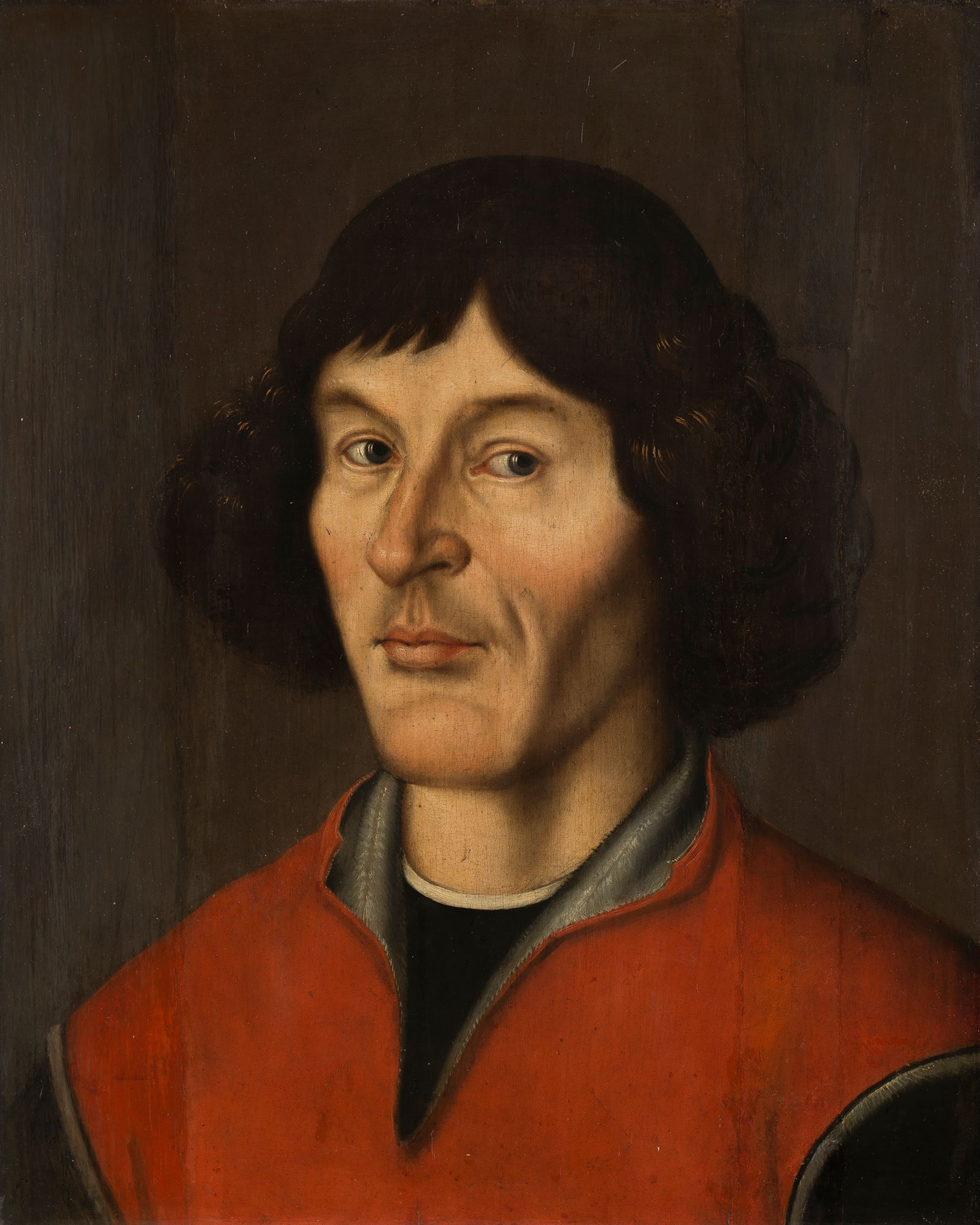
Nicolaus Copernicus
1473 CE – 1543 CE
Torun, Royal Prussia
Renaissance natural philosopher and mathematical astronomer of heliocentrism, De revolutionibus, Commentariolus, Warmian administration, and monetary reform.
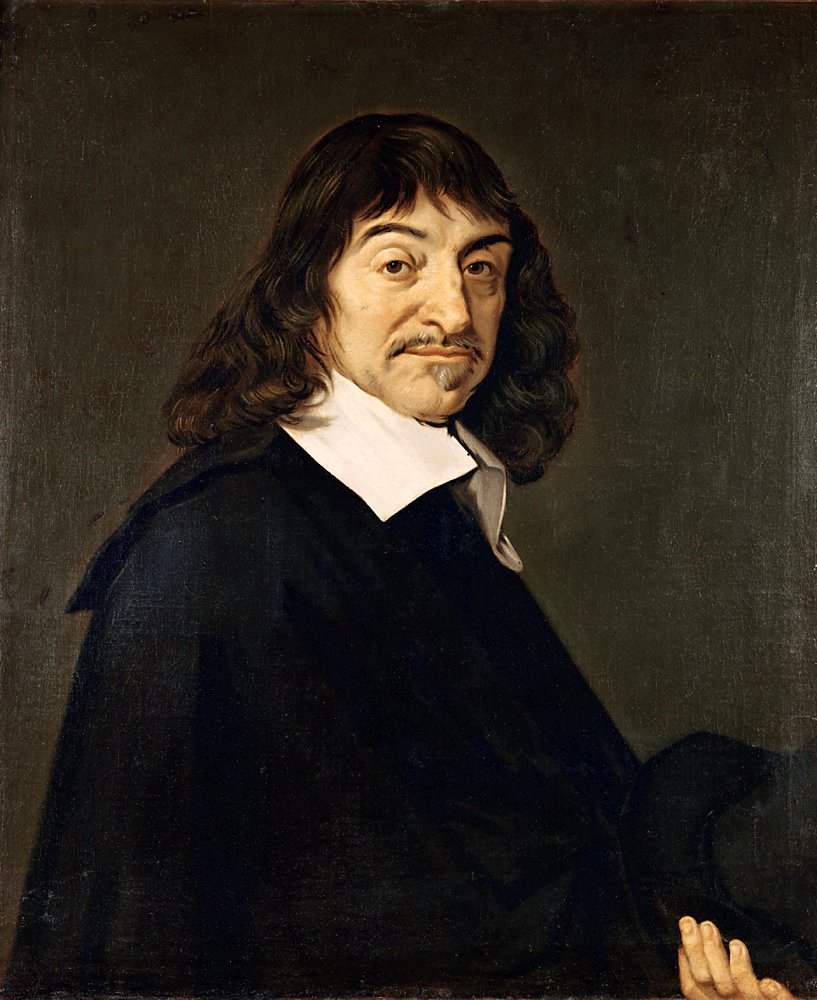
René Descartes
1596 CE – 1650 CE
La Haye en Touraine
Early modern rationalist and mathematician of methodic doubt, the cogito, clear and distinct perception, mind-body dualism, innate ideas, analytic geometry, mechanical philosophy, optics, passions, free will, God, and Cartesian science.
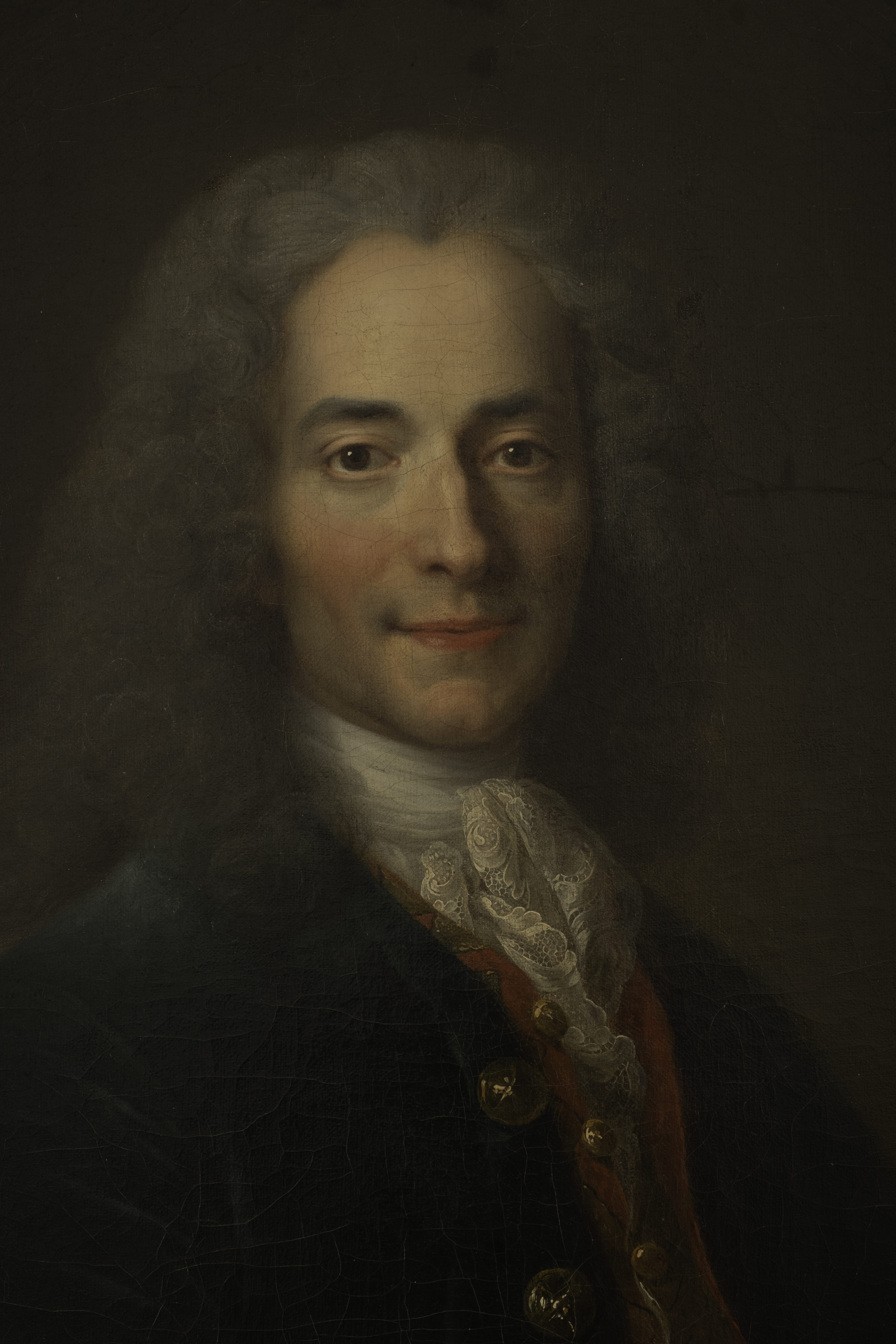
Voltaire (François-Marie Arouet)
1694 CE – 1778 CE
Paris
French Enlightenment writer and philosopher whose deism, satire, toleration campaigns, Newtonian public science, civil-liberties advocacy, and anti-clerical critique made him a defining public intellectual of eighteenth-century Europe.