Anatolian Rim & Turkish Straits
Philosophers of Anatolian Rim & Turkish Straits
Showing 18 of 18 philosophers.
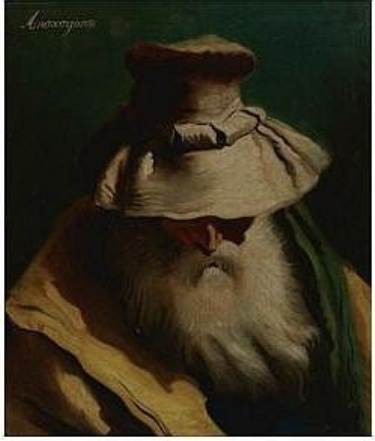
Anaxagoras of Clazomenae
500 BCE – 428 BCE
Clazomenae (Ionia)
Ionian Greek natural philosopher from Clazomenae whose Nous cosmology, mixture theory, infinite divisibility, material astronomy, and Athenian reception shaped classical natural philosophy.
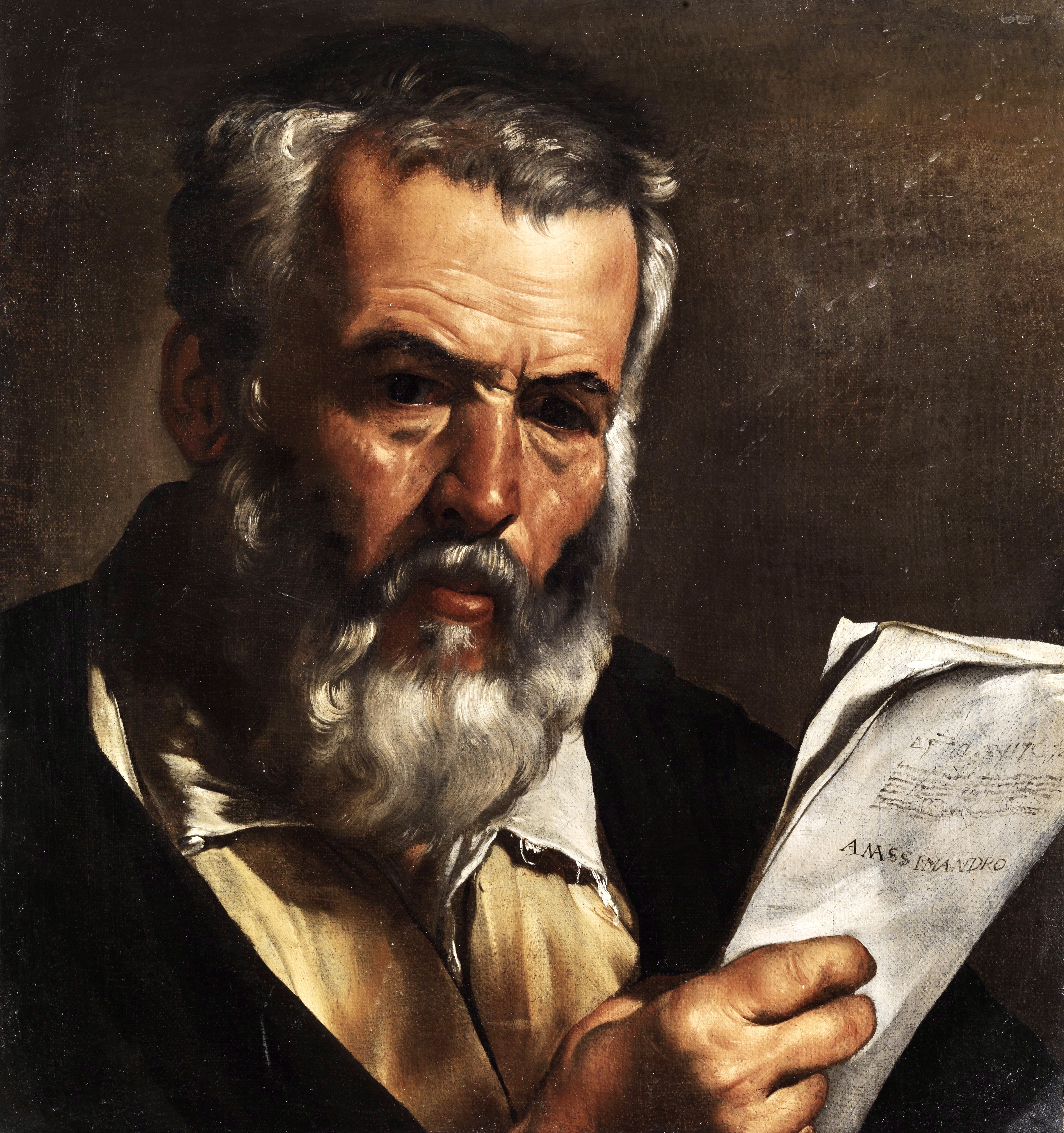
Anaximander of Miletus
610 BCE – 546 BCE
Miletus (Ionia)
Ionian Greek philosopher from Miletus whose apeiron, natural necessity, cosmology, map tradition, and early prose inquiry shaped Presocratic metaphysics and natural philosophy.
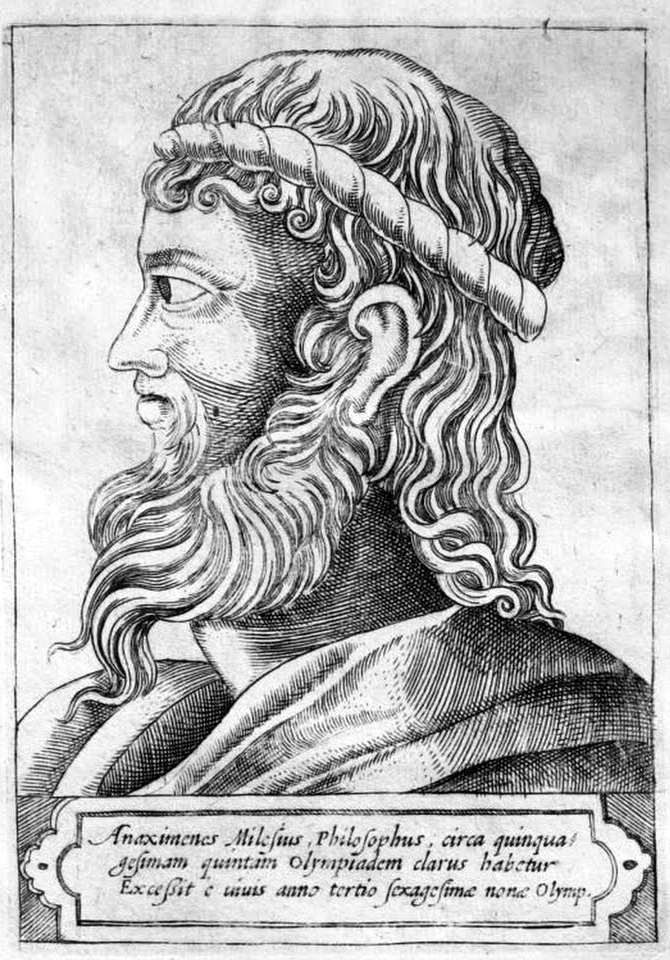
Anaximenes of Miletus
586 BCE – 526 BCE
Miletus (Ionia)
Ionian Greek philosopher from Miletus whose air-arche, rarefaction and condensation theory, soul-breath analogy, and natural explanations of change shaped Milesian and Presocratic philosophy.
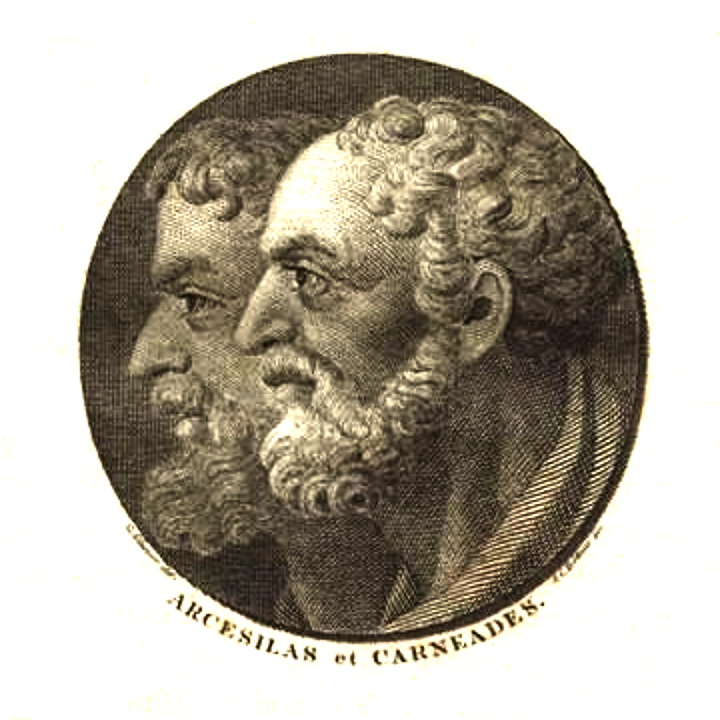
Arcesilaus of Pitane
315 BCE – 241 BCE
Pitane (Aeolis)
Greek Academic skeptic from Pitane who led Plato's Academy in Athens, attacked Stoic cognitive impressions, argued for suspension of assent, and framed practical action without dogmatic belief.
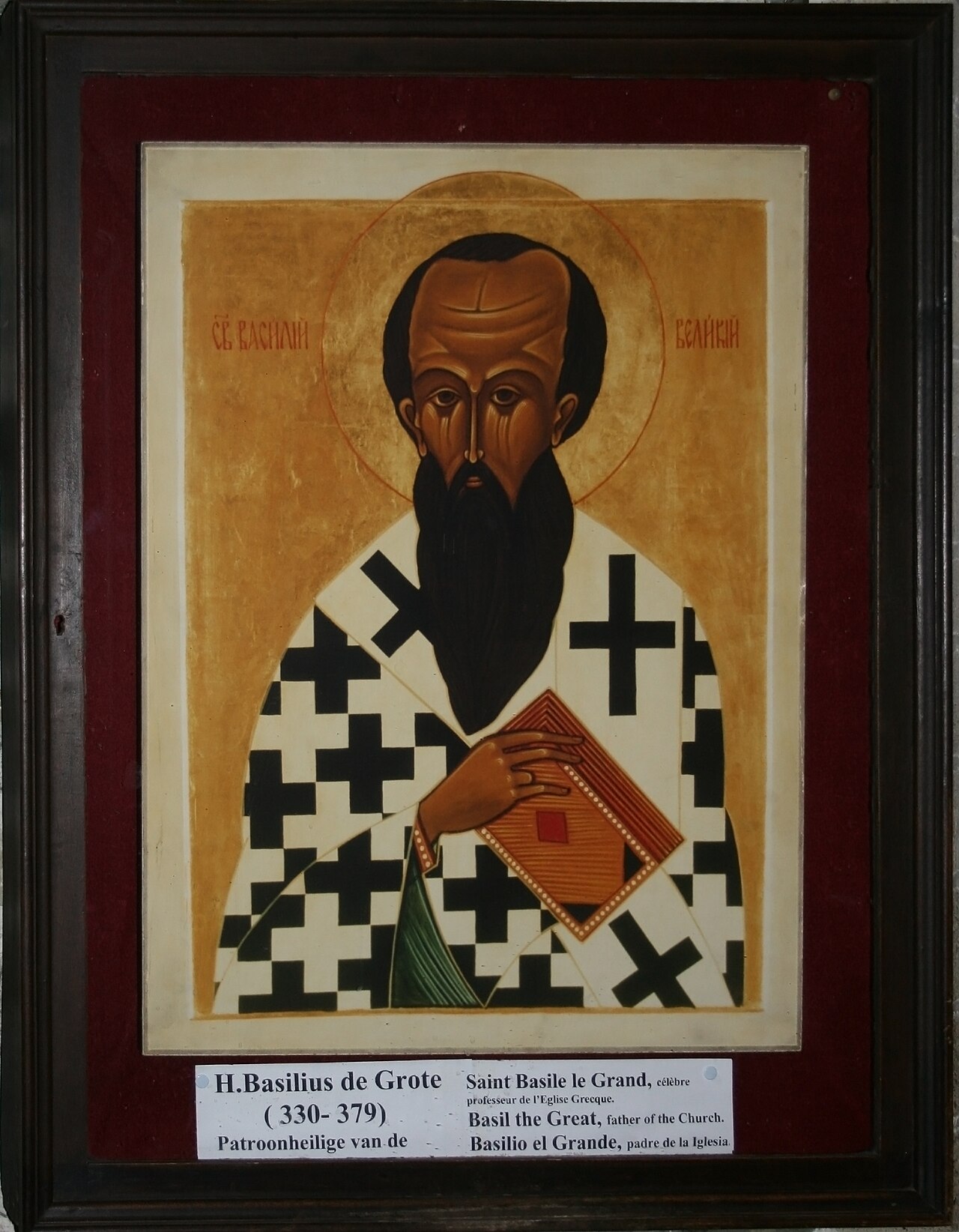
Basil the Great
330 CE – 379 CE
Caesarea, Cappadocia
Cappadocian Greek Christian bishop and theologian from Caesarea whose Trinitarian theology, account of the Holy Spirit, anti-Eunomian metaphysics, ascetic ethics, social teaching, biblical exegesis, and classical-learning pedagogy shaped Nicene Christianity, monastic practice, Byzantine thought, and philosophy of religion.
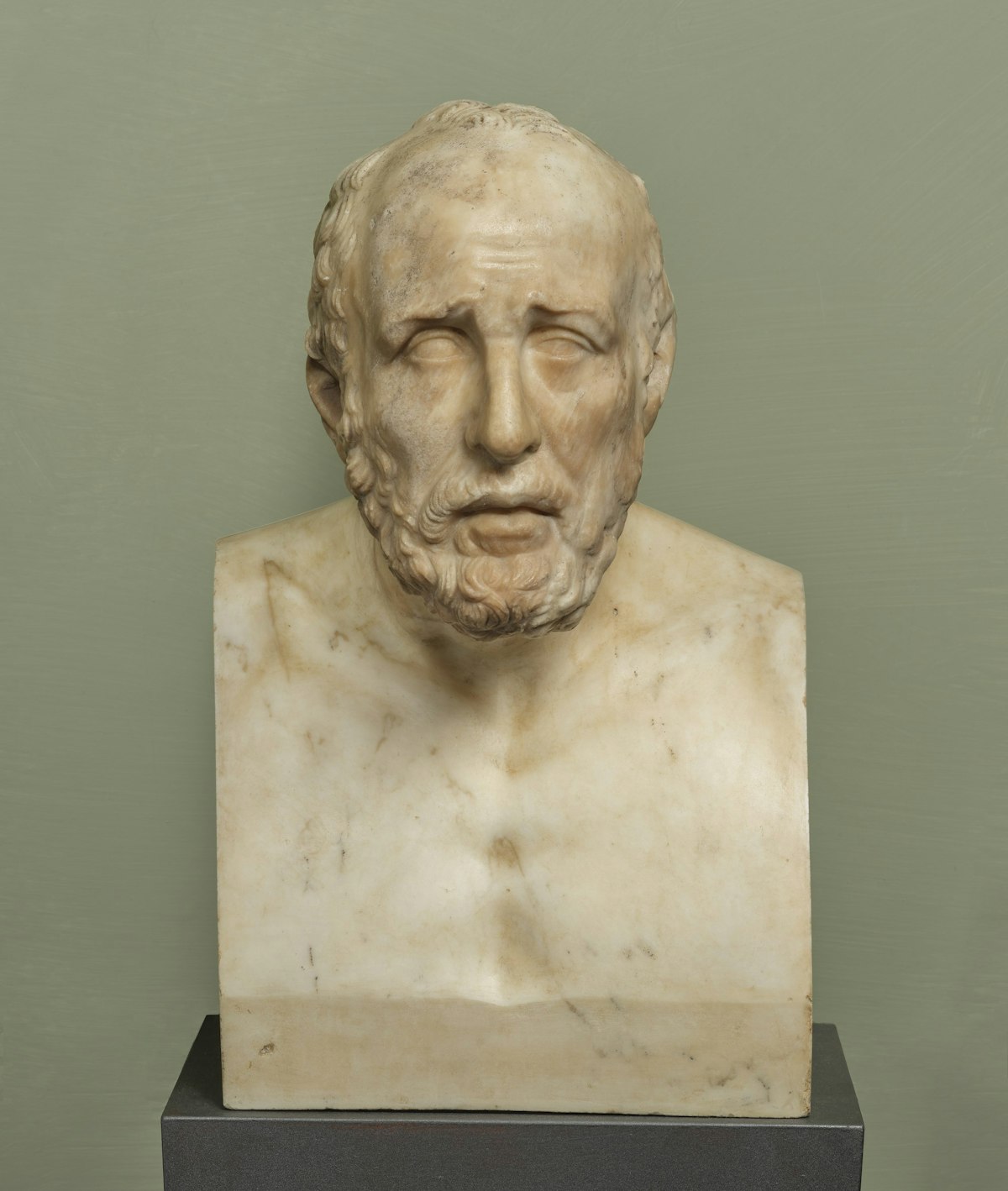
Chrysippus of Soli
279 BCE – 206 BCE
Soli, Cilicia
Stoic philosopher from Soli whose lost system of logic, physics, ethics, fate, providence, language, and knowledge made him the main architect of early Stoicism after Zeno and Cleanthes.
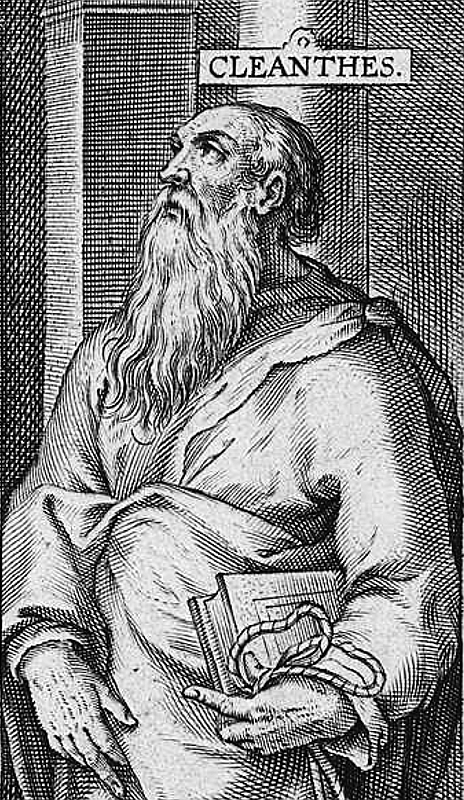
Cleanthes of Assos
331 BCE – 232 BCE
Assos in the Troad
Early Stoic head from Assos whose Hymn to Zeus, lost title catalogue, and teaching on providence, duty, impulse, logic, beauty, and living according to nature carried Zeno school into Chrysippus generation.
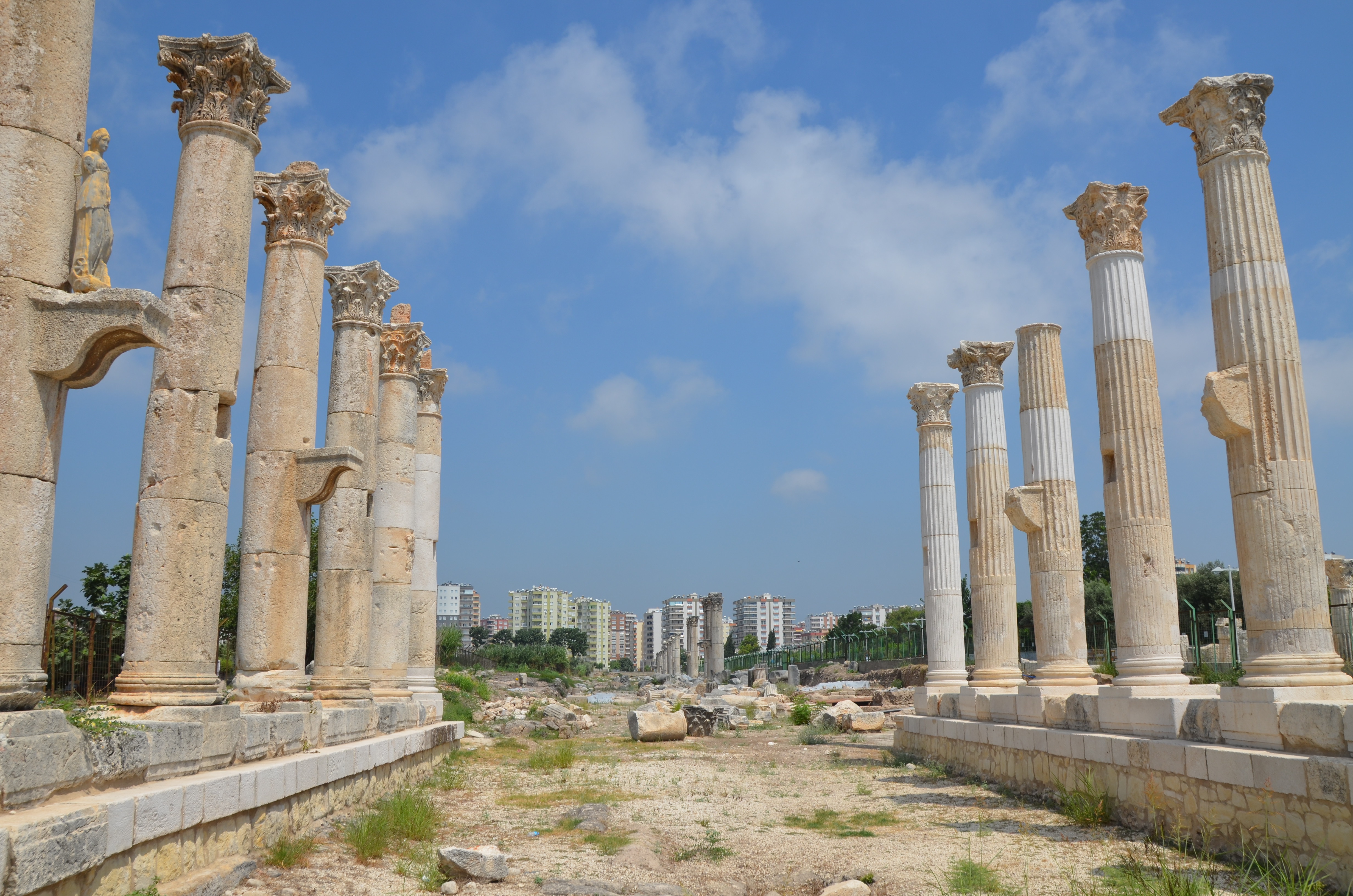
Crantor of Soli
335 BCE – 275 BCE
Soli, Cilicia
Old Academic philosopher from Soli in Cilicia whose lost On Grief and early commentary on Plato's Timaeus made consolation, soul theory, and Platonic interpretation central to later Academic reception.
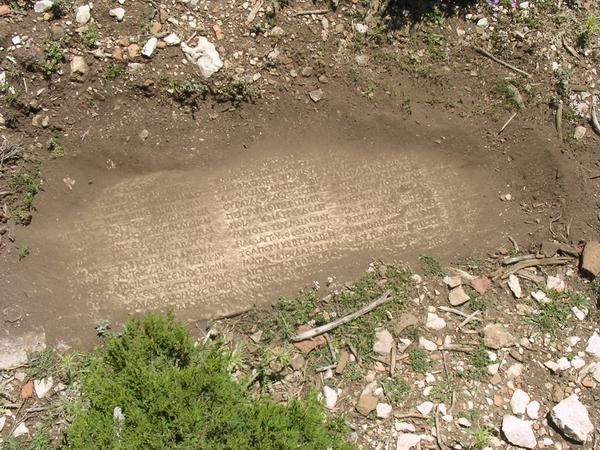
Diogenes of Oenoanda
70 CE – 140 CE
Oenoanda, Lycia
Second-century Epicurean from Oenoanda in Lycia whose monumental inscription turned philosophy into public therapy against fear, superstition, pain, death, and false beliefs about the gods.
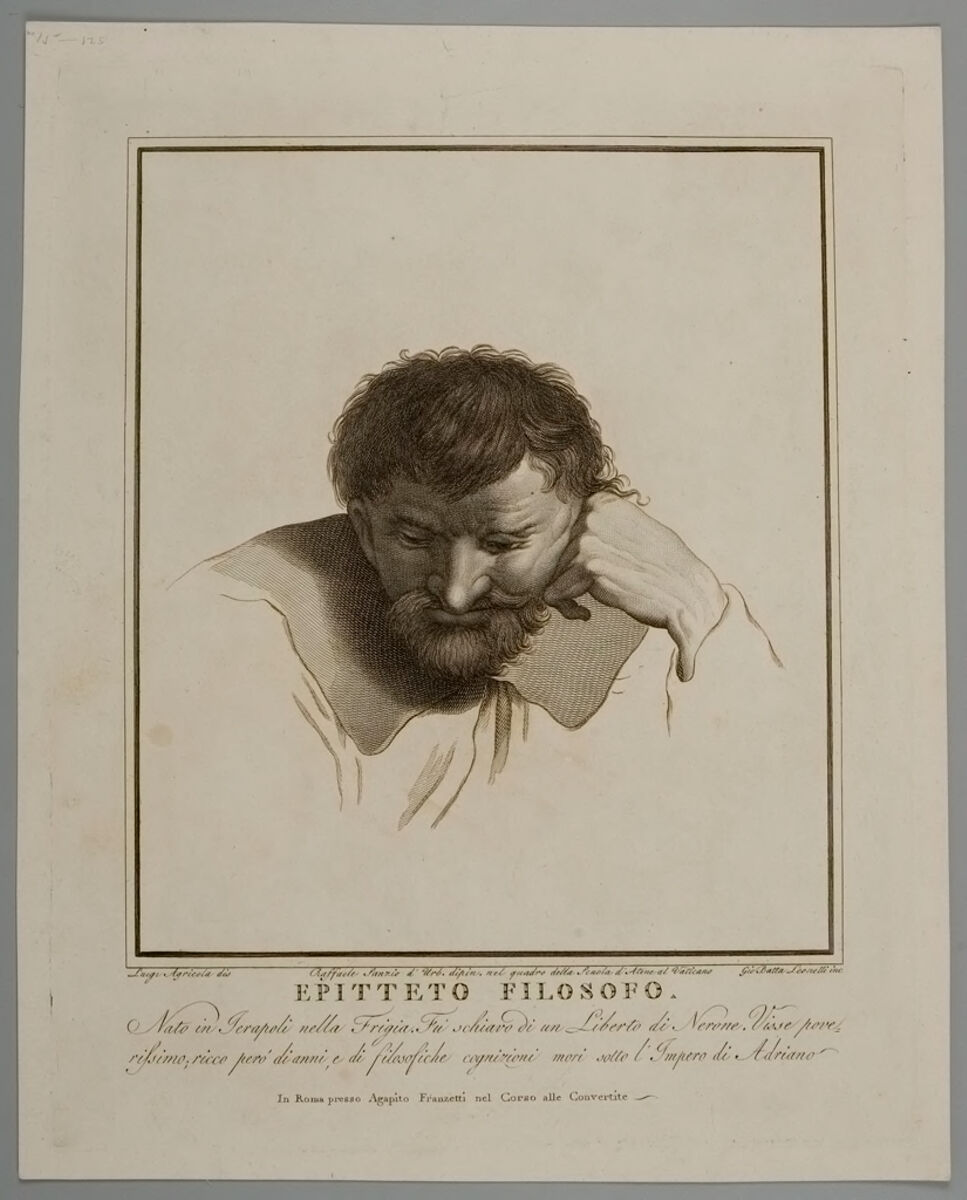
Epictetus
50 CE – 135 CE
Hierapolis, Phrygia
Formerly enslaved Stoic teacher from Hierapolis and Nicopolis whose recorded classroom teaching made prohairesis, disciplined assent, providence, and inner freedom central to Roman Stoicism.
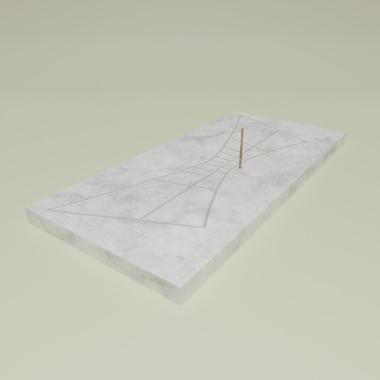
Eudoxus of Cnidus
390 BCE – 340 BCE
Cnidus, Caria
Mathematician, astronomer, geographer, and philosopher from Cnidus, remembered for proportion theory, homocentric-sphere astronomy, geography, calendrical work, and the ancient testimony about pleasure as the natural good.
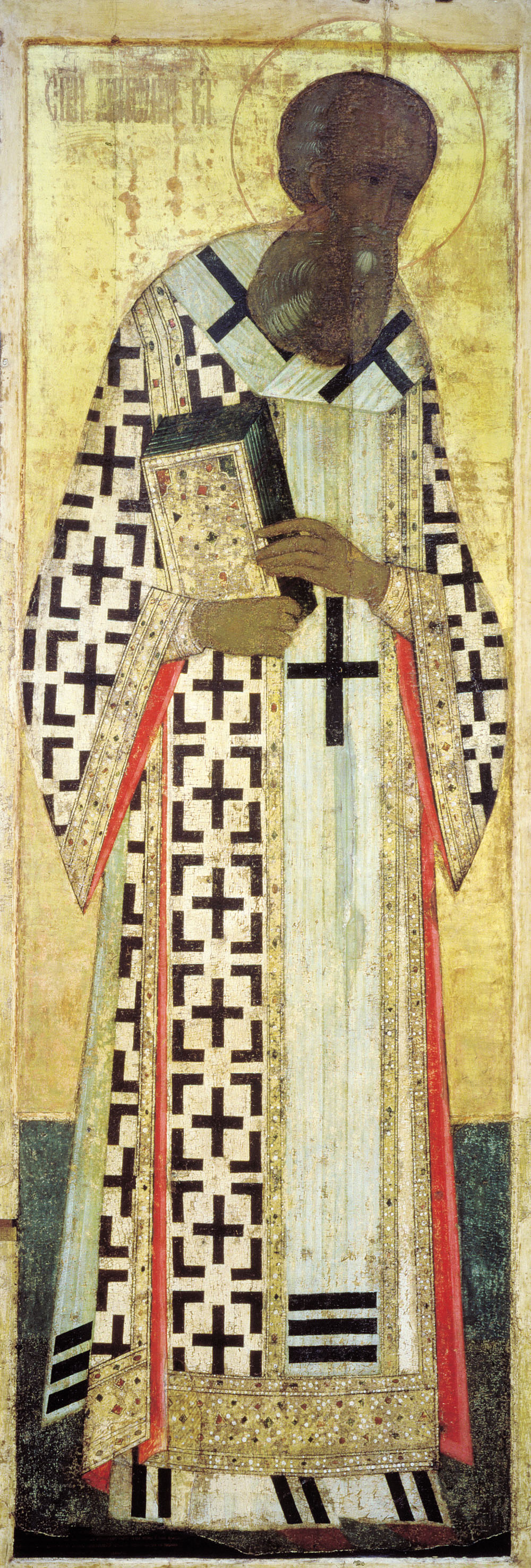
Gregory of Nazianzus
329 CE – 390 CE
Nazianzus (Cappadocia)
Cappadocian Greek theologian, orator, poet, and philosopher whose Theological Orations, Trinitarian distinctions, apophatic restraint, Christological letters, and rhetorical art shaped Nicene metaphysics, philosophy of religion, theological language, ethics, and aesthetics.
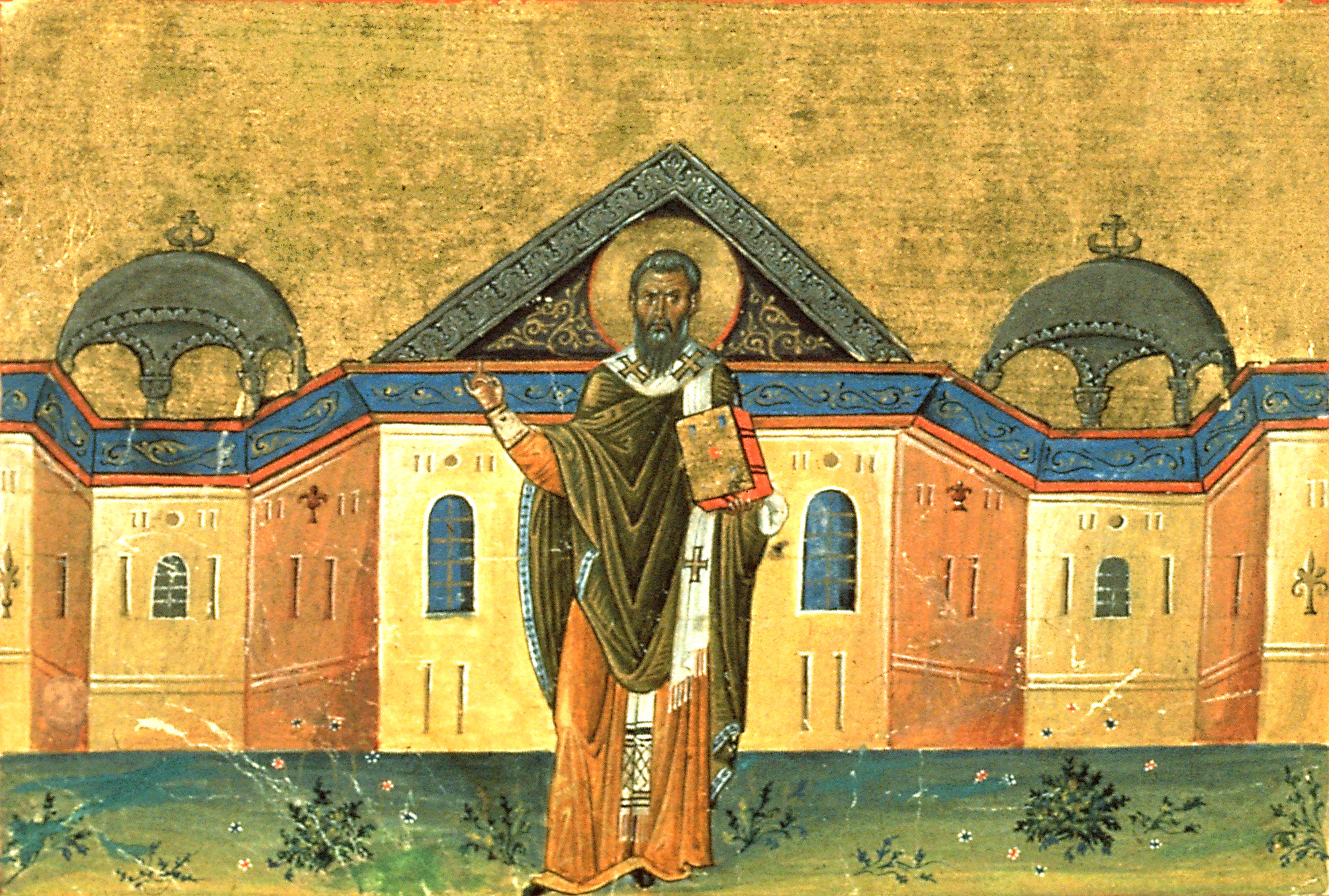
Gregory of Nyssa
335 CE – 395 CE
Nyssa (Cappadocia)
Cappadocian Greek bishop and philosopher-theologian whose accounts of divine infinity, epektasis, apophatic knowledge, soul-body anthropology, creation, and theological language shaped Christian Platonism, philosophy of religion, metaphysics, mind, science, and aesthetics.
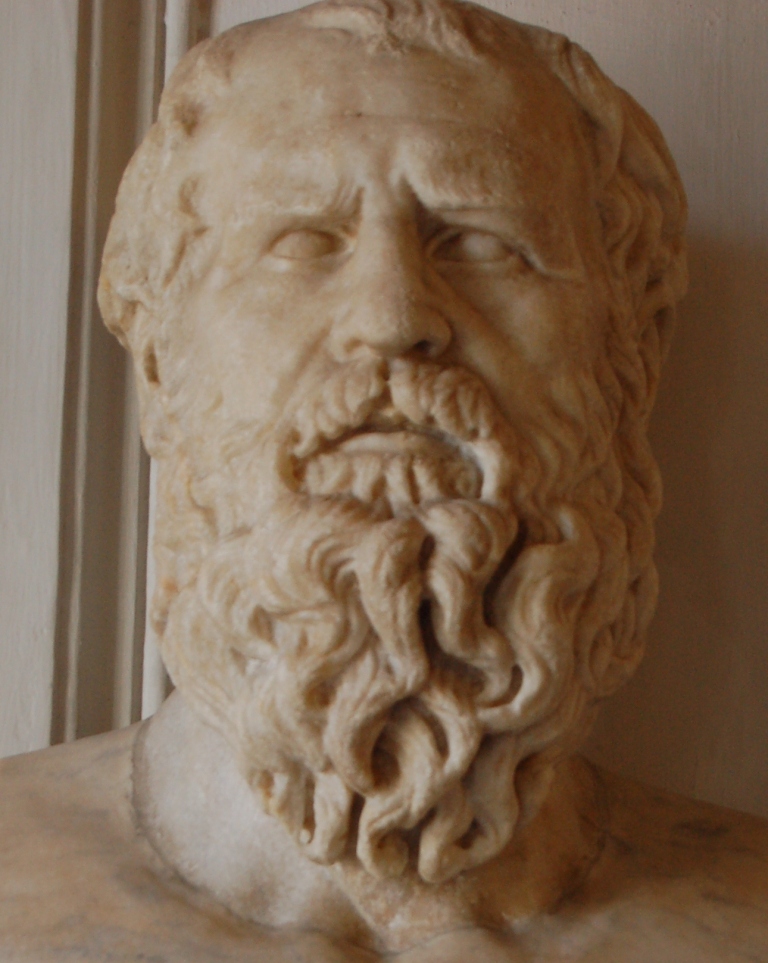
Heraclitus of Ephesus
535 BCE – 475 BCE
Ephesus, Ionia
Ionian Greek Presocratic philosopher from Ephesus whose fragments on logos, flux, fire, unity of opposites, measure, self-knowledge, law, soul, and hidden harmony helped shape metaphysics, epistemology, logic, language, natural philosophy, religion, and later process thought.
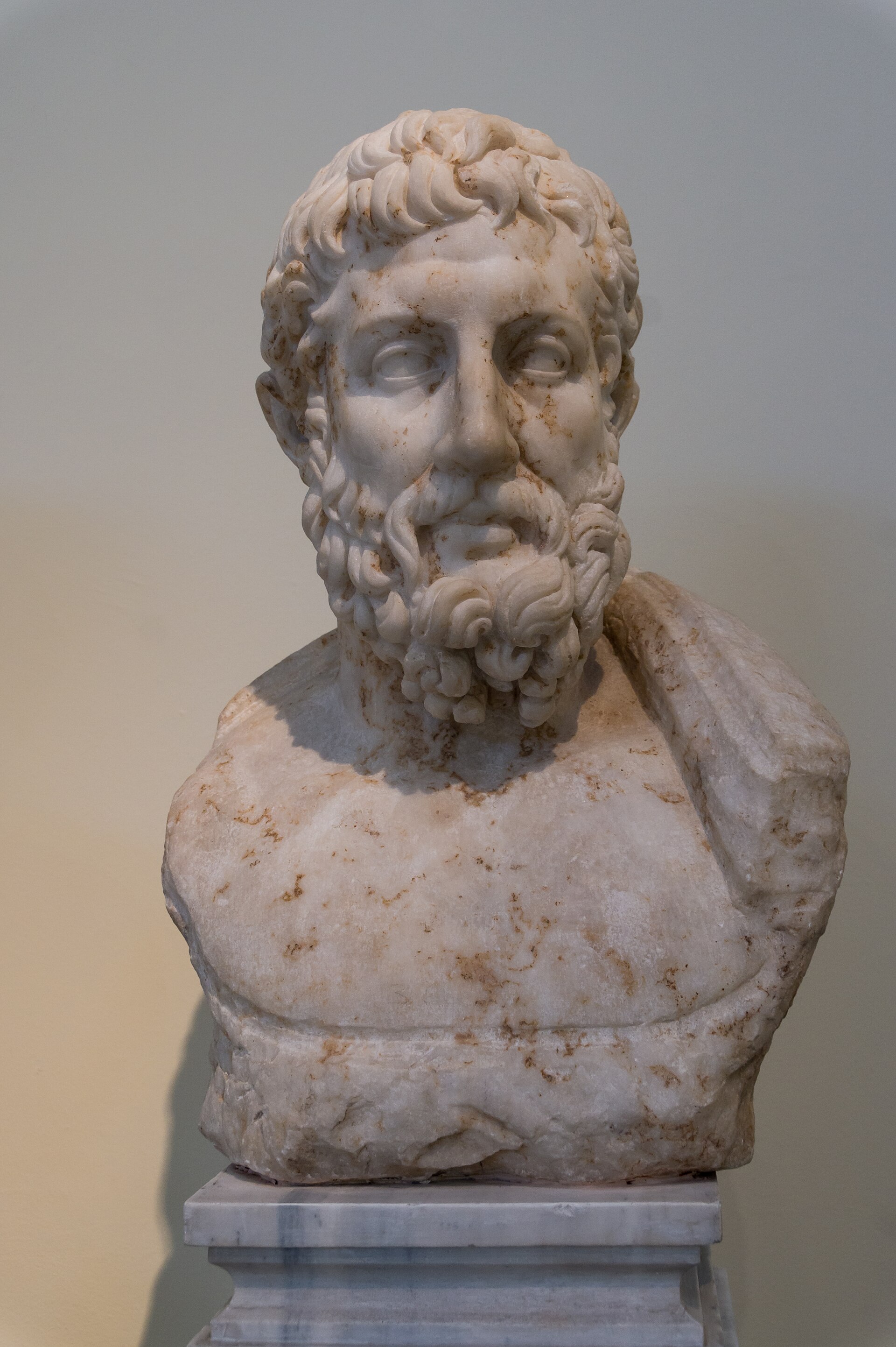
Metrodorus of Lampsacus
331 BCE – 278 BCE
Lampsacus, Hellespont
Epicurean philosopher of the Garden whose lost works joined ethics, sensation, atomism, anti-dialectic polemic, friendship, bodily goods, and loyalty to Epicurus.
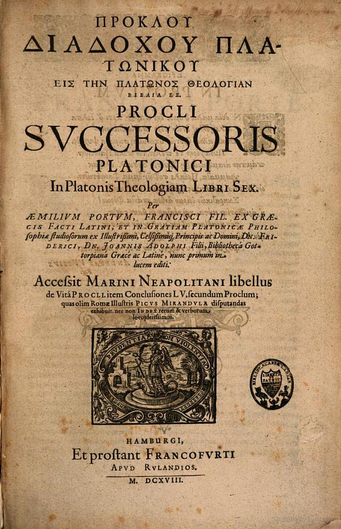
Proclus of Lycia
412 CE – 485 CE
Xanthus (Lycia)
Late antique Neoplatonic scholarch of Athens whose work systematized the One, henads, procession, reversion, intellect, soul, theurgy, mathematics, astronomy, Plato commentary, and later Pseudo-Dionysian and Liber de Causis reception.
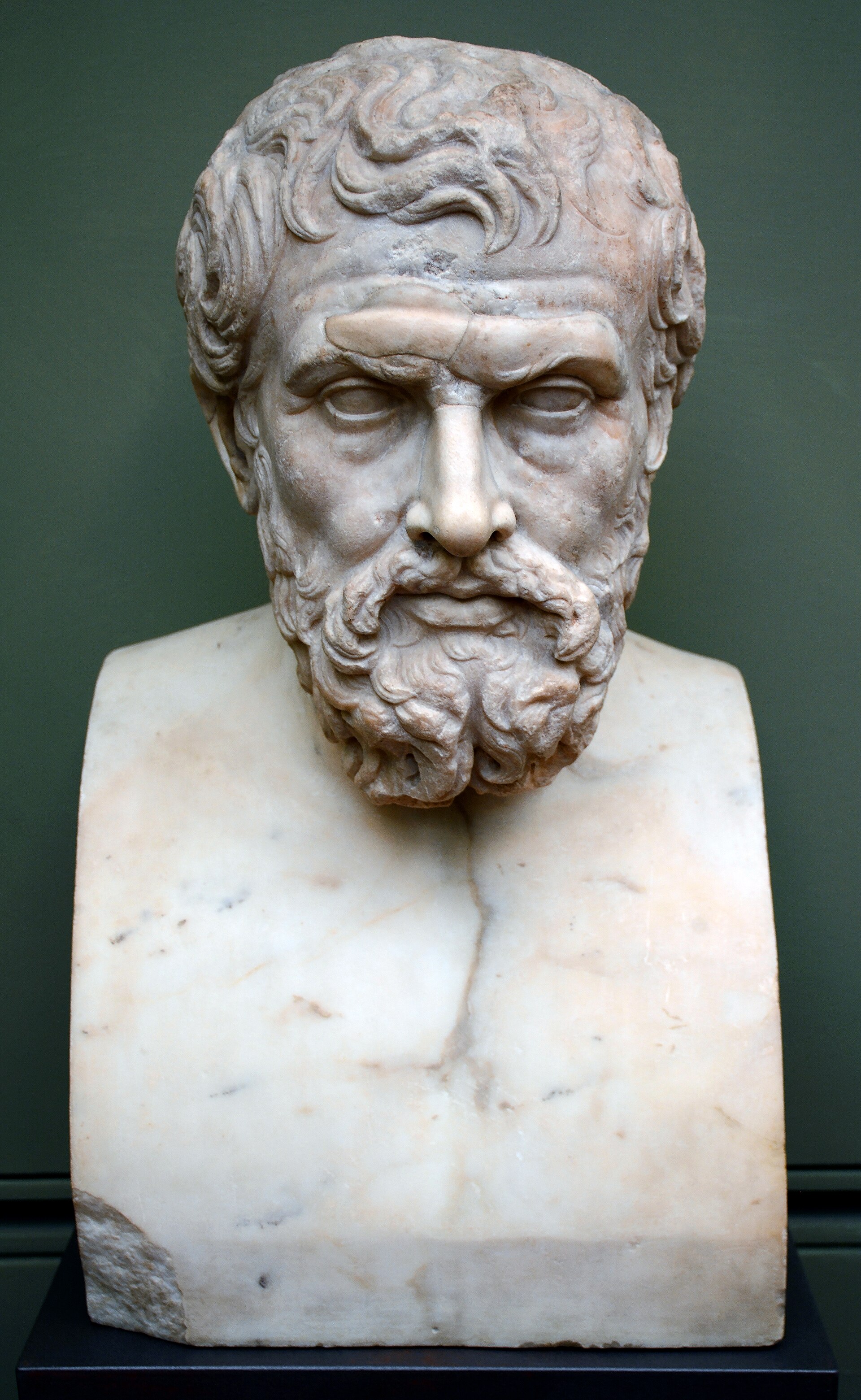
Xenocrates of Chalcedon
396 BCE – 314 BCE
Chalcedon, Bithynia; now Kadikoy, Istanbul
Greek Academic philosopher who systematized Plato through formal numbers, the One and Indeterminate Dyad, demonology, and the tripartite division of philosophy.
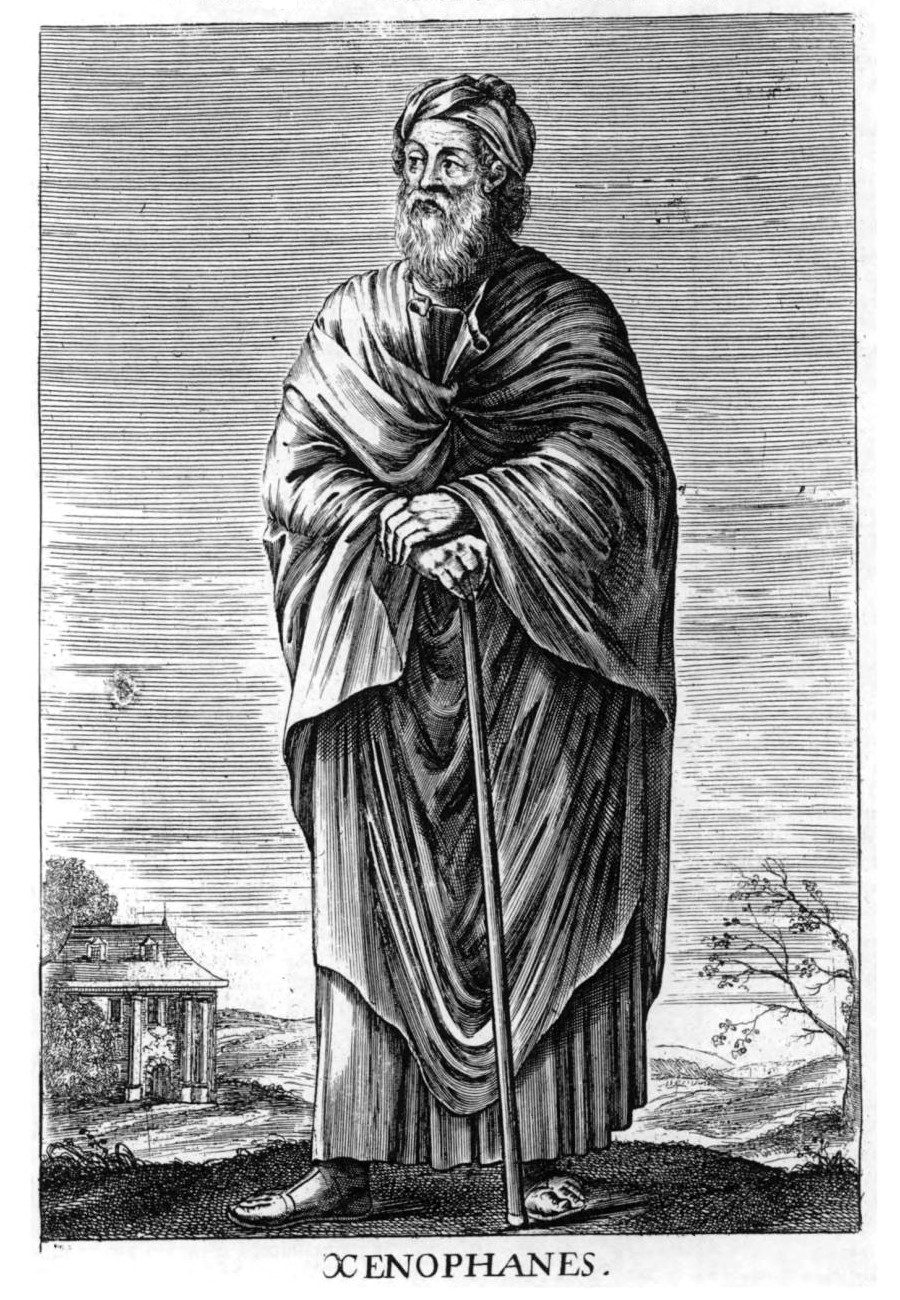
Xenophanes of Colophon
570 BCE – 478 BCE
Colophon, Ionia; near modern Izmir Province, Turkey
Ionian Greek poet-philosopher whose fragments criticize anthropomorphic gods, defend rational theology, and pair naturalistic explanation with epistemic humility.