Analytic Philosophy
Late nineteenth- and twentieth-century philosophical tradition centered on logical analysis, argumentative clarity, language, meaning, science, mathematics, mind, metaphysics, and naturalized inquiry.


Structural Factors
- Shared Core Claims
- Philosophical problems can often be clarified by analyzing language, concepts, logical form, reference, meaning, evidence, and argument structure; precision and explicit reasoning are central intellectual virtues.
- Shared Methods
- Formal logic, conceptual analysis, linguistic analysis, counterexamples, thought experiments, model cases, argument reconstruction, semantic and modal tools, and continuity with mathematics, science, and ordinary language where relevant.
- Shared Lineage
- Frege, Moore, Russell, early and later Wittgenstein, logical atomism, logical positivism, ordinary language philosophy, Quine, modal and reference theory after Kripke, and later analytic metaphysics, mind, language, epistemology, and ethics.
- Shared Problems
- Meaning, reference, truth, logical form, necessity, analyticity, scientific knowledge, mind and body, ontology, skepticism, rule-following, private language, naturalism, realism, moral language, and the status of metaphysics.
- Shared Vocabulary
- analysis, logical form, proposition, sense and reference, description, atomism, verification, analytic-synthetic, ordinary language, criterion, reference, rigid designation, possible worlds, naturalized epistemology, ontology, supervenience, and qualia.
- Shared Historical Context
- Analytic philosophy arose from late nineteenth-century logic and early twentieth-century revolts against idealism, then became institutionally dominant in British, American, Australasian, and Scandinavian university philosophy.
Defining Axes
- Doctrine
- No single doctrine defines the school; its recurring commitments are clarity, logical and linguistic analysis, argumentative discipline, and close attention to meaning, science, mathematics, and mind.
- Method
- Philosophical analysis by explicit argument, formal or informal logic, semantic distinctions, counterexamples, ordinary-language cases, model-theoretic tools, and careful reconstruction of claims.
- Lineage
- Frege, Russell, Moore, Wittgenstein, Vienna Circle logical empiricism, Oxford ordinary language philosophy, Quine, Kripke, Nagel, and later analytic philosophy of language, mind, science, ethics, and metaphysics.
- Subject Focus
- Logic, language, epistemology, metaphysics, philosophy of science, mathematics, mind, ethics, action, normativity, and the analysis of concepts and arguments.
- Geography / Culture
- German-language logic and Central European logical empiricism, British analytic philosophy, and later Anglo-American and Australasian professional philosophy networks.
- Historical Reaction
- A reaction against British idealism, speculative metaphysics, unclear philosophical prose, psychologism in logic, and later against positivist, ordinary-language, and Quinean constraints from within the tradition.
Internal Structure
- Foundational Texts
- Foundational reference points include Frege on logic and sense/reference, Russell on descriptions and logical atomism, Wittgenstein's Tractatus and later investigations, Vienna Circle logical empiricism, Quine on analyticity and naturalized epistemology, Kripke on naming and necessity, and later analytic work in mind and metaphysics.
- Core Vocabulary
- Logical form, proposition, sense, reference, description, atomism, verification, protocol sentence, analytic, synthetic, ordinary language, use, rule-following, ontology, quantification, rigid designation, possible world, naturalized epistemology, qualia, and supervenience.
- Metaphysics
- Analytic metaphysics ranges from early suspicion of speculative systems to precise work on ontology, modality, identity, causation, properties, possible worlds, material constitution, mind, and realism.
- Epistemology
- Analytic epistemology examines justification, knowledge, skepticism, evidence, analyticity, a priori knowledge, naturalized epistemology, reliabilism, internalism, externalism, testimony, and the relation between inquiry and science.
- Ethics
- Analytic ethics includes metaethics, moral language, reasons, value theory, normative argument, applied ethics, and later work on political and moral psychology, even though the school is often identified first with logic and language.
- Method
- The school proceeds through explicit premises, distinctions, objections, counterexamples, semantic analysis, formal systems, ordinary-language cases, thought experiments, and revision of theories under pressure from argument.
- Internal Debates
- Major debates include formal analysis versus ordinary language, logical positivism versus metaphysics, analytic-synthetic distinction, realism and anti-realism, naturalism, modal metaphysics, externalism, private language, mind-body theories, and the analytic-continental boundary.
- Successors
- Successors include contemporary analytic metaphysics, philosophy of mind, philosophy of language, formal epistemology, analytic ethics, experimental philosophy, philosophy of cognitive science, and global analytic philosophy.
External Classification Context
- History of Philosophy
- Analytic philosophy is usually treated as a central twentieth-century movement rooted in modern logic, empiricism, British anti-idealism, and professional university philosophy.
- Philosophy of Philosophy
- The school is important because it defines philosophy less by a shared doctrine than by standards of analysis, clarity, argumentative accountability, and explicit handling of concepts and language.
- Intellectual History
- It developed through journals, departments, seminars, professional associations, wartime exile networks, mathematical logic, scientific culture, and the postwar expansion of Anglophone universities.
- University Classification
- Analytic philosophy is commonly classified under contemporary philosophy, logic, language, mind, science, epistemology, metaphysics, and Anglo-American philosophy.
- Classical Sources
- There is no ancient classical source base; the primary sources are modern books, articles, lectures, correspondence, journal debates, and university traditions from Frege onward.
- Sociology of Knowledge
- The school persisted through graduate training, journal refereeing, seminar culture, professional societies, citation networks, canonical anthologies, English-language departments, and shared expectations about argumentative style.
Linked Philosophers
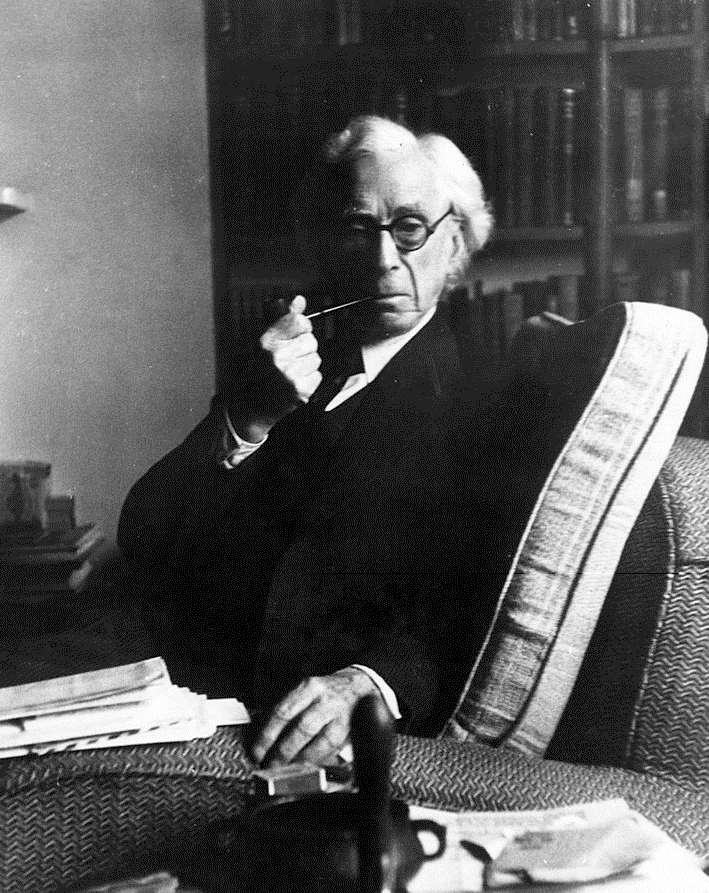
Bertrand Russell
1872 CE – 1970 CE
Trellech, Monmouthshire
British analytic philosopher, logician, mathematician, social critic, and Nobel laureate from Trellech whose logicism, theory of descriptions, logical atomism, epistemology, philosophy of language, ethics, pacifism, secular critique, and political writing shaped analytic philosophy and twentieth-century public reason.
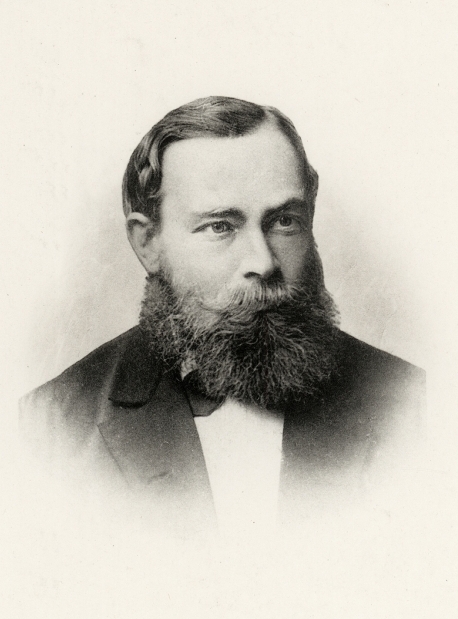
Gottlob Frege
1848 CE – 1925 CE
Wismar
German logician, mathematician, and philosopher whose concept-script, modern quantificational logic, logicism, sense-reference distinction, concept-object analysis, and anti-psychologism helped launch analytic philosophy and reshape logic, language, mathematics, and truth.
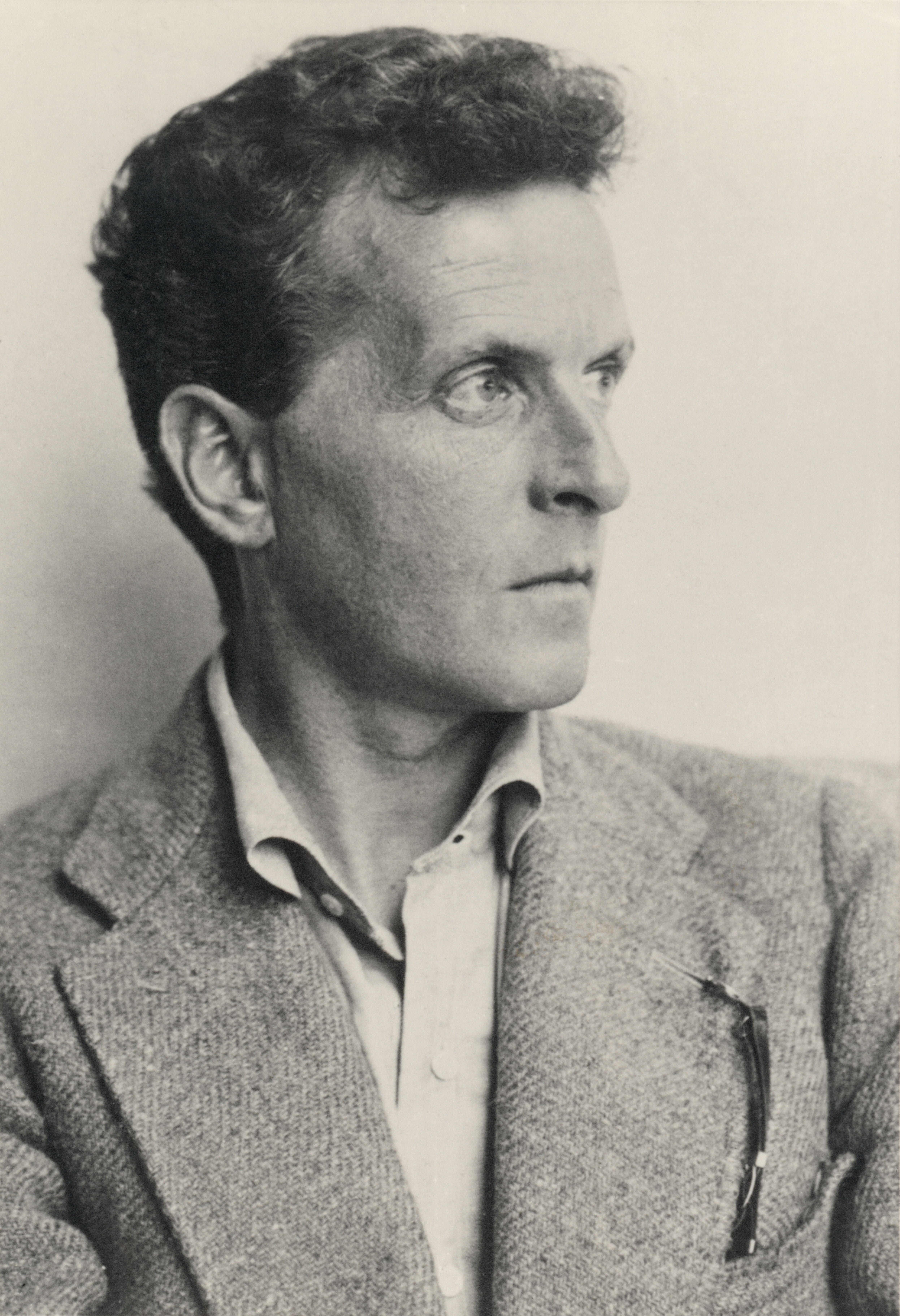
Ludwig Wittgenstein
1889 CE – 1951 CE
Vienna, Austria-Hungary
Austrian-British analytic philosopher whose Tractatus, later ordinary-language method, language-games, private-language arguments, and remarks on mathematics, certainty, mind, aesthetics, ethics, and religious language reshaped twentieth-century philosophy.

Saul Kripke
1940 CE – 2022 CE
Bay Shore, New York
American analytic philosopher and logician known for Kripke semantics, rigid designation, necessary a posteriori truth, truth theory, and rule-following skepticism.
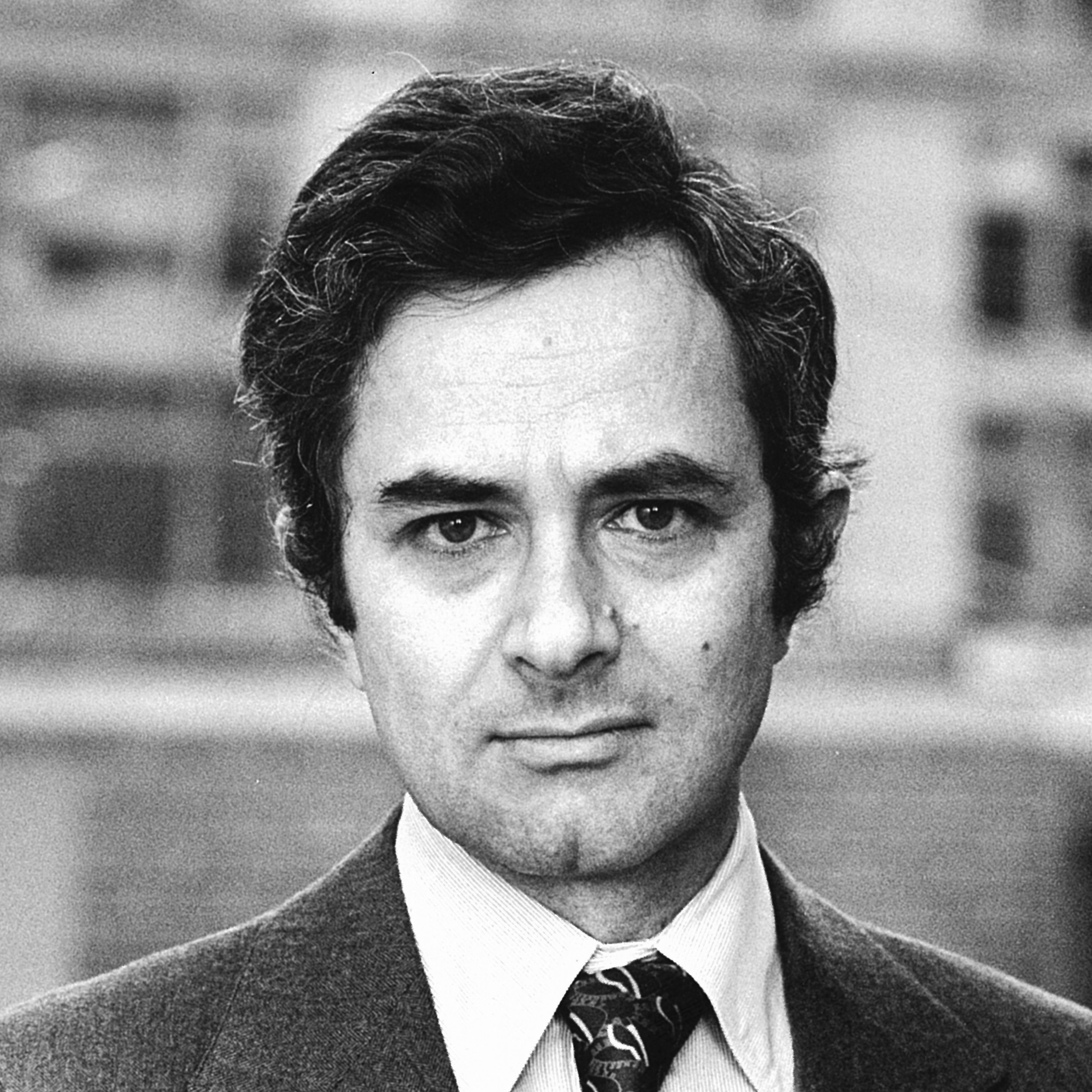
Thomas Nagel
1937 CE
Belgrade
American analytic philosopher of consciousness, objectivity, altruism, moral luck, equality, political morality, religious temperament, and limits of reductive materialism.
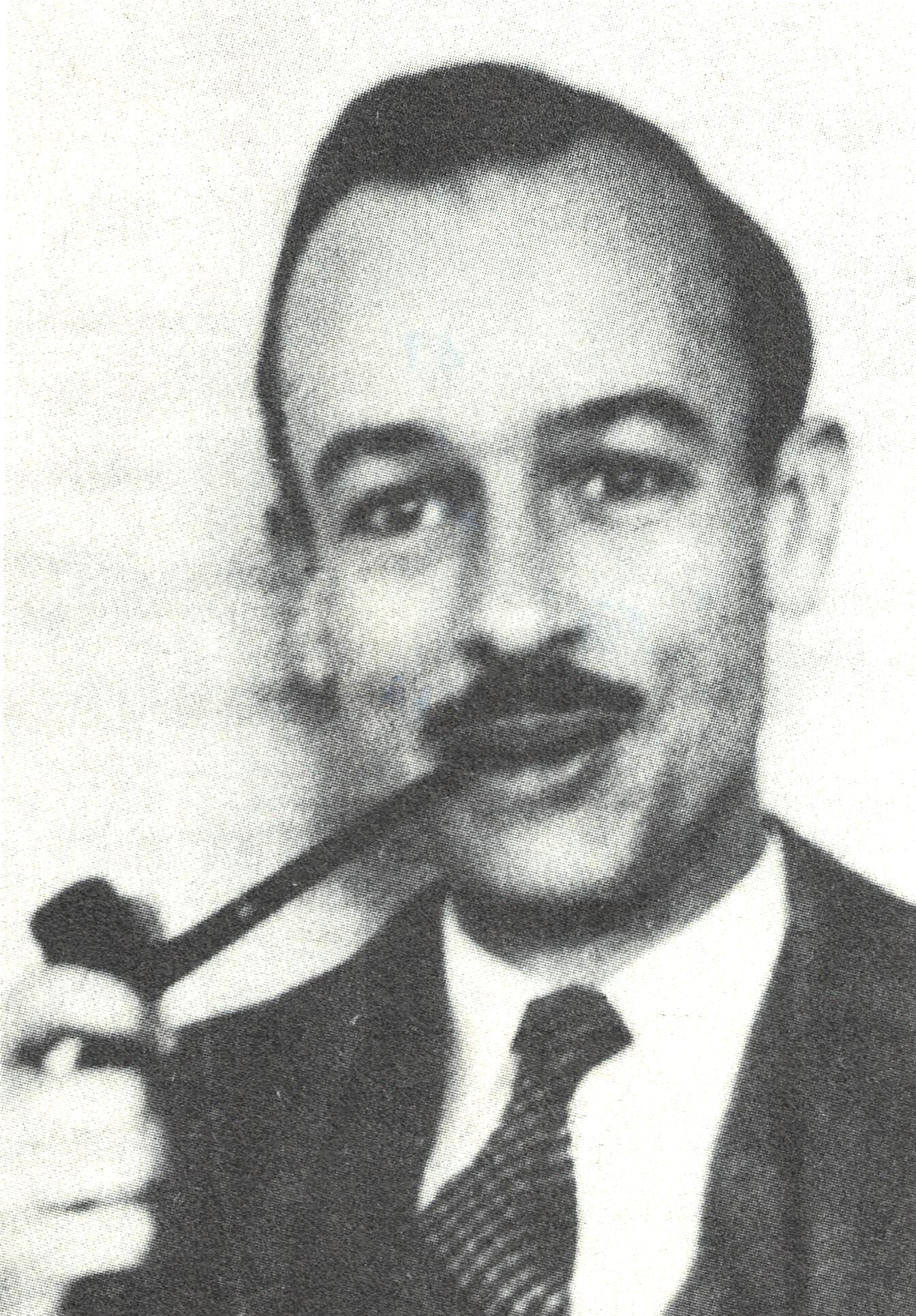
W. V. O. Quine
1908 CE – 2000 CE
Akron, Ohio
American analytic philosopher and logician whose naturalized epistemology, ontological relativity, indeterminacy of translation, extensionalism, and mathematical logic reshaped twentieth-century philosophy.