Philosophy School
Atomism
Presocratic natural-philosophical school centered on indivisible atoms, void, motion, necessity, infinite worlds, non-teleological explanation, perception, and material explanation of sensible qualities.
Period
Ancient History3000 BCE – 499 CE
Era
Classical Antiquity500 BCE – 499 CE
Begin
500 BCE
End
370 BCE

Structural Factors
- Shared Core Claims
- Reality is composed of indivisible atoms moving in void; visible change, quality, perception, cosmic formation, and living things arise from atomic shape, order, position, motion, collision, and combination without teleological design.
- Shared Methods
- Rational natural explanation, response to Eleatic arguments, reduction of sensible qualities to atomic structures, material causal explanation, analogy, doxographical argument, and reconstruction from fragments and testimony.
- Shared Lineage
- Leucippus and Democritus in the Presocratic tradition, later Epicurean atomism, Lucretius and Roman reception, ancient critics such as Aristotle, and early modern corpuscularian revivals.
- Shared Problems
- Void, motion, indivisibility, necessity, chance, infinite worlds, perception, knowledge, convention and reality, soul and life, ethics in Democritus, teleology, and the relation between microscopic causes and macroscopic qualities.
- Shared Vocabulary
- atom, atomos, void, full, empty, necessity, chance, whirl, shape, order, position, collision, compound, eidola, convention, reality, indivisible, infinite worlds, and corpuscle.
- Shared Historical Context
- Ancient atomism emerged in fifth-century BCE Greek natural philosophy as a response to Eleatic monism and became influential through Democritus, Epicurus, Lucretius, Aristotelian critique, doxography, and early modern revival.
Defining Axes
- Doctrine
- A materialist account of nature in which atoms and void explain motion, change, perception, worlds, living beings, and apparent qualities without intrinsic purpose or divine design.
- Method
- The school explains appearances by reducing them to atomic arrangements, motion, and collisions, while preserving change against Eleatic denial and rejecting teleological explanation.
- Lineage
- Leucippus and Democritus as founders, Epicurus and Lucretius as later developers, ancient doxographers and critics as transmitters, and early modern corpuscularians as distant successors.
- Subject Focus
- Metaphysics, natural philosophy, cosmology, perception, epistemology, philosophy of science, material explanation, ethics, and later reception in physics and philosophy.
- Geography / Culture
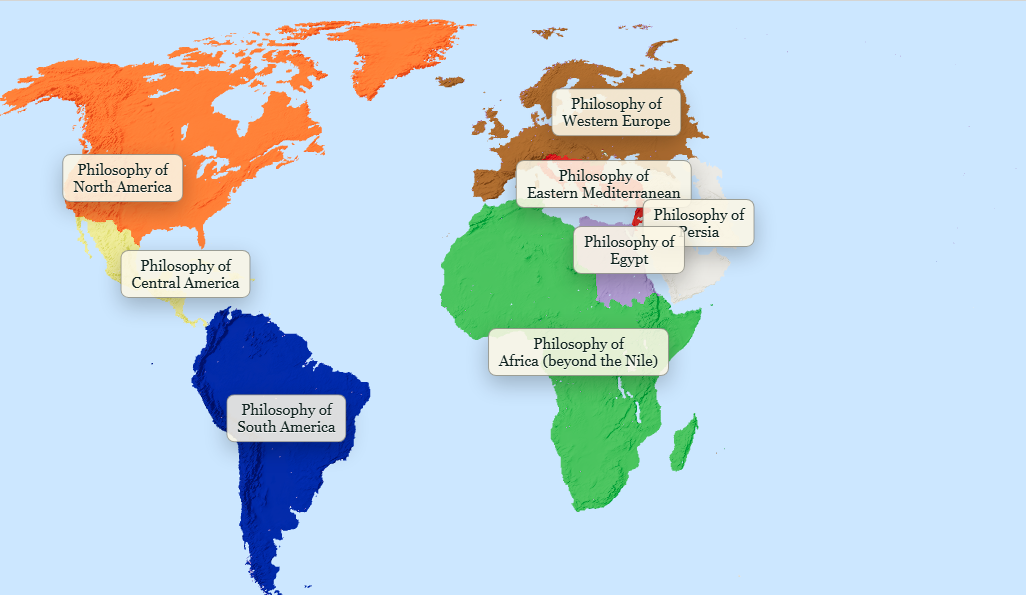
- Abdera, Miletus, Eleatic influence, wider Greek Presocratic culture, Hellenistic Epicurean transmission, Roman Lucretian reception, and European early modern natural philosophy.
- Historical Reaction
- A response to Parmenides, Zeno, Melissus, and Eleatic puzzles about change and plurality, later challenged by Plato, Aristotle, Stoics, theologians, and teleological natural philosophy.
Internal Structure
- Foundational Texts
- No intact works by Leucippus or Democritus survive; evidence comes from fragments, Aristotle, Theophrastus, Simplicius, Diogenes Laertius, Sextus Empiricus, later doxography, Epicurean and Lucretian reception, and modern reconstructions.
- Core Vocabulary
- Atom, void, full, empty, indivisible, shape, arrangement, position, order, motion, collision, necessity, chance, whirl, eidola, perception, convention, reality, infinite worlds, and material cause.
- Metaphysics
- Atomist metaphysics treats atoms and void as basic realities: atoms are solid, indivisible, eternal bodies, while void allows motion, separation, plurality, and the formation and dissolution of compounds.
- Epistemology
- Atomist epistemology distinguishes appearance from reality, analyzes perception as material contact or effluence, and asks how reliable knowledge is possible when sensible qualities are conventional effects of atomic structure.
- Ethics
- Democritean ethics connects cheerfulness, moderation, measure, and rational ordering of life to a broader naturalistic worldview, although the relation between ethical fragments and atomist physics remains debated.
- Method
- The school proceeds by explaining macroscopic phenomena through microscopic atoms and void, answering Eleatic arguments, rejecting purpose as a natural cause, and reconstructing doctrine from fragmentary testimony.
- Internal Debates
- Debates concern Leucippus' existence and role, Democritus' originality, physical versus conceptual indivisibility, chance and necessity, perception, ethics, Epicurean revisions, and whether ancient atomism anticipates modern mechanism.
- Successors
- Successor formations include Epicureanism, Lucretian natural philosophy, ancient materialism, early modern corpuscularianism, histories of science, and modern philosophical discussions of reduction and mechanism.
External Classification Context
- History of Philosophy
- Atomism is a major Presocratic alternative to Eleatic monism, Platonic form theory, Aristotelian hylomorphism, and teleological natural philosophy.
- Philosophy of Philosophy
- It presents philosophy as explanatory reduction: visible order is made intelligible through hidden material structures and causal processes rather than myth, design, or final causes.
- Intellectual History
- Its transmission depends on hostile and sympathetic reports, Aristotelian criticism, doxographical collections, Epicurean adaptation, Lucretius, manuscript survival, Renaissance recovery, and modern scholarship.
- University Classification
- Usually classified under Presocratic philosophy, ancient Greek philosophy, metaphysics, natural philosophy, philosophy of science, materialism, cosmology, and history of physics.
- Classical Sources
- Classical evidence comes from Aristotle, Theophrastus, Diogenes Laertius, Simplicius, Sextus Empiricus, Plutarch, Stobaeus, Epicurean sources, Lucretius, and fragment collections such as Diels-Kranz.
- Sociology of Knowledge
- The school persisted through reports, criticism, fragment anthologies, Epicurean communities, Roman poetic transmission, Renaissance humanism, early modern natural philosophy, and modern classical scholarship.
Linked Philosophers
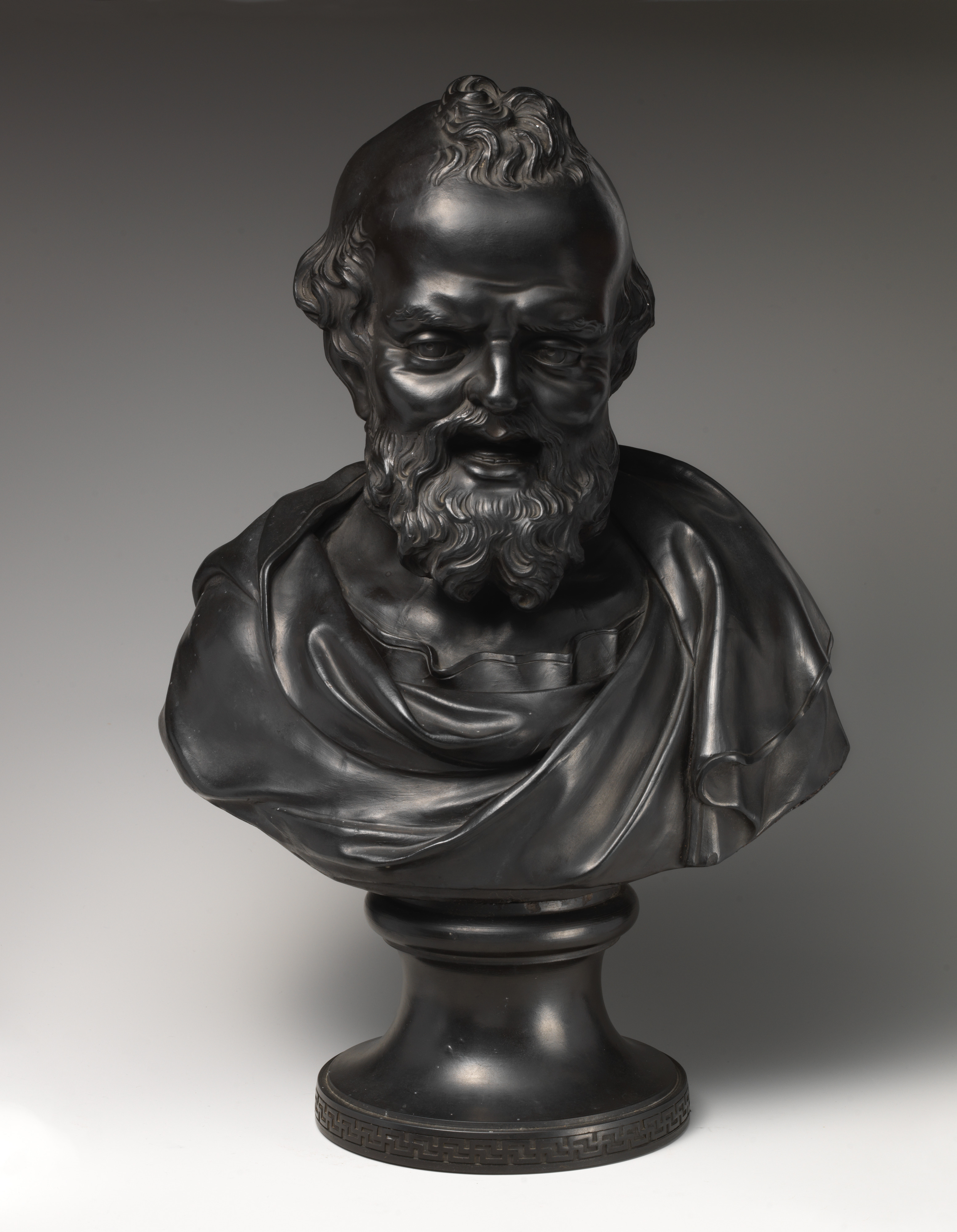
Democritus of Abdera
460 BCE – 370 BCE
Abdera, Thrace
Presocratic atomist from Abdera whose philosophy explained nature, mind, perception, ethics, language, mathematics, and religion through atoms, void, causal necessity, and measured cheerfulness.
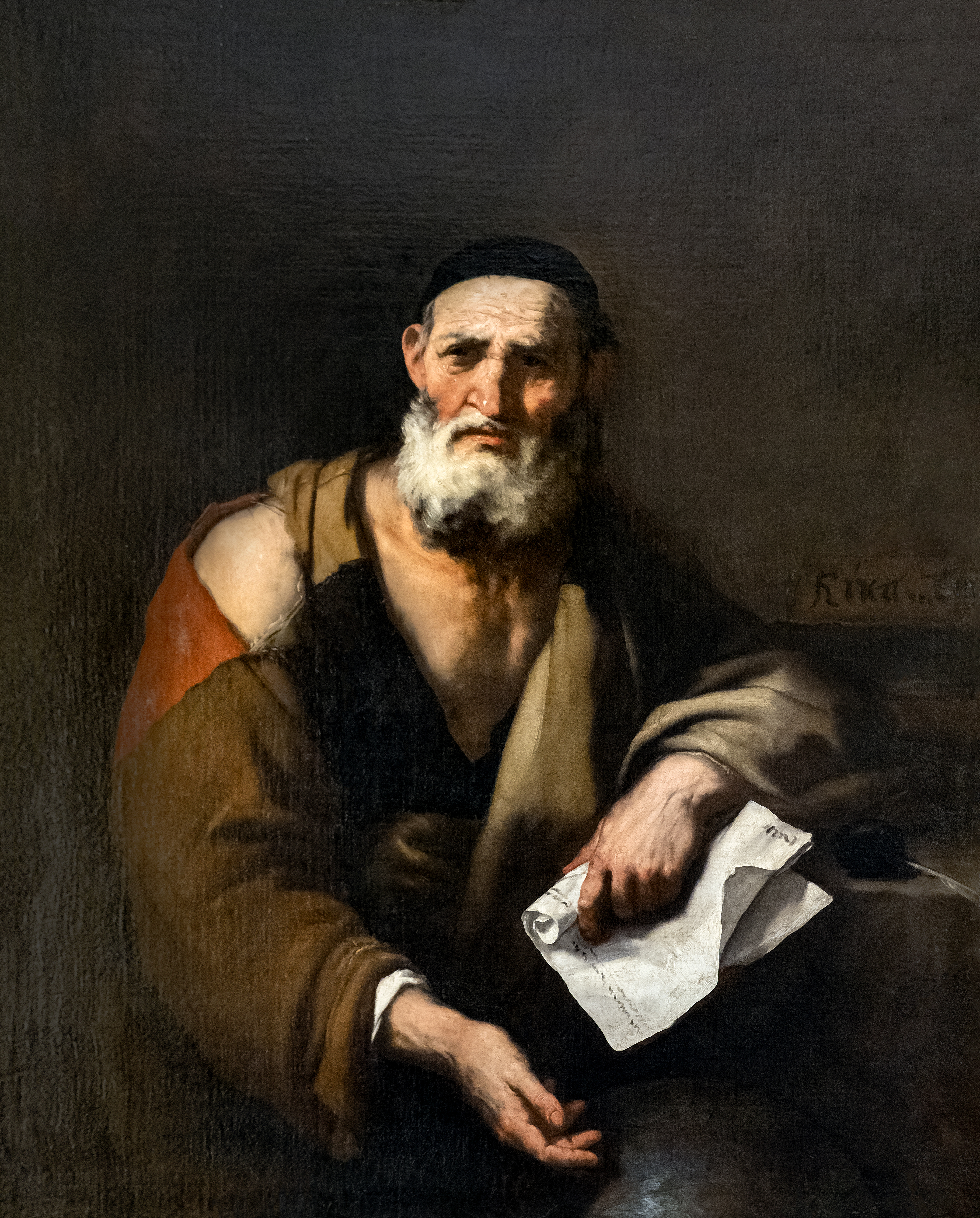
Leucippus of Abdera
500 BCE – 430 BCE
Abdera, Thrace; birthplace uncertain in ancient sources
Presocratic atomist associated with Abdera whose lost works and ancient testimonia explain nature through atoms, void, motion, and necessity.