Philosophy School
Avicennism
Islamic Peripatetic and Avicennian philosophical tradition centered on Ibn Sīnā's metaphysics, logic, psychology, natural philosophy, medicine, emanation, essence and existence, the necessary existent, prophecy, and post-Avicennian commentary.
Region
Eastern Thought
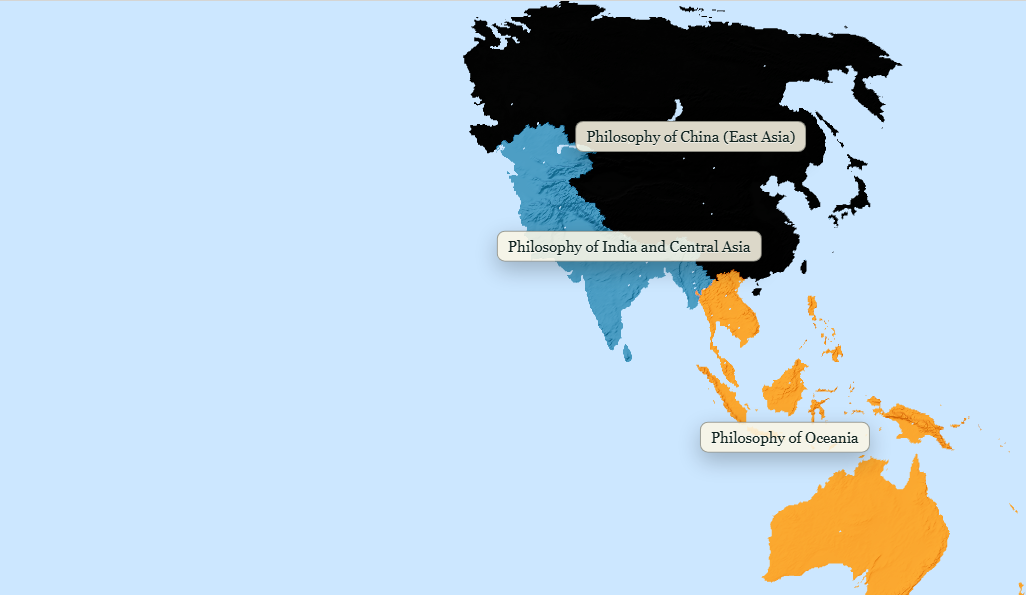
Terra Avita
India and Central Asia
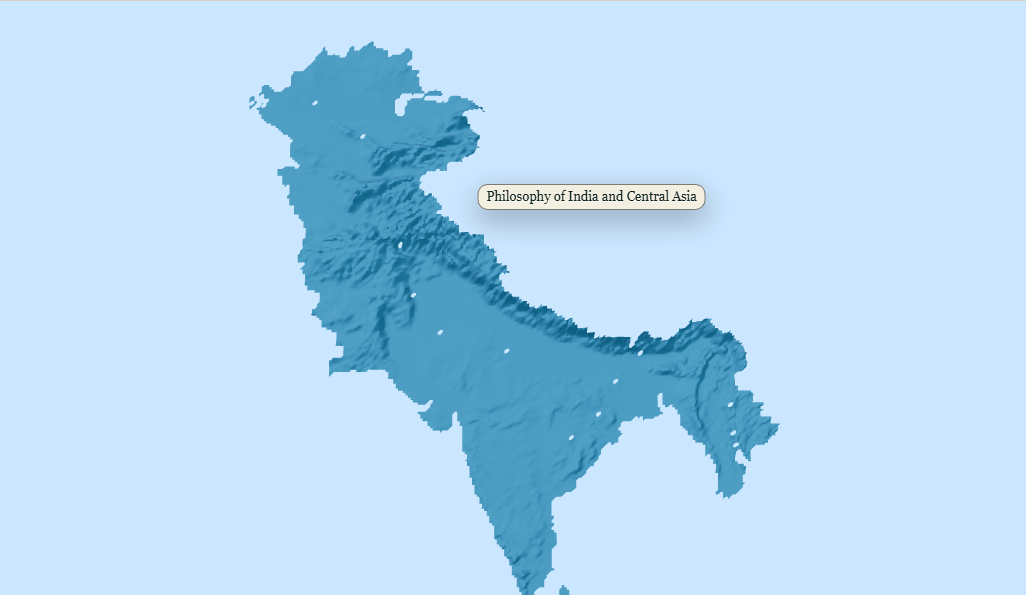
Terra Avita Region
Trans-Oxus Central Asia (Oxiana)
Structural Factors
- Shared Core Claims
- Reality is intelligible through modal metaphysics, essence and existence, the necessary existent, emanative order, rational soul, demonstration, prophecy, and a systematic hierarchy of philosophical sciences.
- Shared Methods
- Aristotelian demonstration, modal analysis, logical classification, philosophical psychology, natural philosophy, medical-scientific systematization, commentary, and harmonization of falsafa with Islamic intellectual culture.
- Shared Lineage
- Ibn Sīnā, earlier Aristotelian and Neoplatonic Arabic philosophy, al-Fārābī, post-Avicennian Islamic philosophers and theologians, Latin Avicenna, Hebrew reception, Suhrawardī, and later Islamic metaphysics.
- Shared Problems
- Essence and existence, necessary existent, emanation, soul and intellect, floating man, prophecy, resurrection, causality, logic, medicine, relation to kalām, Ghazālian critique, Latin reception, and post-Avicennian metaphysics.
- Shared Vocabulary
- wujūd, māhiyya, necessary existent, possible existent, essence, existence, emanation, intellect, soul, floating man, demonstration, syllogism, shifāʾ, najāt, ishārāt, canon, quiddity, and Avicennian.
- Shared Historical Context
- Avicennism developed from Ibn Sīnā's Persianate Islamic synthesis, spread through Arabic and Persian scholarship, Latin and Hebrew translation, scholastic reception, madrasa commentary, and later Islamic metaphysical traditions.
Defining Axes
- Doctrine
- A systematic philosophical account of being, necessity, possibility, causation, soul, intellect, prophecy, nature, medicine, and science organized through Ibn Sīnā's modal metaphysics and logic.
- Method
- The school proceeds by demonstrative reasoning, logical analysis, classification of sciences, metaphysical distinction, psychological thought experiment, commentary, and disciplined synthesis of Aristotelian and Neoplatonic materials.
- Lineage
- Ibn Sīnā, al-Fārābī and earlier Arabic Aristotelianism, post-Avicennian Islamic philosophy, Suhrawardī and illuminationist response, kalām reception, Latin scholastic Avicenna, Hebrew philosophers, and later commentators.
- Subject Focus
- Metaphysics, logic, epistemology, psychology, philosophy of mind, natural philosophy, medicine, philosophy of religion, prophecy, causation, and classification of the sciences.
- Geography / Culture
- Bukhara and Persianate eastern Islam, Arabic philosophical culture, Iranian and Central Asian scholarly networks, Latin Europe, Hebrew philosophical transmission, and later Ottoman, Safavid, and South Asian contexts.
- Historical Reaction
- Avicennism responds to Greek Aristotelian and Neoplatonic inheritance, Islamic theology, al-Fārābī, medical science, and later provokes Ghazālian critique, Averroist response, scholastic adaptation, and postclassical Islamic developments.
Internal Structure
- Foundational Texts
- Foundational texts include Ibn Sīnā's Kitāb al-Shifāʾ / Book of Healing, al-Najāt, al-Ishārāt wa-l-Tanbīhāt, Dānishnāmah, Canon of Medicine, treatises on soul and logic, later commentaries, Latin Avicenna, Hebrew reception, and post-Avicennian Islamic philosophy.
- Core Vocabulary
- Essence, existence, quiddity, necessary existent, possible existent, emanation, intellect, rational soul, floating man, prophecy, demonstration, syllogism, modality, causation, shifāʾ, najāt, ishārāt, and canon.
- Metaphysics
- Avicennian metaphysics centers on being qua being, essence and existence, necessity and possibility, the proof of the necessary existent, emanation, causality, and the structure of dependent reality.
- Epistemology
- Avicennian epistemology connects logic, definition, demonstration, abstraction, intuition, intellect, experience, prophetic knowledge, and the classification of sciences into a systematic account of knowing.
- Ethics
- Avicennian ethics links human perfection to rational soul, intellectual actualization, practical order, prophecy, law, medicine of soul and body, and philosophical felicity.
- Method
- The school builds encyclopedic philosophical systems, uses strict logical tools, analyzes modalities and essences, develops psychology through thought experiments, and transmits doctrine through commentary and teaching traditions.
- Internal Debates
- Debates concern essence and existence, divine knowledge, emanation, resurrection, soul-body relation, floating man, the eternity of the world, Ghazālī's critique, Averroes' objections, Suhrawardī's revision, and Latin scholastic adaptation.
- Successors
- Successor formations include post-Avicennian Islamic philosophy, illuminationism, Islamic kalām metaphysics, Latin scholastic Avicennism, Hebrew Avicennism, medical Avicennism, and later Iranian metaphysical traditions.
External Classification Context
- History of Philosophy
- Avicennism is one of the central philosophical systems of medieval Eurasia, shaping Islamic, Jewish, and Latin metaphysics, logic, psychology, medicine, and theology.
- Philosophy of Philosophy
- The school models philosophy as a demonstrative encyclopedia of sciences that reaches from logic and natural philosophy to metaphysics, medicine, and prophetic religion.
- Intellectual History
- Its influence depends on Arabic and Persian manuscripts, Latin and Hebrew translations, commentary chains, medical curricula, madrasa and court scholarship, scholastic disputation, and modern critical editions.
- University Classification
- Usually classified under Islamic philosophy, medieval philosophy, metaphysics, logic, philosophy of mind, philosophy of science, medicine, Arabic philosophy, and scholastic reception.
- Classical Sources
- Classical evidence comes from Ibn Sīnā's Arabic and Persian corpus, biographical traditions, manuscripts, Latin and Hebrew translations, scholastic citations, and post-Avicennian commentaries.
- Sociology of Knowledge
- Avicennism persisted through physicians, philosophers, translators, madrasas, libraries, commentators, scholastic universities, medical schools, Persianate intellectual networks, and modern specialist scholarship.
Linked Philosophers
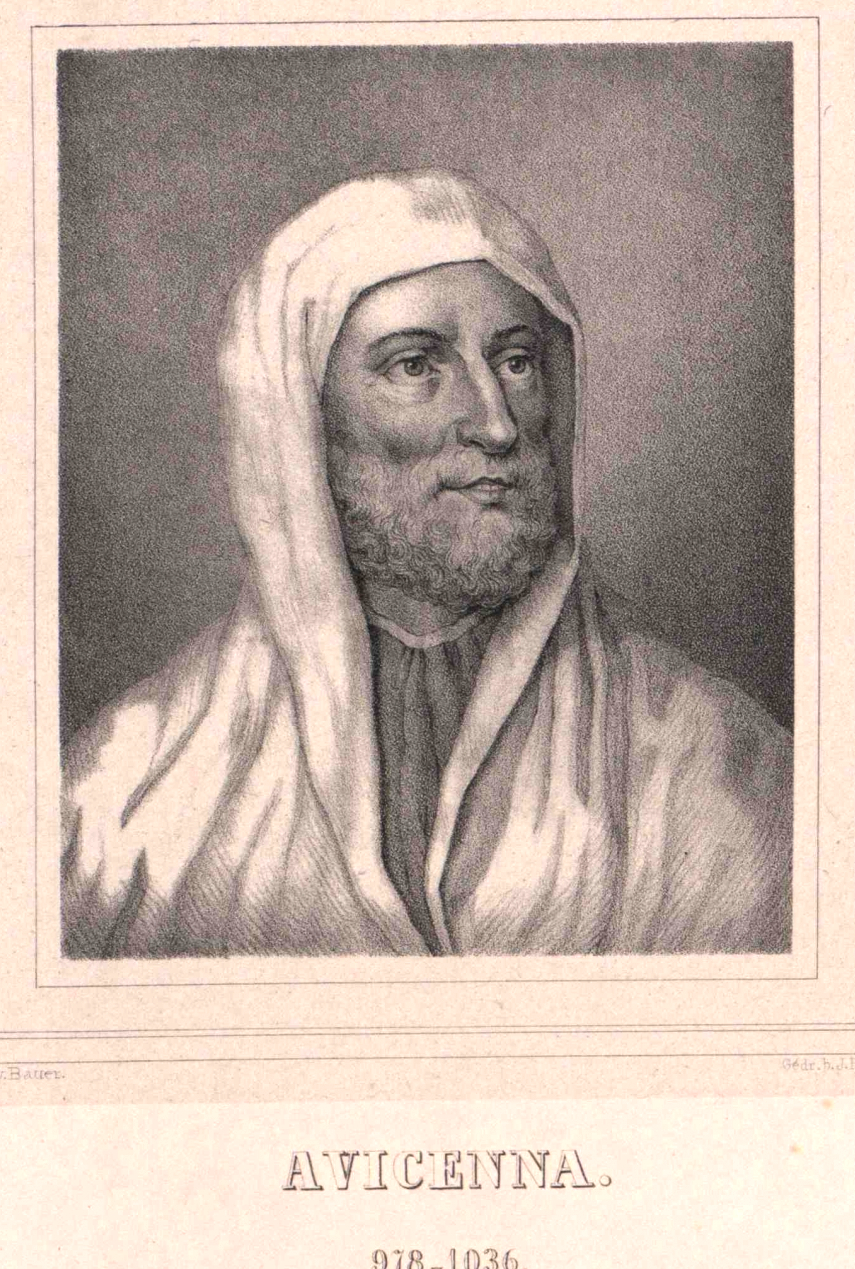
Avicenna
980 CE – 1037 CE
Afshana, near Bukhara
Persian philosopher-physician from Afshana near Bukhara whose system of metaphysics, essence/existence distinction, psychology, logic, medicine, natural philosophy, prophecy theory, and proof of the Necessary Existent shaped Islamic, Jewish, Latin scholastic, and early modern thought.