Philosophy School
Christian Platonism
Christian philosophical-theological tradition that interprets Platonist and Middle Platonist themes through scripture, Logos theology, divine transcendence, participation, ascent, allegorical exegesis, spiritual formation, and the relation between God, creation, soul, and salvation.
Period
Ancient History3000 BCE – 499 CE
Era
Classical Antiquity500 BCE – 499 CE
Begin
150 CE
End
254 CE
Structural Factors
- Shared Core Claims
- Christian truth can be clarified through Platonist themes of transcendence, participation, intelligible order, ascent, providence, Logos, and the soul, while scripture remains the governing authority for salvation and doctrine.
- Shared Methods
- Allegorical exegesis, philosophical theology, Logos doctrine, spiritual ascent, synthesis and critique of Greek philosophy, scriptural argument, ascetic pedagogy, contemplation, and doctrinal clarification.
- Shared Lineage
- Christian Platonism draws on Plato, Middle Platonism, Philo, Clement, Origen, Alexandrian theology, Cappadocian and Augustinian reception, Pseudo-Dionysius, medieval metaphysics, Renaissance Platonism, and Cambridge Platonism.
- Shared Problems
- Christianity and Greek philosophy, creation and eternity, soul and body, evil, providence, Logos, allegory, spiritual ascent, orthodoxy, Gnosticism, Neoplatonism, apokatastasis, and later Origenist controversy.
- Shared Vocabulary
- Logos, participation, ascent, contemplation, intelligible world, divine transcendence, providence, allegory, theoria, paideia, apokatastasis, privation, nous, soul, creation, likeness to God, and spiritual interpretation.
- Shared Historical Context
- Christian Platonism develops in Hellenistic Alexandria and early Christian apologetic and exegetical settings, then continues through patristic theology, monastic spirituality, medieval metaphysics, Renaissance Platonism, and early modern Cambridge Platonism.
Defining Axes
- Doctrine
- Its doctrine joins Christian creation, revelation, Logos theology, salvation, soul formation, and divine transcendence with Platonist accounts of intelligible order, participation, contemplation, and ascent.
- Method
- The school works through scriptural interpretation, allegory, philosophical argument, contemplative pedagogy, appropriation and correction of Greek philosophy, doctrinal defense, and spiritual formation.
- Lineage
- The lineage runs from Plato and Middle Platonism through Philo, Clement, Origen, Alexandrian theology, Cappadocians, Augustine, Pseudo-Dionysius, medieval Platonists, Renaissance Christian Platonists, and Cambridge Platonists.
- Subject Focus
- Christian Platonism focuses on metaphysics, theology, scriptural hermeneutics, ethics, soul, providence, evil, salvation, language, contemplation, divine names, participation, and spiritual ascent.
- Geography / Culture
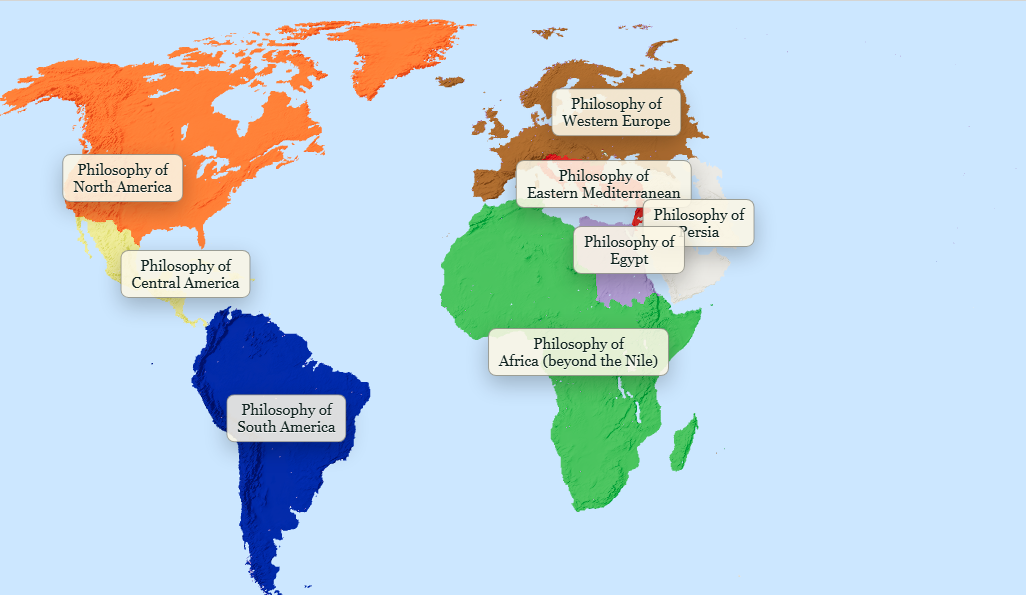
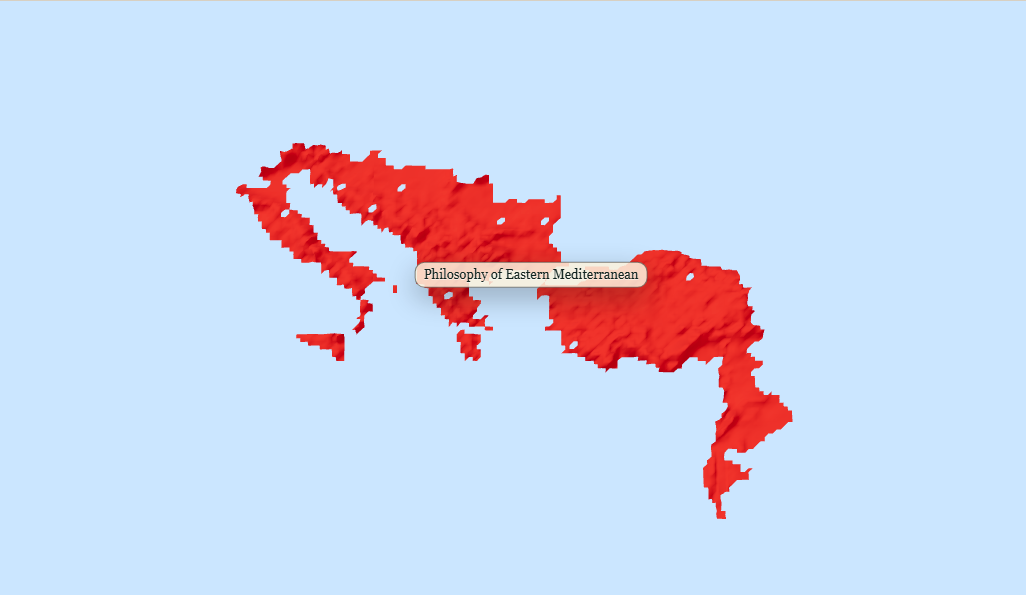
- Its early center is Hellenistic Alexandria, with later Greek, Latin, Byzantine, medieval western, Renaissance, and English university and ecclesial contexts.
- Historical Reaction
- It responds to pagan Platonism, Gnosticism, literalist exegesis, materialism, Christian doctrinal disputes, Neoplatonic critique, scholastic metaphysics, Reformation-era retrieval, and early modern rational theology.
Internal Structure
- Foundational Texts
- Foundational texts include Clement's Protrepticus, Paedagogus, and Stromateis; Origen's On First Principles, Contra Celsum, biblical commentaries and homilies; Philo and Middle Platonist background; and later patristic, Cappadocian, Augustinian, Pseudo-Dionysian, medieval, Renaissance, and Cambridge Platonist reception.
- Core Vocabulary
- Core vocabulary includes Logos, participation, ascent, contemplation, intelligible order, providence, divine transcendence, allegory, theoria, paideia, apokatastasis, privation, soul, nous, creation, likeness to God, divine names, and spiritual interpretation.
- Metaphysics
- Christian Platonist metaphysics interprets God as transcendent source, creation as dependent order, creatures as participatory realities, evil as privation or disorder, and the soul as oriented toward divine likeness and contemplation.
- Epistemology
- Its epistemology joins scriptural testimony, allegorical reading, philosophical reasoning, purification of the soul, contemplation, illumination, and the ordered ascent from sensible signs to intelligible and divine truth.
- Ethics
- Its ethics emphasizes spiritual formation, discipline of desire, imitation of divine goodness, education, contemplation, charity, ascetic struggle, purification, and the transformation of the soul toward likeness to God.
- Method
- Christian Platonist method uses philosophical theology, allegorical exegesis, polemic against rival schools, prayerful contemplation, moral pedagogy, textual commentary, and selective appropriation of Greek philosophy under Christian doctrine.
- Internal Debates
- Internal debates concern Origenism, preexistence of souls, universal restoration, creation and eternity, evil, divine transcendence, allegory, orthodoxy, Platonism versus Aristotelianism, and the limits of philosophical borrowing.
- Successors
- Successors and receptions include Cappadocian theology, Augustinian Platonism, Pseudo-Dionysian mysticism, medieval Christian Platonism, Renaissance Platonism, Cambridge Platonism, and modern philosophical theology.
External Classification Context
- History of Philosophy
- Christian Platonism is a major bridge between ancient Platonism and Christian metaphysics, shaping patristic theology, medieval philosophy, mysticism, Renaissance thought, and early modern religious philosophy.
- Philosophy of Philosophy
- The tradition treats philosophy as a disciplined aid to wisdom, exegesis, contemplation, and salvation, valuable when purified by scripture and ordered toward divine truth rather than autonomous speculation.
- Intellectual History
- Its intellectual history depends on Alexandrian schools, apologetic literature, biblical commentary, translation, councils, monastic and episcopal teaching, manuscript transmission, scholastic reception, and Renaissance and early modern retrieval.
- University Classification
- Usually classified under ancient philosophy reception, Christian philosophy, patristics, philosophy of religion, metaphysics, theology, Neoplatonism, medieval philosophy, and intellectual history.
- Classical Sources
- Classical evidence comes from Clement and Origen texts, biblical commentaries, apologetic works, patristic testimonies, heresiological reports, conciliar and monastic reception, Pseudo-Dionysian writings, and later commentaries.
- Sociology of Knowledge
- Christian Platonism persisted through catechetical teaching, episcopal networks, monastic reading, scriptoria, councils, scholastic curricula, Renaissance academies, university theology, and modern patristic scholarship.
Linked Philosophers
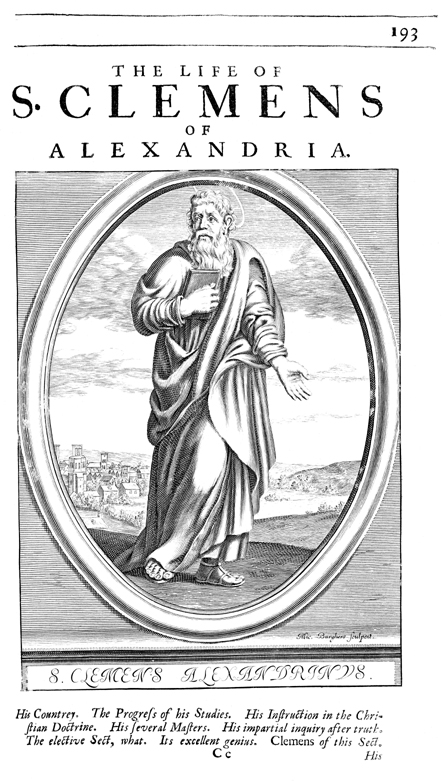
Clement of Alexandria
150 CE – 215 CE
probably Athens
Greek Christian philosopher and Alexandrian teacher who joined Platonist learning, biblical interpretation, moral formation, and Christian gnosis into an early account of faith perfected by reason.

Origen of Alexandria
185 CE – 254 CE
Alexandria, Egypt
Alexandrian Christian Platonist of allegorical exegesis, Logos theology, free will, apokatastasis controversy, Scripture scholarship, Hexapla, and Contra Celsum.