Confucianism
Classical and later East Asian Ru/Confucian tradition centered on ethical self-cultivation, ritual propriety, family-state order, moral education, humane governance, and canonical interpretation.
Structural Factors
- Shared Core Claims
- Human excellence is cultivated through learning, ritual propriety, humane relationships, family responsibility, and morally exemplary rule; social order depends on virtue and patterned conduct more than coercive force.
- Shared Methods
- Canonical reading, commentary, ritual practice, historical exempla, analogical extension from family to polity, moral self-examination, debate, and teacher-disciple transmission.
- Shared Lineage
- Zhou ritual and ru traditions; Confucius as transmitter; Mencius and Xunzi as classical branches; Han state synthesis through Dong Zhongshu; Song-Ming Neo-Confucian lineages; Korean, Japanese, Vietnamese, and modern New Confucian transmissions.
- Shared Problems
- How persons become humane; how names, rites, emotions, and desires are disciplined; how family and state are ordered; how classics authorize teaching; how Confucian learning answers Legalist, Daoist, Buddhist, and modern critiques.
- Shared Vocabulary
- ren, li, yi, zhi, xin, xiao, zhong, shu, junzi, tian, dao, de, zhengming, xin, xing, qi, li, gewu, cheng, sagehood.
- Shared Historical Context
- Formed amid Eastern Zhou and Warring States crisis, institutionalized in Han classicism, reshaped through Song-Ming engagement with Buddhism and Daoism, and carried by academies, examinations, family rites, and modern reform or revival debates.
Defining Axes
- Doctrine
- Virtue-centered relational ethics, ritual cultivation, humane governance, and moral education grounded in classical exemplars and the patterned order of Tian and dao.
- Method
- Textual exegesis joined to practice: study, reflection, ritual performance, rectification of names, historical precedent, moral extension, and self-cultivation.
- Lineage
- Confucius, Mencius, Xunzi, Han classicists, Dong Zhongshu, Zhu Xi and Cheng-Zhu learning, Lu-Wang and Wang Yangming learning, East Asian Confucian traditions, and modern Confucian continuities.
- Subject Focus
- Ethics, political philosophy, education, ritual theory, family and social roles, classical interpretation, moral psychology, and Neo-Confucian metaphysics.
- Geography / Culture
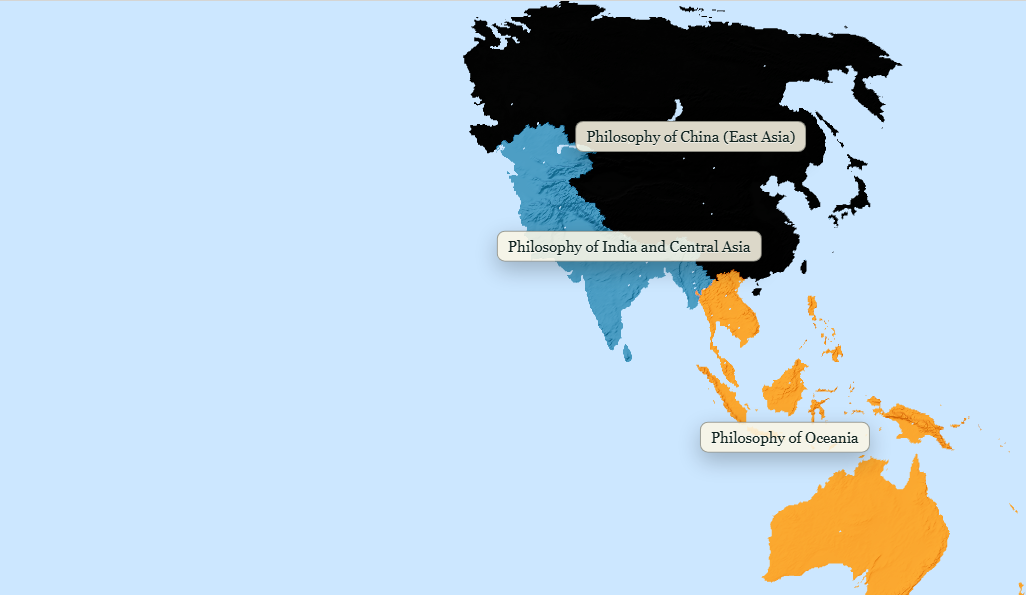
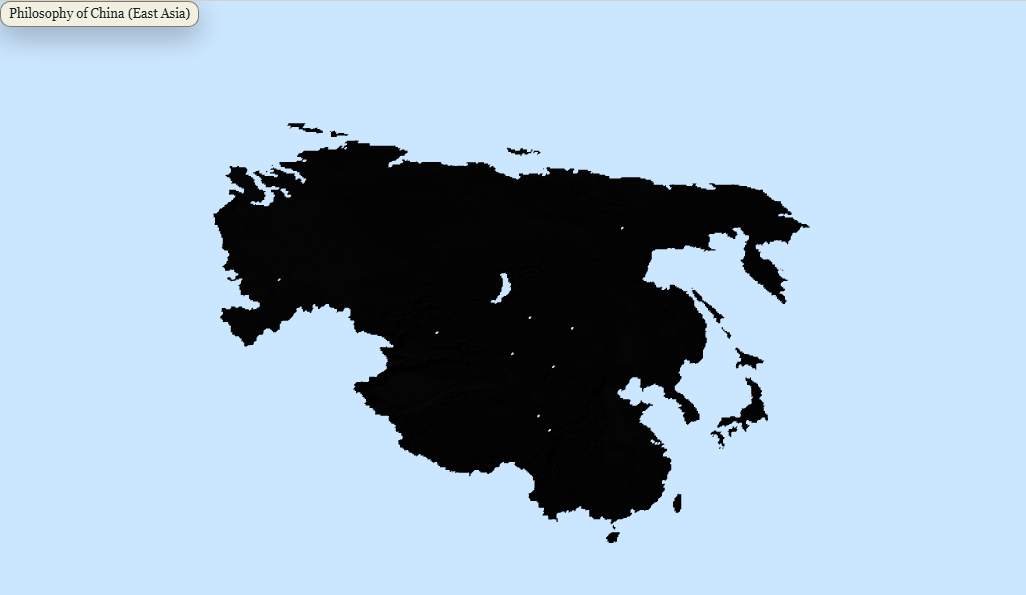
- North China and Zhou-Lu origins, imperial Chinese institutionalization, and wider Sinitic East Asian transmission.
- Historical Reaction
- A response to Zhou political collapse, Warring States disorder, Qin Legalism, Buddhist and Daoist competition, examination-state orthodoxy, and modern anti-traditional and revival movements.
Internal Structure
- Foundational Texts
- Analects, Mencius, Xunzi, Five Classics, Book of Rites, Great Learning, Doctrine of the Mean, Spring and Autumn Annals traditions, Chunqiu Fanlu, Zhu Xi's Four Books commentaries, and Wang Yangming's Instructions for Practical Living.
- Core Vocabulary
- ren or humaneness, li or ritual propriety, yi or rightness, zhi or wisdom, xin or trustworthiness, xiao or filial care, zhong or loyalty, shu or reciprocity, junzi, tian, dao, de, xin or heart-mind, xing or nature, qi, li or principle, and gewu or investigating things.
- Metaphysics
- Early Confucianism emphasizes Tian, dao, de, ritual order, and cultivated human nature; Han and Neo-Confucian developments add correlative cosmology, li and qi, taiji, and accounts of mind, nature, and moral pattern.
- Epistemology
- Knowing is cultivated through learning, reflection, ritual practice, rectifying names, analogical extension, investigating things, and, in Lu-Wang learning, innate moral knowing unified with action.
- Ethics
- Ren, yi, li, xiao, zhong and shu, cultivated emotion, family responsibility, exemplary personhood, and humane governance form the school's central moral program.
- Method
- Classical study and commentary, ritual embodiment, memorization and recitation, teacher-disciple learning, historical exempla, moral self-scrutiny, public remonstrance, and governance by exemplary conduct.
- Internal Debates
- Mencius and Xunzi on human nature; Old Text and New Text classicism; Dong Zhongshu's cosmology; Cheng-Zhu and Lu-Wang disputes; ritual orthodoxy versus moral inwardness; Confucian religion or humanism; modern hierarchy, gender, and democracy critiques.
- Successors
- Neo-Confucianism, Korean Seongnihak, Japanese and Vietnamese Confucian traditions, civil-service learning, New Confucianism, contemporary Confucian ethics, political theory, education, and comparative philosophy.
External Classification Context
- History of Philosophy
- Confucianism's history runs from Warring States ru learning through Han state classicism, Song-Ming Neo-Confucian reconstruction, East Asian transmission, and modern global revival.
- Philosophy of Philosophy
- Confucianism shows a school as canon, practice, lineage, institution, and moral vocabulary, not merely a list of propositions.
- Intellectual History
- Its development depends on courts, academies, exams, temples, family rites, commentarial communities, and exchanges with Legalist, Daoist, Buddhist, Christian, liberal, and Marxist traditions.
- University Classification
- Usually taught under Chinese philosophy, East Asian thought, comparative ethics, political philosophy, religious studies, classics, and intellectual history.
- Classical Sources
- Core evidence comes from the Analects, Mencius, Xunzi, ritual classics, Spring and Autumn traditions, Han histories and apocrypha, Song-Ming commentaries, and later school anthologies.
- Sociology of Knowledge
- The school persisted through teacher lineages, family ritual, temples, academies, examinations, printed commentaries, state sponsorship, reform movements, and modern university and society networks.
Linked Philosophers
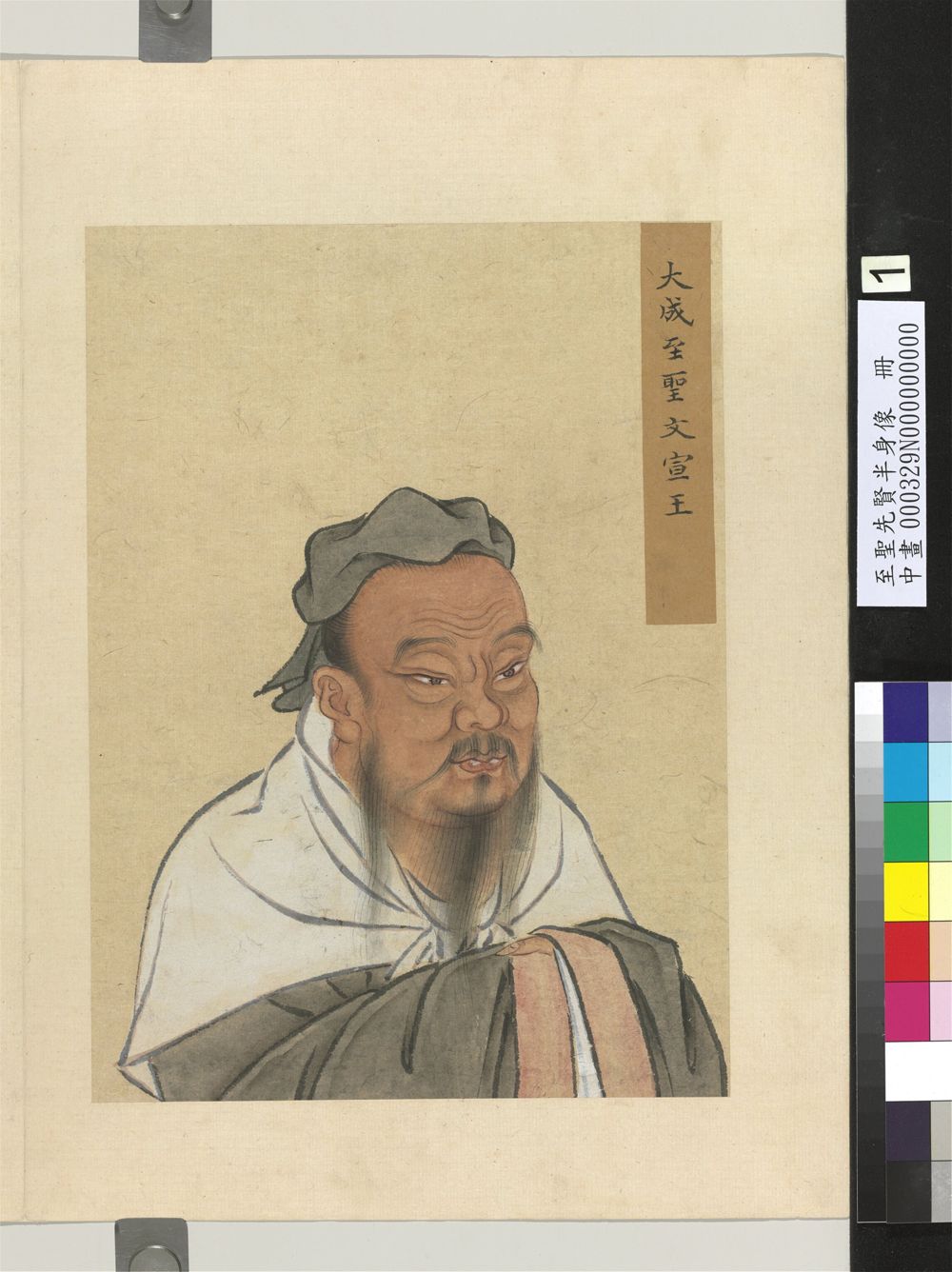
Confucius
551 BCE – 479 BCE
Zou, Lu (near Qufu, Shandong)
Ancient Chinese teacher from the state of Lu whose account of learning, ritual, humane conduct, music, names, family reverence, and virtuous government became the center of the Confucian tradition.
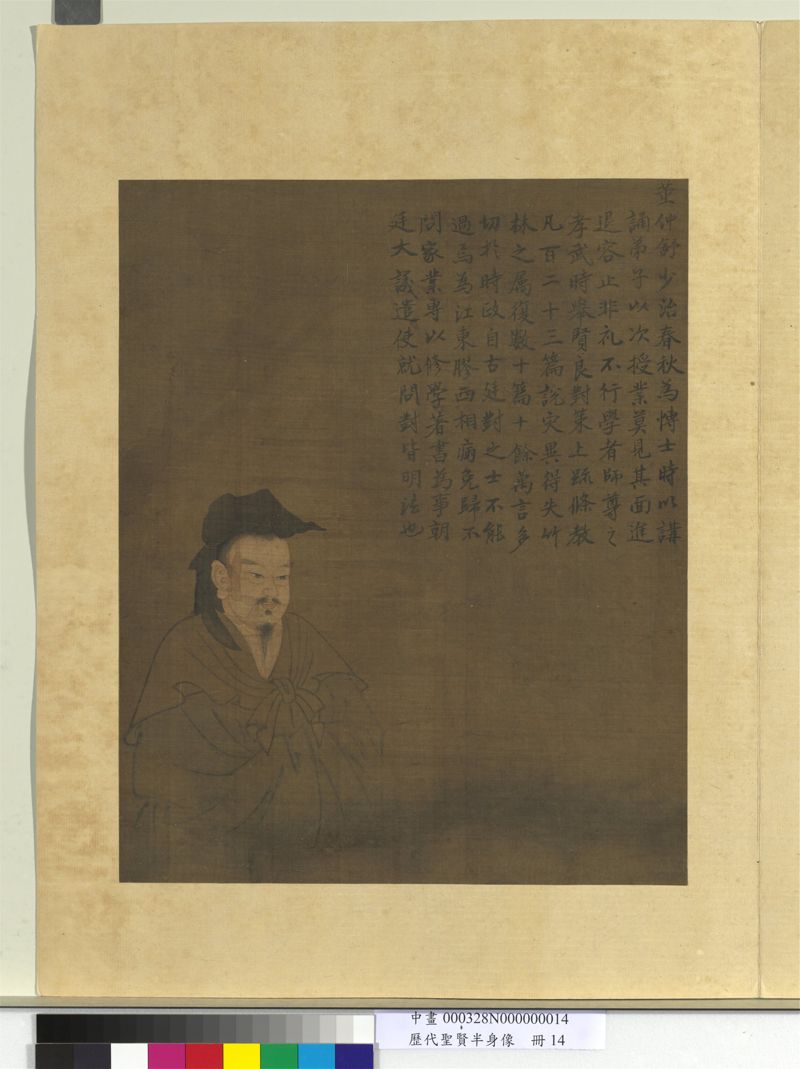
Dong Zhongshu
179 BCE – 104 BCE
Guangchuan / Wencheng, Hebei
Western Han Confucian thinker from Guangchuan, remembered for joining Gongyang classicism, Heaven-human resonance, yin-yang and Five Phases cosmology, moral rulership, and imperial Confucian policy.
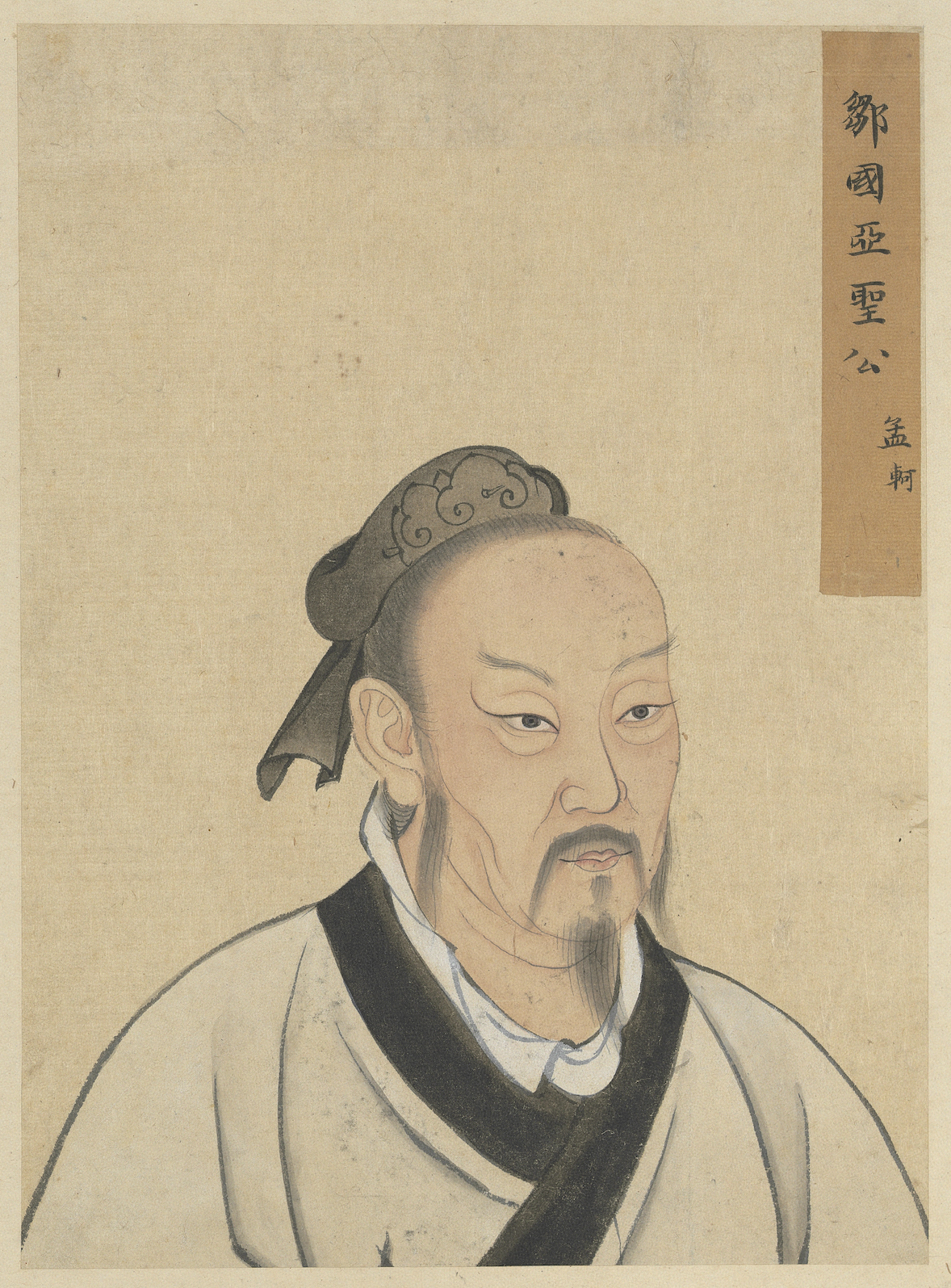
Mencius (Mengzi)
372 BCE – 289 BCE
Zou, State of Lu
Classical Confucian philosopher whose account of xingshan, the four sprouts, ren, yi, moral cultivation, benevolent government, and people-centered legitimacy shaped East Asian ethics and political thought.
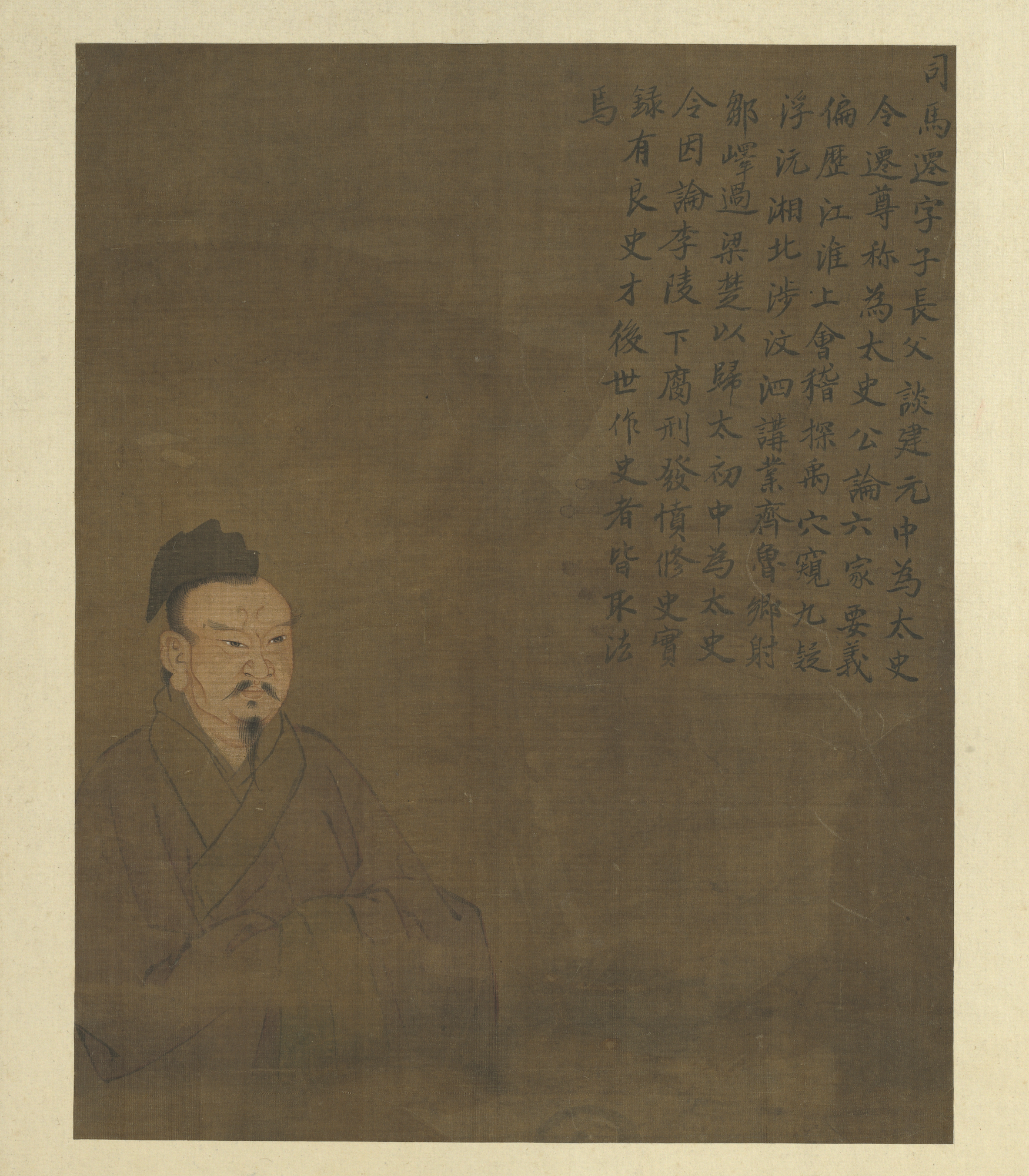
Sima Qian
145 BCE – 86 BCE
Longmen (near present-day Hancheng)
Western Han historian and thinker whose Shiji joined ethical judgment, political memory, narrative biography, source criticism, cosmology, and historical method.
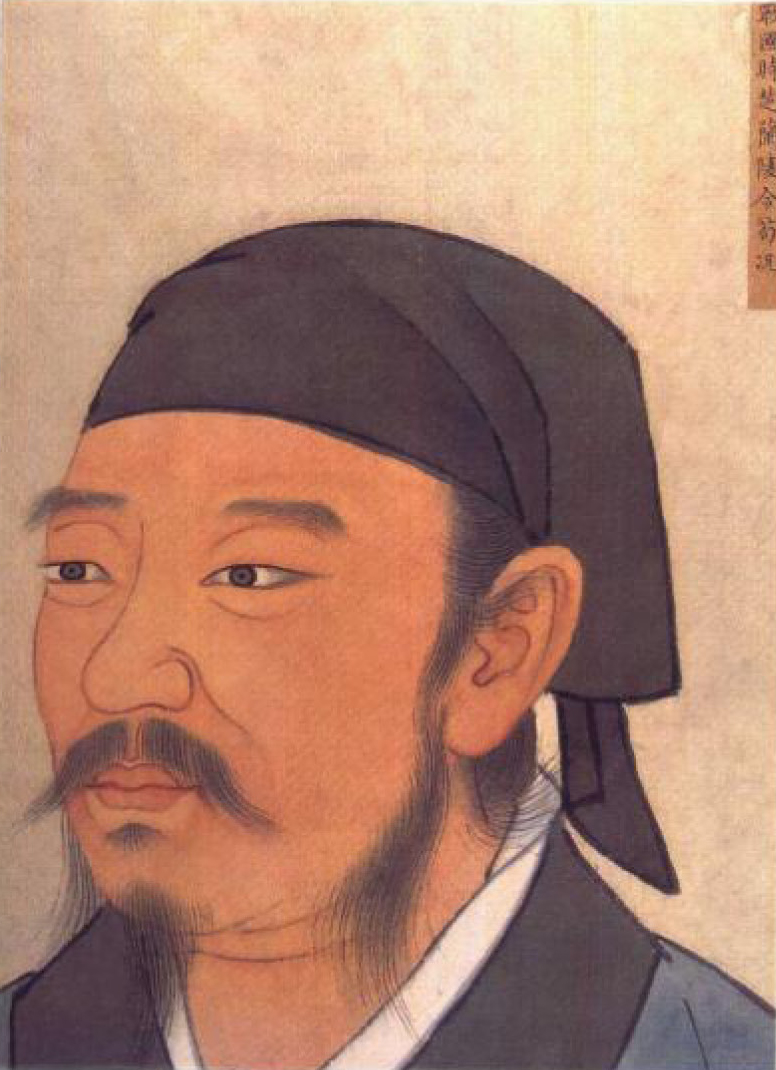
Xunzi
313 BCE – 238 BCE
State of Zhao, north-central China; exact birthplace uncertain
Late Warring States Confucian philosopher whose received Xunzi corpus argues that learning, ritual, music, names, cultivated artifice, and institutions transform unruly human tendencies into moral and political order.