Epicureanism
Hellenistic atomist and therapeutic philosophical school centered on pleasure, freedom from disturbance, freedom from bodily pain, friendship, prudence, natural limits, empiricist canonics, atomism, mortal soul, critique of superstition, and removal of fear of gods and death.

Structural Factors
- Shared Core Claims
- Pleasure is the good when understood through prudence, natural limits, freedom from bodily pain, and freedom from disturbance; atomist physics, empiricist canonics, and mortal psychology remove fear of gods, death, fate, and superstition.
- Shared Methods
- Atomist natural explanation, canonics, sensation, prolepsis, feelings of pleasure and pain, therapeutic argument, tetrapharmakos, empirical inference, frank speech, philosophical community, and practical training in desire.
- Shared Lineage
- Epicureanism begins with Epicurus and the Garden, continues through Metrodorus, Hermarchus, Roman Epicureans, Lucretius, Philodemus, and Diogenes of Oenoanda, and survives through hostile testimony, Herculaneum papyri, inscriptions, and later recovery.
- Shared Problems
- Pleasure as the good, natural and vain desires, ataraxia, aponia, friendship, justice, gods, death, soul, sensation, inference, free action, the swerve, providence, superstition, politics, and rival Stoic, Skeptical, Platonic, Aristotelian, and Christian critiques.
- Shared Vocabulary
- pleasure, ataraxia, aponia, tetrapharmakos, desire, natural and necessary, vain desire, prudence, friendship, canon, sensation, prolepsis, pathos, atom, void, swerve, mortal soul, gods, death, justice, frank speech, and Garden.
- Shared Historical Context
- The school formed in Hellenistic Athens after Plato and Aristotle, in a competitive environment of Stoicism, Skepticism, Peripatetic philosophy, and popular religion, then spread through Roman literary culture, Herculaneum libraries, inscriptions, and early modern recovery.
Defining Axes
- Doctrine
- Epicurean doctrine joins hedonistic ethics, atomist physics, empiricist epistemology, anti-providential theology, mortal psychology, and a therapeutic account of philosophy as removal of fear and training of desire.
- Method
- Its method moves from evident sensations, preconceptions, and feelings to natural explanation and therapeutic practice, using concise maxims, letters, community discipline, frank criticism, poetry, papyrus scholarship, and public inscription.
- Lineage
- The lineage runs from Epicurus and the Garden through Metrodorus, Hermarchus, later scholarchs, Lucretius, Philodemus, Diogenes of Oenoanda, Roman and late antique testimony, Renaissance rediscovery of Lucretius, and modern scholarship.
- Subject Focus
- The school focuses on ethics, epistemology, natural philosophy, theology, psychology, friendship, desire, death, justice, language, poetry, rhetoric, community, and the social conditions for a tranquil life.
- Geography / Culture
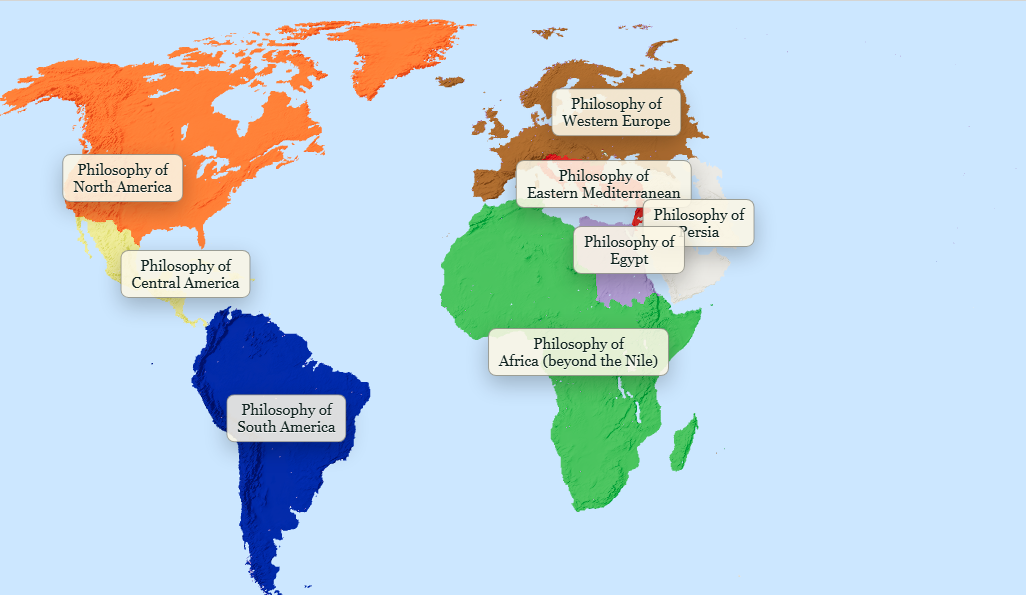
- Epicureanism begins in Athens but reaches the wider Hellenistic and Roman Mediterranean, including Lampsacus, Mytilene, Rome, Herculaneum, Campania, and Oenoanda, with later European reception through manuscript and print culture.
- Historical Reaction
- The school reacts against fear-based religion, fatalism, providential teleology, political ambition, unlimited desire, metaphysical speculation detached from experience, and rival schools that treat virtue, honor, or abstract reason as the highest end.
Internal Structure
- Foundational Texts
- Foundational evidence includes Epicurus's Letter to Menoeceus, Letter to Herodotus, Letter to Pythocles, Principal Doctrines, Vatican Sayings, Diogenes Laertius Book 10, Lucretius's De Rerum Natura, Philodemus's Herculaneum papyri, Diogenes of Oenoanda's inscription, fragments, testimonia, and later reception.
- Core Vocabulary
- Pleasure, pain, ataraxia, aponia, desire, prudence, friendship, justice, nature, atom, void, swerve, sensation, prolepsis, pathos, canon, inference, simulacra, soul, gods, death, superstition, Garden, frank speech, and tetrapharmakos.
- Metaphysics
- Epicurean metaphysics is atomist and anti-teleological: bodies and void are basic, worlds arise naturally, souls are material and mortal, gods do not govern human affairs, and natural causes replace fear of providence and fate.
- Epistemology
- Its canonics treats sensations, preconceptions, and feelings as criteria, while allowing empirical inference from signs and repeated experience; error arises chiefly in added judgments rather than in sensation itself.
- Ethics
- Epicurean ethics identifies pleasure as the good, but emphasizes stable freedom from pain and disturbance, prudent management of desire, friendship, justice as mutual advantage, modest living, and philosophical therapy against fear of gods and death.
- Method
- The school method combines concise doctrinal summaries, memorized maxims, letters, community practice, frank criticism, empirical physics, therapeutic argument, poetic exposition, papyrus scholarship, and public inscription of doctrine.
- Internal Debates
- Internal debates and interpretive problems concern kinetic and katastematic pleasure, political withdrawal, free action and atomic swerve, Epicurean theology, the status of mathematics and rhetoric, Roman adaptation, Philodemus's aesthetics, and Lucretian poetry as philosophy.
- Successors
- Successors and receptions include Roman Epicurean circles, Lucretius, Philodemus, Diogenes of Oenoanda, anti-Epicurean Christian polemic, Renaissance recovery of De Rerum Natura, early modern atomism, utilitarian and hedonist debates, and contemporary scholarship on ancient ethics and science.
External Classification Context
- History of Philosophy
- Epicureanism is a major Hellenistic school alongside Stoicism and Skepticism, preserving ancient atomism, reshaping hedonism, and providing one of antiquity's most influential therapeutic accounts of philosophy.
- Philosophy of Philosophy
- It treats philosophy as a practical medicine for life: inquiry into nature, knowledge, desire, and community matters because it frees people from disturbance and helps them live pleasantly and wisely.
- Intellectual History
- The school persisted through the Garden, scholarch succession, Roman patronage, papyrus libraries, didactic poetry, public inscriptions, hostile doxography, manuscript rediscovery, print editions, and modern papyrological scholarship.
- University Classification
- Usually classified under Hellenistic philosophy, ancient ethics, hedonism, atomism, ancient epistemology, philosophy of science, Roman philosophy, classical reception, papyrology, and history of materialism.
- Classical Sources
- Primary evidence comes from Epicurus's letters and maxims, Diogenes Laertius, Lucretius, Philodemus, Diogenes of Oenoanda, Cicero, Plutarch, Sextus Empiricus, doxography, Herculaneum papyri, inscriptions, and later polemical testimony.
- Sociology of Knowledge
- Epicureanism reproduced itself through friendship networks, the Garden community, scholarchs, letters, memorized summaries, household and patronage circles, Roman poetry, Herculaneum papyri, inscriptions, and modern editions and databases.
Linked Philosophers
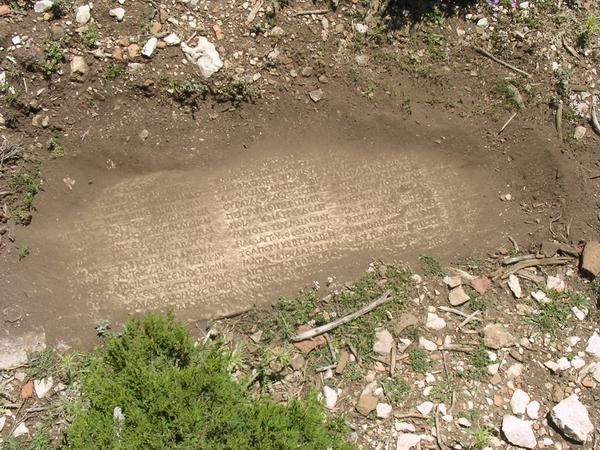
Diogenes of Oenoanda
70 CE – 140 CE
Oenoanda, Lycia
Second-century Epicurean from Oenoanda in Lycia whose monumental inscription turned philosophy into public therapy against fear, superstition, pain, death, and false beliefs about the gods.
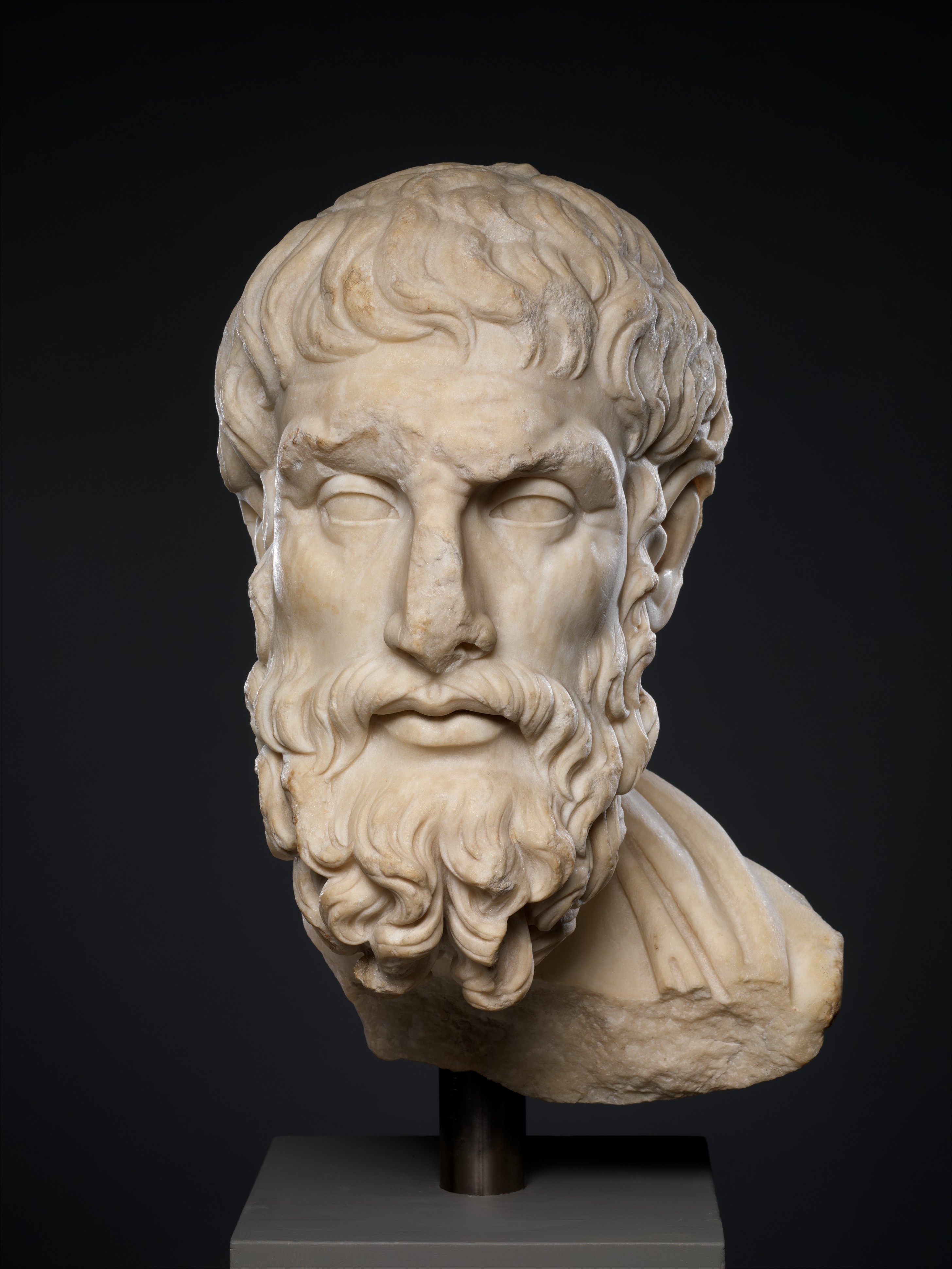
Epicurus of Samos
341 BCE – 270 BCE
Samos
Greek philosopher from Samos whose Garden school joined atomist physics, a canon of sensation and feeling, and an ethics of pleasure understood as freedom from bodily pain and mental disturbance.
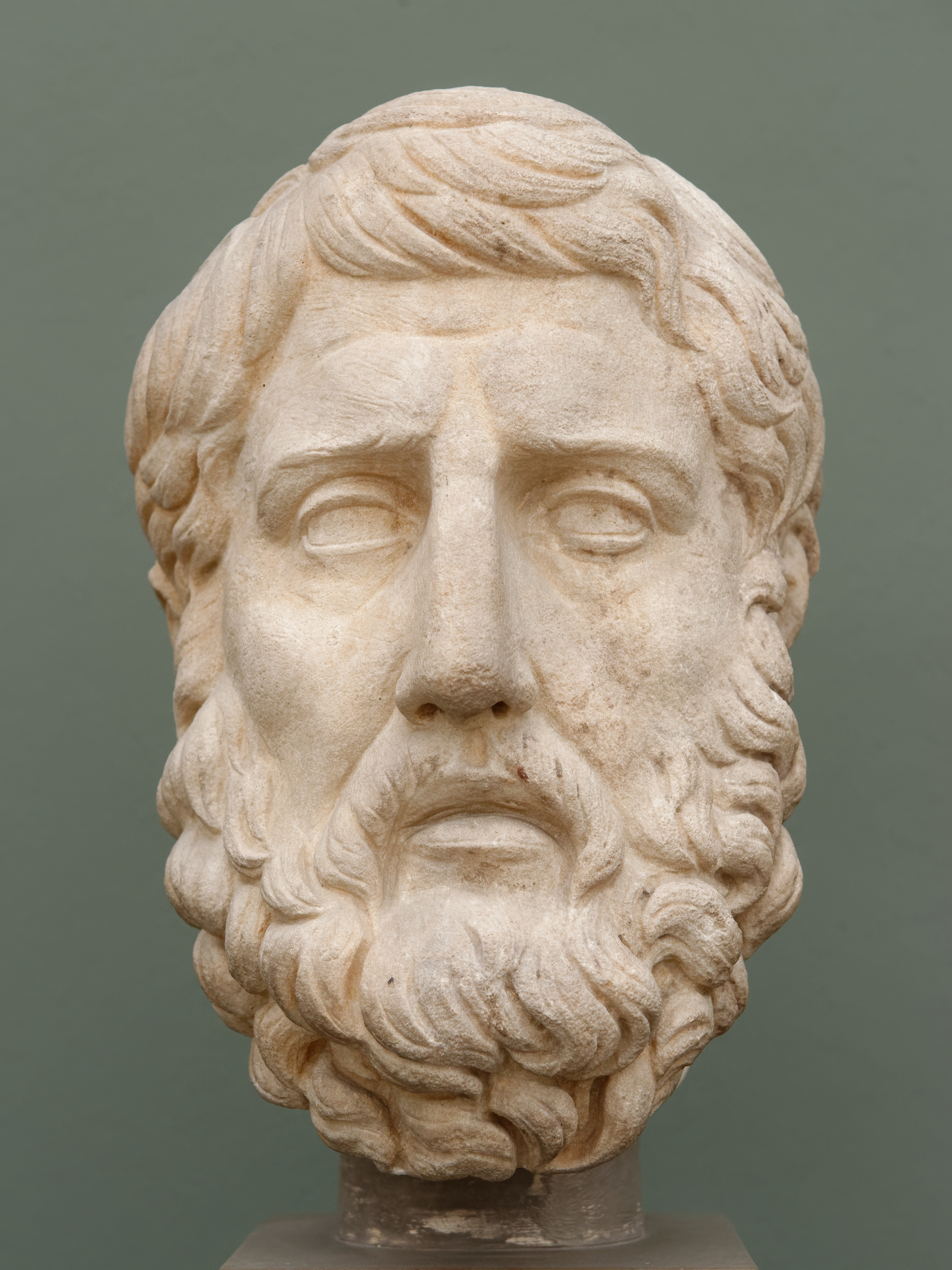
Hermarchus of Mytilene
325 BCE – 250 BCE
Mytilene, Lesbos
Epicurean scholarch from Mytilene, pupil and successor of Epicurus, whose lost works and fragments preserve early Garden arguments on nature, law, justice, mathematics, rival schools, and the critique of fear-based religion.

Lucretius (Titus Lucretius Carus)
99 BCE – 55 BCE
Rome or Roman Italy, probably Rome; exact birthplace uncertain
Roman Epicurean poet-philosopher whose De rerum natura carries atomism, naturalistic explanation, mortal mind, and the critique of superstition into Latin didactic poetry.
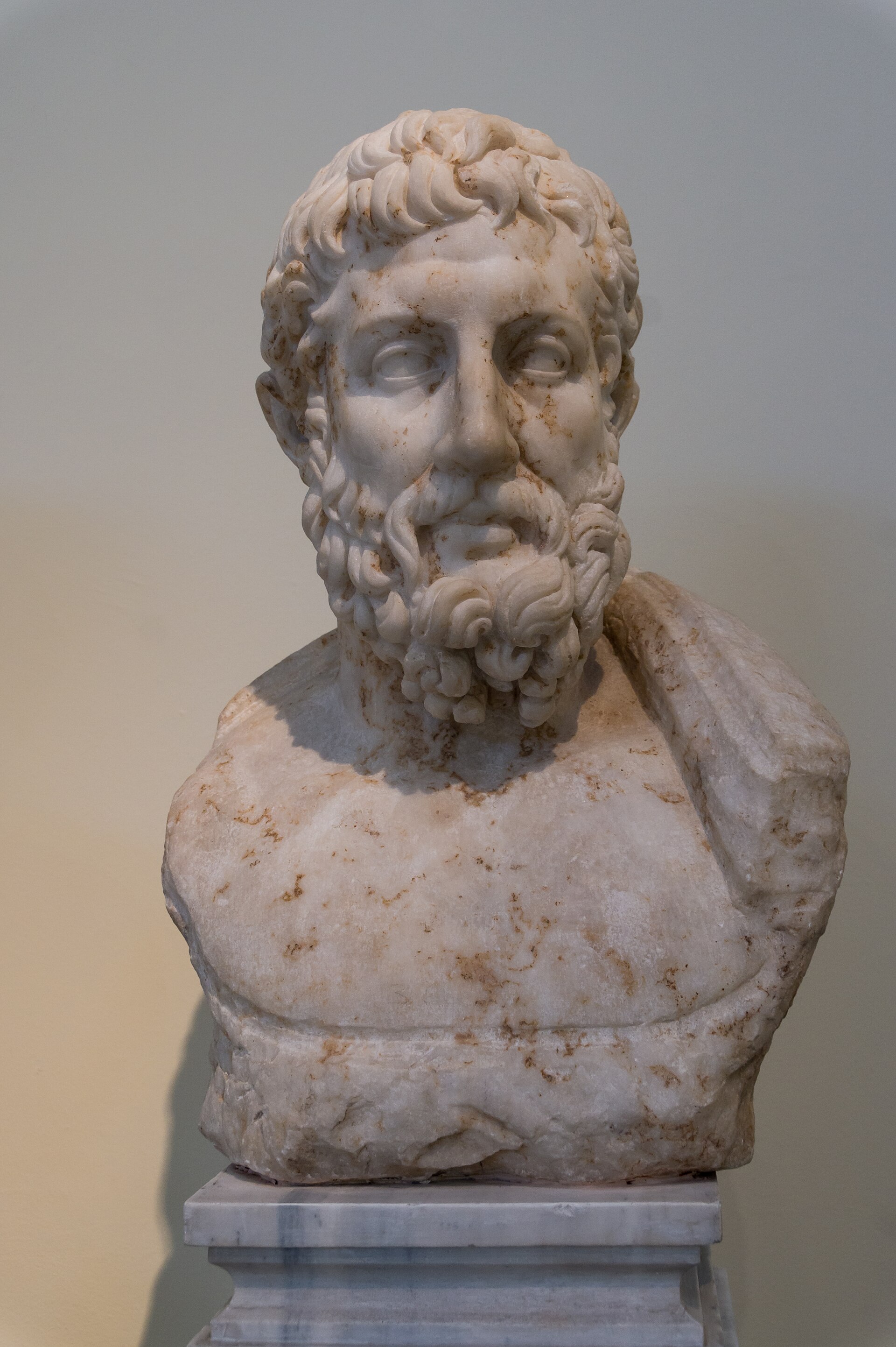
Metrodorus of Lampsacus
331 BCE – 278 BCE
Lampsacus, Hellespont
Epicurean philosopher of the Garden whose lost works joined ethics, sensation, atomism, anti-dialectic polemic, friendship, bodily goods, and loyalty to Epicurus.
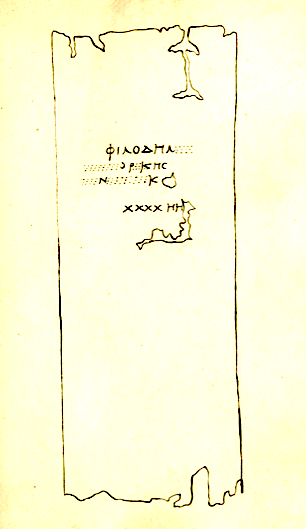
Philodemus of Gadara
110 BCE – 35 BCE
Gadara (Decapolis)
Epicurean philosopher and poet from Gadara whose Herculaneum papyri preserve work on rhetoric, poetry, music, sign inference, piety, death, frank criticism, passions, vices, and Epicurean book culture.