Philosophy School
German Idealism
Post-Kantian German philosophical movement centered on self-consciousness, freedom, reason, the absolute, nature, spirit, systematic philosophy, transcendental idealism, practical agency, and the overcoming of Kantian dualisms.
Period
Early Modern History1500 CE – 1799 CE
Era
Enlightenment and Proto-Industrial1700 CE – 1799 CE
Begin
1762 CE
End
1854 CE
Structural Factors
- Shared Core Claims
- German Idealism argues that reason, freedom, self-consciousness, nature, and world are intelligible only through systematic accounts of subject-object relation, practical agency, and the absolute conditions of experience.
- Shared Methods
- Transcendental deduction, first-principle system-building, dialectical construction, practical reason, self-positing subjectivity, philosophy of nature, intellectual intuition, systematic reconstruction of freedom, and critique of thing-in-itself dualism.
- Shared Lineage
- The lineage runs from Kant and Reinhold through Fichte and Schelling, alongside Jacobi, German Romanticism, Naturphilosophie, Hegel, and later nineteenth- and twentieth-century receptions of post-Kantian idealism.
- Shared Problems
- Kantian dualism, thing-in-itself, self-consciousness, freedom, subject-object identity, nature and spirit, Spinozism, systematic reason, art, religion, history, political agency, and the limits of philosophical foundation.
- Shared Vocabulary
- Transcendental idealism, Wissenschaftslehre, absolute I, intellectual intuition, subject-object identity, Naturphilosophie, absolute, spirit, freedom, necessity, reason, system, recognition, self-positing, thing-in-itself, and practical agency.
- Shared Historical Context
- The movement formed in post-Kantian Jena, Berlin, and German university culture amid the French Revolution, Napoleonic upheaval, Protestant theology, Romanticism, Spinoza controversy, modern science, and the search for a systematic philosophy of freedom.
Defining Axes
- Doctrine
- Its doctrine holds that knowledge, freedom, nature, and reality must be explained through the activity of reason or spirit, rather than through an unknowable object standing outside experience.
- Method
- Its method proceeds by transcendental argument, systematic derivation, dialectical pressure on inherited distinctions, philosophy of nature, practical philosophy, and attempts to show how subject and object mutually belong.
- Lineage
- The lineage axis moves from Kantian critique through Reinhold, Fichte, Schelling, Jacobi, the Jena Romantics, Hegel, and later idealist, existential, phenomenological, and continental receptions.
- Subject Focus
- German Idealism focuses on metaphysics, epistemology, practical philosophy, political right, nature, art, religion, history, self-consciousness, freedom, reason, and systematic unity.
- Geography / Culture
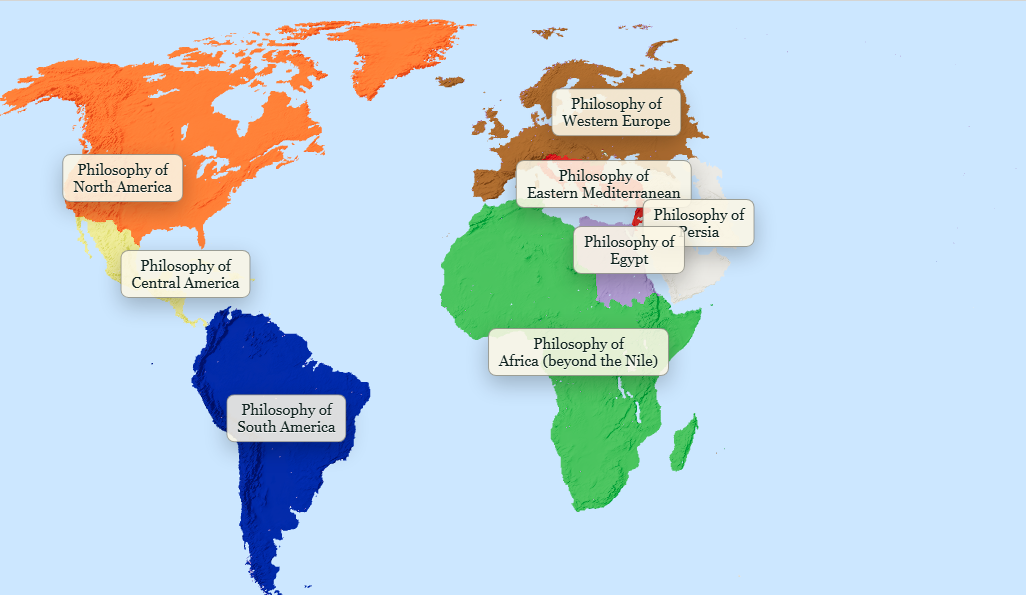
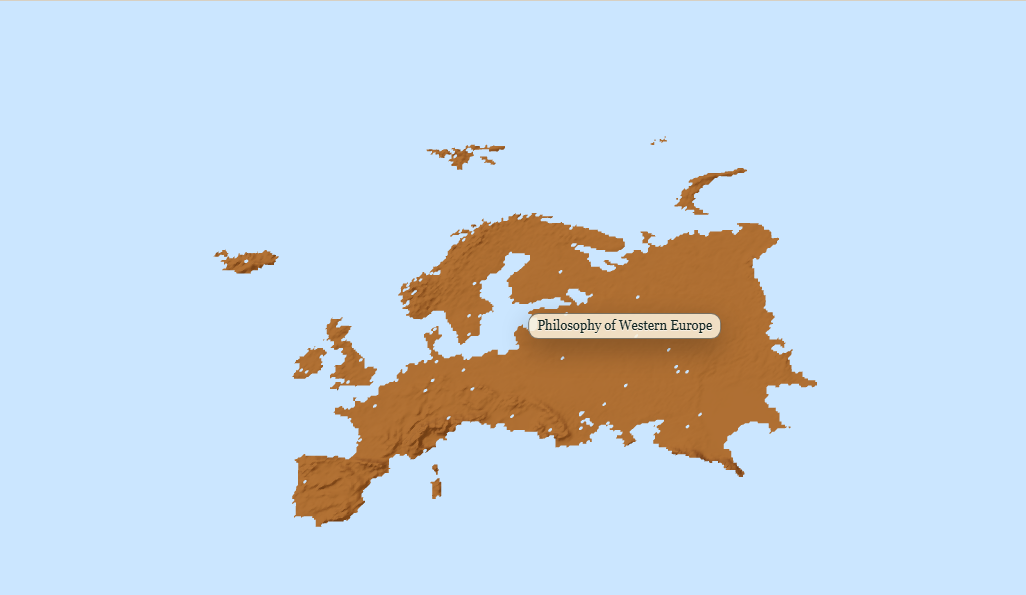
- Its centers include Jena, Berlin, Tuebingen, Munich, German universities, Romantic literary circles, Protestant intellectual culture, and wider nineteenth-century European philosophy.
- Historical Reaction
- It reacts to Kantian dualisms, skepticism, Jacobi's challenge, Spinozism, Enlightenment rationalism, Romantic aesthetics, revolutionary politics, modern natural science, and the problem of grounding philosophy after critique.
Internal Structure
- Foundational Texts
- Foundational texts include Fichte's Wissenschaftslehre, Foundations of Natural Right, System of Ethics, Addresses to the German Nation, Schelling's System of Transcendental Idealism, Ideas for a Philosophy of Nature, First Outline, identity-philosophy writings, Freedom Essay, later positive philosophy, and the wider Kant-Reinhold-Jacobi-Hegel-Romantic context.
- Core Vocabulary
- Core vocabulary includes transcendental, absolute, I, not-I, Wissenschaftslehre, subject-object, intellectual intuition, nature, spirit, identity, freedom, necessity, reason, system, recognition, right, art, mythology, and positive philosophy.
- Metaphysics
- German Idealist metaphysics seeks the conditions under which subject and object, freedom and nature, thought and being, can be understood as moments of a systematic whole rather than as irreconcilable dualisms.
- Epistemology
- Its epistemology turns on self-consciousness, transcendental conditions of knowing, critique of representation, the status of intellectual intuition, and the attempt to ground objectivity through the activity of reason.
- Ethics
- Its ethics emphasizes freedom, autonomy, vocation, recognition, right, responsibility, moral striving, community, and the practical realization of reason in persons, institutions, history, and culture.
- Method
- The school works through systematic treatise, transcendental deduction, dialectical reconstruction, philosophy of right, philosophy of nature, lectures, polemic, aesthetic theory, and historical interpretation.
- Internal Debates
- Internal debates concern Fichte's absolute I, Schelling's identity philosophy and Naturphilosophie, Hegel's critique, the thing-in-itself, intellectual intuition, Spinozism, freedom and necessity, nationalism, religion, art, nature, and whether systematic reason can complete itself.
- Successors
- Successors and related formations include Hegelianism, German Romanticism, Naturphilosophie, neo-Kantianism, British idealism, existentialism, phenomenology, Marxist and critical theory receptions, process thought, and contemporary post-Kantian scholarship.
External Classification Context
- History of Philosophy
- German Idealism is a central bridge from Kant's critical philosophy to nineteenth-century continental philosophy, transforming epistemology, metaphysics, political philosophy, aesthetics, religion, and philosophy of nature.
- Philosophy of Philosophy
- It treats philosophy as systematic self-clarification of reason: philosophy must show its own ground, method, and relation to freedom, nature, history, and culture.
- Intellectual History
- Its intellectual history depends on German university reforms, Jena and Berlin networks, the French Revolution, Romanticism, Protestant theology, the Spinoza controversy, scientific culture, and intense exchange among philosophers, poets, theologians, and natural scientists.
- University Classification
- Usually classified under modern philosophy, German philosophy, continental philosophy, metaphysics, epistemology, ethics, political philosophy, philosophy of nature, aesthetics, philosophy of religion, and history of philosophy.
- Classical Sources
- Classical evidence comes from published systems, lecture notes, correspondence, polemics, university contexts, Romantic journals, early editions, translations, and later critical editions of Kantian, Fichtean, Schellingian, and Hegelian materials.
- Sociology of Knowledge
- German Idealism persisted through universities, lecture culture, philosophical journals, editions, translations, graduate seminars, German philosophy societies, Romantic studies, theology, political theory, and modern continental philosophy curricula.
Linked Philosophers
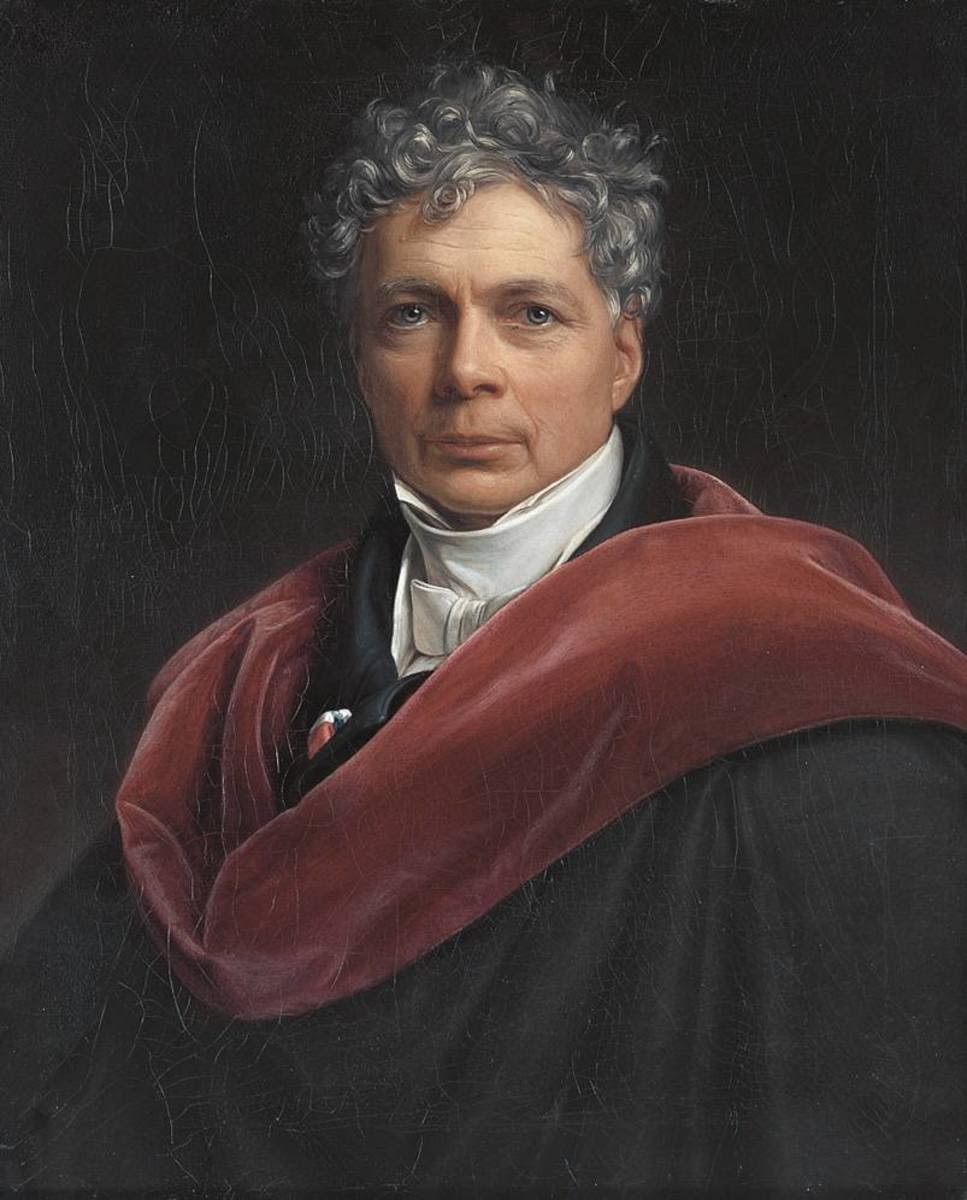
Friedrich Wilhelm Joseph Schelling
1775 CE – 1854 CE
Leonberg, Wuerttemberg
German Idealist philosopher of nature, freedom, identity, art, mythology, and revelation whose work links post-Kantian idealism with Romantic science, philosophical theology, and later existential and continental reception.
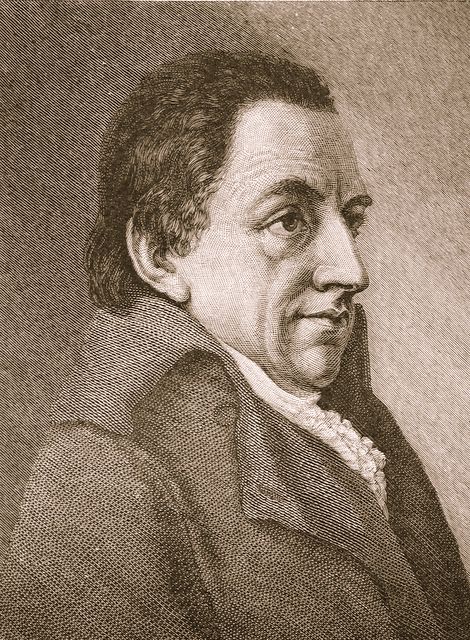
Johann Gottlieb Fichte
1762 CE – 1814 CE
Rammenau, Upper Lusatia, Saxony
German post-Kantian idealist philosopher of the Wissenschaftslehre, self-positing subjectivity, moral freedom, natural right, language, vocation, political economy, religion, and national education.