Kantianism
Kantianism centers Immanuel Kant here and frames critical philosophy through transcendental idealism, critique, synthetic a priori judgment, autonomy, freedom, dignity, judgment, enlightenment, and public reason.
Structural Factors
- Shared Core Claims
- Kantianism argues that philosophy must examine the conditions of possible experience, knowledge, morality, judgment, and reason itself. It centers transcendental idealism, synthetic a priori judgment, categories and forms of intuition, autonomy, categorical imperative, freedom, dignity, limits of reason, reflective judgment, enlightenment, and public reason.
- Shared Methods
- Critique, transcendental argument, deduction, antinomy analysis, analysis of faculties, practical-reason argument, reflective judgment, close reading of Kantian texts, digital corpus review, public text comparison, catalog review, and scholarship/source comparison.
- Shared Lineage
- This page preserves Immanuel Kant as the only linked philosopher. The school context includes Enlightenment philosophy, critical philosophy, German Idealism reception, moral philosophy, aesthetics, philosophy of religion, science, mathematics, social and political philosophy, and later Kant scholarship without adding German Idealists, Schopenhauer, pragmatists, or idealism figures as linked philosophers.
- Shared Problems
- Conditions of possible experience, synthetic a priori judgment, categories, forms of intuition, transcendental idealism, limits of metaphysics, autonomy, duty, categorical imperative, freedom, dignity, judgment, beauty, teleology, religion, enlightenment, public reason, and perpetual peace.
- Shared Vocabulary
- Kantianism, Immanuel Kant, transcendental idealism, synthetic a priori, categories, forms of intuition, critique, deduction, antinomy, autonomy, categorical imperative, duty, freedom, dignity, kingdom of ends, noumenon, phenomenon, judgment, enlightenment, public reason, and perpetual peace.
- Shared Historical Context
- Kantianism belongs to Enlightenment and modern European philosophy. It draws on Kant's critical project, the three Critiques, moral and political writings, religion and science contexts, nineteenth-century German Idealism reception, and modern reference, digital corpus, public text, catalog, and scholarship rows.
Defining Axes
- Doctrine
- Transcendental idealism, conditions of possible experience, synthetic a priori judgment, autonomy, categorical imperative, freedom, dignity, reflective judgment, limits of reason, enlightenment, and public reason.
- Method
- Critique, transcendental argument, deduction, antinomy analysis, analysis of faculties, practical reason, reflective judgment, text/corpus comparison, catalog review, and scholarship review.
- Lineage
- Immanuel Kant as linked philosopher, Enlightenment and critical philosophy as formation context, German Idealism and later analytic/continental reception as source context only.
- Subject Focus
- Metaphysics, epistemology, ethics, aesthetics, philosophy of religion, philosophy of mind, political philosophy, philosophy of science, mathematics, judgment, and public reason.
- Geography / Culture
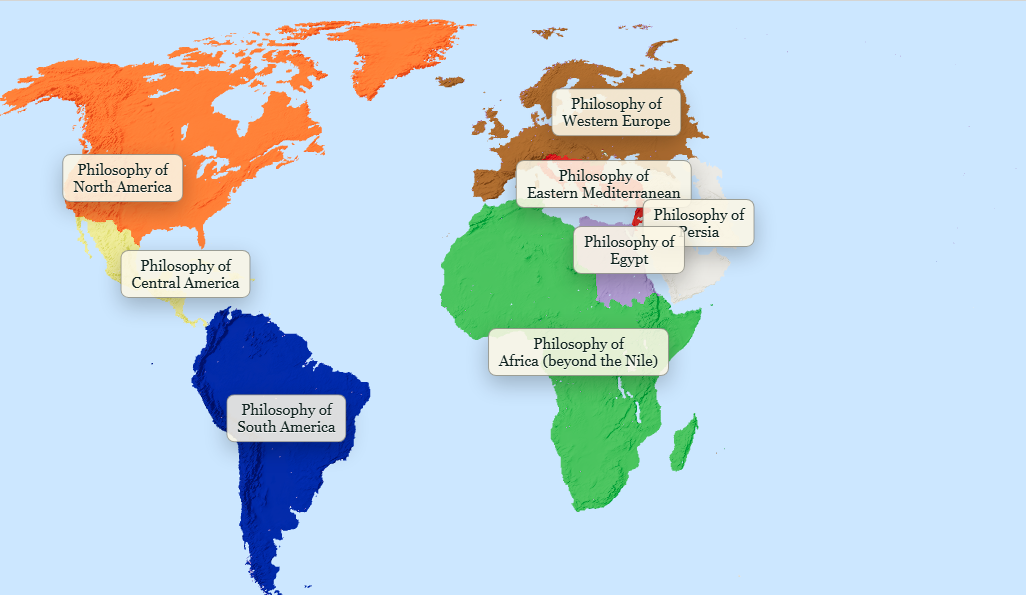
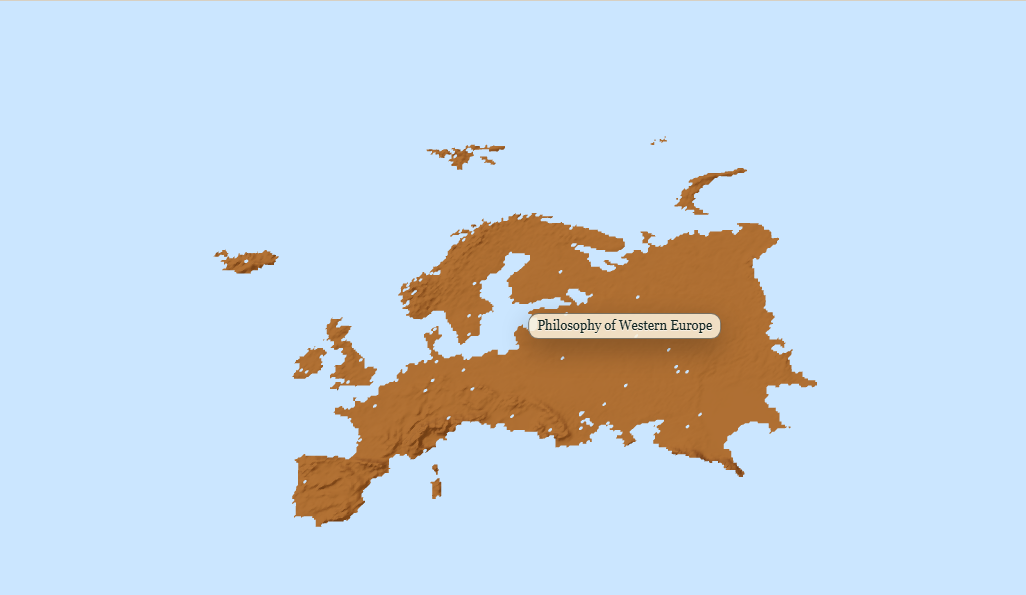
- Eighteenth-century Prussian and German Enlightenment philosophy, Koenigsberg intellectual culture, European Enlightenment debates, and later international Kant scholarship.
- Historical Reaction
- A critical response to rationalist metaphysics, empiricism, skepticism, dogmatism, moral heteronomy, and unexamined uses of reason.
Internal Structure
- Foundational Texts
- Source evidence includes SEP Kant rows, Kant's development, moral philosophy, aesthetics, religion, mind, social and political philosophy, science, mathematics, Enlightenment context, IEP Kant rows, Britannica rows for Kant, Critique of Pure Reason, and categorical imperative, World History Encyclopedia, Encyclopedia.com, New Advent, Kant digital corpus and Akademieausgabe rows, Wikisource, Gutenberg, Open Library, WorldCat, PhilPapers, PhilArchive, Cambridge, Oxford, Brill, De Gruyter, NDPR, Kant-Gesellschaft, Kant-Studien, Kant Online, and SEP bibliography rows.
- Core Vocabulary
- Kantianism, Immanuel Kant, transcendental idealism, synthetic a priori, categories, forms of intuition, critique, deduction, antinomy, autonomy, categorical imperative, duty, freedom, dignity, kingdom of ends, noumenon, phenomenon, judgment, enlightenment, public reason, Critique of Pure Reason, and Perpetual Peace.
- Metaphysics
- Kantian metaphysics asks how objects can be experienced and known under the conditions of sensibility and understanding, while limiting speculative claims about things in themselves, noumena, God, freedom, and immortality.
- Epistemology
- Knowledge is framed through transcendental conditions, synthetic a priori judgment, categories, forms of intuition, deduction, antinomies, and the limits of possible experience.
- Ethics
- Ethics centers autonomy, duty, categorical imperative, freedom, dignity, kingdom of ends, moral law, practical reason, and the distinction between inclination and rational self-legislation.
- School Method
- The method combines Kant-centered school evidence with critical philosophy, major works, digital corpus rows, encyclopedia rows, public text rows, catalog rows, and scholarship while excluding image rows, duplicate Wikipedia rows, German Idealism takeover rows, Idealism takeover rows, Schopenhauer spillover, Jain spillover, and Xunzi spillover.
- Internal Debates
- Internal issues include how to interpret transcendental idealism, the status of things in themselves, the synthetic a priori, the unity of theoretical and practical reason, the relation between autonomy and religion, and the scope of judgment, teleology, political right, and public reason.
- Successors
- Kantianism shaped German Idealism, neo-Kantianism, analytic epistemology, moral philosophy, political philosophy, aesthetics, philosophy of science, philosophy of religion, and debates over autonomy, dignity, rights, and reason.
External Classification Context
- History of Philosophy
- Belongs to modern philosophy, Enlightenment philosophy, critical philosophy, German philosophy, metaphysics, epistemology, ethics, aesthetics, political philosophy, philosophy of religion, and philosophy of science.
- Philosophy of Philosophy
- Defines philosophy as critique: an examination of reason's powers, limits, conditions, and proper use in knowledge, morality, judgment, religion, and public life.
- Intellectual History
- Connects Immanuel Kant, Enlightenment debates, Critique of Pure Reason, Groundwork, Critique of Practical Reason, Critique of Judgment, Religion, Metaphysics of Morals, Perpetual Peace, digital Kant corpora, public text surfaces, catalogs, and modern scholarship.
- University Classification
- Classify under Kantianism, modern philosophy, Enlightenment philosophy, critical philosophy, transcendental idealism, German philosophy, epistemology, metaphysics, ethics, aesthetics, political philosophy, and philosophy of religion.
- Classical Sources
- Evidence includes SEP, IEP, Britannica, World History Encyclopedia, Encyclopedia.com, New Advent, Korpora, Berlin-Brandenburg Akademieausgabe, Wikisource, Gutenberg, Open Library, WorldCat, PhilPapers, PhilArchive, Cambridge, Oxford, Brill, De Gruyter, NDPR, Kant-Gesellschaft, Kant-Studien, Kant Online, and SEP bibliography rows.
- Sociology of Knowledge
- The source set documents Kantianism through Kant reference rows, major-work rows, digital corpus rows, public text surfaces, catalog rows, and scholarship rows, while image rows, duplicate Wikipedia rows, German Idealism rows, Schopenhauer rows, Jain spillover, Xunzi spillover, and unrelated school rows stay held out.
Linked Philosophers
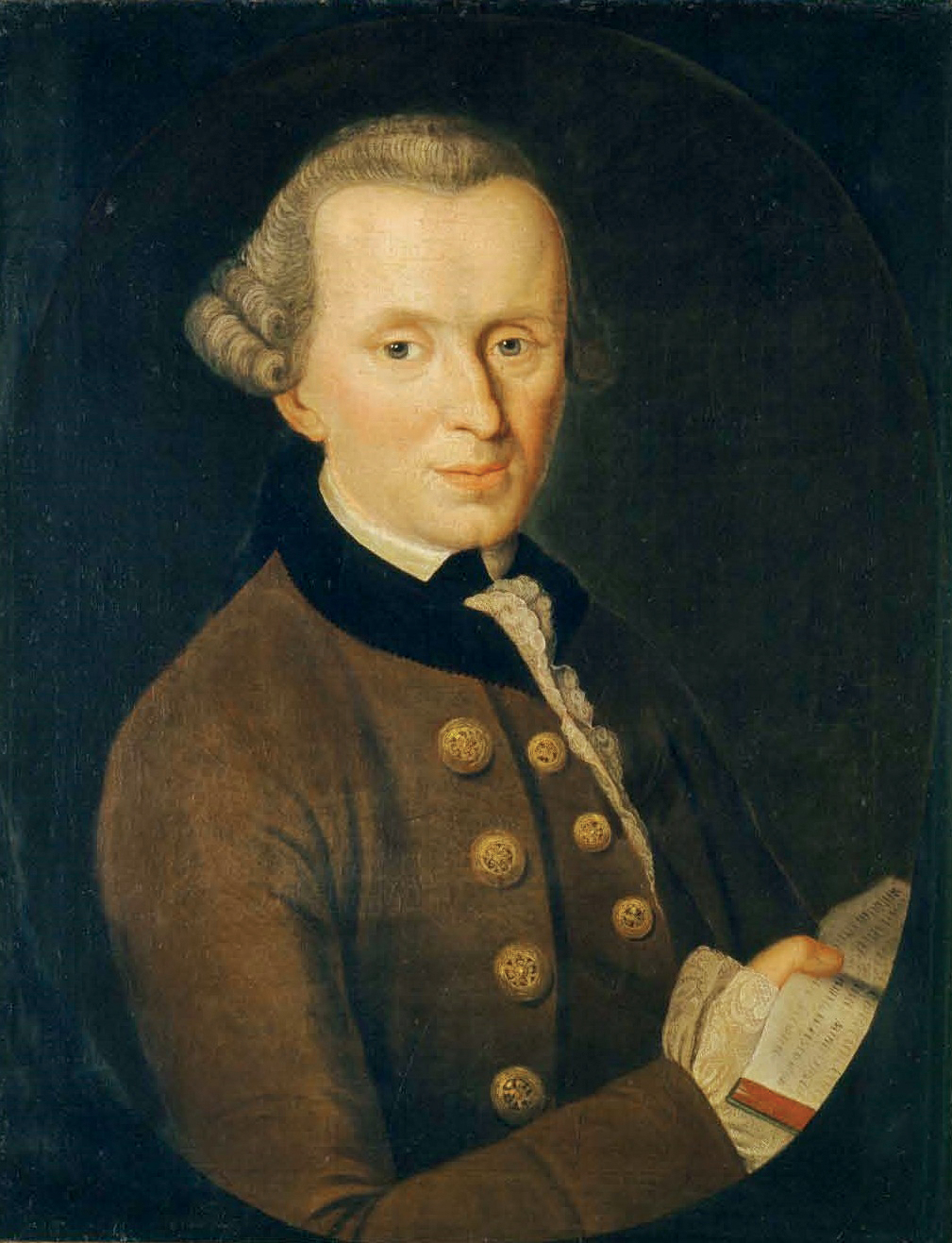
Immanuel Kant
1724 CE – 1804 CE
Königsberg, Prussia
Prussian Enlightenment philosopher whose critical philosophy of transcendental idealism, autonomy, public reason, aesthetic judgment, natural science, religion, and right reshaped modern metaphysics, epistemology, ethics, politics, and aesthetics.
Other Voices
Reference entries, public text surfaces, catalog rows, and scholarship connected to Kantianism, Immanuel Kant, transcendental idealism, synthetic a priori judgment, critique, autonomy, categorical imperative, freedom, judgment, enlightenment, and public reason.