Legalism
Legalism centers Han Fei, Li Si, and Shang Yang as Chinese statecraft thinkers focused on law, standards, administrative technique, positional power, rewards and punishments, and Qin political order.

Structural Factors
- Shared Core Claims
- Legalism treats political order as a matter of public standards, enforceable law, administrative technique, positional power, and predictable rewards and punishments rather than reliance on inherited virtue or ritual prestige. It emphasizes centralized authority, impersonal institutions, bureaucratic control, and Qin-era state reform.
- Shared Methods
- Statecraft analysis, legal standardization, administrative technique, ruler-minister analysis, historical-political testimony comparison, and close comparison of Han Feizi, Book of Lord Shang, Li Si/Qin sources, Chinese Text Project surfaces, catalog rows, and Warring States context.
- Shared Lineage
- This page preserves Han Fei, Li Si, and Shang Yang as linked philosophers. The school context includes Shang Yang reforms in Qin, Han Fei synthesis of fa, shu, and shi, Li Si implementation in Qin administration, Hundred Schools context, and Warring States political competition without adding Qin rulers, Xunzi, Confucianism, Mohism, or Daoism as linked philosophers.
- Shared Problems
- Law and standards, administrative technique, positional authority, ruler control, ministerial accountability, rewards and punishments, commandery and bureaucratic governance, Qin reform, standardization, Warring States warfare and competition, the relation between private interest and public order, and the critique of moralistic rule.
- Shared Vocabulary
- Legalism, Han Fei, Li Si, Shang Yang, Han Feizi, Book of Lord Shang, fa, shu, shi, xingming, rewards, punishments, ruler, ministers, Qin, commandery, bureaucracy, standardization, Warring States, and Hundred Schools.
- Shared Historical Context
- Legalism belongs to classical Chinese and Warring States political philosophy. It is tied to Qin state-building, Shang Yang reforms, Han Fei theory, Li Si administration, later historical testimony, Chinese text traditions, and modern reference, catalog, and scholarship rows.
Defining Axes
- Doctrine
- Fa as law and impersonal standards, shu as administrative technique, shi as positional power, rewards and punishments, centralized authority, and bureaucratic order.
- Method
- Statecraft analysis, administrative design, text and testimony comparison, political-historical reconstruction, classical text surfaces, and source/catalog review.
- Lineage
- Shang Yang reforms, Han Fei synthesis, Li Si and Qin implementation, Warring States and Hundred Schools context, and later historical reception.
- Subject Focus
- Political philosophy, statecraft, law, administration, bureaucracy, power, institutional control, standardization, ruler-minister relations, and Chinese intellectual history.
- Geography / Culture
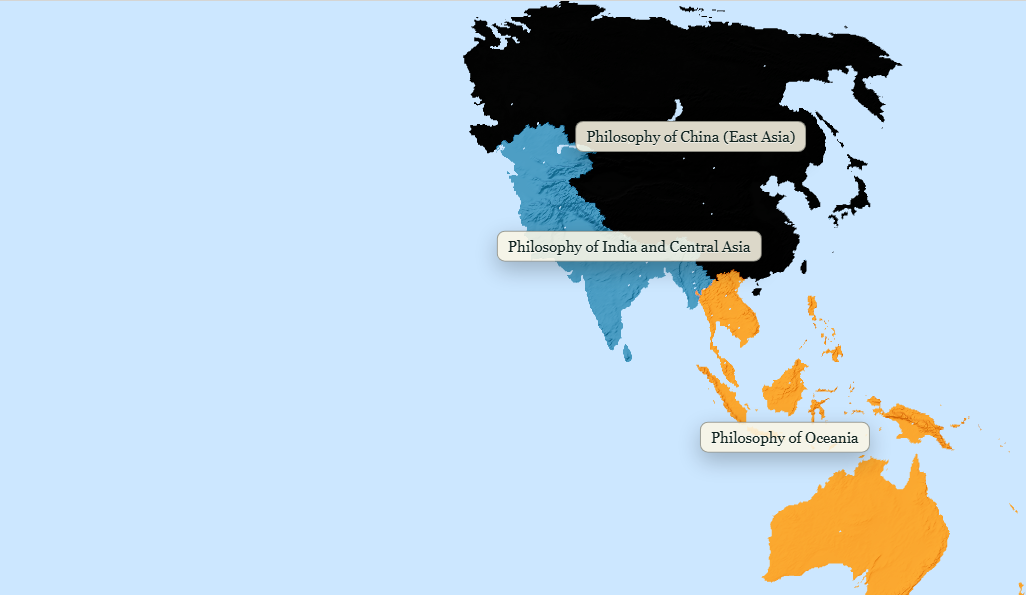
- Warring States China, Qin political institutions, early imperial Chinese state-building, and classical Chinese text transmission.
- Historical Reaction
- A response to political fragmentation, warfare, hereditary privilege, and moralistic governance, emphasizing enforceable standards, institutional technique, and centralized state order.
Internal Structure
- Foundational Texts
- Source evidence includes SEP Legalism and Chinese philosophy context, IEP Chinese Legalism context, Britannica and Encyclopedia.com rows for Han Fei, Li Si, Shang Yang, and Legalism, Chinese Text Project surfaces for Han Feizi and Book of Lord Shang, Wikisource and Chinese classical text rows, Open Library, WorldCat, PhilPapers, Columbia and education/context rows, Sima Qian/Qin context, and Warring States/Hundred Schools context rows.
- Core Vocabulary
- Legalism, fa, shu, shi, xingming, Han Fei, Li Si, Shang Yang, Han Feizi, Book of Lord Shang, Qin, rewards, punishments, ruler, ministers, bureaucracy, commandery, standardization, Warring States, and Hundred Schools.
- Metaphysics
- Legalism is not organized around speculative metaphysics; its central claims concern social order, power, institutional design, administrative control, public standards, and the predictable alignment of interest and punishment.
- Epistemology
- Political knowledge is treated as practical knowledge of institutions, incentives, standards, names and duties, ministerial performance, historical precedent, and the observable effects of laws, rewards, and punishments.
- Ethics
- Legalism challenges virtue-centered and ritual-centered political ethics by prioritizing public law, institutional reliability, state security, administrative accountability, and outcomes produced by standards and sanctions.
- School Method
- The method combines classical Chinese text surfaces, Han Fei and Shang Yang work evidence, Li Si and Qin historical rows, reference entries, catalogs, public text surfaces, and scholarship rows while excluding image rows and unrelated school takeovers.
- Internal Debates
- Internal issues include the balance of fa, shu, and shi, the role of ruler authority versus administrative systems, Han Fei relation to Xunzi context, Shang Yang reform versus Han Fei theory, Li Si implementation, and whether Legalism is best read as political philosophy, statecraft, or administrative theory.
- Successors
- Legalism shaped Qin governance, later debates over Chinese statecraft, critiques and defenses of centralized rule, comparative political theory, and modern scholarship on Chinese law, bureaucracy, authoritarian institutions, and Warring States political thought.
External Classification Context
- History of Philosophy
- Belongs to Chinese philosophy, political philosophy, philosophy of law, institutional theory, Warring States thought, Hundred Schools context, and comparative political theory.
- Philosophy of Philosophy
- Defines philosophy as statecraft, institutional diagnosis, and political-administrative design rather than contemplative metaphysics or moral self-cultivation alone.
- Intellectual History
- Connects Han Fei, Li Si, Shang Yang, Qin reforms, Hundred Schools debates, Warring States competition, Chinese text transmission, public reference rows, catalogs, and modern scholarship.
- University Classification
- Classify under Legalism, Chinese philosophy, political philosophy, philosophy of law, statecraft, institutional theory, Warring States philosophy, and history of Chinese political thought.
- Classical Sources
- Evidence includes SEP, IEP, Britannica, Encyclopedia.com, Chinese Text Project, Wikisource, Columbia and teaching rows, Open Library, WorldCat, PhilPapers, public text surfaces, Qin context, Sima Qian context, and Warring States reference rows.
- Sociology of Knowledge
- The source set documents Legalism through linked-philosopher rows, Han Feizi and Book of Lord Shang surfaces, Qin and Warring States context, catalog rows, and scholarship while image rows, Machiavelli, Huang Zongxi, Madhyamaka, Nasir al-Din al-Tusi, Kierkegaard, Adorno/Critical Theory, and broad unrelated school rows stay held out.
Linked Philosophers
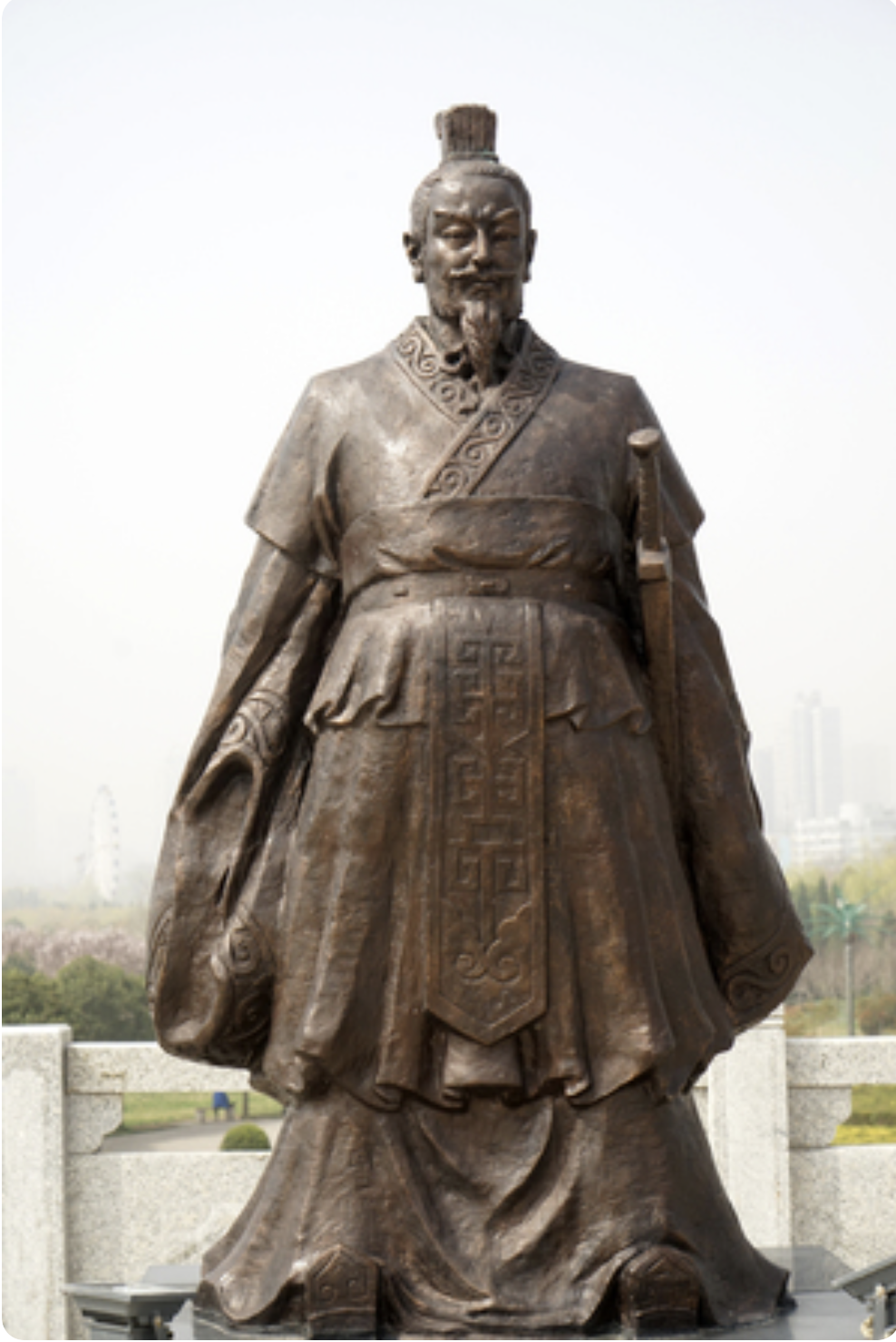
Han Fei
280 BCE – 233 BCE
Han state (Xinzheng region)
Warring States Chinese Legalist philosopher and statesman whose Han Feizi synthesizes fa, shu, shi, xingming, rewards and punishments, human motivation, and impersonal standards into a classic theory of state power.
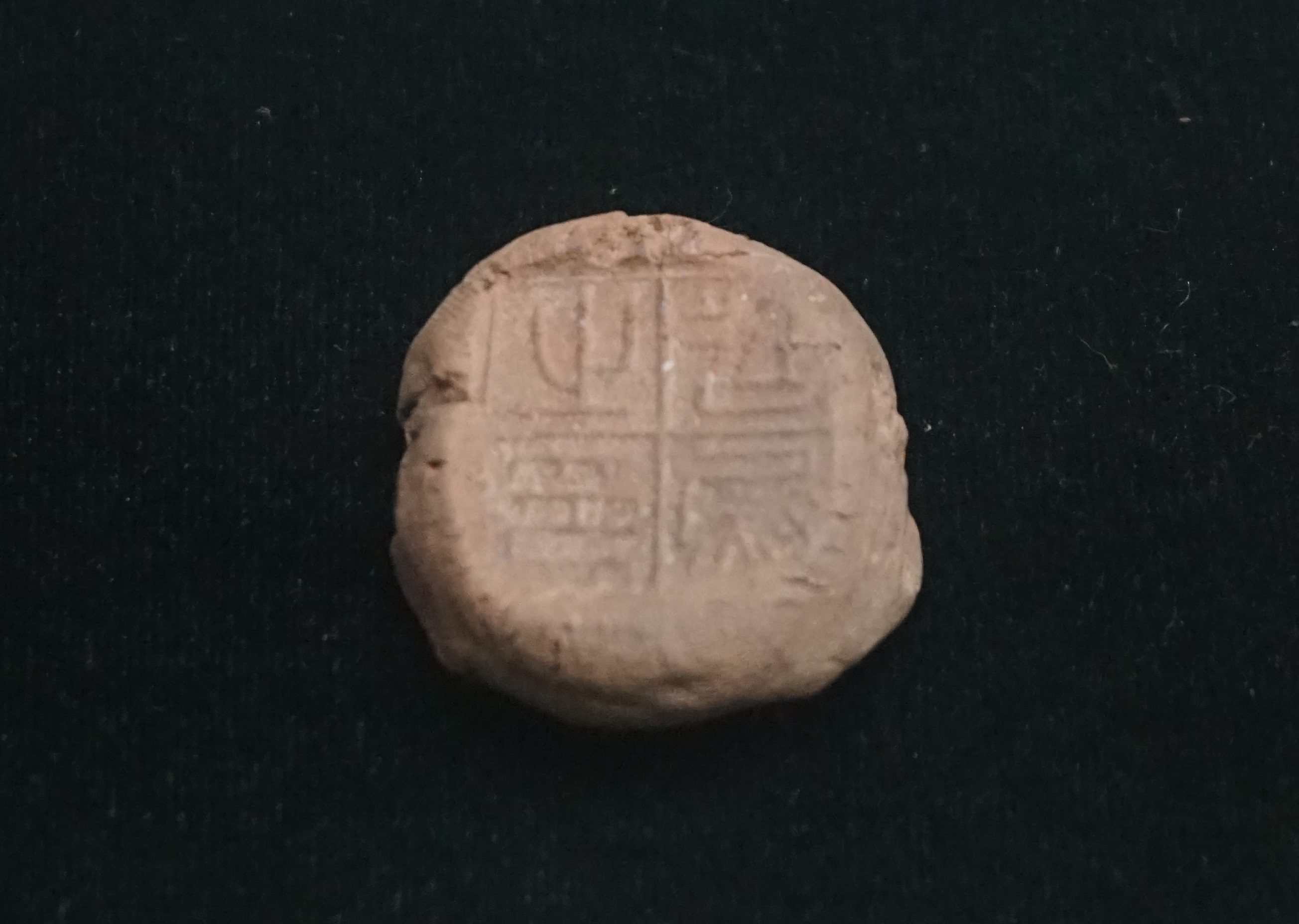
Li Si
280 BCE – 208 BCE
Shangcai, State of Chu, now Henan
Qin Legalist statesman whose memorials, centralized statecraft, and script-standardization work helped form the administrative language of the first Chinese empire.
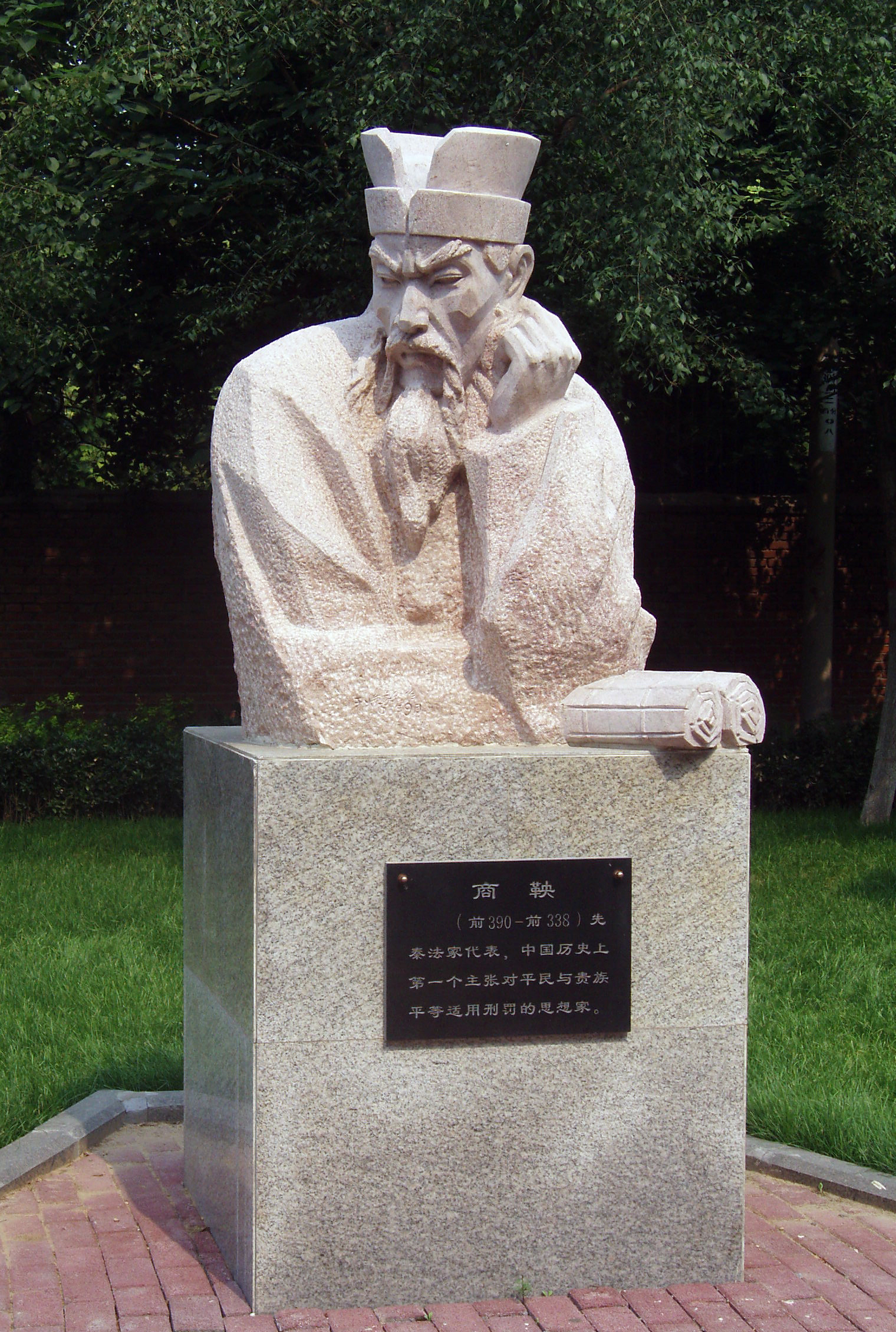
Shang Yang
390 BCE – 338 BCE
Wei state region
Chinese Legalist reformer whose Qin reforms and attributed Book of Lord Shang shaped early theories of law, state power, rewards, punishments, agriculture, and war.
Other Voices
Reference entries, public text surfaces, catalog rows, and scholarship connected to Legalism, Han Fei, Li Si, Shang Yang, Han Feizi, Book of Lord Shang, fa, shu, shi, rewards and punishments, Qin statecraft, bureaucracy, and Warring States political philosophy.