Madhyamaka
Madhyamaka is a Mahāyāna Buddhist philosophical school centered on emptiness, dependent origination, the middle way, and the two truths.
Structural Factors
- Shared Core Claims
- Madhyamaka argues that phenomena are empty of inherent nature because they arise dependently. The middle way avoids eternalism and annihilationism, and the two truths distinguish conventional functioning from ultimate insight without treating emptiness as a new substance.
- Shared Methods
- Reductio argument, prasaṅga critique, catuṣkoṭi analysis, close commentary, and testing claims about causation, self, motion, knowledge, language, and truth.
- Shared Lineage
- Prajñāpāramitā literature, Nāgārjuna, Āryadeva, Buddhapālita, Bhāvaviveka, Candrakīrti, Śāntideva, Tibetan Madhyamaka, and Chinese Sanlun through Kumārajīva, Sengzhao, and later Jizang.
- Shared Problems
- Inherent nature, dependent origination, emptiness, two truths, conceptual proliferation, causation, change, personal identity, language, knowledge, nirvāṇa, and nihilist misreadings.
- Shared Vocabulary
- madhyamaka, śūnyatā, svabhāva, pratītyasamutpāda, saṃvṛti-satya, paramārtha-satya, prapañca, catuṣkoṭi, prasaṅga, nirvāṇa, Sanlun, Sanron.
- Shared Historical Context
- Indian Mahāyāna Buddhist philosophy systematizing Perfection of Wisdom emptiness arguments, later transmitted through Chinese, Tibetan, Korean, and Japanese scholastic traditions.
Defining Axes
- Doctrine
- Emptiness of inherent nature, dependent origination, two truths, and the middle way between eternalism and annihilationism.
- Method
- Dialectical critique, prasaṅga reasoning, catuṣkoṭi analysis, close commentary, and anti-essentialist argument.
- Lineage
- Nāgārjuna-centered Mahāyāna lineage from Prajñāpāramitā sources through Indian commentators, Tibetan scholasticism, and East Asian Sanlun/Sanron transmission.
- Subject Focus
- Metaphysics, epistemology, philosophy of language, philosophy of religion, causation, self, knowledge, truth, and liberation.
- Geography / Culture
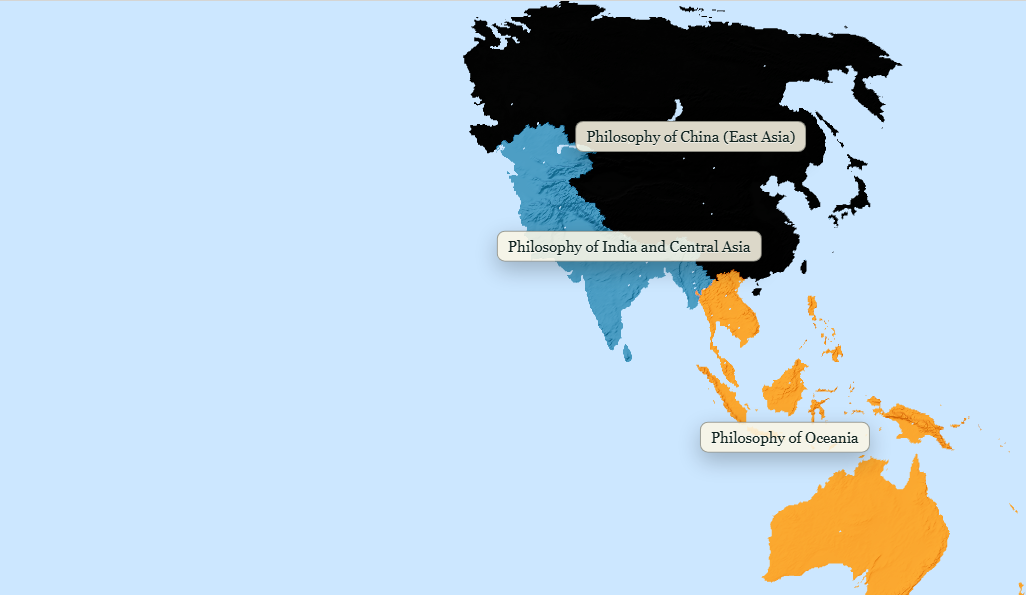
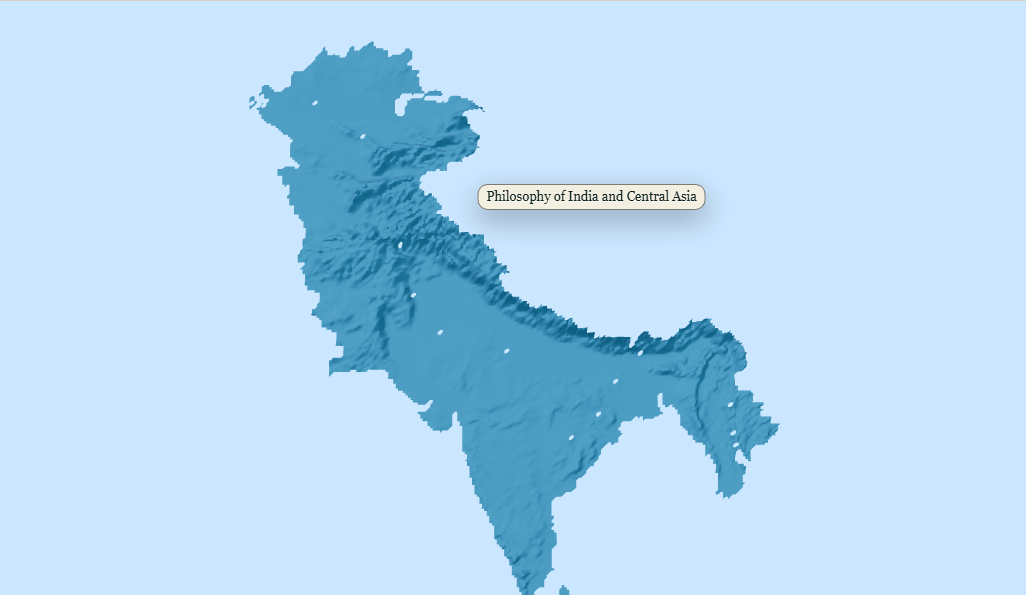
- India, Central Asia, China, Tibet, Korea, and Japan through Sanskrit, Chinese, Tibetan, and East Asian Buddhist textual cultures.
- Historical Reaction
- Critique of substantialism, realist metaphysics, reified conceptual schemes, and nihilist misunderstandings of emptiness.
Internal Structure
- Foundational Texts
- Mūlamadhyamakakārikā, Vigrahavyāvartanī, Catuḥśataka, Prajñāpāramitā literature, major Indian commentaries, and the Chinese Three Treatises.
- Core Vocabulary
- Śūnyatā, svabhāva, pratītyasamutpāda, saṃvṛti, paramārtha, prapañca, prasaṅga, catuṣkoṭi, madhyamā pratipad, nirvāṇa, Sanlun, and Sanron.
- Metaphysics
- Rejects inherent nature while preserving dependent conventional functioning; emptiness is not a new substance or hidden absolute.
- Epistemology
- Tests claims about knowledge, truth, perception, inference, and language by showing how reified accounts collapse under analysis.
- Ethics
- Connects insight into emptiness and dependent arising with non-attachment, compassion, liberation, and resistance to nihilist conclusions.
- Method
- Uses dialectical examination to dissolve essentialist theses rather than constructing a final metaphysical system.
- Internal Debates
- Includes debates over Prāsaṅgika and Svātantrika method, the relation to Yogācāra, the status of conventional truth, and whether Madhyamaka asserts a thesis.
- Successors
- Tibetan Madhyamaka, Chinese Sanlun, Japanese Sanron, Korean Buddhist scholastic reception, and modern comparative work on emptiness and anti-essentialism.
External Classification Context
- History of Philosophy
- Belongs to Mahāyāna Buddhist philosophy and to broader Indian and East Asian debates about metaphysics, language, truth, and liberation.
- Philosophy of Philosophy
- Treats philosophy as critical clarification and de-reification: testing how doctrines function rather than building a final ontology.
- Intellectual History
- Links Perfection of Wisdom literature, Nāgārjuna, Indian scholastic commentary, Chinese translation movements, and Tibetan doxography.
- University Classification
- Classify under Buddhist philosophy, Indian philosophy, Mahāyāna philosophy, East Asian Buddhist philosophy, metaphysics, epistemology, philosophy of language, and philosophy of religion.
- Classical Sources
- Primary source frame includes Nāgārjuna’s Mūlamadhyamakakārikā and Vigrahavyāvartanī, Āryadeva’s Catuḥśataka, Prajñāpāramitā literature, and Sanlun textual transmission.
- Sociology of Knowledge
- Shows how scholastic institutions, translation bureaus, monastic debate, commentarial lineages, and cross-cultural transmission shape philosophical classification.
Linked Philosophers
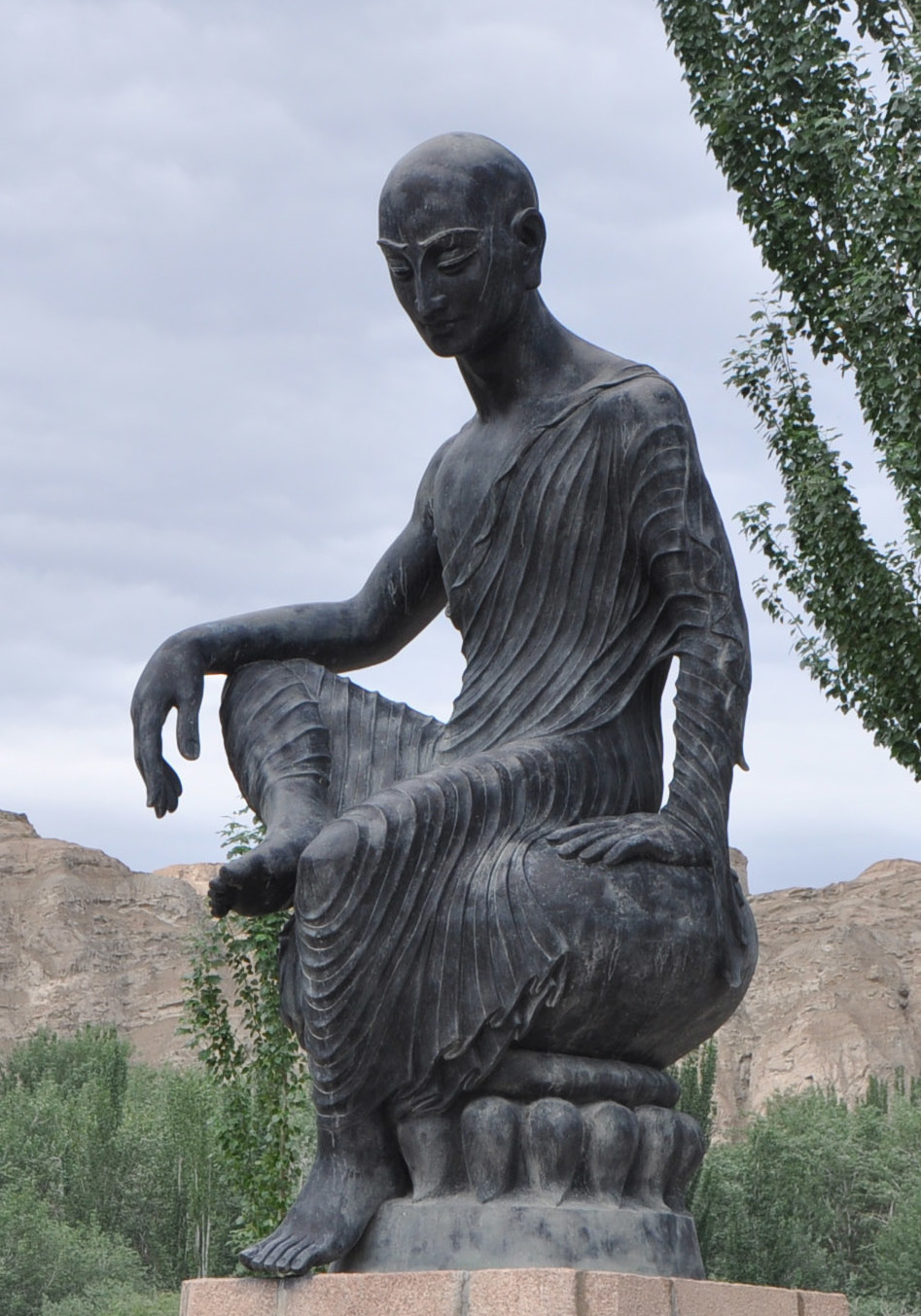
Kumārajīva
344 CE – 413 CE
Kucha (Kuqa), Tarim Basin
Kuchean Buddhist translator whose Chang'an translation bureau carried Prajñāpāramitā, Madhyamaka, Lotus, Vimalakīrti, Pure Land, and meditation texts into durable Chinese Buddhist philosophical language.
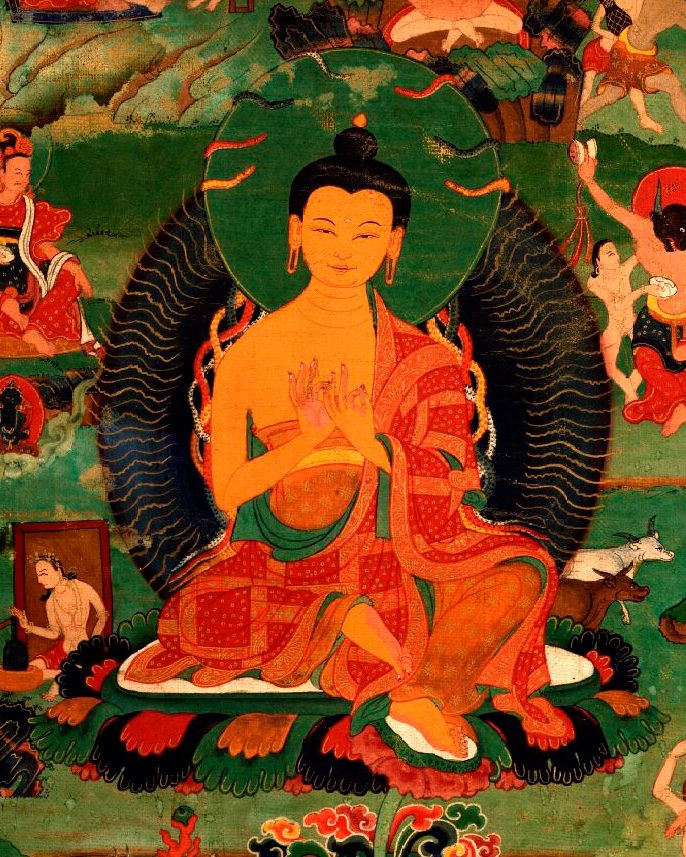
Nagarjuna
150 CE – 250 CE
South India, often associated with Andhra
Madhyamaka Buddhist philosopher of emptiness, dependent origination, two truths, svabhava critique, catuskoti, Middle Way reasoning, and Prajnaparamita reception.
Sengzhao
384 CE – 414 CE
Jingzhao (Chang'an region)
Chinese Buddhist philosopher from Jingzhao whose Zhaolun essays shaped early Chinese Madhyamaka through emptiness, nonduality, non-knowing wisdom, language, and nameless nirvana.