Ordinary Language Philosophy
Ordinary Language Philosophy names the Oxford-centered analytic method, represented here by J. L. Austin, that diagnoses philosophical confusion through careful attention to how words, speech acts, excuses, and distinctions work in ordinary use.

Structural Factors
- Shared Core Claims
- Ordinary Language Philosophy holds that philosophical confusion often comes from misreading ordinary uses of words. Meaning is clarified by use, context, speech acts, performatives, excuses, contrast cases, and distinctions already active in ordinary practice.
- Shared Methods
- Close attention to ordinary language, examples, contrast cases, speech-act analysis, performative and constative distinctions, attention to excuses, ordinary-case description, and resistance to premature technical abstraction.
- Shared Lineage
- The school is centered here on J. L. Austin and Oxford ordinary-language philosophy, with analytic philosophy, pragmatics, speech-act theory, philosophy of language, and Austin's posthumously published lecture and paper corpus as context.
- Shared Problems
- Meaning, use, speech acts, performative utterance, constatives, illocution, perlocution, locution, felicity conditions, excuses, sense-data critique, assertion, implication, pragmatics, and the risk of philosophical abstraction from ordinary practice.
- Shared Vocabulary
- ordinary language, use, speech acts, performative utterance, constative, illocution, perlocution, locution, felicity conditions, excuses, sense-data, pragmatics, linguistic philosophy, How to Do Things with Words, Sense and Sensibilia.
- Shared Historical Context
- Ordinary Language Philosophy developed in twentieth-century analytic philosophy, especially Oxford practice after the linguistic turn, and Austin's work helped redirect philosophy of language toward performatives, speech acts, examples, and ordinary distinctions.
Defining Axes
- Doctrine
- Meaning and philosophical sense are tested through ordinary use, context, speech acts, performatives, excuses, and the practical conditions under which utterances succeed or fail.
- Method
- Ordinary-language description, example work, contrast cases, speech-act analysis, performative/constative distinctions, close reading of Austin texts, and anti-premature technical abstraction.
- Lineage
- J. L. Austin is the sole linked philosopher in this pass; analytic philosophy, Oxford ordinary-language practice, pragmatics, and philosophy of language remain source context.
- Subject Focus
- Philosophy of language, epistemology, logic-adjacent analysis, pragmatics, action, mind, perception, and method in analytic philosophy.
- Geography / Culture
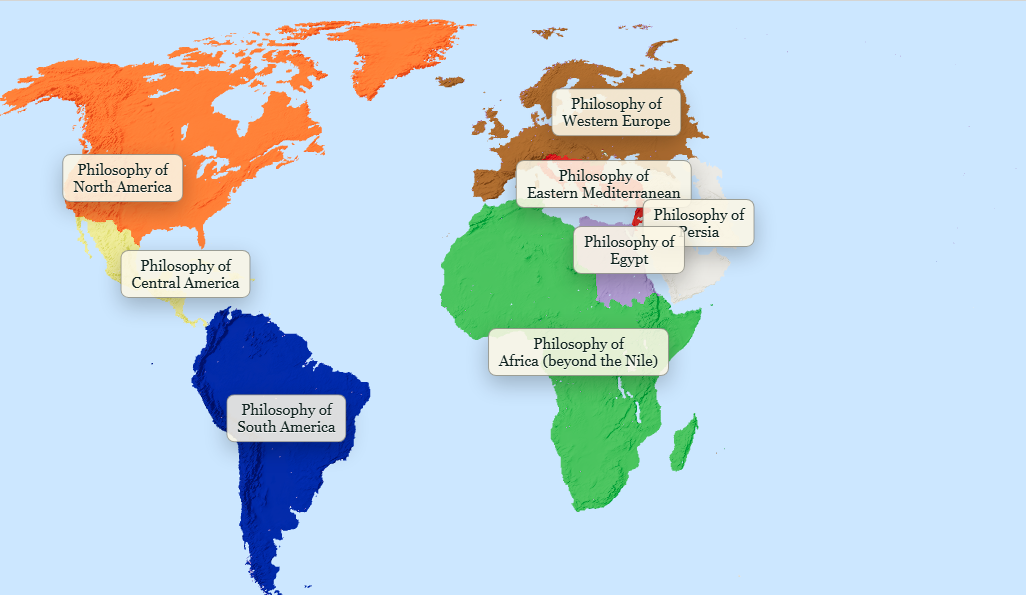
- Twentieth-century Oxford and Anglophone analytic philosophy, with broader reception in pragmatics, speech-act theory, linguistics, and philosophy of language.
- Historical Reaction
- A reaction against over-formalized or over-theorized philosophical problems where careful ordinary usage, examples, and distinctions can expose false assumptions.
Internal Structure
- Foundational Texts
- Foundational evidence includes Austin entries, SEP Ordinary Language Philosophy, SEP Speech Acts, Oxford Academic pages for How to Do Things with Words, Sense and Sensibilia, Philosophical Papers, Austin archives, and catalog/bibliographic rows.
- Core Vocabulary
- ordinary language, use, speech acts, performative, constative, illocution, perlocution, locution, felicity conditions, excuses, sense-data critique, pragmatics, linguistic philosophy.
- Metaphysics
- Metaphysics is not the main axis; the school more often dissolves or reframes metaphysical-looking puzzles by asking how the relevant words and distinctions function in ordinary contexts.
- Epistemology
- Uses ordinary distinctions around knowledge, perception, evidence, testimony, and excuses to resist artificial skeptical or sense-data constructions, especially in Austin's critique of perception talk.
- Ethics
- Ethics is contextual rather than defining; Austin's attention to excuses, responsibility vocabulary, and action descriptions matters for moral psychology and action theory without making the school an ethical doctrine.
- School Method
- Works through fine-grained examples, ordinary usage, contrastive phrases, speech-act classifications, felicity conditions, lecture-based argument, and careful correction of philosophical misdescription.
- Internal Debates
- Debates include whether ordinary usage merely clarifies or settles philosophical issues, how Austin relates to later pragmatics, how speech-act theory extends beyond ordinary-language method, and whether ordinary-language appeal can become conservative.
- Successors
- Shapes speech-act theory, pragmatics, philosophy of language, action theory, feminist philosophy of language, legal and social performativity debates, and later ordinary-language approaches.
External Classification Context
- History of Philosophy
- Belongs to twentieth-century analytic philosophy, the linguistic turn, Oxford philosophy, philosophy of language, and pragmatics, while remaining centered on Austin for this school pass.
- Philosophy of Philosophy
- Shows philosophy as a disciplined repair of linguistic and conceptual misuse: before building theory, inspect how words, examples, and distinctions actually work.
- Intellectual History
- Connects encyclopedia entries, Austin memoir and archive material, Oxford Academic work pages, Bodleian records, library catalogs, public bibliographies, and scholarship rows for Austin, ordinary language, speech acts, and pragmatics.
- University Classification
- Classify under Ordinary Language Philosophy, analytic philosophy, philosophy of language, pragmatics, epistemology, action theory, philosophy of mind, and speech-act theory.
- Classical Sources
- Evidence includes SEP Austin, SEP Speech Acts, SEP Pragmatics, SEP Assertion, SEP Implicature, SEP Ordinary Language Philosophy, IEP Austin, IEP Philosophy of Language, Britannica, Encyclopedia.com, British Academy, Oxford Academic, Bodleian, Open Library, WorldCat, PhilPapers, PhilArchive, LOC, BnF, Internet Archive, and academic search rows.
- Sociology of Knowledge
- The school is documented through Austin's lectures and papers, posthumous editions, Oxford institutional archives, encyclopedia entries, catalog records, bibliographies, and later speech-act and pragmatics scholarship.
Linked Philosophers
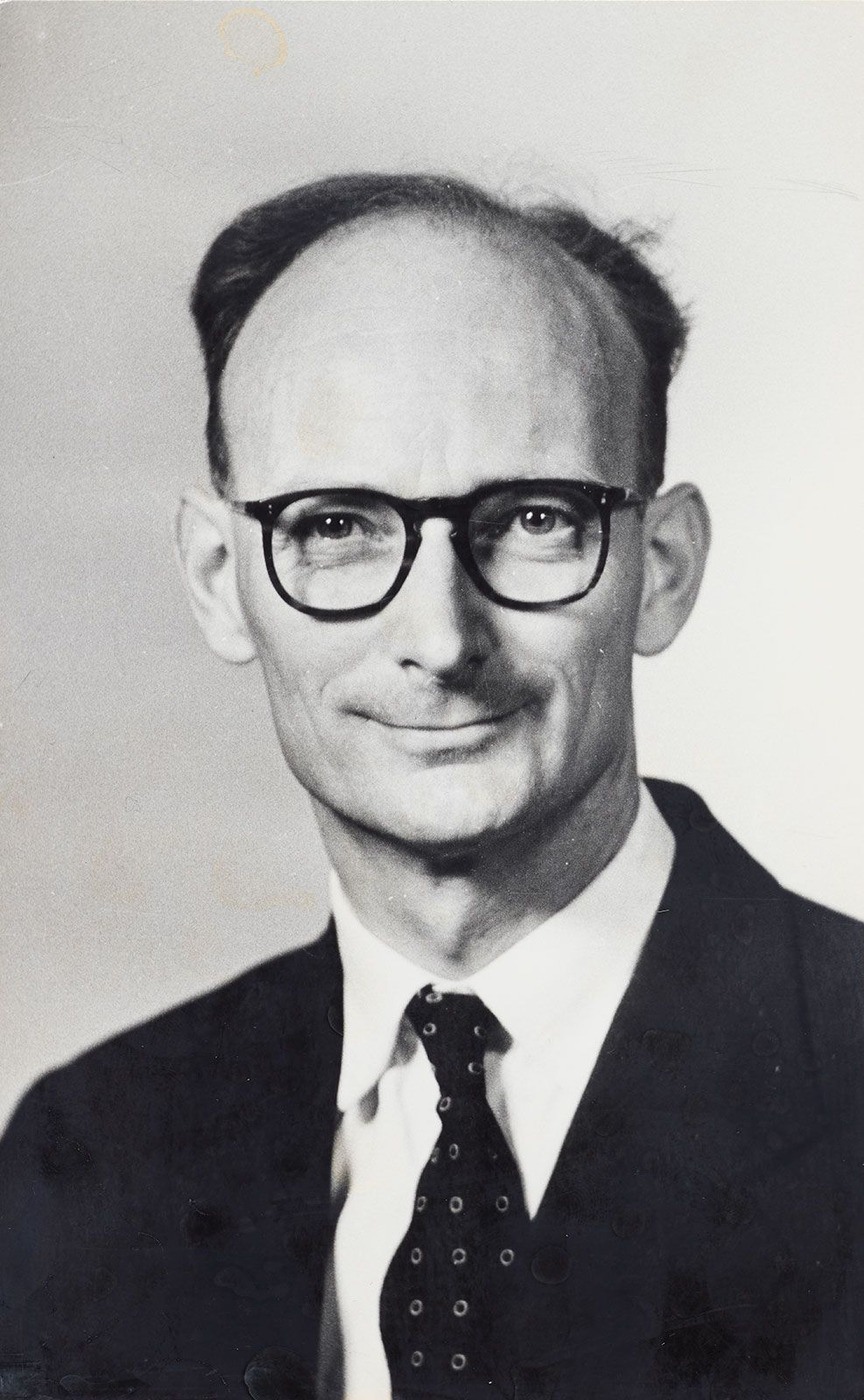
J. L. Austin
1911 CE – 1960 CE
Lancaster, Lancashire
British Oxford ordinary-language philosopher whose analyses of performatives, speech acts, excuses, other minds, truth, perception, and action reshaped twentieth-century analytic philosophy.
Other Voices
Source entries, public text surfaces, catalog rows, archive notes, and scholarship connected to Ordinary Language Philosophy, J. L. Austin, ordinary language, speech acts, performatives, excuses, How to Do Things with Words, Sense and Sensibilia, pragmatics, and philosophy of language.