Pyrrhonism
Pyrrhonism is an ancient skeptical tradition centered on Pyrrho, Timon, Aenesidemus, and Sextus Empiricus, using suspension of judgment and equipollent arguments to resist dogmatic assent.
Structural Factors
- Shared Core Claims
- Pyrrhonism emphasizes suspension of judgment, equipollence among opposed arguments, attention to appearances without dogmatic assent, ataraxia, continued inquiry, and critique of claims about criteria, truth, and hidden natures.
- Shared Methods
- Opposing arguments, skeptical modes and tropes, dialectical testing, report of appearances, doxographic and textual comparison, Sextus Empiricus and Diogenes Laertius testimony, and catalog and scholarship review.
- Shared Lineage
- This page preserves Aenesidemus of Knossos, Pyrrho of Elis, Sextus Empiricus, and Timon of Phlius as linked philosophers. The school context includes the ancient Pyrrhonist tradition and broader ancient skepticism, with Academy-centered skepticism retained only as comparative context.
- Shared Problems
- Suspension of judgment, ataraxia, appearances, dogmatic belief, the criterion of truth, equipollence, aporia, inquiry, the ten modes, the five modes, disagreement, relativity, perception, causation, signs, ethics, and the possibility of living skeptically.
- Shared Vocabulary
- Pyrrhonism, Pyrrho, Timon, Aenesidemus, Sextus Empiricus, epochē, ataraxia, aporia, equipollence, appearances, dogma, criterion, ten modes, five modes, Outlines of Pyrrhonism, Against the Mathematicians, inquiry, and suspension of judgment.
- Shared Historical Context
- Pyrrhonism is an ancient Greek skeptical school transmitted through testimony about Pyrrho and Timon, Aenesidemus and the revival of Pyrrhonist modes, and Sextus Empiricus as the major surviving source for the mature Pyrrhonist corpus.
Defining Axes
- Doctrine
- Suspension of judgment, equipollence, appearances without dogmatic assent, ataraxia, inquiry, and critique of criteria and truth claims.
- Method
- Skeptical dialectic, opposing arguments, modes or tropes, report of appearances, doxographic comparison, primary-text comparison, and catalog and scholarship review.
- Lineage
- Pyrrho and Timon as early figures, Aenesidemus as Pyrrhonist revival context, Sextus Empiricus as the main surviving source, and ancient skepticism as the broader tradition.
- Subject Focus
- Epistemology, metaphysics, logic, ethics, language, perception, signs, causation, disagreement, appearances, and the practical life of inquiry without dogmatic assent.
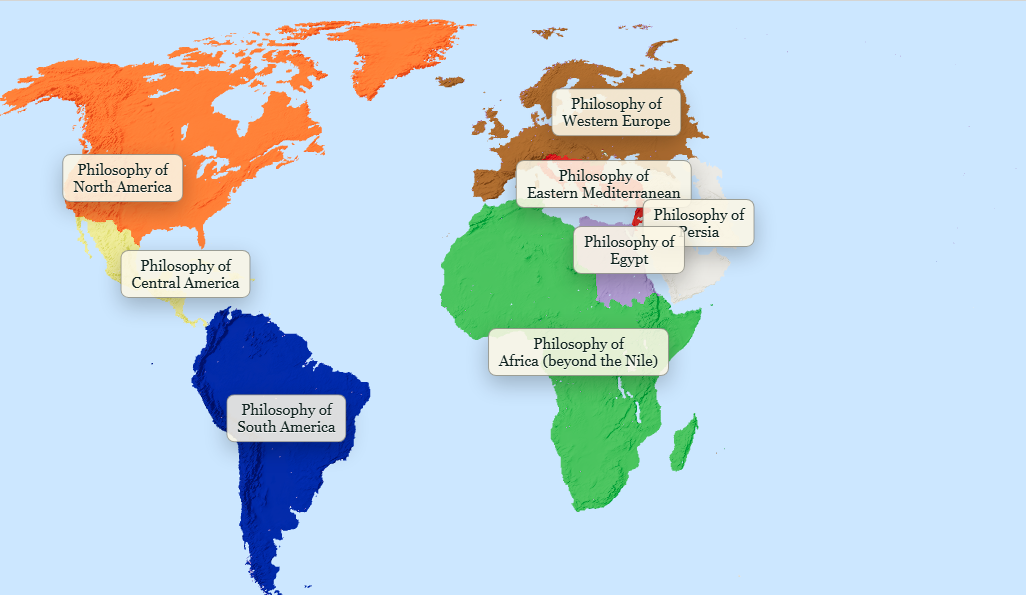
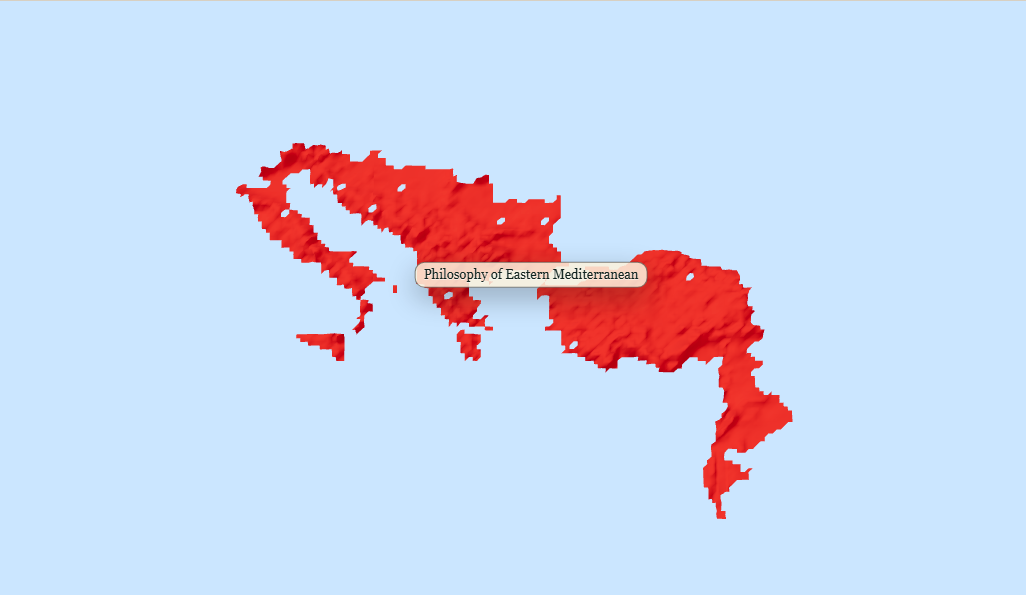
- Geography / Culture
- Ancient Greek and Hellenistic philosophical culture, later classical transmission, Roman imperial-era Sextus, Byzantine and early modern reception, and modern classical scholarship.
- Historical Reaction
- A skeptical response to dogmatic philosophical systems, criterion theories, metaphysical claims, and assertions that inquiry has discovered secure non-evident truth.
Internal Structure
- Foundational Texts
- Source evidence includes Diogenes Laertius testimony, Sextus Empiricus, Outlines of Pyrrhonism, Against the Mathematicians, Perseus and Scaife text surfaces, Gutenberg and Wikisource public texts, SEP and IEP ancient skepticism rows, Britannica entries, LacusCurtius, Loeb, Open Library, WorldCat, PhilPapers, PhilArchive, HathiTrust, JSTOR, Cambridge Core, Brill, BMCR, and related scholarship.
- Core Vocabulary
- Pyrrhonism, Pyrrho, Timon, Aenesidemus, Sextus Empiricus, epochē, ataraxia, aporia, equipollence, appearances, dogma, criterion, ten modes, five modes, Outlines of Pyrrhonism, Against the Mathematicians, and suspension of judgment.
- Metaphysics
- Pyrrhonism does not replace dogmatic metaphysics with a rival doctrine; it tests claims about non-evident reality and suspends judgment when opposed arguments remain equipollent.
- Epistemology
- The school centers the criterion problem, appearances, inquiry, disagreement, signs, proof, and the skeptical practice of withholding assent from dogmatic claims while reporting how things appear.
- Ethics
- Pyrrhonist ethics is tied to living according to appearances, customs, feelings, and practical life without dogmatic assent, with ataraxia described as following suspension of judgment.
- School Method
- The method combines skeptical dialectic, the modes, source testimony, surviving Sextus texts, Diogenes Laertius, classical text surfaces, reference entries, catalog rows, and modern scholarship.
- Internal Debates
- Internal structure includes early Pyrrho and Timon testimony, Aenesidemus and the ten modes, later Agrippan five-mode material, Sextus Empiricus as textual witness, and debates about whether Pyrrhonism is a way of life, a method, or a doctrine-free practice.
- Successors
- Pyrrhonism influenced early modern skepticism, debates over the criterion of truth, modern epistemology, classical reception, and contemporary scholarship on skeptical practice and ancient inquiry.
External Classification Context
- History of Philosophy
- Belongs to ancient Greek philosophy, Hellenistic philosophy, ancient skepticism, epistemology, philosophy of language, logic, ethics, and classical reception.
- Philosophy of Philosophy
- Shows a school defined by method and stance: inquiry continues, assertions are tested against opposed arguments, and philosophy is practiced without dogmatic closure.
- Intellectual History
- Connects testimony on Pyrrho and Timon, Aenesidemus as a Pyrrhonist organizer, Sextus Empiricus as the principal textual witness, and later catalog, scholarship, and public text traditions.
- University Classification
- Classify under Pyrrhonism, ancient skepticism, Hellenistic philosophy, ancient Greek philosophy, epistemology, logic, ethics, philosophy of language, and classical studies.
- Classical Sources
- Evidence includes SEP, IEP, Encyclopaedia Britannica, Diogenes Laertius, Perseus, Scaife, Project Gutenberg, Wikisource, LacusCurtius, Loeb, Open Library, Internet Archive, WorldCat, PhilPapers, PhilArchive, Routledge, Oxford Reference, World History Encyclopedia, HathiTrust, JSTOR, Cambridge Core, Brill, BMCR, and University of Cordoba rows.
- Sociology of Knowledge
- The source set documents Pyrrhonism through reference rows, ancient testimonia, public text surfaces, catalog rows, scholarship, and bibliographic rows, while Gorgias spillover, image rows, self-reference rows, unrelated Xenophanes rows, and duplicate broader context rows remain held out.
Linked Philosophers
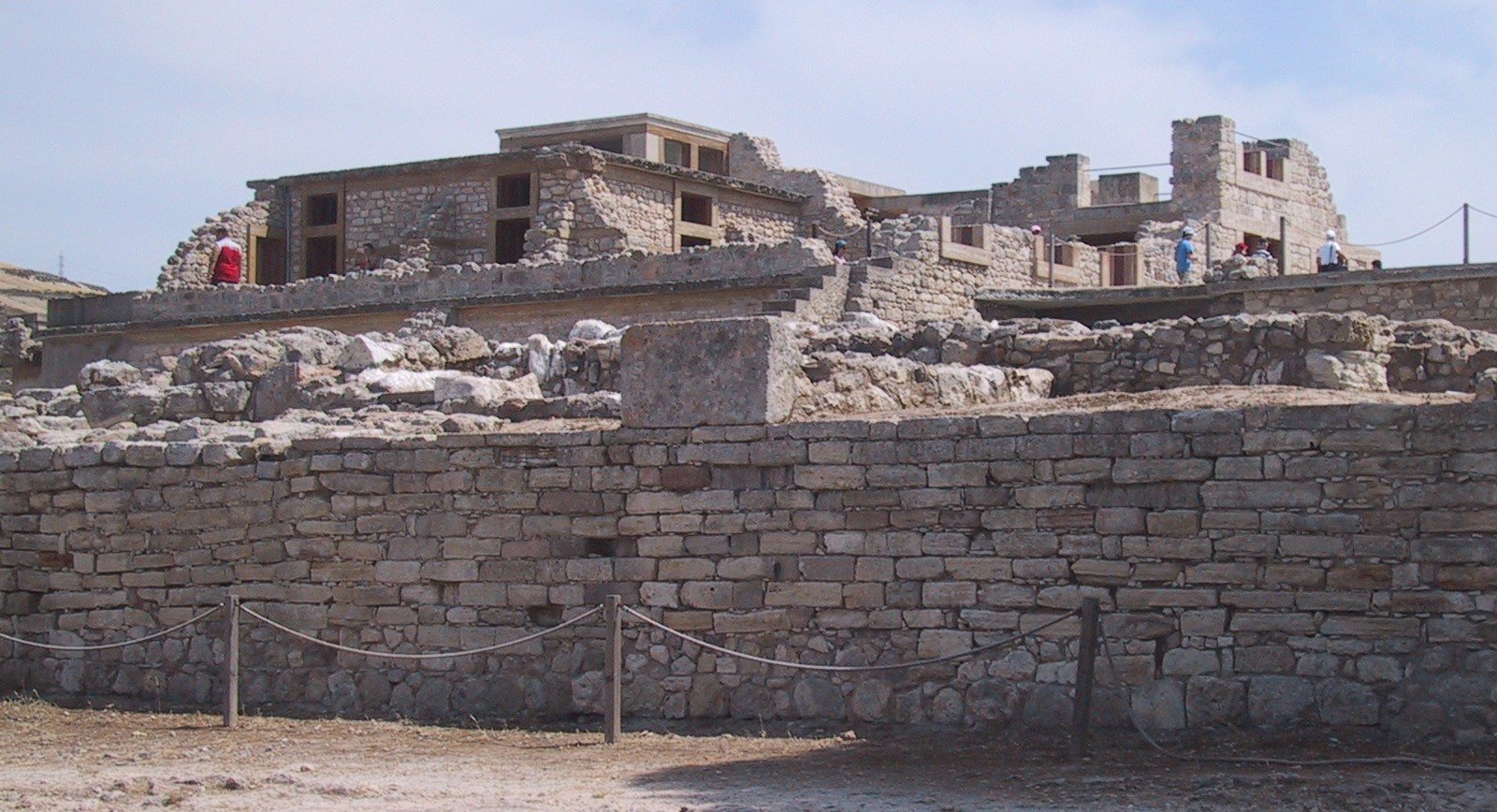
Aenesidemus of Knossos
100 BCE – 50 BCE
Knossos (Crete)
Greek (Crete) philosopher from Knossos (Crete) who revived Pyrrhonian skepticism through the Ten Modes, suspension of judgment, and anti-dogmatic critique.
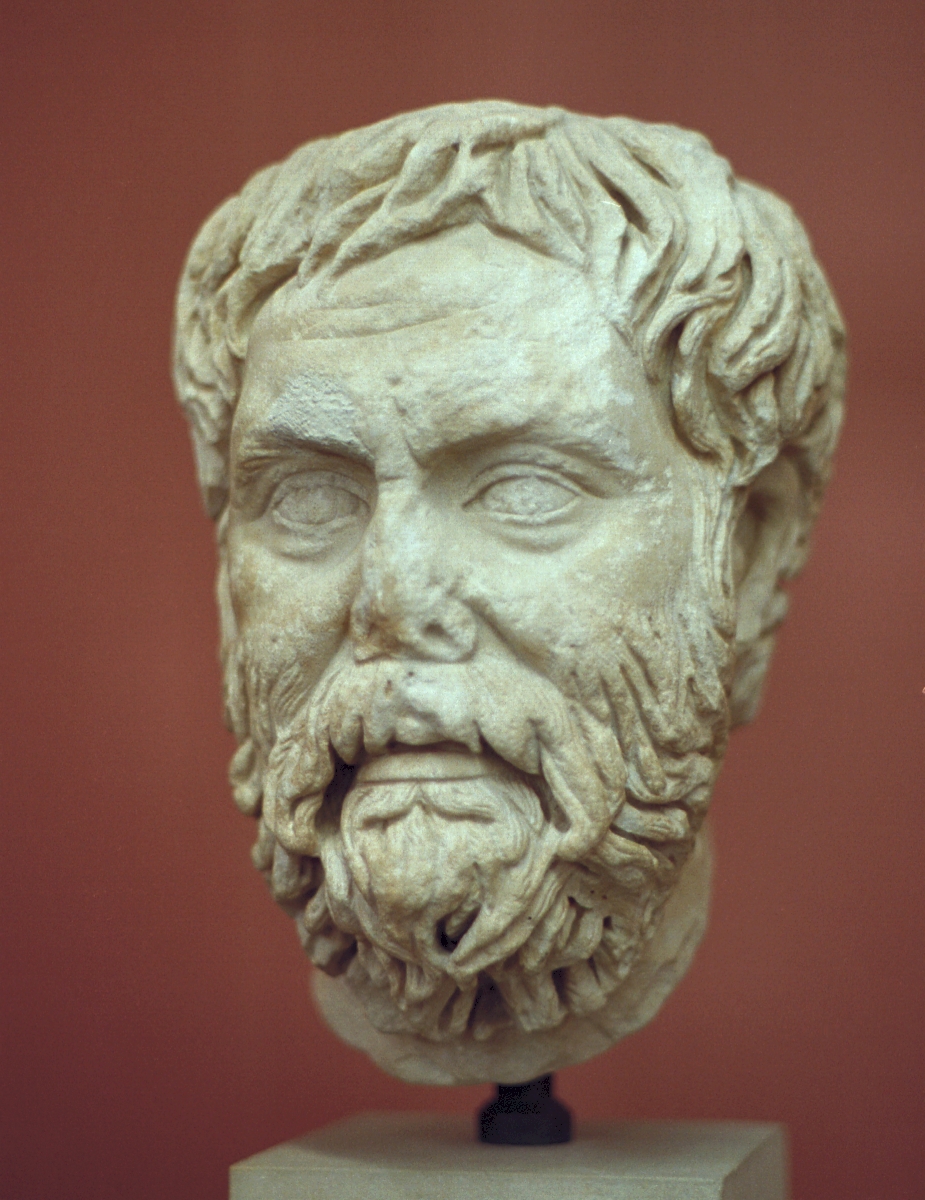
Pyrrho of Elis
360 BCE – 270 BCE
Elis, Peloponnese
Greek skeptic from Elis whose transmitted way of life joins epoche, aphasia, ataraxia, appearances, non-assertion, Anaxarchus, eastern travel traditions, Timon, Aenesidemus, Sextus Empiricus, and the Pyrrhonian challenge to dogmatic knowledge.
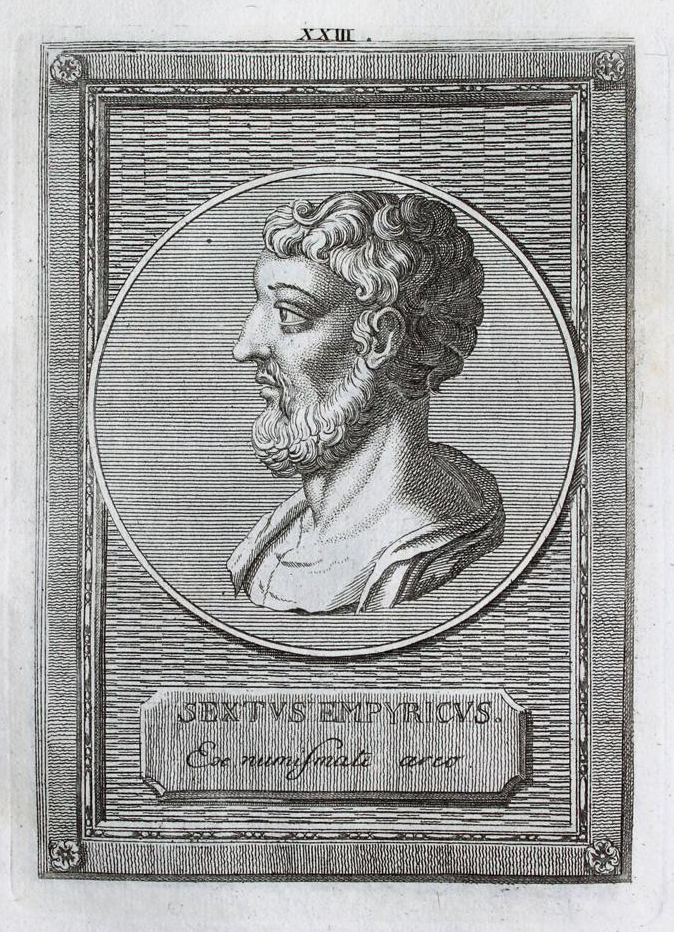
Sextus Empiricus
160 CE – 210 CE
Alexandria (probable)
Greek Pyrrhonian skeptic from Alexandria (probable) whose works preserve ancient arguments about suspension, signs, proof, criteria, and life without dogmatic certainty.
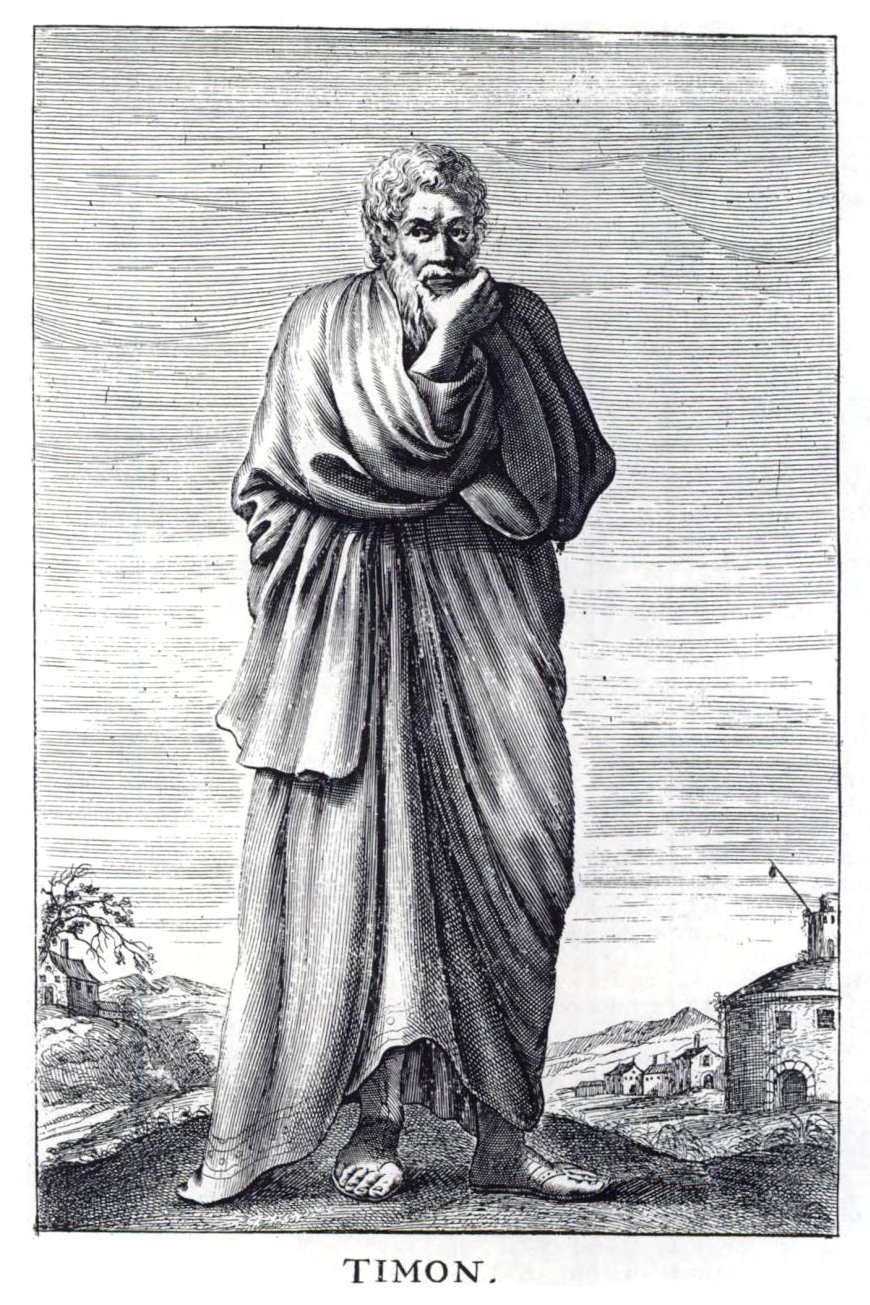
Timon of Phlius
320 BCE – 230 BCE
Phlius (Peloponnese)
Greek Pyrrhonist philosopher and satirical poet from Phlius whose Silloi, Indalmoi, and prose works preserved Pyrrho's skeptical ideal while attacking dogmatic philosophers.
Other Voices
Reference entries, ancient testimonia, public text surfaces, catalog rows, public scans, classical scholarship, and bibliography connected to Pyrrhonism, Pyrrho, Timon, Aenesidemus, Sextus Empiricus, epochē, ataraxia, equipollence, appearances, and suspension of judgment.