Self-Strengthening Movement
Late Qing Chinese reform movement seeking dynastic survival through self-strengthening, Western military and industrial techniques, translation, arsenals, shipyards, modern schools, diplomatic learning, and the Confucian formula of Chinese learning as substance and Western learning for application.

Structural Factors
- Shared Core Claims
- The Self-Strengthening Movement holds that China should preserve Confucian moral-political foundations while selectively adopting Western techniques that increase wealth, military power, administrative capacity, and practical knowledge.
- Shared Methods
- The movement uses policy memorials, statecraft essays, translation bureaus, diplomatic study, arsenals, shipyards, military academies, industrial enterprises, educational reform, technical training, and selective comparison with Western institutions.
- Shared Lineage
- The lineage runs from late imperial statecraft learning, Qing evidential scholarship, Lin Zexu, Wei Yuan, Feng Guifen, Prince Gong, Zeng Guofan, Li Hongzhang, Zuo Zongtang, Tongwen Guan reform circles, and Zhang Zhidong's later synthesis.
- Shared Problems
- Central problems include military weakness, foreign pressure, unequal treaties, Taiping and other rebellions, fiscal strain, technological lag, diplomatic ignorance, conservative resistance, examination culture, and whether Western methods could be adopted without transforming Chinese political order.
- Shared Vocabulary
- Key terms include self-strengthening, ziqiang, yangwu, wealth and power, fuguo qiangbing, Chinese learning, Western learning, substance, application, ti-yong, arsenals, shipyards, translation, treaty ports, statecraft, reform, and practical learning.
- Shared Historical Context
- The movement developed from the 1860s to the 1890s after the Opium Wars and Taiping crisis, during the Tongzhi Restoration and late Qing attempts to repair military, diplomatic, educational, industrial, and fiscal weakness before the Sino-Japanese War.
Defining Axes
- Doctrine
- Doctrinally, the movement is defined by selective modernization, Confucian cultural preservation, practical statecraft, technical borrowing, dynastic restoration, and the claim that Western instruments could serve Chinese moral and political ends.
- Method
- Its method is pragmatic and institutional: diagnose concrete weakness, study foreign techniques, establish schools and arsenals, train specialists, translate technical knowledge, reform military capacity, and justify change through classical statecraft language.
- Lineage
- The lineage runs from Confucian governance ideals and Qing statecraft through Lin Zexu and Wei Yuan to Feng Guifen, Zeng Guofan, Li Hongzhang, Zuo Zongtang, Prince Gong, Zhang Zhidong, and late Qing reform currents.
- Subject Focus
- The movement focuses on political philosophy, statecraft, military reform, technology transfer, education, translation, industrial policy, administrative ethics, Confucian reform, foreign affairs, and the philosophy of modernization.
- Geography / Culture
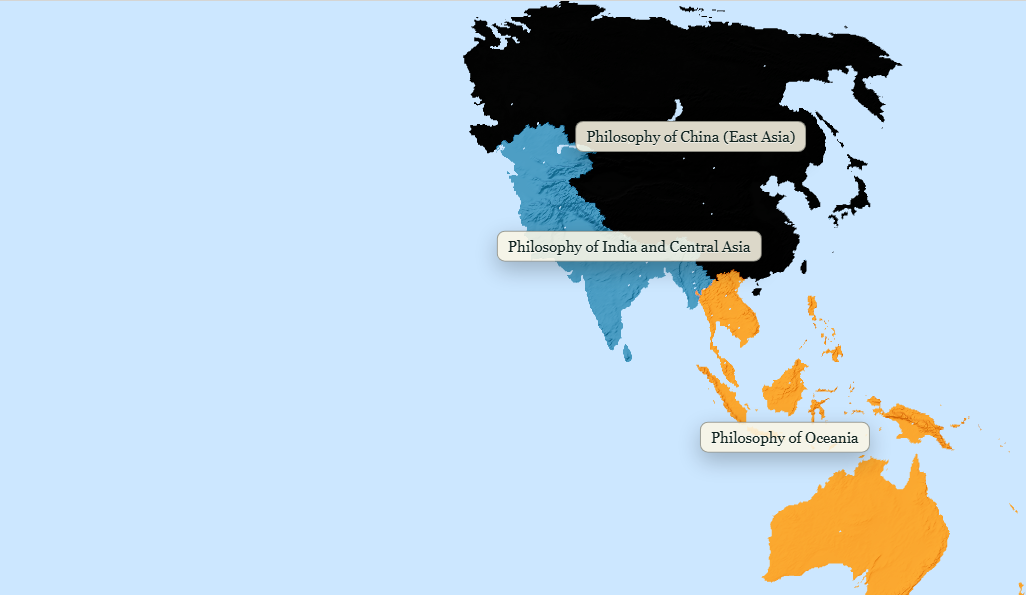
- Self-strengthening was centered in late Qing China, especially Beijing, Shanghai, treaty ports, Jiangnan, Hubei, Zhili, Fujian, and provincial reform networks tied to arsenals, shipyards, schools, and diplomatic offices.
- Historical Reaction
- The movement responds to Western imperial pressure, domestic rebellion, Qing military failures, treaty-port encounters, missionary and commercial knowledge, Japanese modernization, and debates over whether Chinese institutions could survive selective adoption of foreign techniques.
Internal Structure
- Foundational Texts
- Foundational texts include Feng Guifen's reform essays, Wei Yuan's Haiguo tuzhi, Lin Zexu's dossiers, Qing statecraft memorials, Zhang Zhidong's Quanxue pian, Tongwen Guan materials, and policy writings around arsenals, shipyards, military training, and education.
- Core Vocabulary
- Core vocabulary includes restoration, self-strengthening, practical use, substance, application, Chinese learning, Western learning, wealth, power, industry, military, navy, arsenal, shipyard, translation, school, diplomacy, reform, and state survival.
- Metaphysics
- The movement is not primarily metaphysical; it assumes a Confucian moral order in which foreign techniques may be subordinated to Chinese ethical, familial, political, and dynastic purposes.
- Epistemology
- Its epistemology values usable knowledge: classical statecraft, translated science, military technique, diplomatic information, engineering practice, geography, and institutional comparison are judged by their ability to strengthen the state.
- Ethics
- Self-strengthening ethics centers on loyal service, public responsibility, preservation of Chinese civilization, practical benevolence, disciplined learning, and the duty of officials to protect the people and dynasty under crisis.
- Method
- The movement proceeds through memorials, reform proposals, provincial experiments, technical institutions, translation projects, military and industrial procurement, educational initiatives, and retrospective theoretical justification by reform-minded officials.
- Internal Debates
- Internal debates concern Chinese learning versus Western learning, technology versus institutions, provincial initiative versus central control, conservative orthodoxy versus reform, military industry versus broader modernization, and whether selective borrowing was coherent or self-defeating.
- Successors
- Successors include the Hundred Days' Reform, late Qing New Policies, constitutional reform, Chinese nationalism, modern Chinese political thought, debates over ti-yong, and later critiques of partial modernization.
External Classification Context
- History of Philosophy
- The Self-Strengthening Movement is a major late Qing practical-political philosophy of selective modernization, linking Confucian statecraft to modern debates over technology, culture, sovereignty, and reform.
- Philosophy of Philosophy
- The movement treats philosophy as statecraft under pressure: learning is valuable when it preserves moral order, strengthens institutions, and turns inherited principles into usable policy.
- Intellectual History
- The tradition links Qing statecraft, evidential learning, treaty-port knowledge, translation, arsenals, military reform, Confucian conservatism, imperial crisis, Japanese competition, and modern Chinese reform discourse.
- University Classification
- Classify Self-Strengthening Movement under Chinese philosophy, Qing intellectual history, political philosophy, Confucianism, modernization theory, philosophy of technology, statecraft, East Asian history, and reform thought.
- Classical Sources
- Classical sources include Qing statecraft anthologies, Confucian classics, Wei Yuan, Feng Guifen, Lin Zexu materials, memorials by self-strengthening officials, Zhang Zhidong's Quanxue pian, and late Qing reform documents.
- Sociology of Knowledge
- The movement spread through official memorials, provincial patronage, arsenals, translation schools, diplomatic offices, treaty-port contact, reformist literati networks, print circulation, military institutions, and later nationalist historiography.
Linked Philosophers
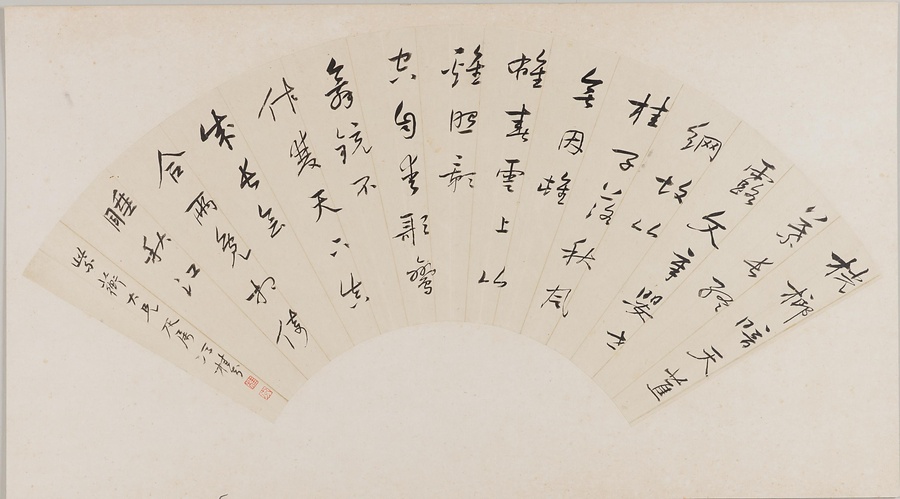
Feng Guifen
1809 CE – 1874 CE
Wuxian / Mudu, Suzhou, Jiangsu
Late Qing scholar-official from Suzhou whose statecraft reform program joined Confucian moral order with selective adoption of Western learning, manufacturing, military technology, public institutions, and practical science.
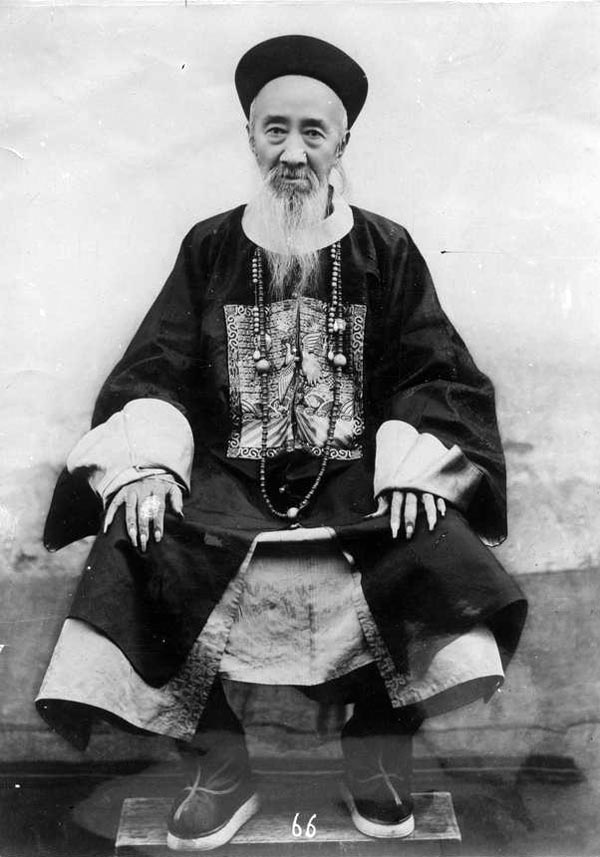
Zhang Zhidong
1837 CE – 1909 CE
Xingyi, Guizhou, Qing China; ancestral home Nanpi, Zhili/Hebei
Late Qing Confucian statesman and reform thinker whose Zhongti Xiyong formula joined classical moral-political substance to Western practical learning, technology, schooling, and institutional modernization.