Sophism
Fifth-century BCE Greek intellectual movement of itinerant teachers, rhetoricians, and civic educators associated with Protagoras, Gorgias, Hippias, Prodicus, and Antiphon, examining persuasion, language, law, convention, virtue, religion, and political life.
Structural Factors
- Shared Core Claims
- Sophism treats human affairs, civic success, speech, education, and convention as central philosophical problems. Sophists challenge inherited claims about nature, law, justice, piety, and knowledge by showing how argument and social practice shape belief.
- Shared Methods
- The school uses rhetoric, antilogic, display speeches, paradox, public teaching, debate, etymology, grammar, relativizing comparison, civic education, myth criticism, and arguments contrasting nomos or convention with physis or nature.
- Shared Lineage
- Sophism develops from archaic wisdom, poetry, Presocratic inquiry, democratic assembly culture, forensic speech, and pan-Hellenic travel, then appears in Protagoras, Gorgias, Hippias, Prodicus, Antiphon, Thrasymachus, Critias, and Plato's critical portraits.
- Shared Problems
- Central problems include whether virtue can be taught, whether truth is relative, whether law is natural or conventional, how speech persuades, whether gods can be known, how civic excellence is learned, and whether justice serves nature or power.
- Shared Vocabulary
- Key terms include sophist, sophia, logos, rhetoric, antilogic, eristic, nomos, physis, paideia, arete, kairos, doxa, persuasion, techne, civic excellence, convention, nature, law, justice, education, and probability.
- Shared Historical Context
- Sophism arose in the democratic, litigious, and competitive culture of fifth-century BCE Greece, especially Athens, where public speech, legal pleading, political deliberation, and paid education became central routes to influence.
Defining Axes
- Doctrine
- Doctrinally, Sophism is defined by attention to human convention, rhetoric, education, practical wisdom, relativism or anti-absolutism in some figures, critical reflection on law and nature, and suspicion toward inherited authority.
- Method
- Its method is performative and argumentative: teach speech, stage opposing arguments, analyze terms, expose ambiguity, persuade audiences, train civic competence, and test traditional norms through public reasoning.
- Lineage
- The lineage runs from poets, sages, Presocratic thinkers, and democratic civic practice through Protagoras, Gorgias, Hippias, Prodicus, Antiphon, Thrasymachus, and Critias to Socratic-Platonic debate and later rhetorical education.
- Subject Focus
- Sophism focuses on rhetoric, ethics, political philosophy, philosophy of language, education, law, religion, relativism, epistemology, civic virtue, democratic practice, and the social construction of norms.
- Geography / Culture
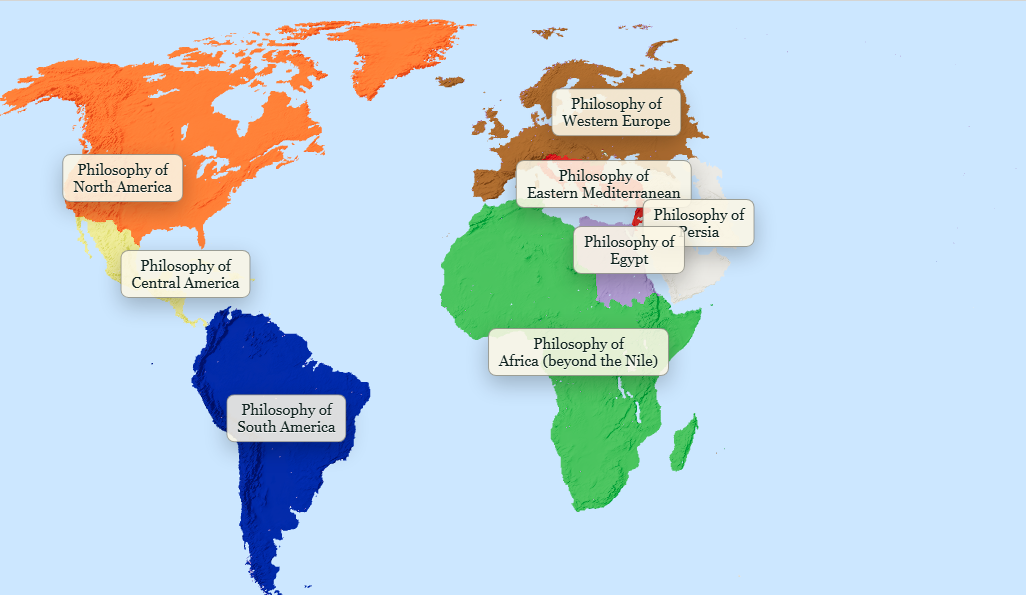
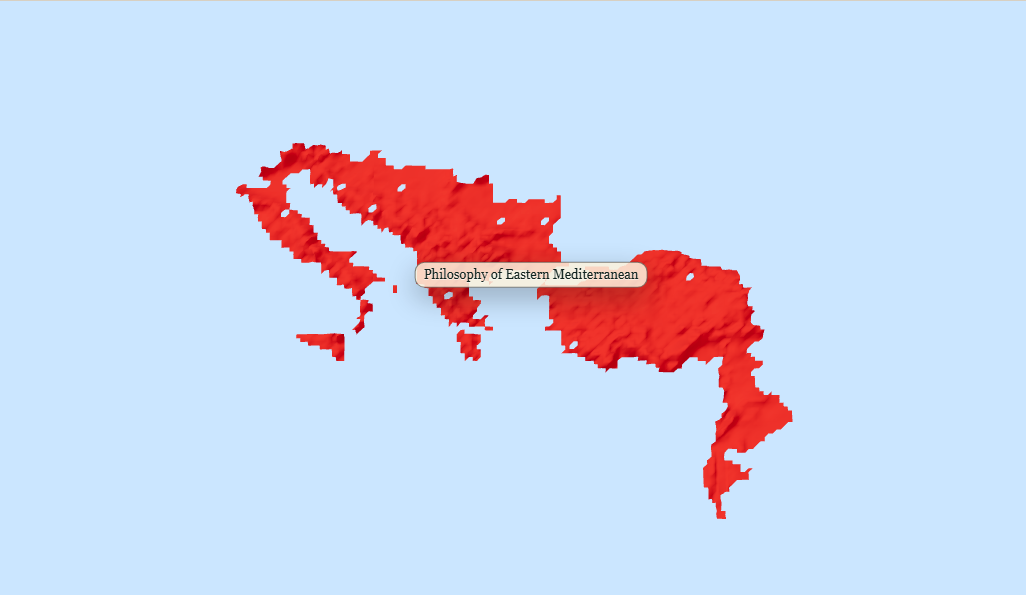
- Sophism developed across the Greek world through itinerant teachers from Abdera, Leontini, Elis, Ceos, Athens, and other poleis, with Athens as the main market and stage for sophistic teaching.
- Historical Reaction
- Sophism responds to democratic politics, legal culture, aristocratic education, Presocratic natural philosophy, traditional poetry, civic competition, and the need to teach persuasive competence in public life.
Internal Structure
- Foundational Texts
- Foundational evidence includes surviving fragments of Protagoras, Gorgias, Antiphon, Hippias, and Prodicus, Gorgias' Encomium of Helen and On Non-Being reports, Plato's Protagoras, Gorgias, Sophist, Hippias dialogues, and Aristotle's Rhetoric and Sophistical Refutations.
- Core Vocabulary
- Core vocabulary includes wisdom, expertise, speech, argument, persuasion, convention, nature, law, justice, virtue, education, democracy, assembly, court, probability, contradiction, appearance, opinion, power, and civic success.
- Metaphysics
- Sophism often shifts attention away from cosmological metaphysics toward human worlds of speech, convention, law, and appearance, though Gorgias' arguments on non-being directly challenge claims about being and knowledge.
- Epistemology
- Sophistic epistemology explores relativism, perception, opinion, persuasion, probability, disagreement, and the limits of certainty, often treating knowledge as situated within human judgment and civic argument.
- Ethics
- Sophistic ethics asks whether virtue is teachable, whether justice is natural or conventional, how self-interest relates to civic order, and how education forms practical excellence in speech and action.
- Method
- The school proceeds by teaching argumentative techniques, composing model speeches, staging debates, analyzing language, comparing customs, challenging assumptions, and training students for courts, assemblies, and public life.
- Internal Debates
- Internal debates concern whether Sophism is a unified school or loose profession, whether its figures were relativists, skeptics, humanists, rhetoricians, or critics, and how much Plato's hostile portrayals distort their views.
- Successors
- Successors include Socratic and Platonic critique, Aristotelian rhetoric and dialectic, ancient rhetorical education, Second Sophistic display culture, humanist rhetoric, legal argument theory, and modern studies of relativism and discourse.
External Classification Context
- History of Philosophy
- Sophism is a central fifth-century Greek movement that forced philosophy to address language, politics, education, law, relativism, and persuasion, shaping the emergence of Socratic, Platonic, and Aristotelian philosophy.
- Philosophy of Philosophy
- Sophism treats philosophy as teachable civic expertise and public argument, challenging the later separation between philosophical truth-seeking and rhetorical persuasion.
- Intellectual History
- The tradition links Presocratic inquiry, democratic Athens, forensic rhetoric, paid education, poetic criticism, religious skepticism, law-nature debates, and Plato's effort to define philosophy against sophistry.
- University Classification
- Classify Sophism under ancient Greek philosophy, Presocratic and classical philosophy, rhetoric, philosophy of language, political philosophy, ethics, education, epistemology, and intellectual history.
- Classical Sources
- Classical sources include Plato's dialogues, Aristotle's Rhetoric and Sophistical Refutations, Sextus Empiricus, Diogenes Laertius, Diels-Kranz fragments, later doxography, and modern collections of the Older Sophists.
- Sociology of Knowledge
- Sophism spread through paid instruction, itinerant teaching, elite education, public display, legal and political demand for speech training, textual quotation by opponents, rhetorical schools, and later scholarly reconstruction from fragments.
Linked Philosophers
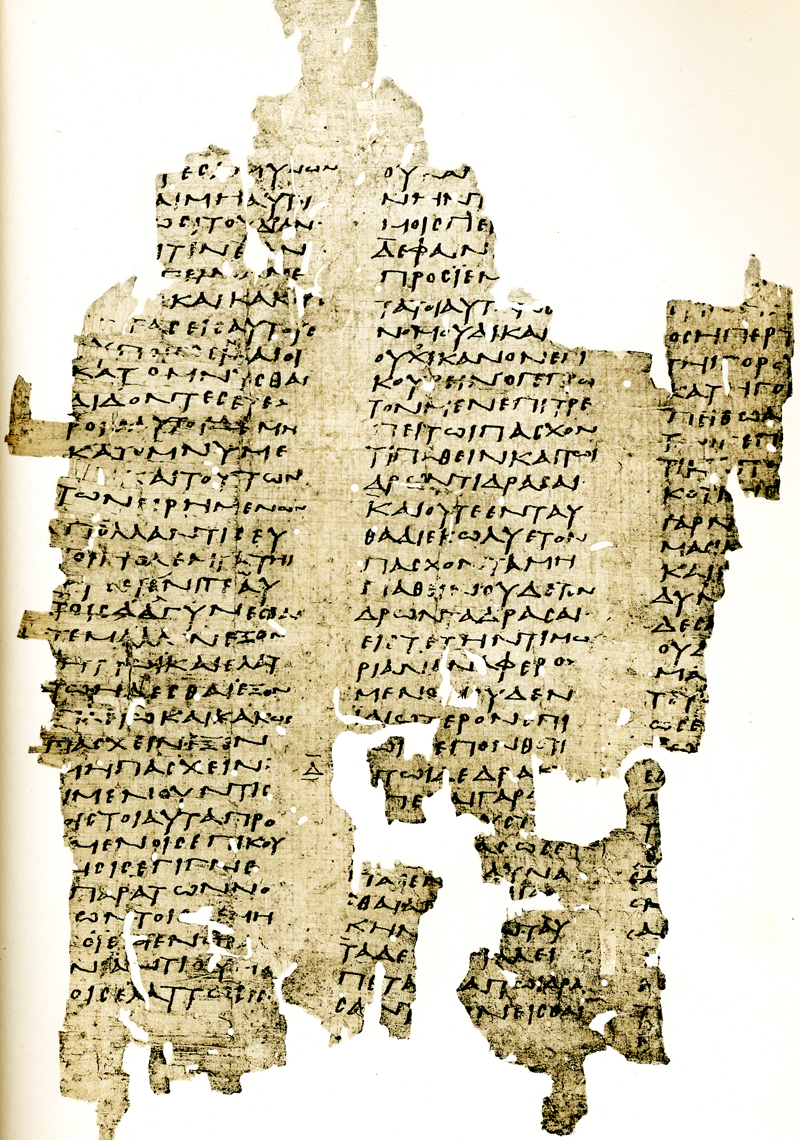
Antiphon of Athens
480 BCE – 411 BCE
Rhamnus, Attica
Athenian logographer and sophistic thinker from Rhamnus whose homicide speeches, Tetralogies, and fragments on truth and concord explored law, nature, justice, rhetoric, equality, and political order.
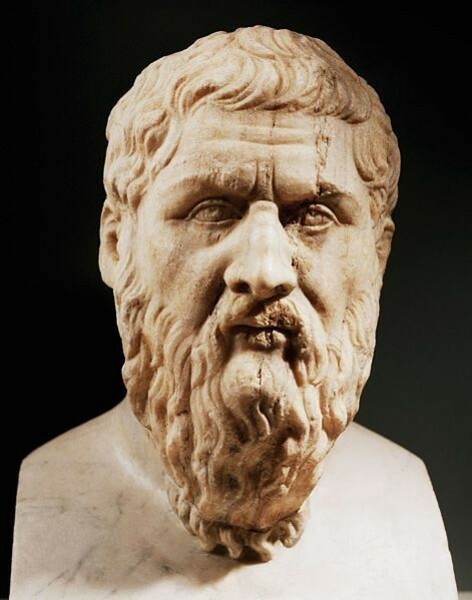
Gorgias of Leontini
483 BCE – 375 BCE
Leontini (Sicily)
Siceliote Greek sophist and rhetorician from Leontini whose paradoxes about being, knowledge, and communication, and whose display speeches on Helen and Palamedes, made logos, persuasion, belief, and civic speech central problems for philosophy.
Hippias of Elis
460 BCE – 400 BCE
Elis, Peloponnese
Elean Greek sophist, polymath, diplomat, and mathematician associated with natural law, encyclopedic learning, memory, language, beauty, Olympic chronology, and the quadratrix.

Prodicus of Ceos
465 BCE – 395 BCE
Ceos (Kea, island)
Cean sophist of language, semantic precision, synonym distinctions, moral choice, the Choice of Heracles, naturalistic theology, civic rhetoric, and Socrates' reported debt to Prodicus on names.

Protagoras of Abdera
490 BCE – 420 BCE
Abdera, Thrace
Abderite sophist of man-measure relativism, appearances, antilogy, weaker and stronger arguments, orthoepeia, civic virtue, democratic political teaching, On the Gods, and fragmentary testimonial transmission.