Myth is symbolic narrative that encodes collective truth.
It explains not events, but origins, structures, and meanings that organize a culture’s reality.
Where drama enacts choice, myth grounds existence.
Essential Characteristics
- Archetypal Structure – Characters are types, not individuals.
- Timelessness – Myth occurs outside ordinary historical time.
- Cosmological Scope – It addresses beginnings, endings, order, and chaos.
- Symbolic Density – Meaning operates through layered metaphor, not literal causation.
- Collective Authority – Myth belongs to a people, not an author.
List of Mythic Texts




Cognitive Function
Myth provides orientation.
It tells humans:
- Where they came from
- What forces govern the world
- Why suffering, death, and order exist
- How the sacred and the ordinary relate
Cognitively, myth is a map of reality before analysis.
Relationship to Language
In myth:
- Language is ritualized
- Repetition stabilizes meaning
- Symbol outranks fact
Truth is not falsifiable because it is structural, not empirical.
Structural Modes
Myth recurs in universal narrative functions:
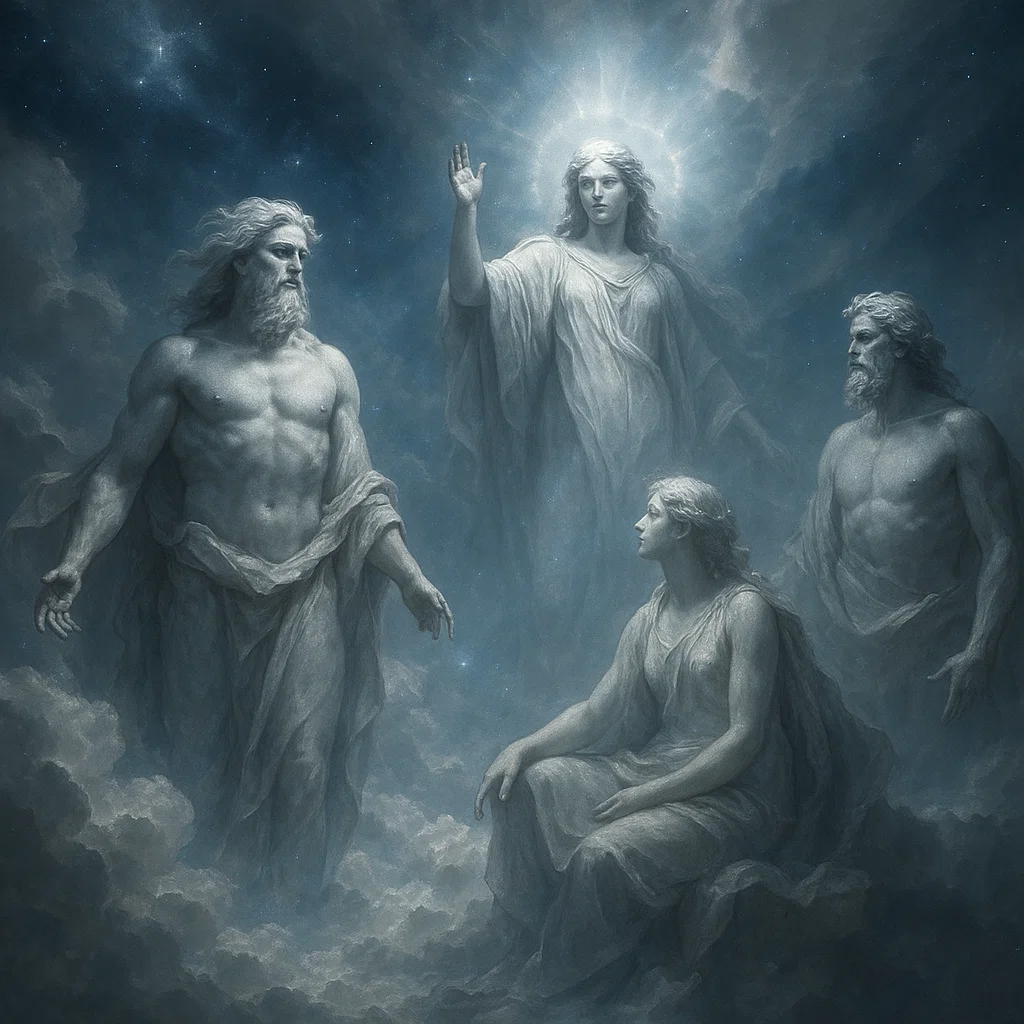
- Creation Myths – Origin of cosmos and order
- Flood / Cataclysm Myths – Reset through destruction
- Hero Myths – Individuation within cosmic order
- Descent Myths – Death, trial, and return
- Law-Giving Myths – Moral and social order grounded in the sacred
These are cognitive templates, not stories.



Epistemological Status
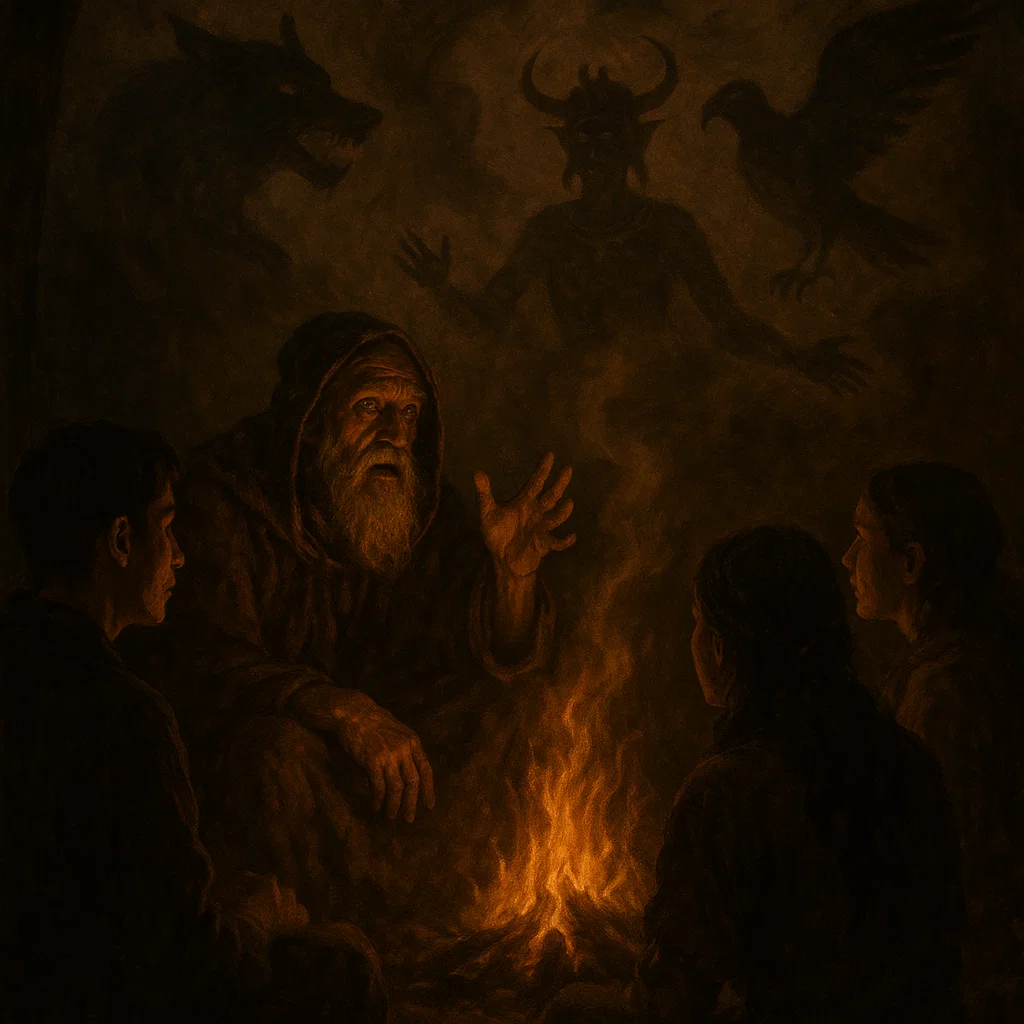
Myth is a pre-rational epistemology.
It does not argue.
It asserts structure.
Myth tells truth by:
- Encoding value into narrative
- Stabilizing identity across generations
- Making the invisible order narratable
Boundary Condition
Myth ends when symbols are treated as fiction alone.
It begins where narrative carries cosmic authority.