The Performing Arts are the disciplines in which human presence itself becomes the medium of creation. They unite movement, sound, and space into embodied expression, transforming time-bound action into aesthetic experience. Unlike the visual or literary arts, which fix meaning in image or text, the performing arts exist only in performance—art realized through doing.
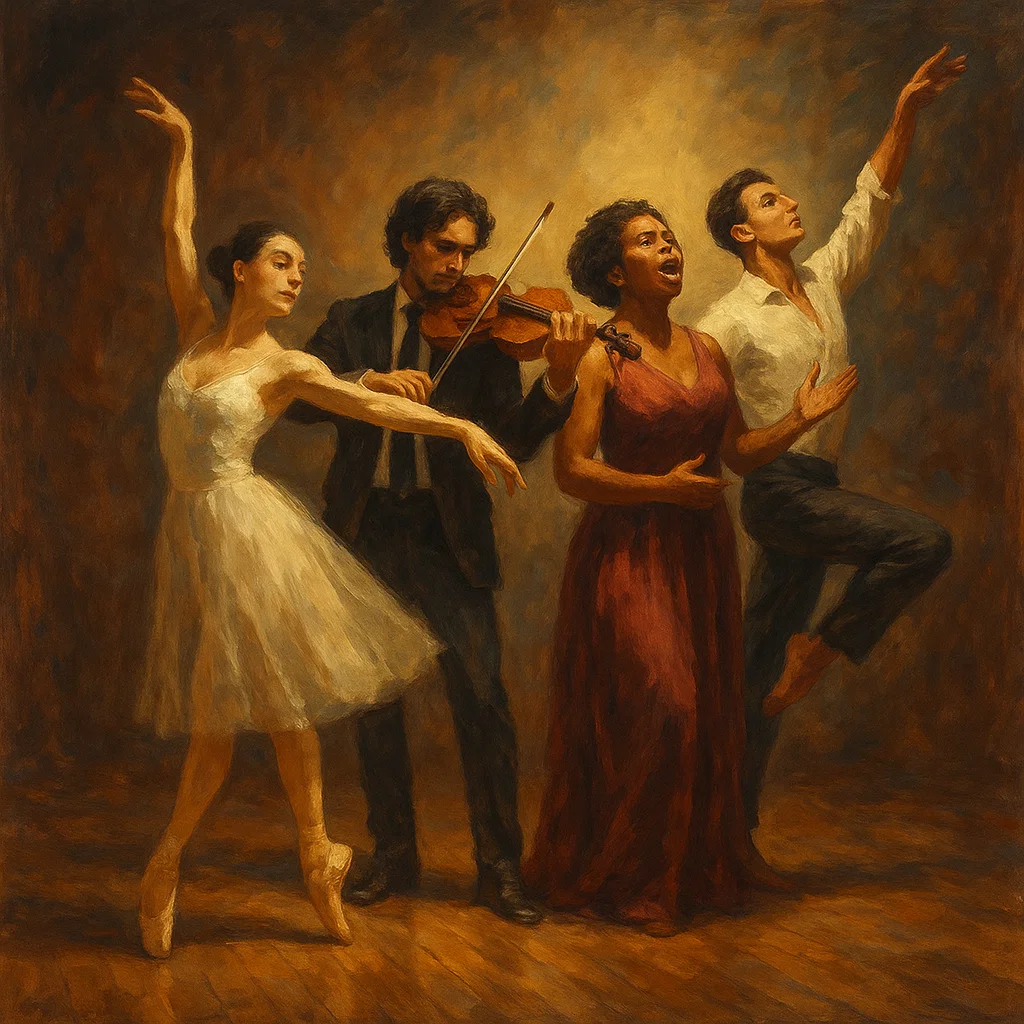
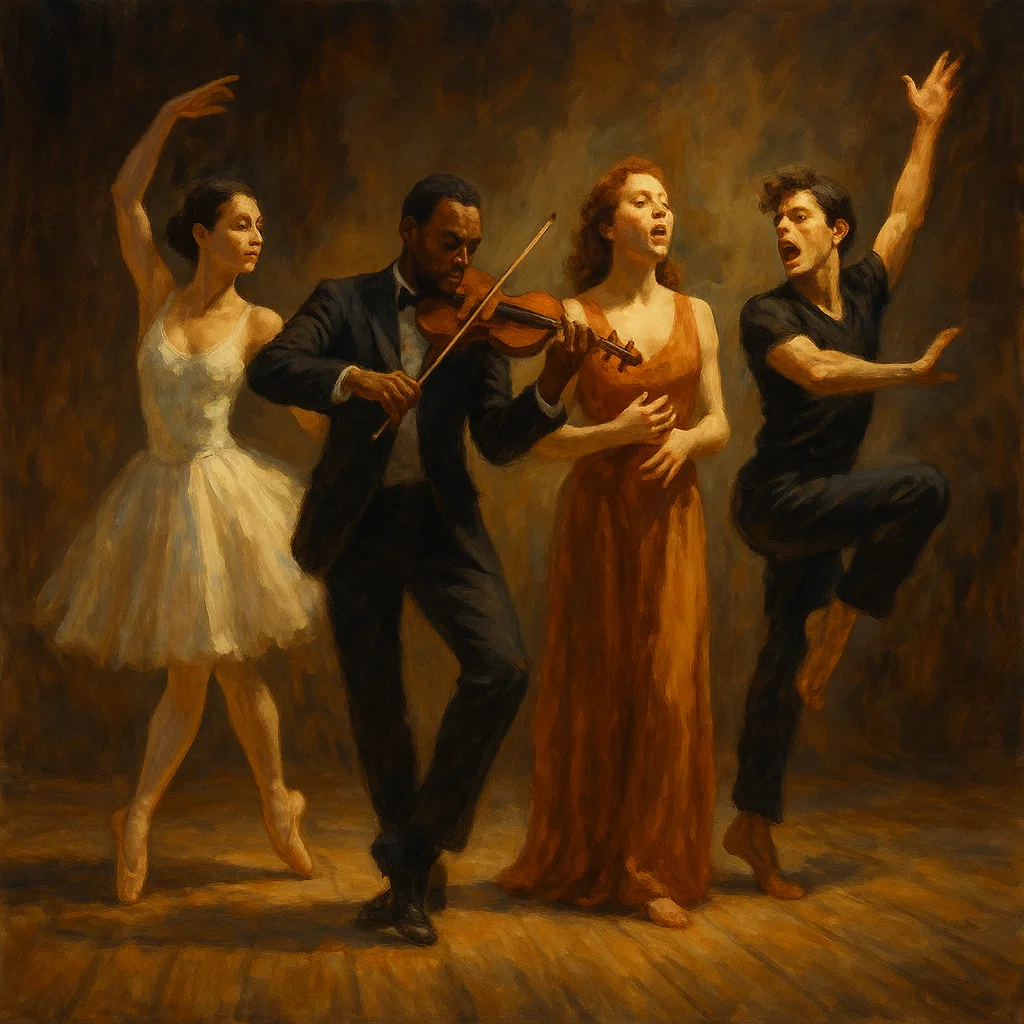
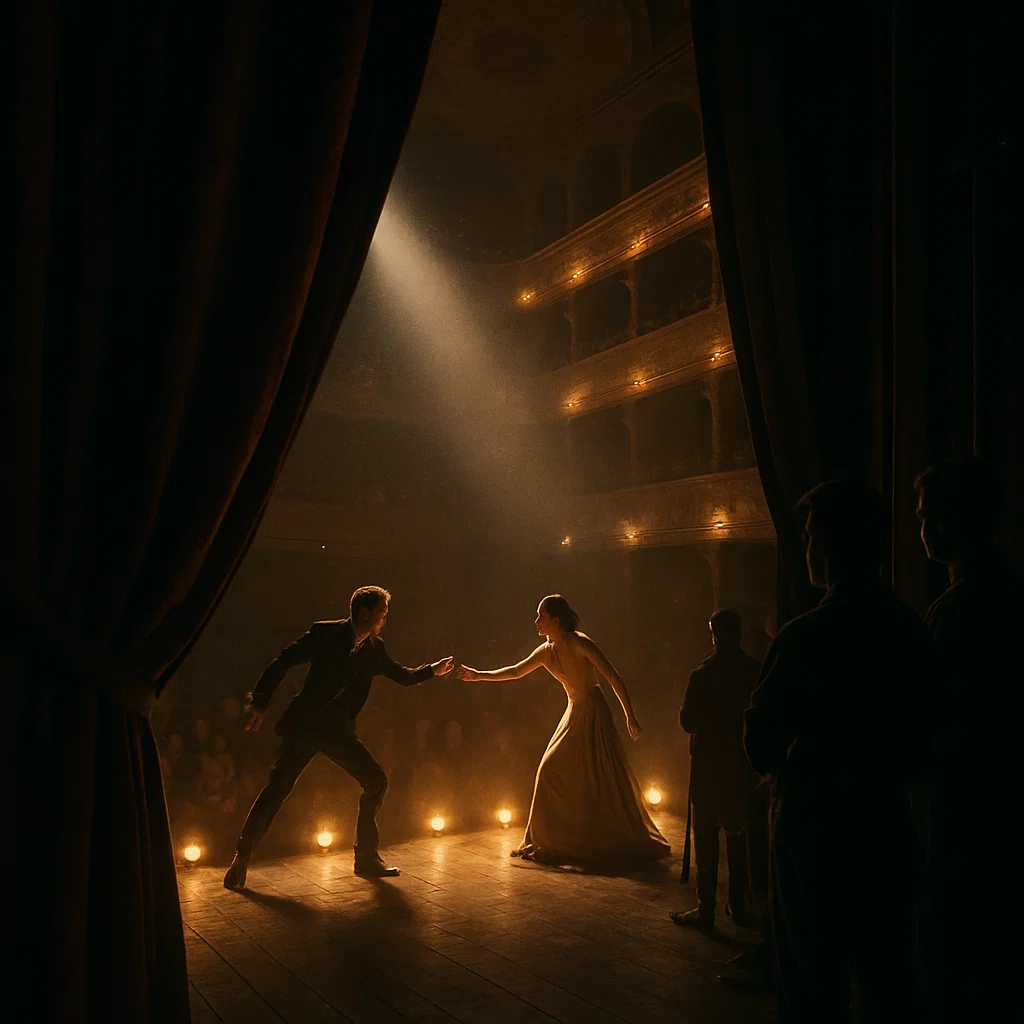
The Performing Arts encompass all artistic disciplines that rely on live human performance as their expressive medium. Unlike the visual or literary arts, which create fixed works, performing arts exist only in the moment of enactment—when movement, voice, and presence transform imagination into living form. Through rhythm, gesture, and interaction, they translate inner experience into visible, embodied meaning.
Primary Forms of the Performing Arts
| Form | Core Medium | Description |
|---|---|---|
| Theatre | Spoken and enacted performance | Represents human experience through live dramatic action. It unites story, character, and stagecraft in real time. |
| Dance | Bodily movement | Uses the body as expressive instrument, transforming rhythm and motion into aesthetic language. |
| Opera and Musical Theatre | Integrated performance | Combines drama, music, and design into unified stage art—where narrative is realized through song and movement. |
| Performance Art | Conceptual embodiment | Employs the artist’s own presence and action as the medium, often blurring art and life through improvisation or endurance. |
| Circus and Physical Theatre | Acrobatic and kinetic performance | Uses physical skill, risk, and spectacle to communicate through mastery of motion. |
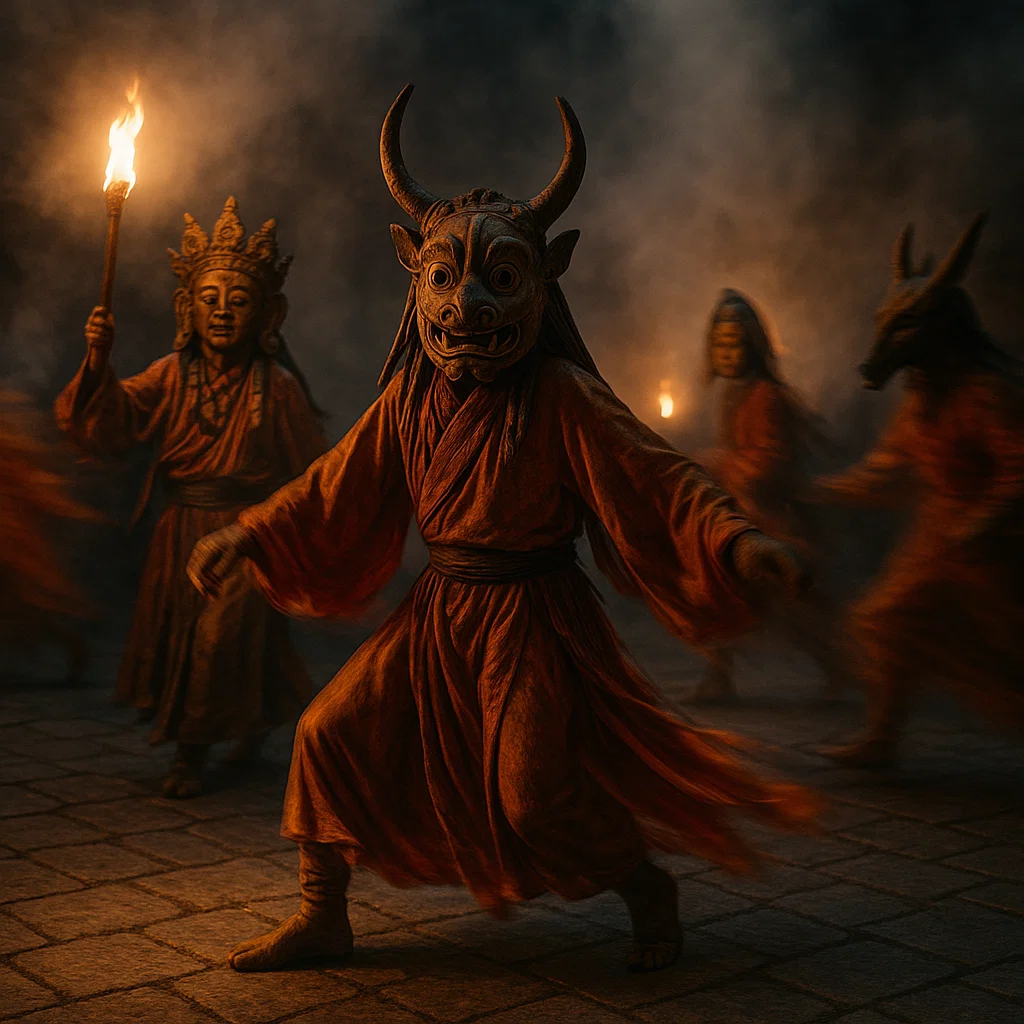
| Ritual and Ceremony | Collective enactment | Expresses cultural or spiritual meaning through choreographed communal performance. |
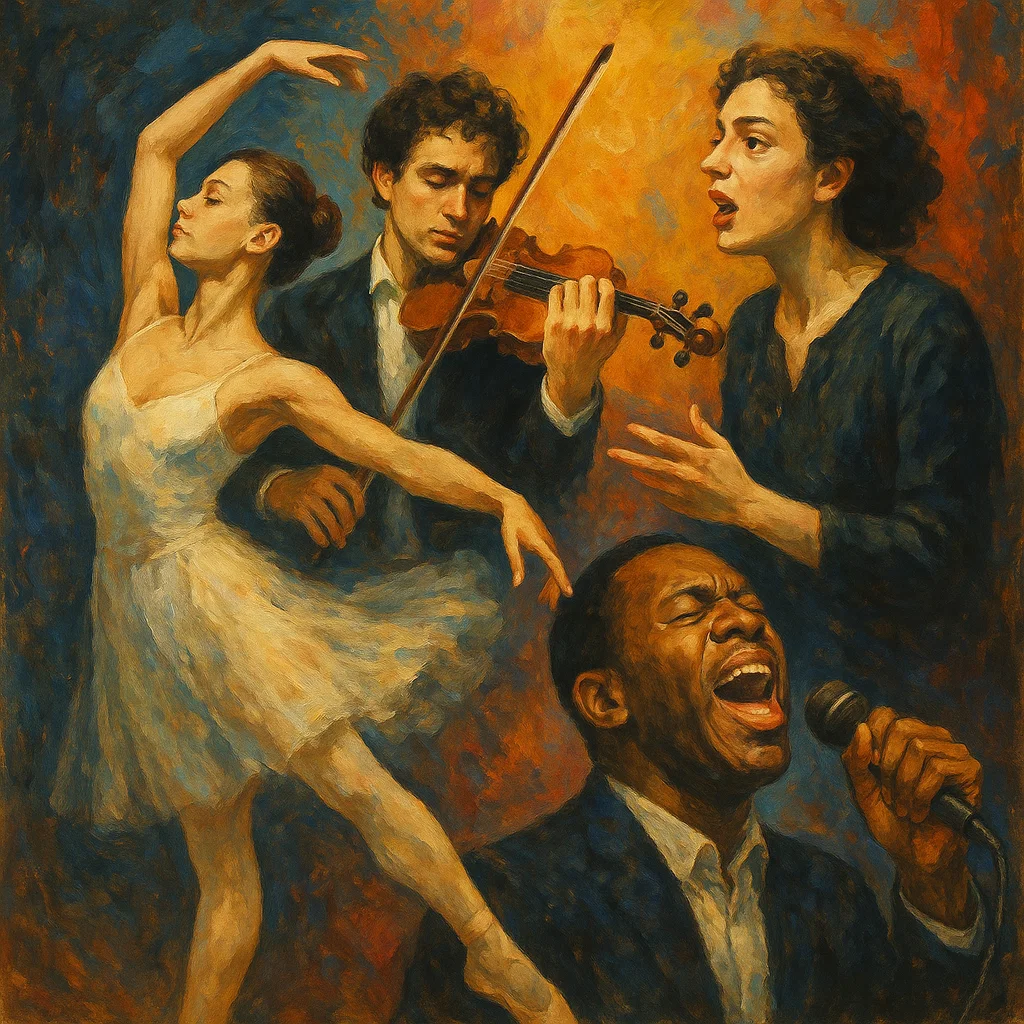
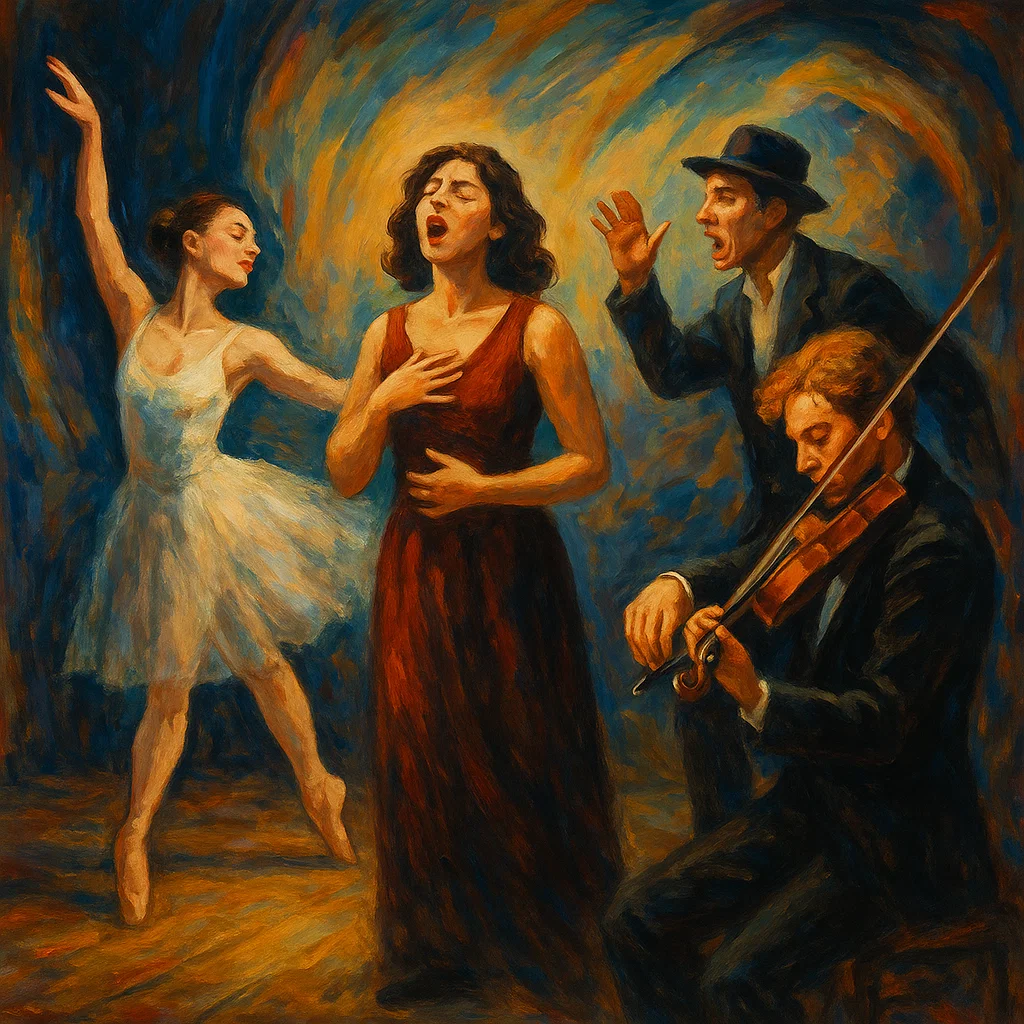
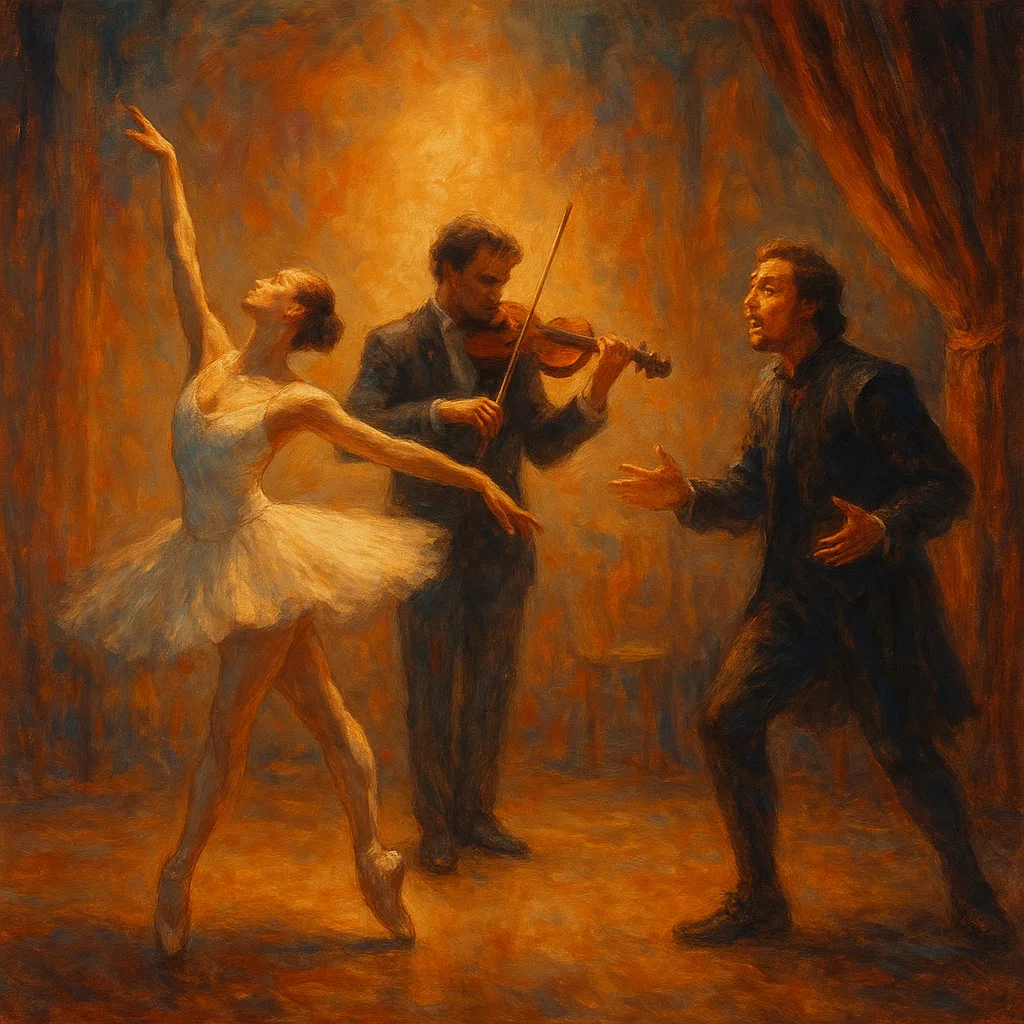
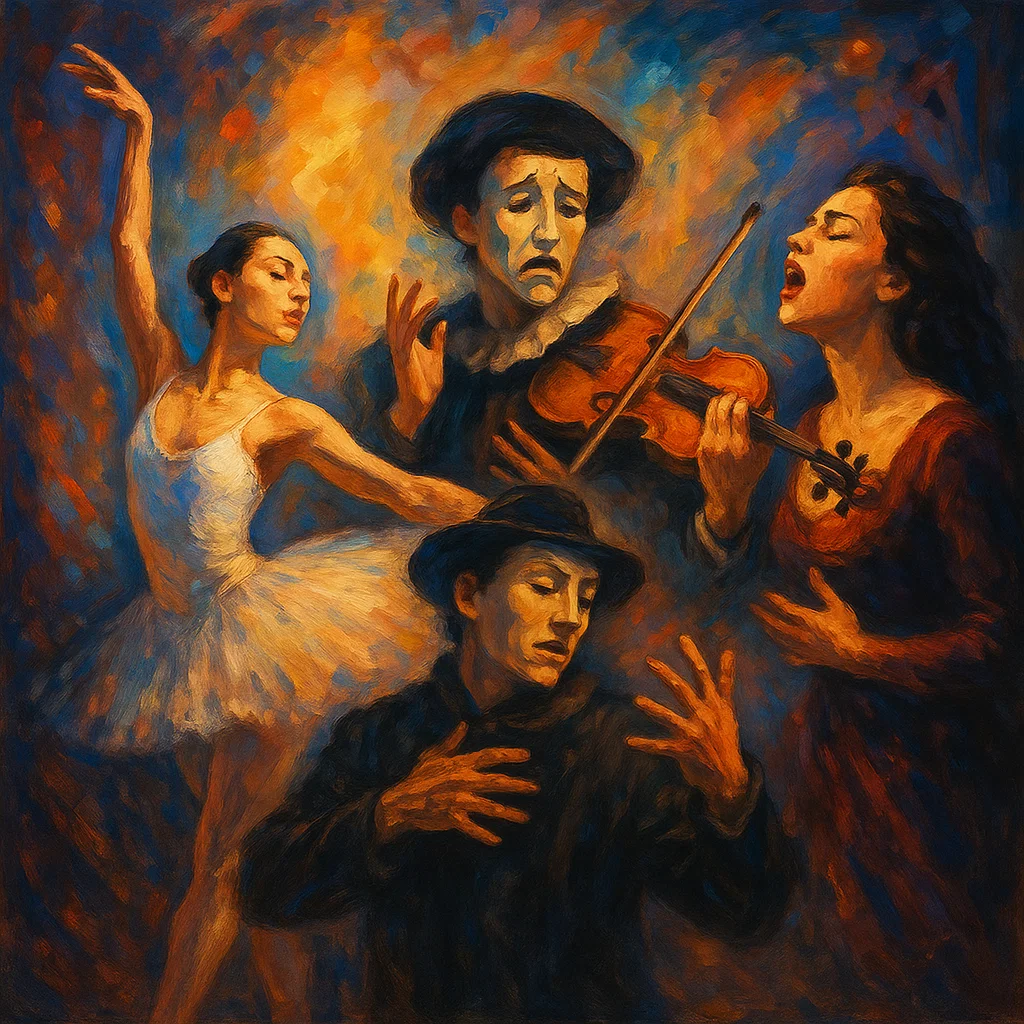
The Performing Arts make action itself the artwork. Every form centers on human embodiment—art not as object, but as event. Through theatre, dance, opera, performance, circus, and ritual, the performing arts preserve civilization’s most direct way of expressing meaning: the living body in motion before others.