Painting is the act of making vision tangible. It joins color, form, and texture to translate perception into image. Across cultures, it has served devotion, storytelling, and pure exploration of seeing. Within the visual arts, painting remains the most direct dialogue between matter and imagination.
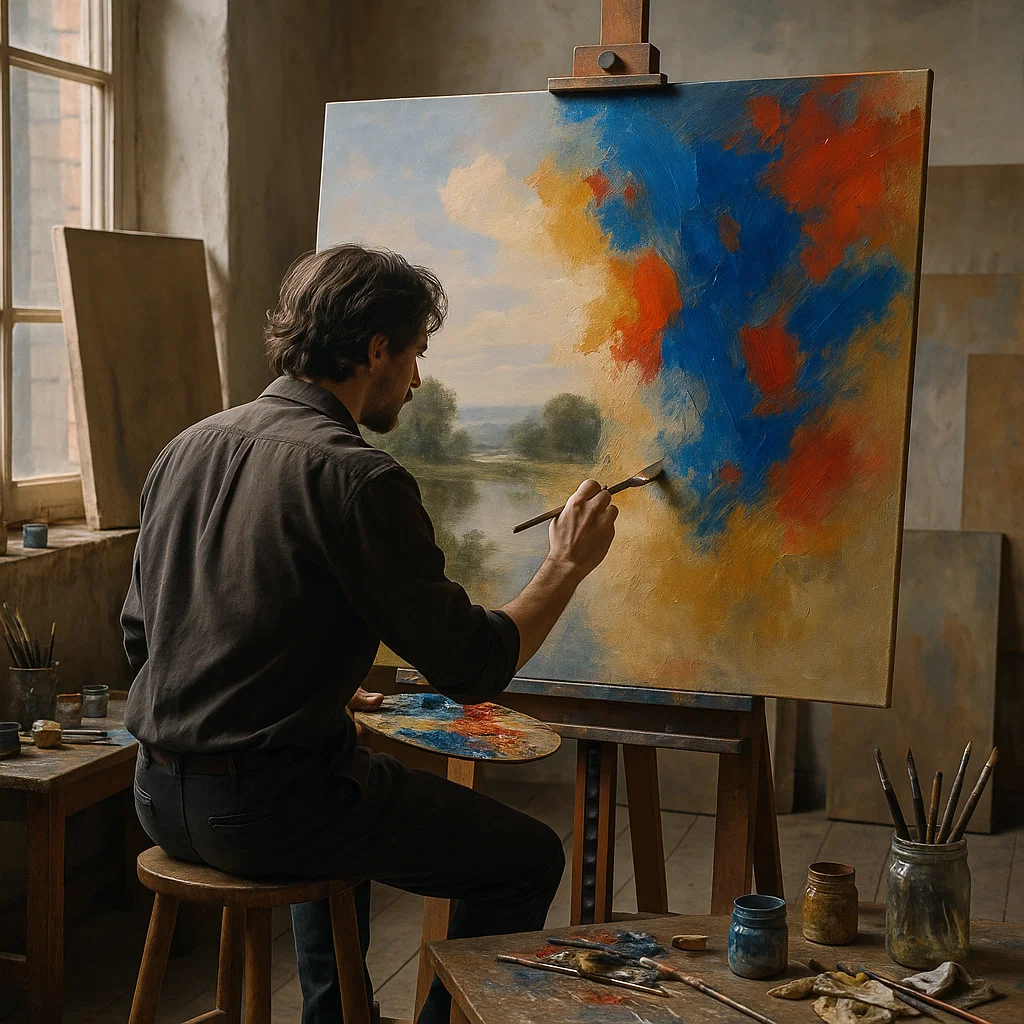
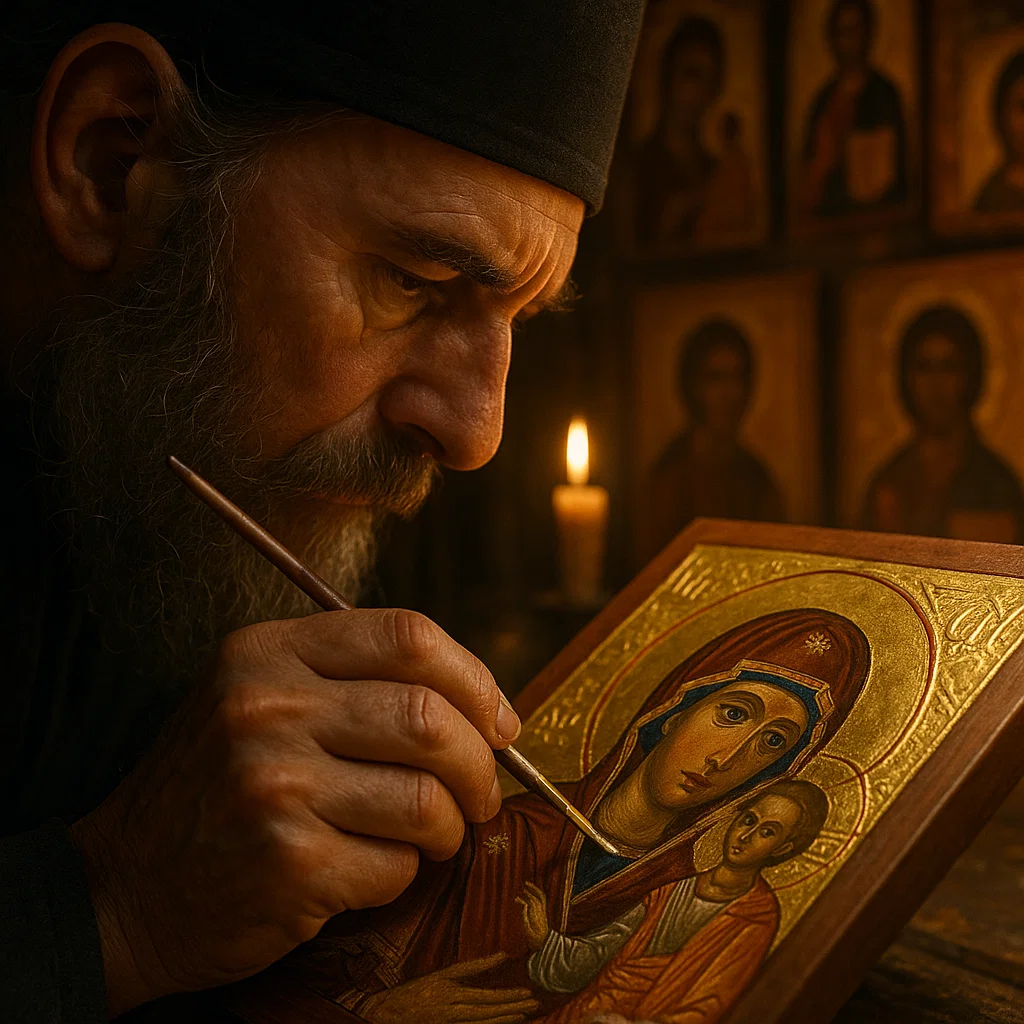
Painting Across Epoch and Period
Painting evolves through shifting worldviews. Each epoch defines how humans conceive the image—whether as sacred vessel, rational window, perceptual experiment, or digital construct. Within each epoch, distinct periods arise where material innovation and cultural vision intersect. The table below orders these sequentially, showing how the act of painting transforms alongside human thought itself.
Epoch–Period Table of Painting
| Epoch | Period | Sample | Approx. Dates | Core Idea of Image | Representative Movements / Notes |
|---|---|---|---|---|---|
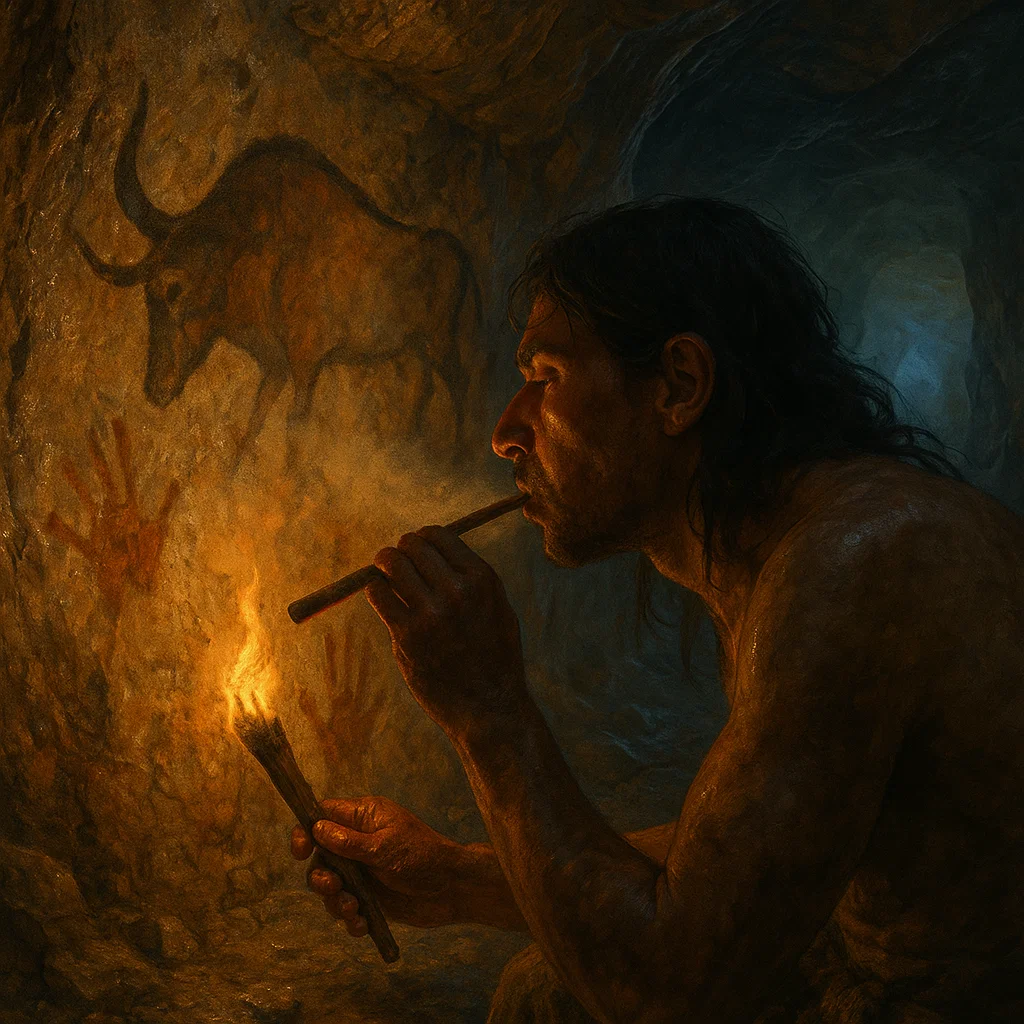
| Sacral Epoch | Prehistoric | 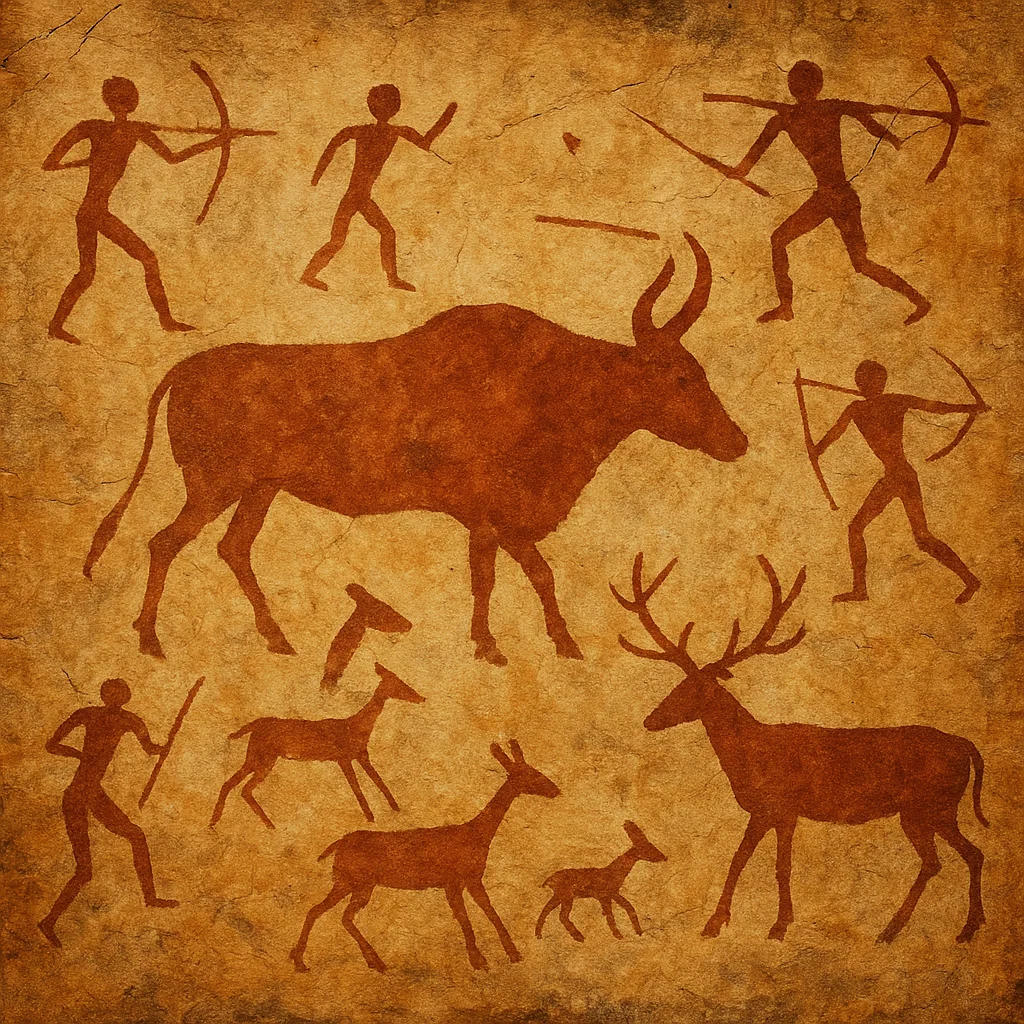 | before 3000 BCE | Image as ritual act; pigment as magic and memory. | Cave paintings, rock art, body ornamentation. |
| Ancient / Classical Sacred | 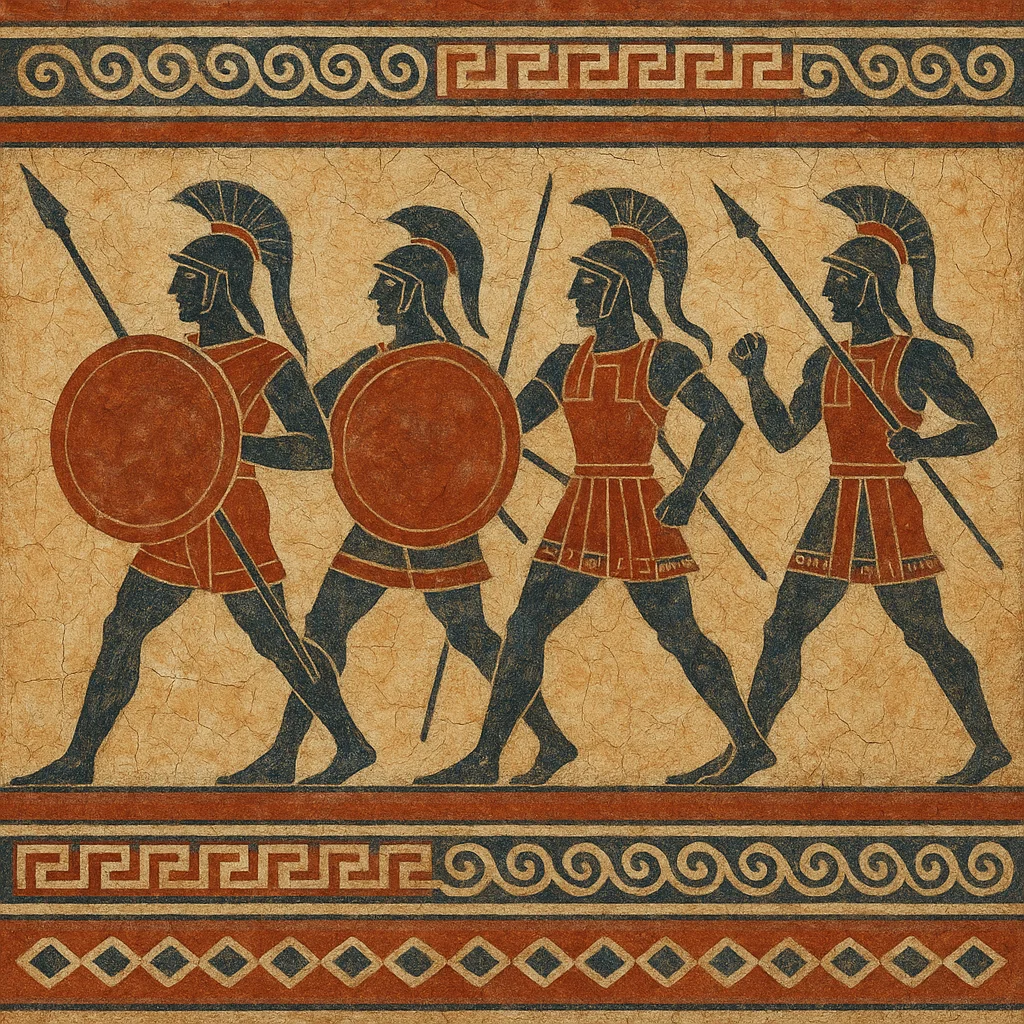 | 3000 BCE – 500 CE | Image as order and myth; divine proportion. | Egyptian, Greek, Roman, early fresco and encaustic. | |
| Medieval / Byzantine | 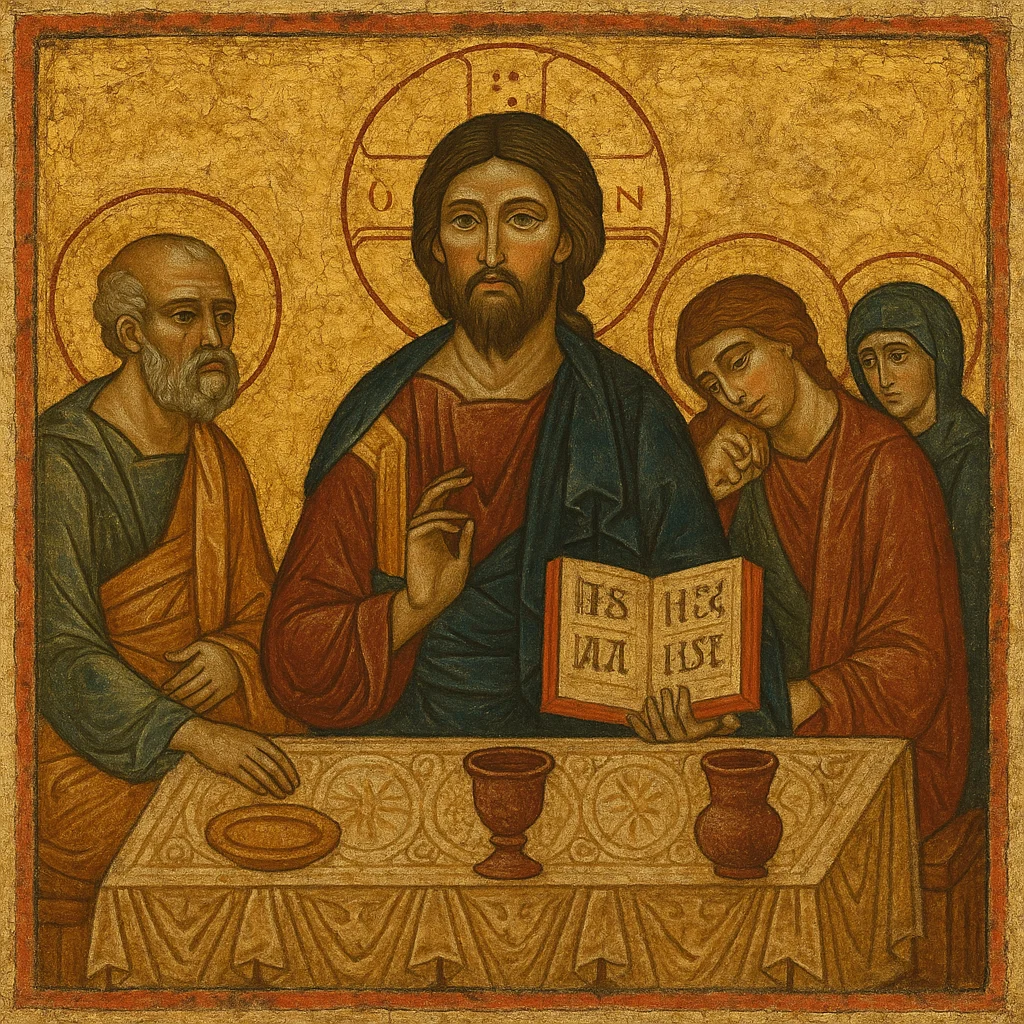 | 500 – 1400 CE | Image as icon; visual theology over realism. | Mosaics, illuminated manuscripts, icons. | |
| Humanist Epoch | Early Renaissance | 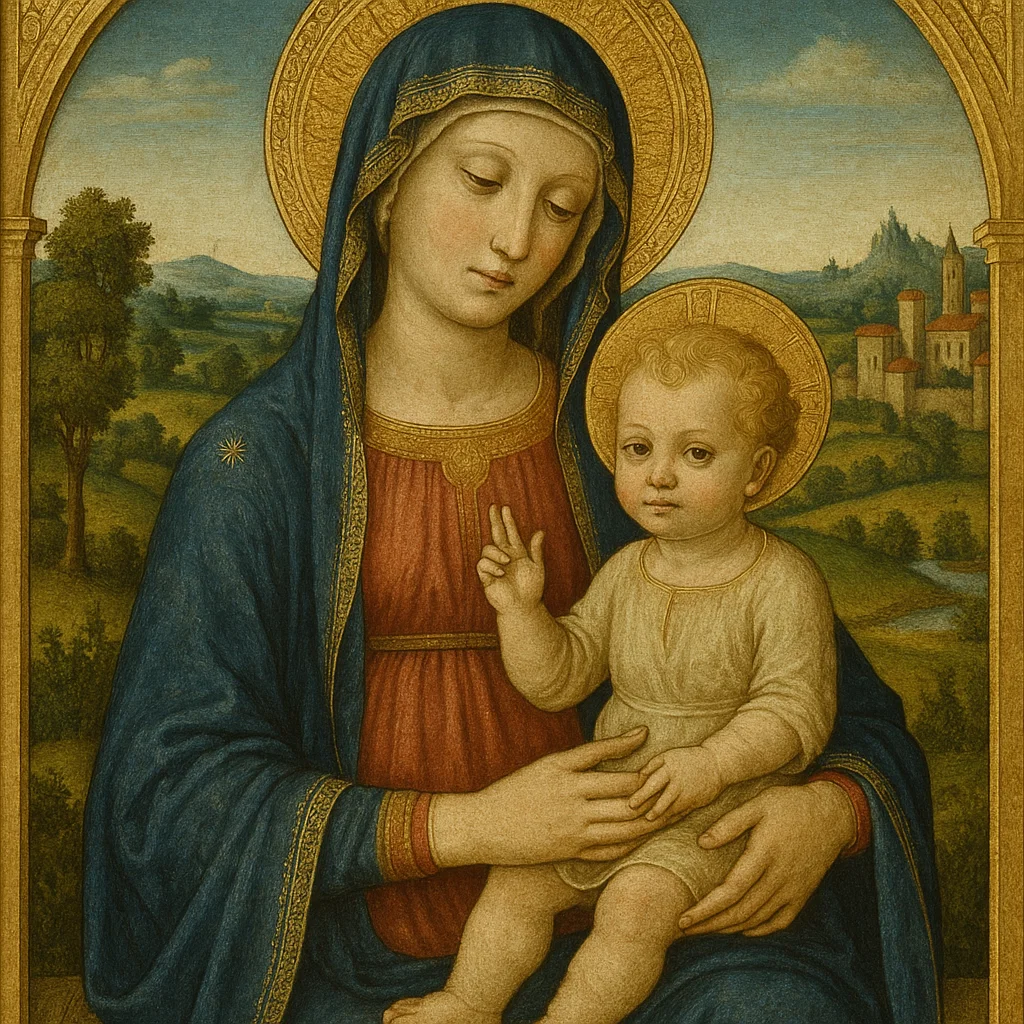 | 1400 – 1500 | Image as rational window; rediscovery of perspective. | Florentine and Flemish schools. |
| High Renaissance | 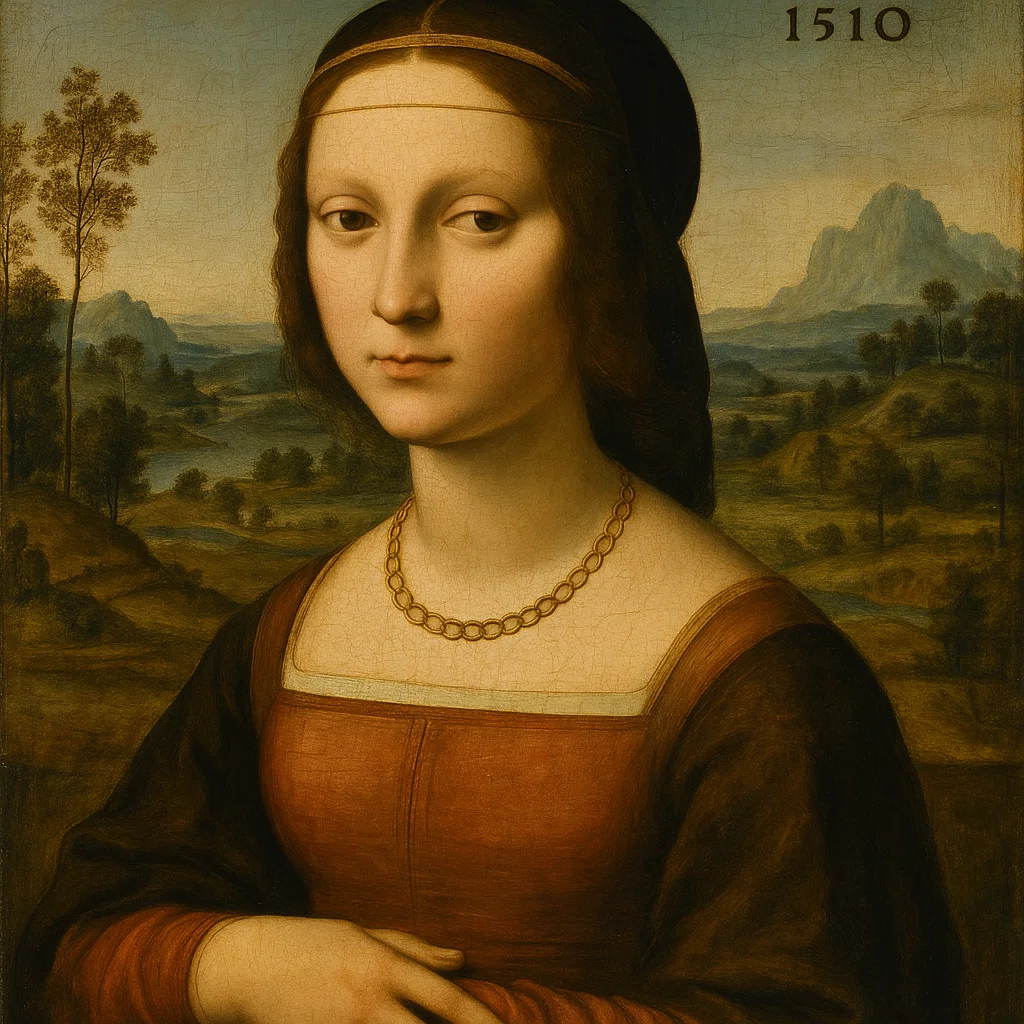 | 1500 – 1527 | Image as perfected nature; harmony of man and divine. | Leonardo, Raphael, Michelangelo. | |
| Mannerism | 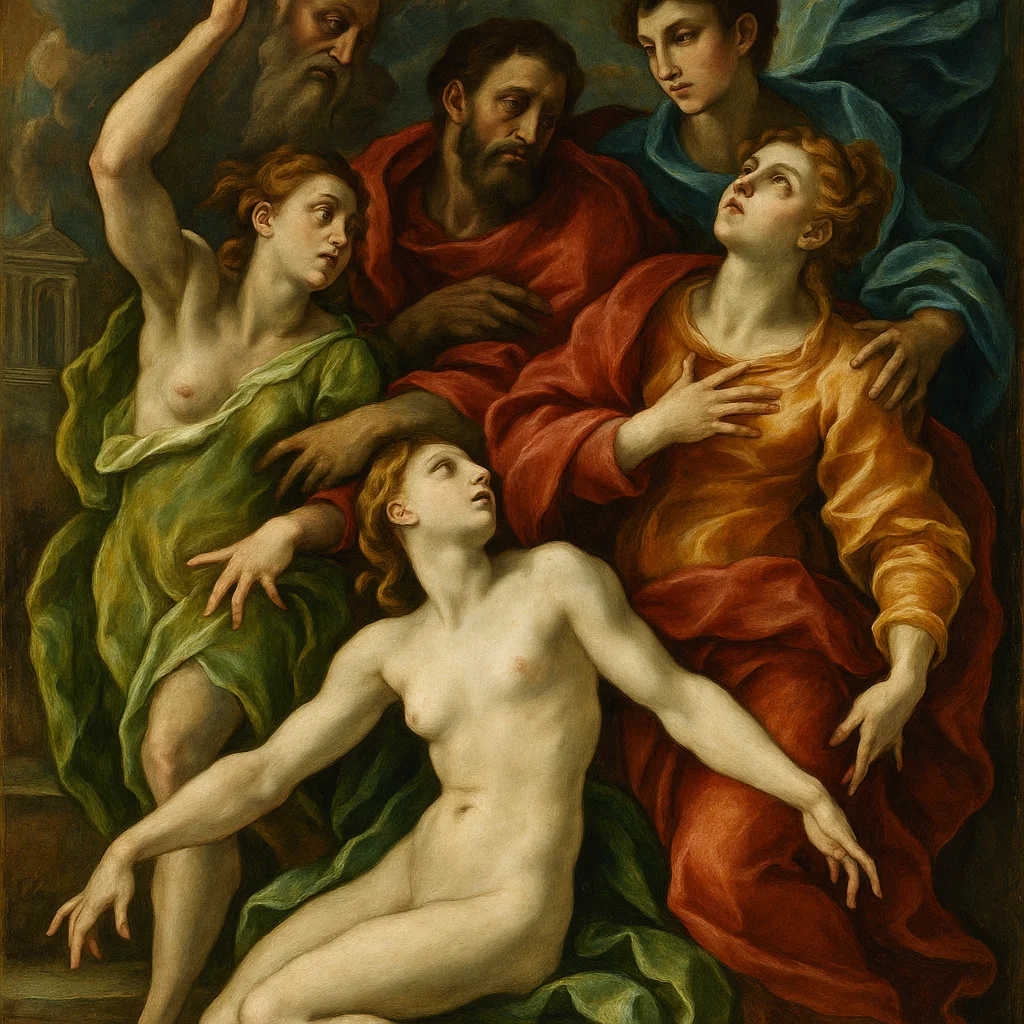 | 1520 – 1600 | Image as artifice; distortion as style. | El Greco, Pontormo, Parmigianino. | |
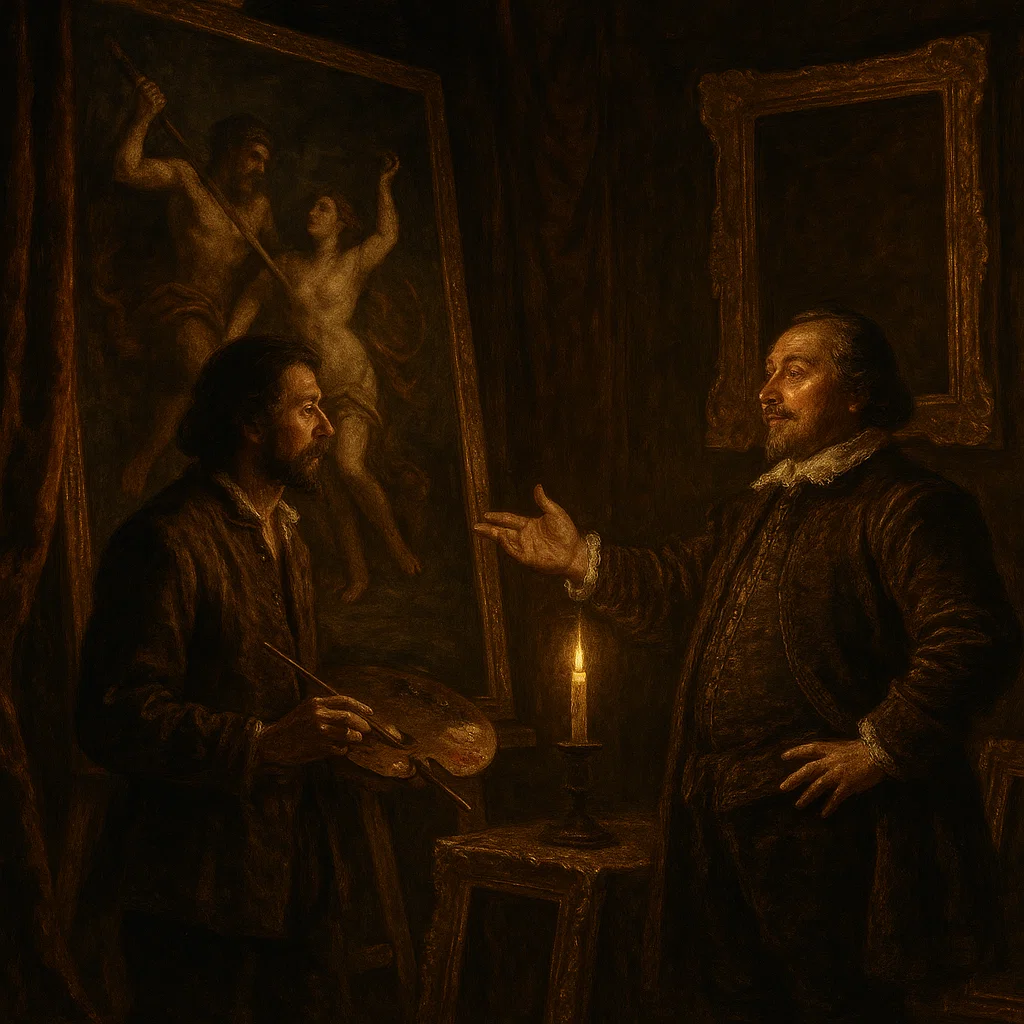
| Classical–Rational Epoch | Baroque | 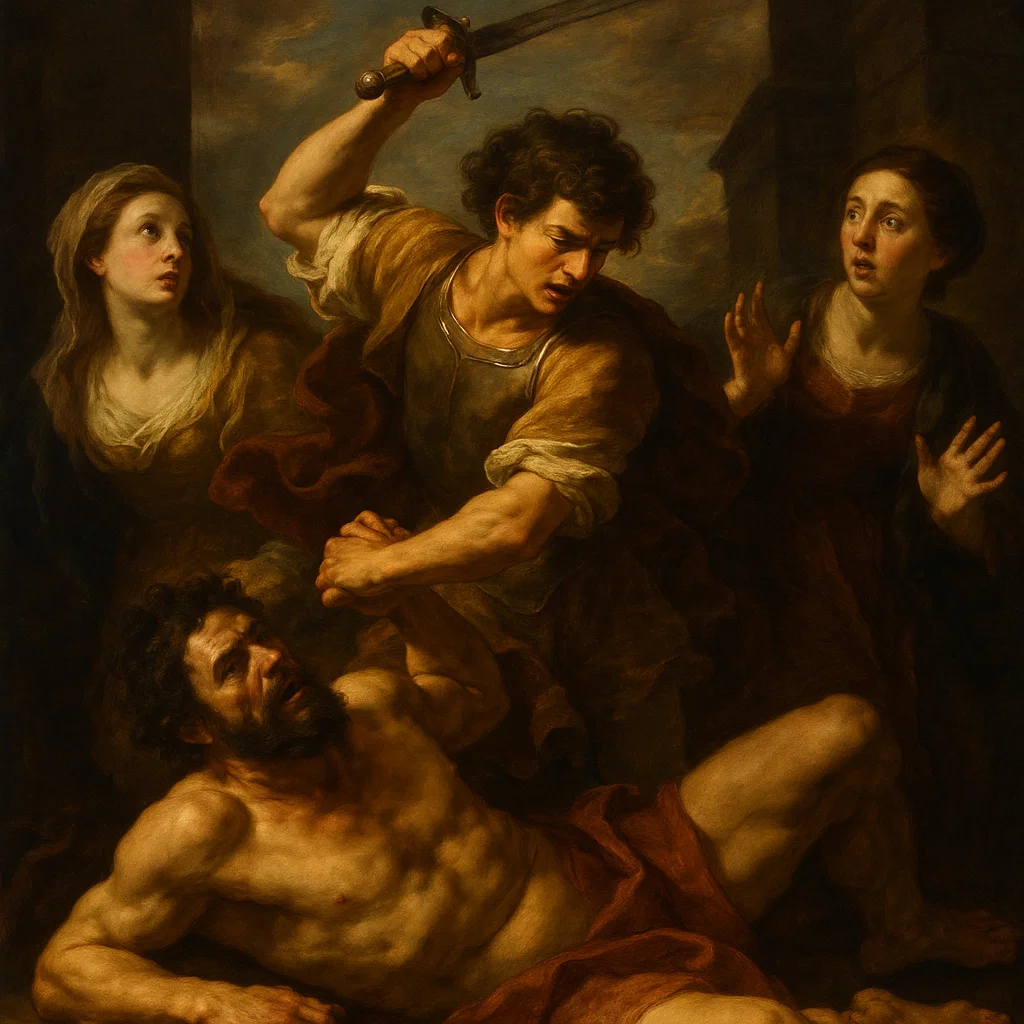 | 1600 – 1750 | Image as drama; light as revelation. | Caravaggio, Rubens, Rembrandt. |
| Rococo | 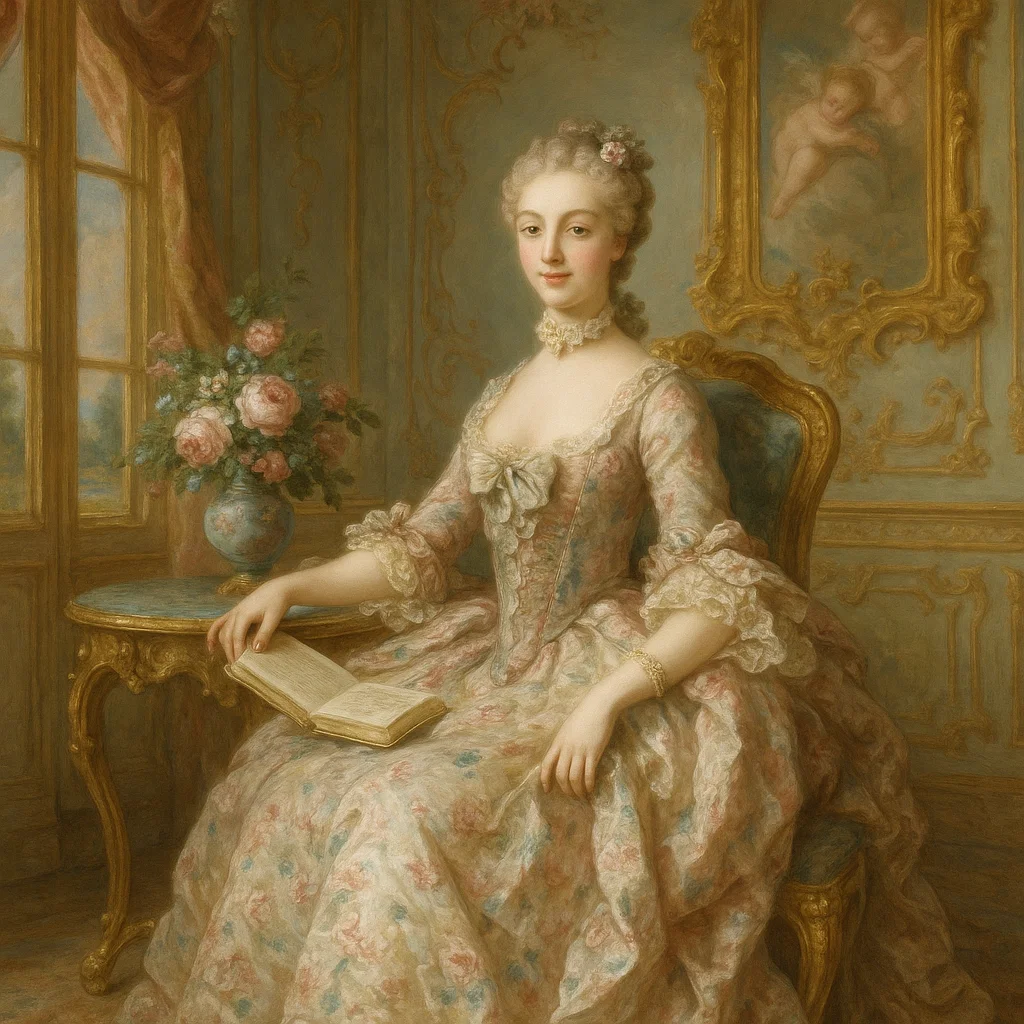 | 1720 – 1780 | Image as pleasure and play; ornamental grace. | Fragonard, Boucher, Tiepolo. | |
| Neoclassicism | 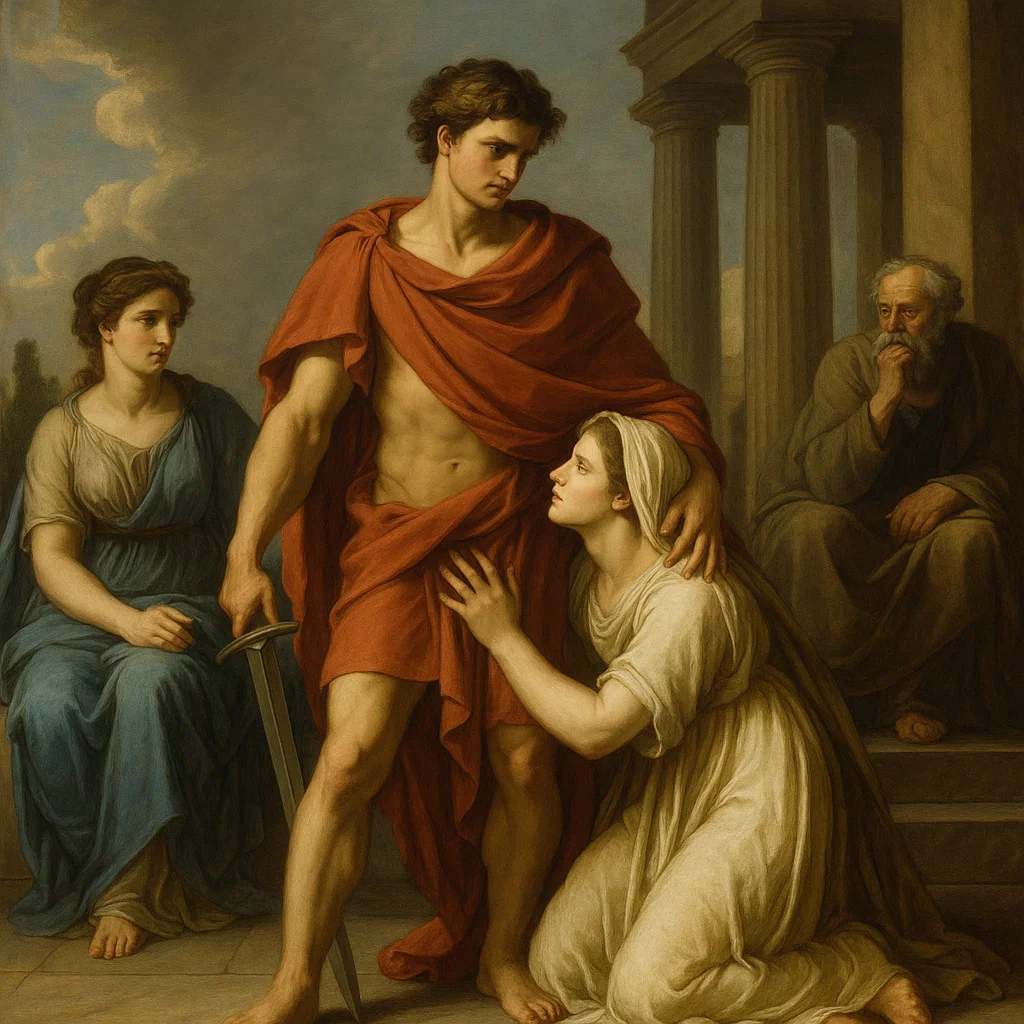 | 1760 – 1820 | Image as civic virtue; clarity and control. | David, Ingres. | |
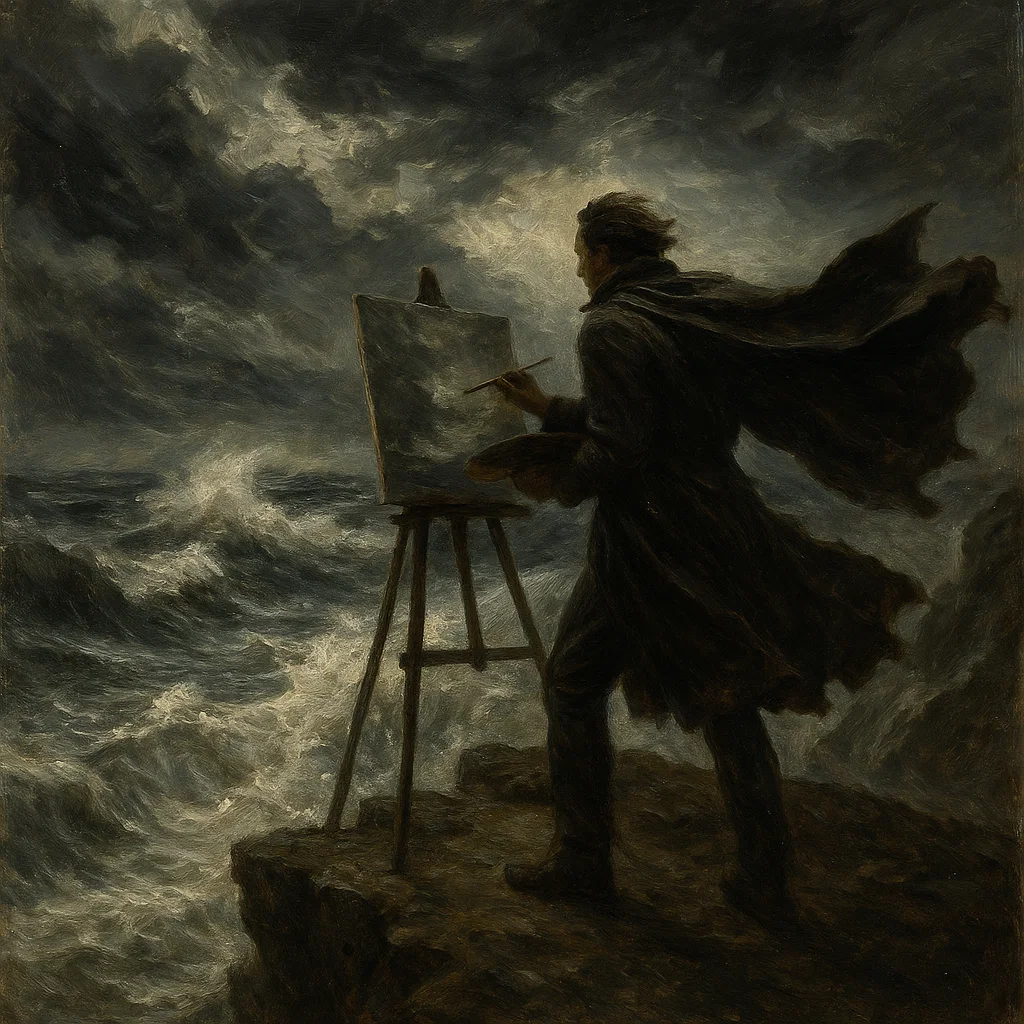
| Romanticism | 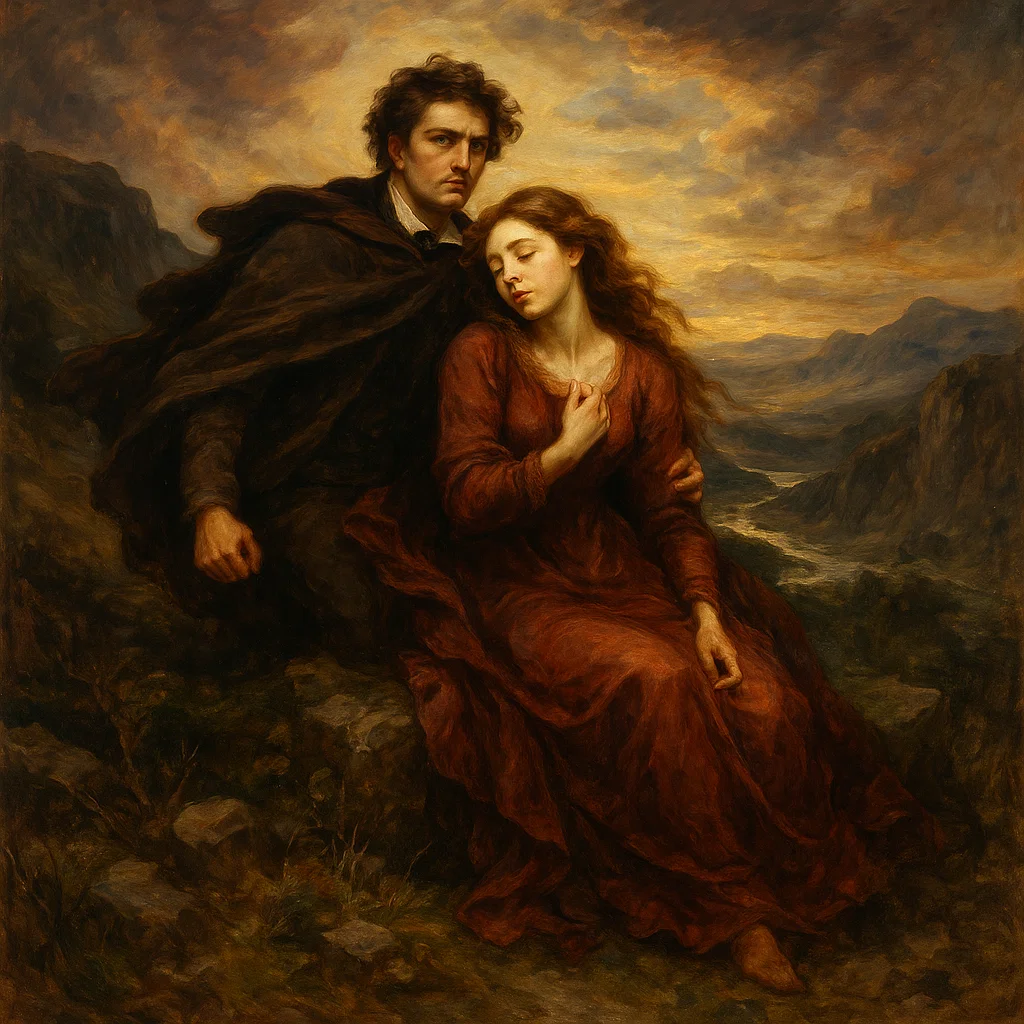 | 1800 – 1850 | Image as emotion; nature and imagination. | Turner, Delacroix, Friedrich. | |
| Industrial–Psychological Epoch | Realism | 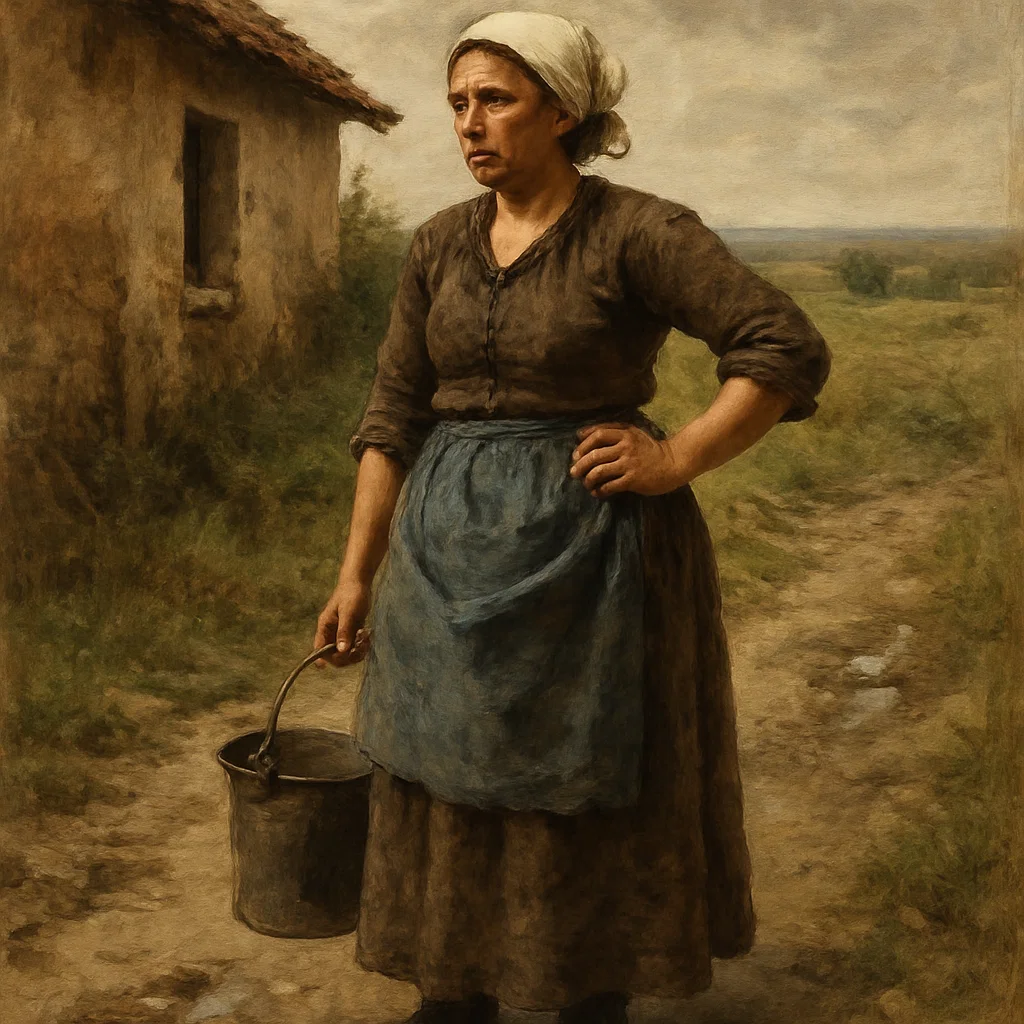 | 1840 – 1870 | Image as truth; social observation. | Courbet, Millet. |
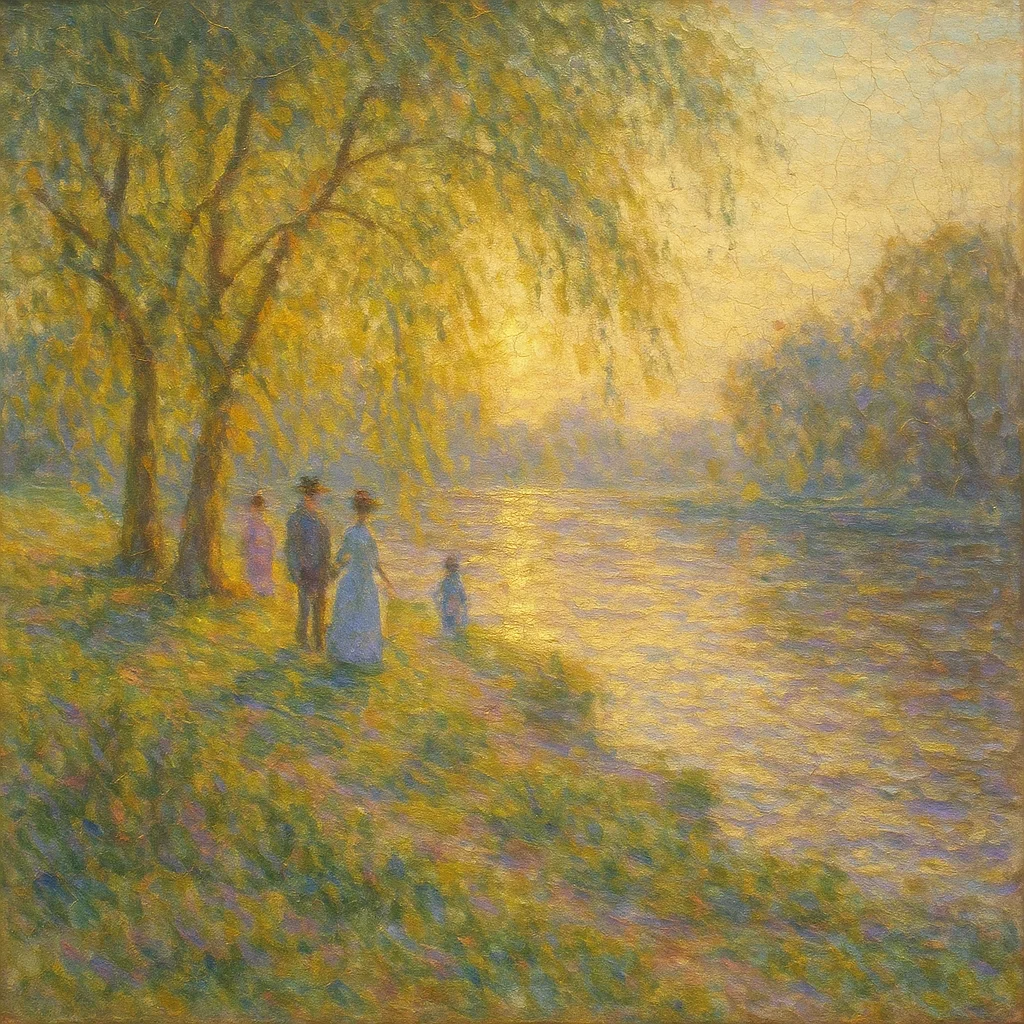
| Impressionism | 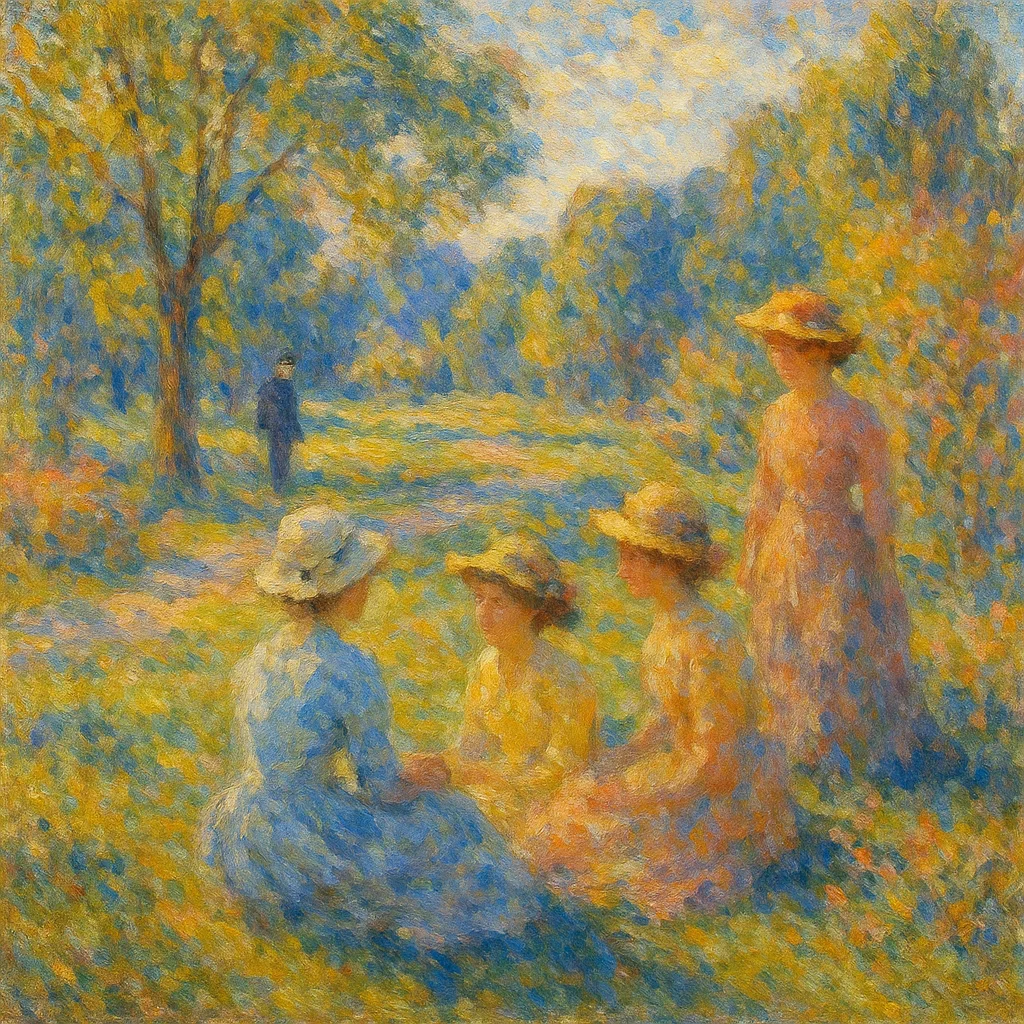 | 1870 – 1890 | Image as perception; fleeting light and color. | Monet, Renoir, Degas. | |
| Post-Impressionism | 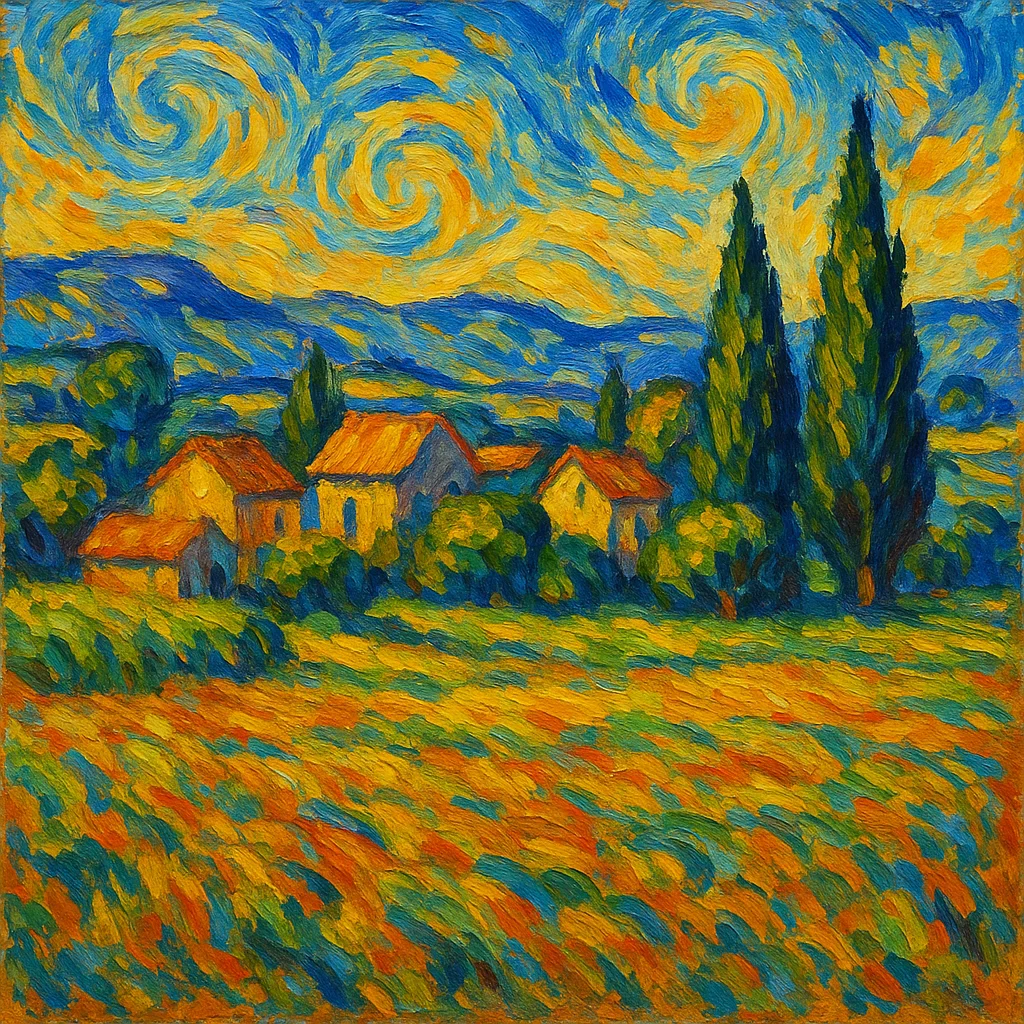 | 1885 – 1905 | Image as structure; subjective color and form. | Cézanne, Van Gogh, Gauguin. | |
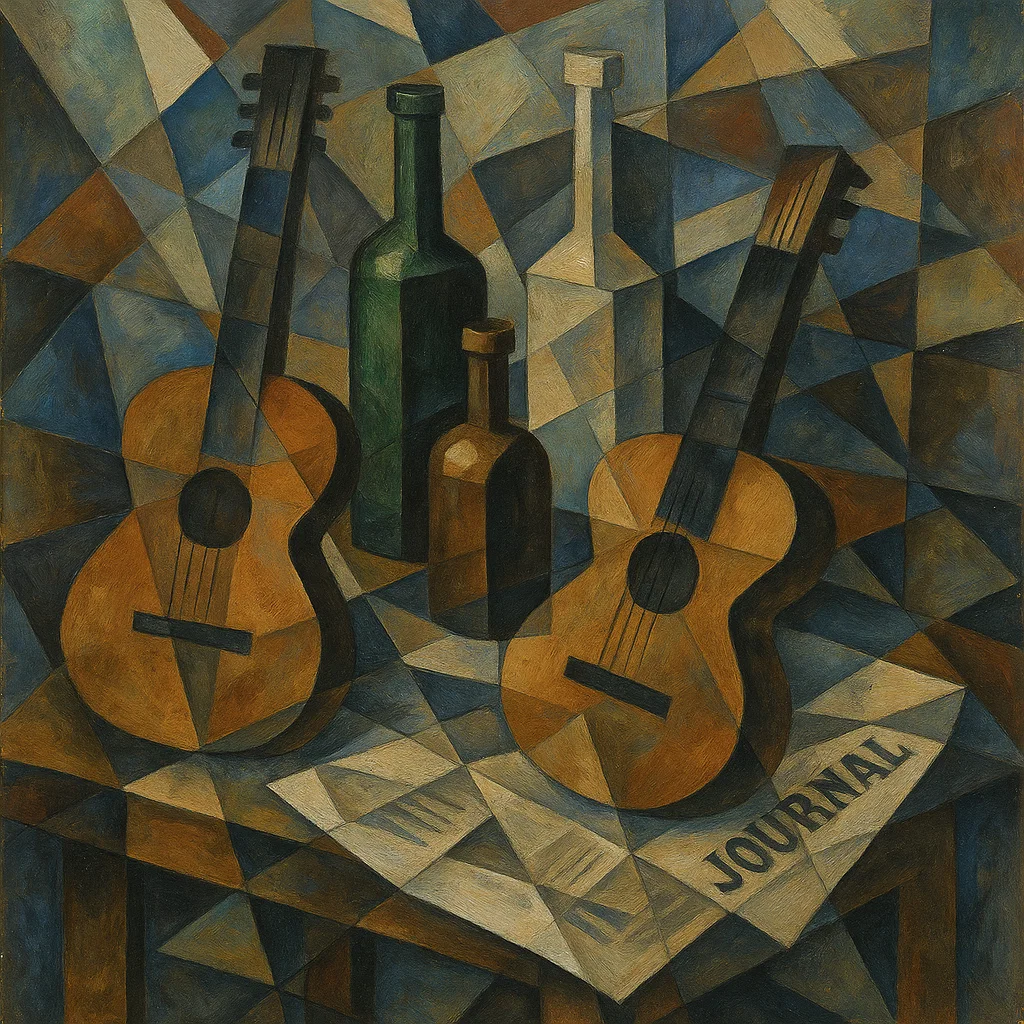
| Modernism | 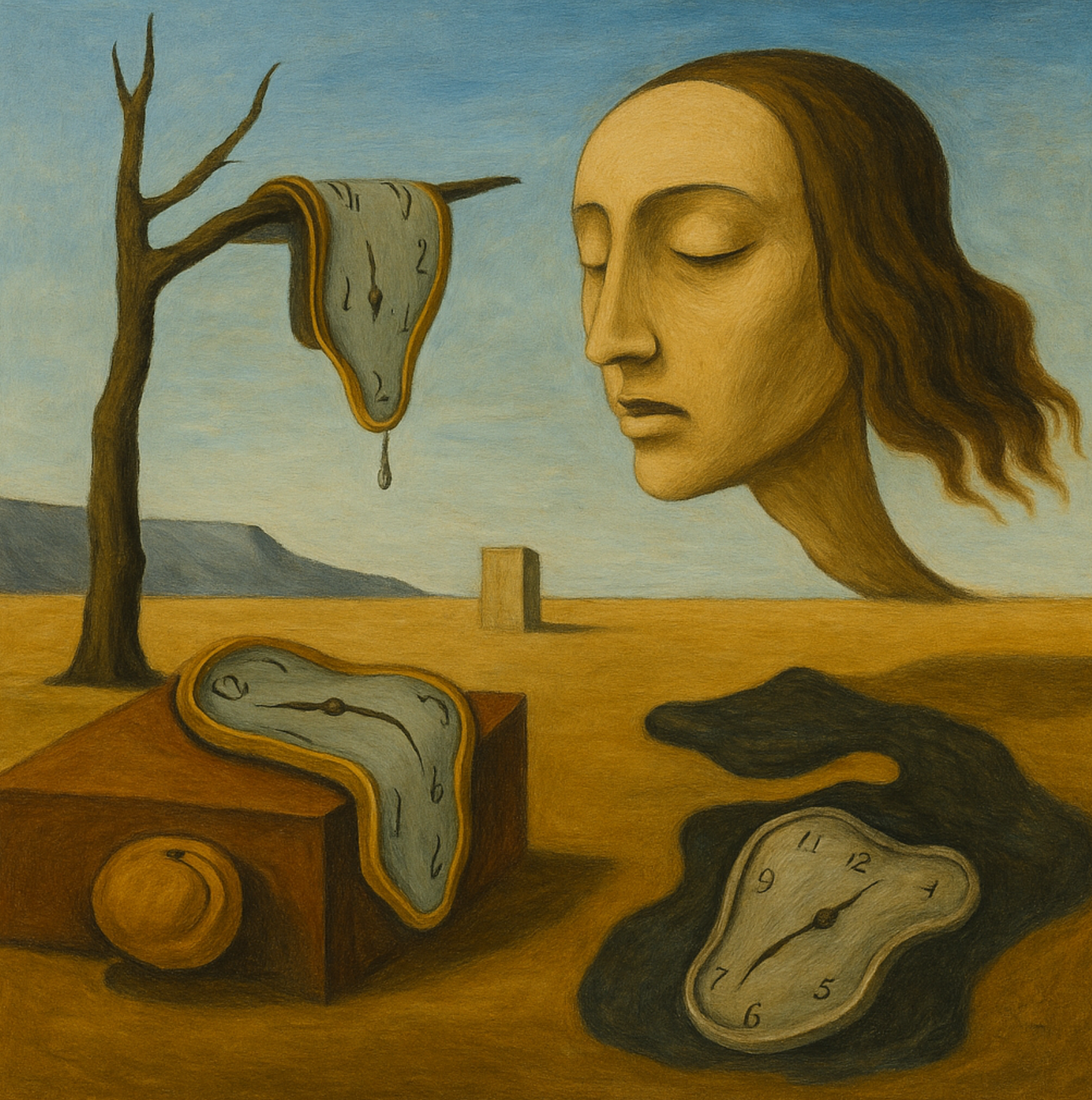 | 1900 – 1950 | Image as autonomy; abstraction and form analysis. | Cubism, Surrealism, Abstract Expressionism. | |
| Digital–Conceptual Epoch | Postmodern | 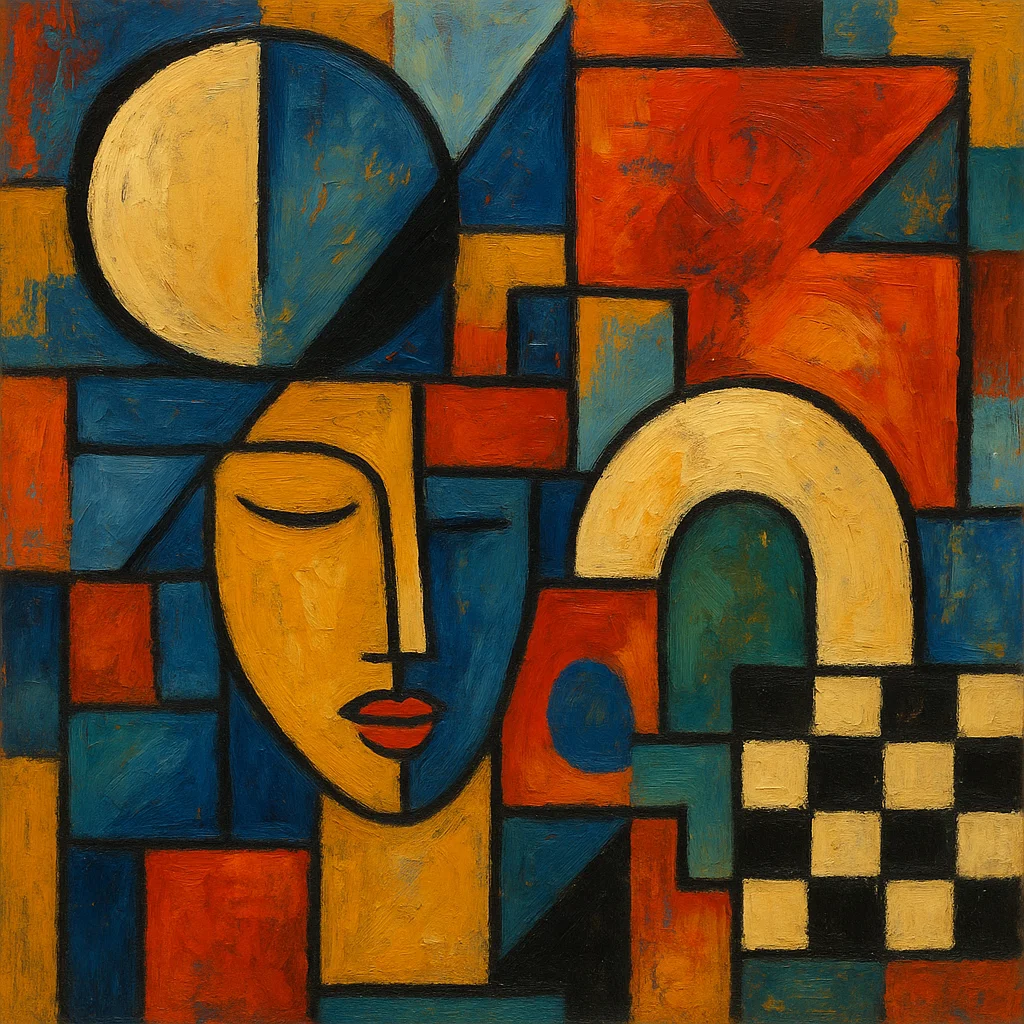 | 1950 – 1990 | Image as critique; mixing media and meaning. | Pop Art, Minimalism, Conceptual, Neo-Expressionism. |
| Contemporary | 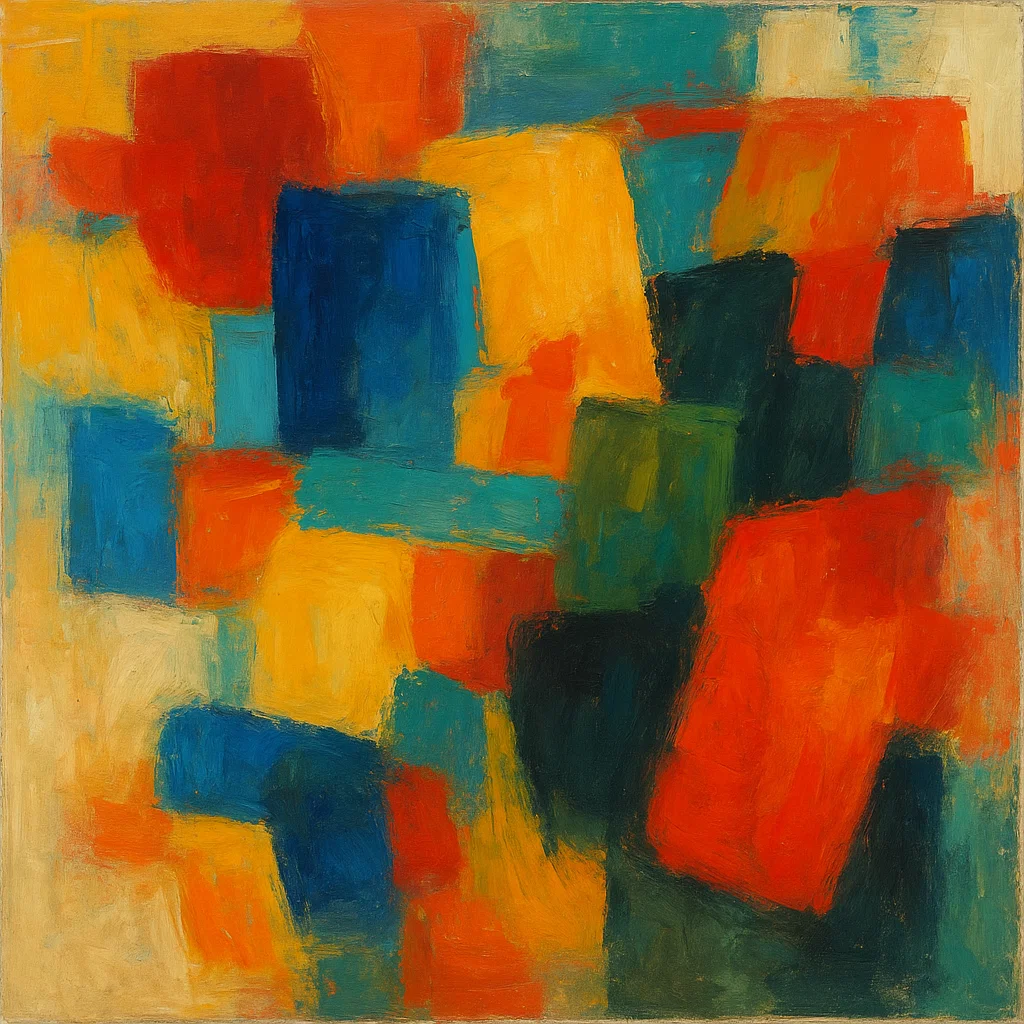 | 1990 – Present | Image as network; hybrid and digital systems. | Street, Installation, Digital, AI-generated. |
This sequence shows painting’s continuous redefinition of the image: from sacred sign to optical record, from abstraction to data. Each epoch reframes not only technique but also purpose—how humans use pigment and surface to think. The modern painter inherits this entire structure, working within a continuum that binds ritual, reason, and code into a single lineage of vision.
Mediums of Painting
A painting medium is the material logic of the image—the chemistry that links color to surface. Each medium defines not only the look of a work but its rhythm, texture, and endurance. The evolution of mediums mirrors human shifts in technology, environment, and belief: from mineral dust on cave walls to algorithmic pigment in light.
Painting Mediums
| Medium | Binder / Vehicle | Typical Support | Material Character | Primary Eras of Use |
|---|---|---|---|---|
| Mineral Pigment (Cave / Earth) | Fat, gum, or water | Stone, cave wall | Matte, granular, fixed to rock; ritual application | Prehistoric (c. 35,000–3000 BCE) |
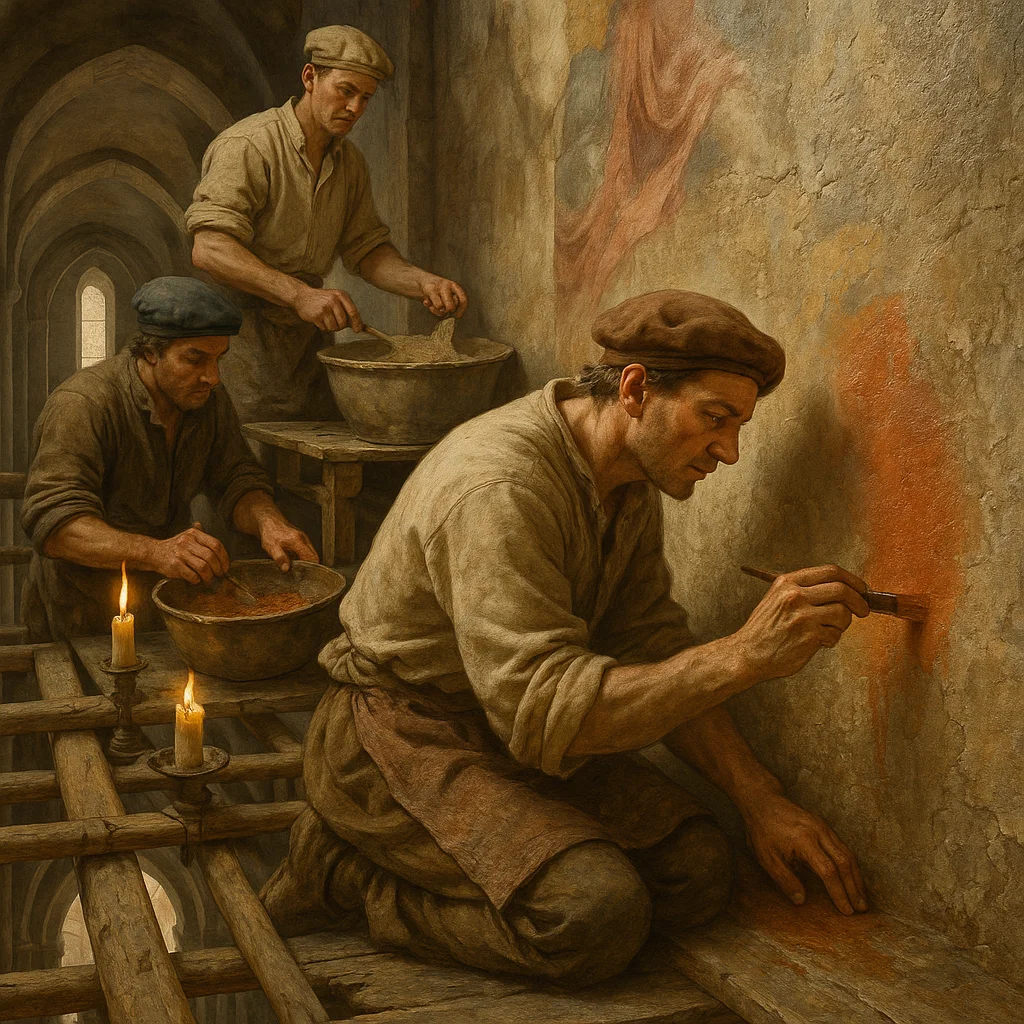
| Fresco | Lime plaster (wet = buon fresco; dry = secco) | Wall, ceiling | Pigment chemically fuses with plaster; permanent, matte surface | Ancient, Medieval, Renaissance |
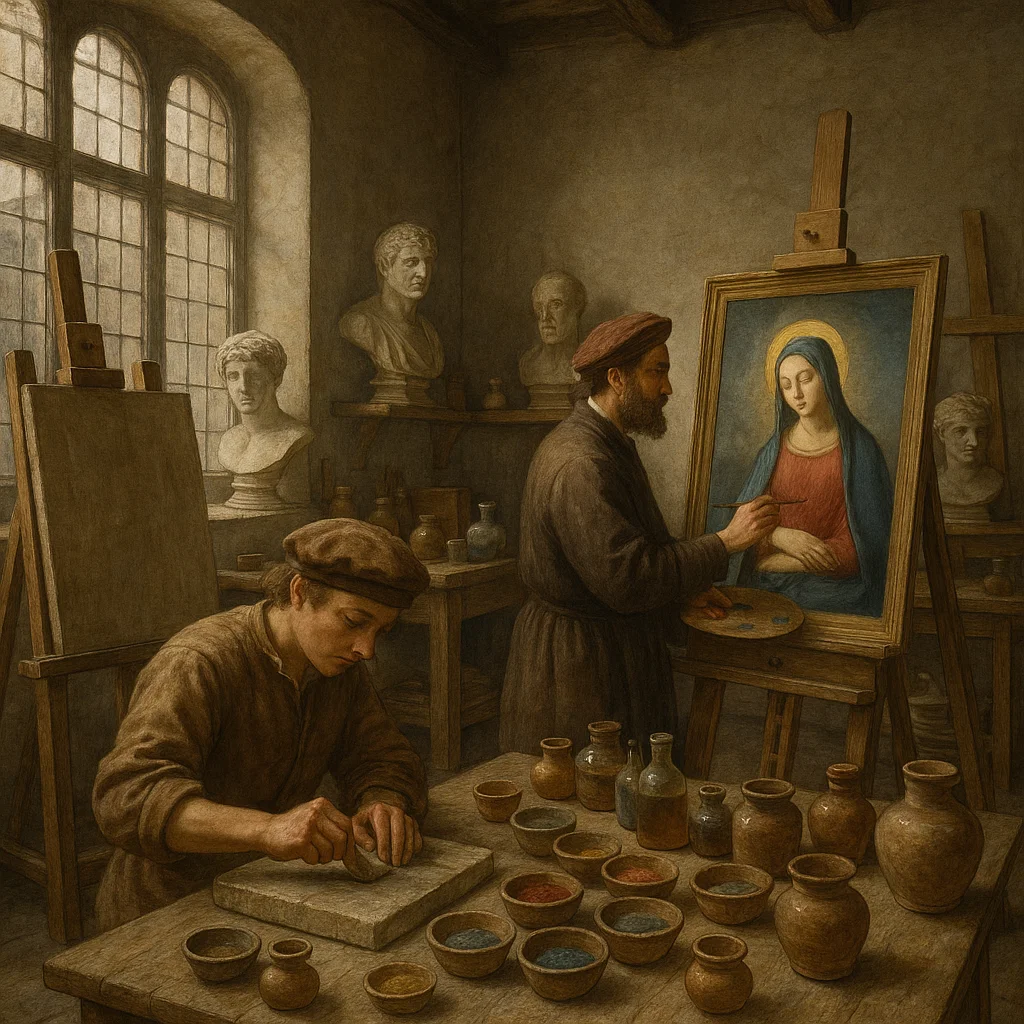
| Tempera | Egg yolk or casein | Wood panel | Fast-drying, opaque, luminous; fine detail | Byzantine, Gothic, Early Renaissance |
| Encaustic | Heated beeswax | Wood, wall | Layered, tactile, retains color saturation; resilient | Classical Antiquity; revived 20th c. |
| Oil | Linseed, walnut, or poppy oil | Canvas, panel | Slow-drying, blendable, translucent depth | Renaissance → 19th century dominant |
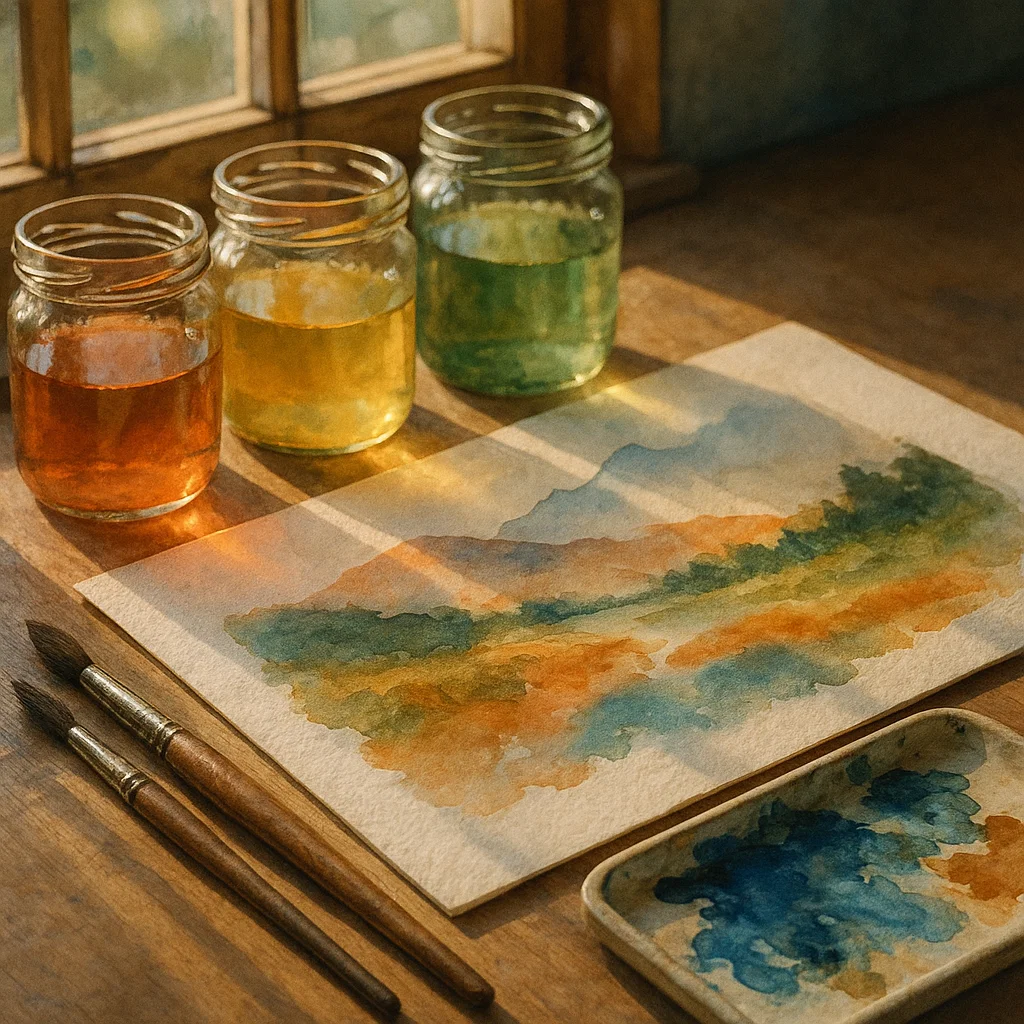
| Watercolor | Gum arabic + water | Paper | Transparent washes, delicate layering; portable | Ancient Asia; 18th–19th c. Europe |
| Gouache | Gum arabic + white pigment (chalk) | Paper, board | Opaque, matte, quick-dry; suited to design, miniatures | Islamic, Mughal, modern illustration |
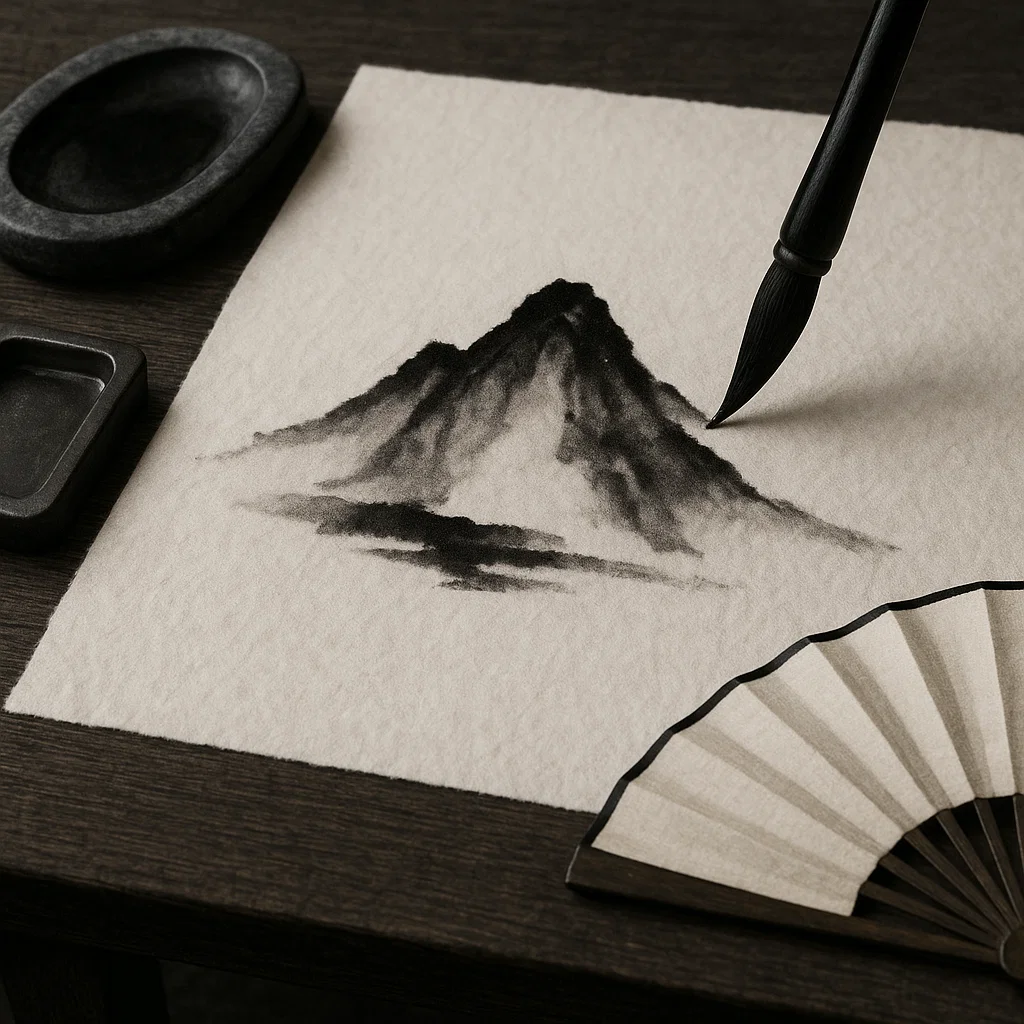
| Ink / Wash | Carbon black or dye in water | Paper, silk | Expressive line, tonal range, immediacy | East Asian and Islamic traditions |
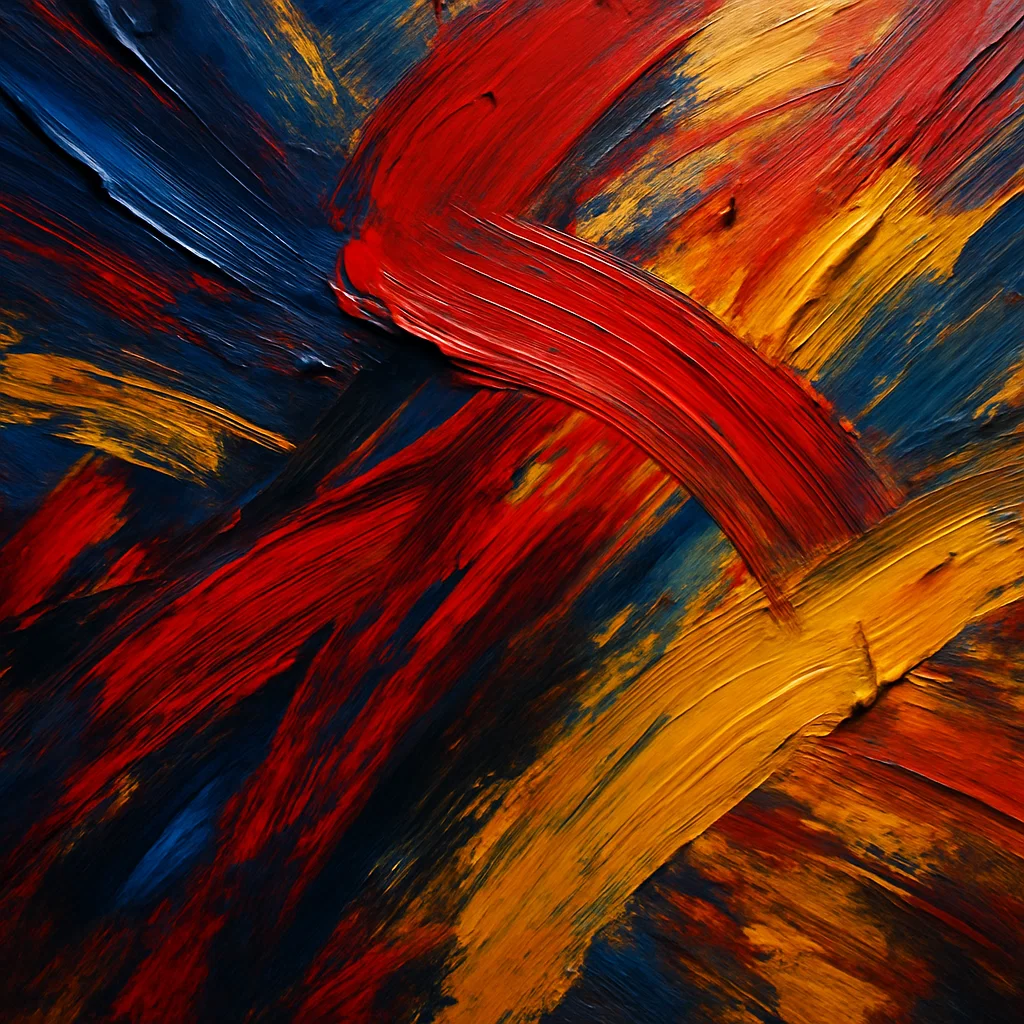
| Acrylic | Synthetic polymer emulsion | Canvas, board, paper | Quick-drying, flexible film; wide textural control | 1950s → present |
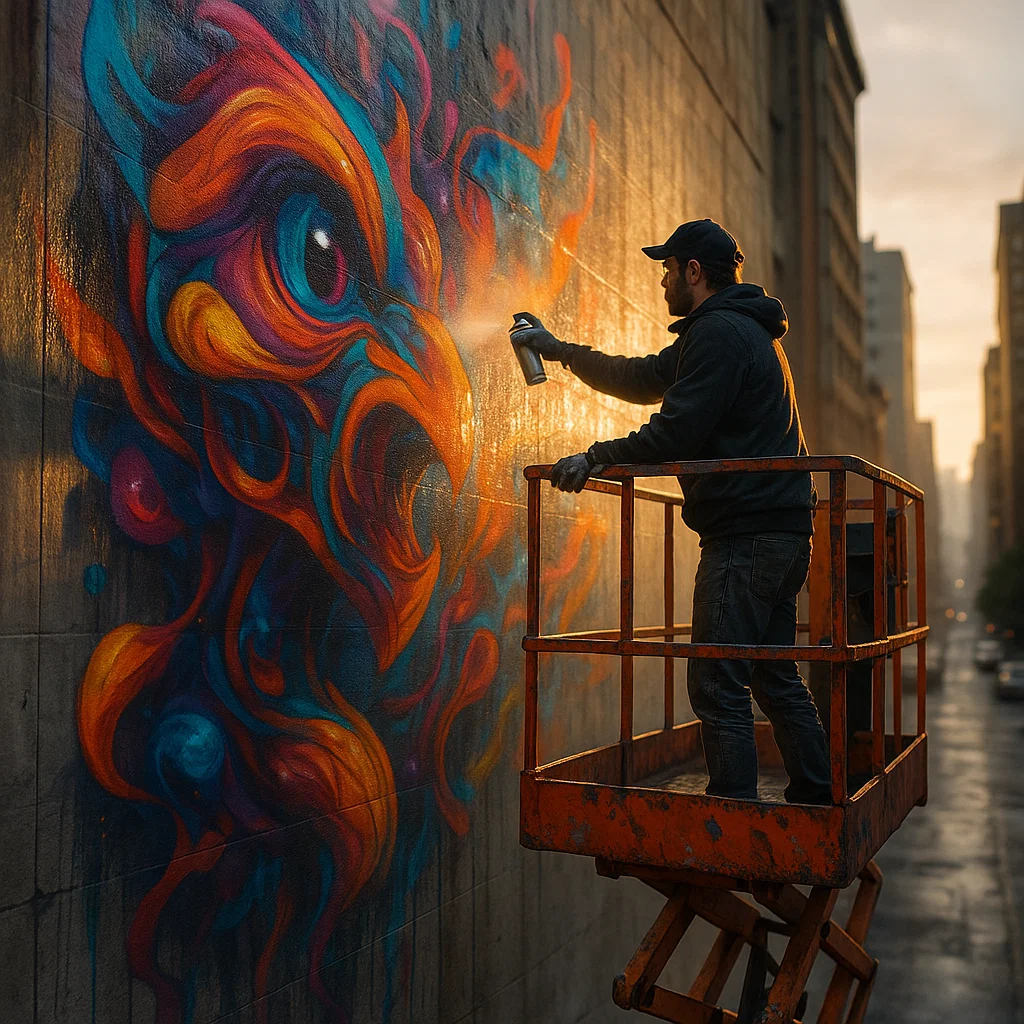
| Spray / Industrial Paint | Aerosol enamel, lacquer, synthetic resins | Wall, metal, mixed supports | Smooth fields, graphic precision, rapid coverage | 20th c. muralism, street art |
| Mixed Media | Variable binders | Any | Combines paint with collage, fabric, or found objects | Modern → Contemporary |
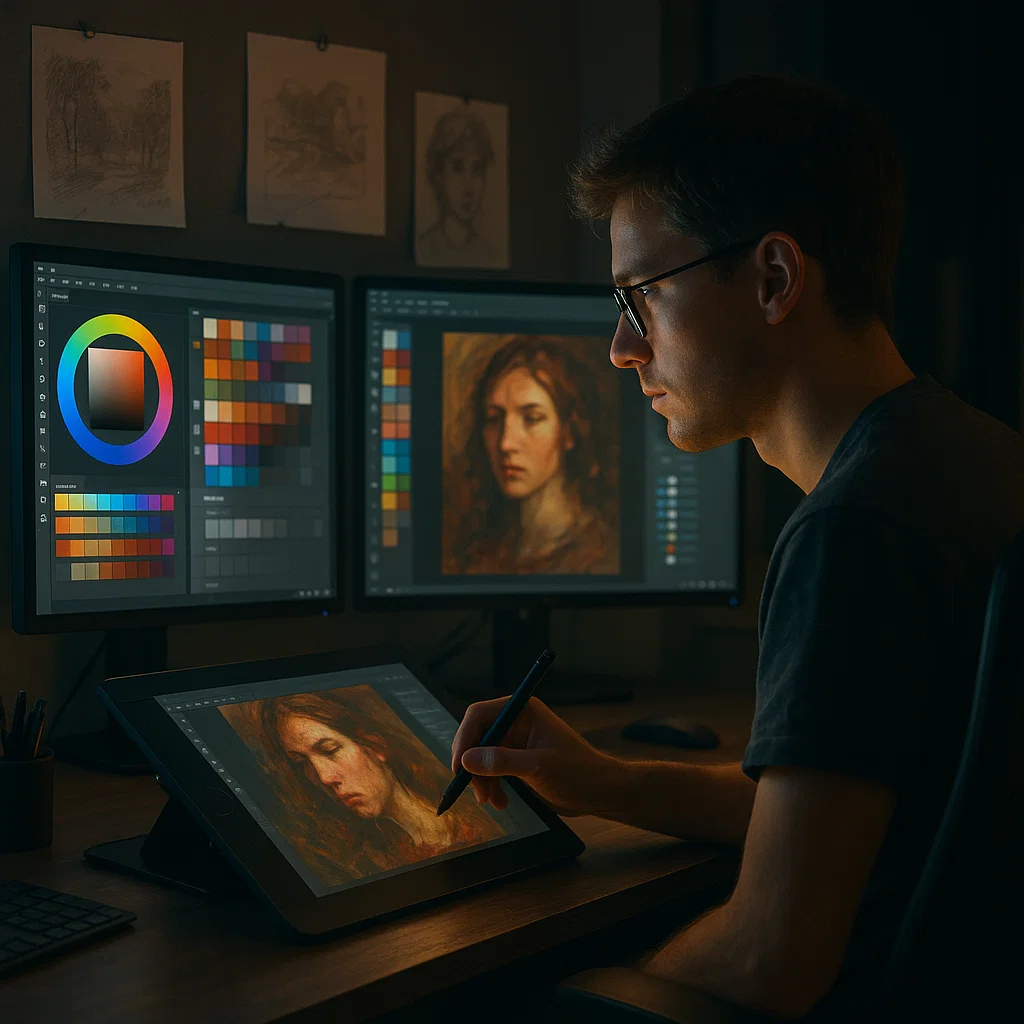
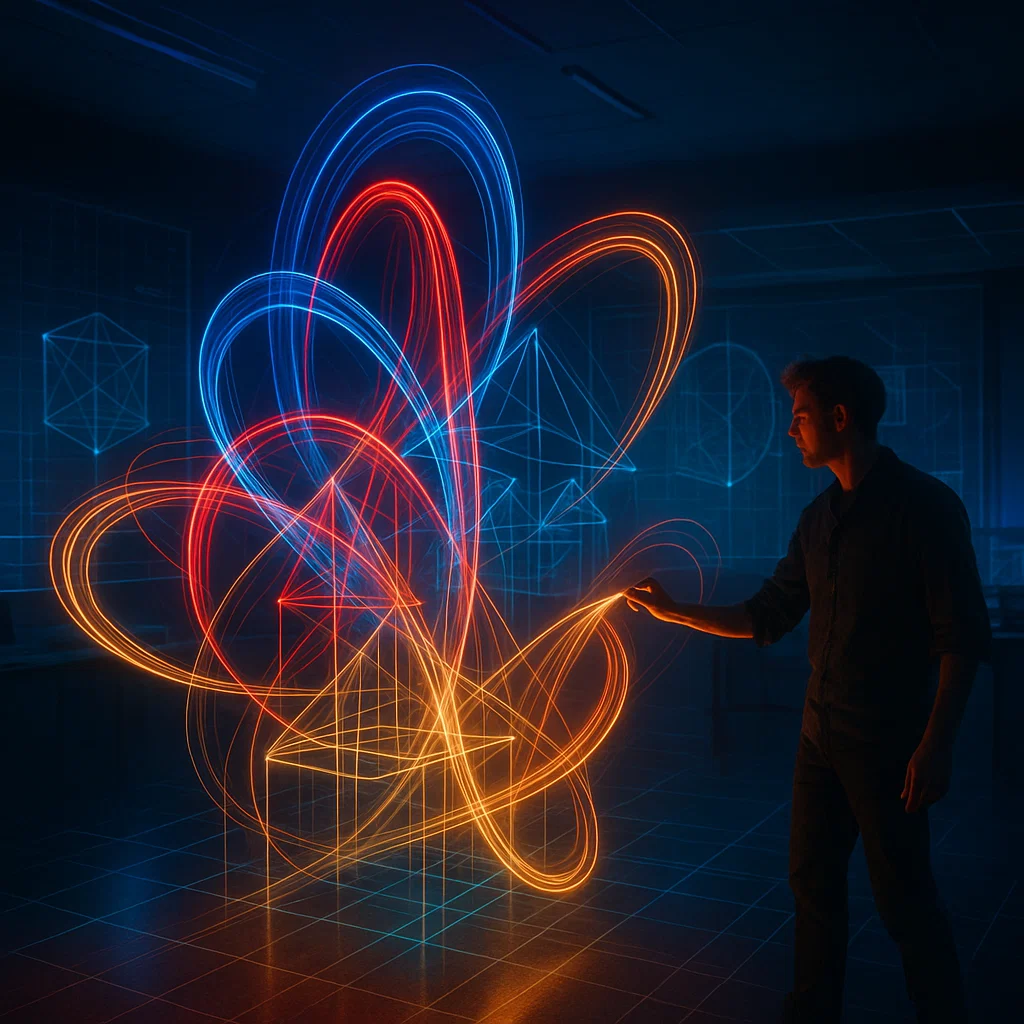
| Digital Painting | Software algorithms, stylus input | Screen, digital file, print | Simulated pigment, infinite layers, no drying | 1990s → present |
| Algorithmic / AI Painting | Generative code, model weights | Screen, digital print | Image derived from computation; human–machine collaboration | 2020s → present |
Synthesis
- Chemical Evolution: Mediums shift from organic to synthetic to digital. Each stage expands pigment’s range and control.
- Support Evolution: From immovable stone to portable canvas to immaterial screen—painting moves from place to process.
- Cultural Function: Fresco sanctified space; oil portrayed society; acrylic industrialized image-making; digital dematerialized it.
- Continuity: Despite changes, the medium remains a covenant between substance and vision.
Conclusion
Painting’s history is the record of how matter becomes meaning. Every medium is a philosophy of permanence—each redefines the bond between hand, pigment, and world. From the mineral wall to the luminous pixel, the painter’s task endures: to make color think.
The State of Contemporary Painting
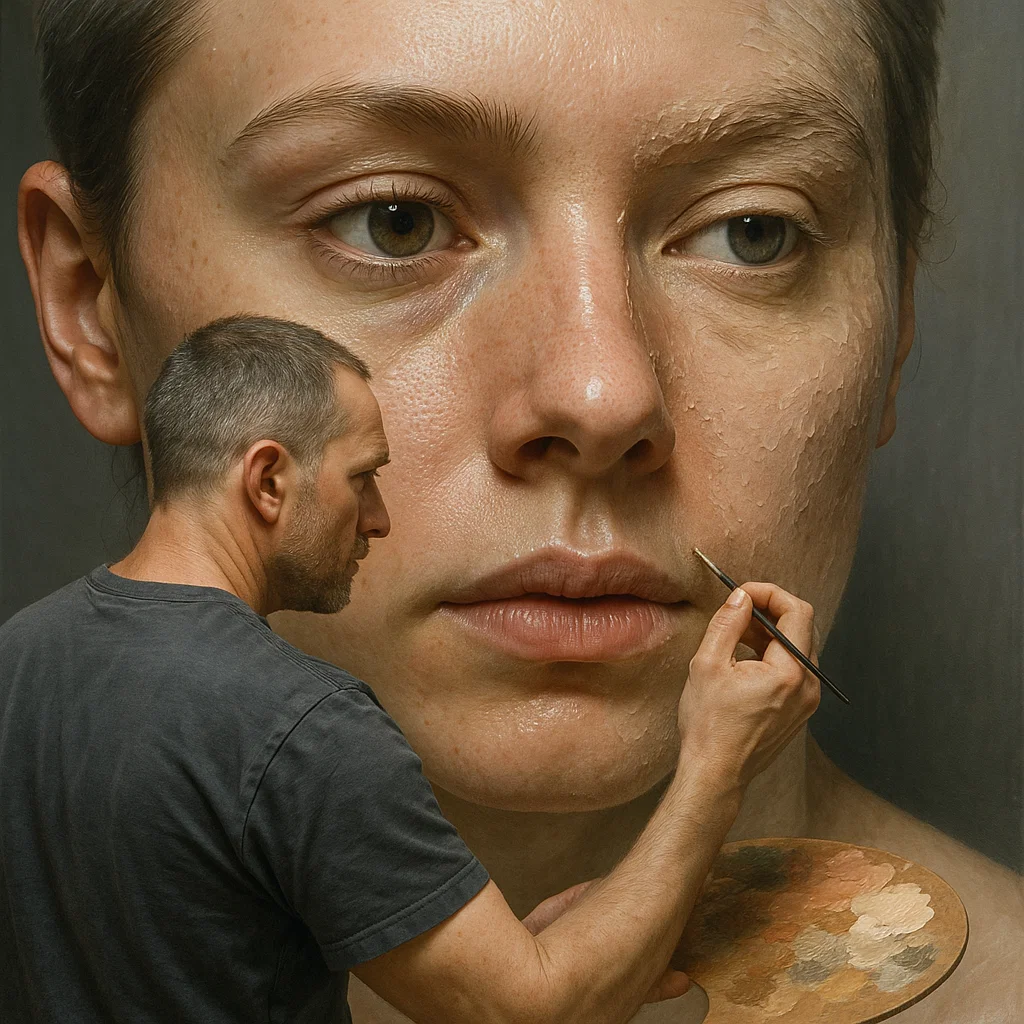
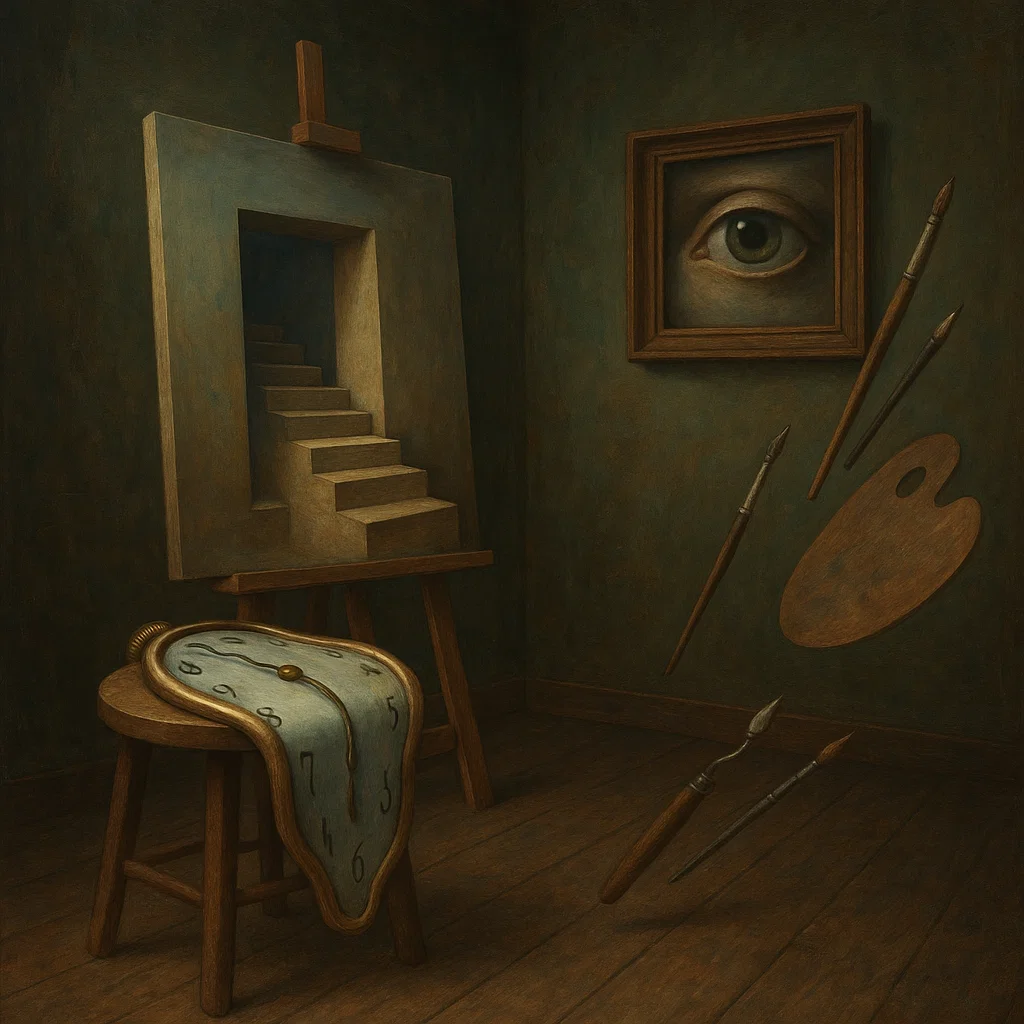
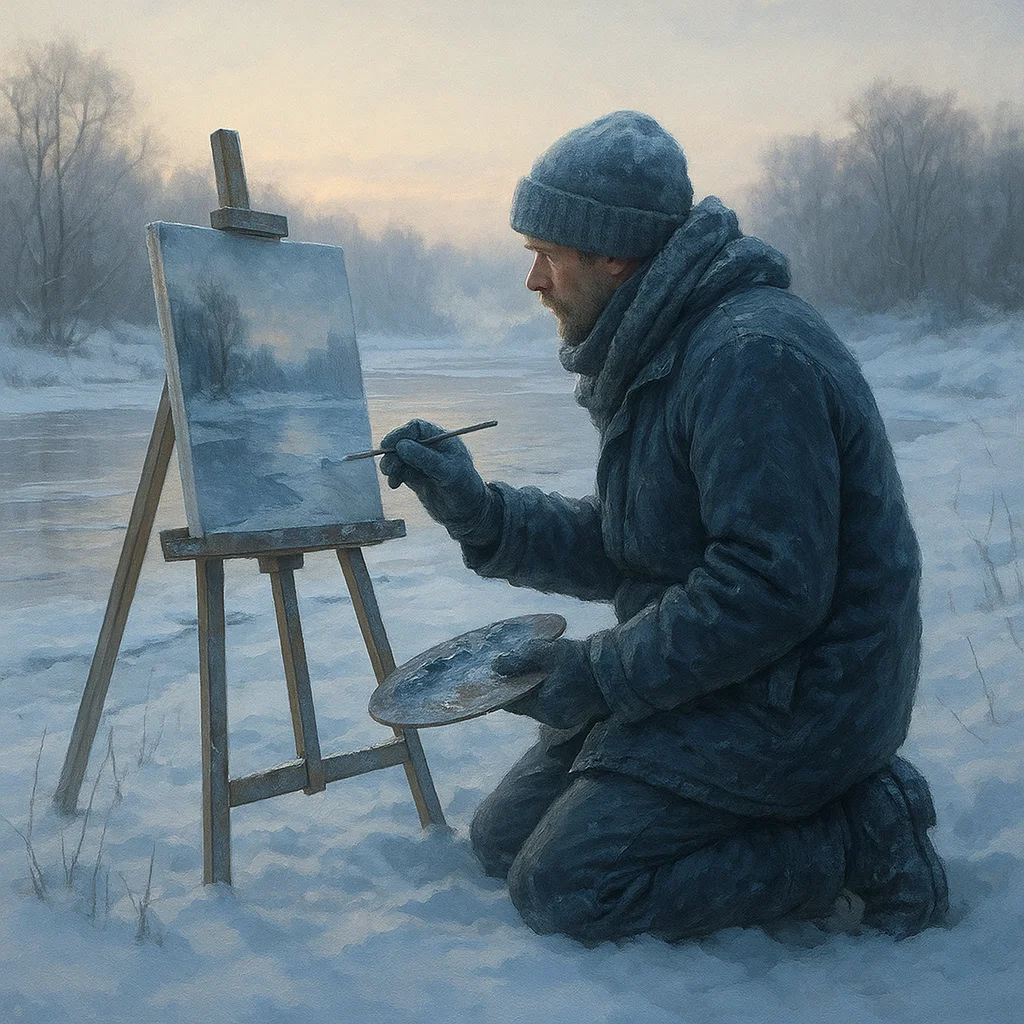
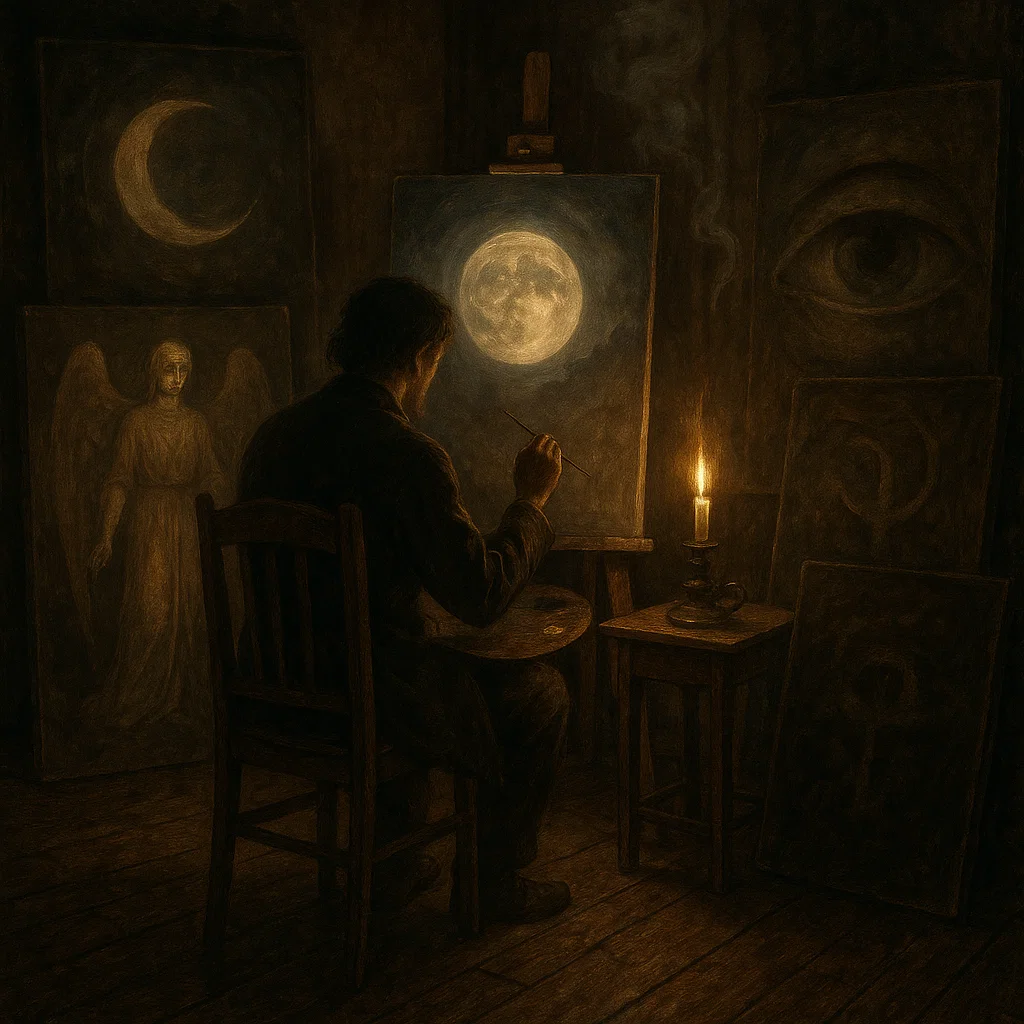
Contemporary painting is no longer a single movement but a global ecosystem. It survives not by continuity of style but by adaptability—absorbing, recombining, and questioning every previous form of image-making. The studio, once a private chamber of craft, now exists beside the screen, the street, and the algorithm. Painting persists because it continues to offer something no other medium does: the visible record of direct thought in matter.
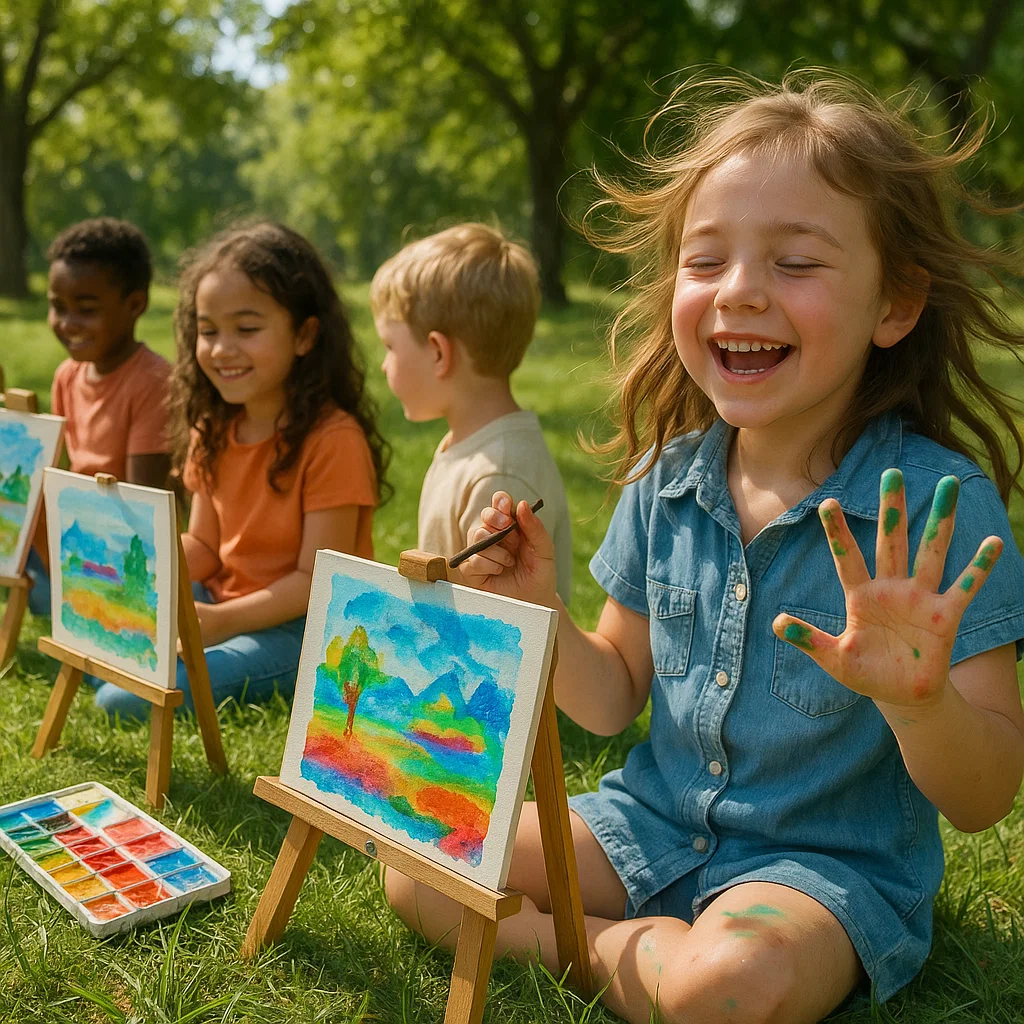
Today, painters operate within plural realities. Some return to the body and landscape, seeking the sensory presence lost in digital life. Others explore language, politics, or identity through surface and gesture. Many merge painting with sculpture, photography, or data visualization, treating pigment as one component in a network of materials. The divide between abstraction and representation has dissolved; the same artist may alternate between them as context demands.
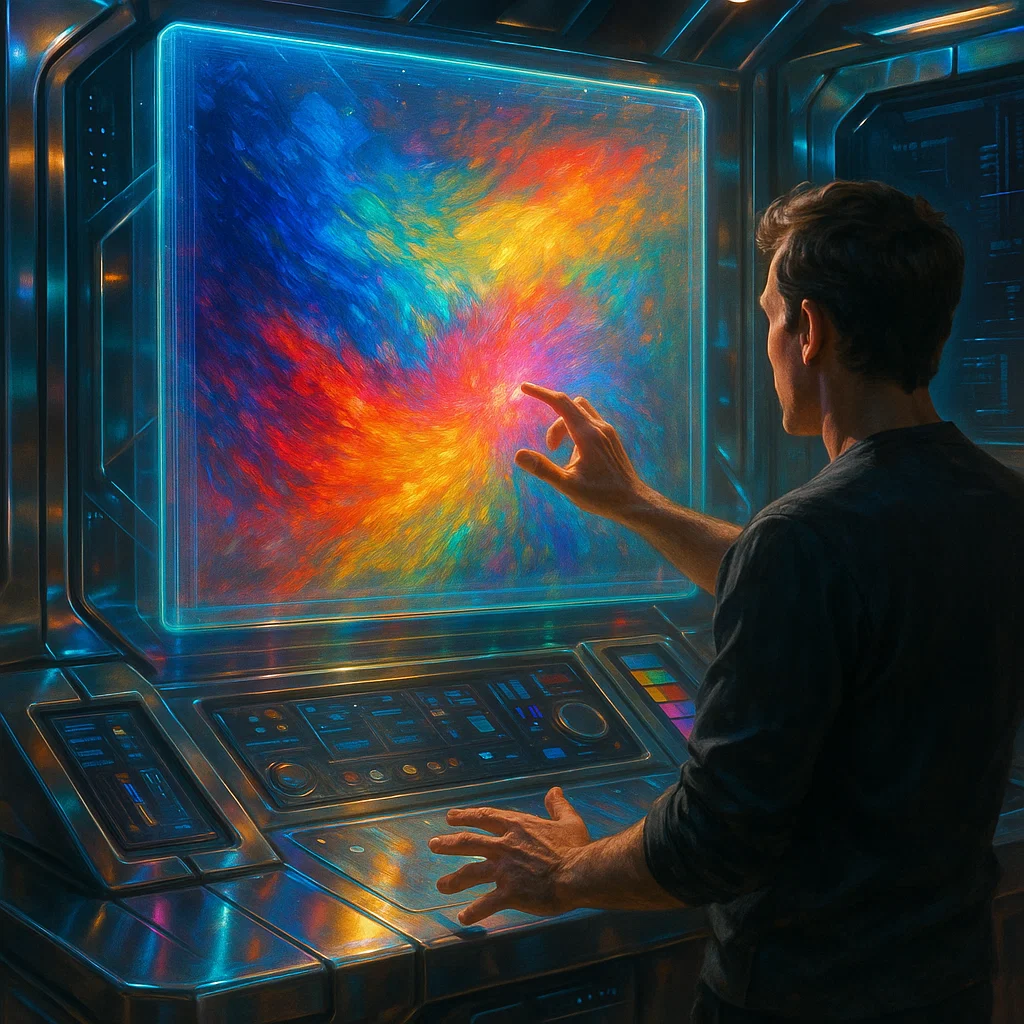
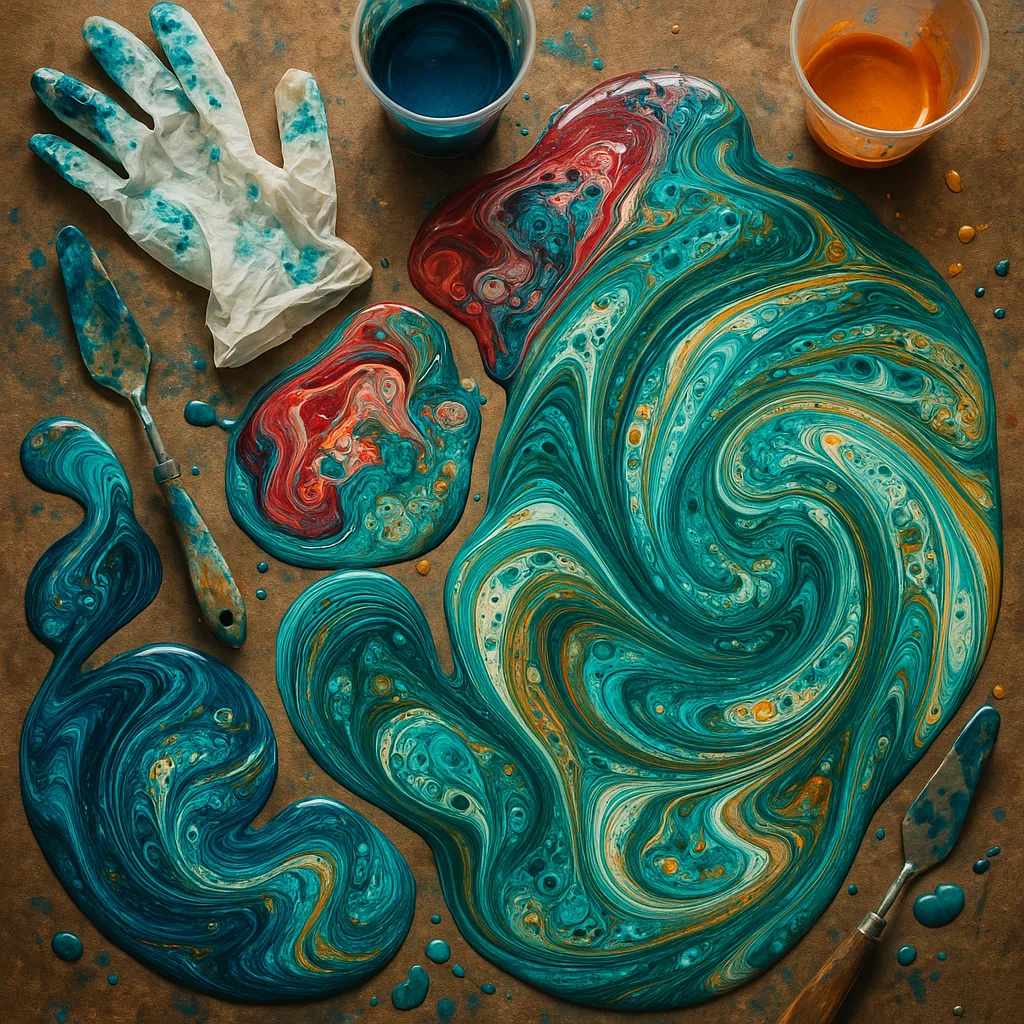
Technology has expanded—not erased—the field. Acrylics, spray paint, and digital pigments coexist with oil, ink, and fresco. Machine learning tools generate images later reinterpreted by hand. Painters use code, projection, and even biological material as new forms of brushwork. The physical act of mark-making remains central, but its meaning shifts: each stroke is a dialogue with both tradition and the networked image economy.
Institutionally, contemporary painting occupies an ambiguous space. It thrives in global biennials, art fairs, and online markets, yet its vitality often comes from informal studios, collectives, and hybrid practices that ignore the boundaries of “fine art.” Market systems still favor spectacle and recognizable style, but critical attention increasingly values persistence—painters who engage deeply with process, material, and the condition of seeing itself.
At its core, painting today is an inquiry into attention. In an age of screens and speed, to make and to view a painting is to resist disposability. It remains one of the few spaces where time condenses—where gesture, pigment, and perception fuse into evidence of human consciousness made visible.