Visual Arts
The Visual Arts use form, color, texture, and spatial composition to make thought visible. They translate perception and imagination into objects and images that engage both the senses and the intellect. Their essence lies not in language but in sight as a medium of meaning—the shaping of material into symbol.
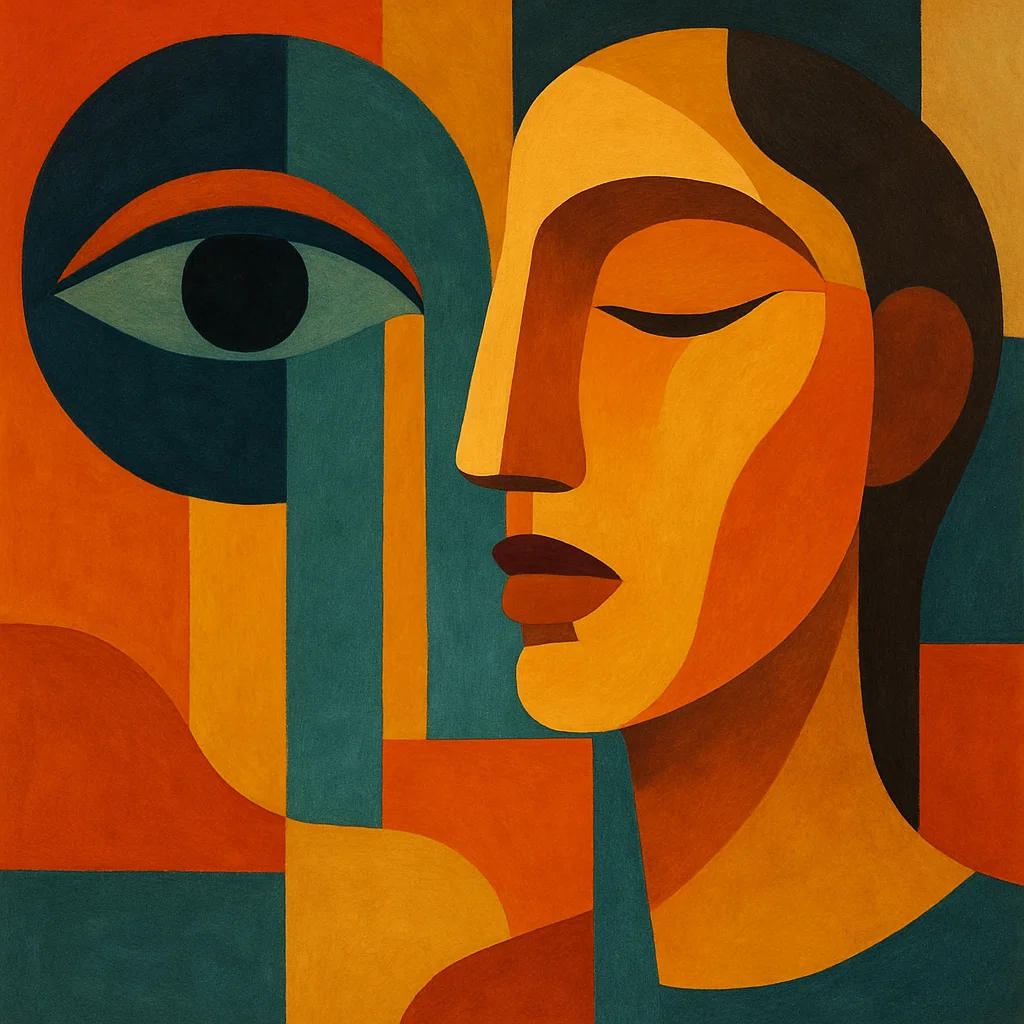
Primary Forms of the Visual Arts
| Form | Core Medium | Description |
|---|---|---|
| Painting | Pigment on surface | Applies color and composition to represent or abstract the visible world. |
| Sculpture | Material form | Shapes three-dimensional matter—stone, metal, clay, or mixed media—into tangible structure and presence. |
| Drawing | Line and gesture | Uses mark-making to define form, proportion, and motion; the foundation of most visual disciplines. |
| Printmaking | Reproduction process | Creates images through engraved, etched, or pressed surfaces, merging craft with replication. |
| Photography | Light and lens | Captures reality through mechanical and digital optics, turning time into image. |
| Digital and Media Art | Pixels and code | Integrates computation, motion, and interactivity into visual experience. |
The classification of the Visual Arts into seven primary forms reflects both historical continuity and modern academic consensus. Art historians, museums, and educational institutions consistently recognize these categories as the foundational modes through which visual creativity is expressed and studied.
1. Classical Canon
The earliest artistic framework identified three enduring disciplines—Painting, Sculpture, and Architecture—known as the Three Classical Arts. These formed the basis of fine art education from antiquity through the Renaissance, uniting imagination, material, and proportion into aesthetic harmony.
2. Traditional Extensions
As techniques evolved, the canon expanded to include Drawing, Printmaking, and Photography. Each introduced new visual capabilities: drawing as the root of design and observation, printmaking as the bridge between craft and replication, and photography as the technological embodiment of light and time.
3. Contemporary Expansion
The modern era added Digital and Media Art, encompassing video, installation, animation, and computational design. This category extends visual creation into electronic and interactive media, preserving continuity with the classical arts while redefining their boundaries.
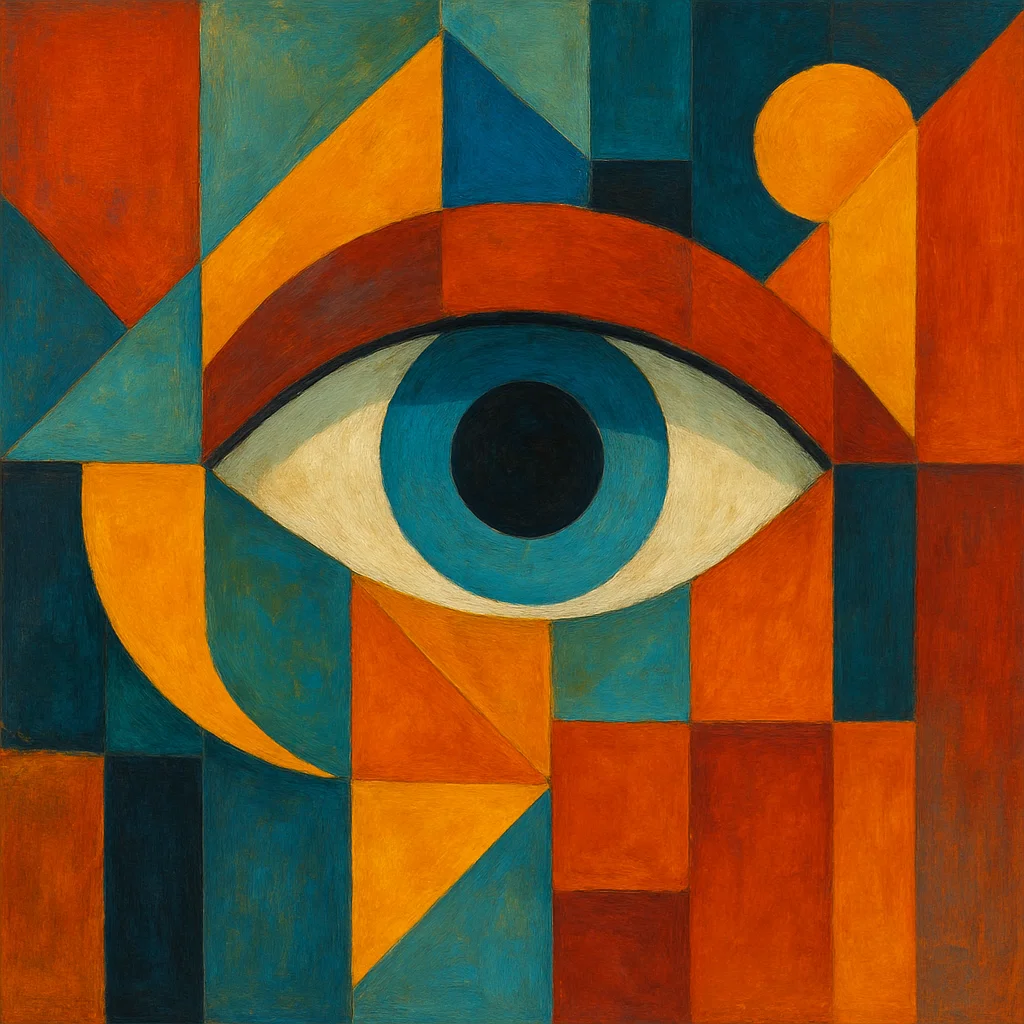
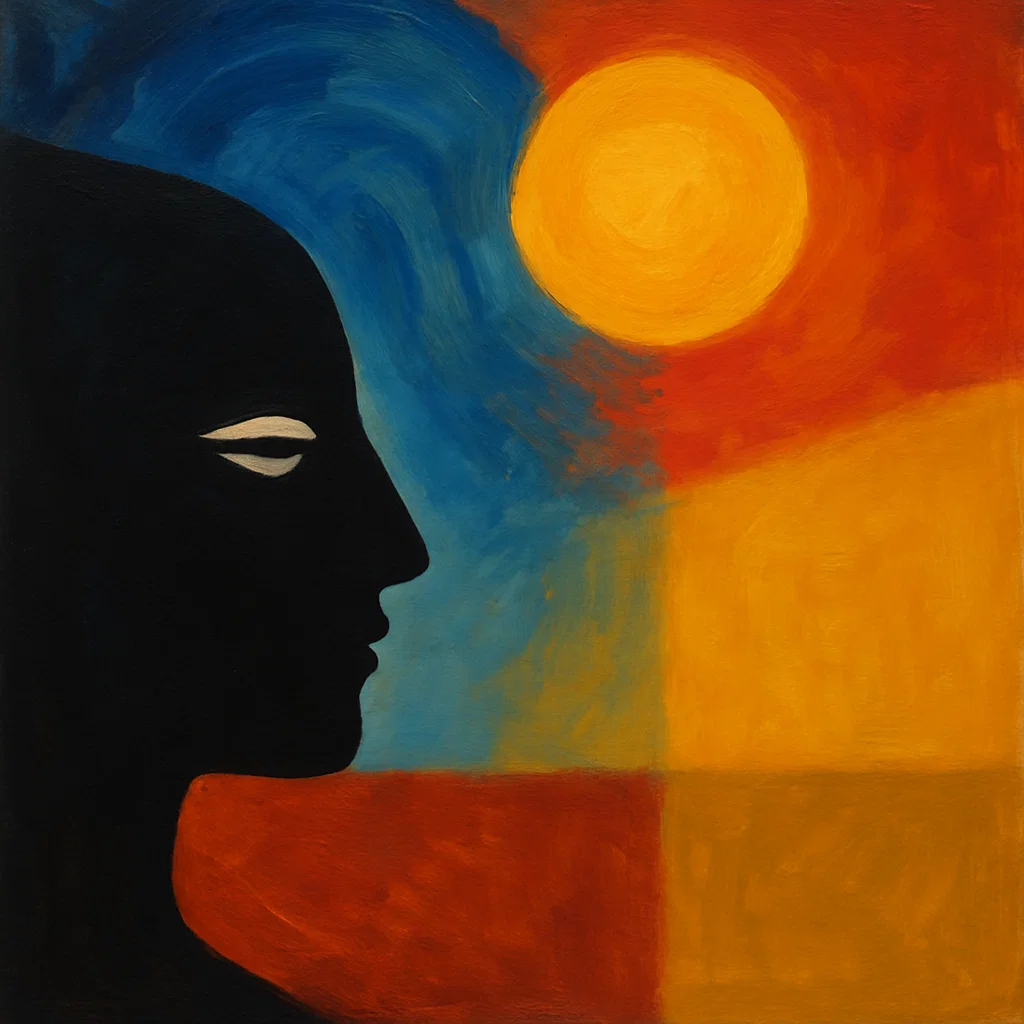
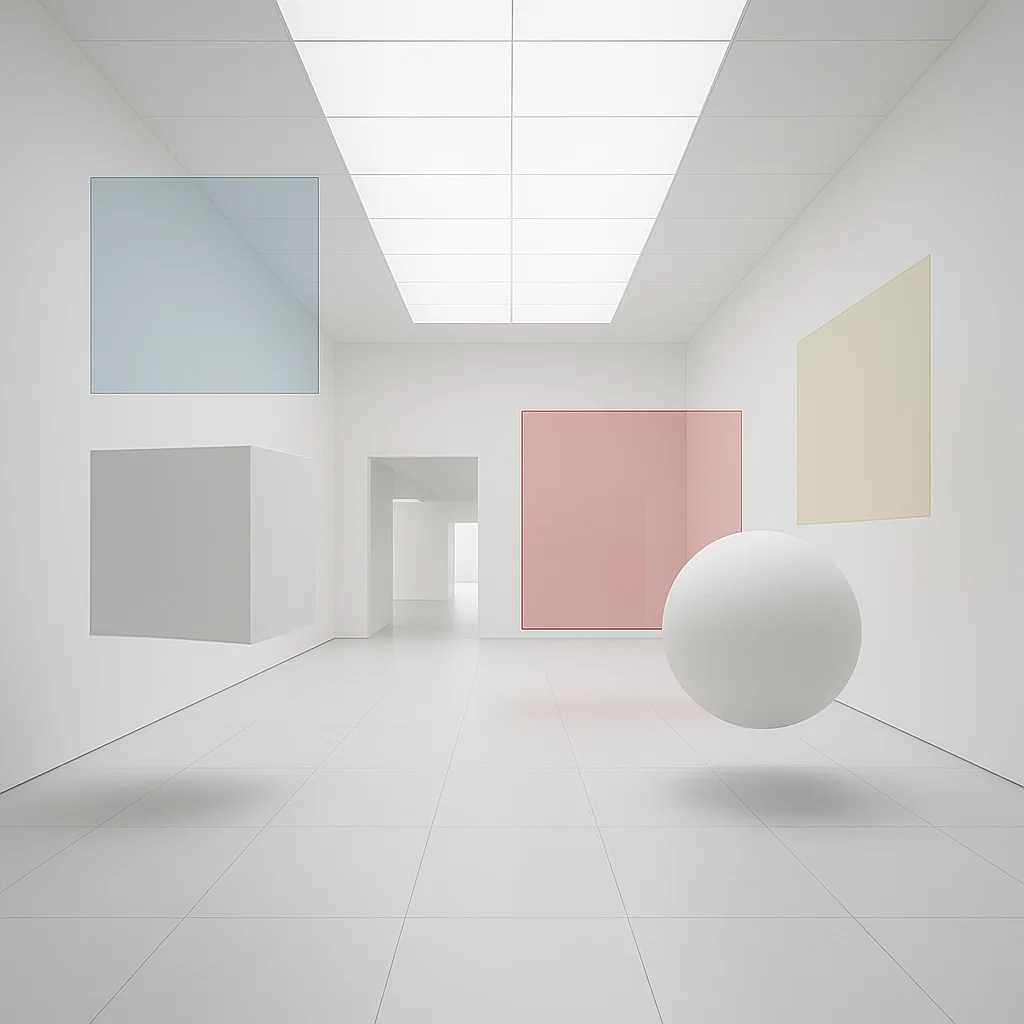
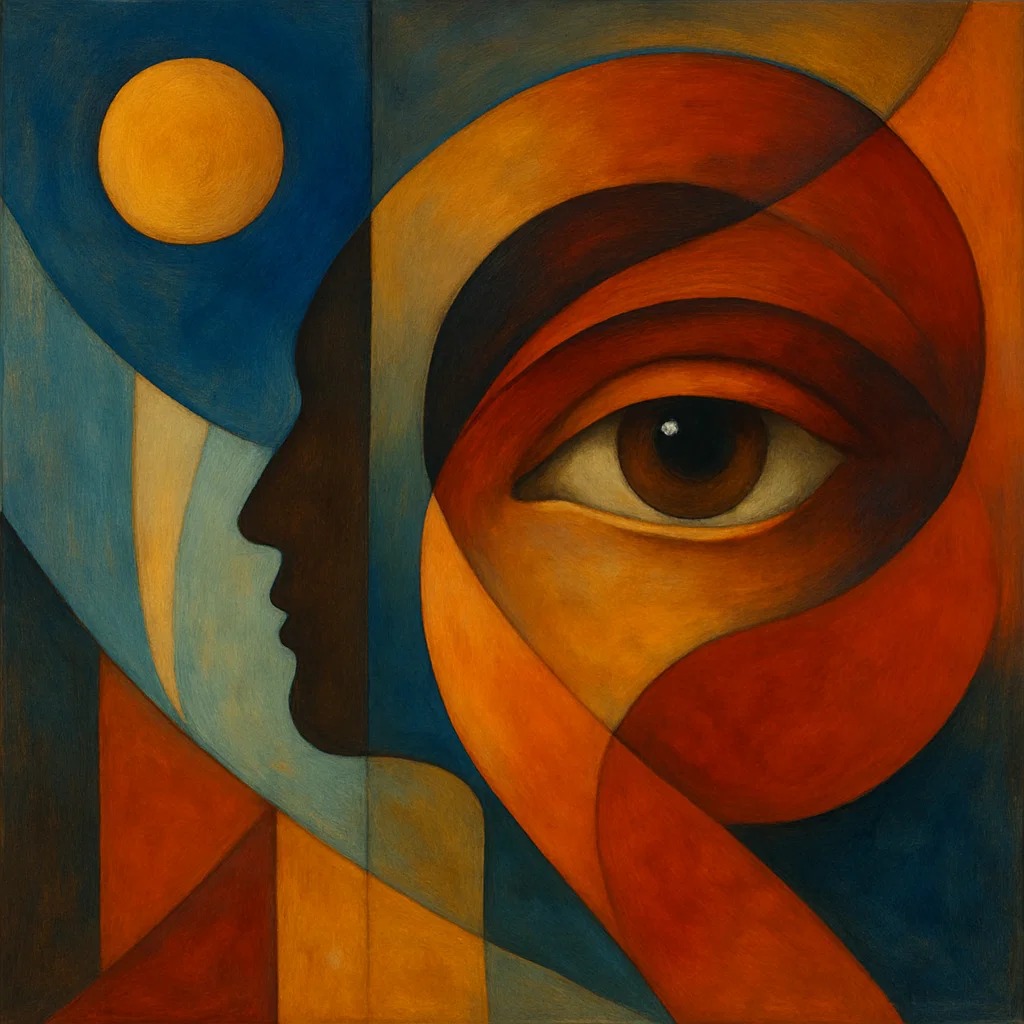

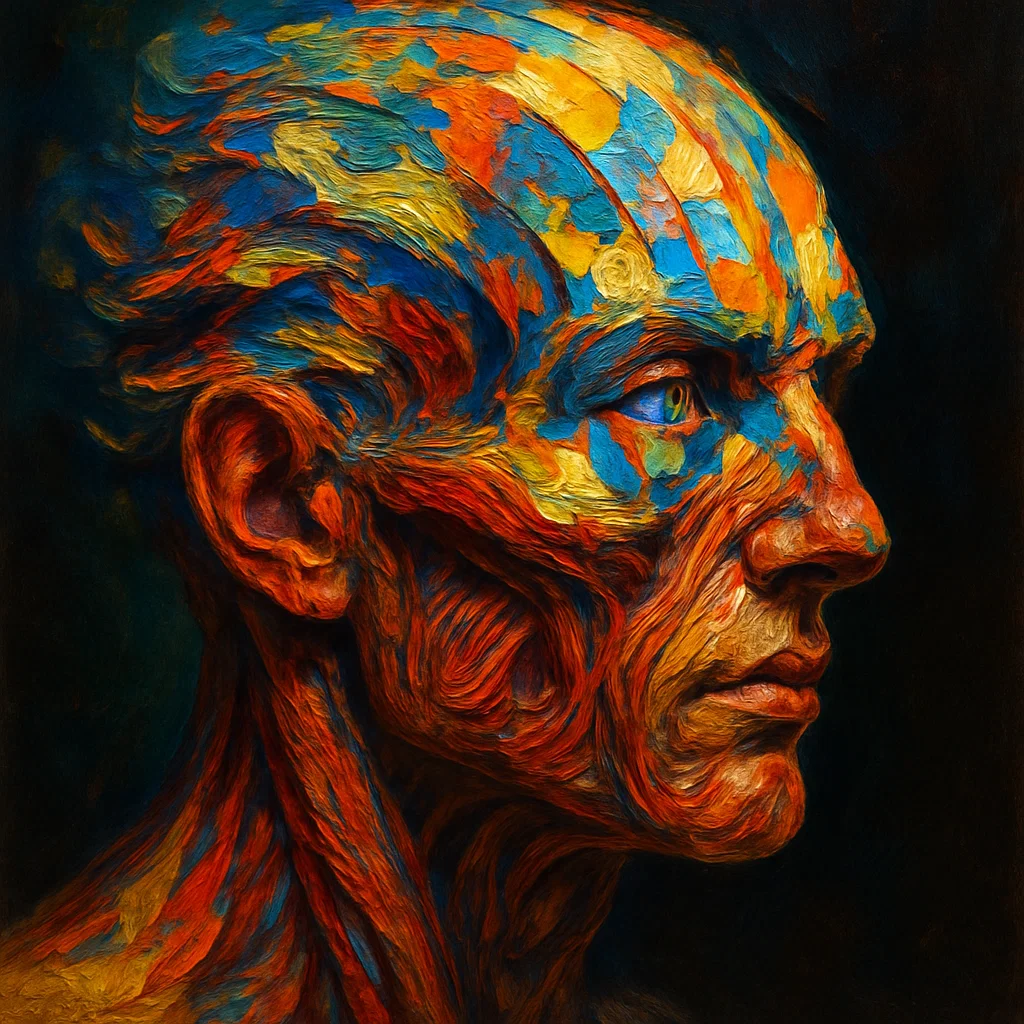
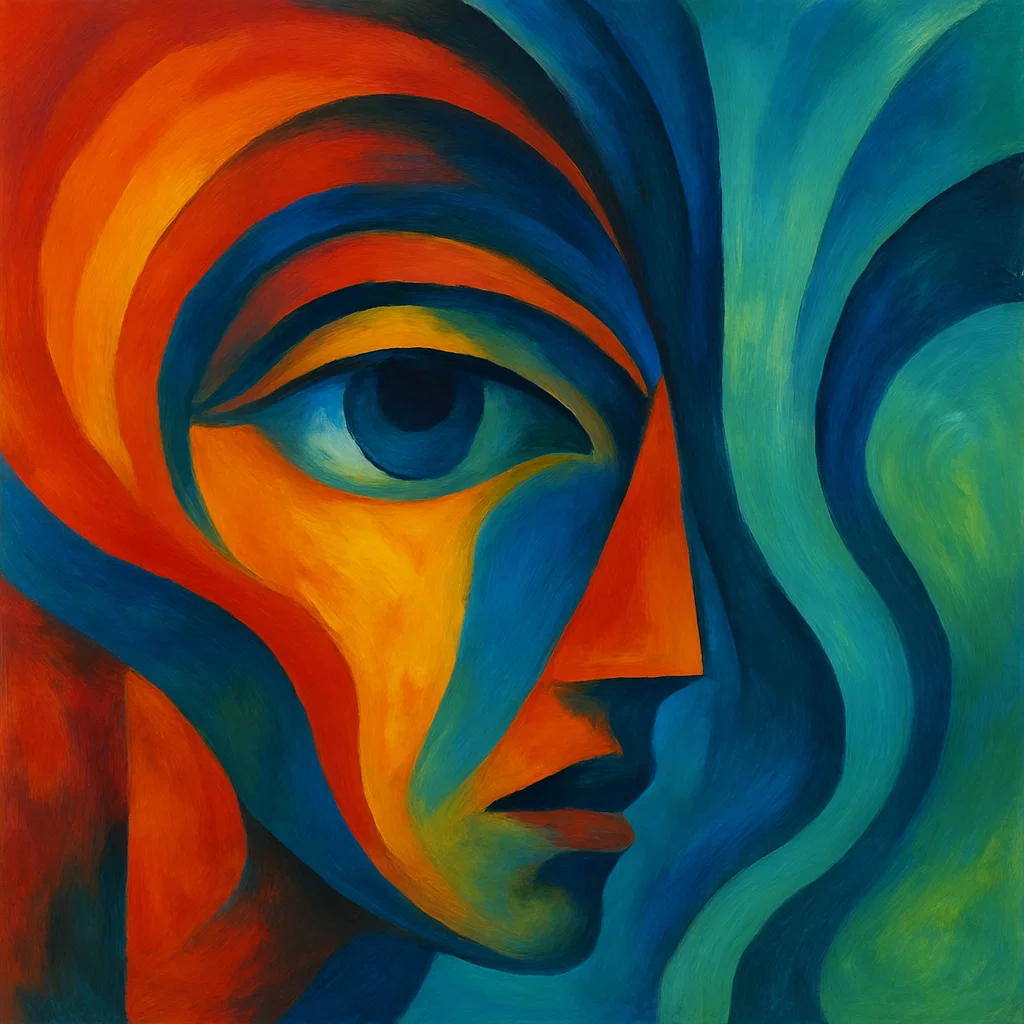
The Visual Arts encompass the visible expression of human consciousness—the act of making the intangible perceptible.
Where literature reveals through language, visual art reveals through sight—the oldest and most immediate bridge between mind and world.