Cappadocian Christianity
Fourth-century Greek Christian philosophical-theological school of Basil, Gregory of Nazianzus, and Gregory of Nyssa, centered on Nicene Trinitarian theology, ousia/hypostasis language, divine incomprehensibility, Holy Spirit theology, apophaticism, virtue, ascetic formation, creation, anthropology, and deification.
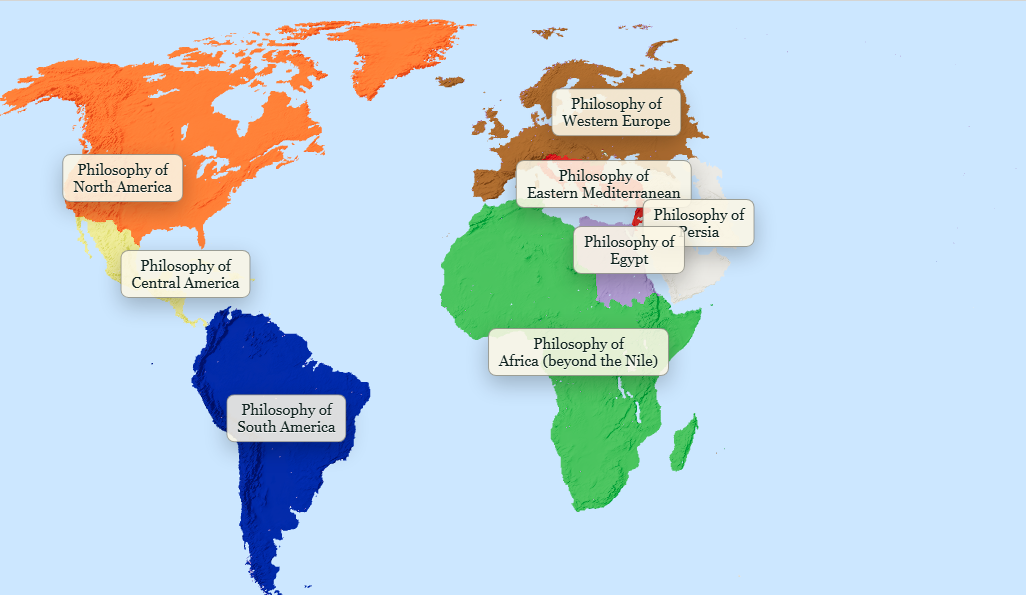
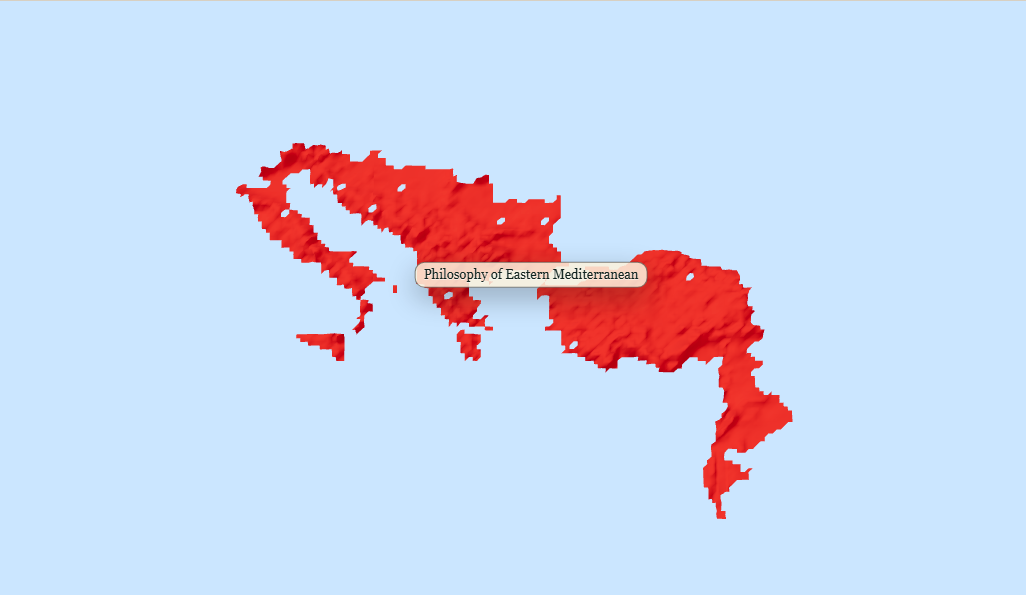
Structural Factors
- Shared Core Claims
- God is one divine ousia in three hypostases; the Son and Spirit are fully divine; God exceeds creaturely comprehension; Christian philosophy joins scriptural confession, ascetic formation, virtue, creation theology, and deification.
- Shared Methods
- Scriptural exegesis, Nicene doctrinal argument, Greek philosophical vocabulary, rhetorical theology, anti-Eunomian polemic, ascetic discipline, apophatic restraint, pastoral teaching, and monastic instruction.
- Shared Lineage
- Basil the Great, Gregory of Nazianzus, Gregory of Nyssa, Macrina as ascetic and family context, Athanasius and Nicene theology, Origenist and Platonist inheritances, and later Greek patristic and Eastern Orthodox reception.
- Shared Problems
- Trinity, divine simplicity, divine names, knowability of God, ousia and hypostasis, Holy Spirit divinity, Arian and Eunomian theology, creation, soul, resurrection, slavery, asceticism, virtue, and deification.
- Shared Vocabulary
- ousia, hypostasis, homoousios, theologia, oikonomia, perichoresis, apophasis, theosis, pneuma, Logos, Trinity, Arianism, Eunomianism, Nicene, Cappadocian, Hexaemeron, and monastic rule.
- Shared Historical Context
- The school formed in fourth-century Cappadocia and Constantinople during post-Nicene controversy, the struggle over Arian and Eunomian theology, the Council of Constantinople, and the consolidation of Greek patristic Trinitarian doctrine.
Defining Axes
- Doctrine
- Nicene and pro-Nicene theology that clarifies divine unity and distinction through ousia/hypostasis language while defending the full divinity of Son and Spirit.
- Method
- The school reasons through Scripture, creed, philosophical language, rhetoric, polemic, apophatic theology, pastoral instruction, monastic discipline, and contemplative ascent.
- Lineage
- Basil, Gregory Nazianzen, Gregory Nyssen, Macrina and Cappadocian ascetic networks, Athanasius, Origenist and Platonist backgrounds, later Byzantine theology, and Eastern Orthodox patristic reception.
- Subject Focus
- Metaphysics, philosophy of religion, ethics, anthropology, ascetic theory, philosophy of language, creation, soul, resurrection, Holy Spirit theology, and Trinitarian doctrine.
- Geography / Culture
- Cappadocia, Caesarea, Nazianzus, Nyssa, Constantinople, Greek-speaking eastern Christianity, late Roman ecclesiastical politics, monastic settlements, and Byzantine theological inheritance.
- Historical Reaction
- Cappadocian Christianity responds to Arianism, Eunomian rational theology, Pneumatomachian denial of the Spirit, post-Nicene instability, Greek philosophical inheritance, and the need for coherent Christian doctrinal language.
Internal Structure
- Foundational Texts
- Foundational texts include Basil's On the Holy Spirit, Hexaemeron, letters and monastic rules; Gregory of Nazianzus's Theological Orations; Gregory of Nyssa's Against Eunomius, Great Catechism, Life of Moses, On the Soul and Resurrection, On the Making of Man, and anti-slavery and anthropological works.
- Core Vocabulary
- Ousia, hypostasis, homoousios, prosopon, theologia, oikonomia, pneuma, Logos, Trinity, Arianism, Eunomianism, apophasis, incomprehensibility, theosis, asceticism, creation, resurrection, and virtue.
- Metaphysics
- Cappadocian metaphysics articulates unity and distinction in God, divine simplicity, relation without division, creation from God, participation, creaturely limits, and the incomprehensibility of divine essence.
- Epistemology
- The school treats theological knowledge as disciplined by Scripture, worship, virtue, ascetic purification, apophatic restraint, and philosophical language that points without comprehending divine essence.
- Ethics
- Its ethics joins virtue, ascetic formation, care for the poor, resistance to slavery and domination in Gregory of Nyssa, monastic discipline, pastoral charity, and the transformation of persons toward deification.
- Method
- The school combines biblical exegesis, philosophical distinction, rhetorical persuasion, anti-heretical argument, liturgical confession, monastic practice, and contemplative pedagogy.
- Internal Debates
- Debates concern Eunomian knowability claims, Arian subordination, Pneumatomachian views of the Spirit, the meaning of ousia and hypostasis, Origenist inheritance, universal restoration, soul and resurrection, slavery, and ascetic ideals.
- Successors
- Successor formations include Byzantine Trinitarian theology, Eastern Orthodox patristics, apophatic theology, monastic theology, deification doctrine, medieval and modern retrievals of Gregory of Nyssa, and contemporary pro-Nicene theology.
External Classification Context
- History of Philosophy
- Cappadocian Christianity is central to the philosophical development of Christian Trinitarian language, apophatic theology, theological anthropology, and the adaptation of Greek metaphysics to Christian doctrine.
- Philosophy of Philosophy
- The school models philosophy as doctrinal, pastoral, ascetic, and contemplative inquiry whose concepts serve worship, scriptural truth, and transformation rather than autonomous speculation.
- Intellectual History
- Its influence depends on late Roman ecclesiastical politics, councils, episcopal correspondence, monastic networks, Greek rhetorical education, manuscript copying, Byzantine reception, and modern patristic scholarship.
- University Classification
- Usually classified under patristics, ancient and late antique philosophy, Christian philosophy, philosophy of religion, theology, metaphysics, ethics, asceticism, and Eastern Orthodox studies.
- Classical Sources
- Classical evidence comes from Cappadocian treatises, sermons, letters, monastic rules, conciliar materials, anti-Arian and anti-Eunomian polemics, Greek patristic collections, and later Byzantine citations.
- Sociology of Knowledge
- The school persisted through episcopal office, monastic communities, family ascetic networks, liturgical authority, councils, manuscript traditions, Byzantine education, Orthodox commemoration, and modern patristic scholarship.
Linked Philosophers
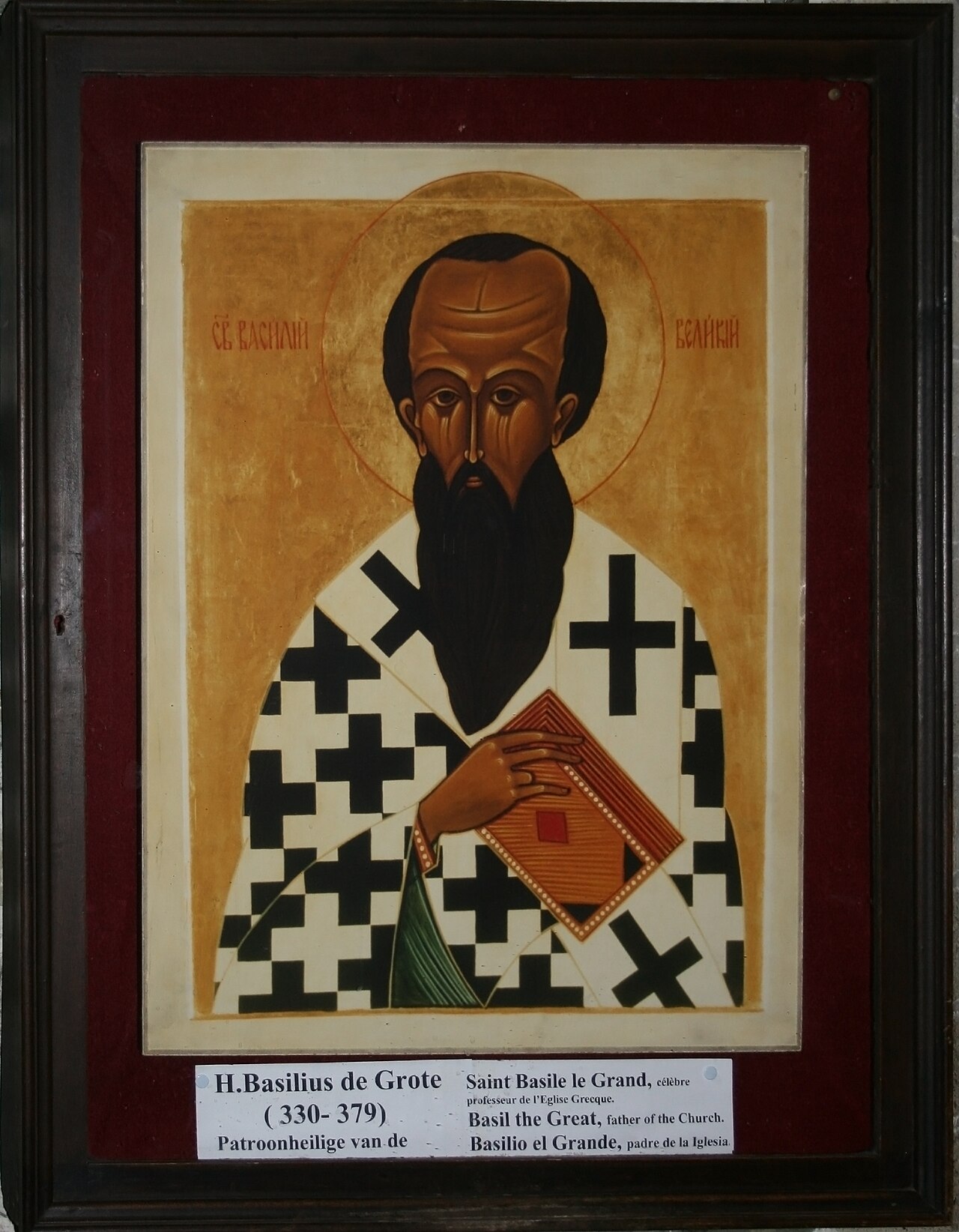
Basil the Great
330 CE – 379 CE
Caesarea, Cappadocia
Cappadocian Greek Christian bishop and theologian from Caesarea whose Trinitarian theology, account of the Holy Spirit, anti-Eunomian metaphysics, ascetic ethics, social teaching, biblical exegesis, and classical-learning pedagogy shaped Nicene Christianity, monastic practice, Byzantine thought, and philosophy of religion.
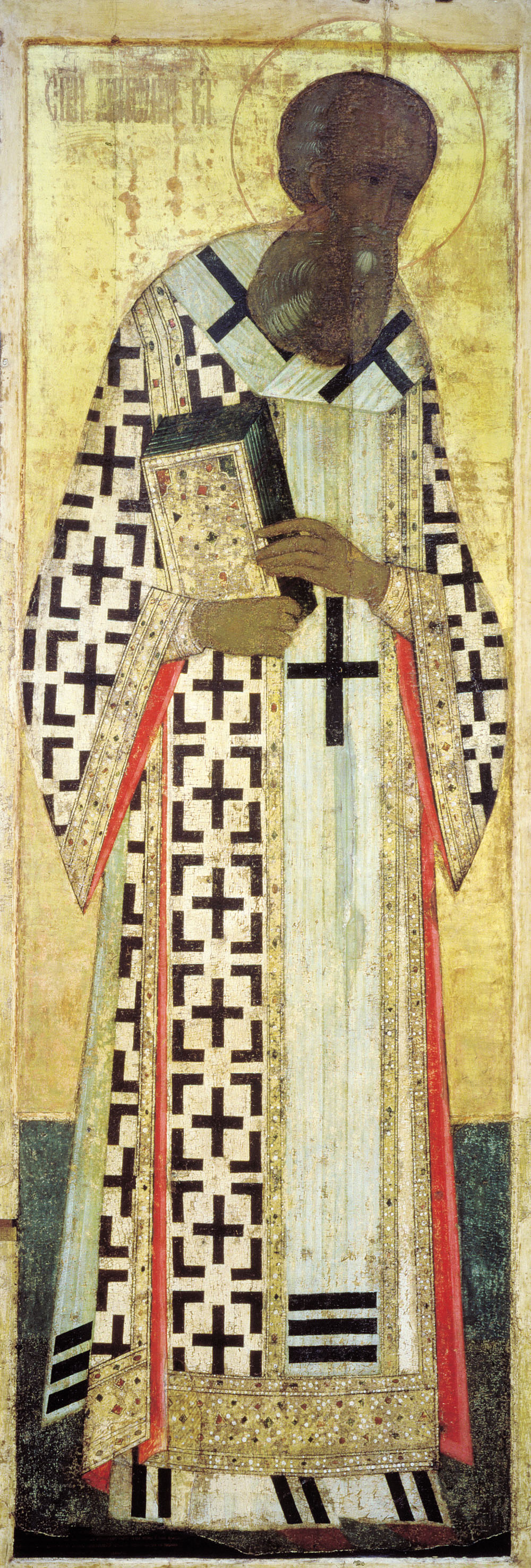
Gregory of Nazianzus
329 CE – 390 CE
Nazianzus (Cappadocia)
Cappadocian Greek theologian, orator, poet, and philosopher whose Theological Orations, Trinitarian distinctions, apophatic restraint, Christological letters, and rhetorical art shaped Nicene metaphysics, philosophy of religion, theological language, ethics, and aesthetics.
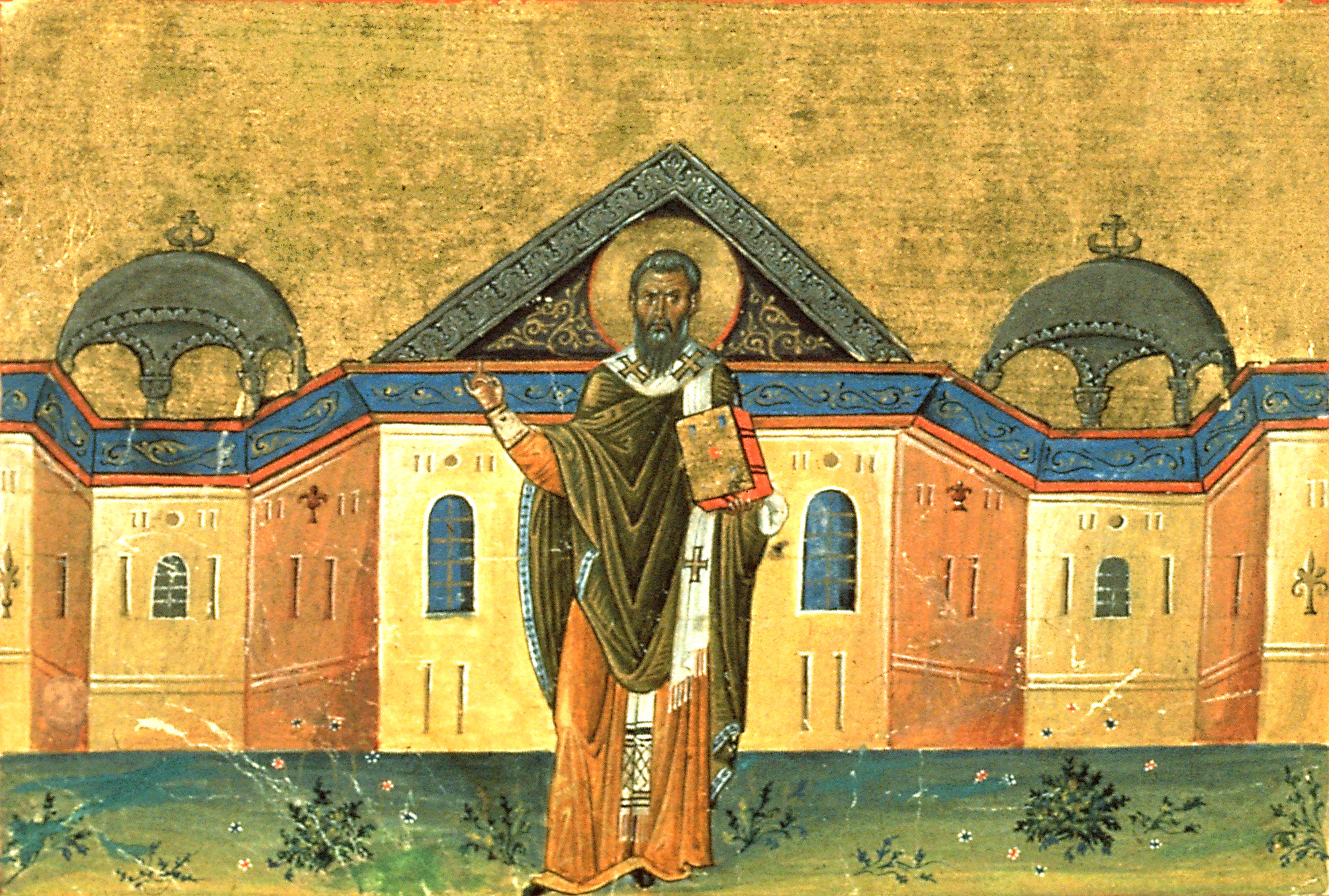
Gregory of Nyssa
335 CE – 395 CE
Nyssa (Cappadocia)
Cappadocian Greek bishop and philosopher-theologian whose accounts of divine infinity, epektasis, apophatic knowledge, soul-body anthropology, creation, and theological language shaped Christian Platonism, philosophy of religion, metaphysics, mind, science, and aesthetics.