Feminism
Philosophical and political tradition analyzing sex, gender, patriarchy, oppression, embodiment, care, equality, autonomy, social reproduction, rights, difference, intersectionality, and justice, centered here on Wollstonecraft's rights-and-education feminism and Young's structural-injustice feminist political theory.
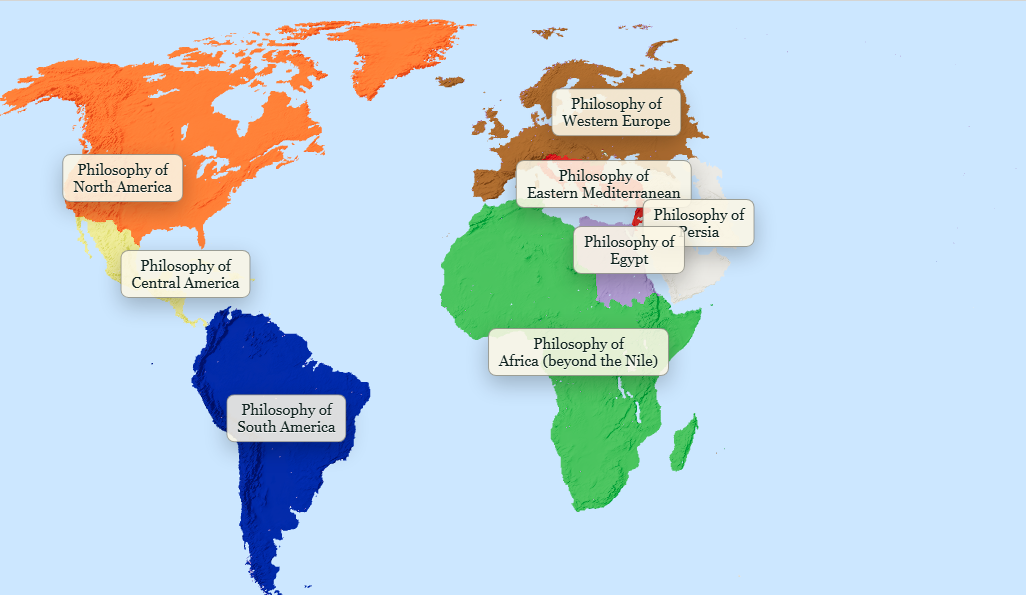

Structural Factors
- Shared Core Claims
- Gendered subordination is not natural necessity but a social, political, epistemic, and institutional formation; justice requires criticizing patriarchy, transforming oppressive structures, and recognizing women and gendered subjects as full moral and political agents.
- Shared Methods
- Critique of patriarchy, gender ideology, social structures, embodiment analysis, consciousness of oppression, normative argument, phenomenology, historical recovery, intersectional analysis, and institutional critique.
- Shared Lineage
- The lineage runs through early rights and education arguments, Mary Wollstonecraft, suffrage and abolitionist networks, liberal and socialist feminism, Beauvoir, second-wave feminist theory, Black feminism, care ethics, intersectionality, and Young's structural-injustice political philosophy.
- Shared Problems
- Sex and gender, patriarchy, oppression, rights, education, autonomy, embodiment, labor, care, public and private life, reproduction, violence, representation, difference, intersectionality, structural injustice, democratic inclusion, and social responsibility.
- Shared Vocabulary
- feminism, patriarchy, sex, gender, woman, oppression, domination, autonomy, equality, difference, care, embodiment, intersectionality, standpoint, consciousness-raising, public/private divide, gender ideology, social reproduction, structural injustice, and inclusion.
- Shared Historical Context
- Feminist philosophy grows from Enlightenment rights discourse, women's education, abolition and suffrage movements, socialist and labor politics, second-wave feminism, civil-rights and anti-colonial struggles, academic feminist philosophy, and contemporary gender justice debates.
Defining Axes
- Doctrine
- Philosophical feminism argues that social and philosophical traditions have marginalized women and gendered subjects, and that concepts of reason, justice, knowledge, autonomy, body, labor, and citizenship must be reconstructed under conditions of equality.
- Method
- Its method combines normative argument, historical recovery, critique of ideology, phenomenology, standpoint analysis, intersectional analysis, care ethics, structural social theory, and attention to lived experience.
- Lineage
- The lineage axis links Wollstonecraft and rights feminism, suffrage and socialist feminist traditions, Beauvoir and phenomenology, care ethics, Black and intersectional feminism, feminist epistemology, and Young's democratic and structural-injustice theory.
- Subject Focus
- Feminism focuses on ethics, political philosophy, epistemology, social philosophy, embodiment, philosophy of language, philosophy of science, care, rights, justice, family, labor, sexuality, race, class, disability, and democracy.
- Geography / Culture
- The school has British, European, North American, transnational, Black, Indigenous, postcolonial, socialist, liberal, radical, and academic centers, with global feminist movements and regional struggles shaping its concepts.
- Historical Reaction
- It reacts against patriarchal law, exclusion from education and citizenship, sexist philosophy, domestic confinement, androcentric reason, public/private separation, racial and colonial hierarchy, wage and care inequality, sexual violence, and democratic exclusion.
Internal Structure
- Foundational Texts
- Foundational texts include Wollstonecraft's A Vindication of the Rights of Woman and A Vindication of the Rights of Men; Young's Justice and the Politics of Difference, Throwing Like a Girl, Inclusion and Democracy, and Responsibility for Justice; and liberal, socialist, radical, care, intersectional, phenomenological, and political feminist philosophy.
- Core Vocabulary
- Core vocabulary includes patriarchy, sex, gender, oppression, domination, autonomy, equality, difference, embodiment, care, standpoint, intersectionality, privilege, consciousness-raising, social reproduction, public/private divide, structural injustice, inclusion, responsibility, and representation.
- Metaphysics
- Feminist metaphysics asks how sex, gender, bodies, social kinds, identities, institutions, and categories are constructed, stabilized, contested, and embodied without reducing persons to biology or denying material conditions.
- Epistemology
- Feminist epistemology examines situated knowledge, standpoint, testimony, ignorance, epistemic injustice, objectivity, authority, and the ways gender, race, class, and power shape who is heard as a knower.
- Ethics
- Feminist ethics centers autonomy, care, vulnerability, responsibility, relationality, anti-domination, embodiment, sexual and reproductive justice, nonideal conditions, and the moral significance of oppression and dependency.
- Method
- Feminist method diagnoses exclusion and domination, recovers neglected voices, analyzes institutions and lived experience, criticizes supposedly neutral concepts, and links theory to political practice, democratic inclusion, and structural repair.
- Internal Debates
- Internal debates include equality versus difference, liberal versus radical versus socialist feminism, care ethics, intersectionality, essentialism, sex/gender distinction, trans inclusion, race and class, public/private boundaries, pornography, autonomy, agency, structural injustice, and activism.
- Successors
- Successors and related formations include feminist ethics, feminist epistemology, feminist political philosophy, care ethics, intersectional feminism, Black feminism, queer and trans philosophy, ecofeminism, disability feminism, feminist phenomenology, and global gender justice.
External Classification Context
- History of Philosophy
- Feminism is both a recovery of neglected women philosophers and a reconstruction of central philosophical topics, exposing how canonical traditions have shaped and been shaped by gendered power.
- Philosophy of Philosophy
- As philosophy of philosophy, feminism treats inquiry as accountable to social power: concepts, methods, canons, and institutions must be examined for exclusion, distortion, and emancipatory possibility.
- Intellectual History
- Its intellectual history joins Enlightenment rights, religious dissent, republicanism, abolition, suffrage, socialism, liberal reform, second-wave theory, civil-rights politics, postcolonial thought, queer theory, and contemporary academic feminism.
- University Classification
- Usually classified under feminist philosophy, ethics, political philosophy, social philosophy, epistemology, philosophy of science, gender studies, women's studies, critical theory, legal theory, and democratic theory.
- Classical Sources
- Classical source context includes Wollstonecraft's political writings, suffrage and abolitionist texts, Beauvoir, Friedan, hooks, Gilligan, Okin, Crenshaw, Young, feminist journals, manifestos, anthologies, and movement archives.
- Sociology of Knowledge
- Feminist philosophy spread through political movements, salons, pamphlets, suffrage organizations, universities, women's studies programs, journals, conferences, activist networks, presses, consciousness-raising groups, and digital feminist archives.
Linked Philosophers

Iris Marion Young
1949 CE – 2006 CE
New York City, New York
American socialist-feminist political theorist whose work on justice, oppression, democracy, body experience, structural injustice, political responsibility, and global labor justice reshaped contemporary feminist and critical social theory.
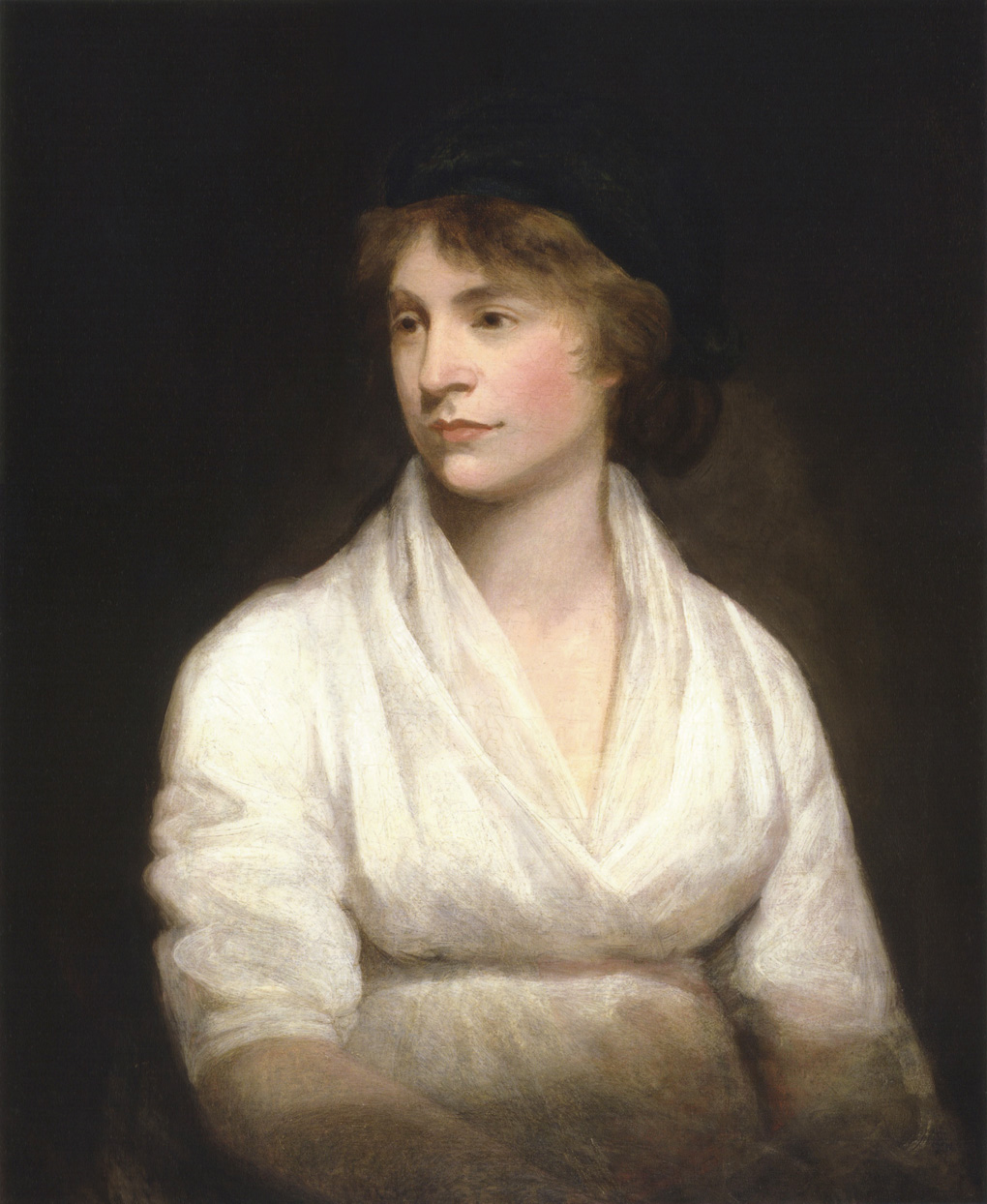
Mary Wollstonecraft
1759 CE – 1797 CE
Spitalfields, London
English Enlightenment feminist philosopher, republican political writer, educator, novelist, translator, historian, and advocate of women's rational education, civic dignity, and moral independence.