Philosophy School
Heracliteanism
Presocratic tradition rooted in Heraclitus' fragmentary philosophy of logos, fire, flux, unity of opposites, hidden harmony, cosmic order, conflict, measure, and critique of ordinary understanding.
Period
Ancient History3000 BCE – 499 CE
Era
Classical Antiquity500 BCE – 499 CE
Begin
535 BCE
End
475 BCE
Region
Western Thought
Terra Avita
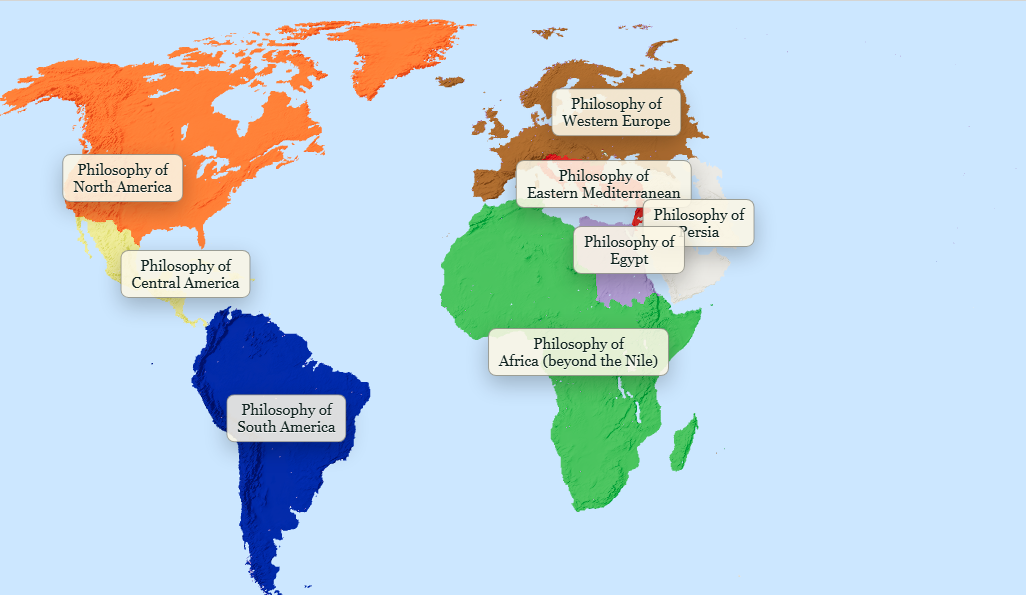
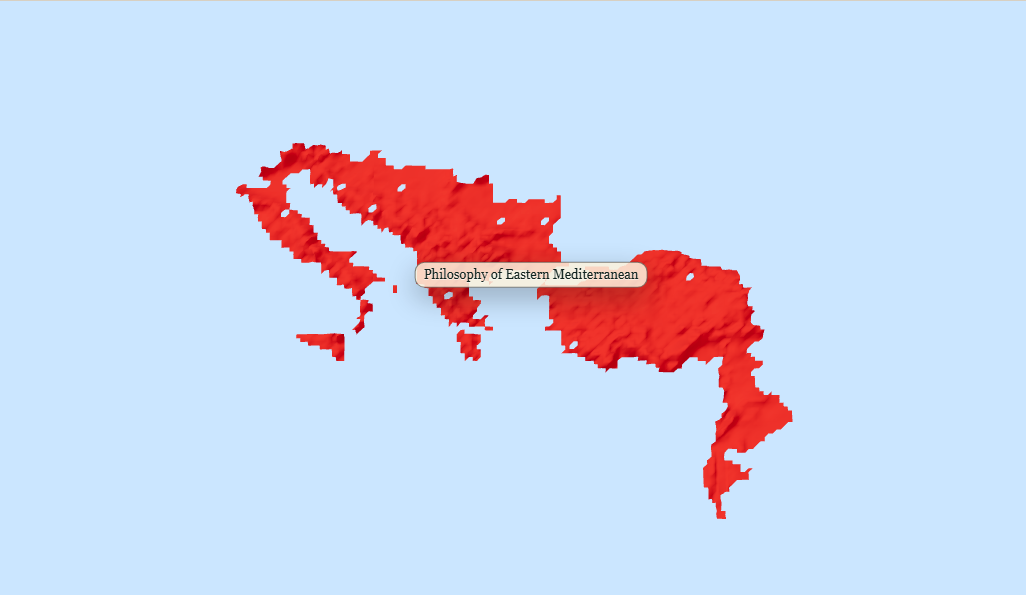
Eastern Mediterranean
Terra Avita Region
Anatolian Rim & Turkish Straits
Structural Factors
- Shared Core Claims
- Heracliteanism holds that reality is ordered by logos, disclosed through tension and opposition, symbolized by ever-living fire, and misunderstood by those who attend only to surface appearances or private opinions.
- Shared Methods
- Aphoristic fragments, paradox, compressed images, critique of common opinion, interpretation of natural processes, oppositional analysis, logos inquiry, doxographic reconstruction, and reception through later philosophical witnesses.
- Shared Lineage
- The lineage runs from Heraclitus of Ephesus through later Heracliteans reported by Plato, Stoic appropriations of logos and fire, Christian Logos comparisons, Hegelian and Nietzschean reception, and modern Presocratic scholarship.
- Shared Problems
- Flux and stability, logos, fire, unity of opposites, war and conflict, hidden harmony, measure, river fragments, critique of sense and custom, relation to Milesians and Eleatics, and whether Heracliteanism is a school or reception category.
- Shared Vocabulary
- Logos, fire, flux, panta rhei, unity of opposites, hidden harmony, polemos, measure, kosmos, river, waking, common, private understanding, strife, becoming, and Heracliteans.
- Shared Historical Context
- Heracliteanism belongs to Ionian Presocratic philosophy, Ephesus, archaic Greek religious and civic culture, early natural philosophy, later Platonic and Aristotelian reports, Stoic reception, and modern reconstruction from fragments and testimonia.
Defining Axes
- Doctrine
- Its doctrine treats the world as an ordered process of tension, conflict, and transformation, with logos as the common structure that most people fail to understand.
- Method
- Its method is fragmentary and interpretive: striking sayings, paradoxes, natural images, and opposition-pairs are used to reveal a hidden order beneath ordinary understanding.
- Lineage
- The lineage axis links Heraclitus, reported Heracliteans, Plato and Aristotle as witnesses, Stoic natural theology, Christian Logos comparisons, German idealist reception, Nietzsche, and Presocratic scholarship.
- Subject Focus
- Heracliteanism focuses on metaphysics, cosmology, epistemology, language, nature, fire, measure, conflict, soul, ethics of wakefulness, critique of crowds, and the interpretation of fragments.
- Geography / Culture
- Its primary cultural setting is Ephesus and Ionian Greek thought, with later reception in Athens, Hellenistic Stoicism, Roman doxography, Christian intellectual culture, German philosophy, and modern classical studies.
- Historical Reaction
- It reacts to ordinary opinion, poetic authority, Milesian natural explanation, civic complacency, and later becomes a counterpoint to Eleatic stability, Platonic forms, Aristotelian substance, and systematic metaphysics.
Internal Structure
- Foundational Texts
- Foundational evidence includes Heraclitus fragments and testimonia, Diels-Kranz and later editions, Plato's Cratylus and Theaetetus, Aristotle, Theophrastus, Sextus Empiricus, Diogenes Laertius, Stoic reception, Patristic Logos reception, Hegel and Nietzsche reception, and modern Presocratic scholarship.
- Core Vocabulary
- Core vocabulary includes logos, fire, kosmos, flux, river, polemos, harmony, hidden, measure, opposition, common, private, waking, becoming, strife, thunderbolt, soul, and panta rhei.
- Metaphysics
- Heraclitean metaphysics presents reality as ordered becoming: opposites belong together, conflict sustains harmony, fire marks transformation, and logos names the common intelligibility of the cosmos.
- Epistemology
- Its epistemology contrasts common logos with private opinion, criticizes unreflective sense experience and popular authority, and demands wakeful understanding of the hidden order in change.
- Ethics
- Its ethics emphasizes wakefulness, self-knowledge, moderation, attention to the common logos, criticism of the many, and a disciplined capacity to perceive order in conflict and change.
- Method
- The school works through fragments, riddling statements, natural and political metaphors, oppositional pairs, doxographic comparison, textual criticism, and philosophical reconstruction from later witnesses.
- Internal Debates
- Internal debates concern whether Heraclitus teaches universal flux, how to read logos, whether fire is literal arche or symbol, what the river fragments mean, whether opposites are identical or correlated, and whether later Heracliteans distorted his doctrine.
- Successors
- Successors and related formations include Platonic Heracliteans, Stoic logos and fire cosmology, Christian Logos comparisons, Hegelian dialectical readings, Nietzschean becoming, process philosophy, and modern Presocratic studies.
External Classification Context
- History of Philosophy
- Heracliteanism is a central Presocratic alternative to Eleatic stability, shaping later debates over change, identity, logos, dialectic, conflict, and the philosophical meaning of becoming.
- Philosophy of Philosophy
- It treats philosophy as an awakening to the common logos: the philosopher must read ordinary experience against itself to disclose hidden harmony in conflict and transformation.
- Intellectual History
- Its intellectual history depends on fragment preservation, Platonic and Aristotelian testimony, Stoic appropriation, Christian and German reception, philological editions, and modern debates over reconstructing Presocratic doctrines.
- University Classification
- Usually classified under ancient philosophy, Presocratic philosophy, metaphysics, epistemology, philosophy of nature, history of philosophy, classics, philology, and reception studies.
- Classical Sources
- Classical evidence comes from Heraclitus fragments, doxography, Plato, Aristotle, Theophrastus, Sextus Empiricus, Diogenes Laertius, Stobaeus, Hippolytus, Clement, later commentators, editions, translations, and fragment collections.
- Sociology of Knowledge
- Heracliteanism persisted through fragment anthologies, school polemics, Stoic and Christian reinterpretation, manuscript transmission, philological editions, philosophical reception, university courses, and modern Presocratic scholarship.
Linked Philosophers
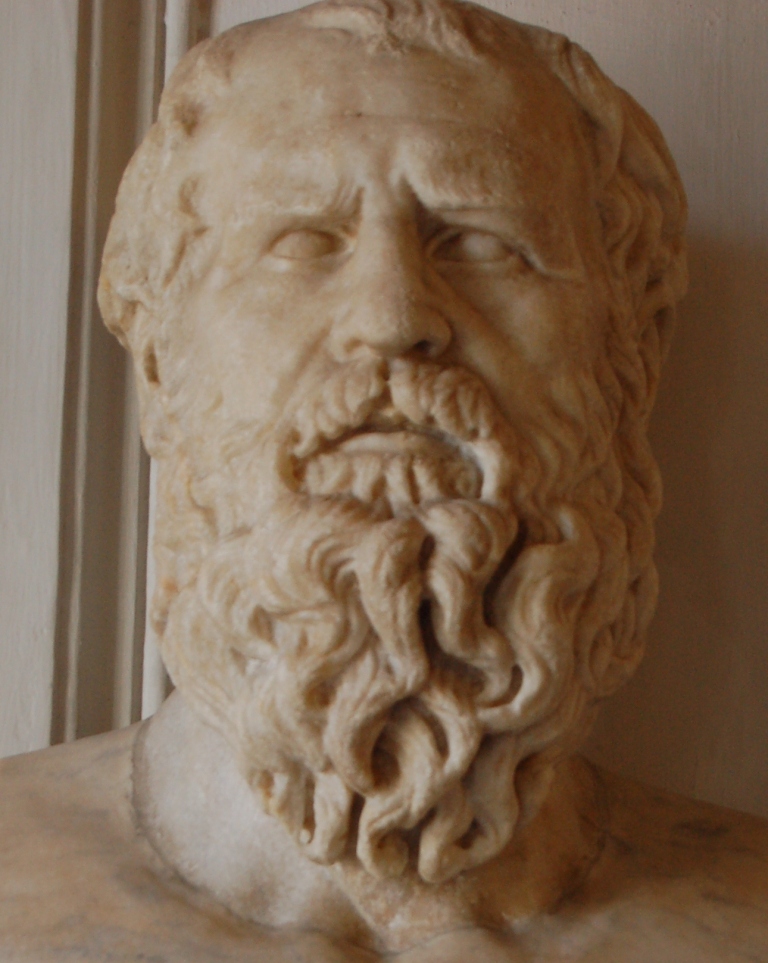
Heraclitus of Ephesus
535 BCE – 475 BCE
Ephesus, Ionia
Ionian Greek Presocratic philosopher from Ephesus whose fragments on logos, flux, fire, unity of opposites, measure, self-knowledge, law, soul, and hidden harmony helped shape metaphysics, epistemology, logic, language, natural philosophy, religion, and later process thought.