Rationalism
Early modern philosophical school associated with Descartes, Spinoza, Leibniz, Malebranche, Wolff, and Émilie du Châtelet, emphasizing reason, innate ideas, deduction, clear and distinct knowledge, mathematical method, intelligibility, substance metaphysics, and necessary truths.

Structural Factors
- Shared Core Claims
- Rationalism holds that reason can yield substantive knowledge not derived from sense experience alone, especially through intuition, deduction, innate concepts, necessary truths, and principles such as sufficient reason, intelligibility, and clear and distinct perception.
- Shared Methods
- The school uses methodic doubt, intuition and deduction, geometric demonstration, analysis of ideas, a priori argument, mathematical modeling, metaphysical system-building, critique of sensory error, correspondence, treatises, and debate with empiricist and scholastic rivals.
- Shared Lineage
- The lineage runs from Plato, Euclid, Augustine, scholastic metaphysics, Renaissance mathematics, Descartes, Cartesianism, Spinoza, Malebranche, Leibniz, Wolff, Émilie du Châtelet, and later Enlightenment, Kantian, idealist, analytic, and philosophy-of-science receptions.
- Shared Problems
- Central problems include how certainty is possible, whether ideas or truths are innate, how mind relates to body, how substance is structured, whether God guarantees knowledge, how necessity differs from contingency, and how reason can ground science and ethics.
- Shared Vocabulary
- Key terms include rationalism, reason, intuition, deduction, innate idea, clear and distinct perception, cogito, substance, attribute, mode, monad, sufficient reason, necessary truth, possible world, geometric method, intelligibility, a priori, and Cartesianism.
- Shared Historical Context
- Rationalism flourished in seventeenth- and eighteenth-century Europe amid the scientific revolution, new mathematics, mechanistic physics, religious conflict, scholastic decline, Cartesian reform, Enlightenment system-building, and debates over experience, certainty, and the scope of reason.
Defining Axes
- Doctrine
- Doctrinally, Rationalism is defined by confidence in reason as a source of necessary and foundational knowledge, commitment to intelligible order, and metaphysical systems that explain mind, body, God, nature, and truth through principles graspable by thought.
- Method
- Its method is deductive and analytic: begin from self-evident or indubitable principles, clarify ideas, infer consequences, test coherence, model inquiry on mathematics, and subordinate sensory data to rational reconstruction and explanatory principles.
- Lineage
- The lineage runs from ancient mathematics and Platonic recollection through Cartesian method, Spinozist geometry, Leibnizian sufficient reason, Wolffian system, Du Châtelet’s synthesis of Leibniz and Newton, and later Kantian and analytic debates over the a priori.
- Subject Focus
- Rationalism focuses on epistemology, metaphysics, philosophy of mind, mathematics, logic, philosophy of science, theology, ethics, natural philosophy, necessity, substance, causation, certainty, and the rational foundations of knowledge.
- Geography / Culture
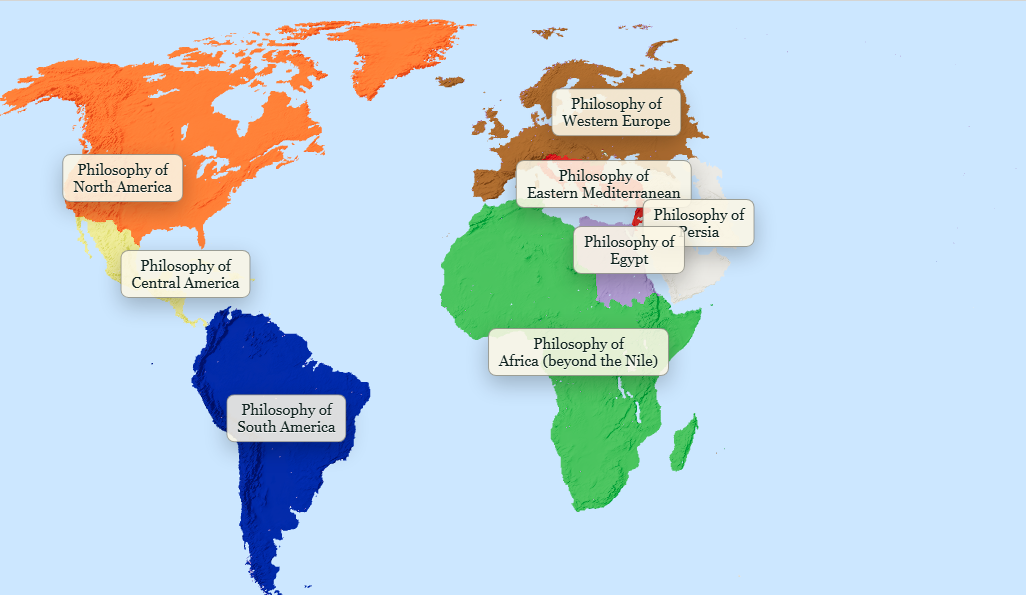
- The school is centered in early modern France, the Dutch Republic, Germany, and wider European Republic of Letters, with circulation through Latin, French, German, and Dutch scholarship, academies, salons, correspondence networks, universities, and scientific institutions.
- Historical Reaction
- Rationalism responds to skepticism, Aristotelian scholasticism, unreliable sense perception, religious and scientific uncertainty, mechanistic science, empiricist challenges, and the demand for a secure foundation for mathematics, metaphysics, natural philosophy, and morals.
Internal Structure
- Foundational Texts
- Foundational texts include Descartes’s Discourse on Method, Meditations, Rules, and Principles, Spinoza’s Ethics, Leibniz’s Discourse on Metaphysics, Monadology, New Essays, and Theodicy, Malebranche’s Search After Truth, Wolff’s systems, and Du Châtelet’s Institutions de physique.
- Core Vocabulary
- Core vocabulary includes reason, idea, mind, body, substance, attribute, mode, extension, thought, monad, perception, apperception, necessity, contingency, truth, certainty, deduction, intuition, method, God, nature, and sufficient reason.
- Metaphysics
- Rationalist metaphysics seeks the intelligible structure of reality through accounts of substance, God, causation, modality, mind, body, extension, monads, attributes, and possible worlds, often treating reality as governed by necessary principles rather than brute facts.
- Epistemology
- Rationalist epistemology emphasizes innate ideas or dispositions, a priori knowledge, clear and distinct perception, intuition, deduction, certainty, mathematical demonstration, and the correction of sensory appearances by reasoned judgment.
- Ethics
- Rationalist ethics often links freedom, virtue, and happiness to rational understanding: Descartes emphasizes generosity and mastery of judgment, Spinoza liberation through adequate ideas, Leibniz justice and charity, and later rationalists moral order grounded in reason.
- Method
- The school proceeds through first-person doubt, analysis of concepts, deductive proof, geometric order, metaphysical principles, mathematical analogy, reconstruction of science, and systematic comparison of what reason can know independently of or prior to experience.
- Internal Debates
- Internal debates concern innate ideas, the Cartesian circle, mind-body dualism, occasionalism, Spinozist monism, Leibnizian monads, necessity and contingency, the principle of sufficient reason, the role of experiment, and whether rationalism is a coherent historiographical category.
- Successors
- Successors include Wolffianism, Enlightenment metaphysics, Kant’s critical philosophy, German Idealism, analytic work on the a priori and modality, philosophy of mathematics, rationalist philosophy of science, and contemporary debates over nativism and conceptual knowledge.
External Classification Context
- History of Philosophy
- Rationalism is a central early modern tradition that reshaped debates over knowledge, metaphysics, mind, science, mathematics, and religion, usually contrasted with empiricism while also interacting deeply with experiment and natural philosophy.
- Philosophy of Philosophy
- Rationalism treats philosophy as the disciplined search for foundations: philosophy should clarify ideas, uncover necessary principles, and build systematic explanations of reality, knowledge, and value by the proper use of reason.
- Intellectual History
- The tradition links the scientific revolution, Cartesian reform, Dutch and French intellectual networks, German system-building, Enlightenment salons, Newtonian and Leibnizian controversies, empiricist critique, and Kant’s attempt to judge the limits of reason.
- University Classification
- Classify Rationalism under early modern philosophy, epistemology, metaphysics, philosophy of mind, philosophy of science, philosophy of mathematics, logic, theology, Enlightenment philosophy, and history of modern philosophy.
- Classical Sources
- Classical sources include Plato, Euclid, Augustine, scholastic metaphysics, Descartes, Spinoza, Malebranche, Leibniz, Wolff, Émilie du Châtelet, Locke’s empiricist critique, Kant’s critical response, and modern scholarship on early modern rationalism.
- Sociology of Knowledge
- Rationalism spread through printed treatises, Latin disputation, salons, academies, correspondence networks, university curricula, translations, scientific controversy, manuscript exchange, Enlightenment encyclopedias, and modern histories of philosophy that contrasted rationalists with empiricists.
Linked Philosophers
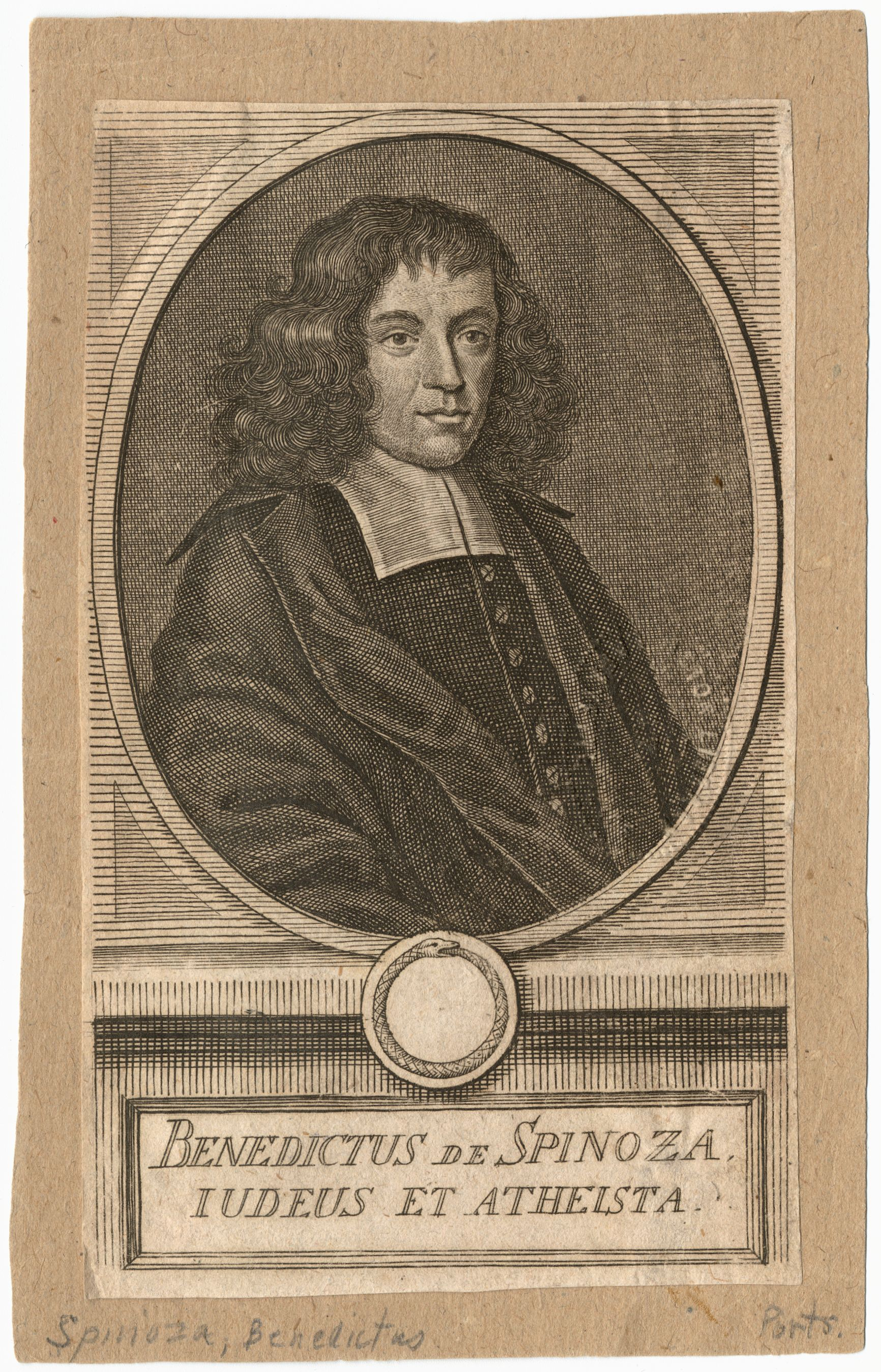
Baruch Spinoza
1632 CE – 1677 CE
Amsterdam
Dutch-Jewish rationalist philosopher from Amsterdam whose substance monism, God-or-Nature metaphysics, geometric method, theory of adequate ideas, mind-body parallelism, ethics of freedom through understanding, biblical criticism, and democratic political thought reshaped early modern philosophy.
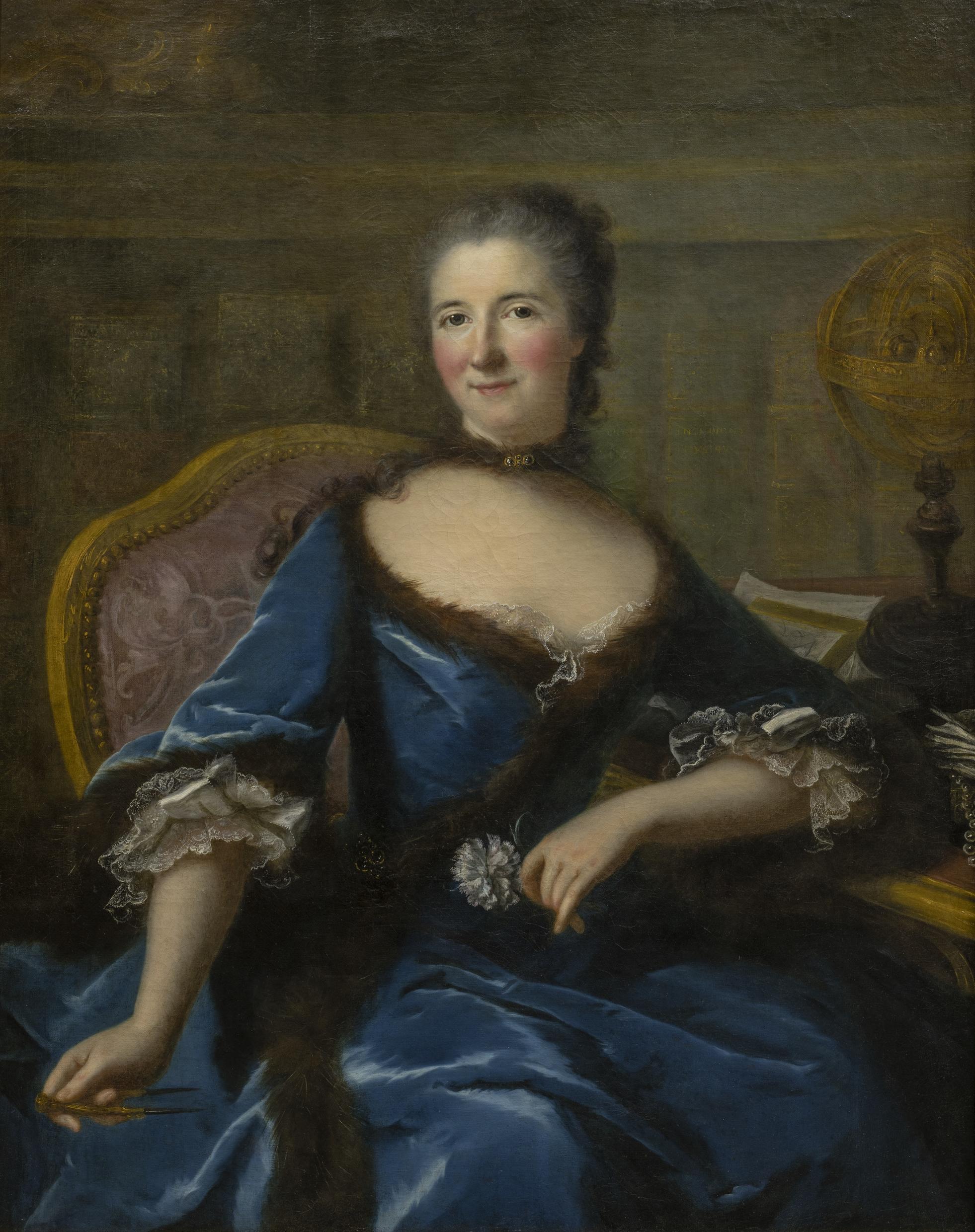
Émilie du Châtelet
1706 CE – 1749 CE
Paris
Enlightenment philosopher, mathematician, translator of Newton, and critic of dogma whose work on force, physics, happiness, freedom, and natural religion reshaped French Newtonianism.
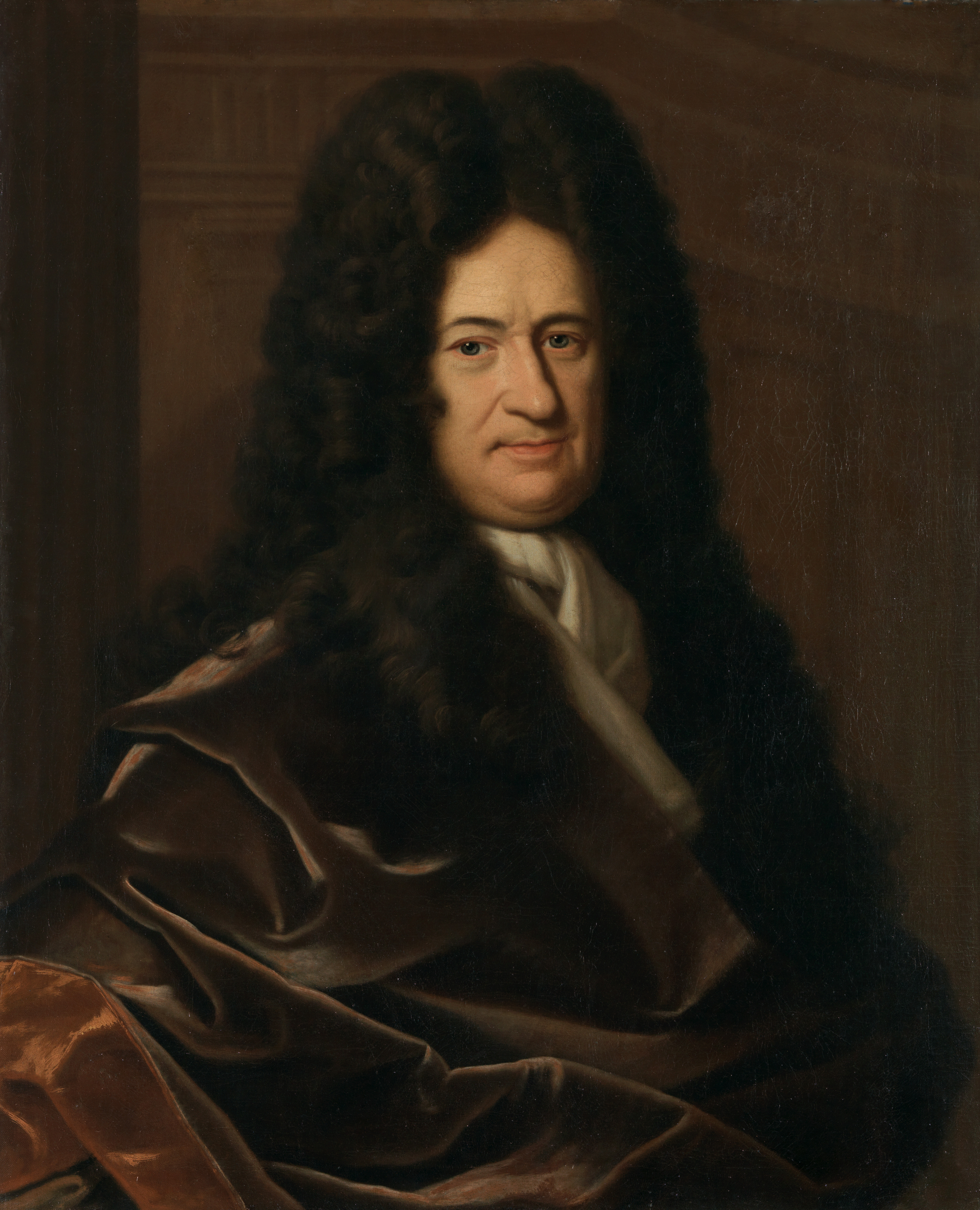
Gottfried Wilhelm Leibniz
1646 CE – 1716 CE
Leipzig
German polymath and early modern rationalist whose monadology, pre-established harmony, sufficient reason, theodicy, calculus work, and plans for a universal symbolic language helped define metaphysics, logic, epistemology, philosophy of mind, philosophy of religion, and philosophy of science.
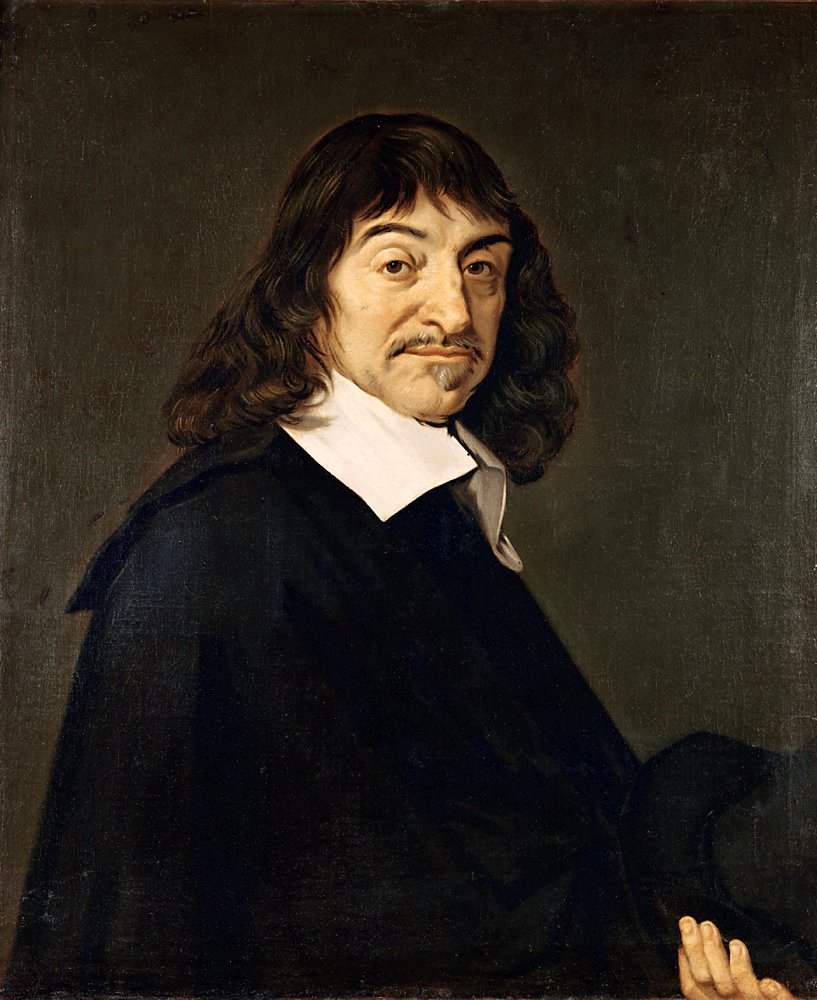
René Descartes
1596 CE – 1650 CE
La Haye en Touraine
Early modern rationalist and mathematician of methodic doubt, the cogito, clear and distinct perception, mind-body dualism, innate ideas, analytic geometry, mechanical philosophy, optics, passions, free will, God, and Cartesian science.