What is Science?
Science is the systematic study of reality within Logos—the analytical mode of thought that distinguishes, classifies, and tests.
It advances by observation, reasoning, and method to build models that improve understanding and prediction.
Science limits itself to what can be measured and verified, remaining open to revision as evidence evolves.
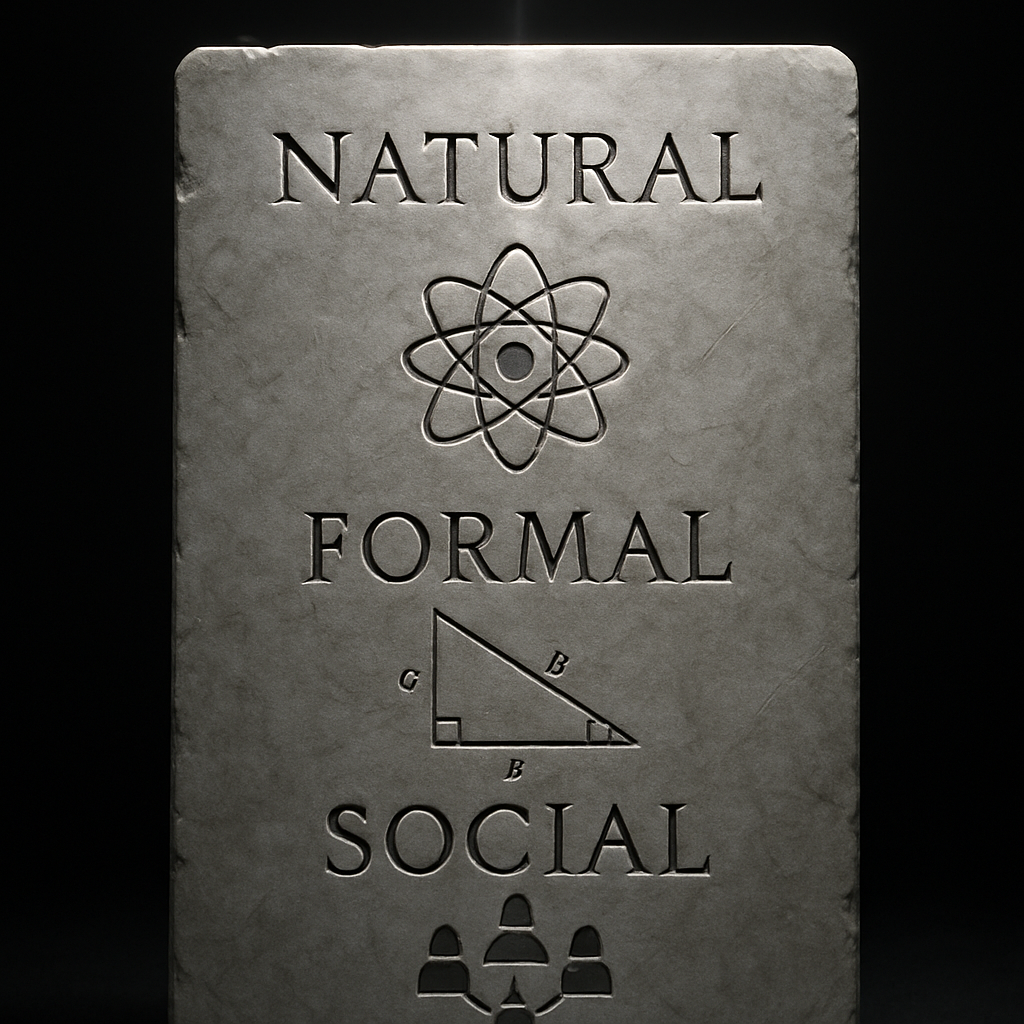
| Type Name | Scope | Representative Fields |
|---|---|---|
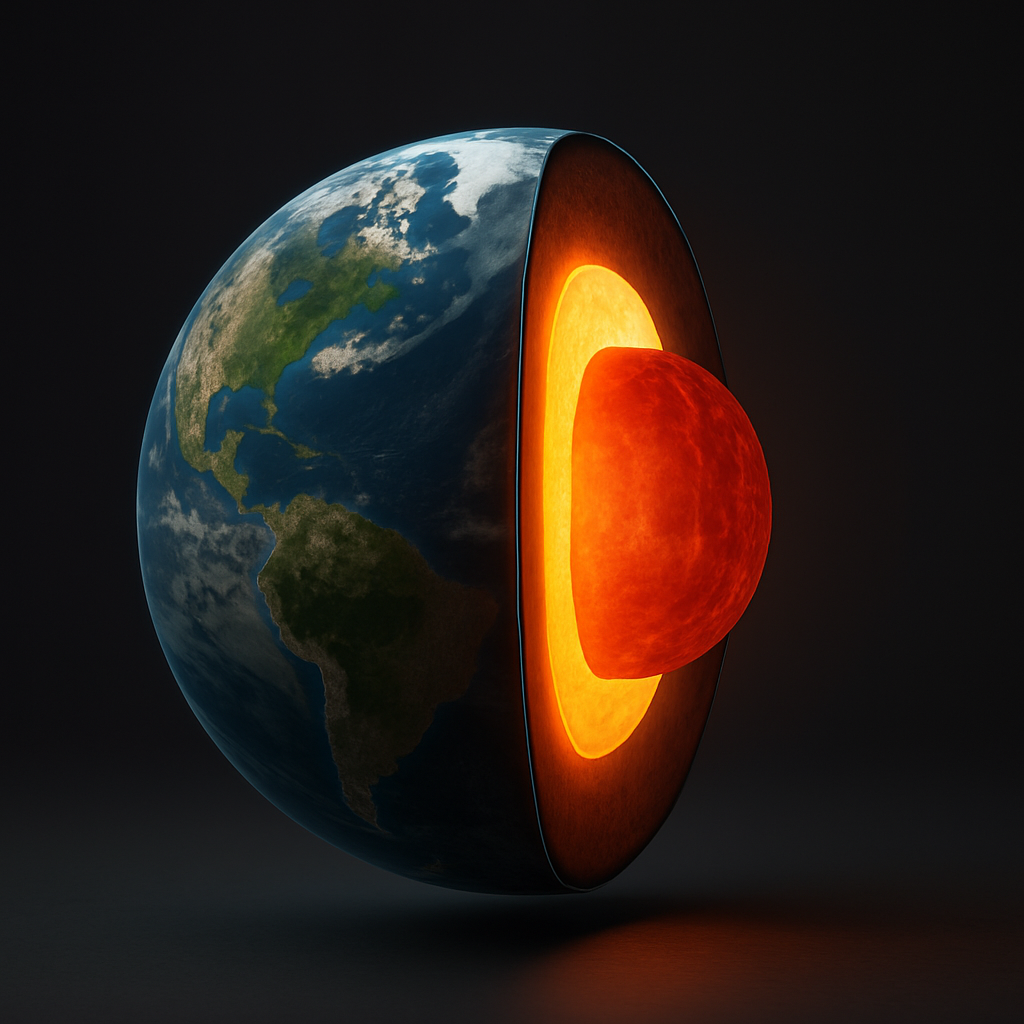
| Natural Sciences | Study of the physical and biological world—matter, energy, life, and planetary systems. | Physics, Chemistry, Biology, Earth Science, Astronomy |
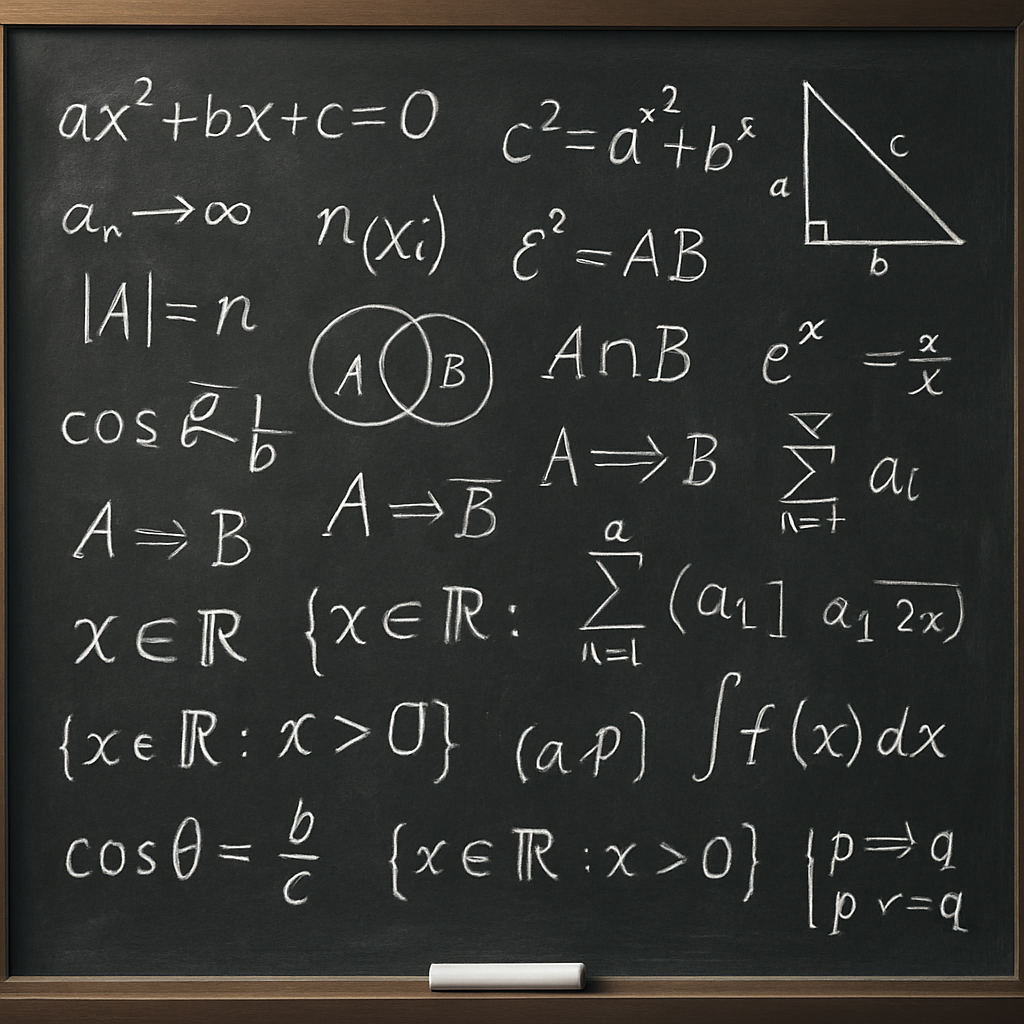
| Formal Sciences | Study of abstract systems and symbolic logic that provide the structure for all other sciences. | Mathematics, Logic, Statistics, Theoretical Computer Science, Information Theory |
| Social Sciences | Study of human behavior, organization, and society. | Economics, Sociology, Political Science, Anthropology, Psychology, Education, Human Geography, Linguistics |
Applied domains exist within each category—Applied Physics, Applied Mathematics, Applied Sociology—rather than as a separate overarching branch.
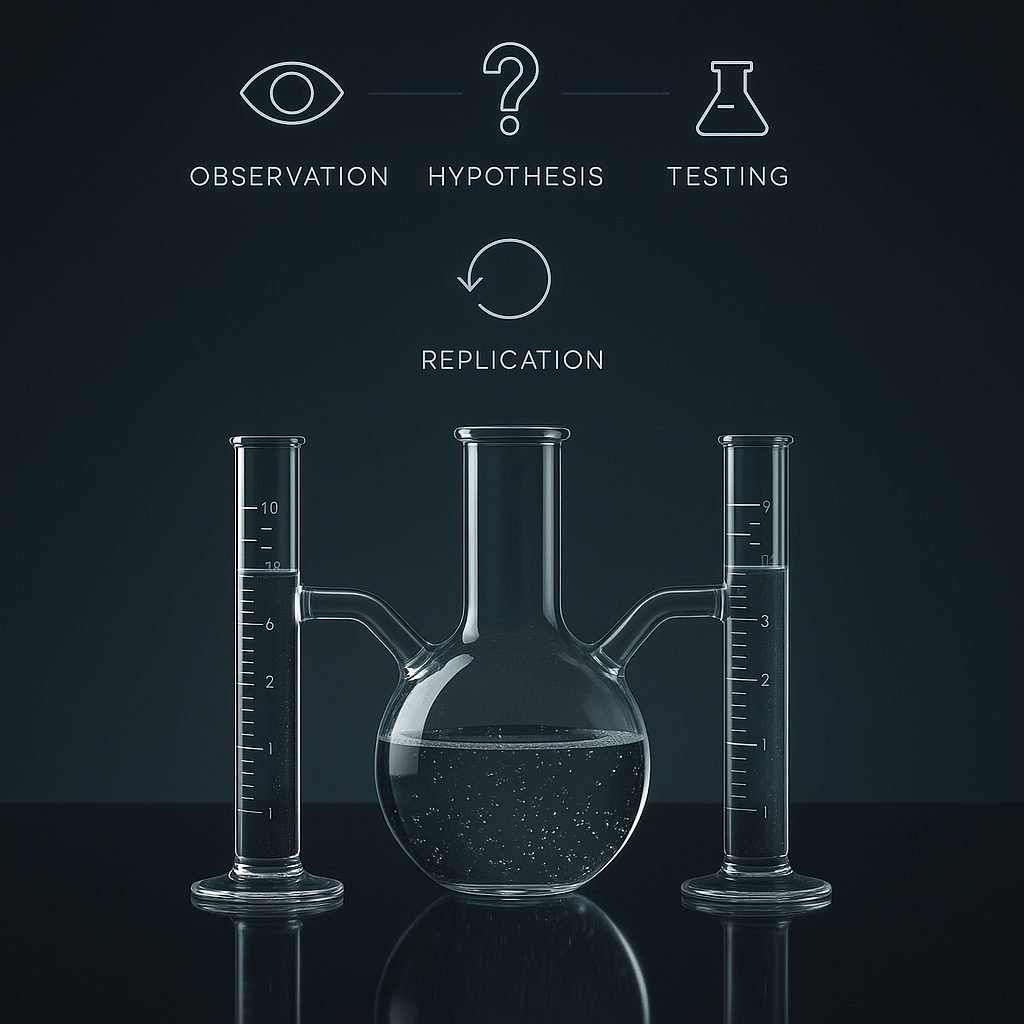
The Scientific Process
A distinct meta-layer shared across all sciences, representing the disciplined method of observation, testing, and refinement that drives the pursuit of knowledge.

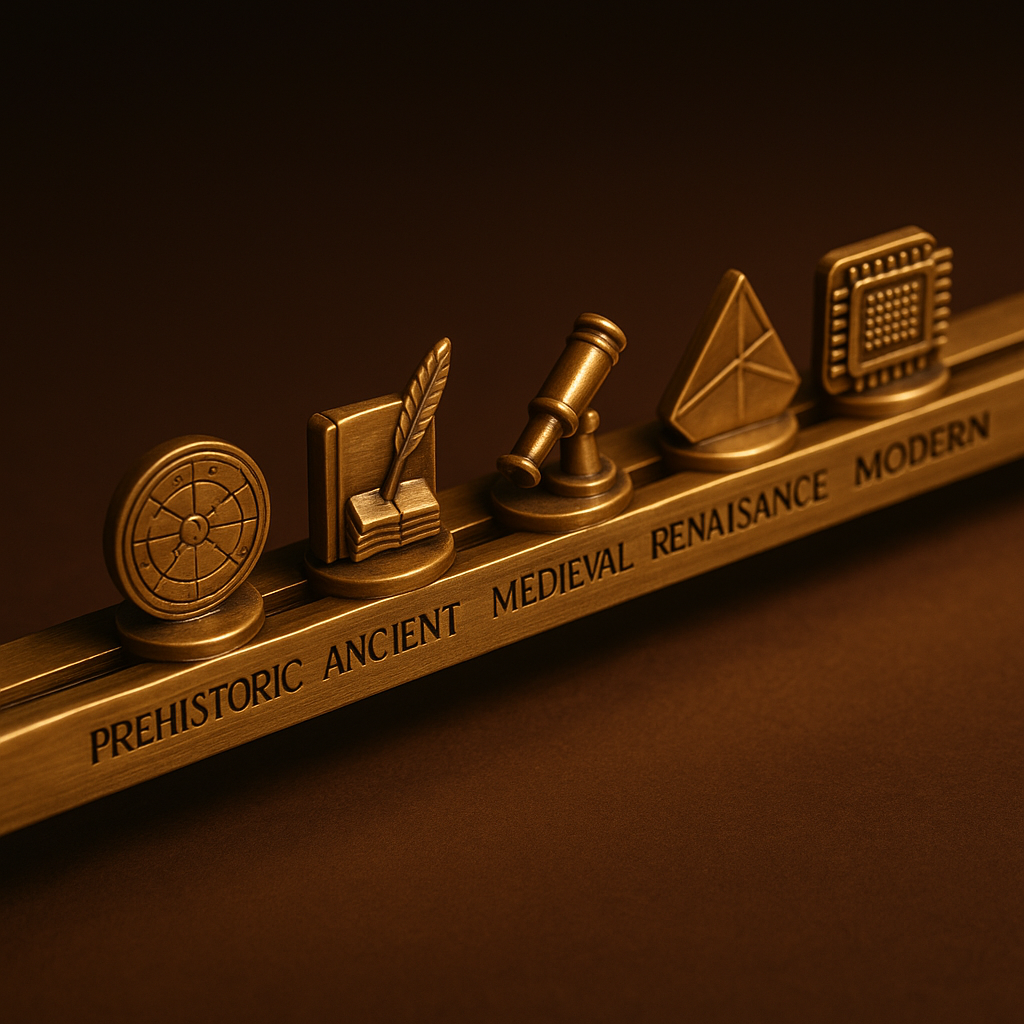
Origins of Science
The origins of Science trace back to humanity’s first attempts to explain the world systematically rather than through myth or tradition.
Early Inceptions
- Prehistoric Observation: Early humans tracked stars for navigation, seasons, and agriculture. They noted cause-and-effect in hunting, toolmaking, and fire.
- Proto-Science in Ancient Civilizations:
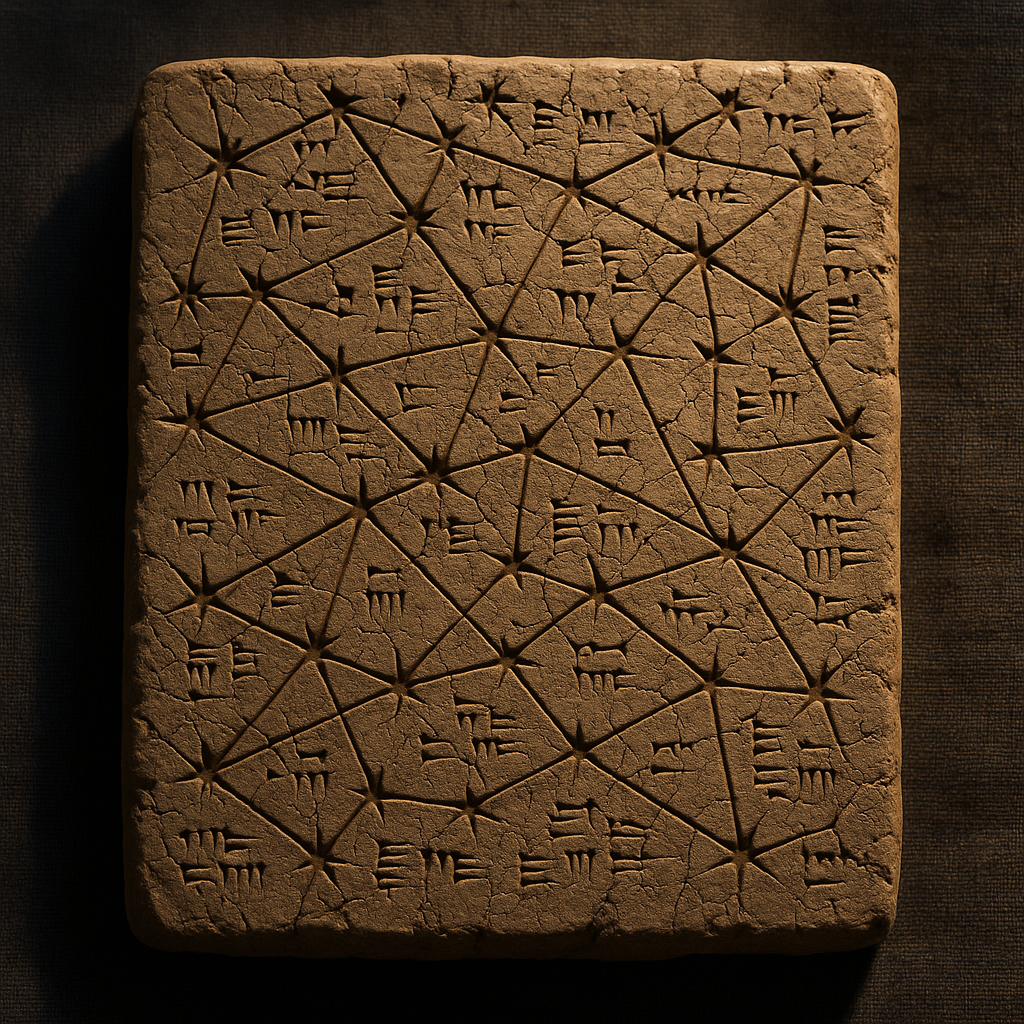
- Mesopotamia: Astronomical records, mathematics (base-60 system).
- Egypt: Geometry for land division, early medicine.
- China: Natural philosophy, seismographs, medicine.
- India: Ayurveda, astronomy, mathematics (zero, decimals).
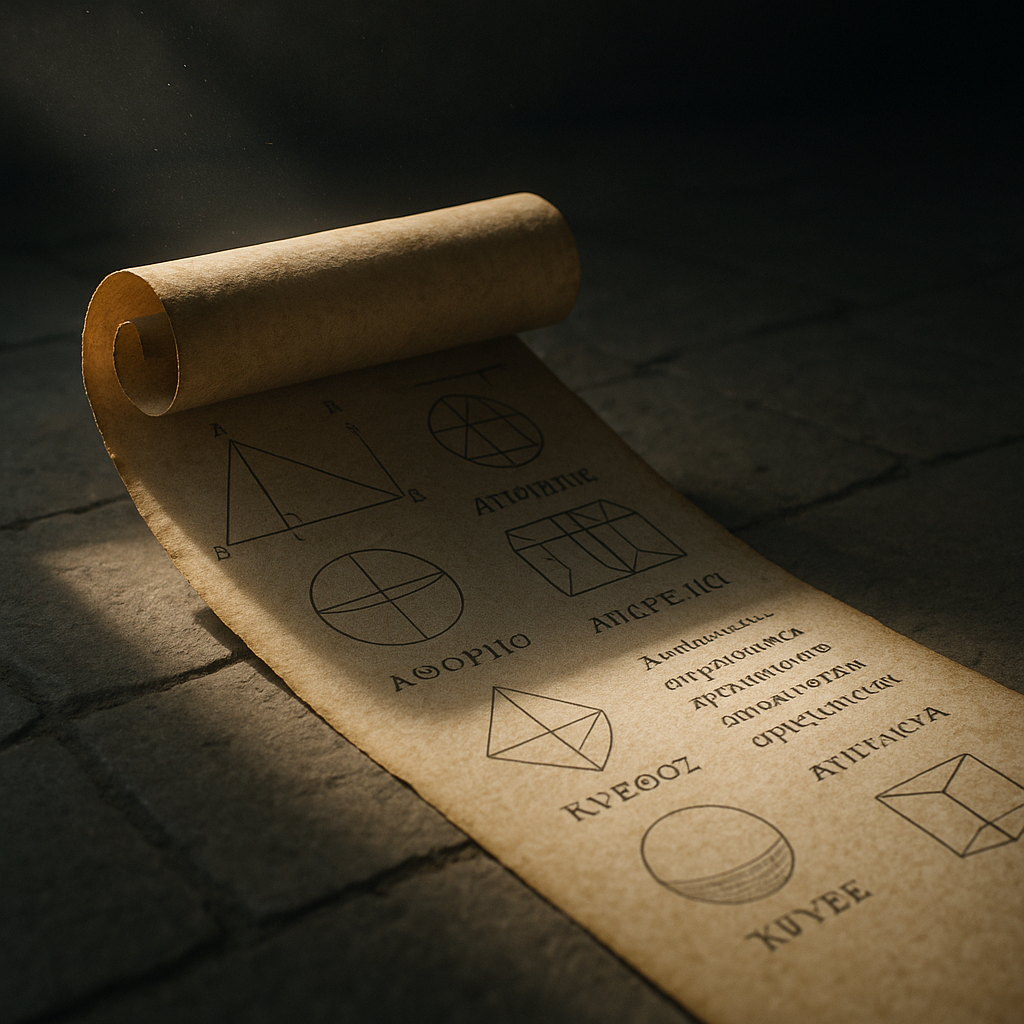
Greek Rationalization
- 6th–4th c. BCE: Ionian philosophers (Thales, Anaximander, Heraclitus) sought natural explanations for phenomena.
- Aristotle codified observation and classification—biology, physics, logic.
- Euclid & Archimedes developed formal mathematics as deductive systems.
Classical to Medieval Transmission
- Islamic Golden Age (8th–13th c.): Preservation and extension of Greek science. Advances in algebra, optics, medicine, astronomy. Institutions like the House of Wisdom in Baghdad organized inquiry.
- Medieval Europe: Scholasticism merged Aristotelian logic with theology. Universities formalized study of the “natural philosophy.”
Renaissance and Early Modern Science
- 15th–17th c.: Rediscovery of classical texts and empirical focus.
- Copernicus, Galileo, Kepler overturned geocentrism with observation and mathematics.
- Francis Bacon articulated inductive method.
- Newton synthesized mathematics and physics into universal laws.
Modern Science
- 18th–19th c.: Chemistry (Lavoisier), biology (Darwin), geology, electromagnetism. Institutionalization of scientific societies and journals.
- 20th c.: Physics (relativity, quantum), genetics (DNA), computer science.
- Today: Expands into formal, natural, and social sciences, unified by systematic method: hypothesis, testing, replication.

Frascati UNESCO OECD crossover
The global taxonomies of science, such as the OECD Frascati and UNESCO ISCED frameworks, formalize how humanity organizes its pursuit of knowledge. They translate the abstract divisions of Logos into standardized categories that align research, education, and discovery across nations.
Table (Below) cross-references the Frascati with the UNESCO ISCED
| OECD / Frascati (2015) | UNESCO ISCED-F (2013) | Match Notes |
|---|---|---|
| Natural Sciences – Math, Computer & Info, Physics, Chemistry, Earth & Env, Biology | 05 – Natural sciences, mathematics & statistics 06 – ICT | ISCED splits ICT into its own field. |
| Engineering & Technology – Civil, Electrical, Mechanical, Chemical, Materials, Medical, Environmental, Biotech, Nanotech | 07 – Engineering, manufacturing & construction | ISCED groups biotech/nanotech into natural sciences or engineering; Frascati lists them separately. |
| Medical & Health Sciences – Basic medicine, Clinical, Nursing/Public health, Medical biotech | 09 – Health & welfare | Strong alignment, different emphasis (R&D vs education). |
| Agricultural Sciences – Agriculture, Forestry, Fisheries, Veterinary, Agri-biotech | 08 – Agriculture, forestry, fisheries & veterinary | Nearly identical coverage. |
| Social Sciences – Psychology, Economics & Business, Education, Sociology, Law, Political science, Geography, Media | 03 – Social sciences, journalism & information 04 – Business, administration & law 01 – Education | Frascati keeps these under “Social Sciences.” ISCED splits them. |
| Humanities – History, Languages, Philosophy/Religion, Arts | 02 – Arts & humanities | Direct alignment. |
| (none) | 00 – Generic programmes & qualifications | ISCED-only category for cross-disciplinary or general programmes. |
| (none) | 10 – Services | ISCED-only category for vocational/professional service programmes (hospitality, transport, security). |