Category Definition
The Natural Sciences comprise the foundational empirical disciplines that investigate the physical universe and the biological systems within it. They seek to discover the laws, mechanisms, and patterns governing matter, energy, chemical substances, planetary processes, living organisms, and ecological systems. Their explanations rely on observation, measurement, experimentation, and mathematically structured theory. The Natural Sciences aim to describe the world as it is—independent of human interpretation or intention.
Core Object of Study
The core object of study is the natural world, encompassing:
- matter, energy, forces, and motion;
- chemical substances, molecular structures, and reactions;
- planetary, atmospheric, and cosmic systems;
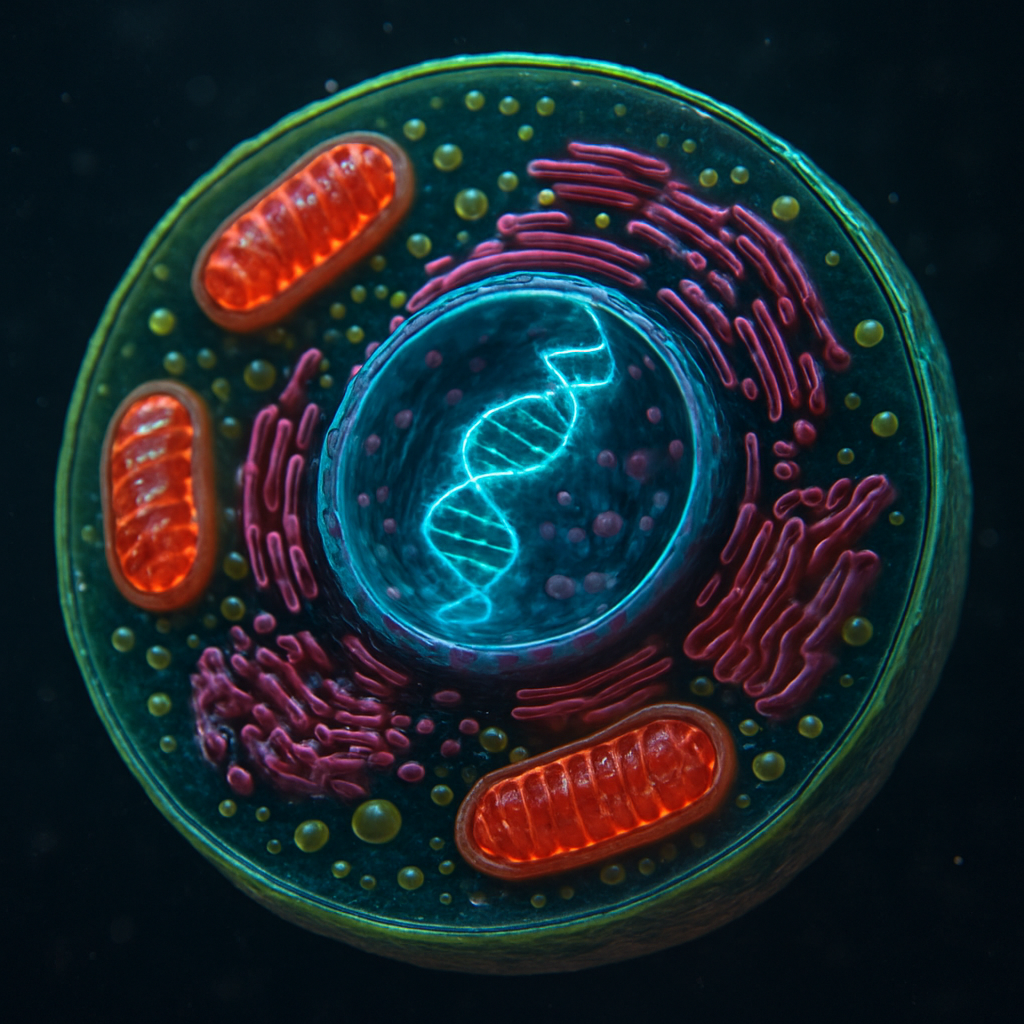
- living organisms, cells, ecosystems, and evolutionary processes.
These sciences focus on phenomena that arise from the inherent properties of the universe, from the smallest particles to the largest cosmic structures.
| Domain Name | Focus | Function |
|---|---|---|
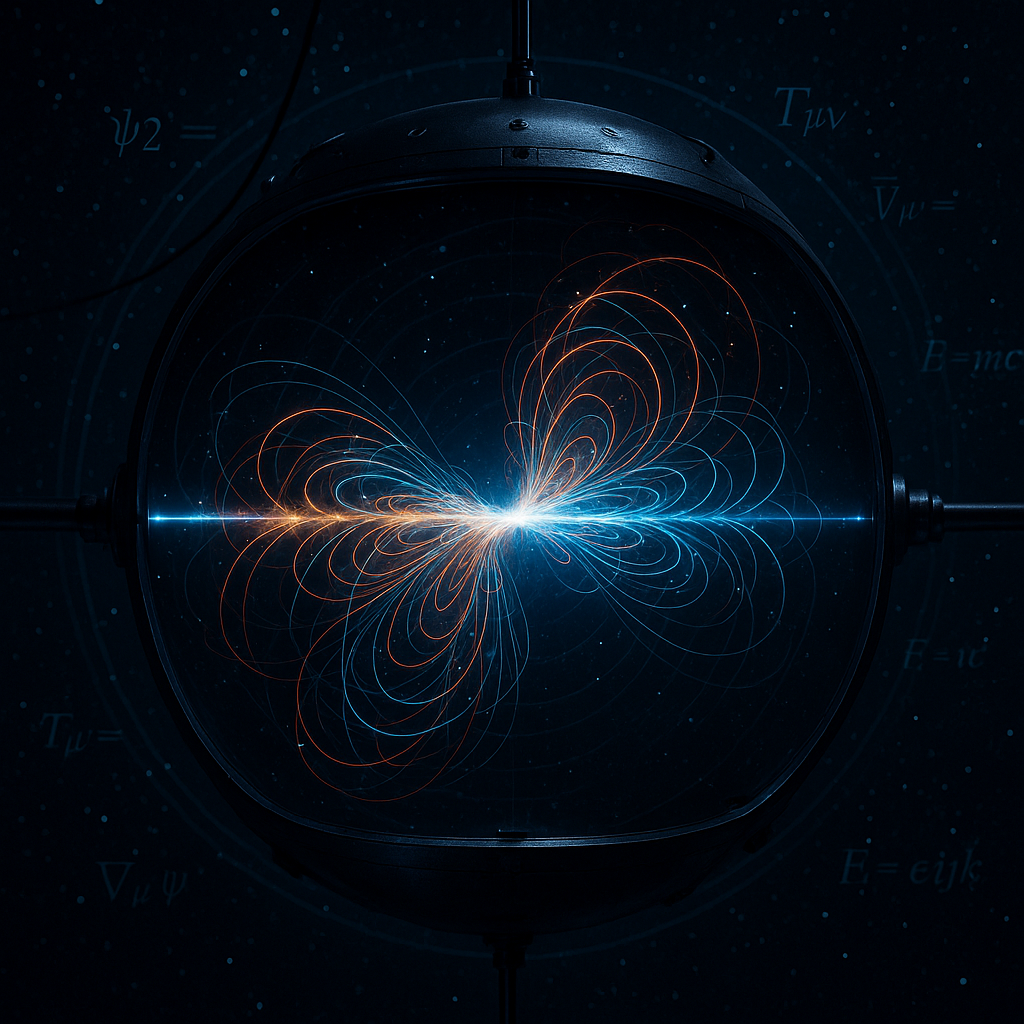
| Physics | Fundamental forces and matter, space, time, energy | Mechanics, quantum theory, relativity, thermodynamics |
| Chemistry | Substances, their transformations, molecular interactions | Organic compounds, reaction kinetics, materials science |
| Earth & Space Sciences | Planet, atmosphere, cosmos | Geology, meteorology, cosmology, planetary science |
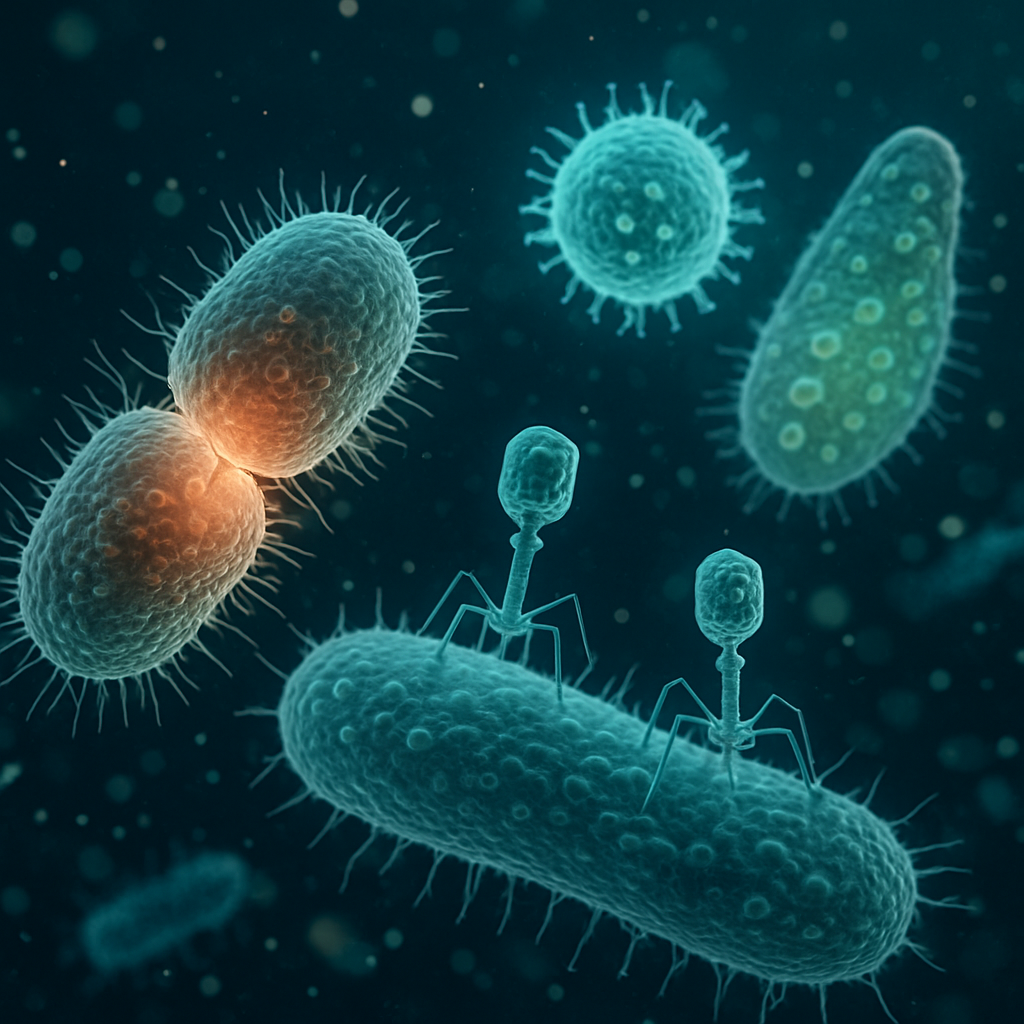
| Biology | Life, living organisms, evolution | Cells, ecosystems, genetics, physiology |




Fundamental Questions
The Natural Sciences pursue the primary questions that define physical and biological reality:
- What are the basic constituents of matter, and how do they interact?
- How do energy, motion, fields, and forces structure physical systems?
- How do atoms combine to form molecules, and how do substances transform?
- How do planets, atmospheres, and geological systems originate and evolve?
- How did life emerge, diversify, and adapt through evolutionary processes?
- How are organisms organized, regulated, and sustained physiologically?
- How do ecosystems function, and how do they respond to environmental change?
- What is the structure and history of the universe itself?
These questions define the domain as the study of natural phenomena governed by universal, measurable principles.
Methods and Evidence Base
The Natural Sciences apply rigorous, systematic methodologies designed to reveal underlying causal mechanisms:
Empirical Methods
- direct observation of physical, chemical, and biological processes;
- field studies in geology, ecology, and atmospheric science;
- astronomical observation using telescopes and detectors.
Experimental Methods
- controlled laboratory experiments;
- manipulation of variables to identify causal relationships;
- precision measurement using standardized instruments.
Analytical and Mathematical Methods
- mathematical modeling, differential equations, and physical laws;
- statistical analysis of experimental and observational data;
- theoretical development constrained by empirical evidence.
Computational Methods
- simulation of physical, chemical, and biological systems;
- large-scale data modeling (e.g., climate, genomics, astrophysics).
Instrumental Systems
- microscopes, spectrometers, particle detectors, imaging systems;
- satellites, seismographs, mass spectrometers, and gene sequencers.
Evidence is evaluated by reproducibility, consistency with established principles, precision of measurement, and predictive accuracy.
Internal Structure
The Natural Sciences form a hierarchical and interdependent system, progressing from fundamental physical laws to complex biological organisms:
Physics → Chemistry → Earth & Space Sciences → Biology
- Physics defines the basic laws governing matter, energy, space, and time.
- Chemistry emerges from physical principles to describe atoms, molecules, and chemical transformations.
- Earth & Space Sciences study the formation and dynamics of planetary, atmospheric, geological, and cosmic systems produced by physical and chemical processes.
- Biology examines living organisms whose structure and function depend on physical principles, chemical interactions, and evolutionary history.
This structure provides a continuous explanation of natural phenomena, with each domain building upon the mechanisms of the preceding one.



Boundary Conditions
The Natural Sciences maintain conceptual and methodological boundaries:
- They exclude social behavior, cultural systems, and human institutions, which belong to the Social Sciences.
- They exclude abstract symbolic structures—logic, mathematics, computation—which belong to the Formal Sciences.
- They do not address normative or metaphysical claims, unless such claims can be empirically tested.
- Applied domains (engineering, medicine, technology, agriculture) depend on natural-science principles but are not themselves foundational scientific disciplines.
These boundaries ensure that the Natural Sciences remain focused on empirical inquiry into physical and biological phenomena.
Role in the Larger Scientific Hierarchy
The Natural Sciences form the empirical foundation upon which all other scientific domains depend.
They provide:
- the physical laws governing the behavior of matter and energy;
- the chemical principles underlying molecular structure and interaction;
- the environmental and planetary context within which life evolves;
- the biological mechanisms enabling cognition, communication, and social behavior.
Their findings establish the constraints and possibilities within which the Social Sciences operate and supply the empirical content that the Formal Sciences model.
Together, they form the substrate of the scientific understanding of the universe—from its fundamental particles to its living systems.