(4,500 BC – 3,000 BC)
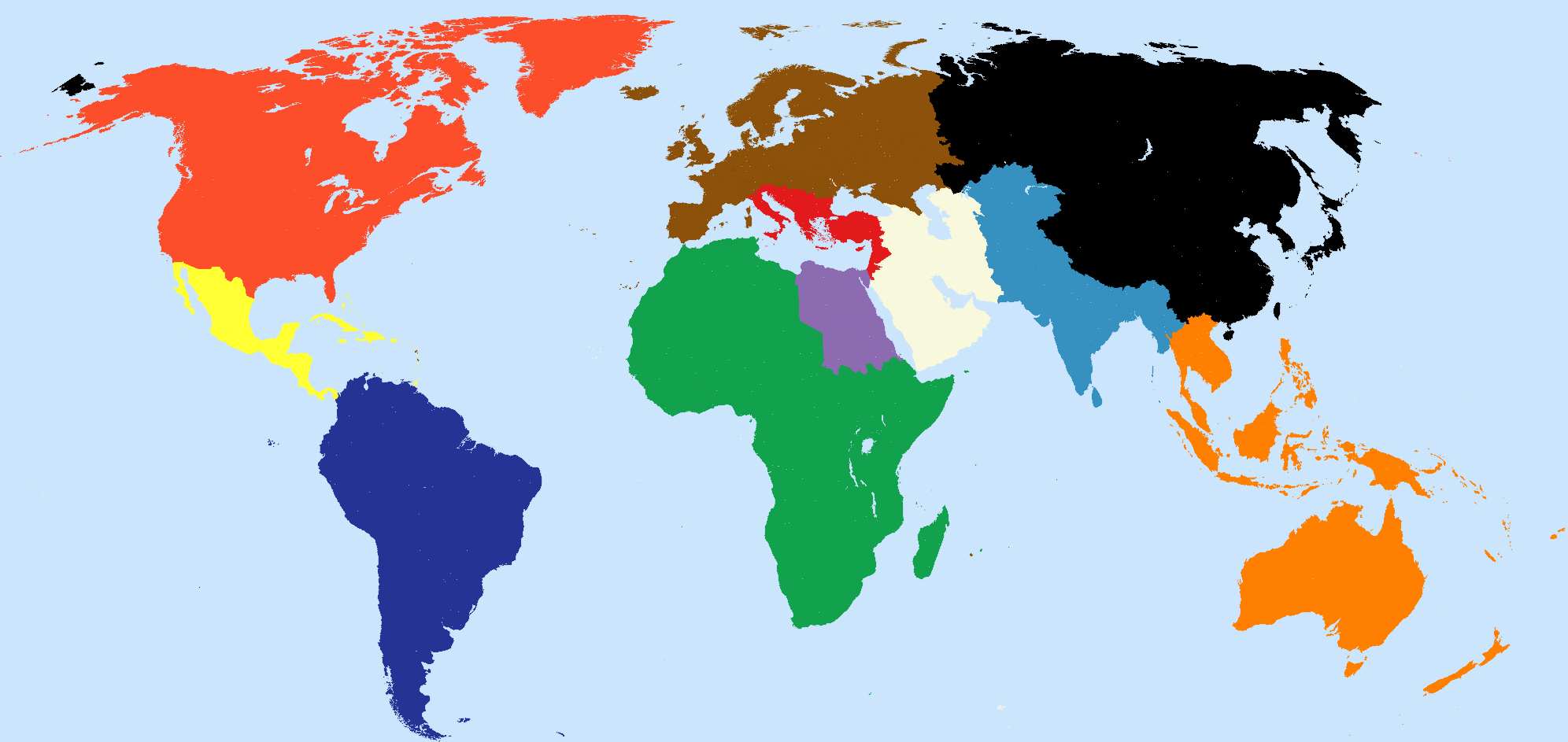 Chalcolithic
Western Europe Chalcolithic
Eastern Mediterranean Chalcolithic Persia Chalcolithic Egypt Chalcolithic Africa
(beyond the Nile) Chalcolithic India
& Central Asia Chalcolithic China
(East Asia) Chalcolithic Oceania Chalcolithic
North America Chalcolithic
Central America Chalcolithic
South America
| Terra Avita Region and Era Name Link | Representative Cultures | Major Cities / Centers | Major Events |
|---|---|---|---|
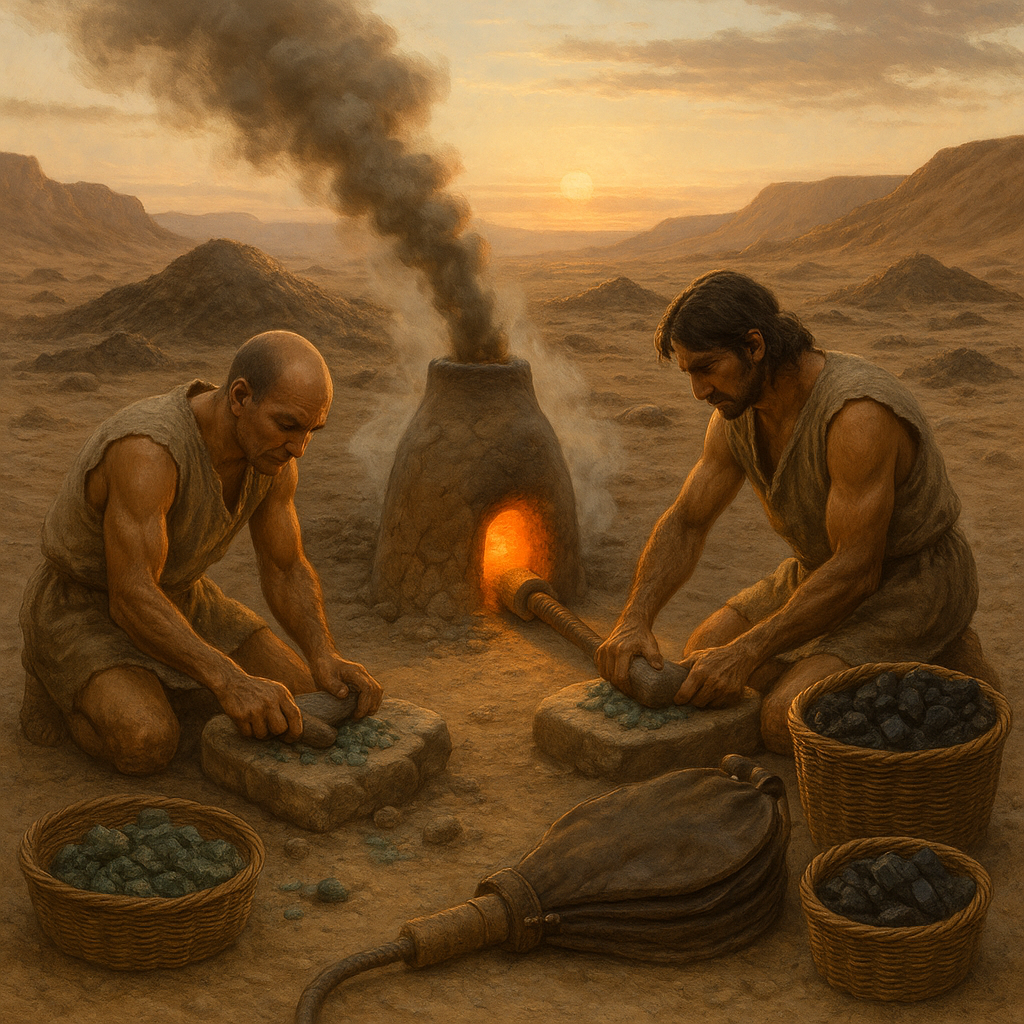
| Chalcolithic Western Europe | Bell Beaker, Los Millares, Varna, Monte Claro | Los Millares (Spain), Varna (Bulgaria), Carnac | Copper metallurgy begins; megalithic expansion; social stratification and trade in metals |
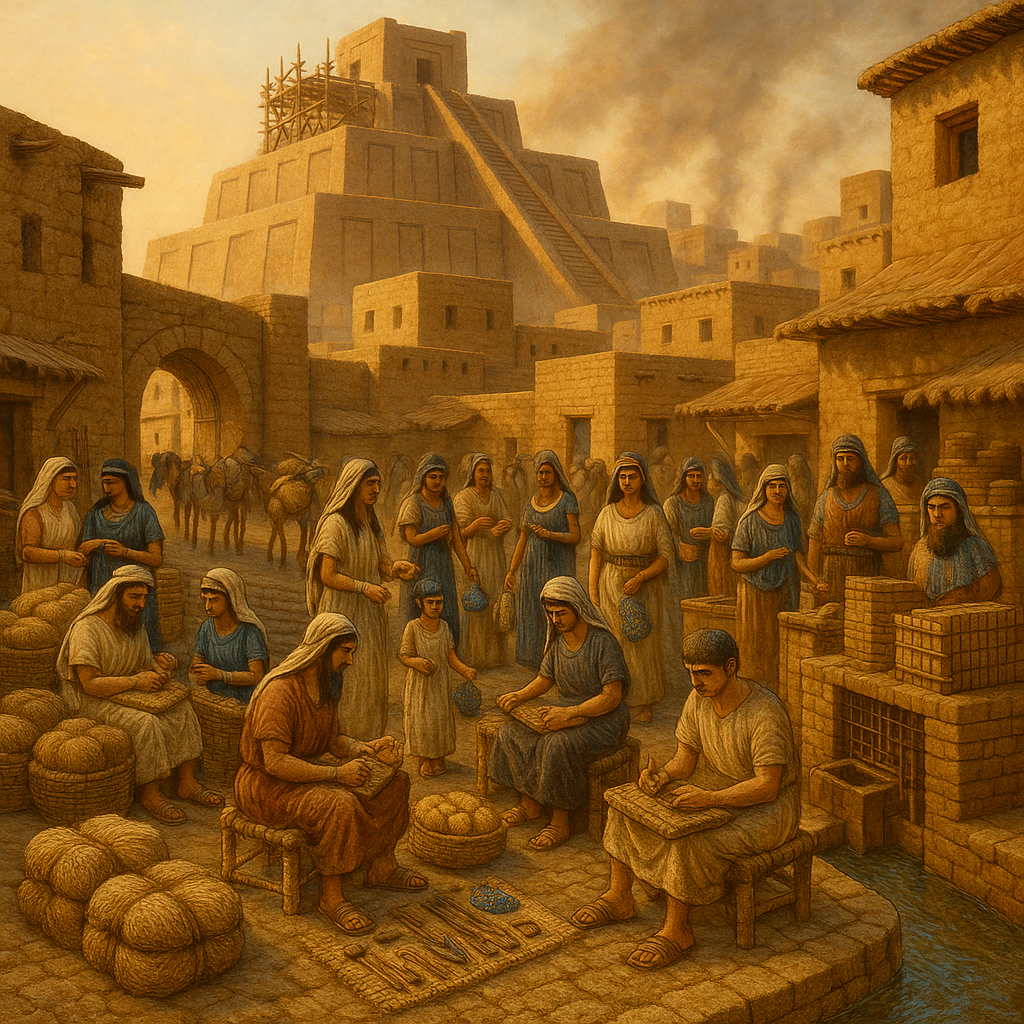
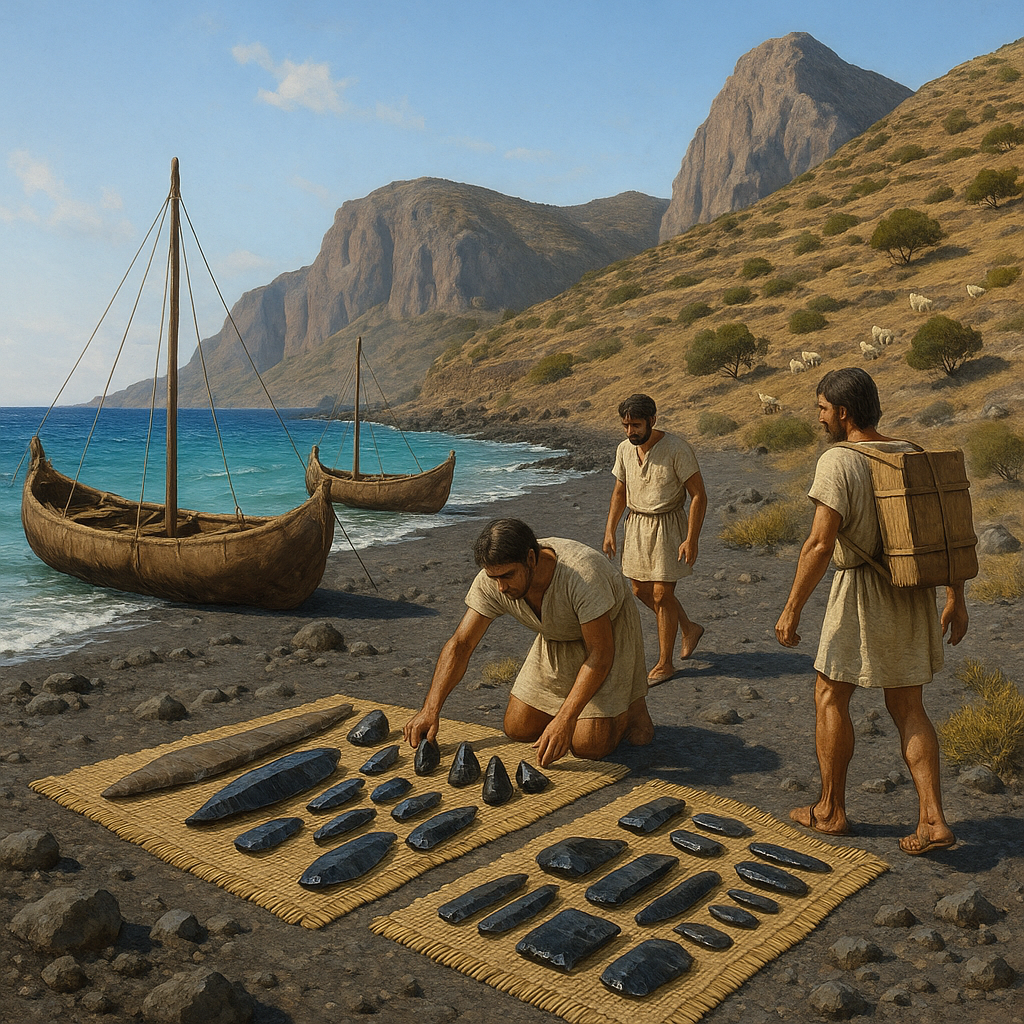
| Chalcolithic Eastern Mediterranean | Ubaid (Late), Uruk (Early), Halaf–Ubaid Transition, Chalcolithic Anatolia | Çatalhöyük (late), Hacilar, Byblos, Uruk | Urban emergence in Mesopotamia; first temples; copper tools and trade routes |
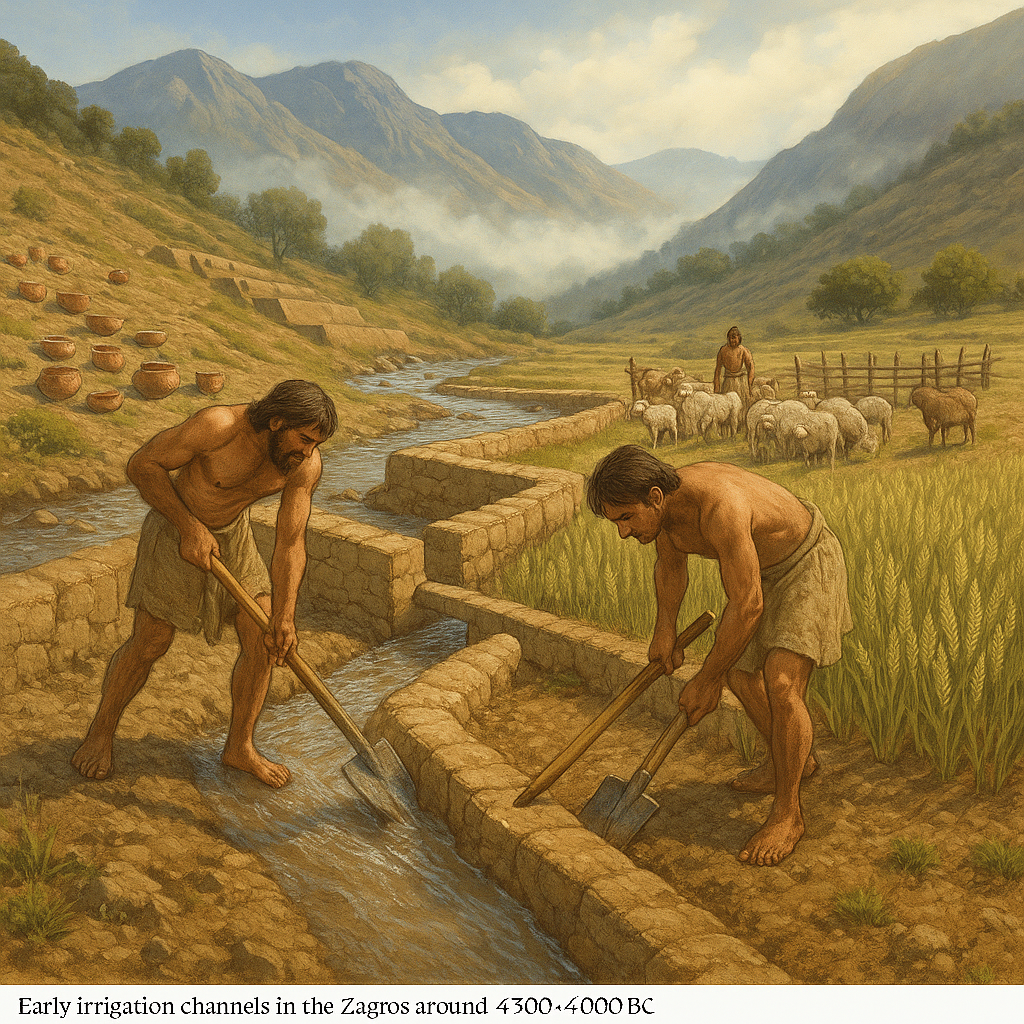
| Chalcolithic Persia | Sialk III, Hissar I, Tepe Yahya, Tal-i Iblis | Tepe Sialk, Tepe Hissar, Tal-i Iblis | Early metallurgy; proto-urban settlements; long-distance trade with Mesopotamia |
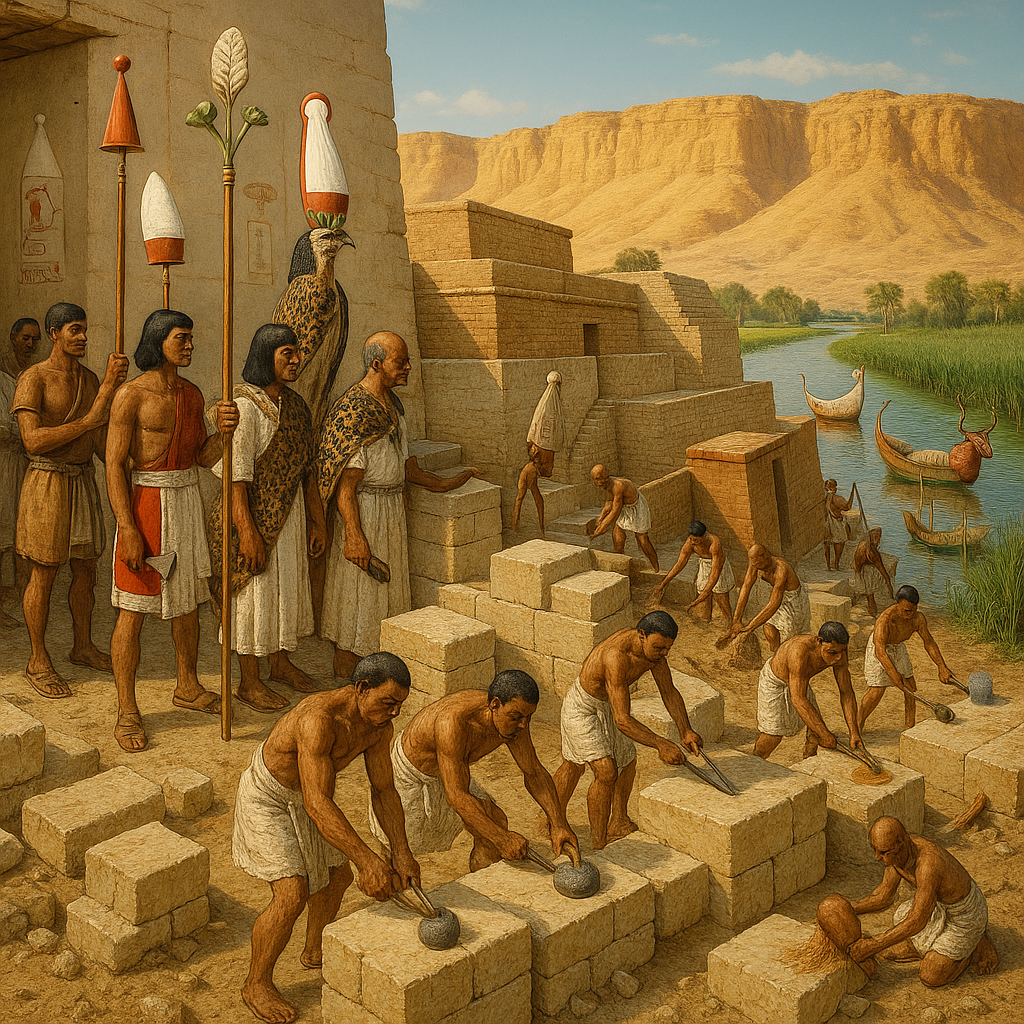
| Chalcolithic Egypt | Maadi–Buto, Badarian (late), Merimde (final) | Maadi, Buto, Badari | Introduction of copper tools; increase in trade with Levant; emergence of chiefdoms |
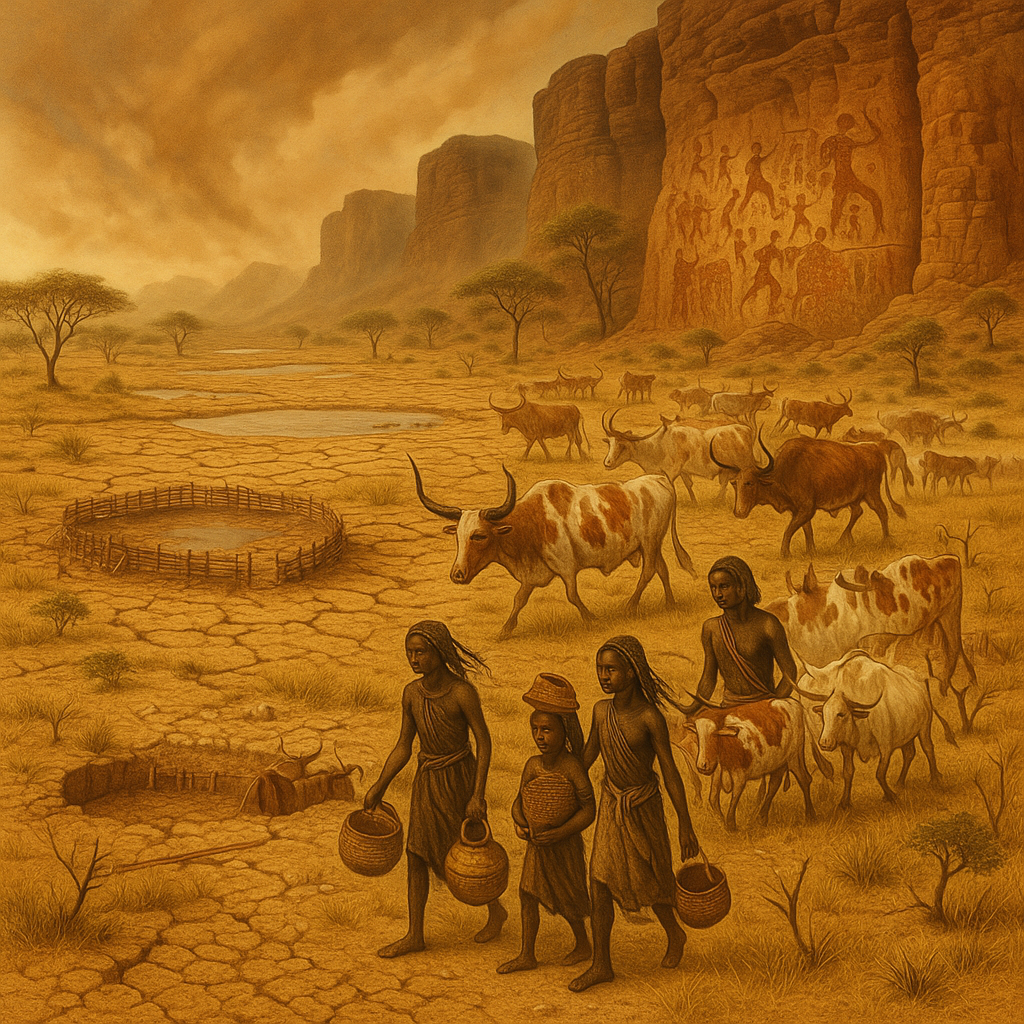
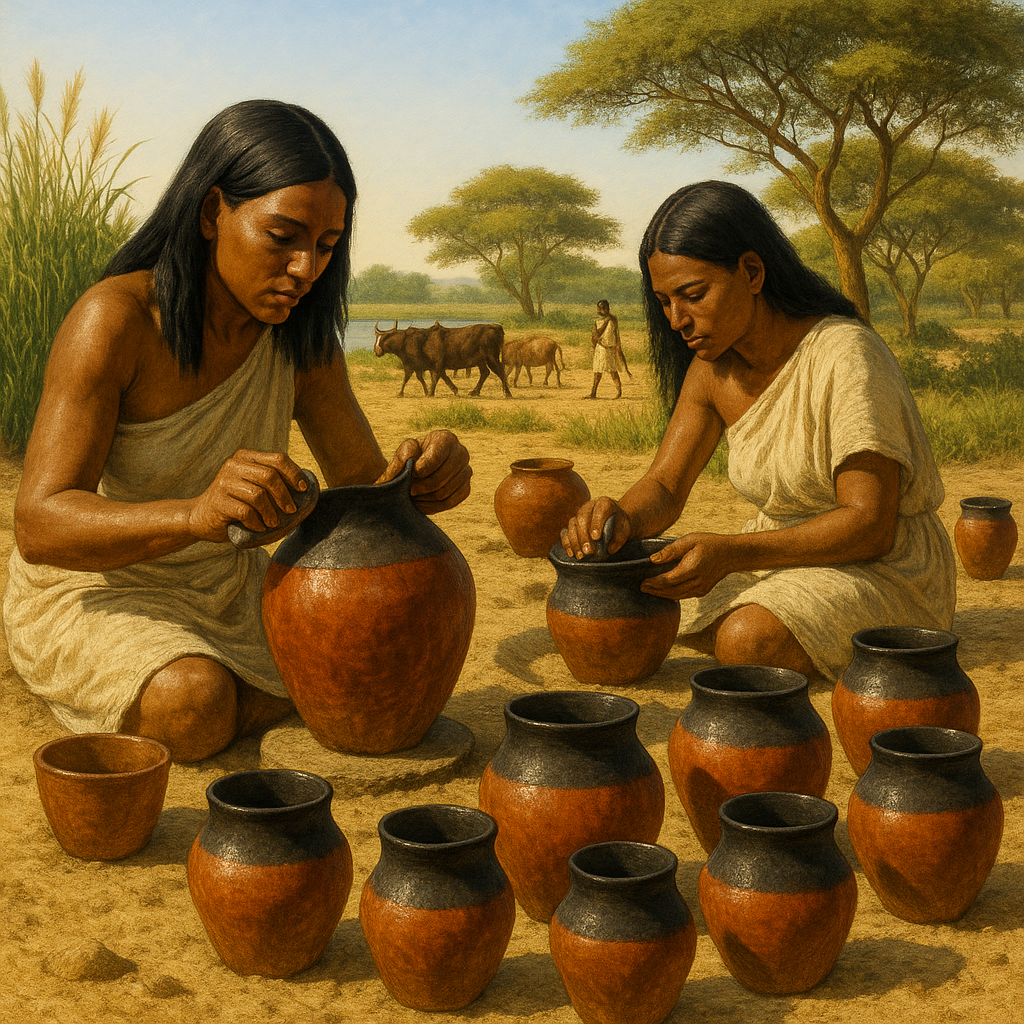
| Chalcolithic Africa (beyond the Nile) | Early Saharan Pastoral, Nilo-Saharan Copper-Using Groups | Nabta Playa, Tassili n’Ajjer | Desertification begins; pastoral migrations; early copper and bead industries |
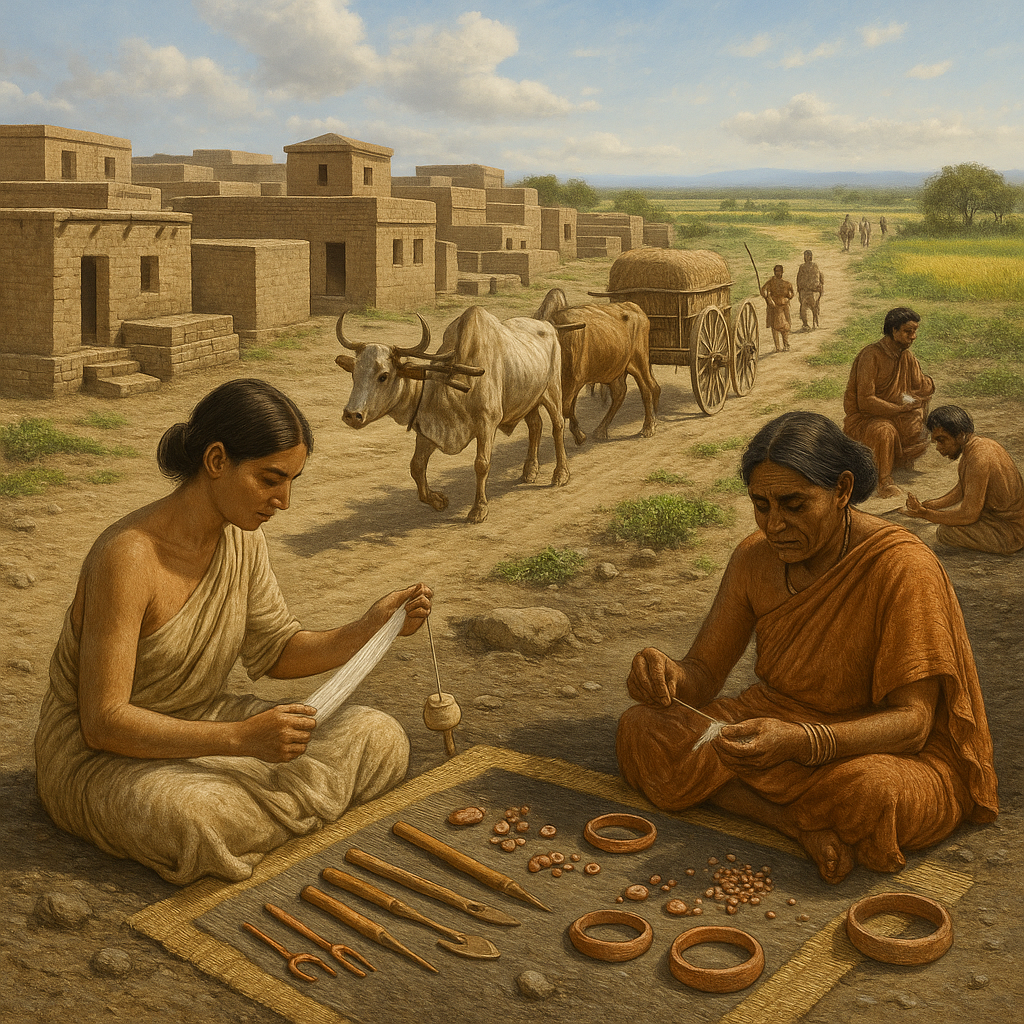
| Chalcolithic India and Central Asia | Mehrgarh VII–VIII, Amri, Kot Diji, Balakot | Mehrgarh, Amri, Kot Diji | Proto-Indus cultures; copper use and urban precursors; regional craft specialization |
| Chalcolithic China (East Asia) | Yangshao (late), Majiayao, Dawenkou | Banpo (Yangshao), Machang (Majiayao), Dawenkou | Expansion of millet/rice farming; copper ornaments; regional pottery differentiation |
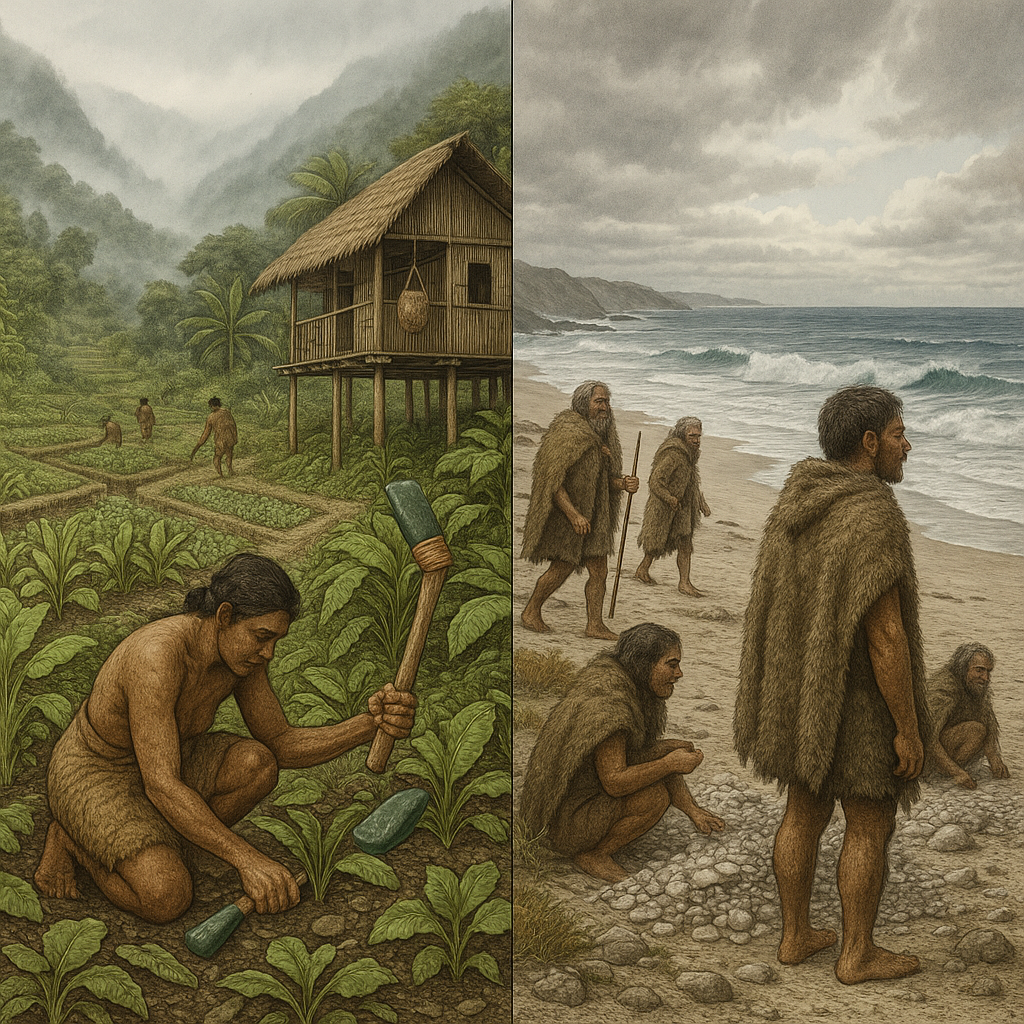
| Chalcolithic Oceania | Lapita Ancestors, New Guinea Highland Cultures | Kuk Swamp, Rossel Island | Early metallurgy absent but social complexity rises; long-distance trade networks form |
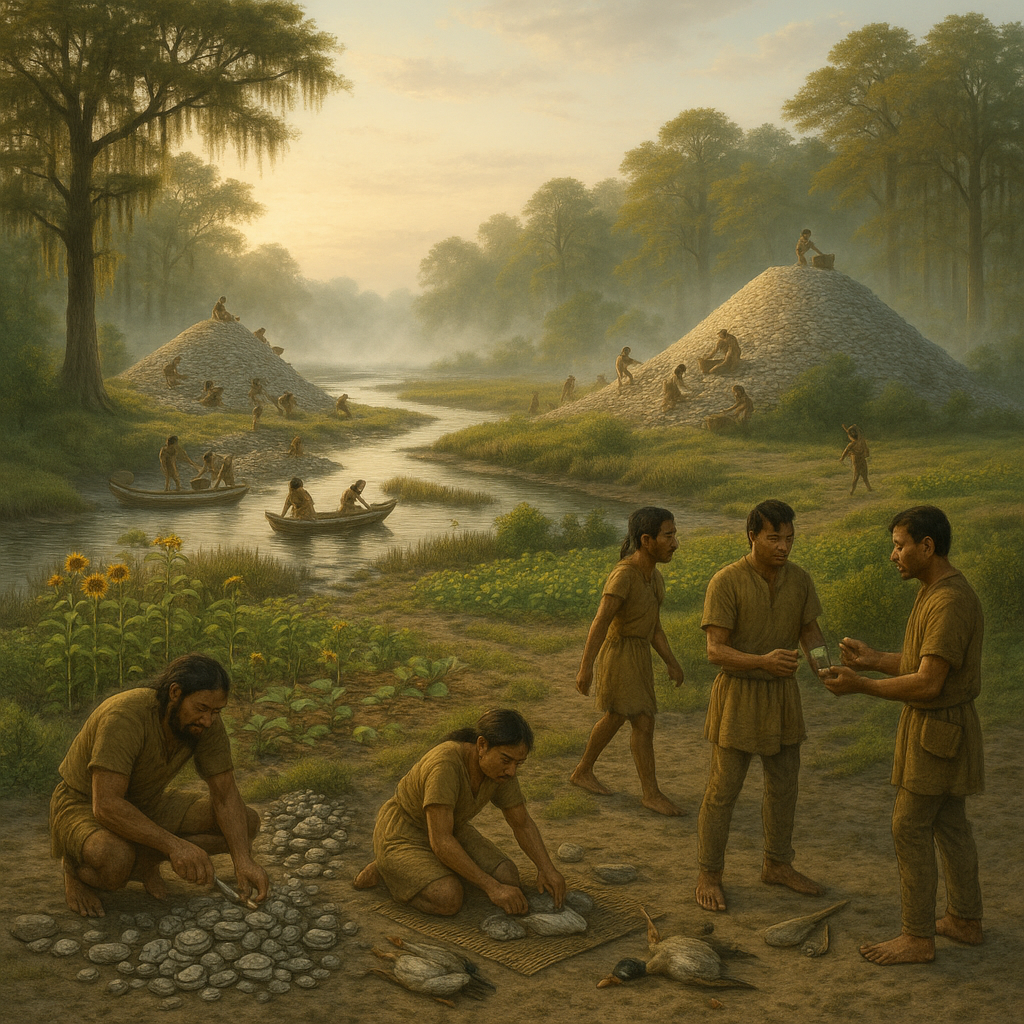
| Chalcolithic North America | Old Copper Complex, Late Archaic Cultures | Great Lakes Region, Poverty Point (emerging) | Native copper use in Great Lakes; trade networks across river systems |
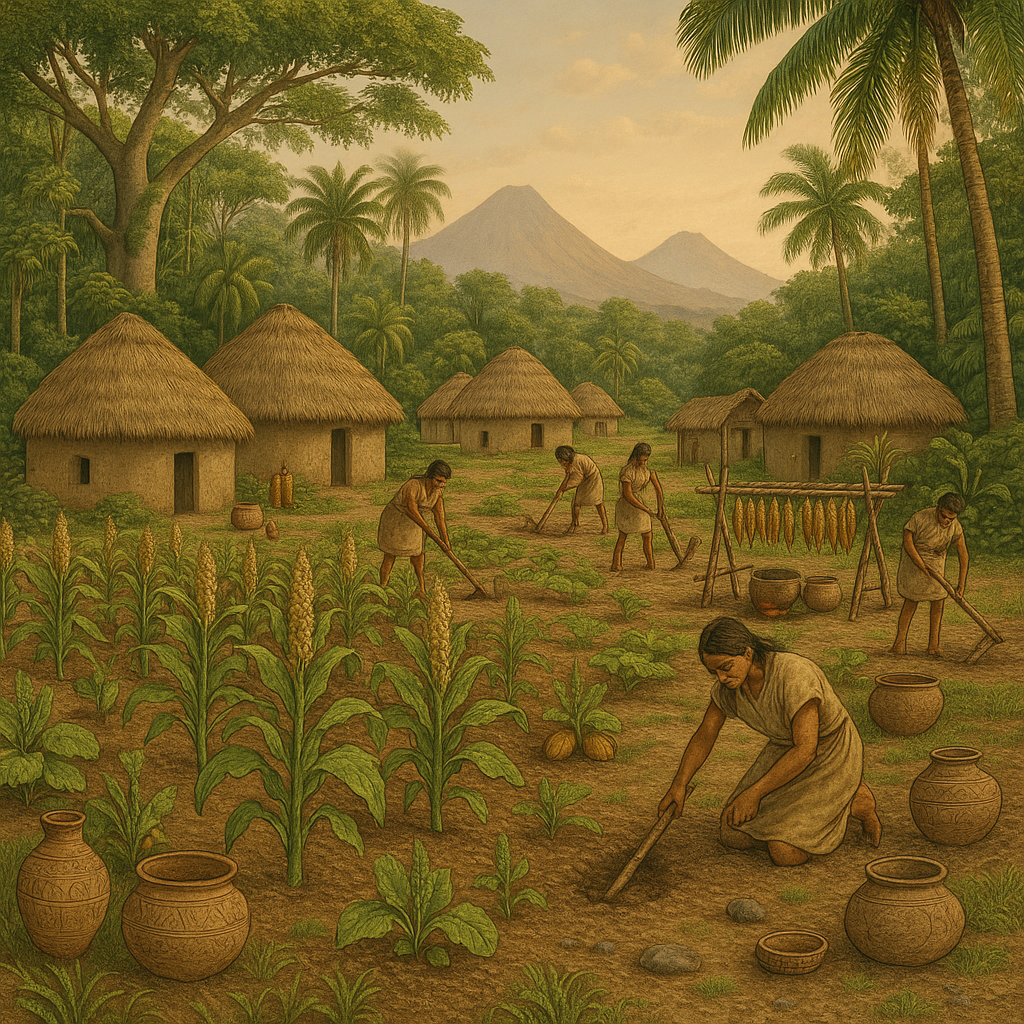
| Chalcolithic Central America | Barra, Ocos, Cuadros | Soconusco Coast, Chiapas | Early village societies; pottery innovation; pre-Olmec cultural foundations |
| Chalcolithic South America | Valdivia, Chinchorro (late), Norte Chico (formative) | Valdivia (Ecuador), Norte Chico (Peru) | First Andean urban centers; irrigation agriculture; earliest metallurgy in Andes |


4,500 BC – Snapshot
| Terra Avita Region and Era Name Link | Event Description |
|---|---|
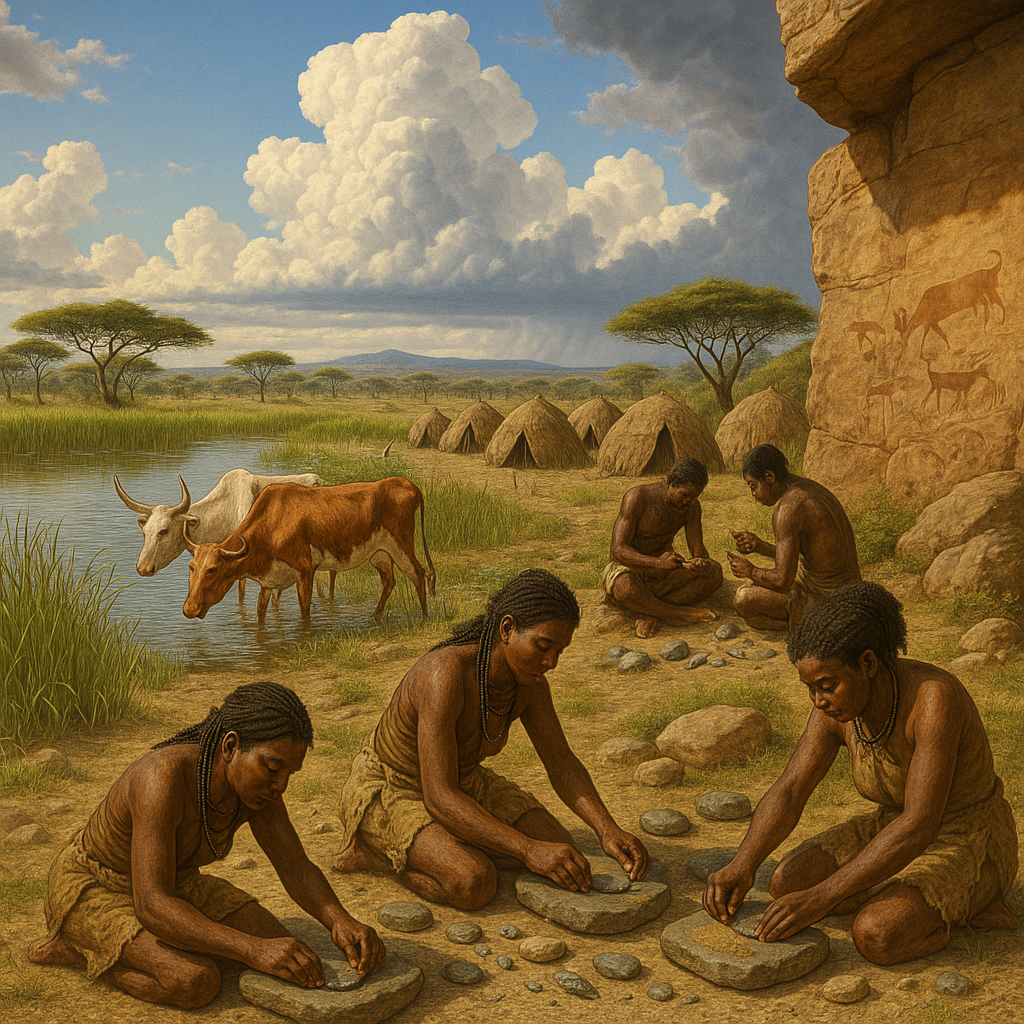
| Neolithic Africa (beyond the Nile) | Sahara still green but drying begins; pastoralism spreads widely through eastern and central Sahara; cattle-based societies form; rock art prolific. |
| Neolithic Central America | Early domestication centers forming; proto-maize emerging in southwestern Mexico; small sedentary villages appear shortly after this window. |
| Neolithic China (East Asia) | Neolithic cultures split into regional clusters: Yangshao in the north (millet agriculture, painted pottery) and Hemudu in the south (early rice-based village systems). |
| Neolithic Eastern Mediterranean | Late Neolithic and early Chalcolithic; large village complexes (Çatalhöyük waning, Jericho evolving); copper use rises; first proto-urban social stratification begins. |
| Neolithic Egypt | Badarian culture near its start (circa 4400 BC); early agriculture along the Nile; fine pottery, cattle pastoralism, and grave goods show rising social complexity. |
| Neolithic India and Central Asia | Mehrgarh Phase III in Baluchistan; established agriculture (wheat/barley), domesticated cattle, and large mud-brick villages; craft specialization increases. |
| Neolithic North America | Late Archaic in many regions; broad-spectrum foraging; mound traditions beginning in Southeast U.S.; early plant domestication (sunflower, goosefoot) in eastern woodlands. |
| Neolithic Oceania | Australia remains forager-based; rich ritual cultures and rock art; Tasmania isolated by rising seas; New Guinea shows developed horticulture (taro, yam), early drainage systems. |
| Neolithic Persia | Chalcolithic Iran emerges; settlements in Zagros and Iranian Plateau grow; early irrigation and painted pottery cultures (e.g., Ubaid influence toward west, local developments in east). |
| Neolithic South America | Early agriculture begins in some regions (Andean potato and quinoa precursors, coastal Peru horticulture); widespread maritime foraging along Pacific coast. |
| Neolithic Western Europe | Fully Neolithic across most of Europe; farming communities spread from Danube and Mediterranean; Megalithic traditions begin forming in Atlantic Europe; polished stone tools common. |
3,000 BC – Snapshot
| Terra Avita Region and Era Name Link | Event Description |
|---|---|
| Chalcolithic Africa (beyond the Nile) | The Green Sahara collapses toward aridization. Pastoralist societies retreat into Sahel bands and Nile corridor. Cattle culture persists; major rock art traditions (Tassili n’Ajjer) near peak expression. |
| Chalcolithic Central America | Proto-agricultural villages emerging in southern Mexico. Early maize cultivation recognizable but not yet dominant. First durable sedentary sites begin to consolidate. |
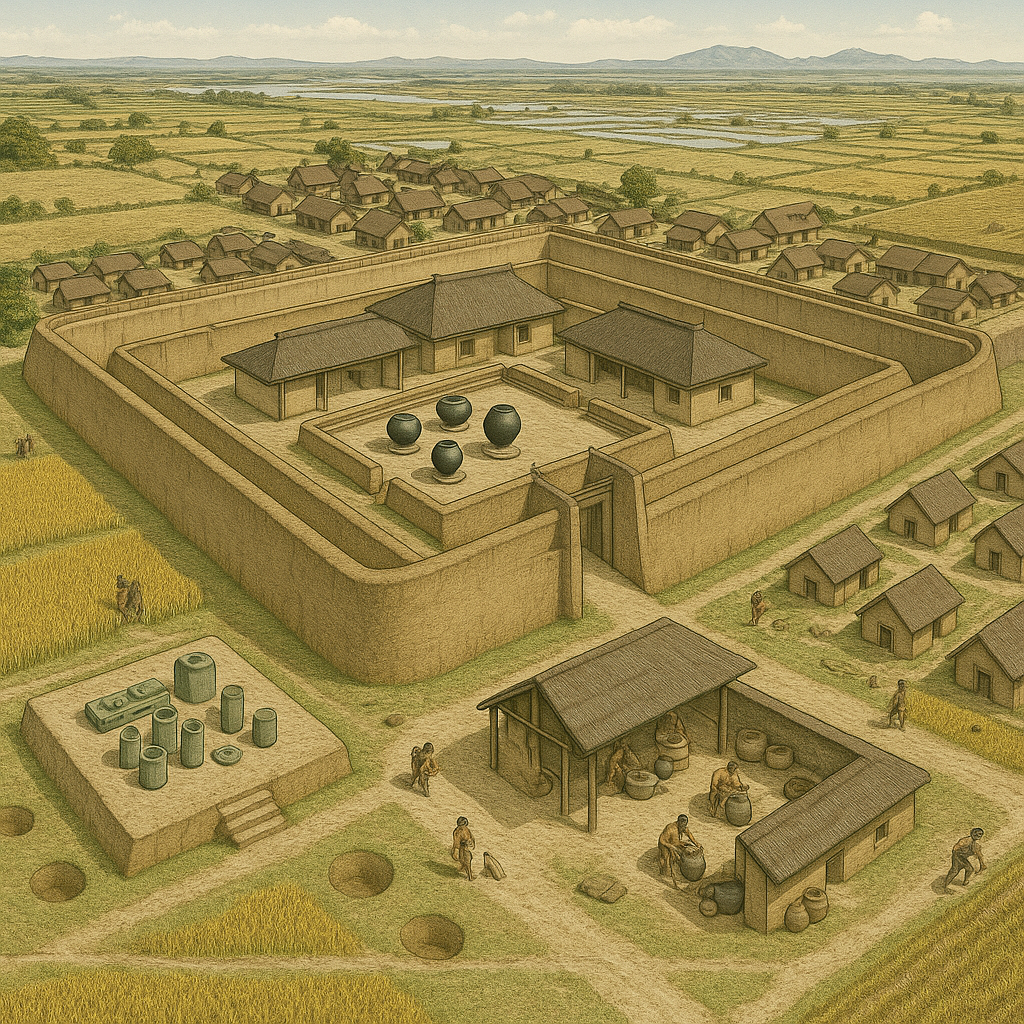
| Chalcolithic China (East Asia) | Yangshao culture declining; Longshan culture rising—marked by walled settlements, social stratification, black pottery, and emerging political centralization. North: millet agriculture strong; South: rice agriculture expands. |
| Chalcolithic Eastern Mediterranean | Rise of the first true urban civilizations. Egypt enters the Early Dynastic period; Sumerian city-states (Ur, Uruk, Lagash) are in full Bronze Age development; writing systems fully operational (cuneiform, hieroglyphs). |
| Chalcolithic Egypt | Transition from Predynastic → Early Dynastic. Narmer unifies Upper and Lower Egypt around 3100 BC. Kingship, hieroglyphic writing, large-scale agriculture, monumental ceremonial architecture (early mastabas) begin. |
| Chalcolithic India and Central Asia | Mature village-based farming systems. In the northwest, early Harappan (Pre-Indus) cultural foundations emerging; planned settlements, craft specialization, long-distance trade networks forming. |
| Chalcolithic North America | Late Archaic period. Regional plant domestication spreads (sunflower, marsh elder). Large-scale trade networks (eastern woodlands). Shell mound complexes along coasts. No agriculture except in very early proto-forms. |
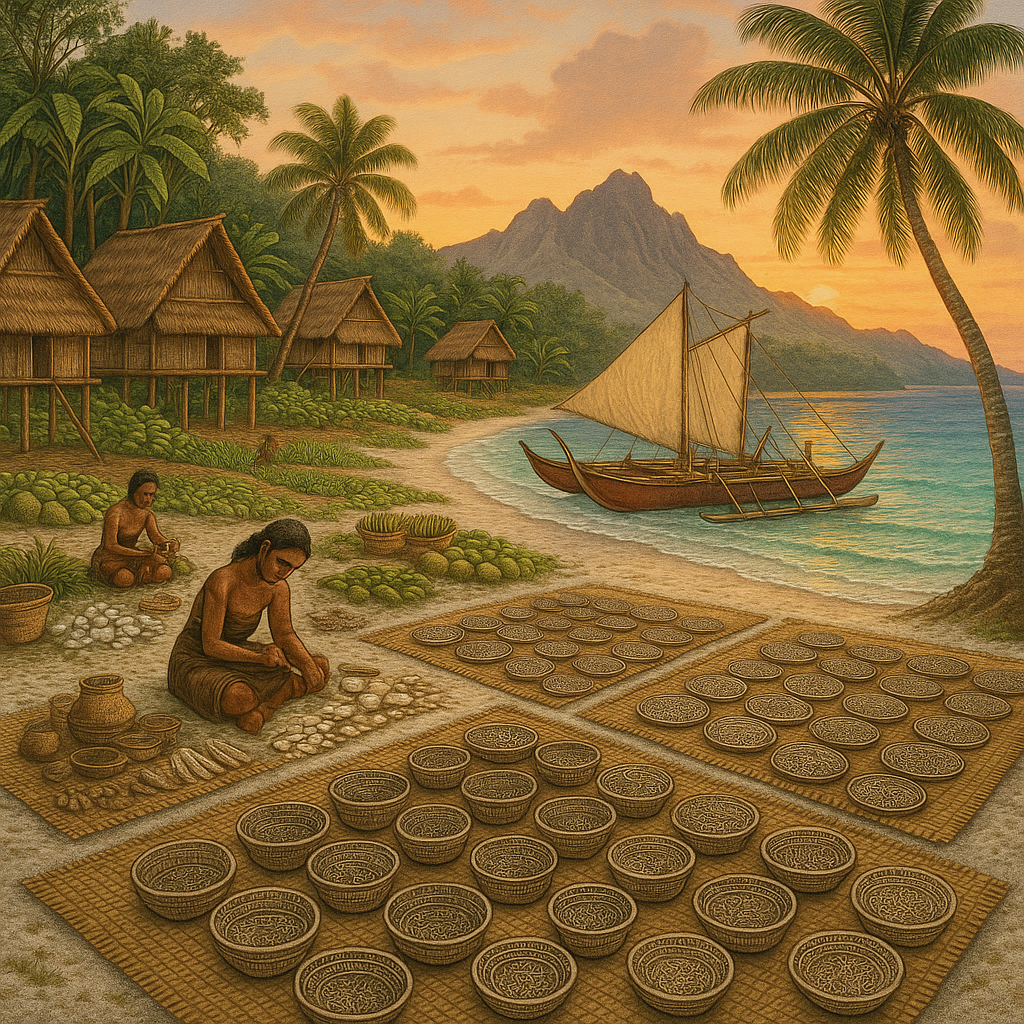
| Chalcolithic Oceania | Australia remains hunter-gatherer with highly developed regional cultures; Tasmania fully isolated. New Guinea maintains advanced horticulture—taro, banana, and early irrigation structures in highlands. |
| Chalcolithic Persia | Proto-Elamite civilization active in southwestern Iran; administrative tablets and early writing systems appear. Settlements grow across the Iranian Plateau; copper metallurgy spreads widely. |
| Chalcolithic South America | Early Andean agricultural societies forming—potato, quinoa, llama domestication increasing. Norte Chico (Caral-Supe) civilization beginning to rise around 3000–2600 BC along Peru’s coast. |
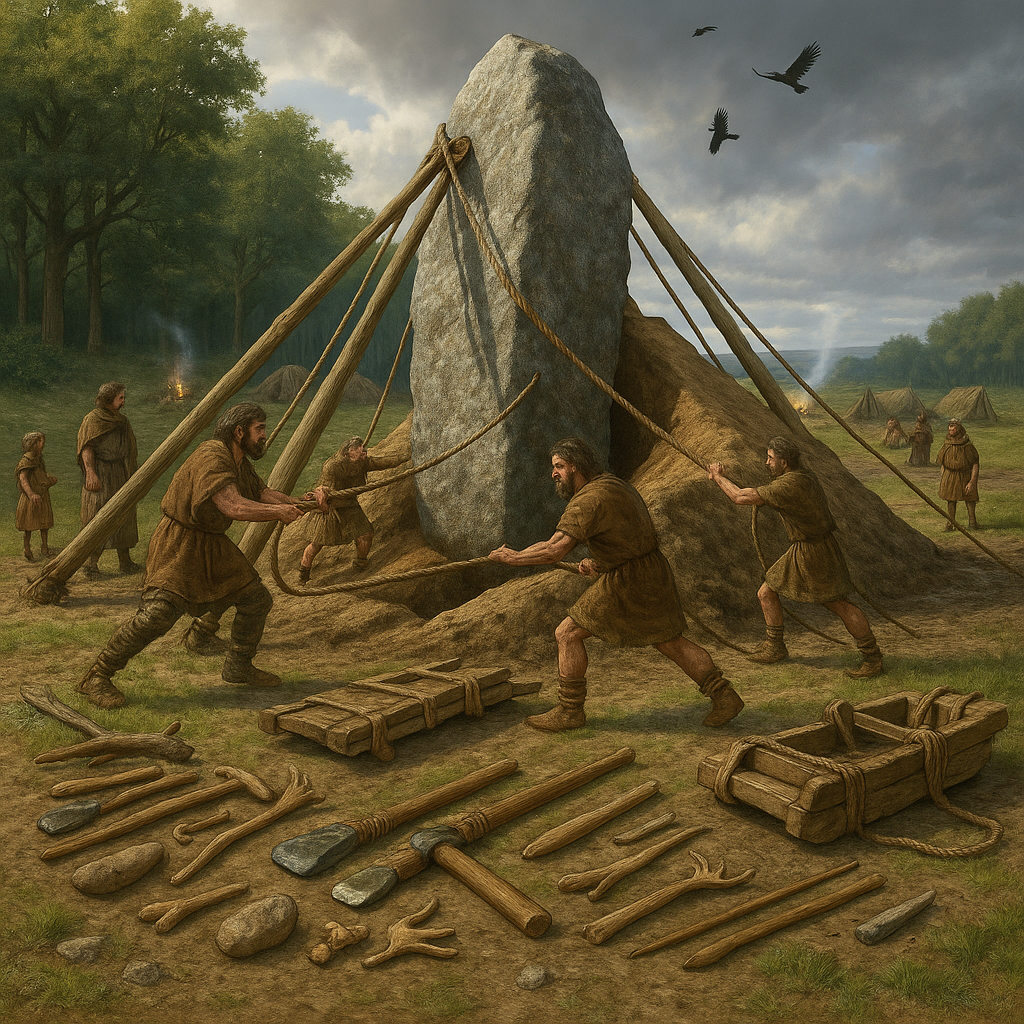
| Chalcolithic Western Europe | Western Europe enters the Late Neolithic / Early Bronze horizon. Megalithic cultures flourish (Stonehenge’s earliest phases, Newgrange already built). Farming is dominant; metallurgy begins to appear in Iberia and the Balkans. |