(3000 BC – 1200 BC)
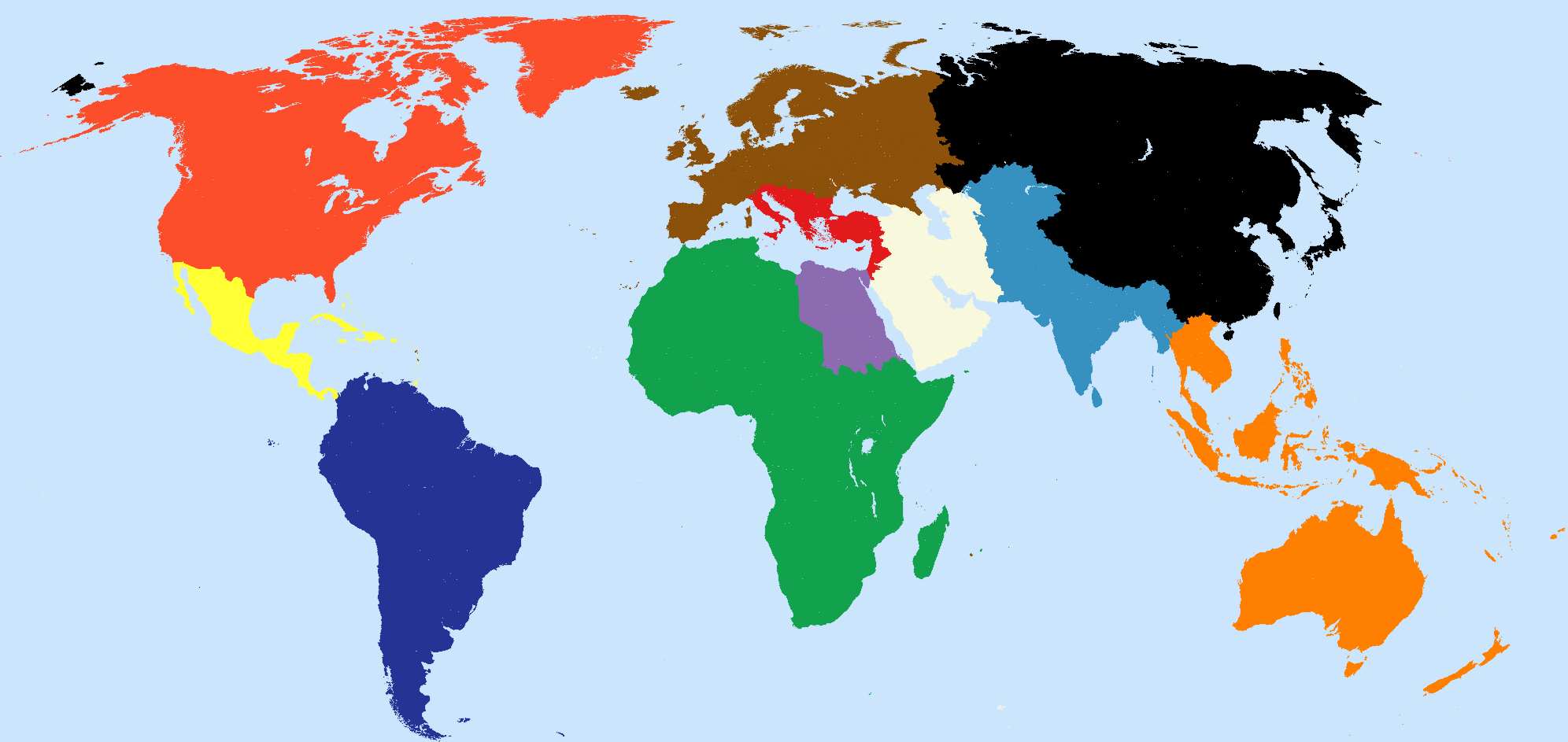 Western Europe
Bronze Age Eastern Mediterranean
Bronze Age Near East
Bronze Age Nile Valley
Bronze Age Africa Beyond the Nile
Bronze Age Indus & Central Asia
Bronze Age East Asia
Bronze Age Bronze Age Oceania Bronze Age
North America Bronze Age
Central America Bronze Age
South America
| Terra Avita Region and Era Name Link | Representative Cultures | Major Cities / Centers | Major Events |
|---|---|---|---|
| Western Europe (Atlantic & Continental) Bronze Age | Wessex, Armorican, Únětice, Tumulus | Stonehenge (final phases), Leubingen, Brittany hillforts | Bronze metallurgy spreads; long-distance amber & tin trade; elite burial systems |
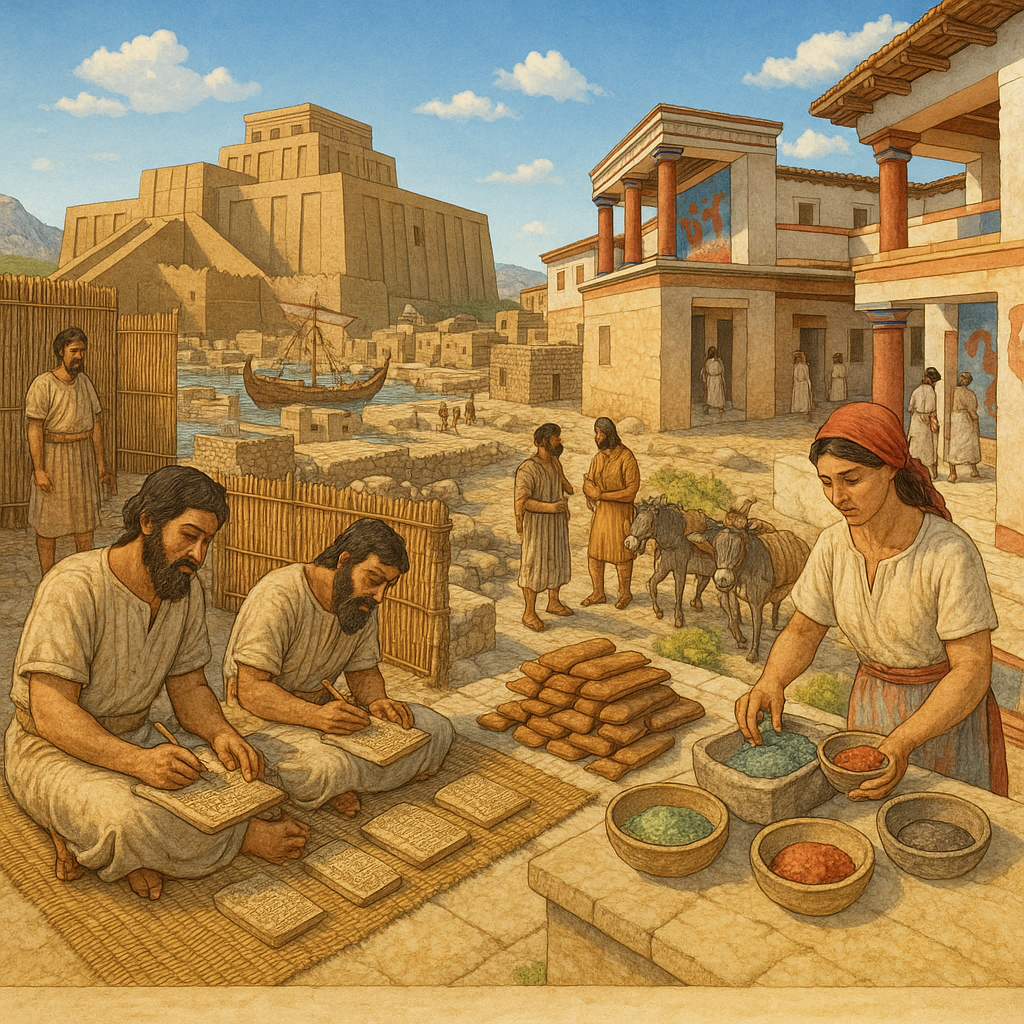
| Aegean & Anatolia (Eastern Mediterranean) Bronze Age | Minoan, Mycenaean, Cycladic, Hittite, Troy II–VI | Knossos, Mycenae, Hattusa, Troy, Akrotiri | Palace economies rise; Linear A/B scripts; Aegean trade networks; eruption of Thera |
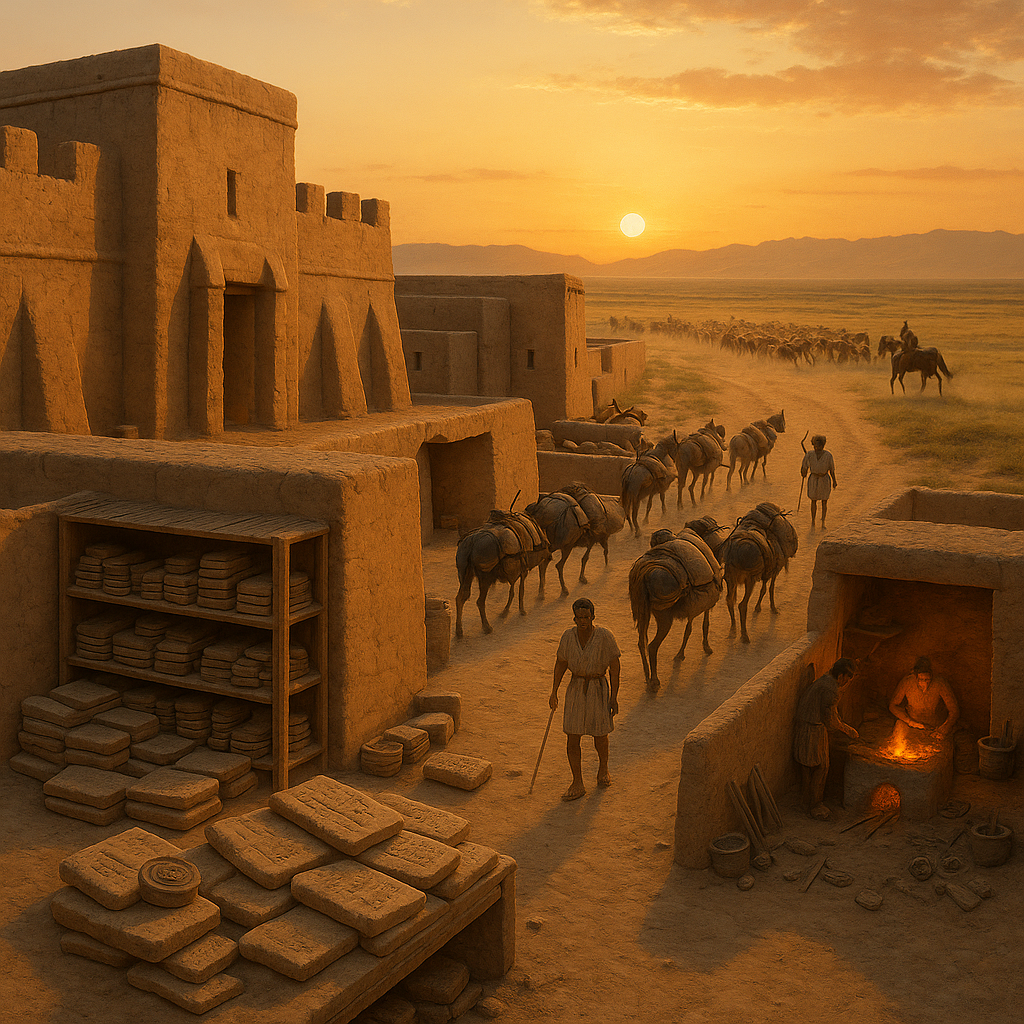
| Near East (Mesopotamia & Iran Plateau) Bronze Age | Sumerian, Akkadian, Babylonian, Elamite | Ur, Uruk, Akkad, Babylon, Susa | First empires; cuneiform writing; Hammurabi’s Code; city-state diplomacy |
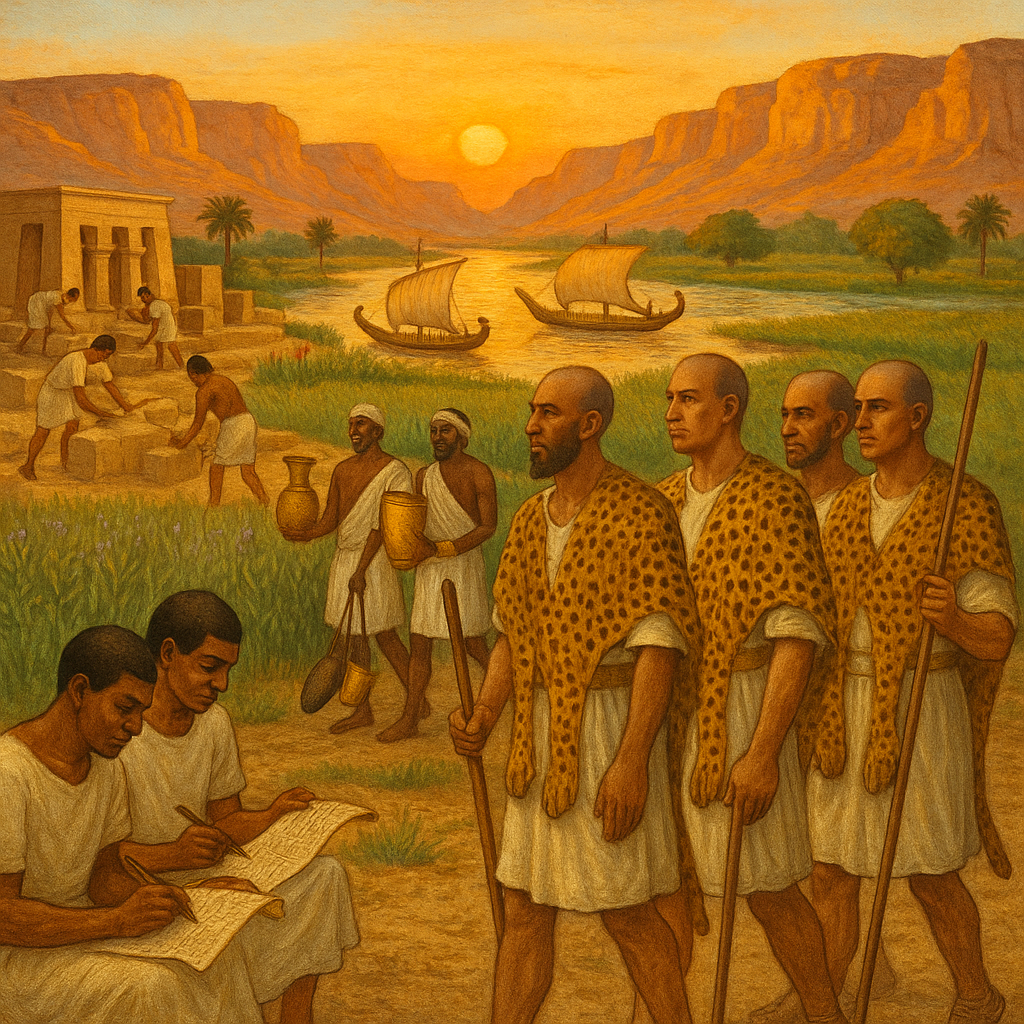
| Nile Valley (Egypt & Nubia) Bronze Age | Old, Middle, & New Kingdoms; Kerma, Kush | Memphis, Thebes, Amarna, Kerma | Pyramid building; centralized theocracy; Hyksos invasion; expansion into Nubia & Levant |
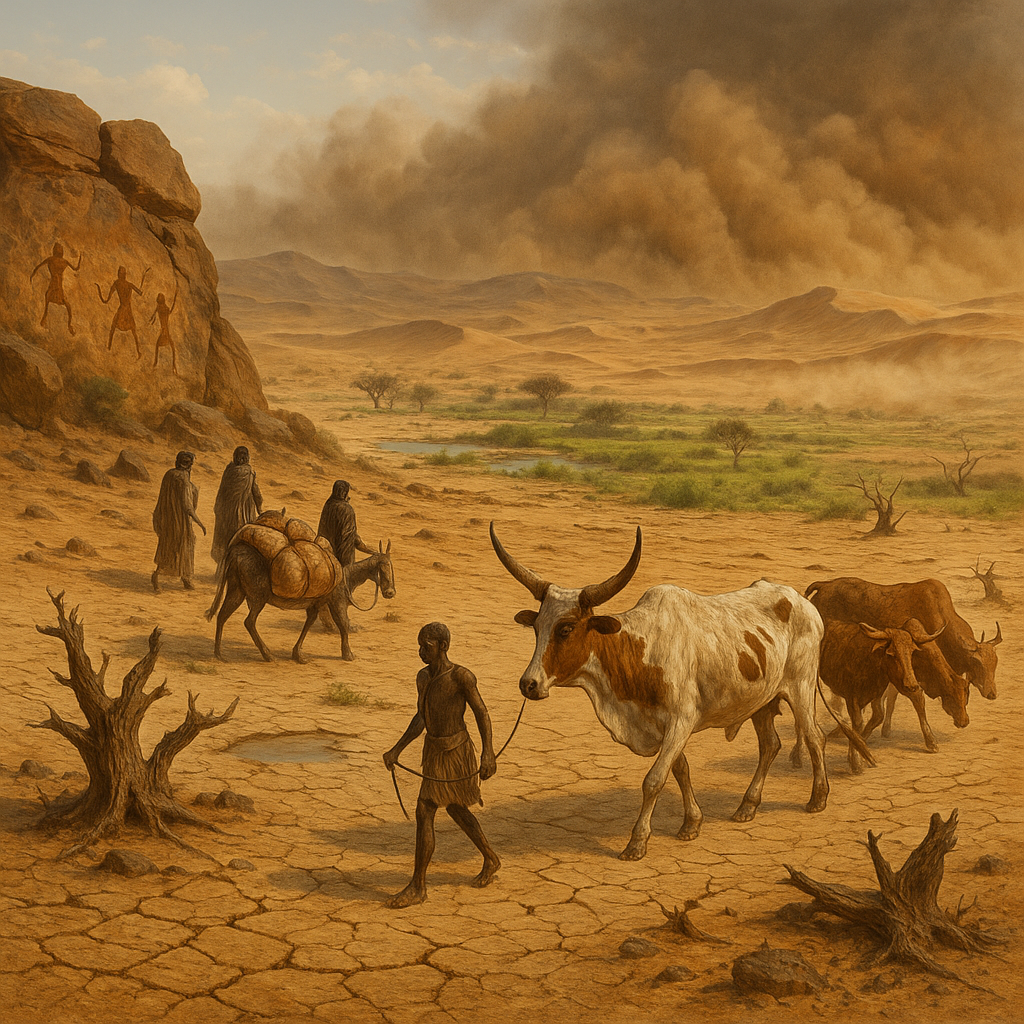
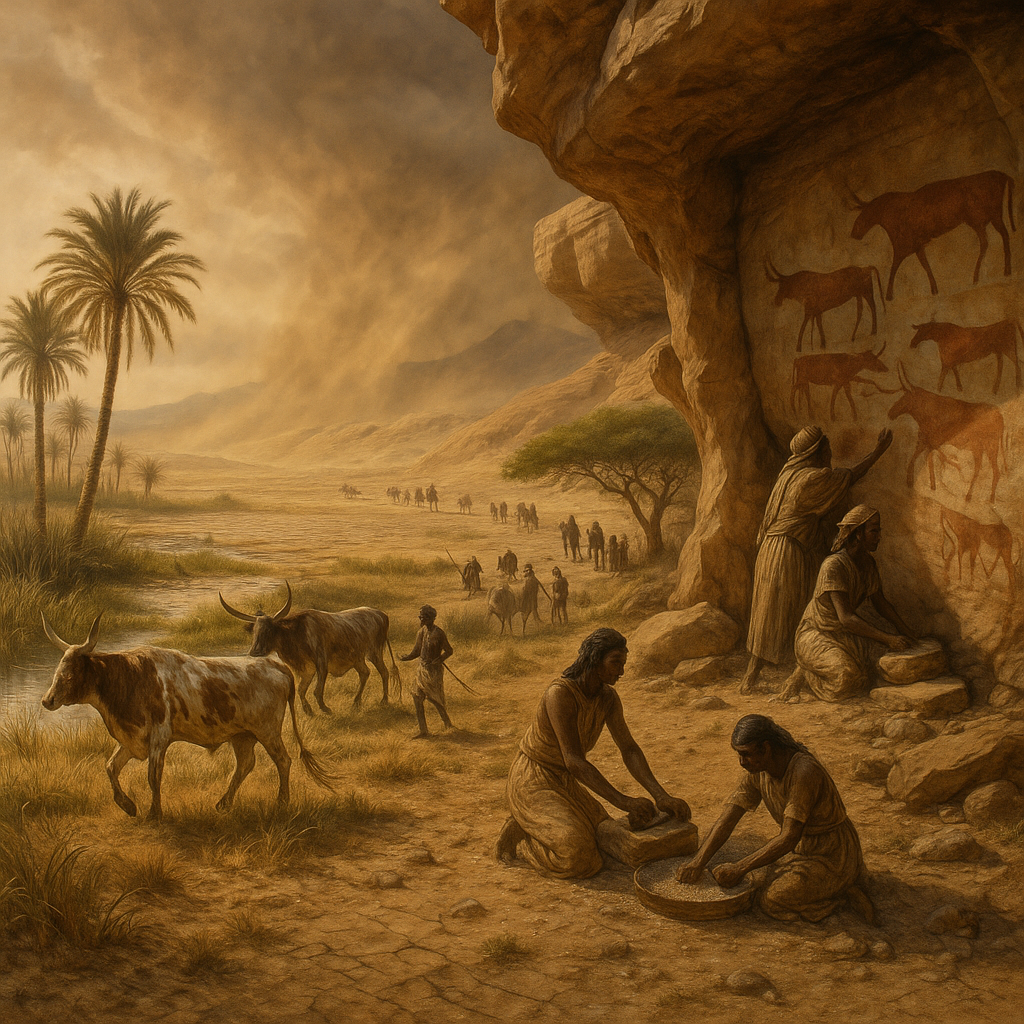
| Africa Beyond the Nile (Saharan–Sahelian–Sub-Saharan) Bronze Age | Nok (early formative), Tassili Pastoralists, Nubian Kerma Influence | Dhar Tichitt, Tassili n’Ajjer, Nok | Metallurgy spreads south; desertification drives migration; proto-urban nodes appear |
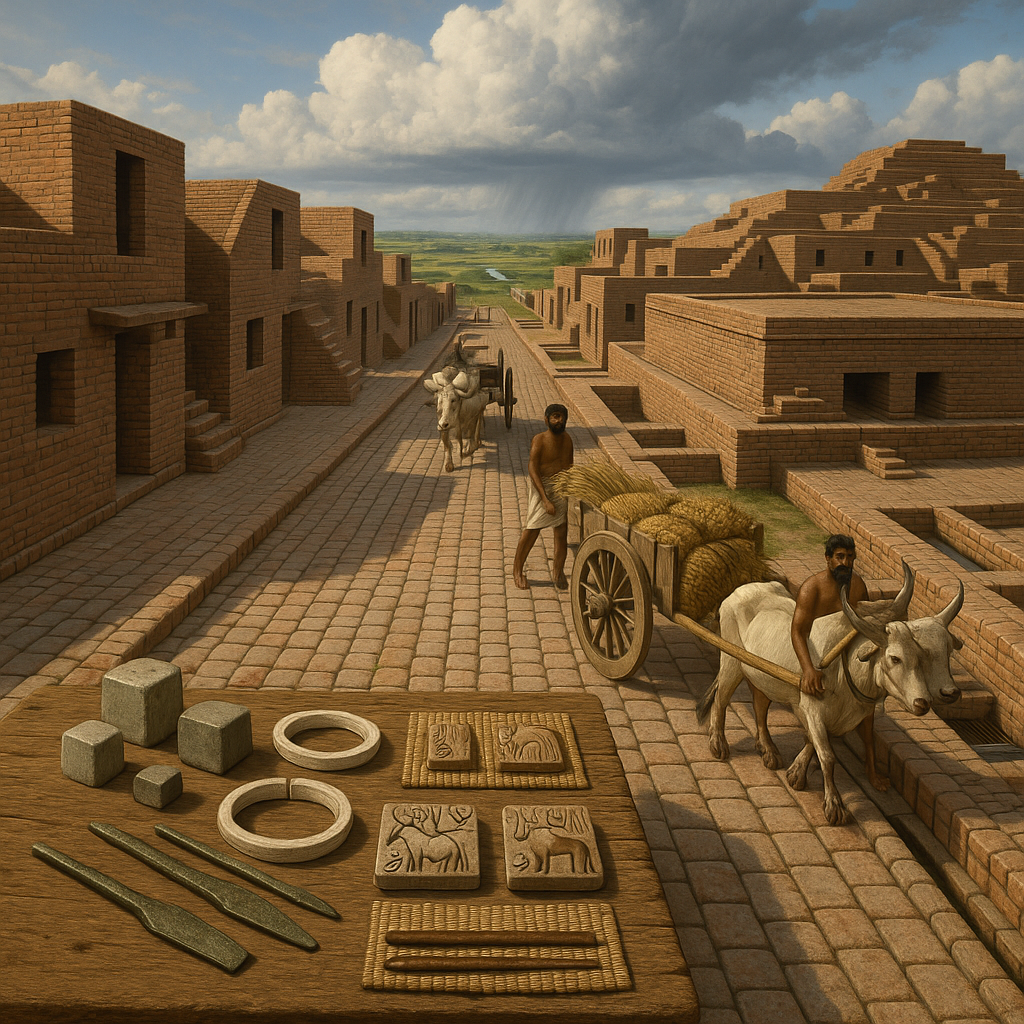
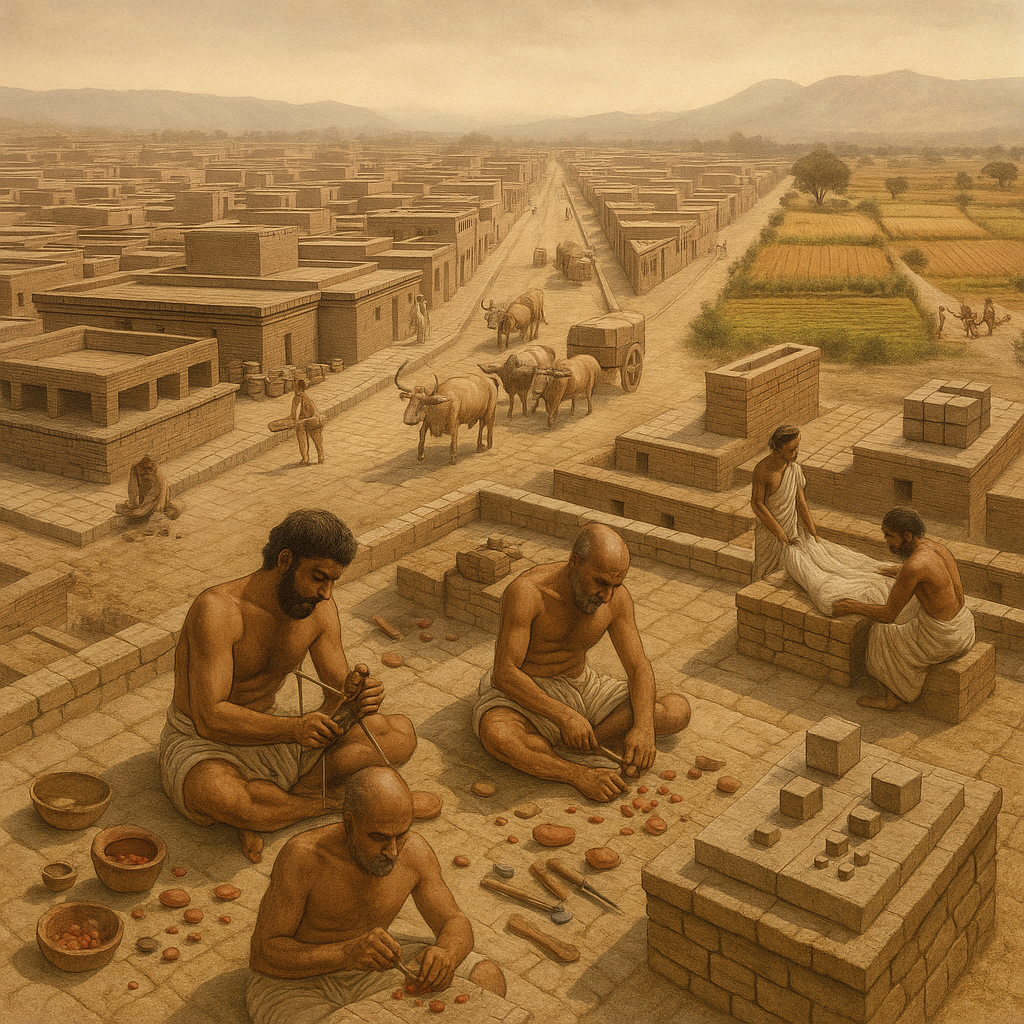
| Indus & Central Asia (South Asia Corridor) Bronze Age | Harappan (Indus Valley Civilization), BMAC (Bactria–Margiana), Kot Diji (Late) | Mohenjo-Daro, Harappa, Shortugai, Gonur Tepe | Urban planning; standardized weights; Indus script; trade with Mesopotamia |
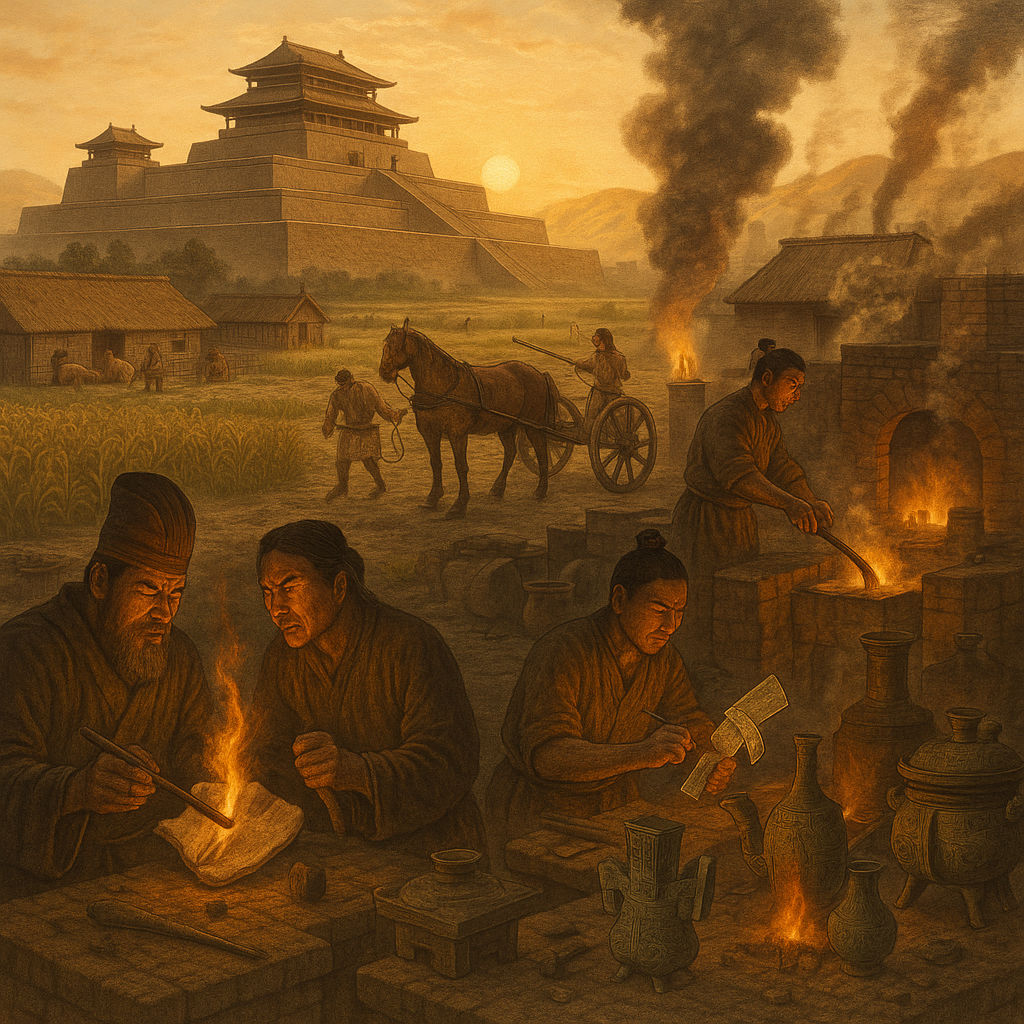
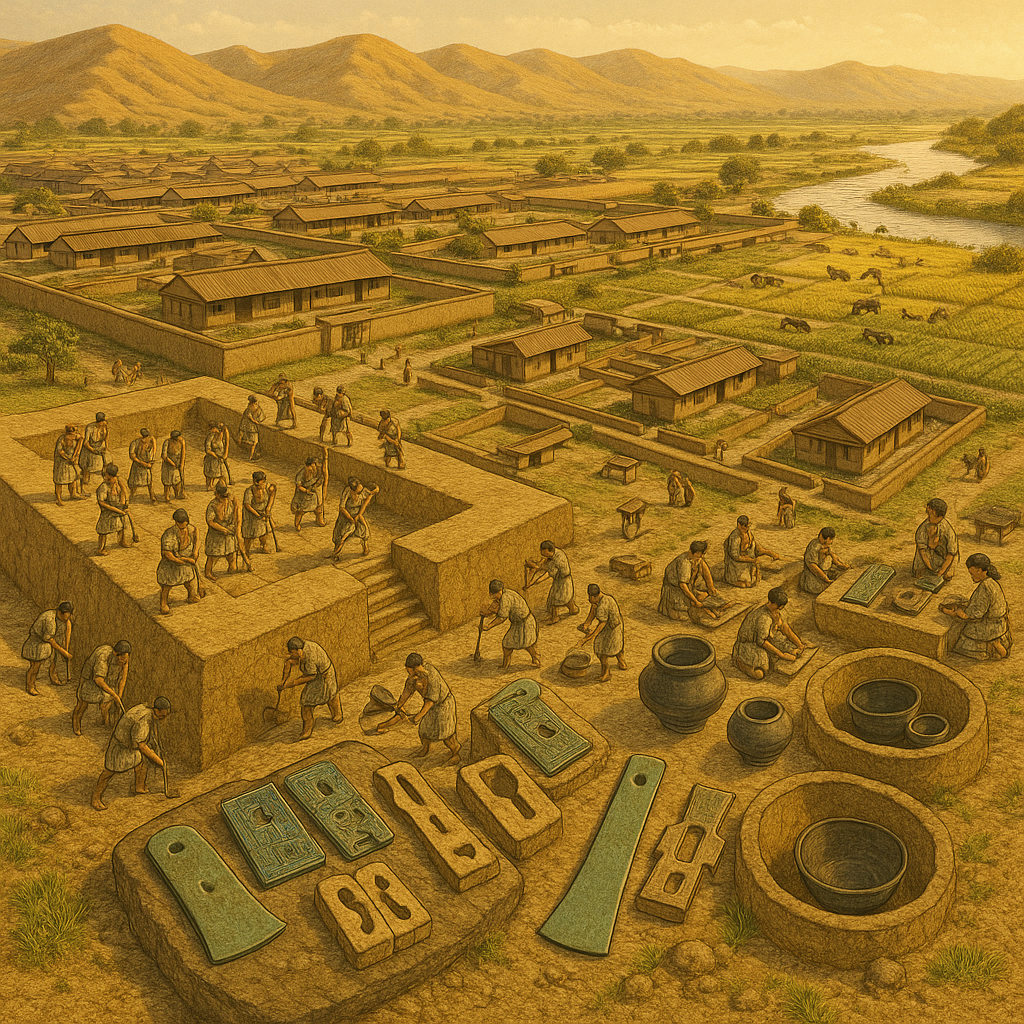
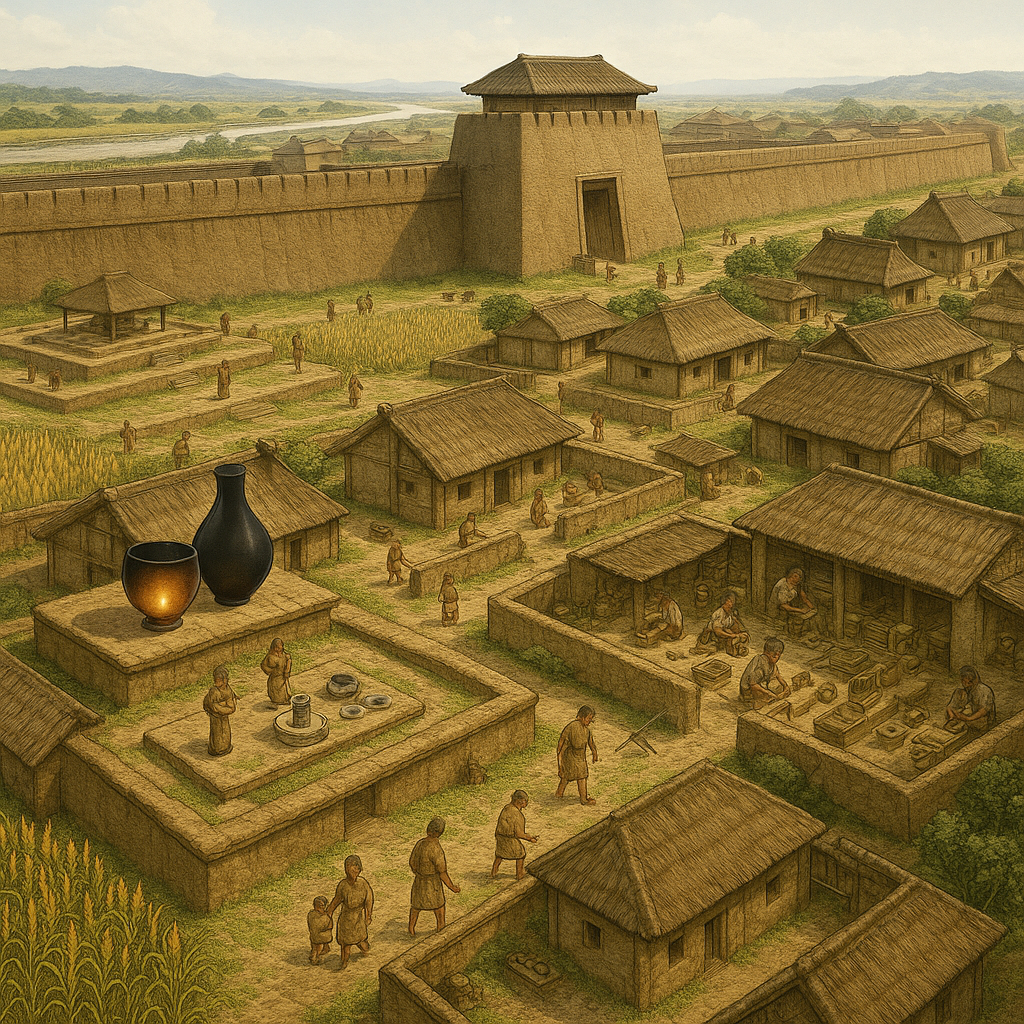
| East Asia (Yellow River Basin) Bronze Age | Erlitou, Erligang, Shang Dynasty | Zhengzhou, Anyang (Yinxu), Panlongcheng | First Chinese states; oracle bones; bronze ritual vessels; military chariot culture |
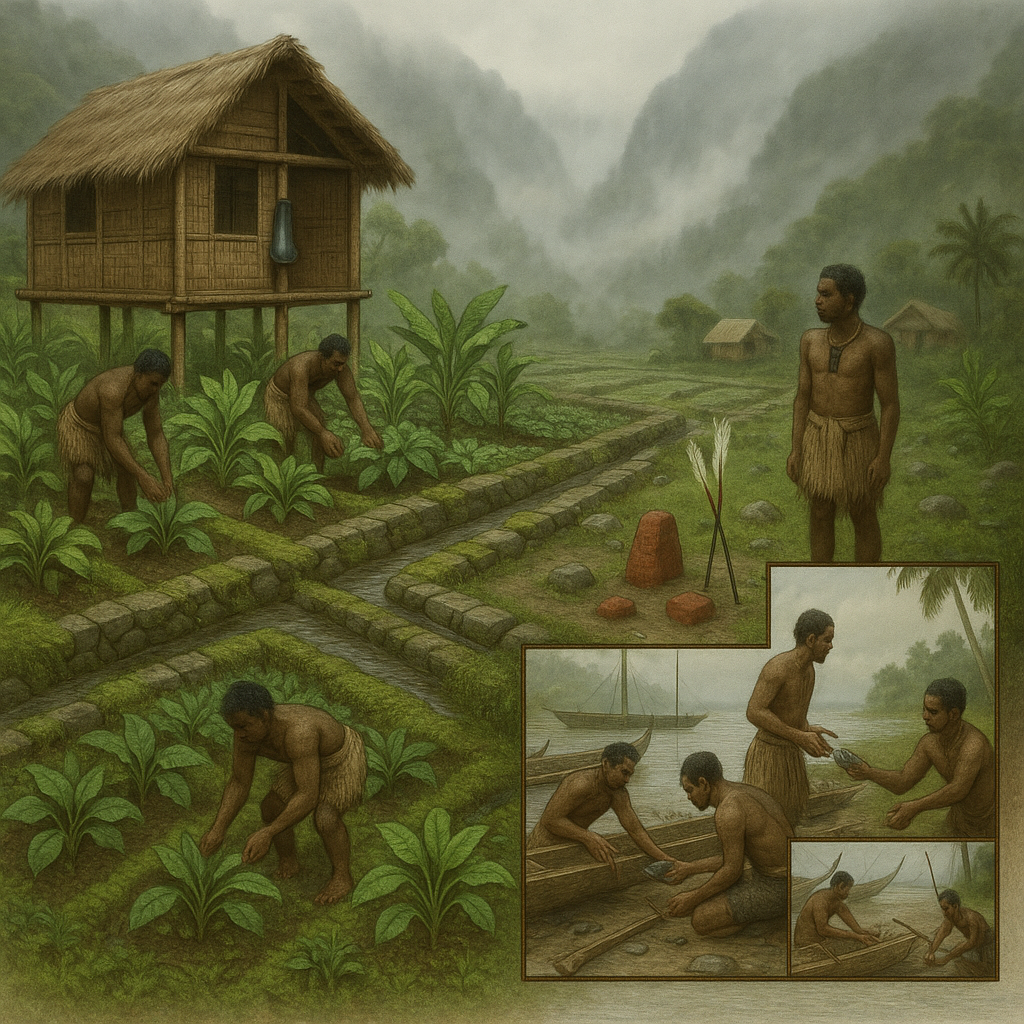
| Bronze Age Oceania | Lapita Proto-Polynesian, Early Melanesian, Papuan Highlands | Bismarck Archipelago, New Guinea Highlands, Tongatapu | Austronesian expansion begins; long-distance seafaring; agriculture and pottery develop independently |
| Bronze Age North America | Old Copper Complex, Poverty Point, Early Archaic Traditions | Great Lakes Region, Poverty Point (Louisiana), Watson Brake | Native copper tool industry; earthwork construction; continental trade in stone and shells |
| Bronze Age Central America | Barra, Ocós, Mokaya, Early Olmec | Soconusco Coast, San Lorenzo Tenochtitlán, La Venta (early phases) | Agricultural intensification (maize, beans, squash); early chiefdoms; emergence of Olmec cultural traits |
| Bronze Age South America | Valdivia, Norte Chico (Caral–Supe), Las Vegas, Chiripa | Caral (Peru), Sechín Alto, Valdivia (Ecuador), Chiripa (Bolivia) | First Andean urban centers; irrigation agriculture; textile and fishing economies; early metallurgy |


3000 BC – Snapshot
| Terra Avita Region and Era Name Link | Event Description |
|---|---|
| Chalcolithic Africa (beyond the Nile) | The Green Sahara collapses toward aridization. Pastoralist societies retreat into Sahel bands and Nile corridor. Cattle culture persists; major rock art traditions (Tassili n’Ajjer) near peak expression. |
| Chalcolithic Central America | Proto-agricultural villages emerging in southern Mexico. Early maize cultivation recognizable but not yet dominant. First durable sedentary sites begin to consolidate. |
| Chalcolithic China (East Asia) | Yangshao culture declining; Longshan culture rising—marked by walled settlements, social stratification, black pottery, and emerging political centralization. North: millet agriculture strong; South: rice agriculture expands. |
| Chalcolithic Eastern Mediterranean | Rise of the first true urban civilizations. Egypt enters the Early Dynastic period; Sumerian city-states (Ur, Uruk, Lagash) are in full Bronze Age development; writing systems fully operational (cuneiform, hieroglyphs). |
| Chalcolithic Egypt | Transition from Predynastic → Early Dynastic. Narmer unifies Upper and Lower Egypt around 3100 BC. Kingship, hieroglyphic writing, large-scale agriculture, monumental ceremonial architecture (early mastabas) begin. |
| Chalcolithic India and Central Asia | Mature village-based farming systems. In the northwest, early Harappan (Pre-Indus) cultural foundations emerging; planned settlements, craft specialization, long-distance trade networks forming. |
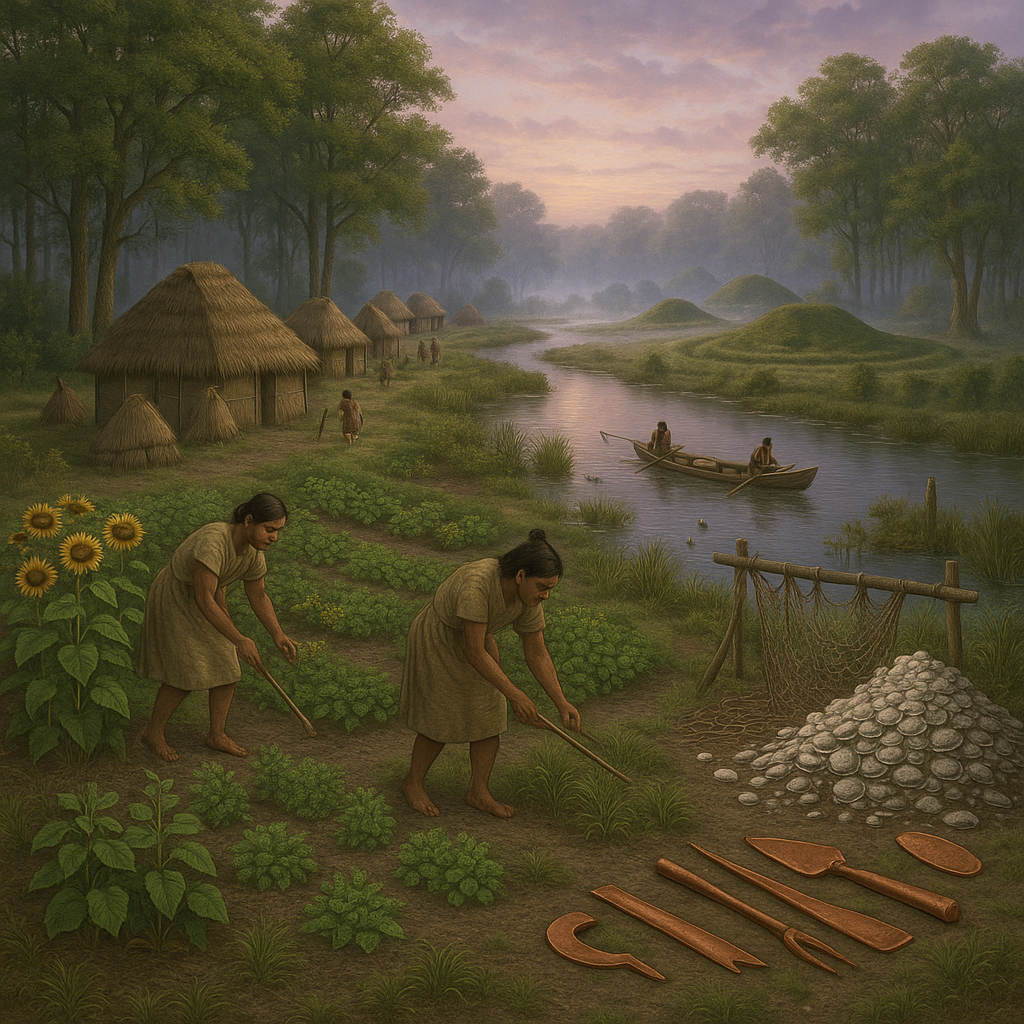
| Chalcolithic North America | Late Archaic period. Regional plant domestication spreads (sunflower, marsh elder). Large-scale trade networks (eastern woodlands). Shell mound complexes along coasts. No agriculture except in very early proto-forms. |
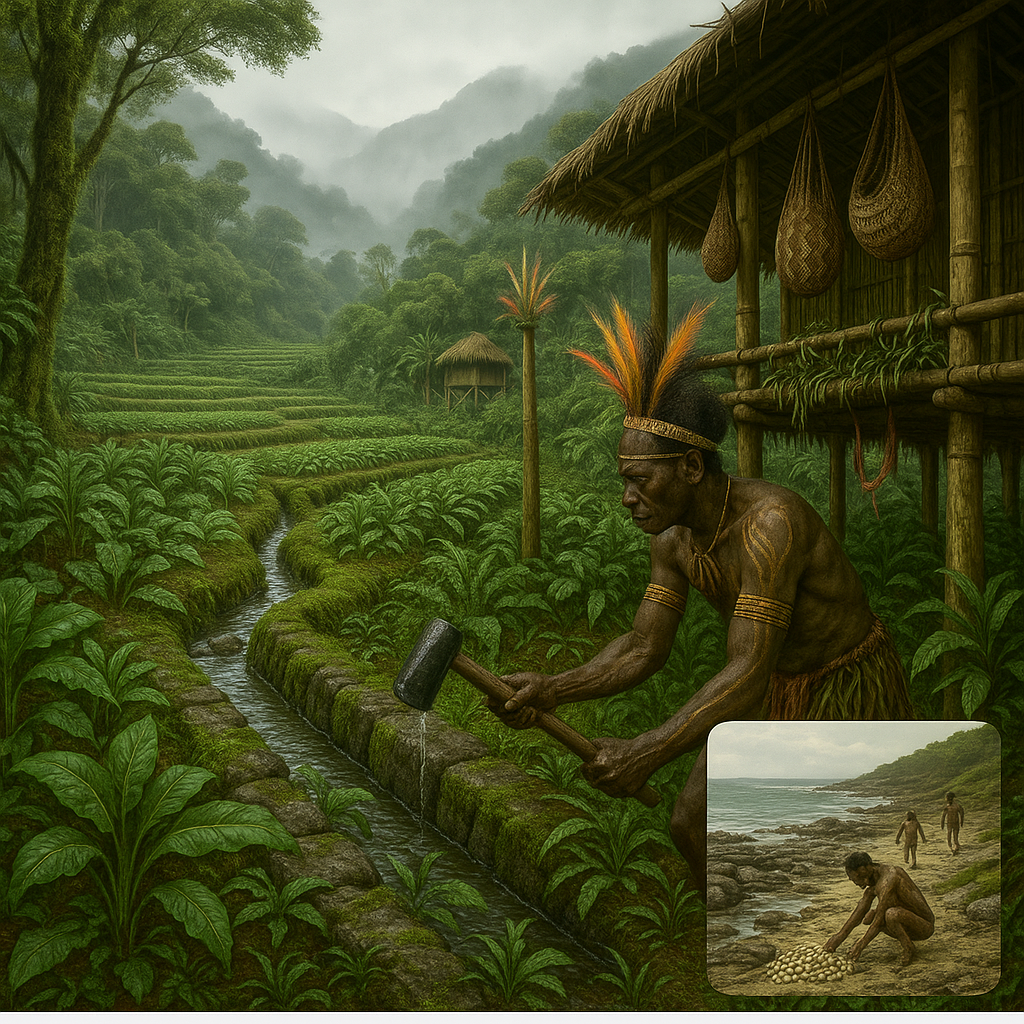
| Chalcolithic Oceania | Australia remains hunter-gatherer with highly developed regional cultures; Tasmania fully isolated. New Guinea maintains advanced horticulture—taro, banana, and early irrigation structures in highlands. |
| Chalcolithic Persia | Proto-Elamite civilization active in southwestern Iran; administrative tablets and early writing systems appear. Settlements grow across the Iranian Plateau; copper metallurgy spreads widely. |
| Chalcolithic South America | Early Andean agricultural societies forming—potato, quinoa, llama domestication increasing. Norte Chico (Caral-Supe) civilization beginning to rise around 3000–2600 BC along Peru’s coast. |
| Chalcolithic Western Europe | Western Europe enters the Late Neolithic / Early Bronze horizon. Megalithic cultures flourish (Stonehenge’s earliest phases, Newgrange already built). Farming is dominant; metallurgy begins to appear in Iberia and the Balkans. |
2500 BC – Snapshot
| Terra Avita Region and Era Name Link | Event Description |
|---|---|
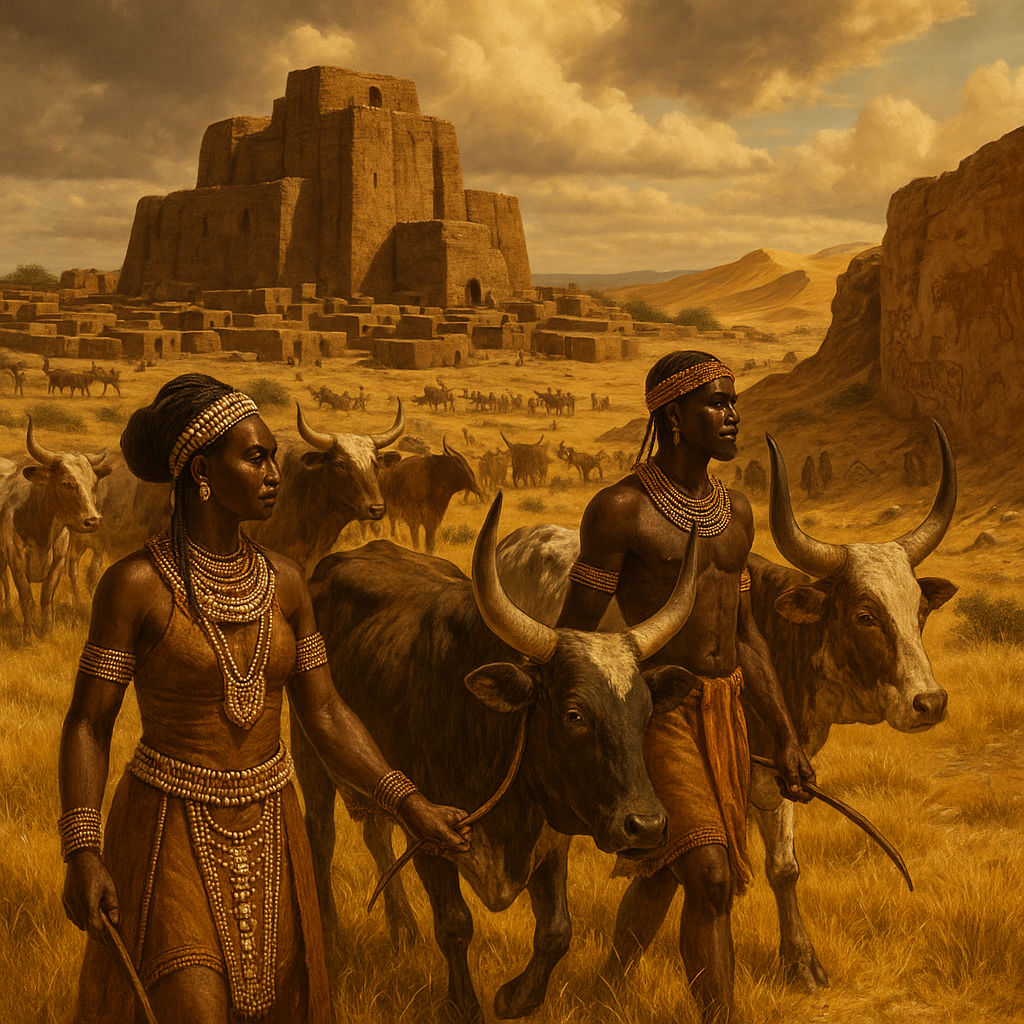
| Africa Beyond the Nile (Saharan–Sahelian–Sub-Saharan) Bronze Age | Sahara continues drying. Pastoralists dominate Sahel regions; cattle culture persists. Rock art remains active but declines as desert expands. Nile Valley and East African highlands remain stable population centers. |
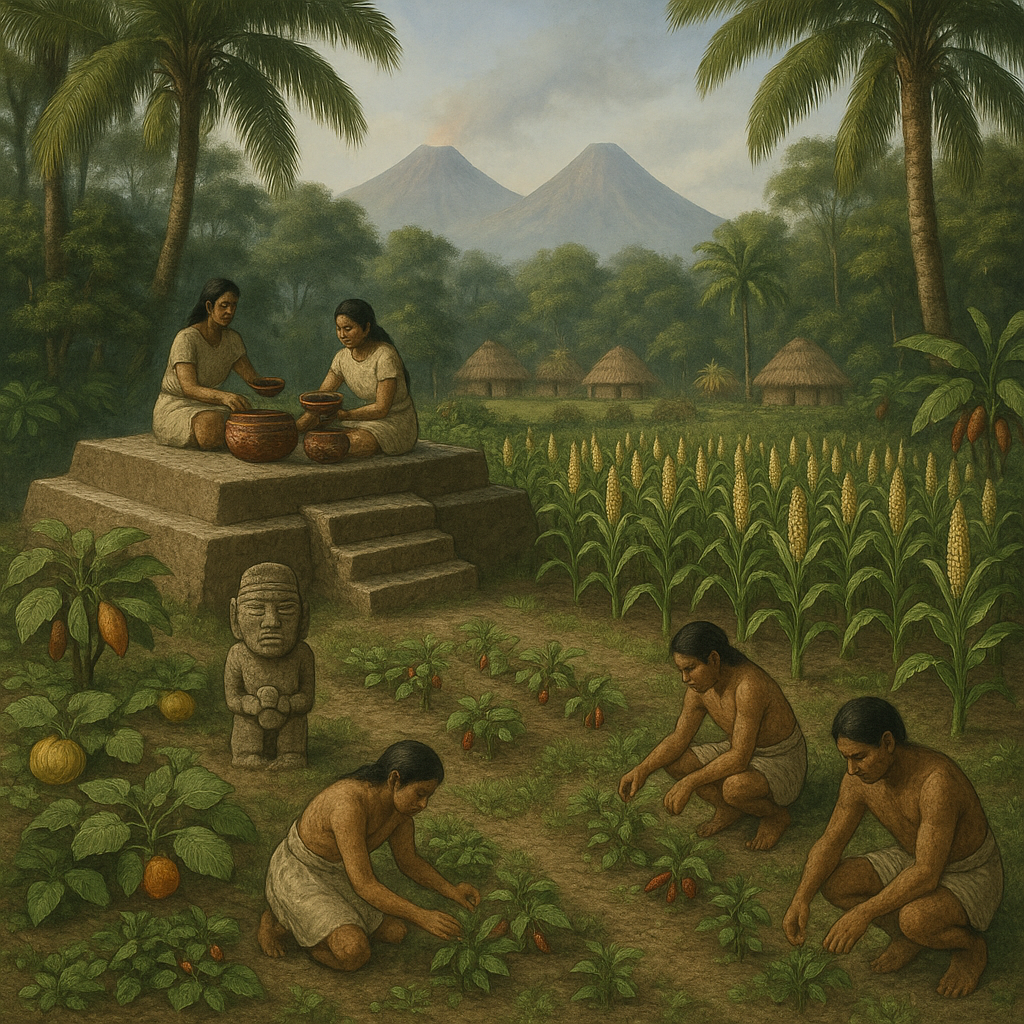
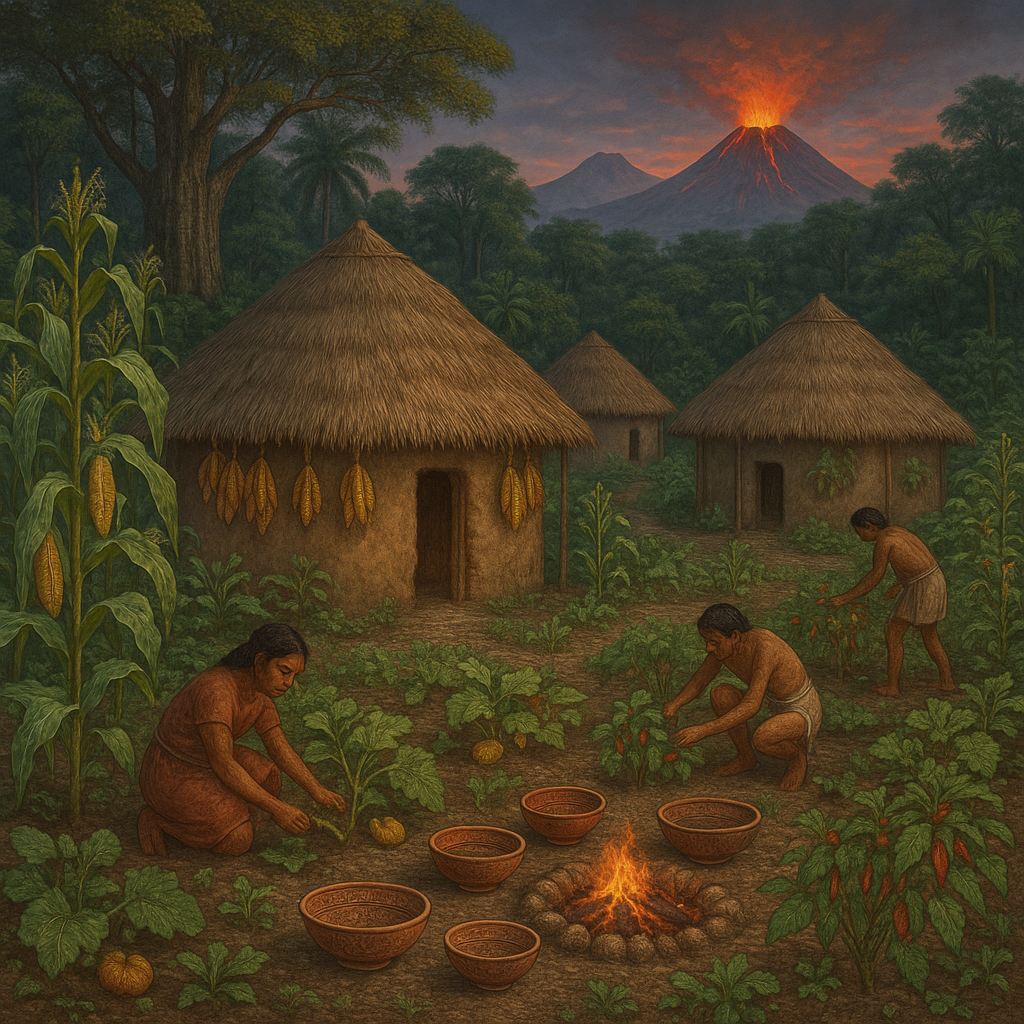
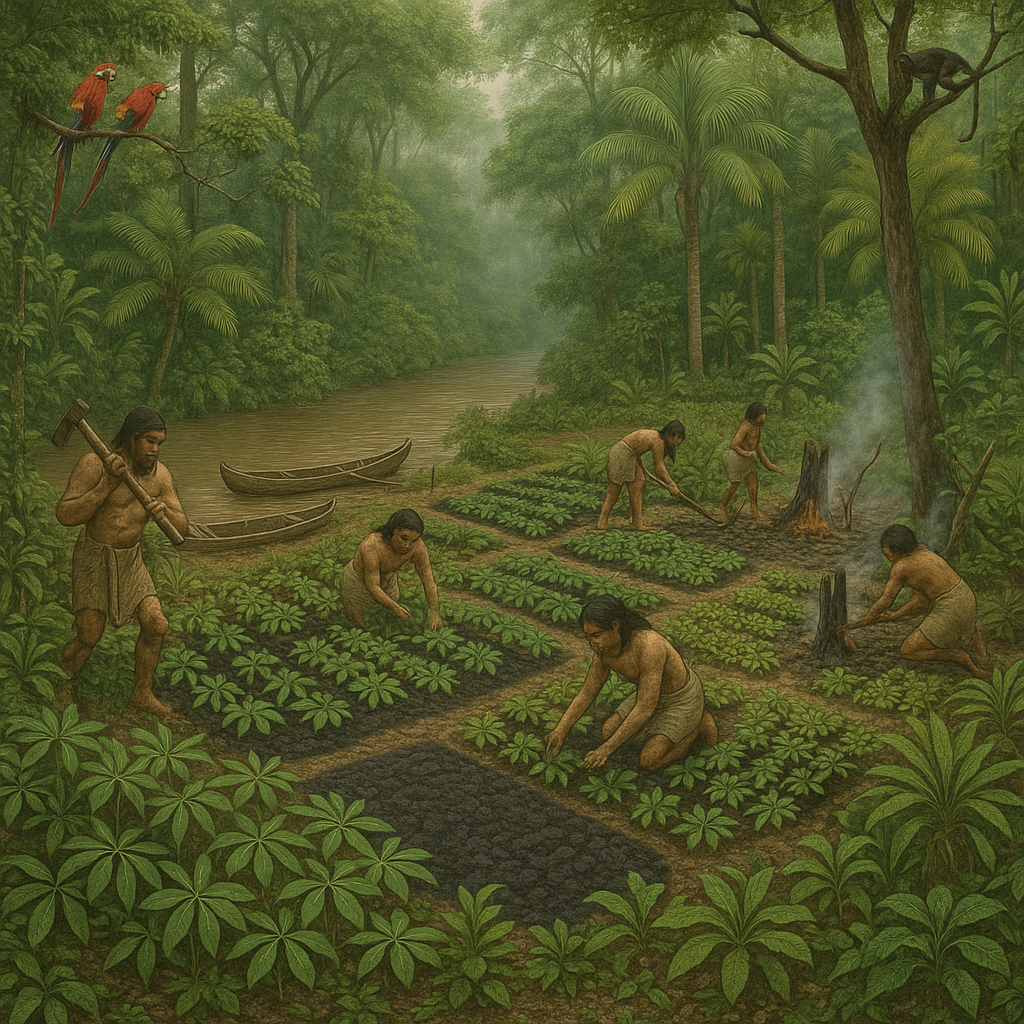
| Bronze Age Central America | Early maize becomes more reliable but still not dominant. First stable sedentary communities form in southern Mexico and highlands of Guatemala. Pre-Olmec cultural precursors appear. |
| East Asia (Yellow River Basin) Bronze Age | Longshan culture at its peak—large walled towns, elite differentiation, black pottery, early political hierarchy. Increasing cultural complexity sets stage for future dynastic states. |
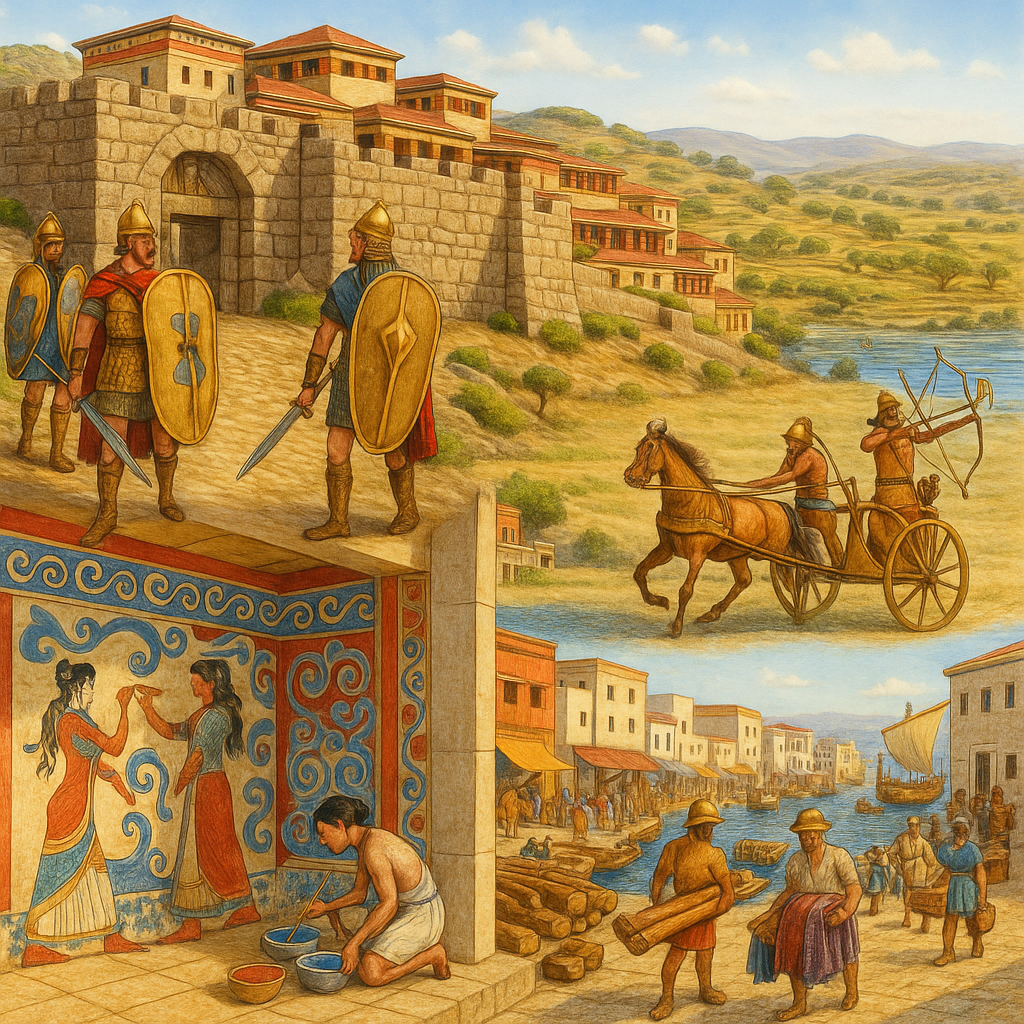
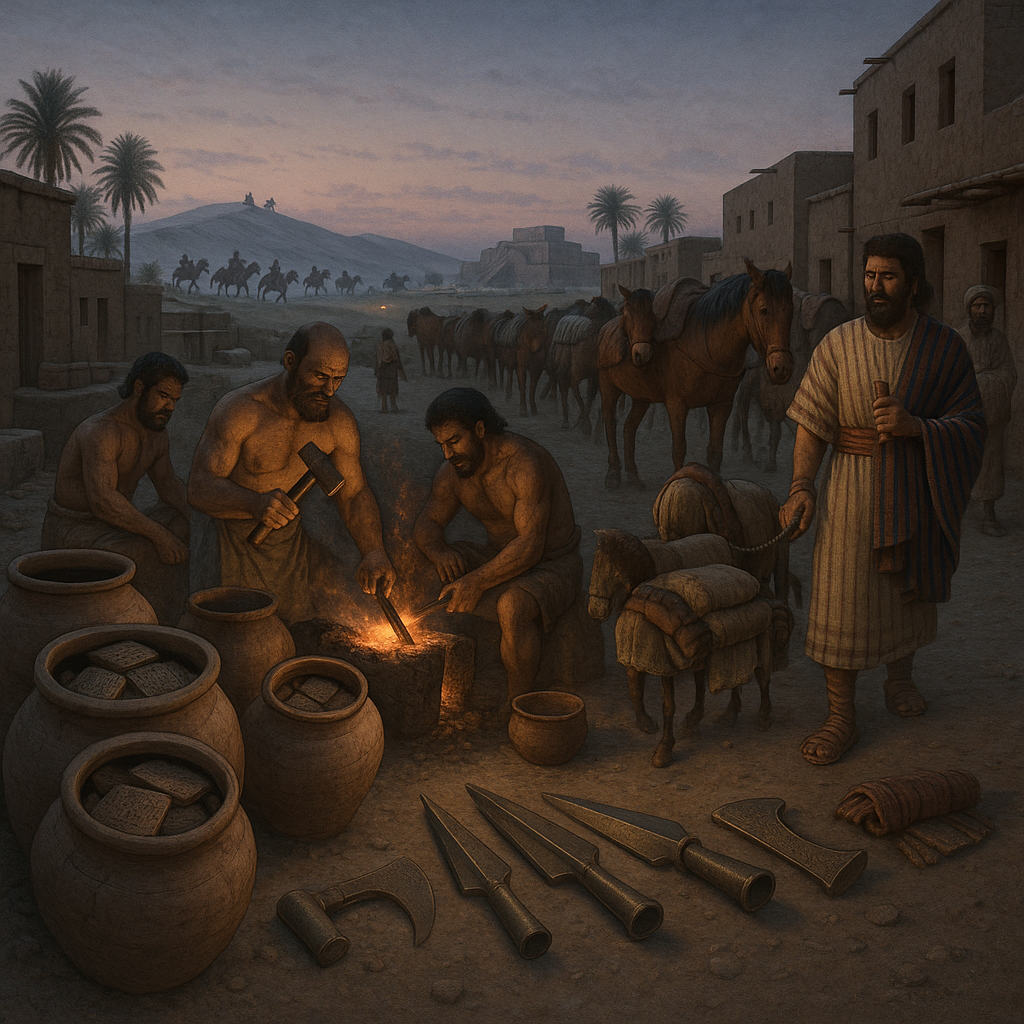
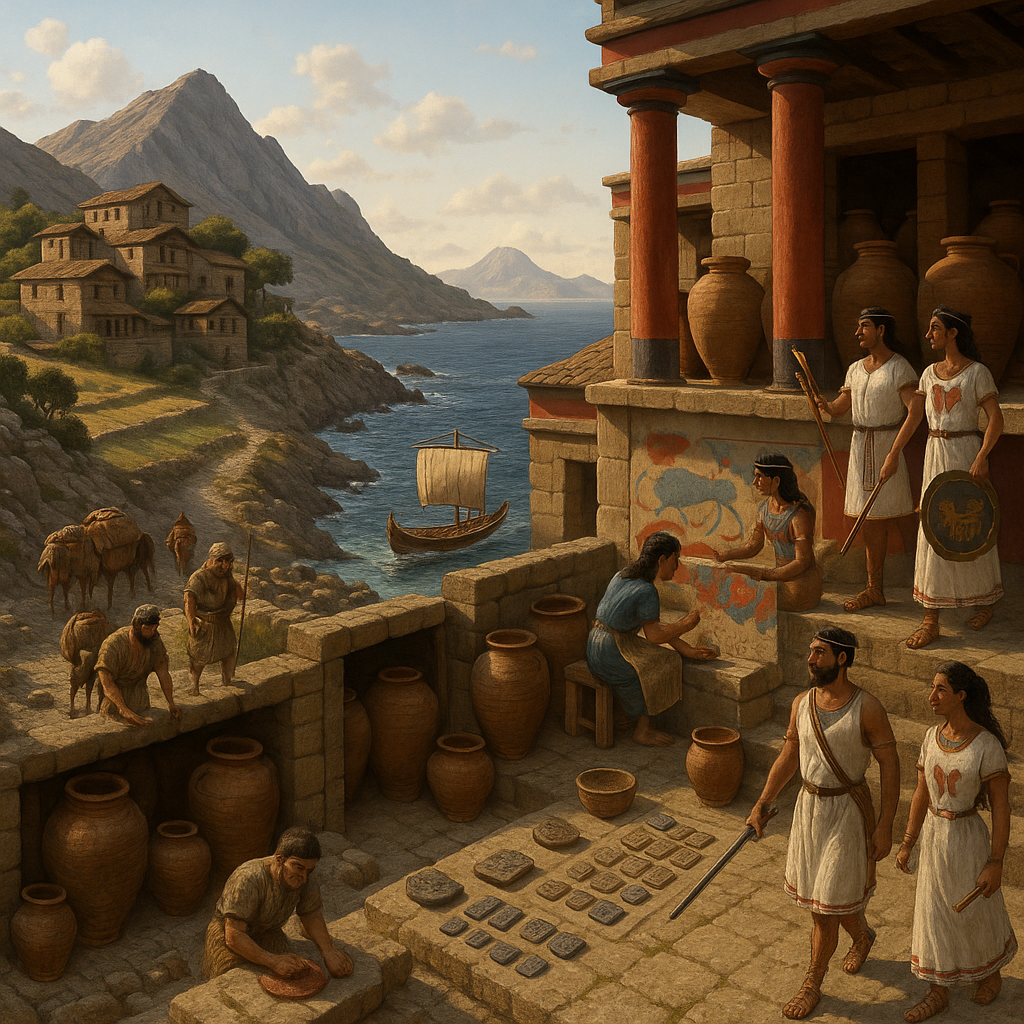
| Aegean & Anatolia (Eastern Mediterranean) Bronze Age | Bronze Age in full force. Sumerian and Akkadian cities expand; large temple complexes; professional bureaucracy; wheeled transport well established. Early Minoan Crete and Anatolian polities are forming. |
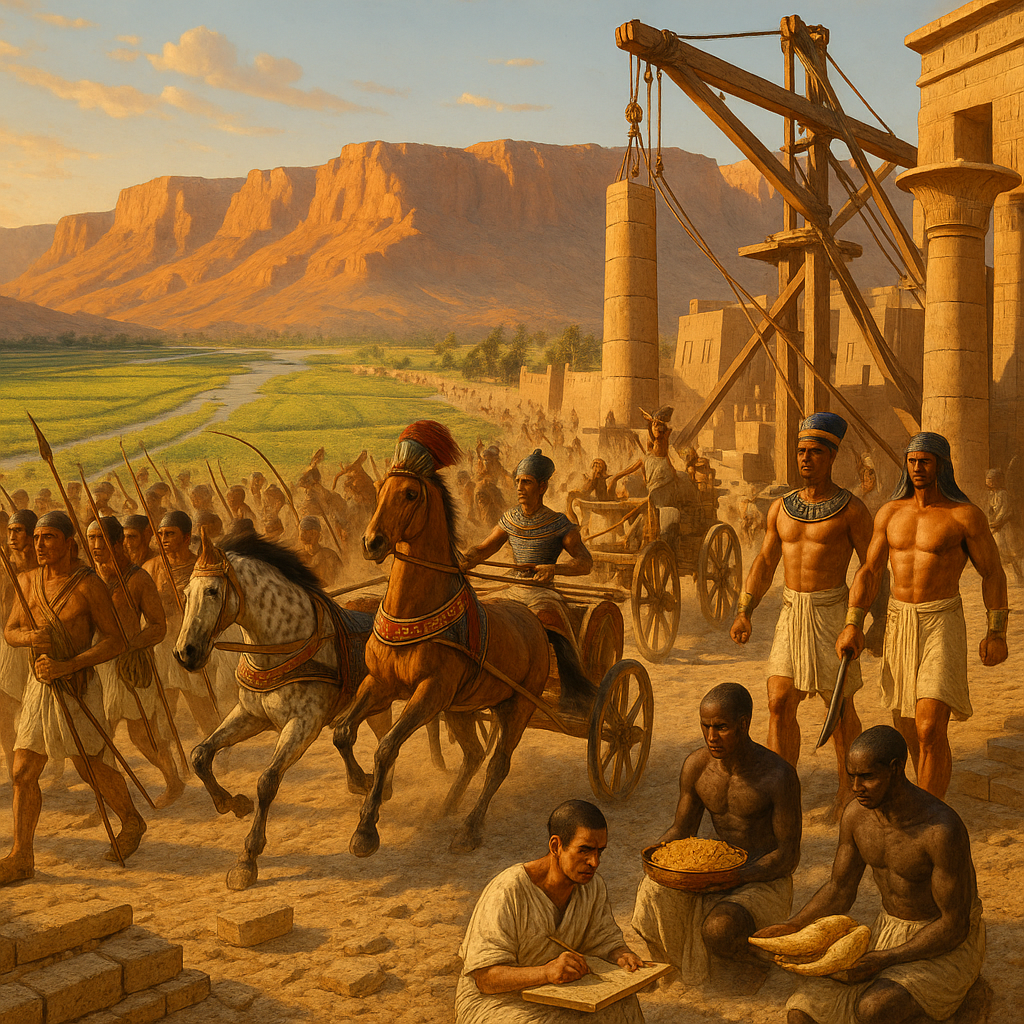
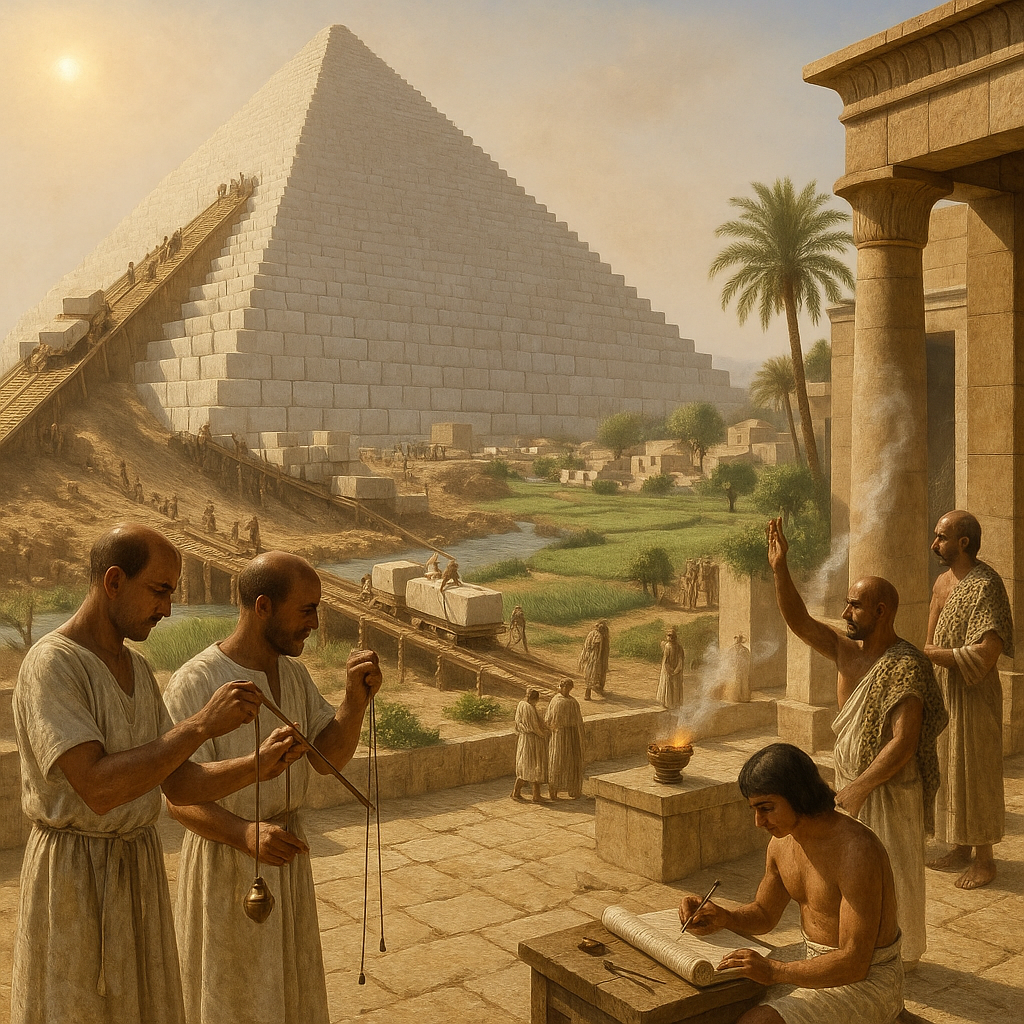
| Nile Valley (Egypt & Nubia) Bronze Age | Old Kingdom near its height. Pyramids at Giza built shortly after this time window (2600–2500 BC). Highly centralized state; divine kingship; advanced stone architecture; extensive Nile-based agriculture. |
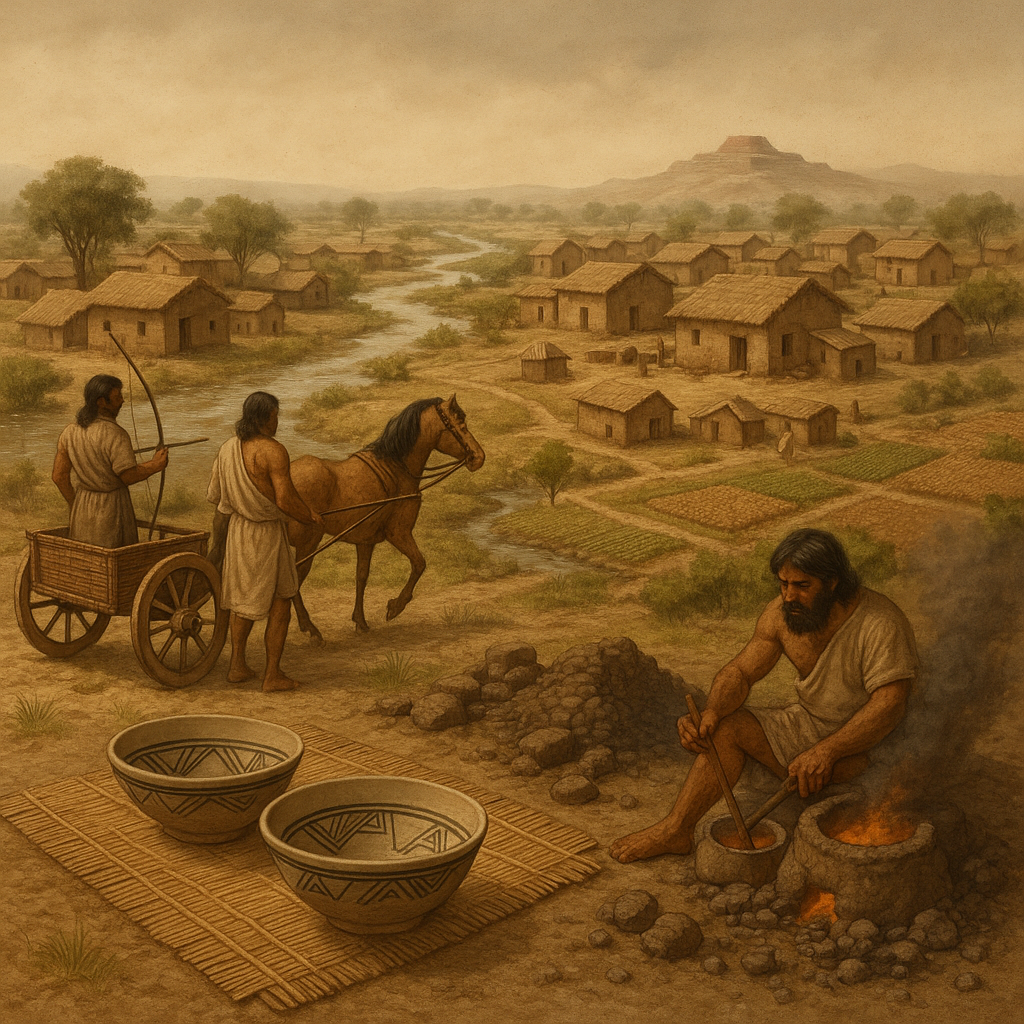
| Indus & Central Asia (South Asia Corridor) Bronze Age | Early Harappan (Indus Valley) culture transitioning toward Mature Harappan. Planned towns, standardized craft production, long-distance trade with Mesopotamia. Farming and herding fully integrated. |
| Bronze Age North America | Late Archaic period. Regional cultures diversify. Early mound-building traditions in the Southeast. Intensified plant domestication in Eastern Woodlands (sunflower, chenopodium). |
| Bronze Age Oceania | Australia remains hunter-gatherer. New Guinea agriculture is fully established with taro, yam, and banana cultivation. Coastal adaptations strengthen as sea levels stabilize. |
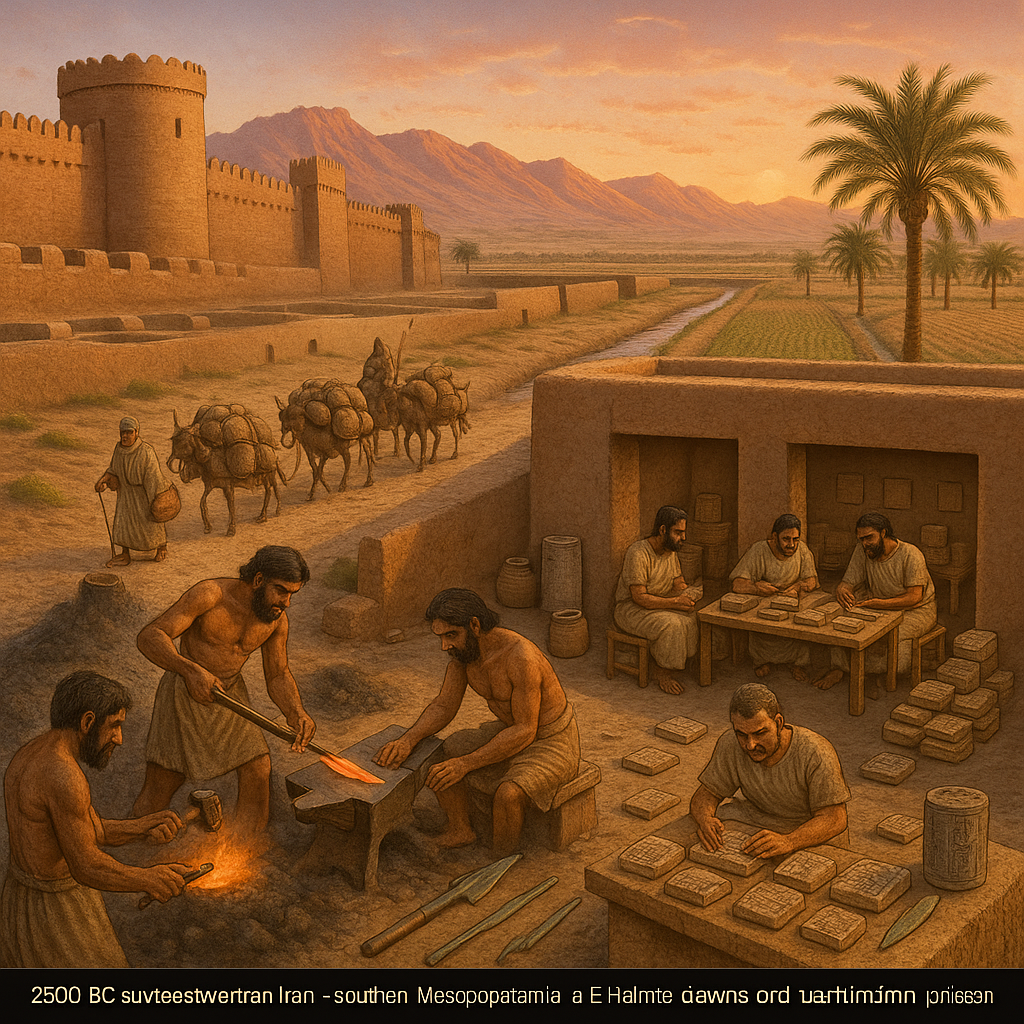
| Near East (Mesopotamia & Iran Plateau) Bronze Age | Proto-Elamite horizon declines; Elamite civilization solidifies. Bronze metallurgy spreads; fortified settlements in southwestern Iran grow. Trade routes expand between Mesopotamia, Iran, and the Indus region. |
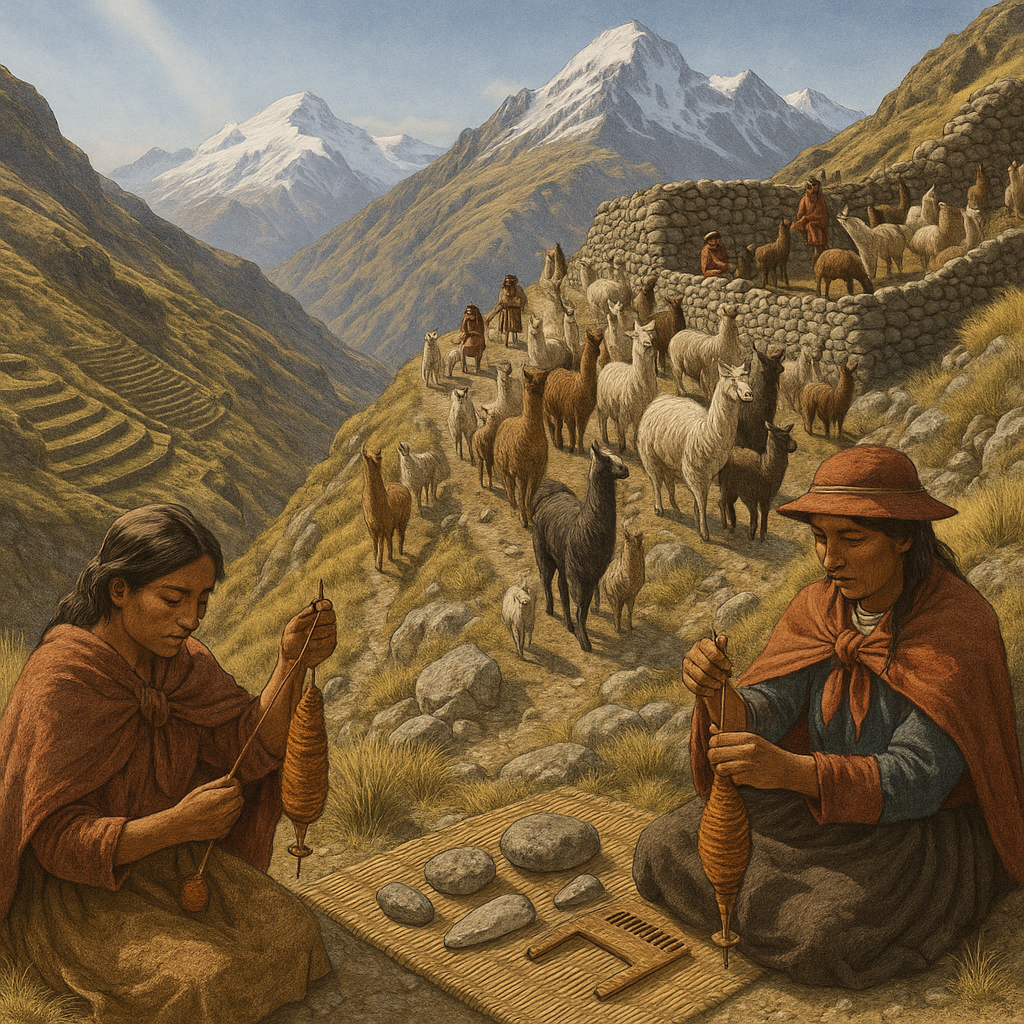
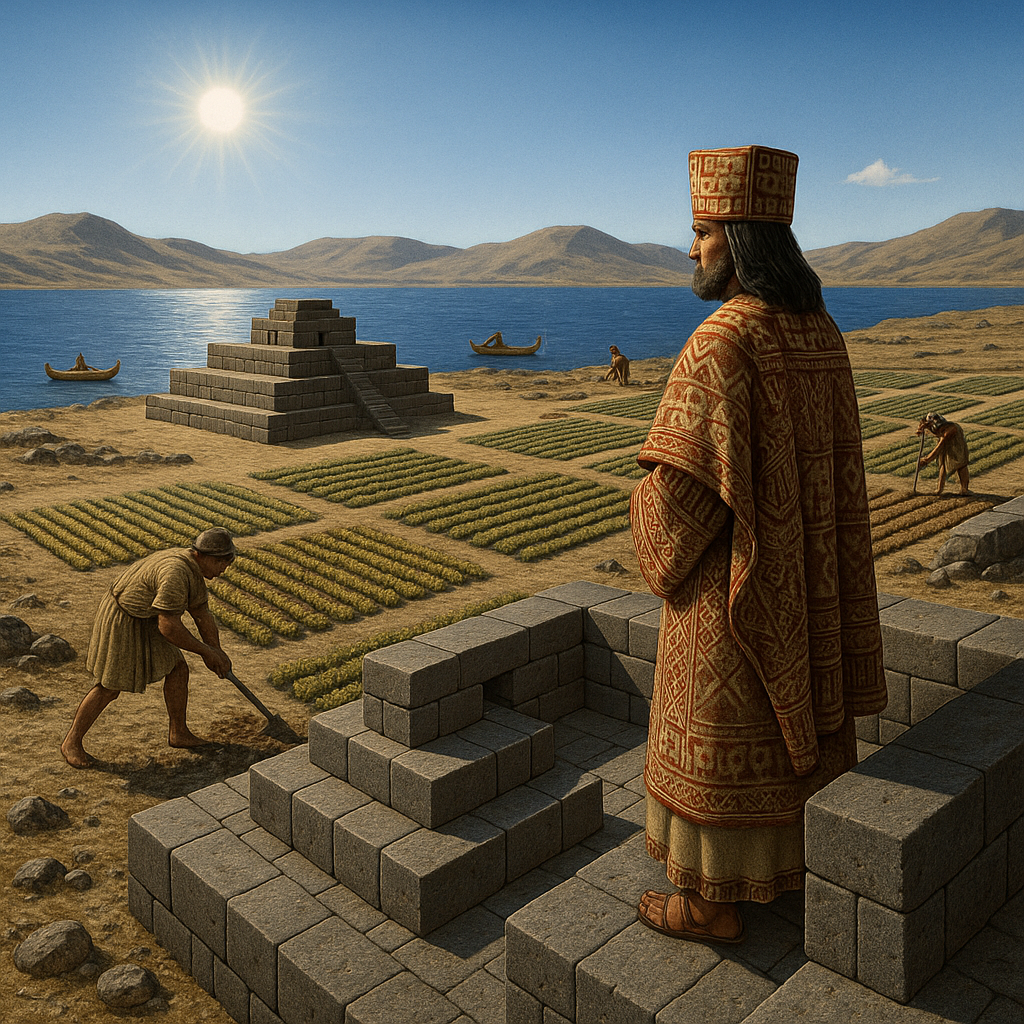
| Bronze Age South America | Andean agricultural systems continue expanding. Llama and alpaca herding grows. Norte Chico (Caral-Supe) civilization fully active, building monumental architecture and complex irrigation-based urban centers. |
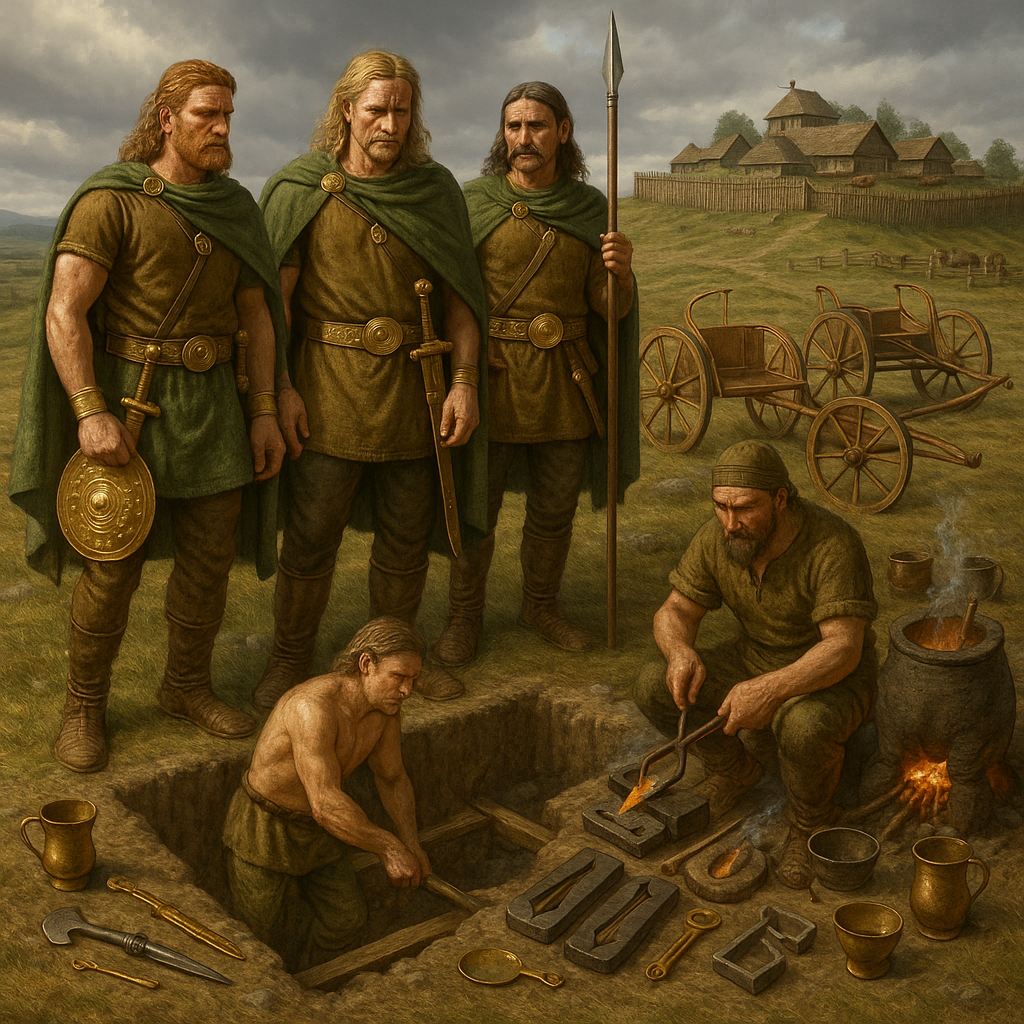
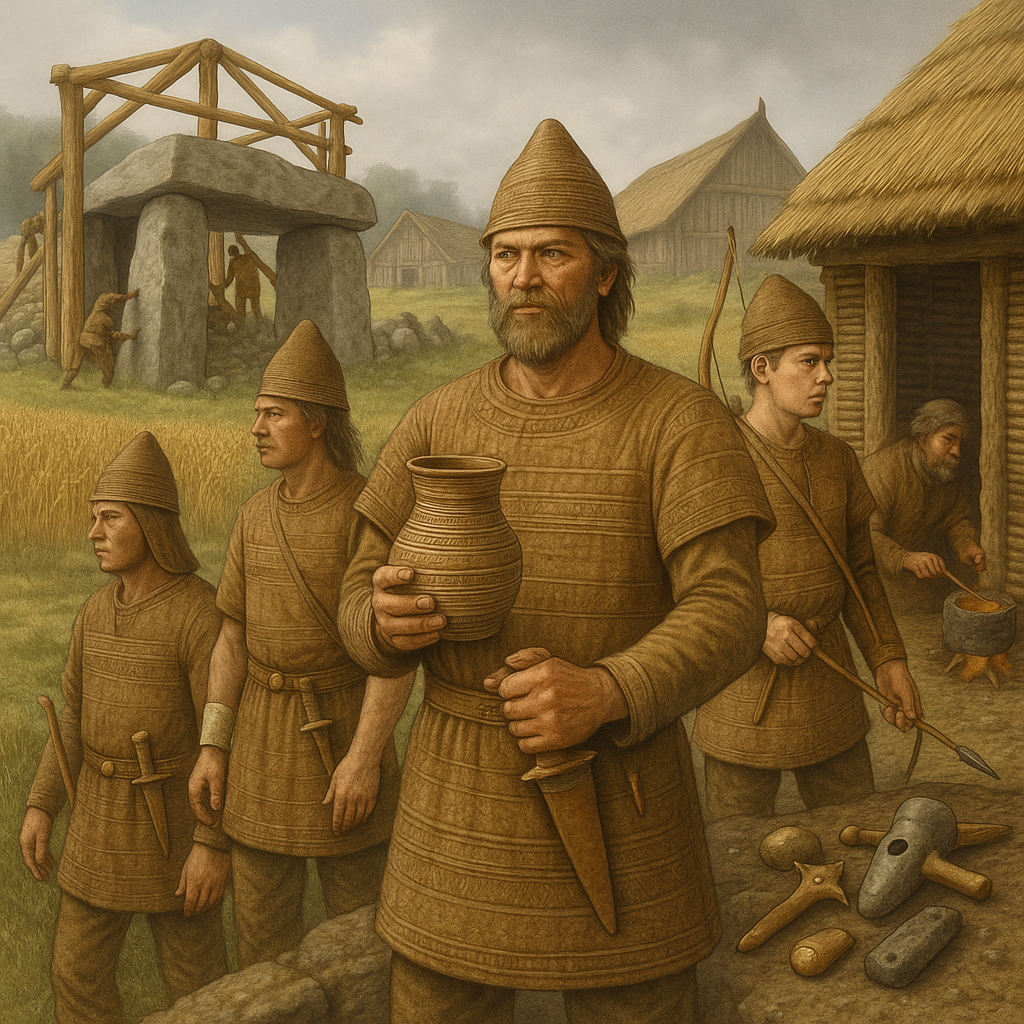
| Western Europe (Atlantic & Continental) Bronze Age | Bell Beaker culture spreads through Western Europe, introducing copper metallurgy and new burial customs. Megalithic construction continues in Atlantic Europe. Agricultural societies dominate; regional chiefdoms form. |
2000 BC – Snapshot
| Terra Avita Region and Era Name Link | Event Description |
|---|---|
| Africa Beyond the Nile (Saharan–Sahelian–Sub-Saharan) Bronze Age | Sahara nearly fully desertified. Pastoralists retreat deeper into Sahel, Chad Basin, and East Africa. Cattle cultures persist. Nile Valley is the dominant civilizational corridor; Nubian Kerma Kingdom rising. |
| Bronze Age Central America | Early Formative period begins. Maize agriculture spreads more widely. Small ceremonial centers emerge in highland Guatemala and southern Mexico. Pre-Olmec societies solidify. |
| East Asia (Yellow River Basin) Bronze Age | Rise of Erlitou culture shortly after 2000 BC. Longshan fades. Early state formation accelerates in Yellow River region. Increasing bronze experimentation and elite-centered settlements. |
| Aegean & Anatolia (Eastern Mediterranean) Bronze Age | Post-Ur III fragmentation gives rise to Amorite dynasties. Babylon rising under early kings (Sumu-abum → Sumu-la-El). In the Levant, major Canaanite city-states form. Minoan Crete enters Protopalatial era (first palace complexes). |
| Nile Valley (Egypt & Nubia) Bronze Age | Egypt in the Middle Kingdom transition shortly after this period, but around 2000 BC it is in the First Intermediate Period → Middle Kingdom bridge. Power re-centralizes under Theban rulers (Mentuhotep II slightly earlier; successors consolidate state). |
| Indus & Central Asia (South Asia Corridor) Bronze Age | Mature Harappan (Indus Valley) civilization at its height—grid-planned cities (Mohenjo-daro, Harappa), standardized weights, advanced water systems, large-scale trade with Mesopotamia. Some early signs of regional stress begin appearing. |
| Bronze Age North America | Late Archaic era. Intensive plant domestication in eastern woodlands; mound-building increases (Poverty Point precursor cultures). Broad trade networks develop for stone, shells, copper. |
| Bronze Age Oceania | Australia continues as a continent of advanced hunter-gatherer societies. New Guinea has established highland agriculture and developing irrigation networks; dense regional cultures form. |
| Near East (Mesopotamia & Iran Plateau) Bronze Age | Elamite Middle Kingdom active at Susa; extensive interaction with Mesopotamia. Settlements spread across Iranian Plateau. Bronze metallurgy fully established. Early steppe-related Indo-Iranian movements beginning farther north. |
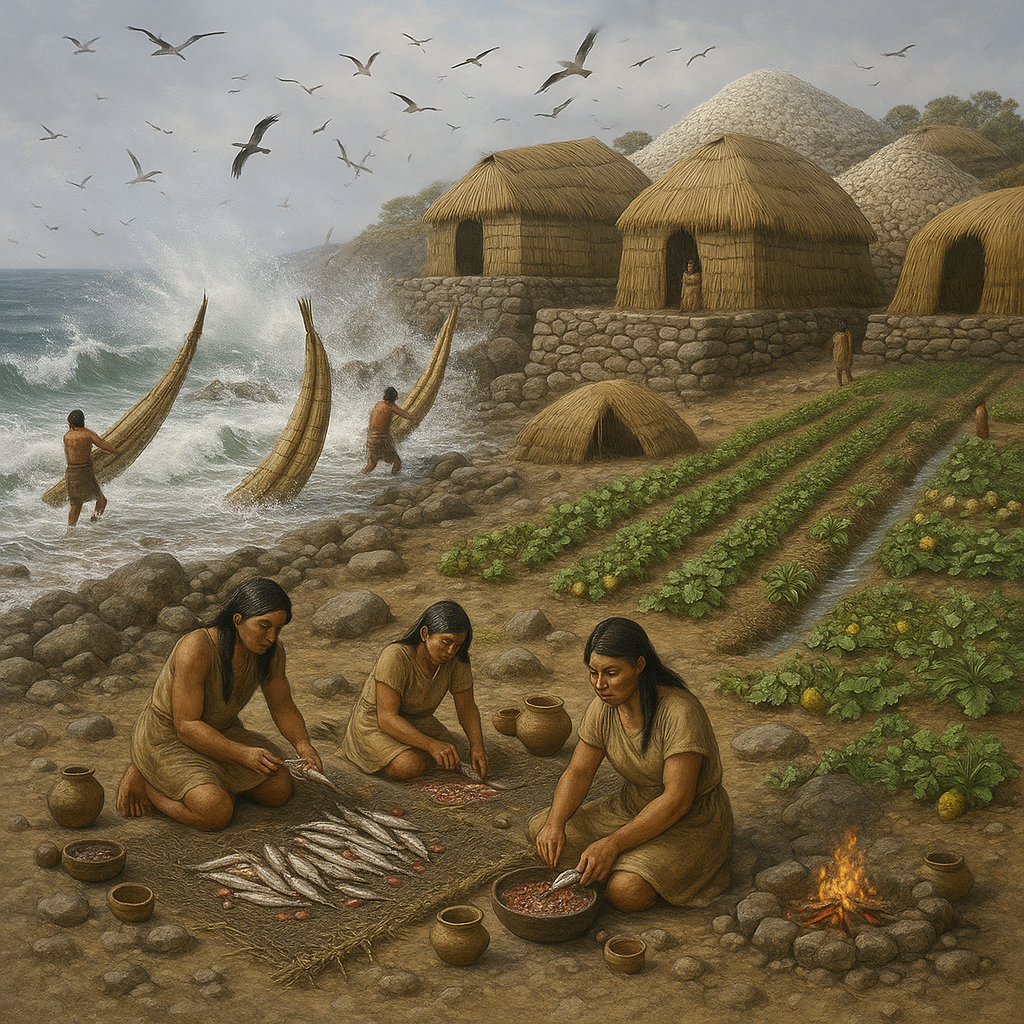
| Bronze Age South America | Andean societies expand irrigation and terracing. Norte Chico (Caral–Supe) still active. Coastal Peru has major maritime-based towns. Highland camelid herding increases. |
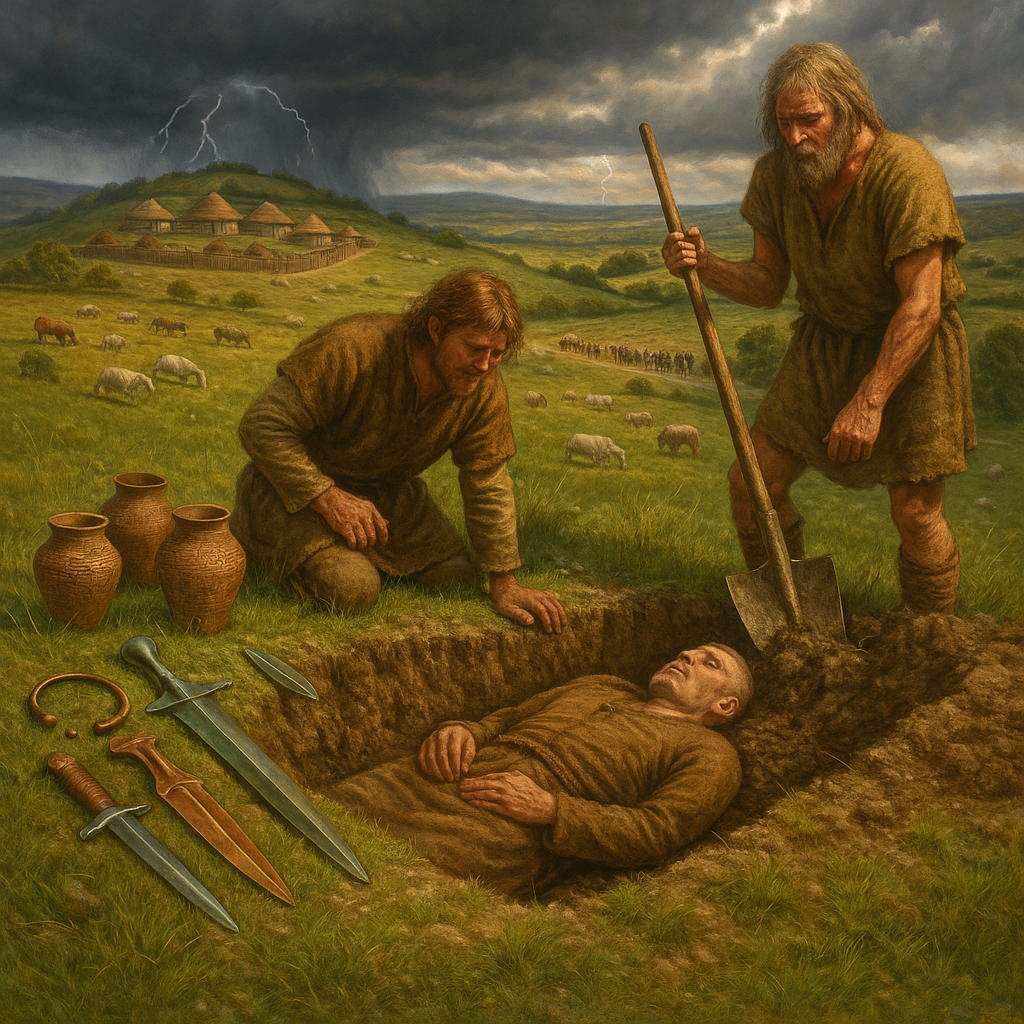
| Western Europe (Atlantic & Continental) Bronze Age | Bronze Age communities expand across Atlantic and continental Europe. Beaker influence declines; regional cultures (Wessex, Únětice in central Europe) rise. Long-distance metal trade intensifies; elite burials multiply. |

1500 BC – Snapshot
| Terra Avita Region and Era Name Link | Event Description |
|---|---|
| Africa Beyond the Nile (Saharan–Sahelian–Sub-Saharan) Bronze Age | Sahel belt hosts cattle and agro-pastoral societies. Kerma Kingdom in Nubia peaks in power and wealth. Trans-Saharan mobility limited by desertification but pastoral networks remain stable. |
| Bronze Age Central America | Early Formative. Maize cultivation significant. First true villages stabilizing. Olmec heartland begins forming cultural markers (large ceremonial complexes emerge soon after). |
| East Asia (Yellow River Basin) Bronze Age | Shang Dynasty emerging strongly around 1600–1500 BC. Early bronze-casting mastery; oracle bone divination; walled cities; stratified elite society. Millet agriculture dominant in the north; rice systems solid in the south. |
| Aegean & Anatolia (Eastern Mediterranean) Bronze Age | Peak Bronze Age world. Egypt under the 18th Dynasty (Thutmose I, Hatshepsut soon after). Mitanni Kingdom rises in northern Mesopotamia. Mycenaean Greece ascends; Minoan palaces recover after earlier destruction. Widespread chariot warfare culture. |
| Nile Valley (Egypt & Nubia) Bronze Age | New Kingdom Egypt beginning its imperial expansion. Thutmose I consolidates southern and Levantine campaigns. Luxor (Thebes) becomes central political and religious hub; monumental architecture and warrior aristocracy rise. |
| Indus & Central Asia (South Asia Corridor) Bronze Age | Harappan civilization has collapsed (c. 1900 BC). 1500 BC marks the period traditionally associated with early Indo-Aryan migrations. Painted Grey Ware precursors and late regional cultures dominate northwestern subcontinent. |
| Bronze Age North America | Late Archaic period continues. Poverty Point begins formation soon after 1500 BC. Intensified plant domestication; large trade networks develop across Eastern Woodlands; shell and copper trade expands. |
| Bronze Age Oceania | Australia maintains highly complex hunter-gatherer systems with rock art and regional trade. In New Guinea, agricultural traditions continue with taro, yam, and banana cultivation; societal complexity rises in highlands. |
| Near East (Mesopotamia & Iran Plateau) Bronze Age | Elam remains powerful; engages diplomatically and militarily with Mesopotamian states. Proto-Indo-Iranian migrations active on the steppe fringe. Zagros highland polities expand. Bronze metallurgy widespread. |
| Bronze Age South America | Andean societies expand agriculture and irrigation. Early Chavín precursors forming in highlands. Coastal Peru maintains large fishing villages with cotton cultivation and early ceremonial architecture. |
| Western Europe (Atlantic & Continental) Bronze Age | Western Europe solidly Bronze Age. Únětice influence declines; Tumulus culture rises with elite warrior burials. Intensive metal exchange networks; fortified hilltop settlements spread across central and western Europe. |
1200 BC – Snapshot
| Terra Avita Region and Era Name Link | Event Description |
|---|---|
| Africa Beyond the Nile (Saharan–Sahelian–Sub-Saharan) Bronze Age | Sahel pastoral societies expand millet and sorghum farming. Nubian region experiences shifts as Egyptian influence wanes. Kerma’s successor polities adapt to changing Nile geopolitics. Trans-Saharan interactions minimal but persistent. |
| Bronze Age Central America | Early Olmec cultural formation. San Lorenzo becomes a major ceremonial center. Maize agriculture widespread; early monumental architecture and elite iconography emerging. |
| East Asia (Yellow River Basin) Bronze Age | Late Shang Dynasty. Large walled capital at Yinxu (Anyang). Advanced bronze casting, oracle bone writing, stratified aristocracy, and chariot warfare fully developed. North dominated by millet; south advances in rice agriculture. |
| Aegean & Anatolia (Eastern Mediterranean) Bronze Age | Late Bronze Age Collapse. Mycenaean palaces burn; Hittite Empire collapses; major Levantine cities destroyed. Sea Peoples disrupt Mediterranean networks. Egypt under Ramses III struggles to maintain borders. Trade networks and palace economies fracture globally. |
| Nile Valley (Egypt & Nubia) Bronze Age | Egypt in the New Kingdom, 20th Dynasty. Ramses III defeats Sea Peoples but state power weakens. Economic strain, labor unrest, and corruption rise. Decline phase of monumental imperial Egypt begins. |
| Indus & Central Asia (South Asia Corridor) Bronze Age | Post-Harappan regional cultures dominate northwestern India (Late Harappan remnants, Cemetery H, Ochre Coloured Pottery). Indo-Aryan cultural consolidation underway; early Vedic traditions developing in Punjab and Gangetic fringe. |
| Bronze Age North America | Late Archaic. Poverty Point at peak in Lower Mississippi Valley—massive earthworks and trade hub. Copper, shell, and stone exchange networks span thousands of kilometers. Early mound traditions mature. |
| Bronze Age Oceania | Australia maintains complex hunter-gatherer cultural systems with rich rock art traditions. New Guinea highlands have long-established agriculture; population density increases; horticultural intensification continues. |
| Near East (Mesopotamia & Iran Plateau) Bronze Age | Elamite power persists; participates in shifting alliances during Mesopotamian instability. Iranian Plateau home to expanding highland chiefdoms. Indo-Iranian groups spread further south and east, setting stage for later Median/Persian identities. |
| Bronze Age South America | Andean societies develop more complex village systems. Pre-Chavín cultural traditions in highlands. Coastal Peru features irrigation-based farming and large fishing communities. Long-range highland–coast exchange networks active. |
| Western Europe (Atlantic & Continental) Bronze Age | Bronze Age societies maturing; Urnfield culture rising in central Europe. Widespread use of bronze weapons and tools; fortified hill settlements common. Western Europe begins gradual transition toward early Iron Age technologies over the next centuries. |