(1600 AD – 1700 AD)
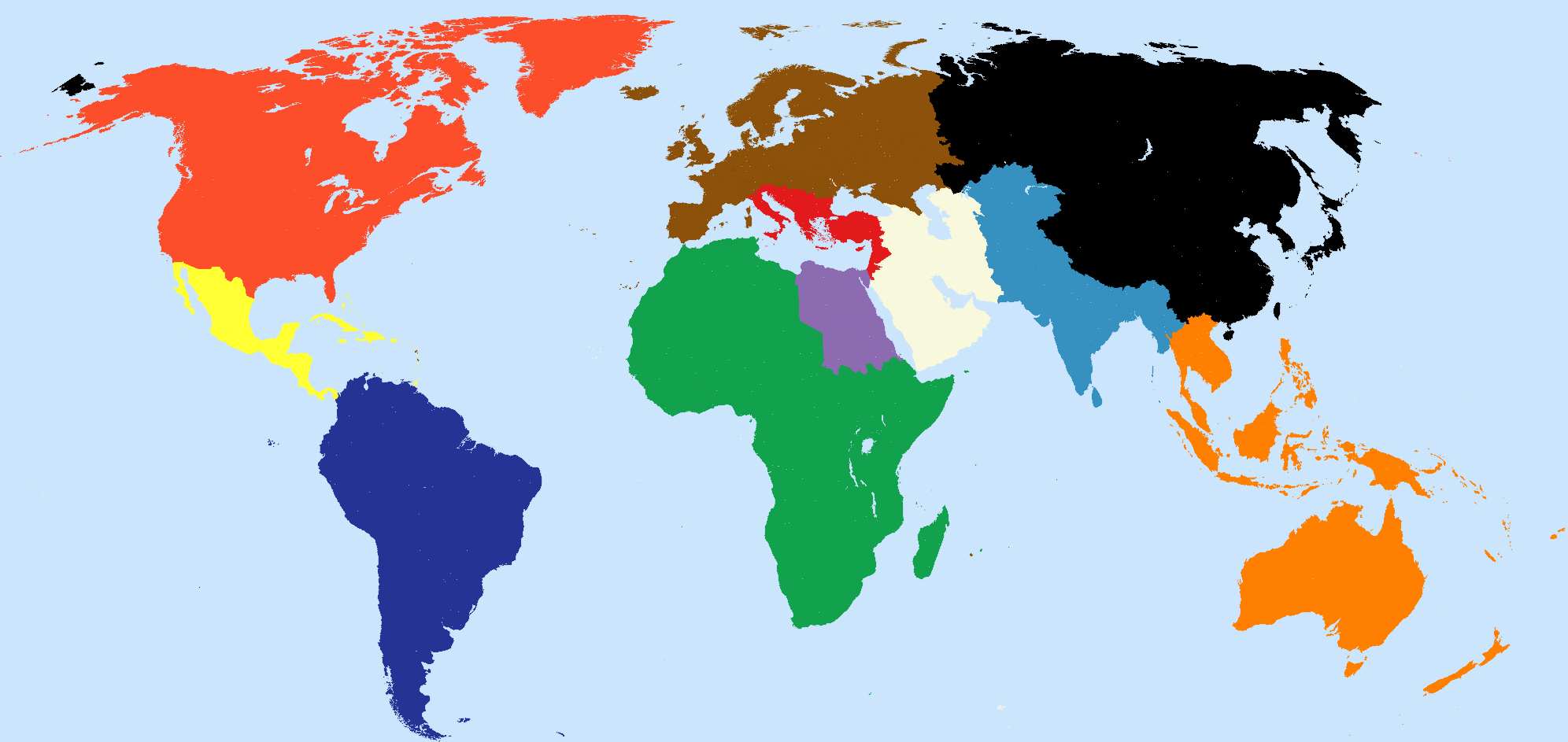 Scientific Revolution
Western Europe Scientific Revolution
Eastern Mediterranean Scientific Revolution
Persia Scientific Revolution
Egypt Scientific Revolution
Africa Scientific Revolution
India & Central Asia Scientific Revolution
China Scientific Revolution
Oceania Scientific Revolution
North America Scientific Revolution
Central America Scientific Revolution
South America





| Terra Avita Region and Era Name Link | Representative Cultures | Major Cities / Centers | Major Events |
|---|---|---|---|
| Scientific Revolution and State Formation Western Europe | Dutch Republic, Stuart England, Bourbon France, Habsburg Spain, Holy Roman Empire | London, Paris, Amsterdam, Madrid, Vienna | Rise of absolutism and constitutional monarchy; Scientific Revolution; Thirty Years’ War; early Enlightenment thought |
| Scientific Revolution and State Formation Eastern Mediterranean | Ottoman Empire (Classical Decline), Venetian Republic | Constantinople (Istanbul), Smyrna, Venice | Ottoman centralization under Köprülü viziers; Mediterranean maritime competition; European encroachment |
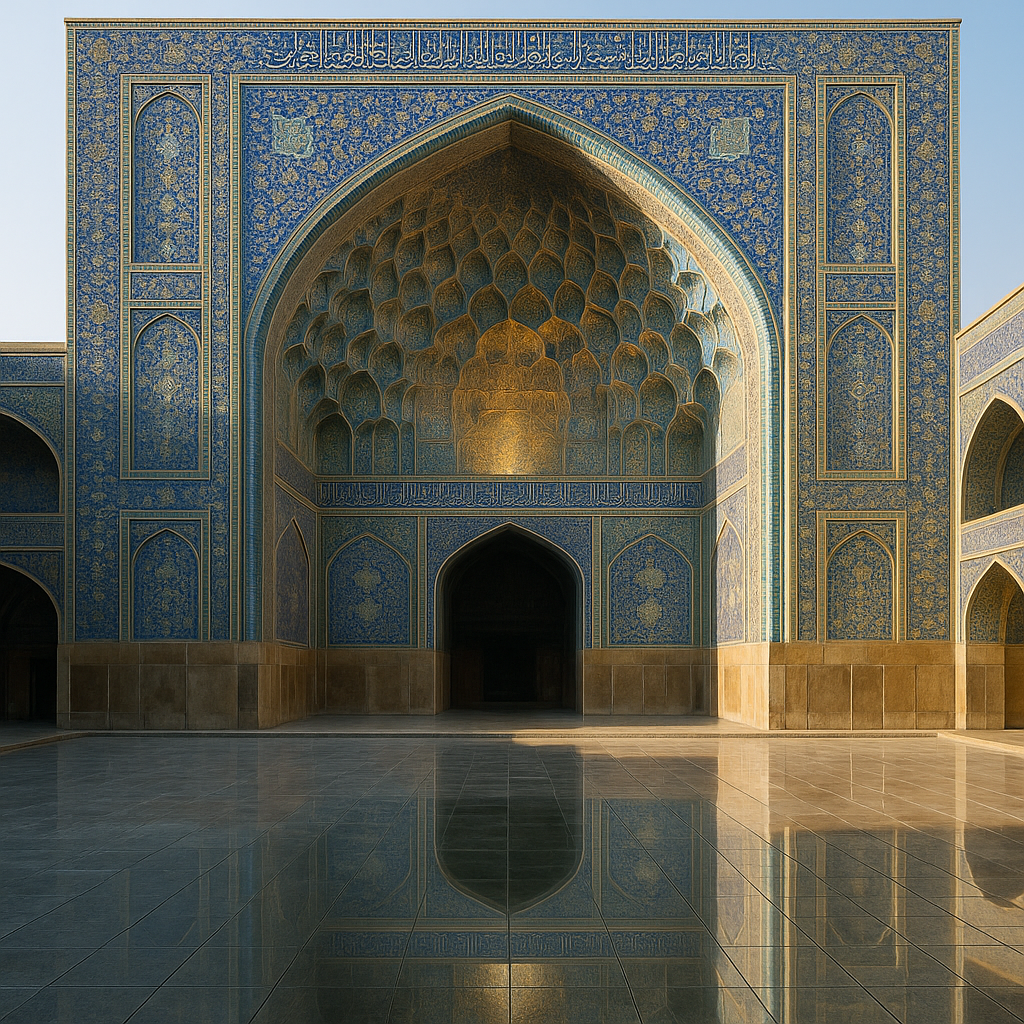
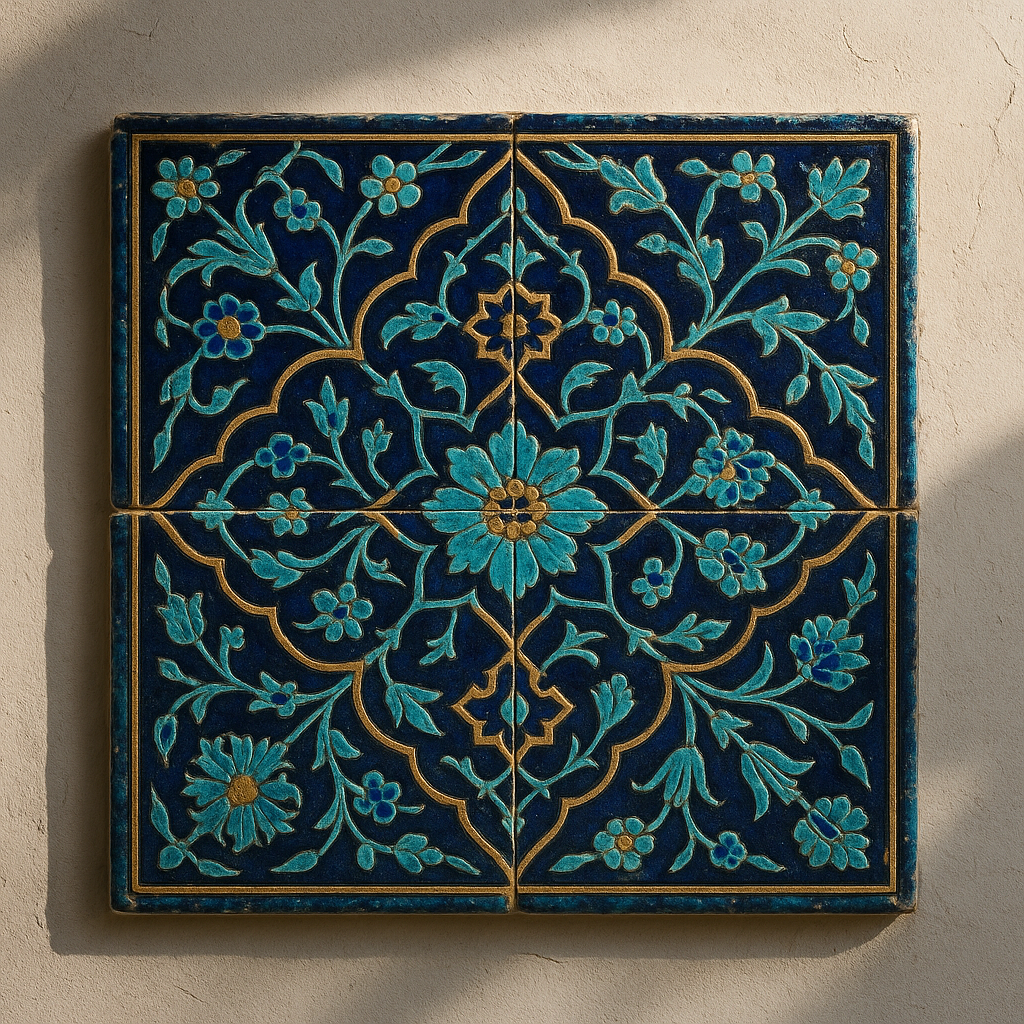
| Scientific Revolution and State Formation Persia | Safavid Empire (late) | Isfahan, Shiraz, Tabriz | Height of Safavid art and architecture; Shah Abbas I’s reforms; growing European–Persian trade relations |
| Scientific Revolution and State Formation Egypt | Ottoman Egypt (Eyalet), Mamluk Administrative Elites | Cairo, Alexandria | Integration into Ottoman provincial network; trade via Red Sea and Mediterranean; Mamluk influence persists |
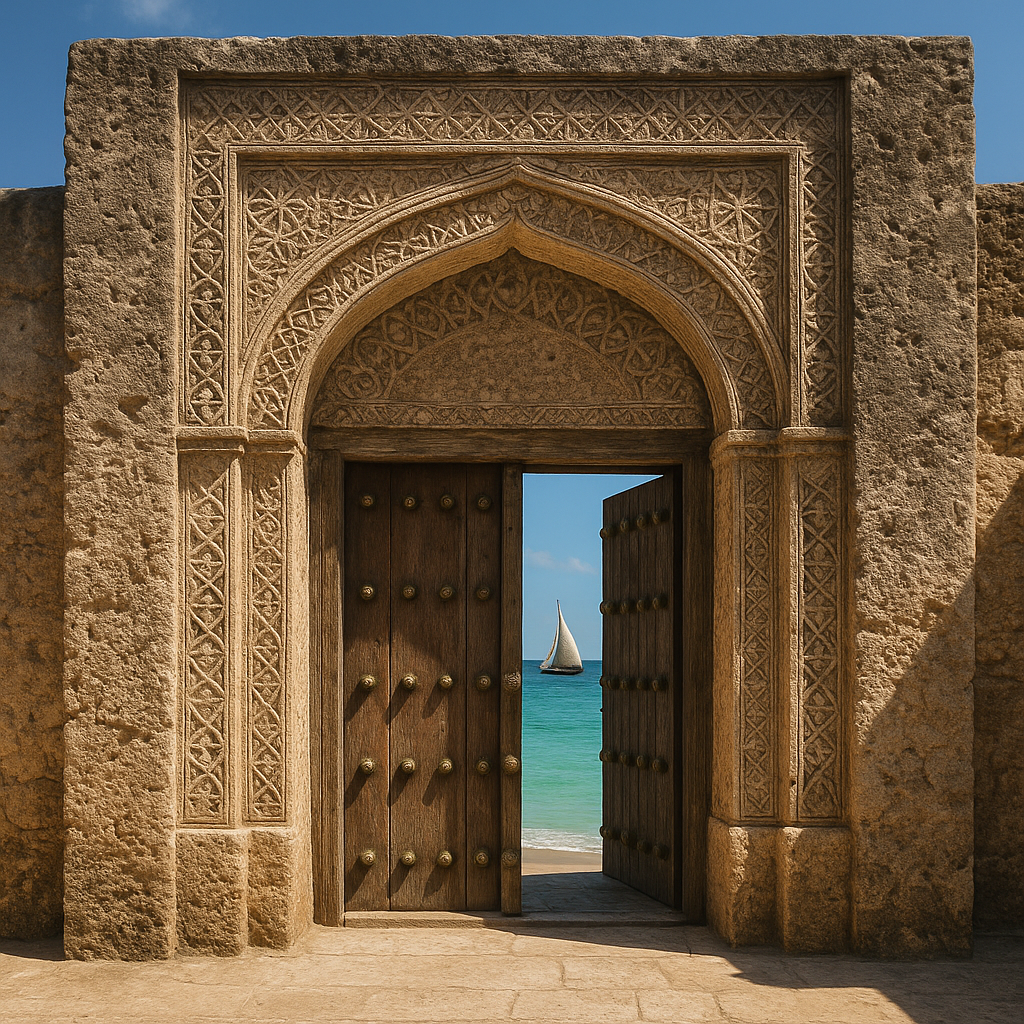
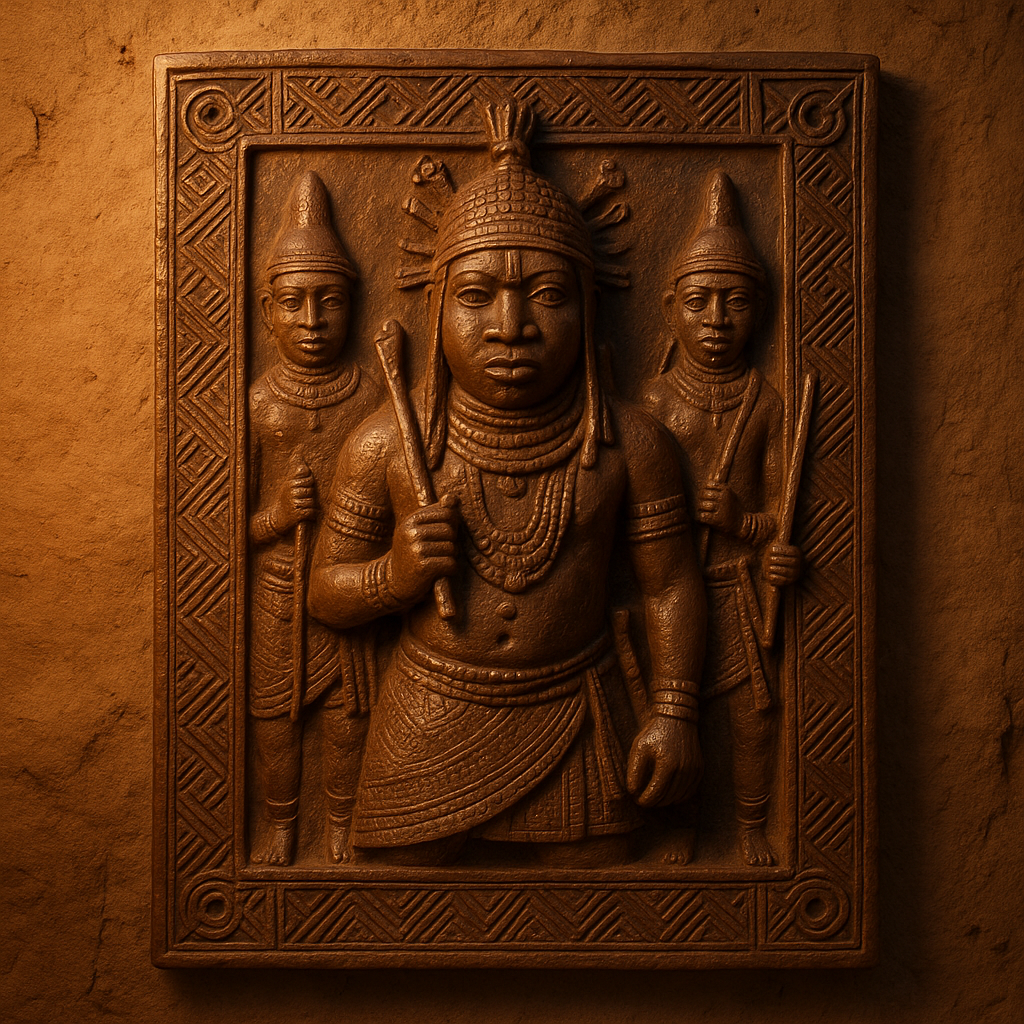
| Scientific Revolution and State Formation Africa (beyond the Nile) | Benin, Oyo, Kongo, Asante (emergent), Ethiopia | Benin City, Kumasi, Mbanza Kongo, Gondar | Expansion of West African states; trans-Atlantic slave trade intensifies; Christian–Islamic regional encounters |
| Scientific Revolution and State Formation India and Central Asia | Mughal Empire (Akbar–Aurangzeb), Safavid–Mughal Borderlands, Maratha (emerging) | Agra, Delhi, Lahore, Bijapur | Mughal imperial zenith; architectural achievements (Taj Mahal); Deccan conflicts; growing European presence |
| Scientific Revolution and State Formation China (East Asia) | Ming (late), Qing (early), Tokugawa Japan, Joseon Korea | Beijing, Edo (Tokyo), Seoul, Nanjing | Transition from Ming to Qing; consolidation of Tokugawa shogunate; Neo-Confucian orthodoxy and isolationist policies |
| Scientific Revolution and State Formation Oceania | Polynesian Monarchies, Aboriginal and Melanesian Cultures | Tonga, Hawaii, Fiji | Continued internal cultural development; oral navigation mastery; minimal outside contact before exploration era |
| Scientific Revolution and State Formation North America | British, French, and Dutch Colonies; Indigenous Confederacies | Boston, Quebec, Jamestown, New Amsterdam | European colonization expands; Indigenous alliances form; mercantile empires take root; Atlantic trade intensifies |
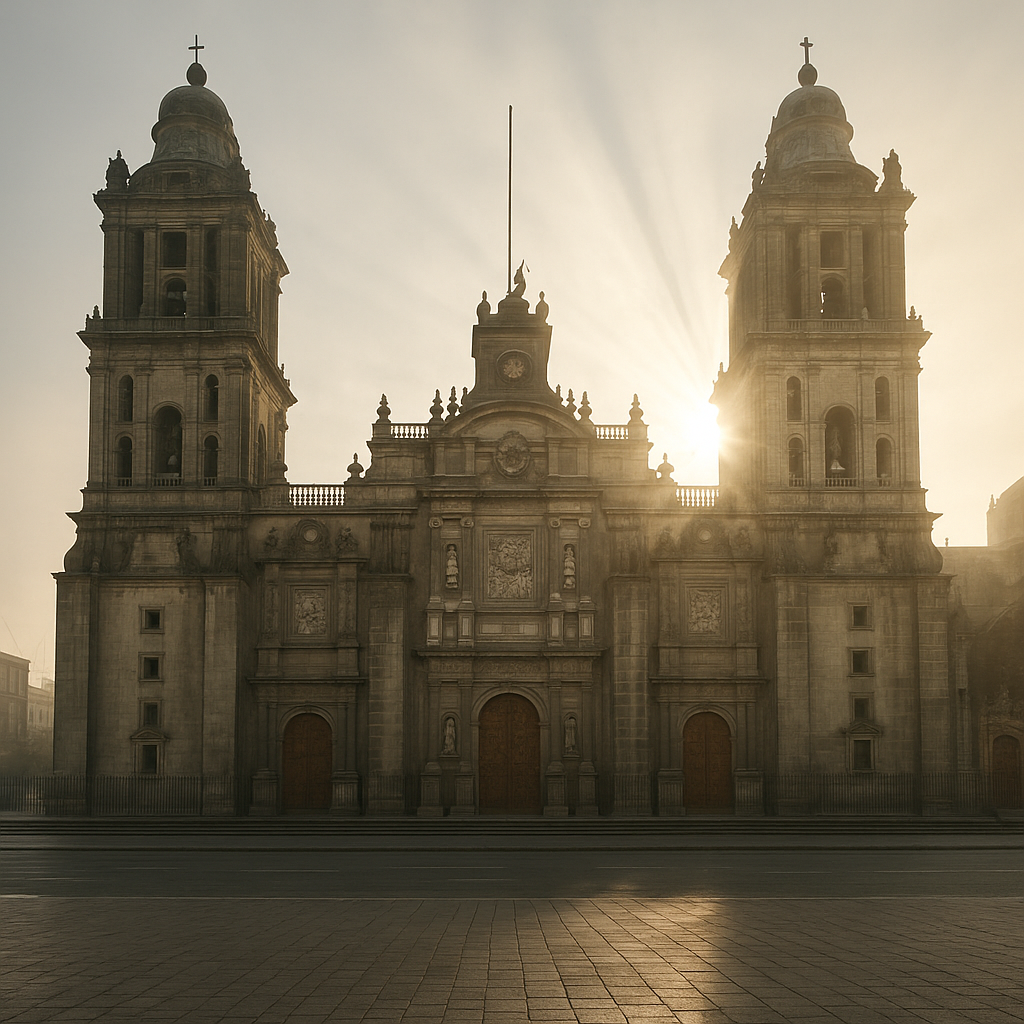
| Scientific Revolution and State Formation Central America | Spanish Colonial Realms (New Spain, Yucatán), Maya Highland Communities | Mexico City, Mérida, Antigua Guatemala | Consolidation of colonial administration; Catholic missions; Indigenous revolts and syncretic adaptation |
| Scientific Revolution and State Formation South America | Spanish and Portuguese Colonies (Viceroyalties), Jesuit Missions | Lima, Potosí, São Paulo, Quito | Expansion of mining economies; spread of Christianity; social stratification under colonial systems |



1600 AD – Snapshot
| Terra Avita Region and Era Name Link | Event Description |
|---|---|
| Renaissance and Reformation Africa (beyond the Nile) | Songhai Empire destroyed by Moroccan invasion (1591); successor warlord states fragment Niger Bend. Mali reduced; early Bambara and Mossi states rising. Atlantic slave trade intensifying along West African coast. Swahili Coast dominated by Portuguese forts; Omanis rising soon after. Ethiopia strong under Christian Solomonic dynasty. |
| Renaissance and Reformation Central America | New Spain entrenched. Mexico City a vast colonial metropolis. Forced labor systems (repartimiento) regulate indigenous populations. Catholic missions expanding. Northern Maya regions partly subdued; others semi-autonomous. |
| Renaissance and Reformation China (East Asia) | Late Ming Dynasty, prosperous but strained by silver shortages (global silver volatility), corruption, and rising peasant unrest. Coastal pirate activity, fiscal crisis, and frontier pressure from Manchus (Nurhaci building power). China deeply engaged in global trade via Manila galleons. |
| Renaissance and Reformation Eastern Mediterranean | Ottoman Empire still dominant from Hungary to Arabia, though internal corruption and Janissary politics growing. After Lepanto (1571), Ottomans retain strong naval presence. Eastern Mediterranean trade still flows through Ottoman taxation. Greek, Armenian, and Jewish millet communities vibrant under imperial structure. |
| Renaissance and Reformation Egypt | Ottoman province, ruled through combined Ottoman–Mamluk elite. Cairo heavily populated and wealthy; intellectual center of Sunni Islam. Trade routes shifting as Portuguese dominate Indian Ocean, but Red Sea commerce remains important. Epidemics recur. |
| Renaissance and Reformation India and Central Asia | Mughal Empire at its apex under Akbar (d. 1605). Administrative unification, religious debates, extensive military expansion. In Central Asia, Uzbek Khanates (Bukhara, Khiva) powerful but fragmented. Persianate cultural sphere connects Mughal–Safavid–Uzbek elites. |
| Renaissance and Reformation North America | Post-Mississippian world dominated by epidemics and reorganization. Many Southeastern chiefdoms collapsed; survivors form early historical tribes (Creek, Cherokee, Choctaw, Chickasaw). Spanish colonization in Florida and Southwest; English at Jamestown (1607); French probing St. Lawrence. Maize agriculture widespread east of Mississippi. |
| Renaissance and Reformation Oceania | Australia’s Aboriginal societies continue uninterrupted cultural continuity. New Guinea highland horticulture stable. Polynesian cultures highly developed: Hawaiian ali‘i centuries from unification (Kamehameha ~1795); Māori fortification and warfare systems advanced; Rapa Nui still populated but diminished. |
| Renaissance and Reformation Persia | Safavid Empire revived under Shah Abbas I (r. 1588–1629). Centralization, gunpowder warfare, and economic reforms. Capital moved to Isfahan (1598). Persian arts, architecture, and literature reach golden age. Military success pushes Ottomans back from frontier. |
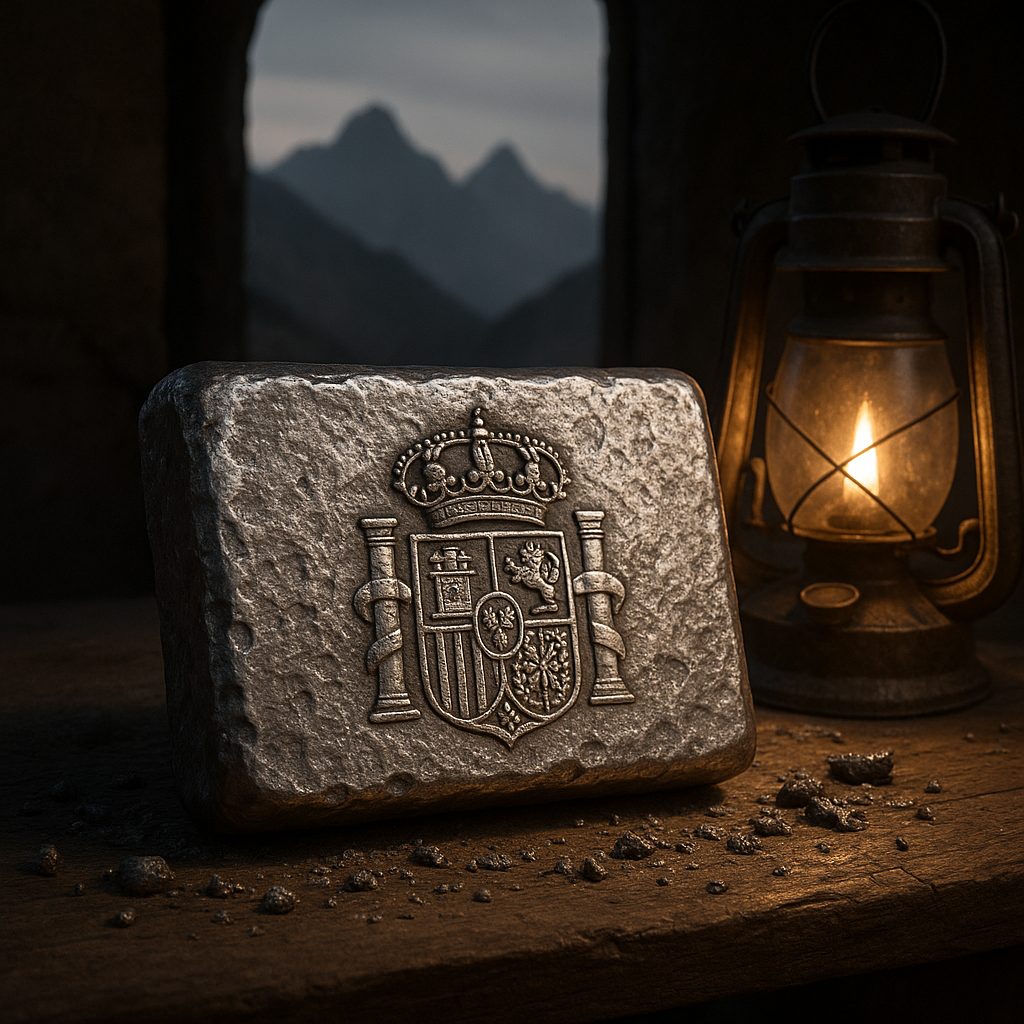
| Renaissance and Reformation South America | Spanish Viceroyalty of Peru and Viceroyalty of New Granada forming. Potosí silver mine dominating global bullion supply. Andean communities reorganized under reducciones. Former Inca administrative networks exploited for colonial extraction. African slavery rising in coastal zones. |
| Renaissance and Reformation Western Europe | Transition to Early Modern geopolitics. Spain and Portugal dominant but challenged; English and Dutch naval powers rising (Dutch Revolt). Protestant–Catholic wars peak (French Wars of Religion ended 1598; Thirty Years’ War begins soon 1618). Scientific revolution underway (Galileo active). Urban capitalism expanding. |


1625 AD – Snapshot
| Terra Avita Region and Era Name Link | Event Description |
|---|---|
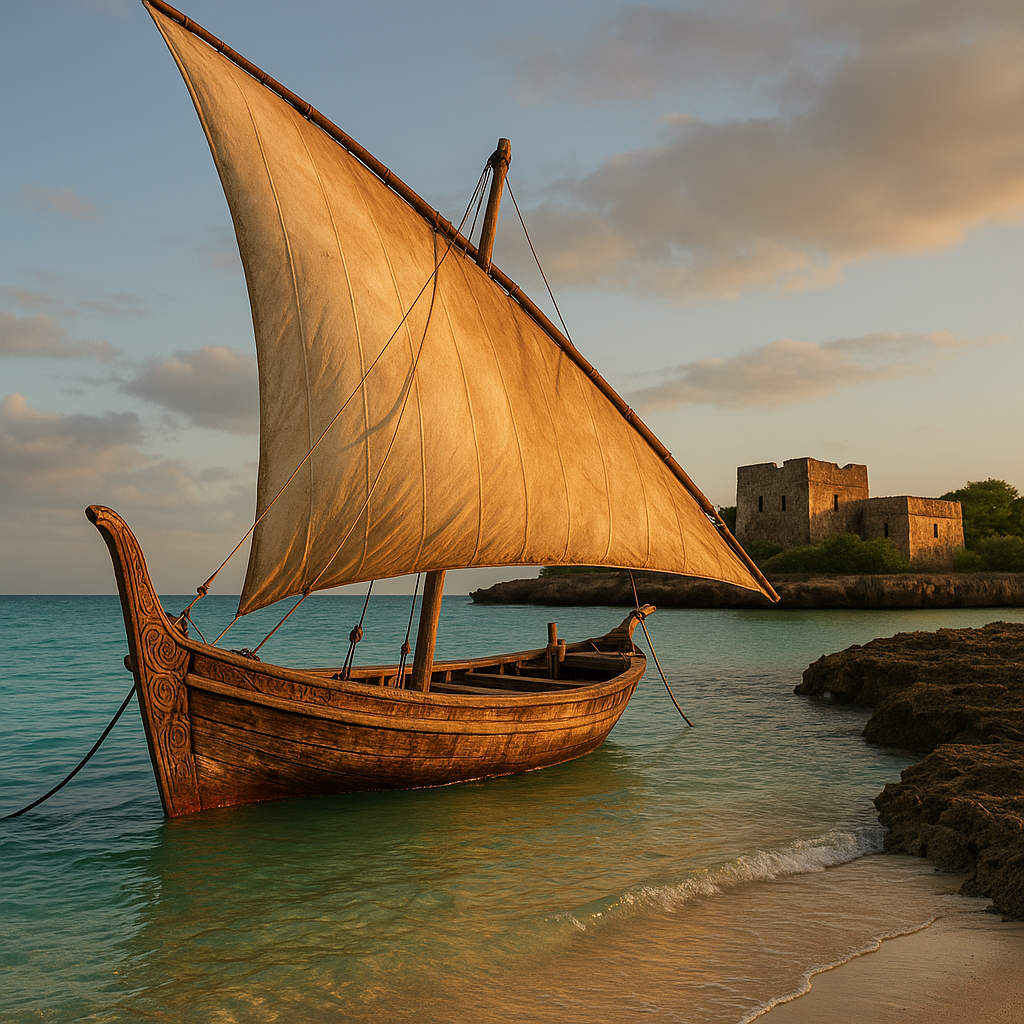
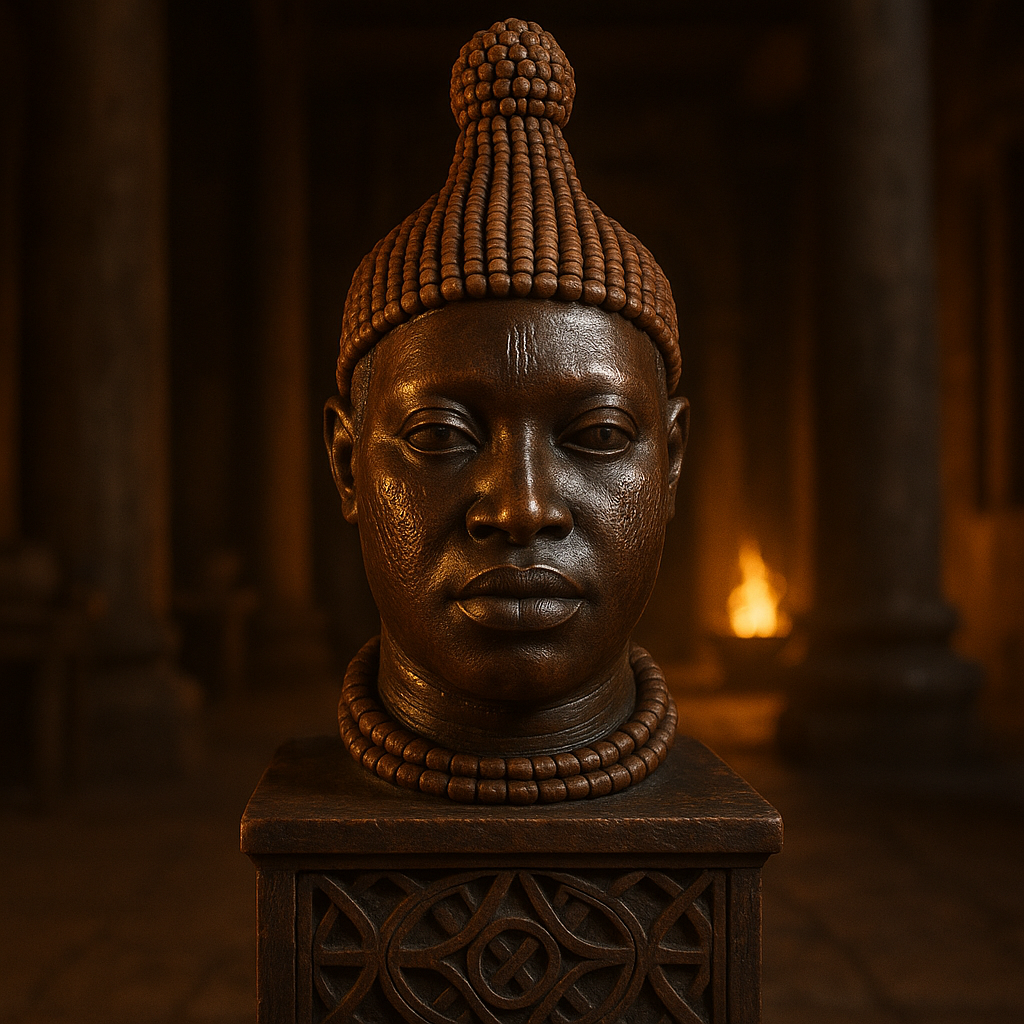
| Scientific Revolution and State Formation Africa (beyond the Nile) | Post-Songhai fragmentation. Moroccan pashas control Timbuktu/Niger Bend weakly. Bambara states rising (Segou). Benin, Kongo, Oyo and other West African states adapt to expanding Atlantic slave-trade pressures. Swahili Coast contested between Portuguese and emerging Omani influence. Ethiopia under Susenyos I (converted to Catholicism 1622). |
| Scientific Revolution and State Formation Central America | New Spain deeply consolidated. Mexico City the administrative core of Spanish America. Forced labor systems (repartimiento) institutionalized. Maya highland communities partially autonomous but under tribute. Catholic missions dominate cultural life. |
| Scientific Revolution and State Formation China (East Asia) | Late Ming crisis deepens. Wanli-era fiscal decline persists; eunuch corruption, peasant revolts, climate stress, and silver shortages destabilize the empire. Manchu power (Later Jin → Qing) rising rapidly under Nurhaci/Hong Taiji. Collapse of Ming imminent (1644). |
| Scientific Revolution and State Formation Eastern Mediterranean | Ottoman Empire entering stagnation phase. Sultan Murad IV’s reign begins soon (1623–1640), marked by harsh reform. Janissary corruption widespread. Eastern Mediterranean remains Ottoman-controlled. Trade routes remain under Ottoman taxation but increasingly bypassed by Dutch/English oceanic networks. |
| Scientific Revolution and State Formation Egypt | Ottoman province governed through a hybrid Ottoman–Mamluk elite. Cairo vibrant but periodically hit by plague. Trade declining as European Atlantic powers dominate world commerce, but Red Sea trade remains significant. |
| Scientific Revolution and State Formation India and Central Asia | Mughal Empire under Jahangir → Shah Jahan (1628). Stable, wealthy, and highly centralized. Monumental architecture phase beginning (Shah Jahan builds Taj Mahal later, 1632). In Central Asia, Uzbek Khanates (Bukhara/Khiva) fragmented and resisting Persian/Shaybanid pressure. |
| Scientific Revolution and State Formation North America | Post-Mississippian tribal world shaped by epidemics. Southeastern chiefdom remnants reorganize into tribes (Creek, Cherokee, Choctaw). English colonies expanding (Jamestown 1607; Plymouth 1620; Massachusetts Bay 1630). French increasing presence along St. Lawrence. Maize agriculture widespread. |
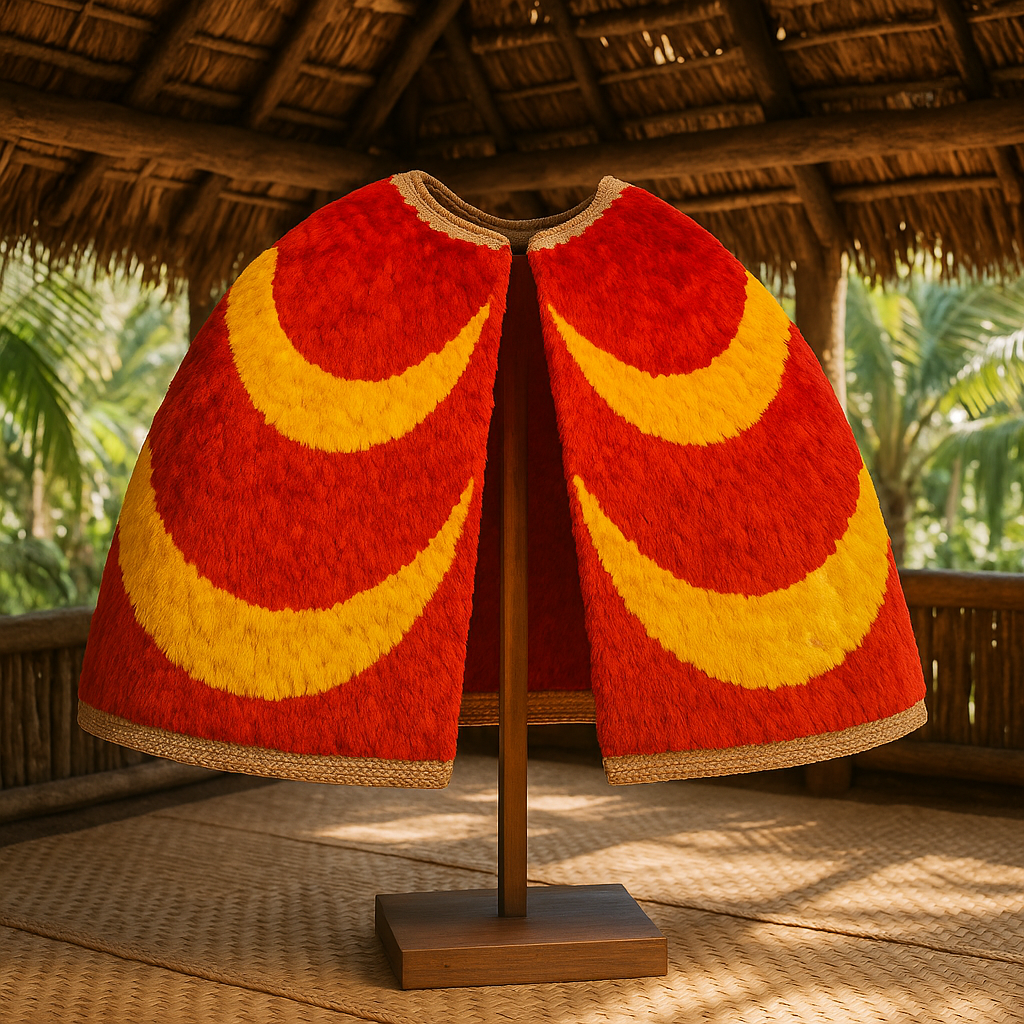
| Scientific Revolution and State Formation Oceania | Australia remains fully Aboriginal with robust trade and ritual networks. New Guinea highland agriculture strong. Polynesia independent—Hawaiian chiefs powerful; Tahitian social hierarchy elaborate; Māori tribal fortification and warfare fully developed; Rapa Nui population diminished. No European colonization yet except isolated Pacific contacts. |
| Scientific Revolution and State Formation Persia | Safavid Persia under Shah Abbas I (r. 1588–1629). Golden age of Persian architecture (Isfahan). Strong centralized state, modernized gunpowder army, and territorial recovery from Ottomans. Silk trade heavily controlled by Safavids. |
| Scientific Revolution and State Formation South America | Spanish rule entrenched. Viceroyalty of Peru extremely wealthy via Potosí silver. Indigenous populations severely reduced; Andean societies reorganized into colonial towns (reducciones). African slave labor rising in coastal Peru and New Granada. Inca resistance fully ended (Vilcabamba 1572). |
| Scientific Revolution and State Formation Western Europe | Thirty Years’ War (1618–1648) ravages Central Europe. Spain declining but still powerful; Dutch Republic rising after securing independence (1648 but de facto before). England under early Stuart monarchy (Charles I crowned 1625). France under Louis XIII + Cardinal Richelieu consolidating centralized state. Early scientific revolution accelerating. |




1650 AD – Snapshot
| Terra Avita Region and Era Name Link | Event Description |
|---|---|
| Scientific Revolution and State Formation Africa (beyond the Nile) | Post-Songhai world dominated by new regional powers. Morocco weakly holds Timbuktu area. Bambara states (Segou) expanding. Oyo Empire and Benin Kingdom thrive in West Africa. Atlantic slave trade surges, reshaping coastal dynamics. Swahili Coast declines under Portuguese pressure; Oman soon to expel them (1698). Ethiopia under the Gondarine dynasty. |
| Scientific Revolution and State Formation Central America | New Spain fully consolidated. Indigenous populations drastically reduced; tribute and labor systems (repartimiento) entrenched. Spanish cities and missions dominate. Remaining Maya highlands and lowlands fall progressively under Spanish administration and religious pressure. |
| Scientific Revolution and State Formation China (East Asia) | Ming Dynasty has collapsed (1644). Qing Dynasty consolidating power under Shunzhi and soon Kangxi. Han Chinese Ming loyalists continue resistance (Southern Ming). Qing campaigns slowly pacify the heartland. Economy recovering from wars; global silver integration resumes. |
| Scientific Revolution and State Formation Eastern Mediterranean | Ottoman Empire still vast but stagnating. Internal rebellions (Celali revolts), Janissary corruption, and fiscal crisis strain the empire. The Levant, Anatolia, Egypt, and Balkans remain under firm Ottoman control. European maritime powers bypass Ottoman trade via Atlantic/Indian Ocean routes. |
| Scientific Revolution and State Formation Egypt | Ottoman province, administered by alternating cycles of Ottoman governors (pashas) and powerful Mamluk households. Cairo a major commercial and intellectual center. Plague outbreaks recur. Trade shifts reduce Red Sea centrality, but Egypt remains wealthy. |
| Scientific Revolution and State Formation India and Central Asia | Mughal Empire at its architectural zenith under Shah Jahan (Taj Mahal built 1632–1653). Massive centralized bureaucracy. Aurangzeb’s era (r. 1658) approaches, with sharper Islamic orthodoxy and expansion. In Central Asia, Bukhara and Khiva remain major Uzbek khanates; political fragmentation continues. |
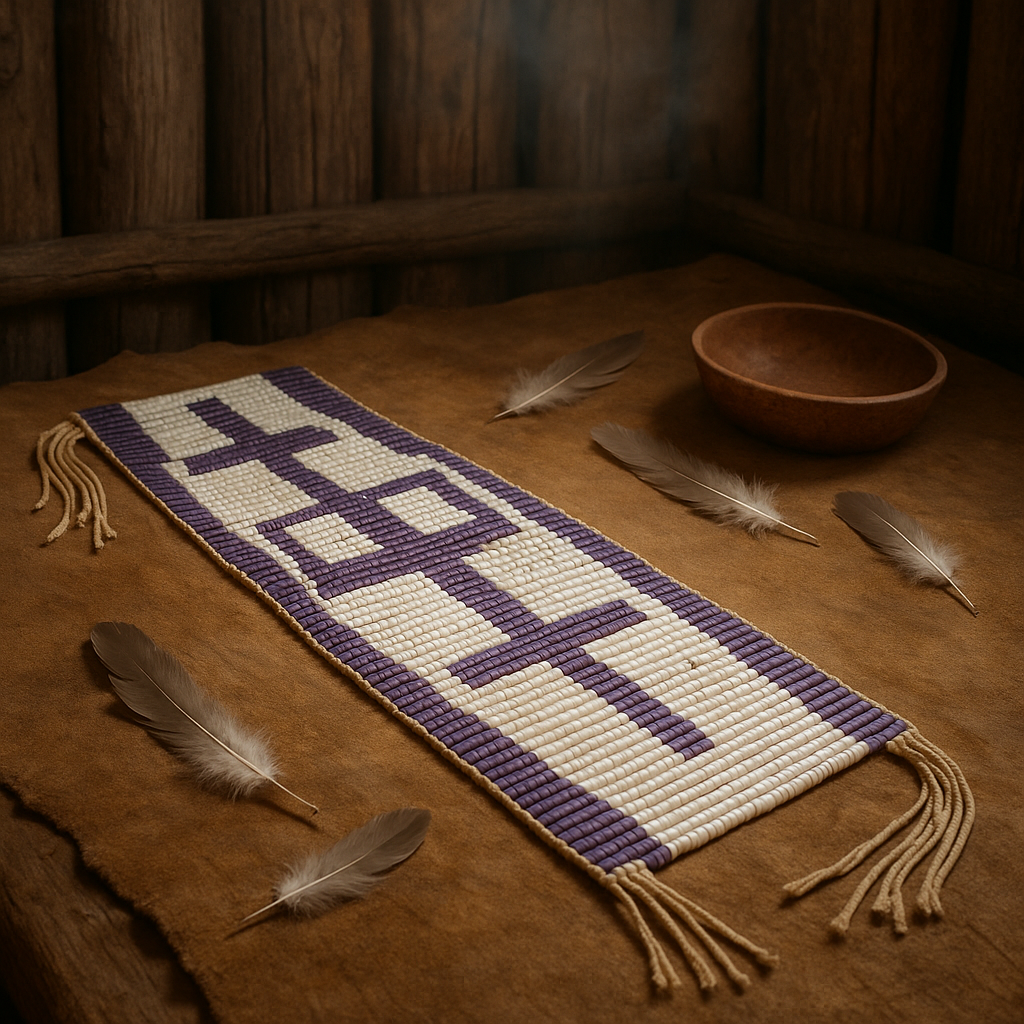
| Scientific Revolution and State Formation North America | Post-Mississippian tribal world in full form. Large-scale epidemics already devastated interior populations. Iroquois League ascendant in northeast. English colonies expanding (Virginia, New England). French claim St. Lawrence and Great Lakes. Spanish entrenched in Southwest and Florida. Maize agriculture widespread among major woodland and plains tribes. |
| Scientific Revolution and State Formation Oceania | Australia’s Aboriginal societies unaffected by Eurasian movements. New Guinea highlands maintain intensive horticulture. Polynesia vibrant: Hawaiian ali‘i courts strong; Tahitian and Māori social systems increasingly stratified; Rapa Nui nearly depopulated after ecological overshoot. No sustained European colonization yet. |
| Scientific Revolution and State Formation Persia | Safavid Empire under Shah Abbas II (r. 1642–1666). Reduced but still strong centralized monarchy. Shia clerical power entrenched. Ongoing conflict with Ottomans. Persian art, architecture, and literature remain influential. Early seeds of Safavid decline appear through court factionalism. |
| Scientific Revolution and State Formation South America | Spanish Viceroyalties of Peru and New Granada dominant. Potosí’s silver still crucial. Indigenous communities reorganized into reducciones. Andean culture heavily adapted into Spanish colonial frameworks (Quechua widespread). African slave labor rising along Pacific and Caribbean coasts. |
| Scientific Revolution and State Formation Western Europe | Aftermath of the Thirty Years’ War (ended 1648) reshapes the continent. France ascendant under Louis XIV’s early reign. Spain declining but still imperial. England in Interregnum under Oliver Cromwell (Civil War ended 1649). Dutch Republic powerful in commerce and naval warfare. Scientific revolution accelerating (Descartes, Boyle). |





1675 AD – Snapshot
| Terra Avita Region and Era Name Link | Event Description |
|---|---|
| Scientific Revolution and State Formation Africa (beyond the Nile) | Post-Songhai regional mosaic. Bambara, Mossi, and Hausa states rising. Benin and Oyo powerful in forest–savanna belt. Atlantic slave trade accelerating dramatically due to European demand; coastal polities reorganize around it. Swahili Coast freeing itself from Portuguese as Oman begins takeover. Ethiopia under Gondarine emperors. |
| Scientific Revolution and State Formation Central America | Spanish rule fully entrenched. New Spain highly centralized from Mexico City. Forced labor systems active though regulated. Maya highlands partially autonomous but taxed. Catholic missions reshape culture; disease and demographic collapse long entrenched. |
| Scientific Revolution and State Formation China (East Asia) | Qing Dynasty consolidates full control. Kangxi Emperor (r. 1661–1722) unifies empire, crushes Three Feudatories (ended 1681), and begins major expansion into Taiwan and Inner Asia. Population grows; global silver trade stabilizes economy. Confucian bureaucracy fully restored. |
| Scientific Revolution and State Formation Eastern Mediterranean | Ottoman Empire stagnating but territorially intact. Ongoing internal corruption and provincial rebellions; Janissary power entrenched. Control over Balkans, Anatolia, Levant, and Egypt remains firm. Eastern Mediterranean commerce increasingly bypassed by Atlantic trade systems. |
| Scientific Revolution and State Formation Egypt | Ottoman province run through Mamluk households. Cairo still a center of scholarship and commerce. Recurrent plague and economic decline. Red Sea trade diminished due to European dominance in Indian Ocean, but local wealth persists. |
| Scientific Revolution and State Formation India and Central Asia | Mughal Empire entering crisis. Aurangzeb (r. 1658–1707) expands territory massively, but empire overstretched; Deccan wars drain resources. Religious policy stricter; internal revolts (Marathas) gaining strength. In Central Asia, Uzbek khanates fragmented and weakened; Persian and steppe pressures increase. |
| Scientific Revolution and State Formation North America | Colonial–tribal frontier world. Iroquois League dominant in northeast. English colonies expanding along Atlantic seaboard. King Philip’s War (1675–1676) devastates New England Indigenous nations. French expanding through Great Lakes. Interior tribes reorganizing after epidemic shock; maize agriculture widespread. |
| Scientific Revolution and State Formation Oceania | Australia wholly Indigenous; no sustained European presence. New Guinea highlands dense horticulture. Polynesia independent: Hawaiian ali‘i strong; Tahitian chiefdoms consolidated; Māori fortified pā and intertribal warfare active; Rapa Nui depopulated but still inhabited. No colonization yet. |
| Scientific Revolution and State Formation Persia | Safavid Empire weakening under Shah Suleiman I (r. 1666–1694). Court decadence and declining military readiness. Tribal factions (Qizilbash) restless. Borders with Ottomans relatively static but Safavid authority fraying, setting stage for collapse (1722). |
| Scientific Revolution and State Formation South America | Spanish viceroyalties of Peru and New Granada entrenched. Potosí silver still globally dominant but declining from earlier peaks. Andean communities reorganized under harsh mita labor drafts. African slave labor expands in plantation and mining zones. No independent states remain. |
| Scientific Revolution and State Formation Western Europe | Age of Absolutism. Louis XIV’s France at military and cultural zenith (Palace of Versailles near completion). England in late Restoration under Charles II; colonial empire expanding. Dutch Republic strong in global trade but under military pressure from France and England. Scientific Revolution mature (Newton active). |




1700 AD – Snapshot
| Terra Avita Region and Era Name Link | Event Description |
|---|---|
| Scientific Revolution and State Formation Africa (beyond the Nile) | West Africa in full Atlantic realignment. Songhai long gone; Asante Empire rising (~1700) in Gold Coast. Oyo and Dahomey expanding inland influence. Benin still strong. Atlantic slave trade peaks, reshaping societies violently. Swahili Coast increasingly under Omani influence; Portuguese declining. Ethiopia fragmented among regional warlords. |
| Scientific Revolution and State Formation Central America | New Spain stable and deeply institutionalized. Spanish authority absolute. Massive demographic collapse has already taken place; Indigenous communities reorganized into towns under tribute systems. Maya highlands partly autonomous but within colonial structure. Catholic Church dominant. |
| Scientific Revolution and State Formation China (East Asia) | Qing Dynasty at firm imperial strength under Kangxi Emperor (r. 1661–1722). Territory expands into Taiwan, Tibet, and Inner Asia. Long period of stability, population growth, agricultural productivity, and global silver trade. Ming resistance gone. |
| Scientific Revolution and State Formation Eastern Mediterranean | Ottoman Empire stagnant but intact. Control extends from Balkans to Arabia. Military defeats in Vienna (1683) and subsequent wars shrink European holdings. Janissary corruption entrenched. Eastern Mediterranean commerce marginalized by Atlantic powers but still significant regionally. |
| Scientific Revolution and State Formation Egypt | Ottoman province with Mamluk households wielding real power. Cairo remains populous, wealthy, and culturally vibrant. Plagues, taxation crises, and Red Sea trade decline weaken long-term stability, but administrative continuity persists. |
| Scientific Revolution and State Formation India and Central Asia | Mughal Empire fracturing under Aurangzeb’s late reign. Continuous Deccan wars exhaust treasury. Marathas expand massively, effectively ending Mughal real central authority by early 1700s. In Central Asia, Uzbek khanates weakened; Persian–steppe hybrid polities emerging. |
| Scientific Revolution and State Formation North America | Colonial world entrenching. English colonies expanding (Virginia, New England, Carolinas, New York). France dominates St. Lawrence, Great Lakes, and Mississippi corridor (La Salle 1682). Iroquois League strong but pressured. Epidemic-shocked Indigenous societies reorganize regionally. Maize widespread; some Mississippian remnants remain culturally influential. |
| Scientific Revolution and State Formation Oceania | Australia entirely Indigenous; no British settlement yet (first in 1788). New Guinea dense horticulture. Polynesian societies fully independent—Hawai‘i powerful ali‘i courts, Tahitian chiefdoms hierarchical, Māori tribal world dynamic and martial. Rapa Nui depopulated but inhabited. No colonial imprint. |
| Scientific Revolution and State Formation Persia | Safavid Empire collapsing. Internal decay, weak rulers, economic breakdown. Afghan Hotak invasion imminent (1709–1722). Safavid administration hollowed out; tribal aristocracies dominate frontier provinces. Persia on the brink of fragmentation. |
| Scientific Revolution and State Formation South America | Viceroyalty of Peru and newly created Viceroyalty of New Granada (1717) form Spanish control. Potosí silver mines still major, though diminished. Andean peoples integrated into Spanish reduction systems; mita labor drafts ongoing. African slavery entrenched in coastal regions. Inca legacy embedded in rural highlands under colonial authority. |
| Scientific Revolution and State Formation Western Europe | End of Louis XIV’s apex. France dominant but financially strained. Glorious Revolution (1688) cements England as a constitutional monarchy; England + Dutch Republic form the Grand Alliance. Early Enlightenment thought rising. Spain declines; War of Spanish Succession begins soon (1701). Major naval competition between England, France, Netherlands. |