(1500 AD – 1600 AD)
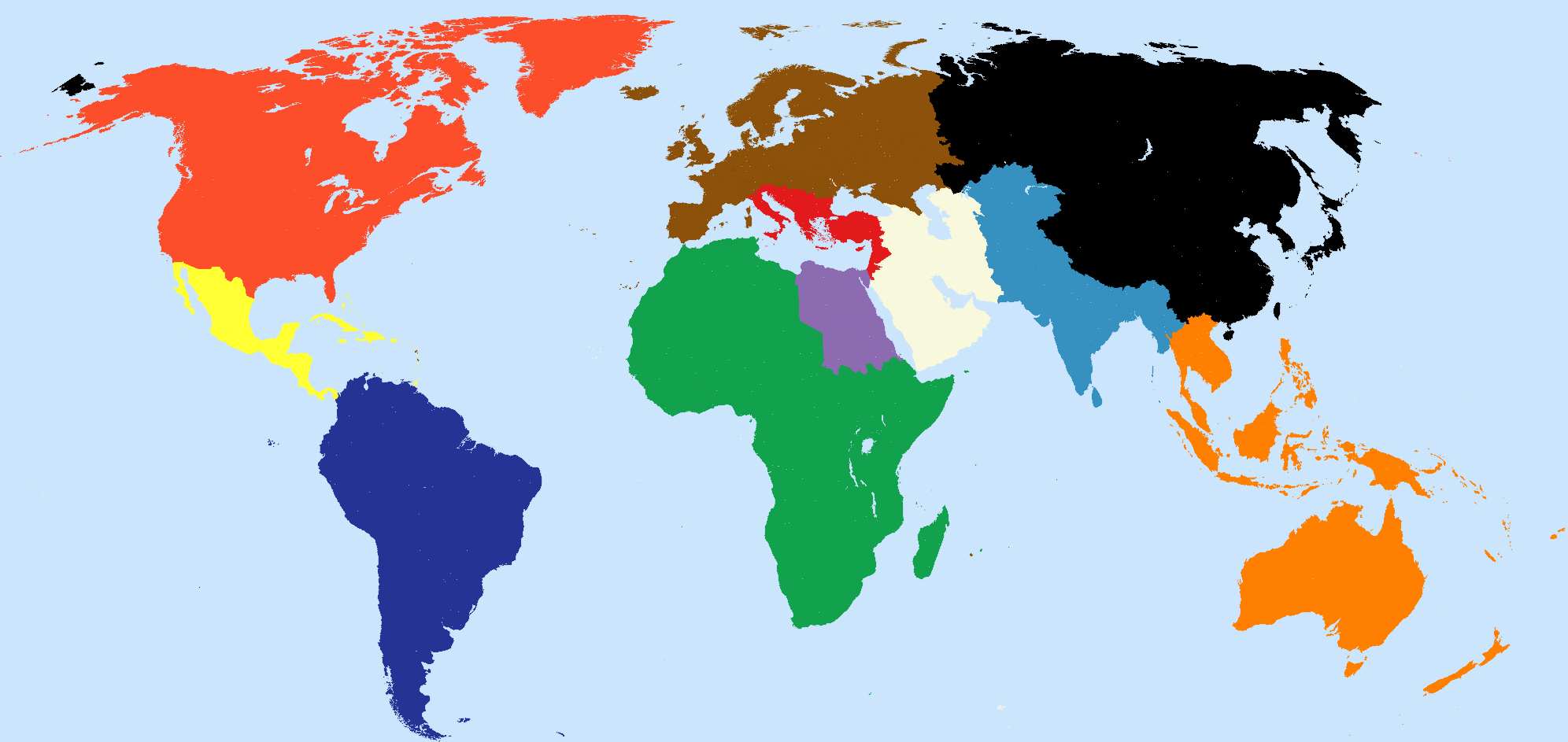 Renaissance & Reformation
Western Europe Renaissance & Reformation
Eastern Mediterranean Renaissance & Reformation
Persia Renaissance & Reformation
Egypt Renaissance & Reformation
Africa Renaissance & Reformation
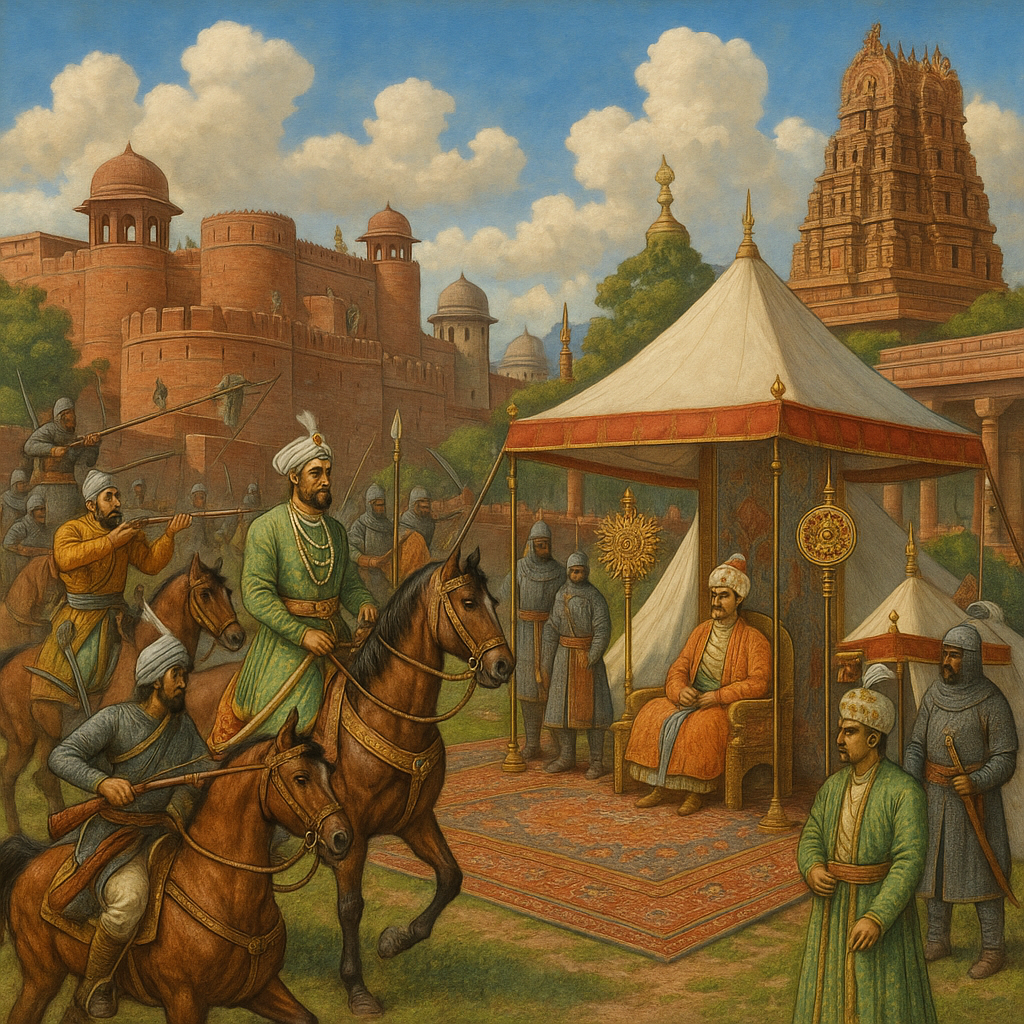
India & Central Asia Renaissance & Reformation
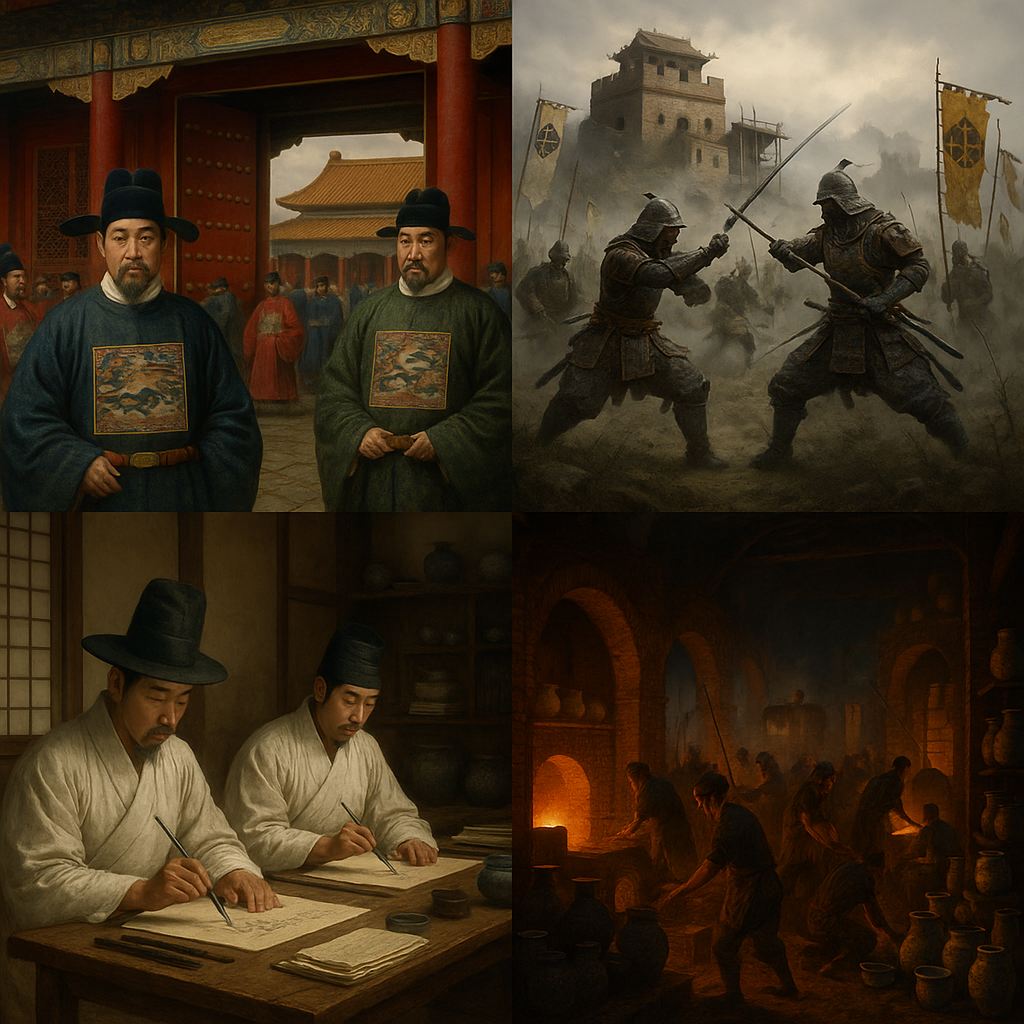
China Renaissance & Reformation
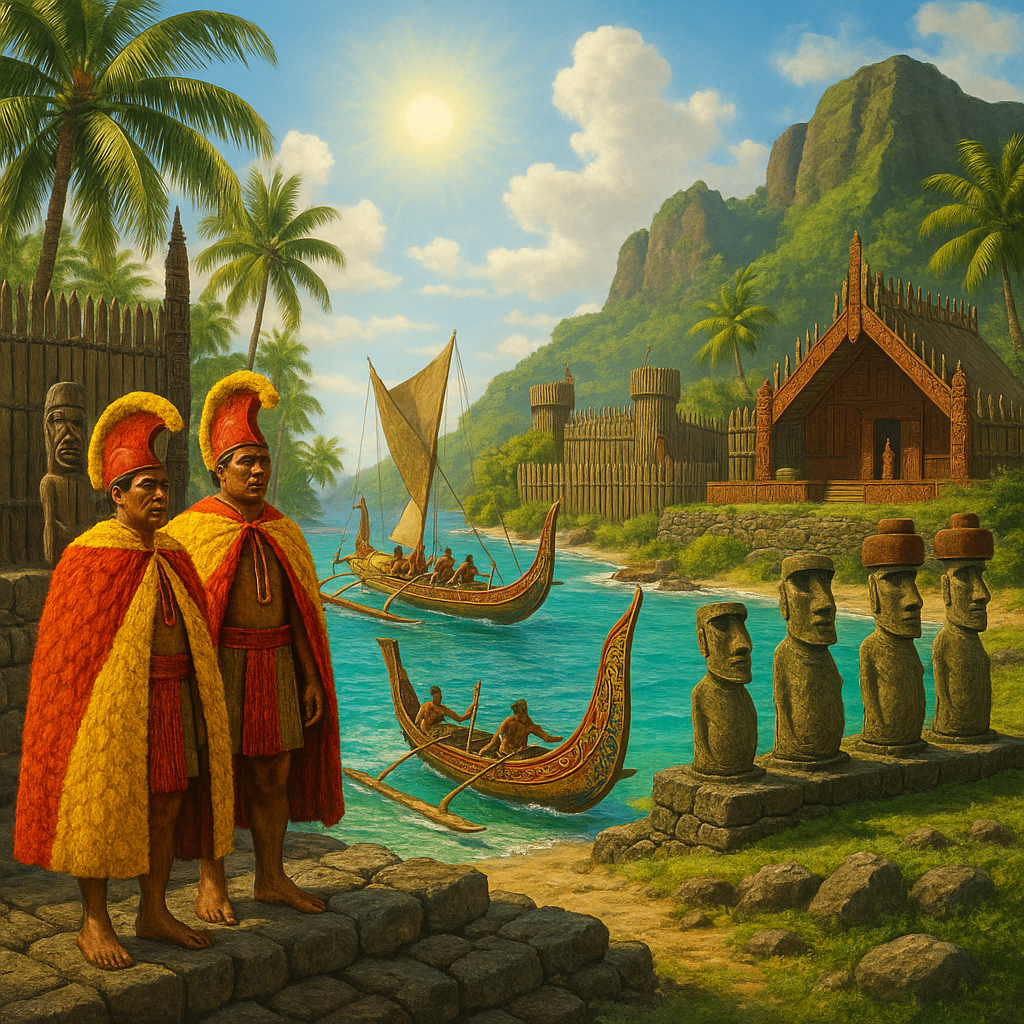
Oceania Renaissance & Reformation
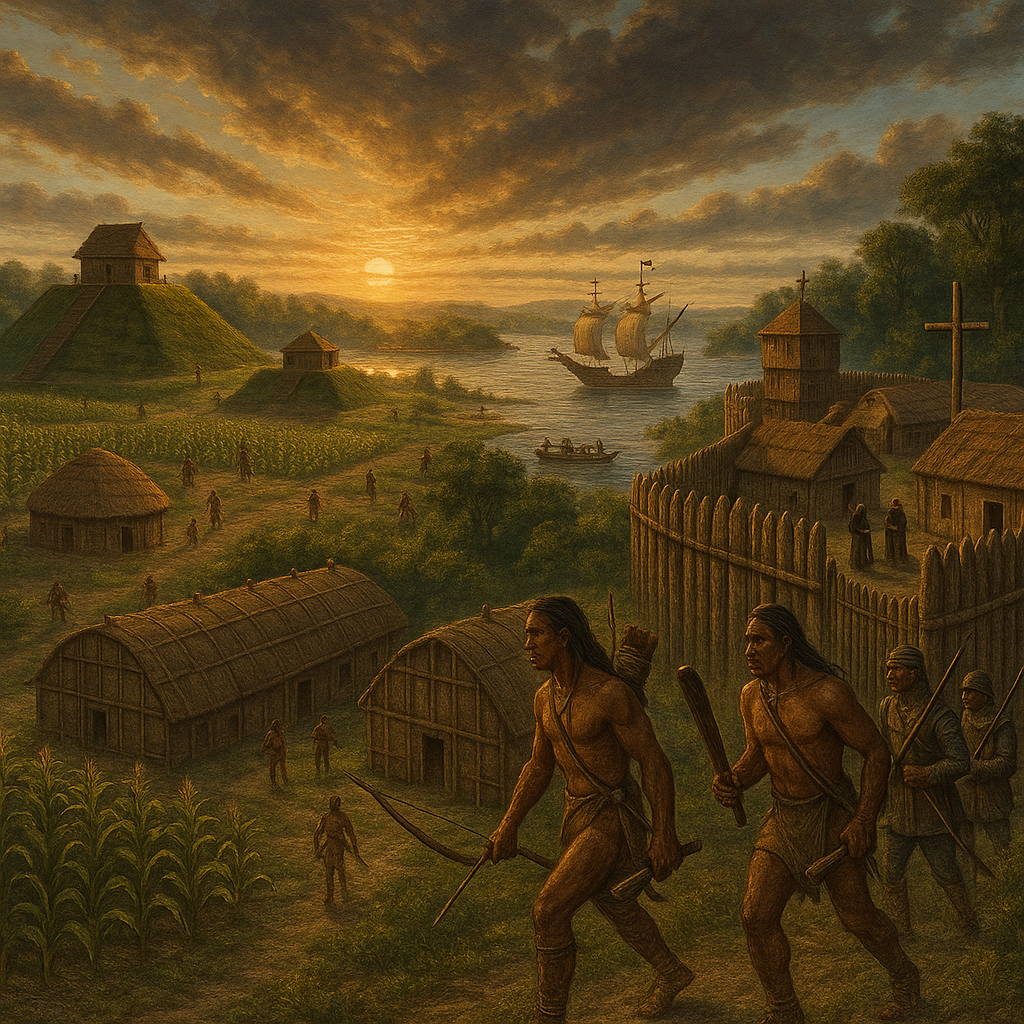
North America Renaissance & Reformation
Central America Renaissance & Reformation
South America
| Terra Avita Region and Era Name Link | Representative Cultures | Major Cities / Centers | Major Events |
|---|---|---|---|
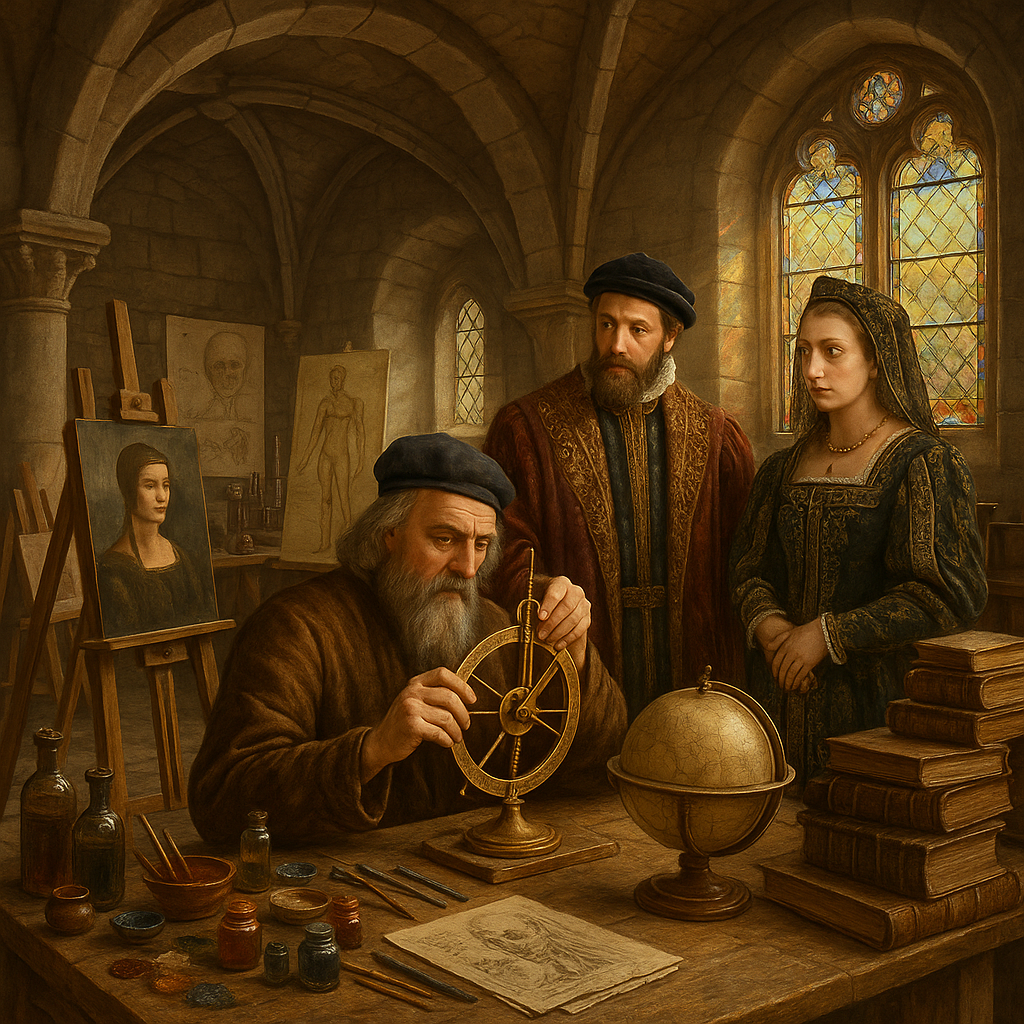
| Renaissance and Reformation Western Europe | Italian Renaissance, Protestant Reformation, Tudor England, Habsburg Spain, Valois France | Florence, Rome, London, Madrid, Wittenberg, Geneva | Humanism and scientific inquiry flourish; Protestant and Catholic Reformations reshape Europe; Age of Exploration begins |
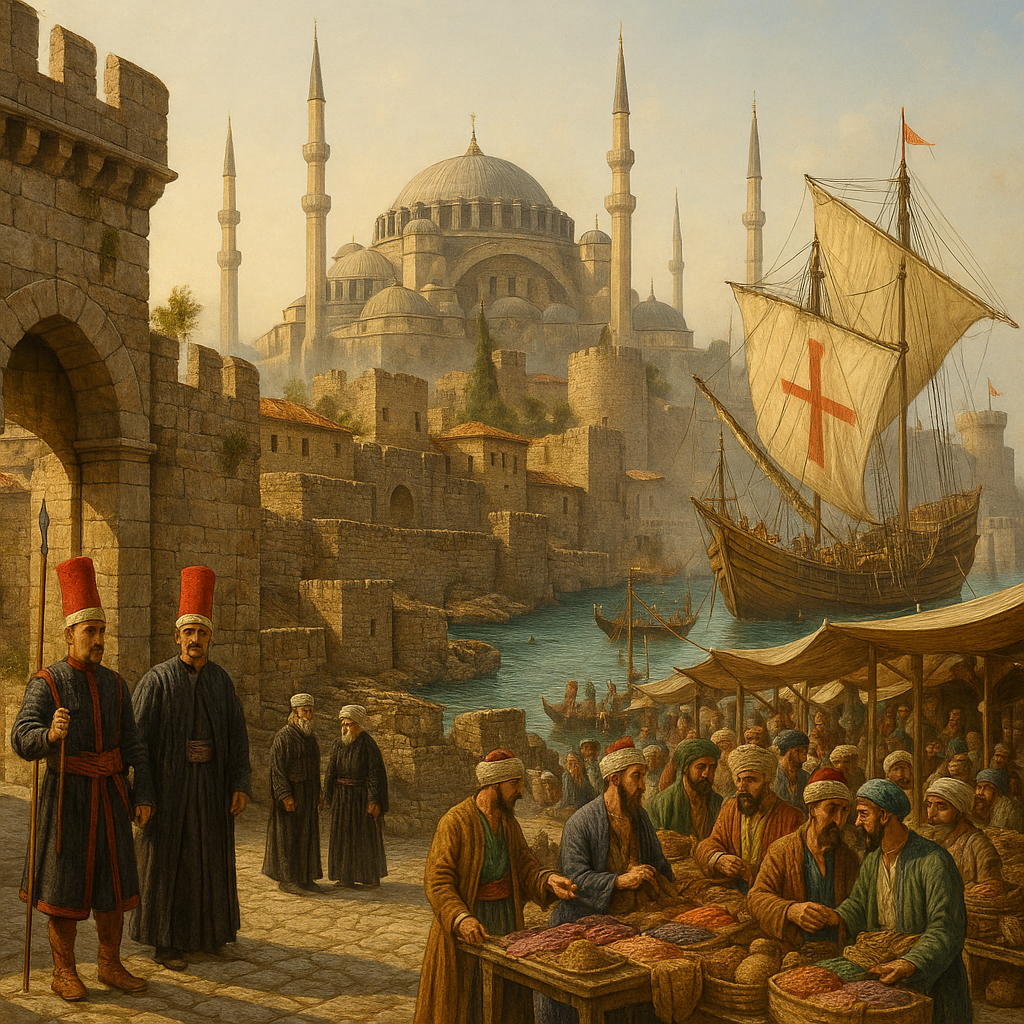
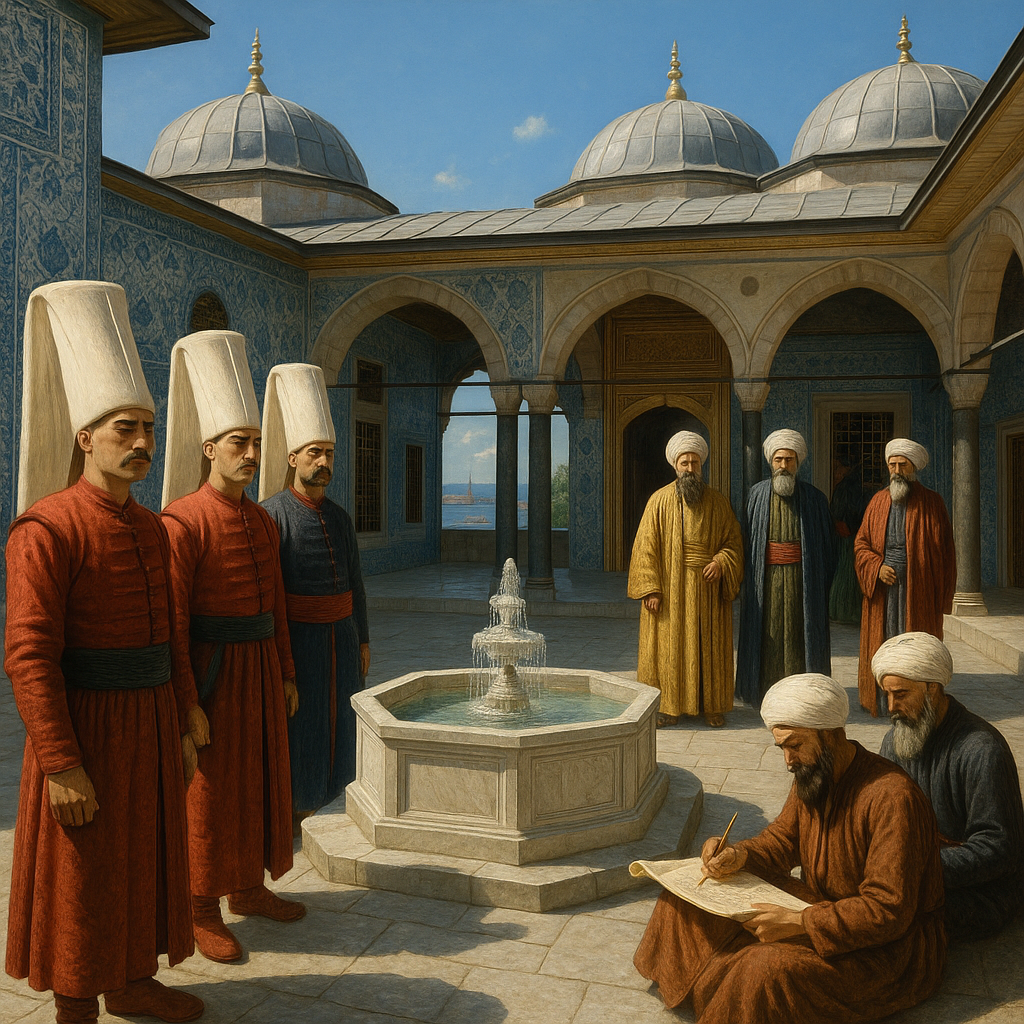
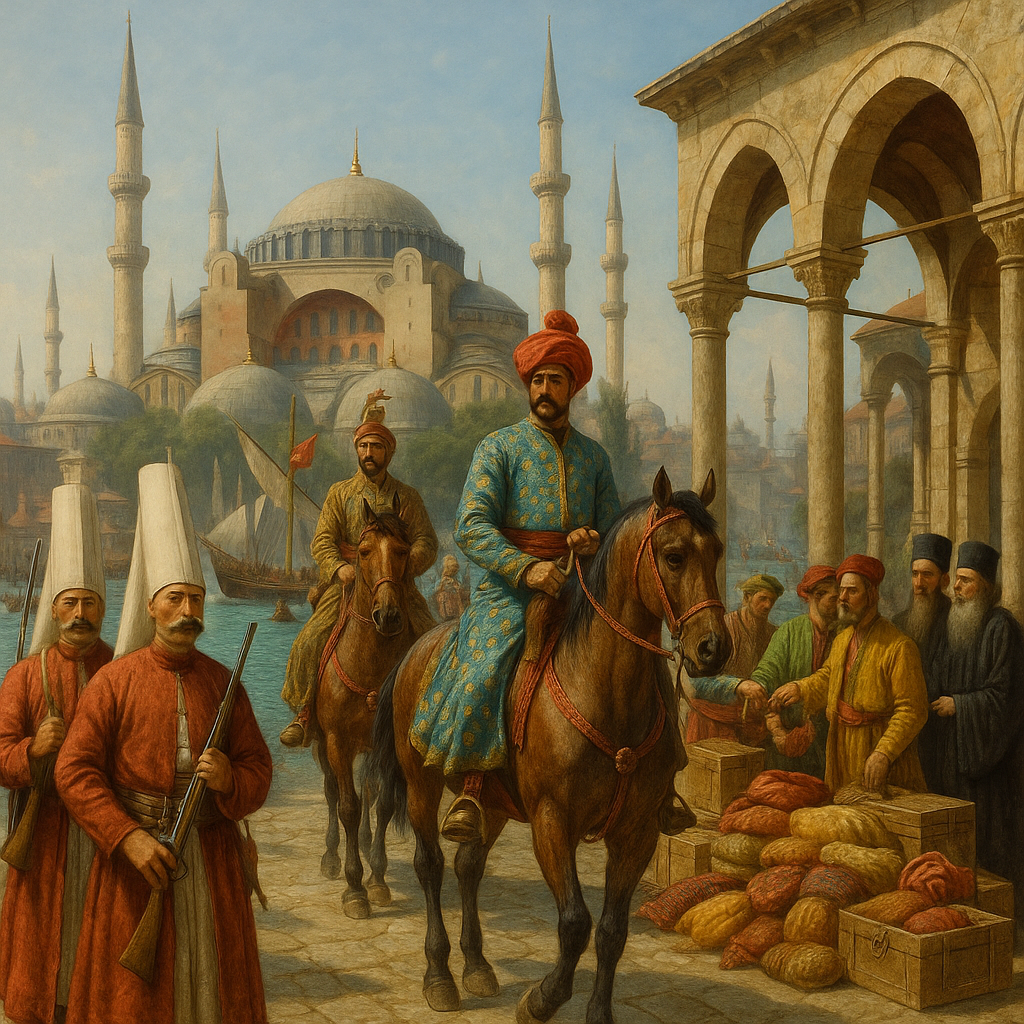
| Renaissance and Reformation Eastern Mediterranean | Ottoman Empire, Venetian Republic, Greek Orthodox Communities | Constantinople (Istanbul), Venice, Rhodes | Ottoman expansion across Balkans and Mediterranean; trade dominance; cross-cultural exchanges with Europe |
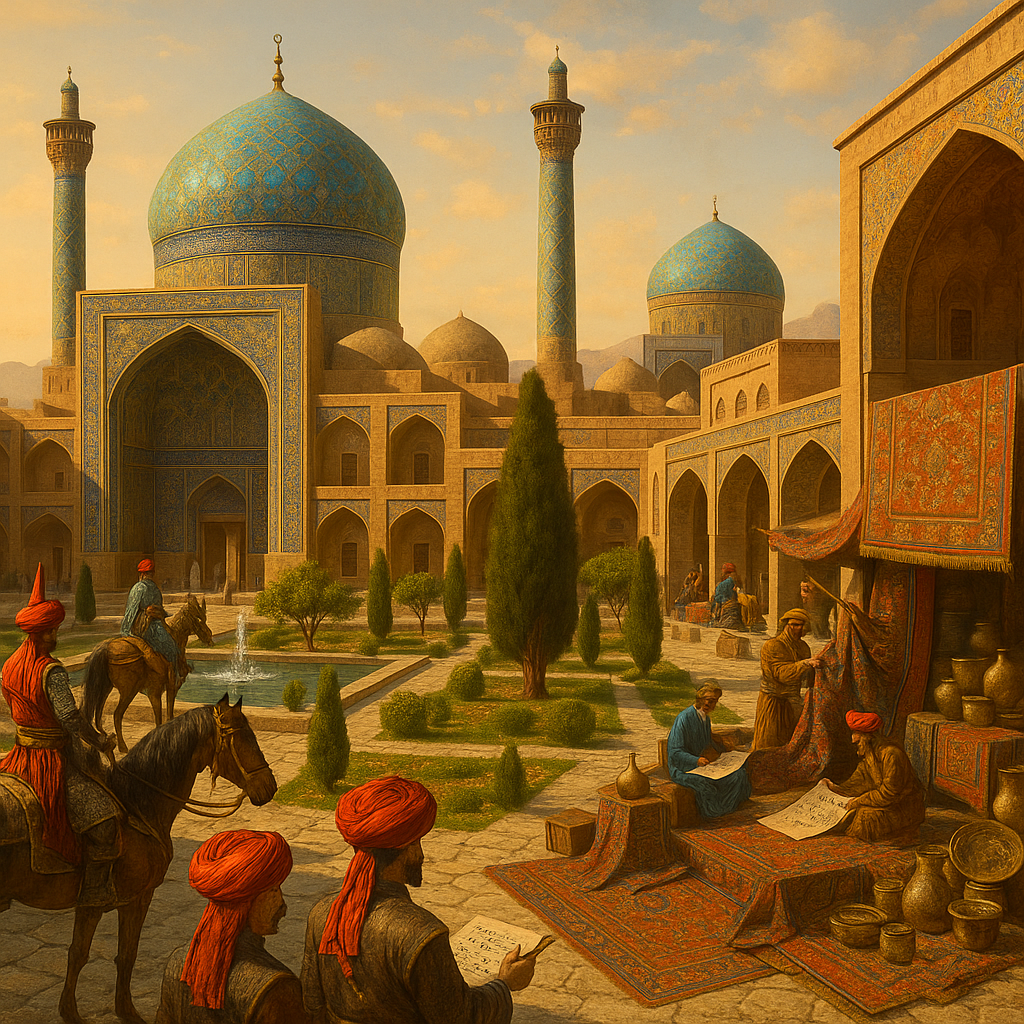
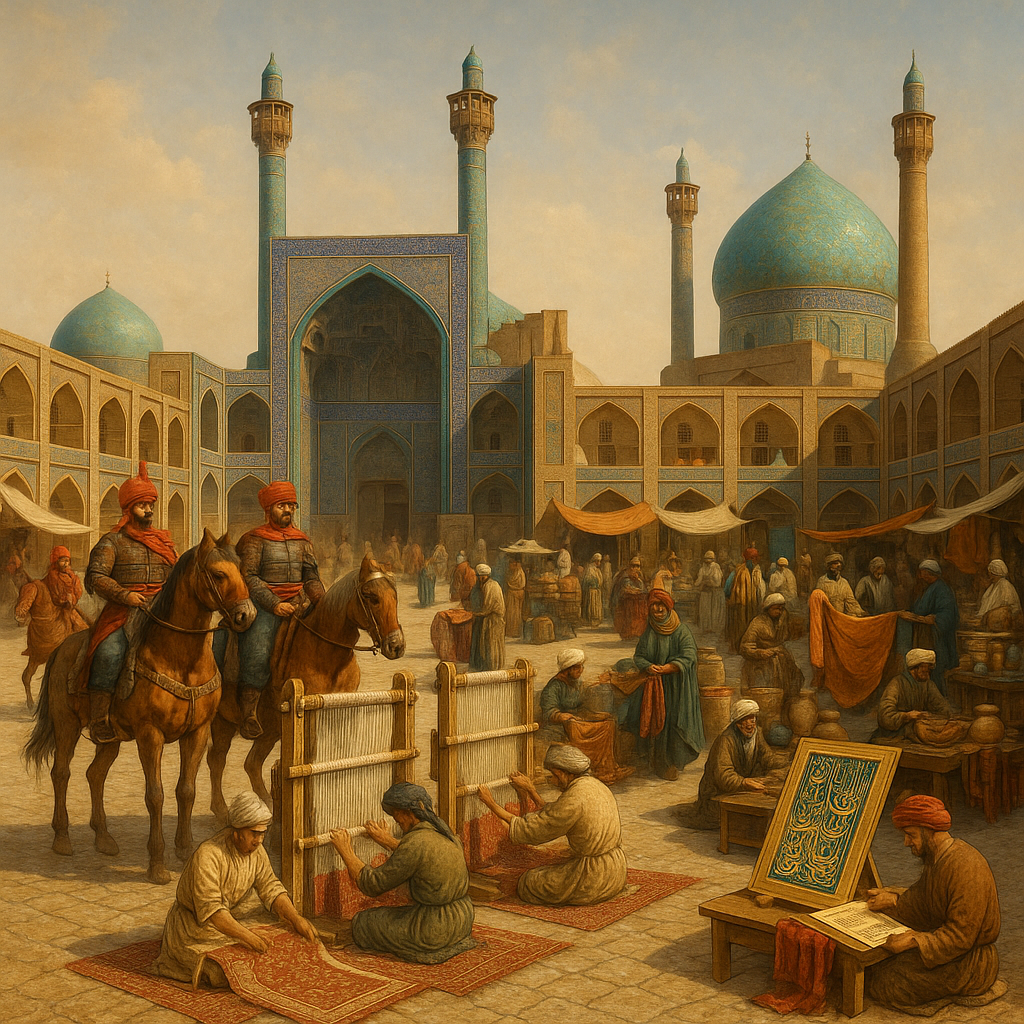
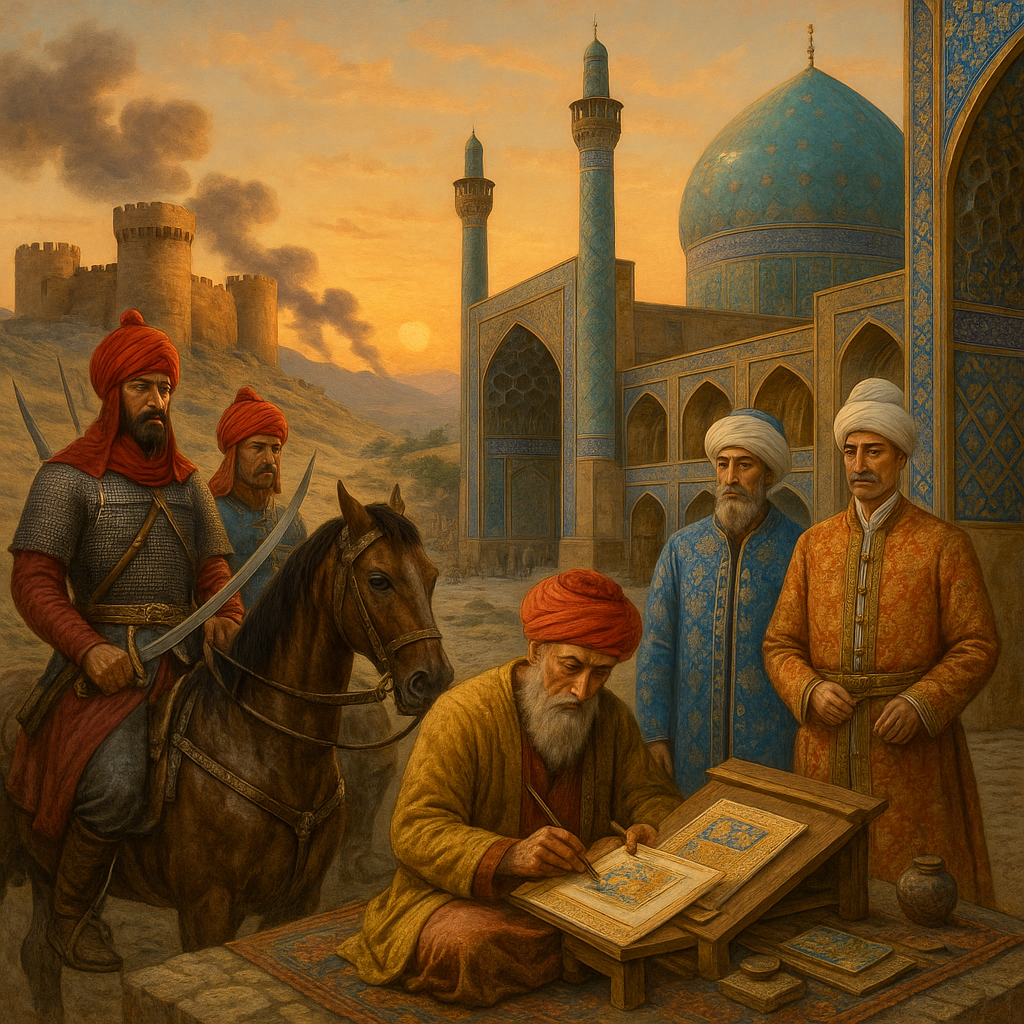
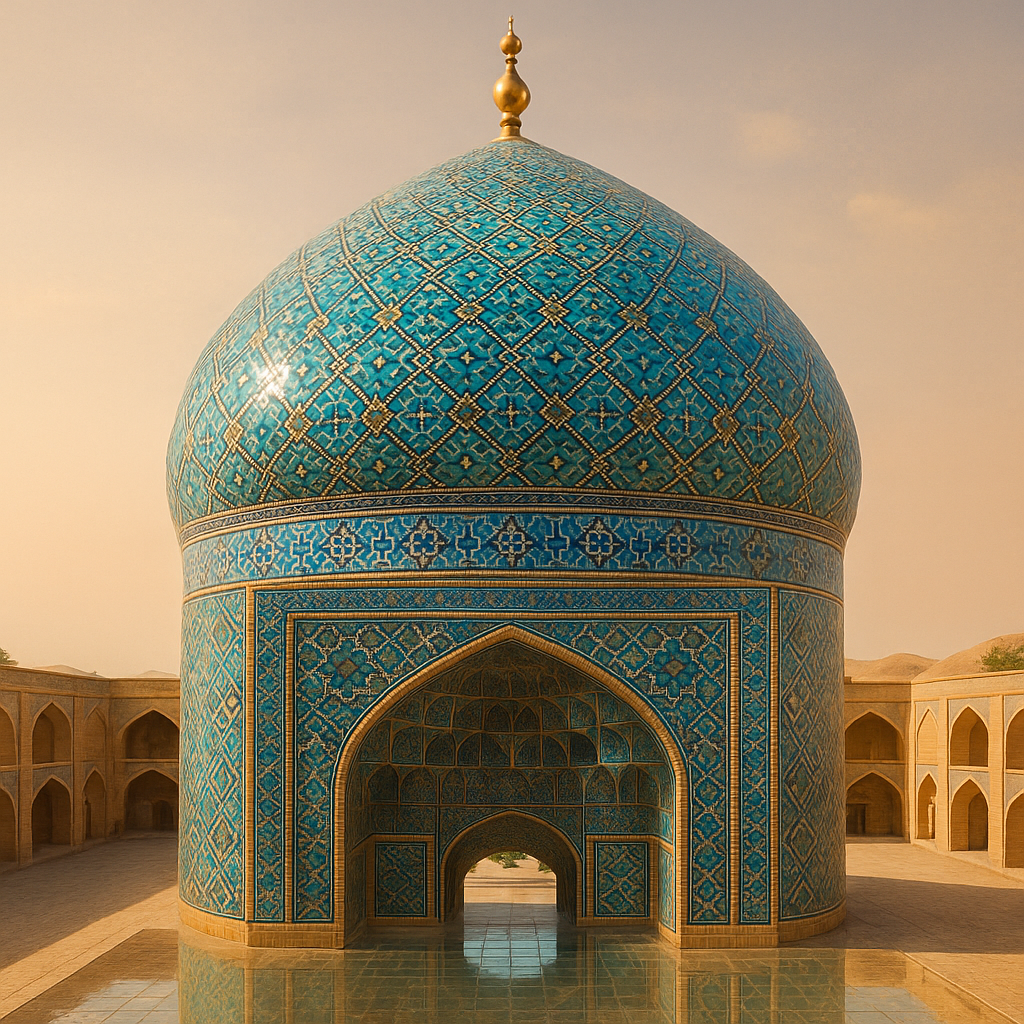
| Renaissance and Reformation Persia | Safavid Empire | Isfahan, Tabriz, Qazvin | Establishment of Shi’a Islam as state religion; Safavid–Ottoman conflicts; Persian art and architecture revived |
| Renaissance and Reformation Egypt | Ottoman Egypt (Eyalet), Mamluk remnants | Cairo, Alexandria | Ottoman incorporation of Egypt (1517); Mediterranean and Red Sea trade under Ottoman control |
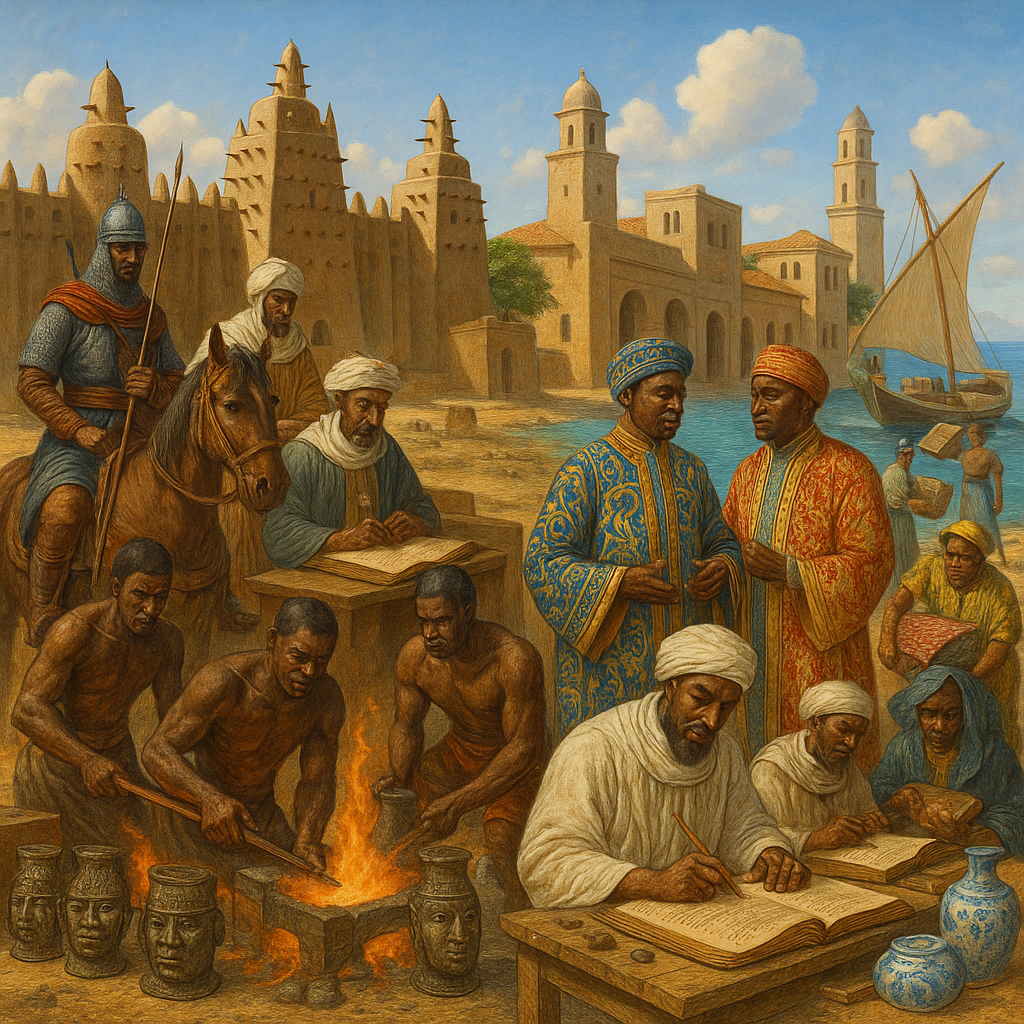
| Renaissance and Reformation Africa (beyond the Nile) | Songhai Empire, Benin Kingdom, Kongo, Swahili Coast | Timbuktu, Gao, Benin City, Mombasa | Songhai Golden Age; trans-Saharan and Indian Ocean trade; early European contact along West African coasts |
| Renaissance and Reformation India and Central Asia | Mughal Empire (founded 1526), Vijayanagara, Deccan Sultanates | Delhi, Agra, Vijayanagara | Babur’s conquest and Mughal foundation; cultural fusion of Persian, Indian, and Islamic traditions |
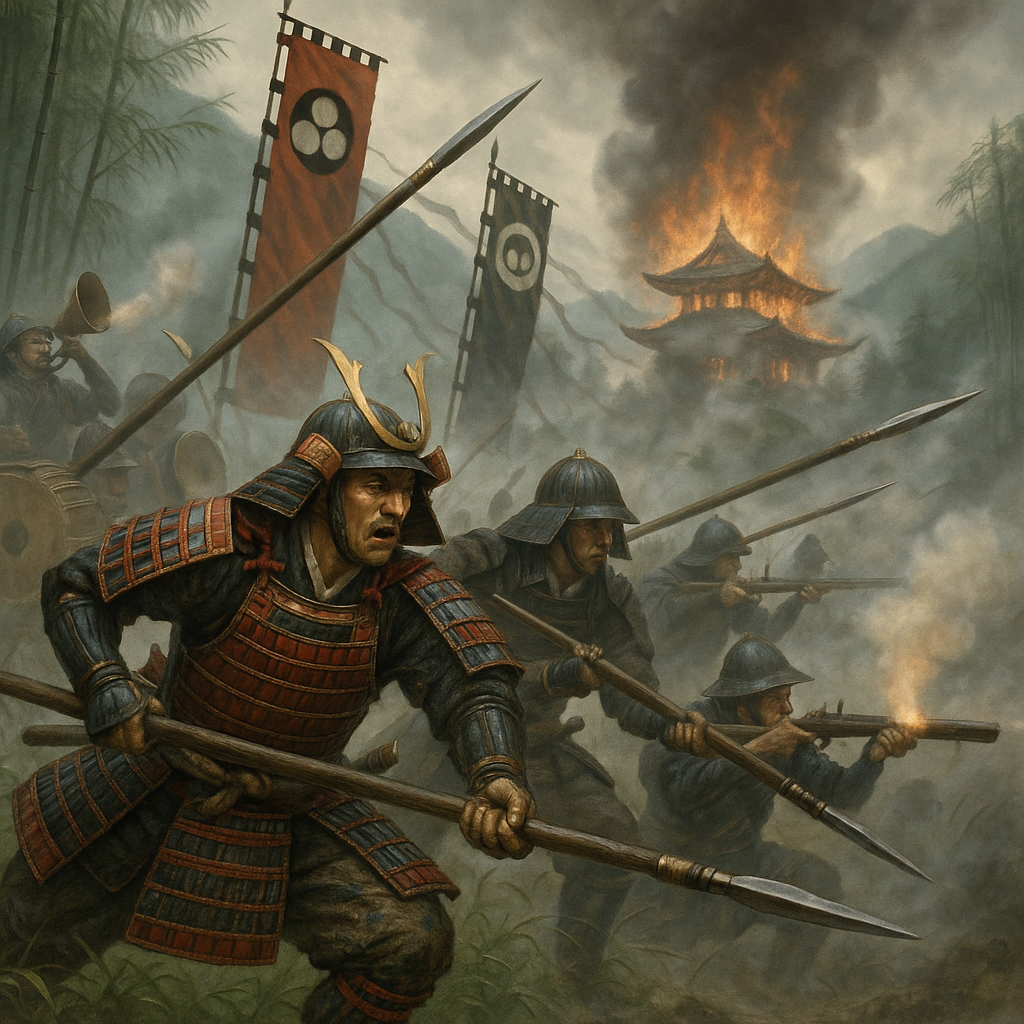
| Renaissance and Reformation China (East Asia) | Ming Dynasty, Sengoku Japan, Joseon Korea | Beijing, Kyoto, Seoul, Nanjing | Maritime exploration under Zheng He (ending 1433); isolation policies; rise of Japanese unification under Oda Nobunaga |
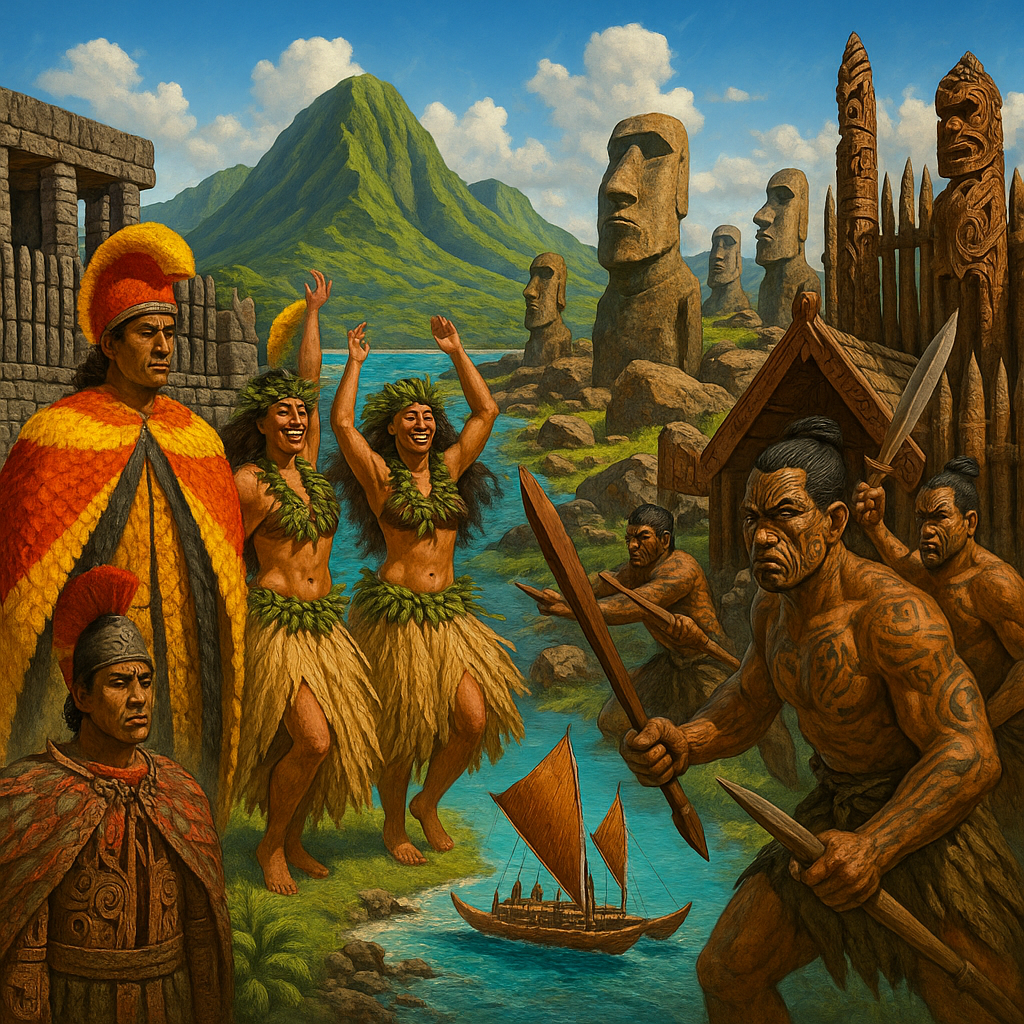
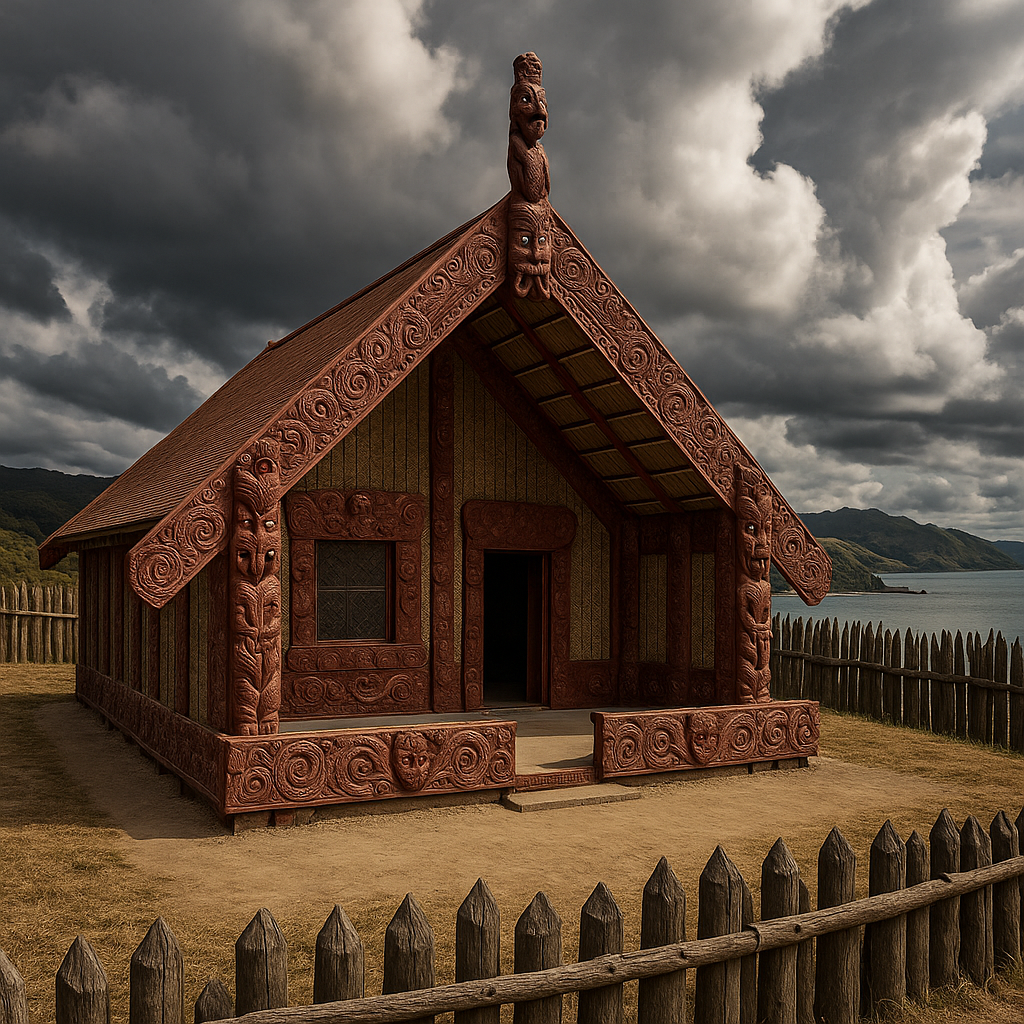
| Renaissance and Reformation Oceania | Polynesian Island Kingdoms, Aboriginal Australian Cultures | Tonga, Hawaii, Aotearoa | Continued Polynesian navigation and oral cultural transmission; minimal outside contact pre-European arrival |
| Renaissance and Reformation North America | Mississippian (decline), Iroquois, Algonquian, Spanish Colonies | Cahokia (post-collapse), St. Augustine, Quebec (early) | Indigenous confederations form; first European settlements; Columbian Exchange begins |
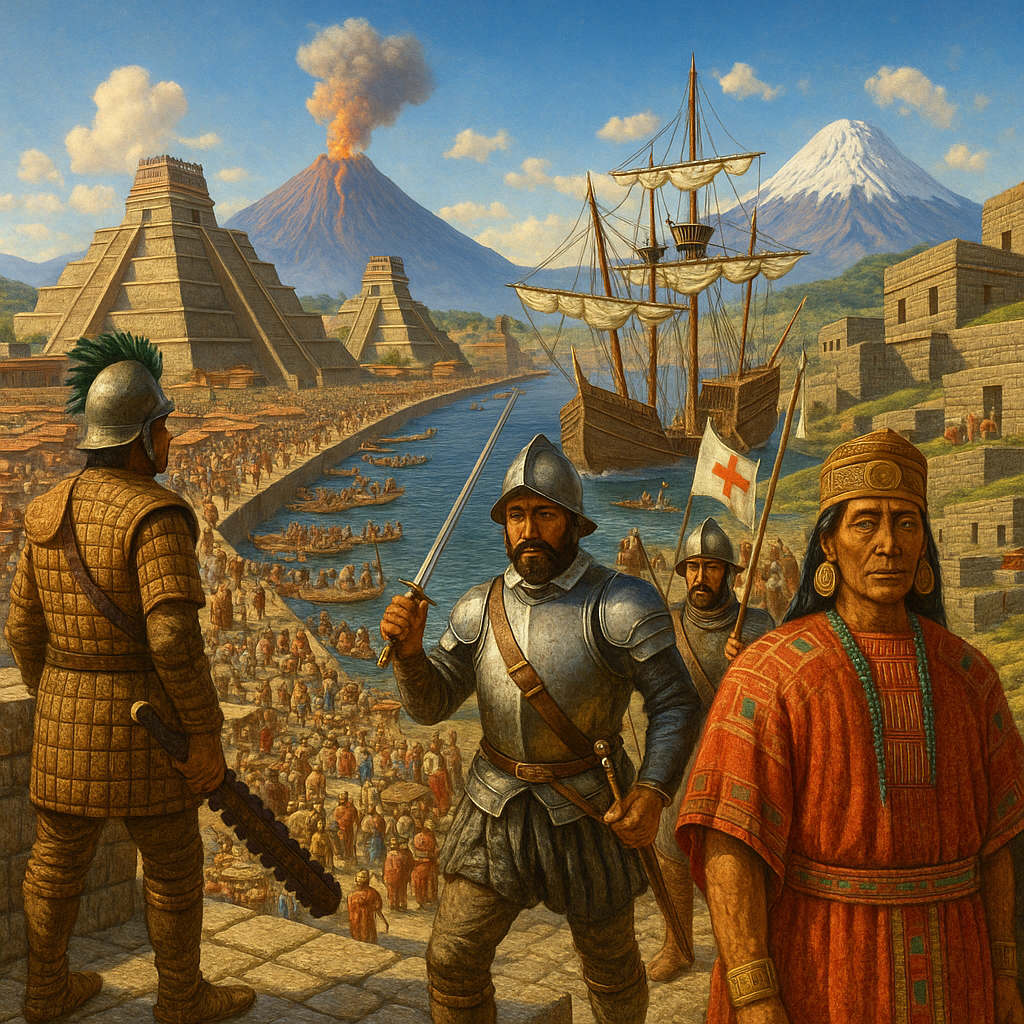
| Renaissance and Reformation Central America | Aztec, Maya (Postclassic), Spanish Conquistadors | Tenochtitlán, Chichen Itza, Veracruz | Spanish conquest of Aztec Empire (1519–1521); collapse of Mesoamerican polities; Christianization begins |
| Renaissance and Reformation South America | Inca Empire, Spanish Colonial Rule | Cusco, Lima, Quito | Conquest of the Inca (1530s); establishment of Spanish viceroyalties; beginnings of colonial administration |
1500 AD – Snapshot
| Terra Avita Region and Era Name Link | Event Description |
|---|---|
| Late Medieval Africa (beyond the Nile) | Songhai Empire at its peak under Askia Muhammad. Timbuktu and Gao global centers of learning and trade. Swahili Coast flourishing—linked to Arabia, Persia, India. Portuguese arrival destabilizes coastal states. Ethiopia strong; Kongo and Benin influential in west-central Africa. |
| Late Medieval Central America | Aztec Empire at absolute height. Tenochtitlan massive metropolis. Tribute system dominates central Mexico. Maya Postclassic states active in Yucatán (Mayapán gone but coastal cities strong). Spanish arrival imminent (1519). |
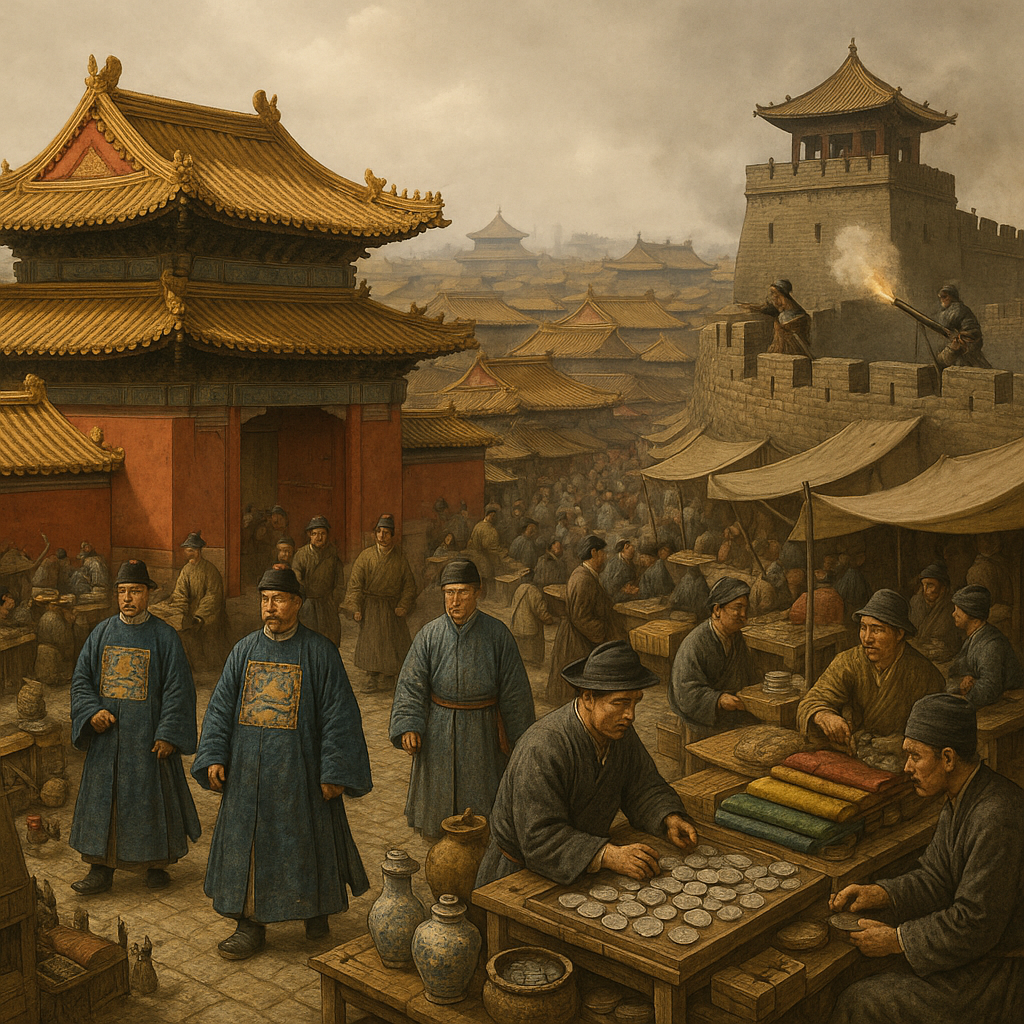
| Late Medieval China (East Asia) | Ming Dynasty strong under Hongzhi → Zhengde. Massive population, advanced agriculture, internal commerce booming. Naval expeditions ended decades earlier. Great Wall strengthened. Growing internal conservatism. |
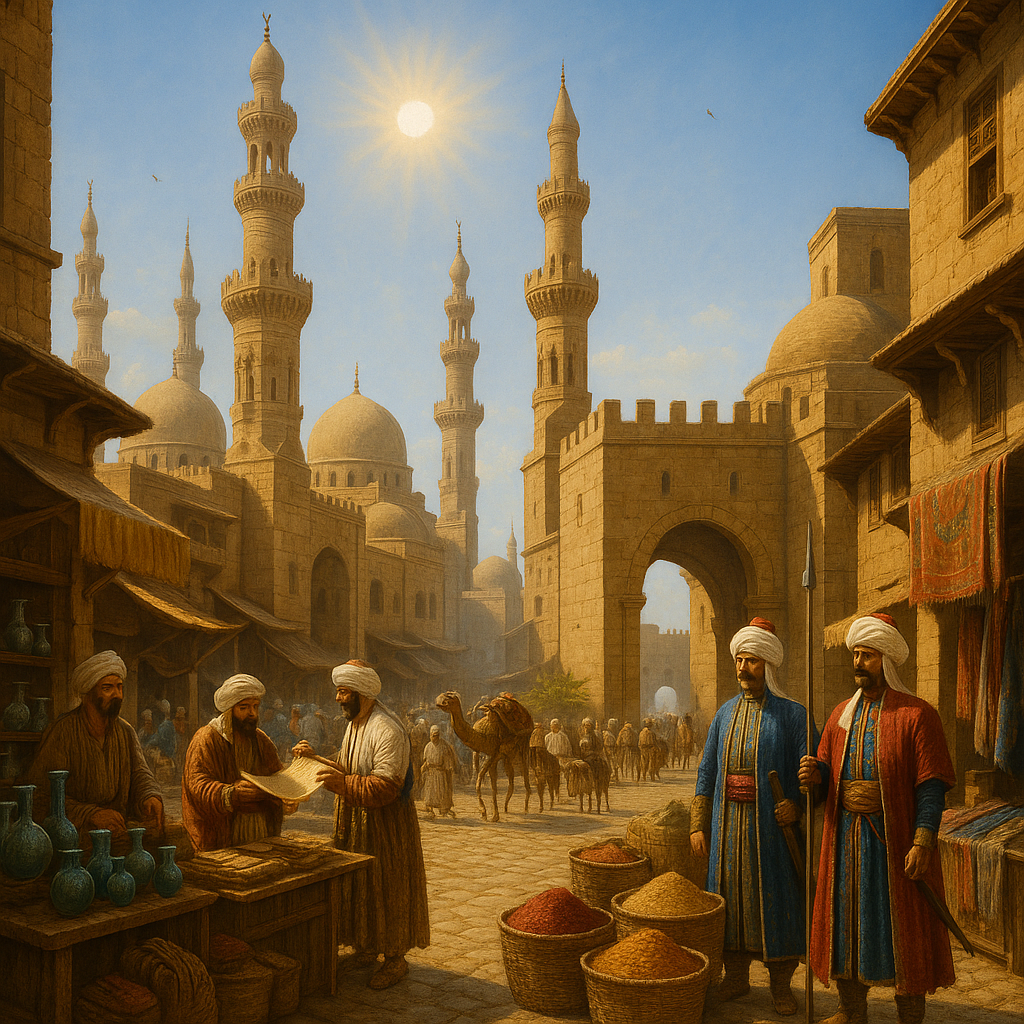
| Late Medieval Eastern Mediterranean | Ottoman Empire expanding relentlessly. Constantinople long fallen (1453). Ottomans control Balkans, Anatolia, and soon Mamluk Egypt (1516–1517). Eastern Mediterranean trade reorients through Ottoman power. Venetians and Genoese still influence commerce. |
| Late Medieval Egypt | Mamluk Sultanate still ruling, but in final decades. Wealthy, cosmopolitan Cairo. Strong military aristocracy but weakened by gunpowder gap and economic shifts. Ottomans conquer in 1517. |
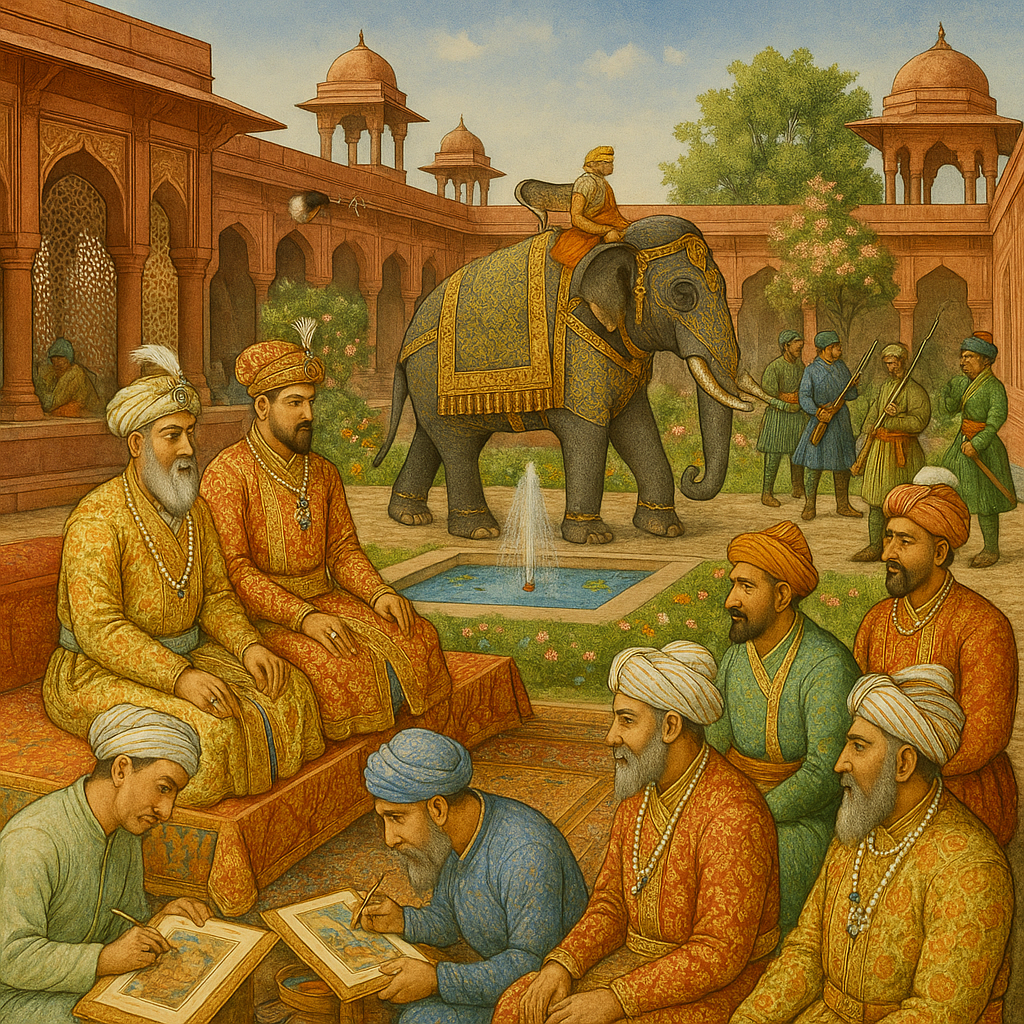
| Late Medieval India and Central Asia | Delhi Sultanate (Lodi Dynasty) in power. Babur preparing for invasion (Mughal Empire begins 1526). Vijayanagara powerful in south. In Central Asia, Uzbeks under Muhammad Shaybani dominate former Timurid territories. |
| Late Medieval North America | Mississippian societies collapsing. Cahokia long gone; major chiefdoms fragmented. Maize agriculture dominant; large towns still exist in Southeast. Population shifts and warfare common. First indirect European impacts begin via coastal contact zones. |
| Late Medieval Oceania | Australia remains entirely under Aboriginal lifeways, no external contact. New Guinea highland horticulture advanced. Polynesian societies fully developed: Hawai‘i, Tahiti, and Māori New Zealand chiefdoms sophisticated; Rapa Nui in late cultural phase before collapse. |
| Late Medieval Persia | Safavid Empire rising under Ismail I (founded 1501). Establishes Twelver Shi‘ism as state religion. Transforms Persia into a unified state after Turkmen fragmentation. Rivalry with Ottomans and Uzbeks begins. |
| Late Medieval South America | Inca Empire at imperial peak under Huayna Capac. Massive road and administrative system functioning across Andes. Chimú long absorbed. Extensive terracing, irrigation, and state-organized labor. Spanish arrival in 1532 will collapse the empire. |
| Late Medieval Western Europe | Age of Exploration begins. Spain and Portugal launch Atlantic empires (1492–1500). Reconquista completed (1492). France and England centralizing. Italy in High Renaissance; Medici peak. Holy Roman Empire under Maximilian I. Gunpowder weapons spreading rapidly. |
1502
1525 AD – Snapshot
| Terra Avita Region and Era Name Link | Event Description |
|---|---|
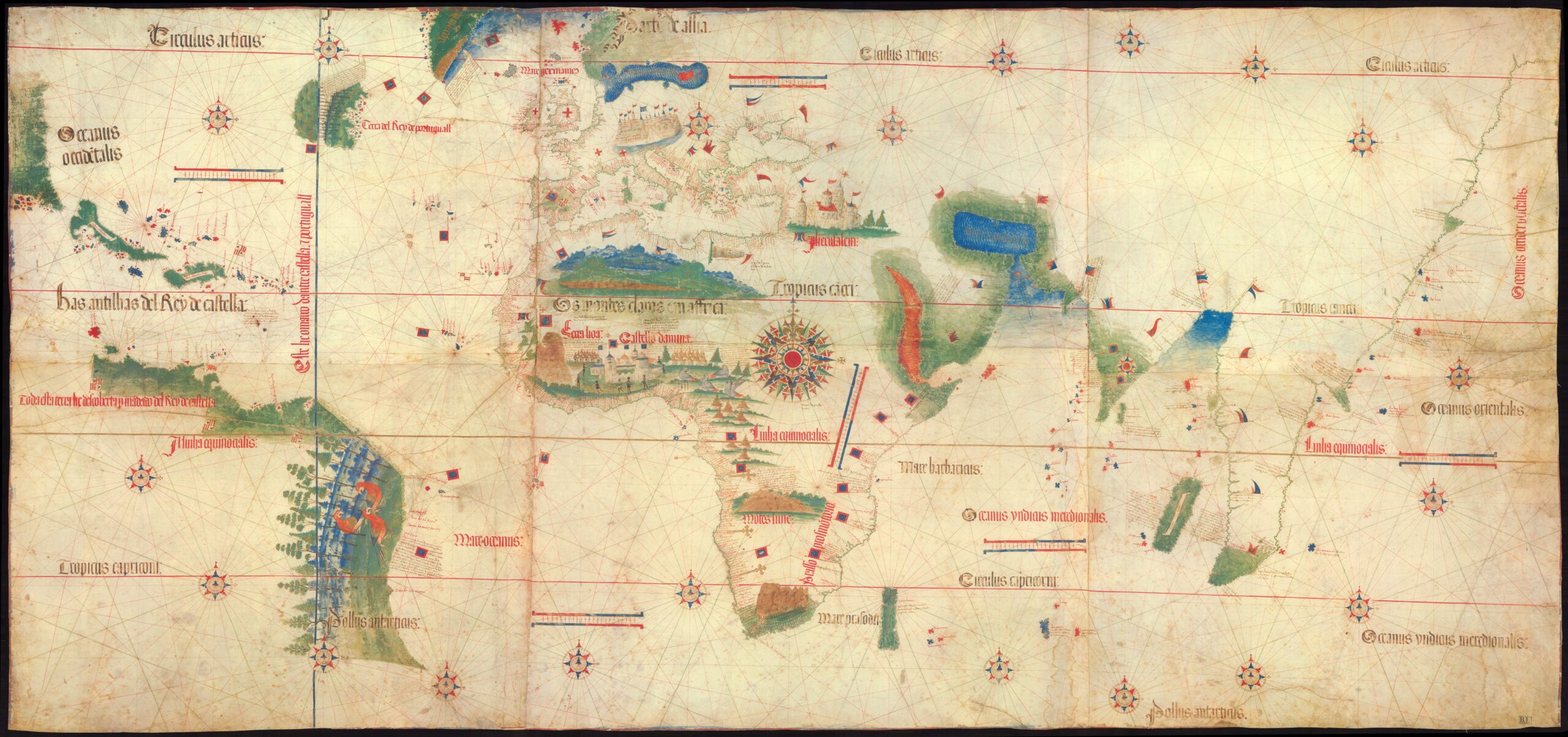
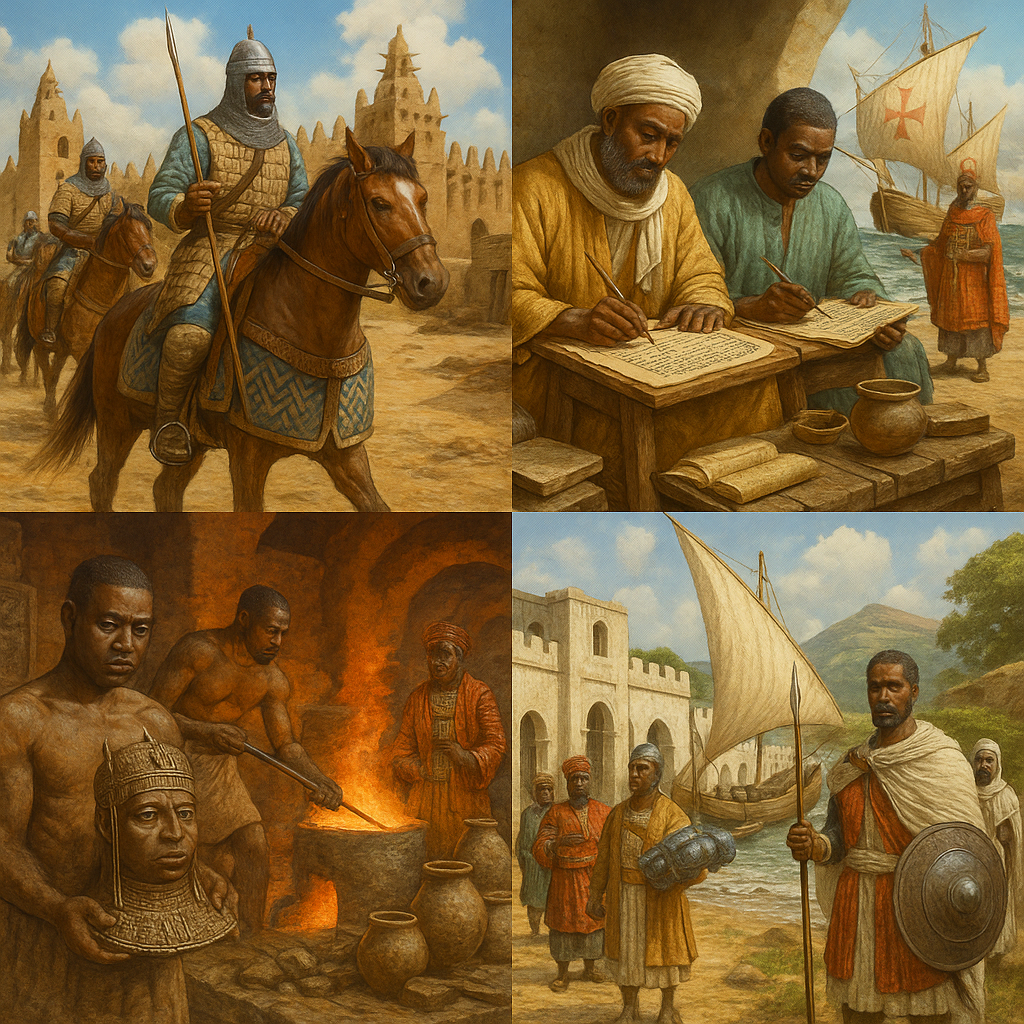
| Renaissance and Reformation Africa (beyond the Nile) | Songhai Empire at height under Askia Daoud’s early era (Muhammad Ture died 1528). Control of gold–salt trade; Timbuktu leading center of Islamic scholarship. Swahili Coast destabilized by Portuguese incursions. Ethiopia powerful but entering conflict with Muslim sultanates. Kongo and Benin prominent in west-central Africa. |
| Renaissance and Reformation Central America | Aztec Empire collapsing. Hernán Cortés defeats Mexica Triple Alliance (Tenochtitlan falls in 1521). Smallpox devastates populations. Spanish consolidation underway; surviving Maya regions continue resistance. |
| Renaissance and Reformation China (East Asia) | Ming Dynasty stable but increasingly conservative. Zhengde Emperor dies 1521; Jiajing Emperor rules. Bureaucratic factionalism rising, but economy robust; porcelain, tea, and silk dominate global trade. |
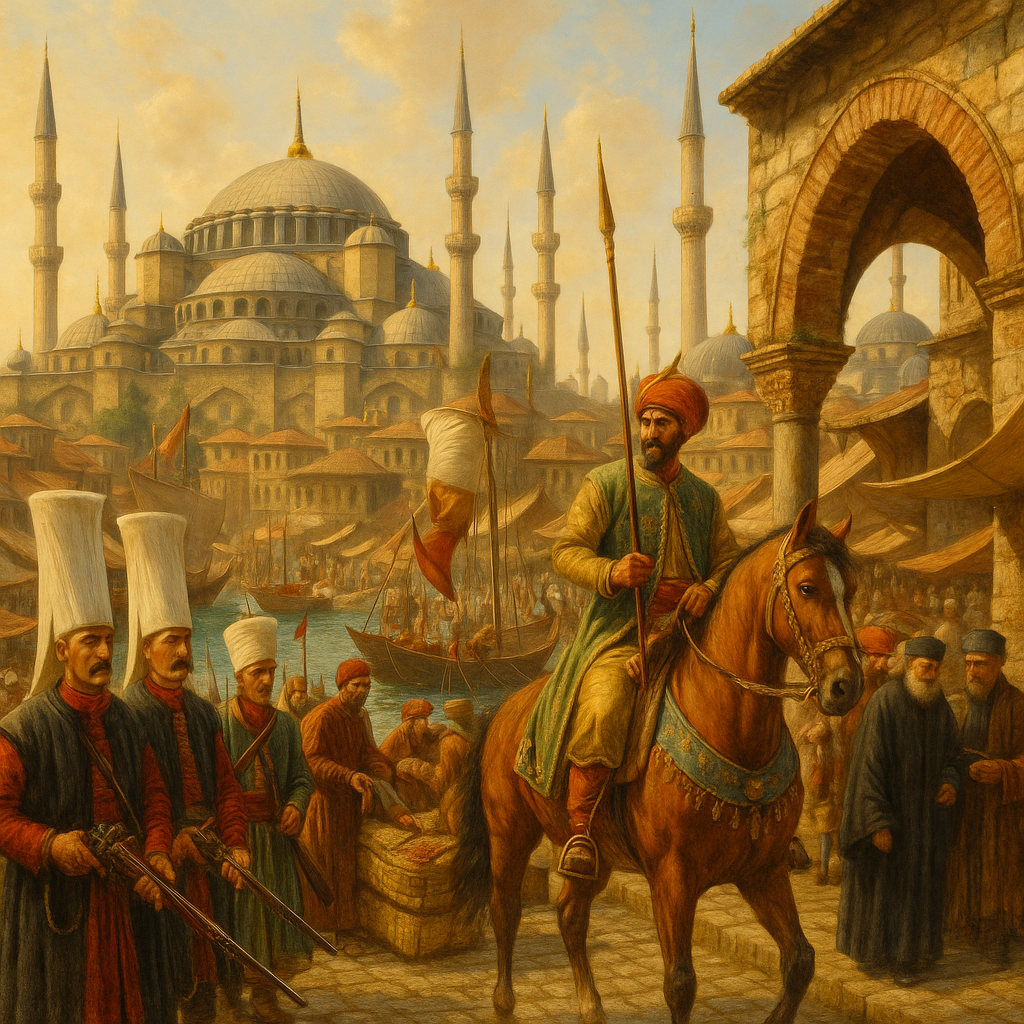
| Renaissance and Reformation Eastern Mediterranean | Ottoman Empire at immense strength under Suleiman the Magnificent. Full control of Balkans, Anatolia, and soon the Levant/Egypt (conquered 1516–1517). Eastern Mediterranean politically unified under Ottoman rule; naval power rising. |
| Renaissance and Reformation Egypt | Now an Ottoman province (since 1517). Mamluks continue as military-administrative elite under Ottoman oversight. Cairo remains major intellectual and commercial center but autonomy curtailed. |
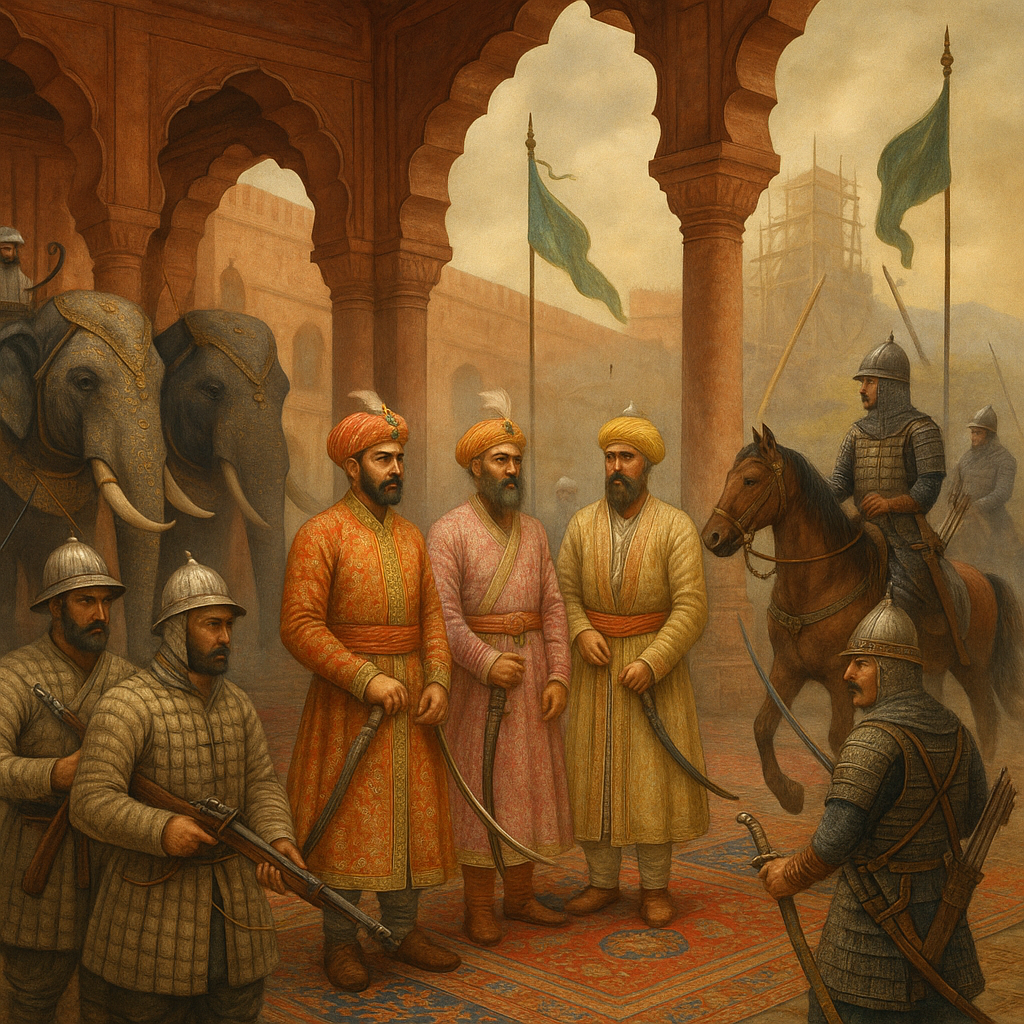
| Renaissance and Reformation India and Central Asia | Mughal Empire founded (1526) by Babur after the Battle of Panipat. North India restructured under Turco-Mongol rule. Delhi Sultanate ended. In Central Asia, Uzbeks under Shaybanids control Bukhara and Samarkand. |
| Renaissance and Reformation North America | Mississippian societies fading under disease, warfare, and population shifts. Spanish contact beginning to disrupt Gulf Coast and Southeast. Maize agriculture widespread; complex chiefdoms still present but unstable. |
| Renaissance and Reformation Oceania | Australia’s Aboriginal societies unchanged by global events. New Guinea highlands intensive horticulture stable. Polynesian cultures mature—Hawai‘i and Tahiti powerful; Māori tribal warfare in New Zealand intensifies; Rapa Nui near ecological collapse. |
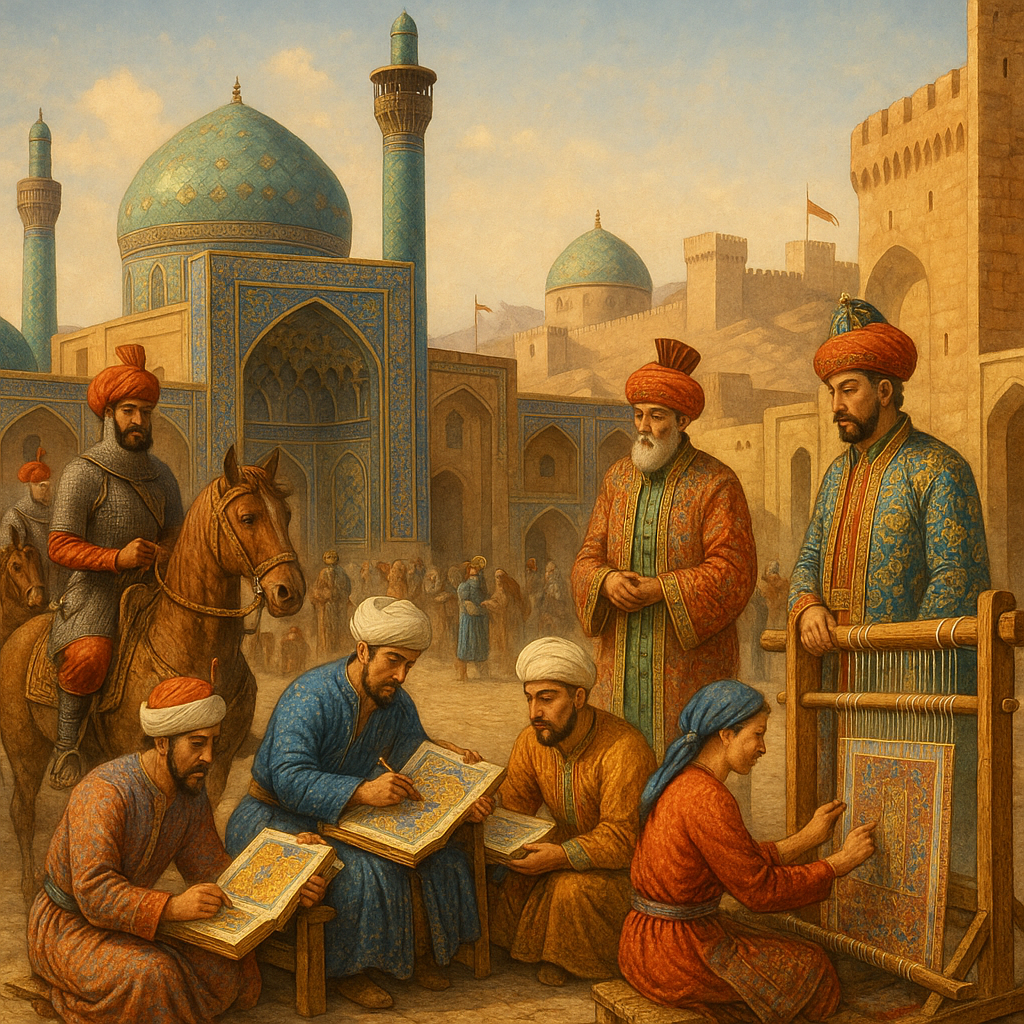
| Renaissance and Reformation Persia | Safavid Empire consolidating under Shah Ismail’s successor, Shah Tahmasp I. Twelver Shi‘ism enforced. Ongoing wars with the Ottoman Empire; frontier conflicts intense. Persian cultural flowering begins. |
| Renaissance and Reformation South America | Inca Empire in civil war (Huáscar vs. Atahualpa). Spanish arrive in Andean world (Pizarro’s first contact 1526). Empire vulnerable but still enormous and centralized. Chimú long absorbed; massive road network operational. |
| Renaissance and Reformation Western Europe | High early-modern transformation. Protestant Reformation underway (Luther 1517). Spanish and Portuguese overseas empires expanding rapidly. Habsburg dominance under Charles V. Italian Wars raging. Gunpowder armies entrenched; feudal remnants fading. |
1550 AD – Snapshot
| Terra Avita Region and Era Name Link | Event Description |
|---|---|
| Renaissance and Reformation Africa (beyond the Nile) | Songhai Empire at its absolute height under Askia Daoud. Controls Niger bend, Timbuktu, and Gao; major center of Islamic learning. Portuguese disrupt West African coastal trade. Swahili Coast pressured by Portuguese forts. Ethiopia warring with Adal Sultanate recently (Ahmed Gragn defeated 1543). |
| Renaissance and Reformation Central America | Spanish domination entrenched. Former Aztec lands reorganized as New Spain. Surviving Maya regions resist or negotiate under Spanish rule. Forced labor systems (encomienda) transform society. Christianity spreading, indigenous elites adapt or collapse. |
| Renaissance and Reformation China (East Asia) | Late Ming Dynasty. Jiajing Emperor’s long reign characterized by corruption, eunuch power, coastal piracy (wokou raids), but strong internal commerce. Silver imports from the Americas (via Manila) begin transforming the Chinese economy. |
| Renaissance and Reformation Eastern Mediterranean | Ottoman Empire at zenith under Suleiman. Controls Balkans, Anatolia, Levant, Egypt, and North Africa to Algeria. Eastern Mediterranean firmly Ottoman. Venice reduced to commercial enclaves. Orthodox Christian communities under millet system. |
| Renaissance and Reformation Egypt | An Ottoman Eyalet. Mamluk elite still powerful but subordinate to Istanbul. Cairo a major hub for Islamic scholarship and Red Sea–Indian Ocean trade. Wealthy but plagued by recurring epidemics. |
| Renaissance and Reformation India and Central Asia | Mughal Empire consolidates under Humayun → Akbar (r. 1556). Centralized administration, gunpowder army, and imperial expansion underway. In Central Asia, Shaybanid Uzbeks dominate Bukhara and Samarkand. |
| Renaissance and Reformation North America | Post-Mississippian collapse. Epidemics spread ahead of direct European contact, killing large populations. Chiefdom structures disintegrate. Some regions reorganize into smaller tribal polities. Spanish and French exploratory contacts begin reshaping coastal zones. |
| Renaissance and Reformation Oceania | Aboriginal Australia unaffected by global shifts. New Guinea highland agriculture unchanged. Polynesian civilizations mature: Hawai‘i strong chiefdoms, Tahiti complex hierarchies, Māori tribal warfare steady in New Zealand. Rapa Nui society collapsing from ecological stress. |
| Renaissance and Reformation Persia | Safavid Empire stabilized under Shah Tahmasp I. Strong Shia identity, Persian cultural revival (arts, architecture). Continual Ottoman–Safavid frontier warfare. Persia a consolidated early-modern gunpowder state. |
| Renaissance and Reformation South America | Inca Empire destroyed (1532–1536). By 1550, Spanish Viceroyalty of Peru fully established. Neo-Inca resistance persists in Vilcabamba. Drastic demographic collapse from disease and forced labor. Colonial extraction intensifies (Potosí silver boom begins 1545). |
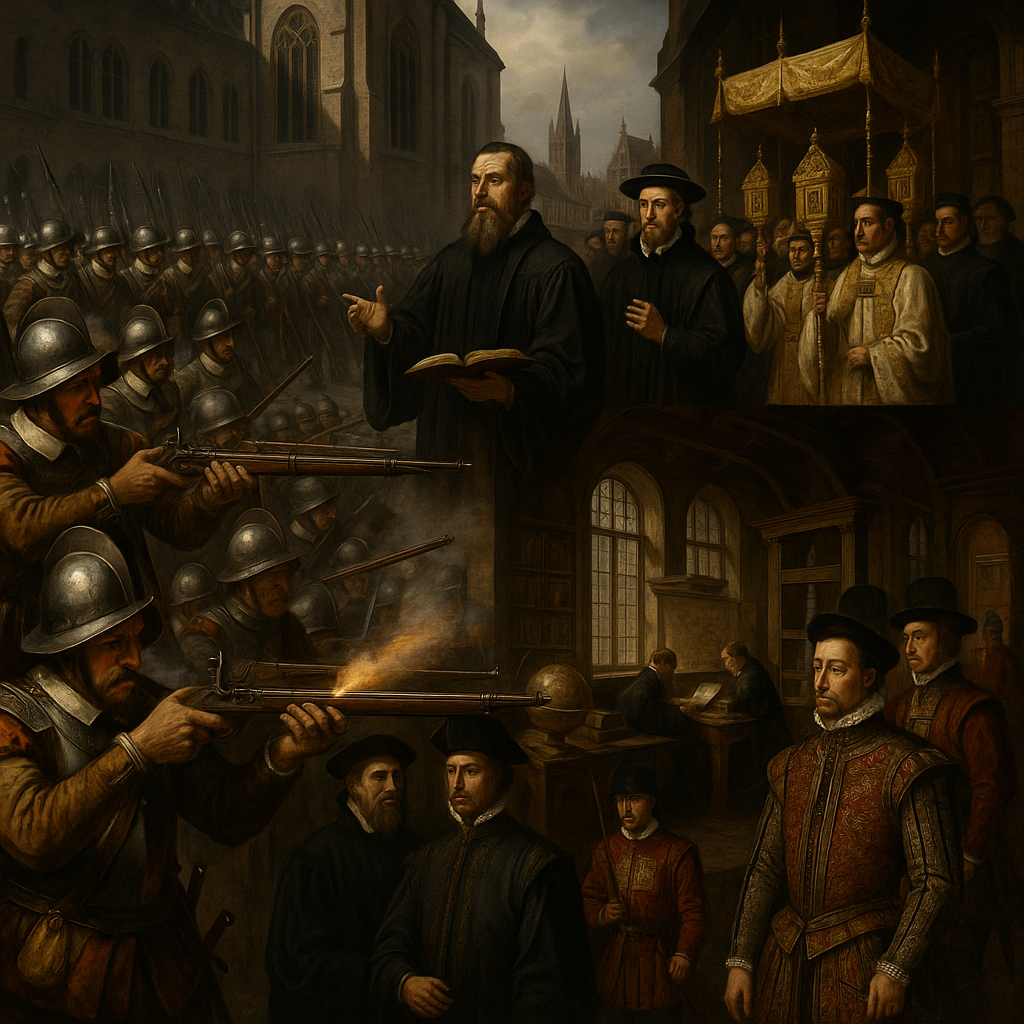
| Renaissance and Reformation Western Europe | High Renaissance → Early Modern Europe. Protestant–Catholic conflicts intensify (Schmalkaldic War 1546–1547). Habsburg Spain rules vast overseas empire. France in religious tensions. England under Edward VI/Mary I. Major shift to centralized gunpowder states. |
1575 AD – Snapshot
| Terra Avita Region and Era Name Link | Event Description |
|---|---|
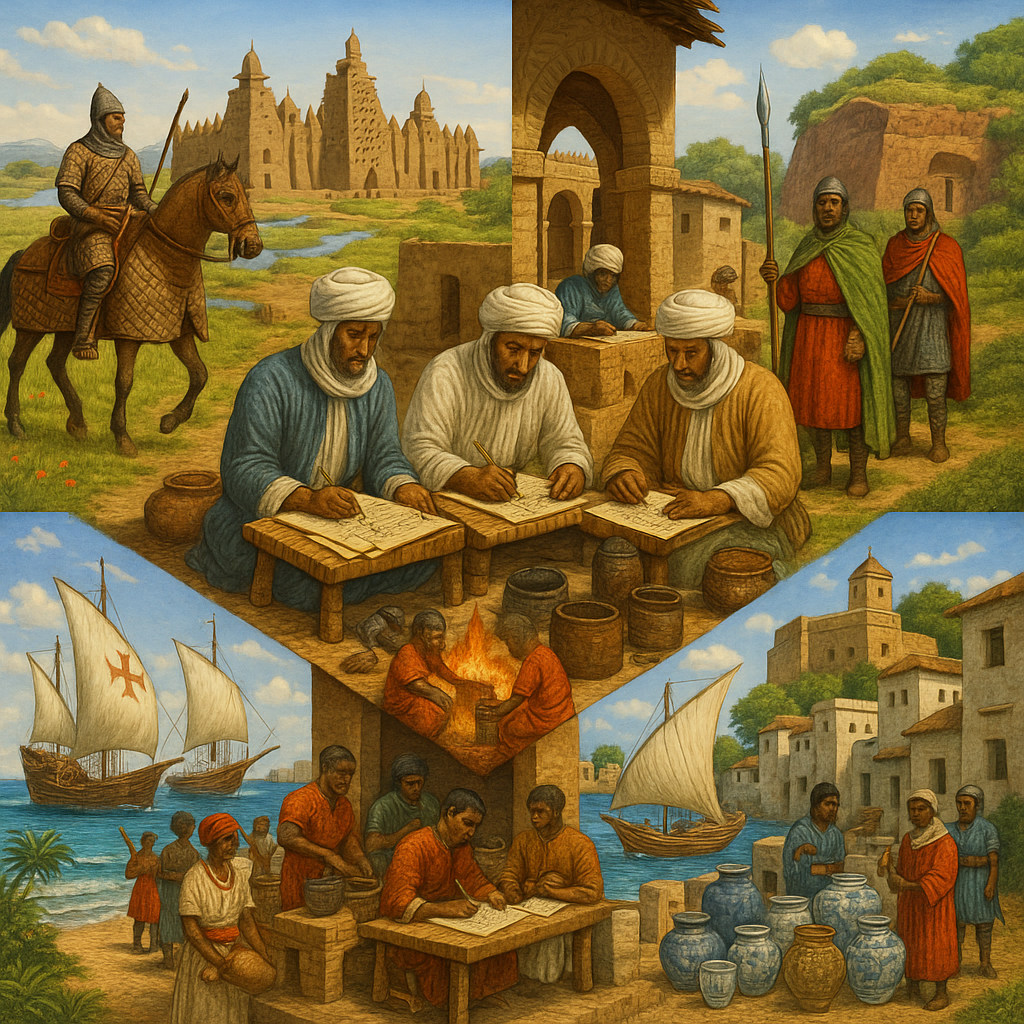
| Renaissance and Reformation Africa (beyond the Nile) | Songhai Empire in its final strong years, but Moroccan invasion (1591) is close and will collapse it. Timbuktu still a major center of Islamic learning. West African coastal regions undergoing major transformation due to intensifying Portuguese trade and slaving. Swahili Coast under pressure from Portuguese forts but still culturally vibrant. Ethiopia stabilizing after wars with Adal and Ottoman pressure. |
| Renaissance and Reformation Central America | New Spain fully entrenched. Mexico City built on ruins of Tenochtitlan. Indigenous labor systems (encomienda, repartimiento) restructure society. Northern Maya regions partly controlled; others resist deep in forests. Catholic missions expanding aggressively. |
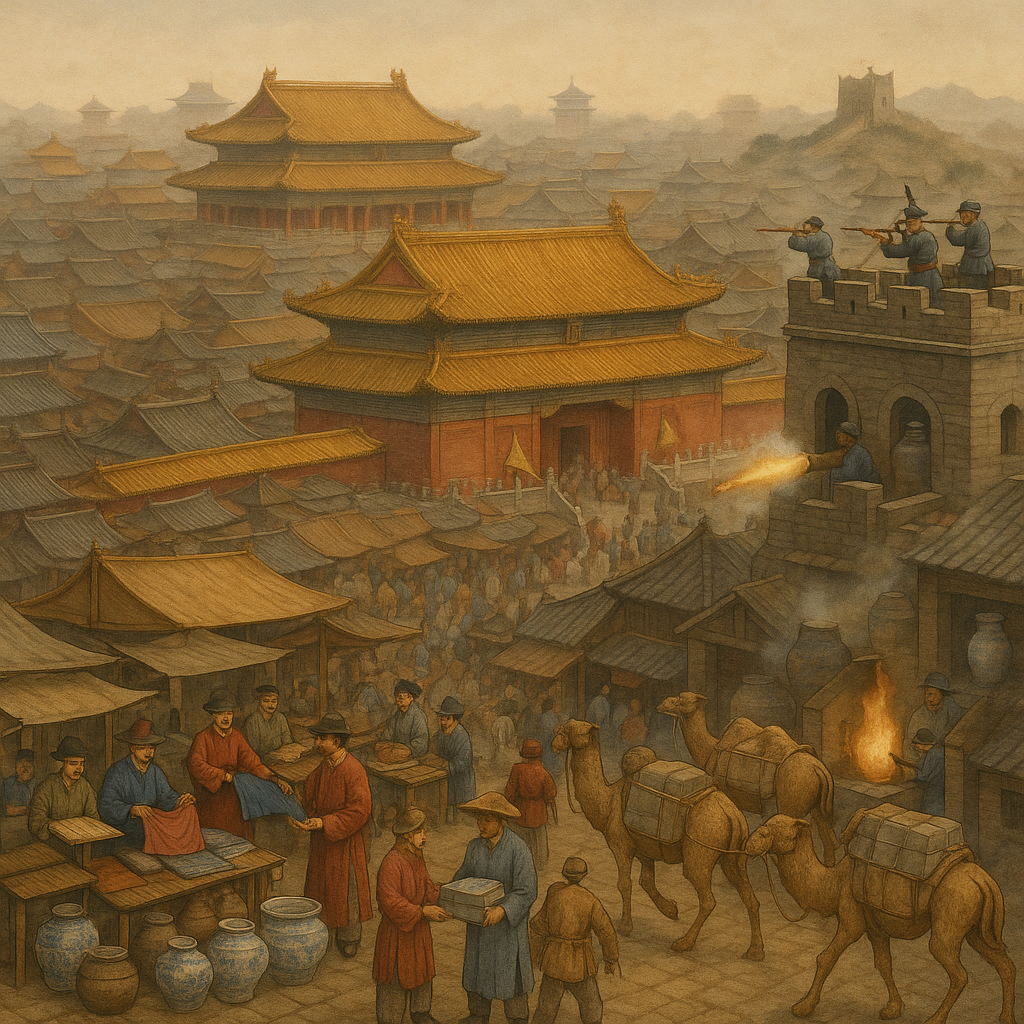
| Renaissance and Reformation China (East Asia) | Late Ming Dynasty. Wanli Emperor’s reign beginning (1572). Strong internal economy, gigantic cities, silver-fueled monetization. Defense strains on northern frontiers; corruption increasing. Globalized trade rising through Manila galleon system. |
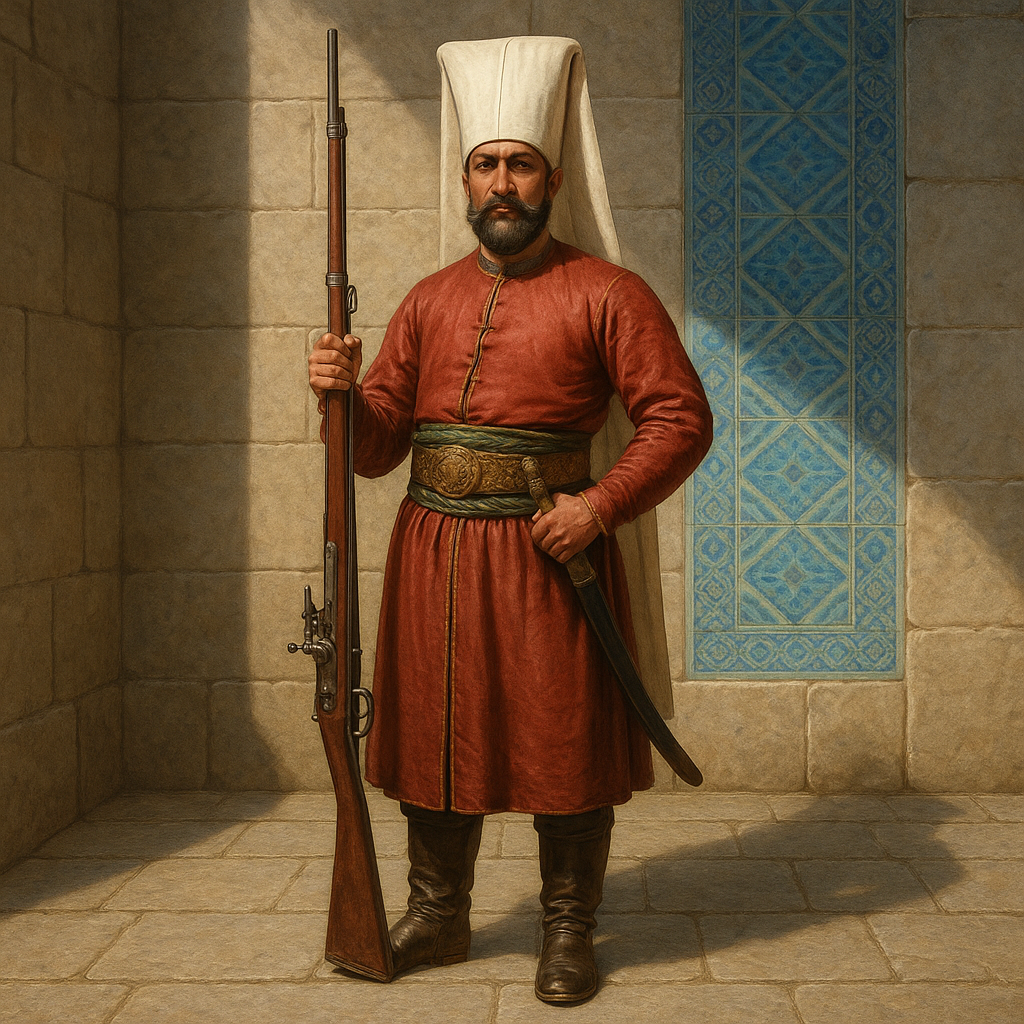
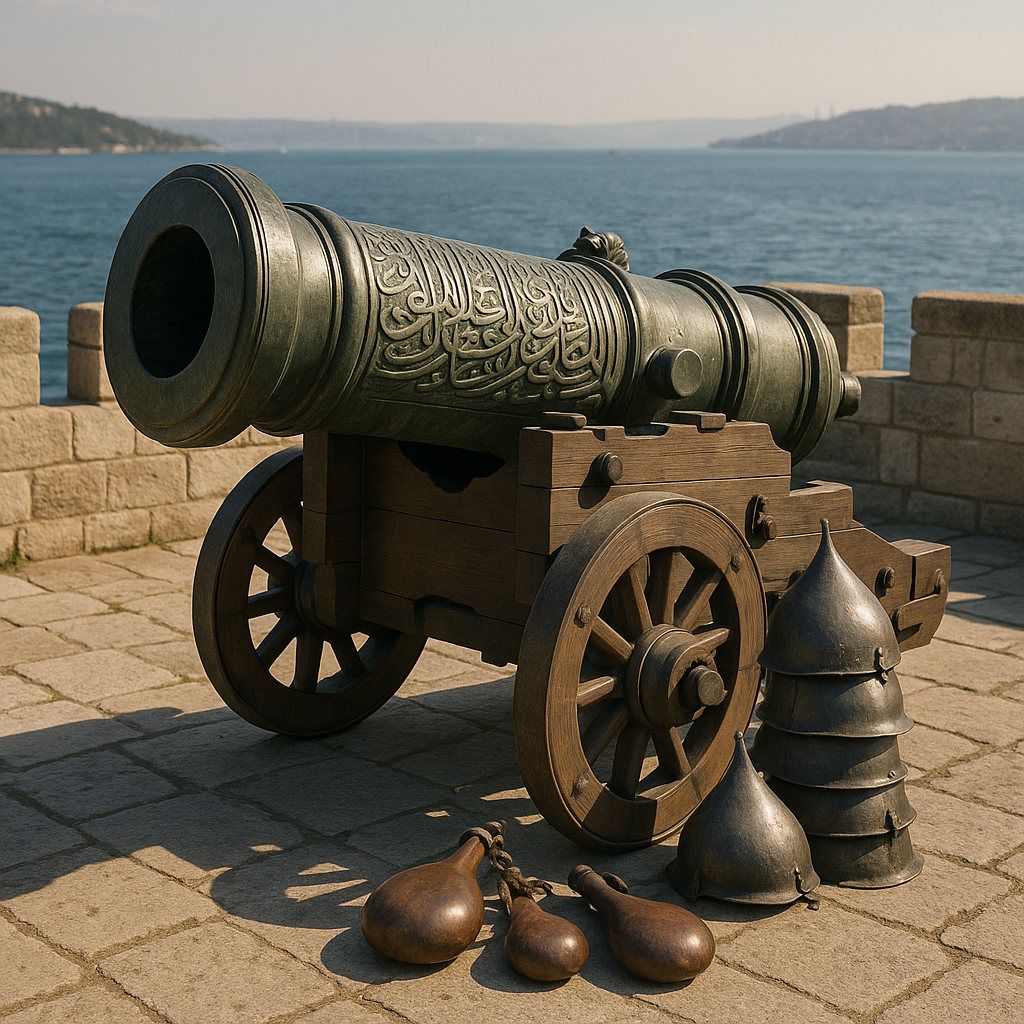
| Renaissance and Reformation Eastern Mediterranean | Ottoman Empire dominant from Hungary to Arabia. After Lepanto setback, Ottoman naval and commercial control remains strong. Eastern Mediterranean trade routes fully under Ottoman taxation. Local Christian and Jewish communities operate under millet framework. |
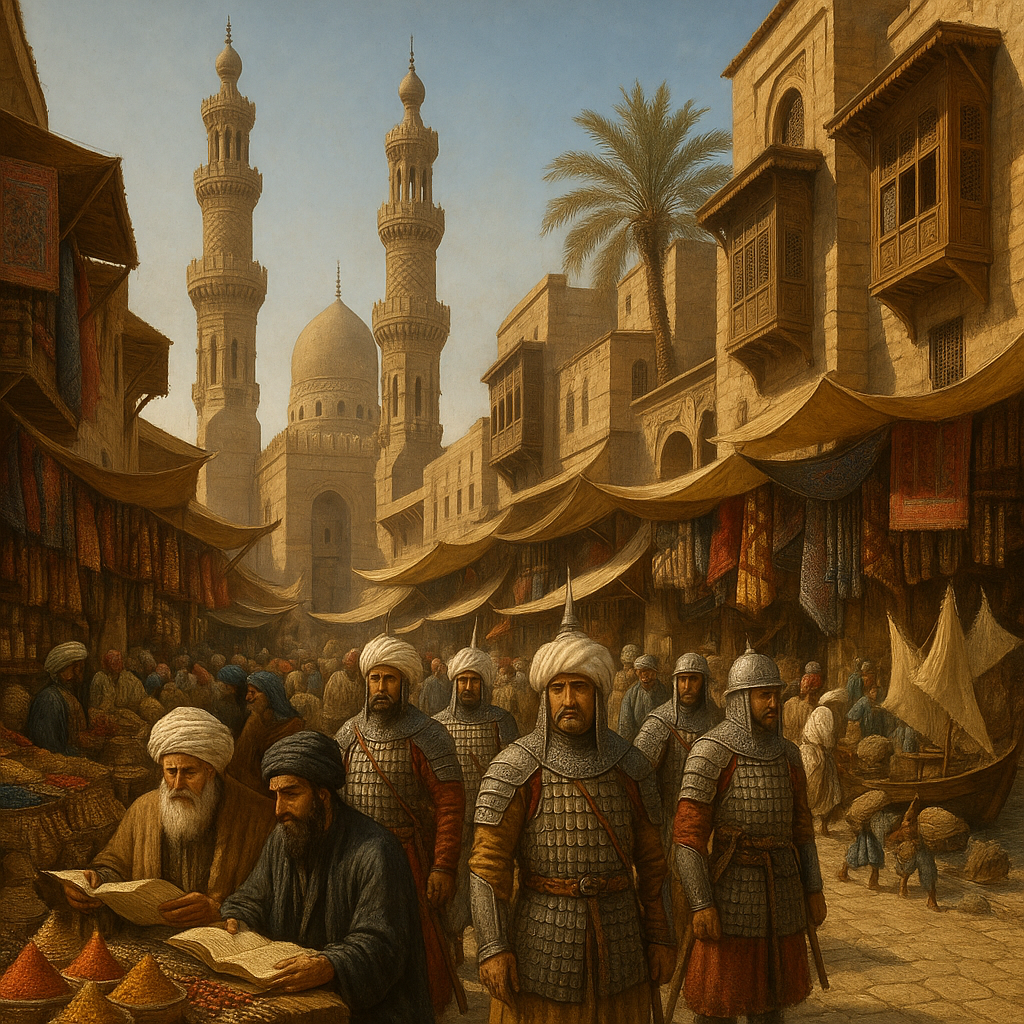
| Renaissance and Reformation Egypt | An Ottoman administrative province. Mamluks still powerful locally but subordinate. Cairo a major cultural, scholarly, and commercial center. Mediterranean–Red Sea tax routes remain lucrative but shifting due to Portuguese Indian Ocean intrusion. |
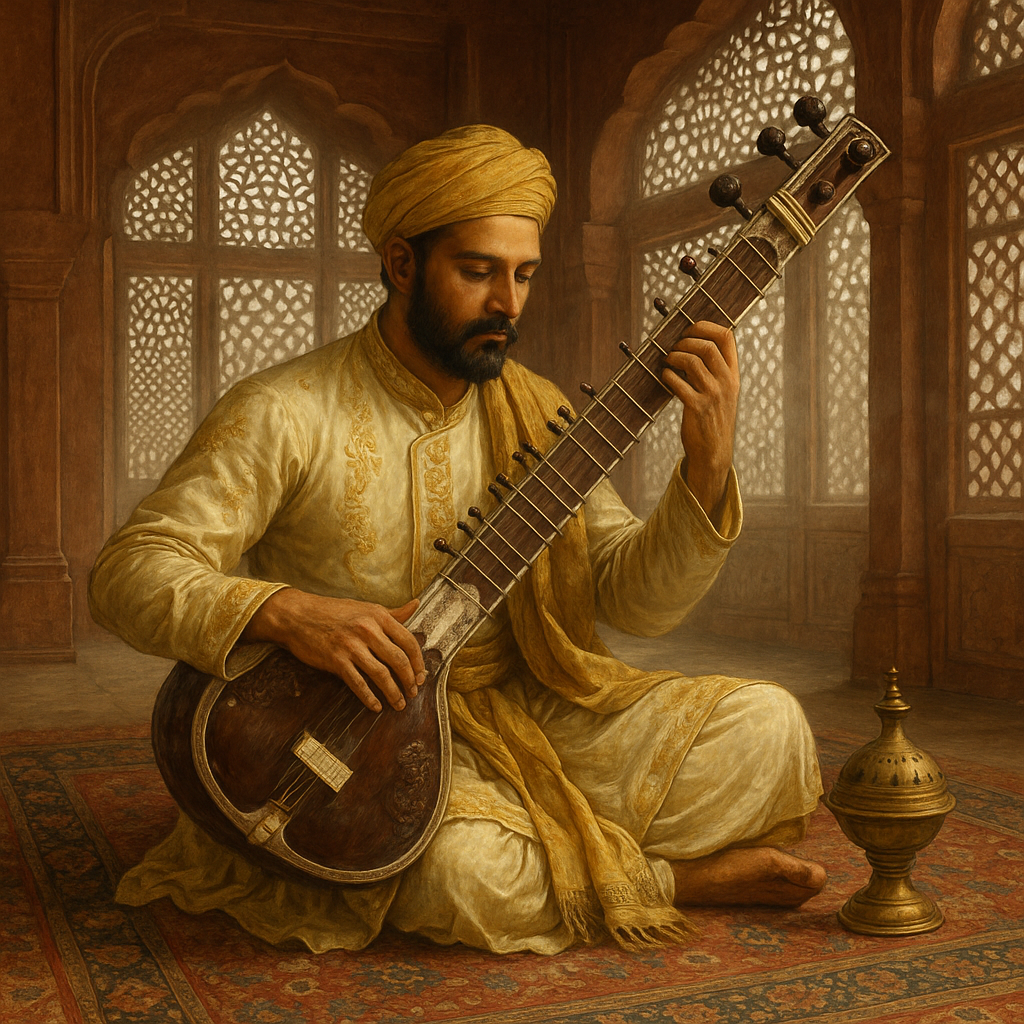
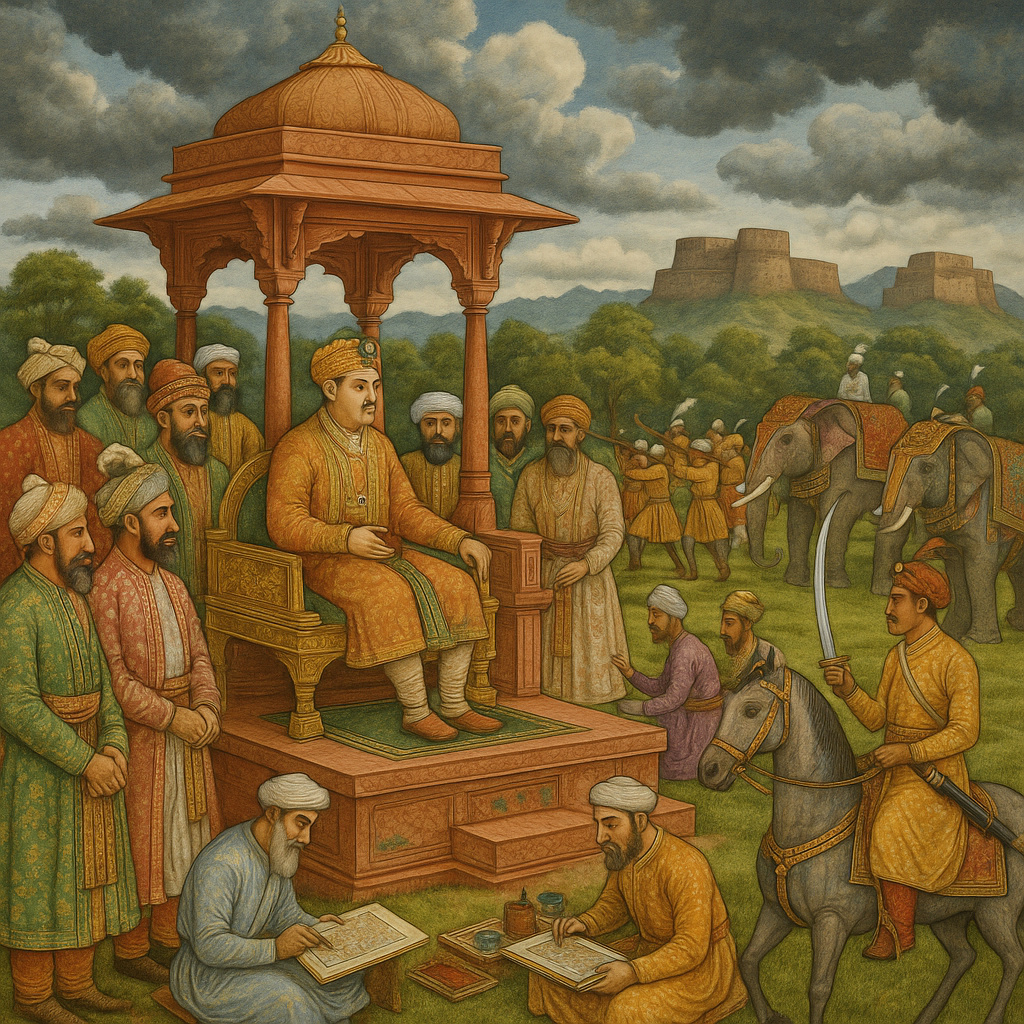
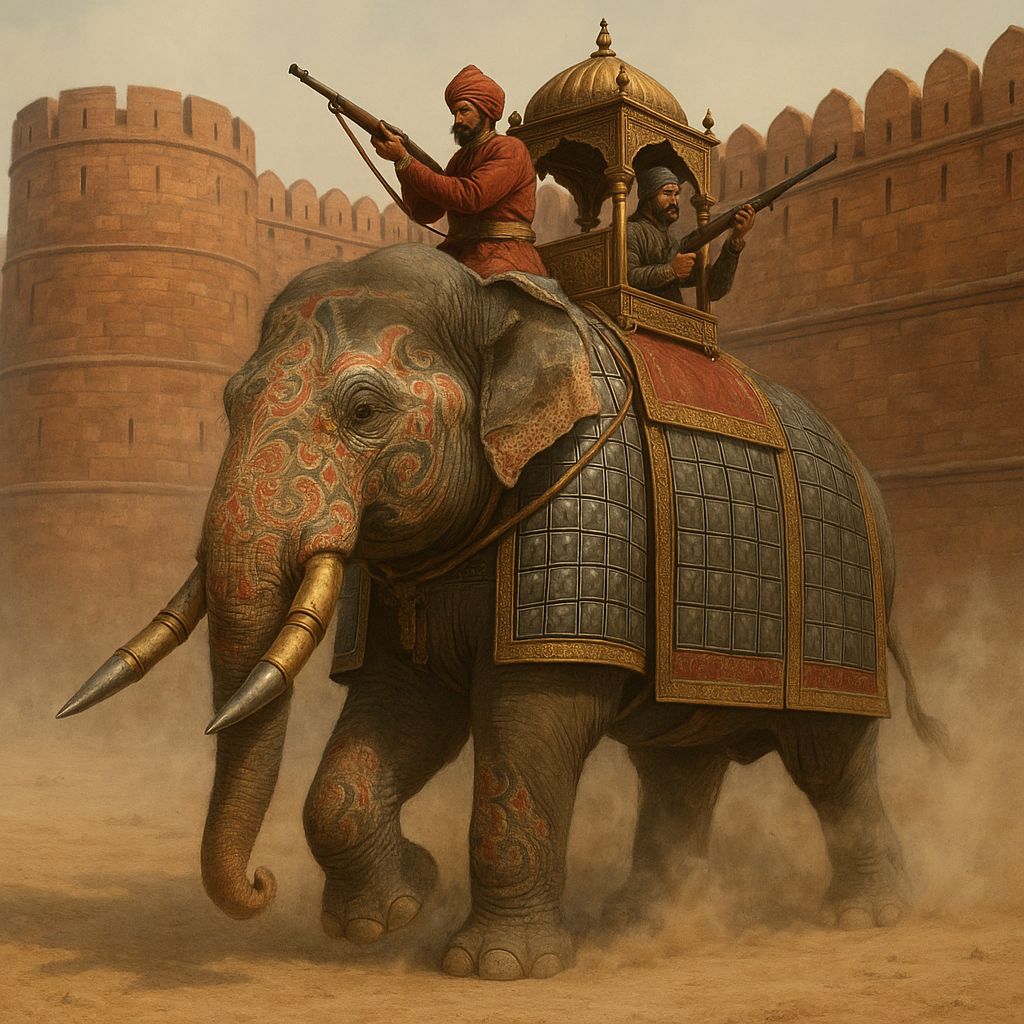
| Renaissance and Reformation India and Central Asia | Mughal Empire at early zenith under Akbar (r. 1556–1605). Administrative centralization, religious tolerance (Din-i Ilahi soon), and imperial expansion across northern India. In Central Asia, Shaybanid Uzbek khanates fragmented but still powerful in Bukhara and Khiva. |
| Renaissance and Reformation North America | Post-Mississippian world. Many chiefdoms collapsed by epidemic cascades. Southeastern tribes reorganize (Creek, Choctaw, Chickasaw ancestors forming). Early Spanish colonial systems in Florida and Southwest taking root; French probing Canada. Maize agriculture widespread. |
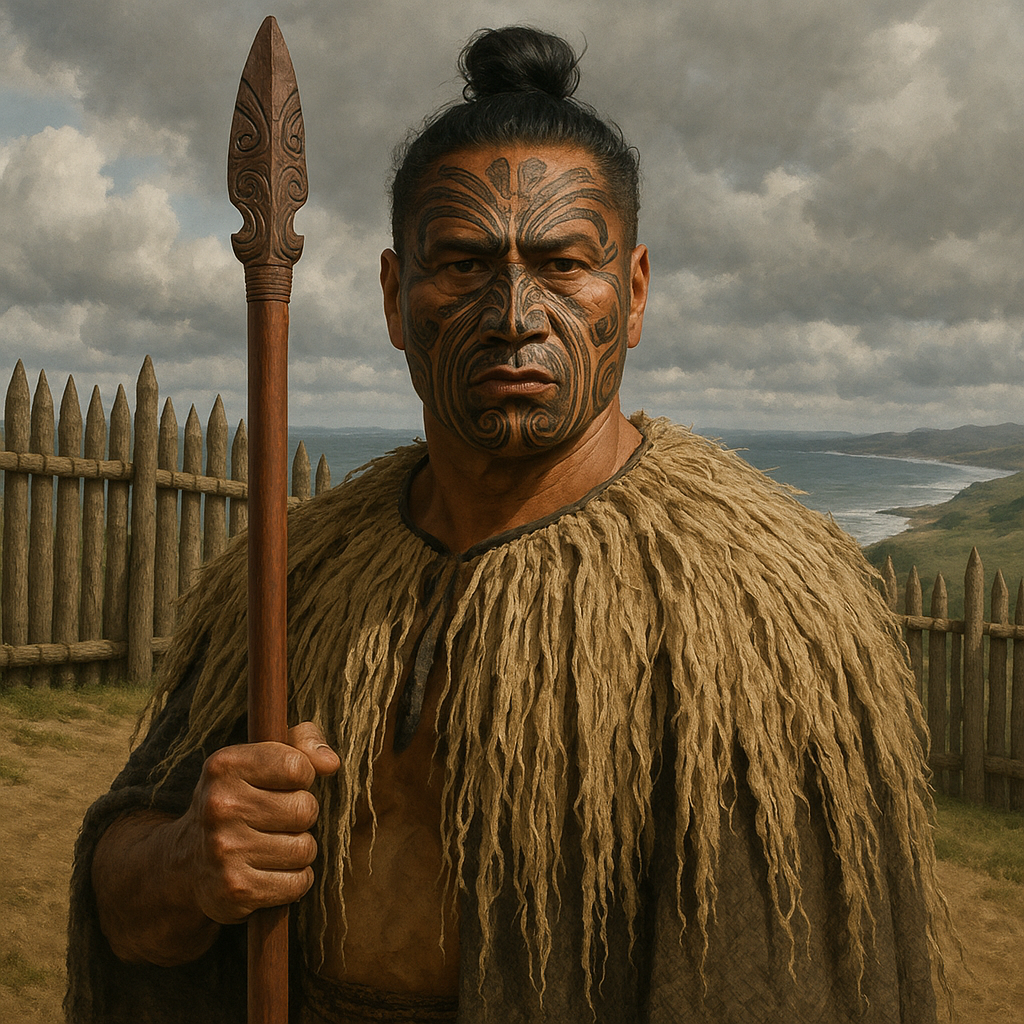
| Renaissance and Reformation Oceania | Australia’s Aboriginal societies remain structurally unchanged. New Guinea maintains intensive horticulture. Polynesian societies mature: Hawai‘i ruled by powerful ali‘i, Tahiti hierarchical, Māori fortified pā dominant in New Zealand. Rapa Nui society severely depleted. |
| Renaissance and Reformation Persia | Safavid Empire under Shah Tahmasp I → Mohammad Khodabanda → Shah Abbas soon after (1588). Period marked by internal instability, tribal factionalism, and continuous Ottoman–Safavid border wars. Persian artistic and literary renaissance ongoing. |
| Renaissance and Reformation South America | Spanish Viceroyalty of Peru dominant. Potosí silver mine at global production peak. Neo-Inca resistance in Vilcabamba ends in 1572. Demographic collapse ongoing; Andean communities reorganize under Spanish reducciones system. Early African-slave labor presence increasing. |
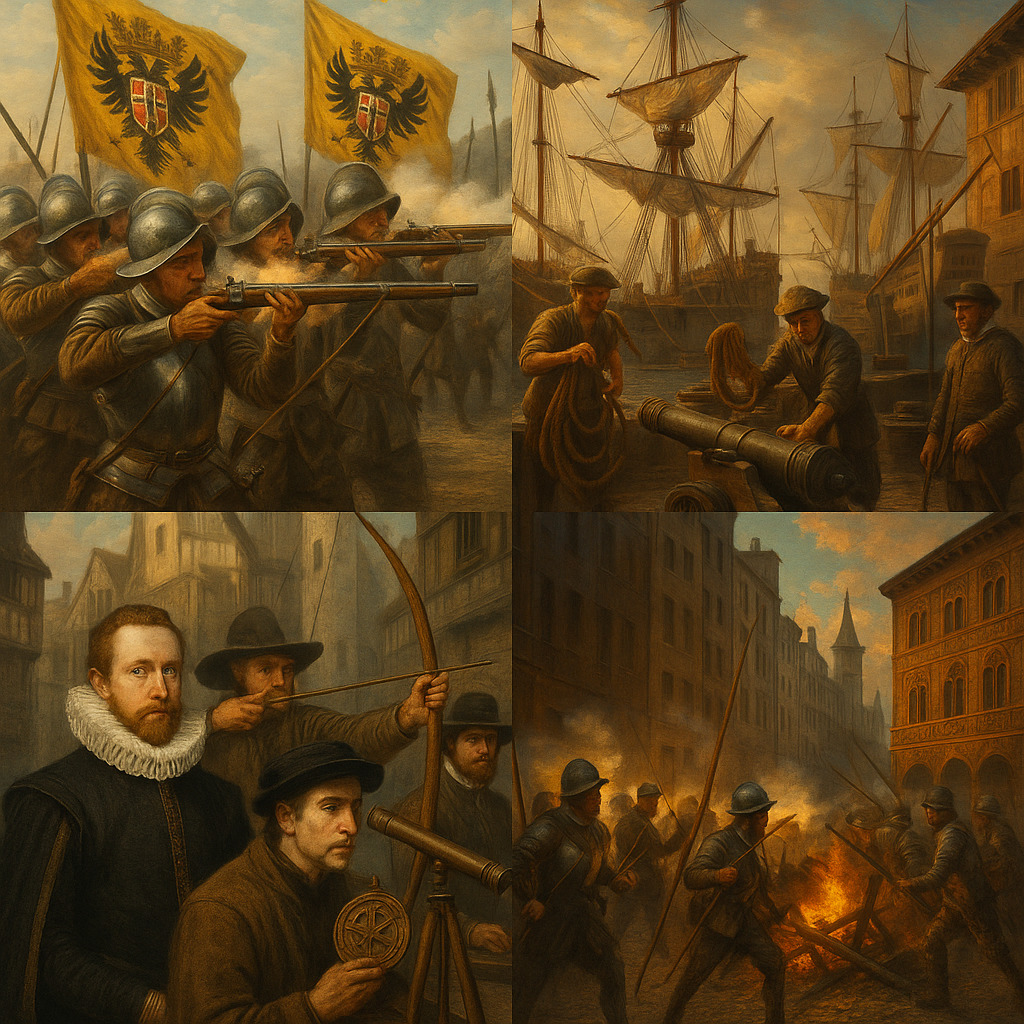
| Renaissance and Reformation Western Europe | Late Renaissance / Early Modern Europe. Spain under Philip II at imperial height; Battle of Lepanto (1571) recently defeated Ottoman fleet. Protestant–Catholic conflicts intensify (French Wars of Religion). England under Elizabeth I rising as naval power. Scientific revolution seeds forming. |

1600 AD – Snapshot
| Terra Avita Region and Era Name Link | Event Description |
|---|---|
| Renaissance and Reformation Africa (beyond the Nile) | Songhai Empire destroyed by Moroccan invasion (1591); successor warlord states fragment Niger Bend. Mali reduced; early Bambara and Mossi states rising. Atlantic slave trade intensifying along West African coast. Swahili Coast dominated by Portuguese forts; Omanis rising soon after. Ethiopia strong under Christian Solomonic dynasty. |
| Renaissance and Reformation Central America | New Spain entrenched. Mexico City a vast colonial metropolis. Forced labor systems (repartimiento) regulate indigenous populations. Catholic missions expanding. Northern Maya regions partly subdued; others semi-autonomous. |
| Renaissance and Reformation China (East Asia) | Late Ming Dynasty, prosperous but strained by silver shortages (global silver volatility), corruption, and rising peasant unrest. Coastal pirate activity, fiscal crisis, and frontier pressure from Manchus (Nurhaci building power). China deeply engaged in global trade via Manila galleons. |
| Renaissance and Reformation Eastern Mediterranean | Ottoman Empire still dominant from Hungary to Arabia, though internal corruption and Janissary politics growing. After Lepanto (1571), Ottomans retain strong naval presence. Eastern Mediterranean trade still flows through Ottoman taxation. Greek, Armenian, and Jewish millet communities vibrant under imperial structure. |
| Renaissance and Reformation Egypt | Ottoman province, ruled through combined Ottoman–Mamluk elite. Cairo heavily populated and wealthy; intellectual center of Sunni Islam. Trade routes shifting as Portuguese dominate Indian Ocean, but Red Sea commerce remains important. Epidemics recur. |
| Renaissance and Reformation India and Central Asia | Mughal Empire at its apex under Akbar (d. 1605). Administrative unification, religious debates, extensive military expansion. In Central Asia, Uzbek Khanates (Bukhara, Khiva) powerful but fragmented. Persianate cultural sphere connects Mughal–Safavid–Uzbek elites. |
| Renaissance and Reformation North America | Post-Mississippian world dominated by epidemics and reorganization. Many Southeastern chiefdoms collapsed; survivors form early historical tribes (Creek, Cherokee, Choctaw, Chickasaw). Spanish colonization in Florida and Southwest; English at Jamestown (1607); French probing St. Lawrence. Maize agriculture widespread east of Mississippi. |
| Renaissance and Reformation Oceania | Australia’s Aboriginal societies continue uninterrupted cultural continuity. New Guinea highland horticulture stable. Polynesian cultures highly developed: Hawaiian ali‘i centuries from unification (Kamehameha ~1795); Māori fortification and warfare systems advanced; Rapa Nui still populated but diminished. |
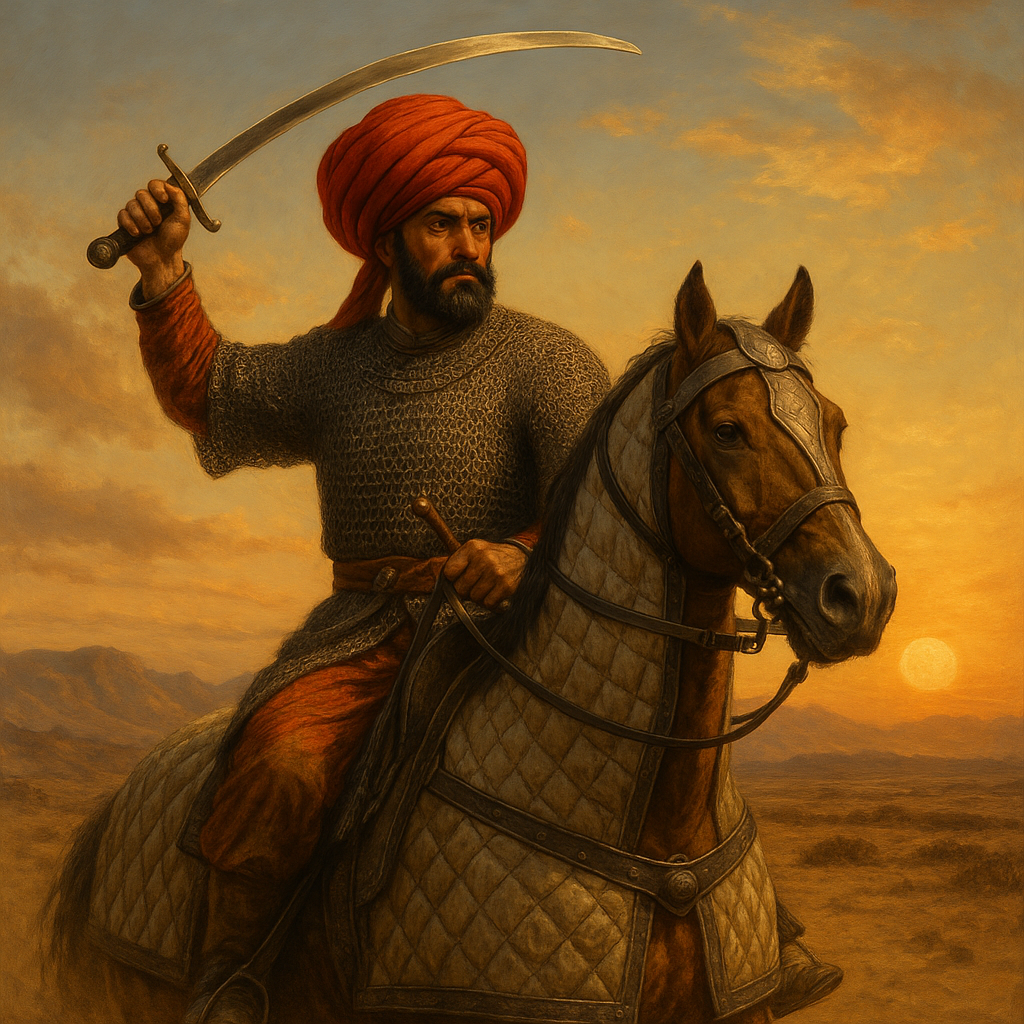
| Renaissance and Reformation Persia | Safavid Empire revived under Shah Abbas I (r. 1588–1629). Centralization, gunpowder warfare, and economic reforms. Capital moved to Isfahan (1598). Persian arts, architecture, and literature reach golden age. Military success pushes Ottomans back from frontier. |
| Renaissance and Reformation South America | Spanish Viceroyalty of Peru and Viceroyalty of New Granada forming. Potosí silver mine dominating global bullion supply. Andean communities reorganized under reducciones. Former Inca administrative networks exploited for colonial extraction. African slavery rising in coastal zones. |
| Renaissance and Reformation Western Europe | Transition to Early Modern geopolitics. Spain and Portugal dominant but challenged; English and Dutch naval powers rising (Dutch Revolt). Protestant–Catholic wars peak (French Wars of Religion ended 1598; Thirty Years’ War begins soon 1618). Scientific revolution underway (Galileo active). Urban capitalism expanding. |