(1945 AD – 1985 AD)
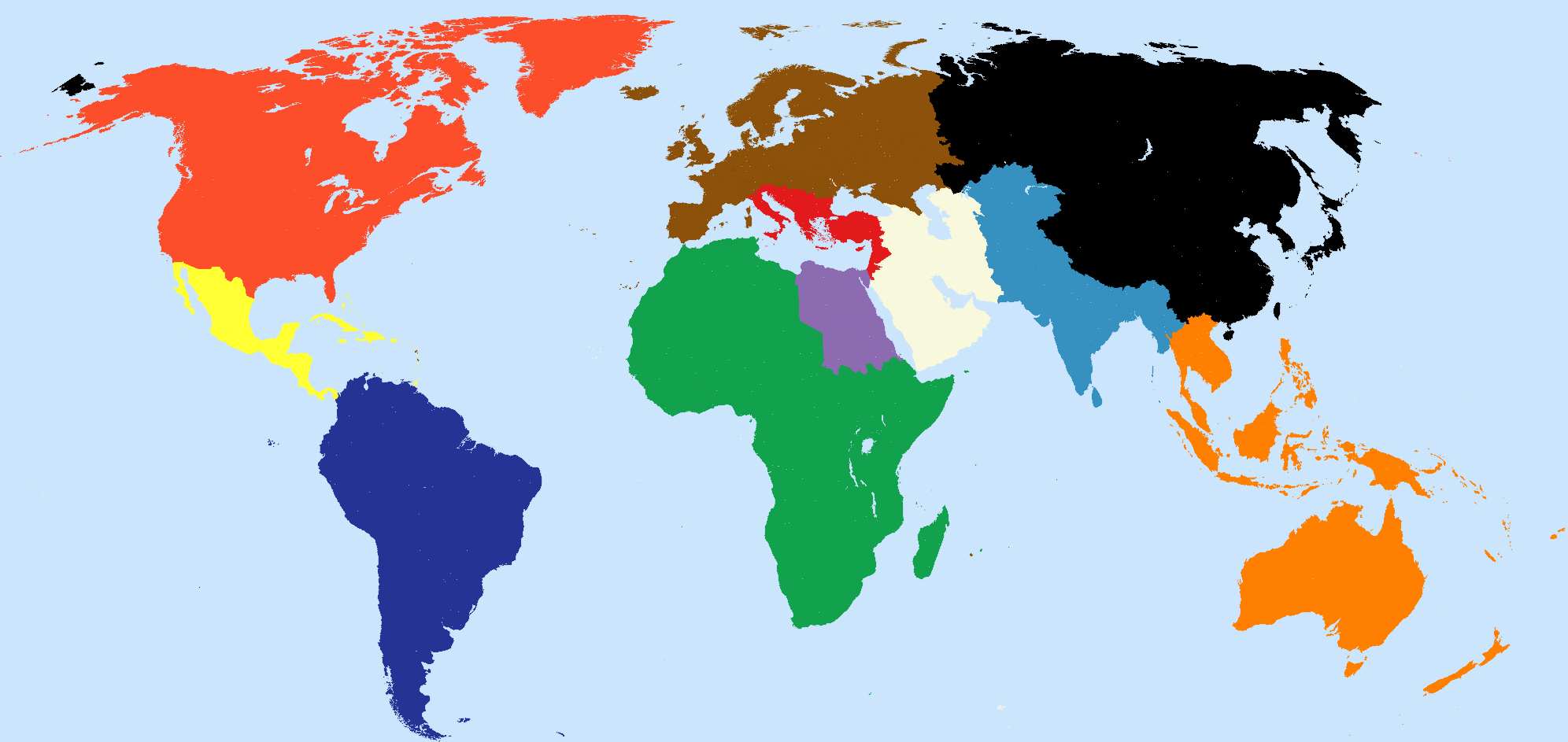 Cold War Era
Western Europe Cold War Era
Eastern Mediterranean Cold War Era
Persia Cold War Era
Egypt Cold War Era
Africa Cold War Era
India & Central Asia Cold War Era
China Cold War Era
Oceania Cold War Era
North America Cold War Era
Central America Cold War Era
South America
| Terra Avita Region and Era Name Link | Representative Cultures | Major Cities / Centers | Major Events |
|---|---|---|---|
| Cold War Era Western Europe | NATO Democracies, European Integrationists, Postwar Reconstructionists | London, Paris, Bonn, Brussels, Rome | Marshall Plan rebuilds Europe; formation of NATO (1949); European Economic Community founded (1957); social liberalization and decolonization movements |
| Cold War Era Eastern Mediterranean | Turkish Republic, Greek Democracy and Junta Periods, Cypriot Independence | Ankara, Athens, Nicosia | NATO expansion in the region; Greek Civil War; Cyprus crisis and Turkish invasion (1974); strategic alignment between NATO and Middle East |
| Cold War Era Persia | Pahlavi Iran, Islamic Revolution (1979) | Tehran, Isfahan, Shiraz | Western-backed monarchy under Shah; oil nationalization crisis (1953); Islamic Revolution overthrows Pahlavi regime (1979); Iran–Iraq War begins (1980) |
| Cold War Era Egypt | Kingdom of Egypt, Nasser’s Republic, Sadat’s Egypt | Cairo, Alexandria, Suez | 1952 Free Officers Revolution; Suez Crisis (1956); Arab nationalism; Egypt–Israel conflicts; Camp David Accords (1978) |
| Cold War Era Africa (beyond the Nile) | Newly Independent Nations, Apartheid South Africa, Pan-Africanism | Accra, Lagos, Nairobi, Addis Ababa, Johannesburg | Decolonization and independence movements; African Union founded (1963); apartheid entrenched in South Africa; Biafran War (1967–1970) |
| Cold War Era India and Central Asia | Republic of India, Pakistan, Soviet Central Asia | New Delhi, Karachi, Tashkent | Indian independence (1947); Indo-Pakistani wars; Non-Aligned Movement; Soviet dominance in Central Asia |
| Cold War Era China (East Asia) | People’s Republic of China, Republic of China (Taiwan), DPRK, Japan (Postwar), South Korea | Beijing, Taipei, Tokyo, Seoul, Pyongyang | Chinese Civil War ends (1949); Korean War; Cultural Revolution; Japanese economic boom; normalization of U.S.–China relations |
| Cold War Era Oceania | Australia, New Zealand, Pacific Island Nations (postcolonial), Papua New Guinea | Canberra, Wellington, Port Moresby, Suva | ANZUS alliance (1951); decolonization of Pacific islands; growing U.S. presence in the Pacific |
| Cold War Era North America | United States, Canada | Washington D.C., New York, Ottawa, Los Angeles | U.S.–Soviet rivalry defines global politics; Cuban Missile Crisis; civil rights movement; Vietnam War participation |
| Cold War Era Central America | U.S.-Influenced Republics, Revolutionary Movements | Havana, Managua, San Salvador, Panama City | Cuban Revolution (1959); Bay of Pigs invasion; Sandinista Revolution; U.S. interventions across region |
| Cold War Era South America | Military Dictatorships, Socialist Movements, Democratic Transitions | Buenos Aires, Santiago, Brasília, Lima | Rise of authoritarian regimes (Chile, Argentina, Brazil); guerrilla insurgencies; Operation Condor; Falklands War (1982) |

1945 AD – Snapshot
| Terra Avita Region and Era Name Link | Event Description |
|---|---|
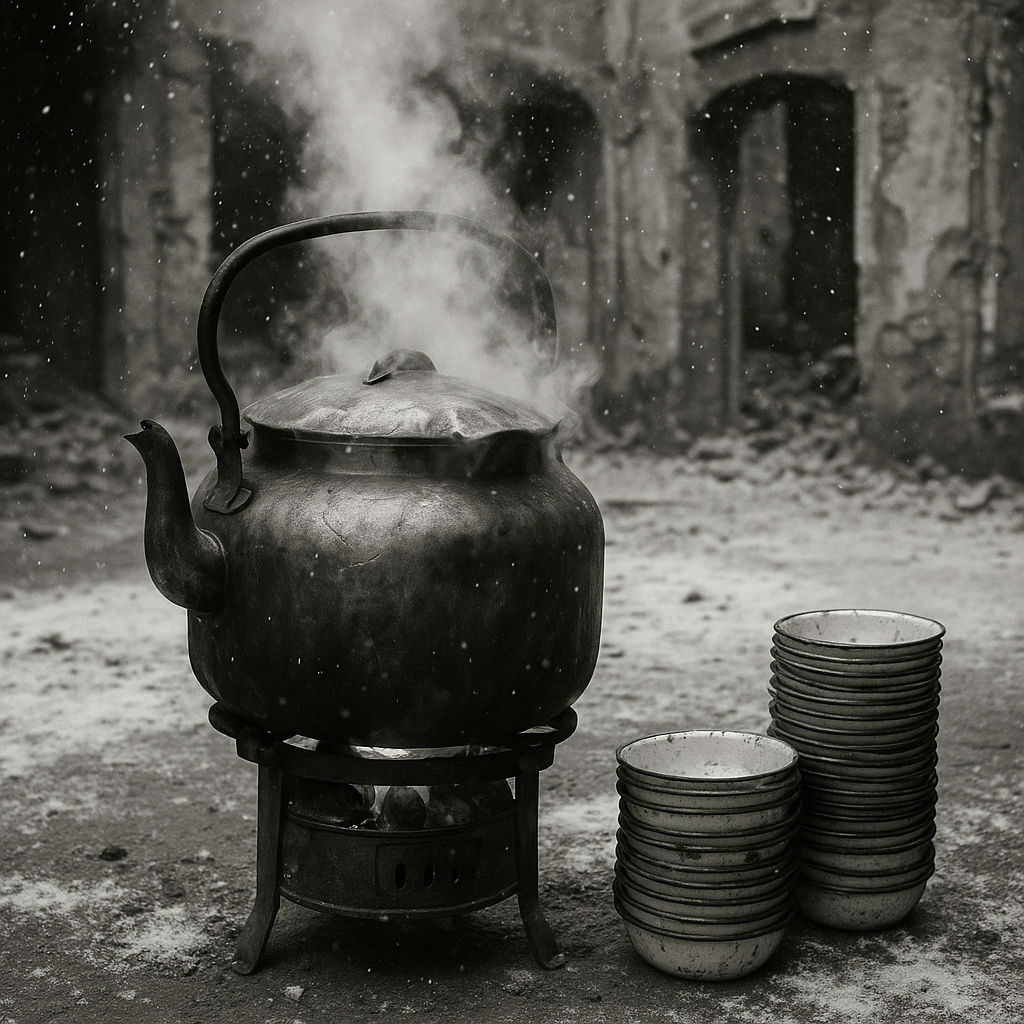
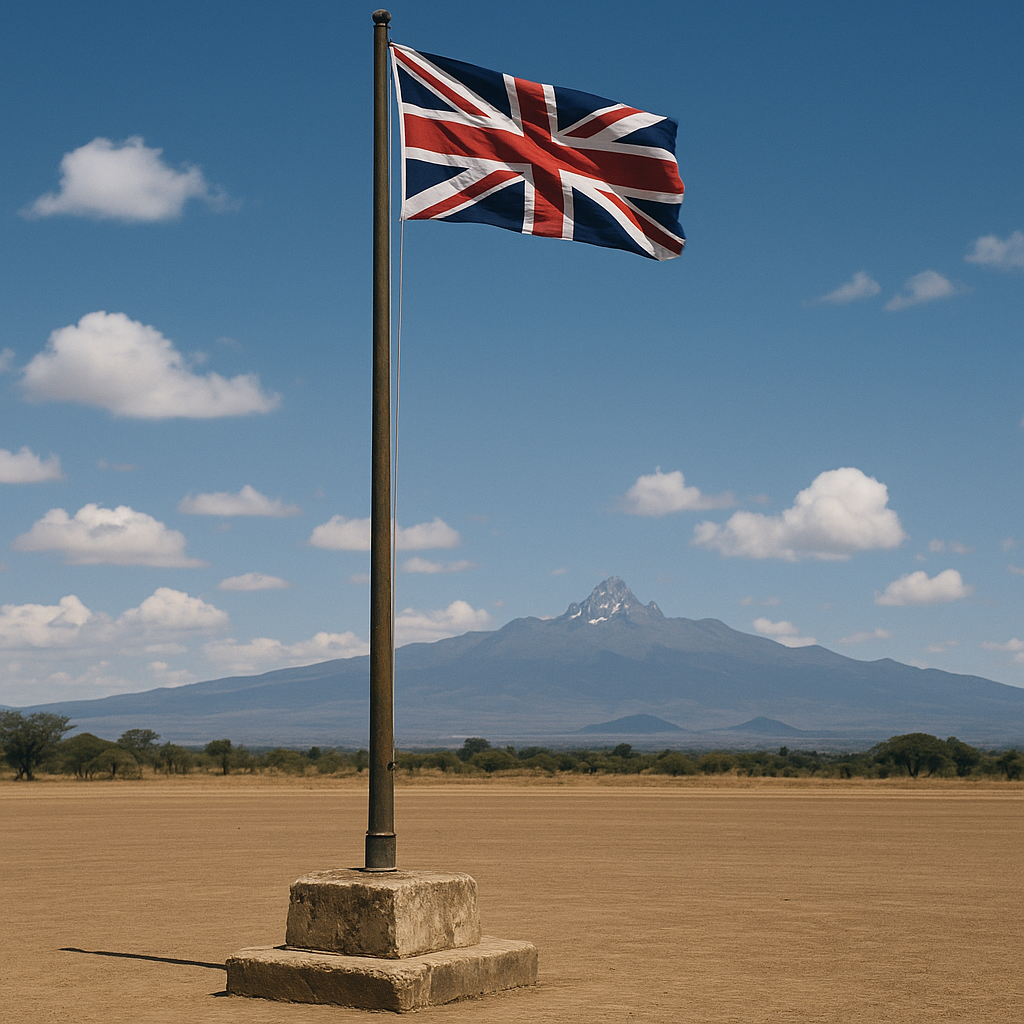
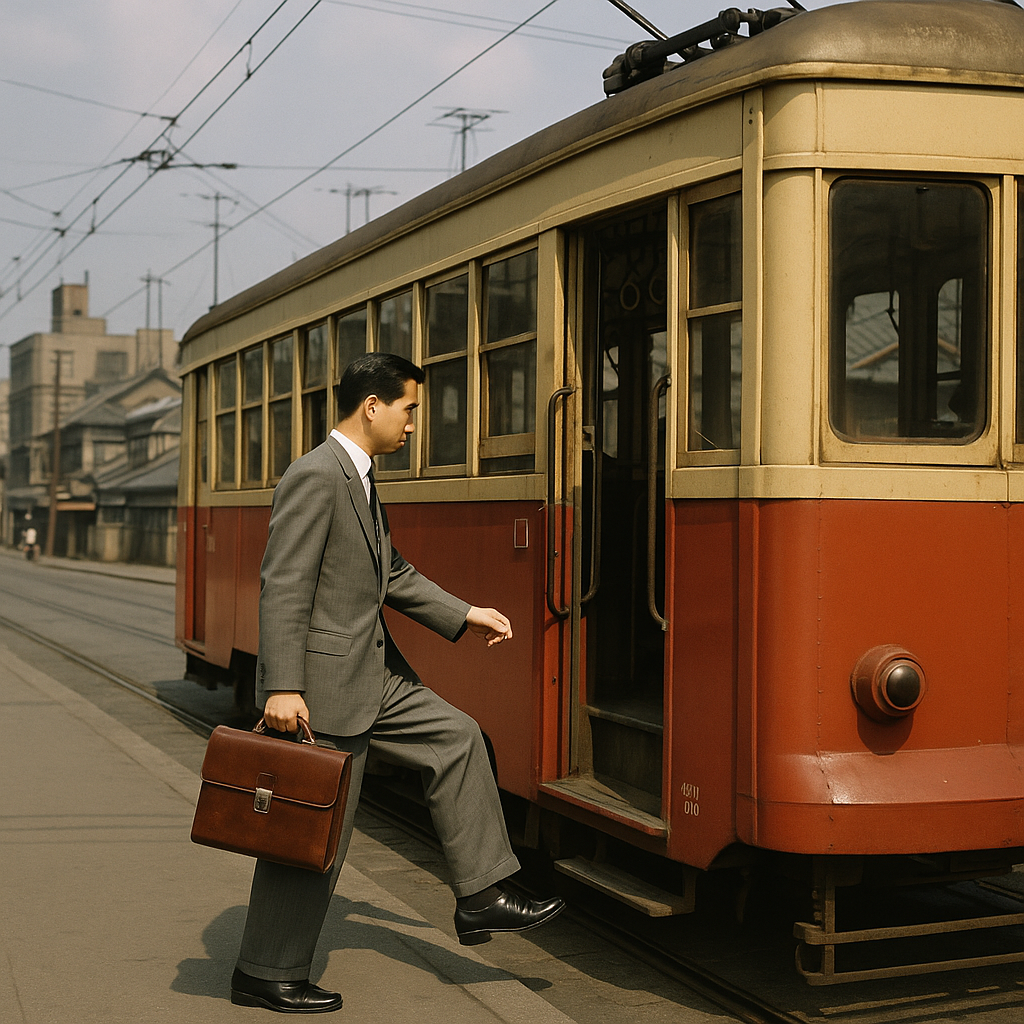
| World War Era Africa (beyond the Nile) | Africa entirely under European colonial rule (except Ethiopia, restored after Italian defeat). British, French, Belgian, Portuguese empires dominate. Colonial soldiers fight in Allied armies. Forced labor, resource extraction, and racial hierarchy peak. Pan-African consciousness and anti-colonial movements beginning. |
| World War Era Central America | U.S. dominance complete. Panama Canal strategic cornerstone. Banana Republic political structures intact. Military dictatorships backed by the U.S. (e.g., Somoza in Nicaragua). Indigenous repression widespread. |
| World War Era China (East Asia) | China emerges from Japanese occupation. WW2 ends with surrender of Japan (August 1945). KMT and CCP immediately resume full-scale civil war. Economy ruined; tens of millions dead. Manchuria occupied by USSR briefly before transfer to Chinese Communists. Qing long gone; Republic collapsing internally. |
| World War Era Eastern Mediterranean | Post-Ottoman Middle East under Allied oversight. British Mandates (Palestine, Transjordan, Iraq) and French Mandates (Syria, Lebanon) still intact but nationalist movements accelerating. Holocaust drives global pressure for a Jewish homeland in Palestine. Region entering modern independence era. |
| World War Era Egypt | Still a British-controlled monarchy. King Farouk reigns. WW2 troops heavily stationed along Nile/Suez. Anti-colonial sentiment rising. Cairo a hub of wartime logistics and intelligence. Independence movement intensifying toward 1952 revolution. |
| World War Era India and Central Asia | British India at breaking point. Quit India movement (1942). Bengal Famine recently killed millions. WWII service enormous. Partition and independence just two years away (1947). In Central Asia, Soviet republics firmly consolidated (Kazakh, Uzbek, Turkmen, Tajik, Kyrgyz SSRs). Stalinist repression severe. |
| World War Era North America | United States becomes a superpower. Economy surges; G.I. Bill; nuclear weapons (Hiroshima/Nagasaki). Canada also prospers as industrial ally. Mexico modernizing under PRI. Native Americans serve heavily in war; reservation poverty remains severe. World power structure tilts decisively toward the U.S. |
| World War Era Oceania | WWII transforms Oceania into a strategic front. Australia and New Zealand major Allied contributors. Solomon Islands, New Guinea, and Micronesia battlefields. Hawaii central to U.S. Pacific command. After 1945, U.S. trusteeships replace Japanese control in Micronesia. Indigenous societies shattered by war but persist culturally. |
| World War Era Persia | Iran under Allied occupation (1941–1946). Reza Shah forced to abdicate; Mohammad Reza Pahlavi installed. Soviet-backed separatist movements in Azerbaijan and Kurdistan rising. Anglo-Soviet supply route (“Persian Corridor”) crucial to Allied war effort. Oil strategically dominant. |
| World War Era South America | Neutrality era ends; alignment shifts. Brazil fought with Allies (FEB in Italy). Argentina joins Allies at the last moment (1945) after long neutrality. Chile, Peru, Bolivia largely peripheral to war but enter postwar economic realignment. Oligarchic republics remain dominant; Indigenous populations marginalized. |
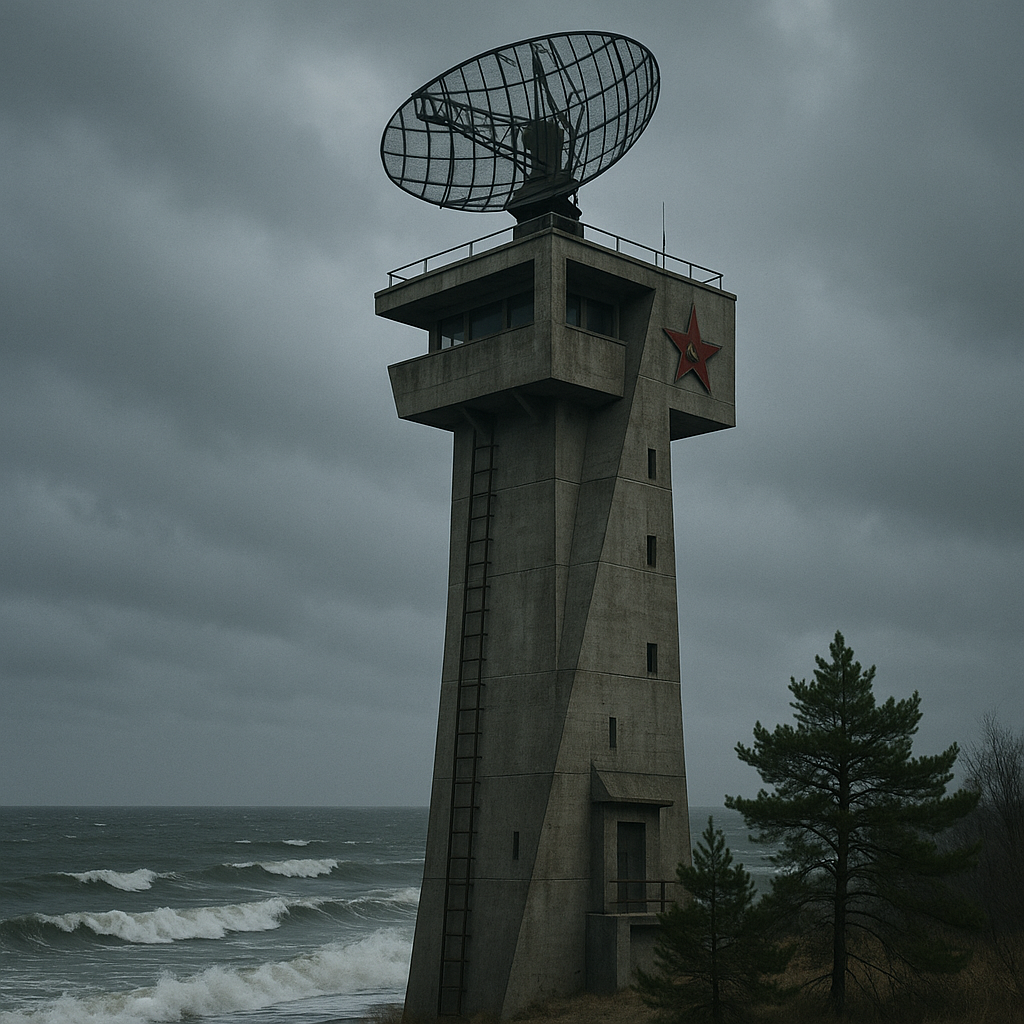
| World War Era Western Europe | World War II ends (May 1945). Germany defeated and occupied. Italy liberated; Mussolini executed. France restored under de Gaulle. Britain exhausted but victorious. Soviet armies occupy Eastern Europe. Entire continent economically devastated. United Nations founded (1945). Beginning of Cold War division. |



1955 AD – Snapshot
| Terra Avita Region and Era Name Link | Event Description |
|---|---|
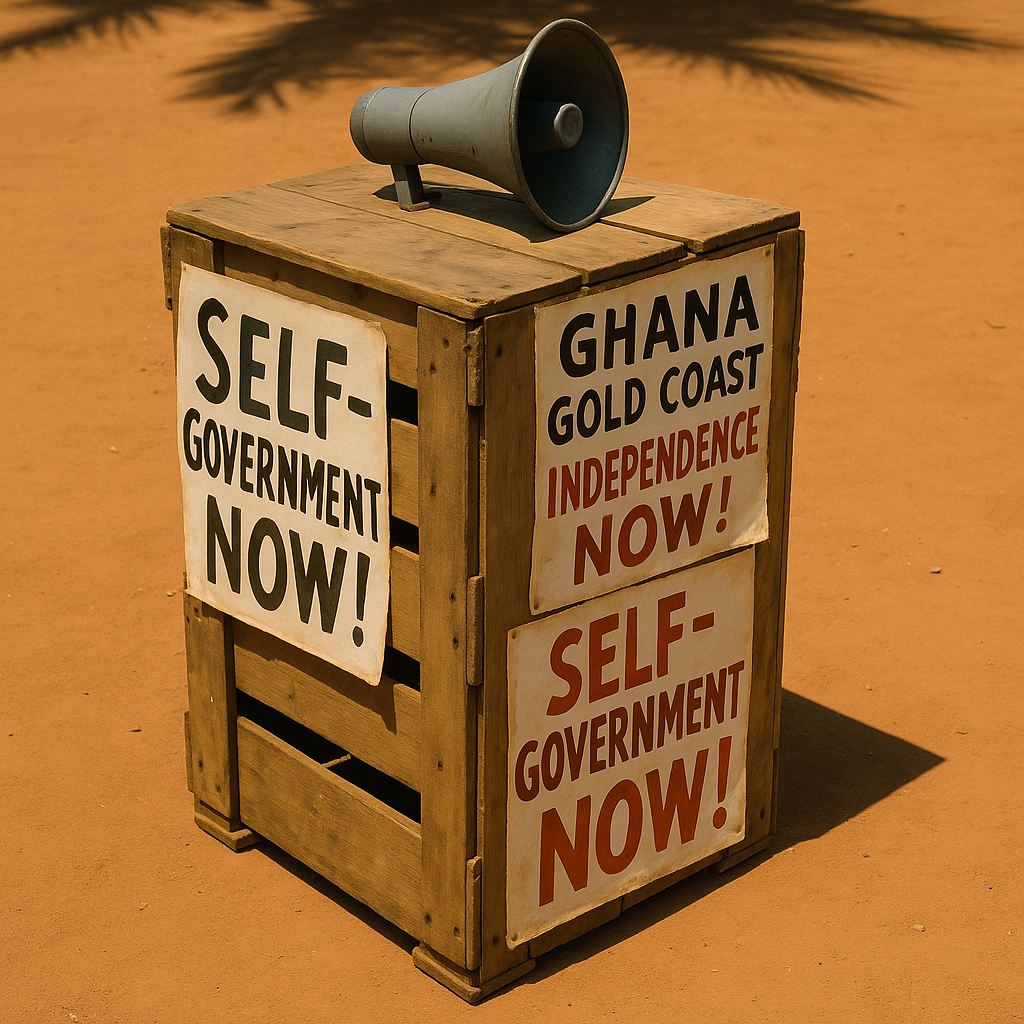
| Cold War Era Africa (beyond the Nile) | Decolonization just beginning. Sudan independent 1956; Ghana 1957 soon. Most of continent still under British, French, Belgian, or Portuguese rule. Racial segregation entrenched in South Africa (apartheid 1948). French West Africa and East Africa still fully colonial. Growing independence movements across Gold Coast, Kenya, Algeria, Tunisia, Morocco. |
| Cold War Era Central America | U.S. dominance absolute in the region. CIA-backed 1954 coup in Guatemala. Dictatorships in Nicaragua (Somoza) and Honduras. Export agriculture (bananas, coffee) controlled by foreign corporations. Indigenous and rural populations heavily oppressed. |
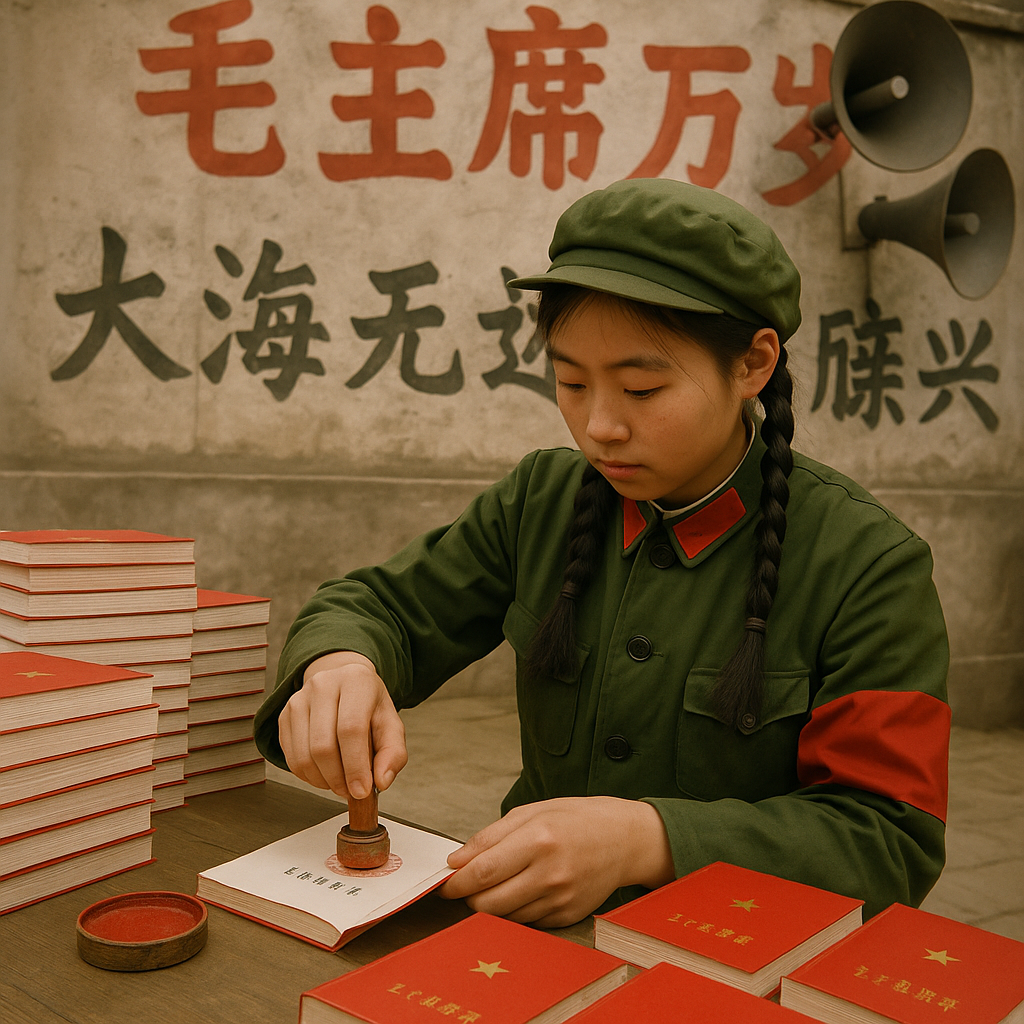
| Cold War Era China (East Asia) | People’s Republic of China under Mao Zedong (est. 1949). Korean War recently ended (1953). Collectivization campaigns accelerating; Hundred Flowers not yet begun (1956). Taiwan under Chiang Kai-shek as Republic of China, backed by U.S. PRC–USSR alliance still intact. |
| Cold War Era Eastern Mediterranean | Post-Ottoman states fully independent. Israel founded 1948; Arab-Israeli conflict entrenched. Jordan, Lebanon, Syria, Egypt developing under Cold War pressure. Baghdad Pact forming (1955) as U.S./UK attempt to anchor Middle East in anti-Soviet alignment. Nationalism high; coups and revolutions frequent. |
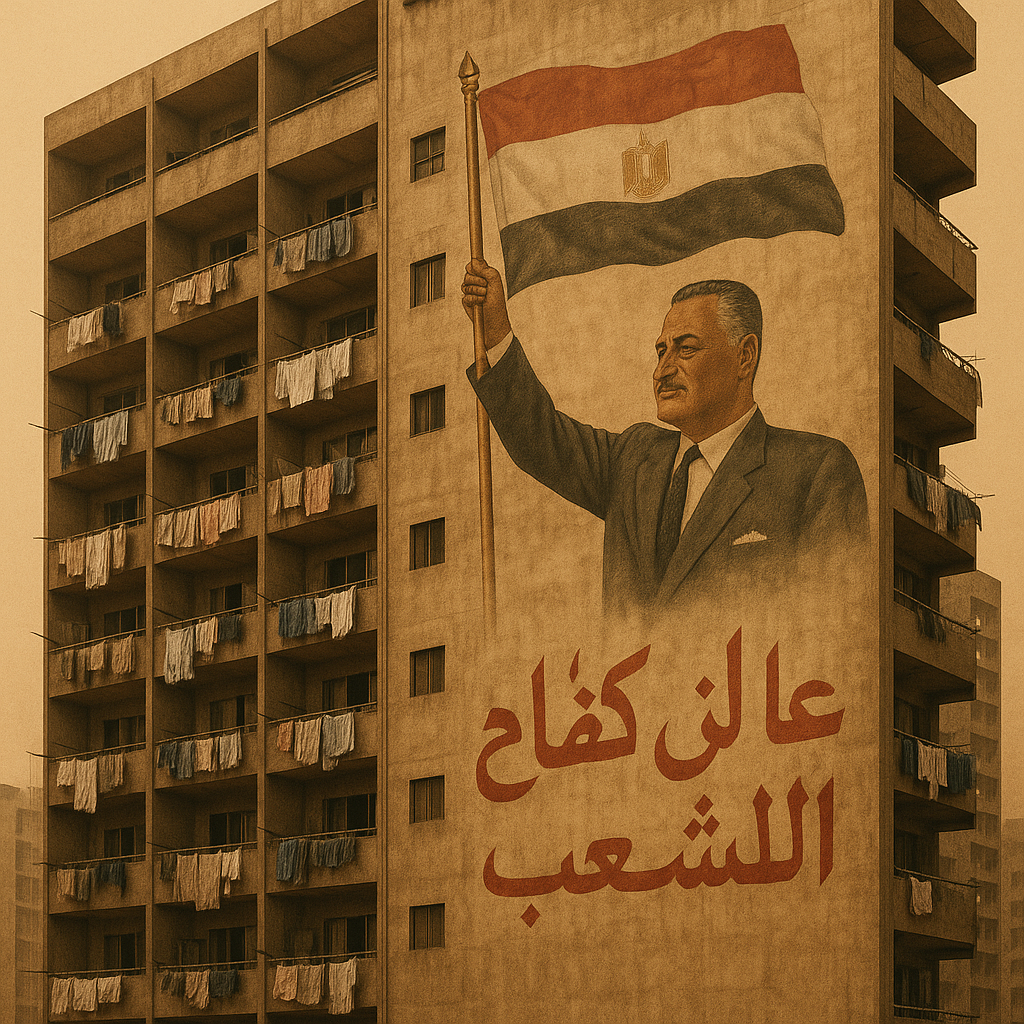
| Cold War Era Egypt | Egypt under Gamal Abdel Nasser (took power 1952–1954). British influence forced out of Cairo. Arab nationalism surging. Suez Canal still under British-French control until Nasser nationalizes it (1956). Region’s political center shifting toward revolutionary Arab republics. |
| Cold War Era India and Central Asia | India independent (1947); Nehru leading major modernization and nonalignment. Pakistan also independent; tensions over Kashmir. In Central Asia, Soviet republics fully controlled by USSR with collectivization, industrialization, and Russification dominant. |
| Cold War Era North America | United States in Cold War ascendancy. Eisenhower presidency; nuclear arsenal growing; interstate system beginning. Civil Rights Movement accelerating (Brown v. Board 1954; Montgomery Bus Boycott 1955). Canada stable under Liberal governance. Mexico industrializing under PRI dominance. Native American termination policy active but controversial. |
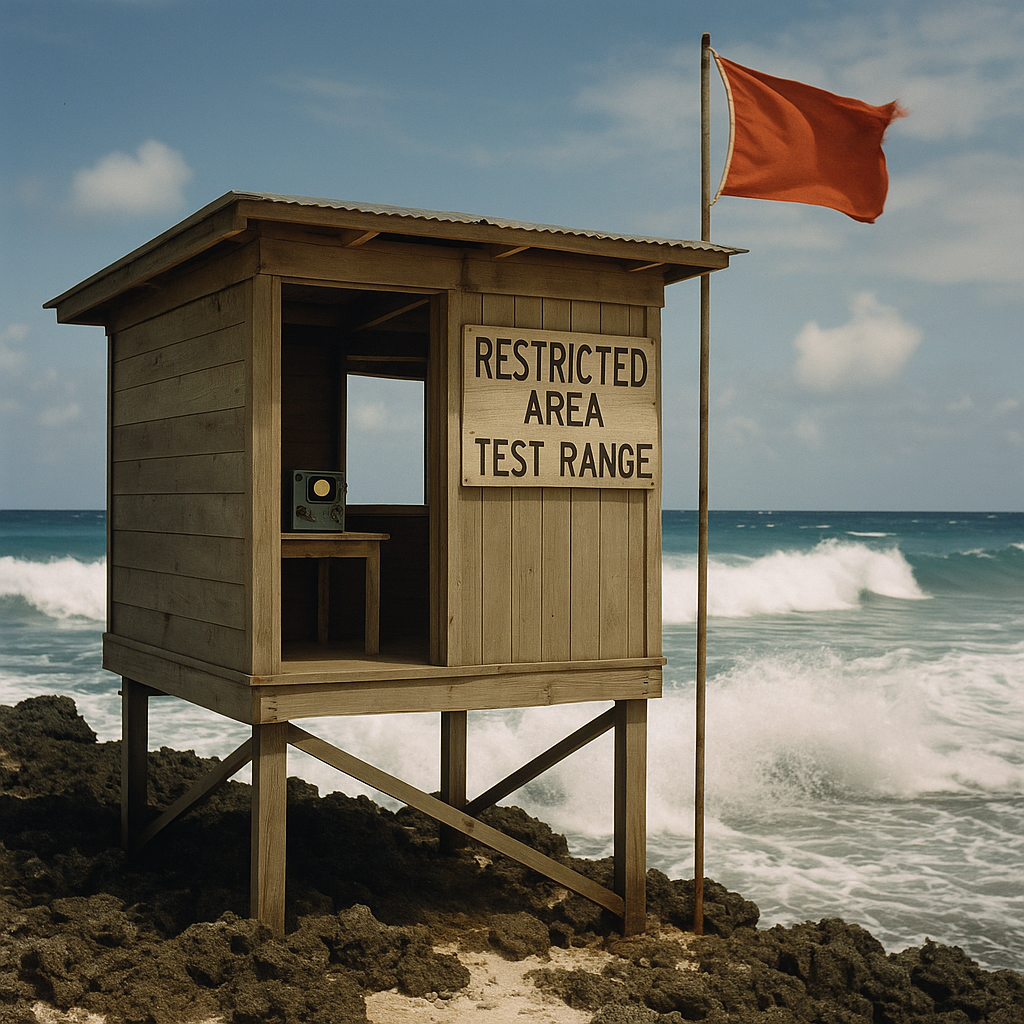
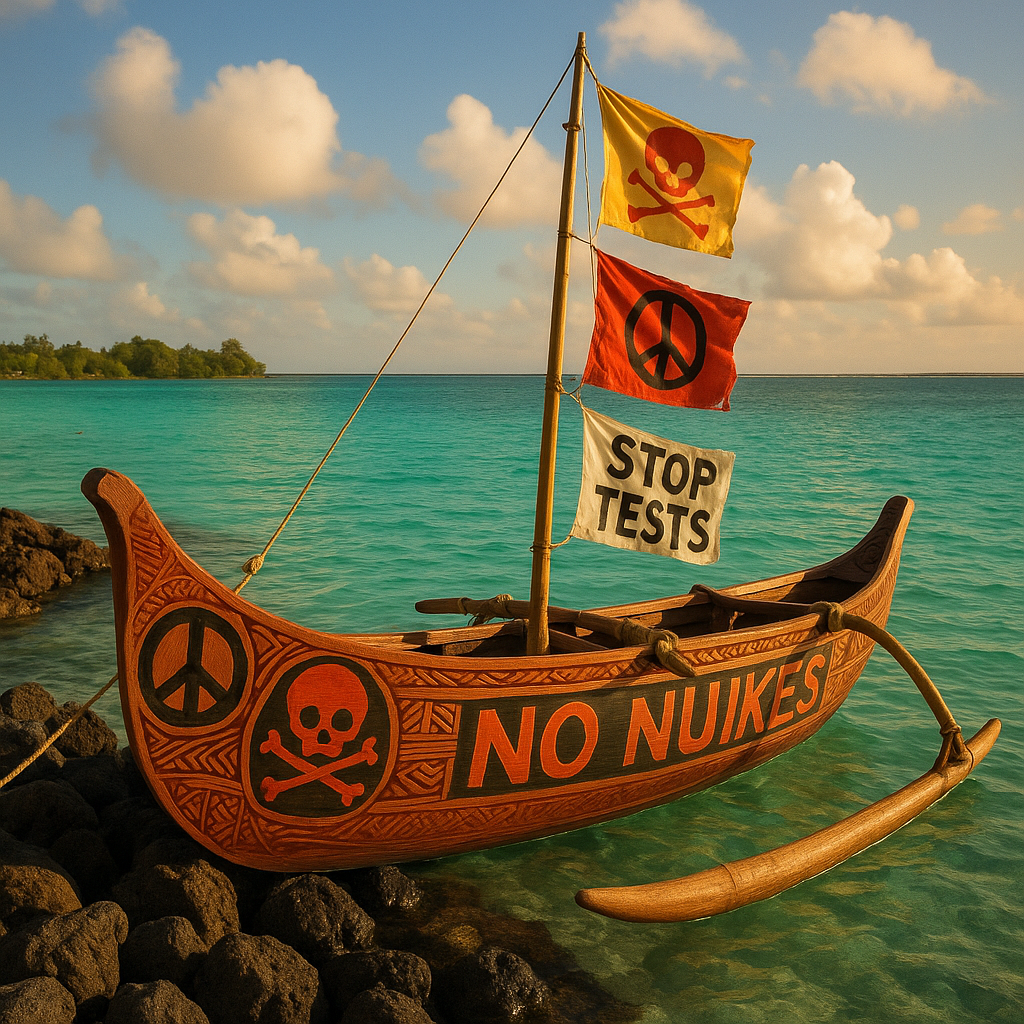
| Cold War Era Oceania | Australia and New Zealand full sovereign dominions firmly aligned with U.S.–UK bloc (ANZUS 1951). Hawaii a U.S. territory (statehood in 1959). Pacific islands divided between U.S., UK, France, Australia, and NZ mandates. Nuclear testing underway (Bikini, Enewetak, Mururoa). Indigenous revival movements early but growing. |
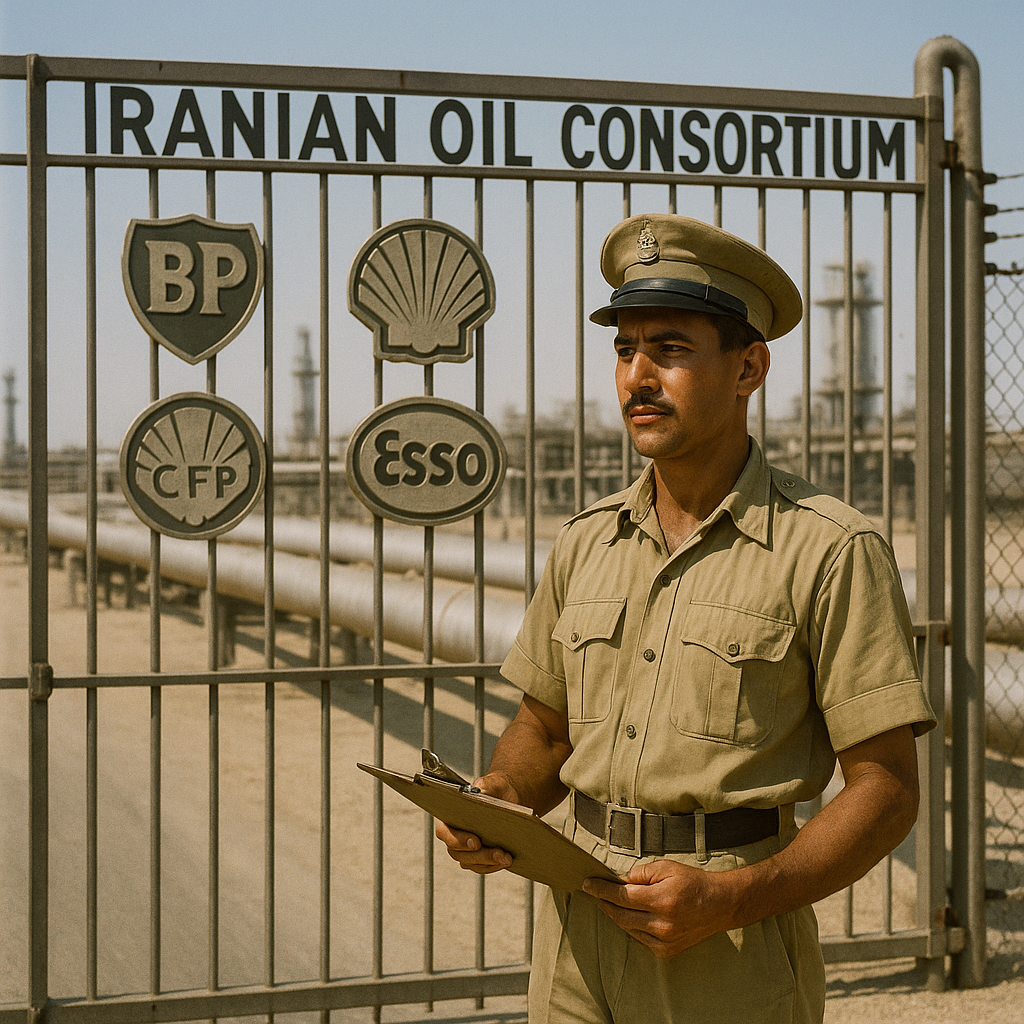
| Cold War Era Persia | Iran under Mohammad Reza Shah Pahlavi, restored after CIA-backed 1953 coup. Strong U.S. alliance. Rapid modernization and centralization. Oil under Western control via consortium. Opposition suppressed; SAVAK secret police forming. |
| Cold War Era South America | Cold War reshapes region. Perón overthrown in Argentina (1955). Brazil under Vargas legacy transitioning toward developmentalism. Chile democratic but oligarchic. Bolivia in post-1952 revolution reform. Peru and Ecuador undergoing early modernization struggles. Indigenous and Afro-descendant marginalization deep; rural inequality extreme. |
| Cold War Era Western Europe | Rebuilt after WWII under U.S. Marshall Plan. NATO formed (1949). West Germany sovereign (1955) and rearming; East Germany part of Soviet bloc. France in Fourth Republic, colonial wars in Algeria and Indochina. Britain losing empire but still influential. Economic recovery underway; early European integration begins (ECSC 1951). |


1965 AD – Snapshot
| Terra Avita Region and Era Name Link | Event Description |
|---|---|
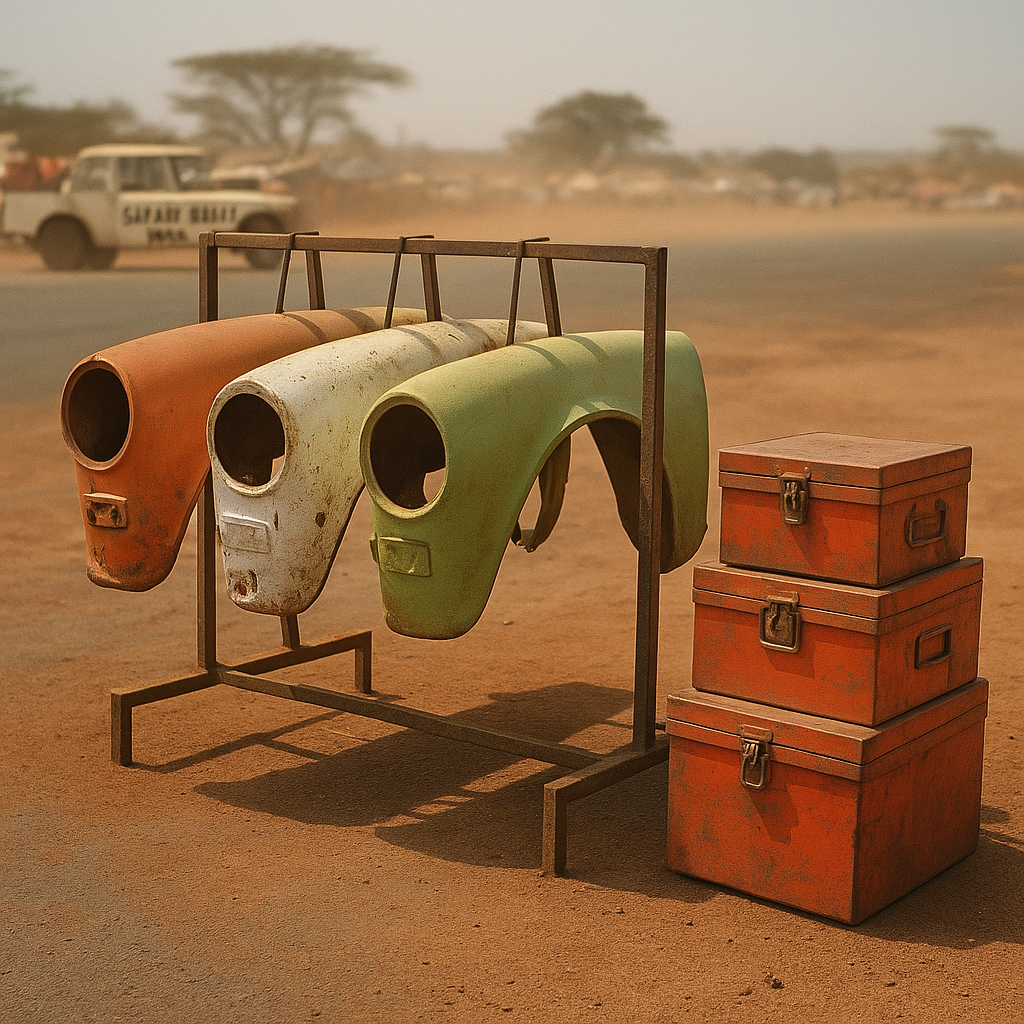
| Cold War Era Africa (beyond the Nile) | Massive decolonization. Ghana, Nigeria, Kenya, Tanzania, and many others independent. Algeria independent (1962). Congo in crisis after Lumumba’s assassination (1961) and Katanga secession. Ethiopia under Haile Selassie still independent and influential. Apartheid South Africa isolated internationally. East Africa forming socialist or nationalist one-party states. |
| Cold War Era Central America | U.S.-dominated Cold War zone. Military dictatorships in Guatemala, Nicaragua, Honduras, El Salvador. United Fruit and oligarchic elites control economies. Rising guerrilla movements. Widespread repression of indigenous communities. |
| Cold War Era China (East Asia) | Maoist China in radical transformation. Socialist construction campaigns ongoing; Cultural Revolution begins shortly (1966). Sino-Soviet split deep—border tensions rising. China isolated internationally but internally mobilized for ideological purification. Taiwan under Chiang Kai-shek remains authoritarian, backed by U.S. |
| Cold War Era Eastern Mediterranean | Arab nationalism at peak strength. Nasser’s Egypt leads the Arab world. Syria and Iraq in Ba’athist revolutionary phases. Israel consolidating statehood; regional tensions escalating toward 1967 war. Cyprus in ethnic crisis (1963–64). Lebanon still stable but tense. |
| Cold War Era Egypt | Nasserist Egypt after 1952 revolution. Suez Crisis a decade earlier (1956). Arab socialism and large state industries. Growing confrontation with Israel and U.S.–UK bloc. Soviet influence rising; huge military modernization underway. |
| Cold War Era India and Central Asia | India vs. Pakistan armed conflict (Second Indo-Pakistan War in 1965). India under Nehru’s successor Lal Bahadur Shastri. Green Revolution beginning. Pakistan under Ayub Khan’s military government. Central Asia fully under Soviet socialist republics—industrialization heavy; cultural repression systematic. |
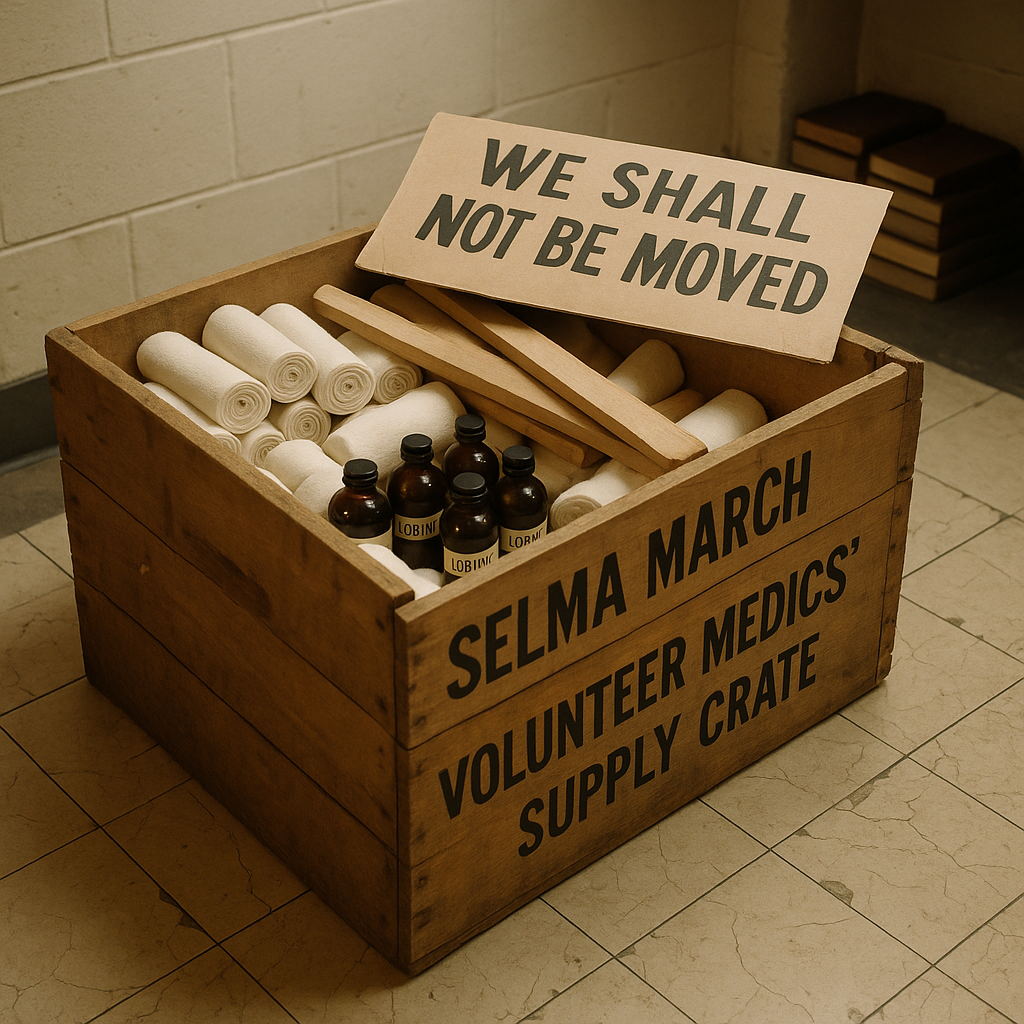
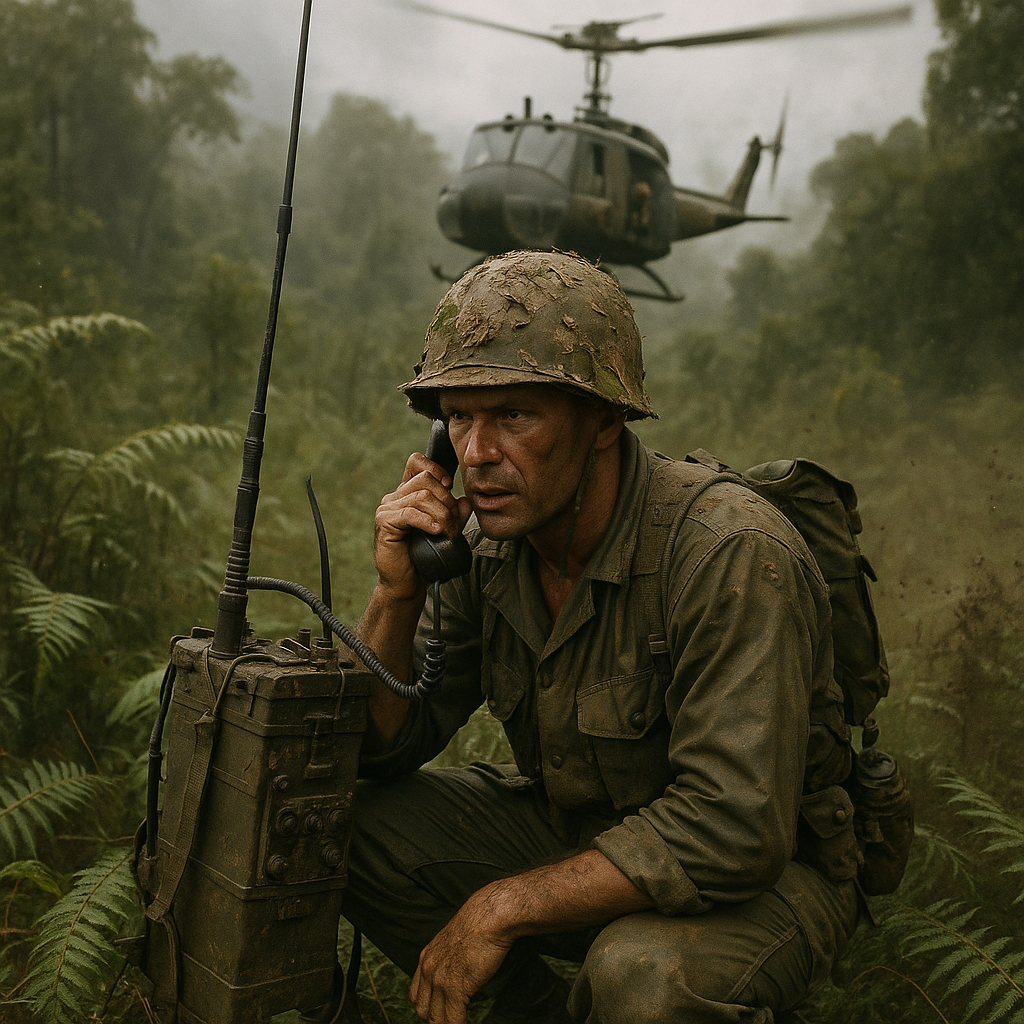
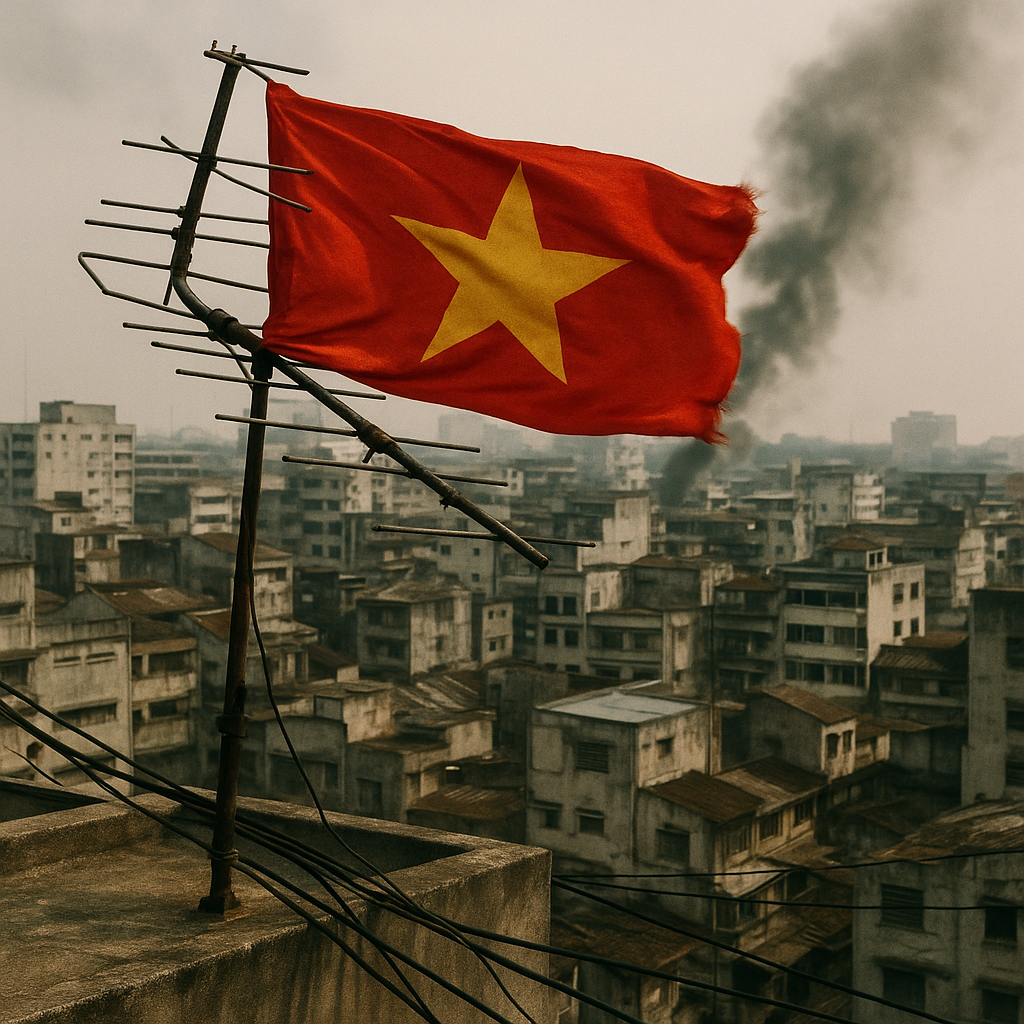
| Cold War Era North America | United States in Vietnam escalation (Marines land 1965). Civil Rights Movement at its climax (Selma marches, Voting Rights Act 1965). Canada under Pearson’s reforms (medicare, flag adoption). Mexico under PRI developmentalism. Indigenous peoples still under heavy assimilation regimes. |
| Cold War Era Oceania | Australia and New Zealand fully sovereign Western-aligned states (ANZUS). Vietnam War involvement deepening for both. Hawaii a U.S. state (1959). French Polynesia under France (nuclear testing begins 1966). Papua New Guinea preparing for independence (1975). Most Pacific islands still colonies or trust territories under U.S., UK, France, NZ. |
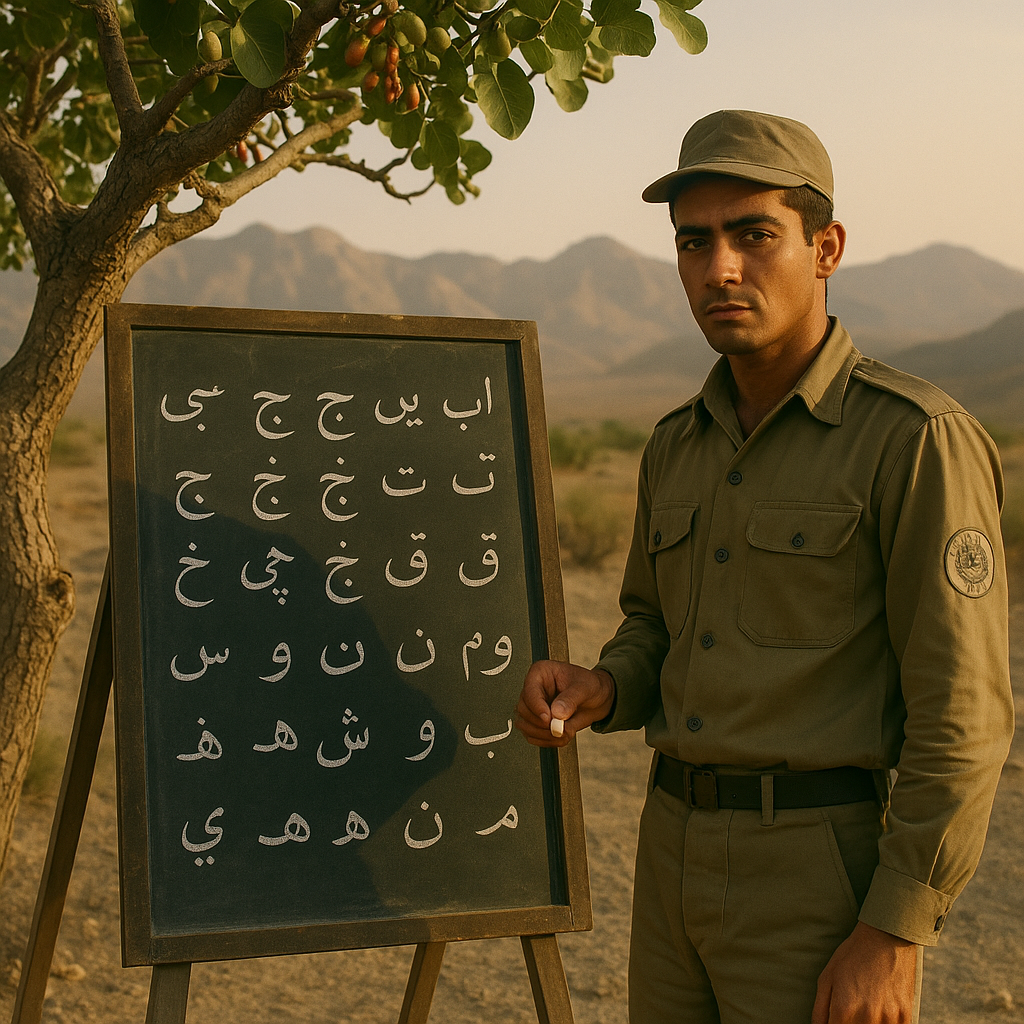
| Cold War Era Persia | Iran under Mohammad Reza Shah Pahlavi, at height of the “White Revolution” (land reform, literacy corps, women’s suffrage). Oil boom transforms economy. Deep inequality, SAVAK repression, and clergy opposition growing. U.S. a dominant partner; Iran seen as a stabilizing anti-Soviet pillar. |
| Cold War Era South America | Cold War authoritarianism rising. Brazil under military dictatorship (1964). Argentina and Chile moving toward instability. Bolivia in coup cycles. Peru nationalist reforms approaching (1968). Large-scale inequality across the Andes; indigenous majority populations still politically suppressed. Cocaine economies not yet formed. |
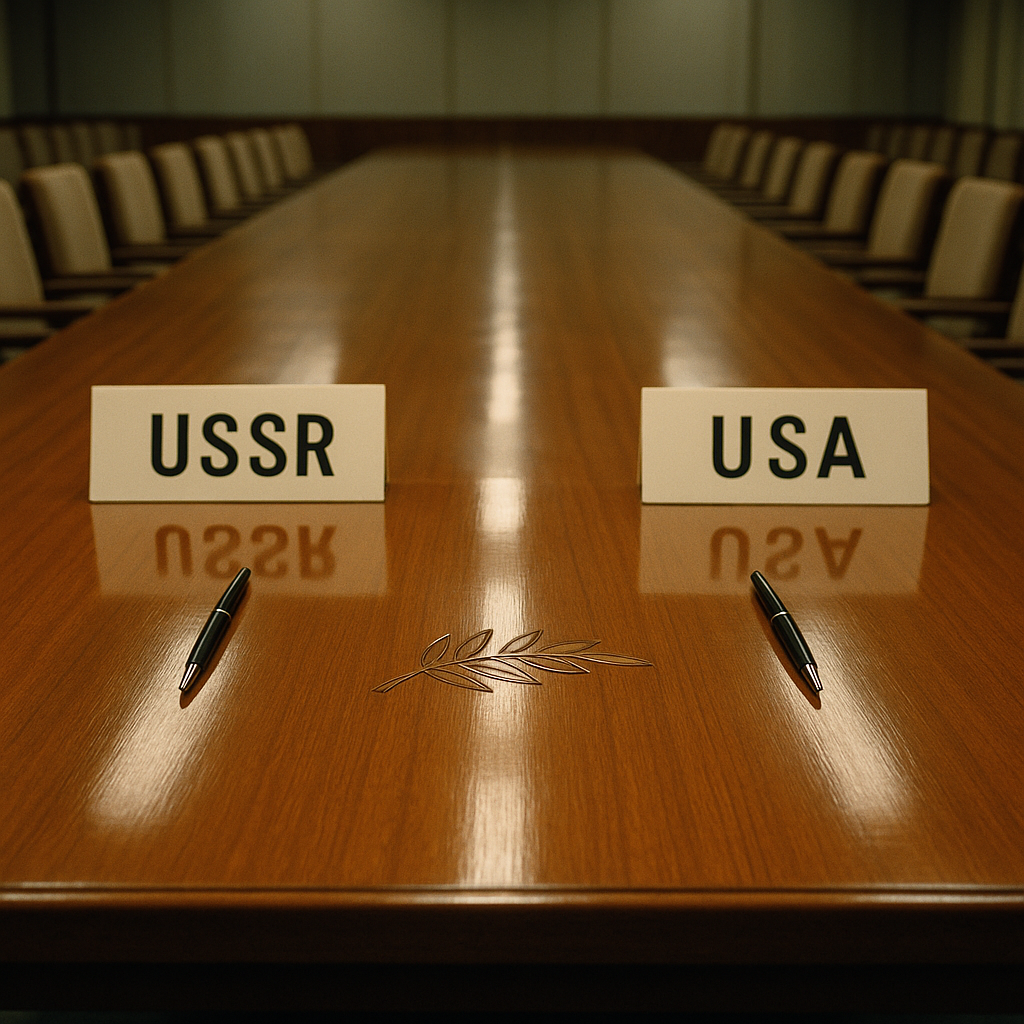
| Cold War Era Western Europe | Cold War Europe stabilized but divided. NATO and Warsaw Pact entrenched. West Germany booming under Wirtschaftswunder; East Germany heavily policed by Stasi. Britain declining economically; France under De Gaulle asserting independence from U.S. influence (withdrawal from NATO command 1966). EEC expanding; European integration accelerating. |





1975 AD – Snapshot
| Terra Avita Region and Era Name Link | Event Description |
|---|---|
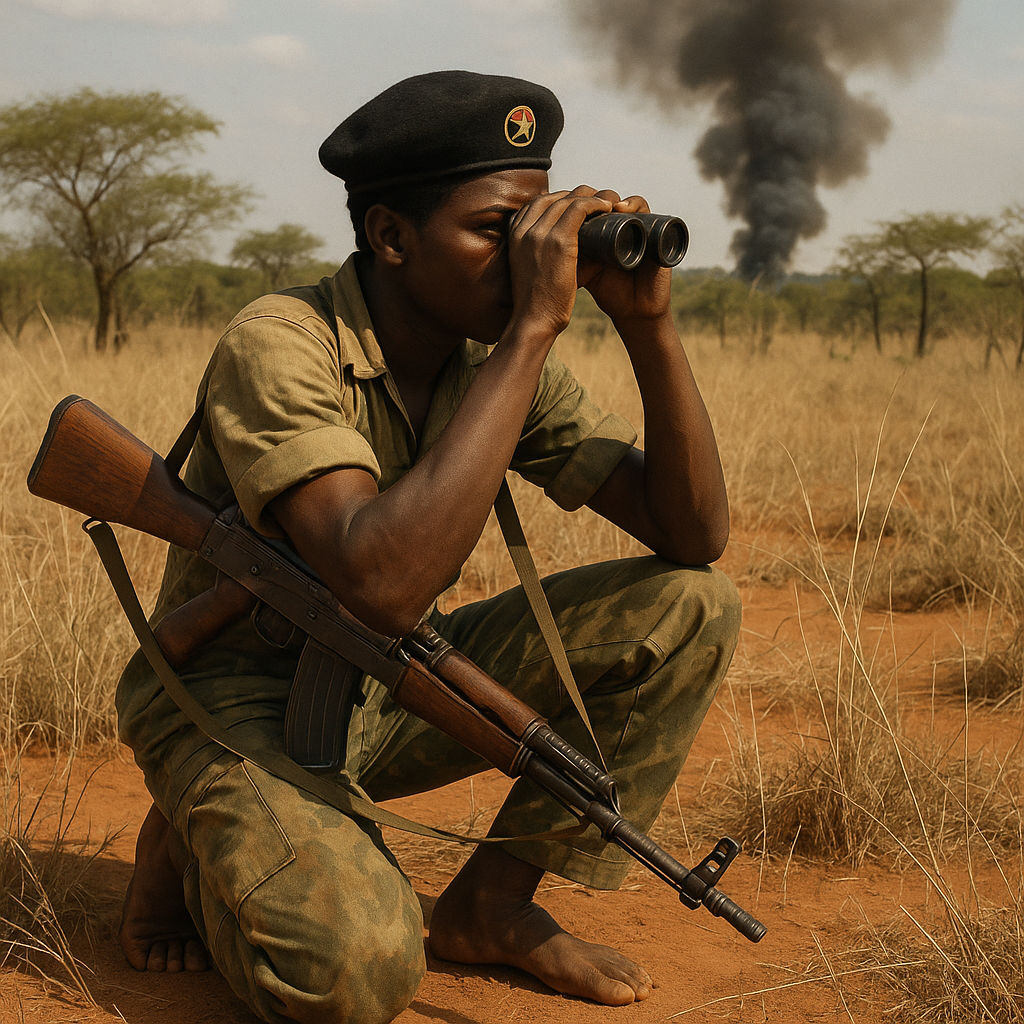
| Cold War Era Africa (beyond the Nile) | Post-colonial convulsions. Angola and Mozambique gain independence (1975) and fall immediately into proxy civil wars. Ethiopia under Haile Selassie falls in 1974—Derg military junta takes power. Nigeria oil boom but severe corruption. South Africa deep under apartheid. Sahel drought devastation. East Africa in upheaval (Idi Amin in Uganda). |
| Cold War Era Central America | Insurgencies rise. Nicaragua’s Sandinistas battling Somoza dictatorship (victory in 1979). Guatemala and El Salvador enter brutal civil wars. Heavy U.S. intervention. Economies dependent on coffee, cotton, sugar, bananas. Indigenous massacres increasing. |
| Cold War Era China (East Asia) | End of Maoist era. Cultural Revolution winding down. Mao alive but frail (dies 1976). Gang of Four influential. Chinese economy devastated; society traumatized. U.S.–China rapprochement completed (Nixon 1972). Taiwan still under KMT authoritarian rule. |
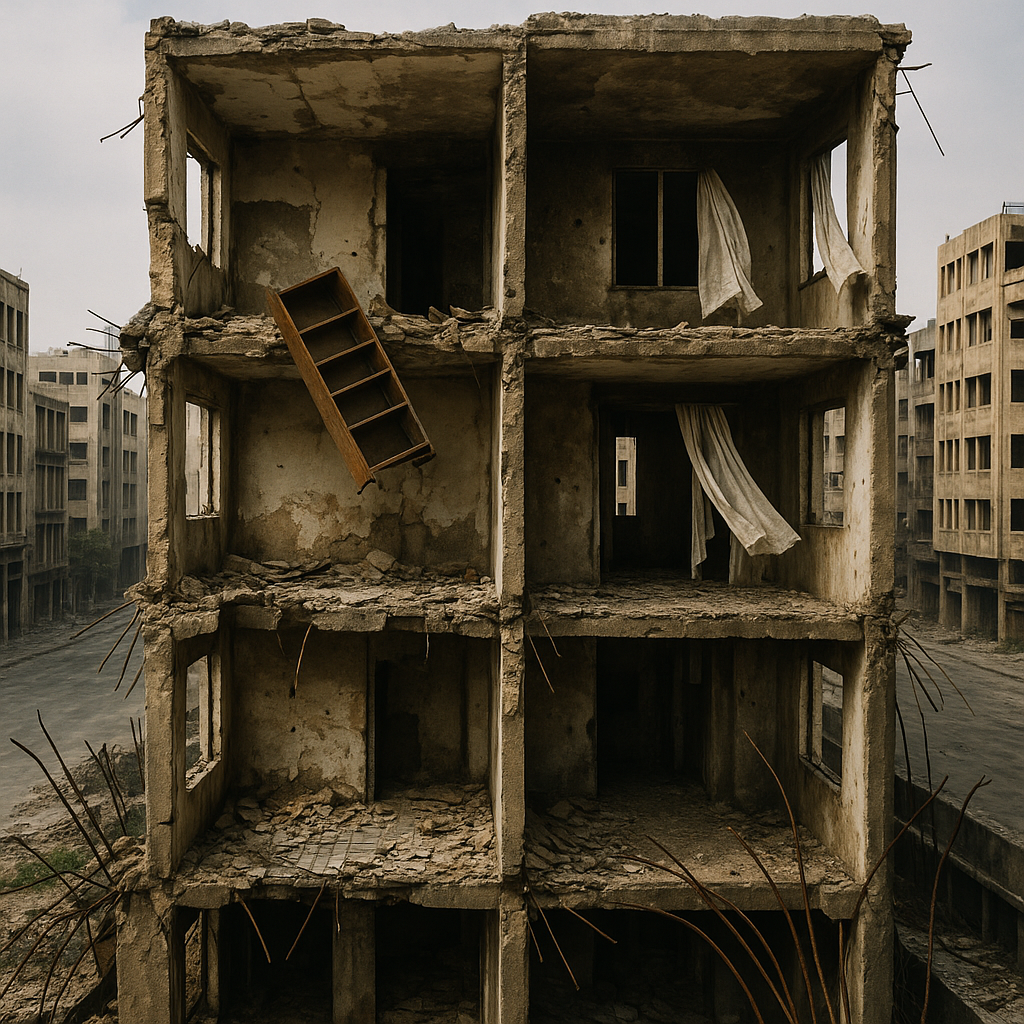
| Cold War Era Eastern Mediterranean | Post-1967/1973 Arab–Israeli conflict. Egypt under Sadat pivoting toward the West. Syria under Hafez al-Assad consolidating authoritarian rule. Lebanon collapsing into civil war (1975). Cyprus divided after 1974 Turkish invasion. Turkey a NATO state under political turmoil. |
| Cold War Era Egypt | Sadat’s Egypt after Nasser. Reorients away from Soviet Union toward the U.S. (opening to the West, Infitah). Preparing the path toward the 1978 Camp David Accords. Economy weak; political liberalization superficial. |
| Cold War Era India and Central Asia | India under Indira Gandhi, just past the 1971 war (Bangladesh created). Emergency period begins shortly (1975–1977). Pakistan under Zulfikar Ali Bhutto (military coup next in 1977). Central Asia fully Soviet—Brezhnev era stagnation. High surveillance, low economic growth. |
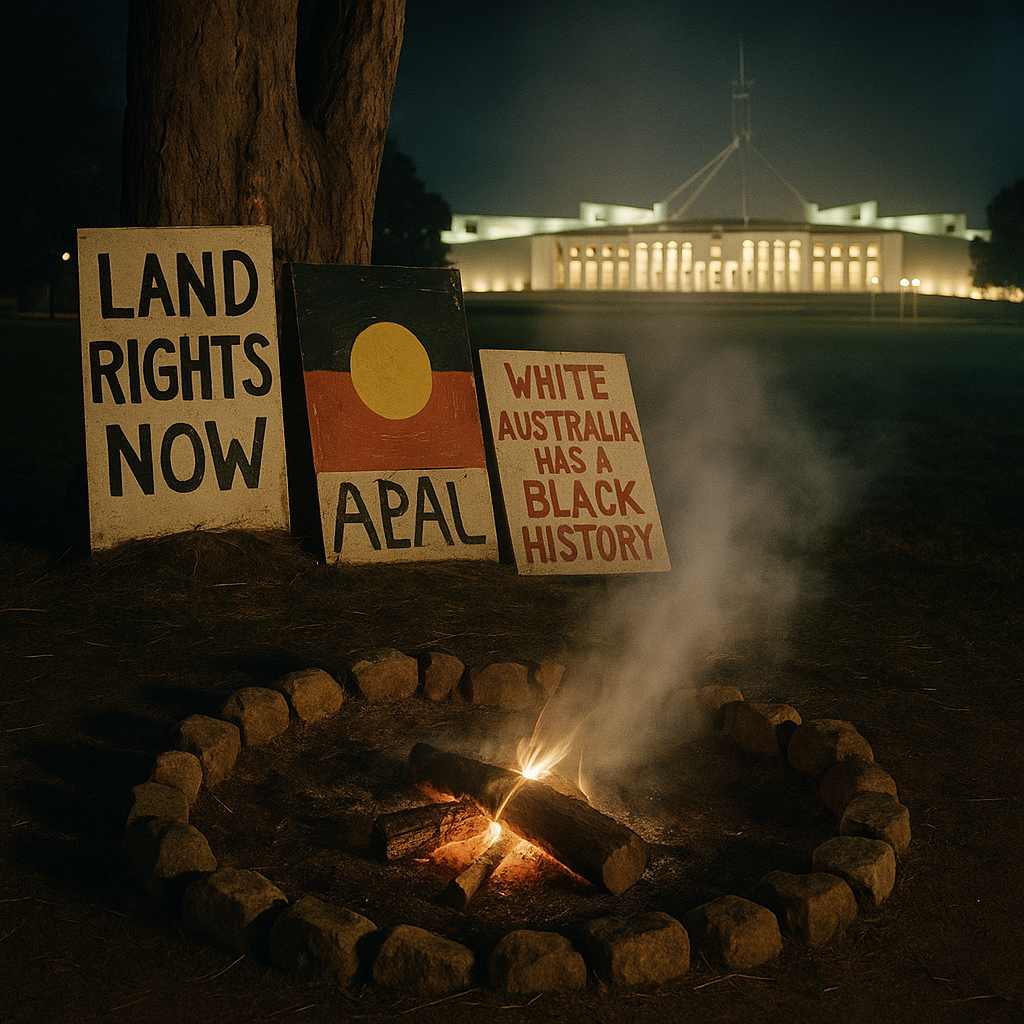
| Cold War Era North America | United States post-Vietnam. Saigon falls in 1975. Watergate aftermath (Nixon resigns 1974). Economy in stagflation; Cold War still intense. Canada expanding welfare state under Trudeau. Mexico under PRI corporatist stability. Native American activism strong (AIM, Wounded Knee 1973). |
| Cold War Era Oceania | Decolonization enters final phase. Australia and NZ prosperous Western democracies aligned with U.S. Fiji independent (1970). Papua New Guinea newly independent (1975). Hawaii a U.S. state. French Polynesia under France. Indigenous cultural revival spreading across Pacific. |
| Cold War Era Persia | Iran under Mohammad Reza Shah at its height. Oil boom of early 1970s fuels massive modernization, industrialization, and military build-up. SAVAK repression severe; clergy alienated; inequality deepens. Islamic Revolution only four years away (1979). Iran is a key U.S. ally and “gendarme of the Gulf.” |
| Cold War Era South America | Military dictatorships dominate. Chile under Pinochet (1973). Argentina under junta (Dirty War begins 1976). Brazil under military rule; “economic miracle” plateauing. Peru in military government. Bolivia and Uruguay under authoritarian regimes. Indigenous and Afro-descendant communities oppressed; neoliberal reforms beginning in Chile. |
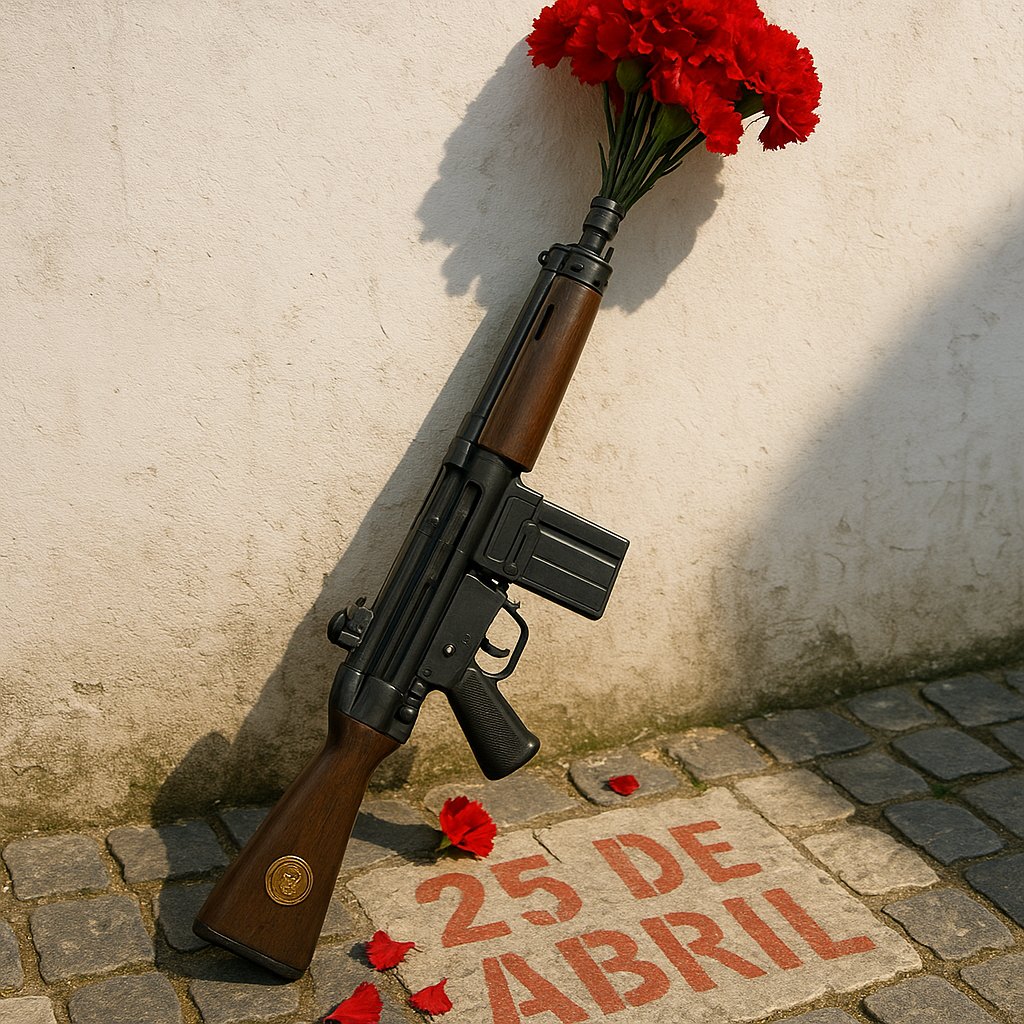
| Cold War Era Western Europe | Cold War détente. West Germany wealthy and stable. Britain struggling economically (Winter of Discontent approaches). France under Giscard d’Estaing. Southern Europe undergoing transition: Portugal (Carnation Revolution 1974), Greece (fall of junta 1974), Spain (Franco dies 1975). European integration deepening (EC). |










1985 AD – Snapshot
| Terra Avita Region and Era Name Link | Event Description |
|---|---|
| Cold War Era Africa (beyond the Nile) | Cold War battleground + famine era. Ethiopia under Mengistu’s Marxist Derg, famine peaks 1984–85. Angola and Mozambique deep in proxy wars (Cuba, USSR vs. South Africa/U.S.). South Africa under apartheid; anti-apartheid movement surging. Nigeria oil-rich but politically unstable. Sahel suffering repeated drought. |
| Cold War Era Central America | Peak of U.S.–Soviet proxy wars. Nicaragua ruled by Sandinistas; U.S.-backed Contras fighting. El Salvador in brutal civil war. Guatemala under military rule committing massive atrocities against Maya communities. Honduras and Costa Rica as staging areas. Region defined by Cold War violence. |
| Cold War Era China (East Asia) | China under Deng Xiaoping’s early reform era. “Reform and Opening” in motion: SEZs, market experiments, foreign investment. Politically authoritarian but economically transforming. Taiwan still KMT authoritarian but industrializing. Hong Kong booming under British rule. |
| Cold War Era Eastern Mediterranean | Post-colonial states under Cold War pressure. Israel under national-unity government after Lebanon War (1982). Lebanon mid–civil war. Syria under Hafez al-Assad entrenched. Turkey recently under military rule (1980 coup) but stabilizing. Cyprus permanently divided. Palestinian uprising approaching (First Intifada 1987). |
| Cold War Era Egypt | Egypt under Hosni Mubarak (took power 1981). Post-Sadat realignment toward the U.S. after Camp David (1978). Economic stagnation, massive population growth, authoritarian political structure. Key U.S. ally in Cold War Middle East. |
| Cold War Era India and Central Asia | India under Indira Gandhi (assassinated 1984) → Rajiv Gandhi. Cold War nonaligned but cooperating with USSR. Sikh insurgency (Punjab) active. Pakistan under Zia-ul-Haq—Islamization and Afghan mujahedeen supply lines. Central Asia fully Soviet, with heavy Russification, economic stagnation, and suppression of religion. |
| Cold War Era North America | United States under Ronald Reagan—Cold War escalation (“Star Wars”), neoliberal economics, massive military buildup. Canada under Mulroney; U.S.–Canada free trade emerging. Mexico in debt crisis under PRI; structural adjustment begins. Native American activism persistent but underfunded. |
| Cold War Era Oceania | Late colonial remnants shrinking. Australia and NZ Western-aligned; Lange government in NZ withdraws from ANZUS (1984). Pacific microstates increasingly independent (e.g., Kiribati 1979, Vanuatu 1980). Hawaii fully integrated U.S. state. French Polynesia under France; nuclear tests at Mururoa ongoing. Indigenous cultural revival strong across the region. |
| Cold War Era Persia | Iran under the Islamic Republic in the middle of the Iran–Iraq War (1980–1988). Ayatollah Khomeini in full authority. Enormous casualties, economic devastation, and ideological rigidity. Revolutionary Guard rising. Relations with U.S. hostile (hostage crisis ended 1981). |
| Cold War Era South America | Transition out of dictatorships. Argentina returned to democracy (1983). Brazil transitioning to civilian rule (1985). Chile still under Pinochet (until 1990). Peru descending into insurgency (Shining Path). Colombia under cartel escalation. Economic crisis and IMF programs widespread. Afro-descendant and Indigenous oppression still systemic. |
| Cold War Era Western Europe | Late Cold War stability + neoliberal turn. NATO fully entrenched. Britain under Thatcher; France under Mitterrand. West Germany prosperous, preparing for eventual reunification. Soviet-controlled Eastern Europe stagnant under communist regimes. European Economic Community expanding integration (Single European Act soon 1986). |