1. Identity & Scope
Names (Endonyms/Exonyms):
Endonyms: Christianity (from Greek Christianos, “follower of Christ”), ekklesia (“assembly,” later Church).
Exonyms: Used historically by outsiders—Nazarenes (Jewish and Roman term), Galileans (Roman term), and Christiani (Latinized label by Roman officials).
Peoples or Schools:
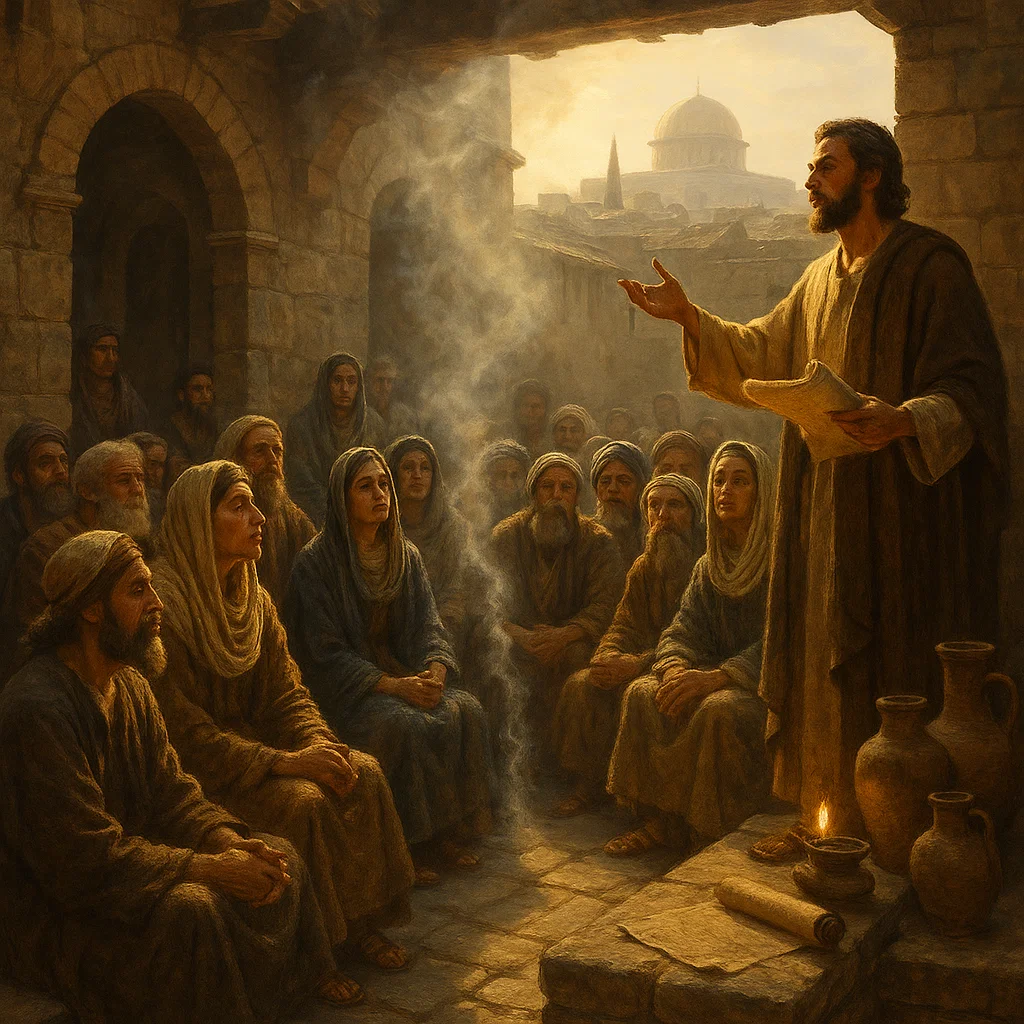
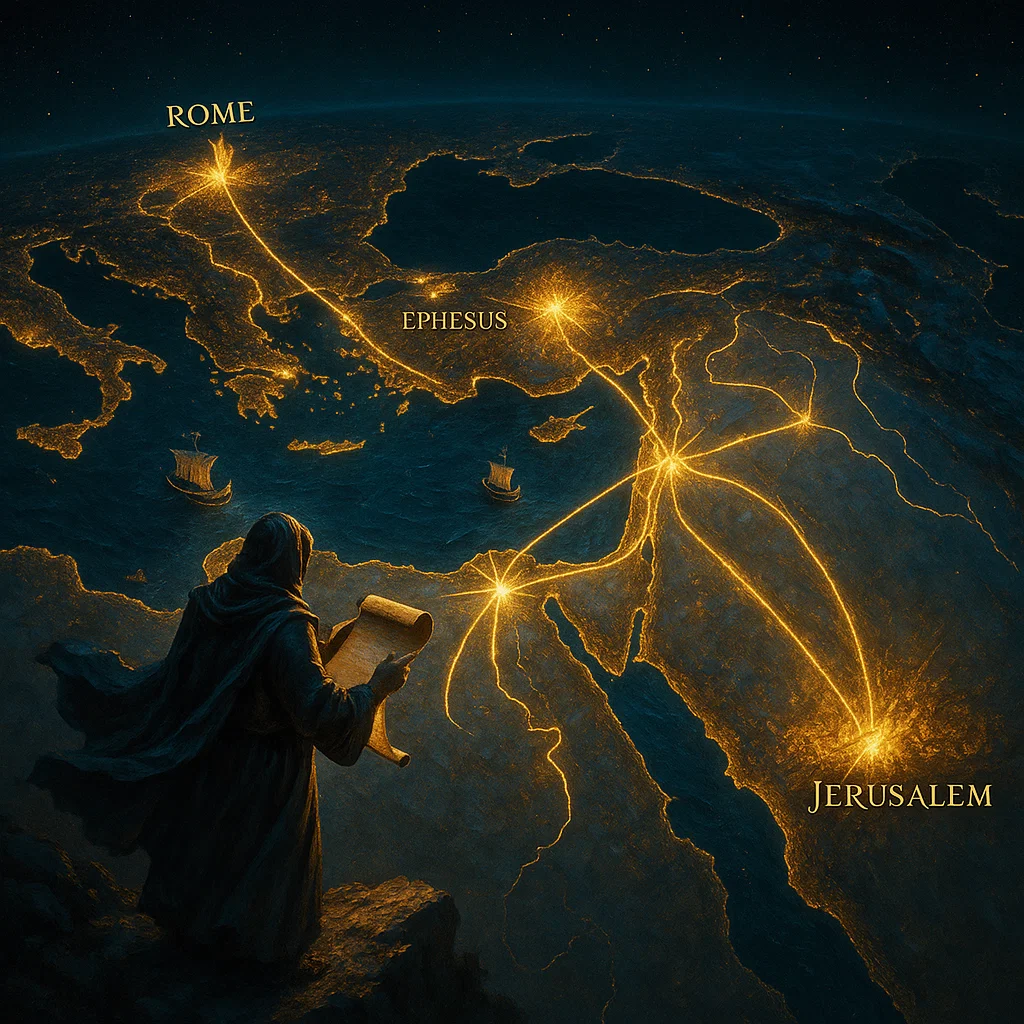
Originated among Jewish followers of Jesus of Nazareth in 1st-century Roman Judea. Spread rapidly through the Mediterranean via apostolic missions (Pauline and Petrine communities) and diversified into major branches:
- Eastern Christianity: Greek-speaking churches (Byzantine, Syriac, Coptic traditions).
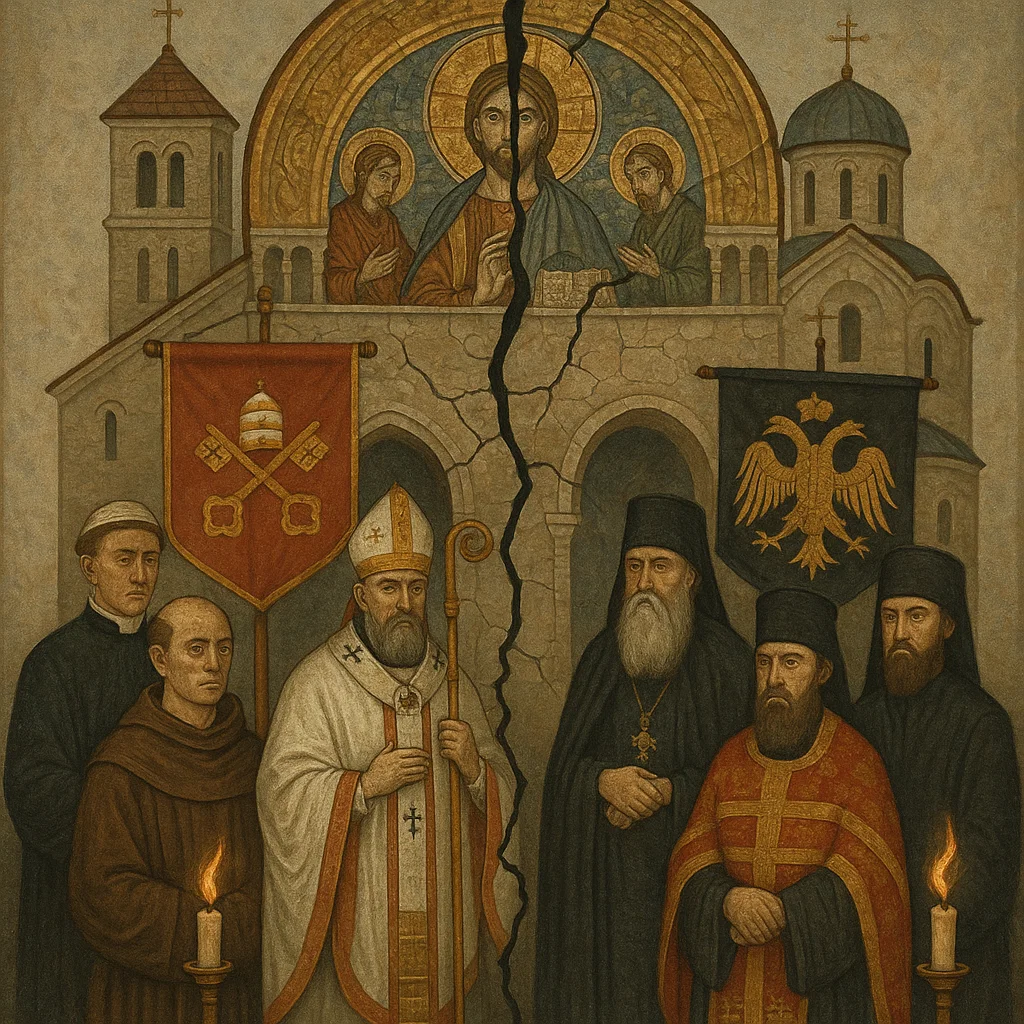
- Western Christianity: Latin-speaking church centered in Rome, later dividing into Catholicism and Protestantism.
- Oriental Christianity: Distinct ancient churches (Armenian, Ethiopian, Coptic) predating or outside Chalcedonian definitions.
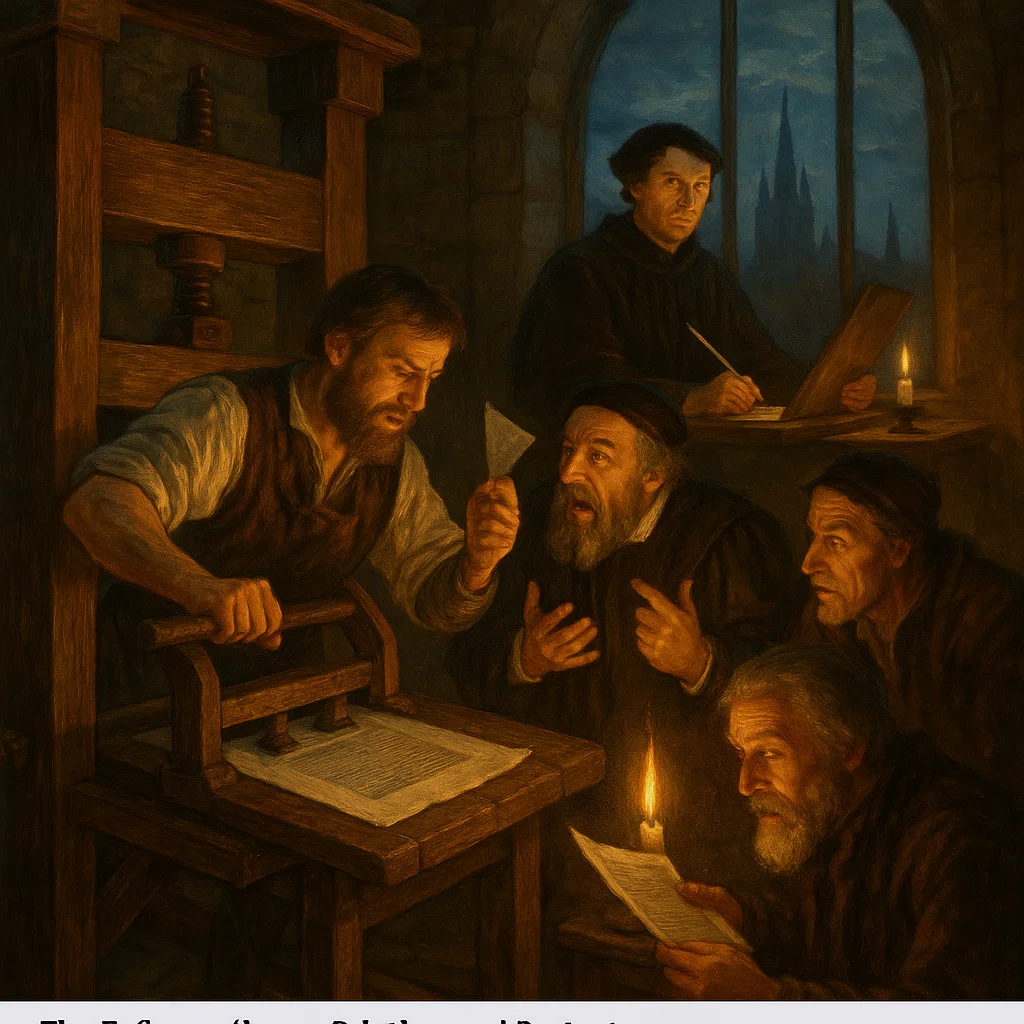
Protestant reformations (16th century onward) generated numerous denominational “schools” emphasizing individual scripture interpretation—Lutheran, Reformed, Anglican, Anabaptist, Evangelical, Pentecostal, and others.
Core Era(s) and Footprint:
- Origins: 30–100 CE (Palestine, Syria, Asia Minor).
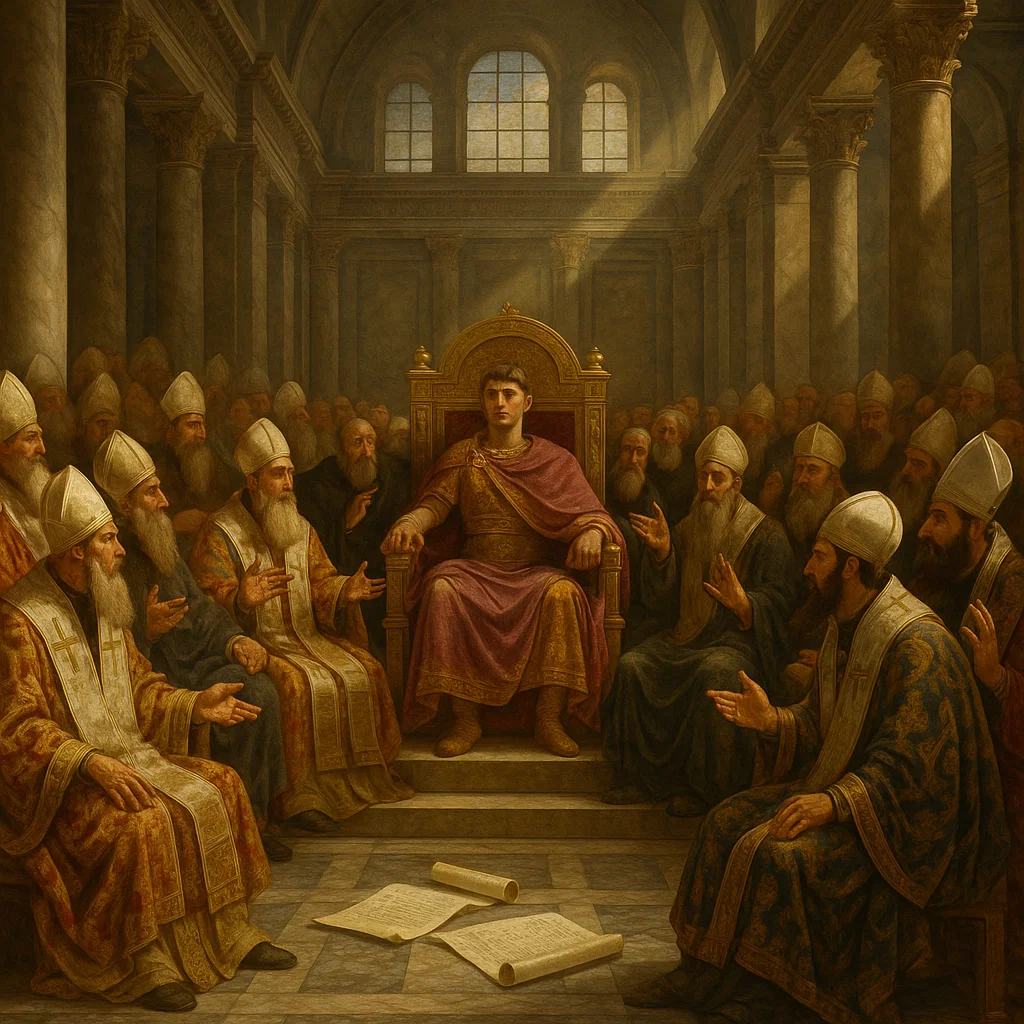
- Imperial Consolidation: 4th–6th centuries (Constantine’s conversion, Council of Nicaea, Theodosius I’s edicts).
- Schisms: 451 (Chalcedonian vs Oriental Orthodox); 1054 (Eastern Orthodox vs Roman Catholic); 16th century (Protestant Reformation).
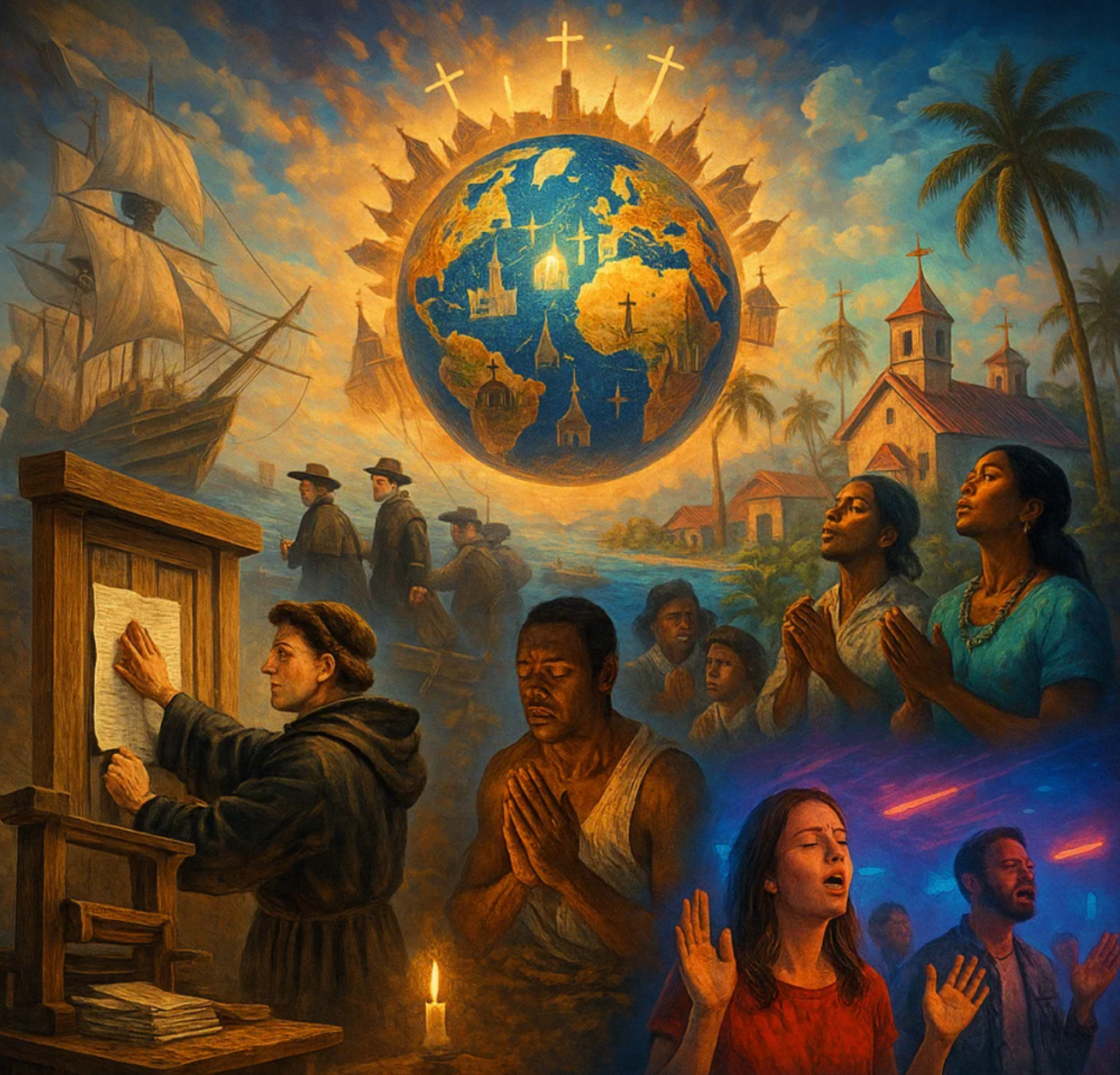
- Globalization: 1500–present. Spread through colonization, missions, and translation of scripture into vernacular languages.
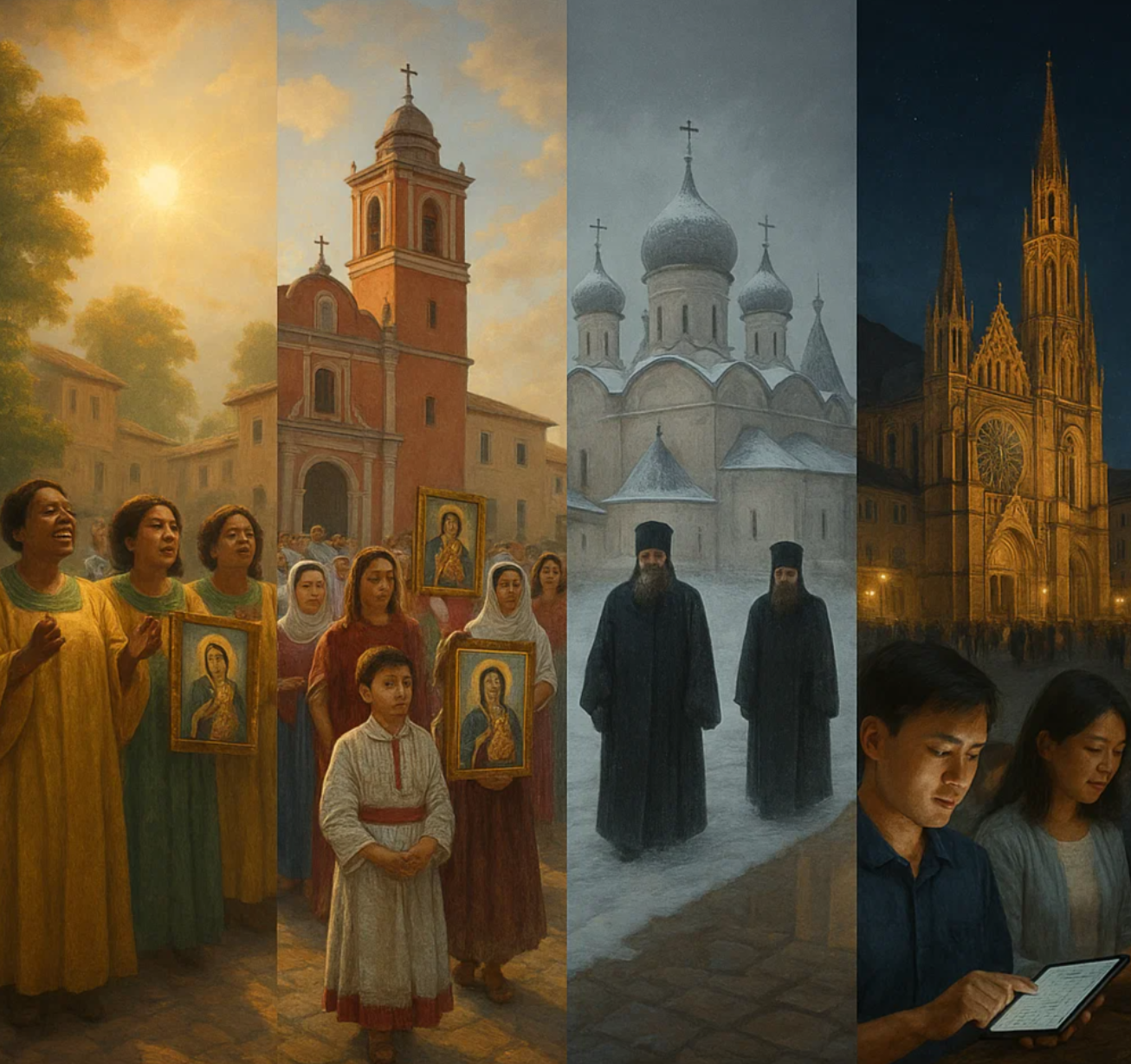
Today: ~2.4 billion adherents; largest world religion, dominant in Europe, the Americas, sub-Saharan Africa, and the Philippines; strong minorities in Asia and the Middle East.
Analytic Anchor:
Following Ninian Smart’s “social/institutional dimension,” Christianity is both a faith and a global institutional network—structured through churches, hierarchies, councils, and creeds that define orthodoxy and administer sacraments.
Bruce Lincoln’s framework (“discourse/community”) situates it as a discourse on salvation and divine order that constitutes a moral community across time and geography, mediated by texts (the Bible), ritual (liturgy, Eucharist, baptism), and authority (apostolic succession, clerical offices).
In scholarly terms, Christianity functions as a civilizational religion—a historically self-reproducing discourse whose institutions and doctrines evolved through recurring negotiation between revelation, reason, and power.
2. Historical Context
Origins (1st Century CE):
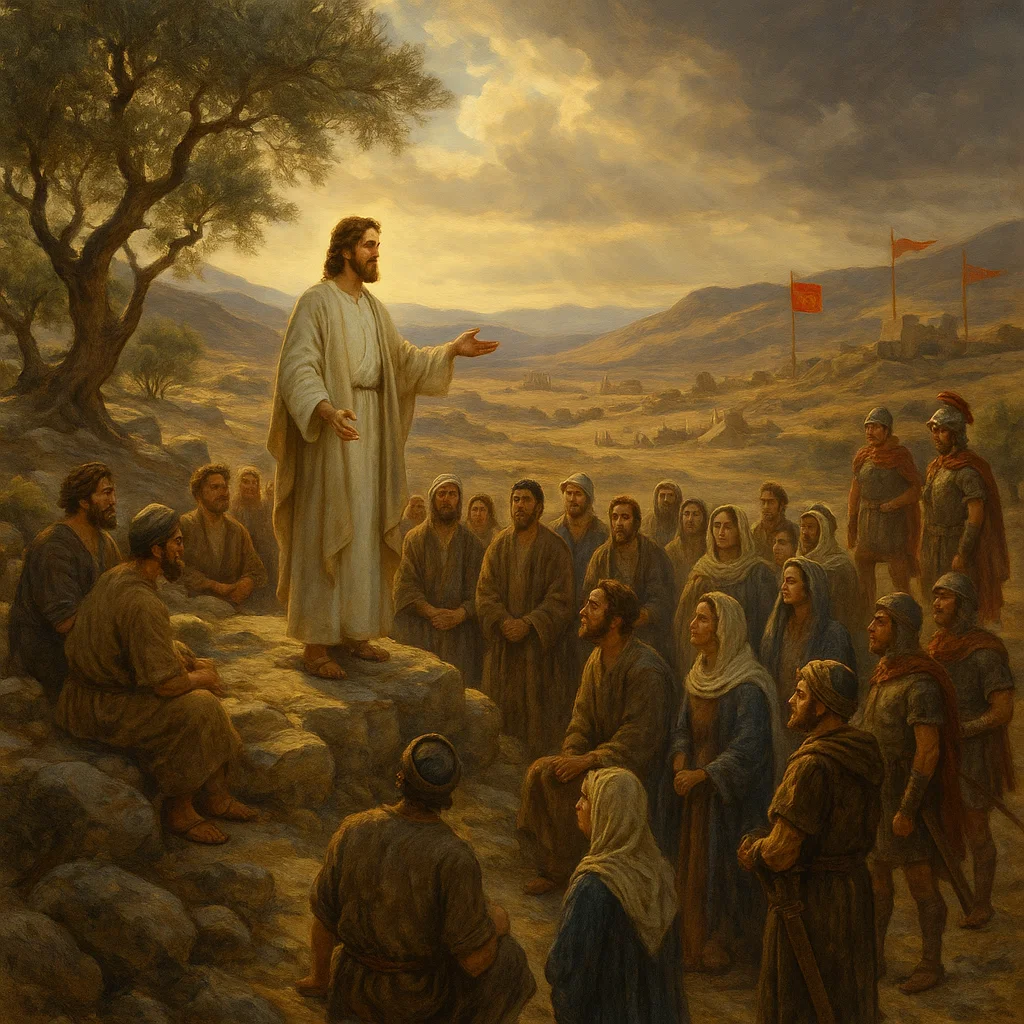
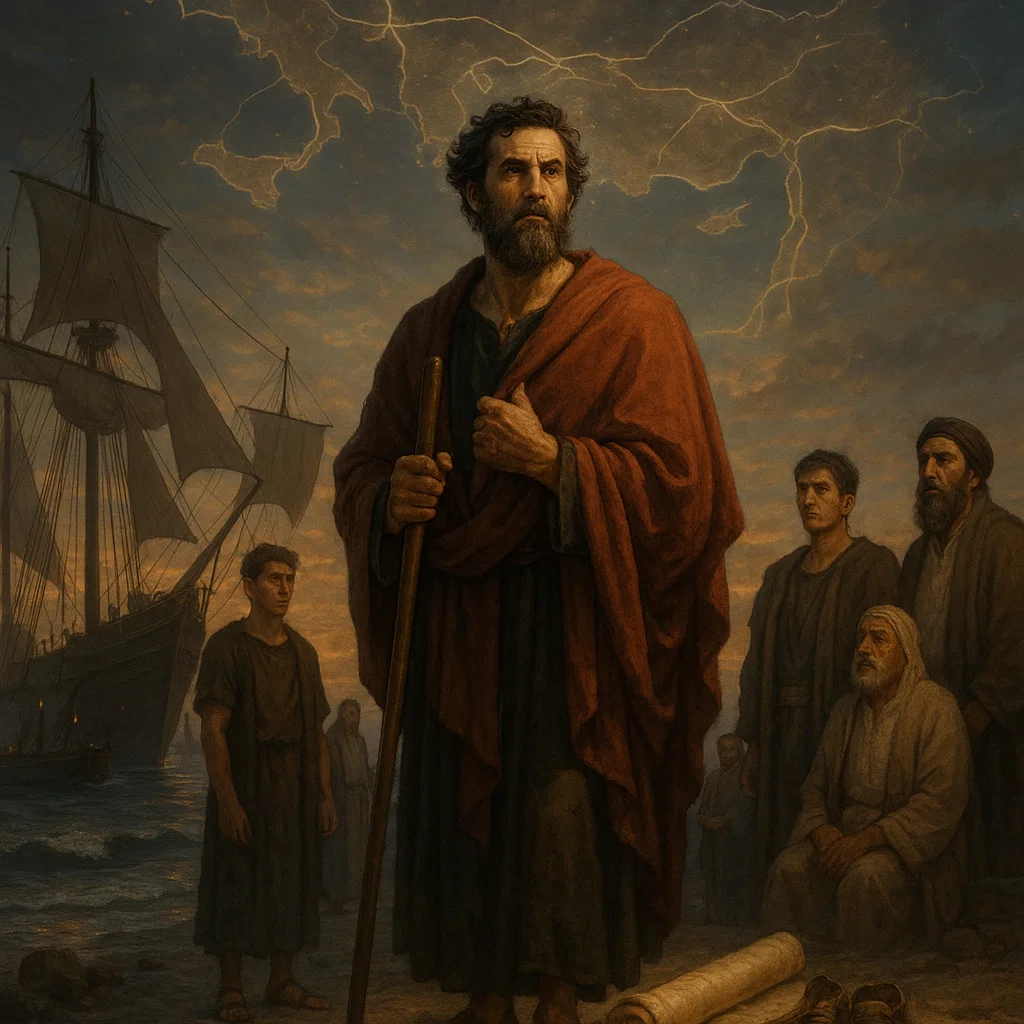
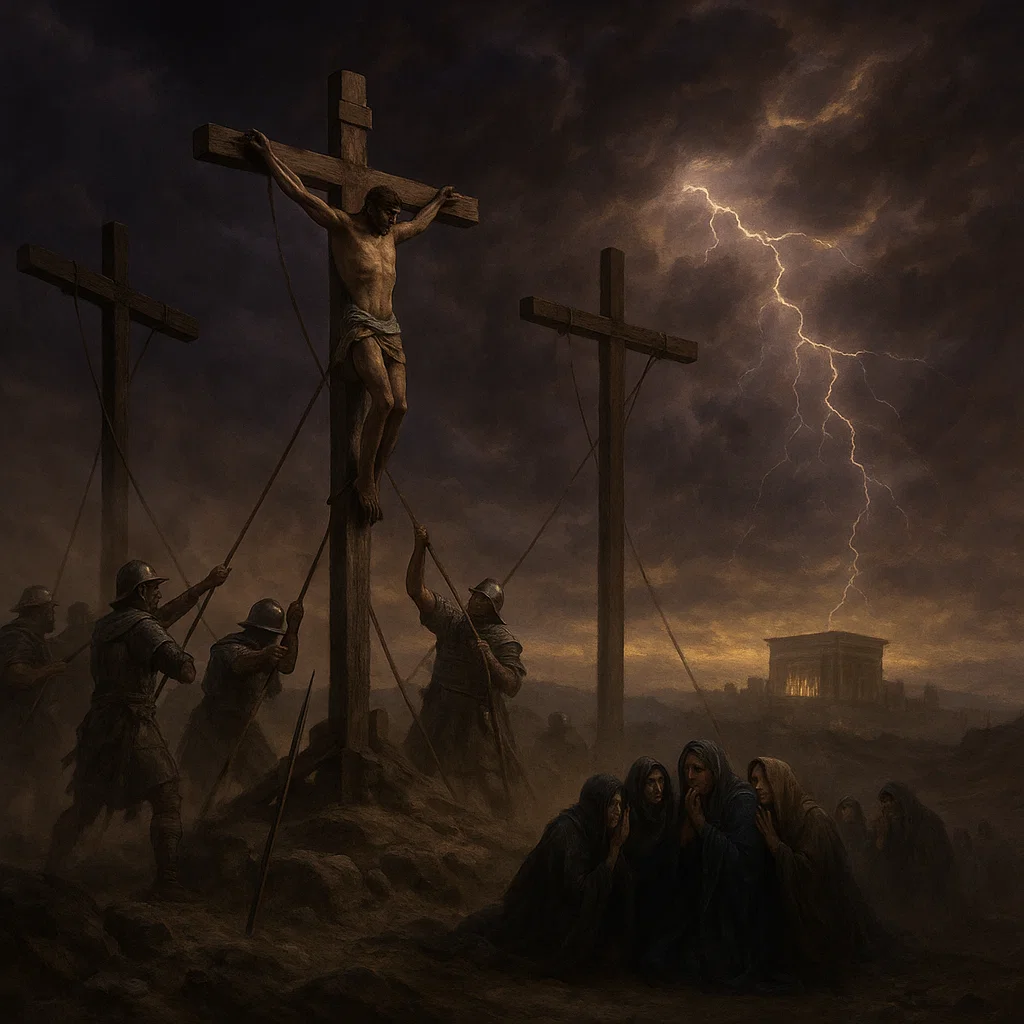
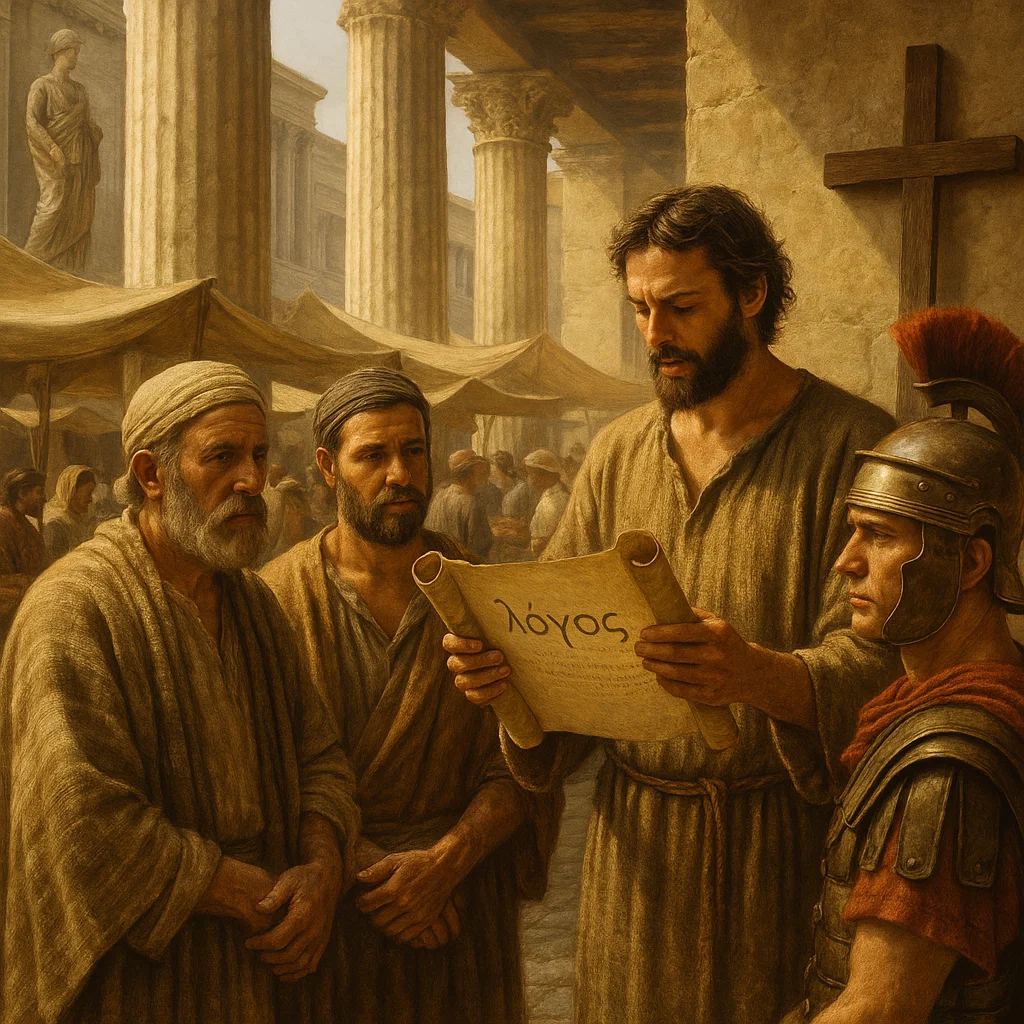
Emerged within late Second Temple Judaism under Roman occupation of Judea. Jesus of Nazareth’s ministry (c. 27–30 CE) proclaimed the arrival of God’s kingdom through repentance, healing, and moral renewal. His crucifixion under Pontius Pilate and subsequent resurrection faith among followers formed the nucleus of a messianic movement. Early communities (Jerusalem, Antioch, Corinth, Rome) blended Jewish monotheism with Hellenistic concepts of logos, salvation, and immortality. The writings of Paul of Tarsus framed theology around Christ’s death and resurrection as universal redemption, detaching faith from Torah observance and opening it to Gentiles.
Expansion and Institutionalization (2nd–5th Centuries):
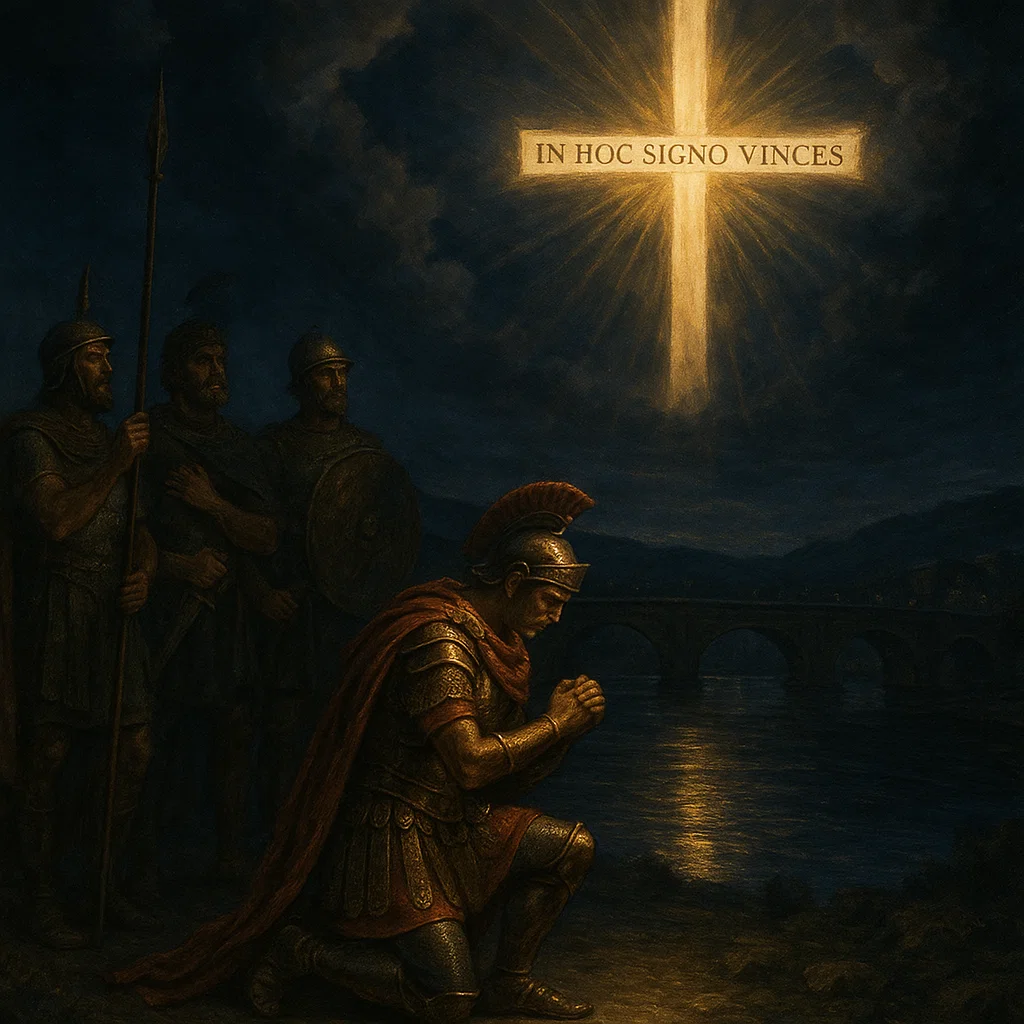
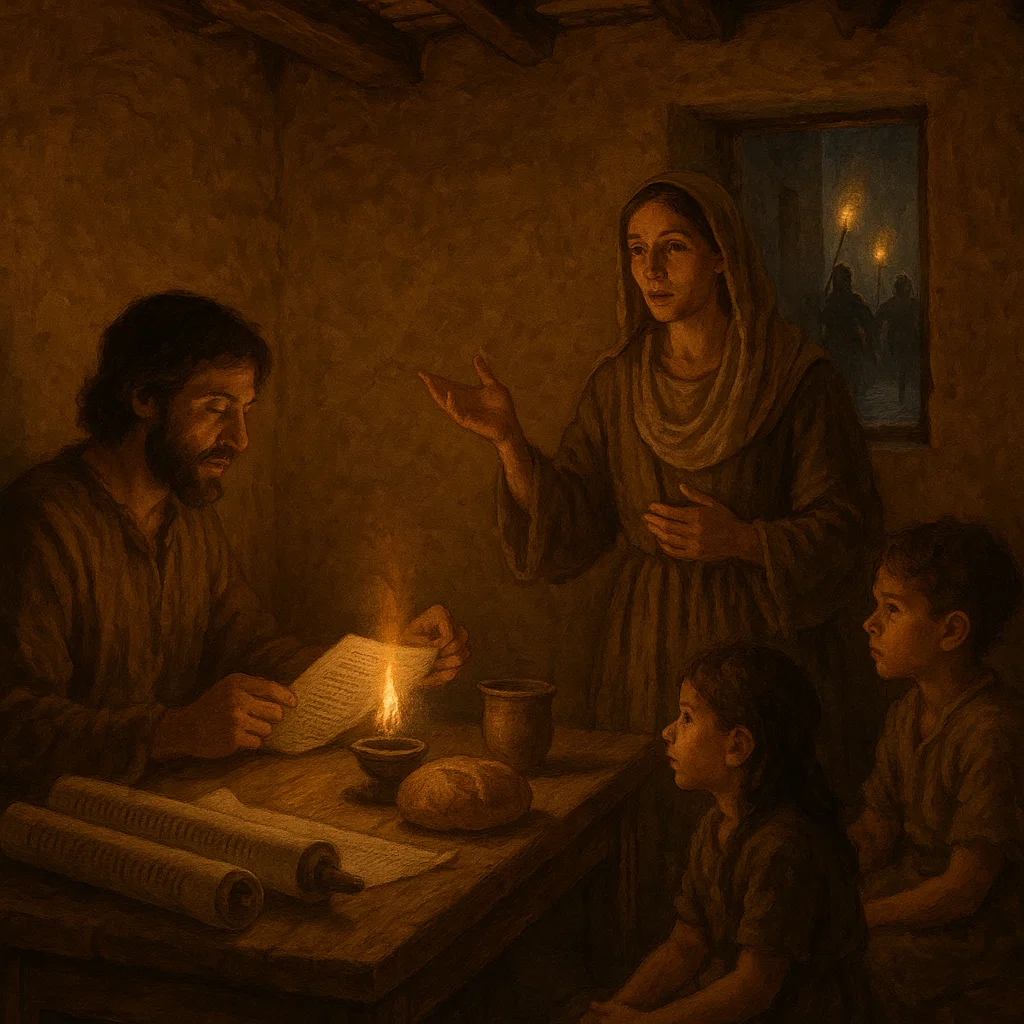
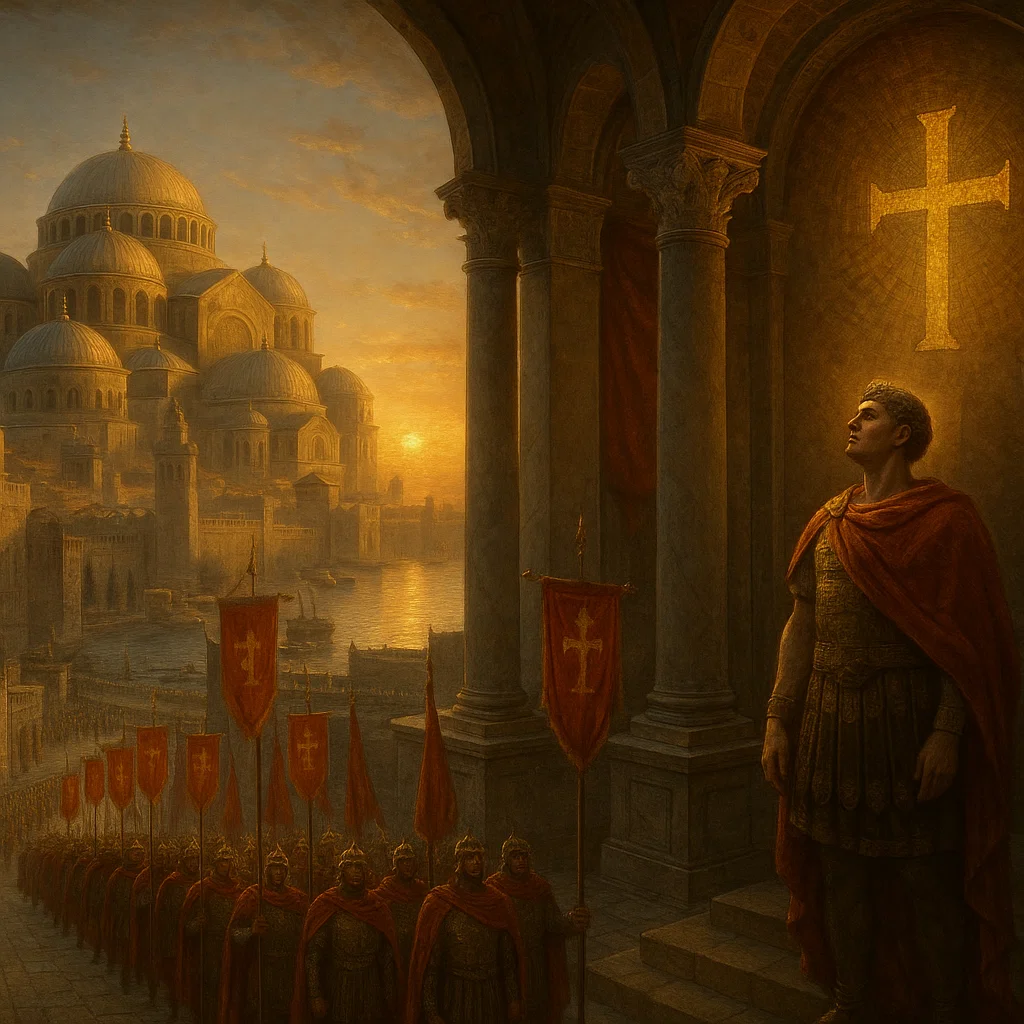
Missionary networks linked Asia Minor, Greece, Egypt, and North Africa. The New Testament canon, episcopal hierarchy, and creeds crystallized amid disputes over authority and doctrine (Gnosticism, Arianism, Donatism). Constantine’s conversion (312 CE) and the Edict of Milan (313 CE) legalized the faith; Theodosius I made it the empire’s official religion (380 CE). Christianity absorbed imperial administrative forms—dioceses, councils, and orthodoxy enforcement—transforming from persecuted sect to state church.
Peak and Cultural Hegemony (6th–15th Centuries):
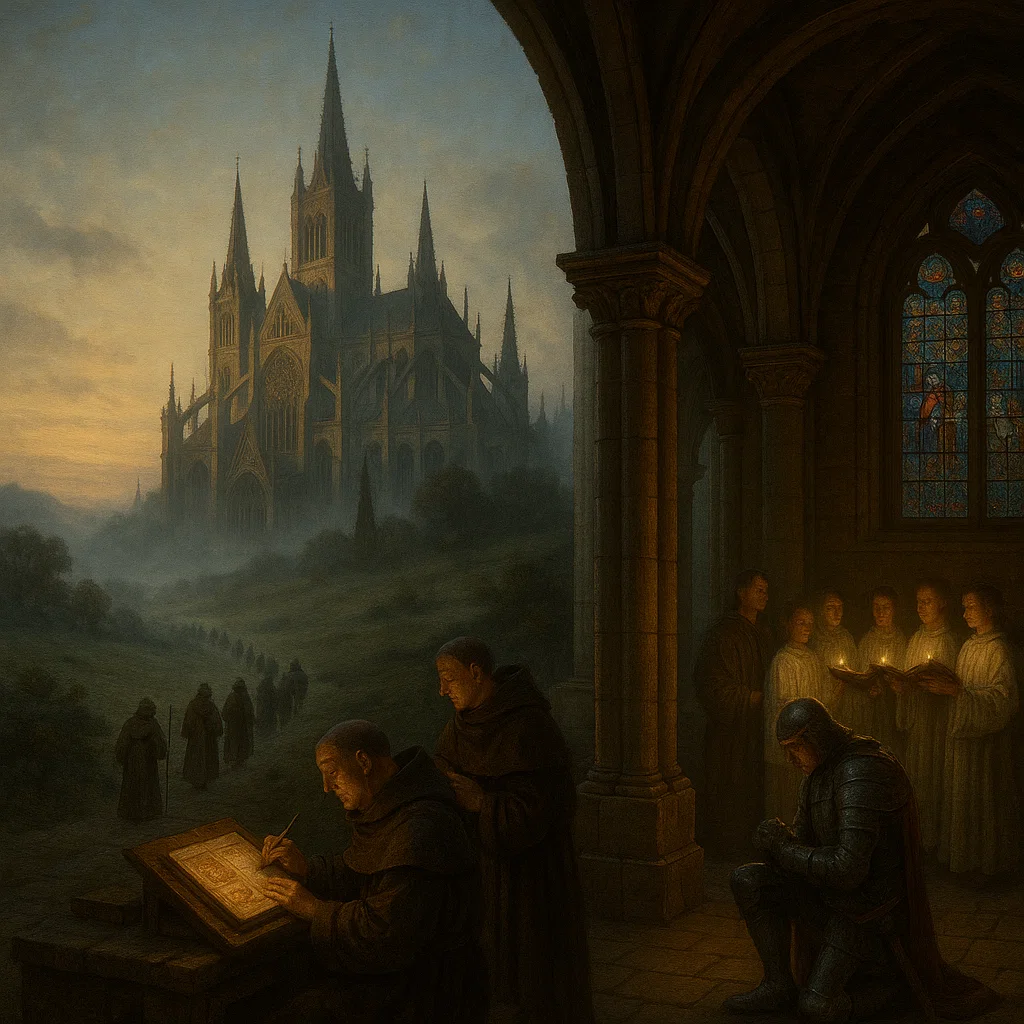
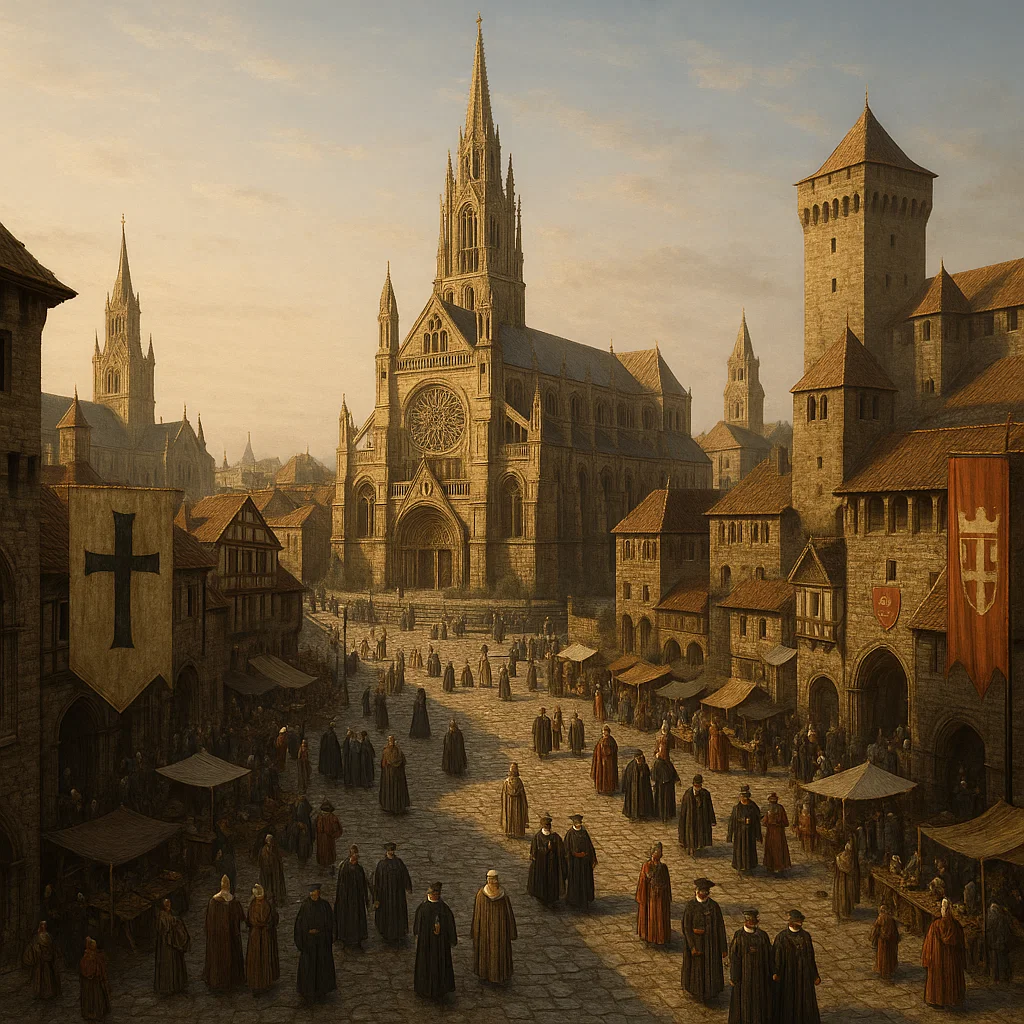
After Rome’s fall, the Church became Europe’s primary transnational institution.
- East: Byzantine Christianity fused theology with imperial ideology (Caesaropapism).
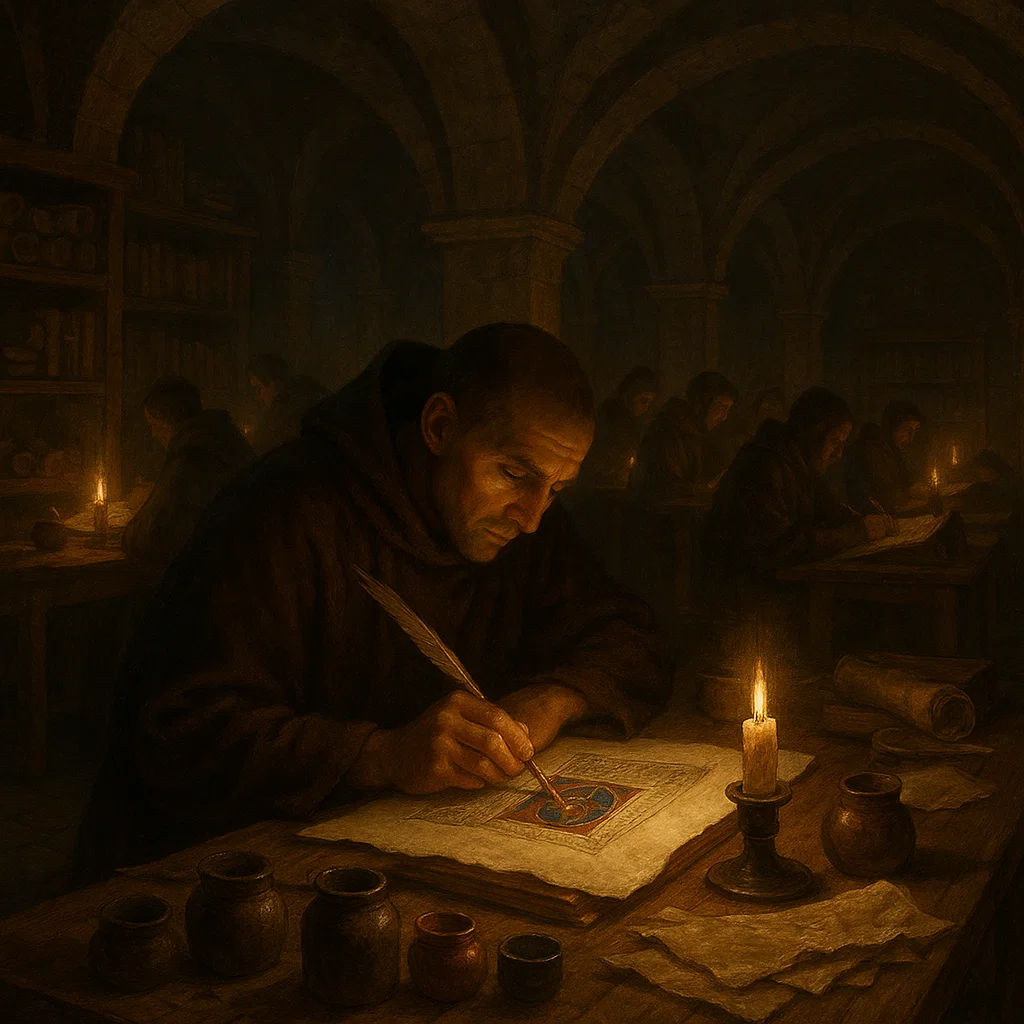
- West: The Papacy evolved as spiritual and political authority; monasteries preserved learning and evangelized barbarian Europe.
- Global footprint: Through missions to Ireland, Germany, and Scandinavia, Christianity encompassed nearly all of Europe by 1000 CE.
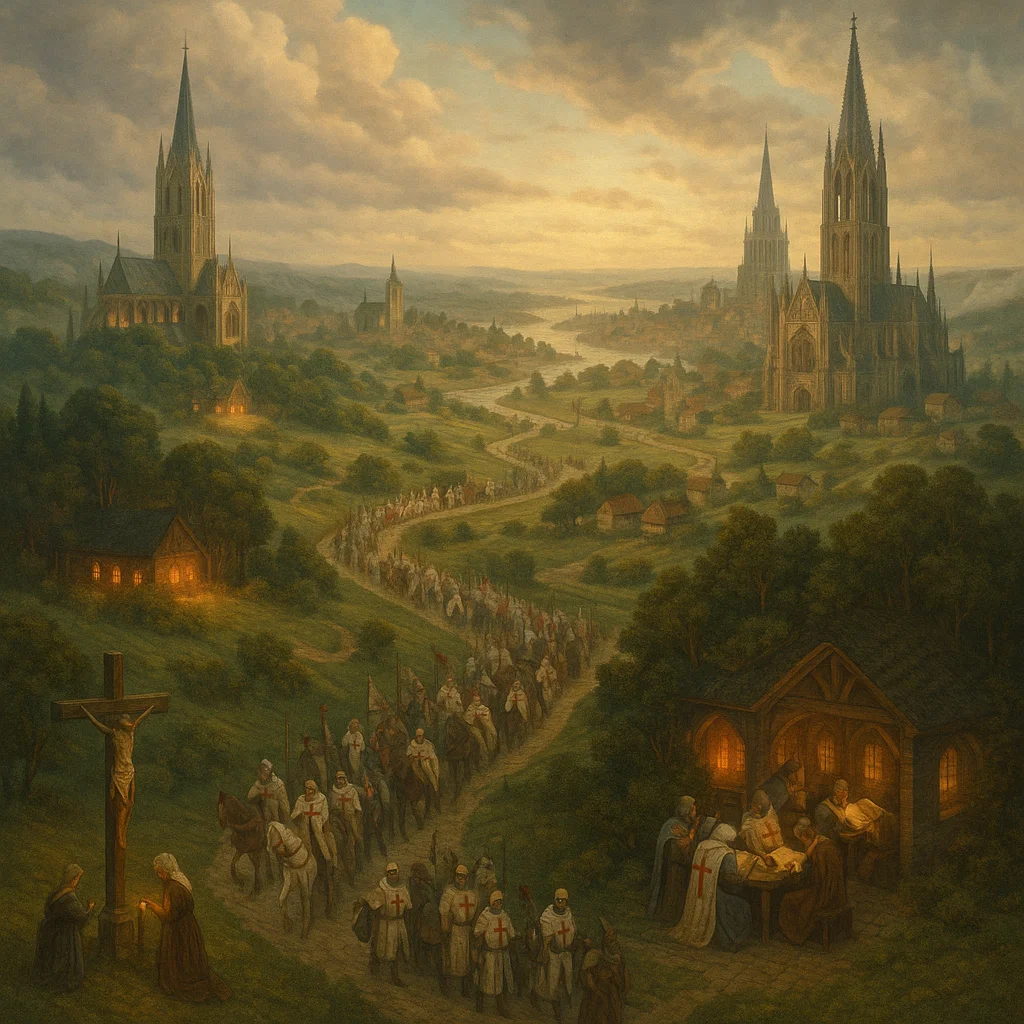
Scholasticism (Aquinas), crusades, and cathedral culture marked the height of Christendom as both spiritual and temporal order.
Fragmentation and Reformation (16th–17th Centuries):
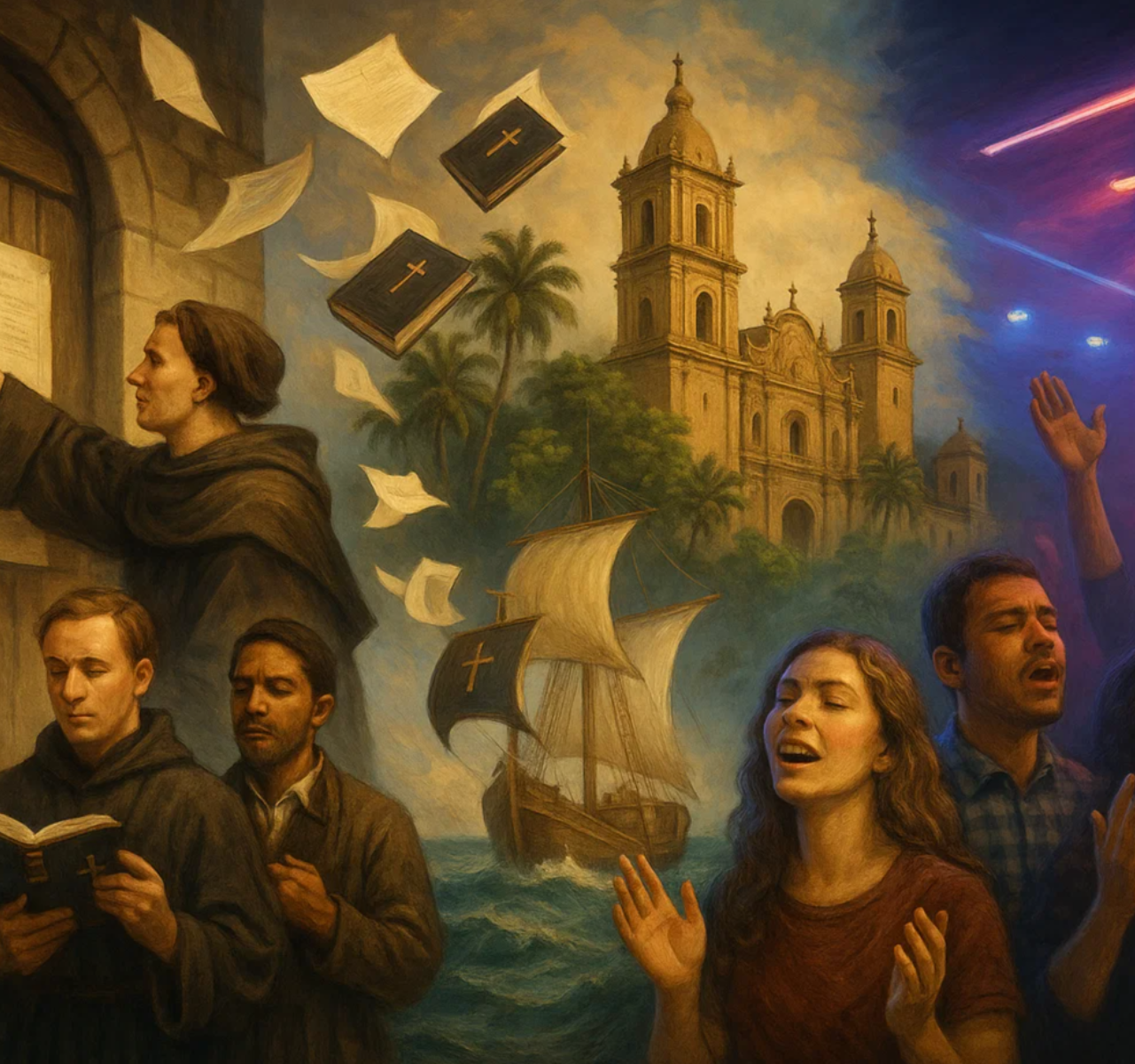
Humanism, printing, and corruption within the hierarchy catalyzed reform. Luther (1517) and Calvin emphasized scripture and faith over institution. Protestantism fractured Western Christendom; the Catholic Counter-Reformation reaffirmed hierarchy and sacrament. Wars of religion (France, Germany, Britain) realigned Europe along confessional states—faith now tied to polity through cuius regio, eius religio.
Globalization and Modern Transformations (1500–Present):
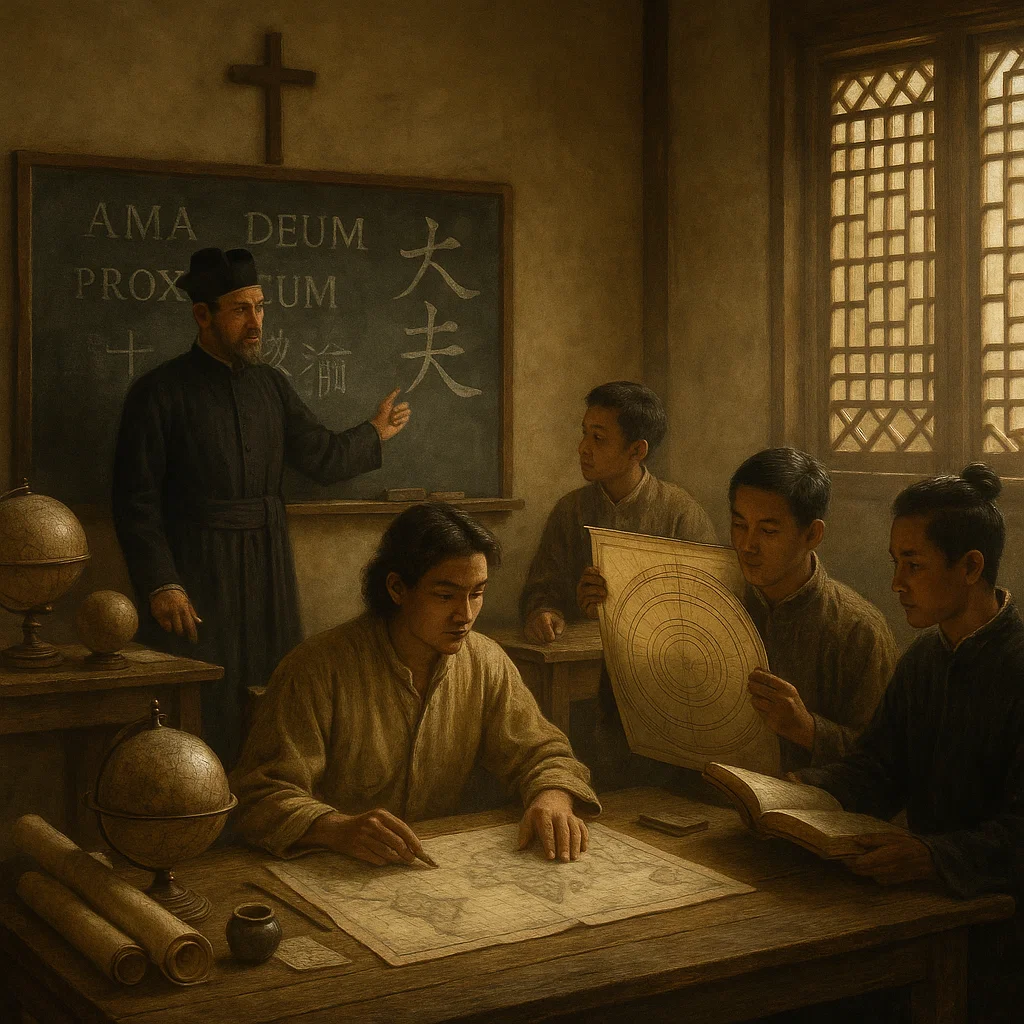
European expansion carried Christianity to the Americas, Africa, and Asia. Jesuit, Franciscan, and later Protestant missions translated scripture and fused local practices with Christian theology. Colonialism entwined conversion with empire, while postcolonial eras produced indigenous churches and liberation theologies.
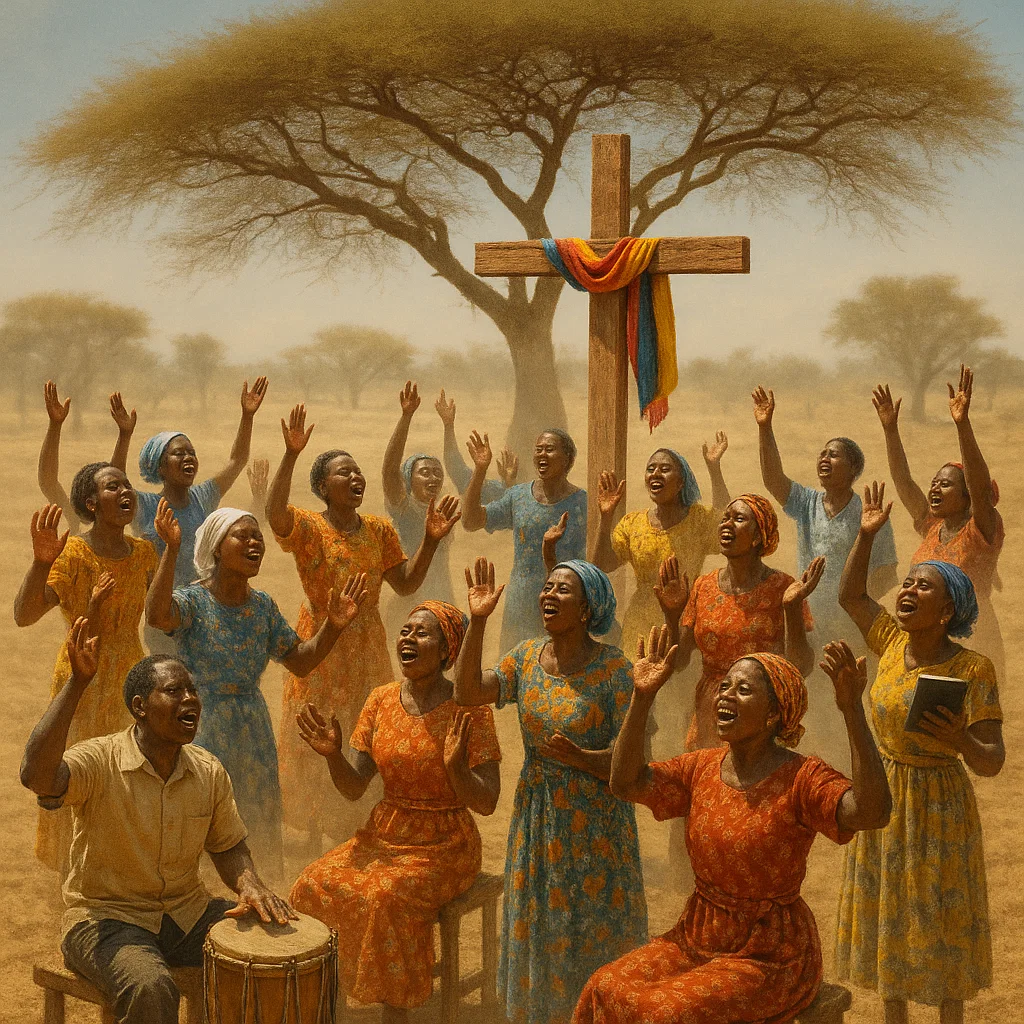
Enlightenment secularism weakened institutional dominance in Europe, but revivals (Evangelicalism, Pentecostalism, African Independent Churches, Latin American Charismatics) drove exponential growth in the Global South.
Decline and Survivals:
In Western Europe, secularization, pluralism, and scientific rationalism reduced church authority after 1800. Yet Christianity persists globally as a network of confessions with shifting centers of gravity—Africa, Asia, and Latin America now contain the majority of adherents. Surviving forms range from highly institutional (Roman Catholic, Orthodox) to decentralized and experiential (Evangelical, Charismatic).
Geographic Spread and Polity Links:
- Ancient core: Eastern Mediterranean and Near East.
- Medieval dominance: Europe, extending to Russia and North Africa.
- Colonial-modern expansion: Americas, sub-Saharan Africa, Oceania, parts of Asia.
Linked historically to imperial and national powers—Roman Empire, Byzantine Empire, Holy Roman Empire, European monarchies, and later global colonial states. Each polity embedded theology in law, education, and social order, illustrating the reciprocal causality between Christian institutions and political authority.
3. Sources of Evidence
Scriptures:
- Old Testament (Hebrew Bible): Adopted from Jewish canon, typically following the Septuagint arrangement. Interpreted as prophetic anticipation of Christ’s coming—creation, covenant, law, and prophecy reframed through Christological reading.
- New Testament: Twenty-seven books composed in Greek (c. 50–120 CE).
- Gospels (Matthew, Mark, Luke, John): Narrative accounts of Jesus’ life, death, and resurrection.
- Acts of the Apostles: Early missionary expansion and formation of the church.
- Epistles (Pauline and General): Theological interpretation of salvation, faith, and community order.
- Revelation (Apocalypse of John): Eschatological vision of divine judgment and renewal.
Canon formation reflected both theological consensus and ecclesial authority, finalized in the late 4th century (Synod of Hippo, 393; Carthage, 397).
Creeds and Councils:
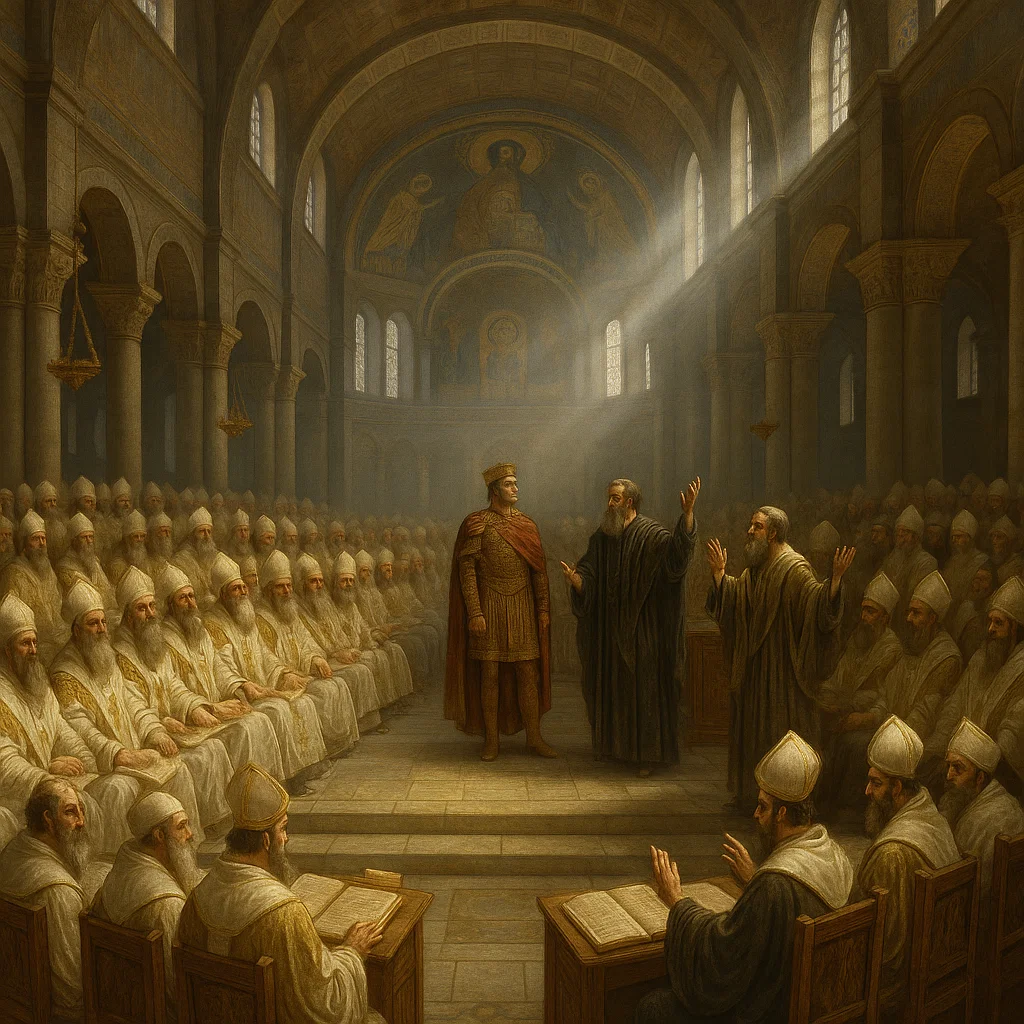
- Nicene Creed (325 CE, revised 381): Defined orthodox belief in the Trinity—Father, Son, and Holy Spirit—as consubstantial and coeternal.
- Chalcedonian Definition (451 CE): Articulated the doctrine of Christ as one person in two natures, fully divine and fully human.
Other councils (Ephesus 431, Constantinople 553, Second Nicaea 787) regulated orthodoxy and heresy, setting boundaries for both theology and church polity. These texts provide the institutional self-definition of Christianity through collective deliberation.
Fathers and Theologians:
- Augustine of Hippo (354–430): Synthesized classical philosophy with Christian doctrine; articulated original sin, divine grace, and the City of God.
- Thomas Aquinas (1225–1274): Systematized theology via Aristotelian logic; Summa Theologiae remains cornerstone of Catholic scholasticism.
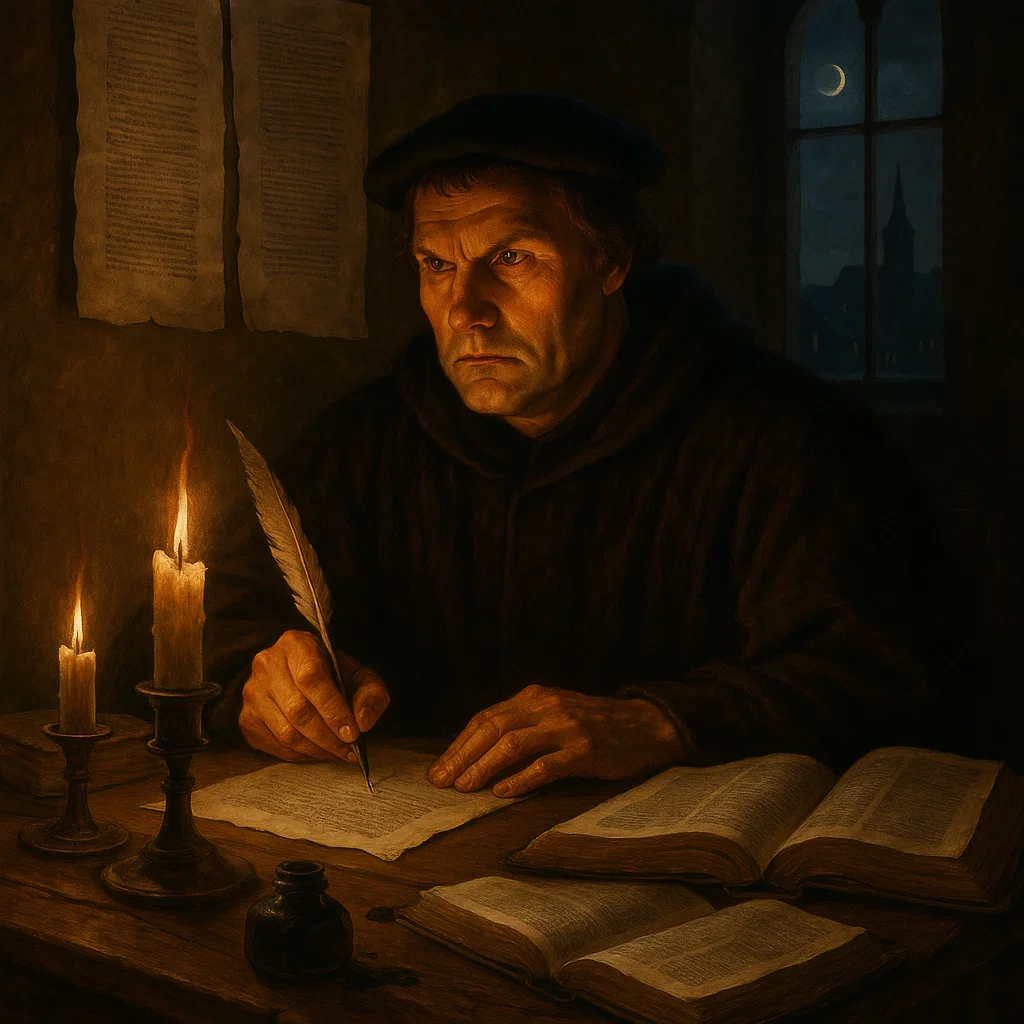
- Martin Luther (1483–1546): Rejected papal authority, asserted justification by faith alone, and elevated scripture over tradition.
- John Calvin (1509–1564): Developed Reformed theology emphasizing predestination, divine sovereignty, and disciplined community.
Their writings trace Christianity’s intellectual evolution from Patristic synthesis to medieval scholasticism to Reformation critique.
Archaeology and Material Culture:
- Catacombs of Rome: Early Christian burial sites (2nd–4th centuries) with iconography of resurrection, Good Shepherd, and Eucharist.
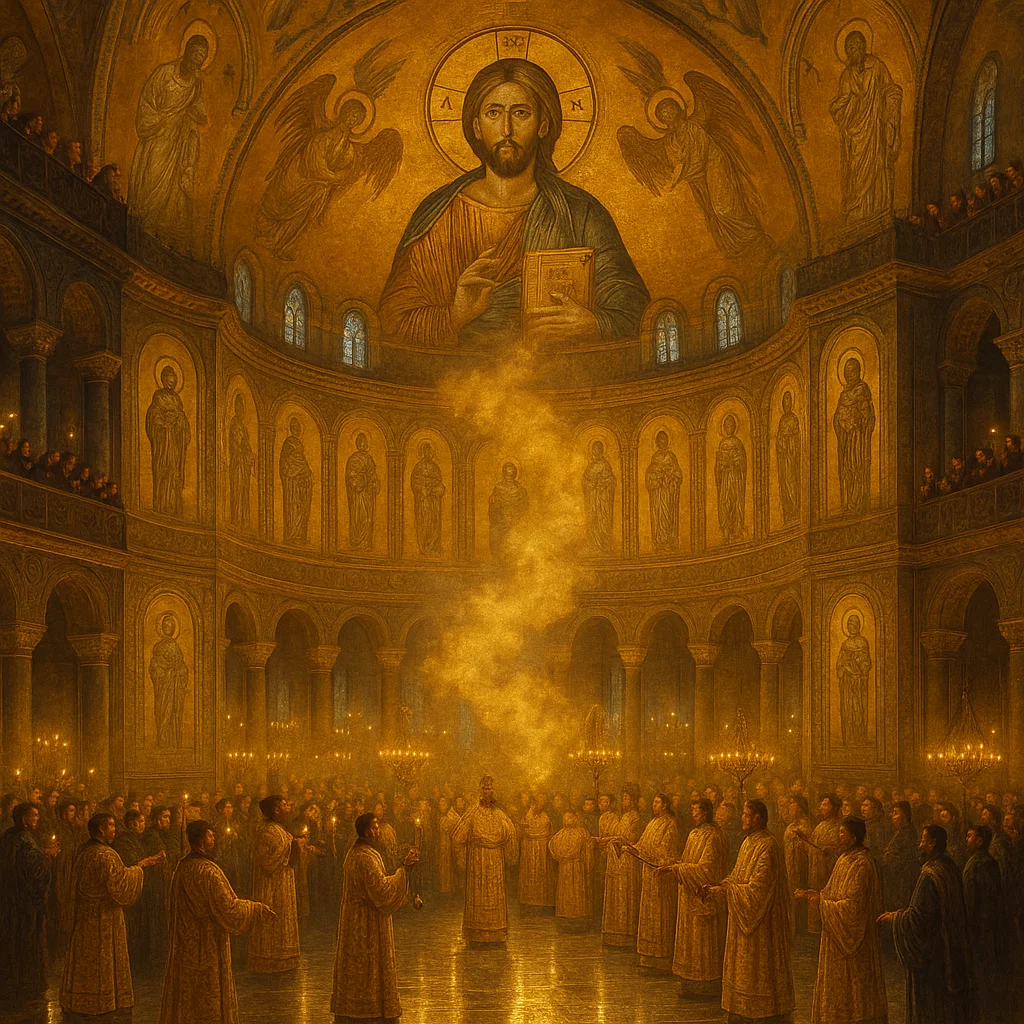
- Church Architecture: Basilicas (e.g., Old St. Peter’s, Hagia Sophia) symbolize the transition from domestic worship to monumental liturgy.
- Inscriptions and Artifacts: Funerary epitaphs, dedicatory altars, and martyr shrines document local cults and hierarchical titles.
- Manuscripts: Codices such as Codex Sinaiticus and Vaticanus preserve earliest biblical texts; papyri from Egypt record private devotion and theology in formation.
Together, these textual and material witnesses allow scholars to reconstruct Christianity’s doctrinal, social, and institutional development from its first century to the modern age.
4. Pantheon & Supernatural Beings
God (The Trinity):
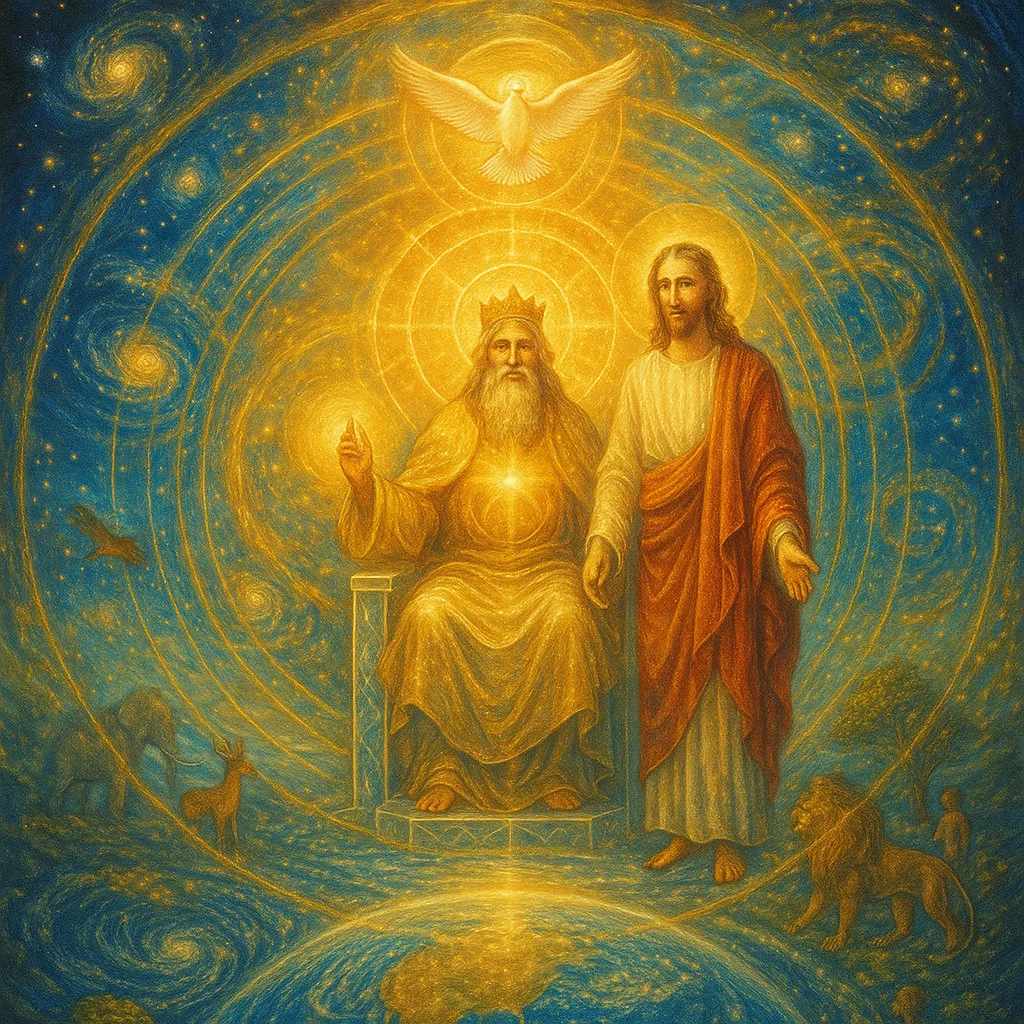
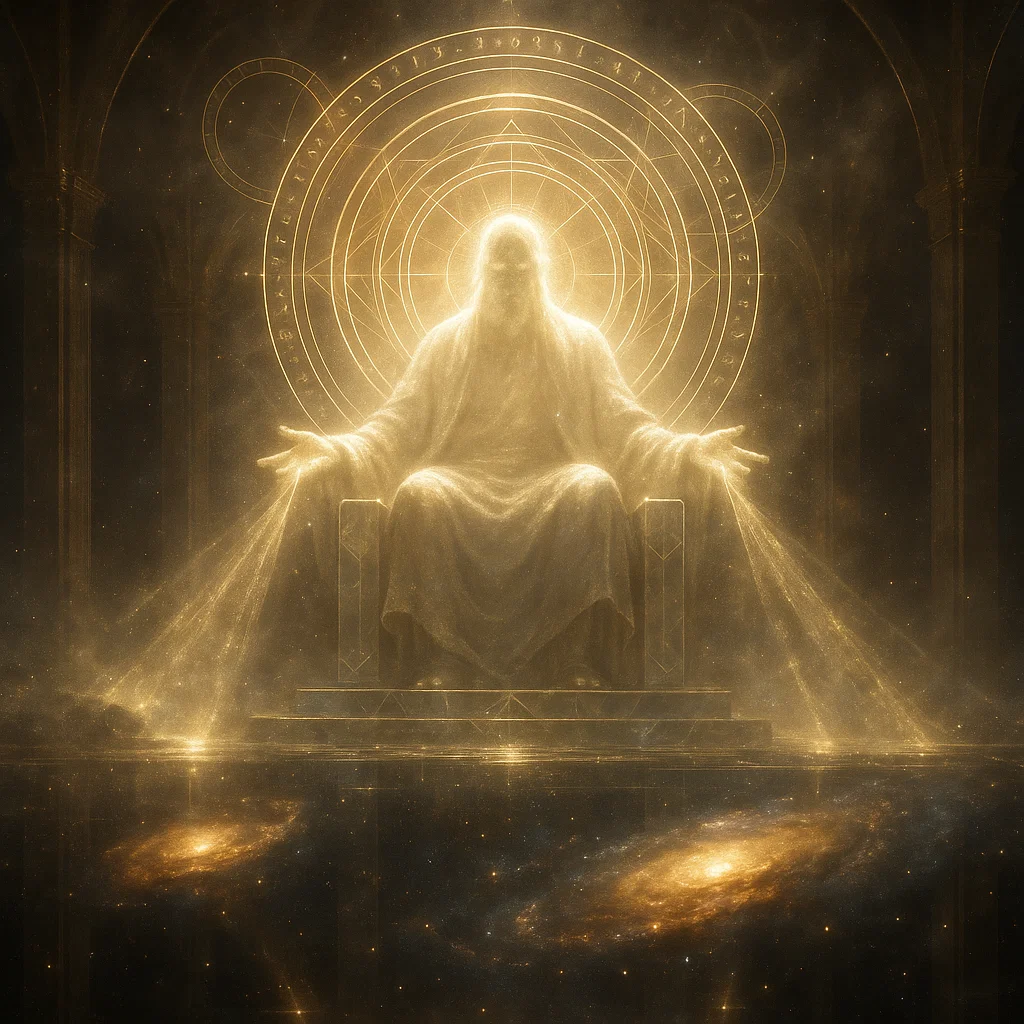
One God, eternal and uncreated, existing in three coequal persons—Father, Son, and Holy Spirit—a mystery formulated in the Nicene Creed (325–381 CE).
- The Father: Source of creation, law, and providence; transcendent and paternal.
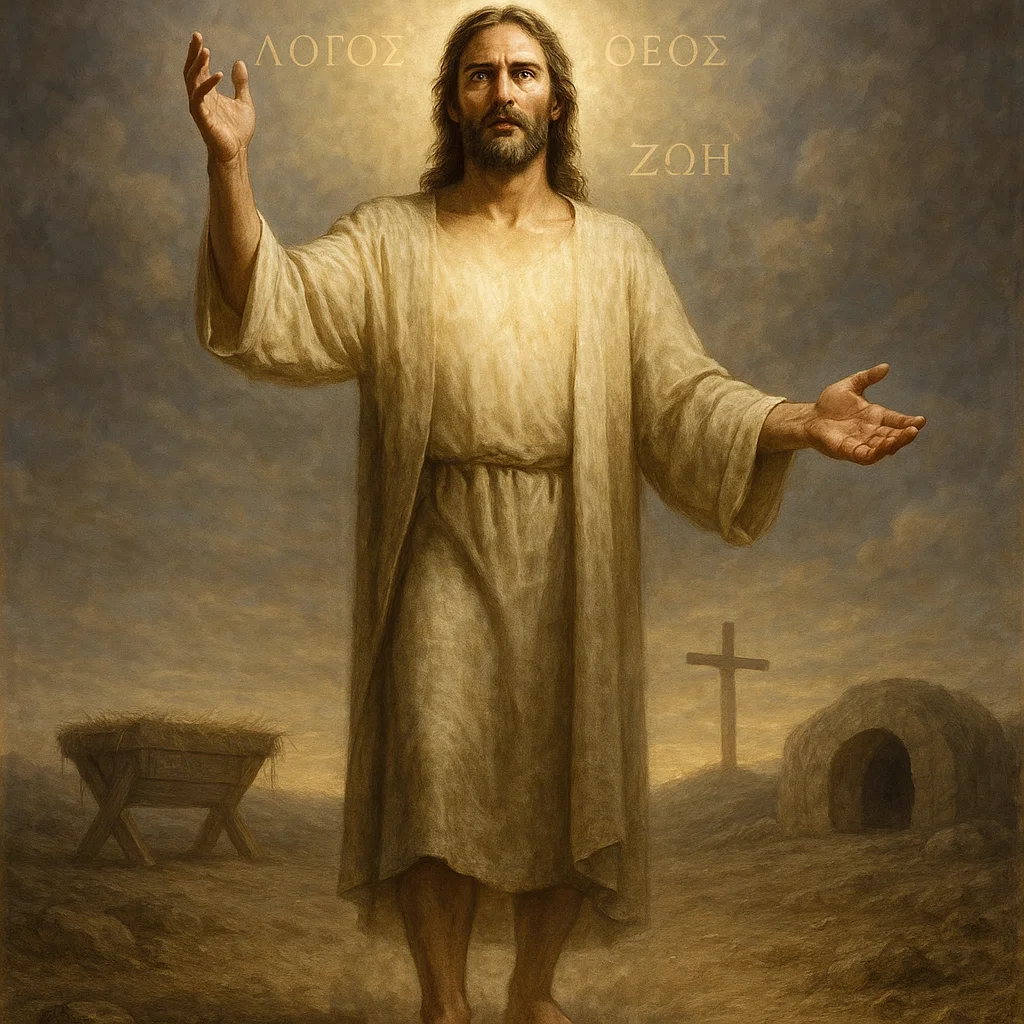
- The Son (Logos): Begotten, not made; incarnate in Jesus Christ for the redemption of humankind.
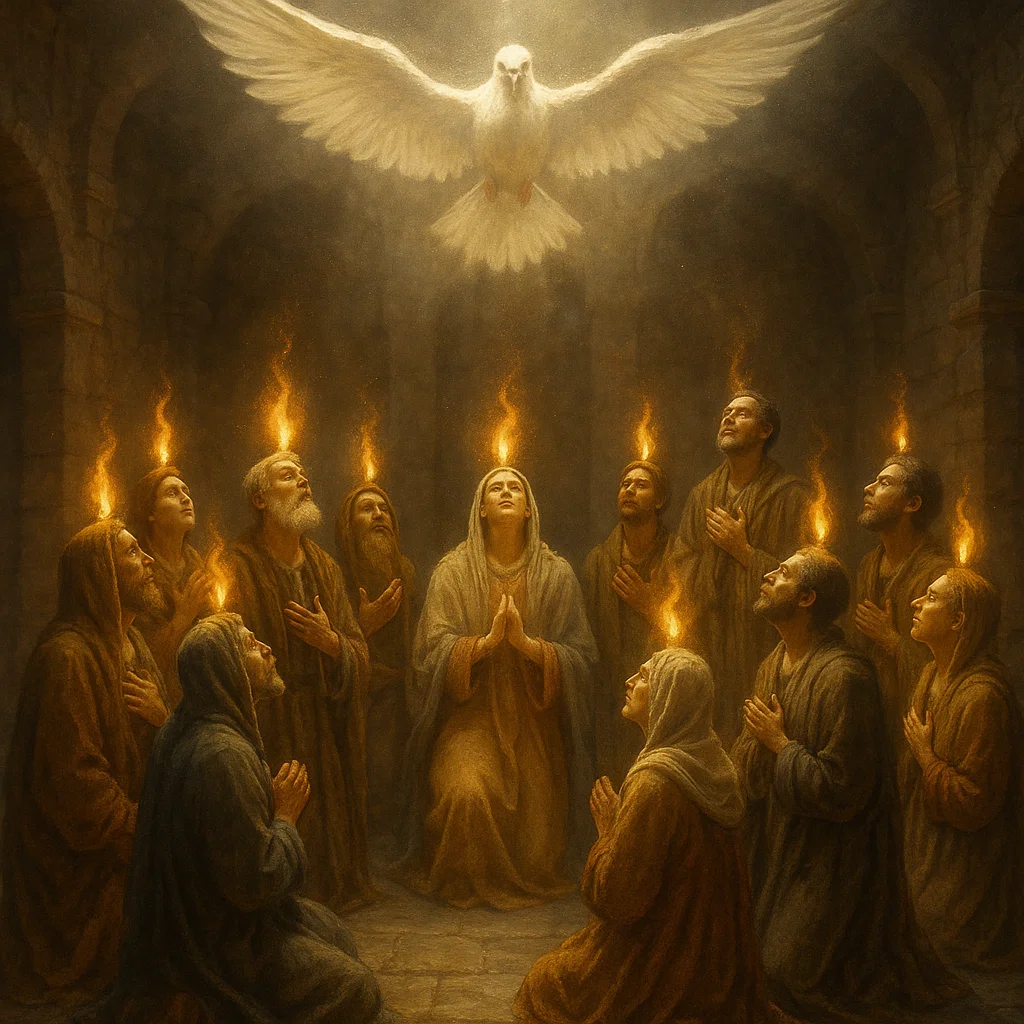
- The Holy Spirit: Proceeding from the Father (and, in Western theology, the Son); divine presence active in inspiration, sanctification, and the life of the Church.
This triune conception reconciles monotheism with the scriptural revelation of divine plurality, distinguishing Christianity from both Judaism and Islam.


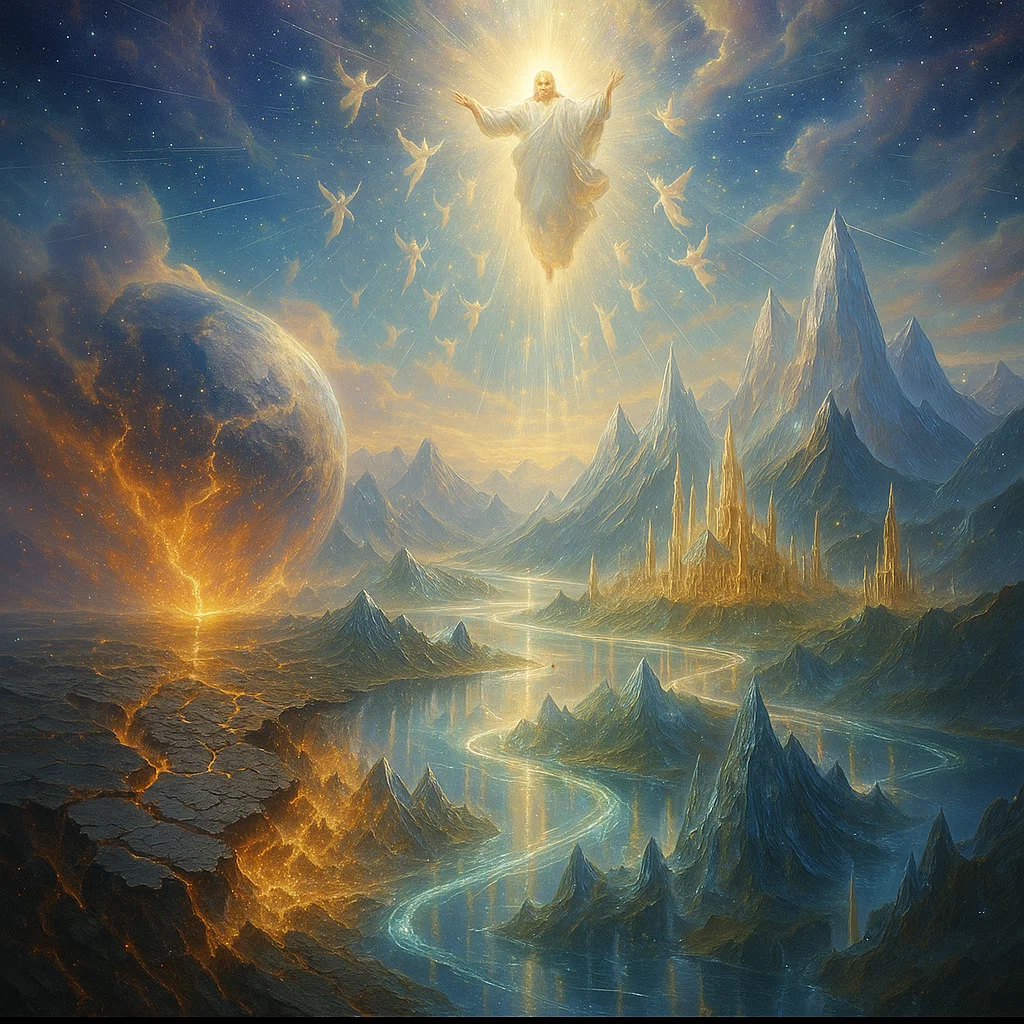
Jesus Christ:
The incarnate Son of God, fully divine and fully human—“two natures in one person” (Chalcedonian Definition, 451 CE). His life, death, and resurrection form the salvific axis of Christian belief.
- Divine nature: Eternal Word (Logos), agent of creation, and revelation of the Father.
- Human nature: Born of Mary, suffered under Pontius Pilate, crucified, resurrected, and ascended.
Jesus functions as mediator between God and humanity, judge of the living and the dead, and the ultimate exemplar of divine love embodied in flesh.
Angels and Archangels:
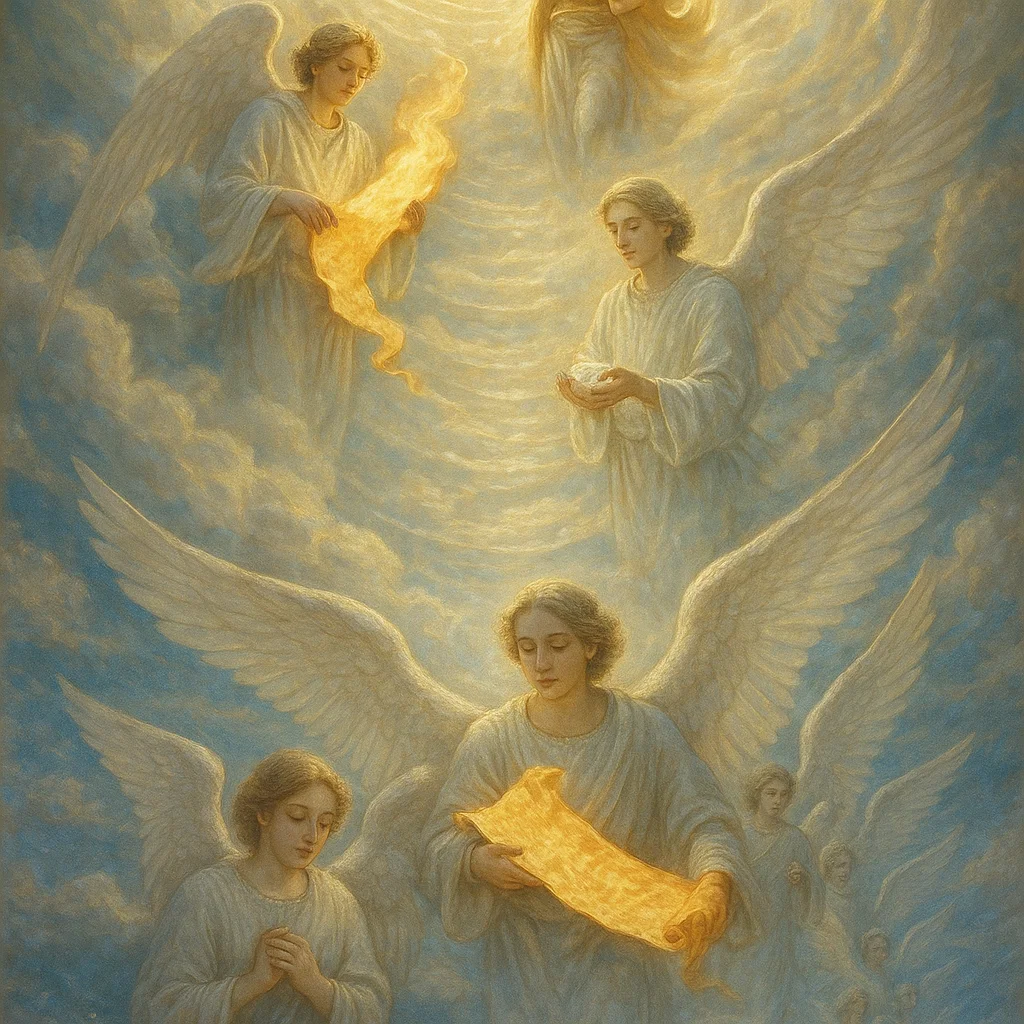
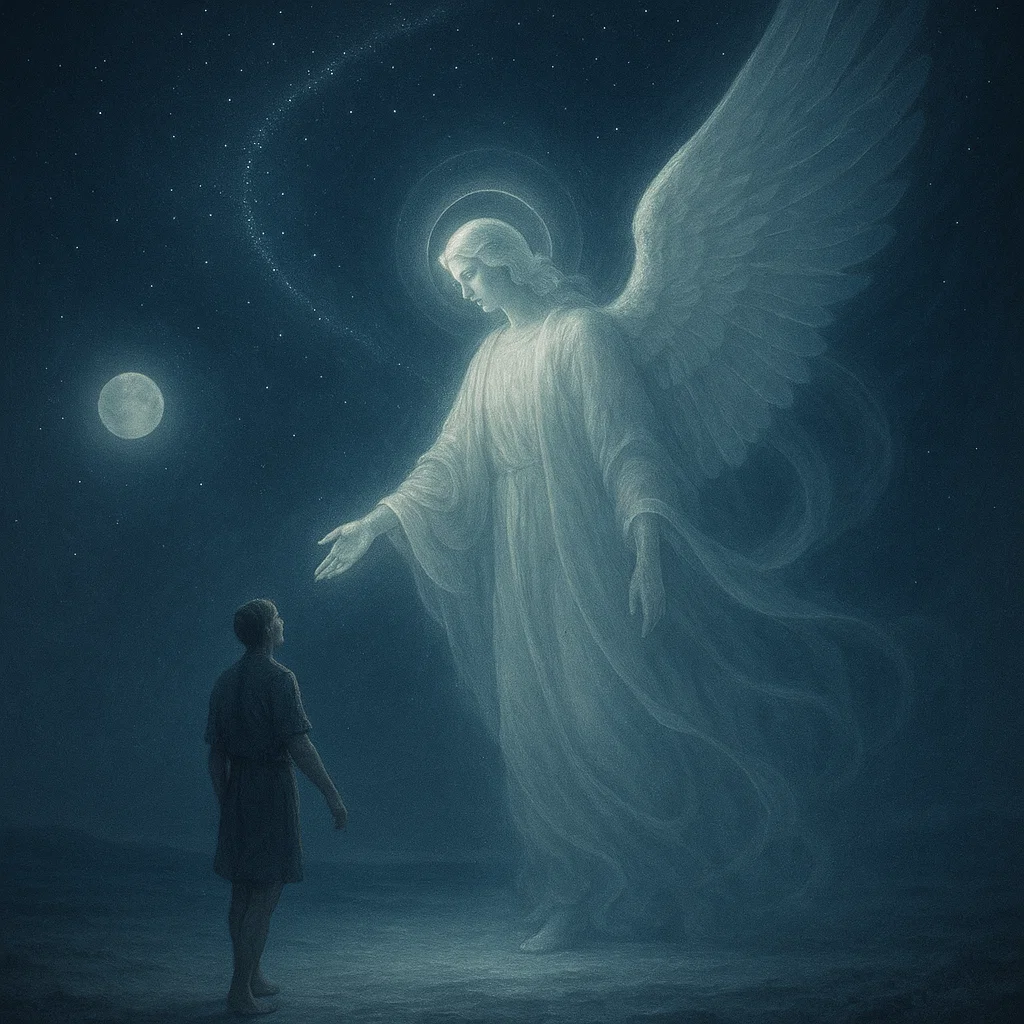
Pure spiritual beings created by God to serve as messengers (angeloi) and executors of divine will.
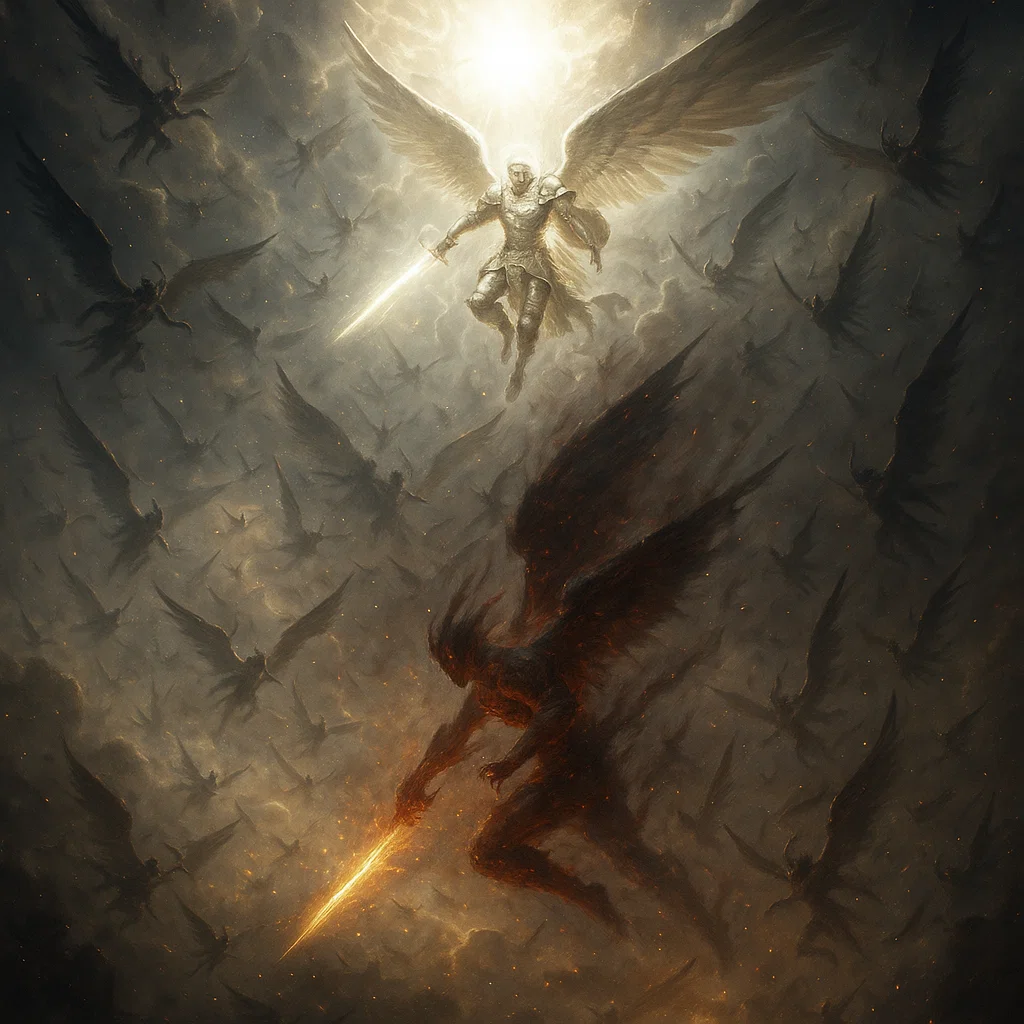
- Archangels: Michael (warrior and protector), Gabriel (announcer of divine messages, including the Annunciation), Raphael (healer, in deuterocanonical tradition).
- Functions: Worship before God, deliver revelation, guard individuals and nations, and combat demonic forces.
In theology, angels represent the hierarchy of the created order between divine and human realms (Dionysius the Areopagite, Celestial Hierarchy).
Satan and Demons:
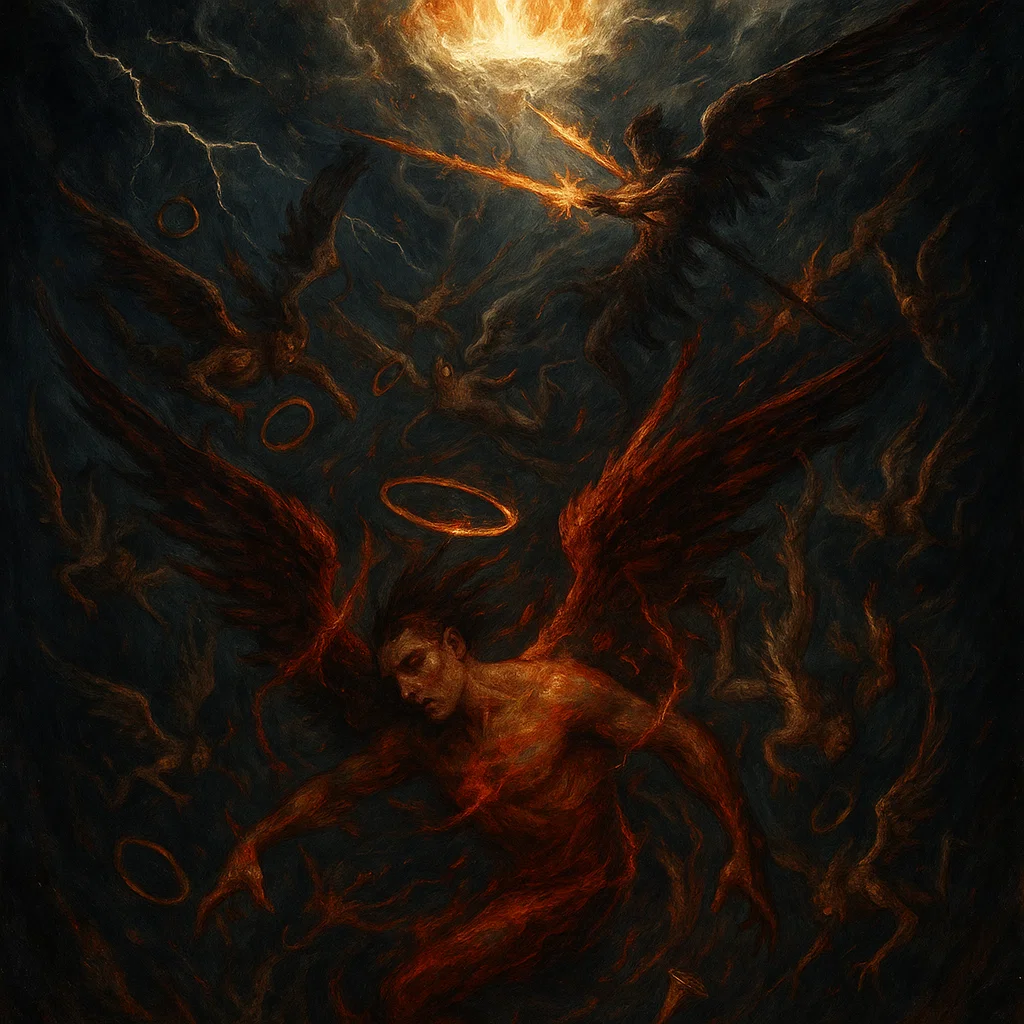
Satan (the Adversary) originated as an accuser or tester in Hebrew scripture, later identified with the rebellious fallen angel leading forces of evil.
- Nature: Created good but corrupted by pride; embodies opposition to divine will.
- Role: Tempter, deceiver, and ruler of a spiritual kingdom opposed to God’s reign.
Demons, his subordinates, personify sin, chaos, and spiritual bondage. Christian tradition frames moral struggle as cosmic warfare between divine order and demonic rebellion.
Saints and the Communion of the Faithful:
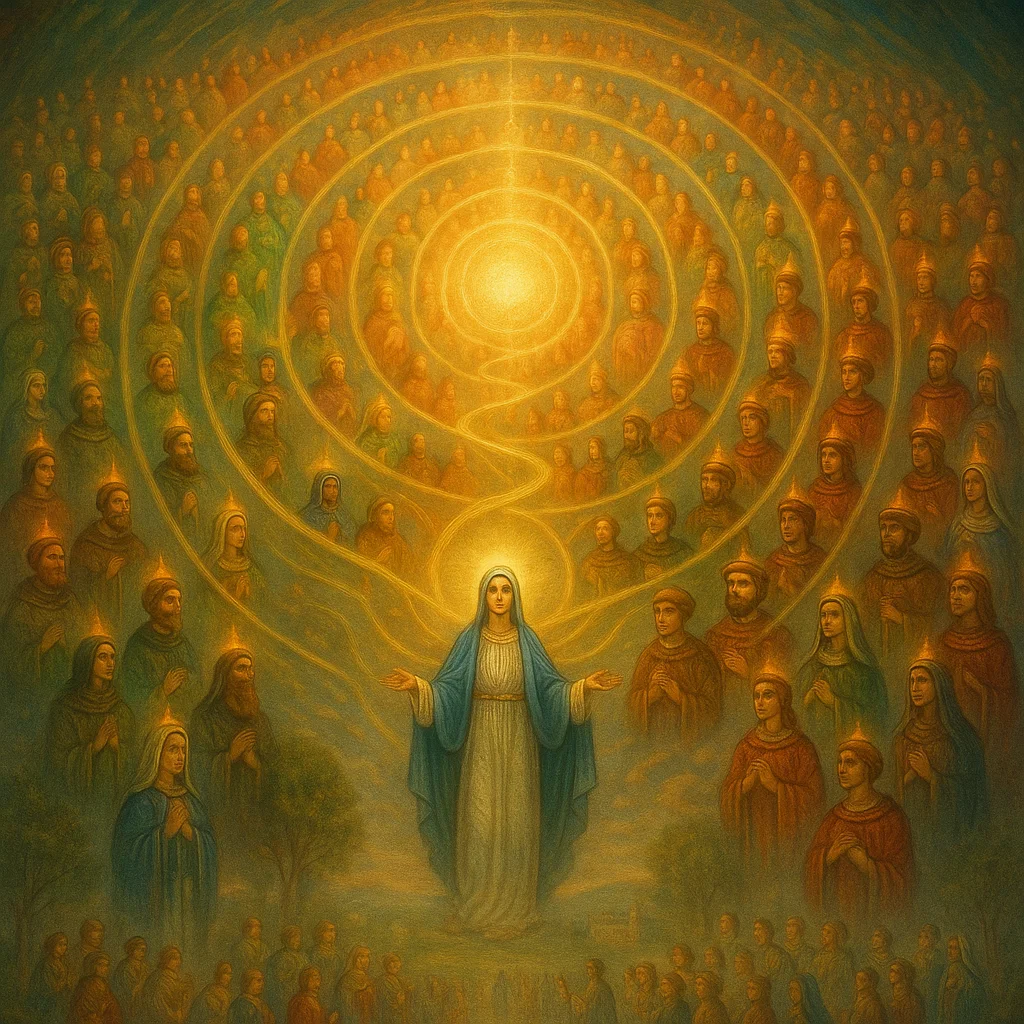
Saints are human beings recognized for exceptional holiness, martyrdom, or virtue—understood as those perfected by divine grace.
- Catholic and Orthodox traditions: Saints intercede for the living; veneration (not worship) acknowledges God’s work in them.
- Protestant view: Emphasizes the “priesthood of all believers” and rejects invocation of saints while honoring them as moral exemplars.
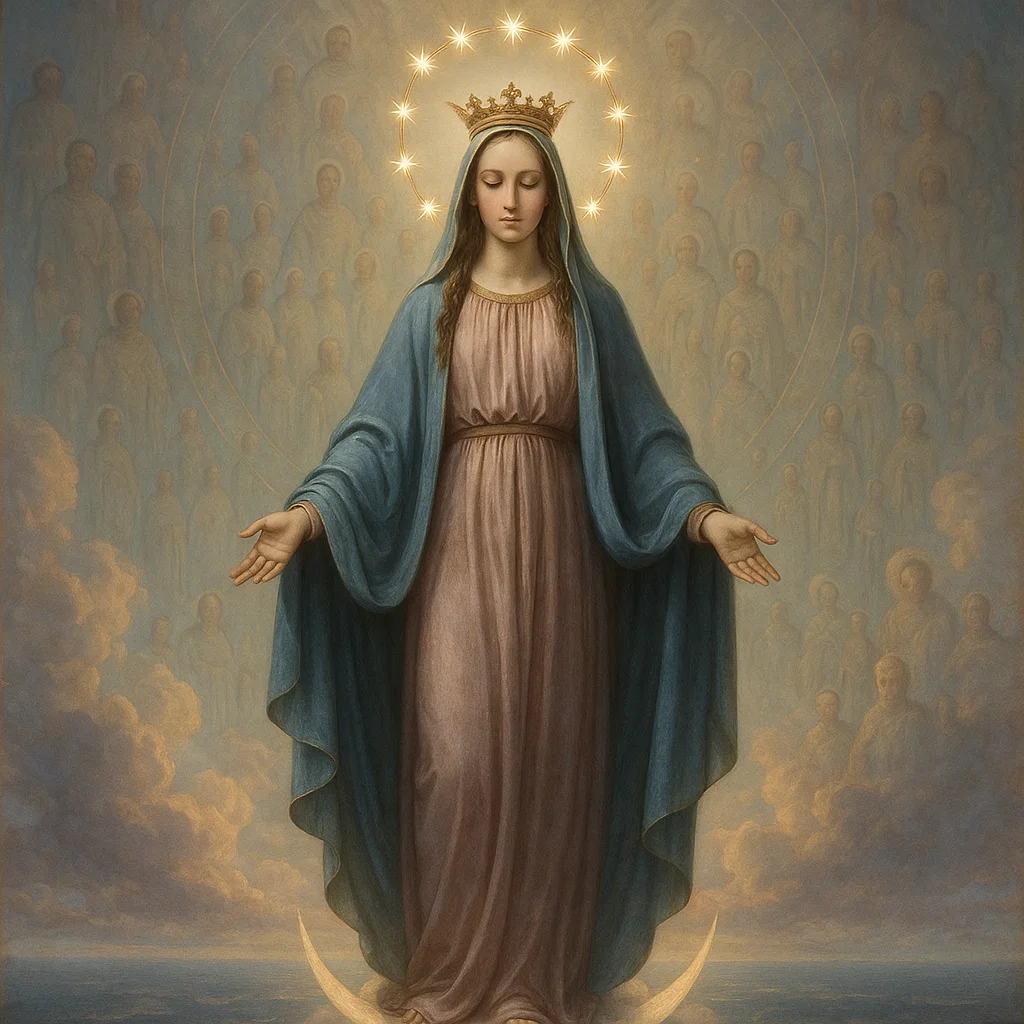
The Virgin Mary holds unique status as Theotokos (“God-bearer”), model of obedience and faith, and intercessor in much of Christian devotion.
In total, Christianity’s supernatural order is monotheistic yet richly populated, structured as a hierarchy of being: God as uncreated source, Christ as incarnate mediator, Spirit as divine presence, angels as servants, saints as perfected humanity, and demons as the corrupted shadow of freedom.
5. Cosmology & Myth
Creation:
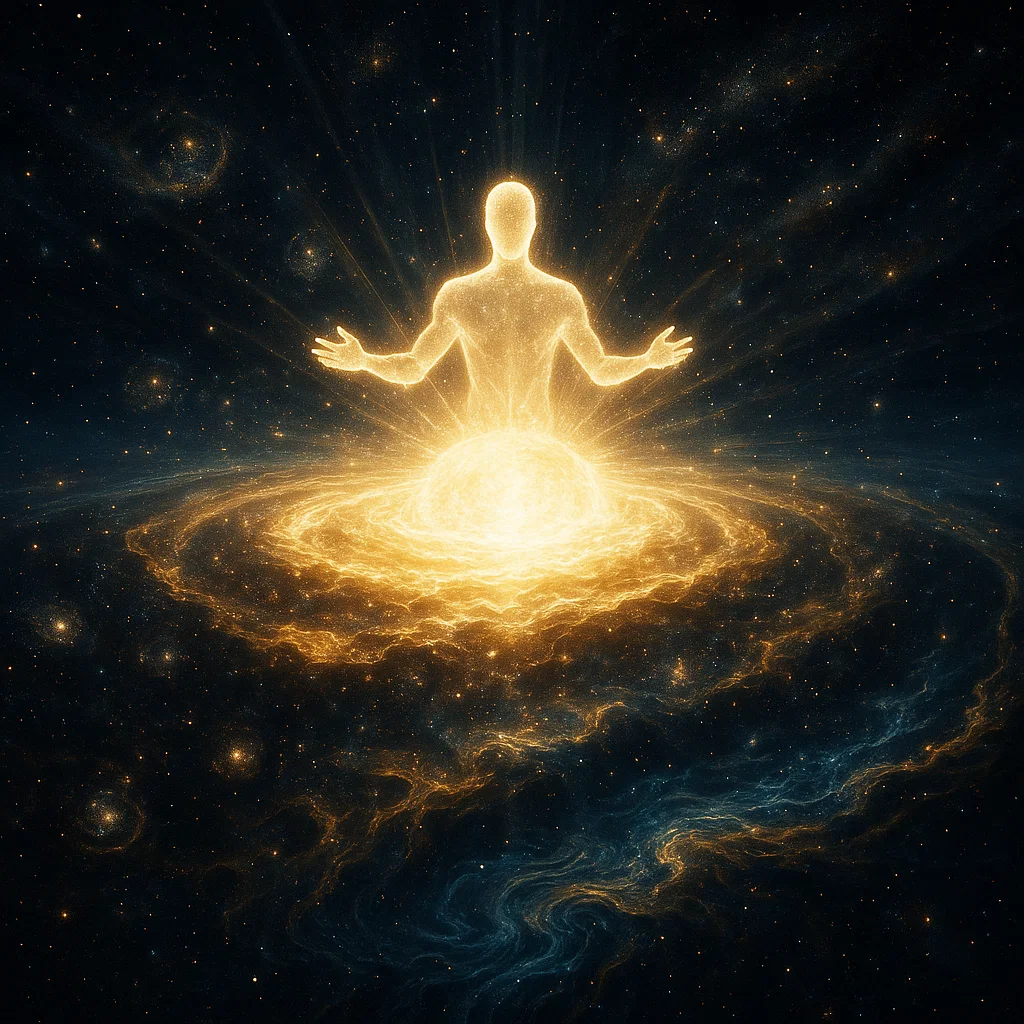
God is the sole creator of all that exists—visible and invisible—bringing the cosmos into being ex nihilo (from nothing). The Genesis account (Genesis 1–2) provides the foundational narrative: six days of ordered creation culminating in humanity, made in the image (imago Dei) of God, and endowed with rationality, stewardship, and moral freedom. Creation is declared “good,” reflecting divine wisdom and purpose rather than emanating from chaos or conflict. The Logos (Christ) is identified in John 1:1–3 as the divine agent of creation: “Through him all things were made.” The world thus possesses an intelligible structure grounded in divine reason.
The Fall:
Sin and mortality enter creation through the disobedience of Adam and Eve (Genesis 3). Their choice to eat from the Tree of Knowledge introduces separation from God, corrupting both human nature and the created order. The Fall is not merely moral but ontological—introducing disorder, death, and estrangement into an originally harmonious world. In theology, this event explains humanity’s need for redemption and the pervasive tension between divine grace and human will.
Salvation History (Heilsgeschichte):
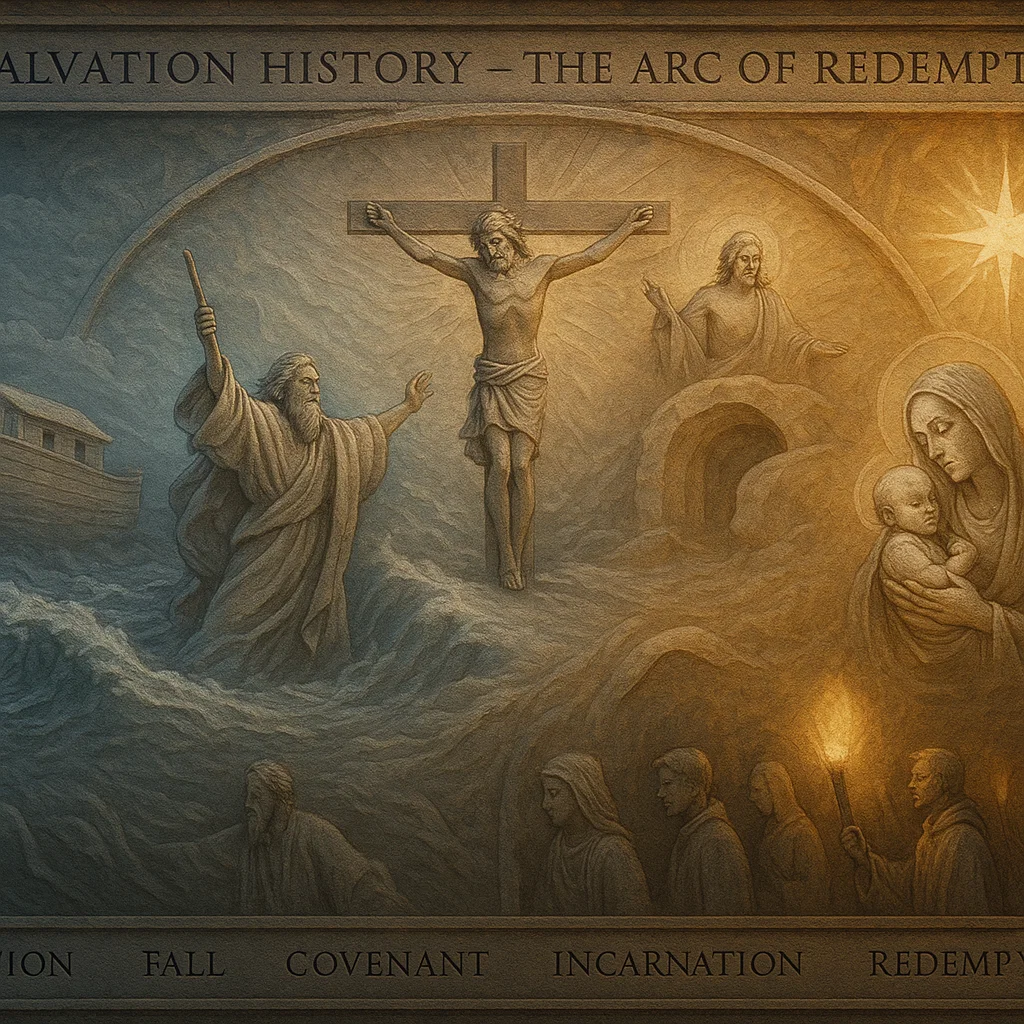
Christian myth-history unfolds as a single divine narrative: creation, fall, covenant, incarnation, redemption, and consummation.
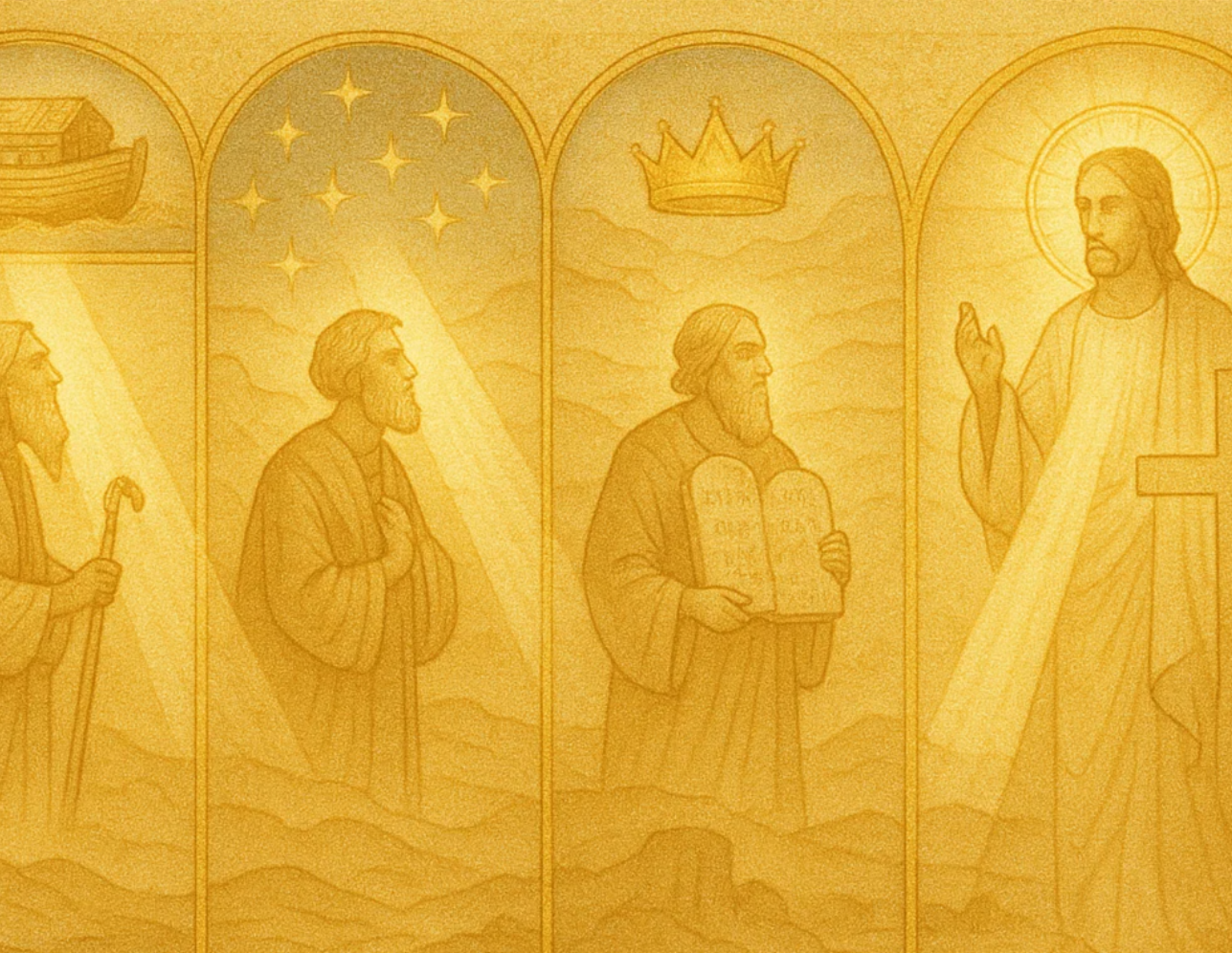
- Covenants with Israel: God’s progressive revelation through Noah, Abraham, Moses, and the prophets prepares humanity for reconciliation.
- Fulfillment in Christ: Jesus is the culmination of this redemptive arc—the Word made flesh, whose crucifixion and resurrection restore the broken relationship between Creator and creation.
- The Church: Functions as the ongoing embodiment of that covenant, carrying divine presence into historical time through sacrament and mission.
This linear and teleological pattern distinguishes Christianity from cyclical cosmologies of antiquity.
Eschatology (Final Things):
Time moves toward a definite end rather than eternal recurrence. Core elements:
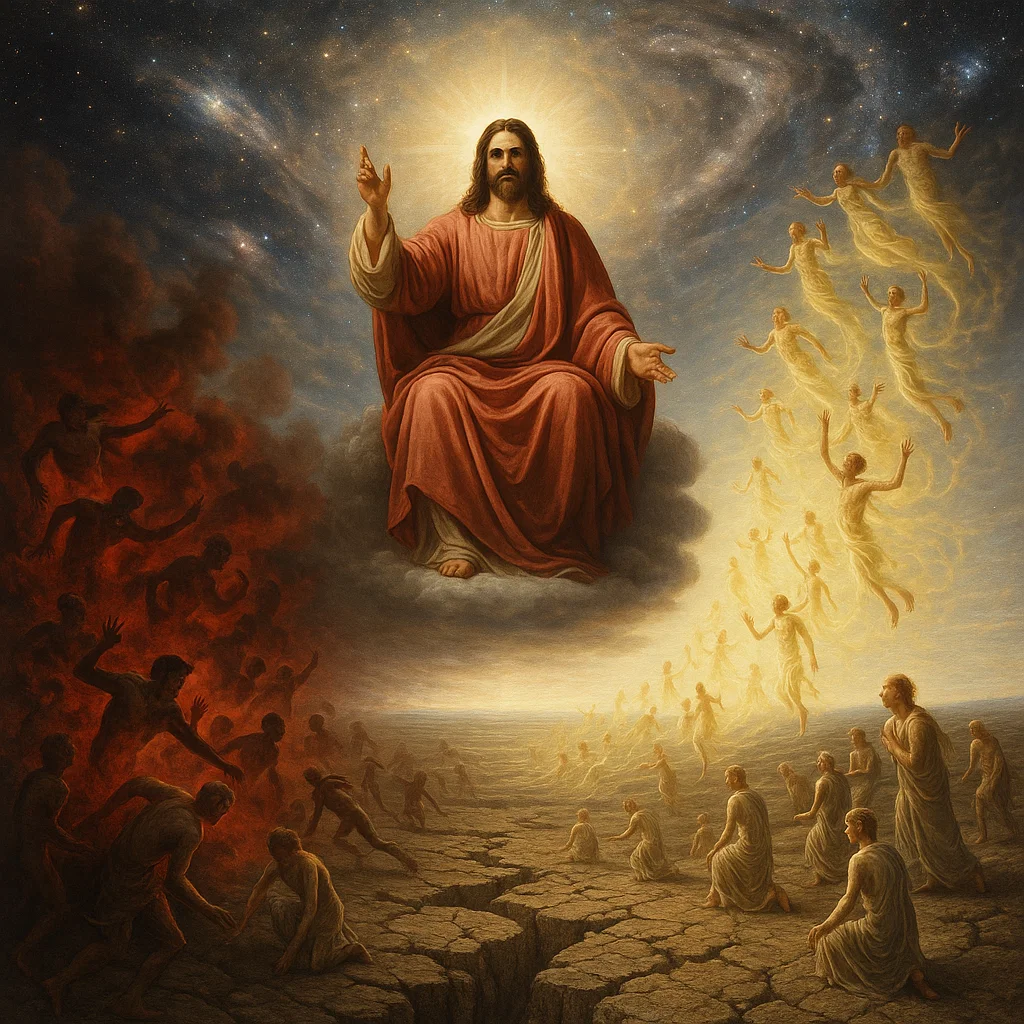
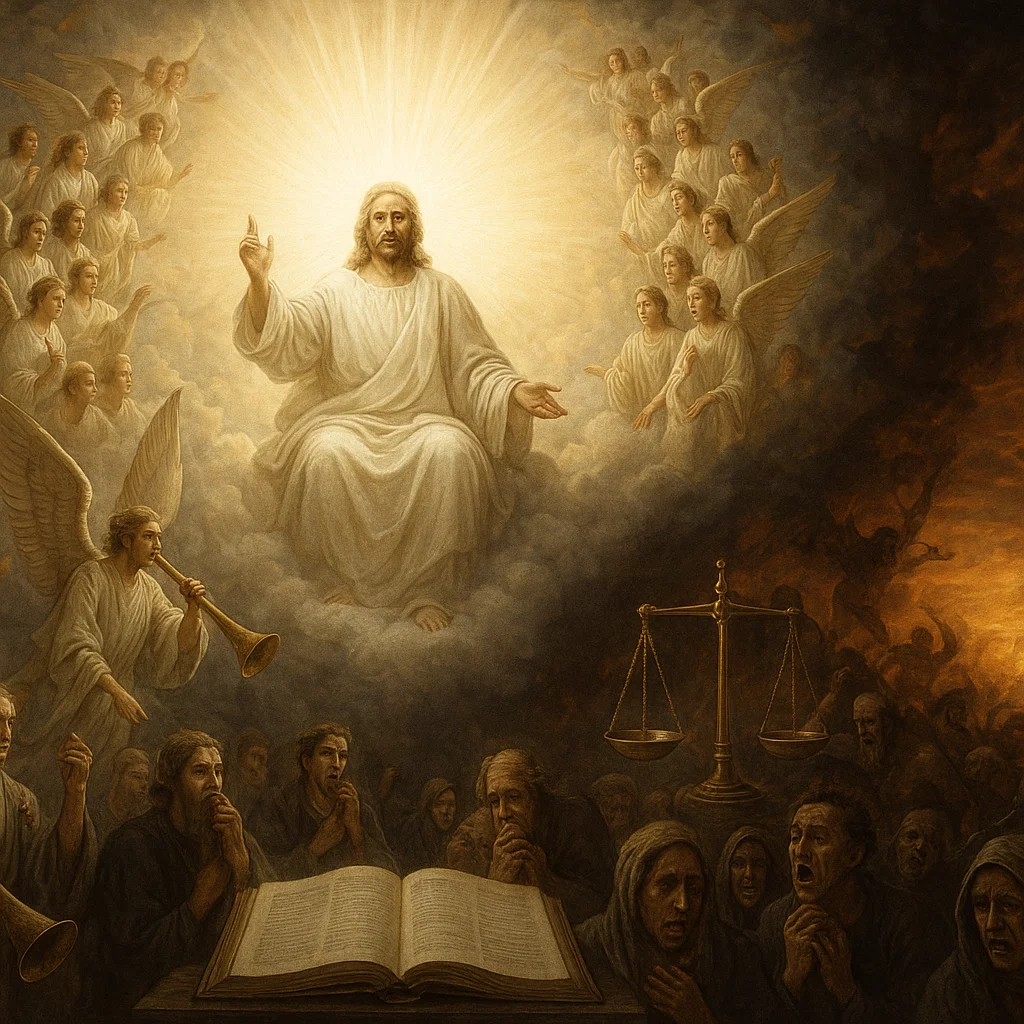
- Second Coming (Parousia): Christ will return in glory to judge the living and the dead.
- Resurrection of the Dead: All human beings restored to embodied existence for judgment.
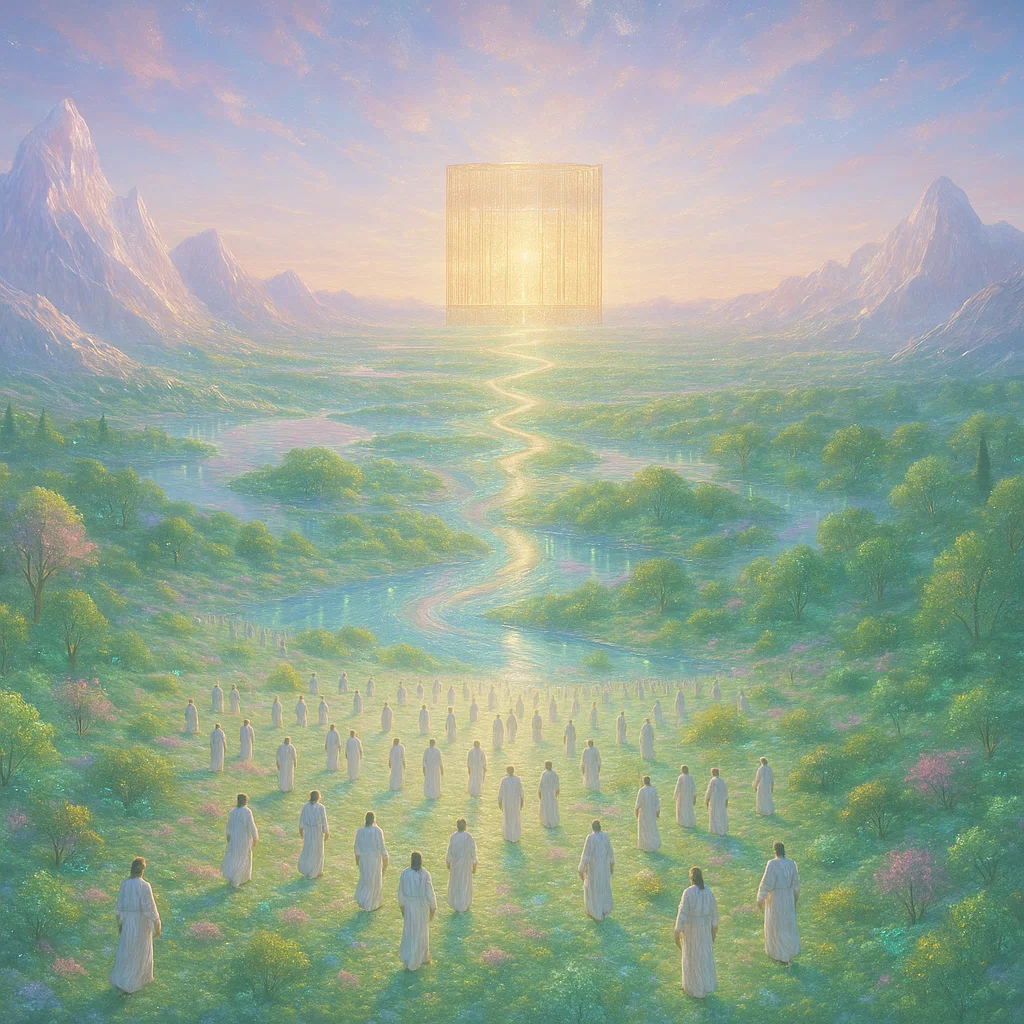
- Final Judgment: The righteous enter eternal communion with God (heaven); the unrepentant experience separation (hell).
- New Creation: The redeemed cosmos—a “new heaven and new earth” (Revelation 21)—signifies the restoration and transformation of all being.
Eschatology fuses moral accountability with cosmic renewal: history’s purpose is reconciliation of creation with its divine source.
Time:
Christian temporality is linear and purposeful, beginning with creation and culminating in redemption. History is not an endless cycle but a story with origin, climax, and telos. Time itself becomes the stage for salvation, sanctified by divine intervention—kairos breaking into chronos. The Incarnation anchors sacred history within chronological reality, making every moment potentially redemptive.
In sum, Christian cosmology presents the universe as a rational and moral order created by God, disrupted by sin, redeemed through Christ, and destined for restoration—a mythic architecture that binds metaphysics, morality, and time into a single salvific narrative.
6. Ritual & Practice
Sacraments:
Christian ritual life centers on sacraments—outward signs instituted by Christ that mediate divine grace.
- Catholic and Orthodox traditions recognize seven:
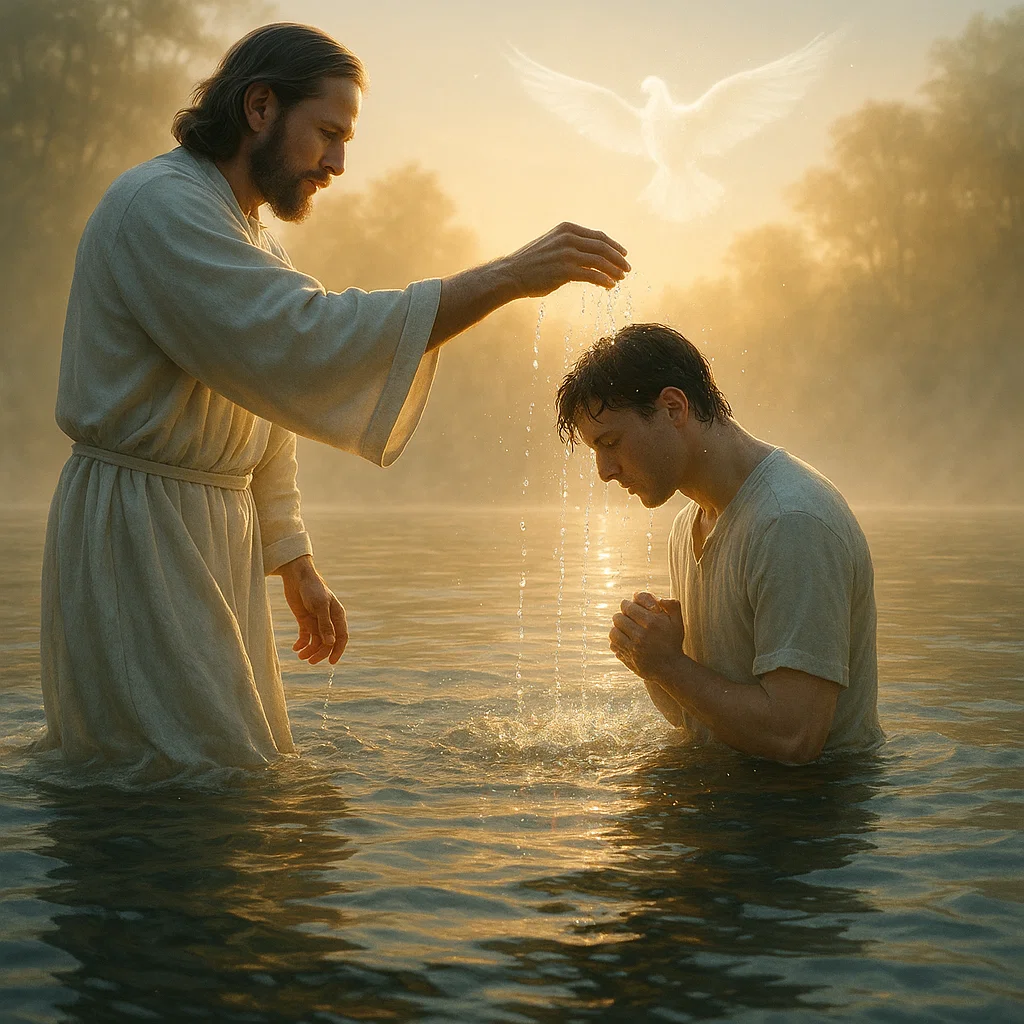
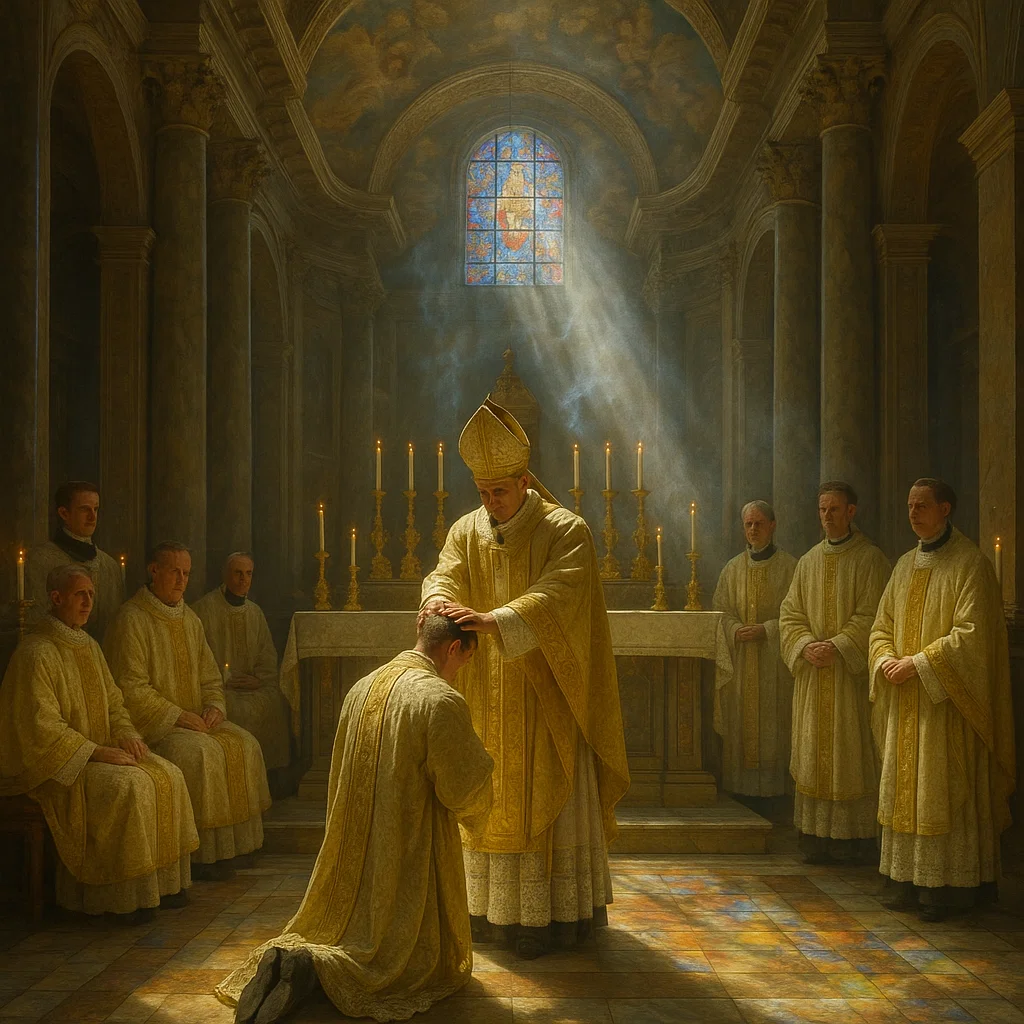
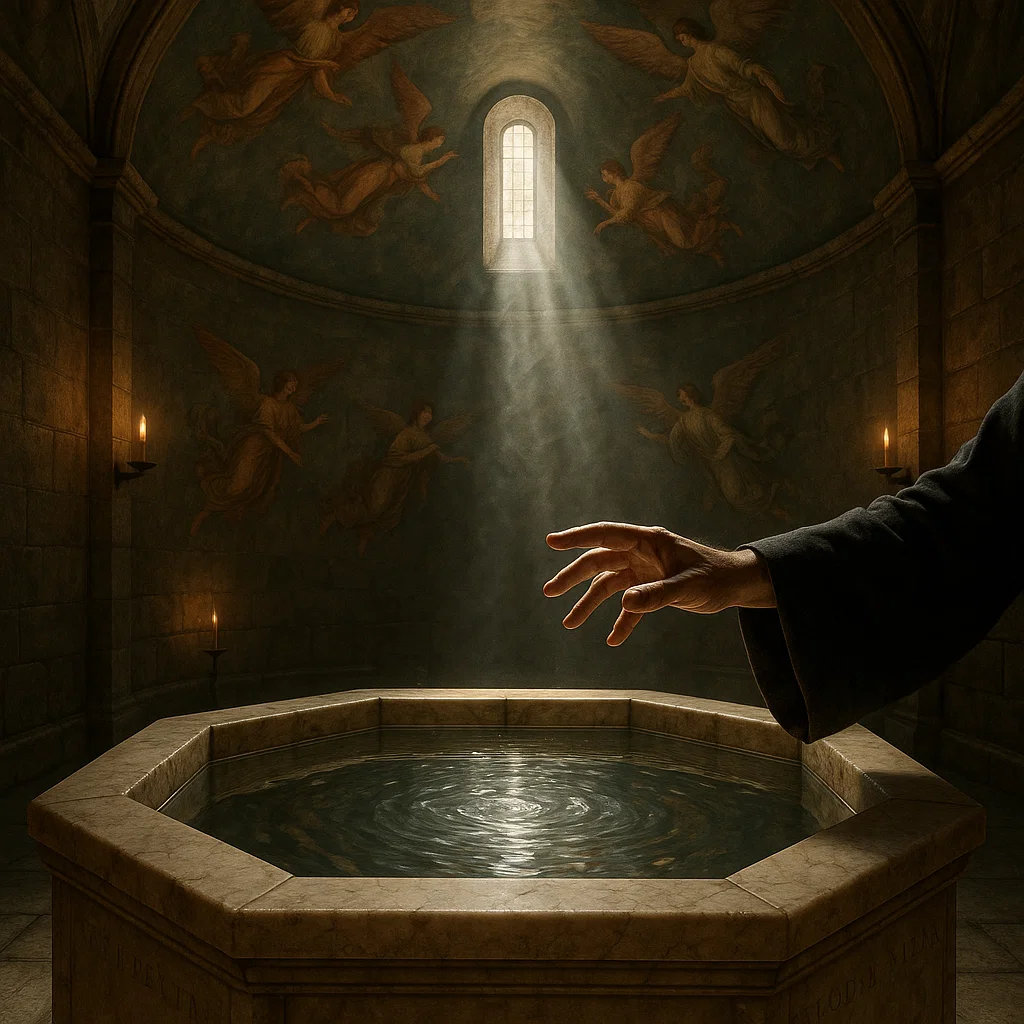
- Baptism: Initiation into the Church; cleansing from sin through water and the Spirit.
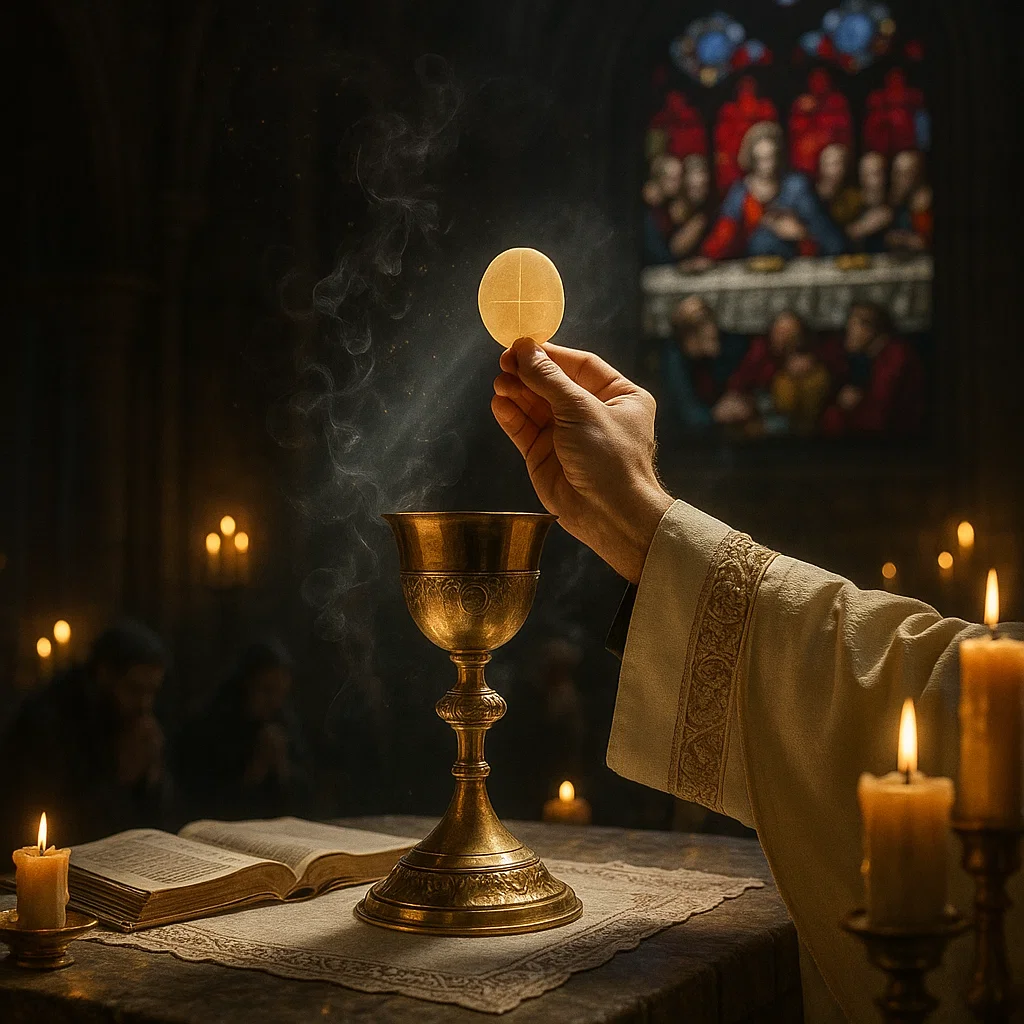
- Eucharist (Holy Communion): Participation in Christ’s body and blood; remembrance and re-presentation of the Last Supper and sacrifice.
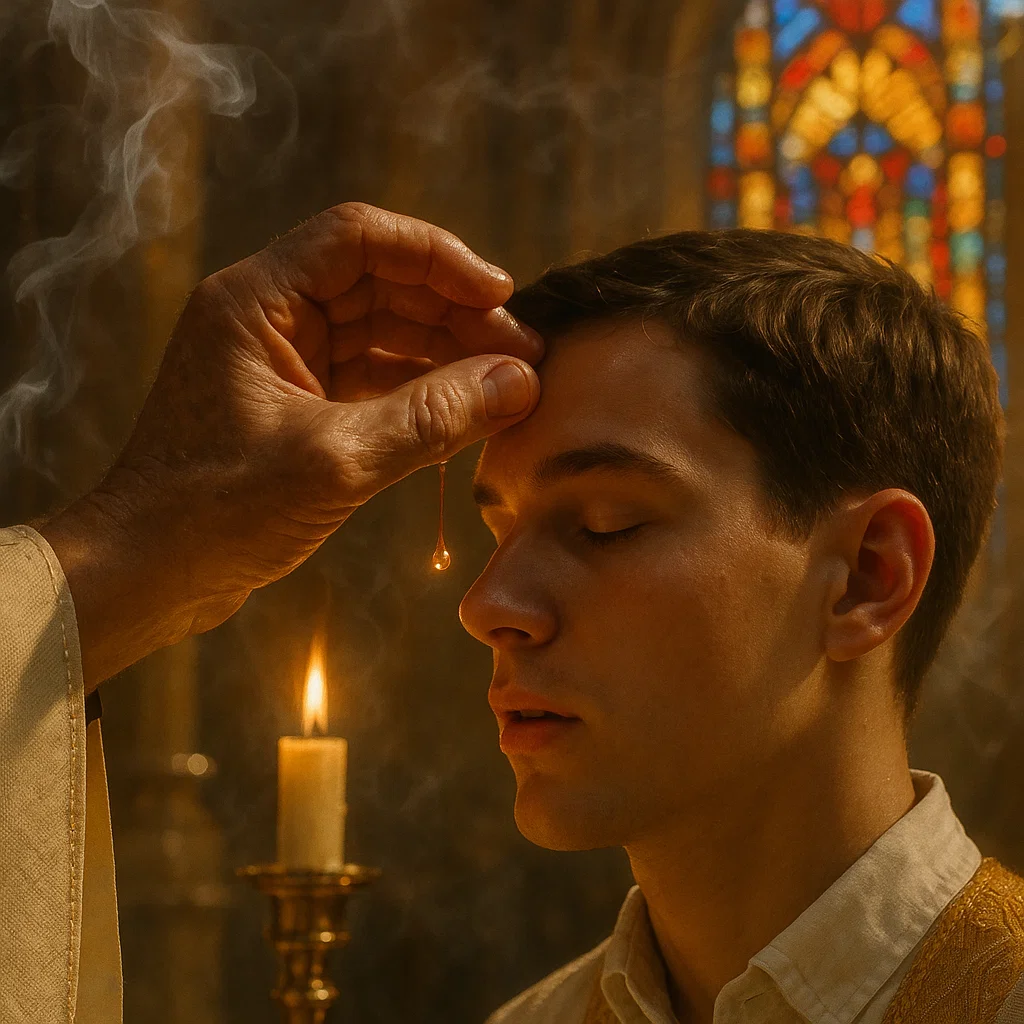
- Confirmation (Chrismation): Sealing by the Holy Spirit and strengthening of faith.
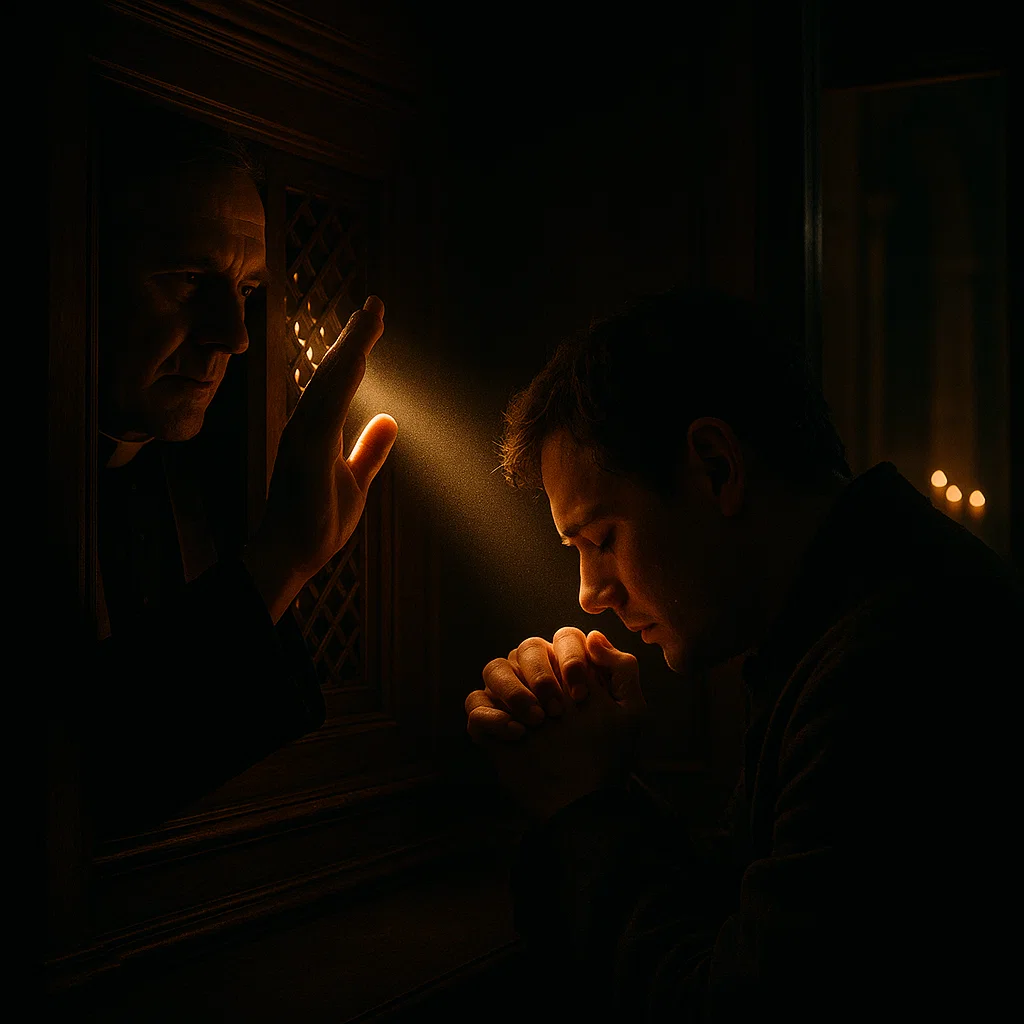
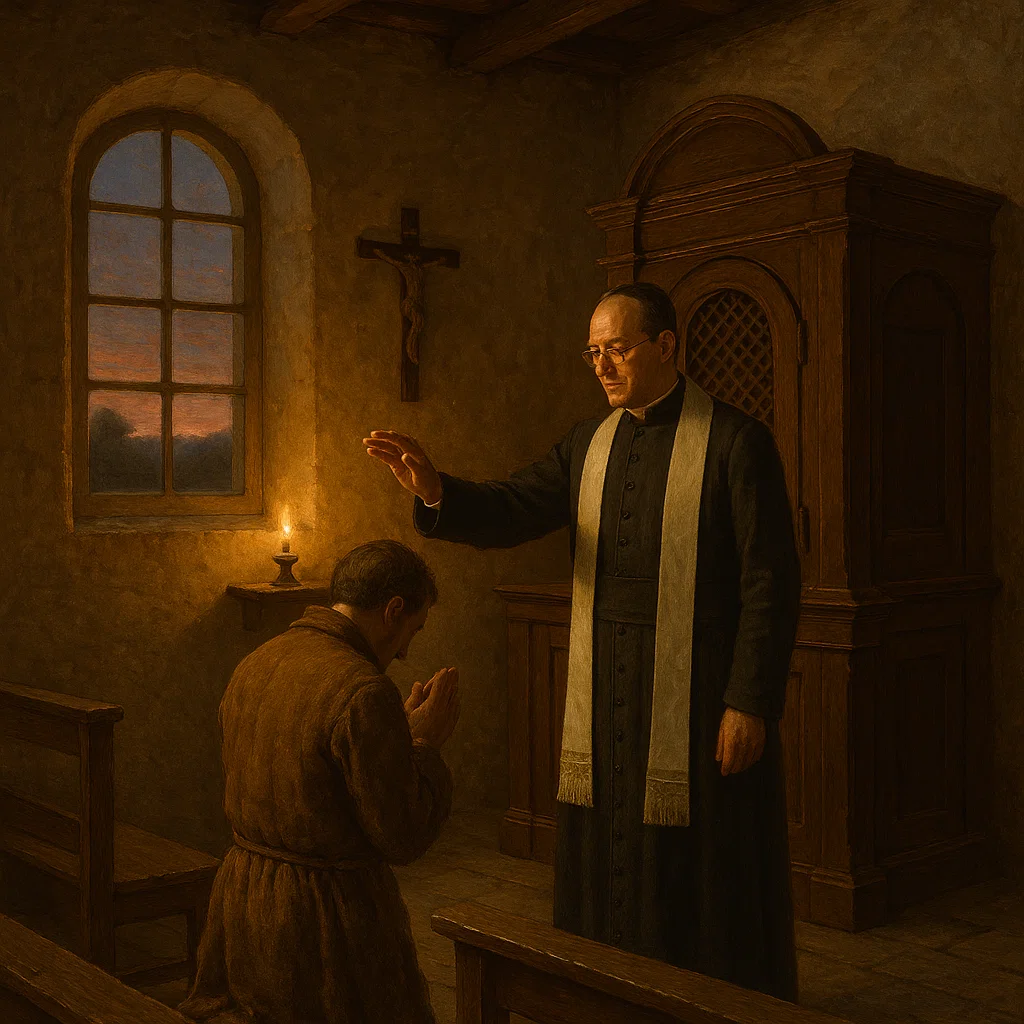
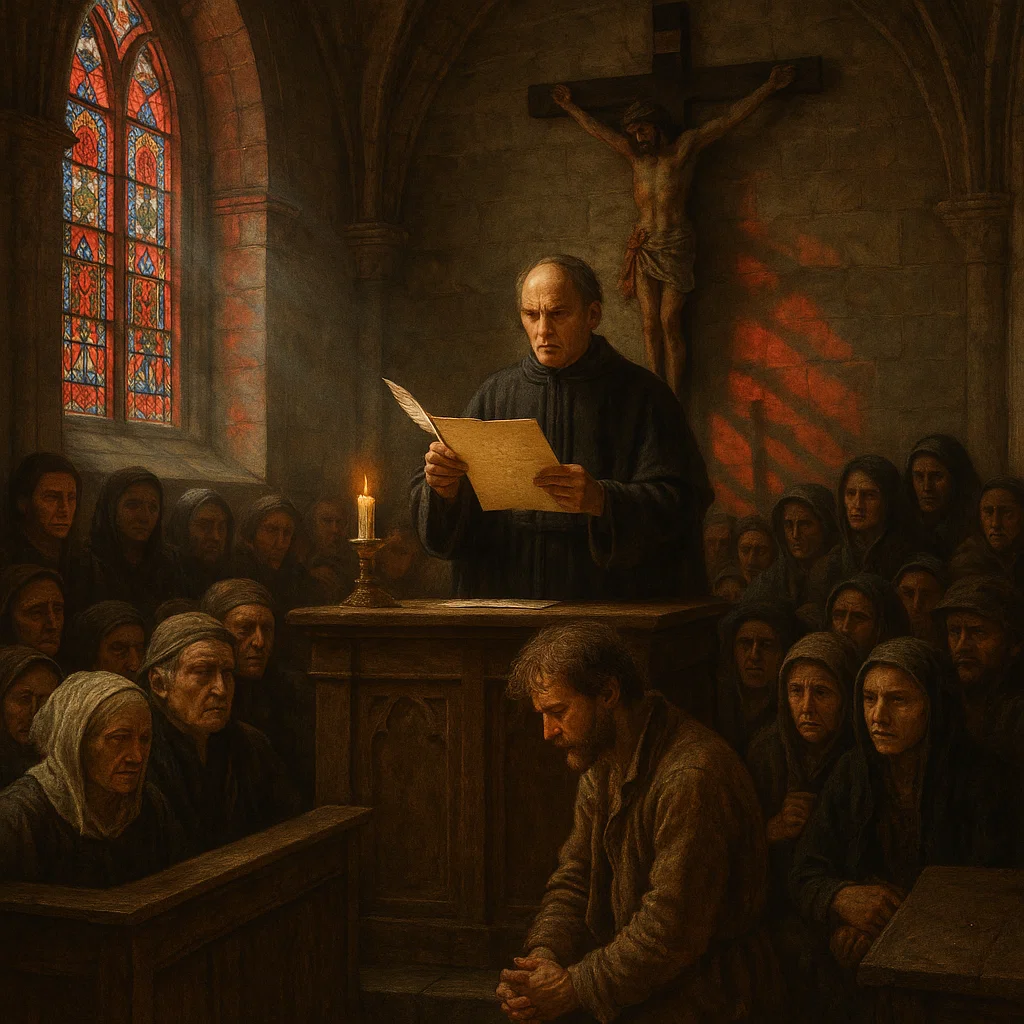
- Penance (Confession/Reconciliation): Forgiveness of sins through confession and absolution.
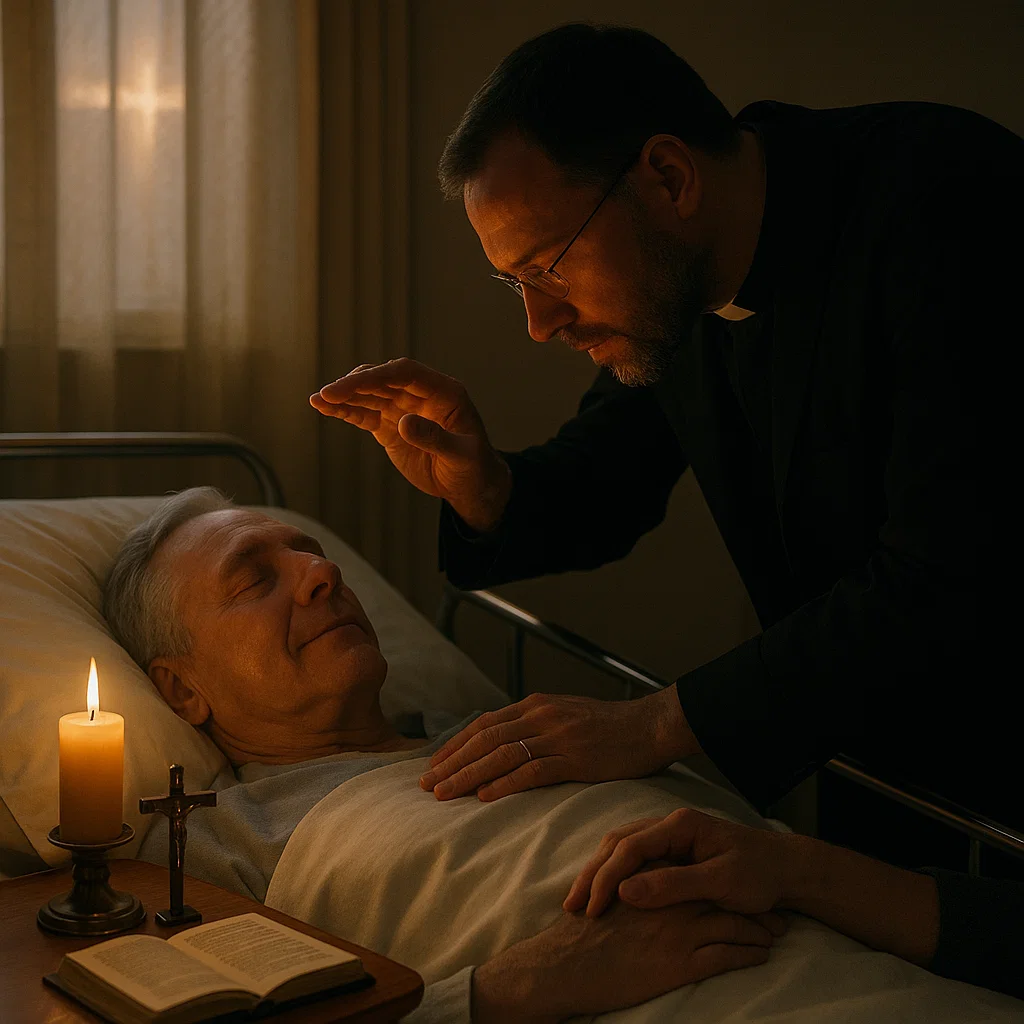
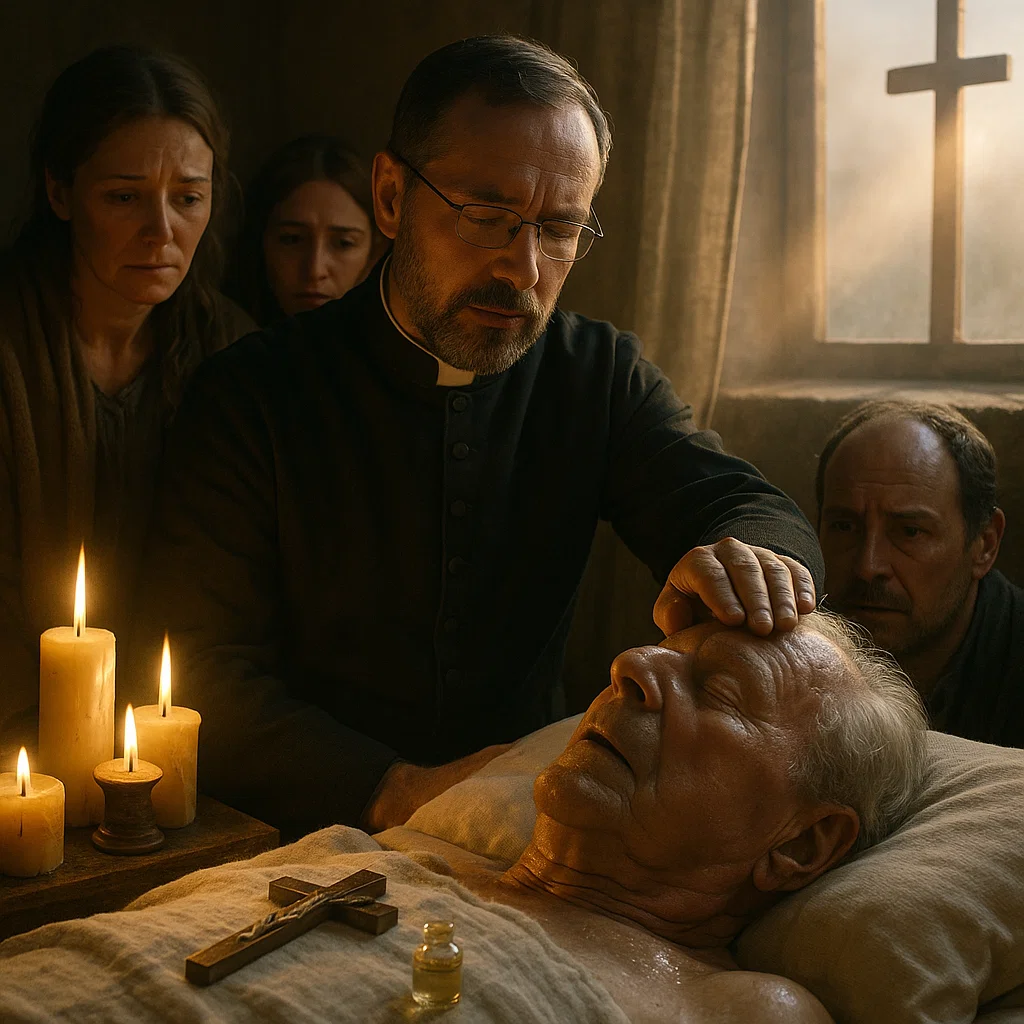
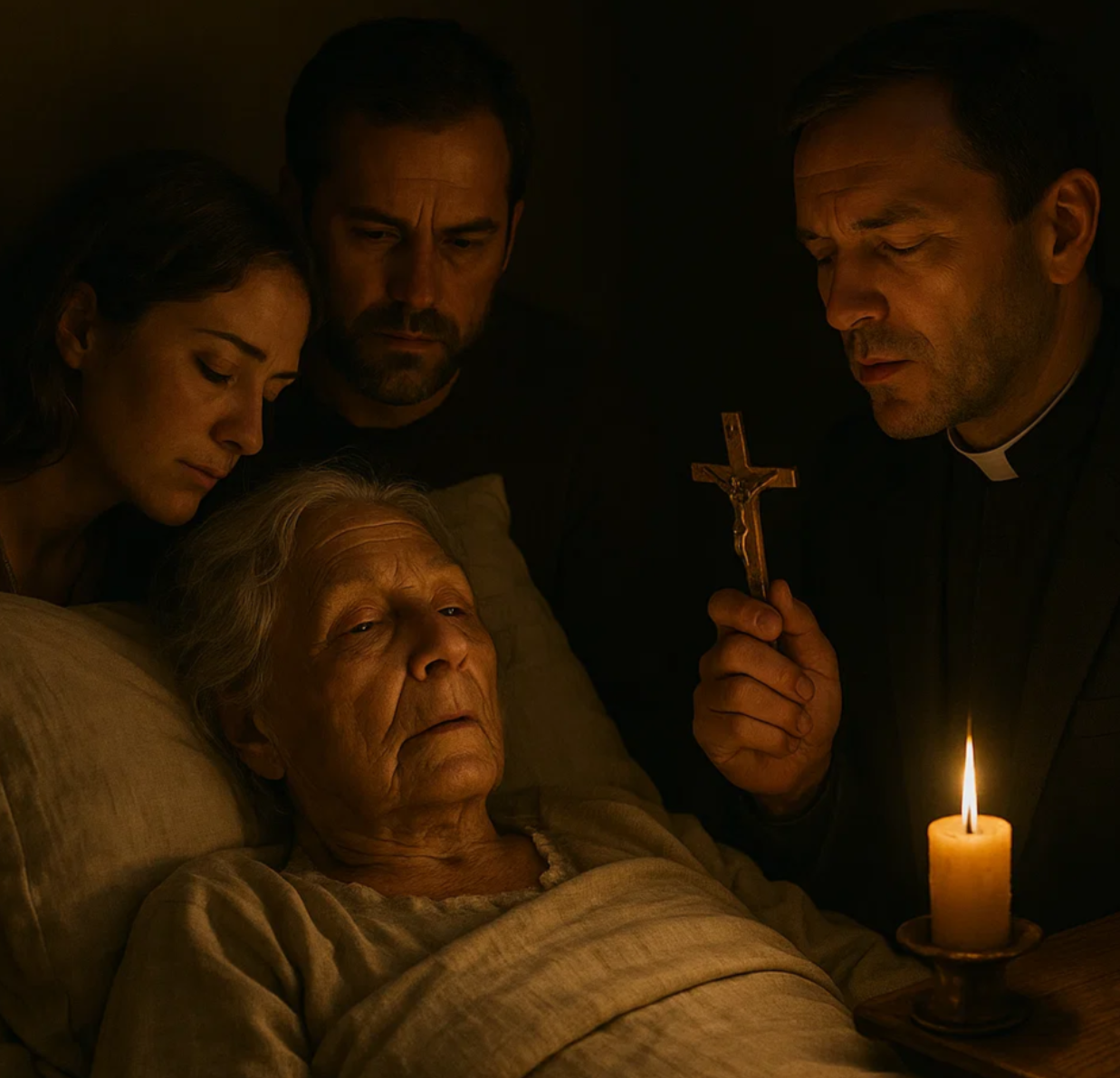
- Anointing of the Sick: Healing and spiritual fortitude amid illness or near death.
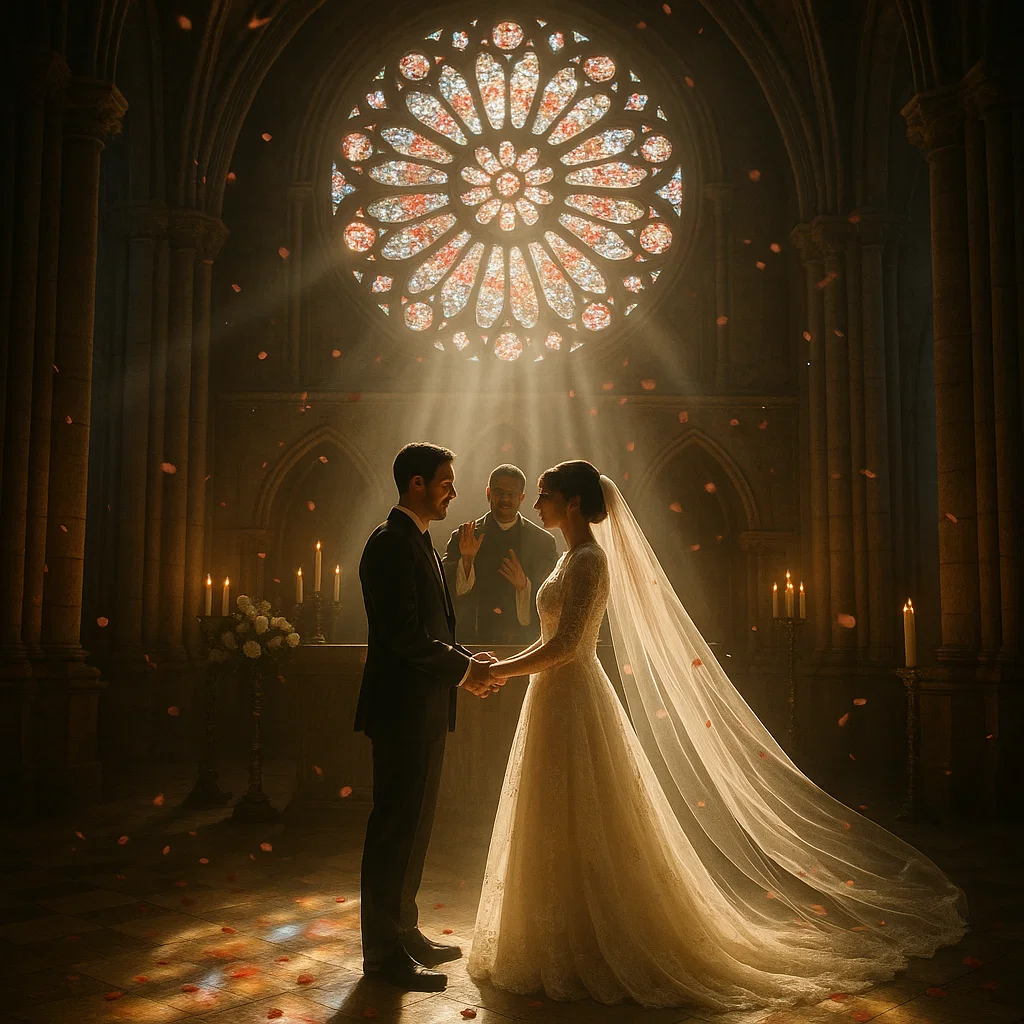
- Matrimony: Covenant of lifelong union reflecting Christ’s love for the Church.
- Holy Orders: Ordination to ministry in apostolic succession.
- Protestant traditions generally retain two—Baptism and Eucharist—as directly commanded by Christ, viewing the others as rites rather than sacraments.
Prayer:
Daily communication with God through words, meditation, or silent contemplation.
- Liturgical prayer: Structured forms such as the Liturgy of the Hours, psalm recitation, and the Lord’s Prayer.
- Private devotion: Personal petitions, thanksgiving, or intercession.
- Communal prayer: Central to public worship; hymns, creeds, and readings unite participants in shared faith.
Prayer sustains the believer’s relationship with the divine and integrates spiritual rhythm into daily life.
Worship:
Regular assembly, typically on Sunday, commemorates the Resurrection.
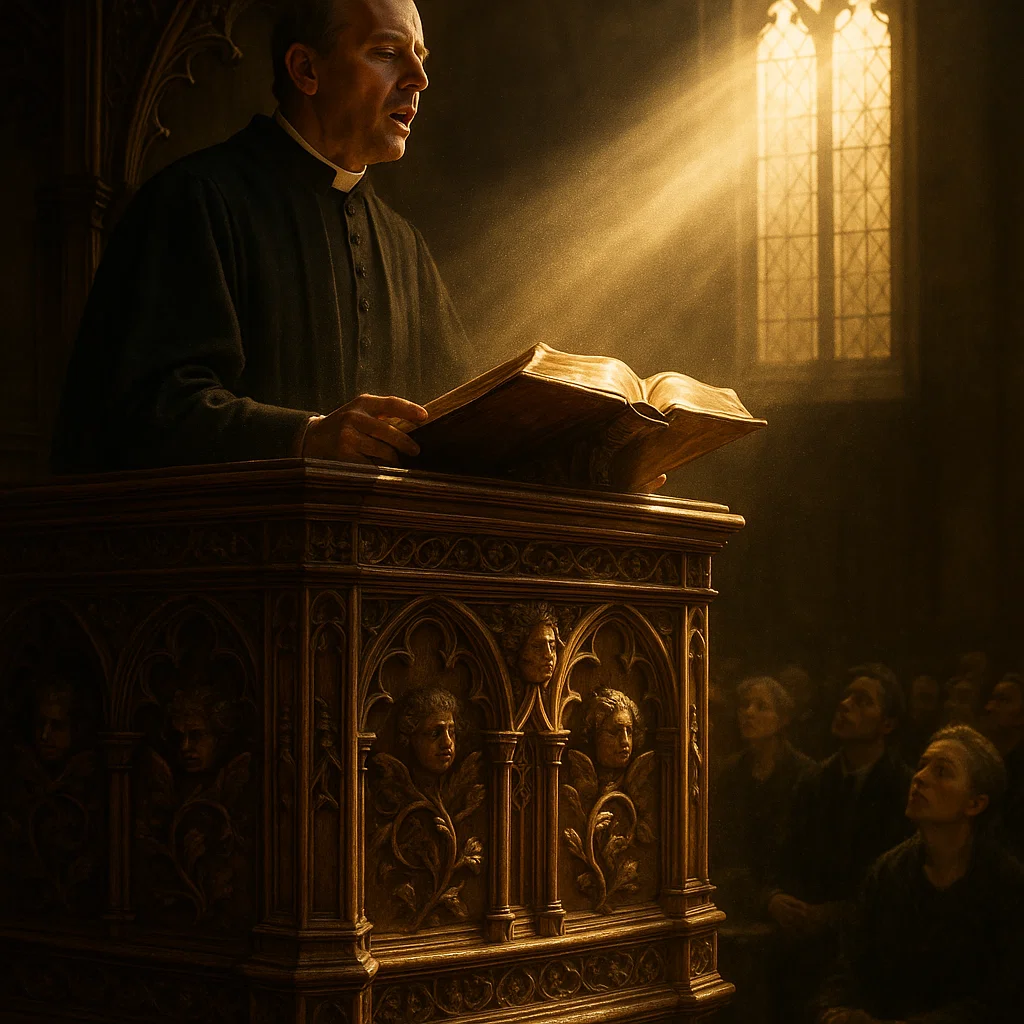
- Structure: Scripture readings, preaching, prayer, and Eucharist.
- Forms:
- Liturgical (Catholic, Orthodox, Anglican): fixed rites, vestments, and sacral space.
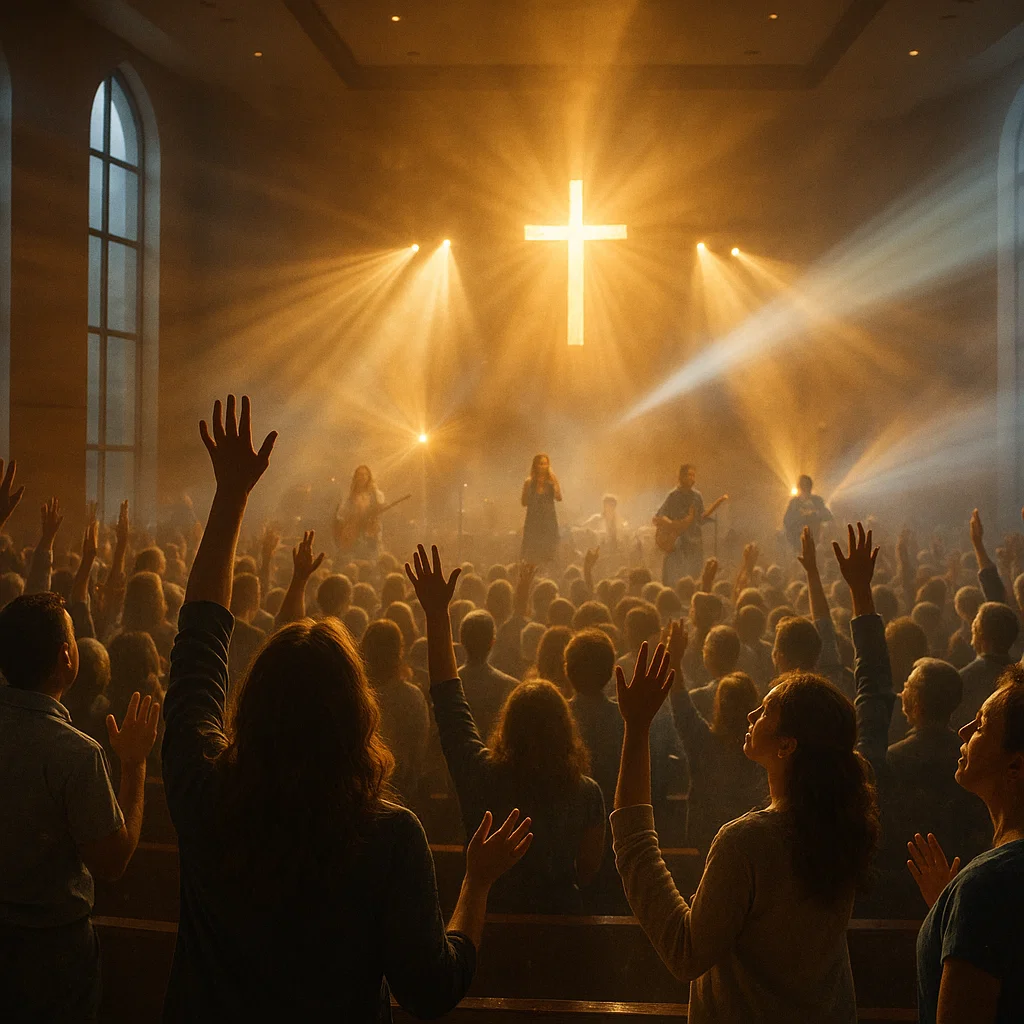
- Free-church or charismatic (Protestant, Pentecostal): spontaneous prayer, extemporaneous preaching, music, and testimony.
Worship expresses the unity of the body of Christ and reenacts the divine drama of redemption.
Festivals and Sacred Time:
Annual cycles reenact salvation history through ritual remembrance:
- Christmas: Incarnation of the Word; celebrated December 25 or January 7 (Orthodox).
- Easter: Central feast of Resurrection following Holy Week (Passion, Crucifixion, and Vigil).
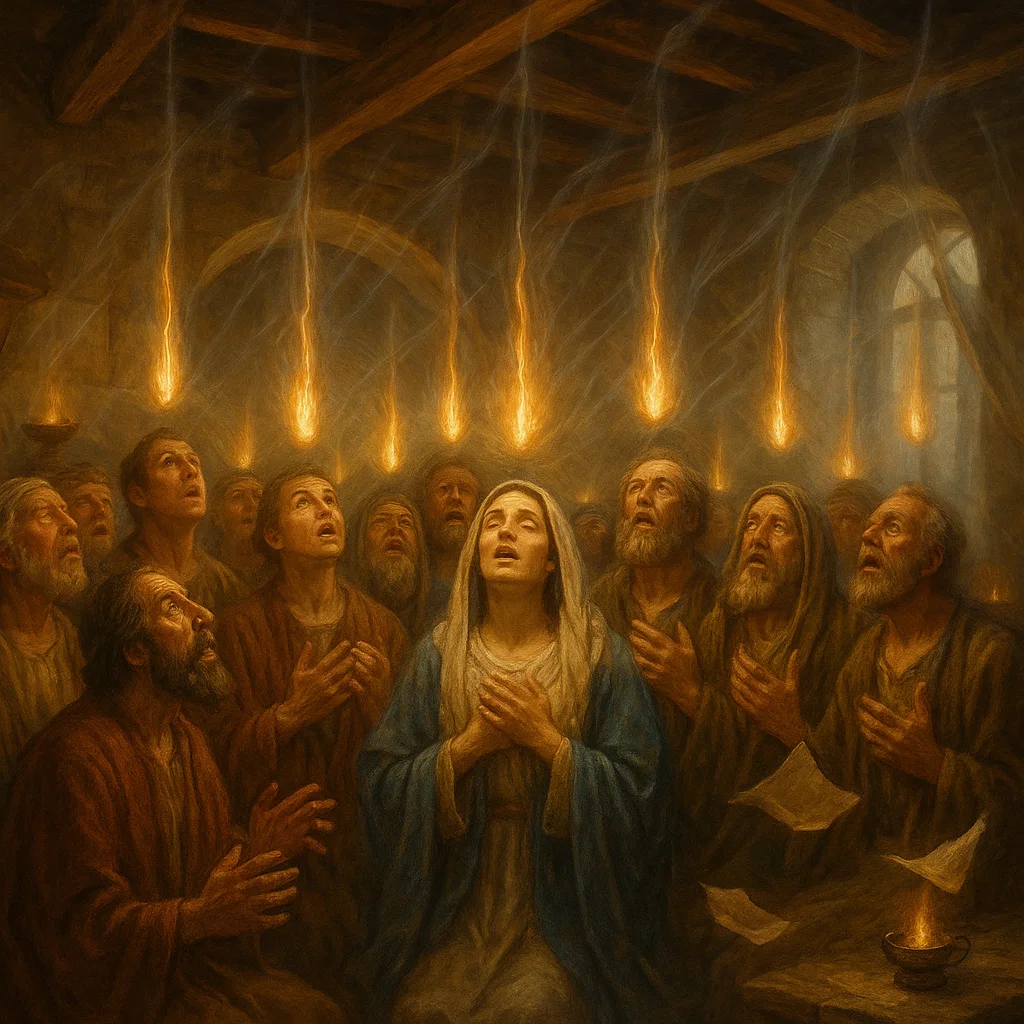
- Pentecost: Descent of the Holy Spirit, founding the Church’s mission.
- Lent and Advent: Seasons of preparation and repentance.
- Saints’ Days and Marian feasts: Honor exemplary lives and intercessors.
The Christian calendar transforms historical events into cyclical participation in sacred time.
Ethical Living:
Faith must manifest in conduct modeled on Christ’s teachings—love of God and neighbor (Matthew 22:37-40).
- Core virtues: Faith, hope, charity; humility, temperance, justice, and fortitude.
- Moral imperatives: Forgiveness, compassion for the poor, honesty, chastity, and stewardship of creation.
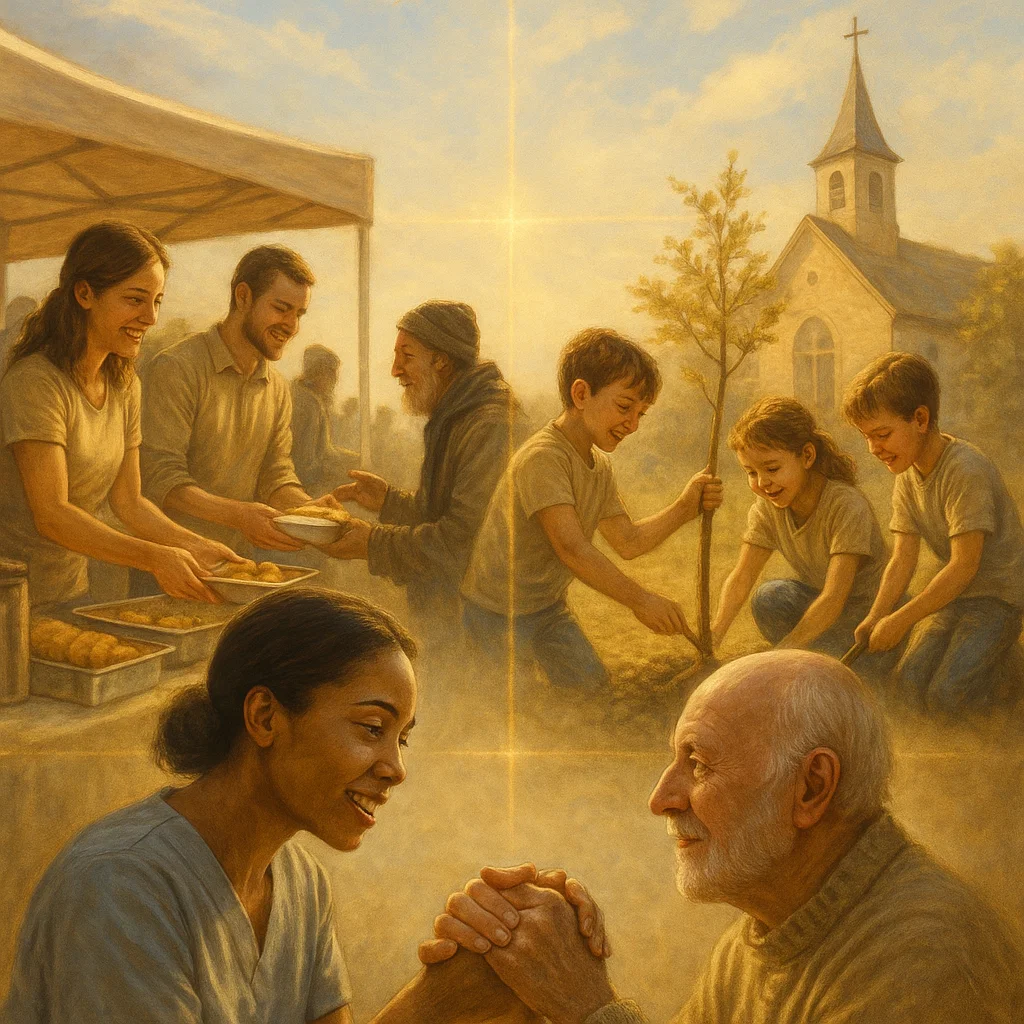
- Social dimension: Works of mercy, pursuit of peace, and advocacy for justice.
Through ethical practice, believers enact the imitation of Christ (imitatio Christi), linking ritual observance to moral transformation and communal service.
7. Sacred Space & Material Culture
Churches and Cathedrals:
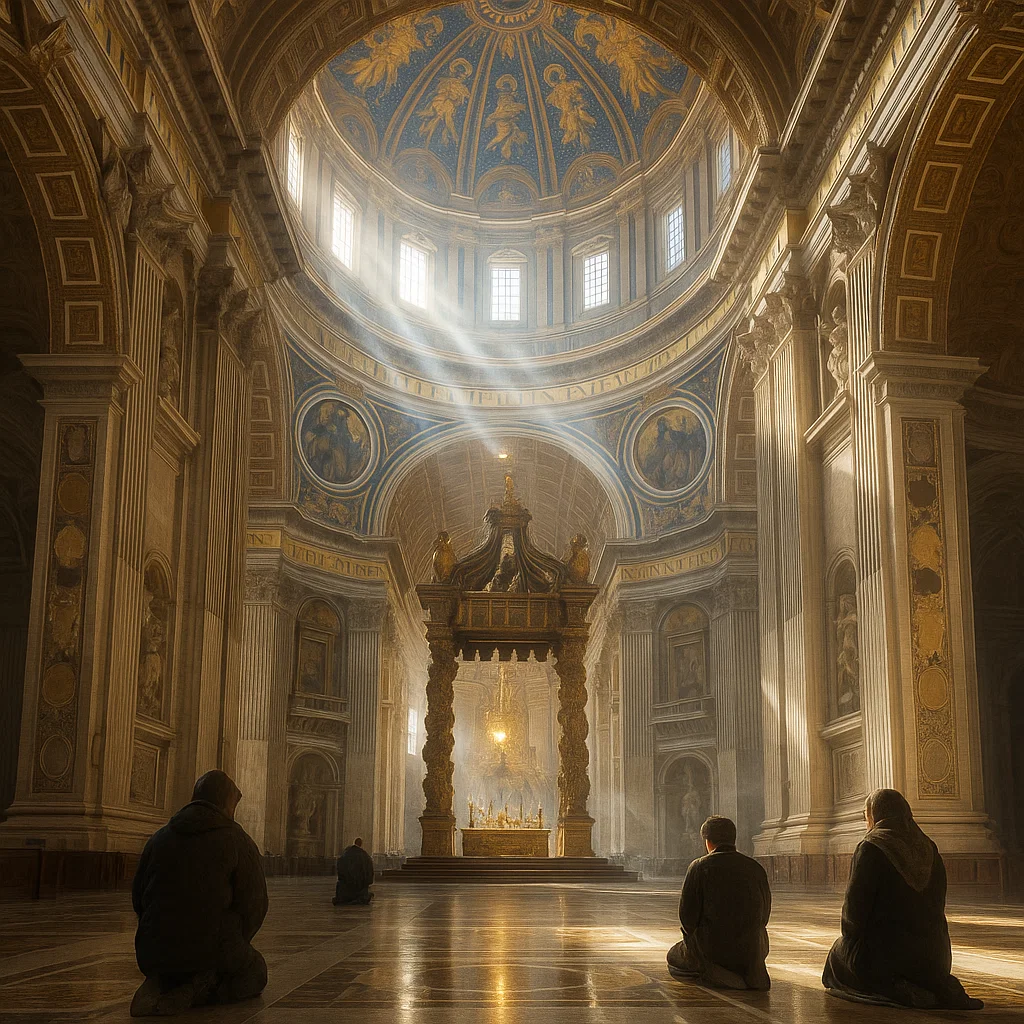
Christian sacred architecture developed from domestic house-churches (1st–3rd centuries) into monumental basilicas and cathedrals symbolizing heaven on earth.
- Structure: Oriented eastward toward the rising sun, signifying resurrection. The nave (assembly), chancel (clergy), and altar form a spatial hierarchy mirroring divine order.
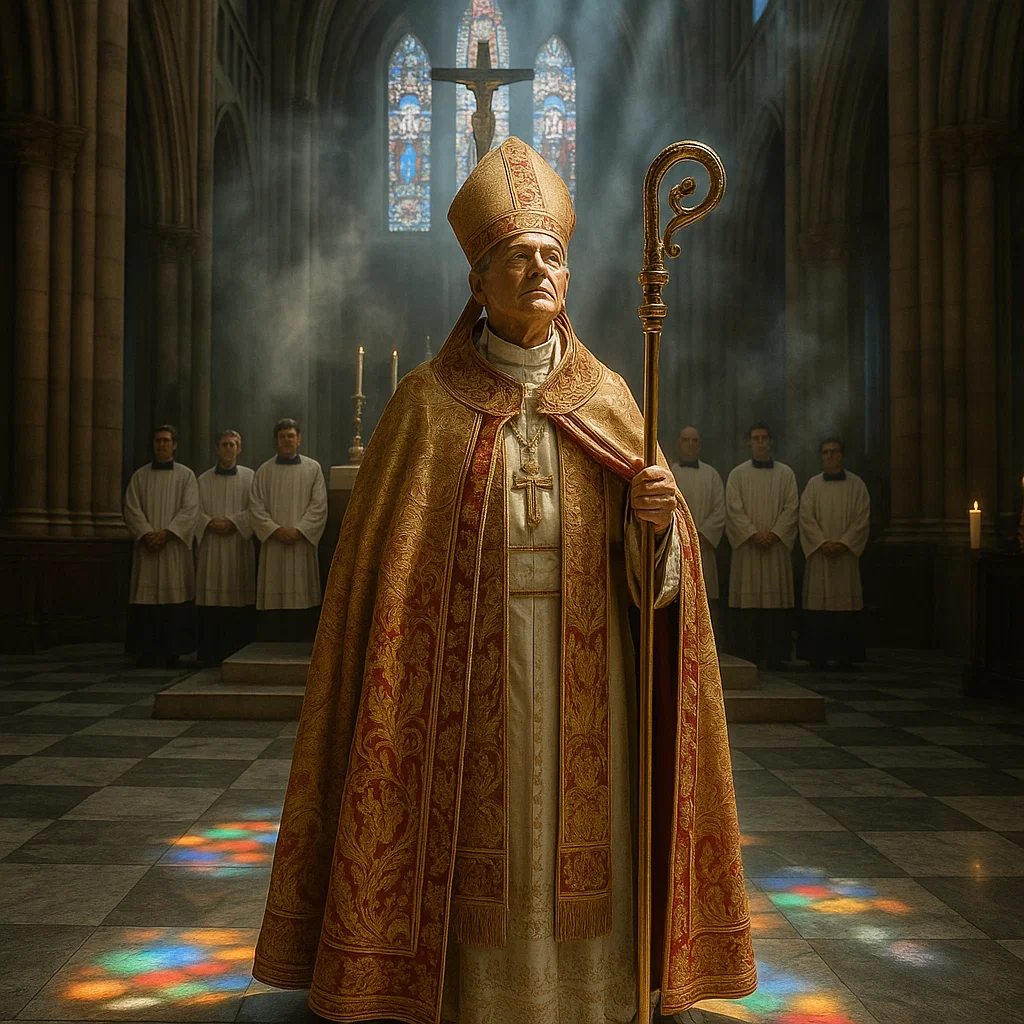
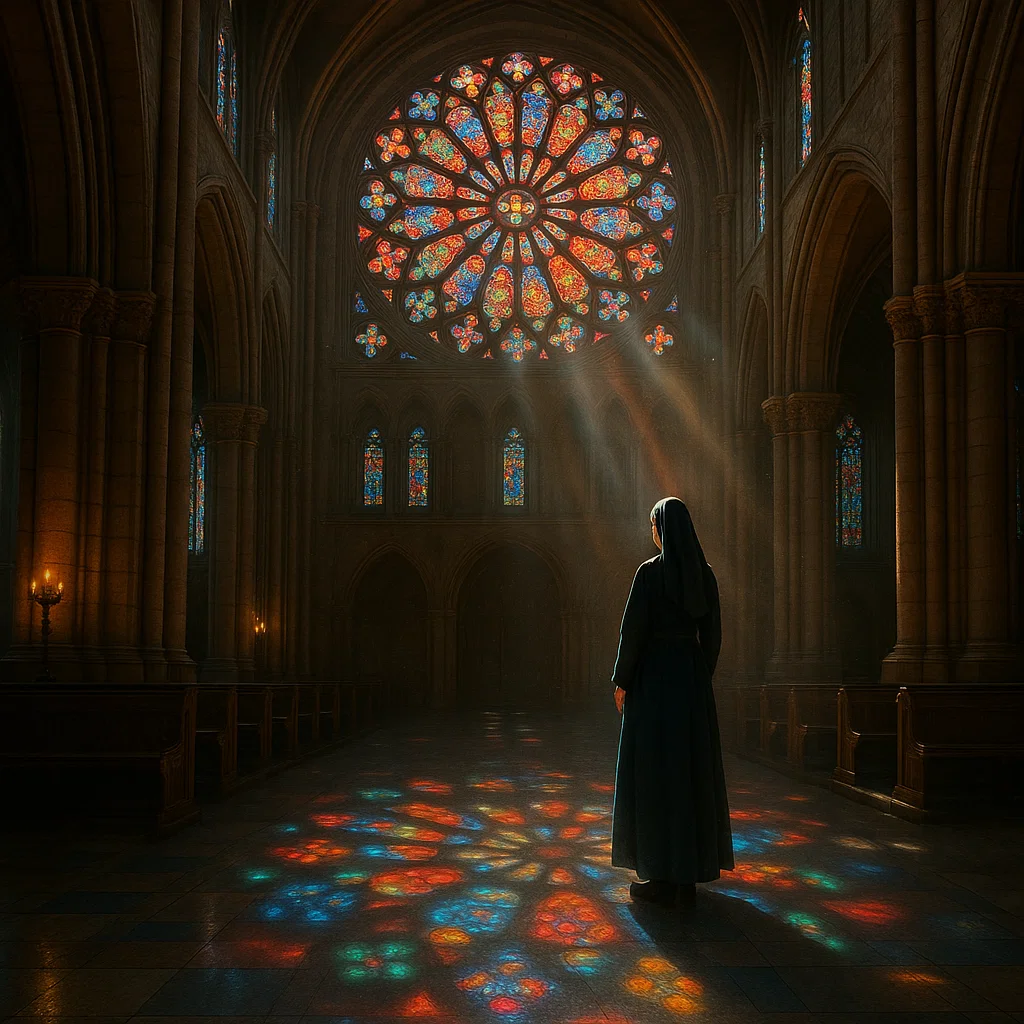
- Cathedrals: Serve as episcopal seats (cathedra = bishop’s chair), expressing both civic and cosmic centrality through vertical design—vaults, domes, and stained glass evoking ascent toward the divine.
- Regional styles: Byzantine domes, Romanesque solidity, Gothic verticality, Baroque theatricality, and modern minimalist sanctuaries each reflect theological emphases on light, transcendence, or community.
Altars, Baptismal Fonts, and Pulpits:
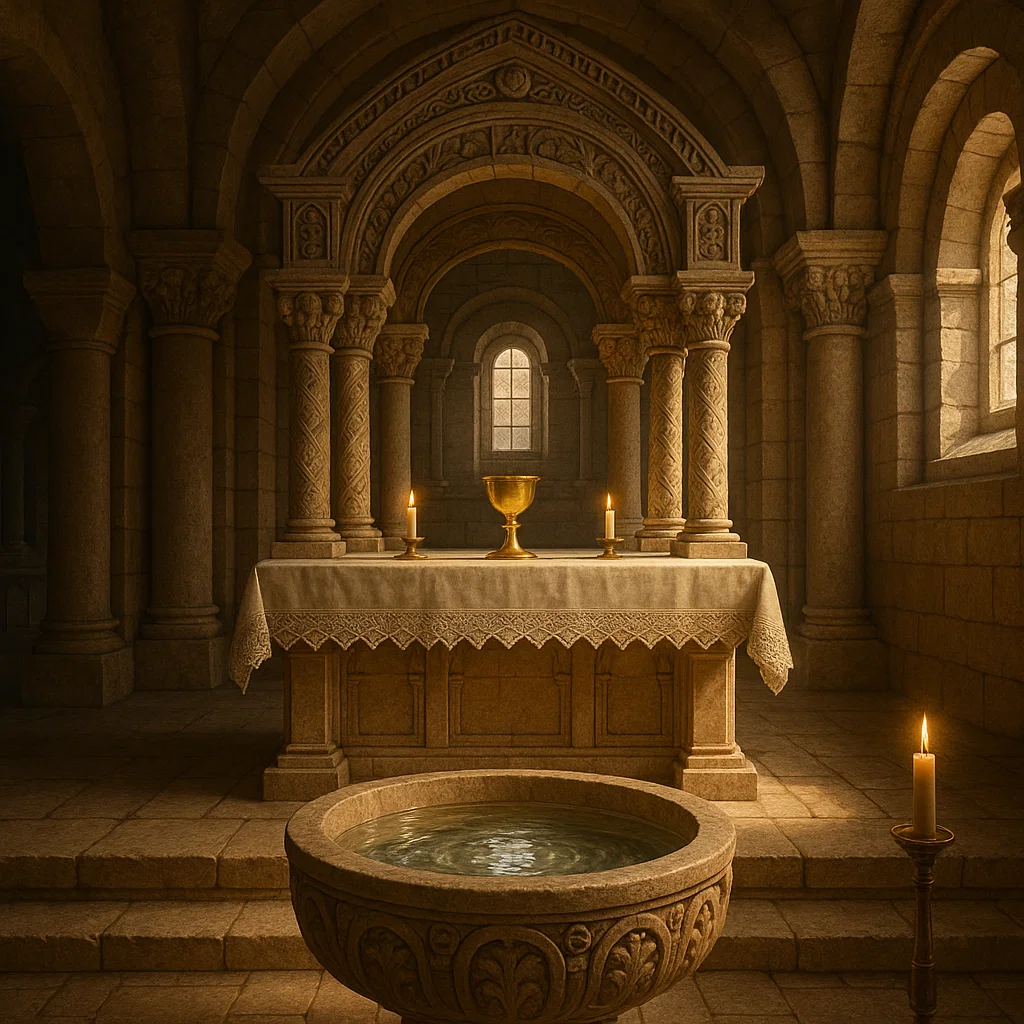
- Altar: The focal point of Eucharistic celebration—memorial of Christ’s sacrifice and table of communion. Early altars were simple stone slabs; later enclosed by rails or canopies (baldachins).
- Baptismal font: Vessel for initiation by water, often octagonal (symbolizing new creation). Positioned near the entrance to signify entry into the faith.
- Pulpit or Ambo: Elevated platform for proclamation of Scripture and sermon, symbolizing the authority of the Word.
Icons, Crucifixes, and Devotional Objects:
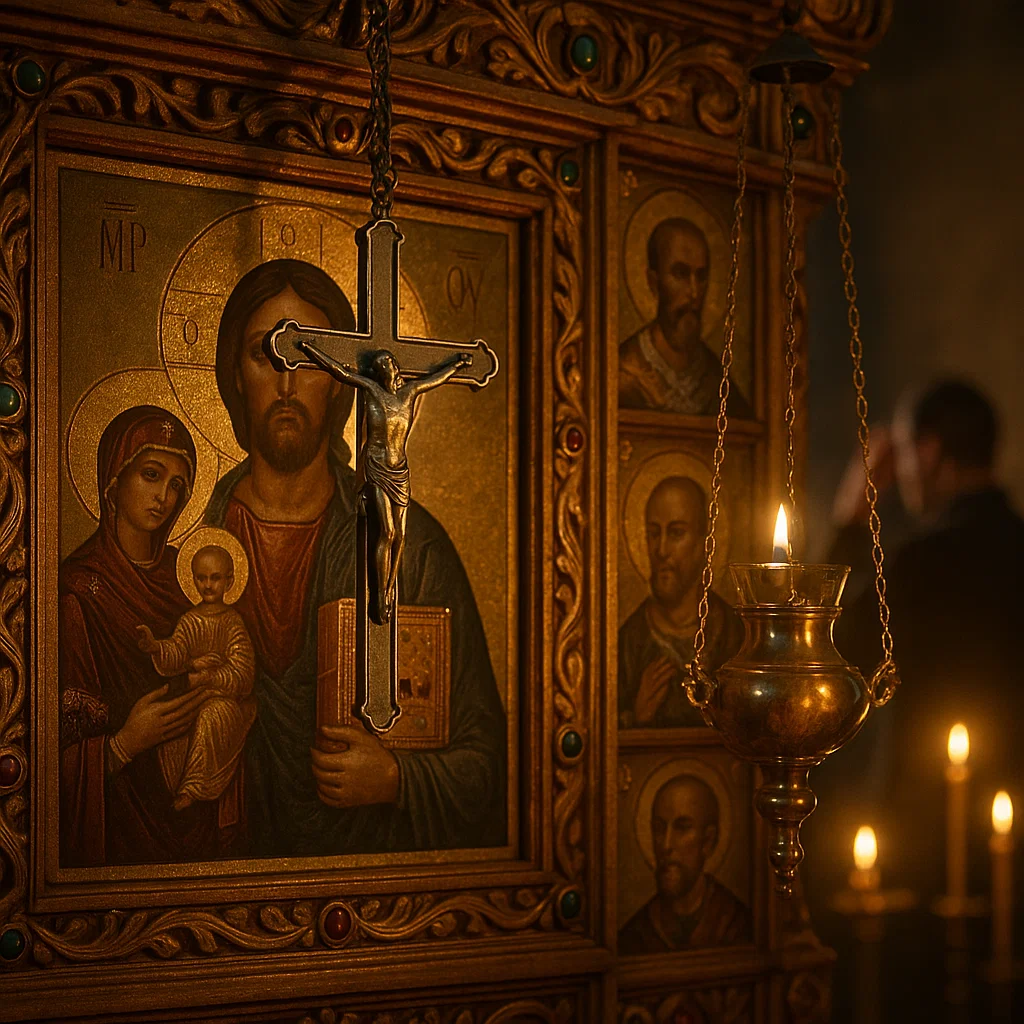
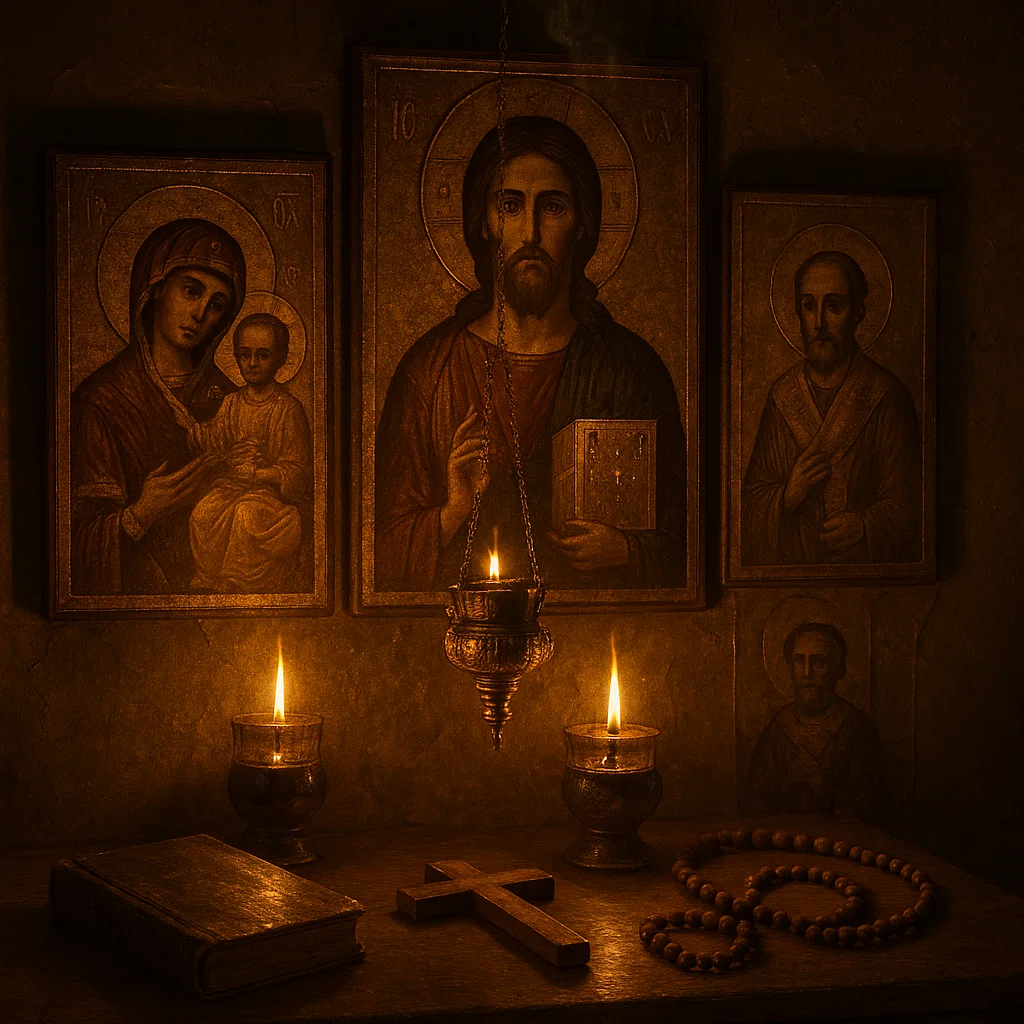
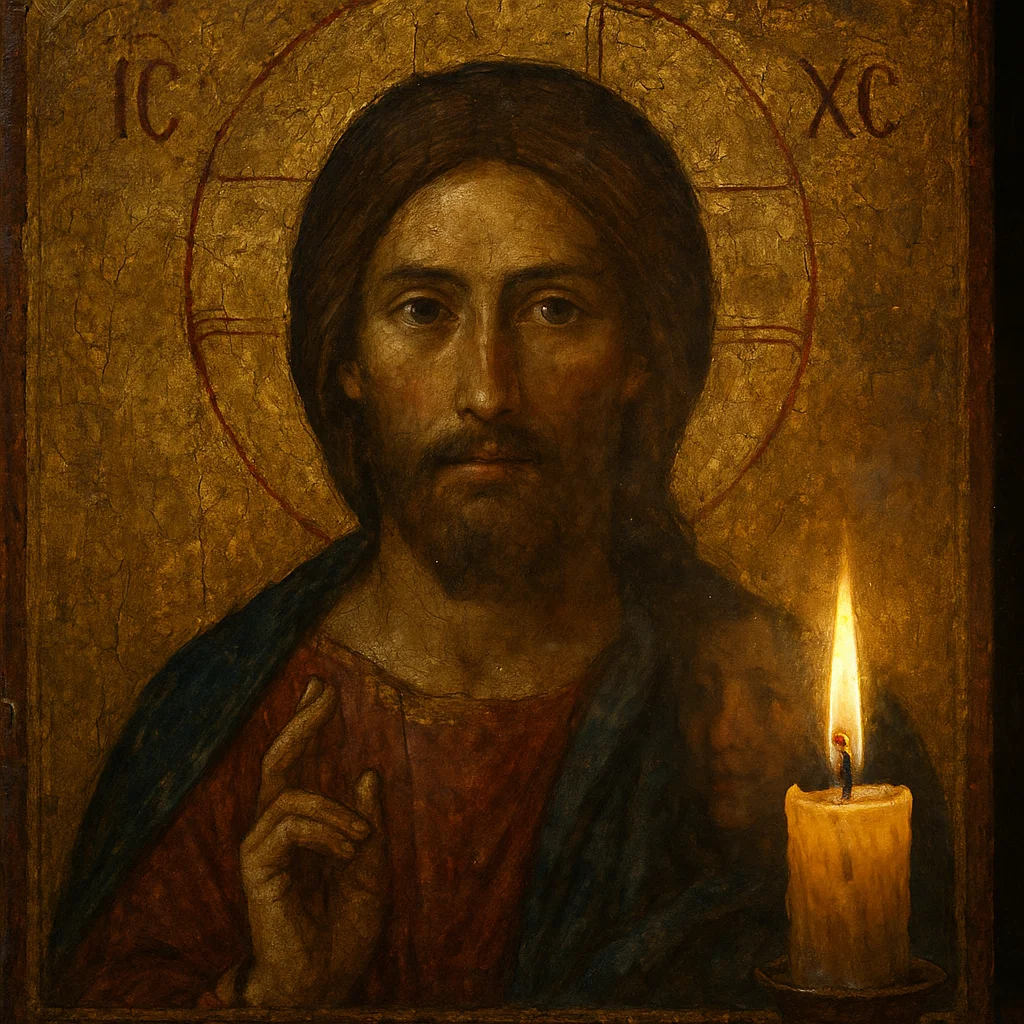
- Icons: Sacred images central to Eastern Orthodoxy, regarded as windows into divine reality. Venerated, not worshiped, they mediate the presence of Christ, the Virgin Mary, and the saints.
- Crucifix: Depiction of the crucified Christ, emphasizing sacrifice and redemption. Western Christianity favors realism; Eastern tradition often portrays the risen Lord in triumph.
- Rosaries and Prayer Beads: Tools for meditative repetition of prayers (notably the Ave Maria), linking tactile action to contemplative focus.
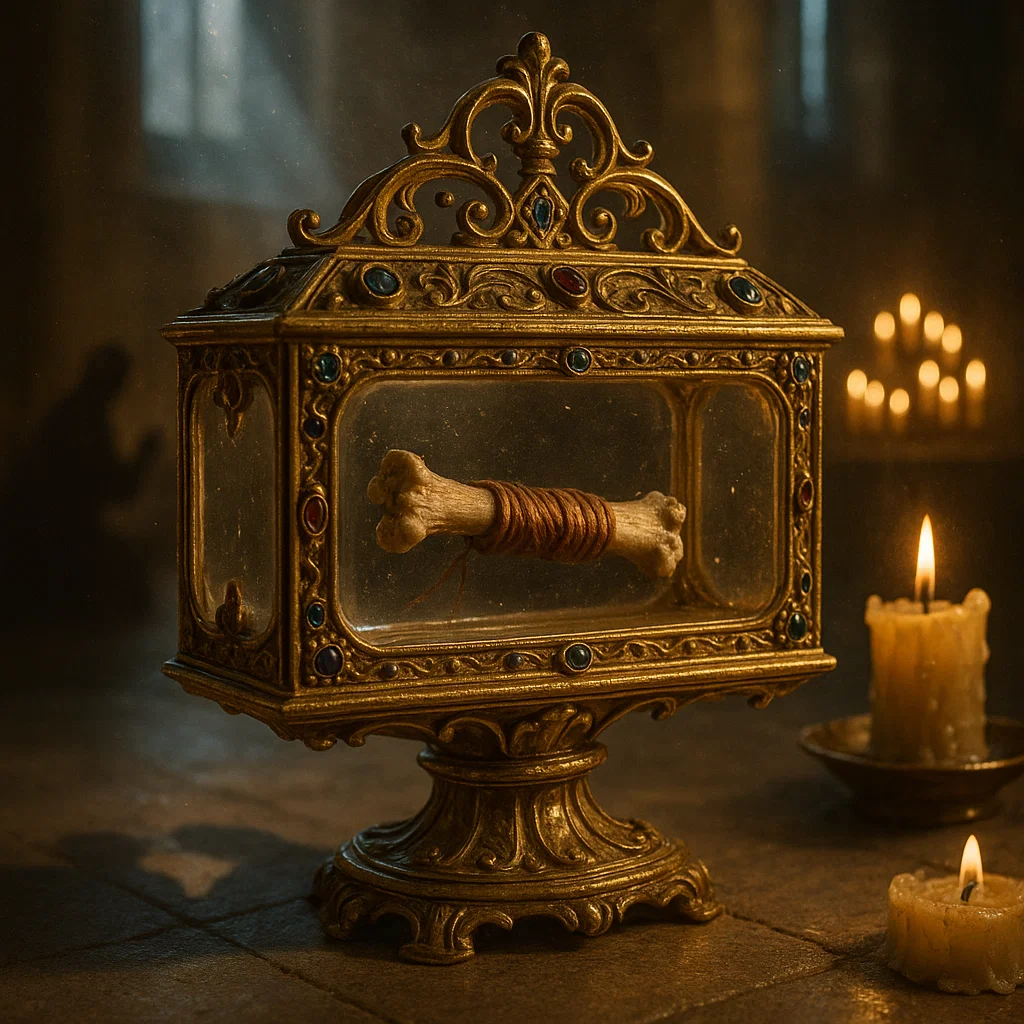
- Relics: Physical remains or possessions of saints; venerated as conduits of sanctity and grace. Churches often house relics beneath altars or in reliquaries, anchoring faith in tangible memory.
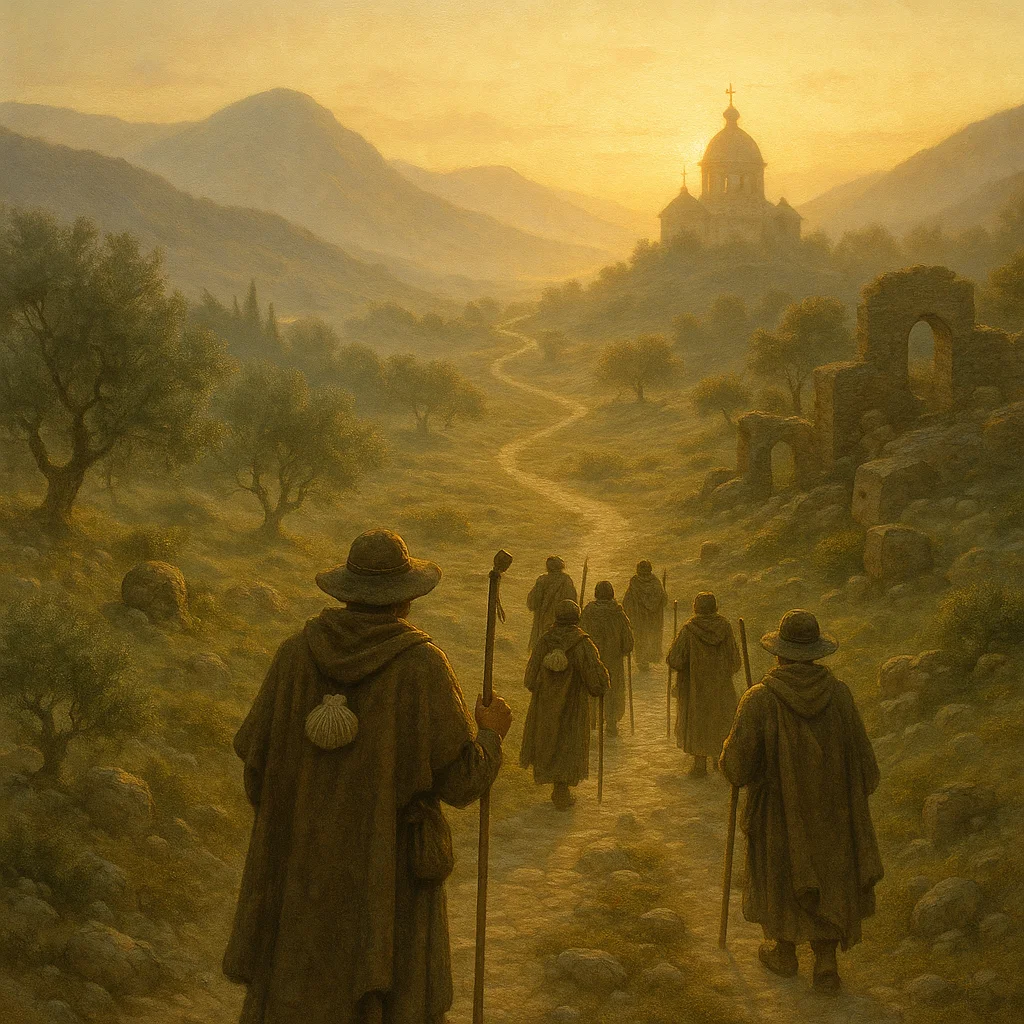
Sacred Sites and Pilgrimage Routes:
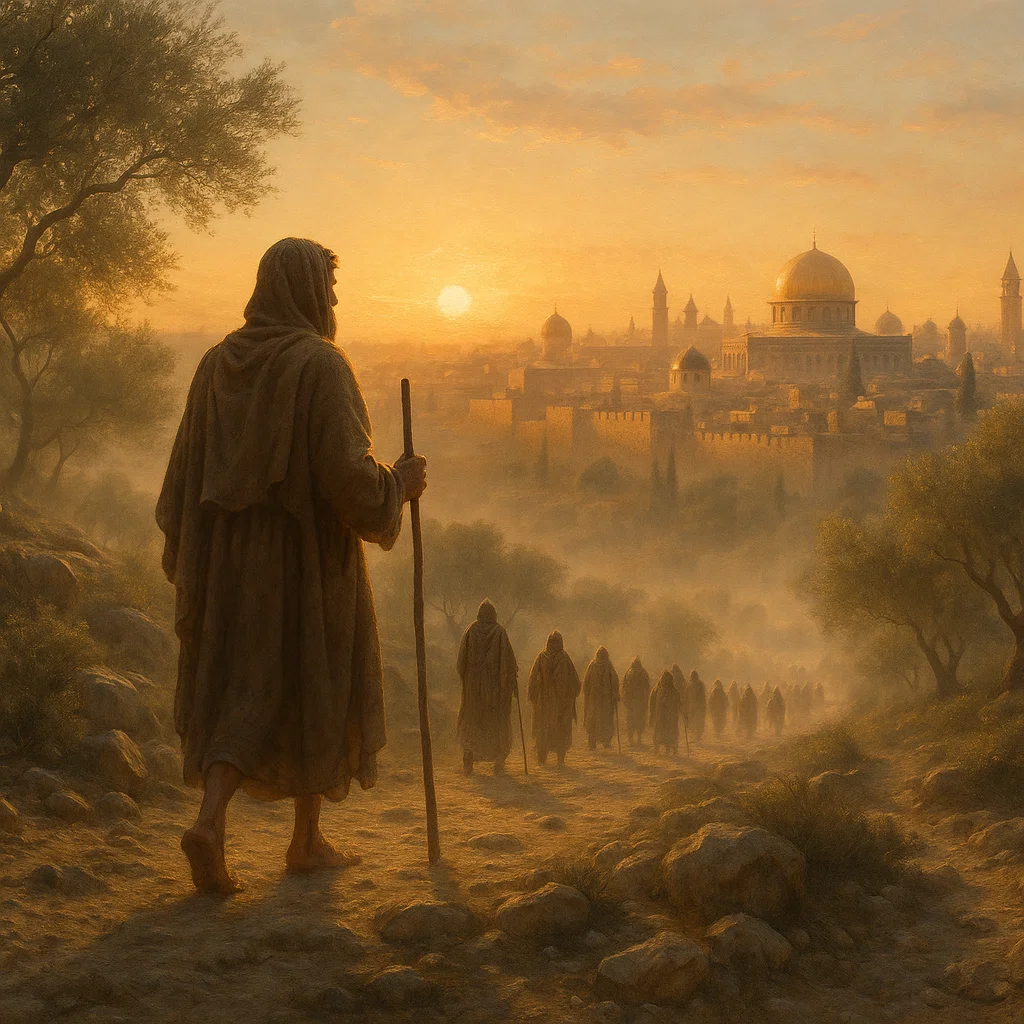
- Jerusalem: Site of Christ’s crucifixion and resurrection (Church of the Holy Sepulchre).
- Bethlehem: Birthplace of Jesus (Church of the Nativity).
- Nazareth: Location of the Annunciation.
- Vatican City (Rome): Seat of the Papacy; St. Peter’s Basilica over the apostle’s tomb.
- Mount Athos, Santiago de Compostela, Lourdes, Fatima, Canterbury, Chartres: Later centers of pilgrimage, healing, and devotion.
Pilgrimage transforms geographic space into spiritual discipline—movement through the world as metaphor for the soul’s journey toward God.
Symbolic Function:
Christian material culture makes the invisible visible: sacred architecture represents cosmic order; relics and icons embody the communion of saints; ritual objects translate theology into form. The physical world becomes sacramental—matter as a vessel of divine presence—binding sensory experience to metaphysical truth.
8. Religious Specialists & Institutions
Clergy:
Ordained ministers form the backbone of Christian institutional life, charged with administering sacraments, preaching, and pastoral care.
- Bishops: Successors to the apostles; exercise oversight of dioceses and maintain doctrinal unity.
- Priests (Presbyters): Conduct liturgy, celebrate the Eucharist, absolve sins, and guide local congregations.
- Deacons: Serve in ministry of charity, assist at worship, and bridge clergy and laity.
In Protestant traditions, pastors or ministers fulfill these functions without sacramental hierarchy, emphasizing preaching and scriptural teaching as central acts of leadership.
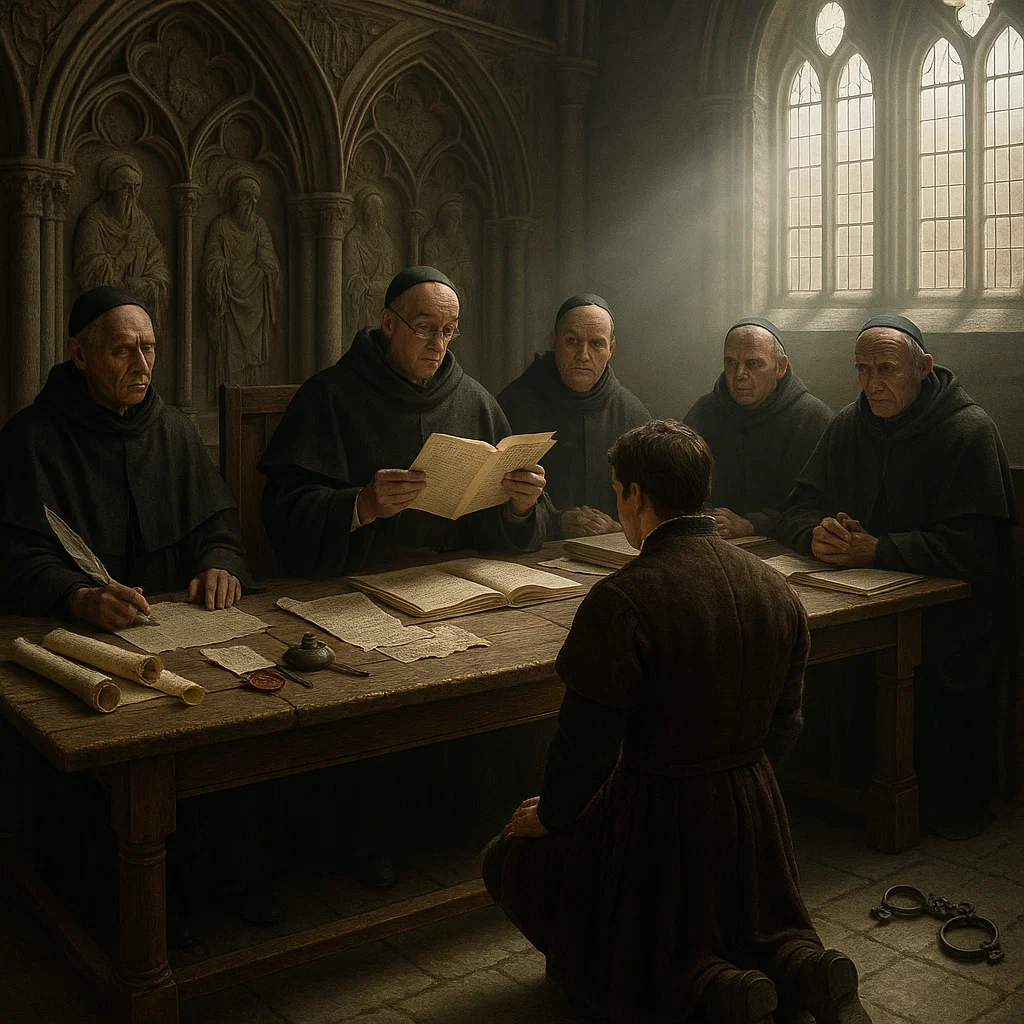
Monastics:
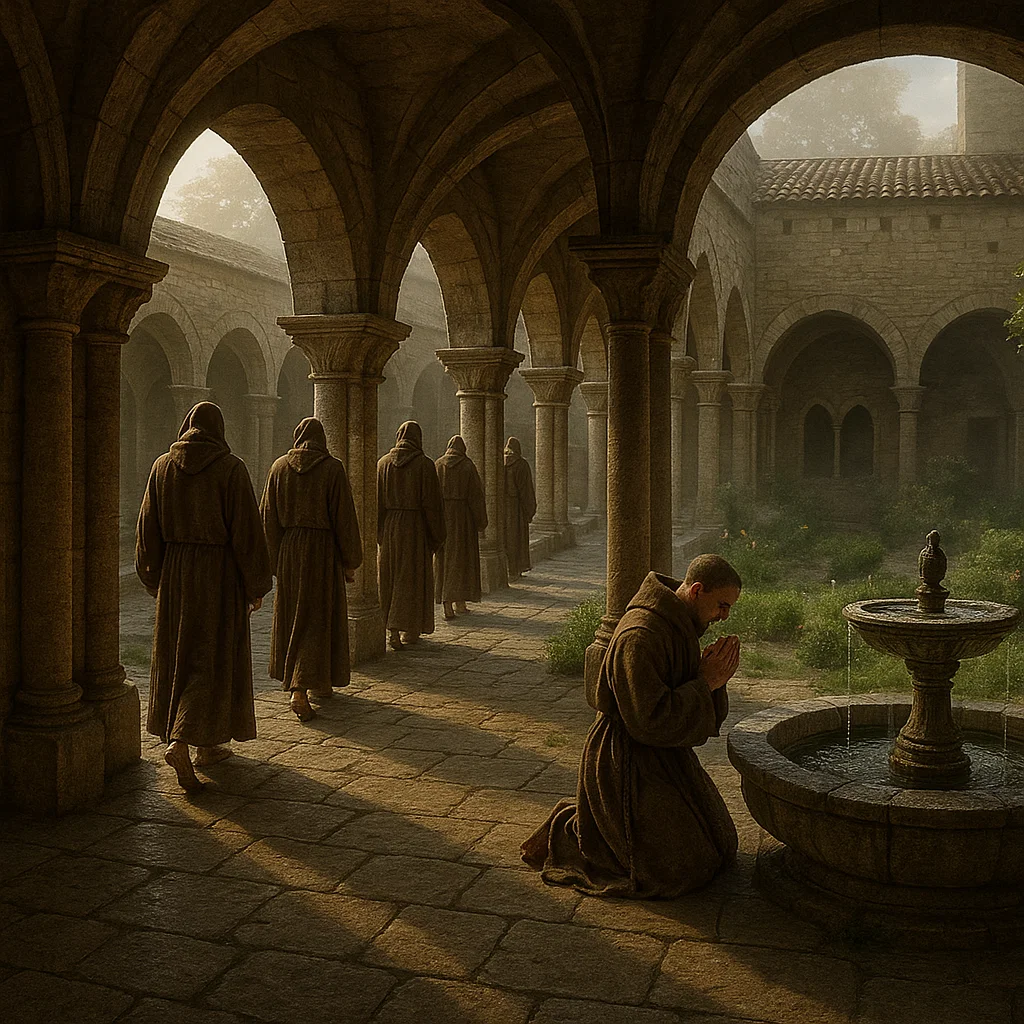
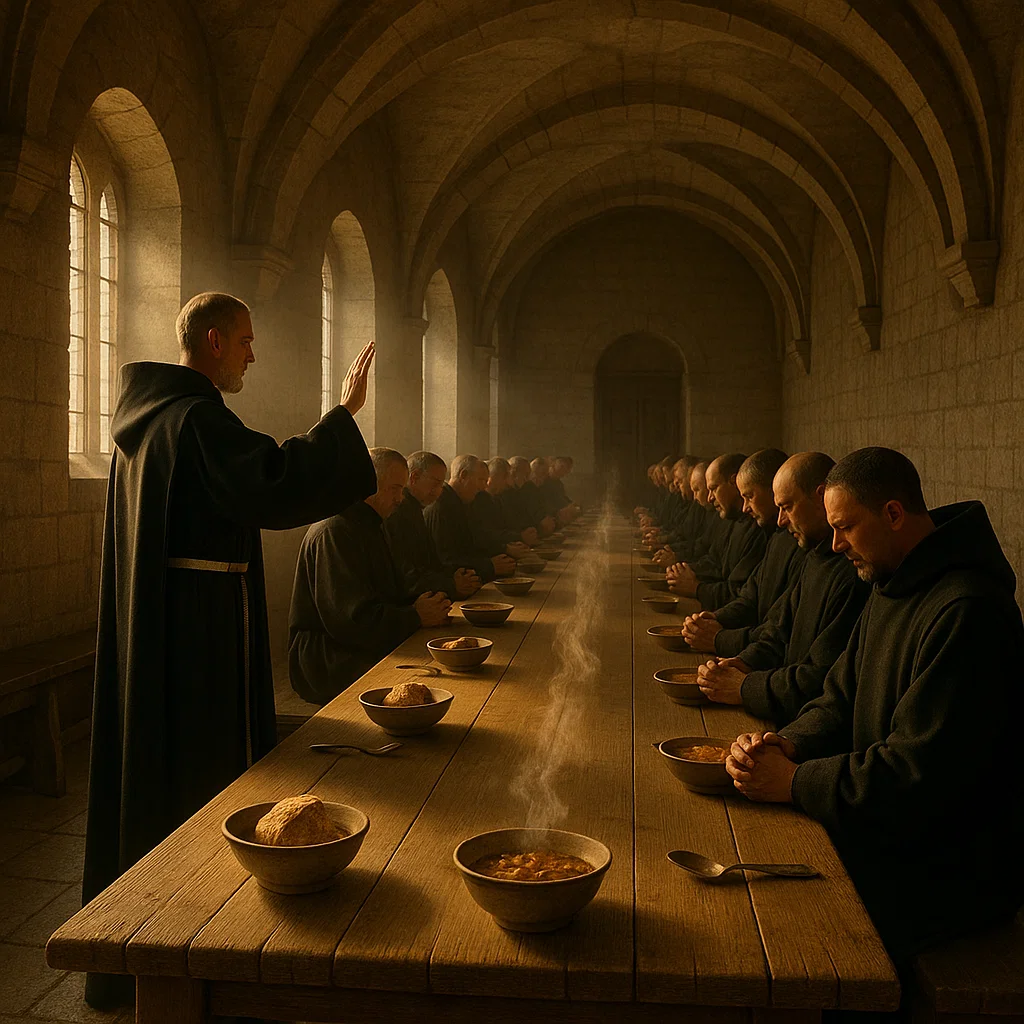
Men and women who withdraw from secular life to pursue holiness through prayer, discipline, and communal rule.
- Monks and Nuns: Vow poverty, chastity, and obedience; inhabit monasteries or convents organized around prayer (ora) and work (labora).
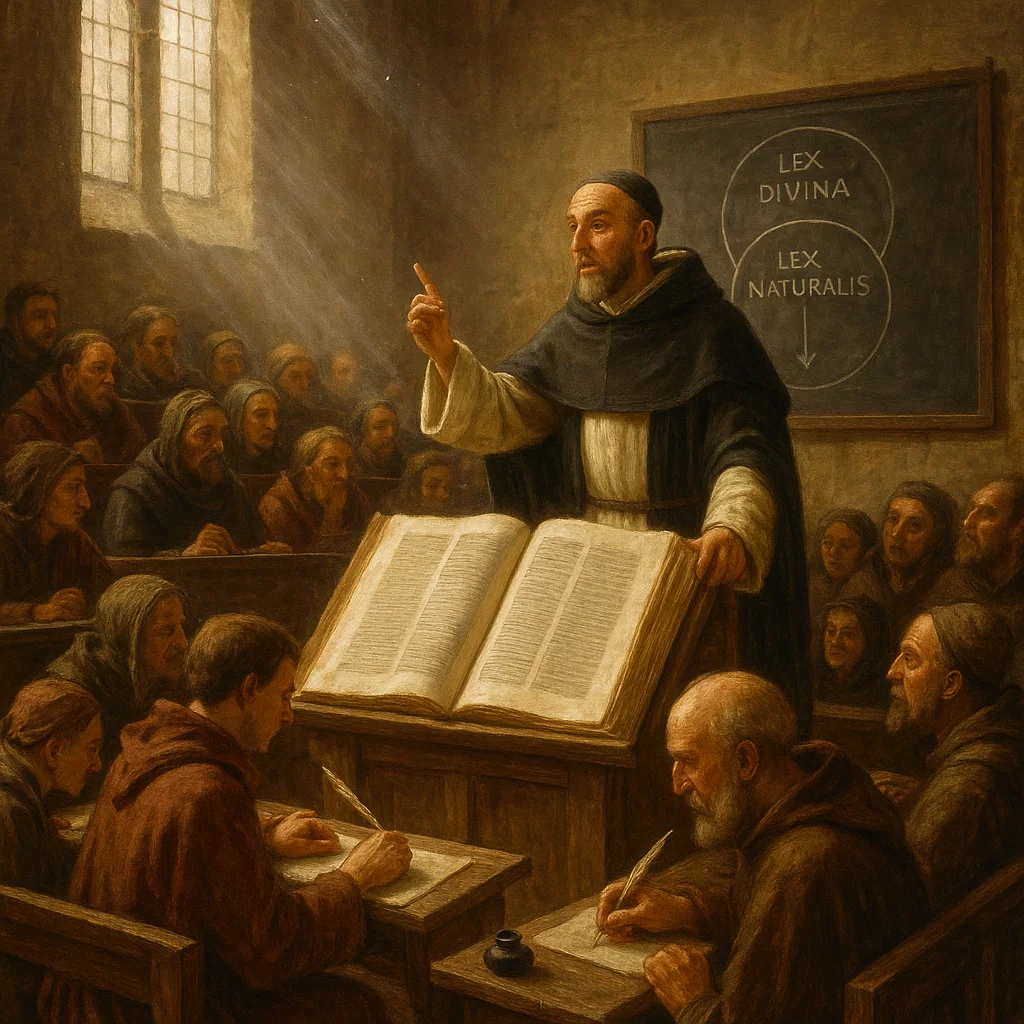
- Friars: Mendicant orders (e.g., Franciscans, Dominicans) combining contemplation with active preaching and service.
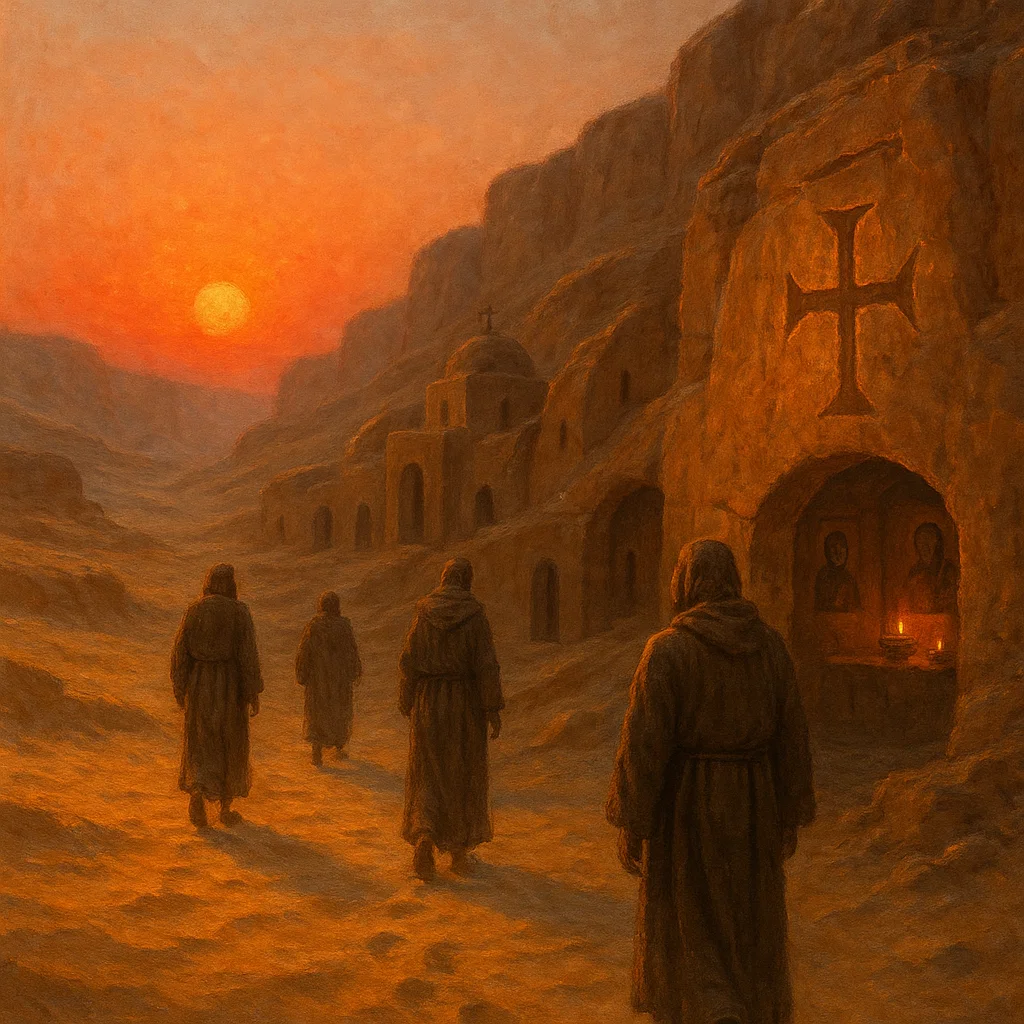
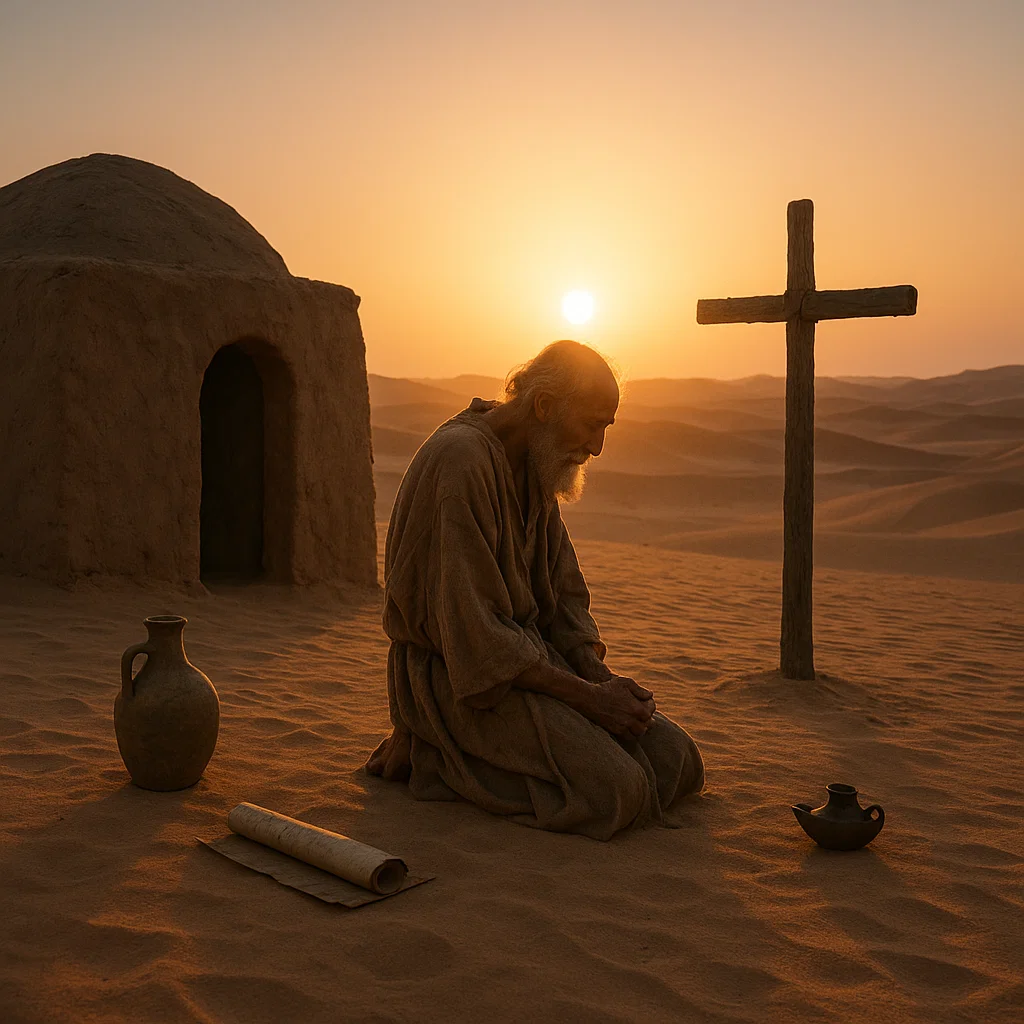
Monasticism—emerging from Egyptian desert hermits in the 3rd–4th centuries—became a stabilizing spiritual and intellectual force, preserving theology, art, and scholarship throughout medieval Christendom.
Hierarchy and Institutional Structures:
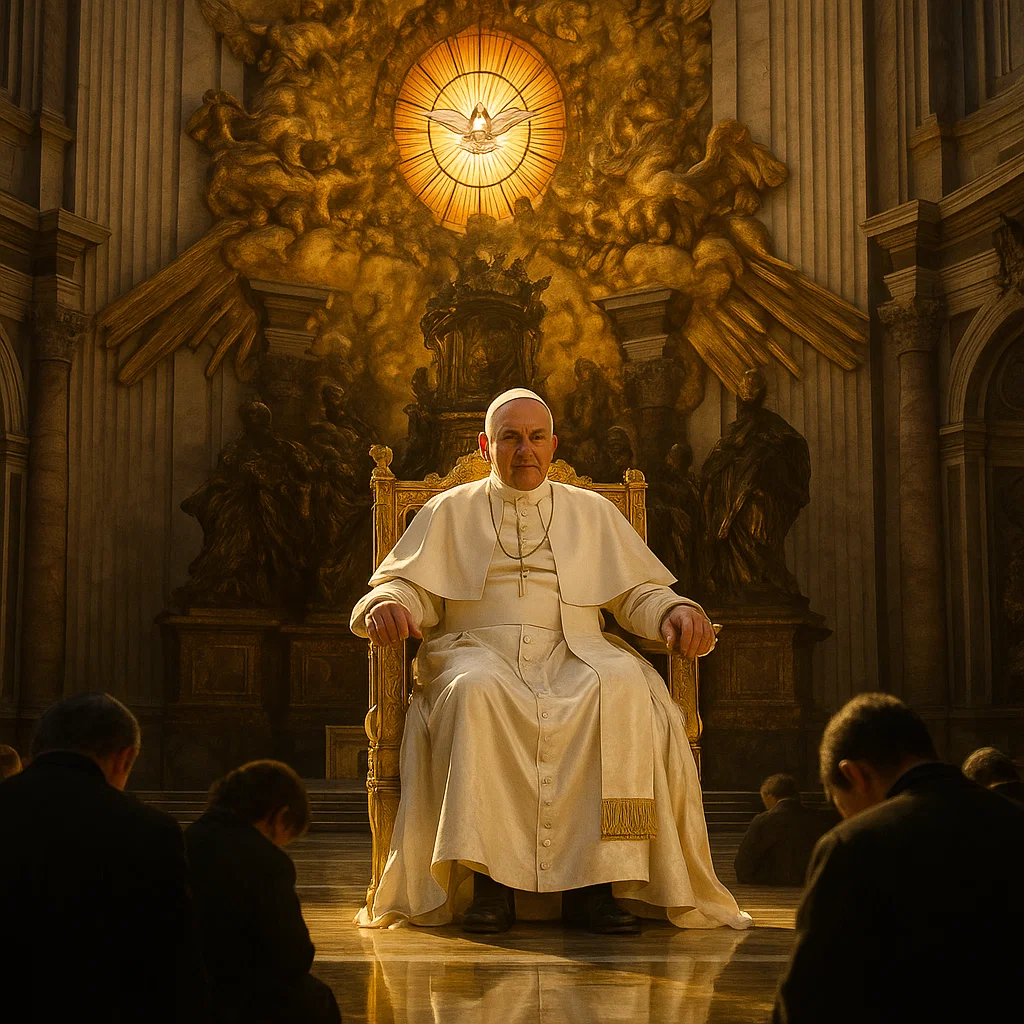
- Roman Catholic Church: Centralized under the Pope, Bishop of Rome, regarded as successor of St. Peter. Authority flows through archbishops, bishops, and parish priests. The Magisterium defines doctrine; the Curia administers global governance.
- Eastern Orthodox Churches: Collegial structure of autocephalous patriarchates (Constantinople, Alexandria, Antioch, Jerusalem, Moscow, etc.), each self-governing yet united in faith and sacrament.
- Oriental Orthodox and Eastern Catholic Churches: Maintain ancient rites and hierarchies under varying degrees of Roman or independent authority.
- Protestant Traditions: Reject centralized hierarchy in favor of local or national governance.
- Episcopal systems (Anglican, Methodist): retain bishops.
- Presbyterian systems: governed by elders and assemblies.
- Congregational systems: each church autonomous under elected leadership.
These differing polities embody contrasting theological views of authority—apostolic succession vs. scriptural sufficiency.
Councils and Synods:
Collective bodies convened to resolve doctrinal, liturgical, or disciplinary issues.
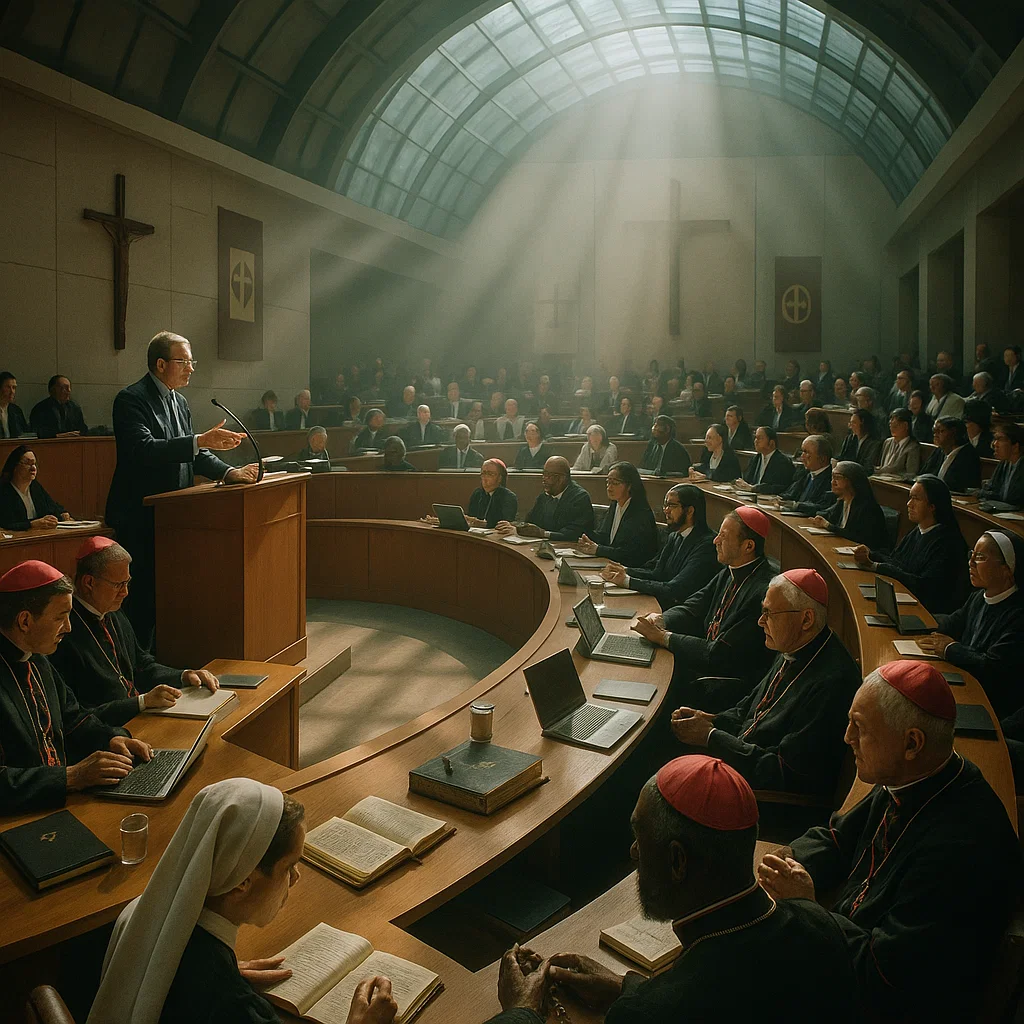
- Ecumenical Councils (e.g., Nicaea 325, Chalcedon 451, Trent 1545–63, Vatican II 1962–65) define orthodoxy and reform practice.
- Synods (regional or denominational) address governance and interpretation within specific churches.
Such assemblies embody Christianity’s dialogical character—truth sought through communal discernment rather than private revelation alone.
Summary:
Christian institutions balance charisma and order: prophetic inspiration tempered by structured authority. Clergy and monastics maintain continuity of teaching and ritual; councils safeguard doctrinal coherence; and diverse hierarchies reflect the tension between unity and reform that has shaped Christianity’s evolution for two millennia.
9. Social Function & Law
Unifying Worldview in Medieval Europe:
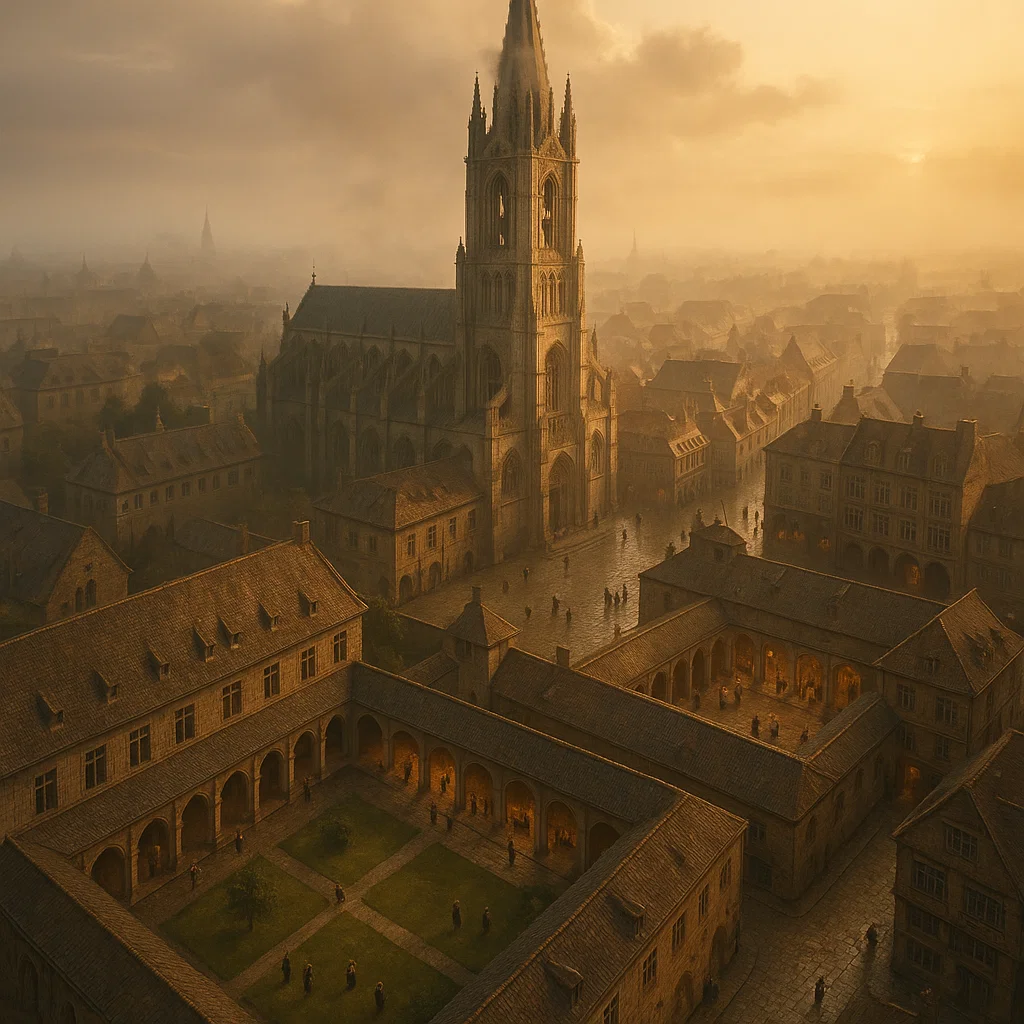
From the fall of Rome through the late Middle Ages, Christianity supplied the intellectual and moral framework of Western civilization. The Church functioned as both spiritual authority and cultural system, integrating religion, law, politics, and education into a coherent worldview. Latin Christendom conceived of itself as a single corpus christianum—a divinely ordered society encompassing rulers, clergy, and laity under God’s sovereignty. Theology underpinned philosophy, law, art, and science; cathedrals, monasteries, and universities became centers of both worship and knowledge.
Divine Authority and Kingship:
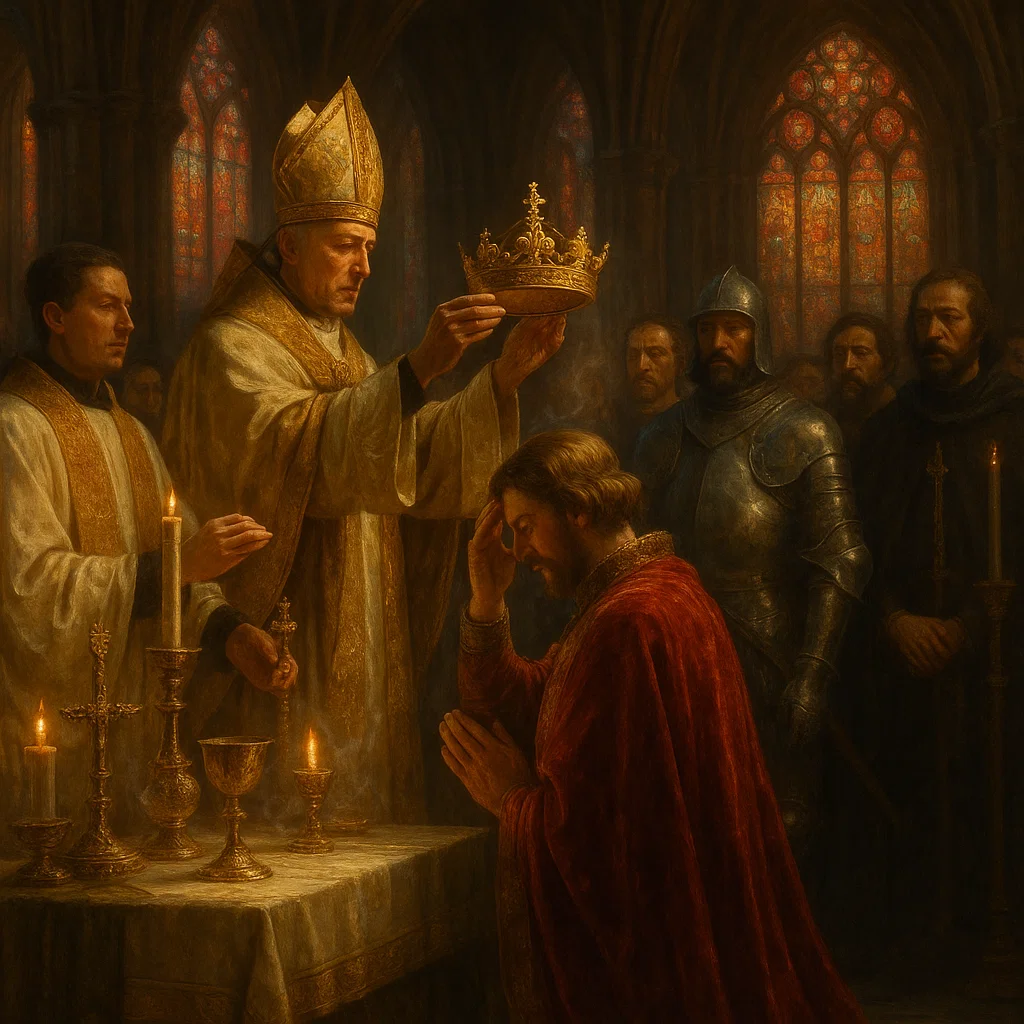
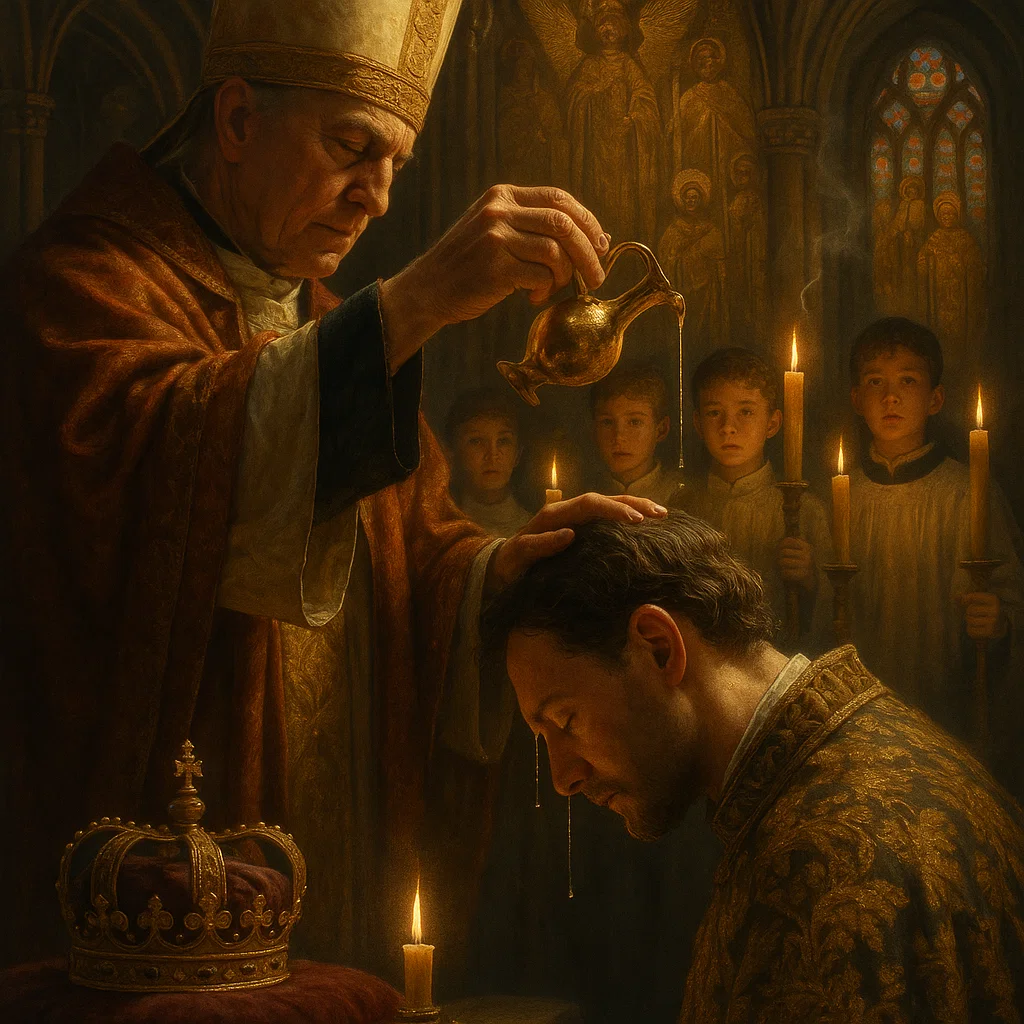
Political legitimacy was grounded in divine sanction. Kings ruled by the grace of God, and coronation rites invoked priestly blessing and anointing with holy oil, mirroring biblical precedents (e.g., Davidic monarchy). The “two swords” doctrine (spiritual and temporal power) articulated by Gelasius I (494 CE) defined Church and state as distinct yet interdependent. In practice, papal and imperial claims often clashed, but both drew on Christian theology to justify governance. Lawmaking and justice were interpreted as participation in divine order rather than merely human convention.
Moral and Legal Codes:
Christian ethics fused Hebrew law and Gospel teaching into a universal moral standard.
- Ten Commandments: Core prohibitions against idolatry, murder, theft, adultery, and false witness; foundation for Western moral and legal systems.
- Sermon on the Mount (Matthew 5–7): Interiorized morality—love of enemies, humility, mercy, and purity of heart—defining the ideal Christian life beyond mere obedience.
- Canon Law: Codified Church governance, marriage, clerical discipline, and heresy procedures. Influenced the development of civil and common law traditions in Europe through the scholastic jurists of Bologna and later papal decretals.
The moral order thus extended from the confessional to the courtroom, sanctifying both personal conscience and public justice.
Charity and Welfare:
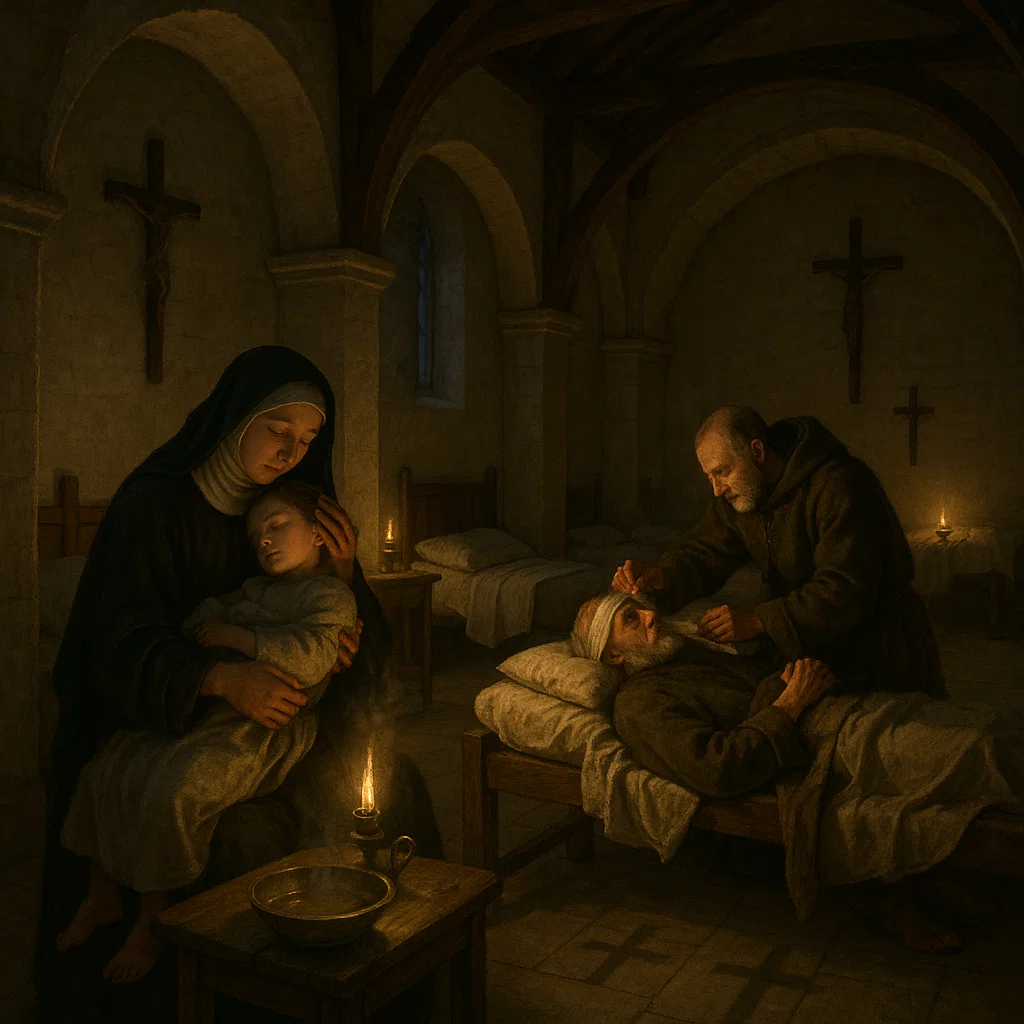
Care for the poor, sick, and marginalized was a central expression of Christian virtue.
- Almsgiving considered both moral duty and spiritual purification.
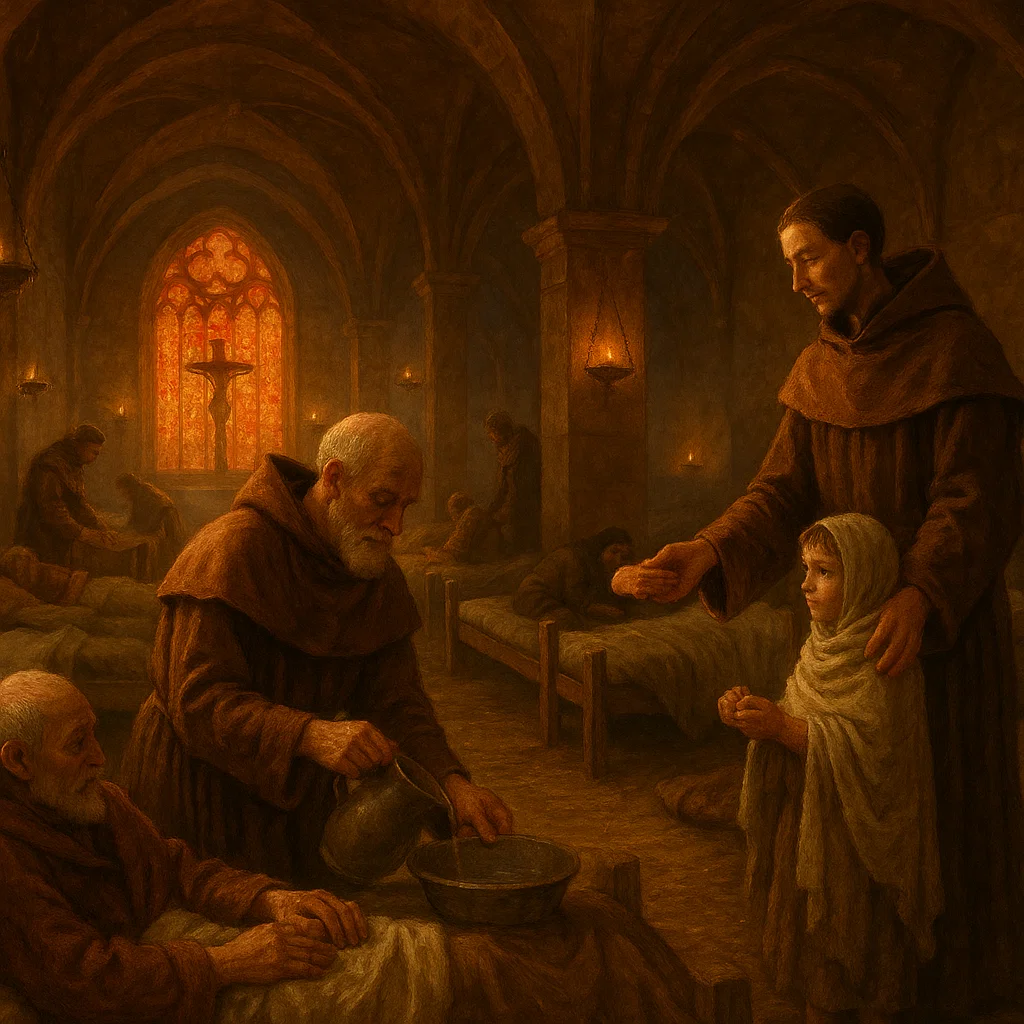
- Monastic institutions established hospitals, orphanages, and hostels.
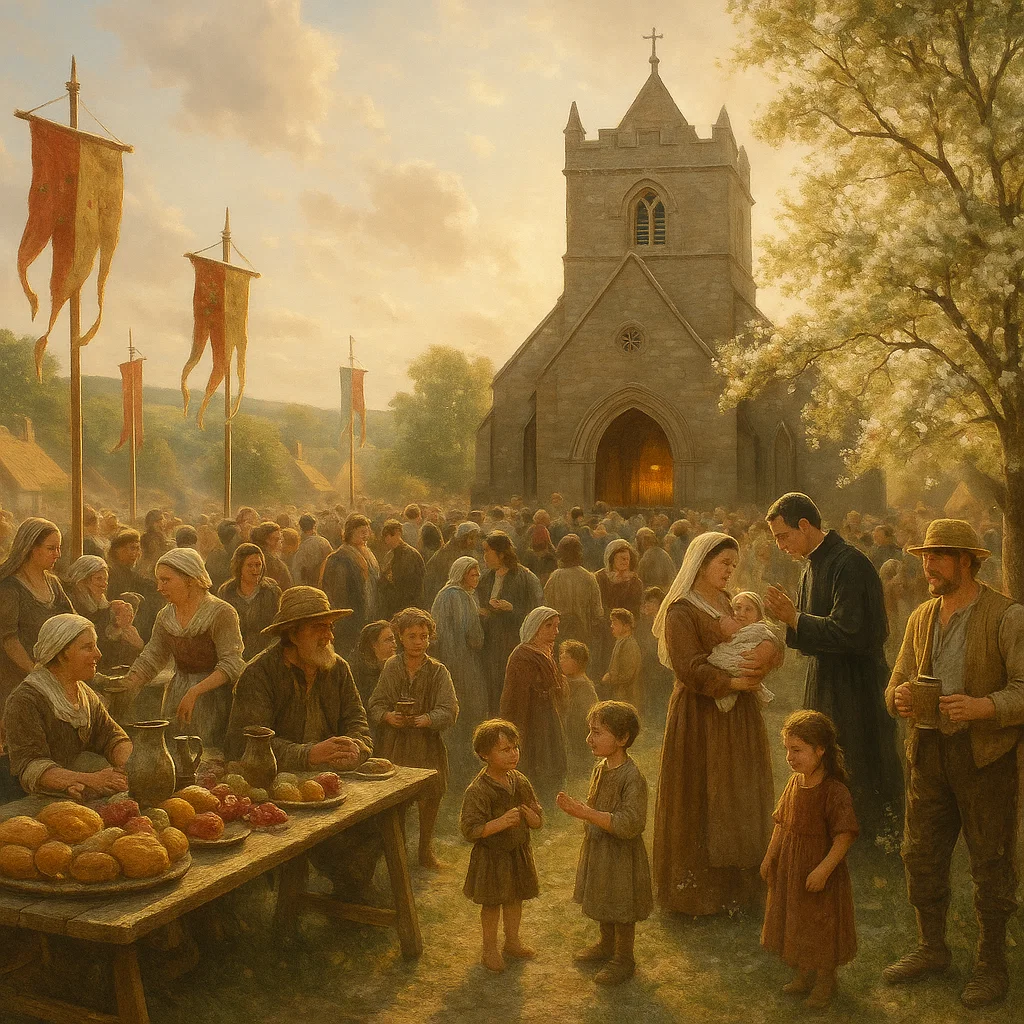
- Parish systems distributed aid locally, linking social support with religious belonging.
Over centuries, this ethic evolved into organized philanthropy and later secular welfare models, preserving its theological root: that love of neighbor is service to God.
Community and Parish Life:
The parish was the nucleus of Christian social organization—a microcosm of the universal Church. It structured birth, marriage, death, and festival within liturgical rhythm. The church building served not only as a place of worship but also as court, school, and meeting hall. In Protestant contexts, congregation replaced parish as the voluntary community of believers, emphasizing shared interpretation and accountability. Both models bound individuals into moral and social networks that mediated between the private conscience and the broader polity.
Summary:
Christianity’s social function lay in transforming religion into the grammar of civilization—law, ethics, kingship, and community all articulated through divine reference. It provided the West with its dominant moral vocabulary, institutional infrastructure, and concept of justice, defining human life as participation in a transcendent moral order.
10. Death & Afterlife
Core Beliefs:
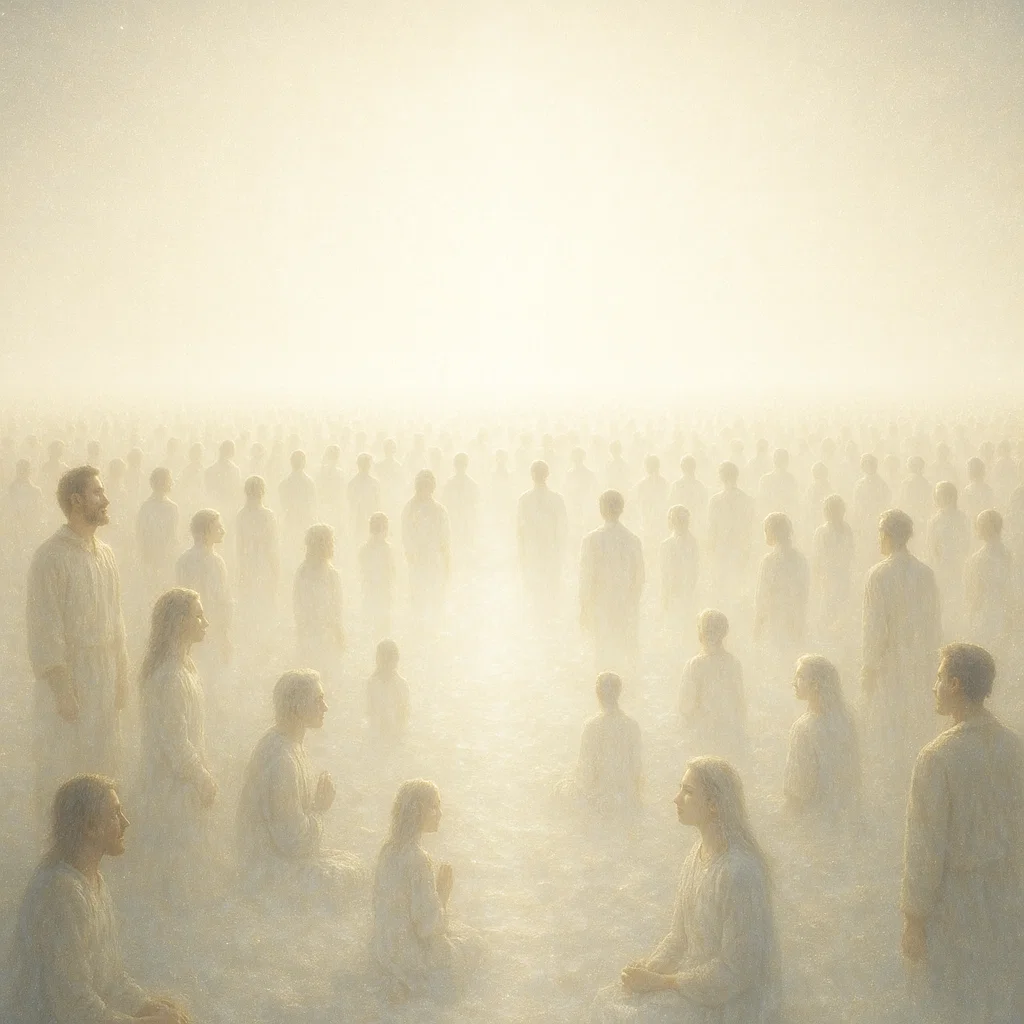
Death is not annihilation but transition. Christian eschatology affirms the resurrection of the dead and eternal life in communion with God. The soul, created by God and inherently immortal, survives bodily death and awaits final restoration.
- Heaven: Eternal union with God—the beatific vision—in which the redeemed experience perfect love, knowledge, and joy.
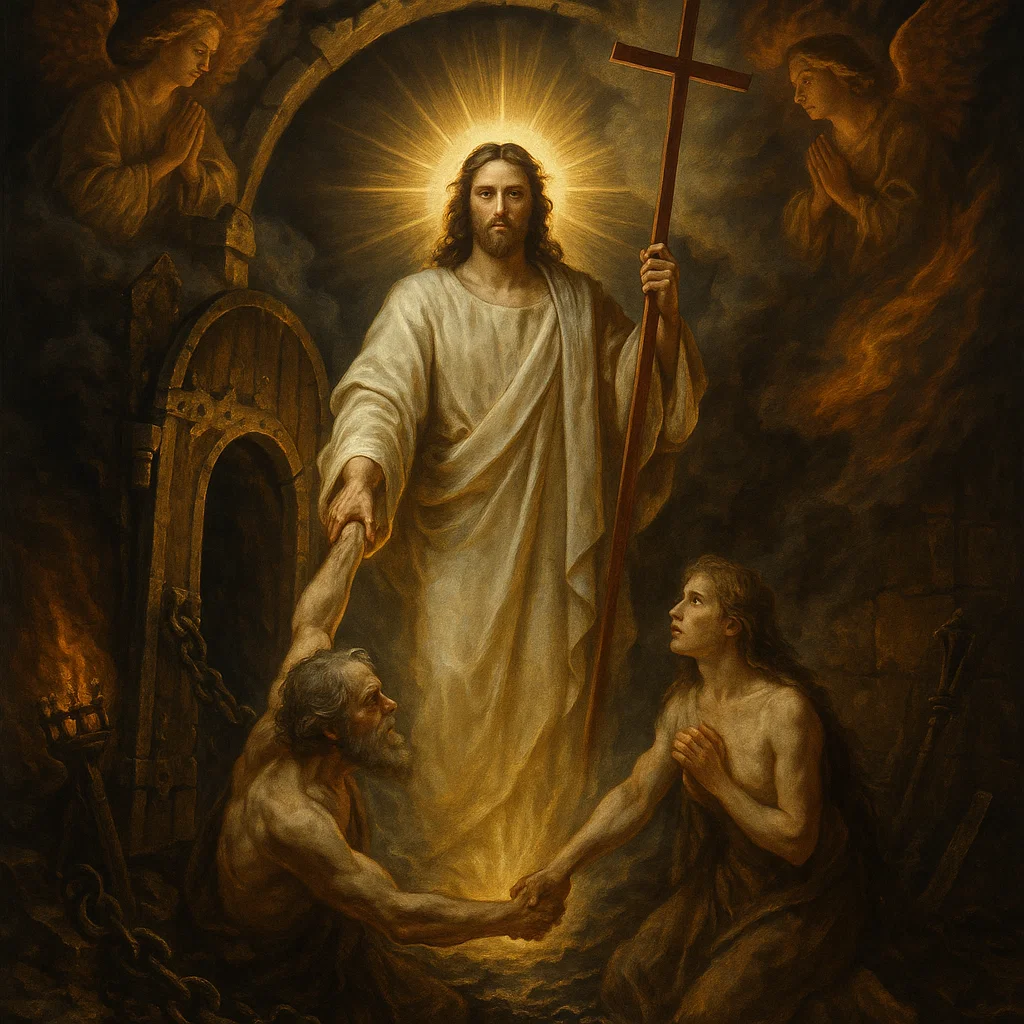
- Hell: State or condition of definitive separation from God, the consequence of unrepented sin and rejection of grace.
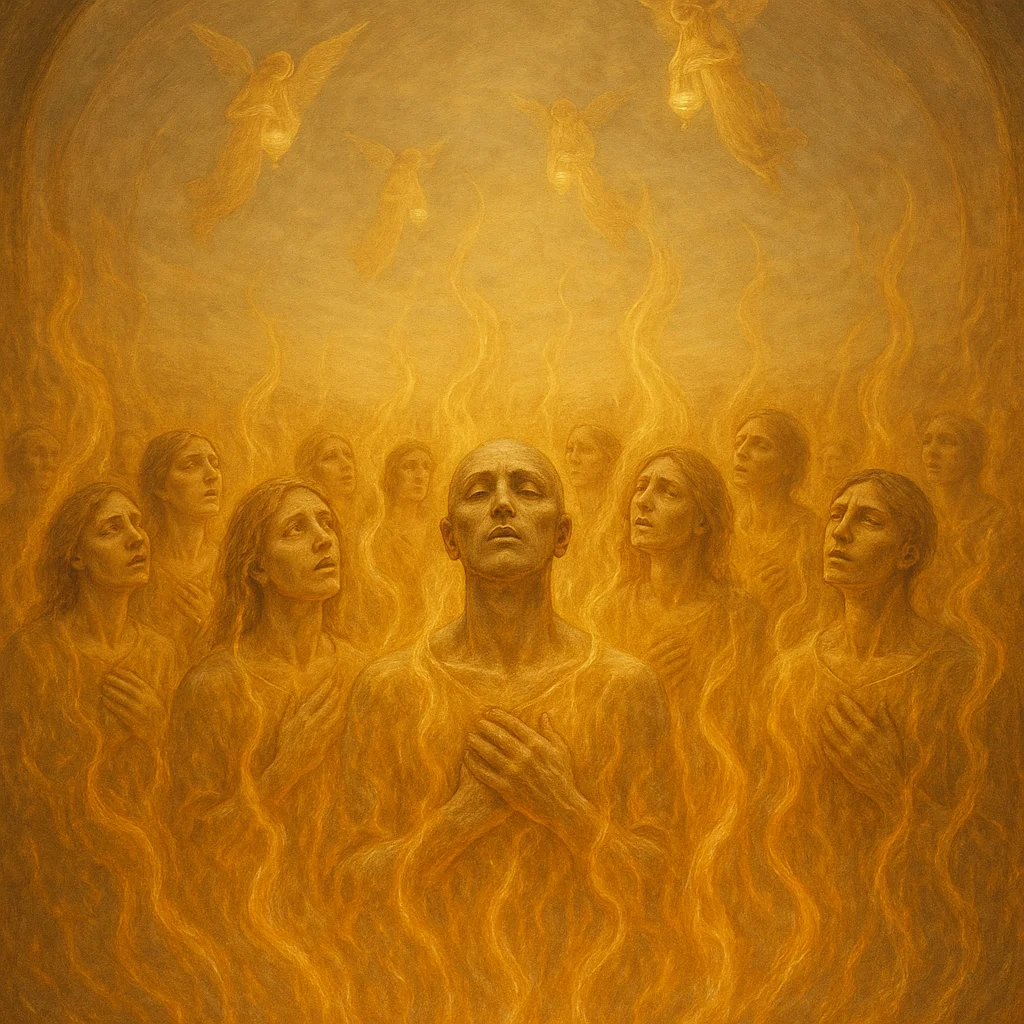
- Purgatory (Catholic doctrine): Intermediate purification for souls destined for heaven but still bearing temporal effects of sin. It reflects divine mercy and justice within a single moral continuum.
- Protestant and Orthodox views: Emphasize immediate presence with God or exclusion therefrom; tend to reject purgatory as unscriptural.
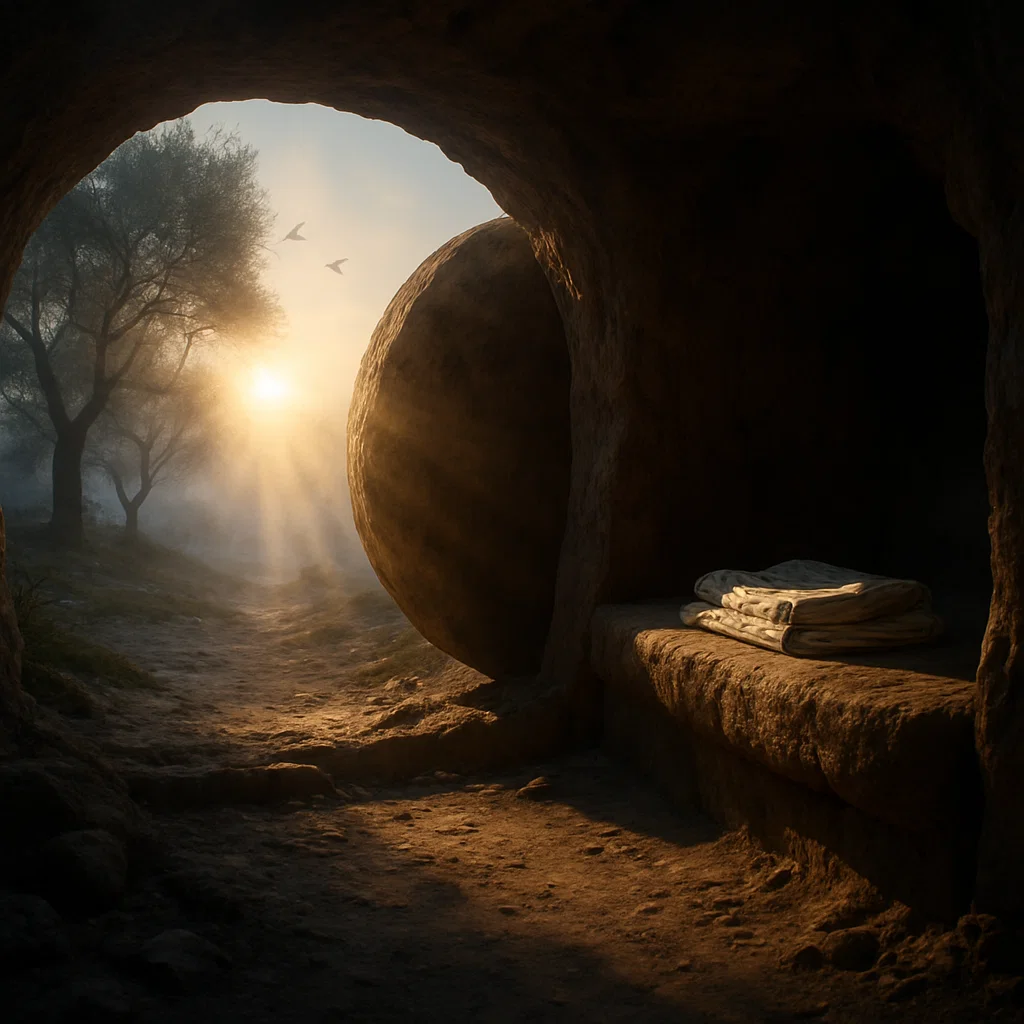
The afterlife thus mirrors moral choice: salvation or loss, communion or isolation. Christ’s resurrection guarantees the same destiny for the faithful, making death a conquered enemy rather than a final boundary.
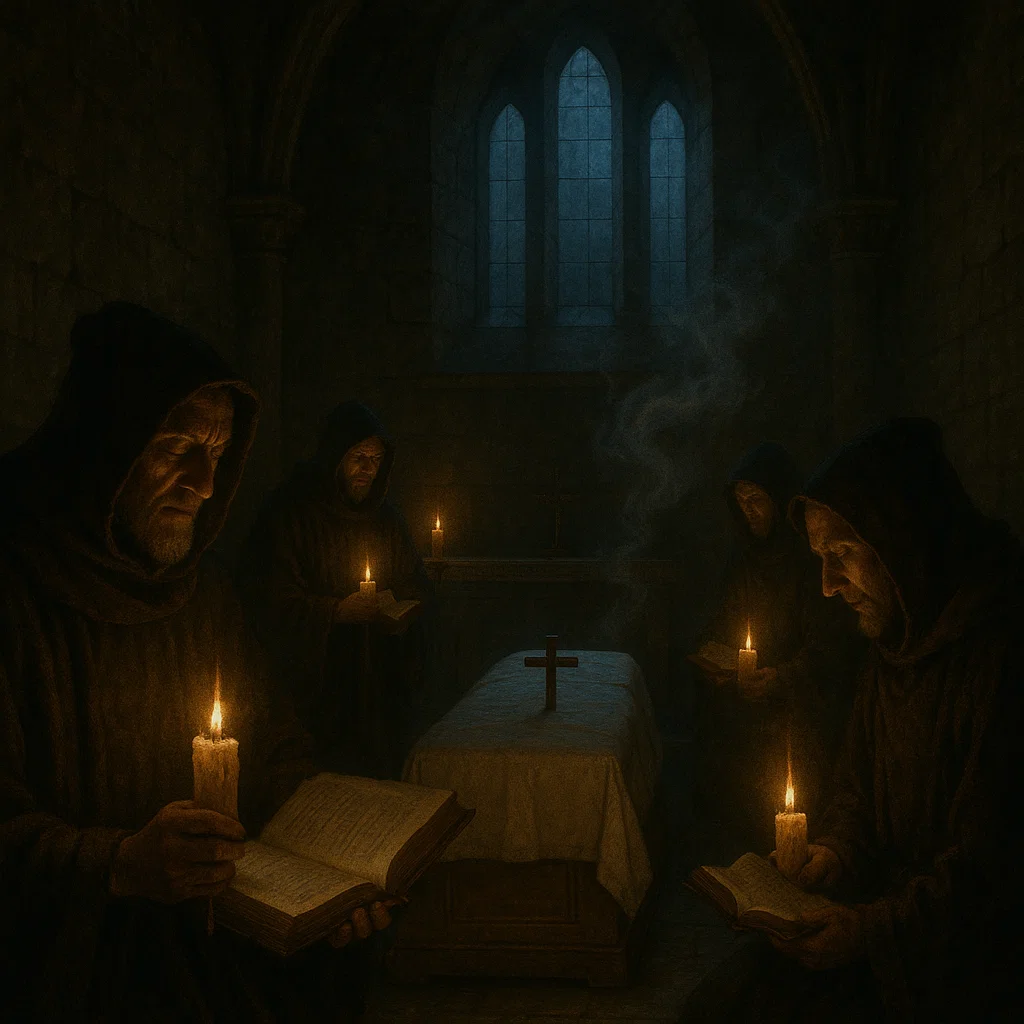
Funerary Rites:
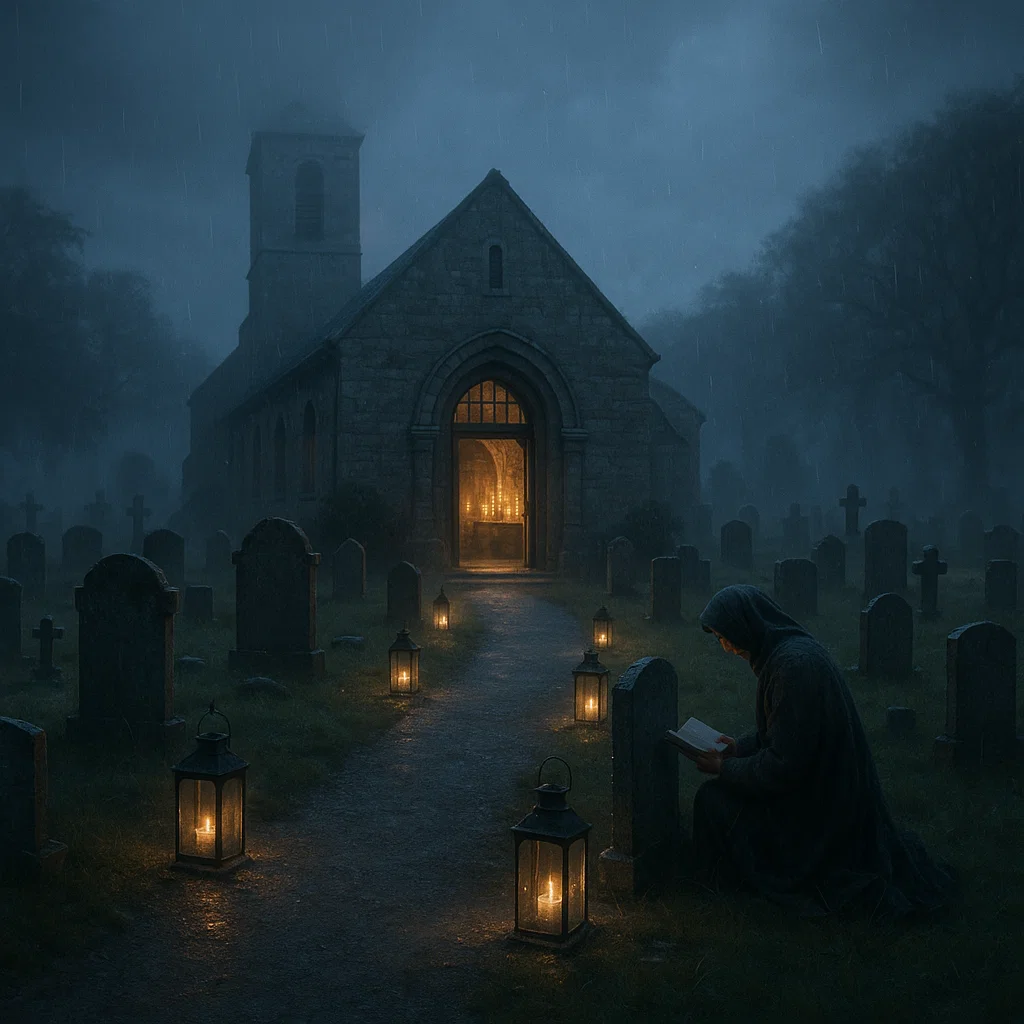
Christian burial practices express hope in bodily resurrection and the community’s solidarity with the departed.
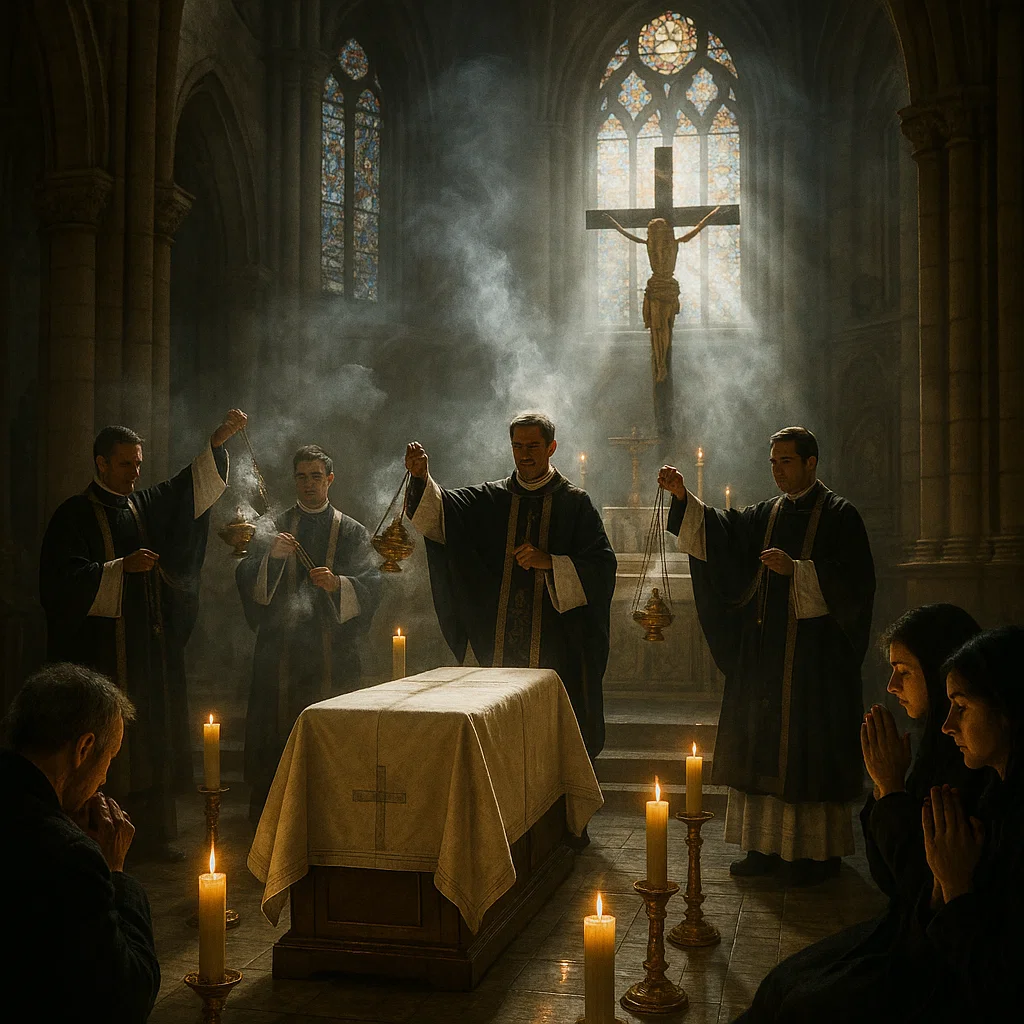
- Ritual elements: Prayer, scripture readings, and the Liturgy of Resurrection or Requiem Mass. The body is blessed, anointed, and buried facing east—toward the rising sun and symbolic return of Christ.
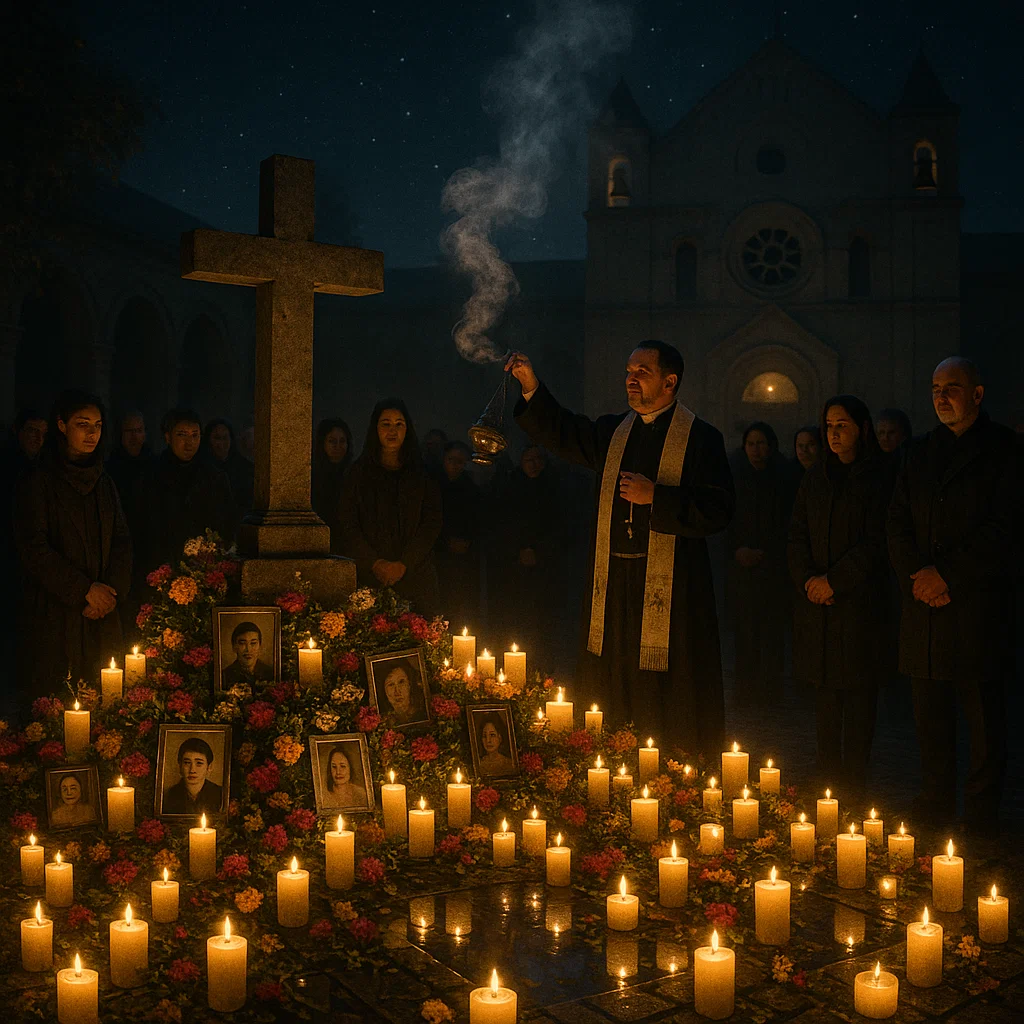
- Symbols: White vestments, candles, and crosses mark faith in victory over death.
- Commemoration: Annual remembrance through All Souls’ Day, memorial masses, and cemetery blessings. These rites merge mourning with proclamation of resurrection, joining grief to hope.
Judgment:
Christian doctrine distinguishes two stages:
- Particular Judgment: Occurs immediately after death; the soul’s moral state determines provisional destiny—heaven, purgatory, or hell.
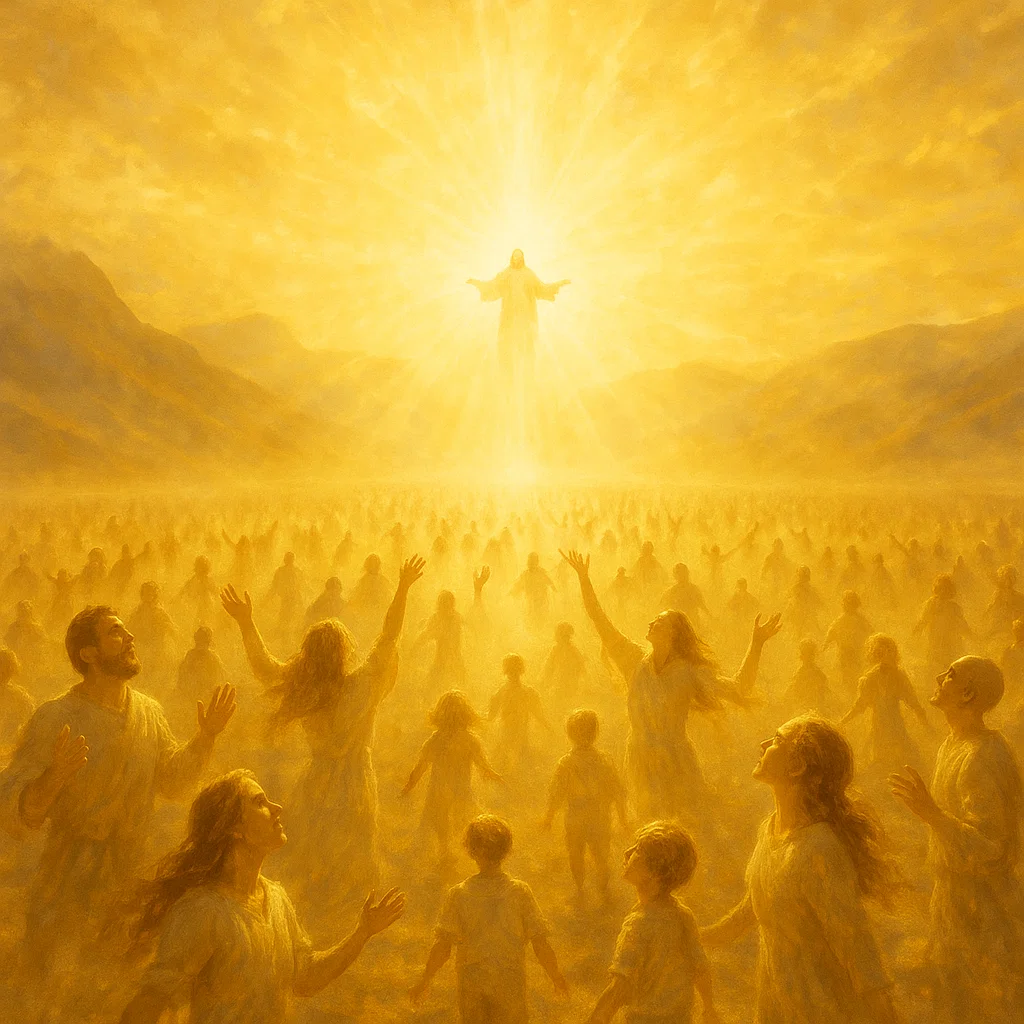
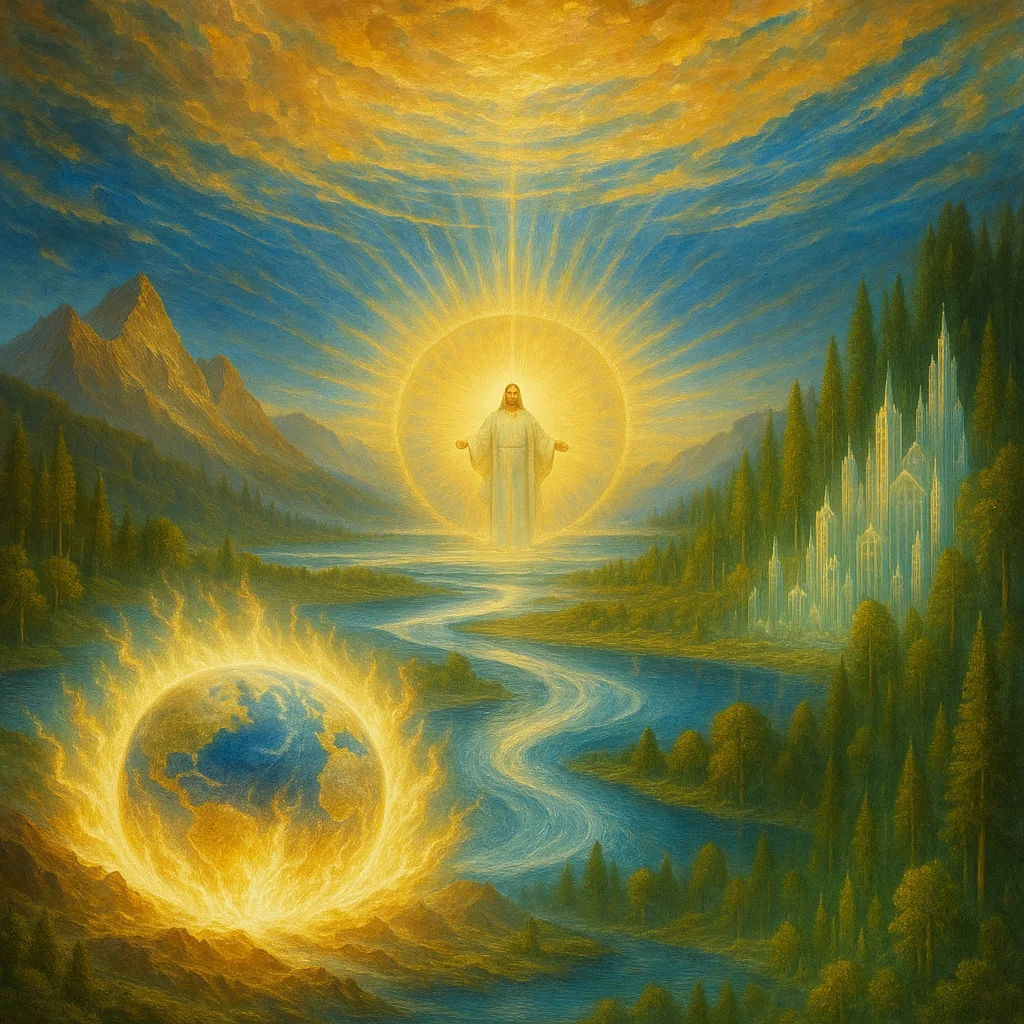
- Final Judgment: At the end of time, Christ returns in glory (Parousia), and all are resurrected bodily for universal reckoning. The righteous inherit the renewed creation; the wicked face exclusion.
This dual framework unites personal accountability with cosmic justice, situating every human life within divine order.
Hope and Meaning:
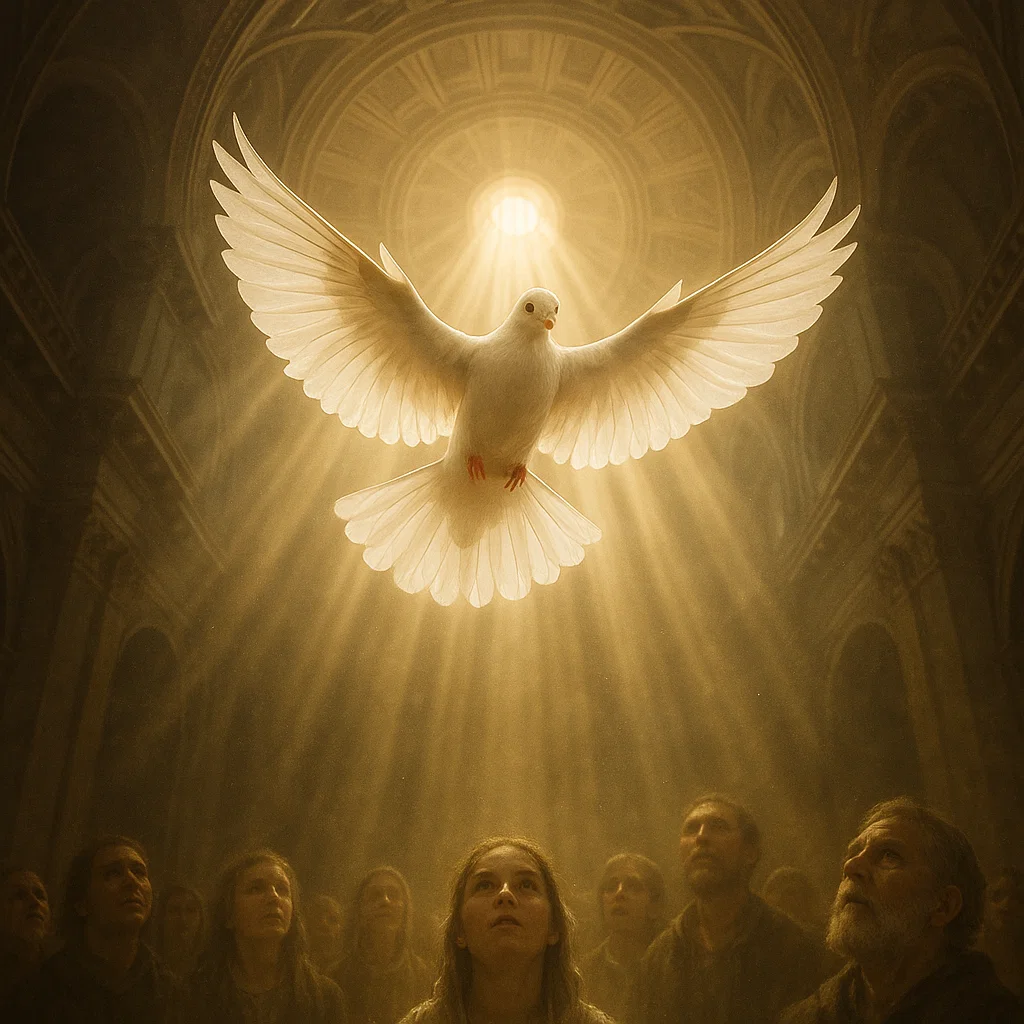
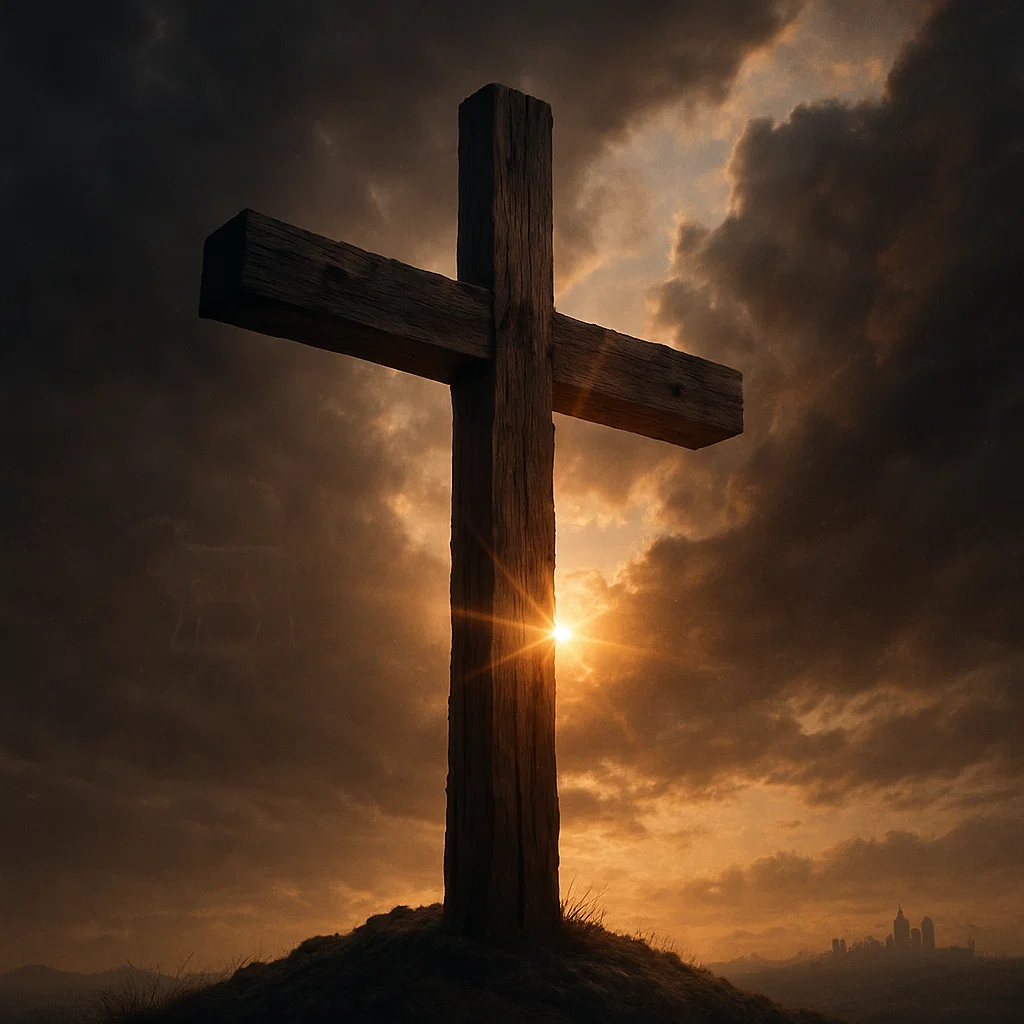
Death is interpreted through the lens of Christ’s Passion and Resurrection: “If we have died with him, we shall also live with him” (2 Timothy 2:11). The believer’s ultimate hope is eternal communion with God—not escape from the body but its transformation. The afterlife thus completes salvation history: creation redeemed, humanity restored, and time fulfilled in divine presence.
In sum, Christianity transforms mortality into vocation—death becomes the threshold of resurrection, judgment the revelation of truth, and eternity the consummation of love.
11. Symbolism & Cultural Expression
Core Symbols:
Christian symbolism translates theological truths into visible and memorable forms.
- Cross: The preeminent emblem of the faith—instrument of Christ’s crucifixion and sign of redemption. Variants (Latin, Greek, Celtic, crucifix) express doctrinal and regional diversity but share the same meaning: life through sacrificial death.
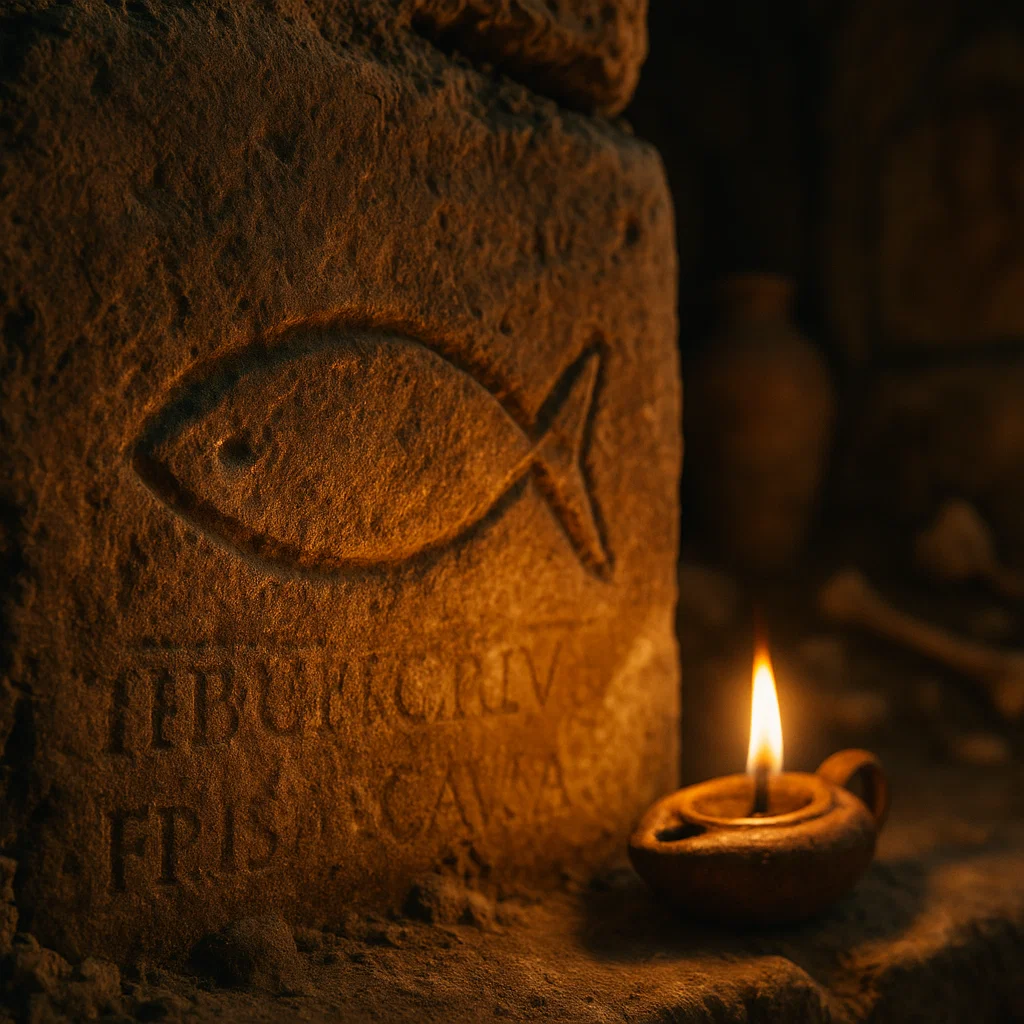
- Fish (Ichthys): Early secret symbol used by persecuted believers. The Greek acronym ΙΧΘΥΣ (Iēsous Christos Theou Yios Sōtēr) means “Jesus Christ, Son of God, Savior.”
- Dove: Representation of the Holy Spirit (as at Christ’s baptism) and of peace, purity, and divine presence.
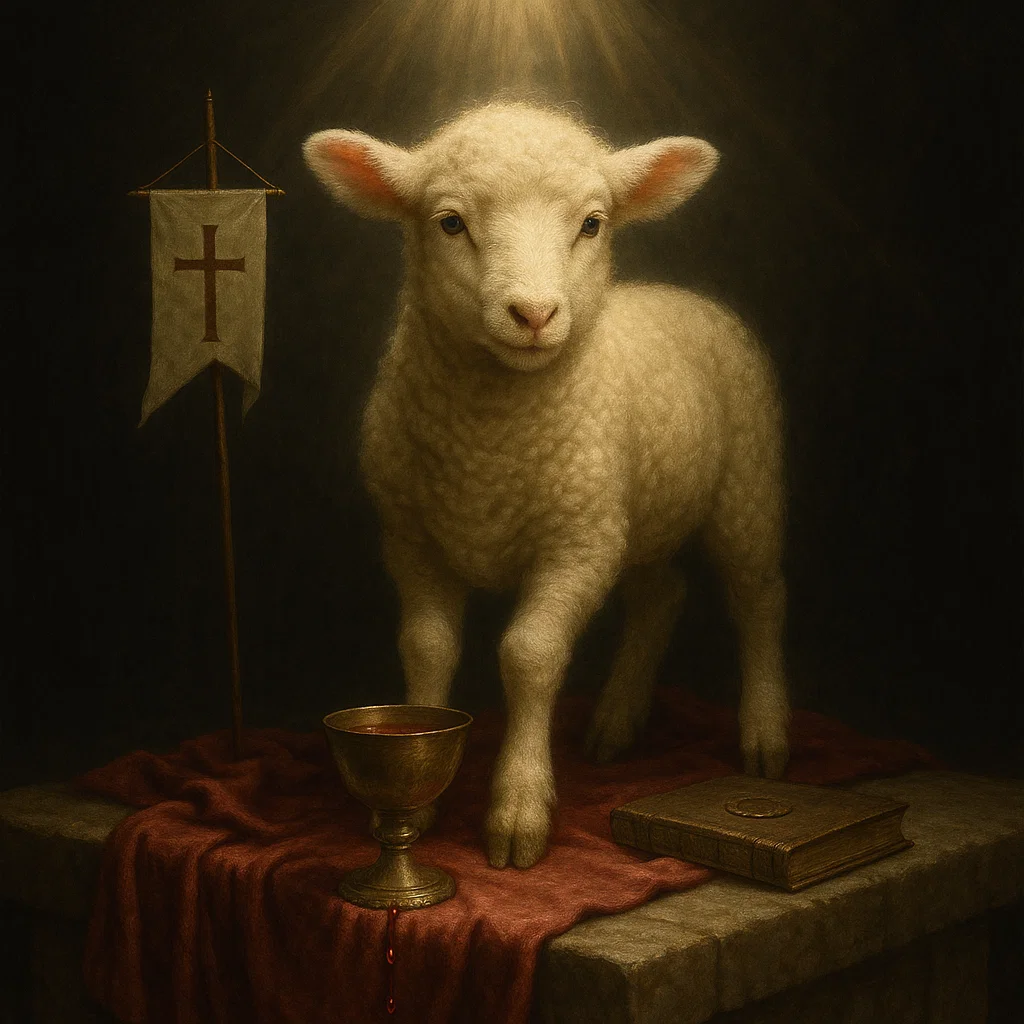
- Lamb: Symbol of Christ as the Agnus Dei—the innocent sacrifice whose blood redeems the world.
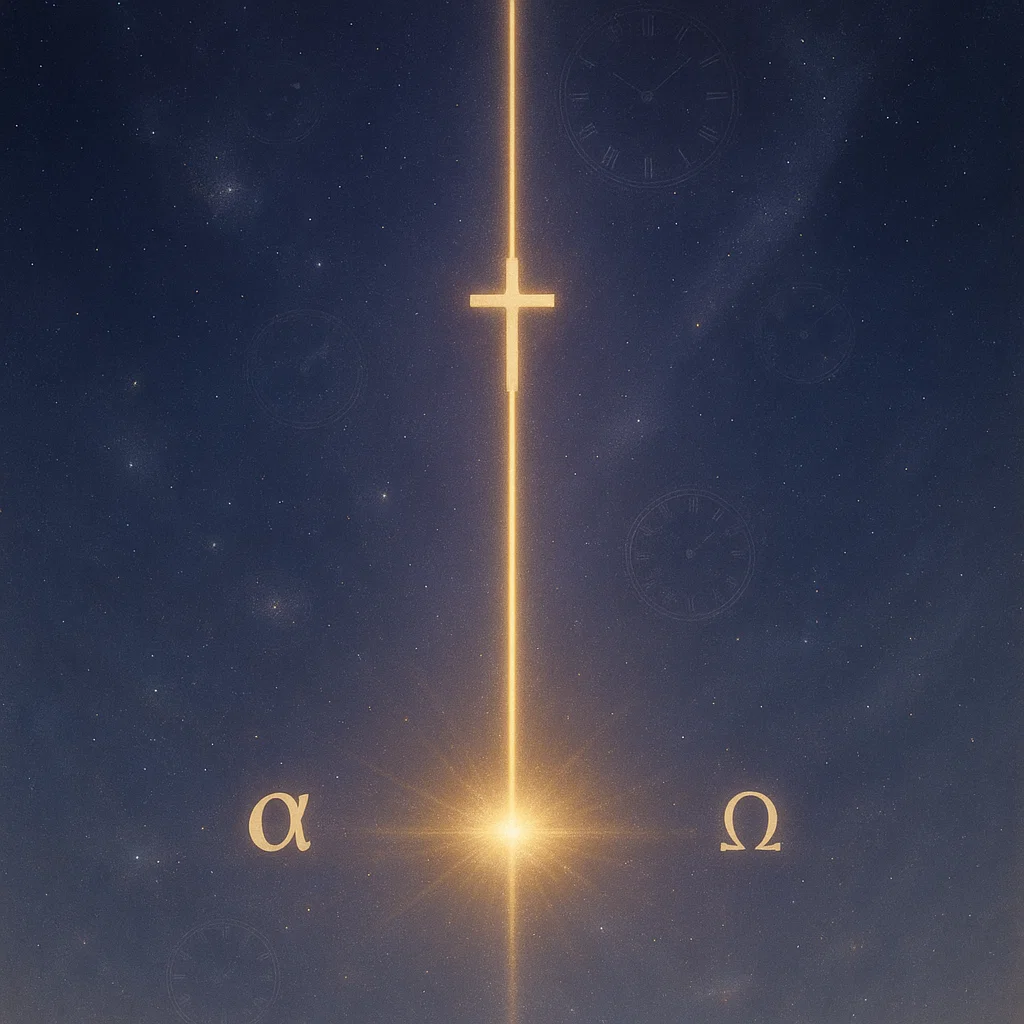
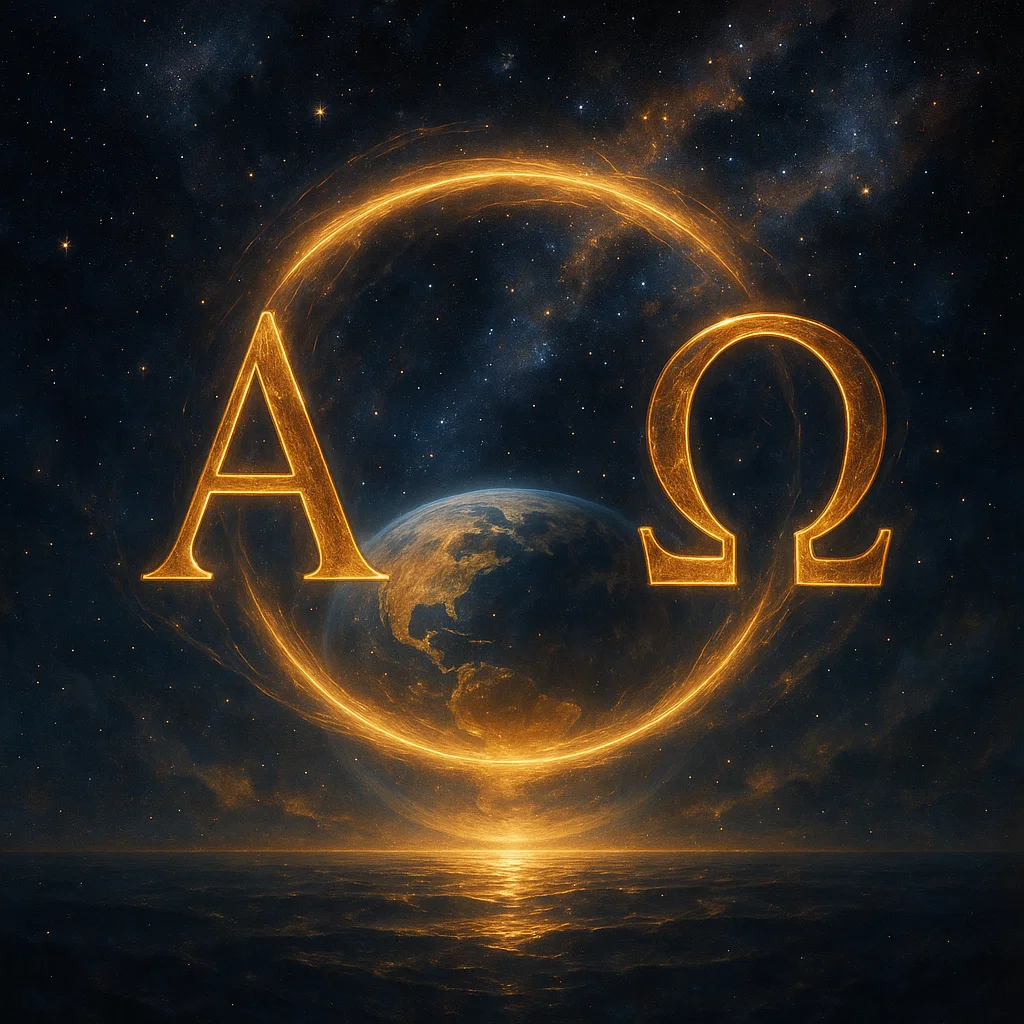
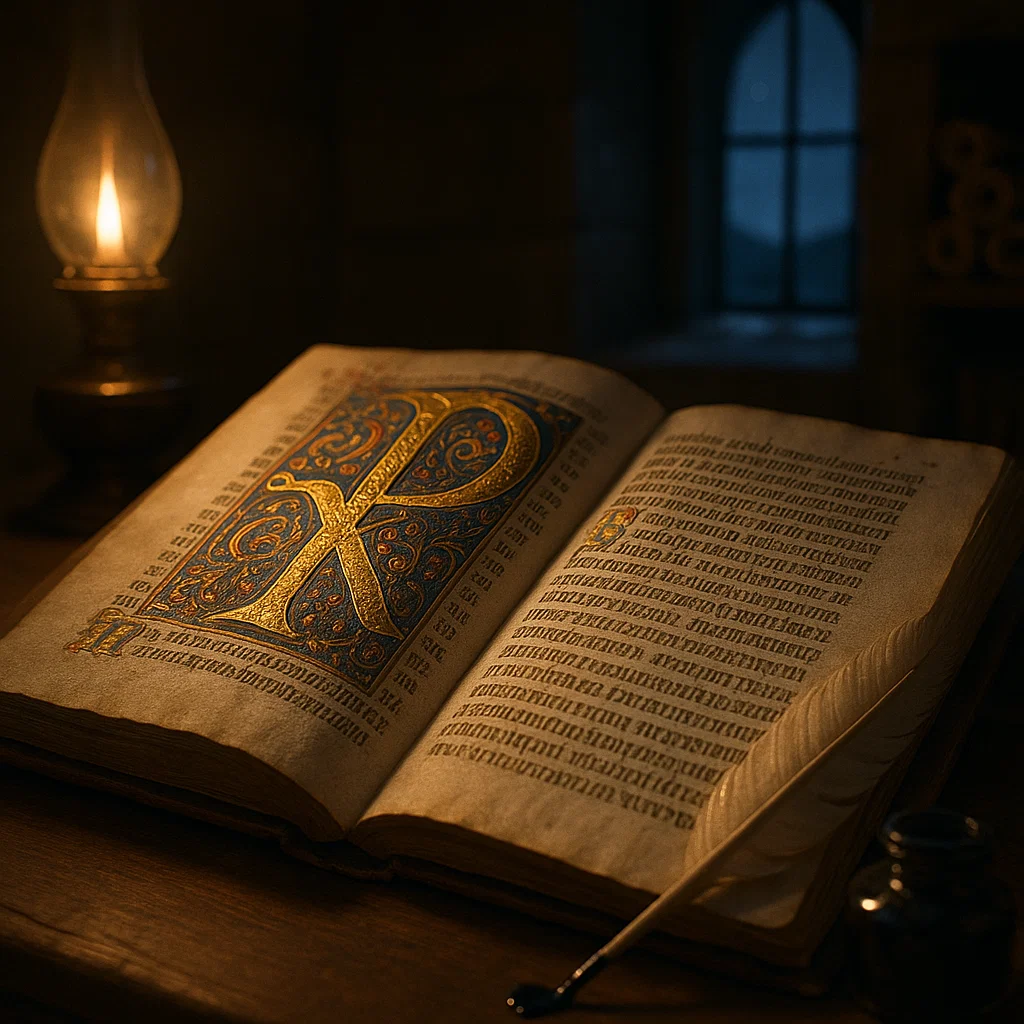
- Alpha and Omega: First and last letters of the Greek alphabet, signifying Christ as the beginning and end of all creation (Revelation 22:13).
Each image condenses doctrine into emblematic form, making metaphysics accessible to the senses.
Sacred Numbers:
Numerical symbolism permeates Christian thought and art, encoding theology in structure and proportion.
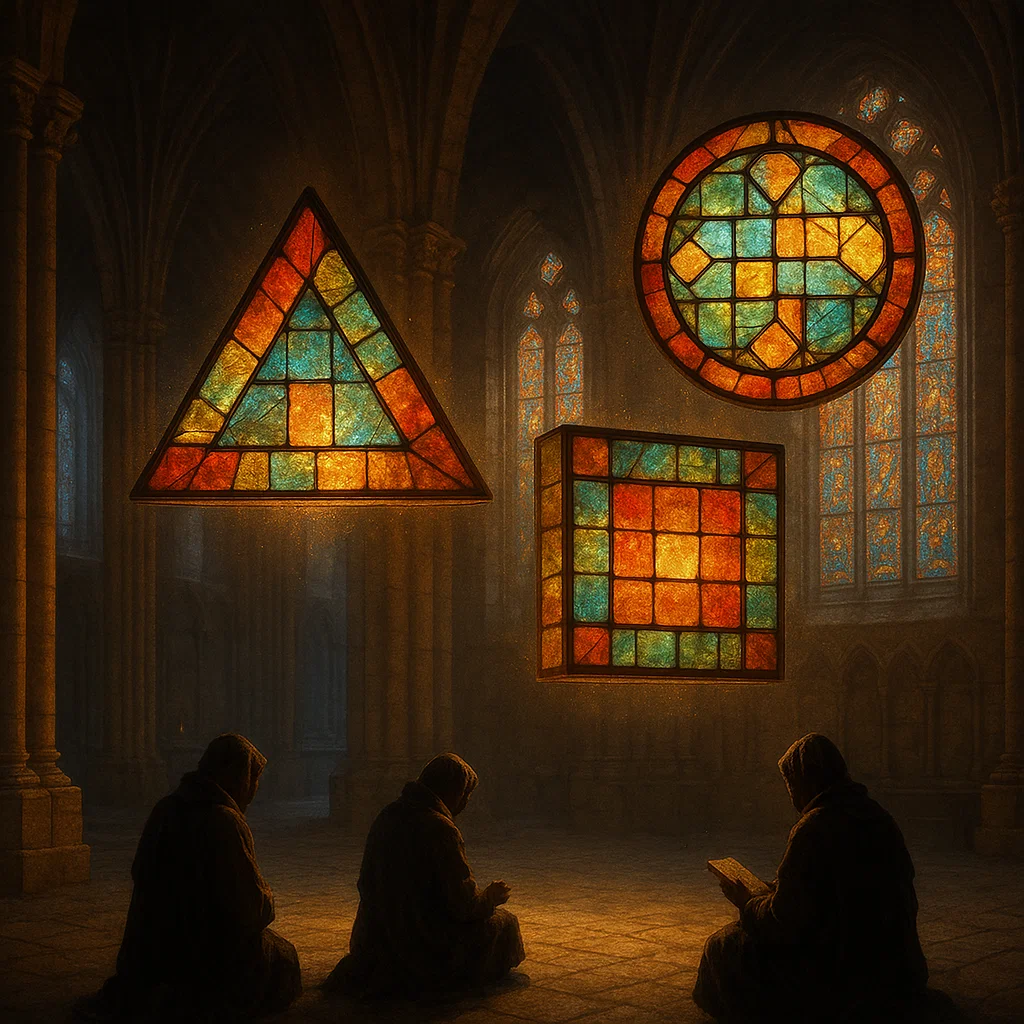
- 3: The Trinity—Father, Son, and Holy Spirit. Represents divine perfection and relational unity.
- 4: The Gospels, the corners of the earth—symbol of universality.
- 7: Completeness; the seven sacraments, seven gifts of the Spirit, seven days of creation, and seven virtues.
- 12: Apostolic foundation of the Church; cosmic order reflected in twelve tribes of Israel and twelve gates of the New Jerusalem.
Numbers serve as shorthand for cosmological harmony and moral order, binding mathematics to revelation.
Art and Aesthetic Forms:
Christianity made visual and auditory beauty instruments of worship and teaching.
- Iconography: In the East, icons depict Christ, Mary, and saints according to strict theological canons; the icon is not portrait but manifestation of sanctified presence.
- Stained Glass and Mosaics: In the West, sacred light embodied divine truth—cathedral windows and Byzantine domes rendered scripture in color and form.
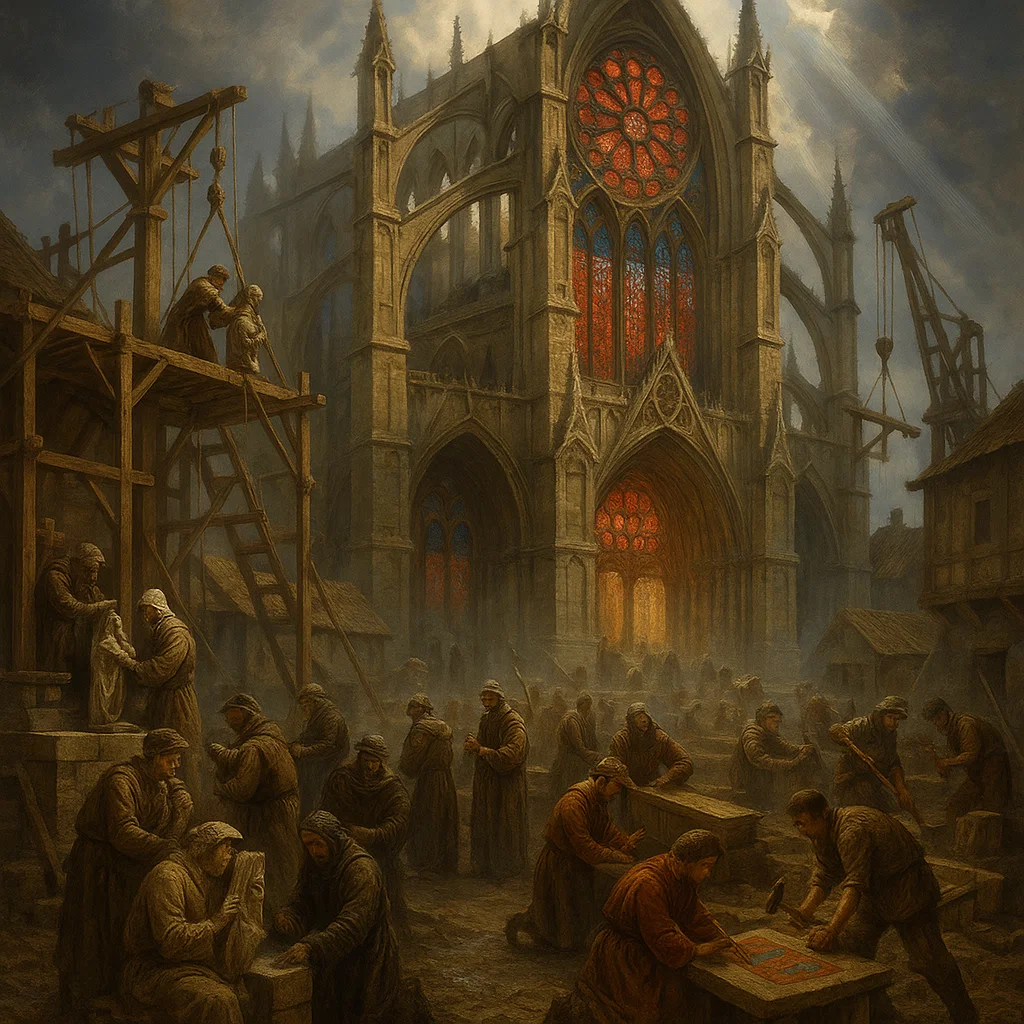
- Sculpture and Architecture: From Romanesque reliefs to Gothic spires, structure itself became theology in stone.
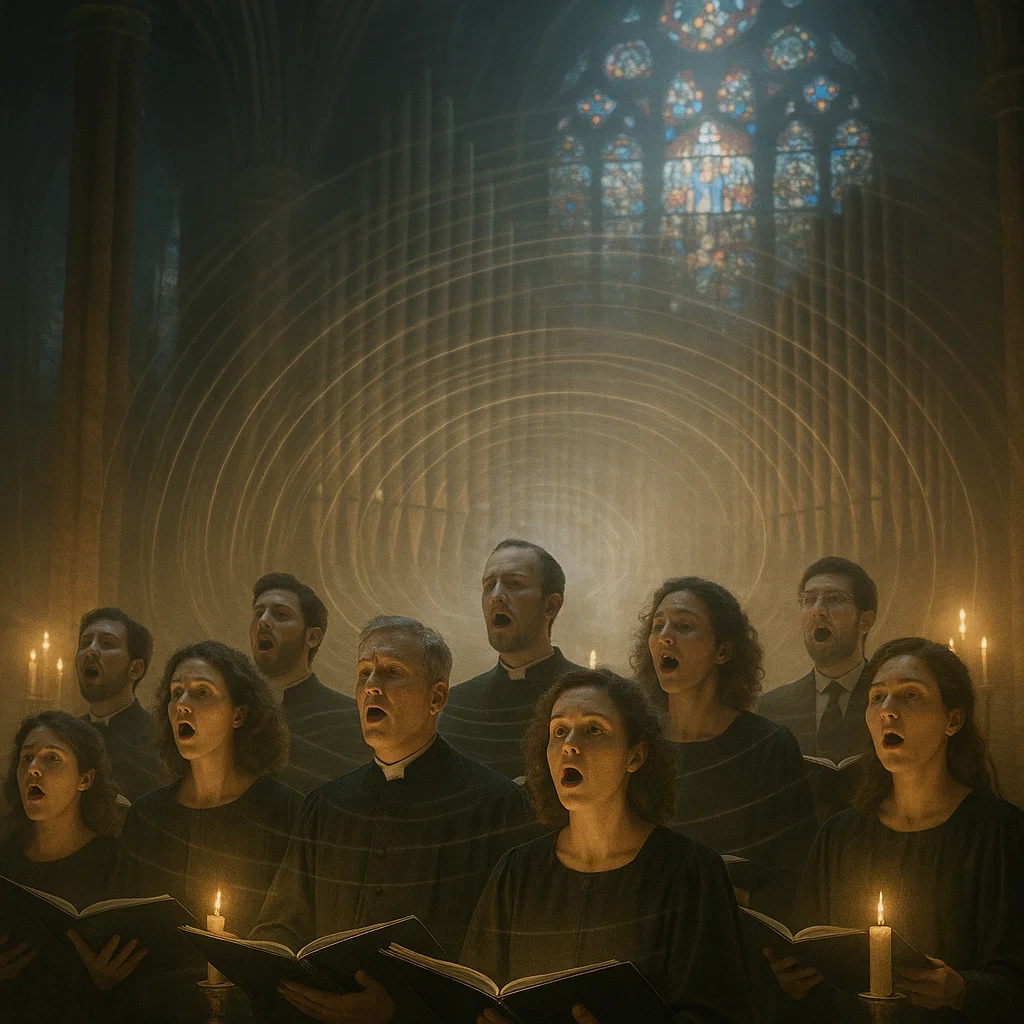
- Sacred Music and Hymnody: Gregorian chant, polyphony, and later Protestant chorales translate doctrine into sound. The hymn (Te Deum, Ave Maria, A Mighty Fortress) serves as sung theology—communal memory set to rhythm.
Literature and Thought:
Christian literary expression ranges from scripture commentary to visionary mysticism.
- Theological Treatises: Augustine’s Confessions and Aquinas’s Summa Theologiae define the intellectual articulation of faith.
- Mystical Writings: Julian of Norwich, Teresa of Ávila, and John of the Cross describe experiential union with God.
- Devotional Works: The Imitation of Christ (Thomas à Kempis), Pilgrim’s Progress (Bunyan), and countless sermons, catechisms, and prayer books guide lay piety.
- Poetry and Narrative: Dante’s Divine Comedy, Milton’s Paradise Lost, and modern Christian literature (Lewis, Eliot) fuse art with eschatological imagination.
Summary:
Christian symbolism integrates doctrine, art, and experience into a unified cultural language. Every image, number, sound, and text participates in a theology of incarnation—the invisible made visible, the divine articulated through human creativity. The result is a civilization where faith expresses itself not only in creed but in beauty, embedding theology into the fabric of culture.
12. Contact & Transformation
Early Period – Judaism and the Greco-Roman World:
Christianity arose within Second Temple Judaism, inheriting its scriptures, monotheism, and moral law. Jesus and his earliest followers were Jewish; the first debates concerned how Gentiles could join the covenant without adopting Jewish ritual law. Paul’s missions opened the movement to the wider Roman world, transforming a sect into a universal faith.
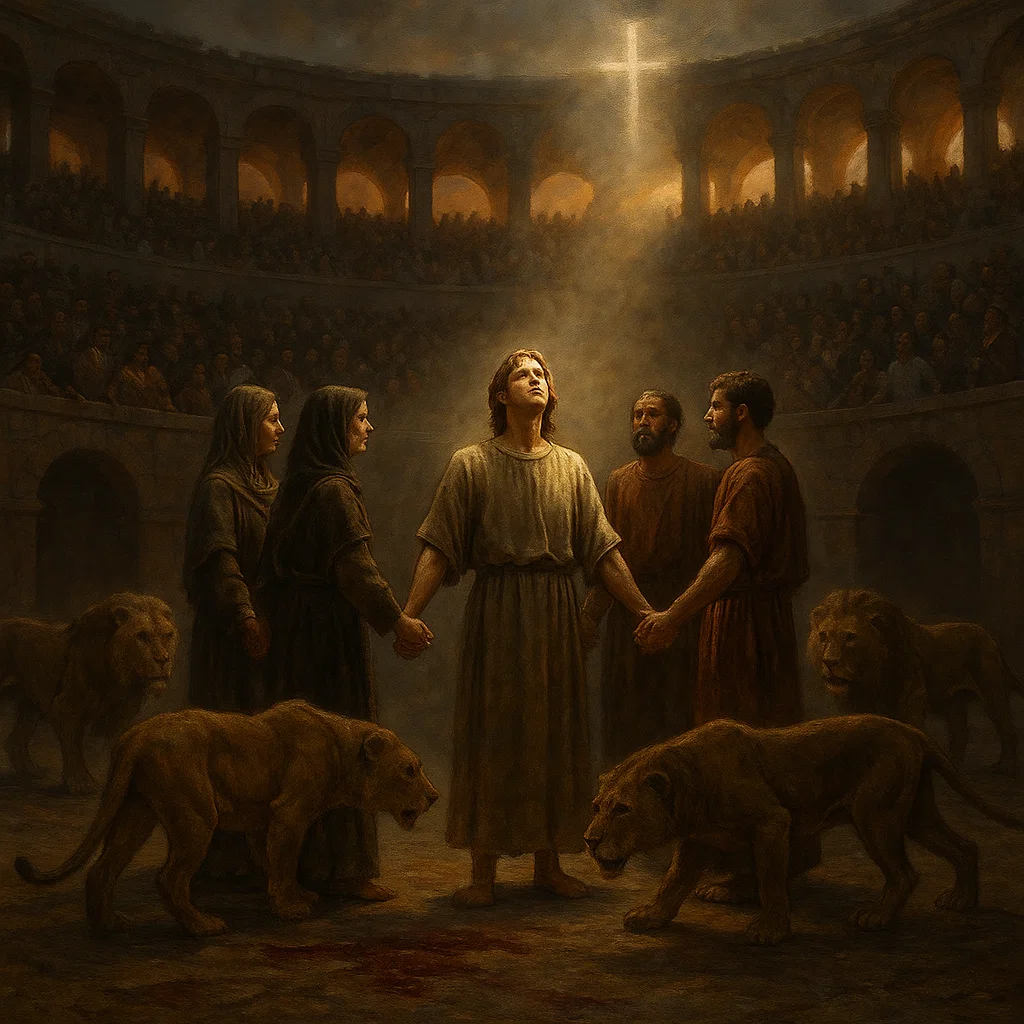
Contact with Hellenistic philosophy—especially Stoicism and Platonism—shaped theology and vocabulary: logos (Word), psyche (soul), and cosmos (ordered creation). The Roman Empire’s infrastructure enabled rapid spread, while persecution by imperial cults forged a self-understanding rooted in martyrdom and moral distinctiveness. Christianity eventually absorbed classical learning, converting empire and culture alike rather than remaining marginal to them.
Medieval Period – Islam and Christendom:
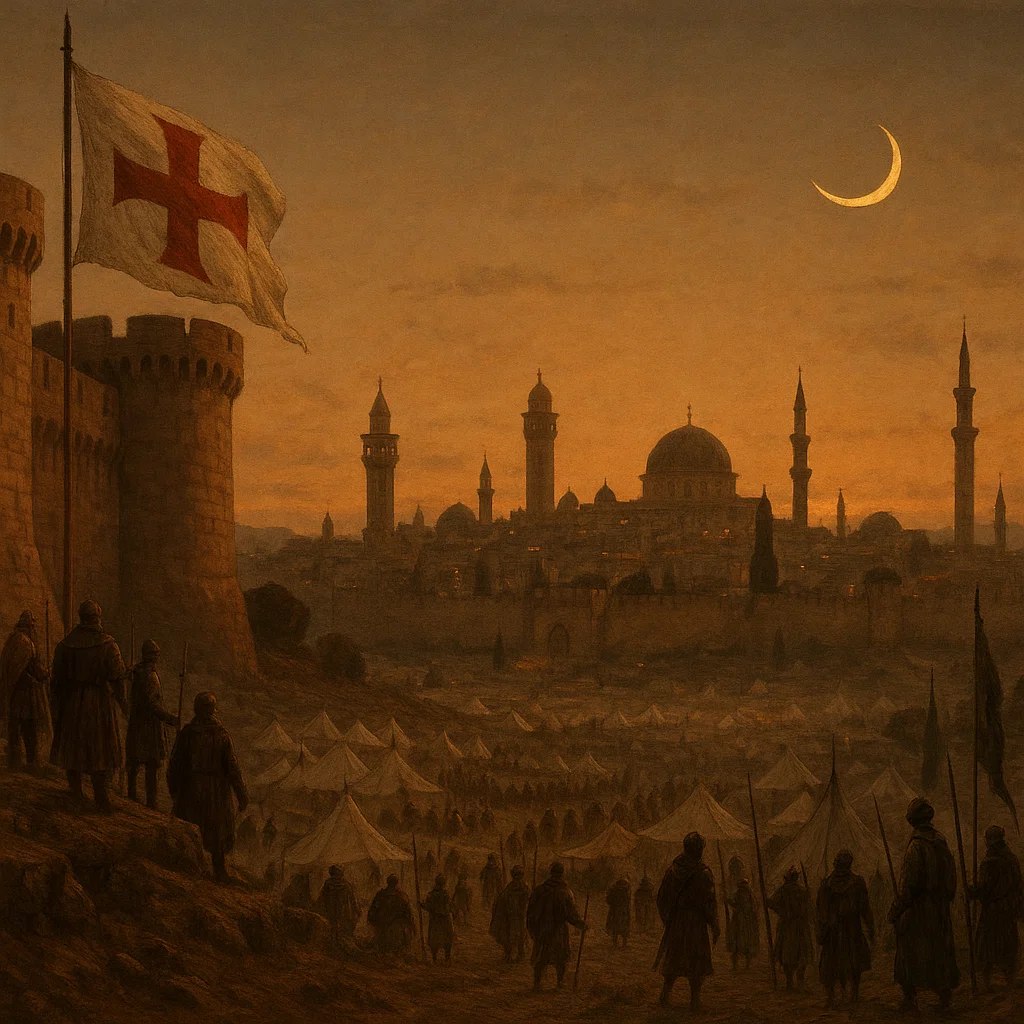
Following the rise of Islam (7th century), Christianity confronted a new monotheistic civilization that both contested and preserved its heritage.
- Conflict: Crusades (11th–13th centuries) defined military-religious struggle over the Holy Land and Mediterranean dominance.
- Dialogue: Translation movements in Spain and Sicily transmitted Greek philosophy through Arabic intermediaries (Averroes, Avicenna), stimulating Christian scholasticism.
- Encounter: Eastern Christians lived under Islamic rule, contributing to mutual theological and artistic influence despite political hostility.
These exchanges expanded Christianity’s intellectual horizons and redefined its self-conception as one religion among global monotheisms.
Reformation Era – Fragmentation and Renewal:
The 16th century fractured Western unity. Luther, Calvin, and other reformers rejected papal authority, emphasizing scripture, faith, and conscience. Resulting denominations—Lutheran, Reformed, Anglican, Anabaptist—reshaped Europe’s political and cultural map.
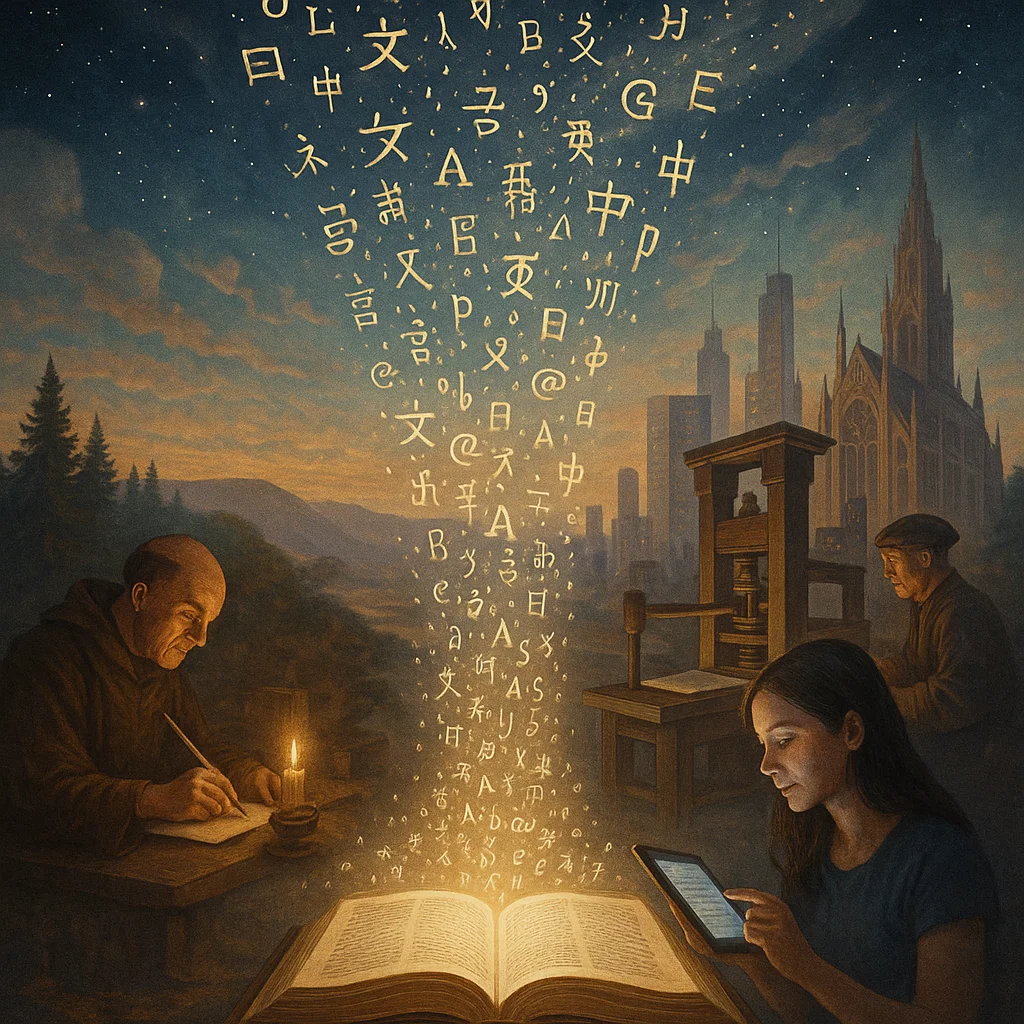
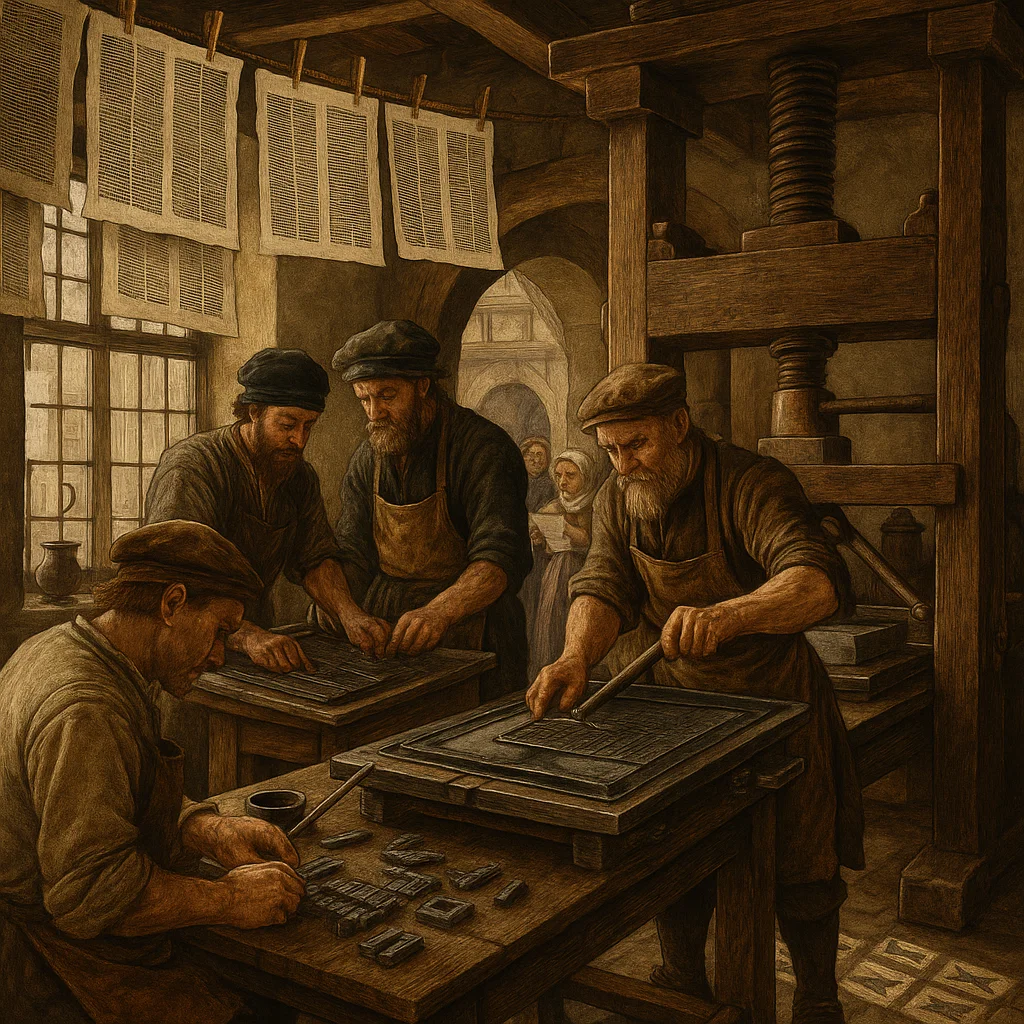
The Catholic Counter-Reformation revitalized the Church through new orders (Jesuits), global missions, and the Council of Trent. Printing and vernacular translation democratized scripture and devotion, transforming Christianity from a single institutional body into a plurality of traditions.
Colonial and Modern Expansion:
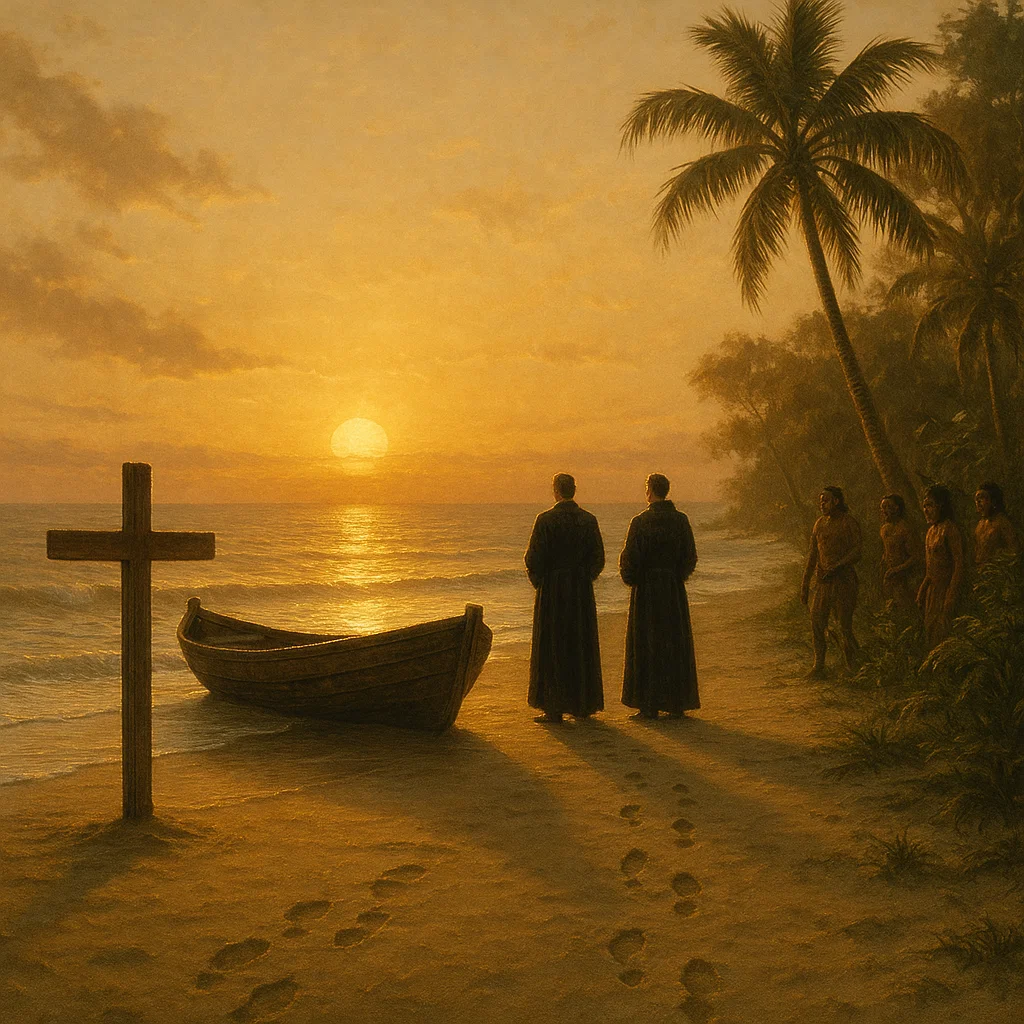
European imperialism (15th–20th centuries) globalized Christianity.
- Missions: Catholic and Protestant missionaries evangelized the Americas, Africa, and Asia, translating scripture and founding schools, hospitals, and local churches.
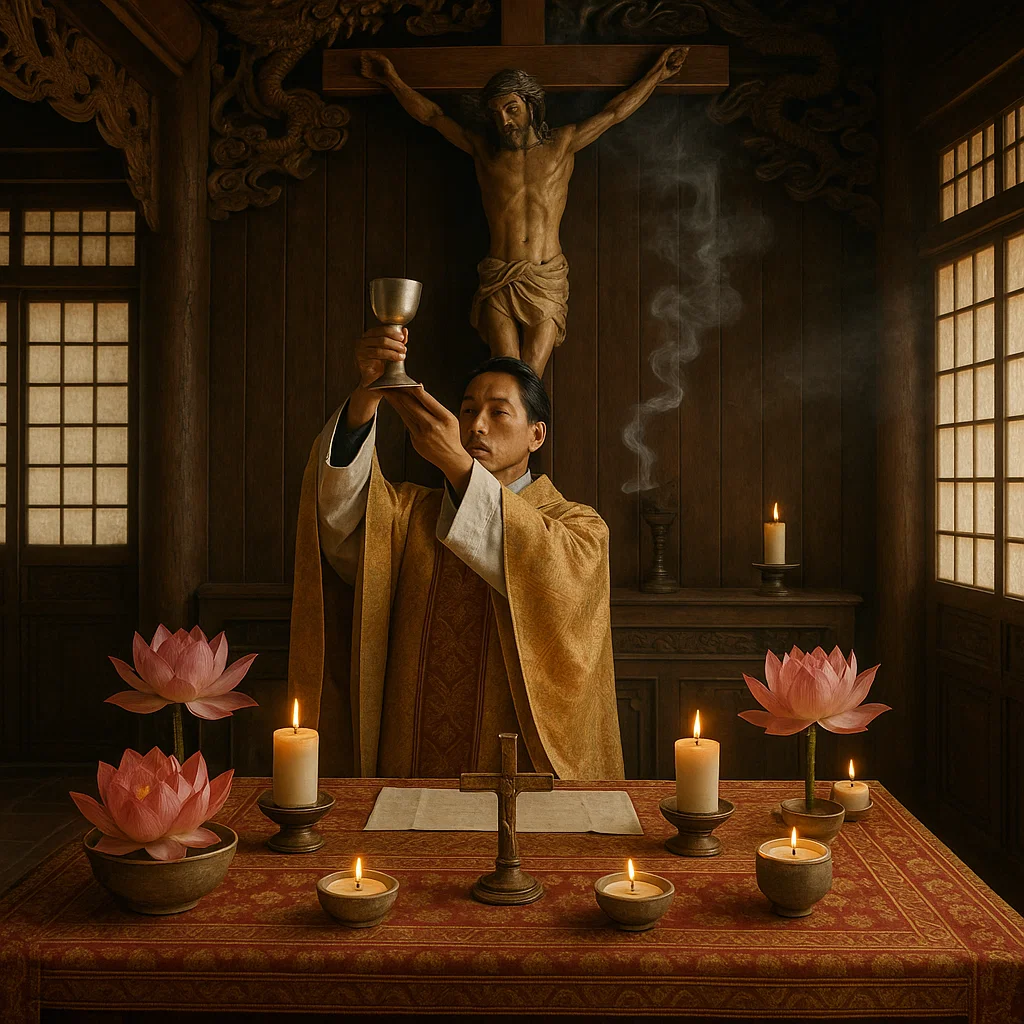
- Cultural Encounters: Christianity encountered indigenous religions and adapted—creating syncretic forms in Latin America, Africa, and Oceania.
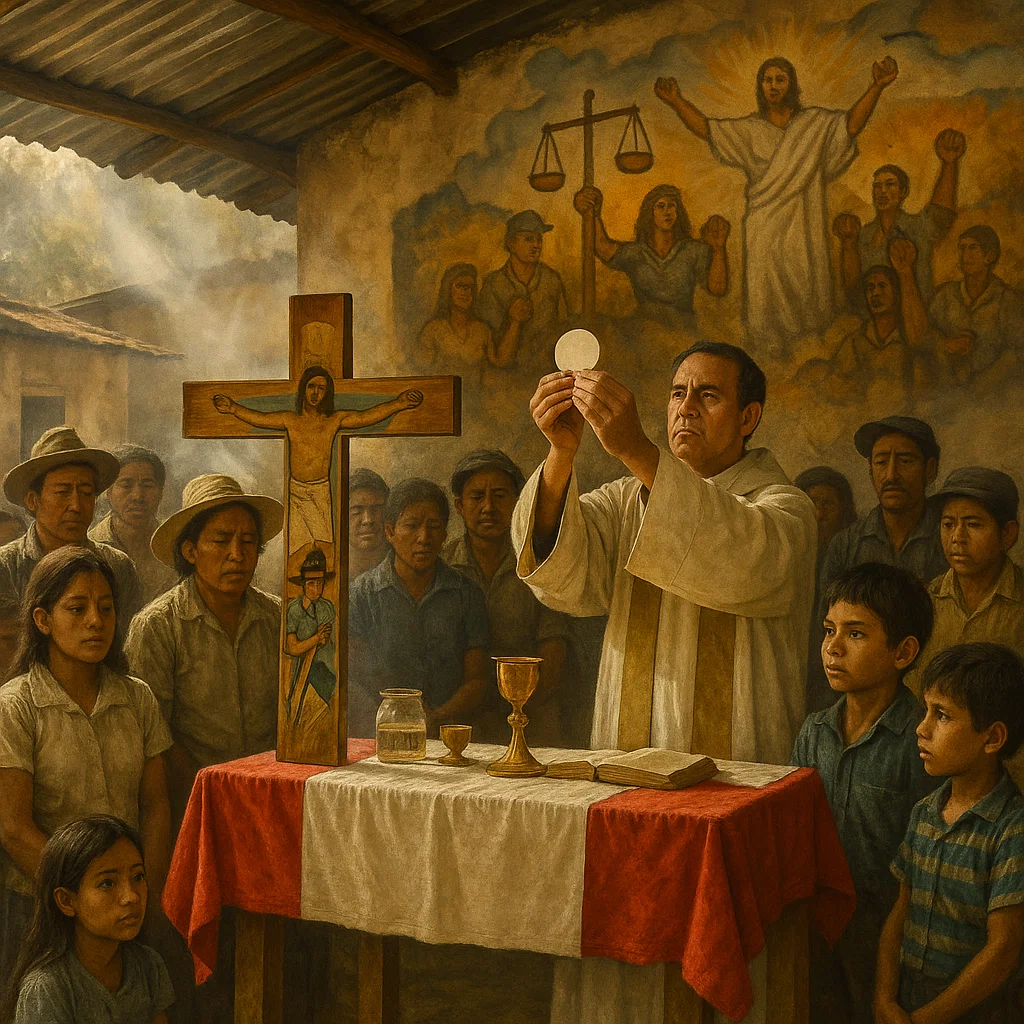
- Contextual Theologies: Liberation theology in Latin America, Black theology in the U.S., African Independent Churches, and Asian Christologies reinterpreted faith within local struggles for justice and identity.
Thus Christianity evolved from European faith to planetary religion, embedded in diverse cultural frameworks.
Contemporary World – Plurality and Dialogue:
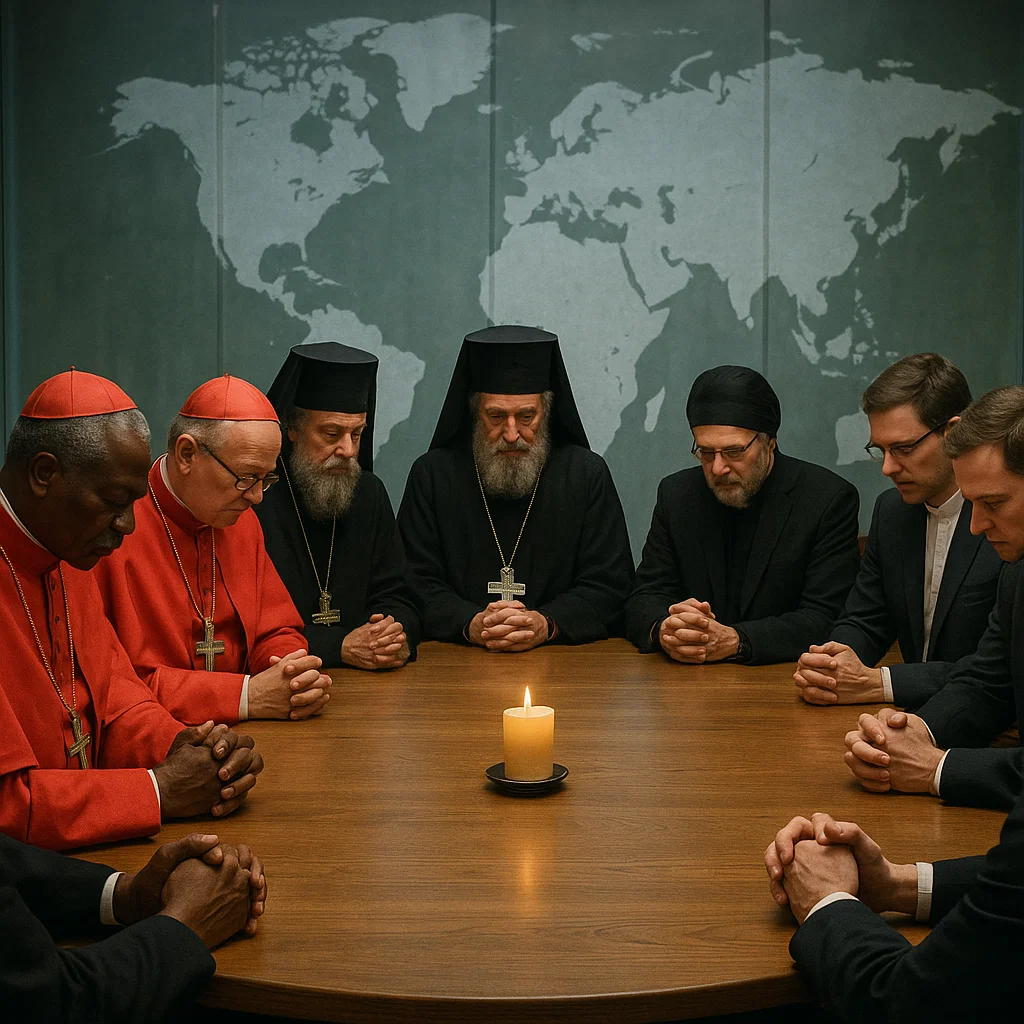
Today, Christianity is polycentric:
- Major branches: Roman Catholic, Eastern Orthodox, Oriental Orthodox, Anglican, Protestant (Lutheran, Reformed, Baptist, Methodist), Evangelical, Pentecostal, and numerous independent or non-denominational churches.
- Demographic shift: The global South—sub-Saharan Africa, Latin America, and parts of Asia—now holds the majority of Christians.
- Ecumenism: Twentieth-century movements (World Council of Churches, Vatican II) seek reconciliation across denominational lines.
- Interfaith Dialogue: Engagement with Judaism, Islam, Buddhism, and secular humanism reflects recognition of global pluralism.
Summary:
Across two millennia, Christianity has transformed through continuous contact—with Judaism, philosophy, Islam, reform, empire, and modernity. Each encounter redefined its theology, practice, and geography. From persecuted minority to global network, the faith has survived not by isolation but by translation and adaptation—transforming the cultures it met while itself transformed by them.