Physics is the natural science that investigates the fundamental constituents of the universe: matter, energy, space, and time. It uncovers the laws and principles that govern how everything behaves and interacts—from elementary particles to cosmic structures. Physics seeks patterns behind appearances. It abstracts law from phenomena. It describes what’s constant, what changes, and what relationships hold across scales and situations.

| Branch Name | Focus | Examples |
|---|---|---|
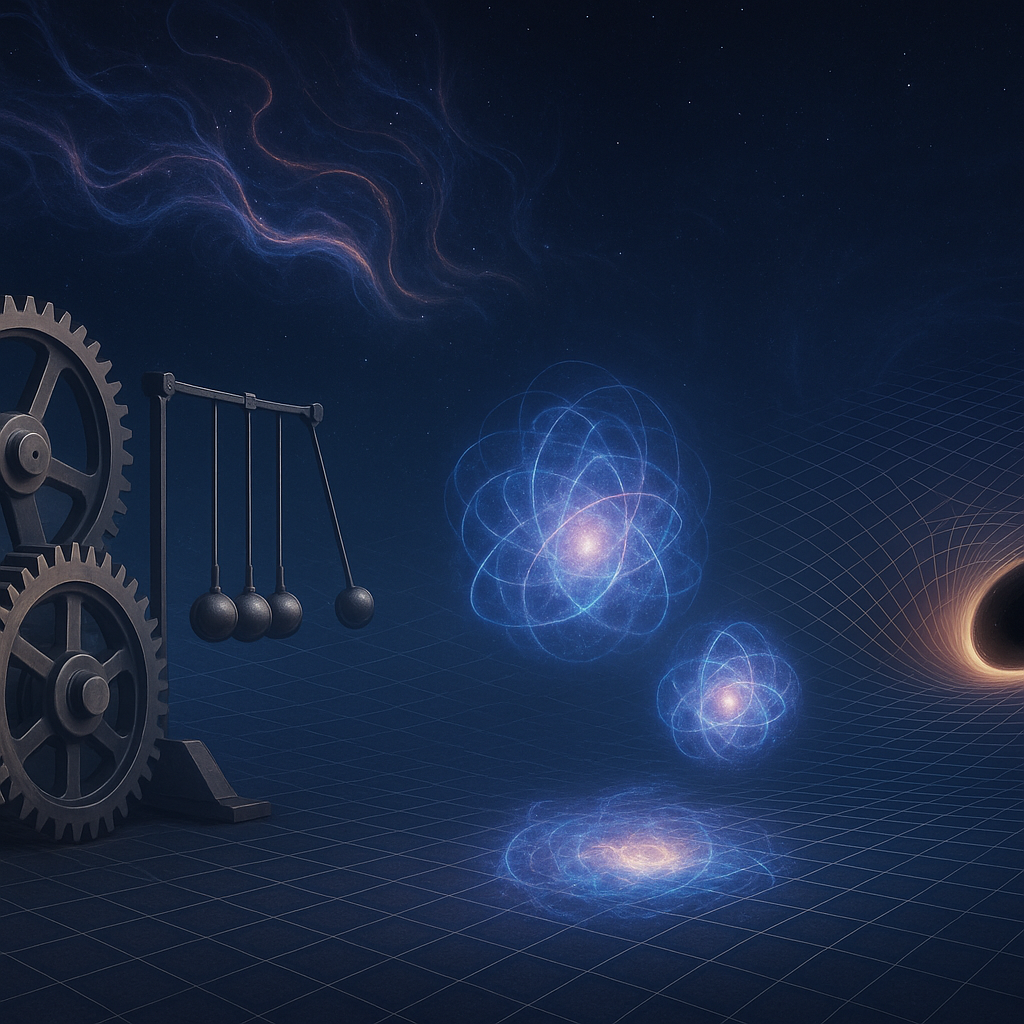
| Classical Physics | Macroscopic phenomena under Newtonian laws; pre-quantum and pre-relativistic scales | Mechanics (dynamics, statics, fluids), Thermodynamics, Classical Electromagnetism (Maxwell’s equations, waves, optics), Acoustics |
| Modern & Fundamental Physics | Domains where classical laws fail; probing quantum and relativistic regimes | Quantum Mechanics, Special & General Relativity, Quantum Field Theory, Particle Physics, Atomic & Nuclear Physics |
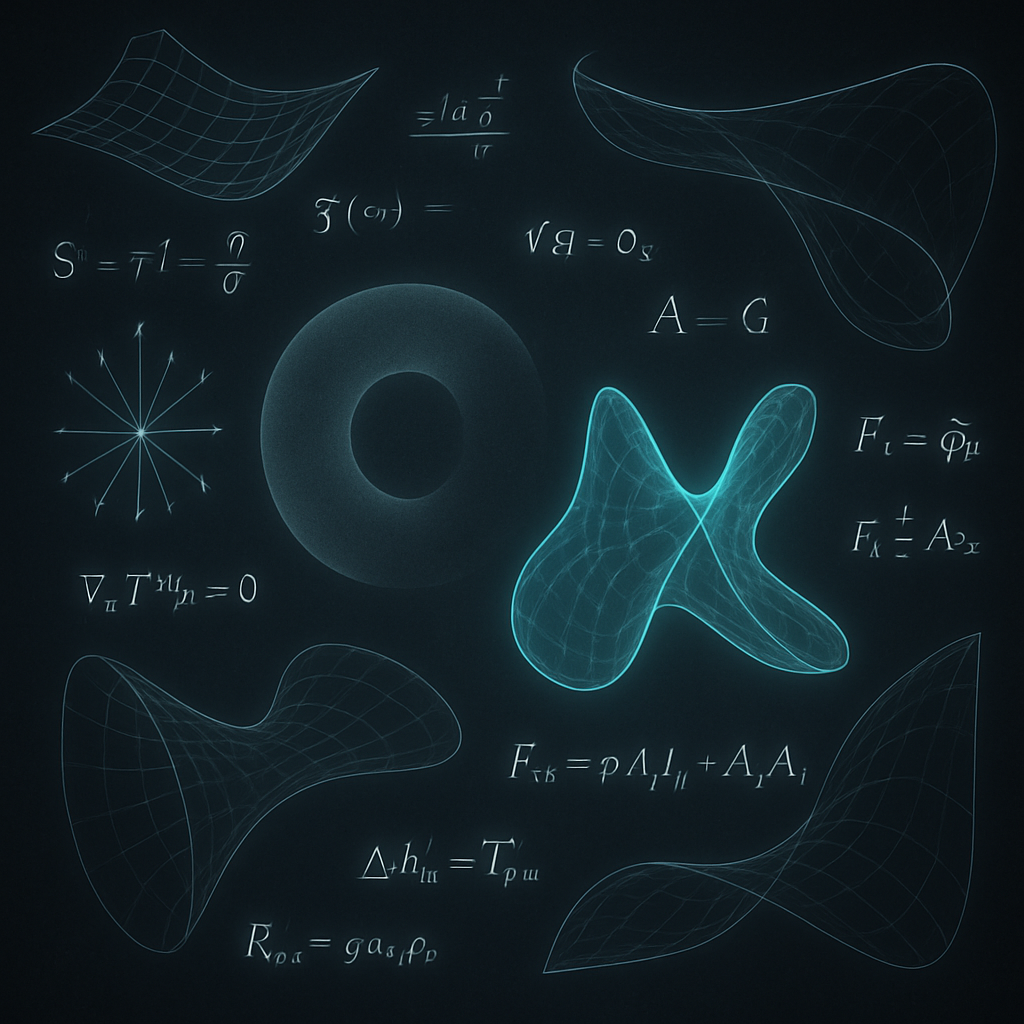
| Theoretical & Mathematical Physics | Abstract formulation and unification of physical laws; mathematical structure of reality | Symmetry & Group Theory, String Theory, Differential Geometry in Physics, Gauge Theory, Statistical Field Theory, Mathematical Foundations of Quantum Mechanics |
| Condensed Matter & Materials Physics | Behavior of matter in solid, liquid, and intermediate forms; emergent properties from many-body systems | Solid-State Physics, Semiconductors, Magnetism, Superconductivity, Nanomaterials, Materials Science |
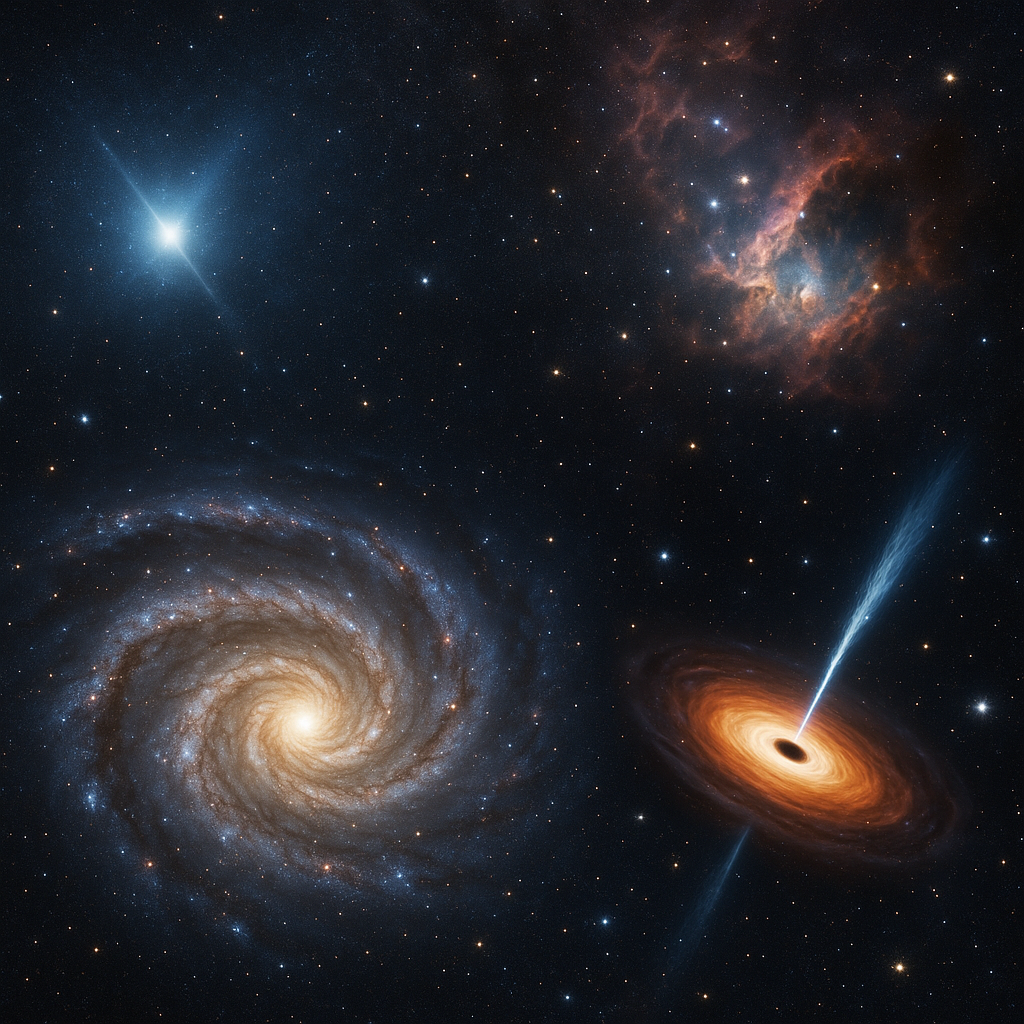
| Astrophysics & Cosmology | Structure and evolution of the universe; celestial systems and cosmic origins | Stellar Structure, Galactic Dynamics, Black Holes, Dark Matter, Cosmic Microwave Background, Cosmological Models |
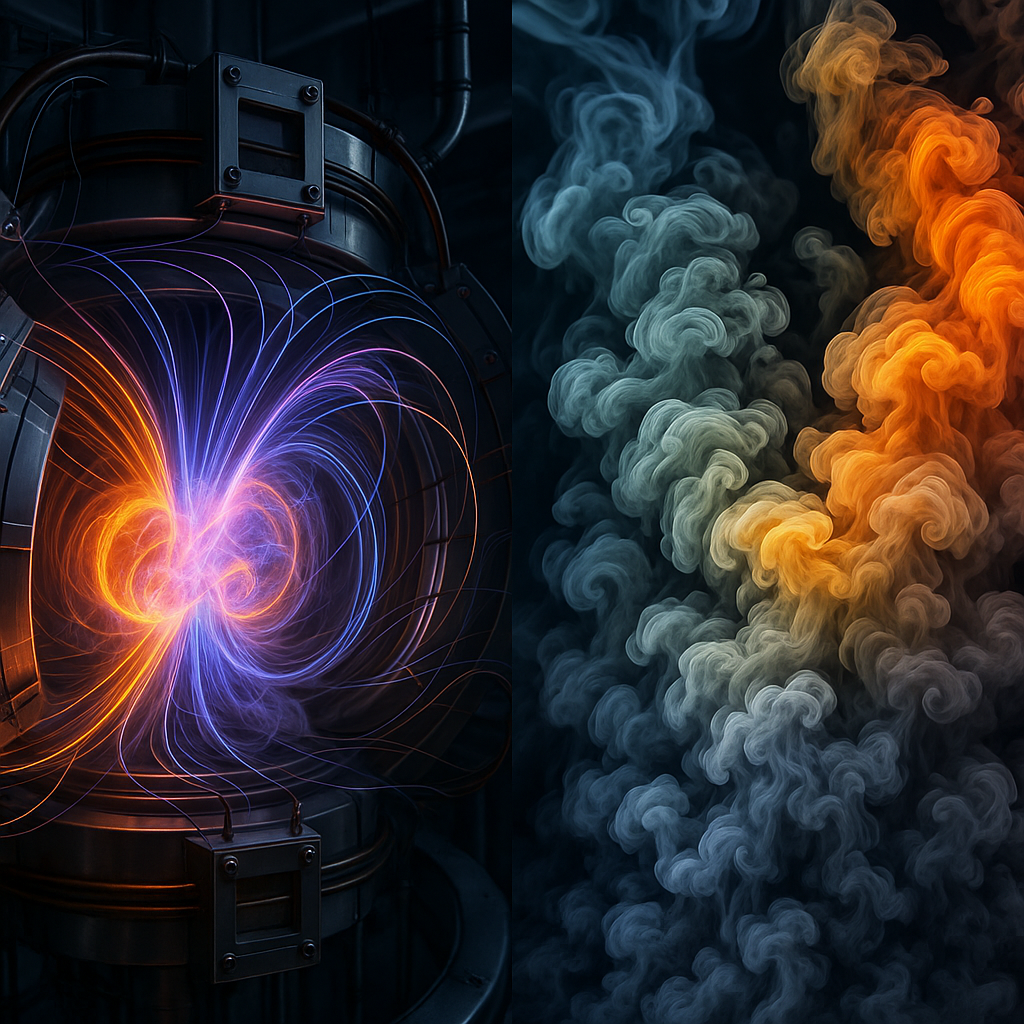
| Plasma & Fluid Physics | States of matter beyond solid/liquid; flow, magnetism, and collective motion | Plasma Physics, Magnetohydrodynamics, Fluid Dynamics, Atmospheric & Oceanic Flow Modeling |
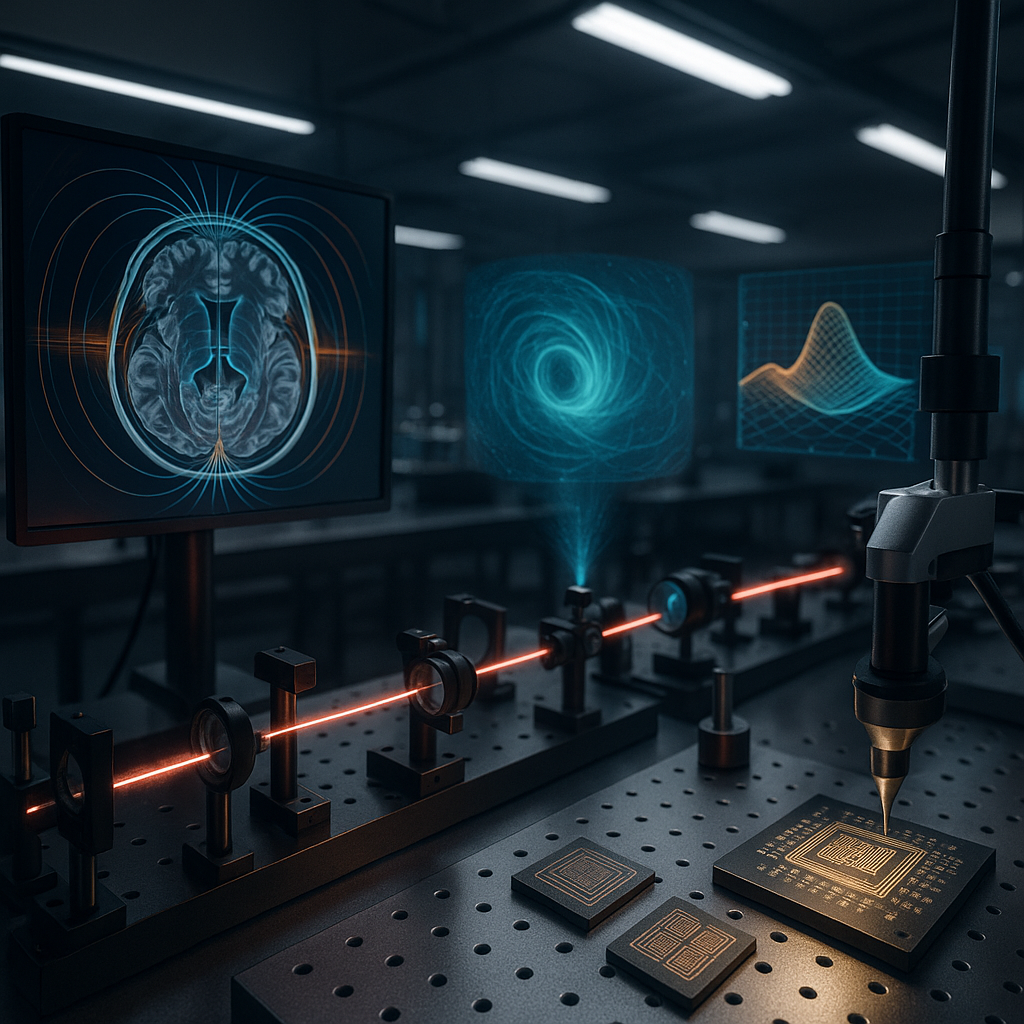
| Interdisciplinary & Applied Physics | Application of physical principles in other sciences and technology | Biophysics, Medical Physics, Geophysics, Optics & Photonics, Computational Physics, Engineering Physics |

This classification aligns with structures used by major academic and professional bodies that organize physics globally.
Supporting Institutions and Frameworks:
- International Union of Pure and Applied Physics (IUPAP): Defines 19 physics commissions, covering theoretical, experimental, and applied branches—essentially matching the categories of classical, modern, condensed matter, plasma, astrophysics, and applied physics.
- American Physical Society (APS): Divides research into units such as the Division of Theoretical Physics, Division of Condensed Matter Physics, Division of Plasma Physics, and Division of Astrophysics, confirming the same structure.
- Institute of Physics (IOP, UK) and European Physical Society (EPS): Use comparable groupings in journals, conferences, and degree accreditation, explicitly separating Theoretical Physics and Applied Physics as parallel core domains.
- UNESCO and OECD Frascati Manual: Place physics under the Natural Sciences, subdivided into these same thematic and methodological fields for education and R&D classification.
In short: this table mirrors the taxonomy recognized by IUPAP, APS, IOP, EPS, and OECD, representing the consensus structure for the academic and research landscape of physics worldwide
Role of Physics in Knowledge
- Foundational Science: Most other natural sciences (chemistry, biology, earth & space) rest on physical laws: energy conservation, quantum interactions, gravitation.
- Technology Engine: Modern devices (semiconductors, lasers, MRI, solar panels) rely on physics at every layer.
- Perspective & Scale: Physics reveals how scales connect—from Planck length up to the cosmos. It shows symmetries, conservation laws, the limits of observation.
- Logos & Theos Synergy:
- Logos: rigorous measurement, mathematical structure, logical deduction.
- Theos: unity across diversity in natural law, coherence of cosmos, insight into existence beyond immediate perception.